

/Eras/Audi Modern Era /Audi Q7 / Audi Q7 SUV (type G8)
What: Audi Q7 SUV
Era: Audi Modern Era
Model Family: Q7
Market: Europe
Model Years: 2027 – current
Production Span: 2027 –
Number Produced:
Model / Generation Code(s): type G8
Chassis / Matrix: PPC
Production Location: Volkswagen Slovakia Plant, Bratislava, Slovakia
TECHNICAL DETAILS
Body Style: Five-door luxury SUV
Layout: Front-engine, permanent quattro all-wheel drive
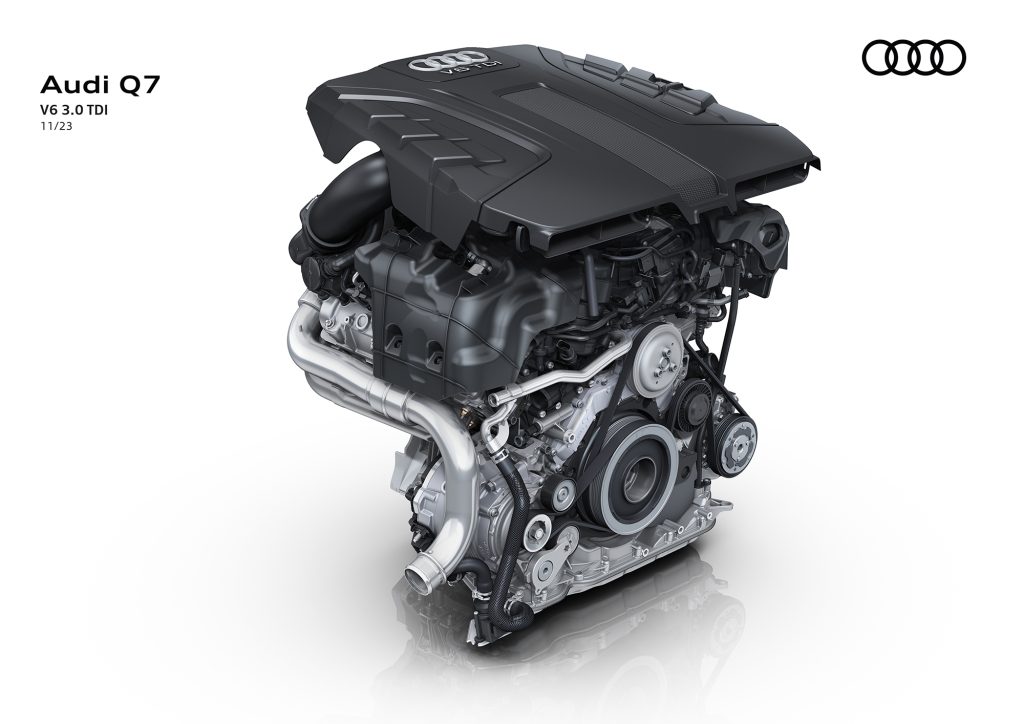
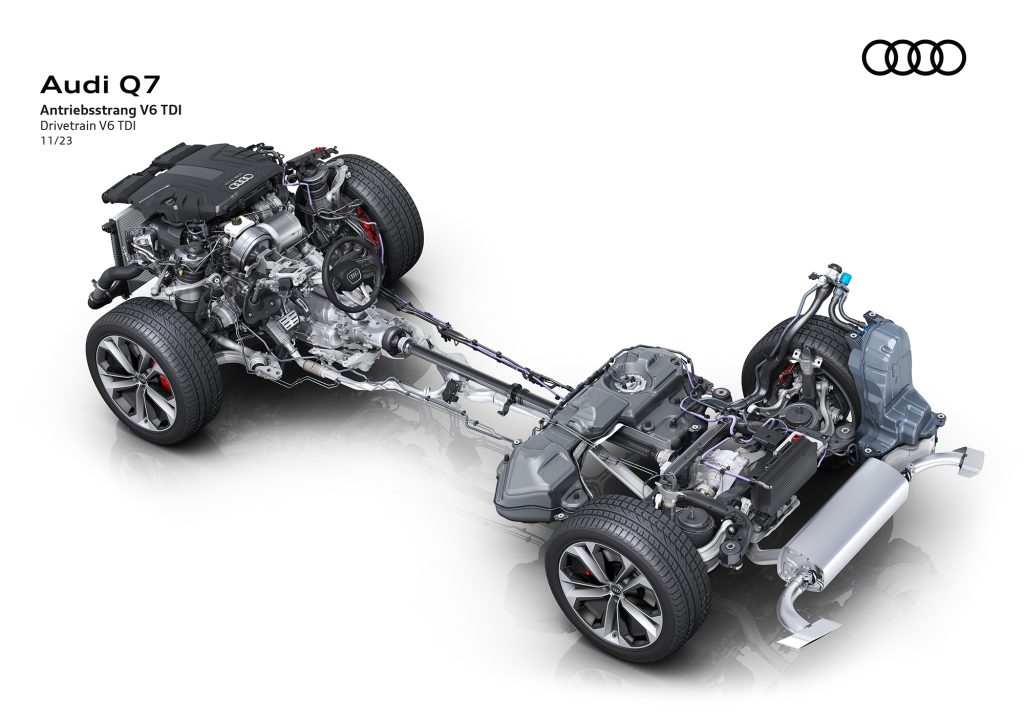
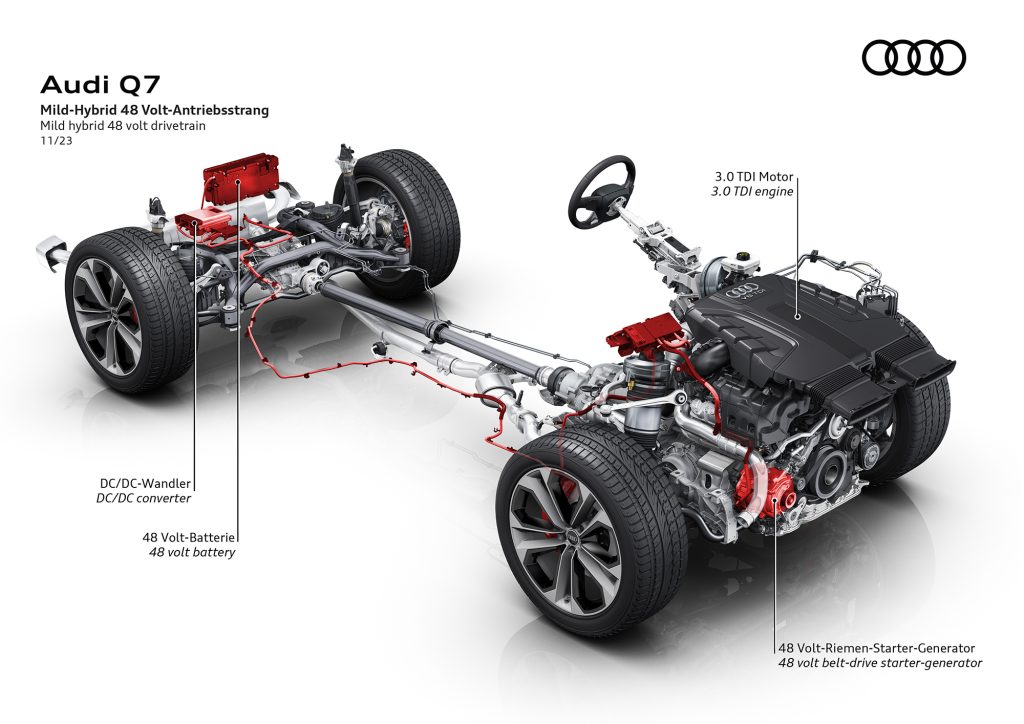
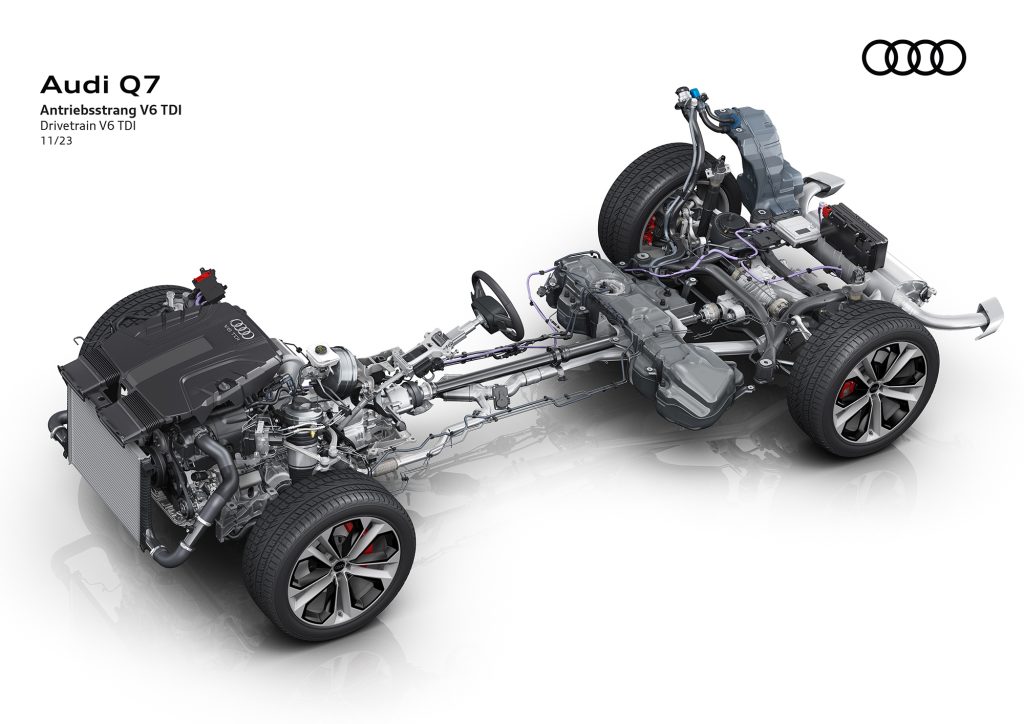
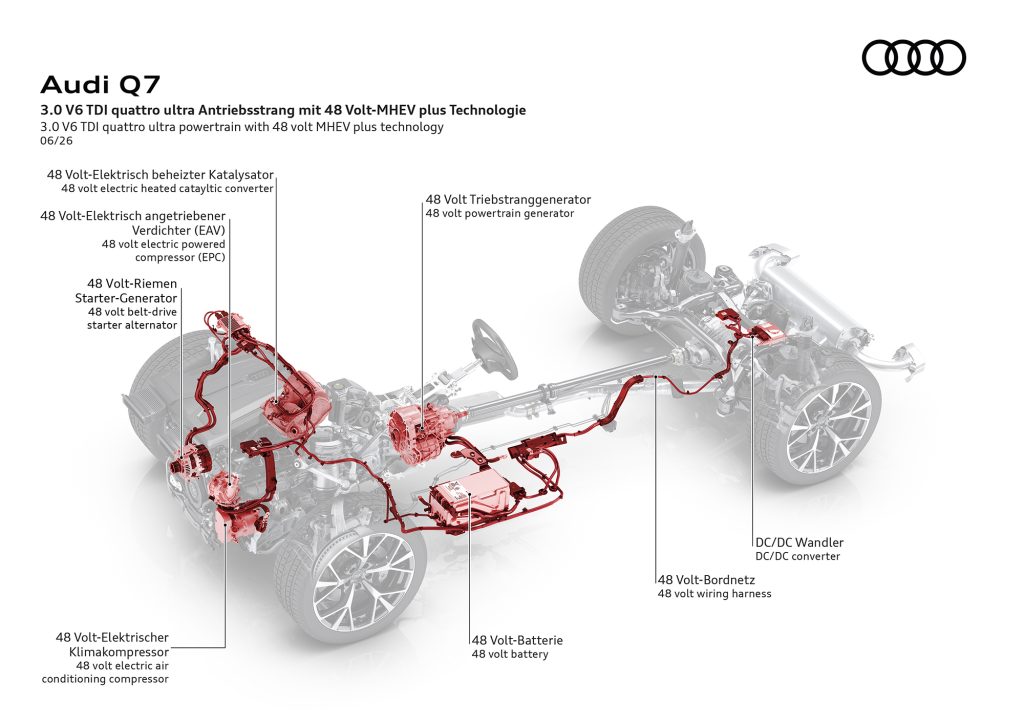
Engine (Q7 SUV TDI 245 PS): 3.0-liter V6 TDI with MHEV plus technology, 180 kW (245 PS) and 500 Nm of torque
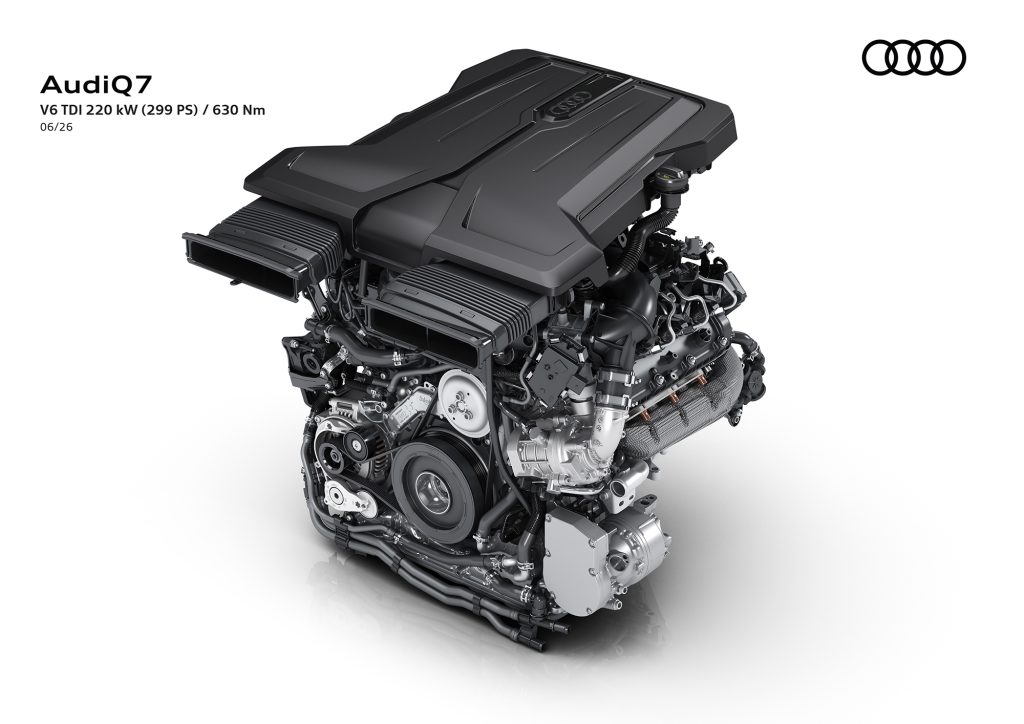
Engine (Q7 SUV TDI 299 PS): 3.0-liter V6 TDI with MHEV plus technology, 220 kW (299 PS) and 630 Nm of torque
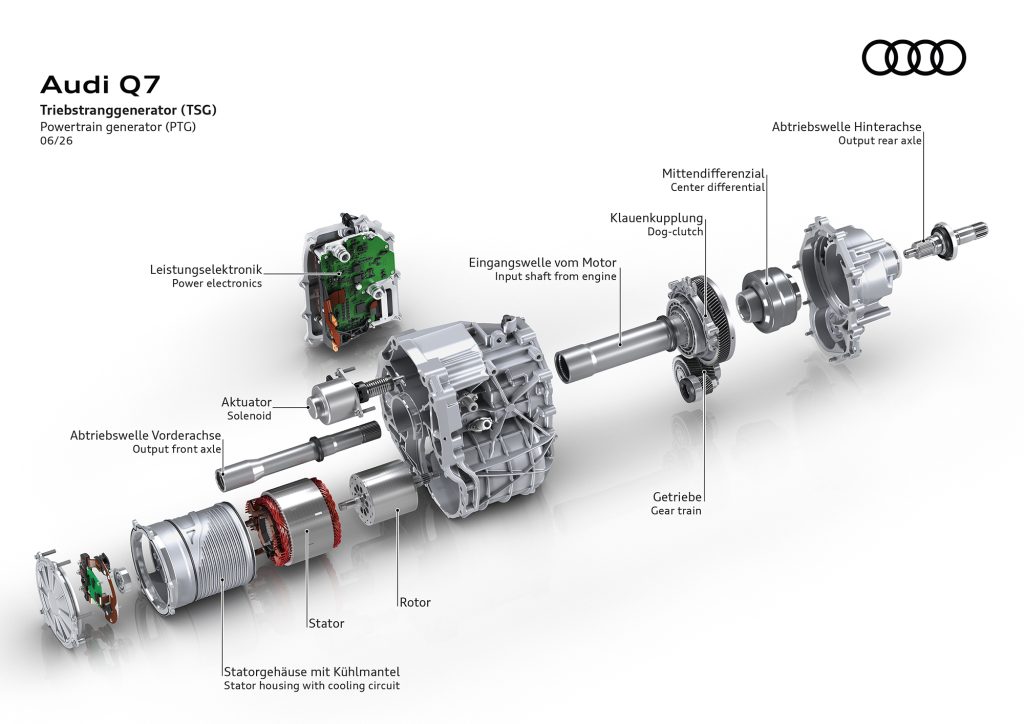
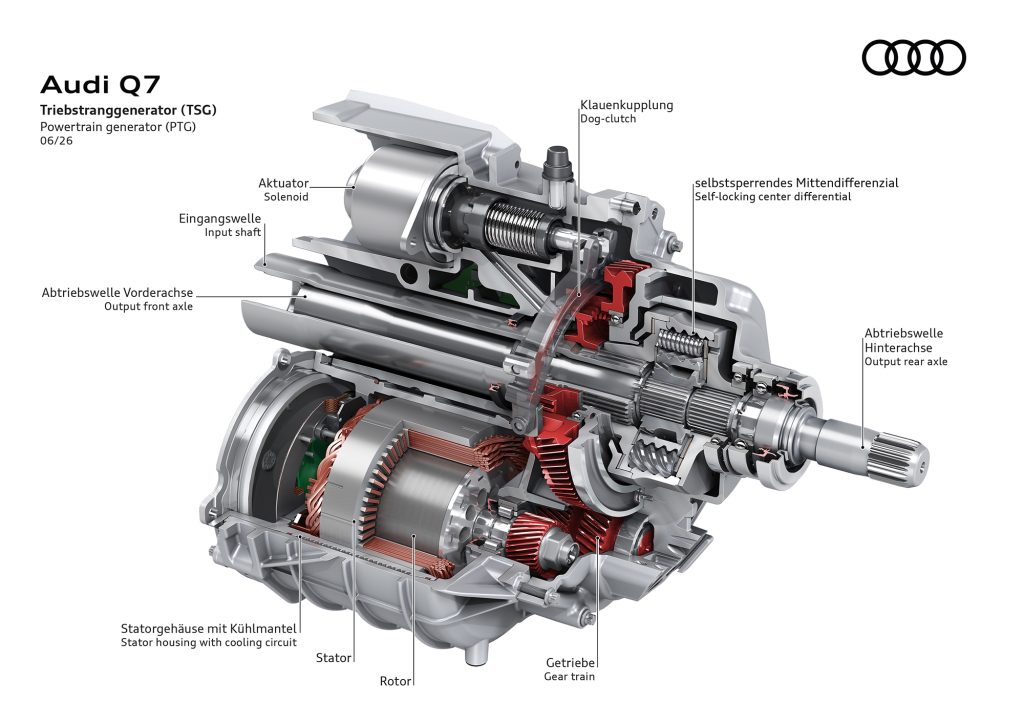
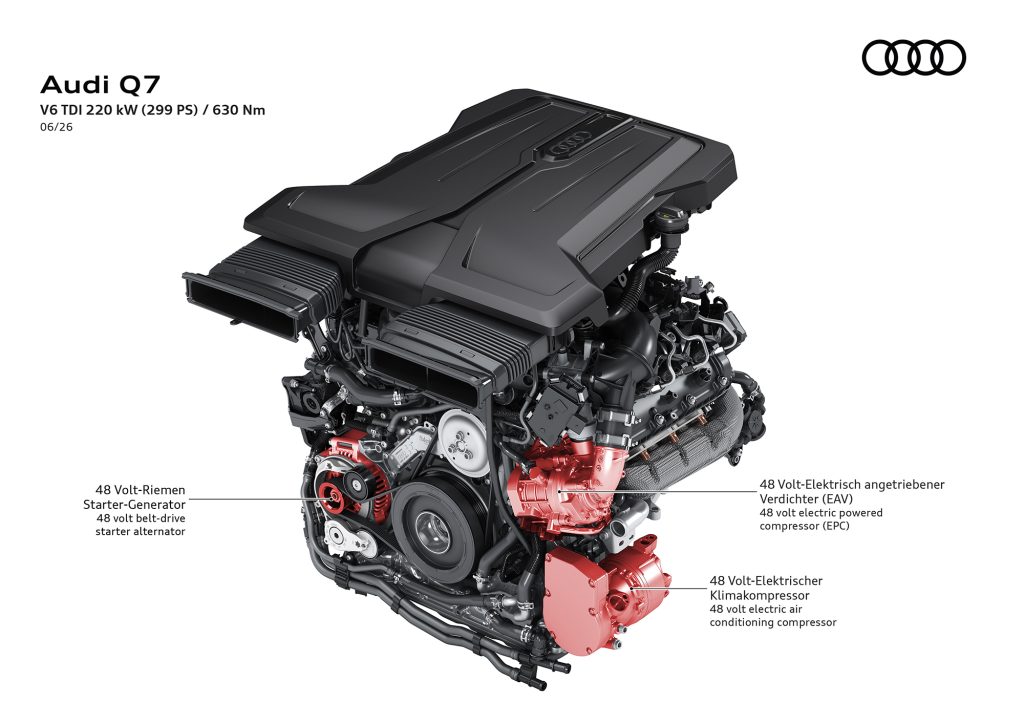
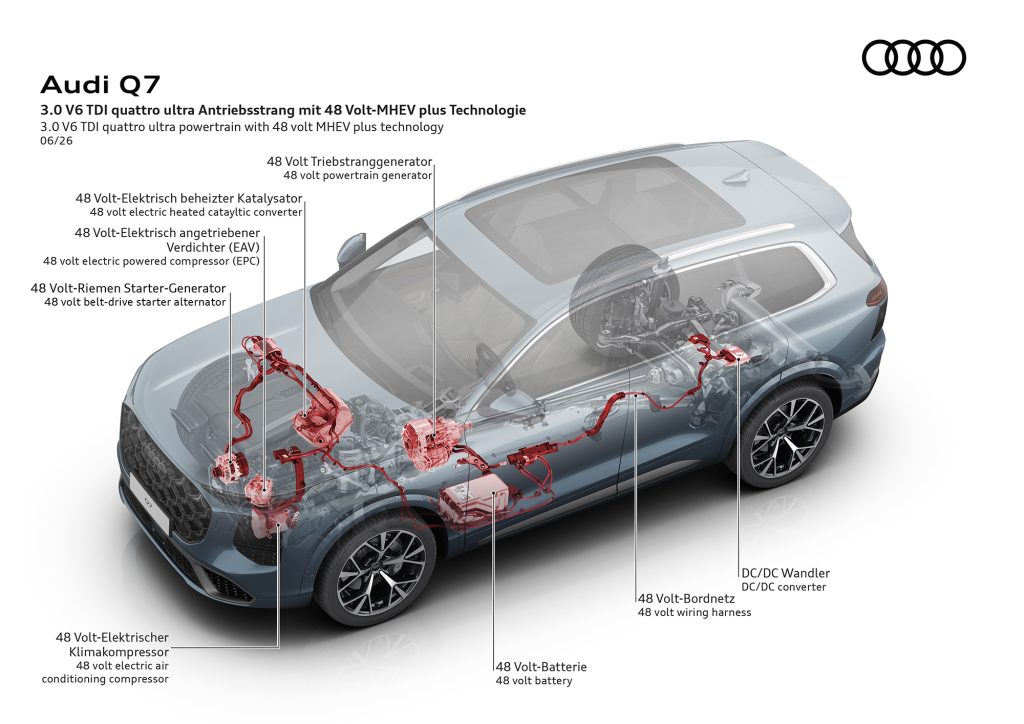
MHEV Plus System: 48-volt electrical architecture with powertrain generator, recuperation capability and up to 18 kW (24 PS) of additional propulsion assistance
Transmission: 8-speed tiptronic automatic
Drivetrain: quattro all-wheel drive with self-locking center differential
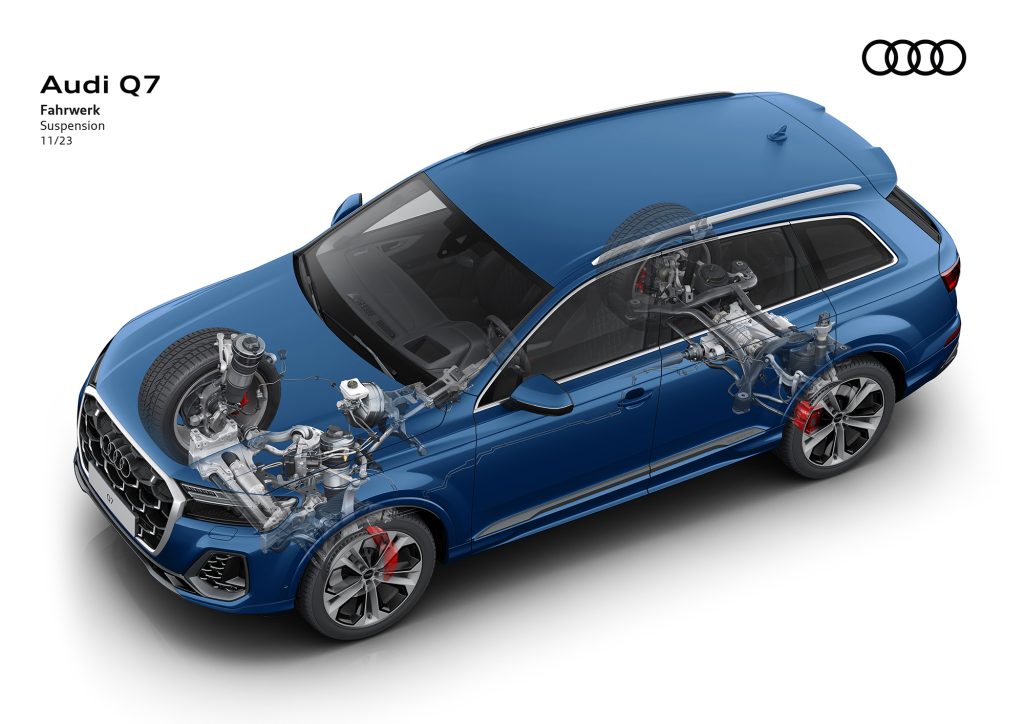
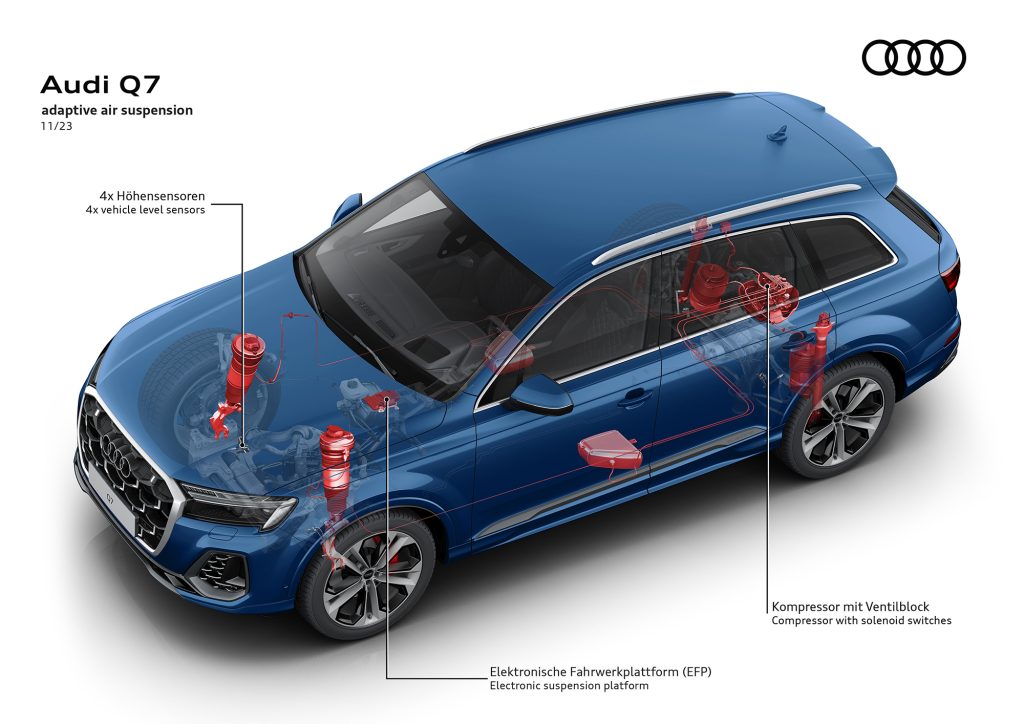
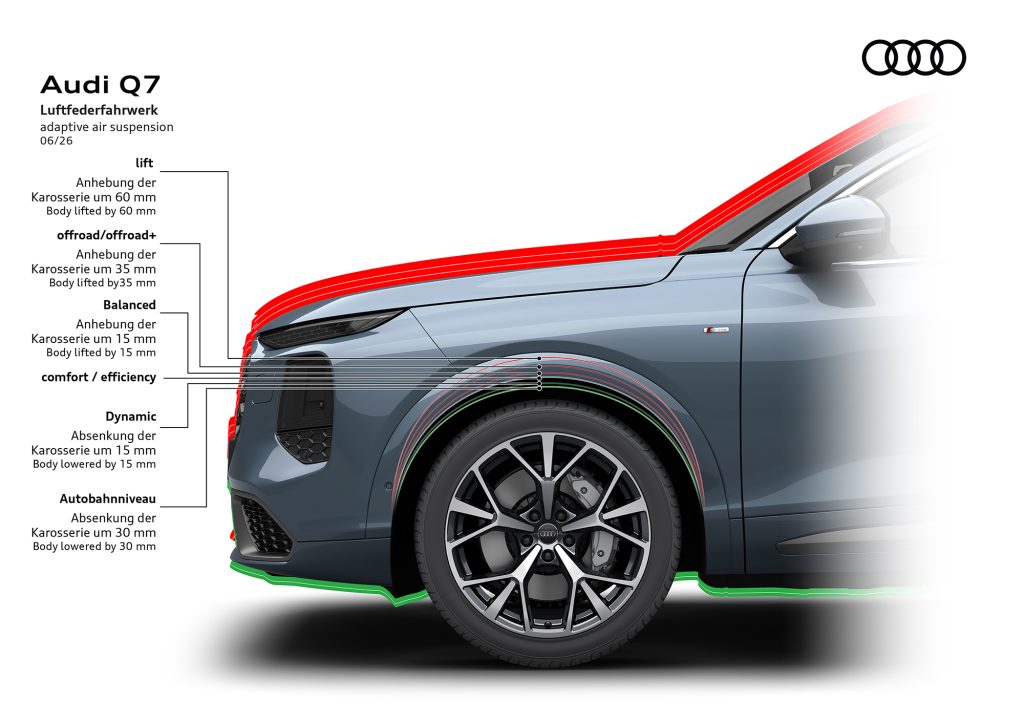
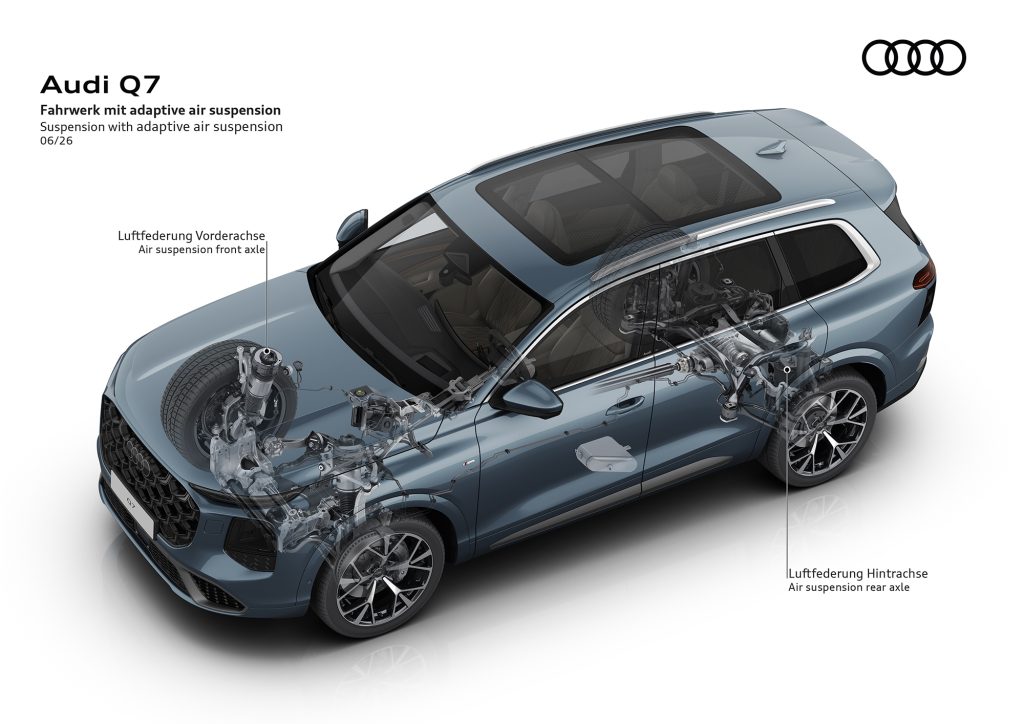
Suspension: Steel spring suspension standard; adaptive air suspension and adaptive air suspension sport available
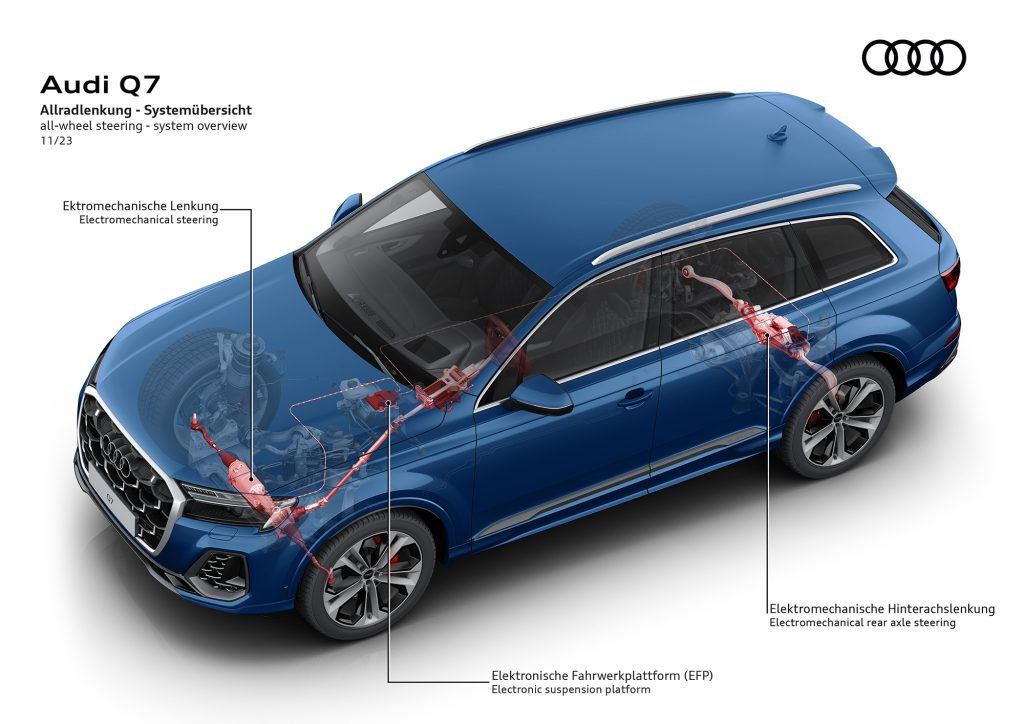
Steering: Progressive steering with optional all-wheel steering
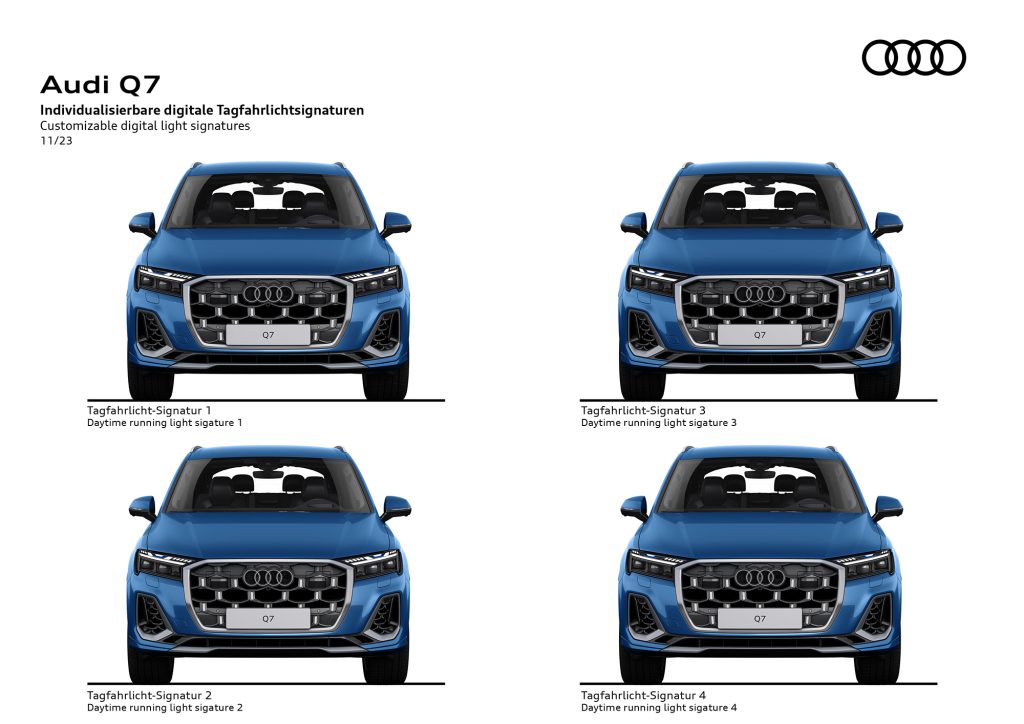
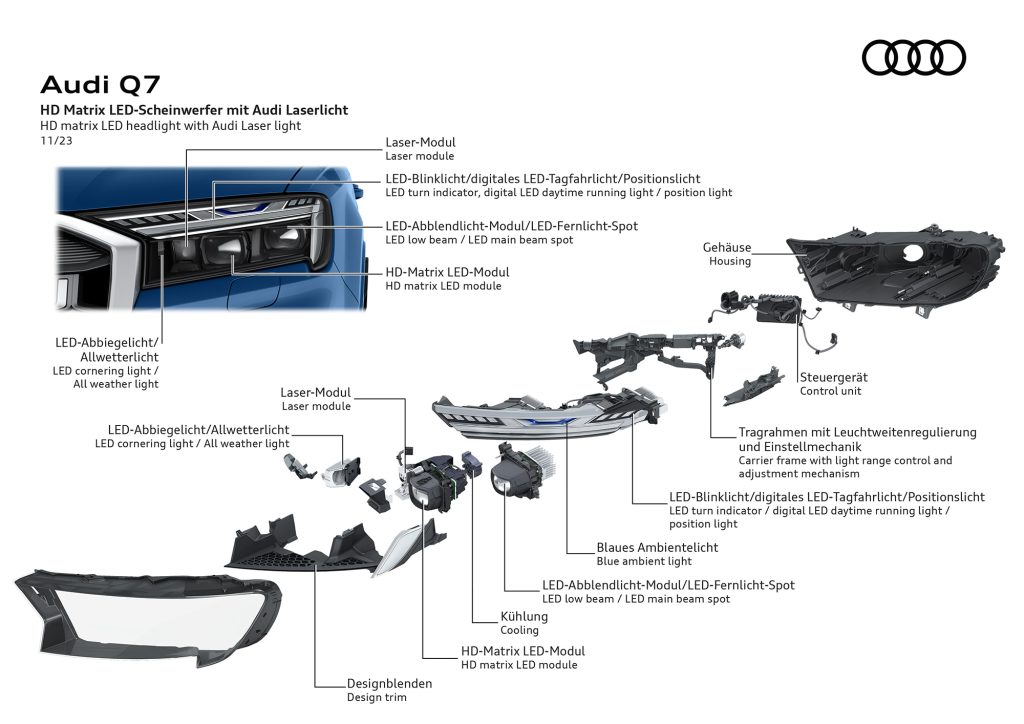
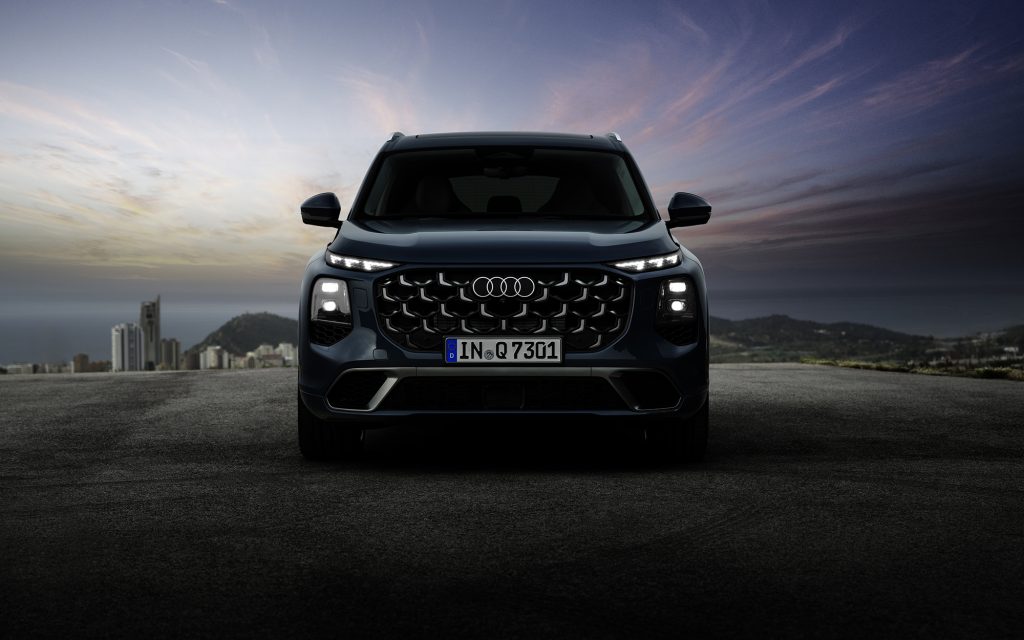
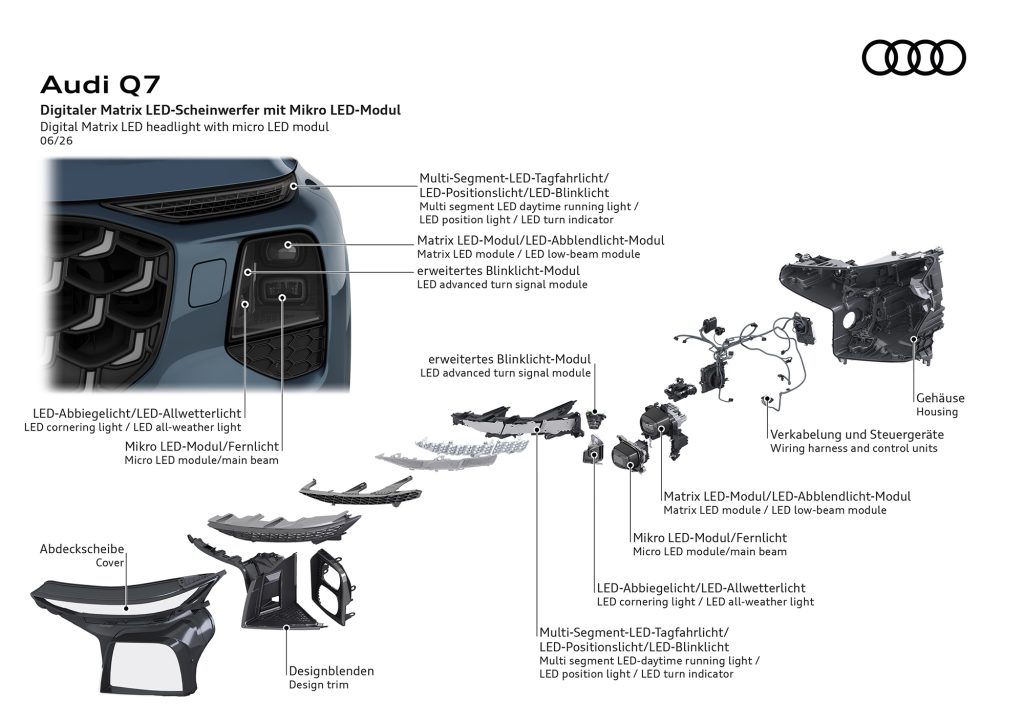
Headlights: LED headlights standard; Digital Matrix LED headlights with micro-LED technology available
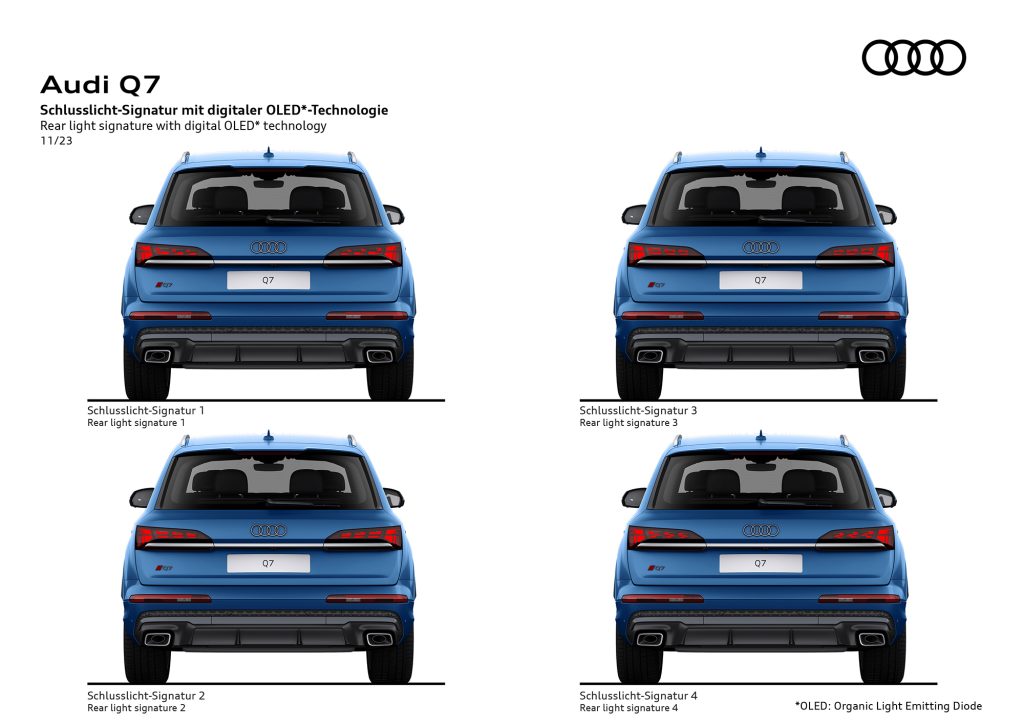
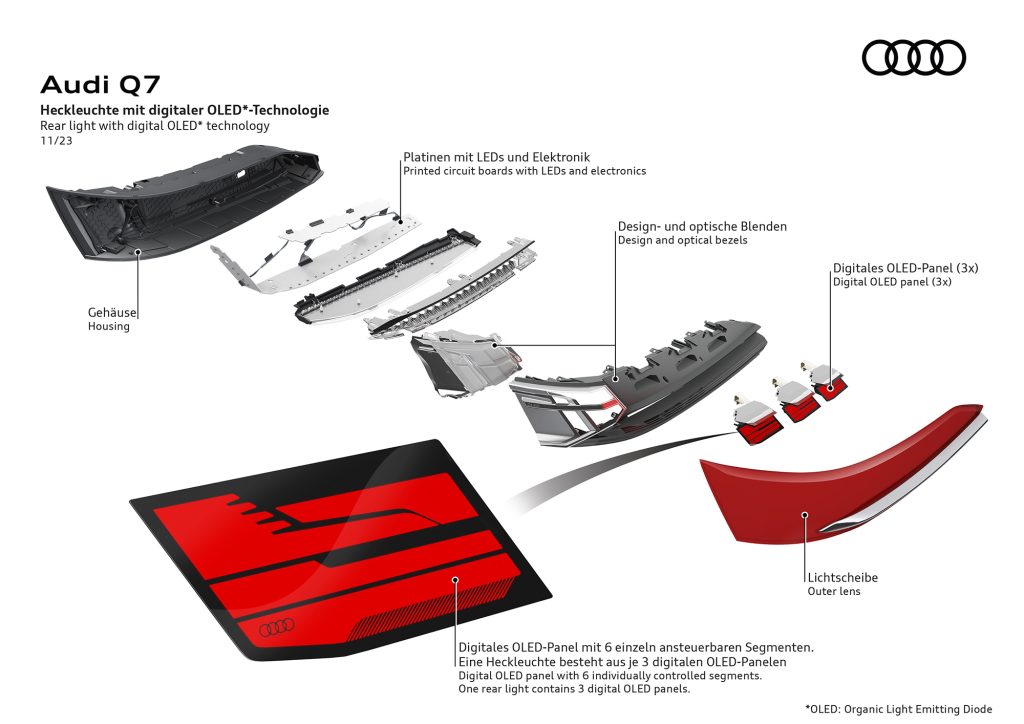
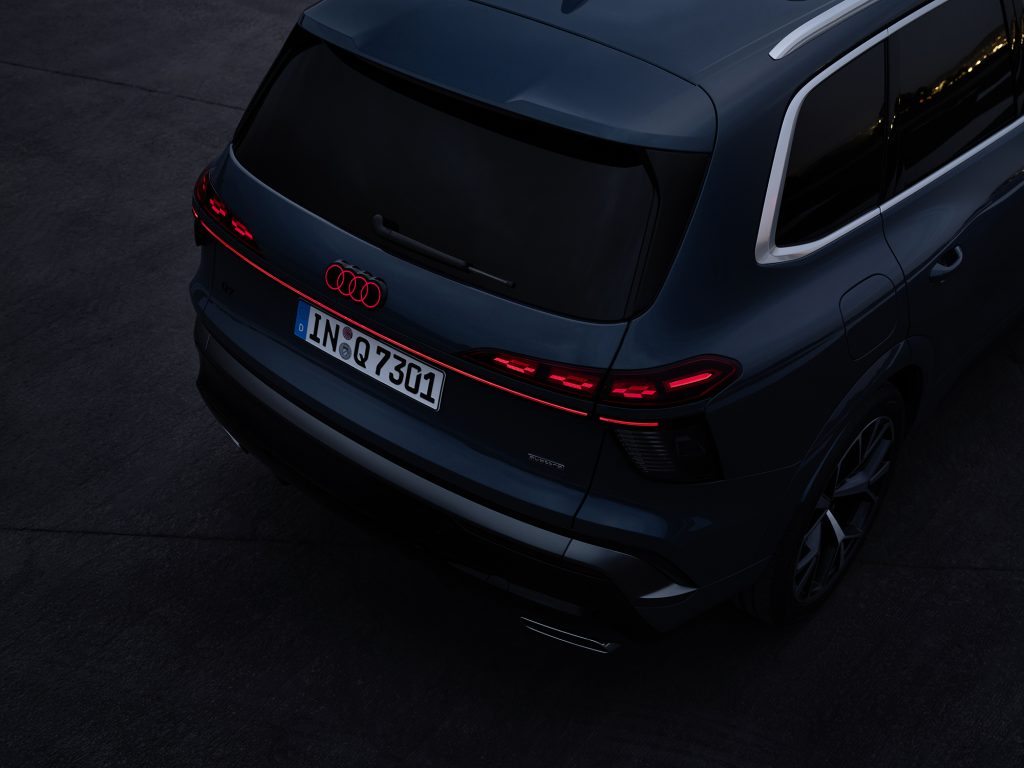
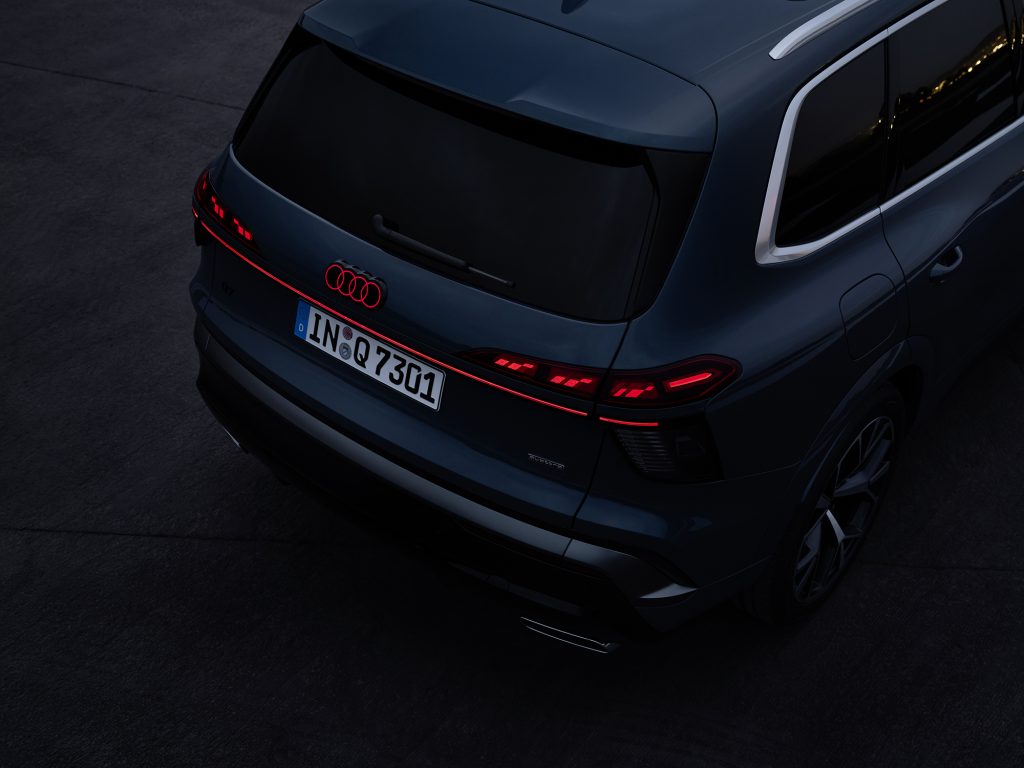
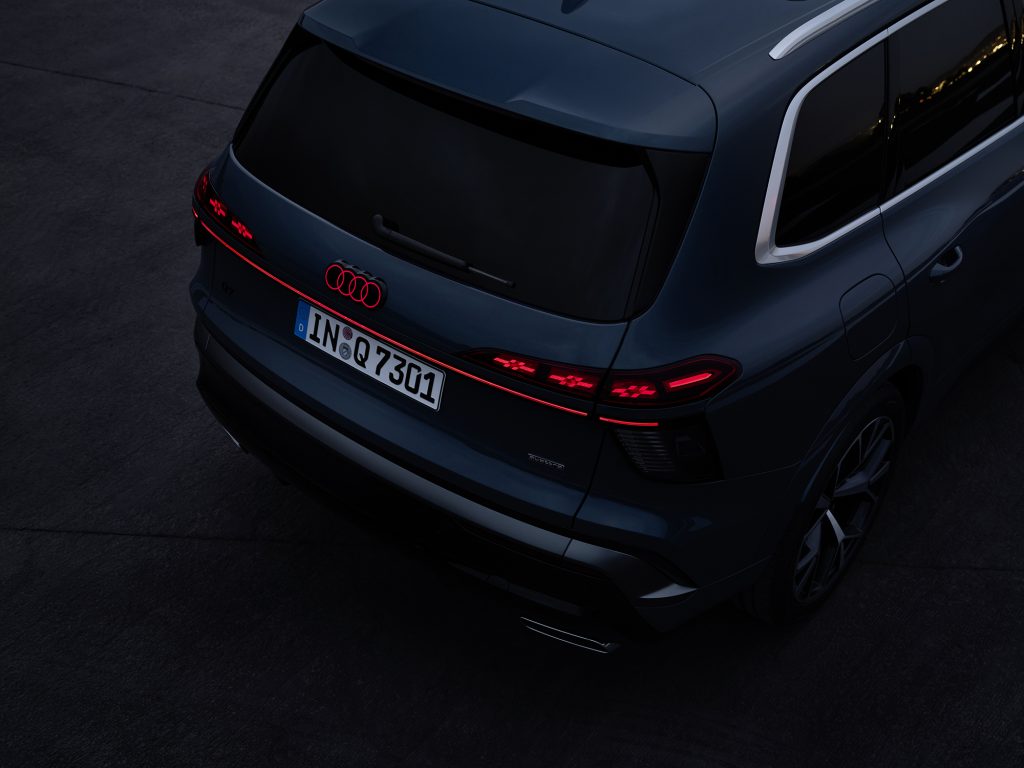
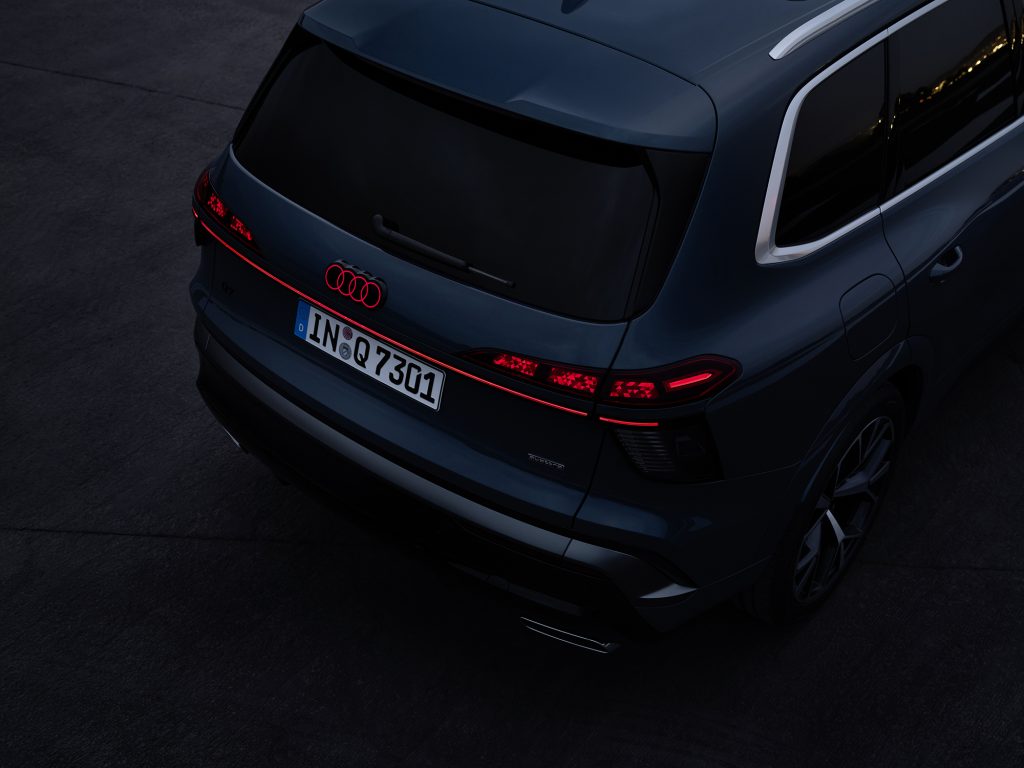
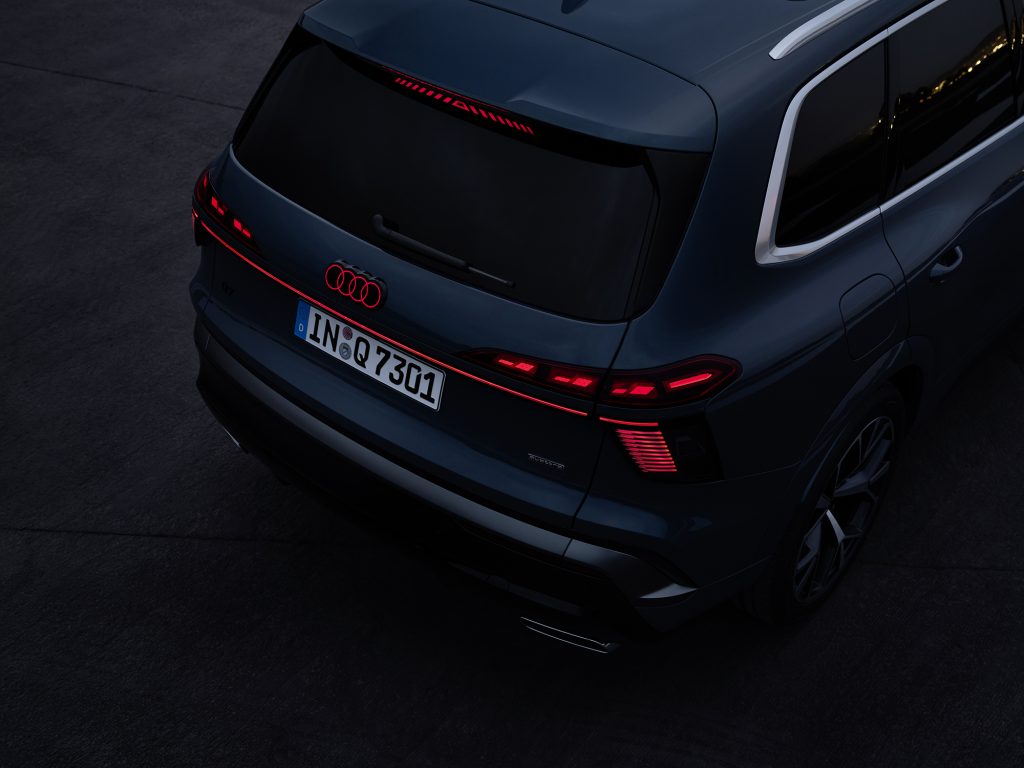
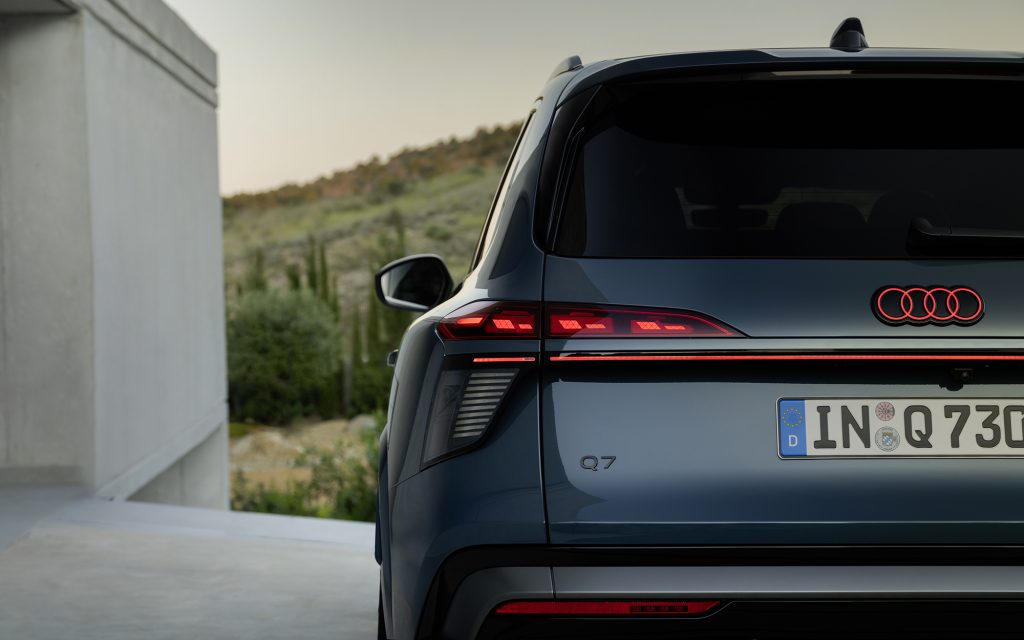
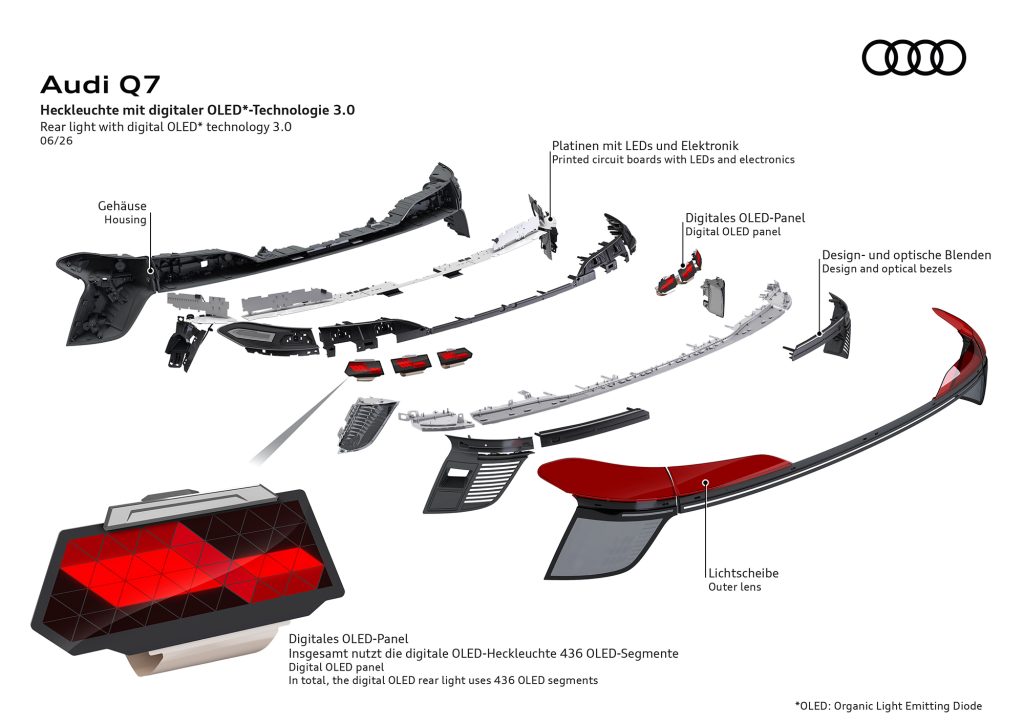
Rear Lamps: OLED rear lamps available with selectable digital light signatures
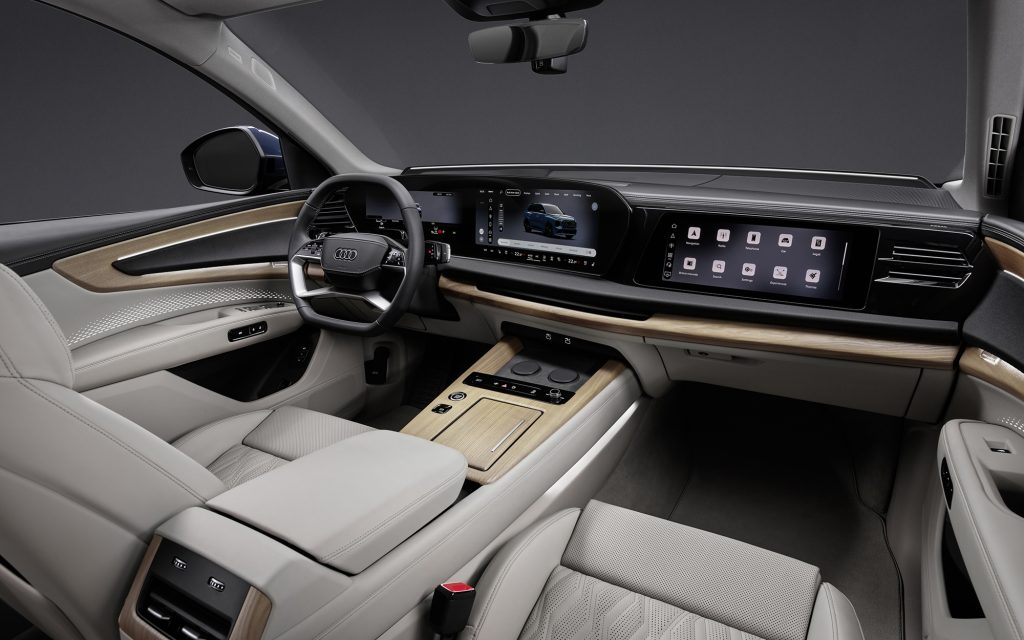
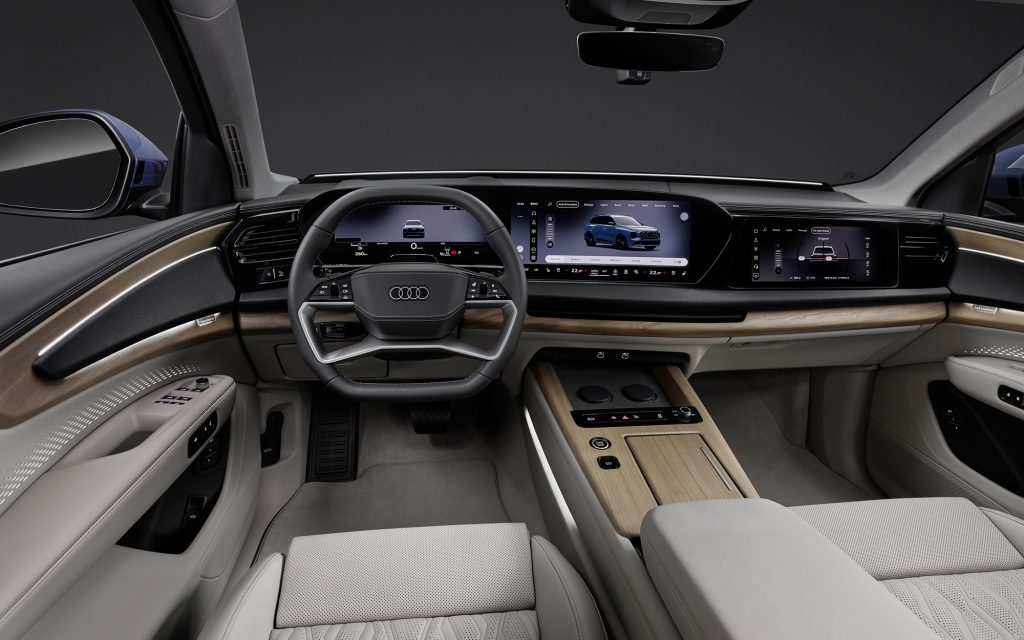
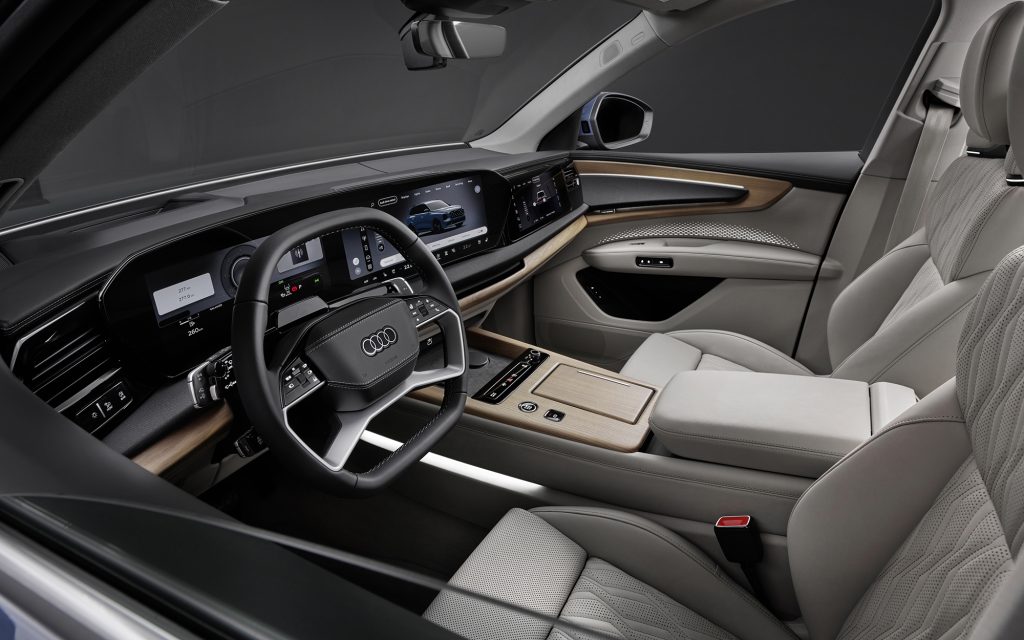
Displays: Audi MMI panoramic display with optional passenger display
Connectivity: Audi Application Store, smartphone integration, AI-powered Audi assistant and ChatGPT integration
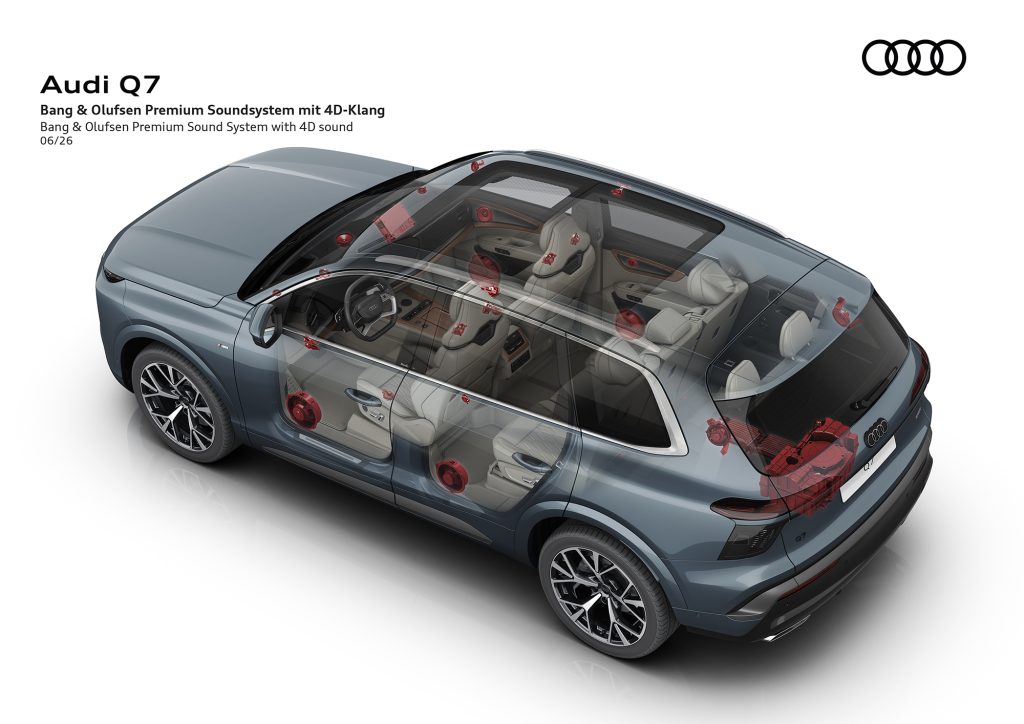
Audio: Bang & Olufsen 4D Premium Sound System available
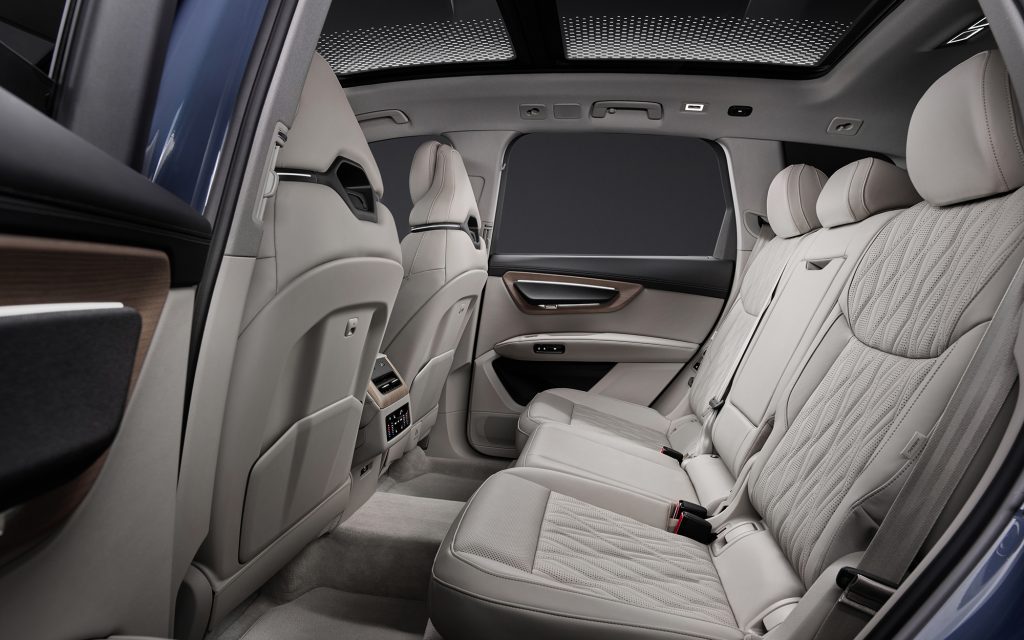
Roof: Illuminated panoramic glass roof with switchable transparency technology
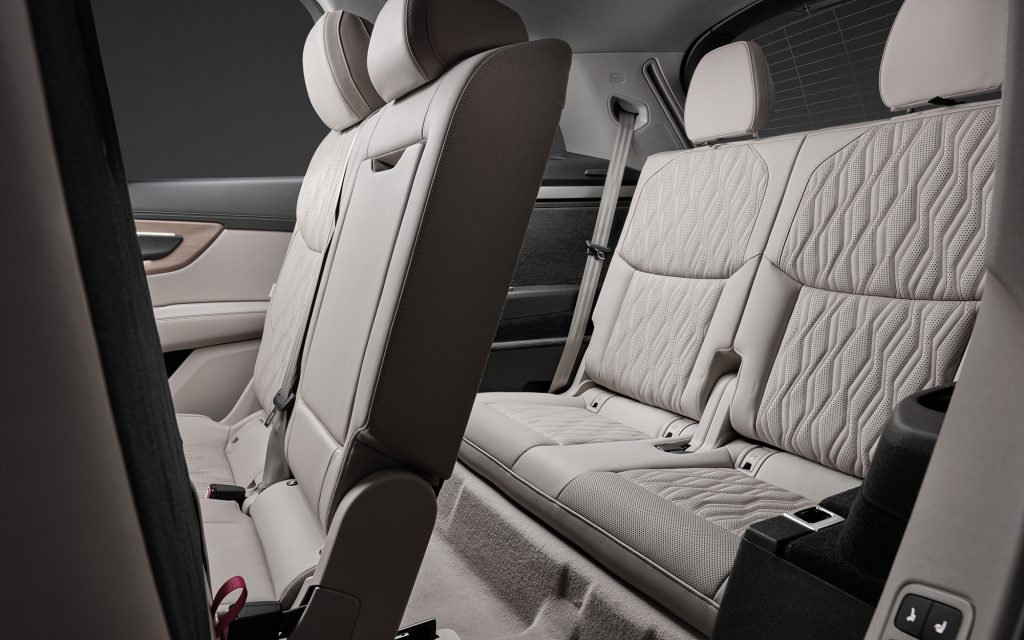
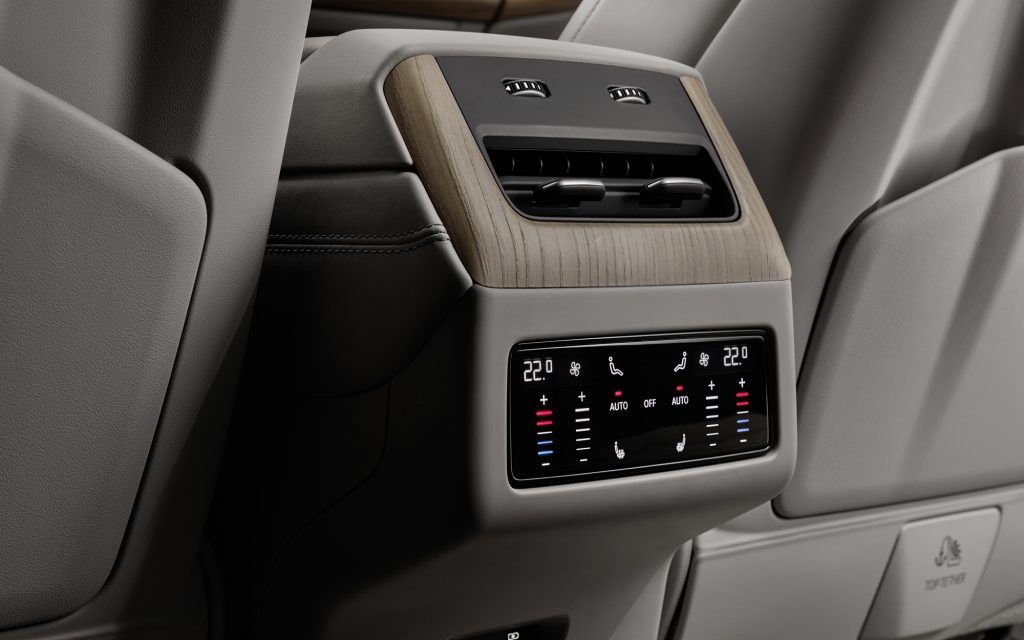
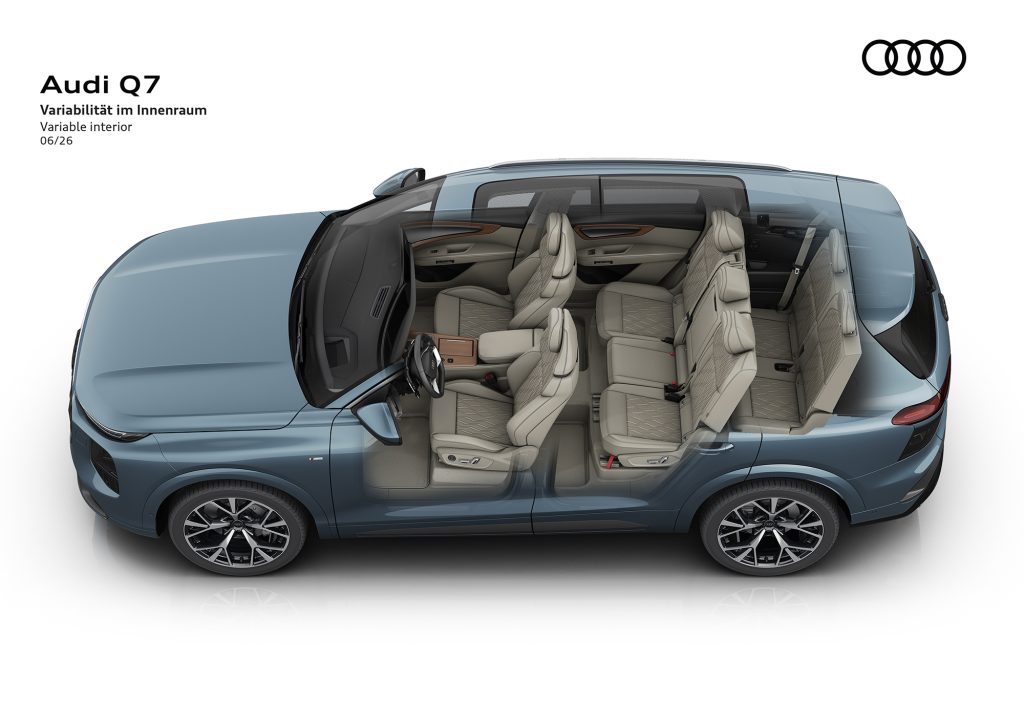
Seating Capacity: 5, 6 or 7 occupants
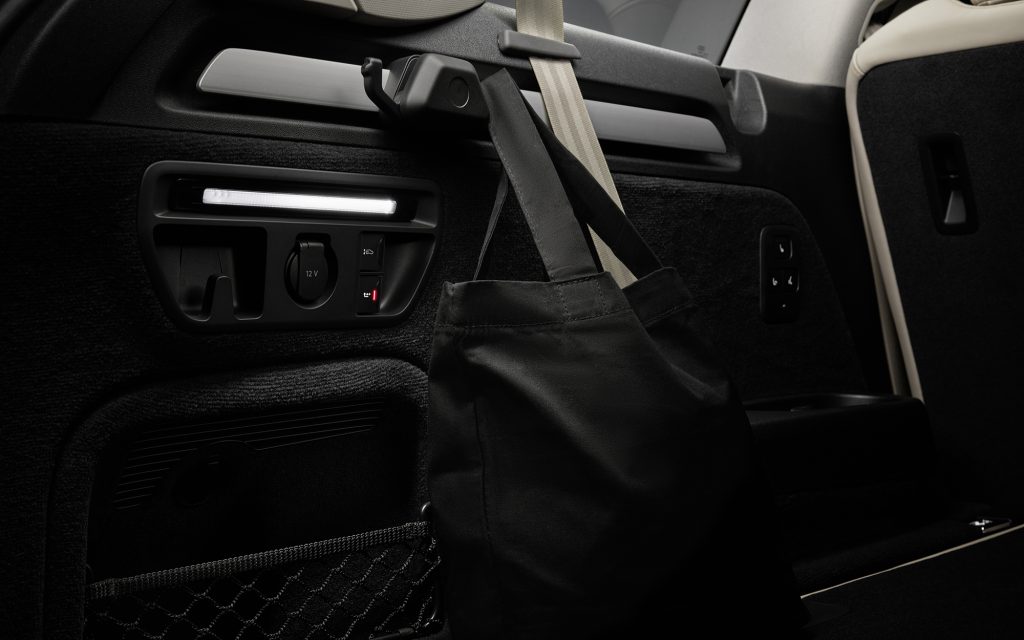
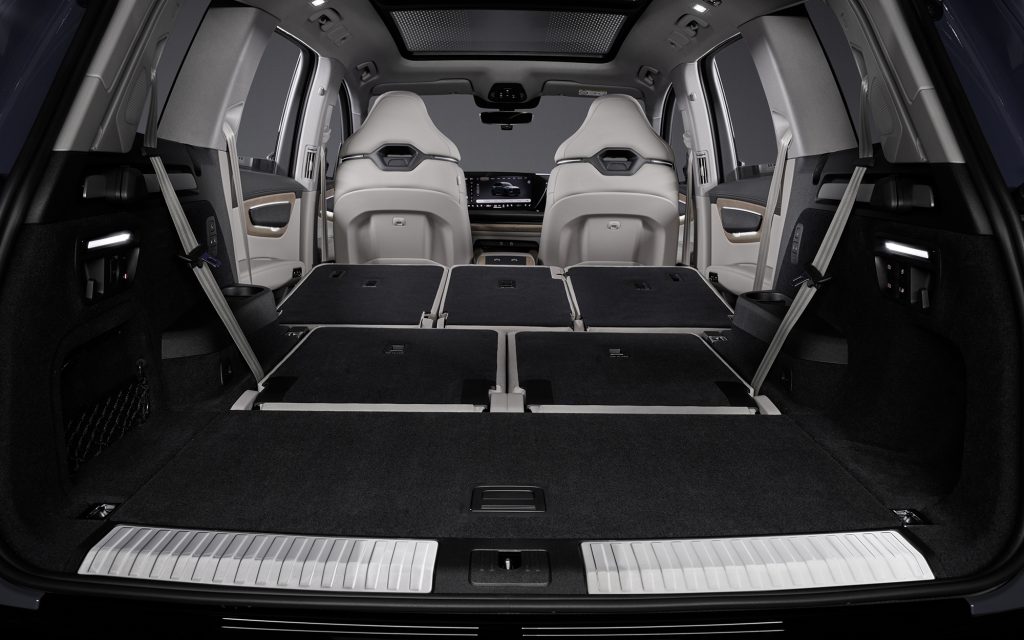
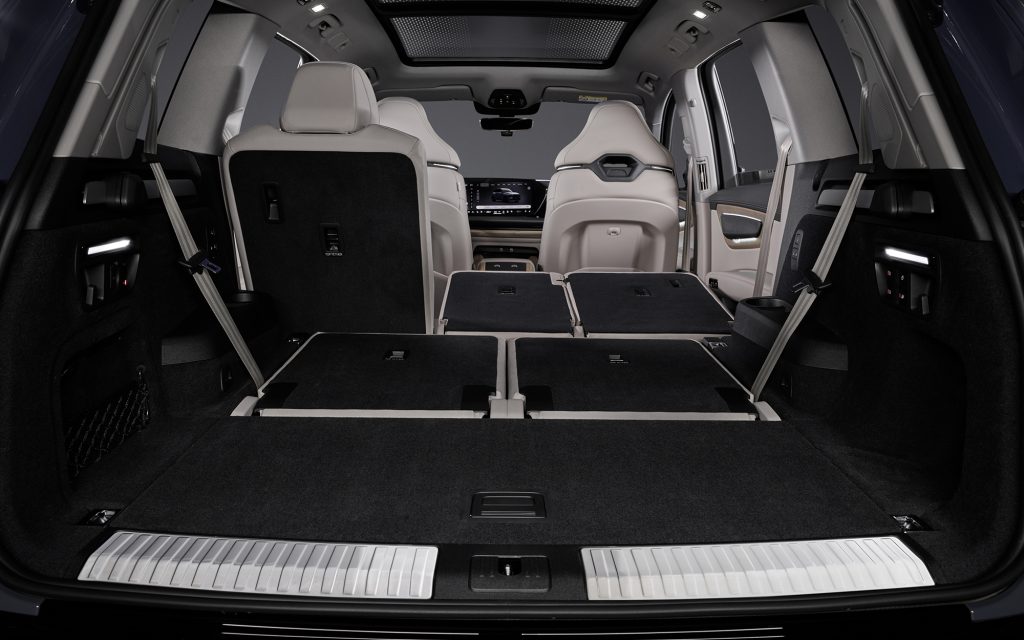
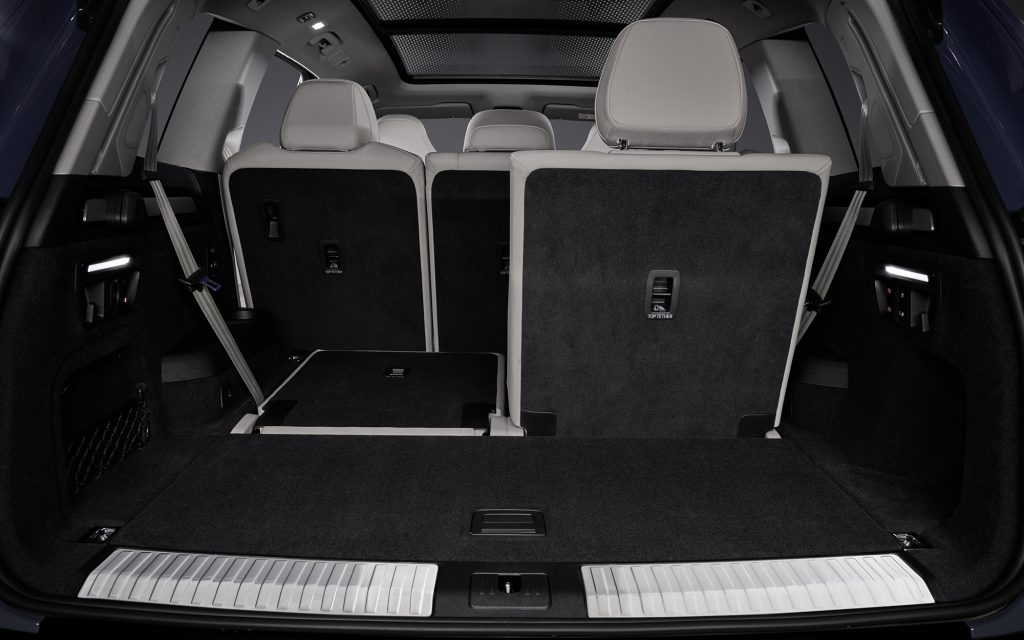
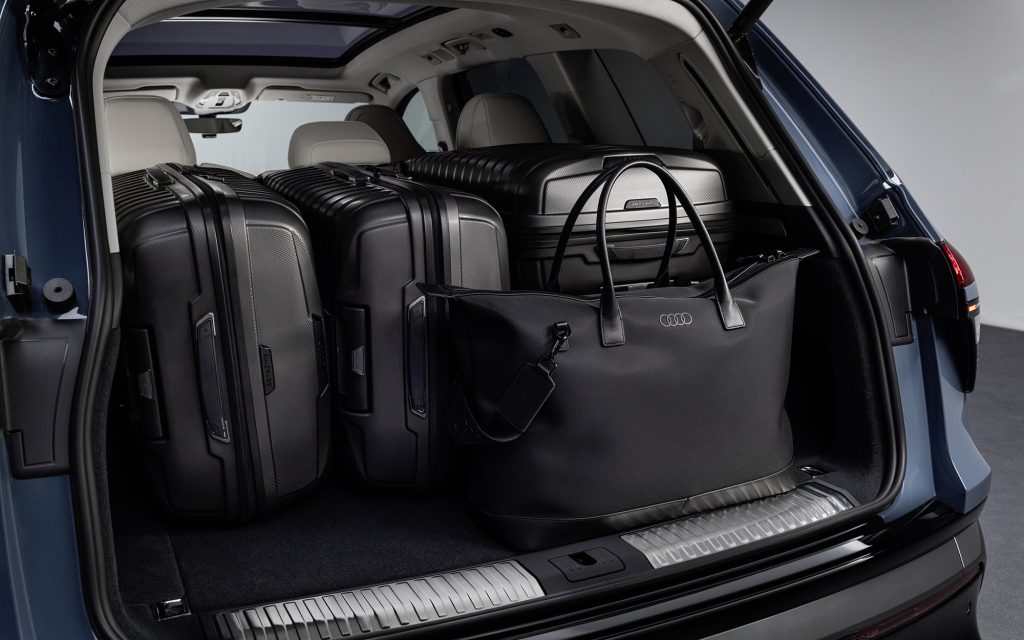
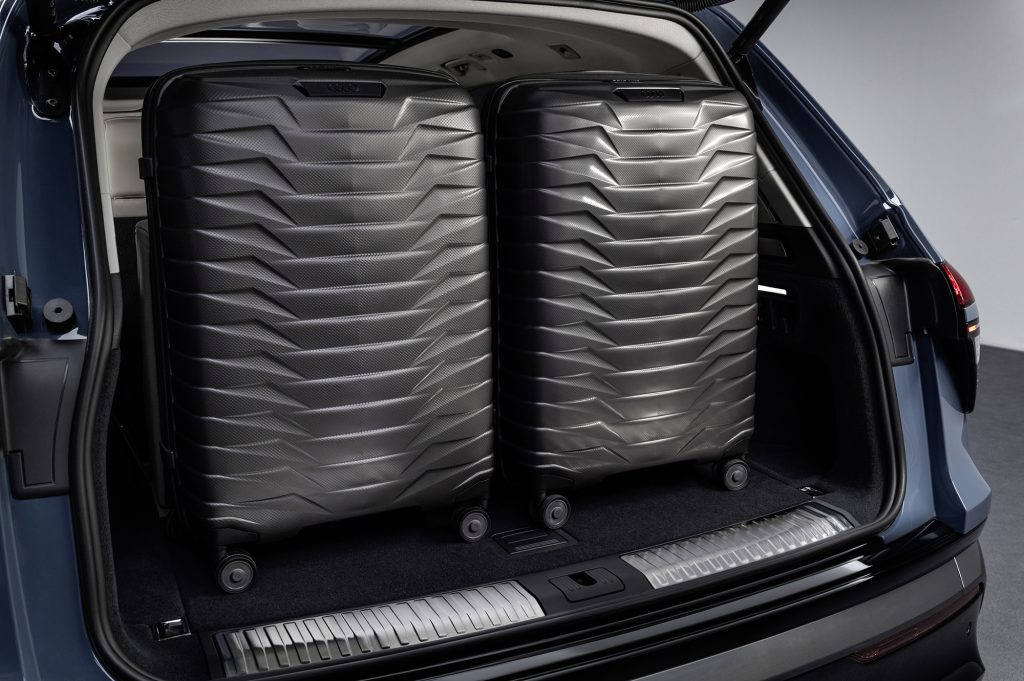
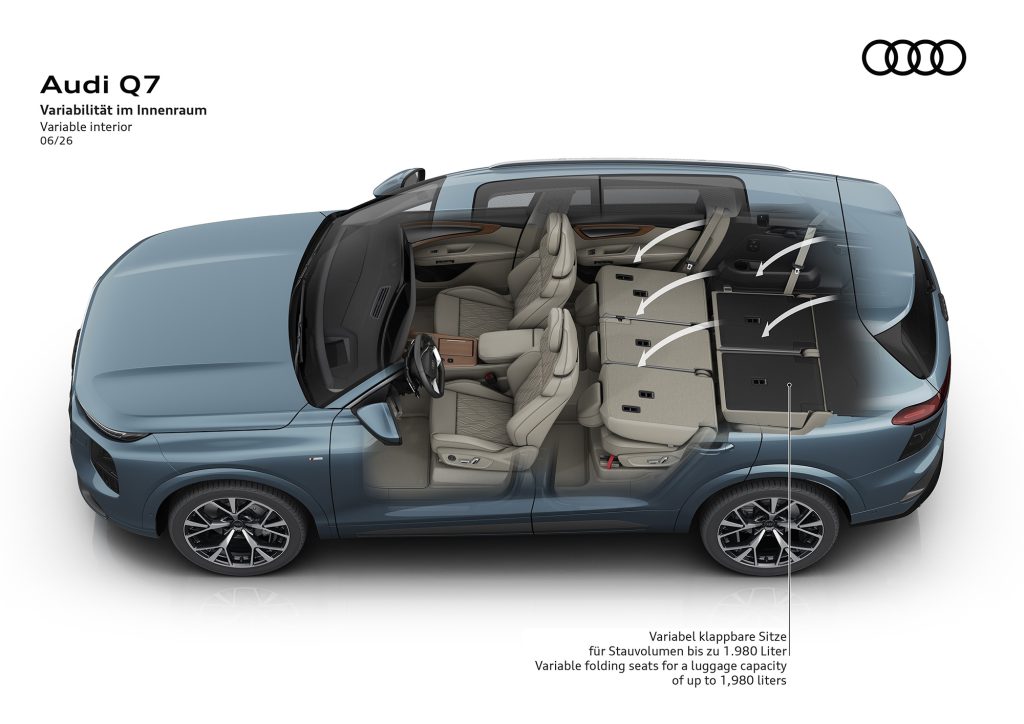
Cargo Capacity: 806 liters luggage capacity; up to 2,075 liters with rear seats folded
DIMENSIONS
Length: 5,056 mm
Wheelbase: 2,994 mm
Width: 2,010 mm
Width Including Mirrors: 2,205 mm
Height: 1,808 mm
Front Track: 1,679 mm
Rear Track: 1,711 mm
Front Shoulder Room: 1,577 mm
Front Elbow Room: 1,511 mm
Rear Shoulder Room: 1,550 mm
Rear Elbow Room: 1,471 mm
Maximum Front Headroom: 1,032 mm
Maximum Second-Row Headroom: 1,036 mm
Maximum Third-Row Headroom: 973 mm
OVERVIEW
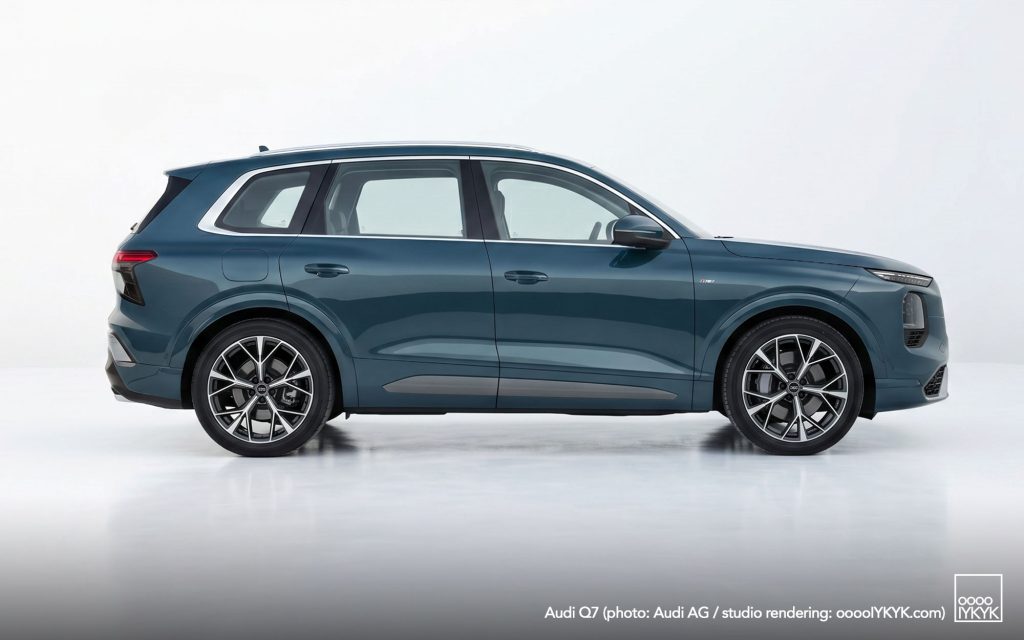
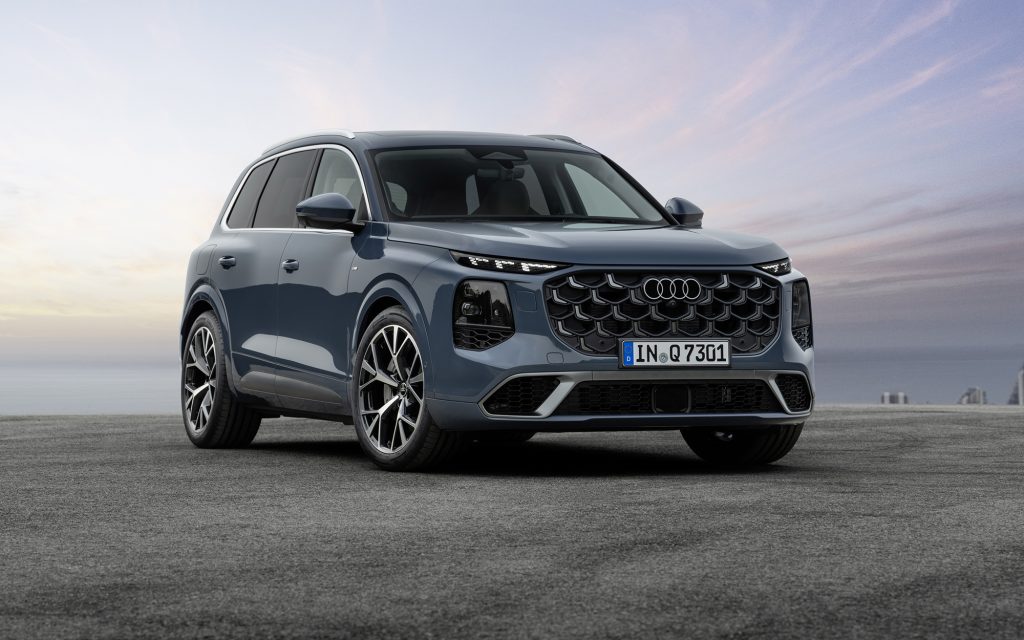
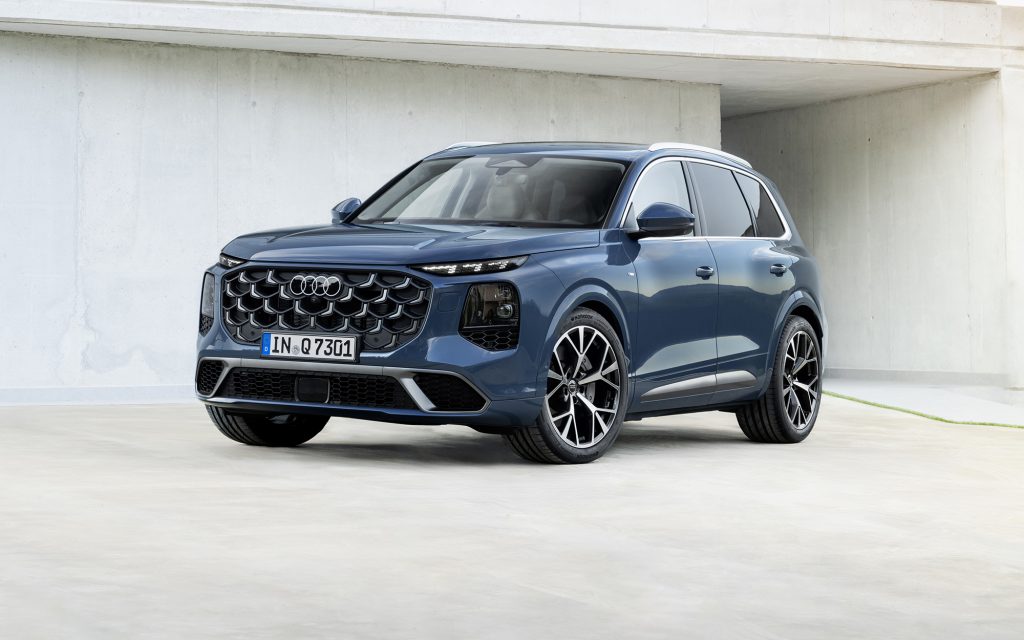
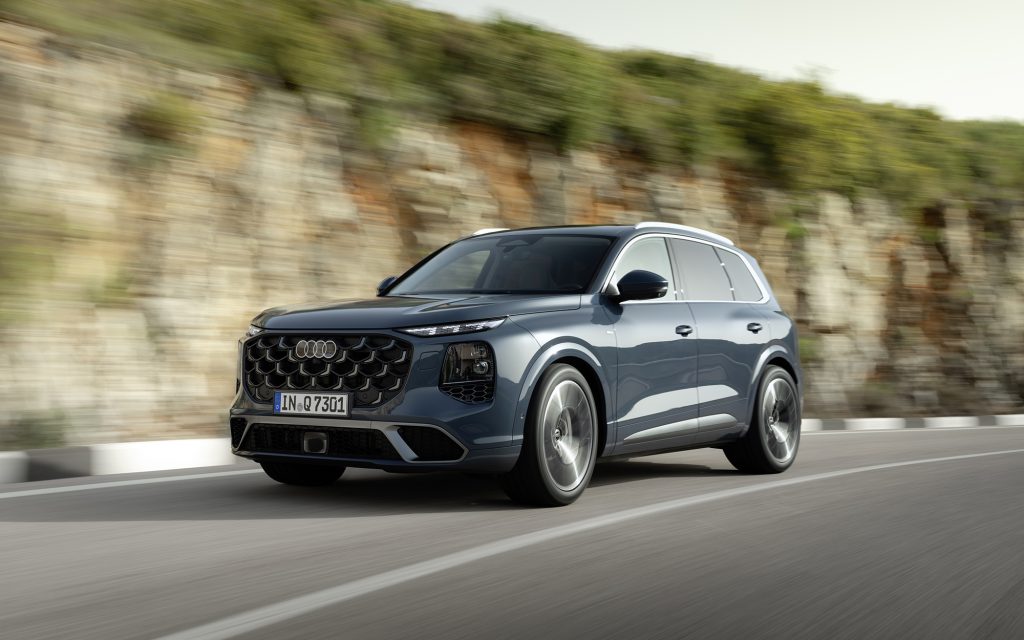
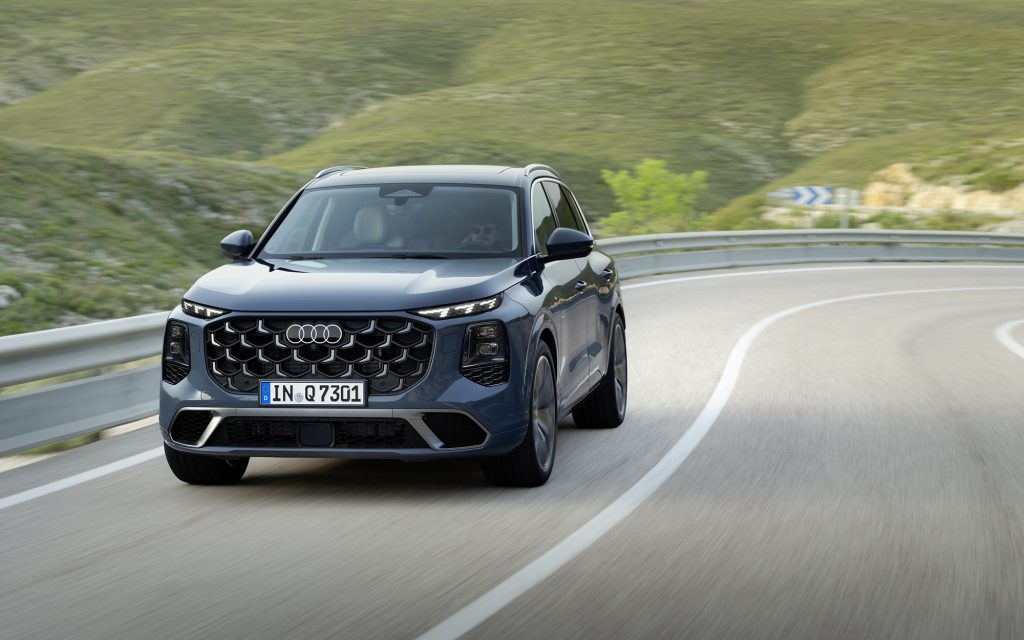
Introduced in June 2026, the third-generation Audi Q7 succeeded the second-generation 4M-series model as Audi’s flagship combustion-powered SUV for the European market. Developed on the Premium Platform Combustion (PPC) architecture, the new Q7 combined Audi’s latest digital technologies, lighting systems, chassis developments and mild-hybrid diesel drivetrains within the brand’s largest utility vehicle.
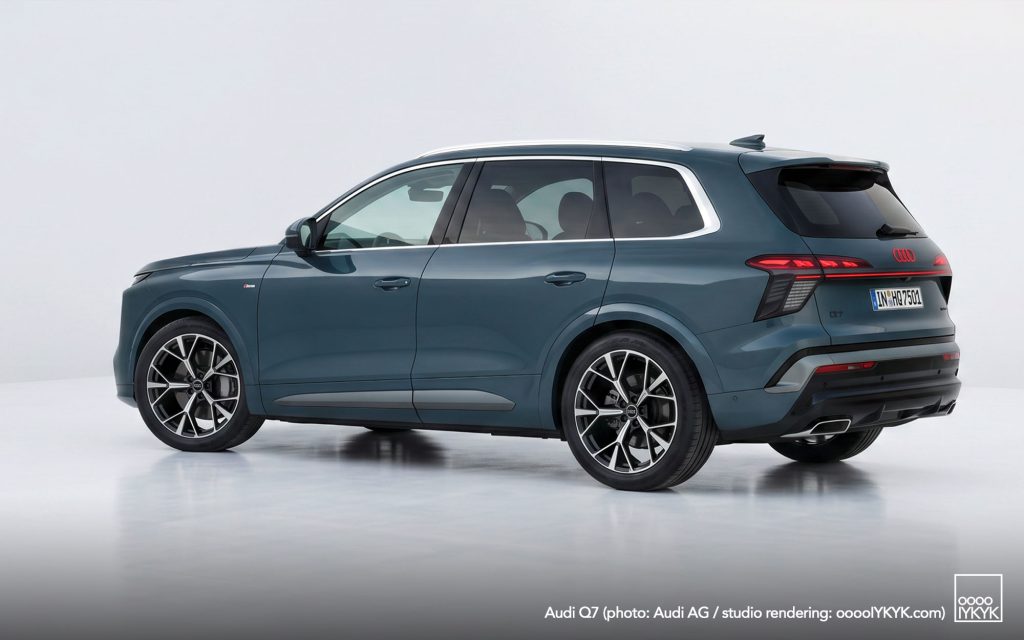
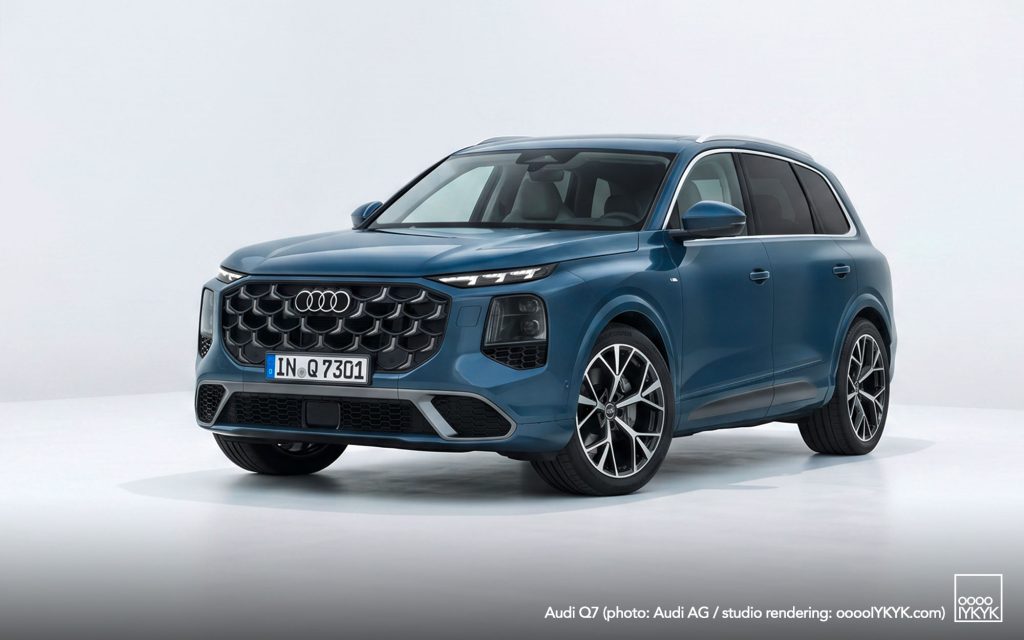
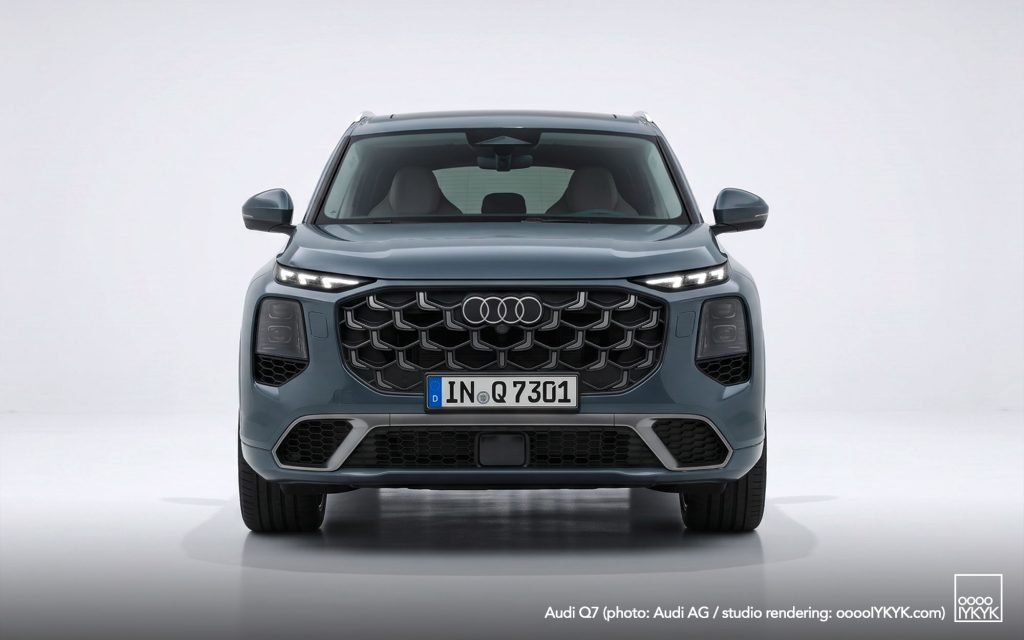
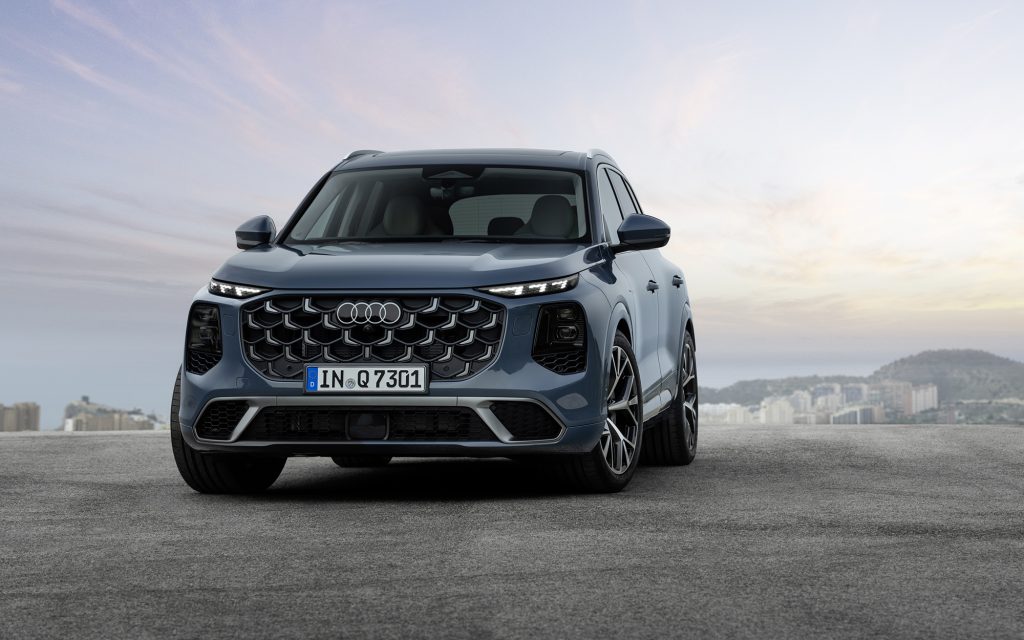
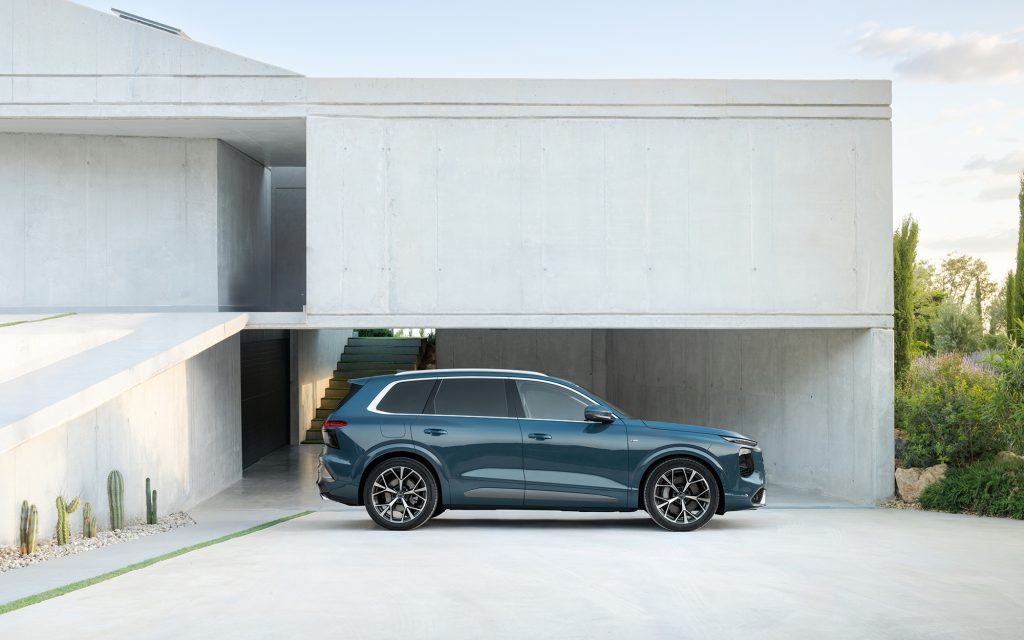
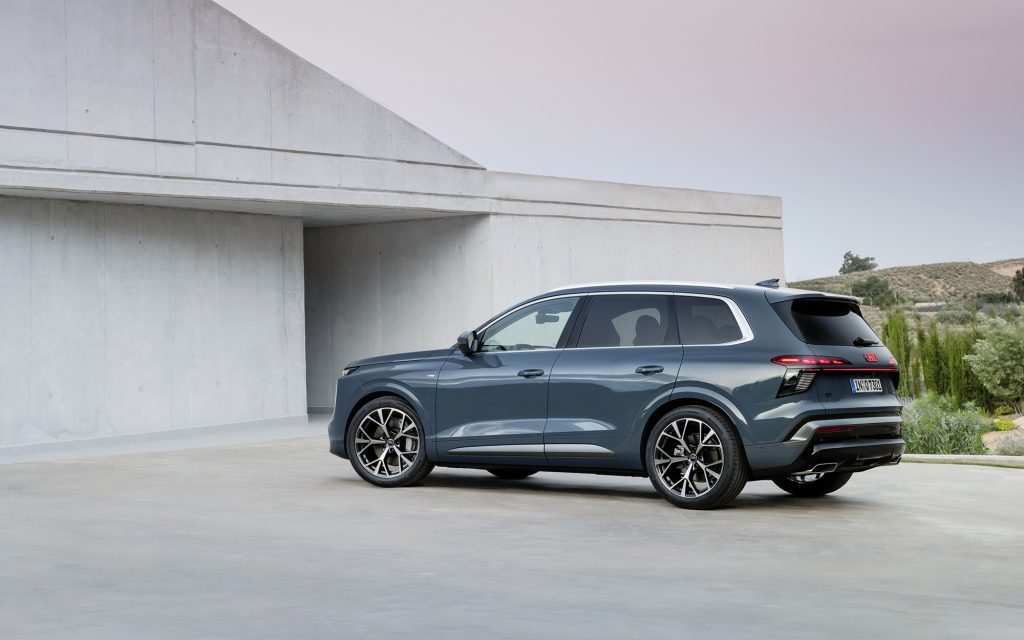
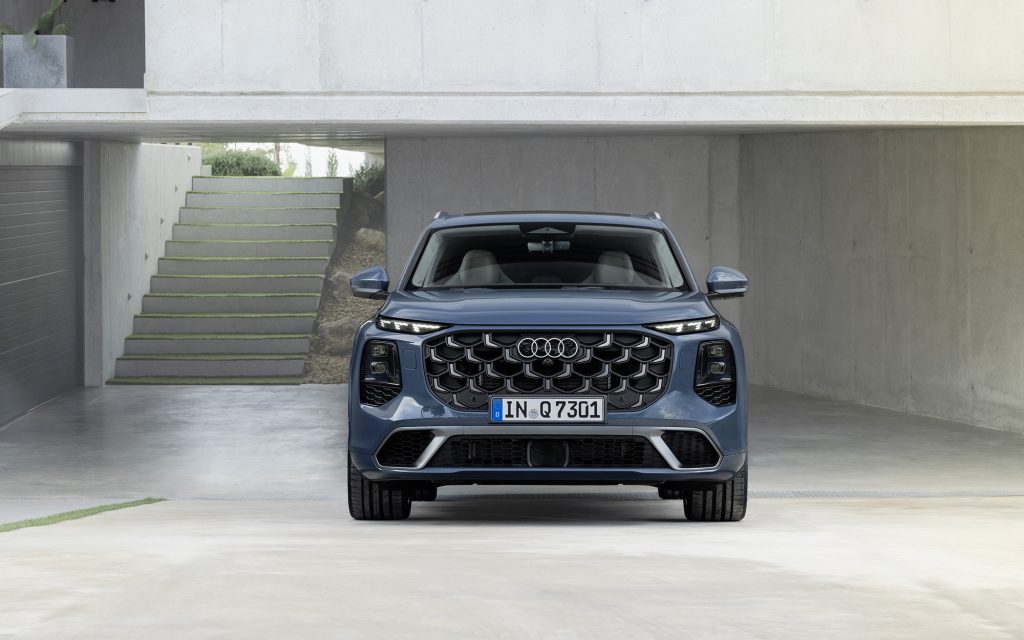
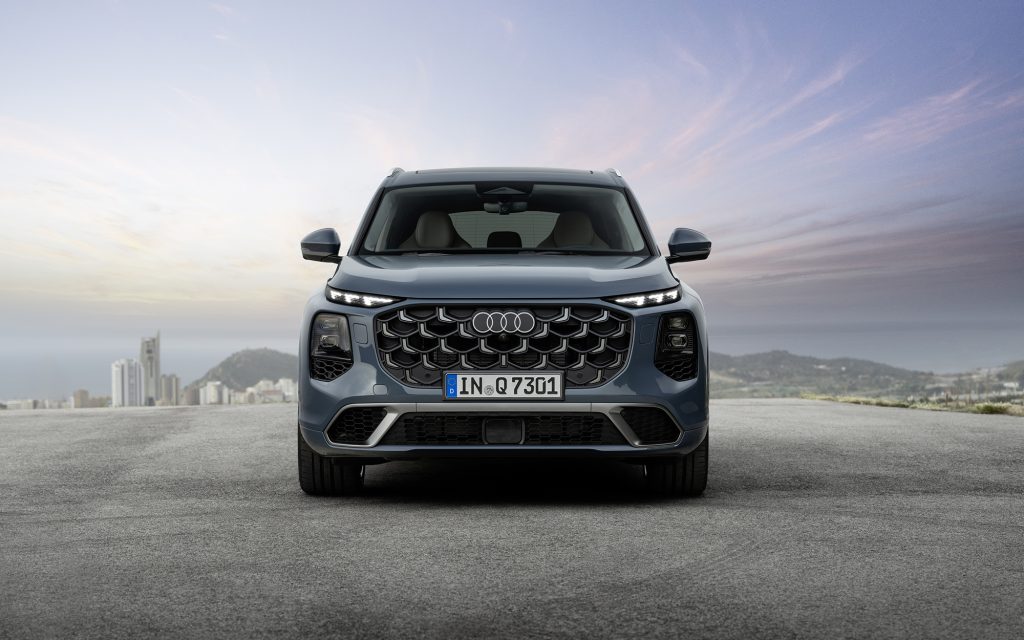
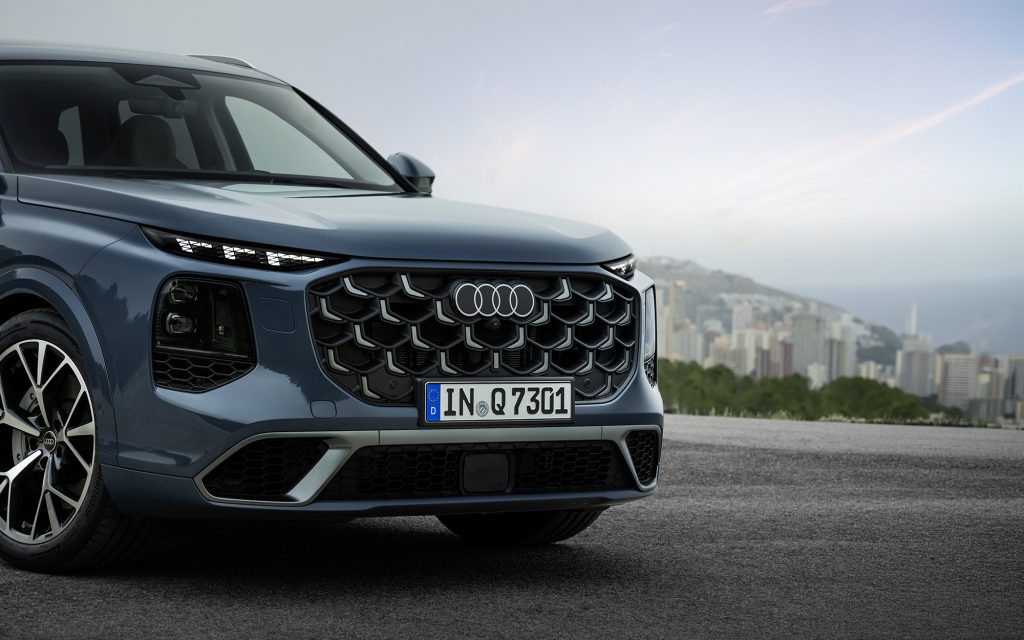
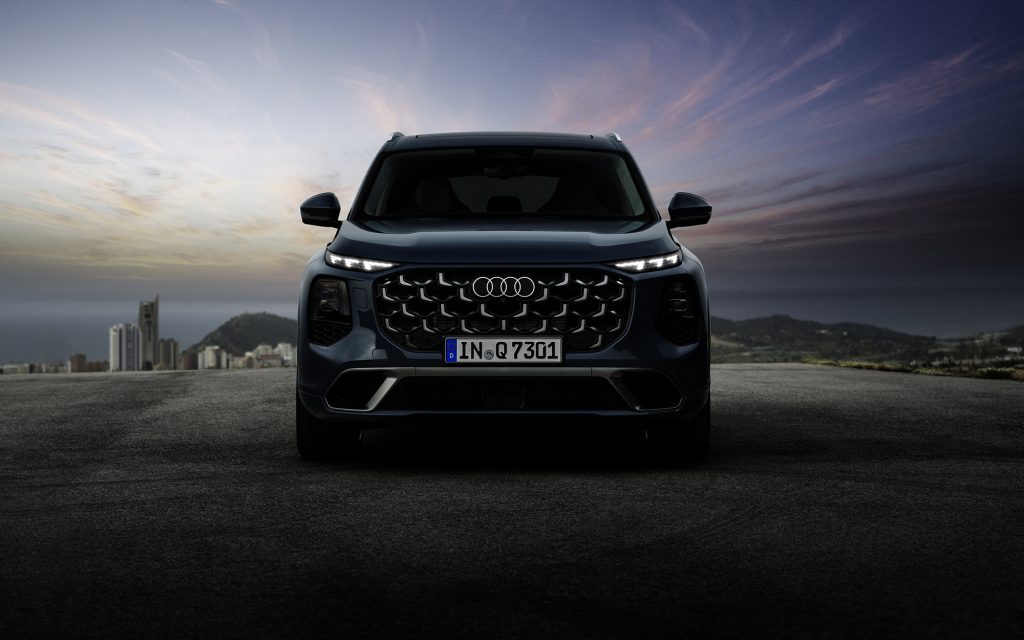
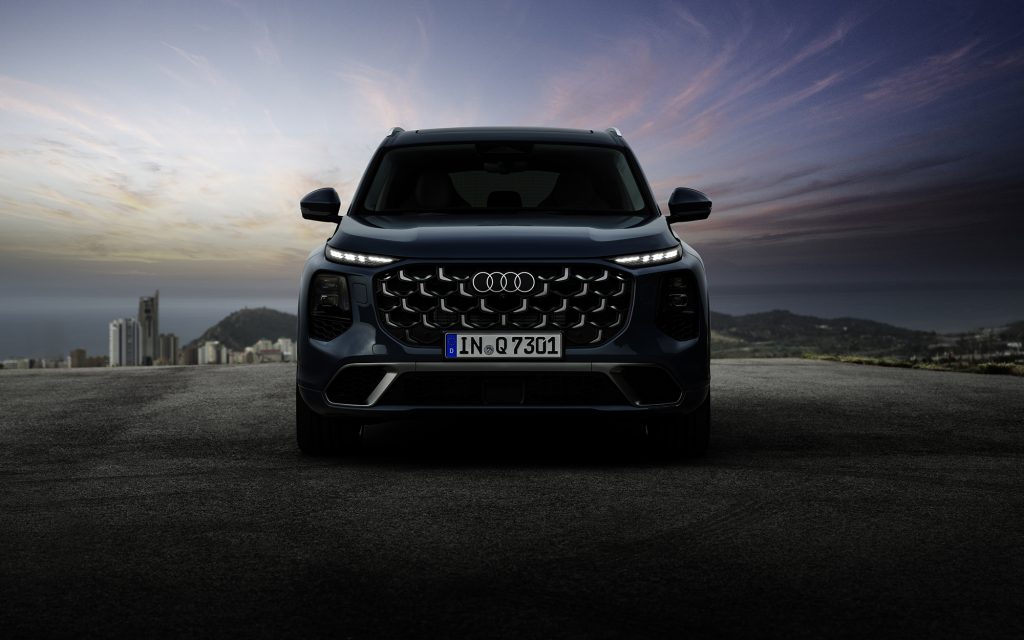
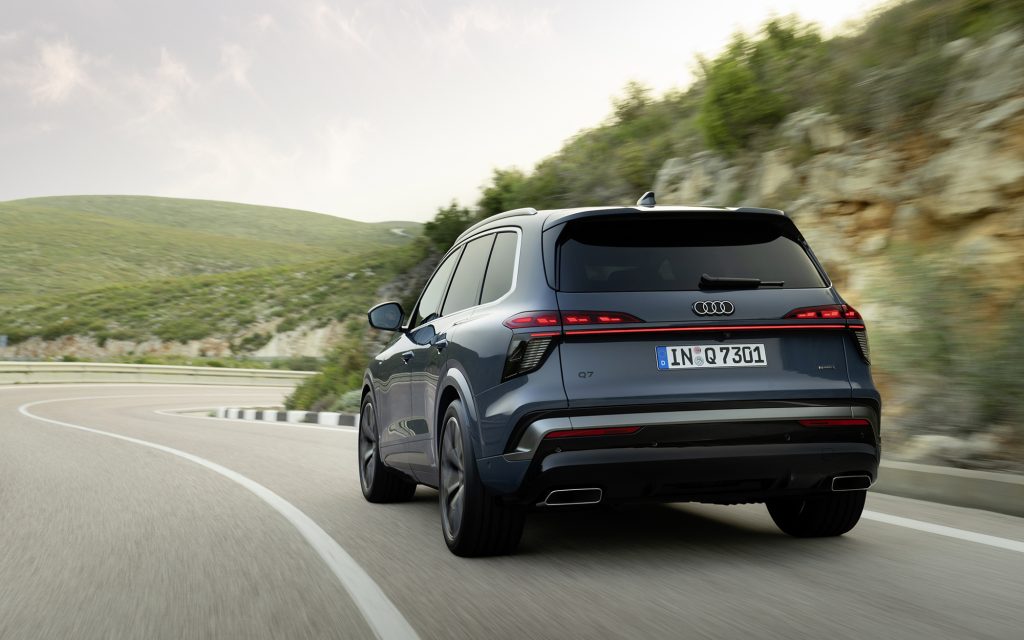
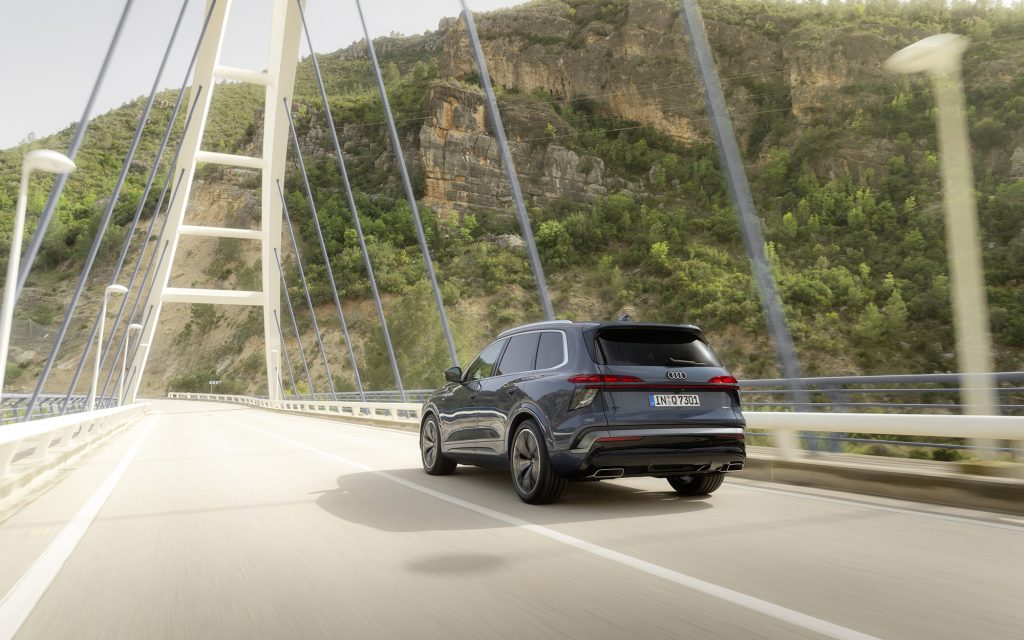
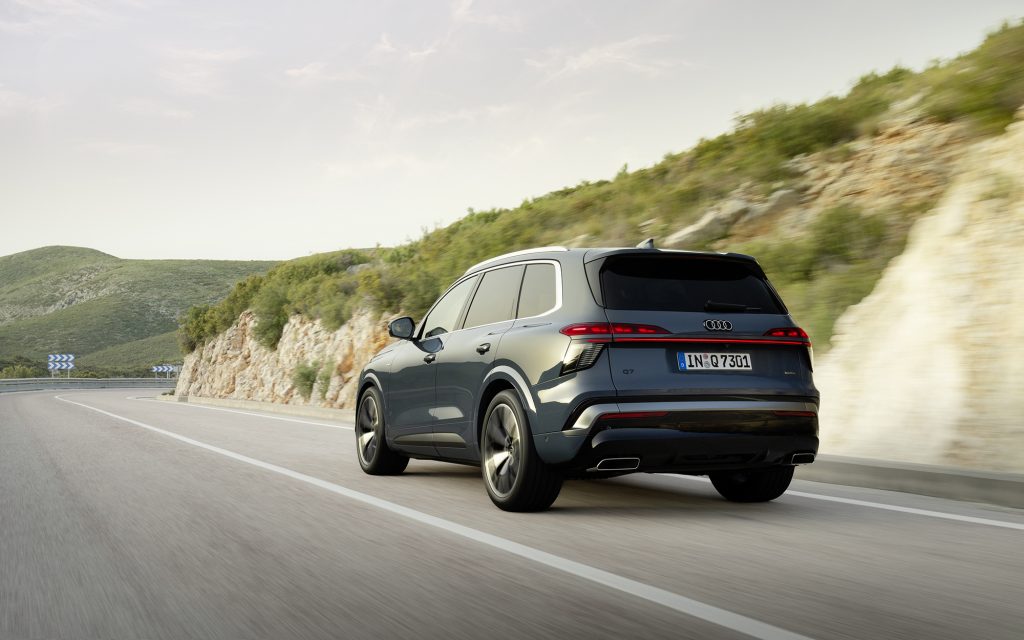
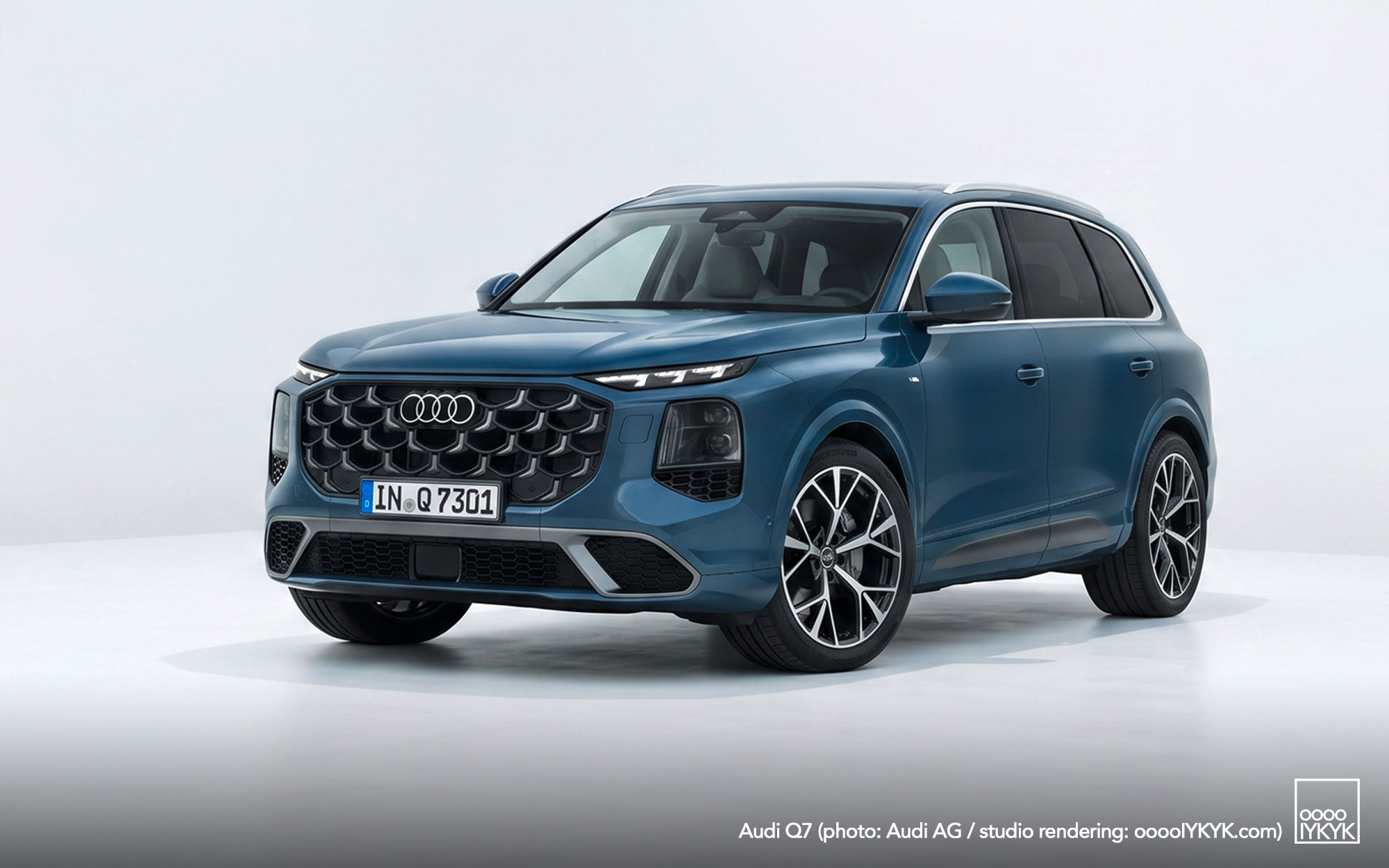
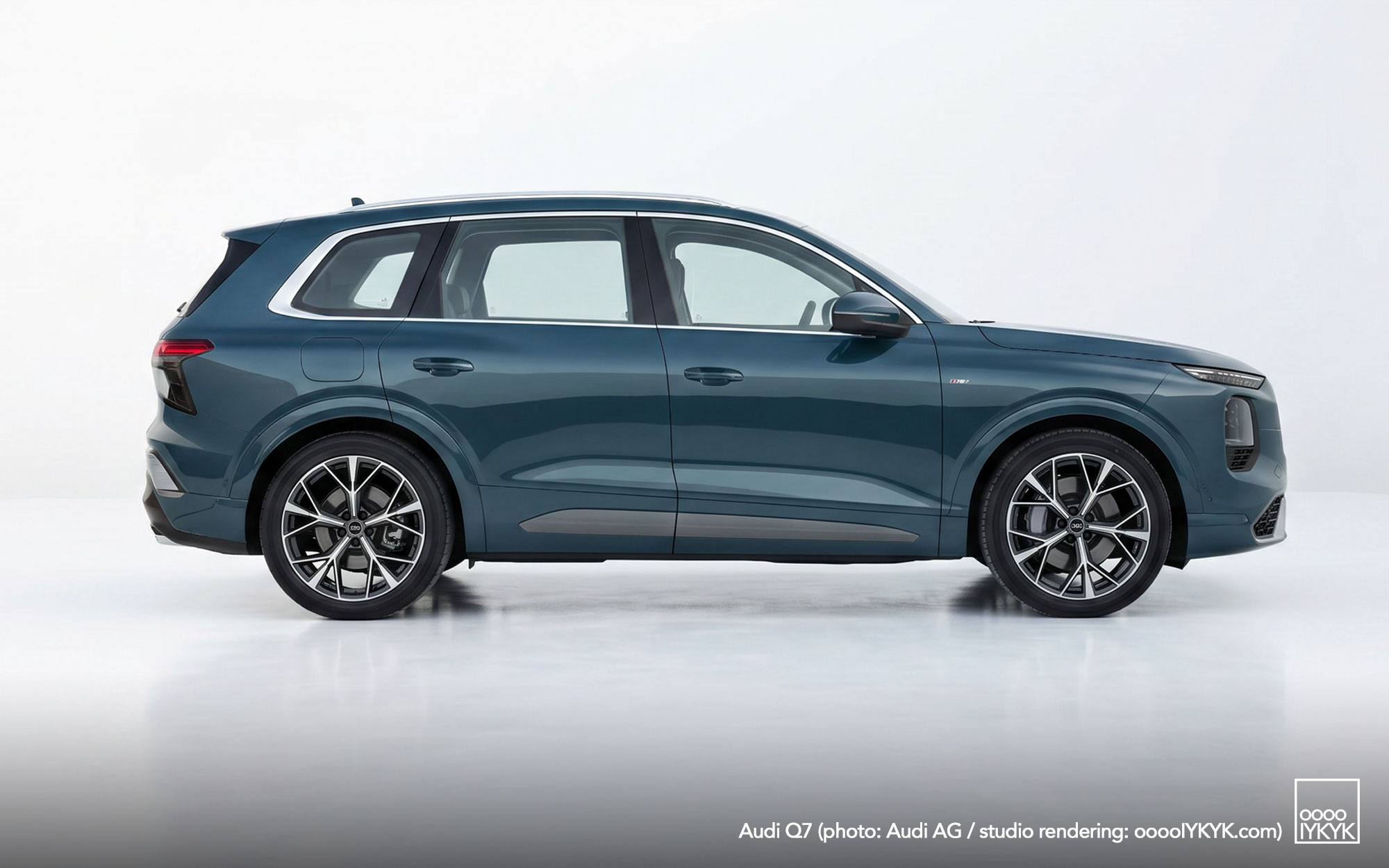
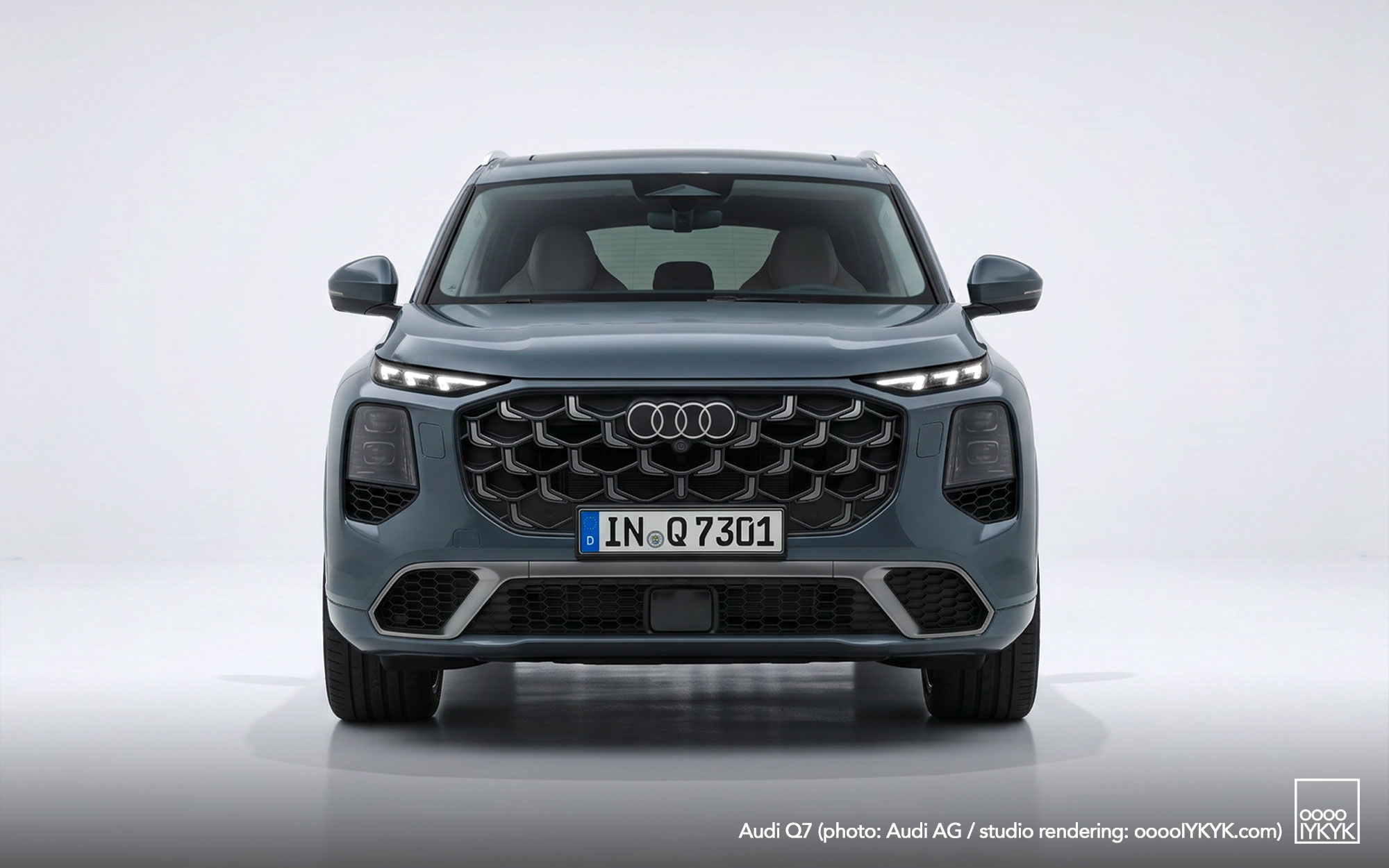
Compared with its predecessor, the third-generation Q7 adopted a more upright and technical exterior design. A wider Singleframe grille, split lighting arrangement and more pronounced shoulder lines gave the SUV a stronger visual connection to contemporary Audi models such as the Q5 and A6. Despite its modernized appearance, the Q7 retained its role as Audi’s largest family-oriented SUV and continued to be offered with seating for up to seven occupants.
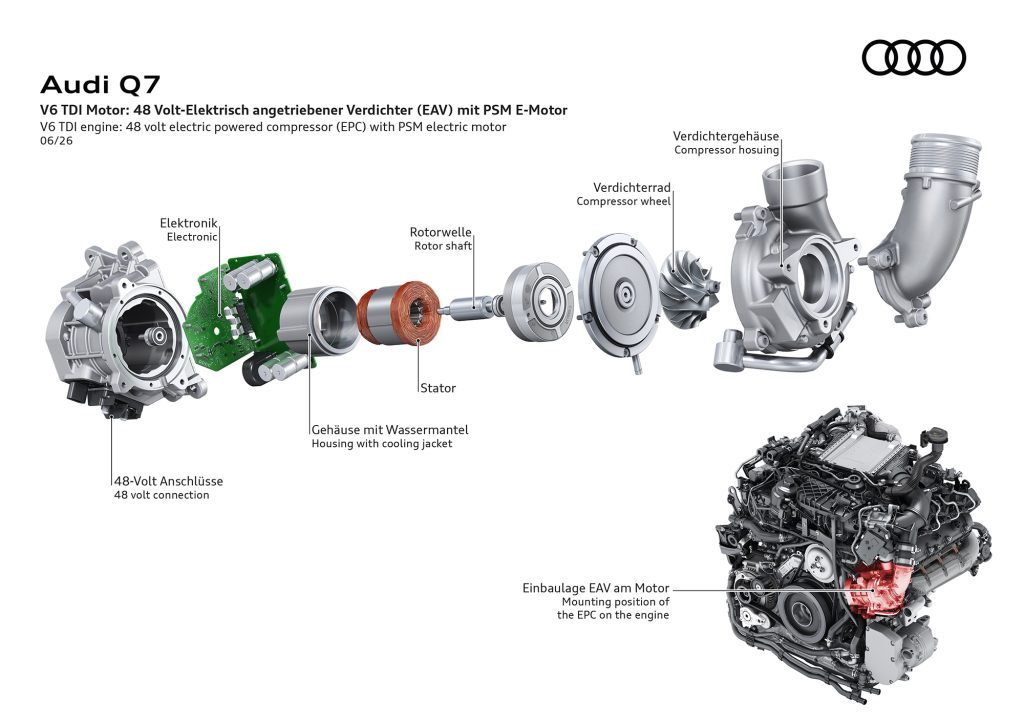
At launch, the European market range consisted exclusively of 3.0-liter V6 TDI engines paired with Audi’s MHEV plus system. Available in outputs of 245 PS and 299 PS, both engines utilized a 48-volt electrical architecture, an electric-powered compressor and a powertrain generator capable of contributing up to 18 kW of additional propulsion assistance. The system enabled electric maneuvering, low-speed driving functions and energy recuperation while improving efficiency and responsiveness.
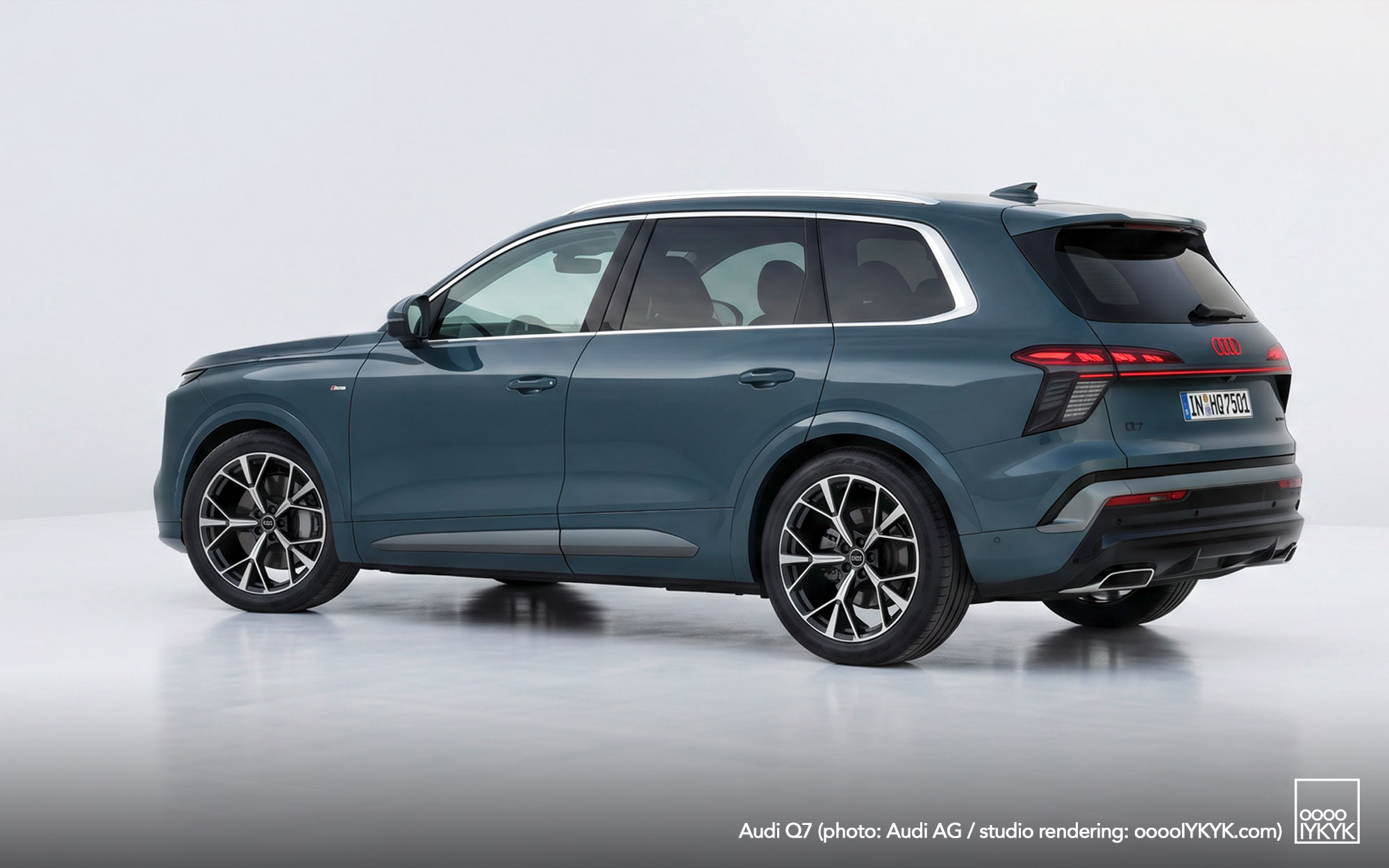
Power was transmitted through an eight-speed tiptronic automatic transmission and permanent quattro all-wheel drive. A newly developed self-locking center differential improved traction and torque distribution, while optional all-wheel steering and adaptive air suspension systems further enhanced handling and comfort.
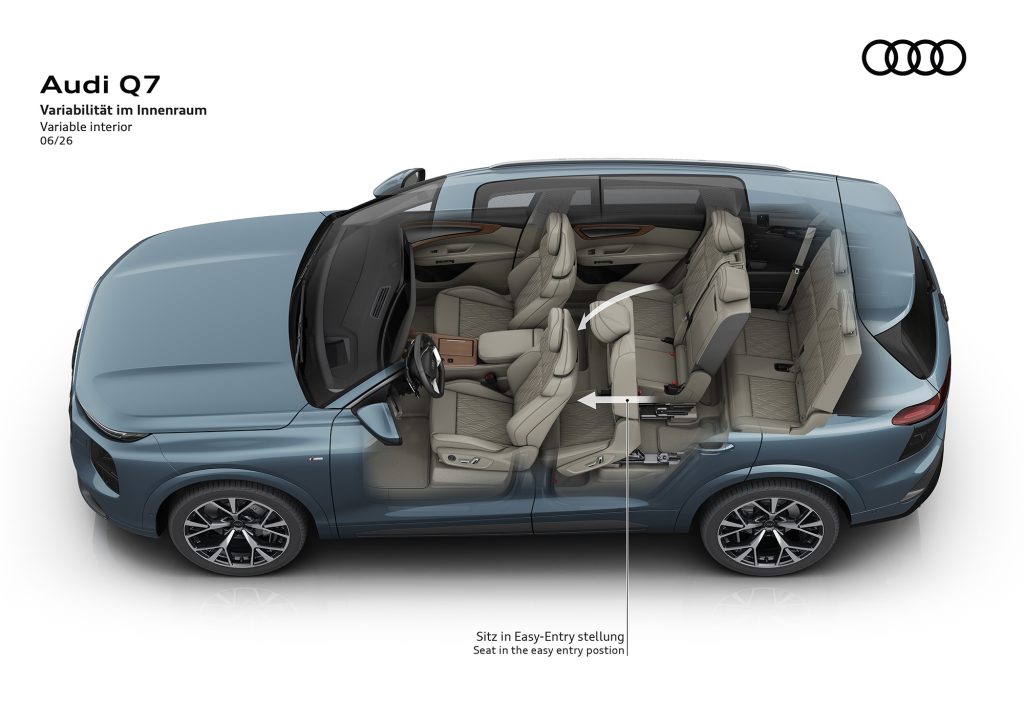
Versatility remained a defining characteristic of the Q7. Buyers could select from five-seat, six-seat or seven-seat configurations. The optional six-seat layout featured individual second-row captain’s chairs, while the seven-seat version retained a conventional three-person second row. Cargo capacity reached 806 liters in five-seat configuration and expanded to 2,075 liters with the rear seats folded.
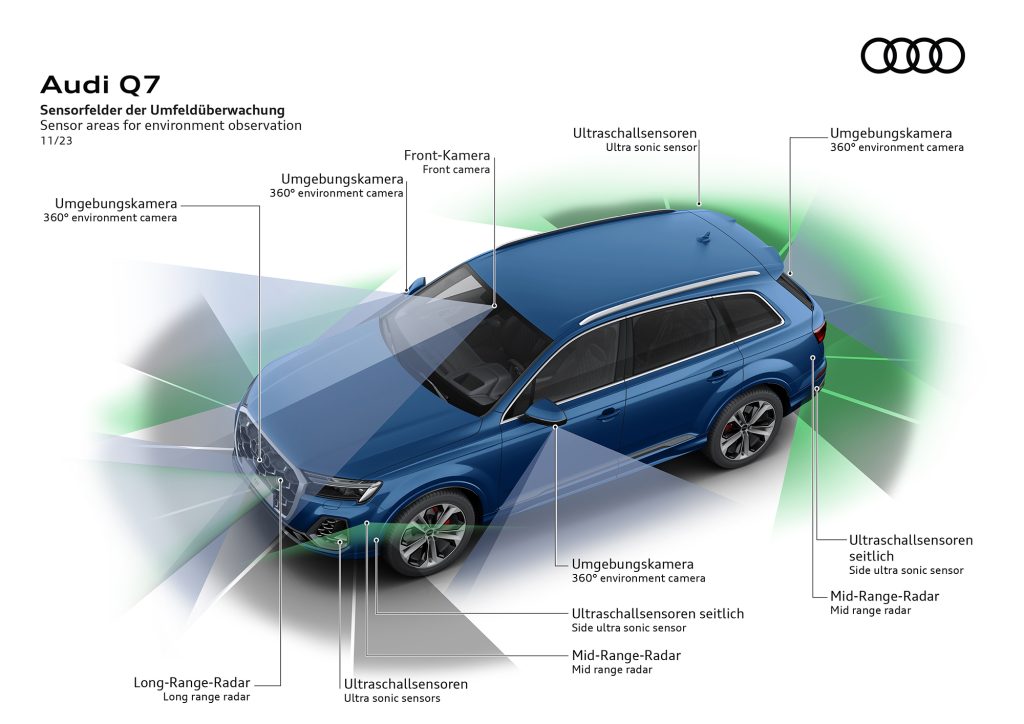
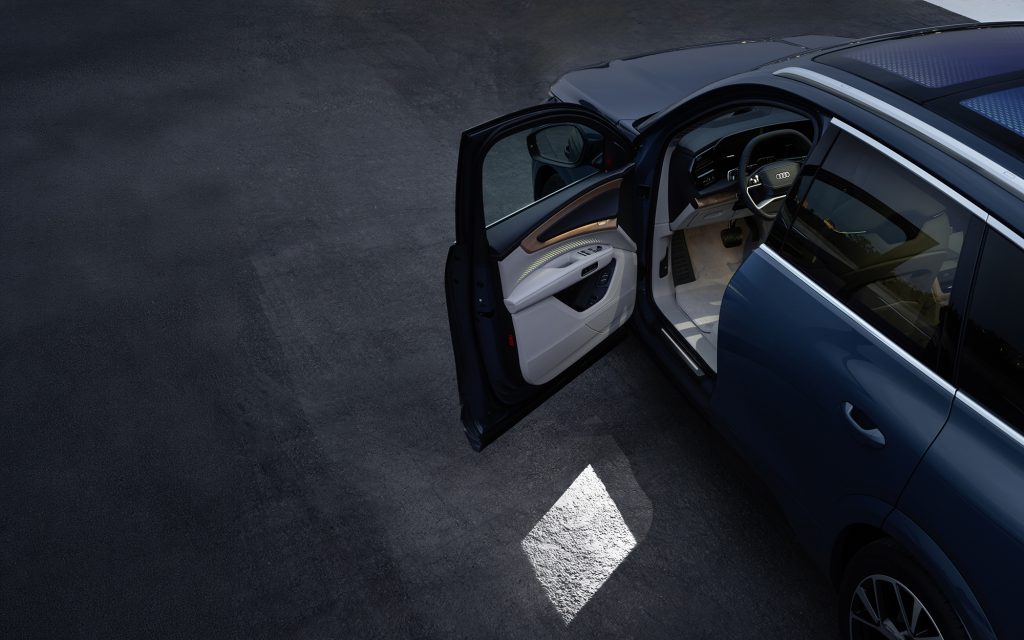
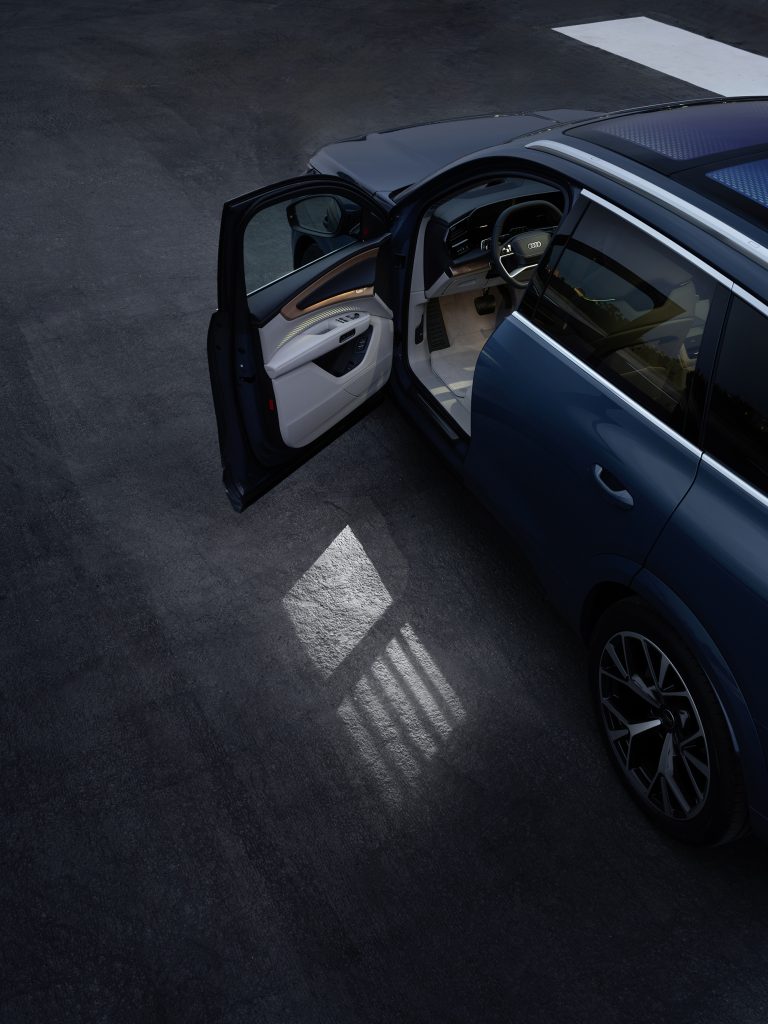
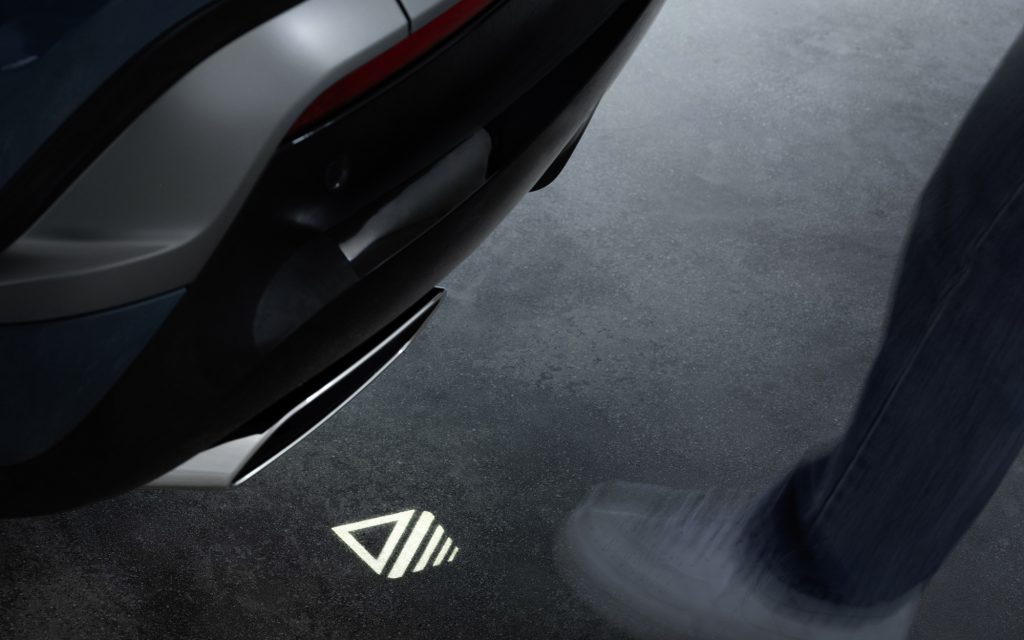
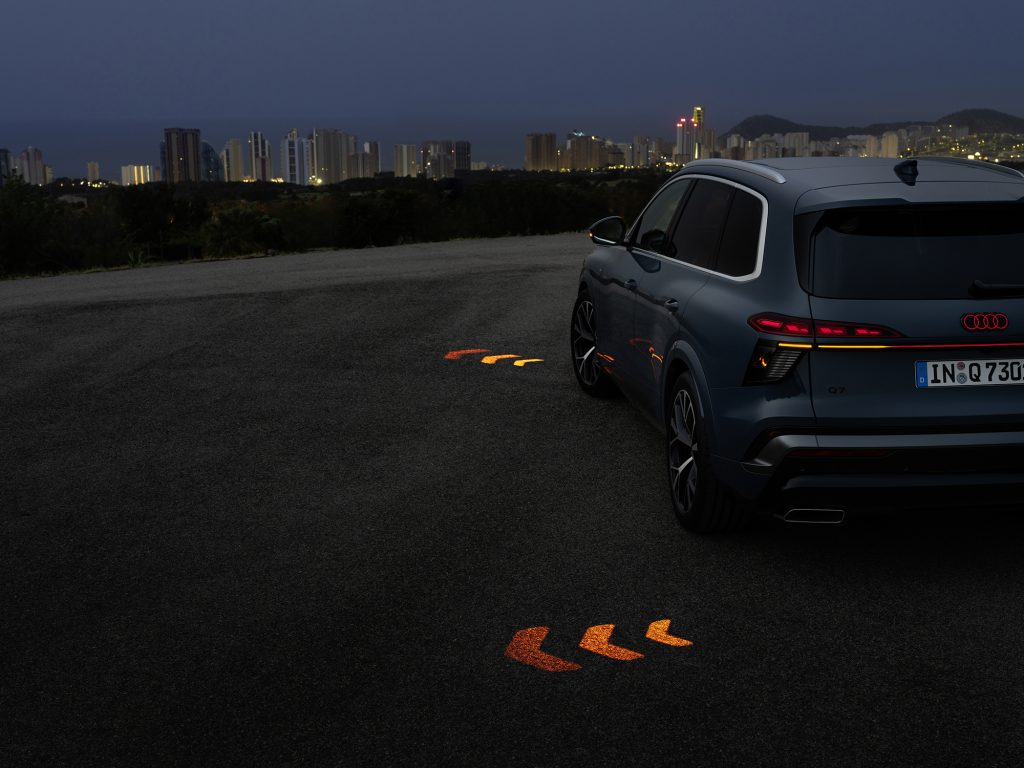
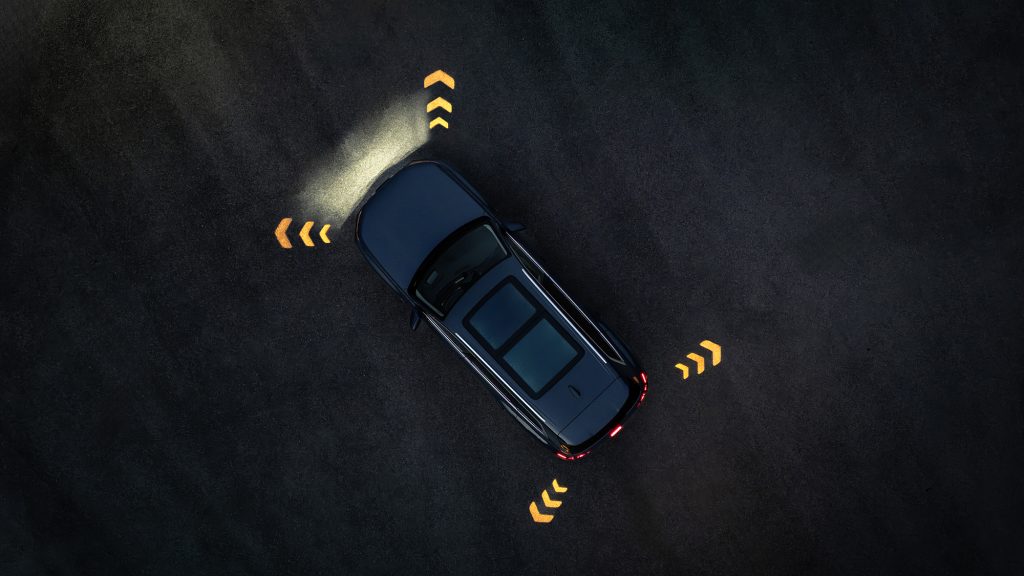
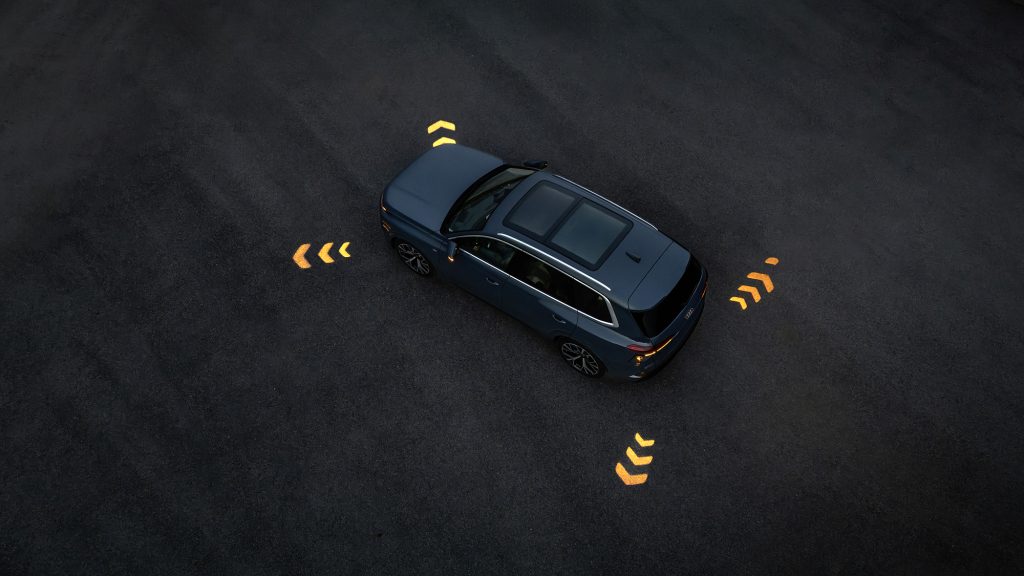
The third-generation Q7 also introduced Audi’s latest lighting technologies. Optional Digital Matrix LED headlights with micro-LED technology could project information from driver assistance systems onto the roadway, while second-generation OLED rear lamps offered customizable digital light signatures. Illuminated Audi rings became available on the Q7 for the first time.
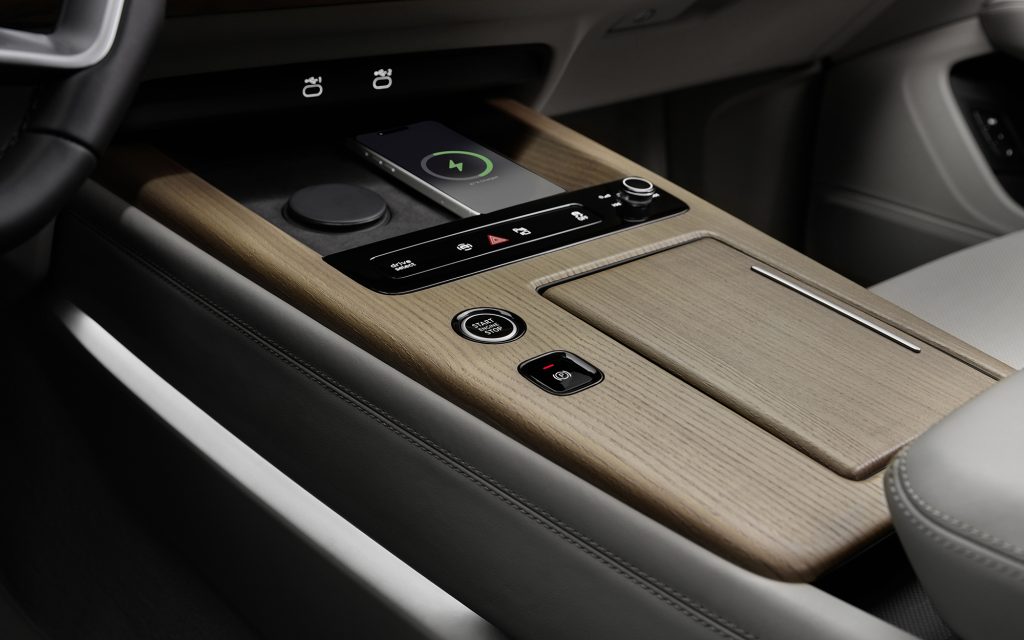
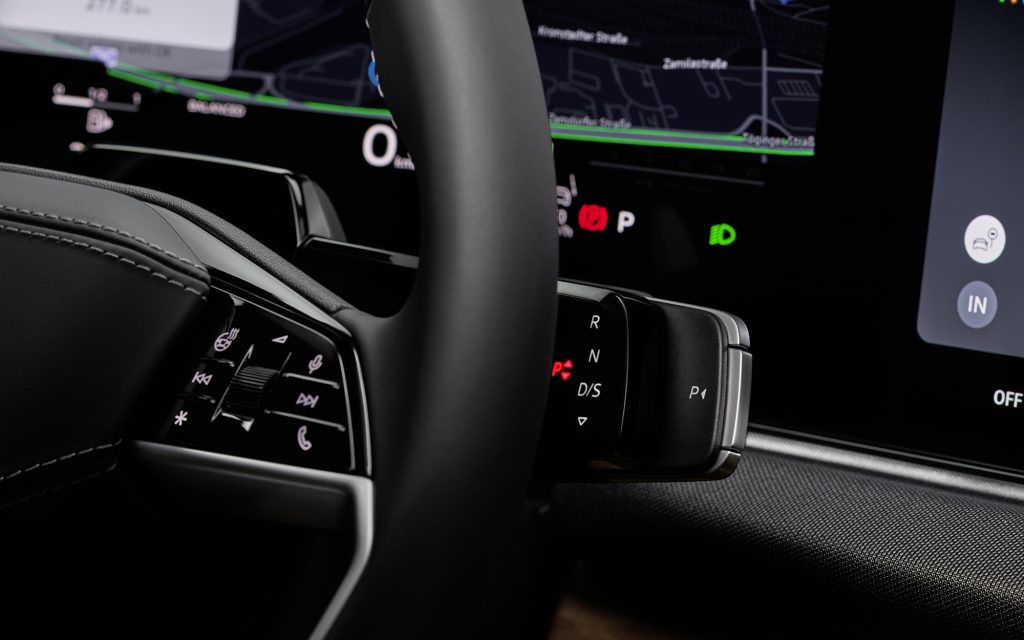
Inside, the Q7 adopted Audi’s newest digital cockpit architecture centered around the MMI panoramic display and optional passenger display. Additional features included an AI-powered Audi assistant, ChatGPT integration, wireless smartphone charging, access to the Audi Application Store and an illuminated panoramic glass roof with switchable transparency technology.
European ordering commenced in June 2026 with customer deliveries scheduled to begin in September 2026. In Germany, pricing started at €87,900 for the Q7 SUV TDI 245 PS and €90,500 for the Q7 SUV TDI 299 PS.
PHOTO GALLERY