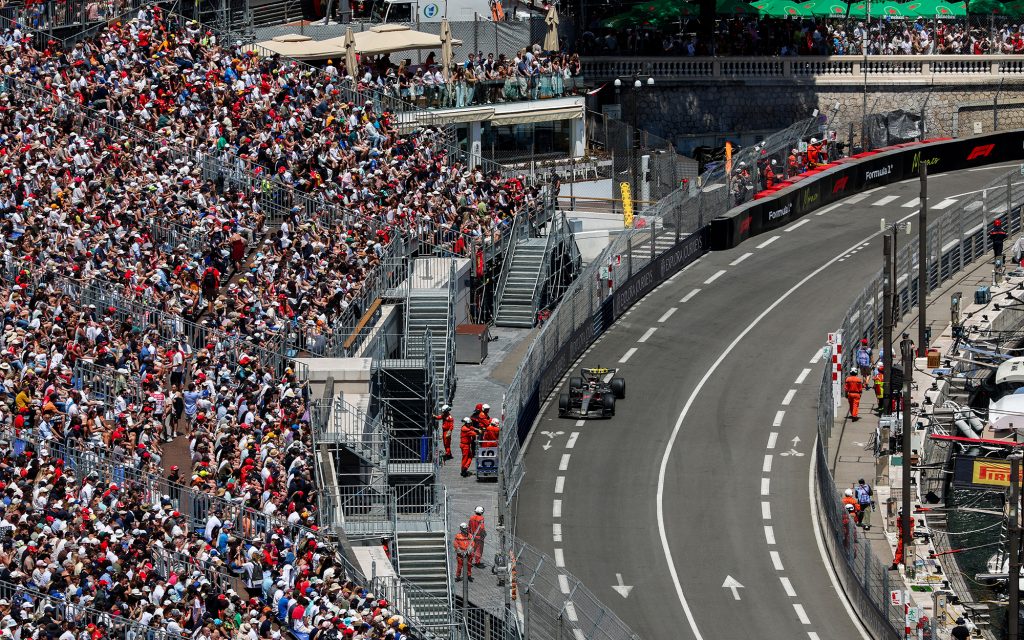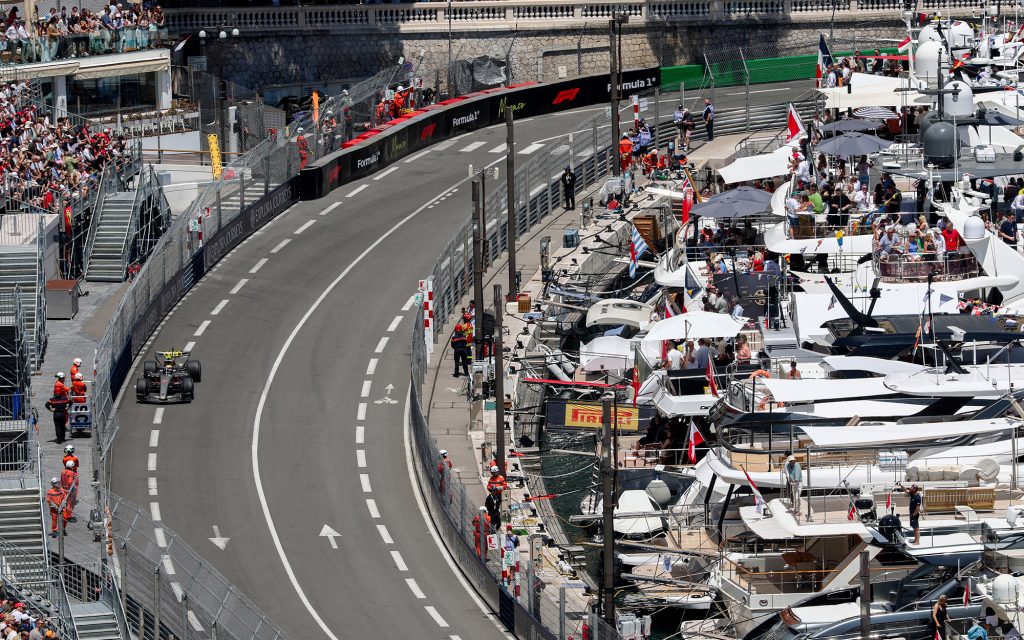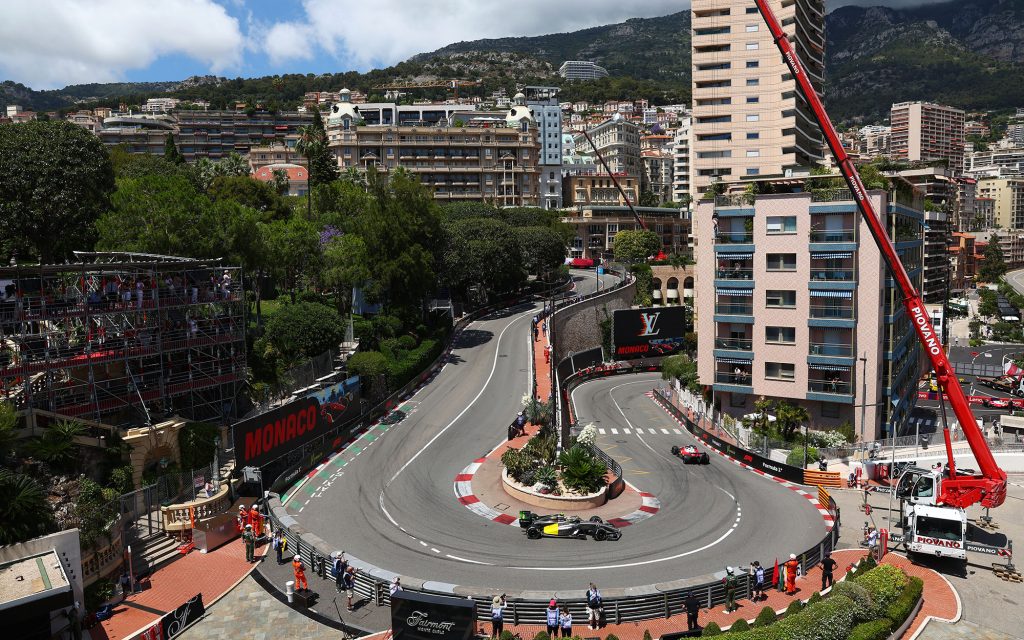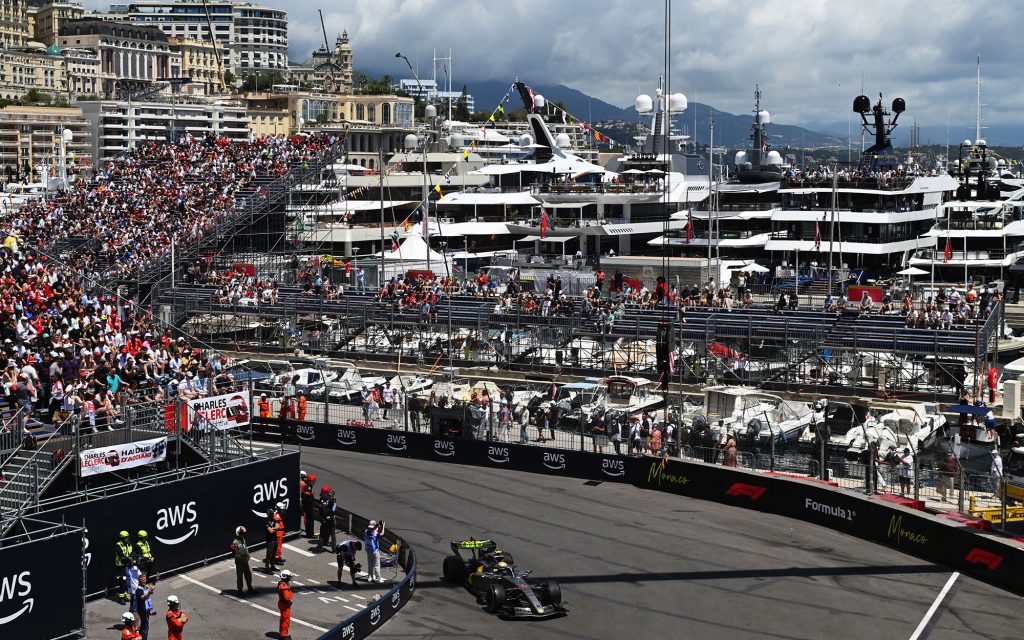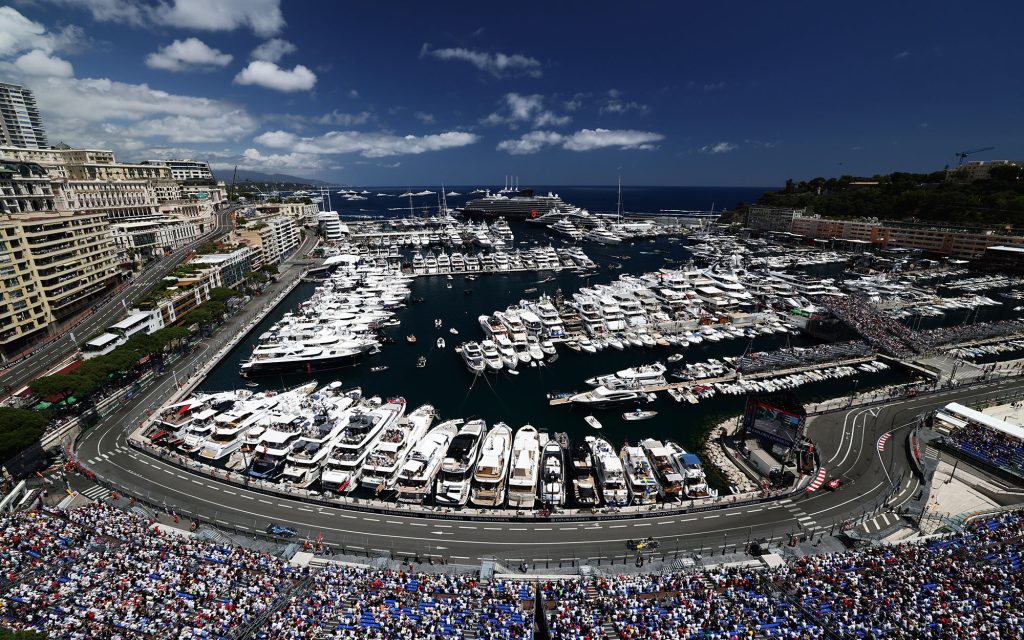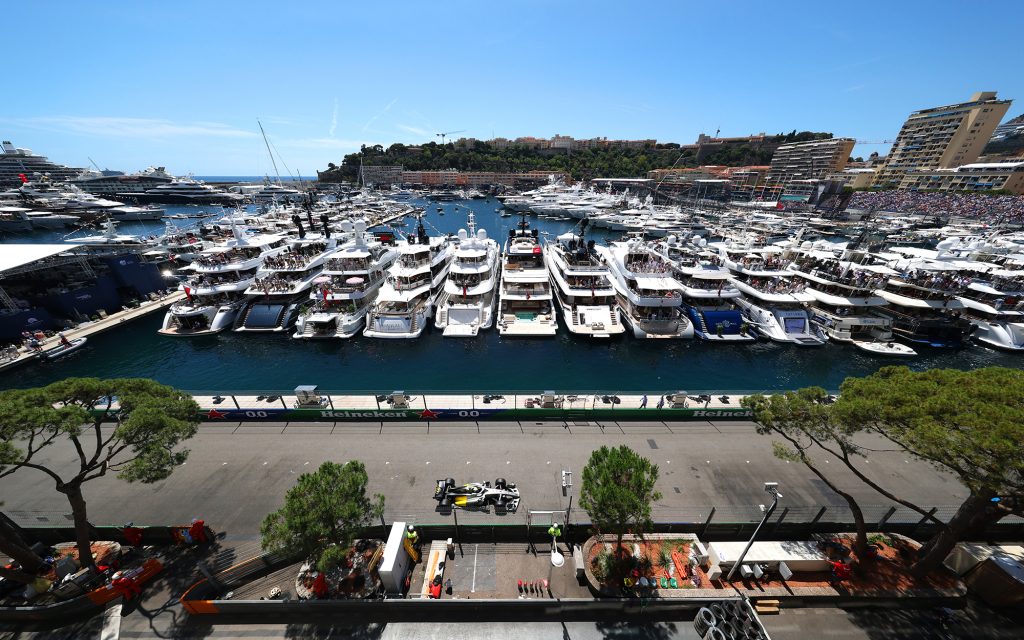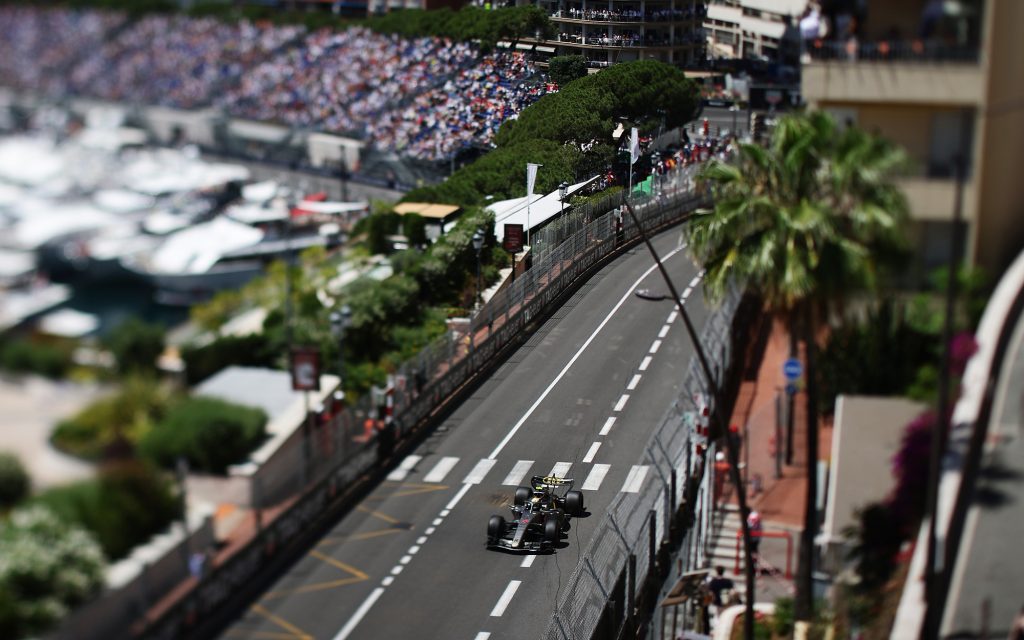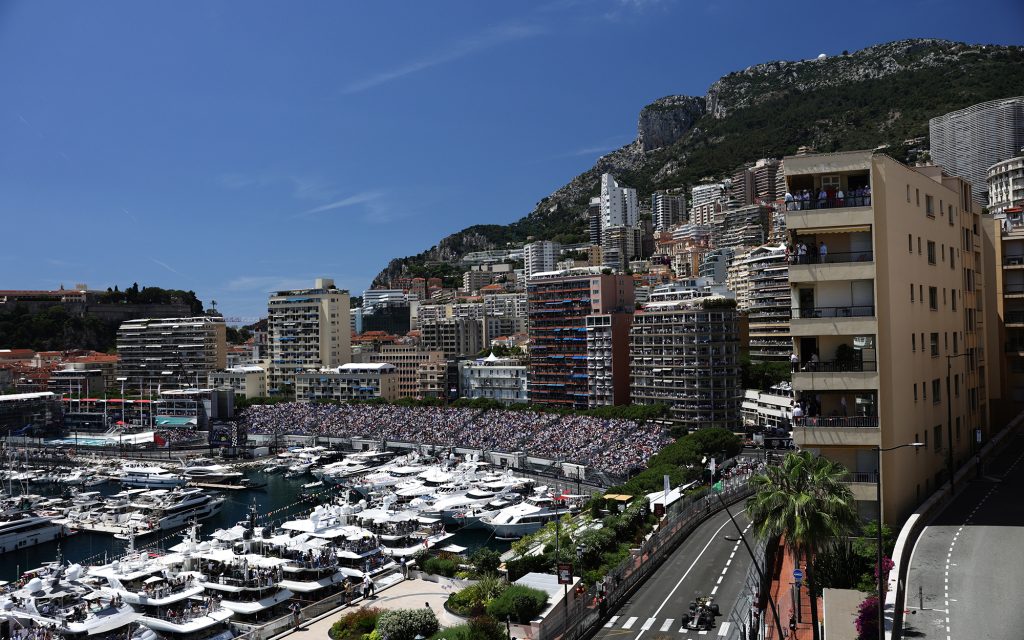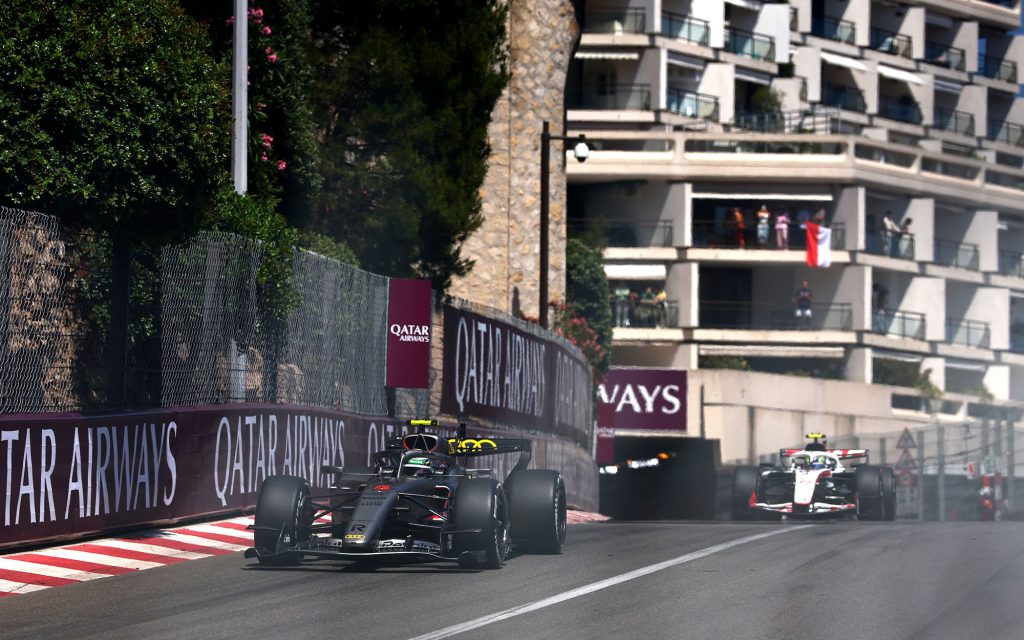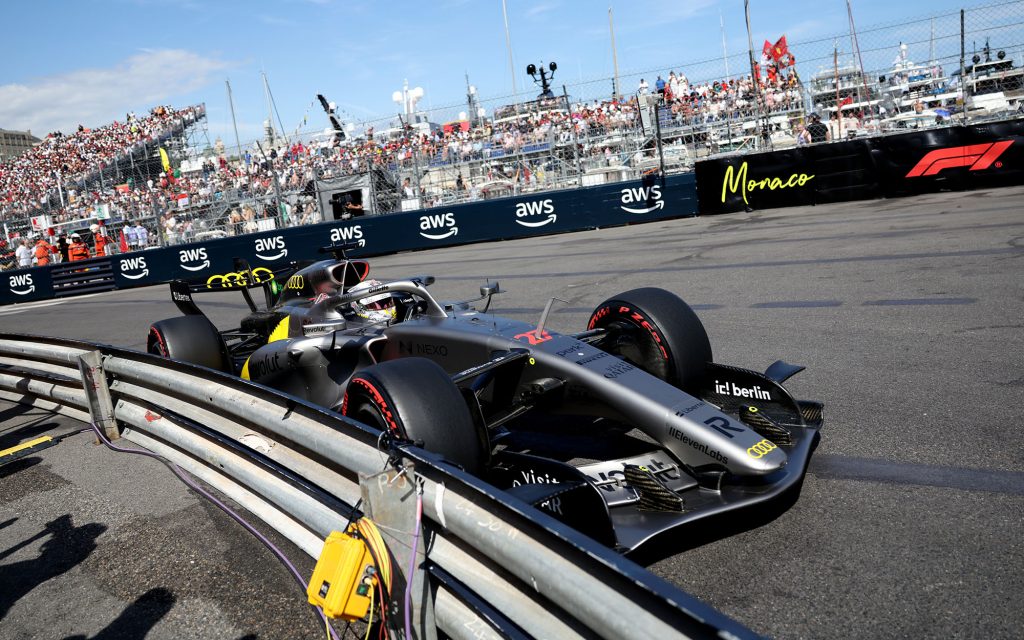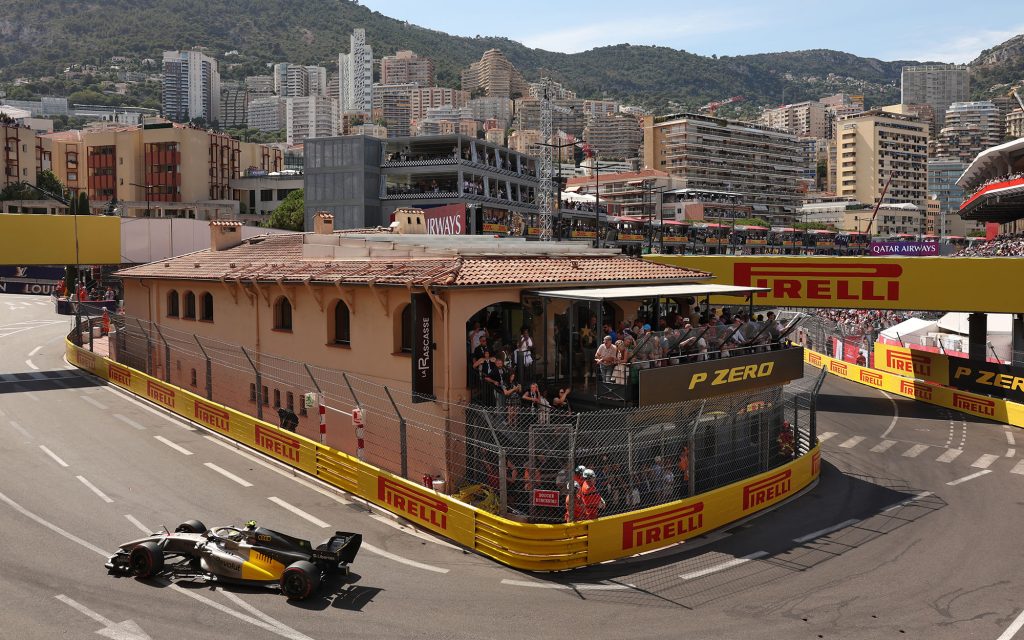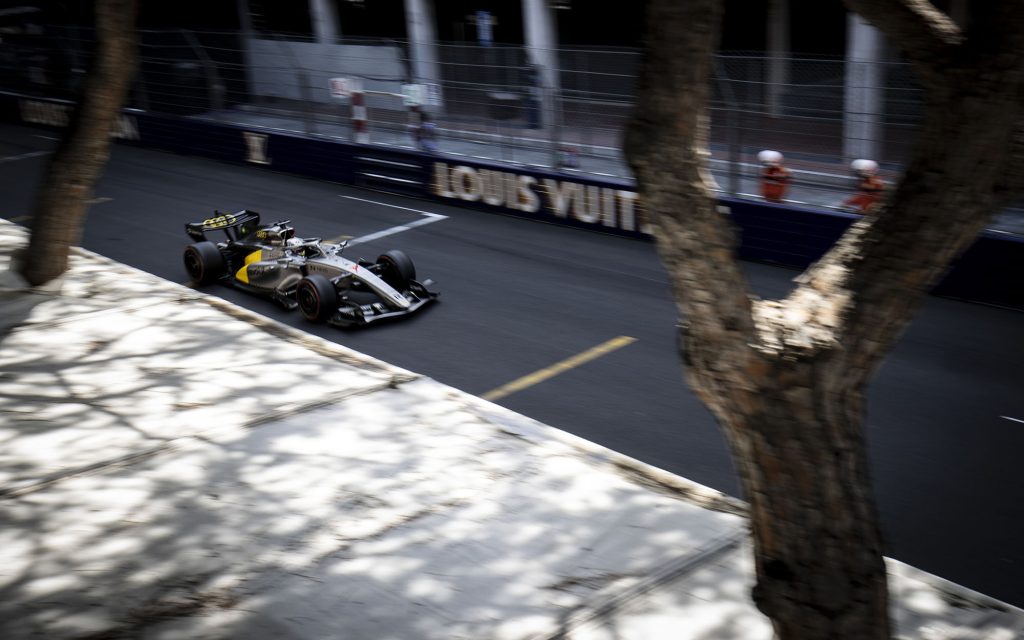

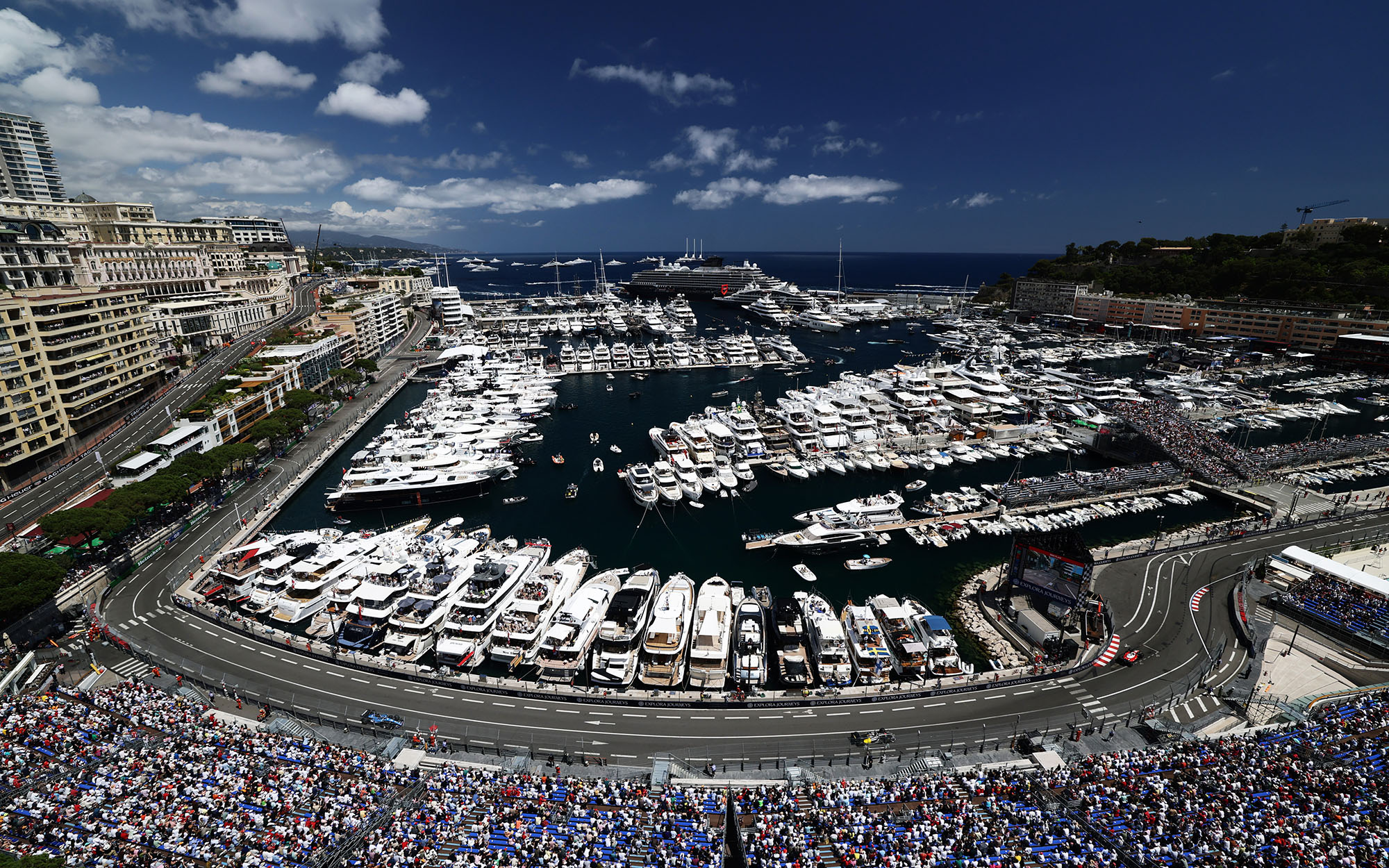

What: Temporary street circuit and host of the Monaco Grand Prix
Location: Monte Carlo and La Condamine, Monaco
Opened: 1929
Circuit Type: Street circuit
Current Length: 3.337 km (2.074 mi)
Turns: 19
Race Distance: 260.286 km (78 laps)
Major Events: Monaco Grand Prix, Monaco Historic Grand Prix, Formula E Monaco E-Prix, Monaco Grand Prix support races including Formula 2 and Formula 3.
OVERVIEW
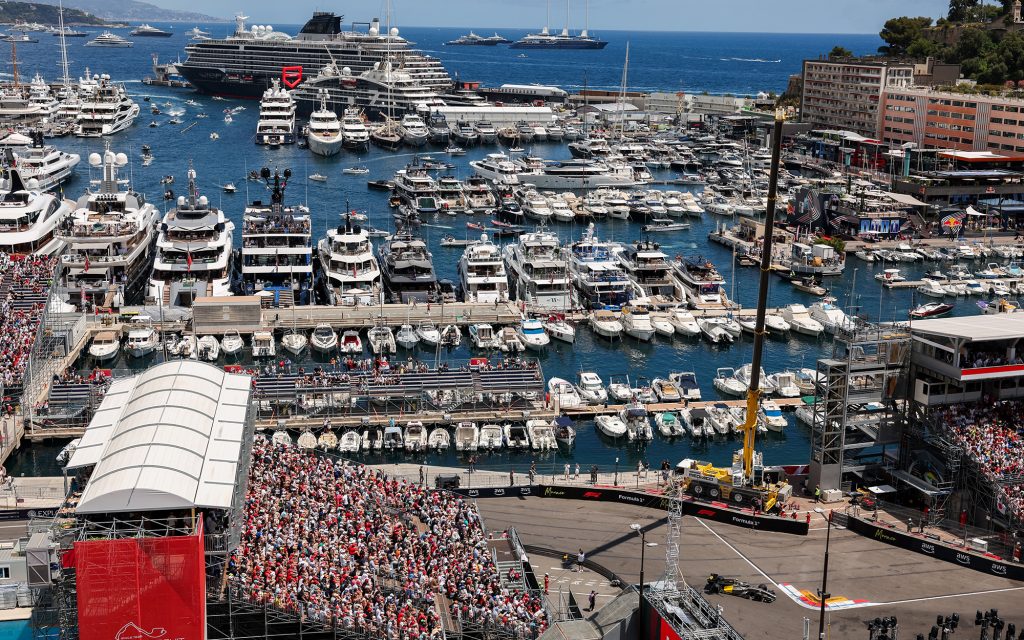
The Circuit de Monaco is one of the most famous racing circuits in the world and has hosted the Monaco Grand Prix since the race’s inception in 1929. Winding through the streets of Monte Carlo and around Port Hercules, the circuit is renowned for its narrow confines, dramatic elevation changes and minimal runoff areas. It remains one of the few surviving street circuits from the earliest era of Grand Prix racing.
Created through the efforts of Automobile Club de Monaco founder Antony Noghès, the race was established to raise the international profile of the principality and quickly became one of the most prestigious events in motorsport. Together with the Indianapolis 500 and 24 Hours of Le Mans, Monaco forms motorsport’s unofficial Triple Crown.
Today the circuit measures 3.337 km and features 19 turns. Despite modern Formula One cars reaching speeds exceeding 300 km/h elsewhere, Monaco remains the slowest circuit on the calendar and arguably the most demanding in terms of precision.
CIRCUIT LAYOUT
Start/Finish
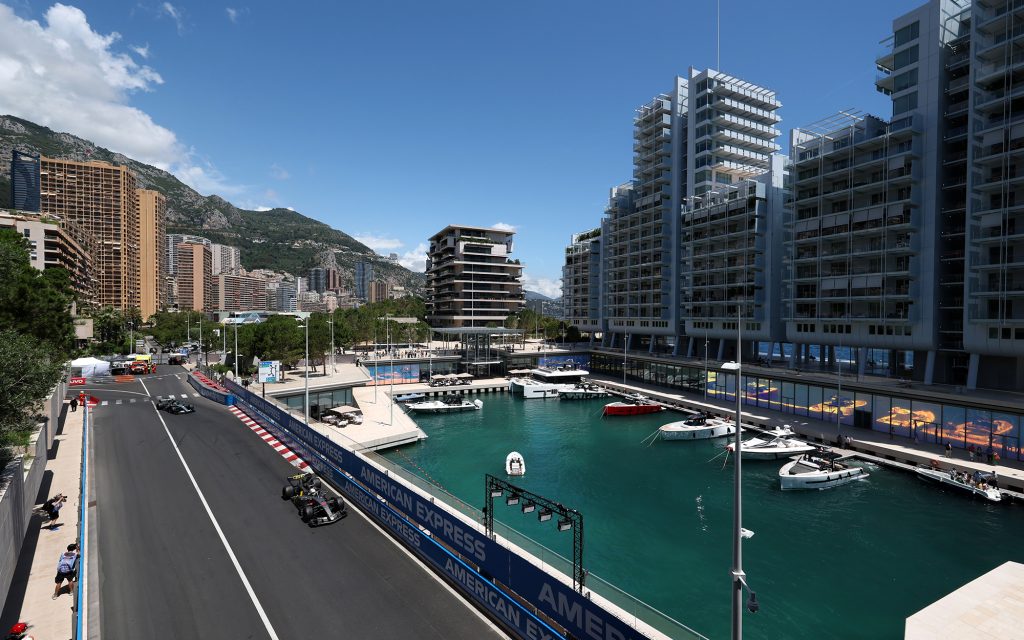
The lap begins on Boulevard Albert Ier alongside Port Hercules, one of Monaco’s principal harbors.
Turn-by-Turn Guide
Turn 1 – Sainte Dévote
Named after Monaco’s patron saint and the nearby chapel. This tight right-hander has historically been the site of many first-lap incidents.
Turn 2 – Beau Rivage
An uphill sweep climbing away from Sainte Dévote toward Casino Square. The name translates roughly to “beautiful coastline.”
Turn 3 – Massenet
A fast left-hand bend named after the nearby Avenue Massenet. Drivers crest the hill here before arriving at Monaco’s most famous landmark.
Turn 4 – Casino Square
Passing directly in front of the famous Monte Carlo Casino. One of the most recognizable locations in Formula One.
Turn 5 – Mirabeau Superior
Named after the former Hotel Mirabeau. This begins the circuit’s slow-speed technical section.
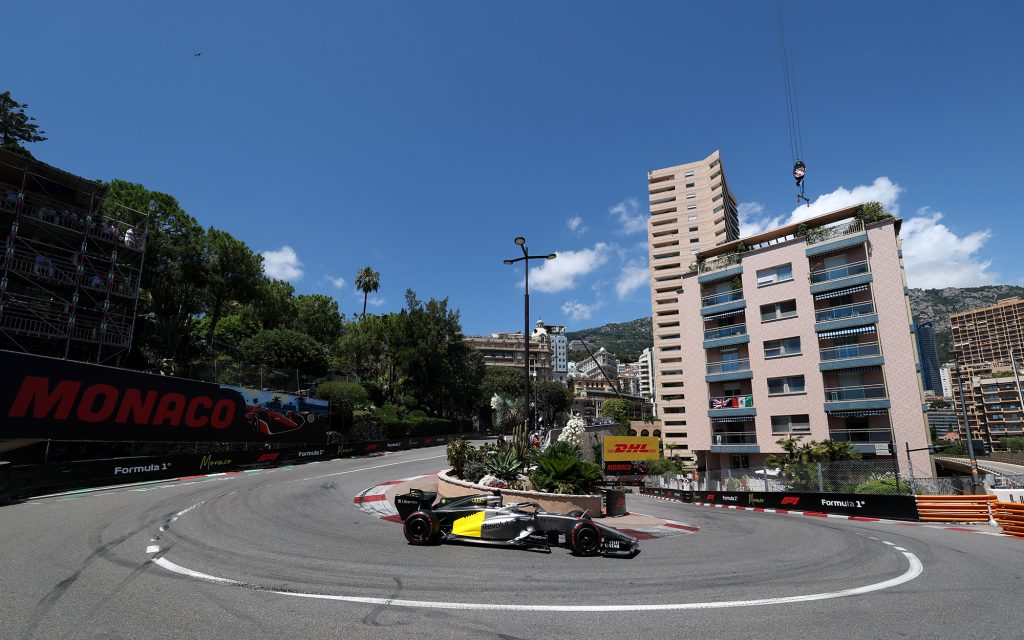
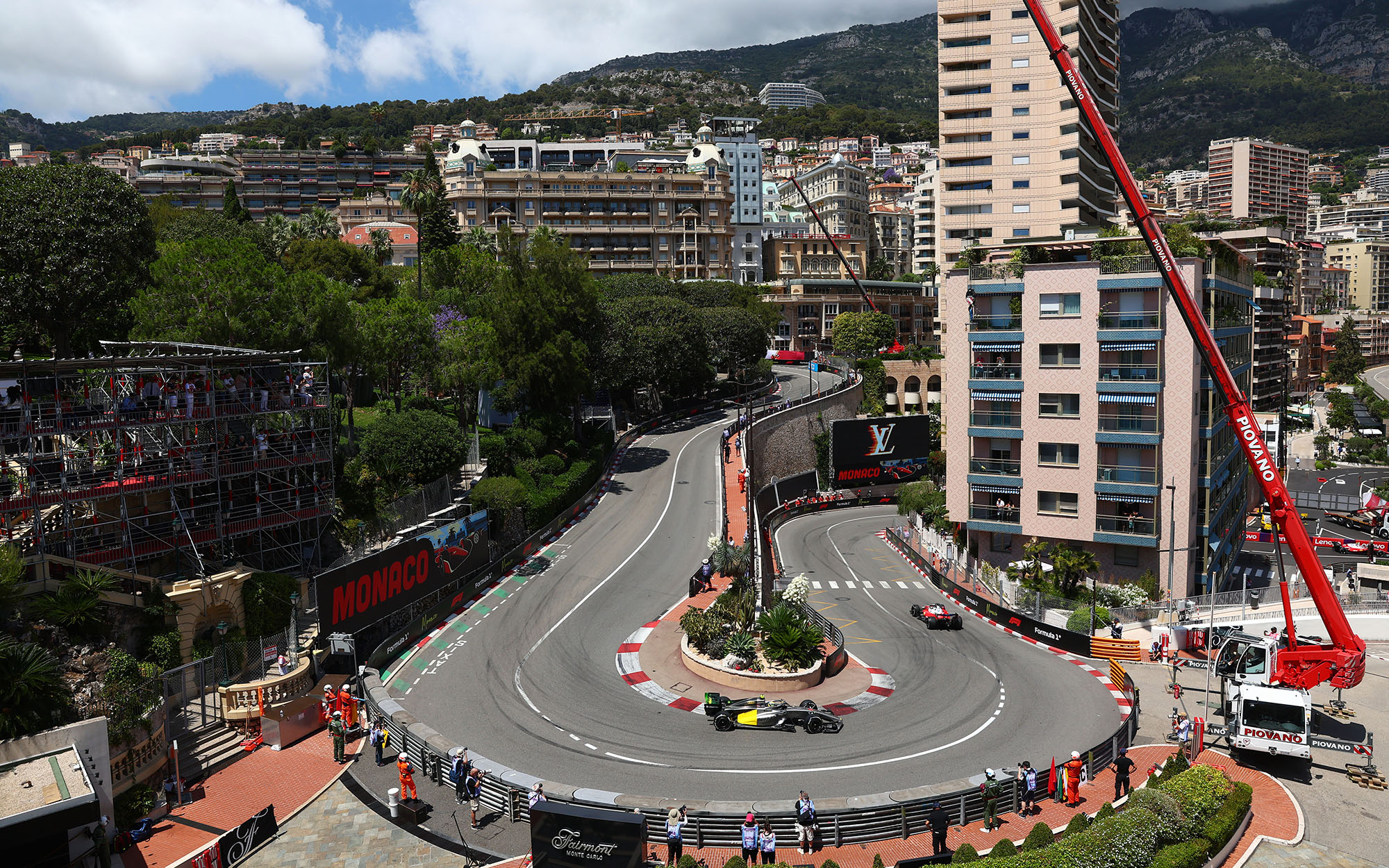
Turn 6 – Grand Hotel Hairpin (formerly Loews Hairpin)
The slowest corner in Formula One, negotiated at approximately 45 km/h. Originally known as Station Hairpin before being renamed for adjacent hotels.
Turn 7 – Mirabeau Inferior
The second Mirabeau corner, leading toward Portier.
Turn 8 – Portier
The final corner before entering the tunnel. Named for the nearby district and marina access.
Tunnel
One of Formula One’s most distinctive features. Drivers transition from daylight to artificial lighting before emerging along the harbor front.
Turns 10-11 – Nouvelle Chicane
Added following tunnel speeds becoming excessively high. Situated on the harbor front.
Turn 12 – Tabac
Named after a former tobacco shop that once occupied the location. A fast left-hand corner bordering the harbor.
Turns 13-16 – Swimming Pool Complex
A rapid sequence of direction changes surrounding Monaco’s public swimming complex. Added in the 1970s and among the most technically challenging portions of the lap.
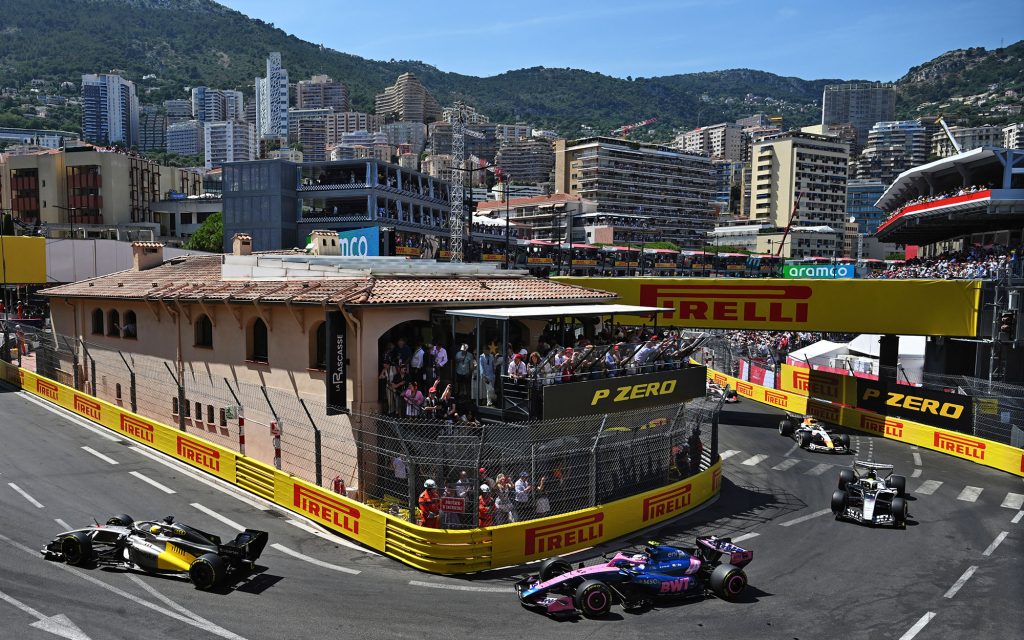
Turn 17 – La Rascasse
Named after the restaurant located at the corner. One of the circuit’s most famous overtaking attempts and qualifying landmarks.
Turn 18 – Antony Noghès
Named after the founder of the Monaco Grand Prix. The final corner returns cars to the start-finish straight.
SIGNIFICANT LOCATIONS
- Monte Carlo Casino
- Hôtel de Paris
- Port Hercules
- Monaco Yacht Harbor
- Sainte Dévote Chapel
- Fairmont Monte Carlo Hotel
- Monaco Swimming Pool Complex
- La Rascasse Restaurant
- Monaco Harbor Front
- Formula One Paddock and Pit Complex.
RACE HISTORY
The first Monaco Grand Prix was held in 1929 and has become one of motorsport’s defining events. The race joined the inaugural Formula One World Championship in 1950 and has remained a permanent fixture ever since except for interruptions during World War II and occasional scheduling gaps in the early post-war period.
The circuit’s narrow layout means qualifying is often more important than at any other Formula One venue. Overtaking opportunities are limited and victory frequently depends on track position, precision and strategy rather than outright speed.
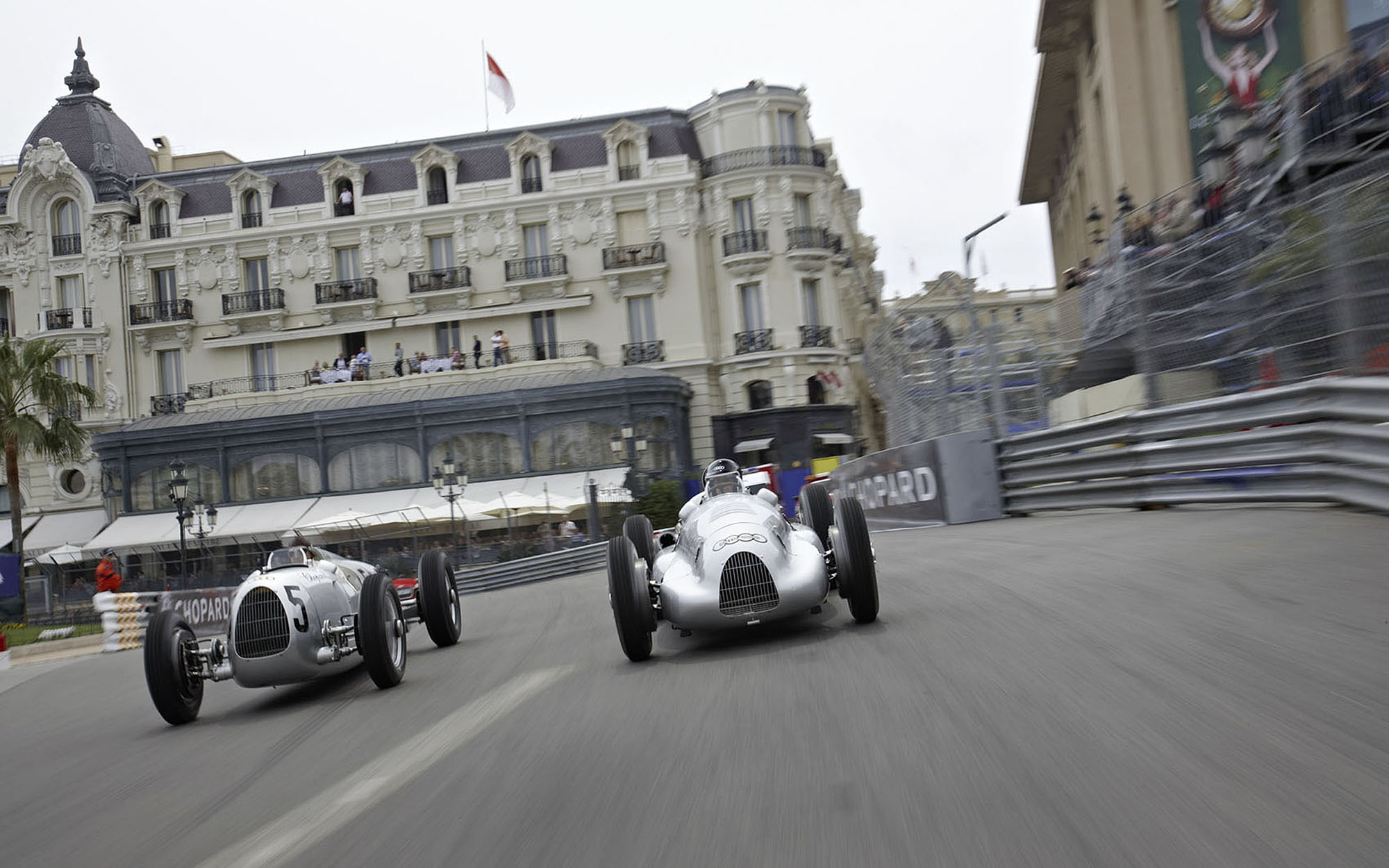
AUDI & AUTO UNION AT MONACO
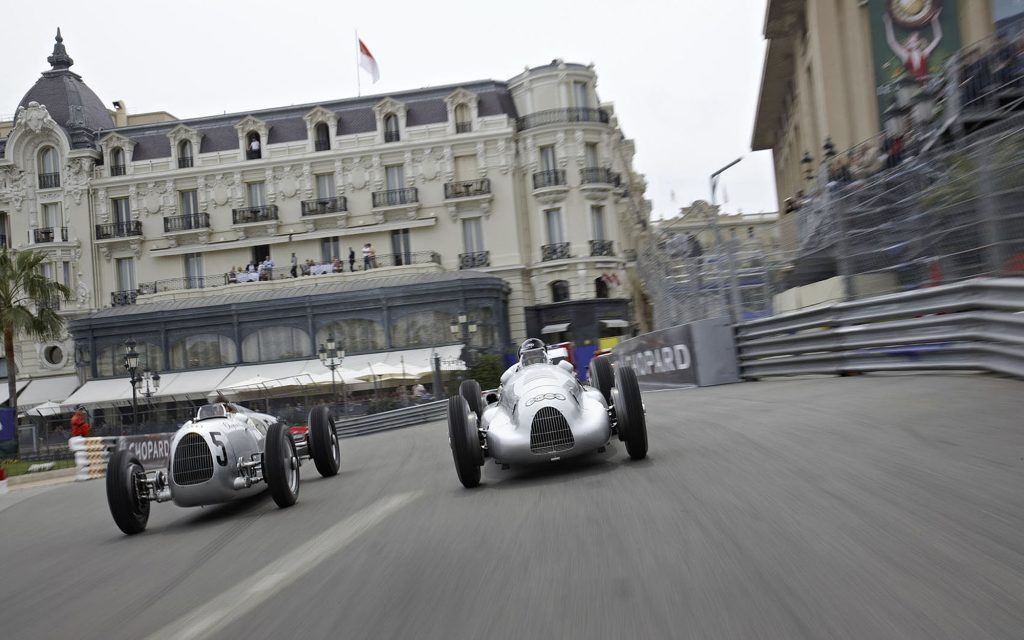
Auto Union Era
Monaco was not a particularly successful venue for Auto Union compared with high-speed circuits such as the Nürburgring, AVUS or Monza. The rear-engined Auto Union cars often struggled with Monaco’s low-speed demands. Nevertheless, the marque competed several times before World War II.
Auto Union Monaco Grand Prix Results (1934-1937)
| Year | Driver | Car | Result |
|---|---|---|---|
| 1934 | Hans Stuck | Auto Union Type A | Retired |
| 1935 | Hans Stuck | Auto Union Type B | 4th |
| 1936 | Hans Stuck | Auto Union Type C | 3rd |
| 1937 | Bernd Rosemeyer | Auto Union Type C | Retired |
| 1937 | Hans Stuck | Auto Union Type C | 4th |
| 1937 | Rudolf Hasse | Auto Union Type C | Retired |
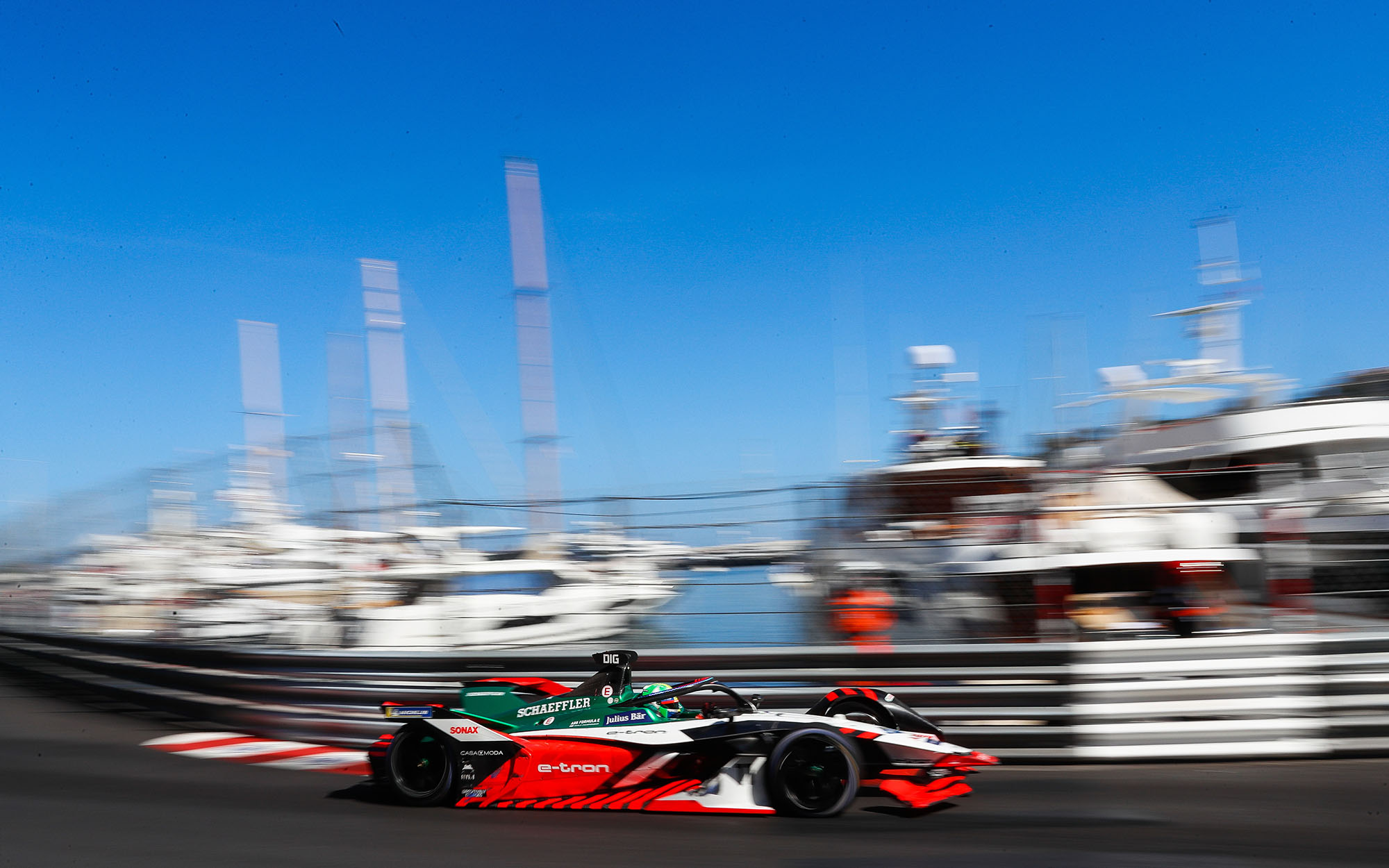
Audi Formula E Era
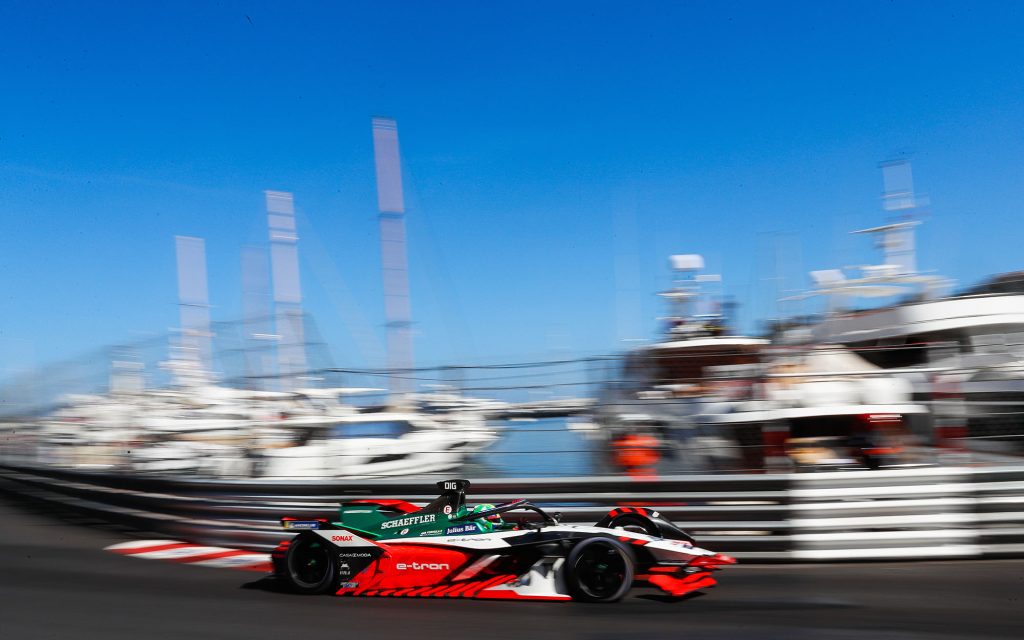
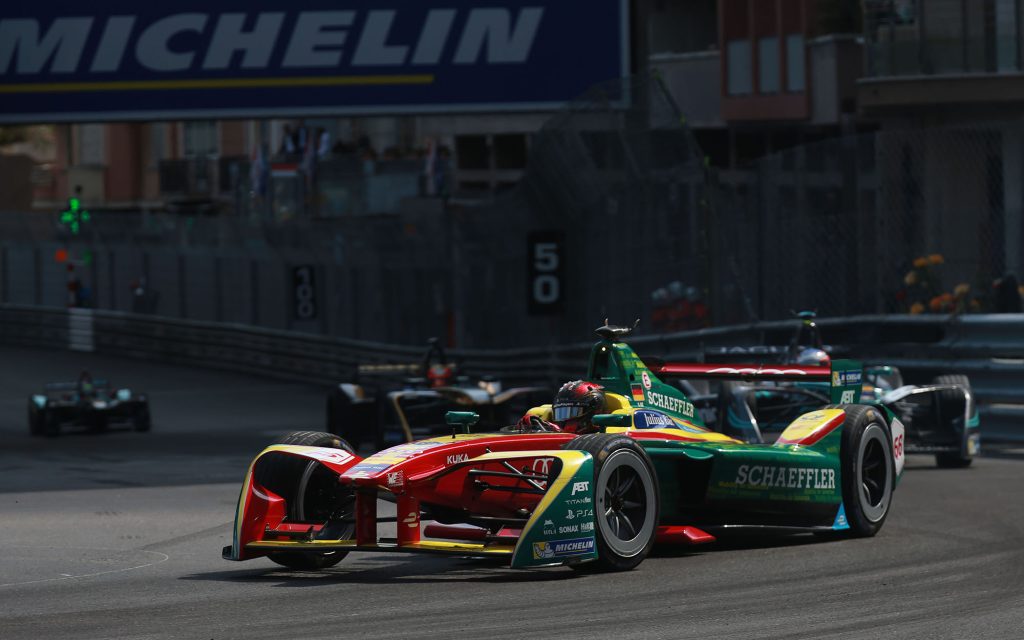
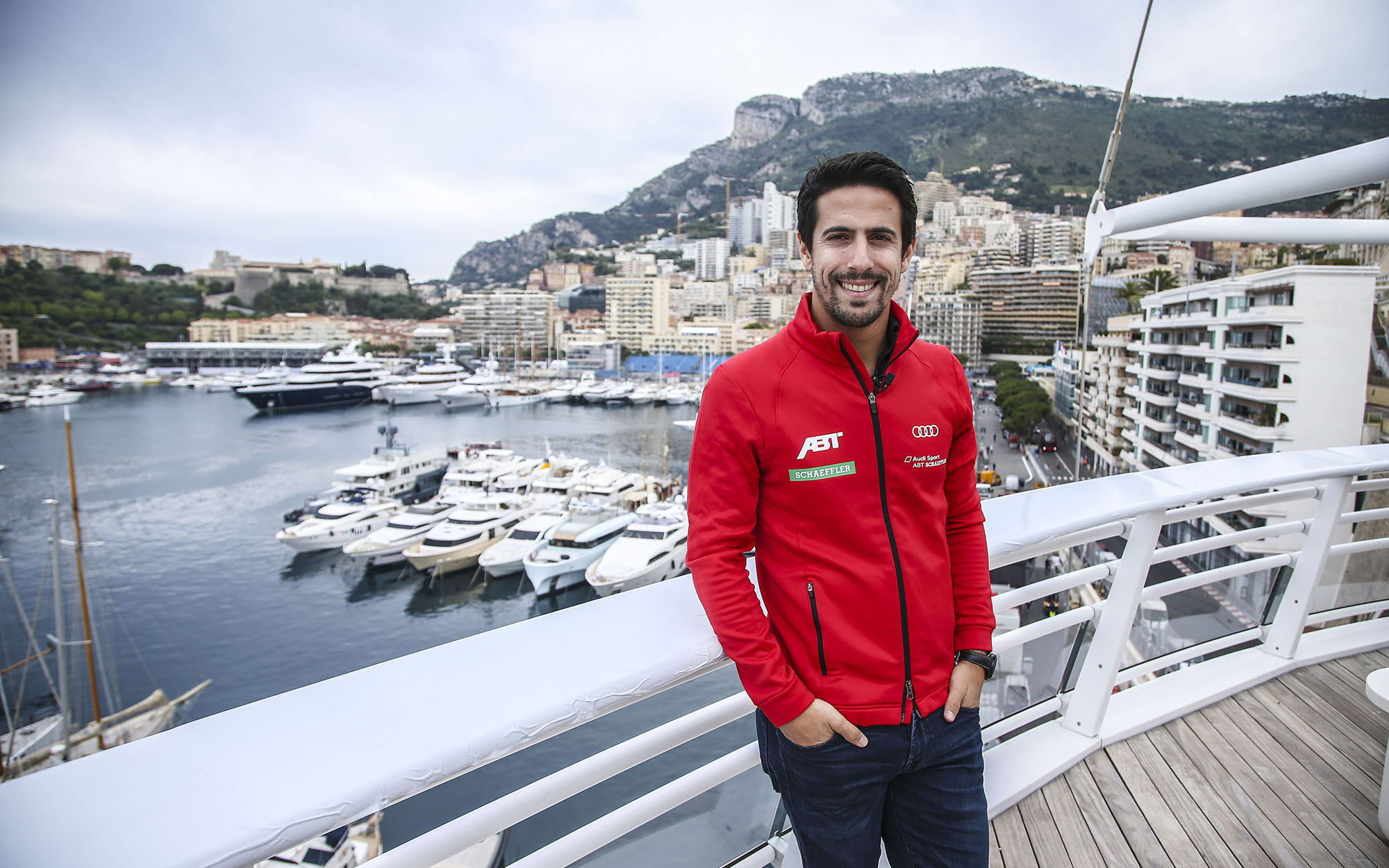
Before Audi entered Formula One, the brand returned to top-level single-seater racing through Formula E. Monaco became one of the championship’s showcase events and one of the few venues where Audi competed in both electric and Formula One-era international racing.
Audi’s involvement evolved through three distinct phases:
- ABT Sportsline / Audi Sport ABT (2014–2017)
- Audi Sport ABT Schaeffler Factory Team (2017–2021)
- Customer and legacy participation through ABT and Lola Yamaha ABT following Audi’s factory withdrawal
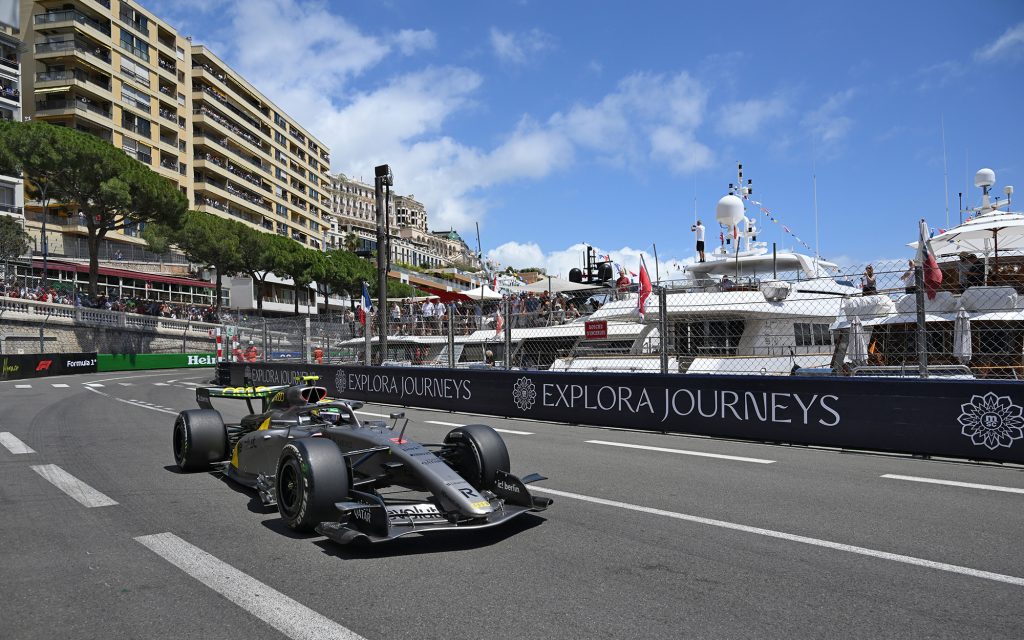
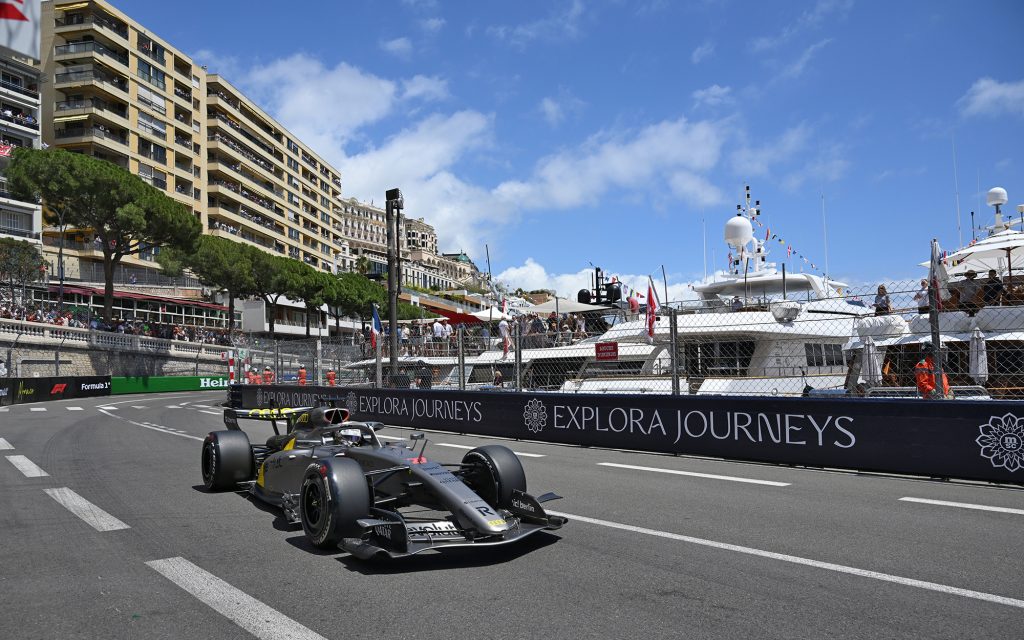
The Monaco ePrix debuted in 2015. The inaugural event used a shortened version of the Circuit de Monaco that bypassed portions of the traditional Formula One layout, including the tunnel and hairpin. Beginning in 2021, Formula E adopted the full Grand Prix circuit, giving the championship a direct comparison with Formula One around Monaco’s iconic streets.
Audi Sport ABT / ABT Schaeffler Audi Sport Formula E Monaco Results
2015 Monaco ePrix
| Driver | Team | Result |
|---|---|---|
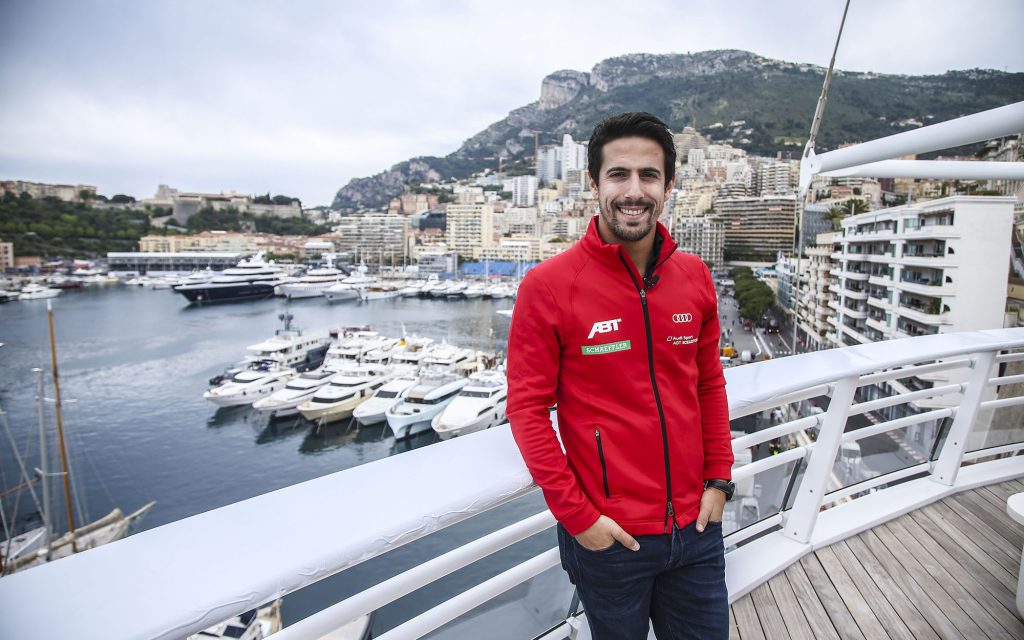
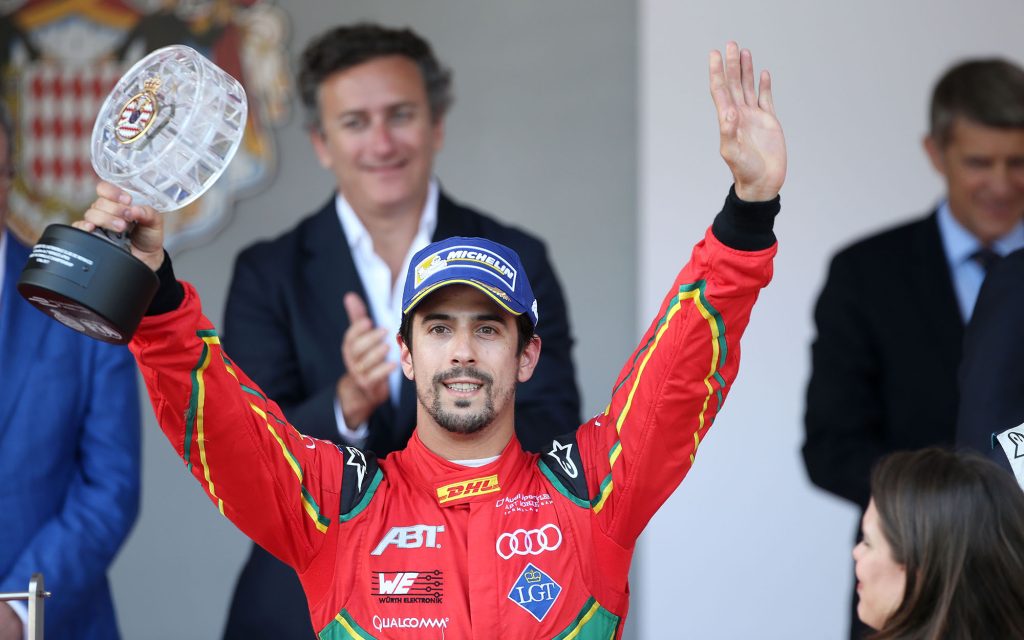
| Lucas di Grassi | Audi Sport ABT | 2nd |
| Daniel Abt | Audi Sport ABT | Retired |
2017 Monaco ePrix
| Driver | Team | Result |
|---|---|---|
| Lucas di Grassi | ABT Schaeffler Audi Sport | 2nd |
| Daniel Abt | ABT Schaeffler Audi Sport | 4th |
2019 Monaco ePrix
| Driver | Team | Result |
|---|---|---|
| Lucas di Grassi | Audi Sport ABT Schaeffler | 4th |
| Daniel Abt | Audi Sport ABT Schaeffler | 11th |
2021 Monaco ePrix
| Driver | Team | Result |
|---|---|---|
| Lucas di Grassi | Audi Sport ABT Schaeffler | 7th |
| René Rast | Audi Sport ABT Schaeffler | 11th |
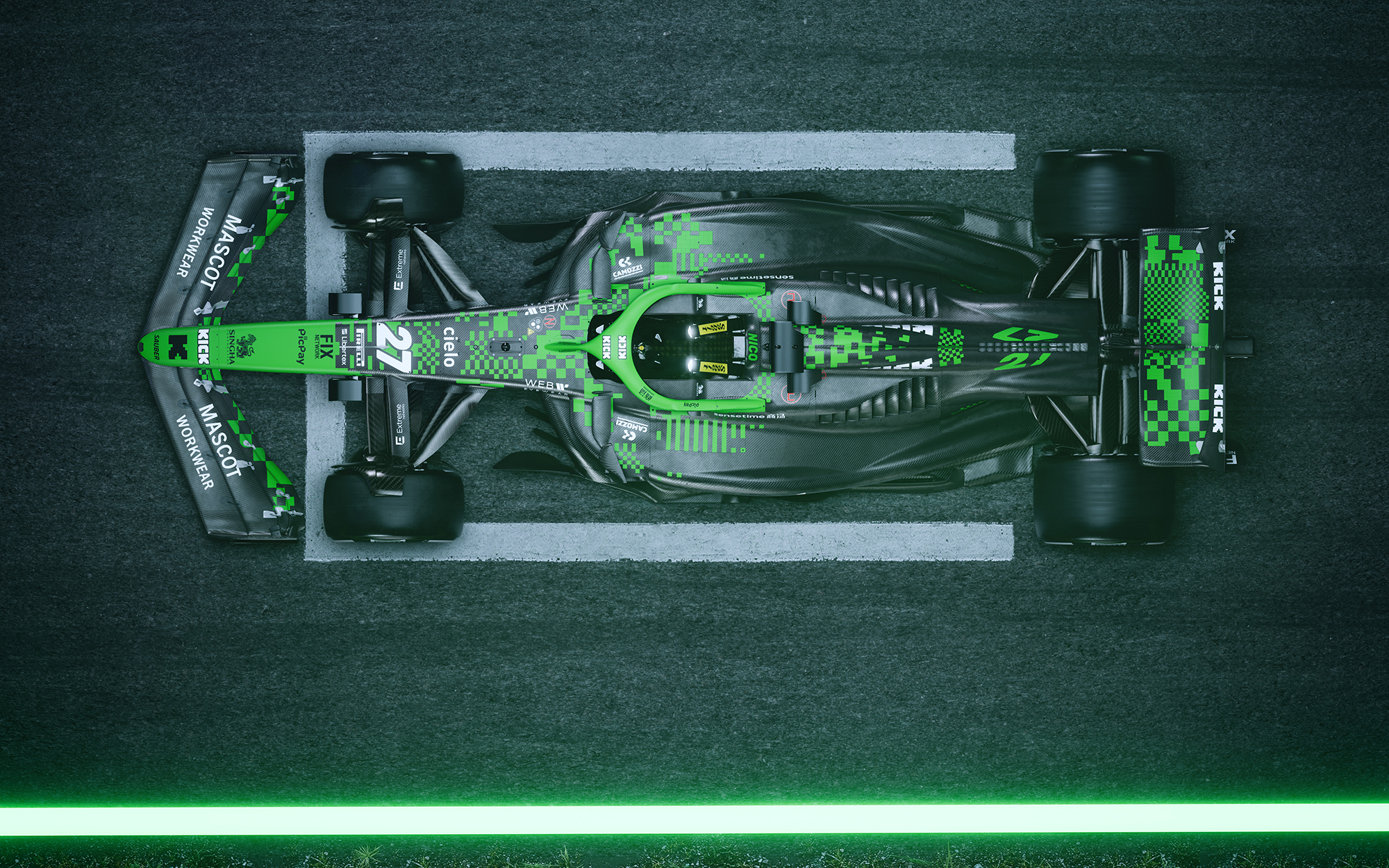
F1 SAUBER & AUDI OWNERSHIP ERA
Audi’s modern Formula One story traces through Sauber Motorsport, which became the foundation for the Audi Formula One project.
Sauber Under Audi Ownership
2024 Monaco Grand Prix
| Driver | Team | Result |
|---|---|---|
| Valtteri Bottas | Stake F1 Team Kick Sauber | 16th |
| Zhou Guanyu | Stake F1 Team Kick Sauber | 14th |
2025 Monaco Grand Prix
| Driver | Team | Result |
|---|---|---|
| Nico Hülkenberg | Stake F1 Team Kick Sauber | 11th |
| Gabriel Bortoleto | Stake F1 Team Kick Sauber | 13th |
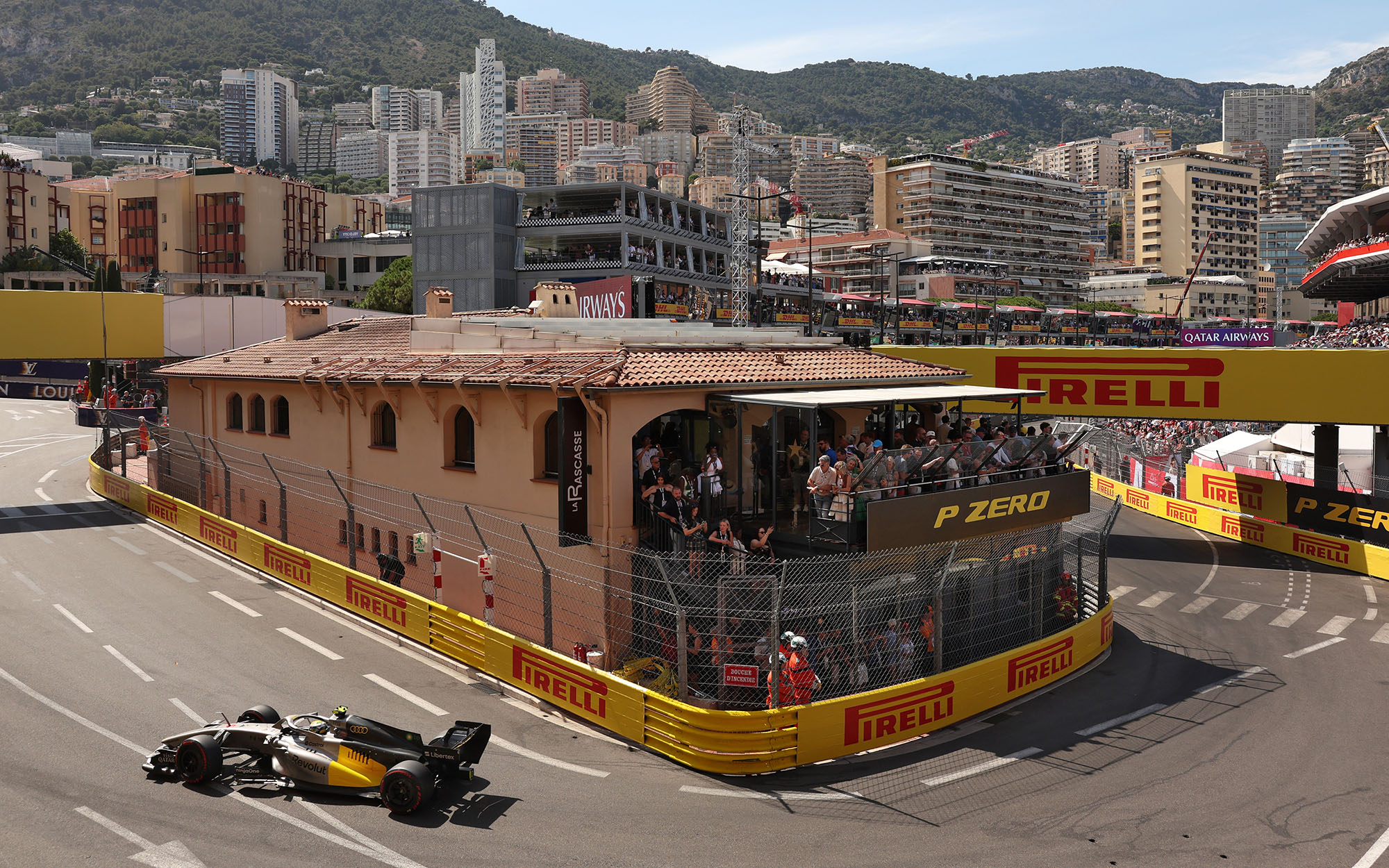
Audi F1 Team Era
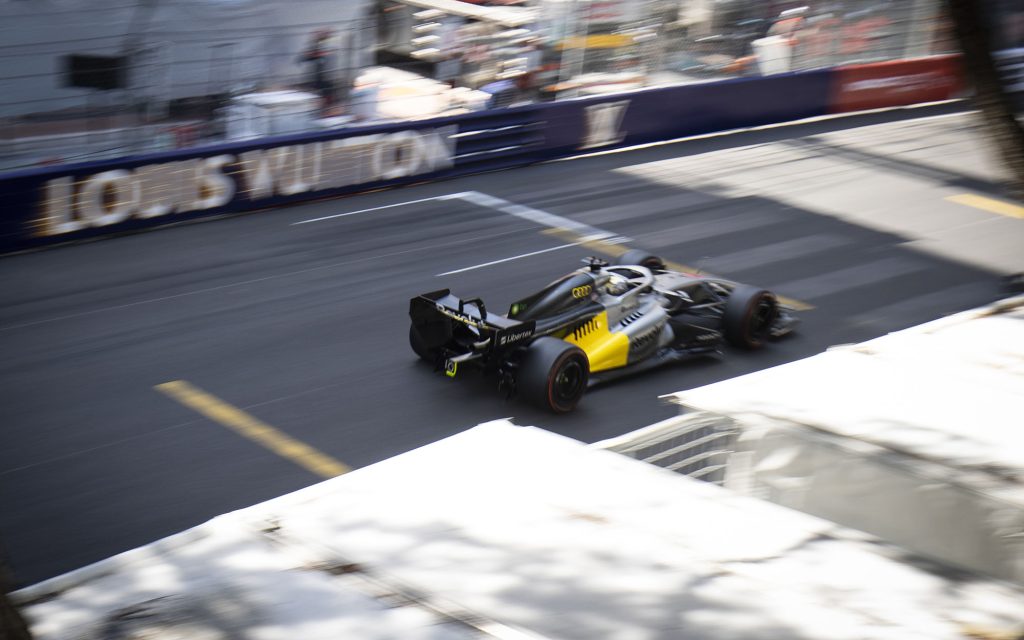
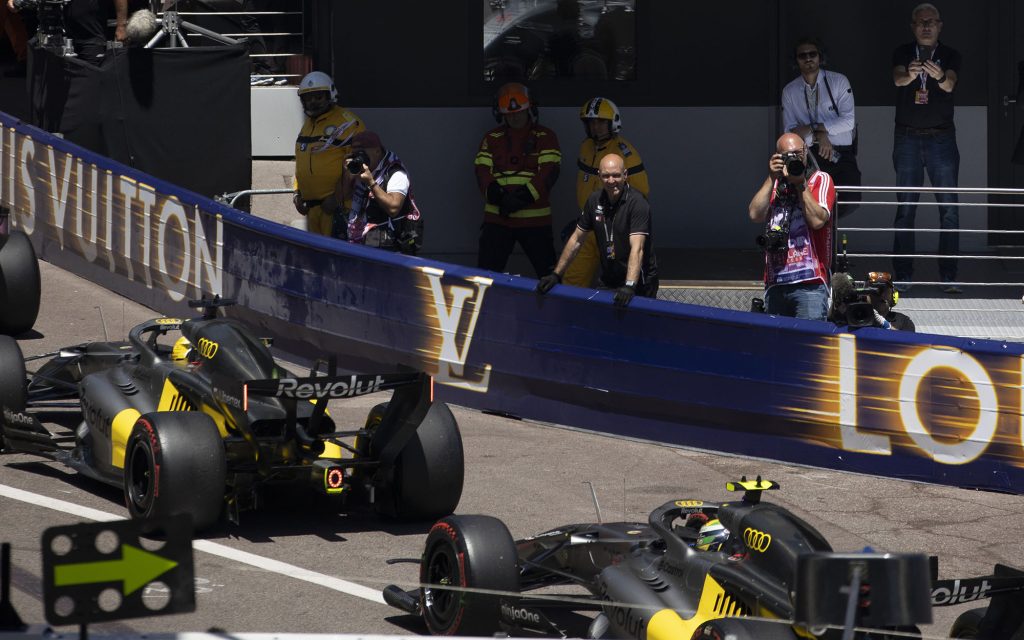
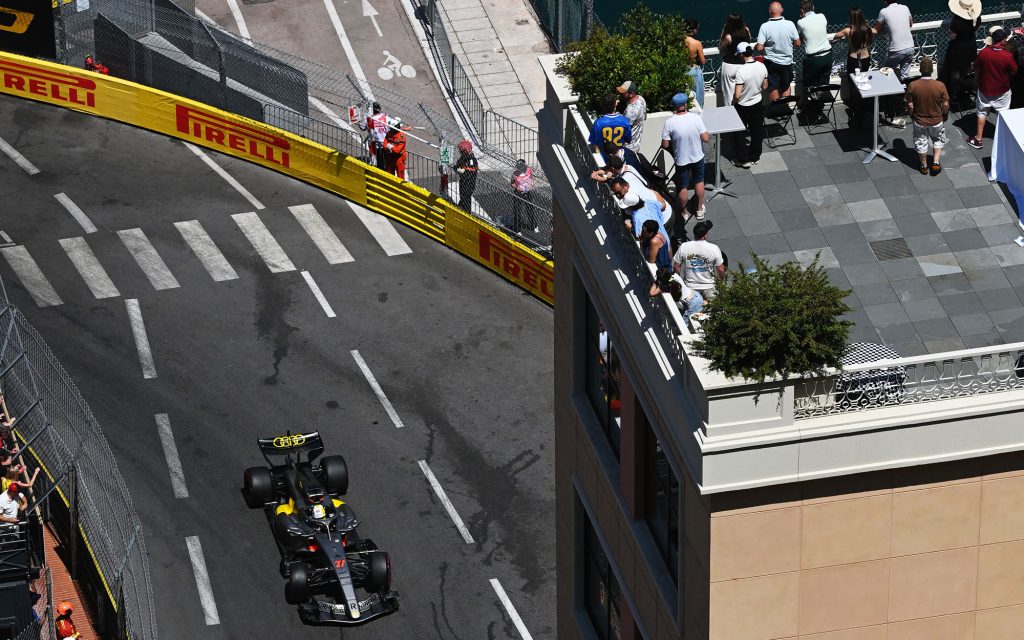
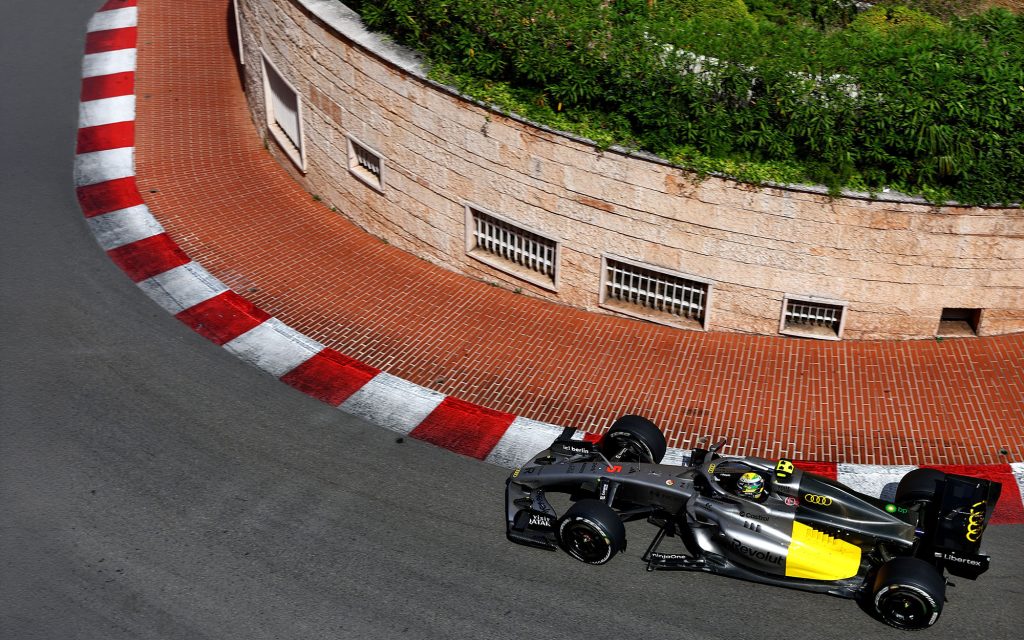
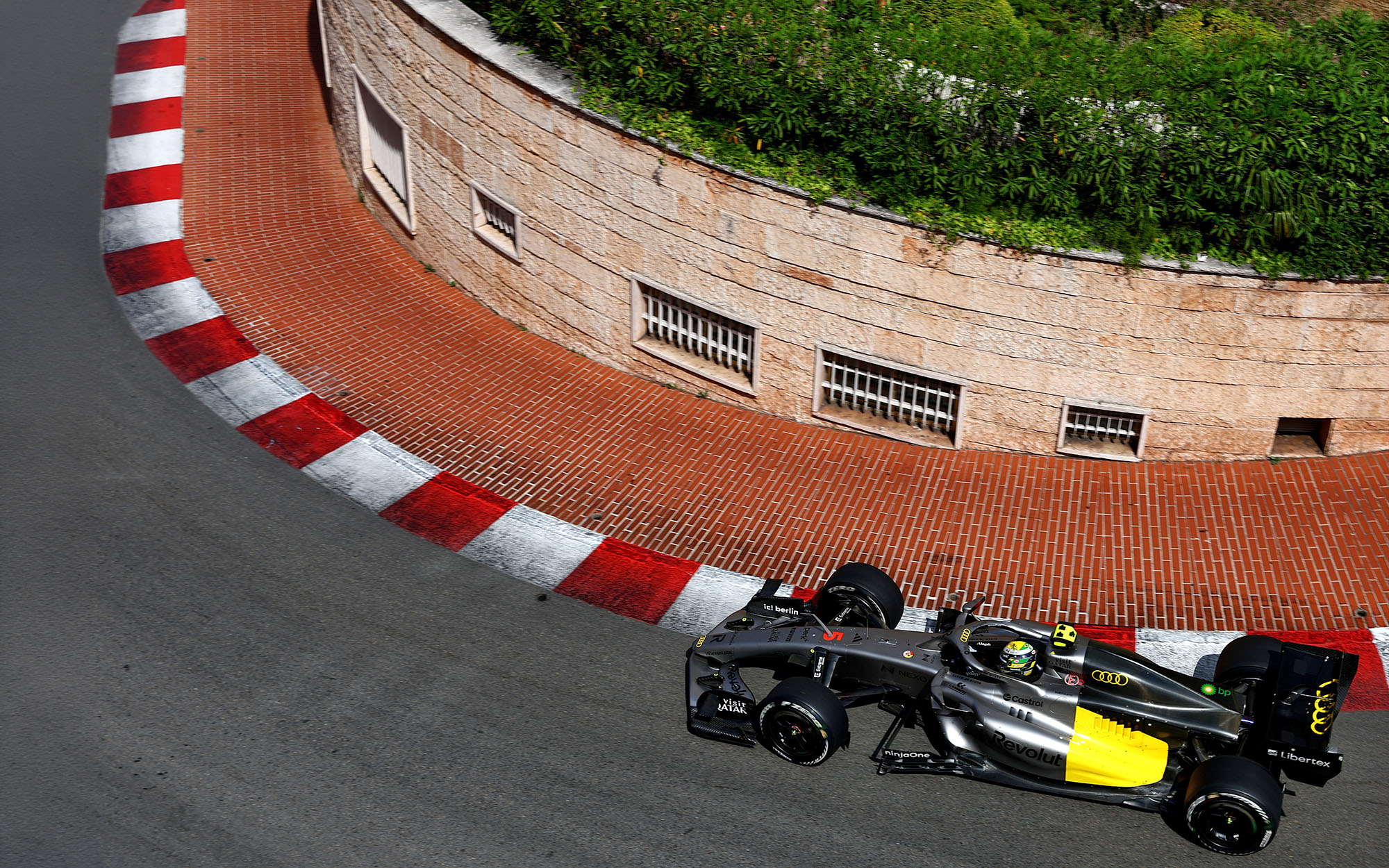
The 2026 Monaco Grand Prix marked Audi’s first official appearance at Monaco as a Formula One constructor under the Audi name. The event also carried symbolic significance as Monaco was one of the few Grand Prix venues where Auto Union competed before the war and where the four rings returned nearly ninety years later.
Audi Formula One Team Monaco Results
2026 Monaco Grand Prix
| Driver | Team | Result |
|---|---|---|
| Gabriel Bortoleto | Audi Revolut F1 Team | 11th |
| Nico Hülkenberg | Audi Revolut F1 Team | 13th |
SIGNIFICANCE TO AUDI HISTORY
While Monaco was never one of Auto Union’s strongest circuits, it remains historically significant because it connects four distinct chapters of Audi motorsport history:
- The original Auto Union Silver Arrows of the 1930s.
- Audi Sport participations in Formula E
- The Sauber transition years that formed the basis of Audi’s Formula One entry.
- The Audi Revolut F1 Team’s first Monaco Grand Prix appearance in 2026.
As a result, Monaco stands alongside Monza, Nürburgring, Spa-Francorchamps and Silverstone as one of the few Grand Prix venues to have hosted both Auto Union’s pre-war racing cars and Audi’s modern Formula One effort nearly a century later.
PHOTO GALLERY