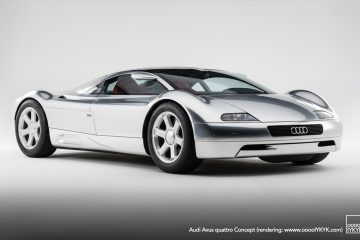
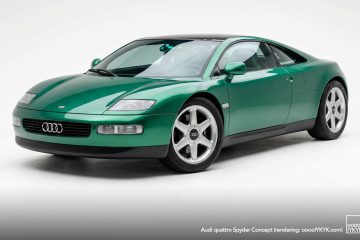
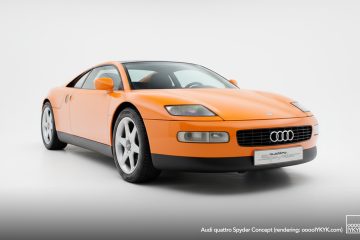
The Audi Avus quattro arrived just weeks after the unveiling of the quattro Spyder, forming part of a deliberate one-two statement by Audi leadership under Ferdinand Piëch.
During this period, the car appeared in a distinctly different configuration—finished in a dark green metallic tone and photographed extensively, most notably in desert environments.
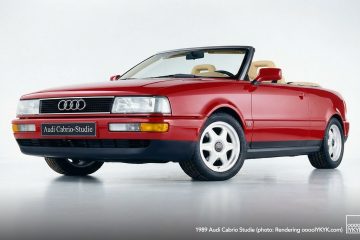
The quattro Spyder emerged at a pivotal moment for Audi as it explored lightweight construction and brand repositioning beyond sedans and touring cars.
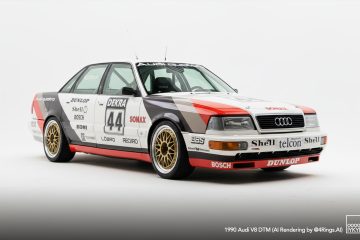
Audi returned to the DTM for 1991 with a slightly updated V8 quattro Evo. Hans Joachim Stuck would lead the squad with the #1 car, though a young upstart new to the Audi brand if not the series was Frank Biela.
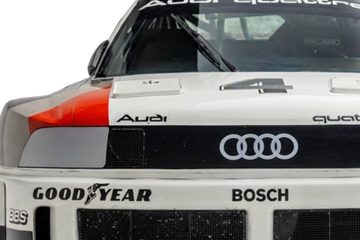
Having had quattro deemed an "unfair advantage" and thus outlawed in Trans-Am in 1988 and IMSA GTO racing in 1989 for its on-track dominance, Audi Sport turned to the German DTM series.
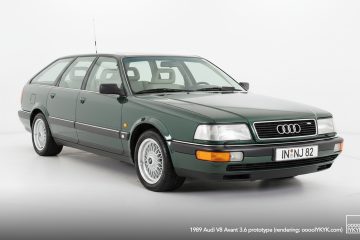
Built at the insistence of Ferdinand Piëch as a fully functional, road-approved family car for his wife Ursula Piëch, it remains one of the most unusual and storied vehicles ever produced by the brand.
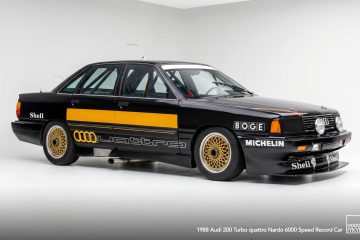
The 1988 Audi 200 Turbo quattro "Nardò 6000" was a unique factory-built speed record prototype developed by Audi to demonstrate the ultimate capability of its turbocharged five-cylinder engine, new five-valve cylinder head technology and quattro all-wheel-drive system under sustained high-speed conditions.