


NAME: quattro GmbH
FOUNDED: October 10, 1983
RENAMED: November 29, 2016
SUCCESSOR NAME: Audi Sport GmbH
PARENT COMPANY: AUDI AG
OWNERSHIP: Wholly owned subsidiary
HEADQUARTERS: Ingolstadt, later Neckarsulm, Germany
BUSINESS: High-performance vehicles, vehicle individualization, accessories, lifestyle products and customer racing
FIRST MANAGING DIRECTOR: Jens Neumann
FINAL MANAGING DIRECTOR UNDER THE QUATTRO GMBH NAME: Stephan Winkelmann
ACTIVE UNDER THIS NAME: 1983–2016
OVERVIEW
quattro GmbH was established on October 10, 1983 as a wholly owned subsidiary of AUDI AG. Originally created to secure the quattro name and its marketing rights, the company developed from a small accessories and merchandise operation into Audi’s specialist for individualization, high-performance road cars, exclusive accessories and lifestyle products. It later added customer racing to its responsibilities.
The company’s identity was broader than its name suggested. Although quattro permanent all-wheel drive became standard on the high-performance vehicles it produced, quattro GmbH did not develop Audi’s production all-wheel-drive systems. Its work focused instead on extending the Audi brand into products and services beyond the regular model program.
By 2000, quattro GmbH described its business through four principal product lines: special model series, customization, accessories and lifestyle articles. Over the following decade, complete high-performance vehicles became increasingly central to its identity through the RS range and Audi R8. Audi Sport customer racing subsequently developed into a fourth major business area alongside vehicle production, Audi exclusive and the Audi collection.
On November 29, 2016, quattro GmbH began operating as Audi Sport GmbH. The change retained the existing corporate organization while giving it a name more directly associated with high-performance cars and Audi’s motorsport history.
ESTABLISHMENT
Audi founded quattro GmbH in 1983, three years after introducing the original Audi quattro and its permanent all-wheel-drive system. The success of the car and Audi’s accompanying rally program rapidly turned the word “quattro” into one of the company’s most recognizable assets.
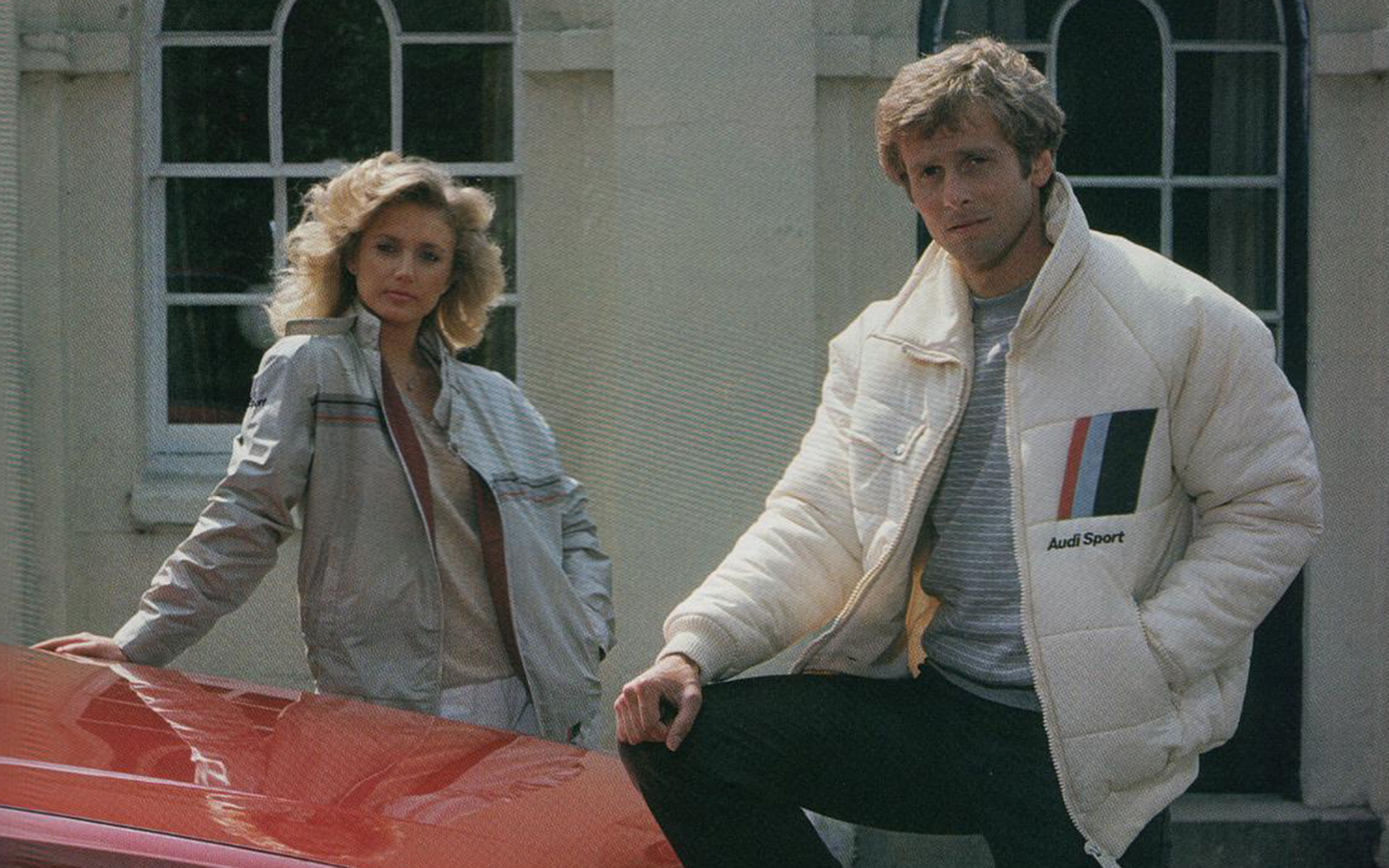
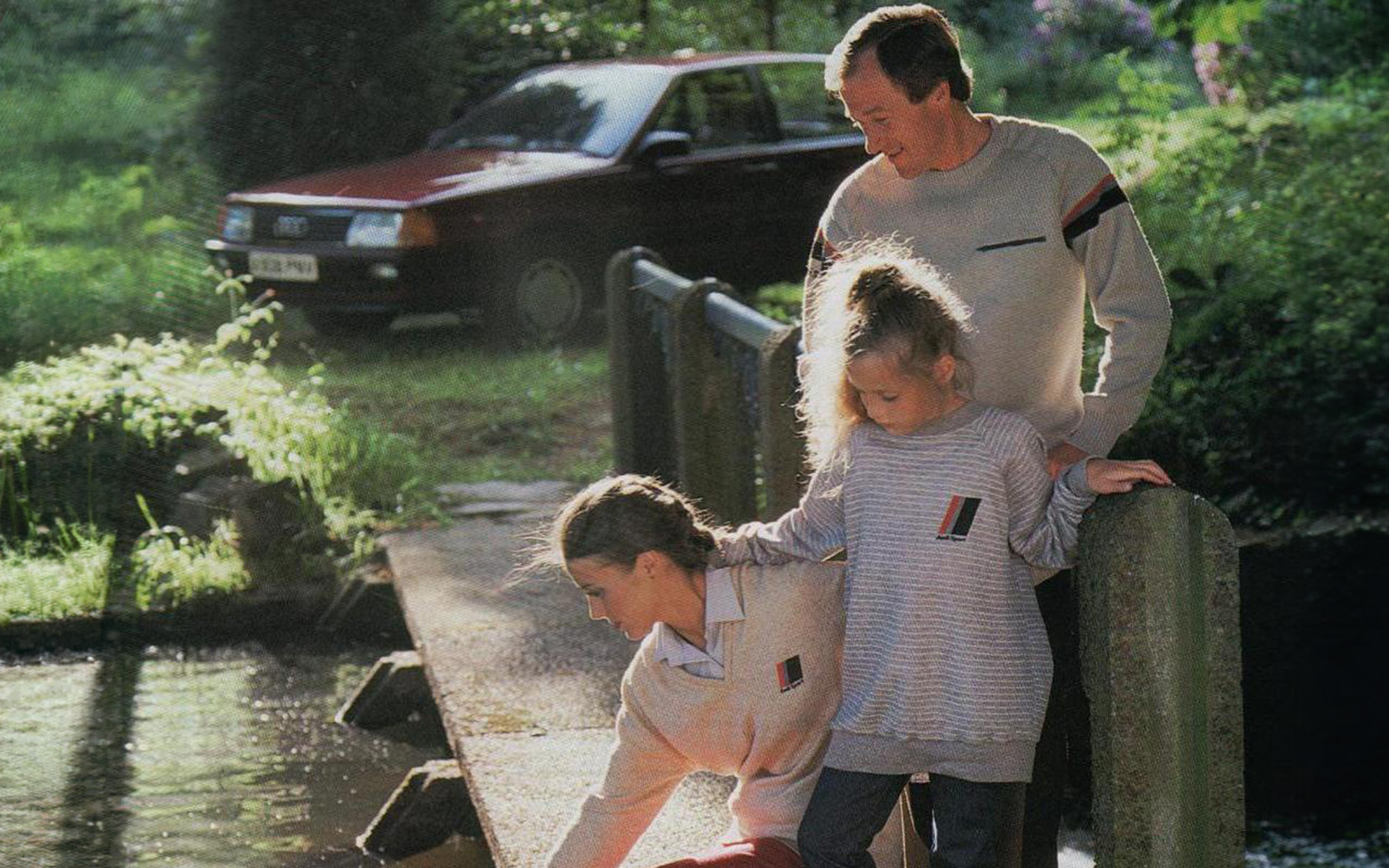
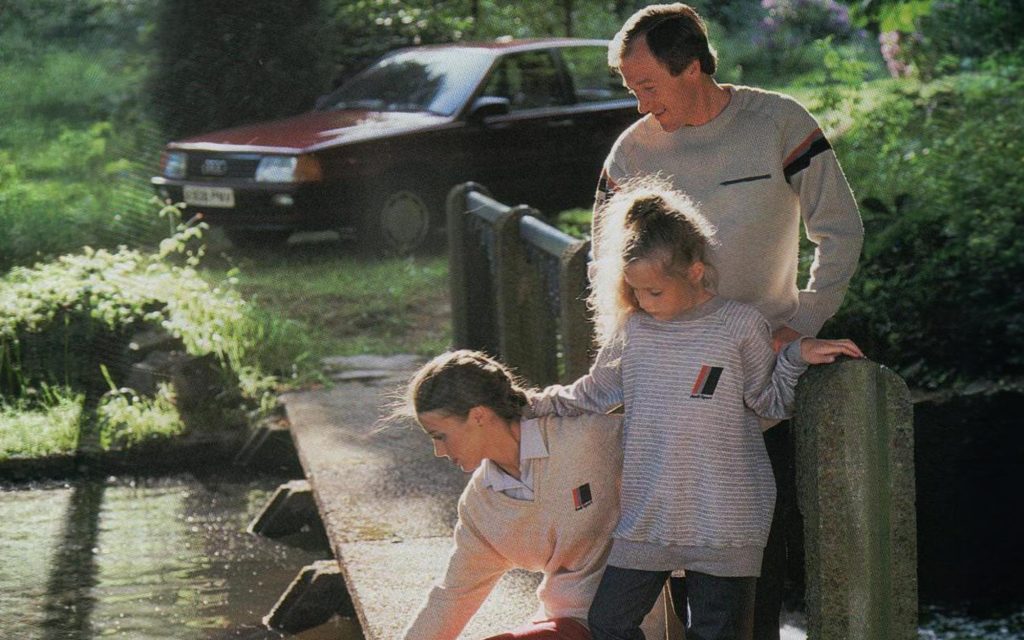
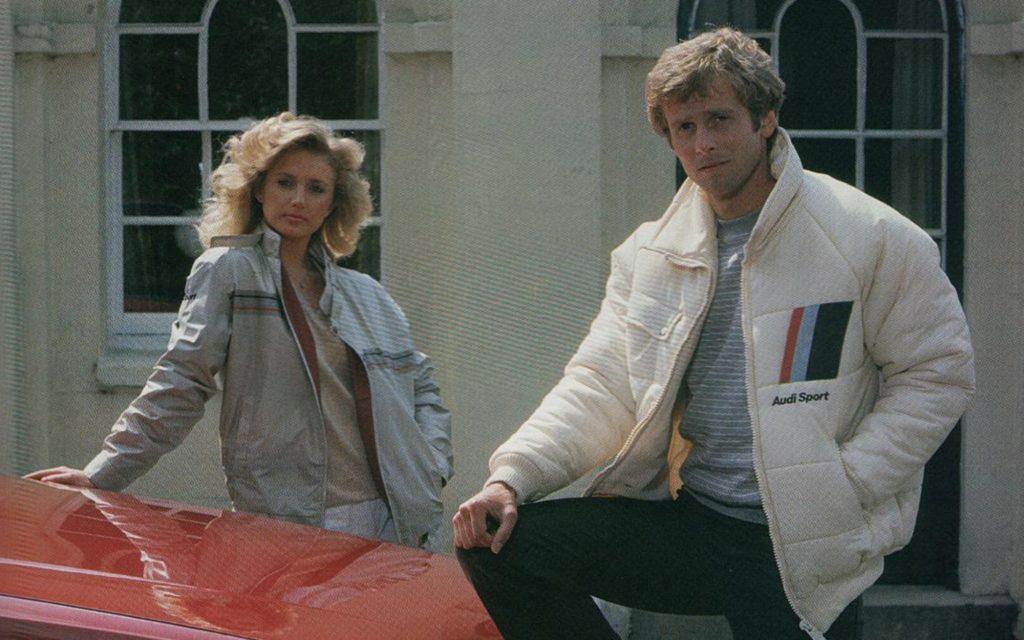
The subsidiary was initially created to secure the name and corresponding marketing rights. Its earliest products were therefore not complete cars or mechanical components. The first quattro-branded collection appeared in 1984 and included 22 pieces of luggage, clothing and small leather goods finished largely in olive and black.
These products established a business that would eventually become the Audi collection. quattro GmbH assumed responsibility for the entire process, from the initial product concept and coordination with Audi Design through manufacturing, marketing and sale.
FROM ACCESSORIES TO INDIVIDUALIZATION
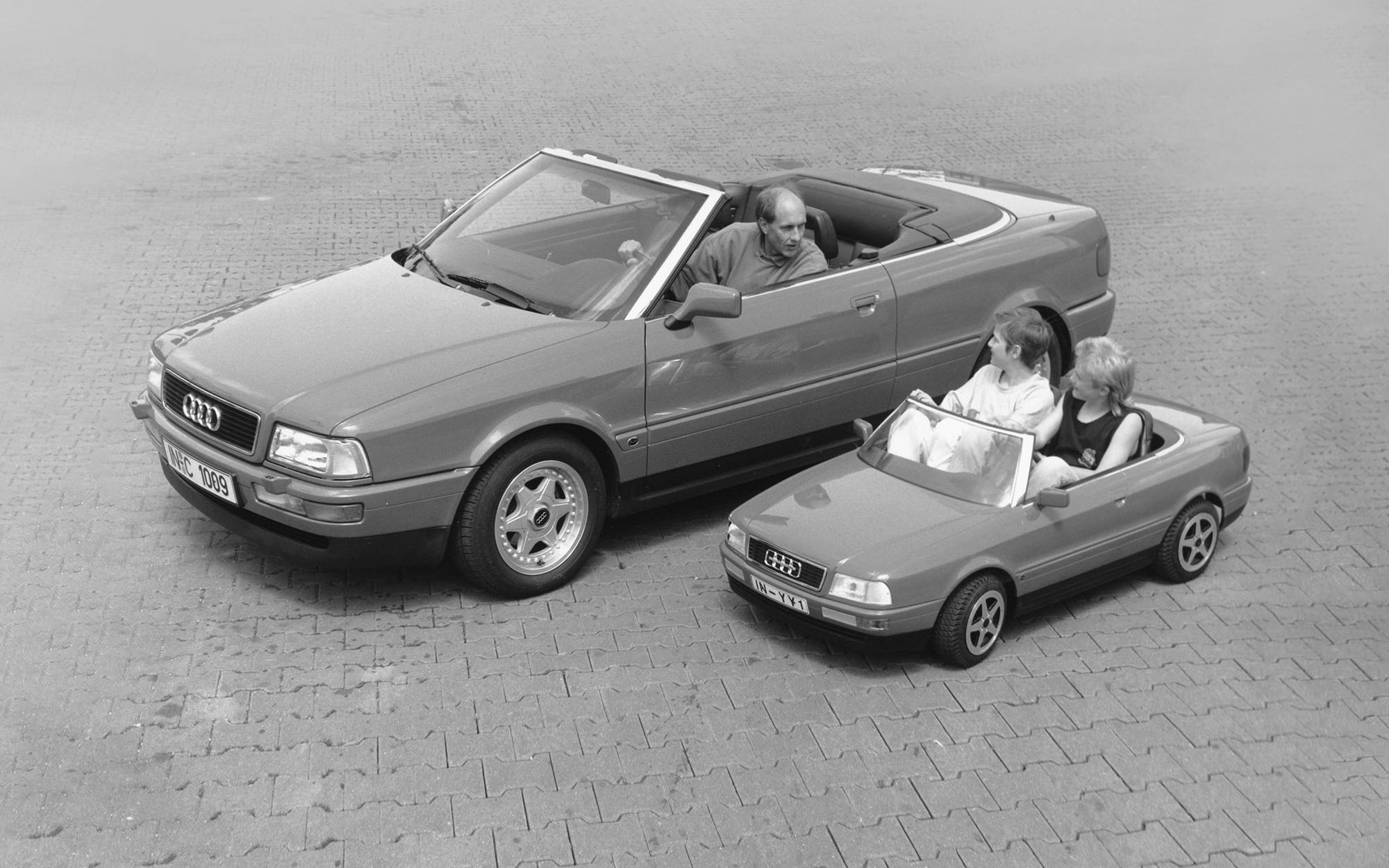
During its first decade, quattro GmbH expanded beyond branded merchandise into vehicle accessories and special equipment. Its products included alloy wheels, steering wheels, shift knobs, exterior accessories and practical equipment developed specifically for Audi models.
The company began systematically offering vehicle individualization in 1995. This business, later identified as Audi exclusive, allowed customers to order combinations of colors, materials and equipment not included in Audi’s normal production program.
By 2000, quattro GmbH offered leather in approximately 20 colors, five exclusive types of wood and carpeting in 11 colors. Customers could order special exterior colors, full-leather interiors, coordinated interior trim and technical or comfort equipment. The company stated that almost any requested exterior color could be produced, provided it could be applied using Audi’s environmentally compatible water-based paint system.
The program extended beyond colors and upholstery. One of its most elaborate offerings was an office package for the Audi A8, with available modules including a folding rear table, telephone and fax equipment, television and video system, refrigerator and bar compartment. Customers could order the complete installation or select its components individually.
quattro GmbH also created sports packages for regular Audi models. Packages developed for the A3 and A4 included lowered suspension, larger wheels and tires, more powerful brakes, sport seats, special upholstery, alternative instrument faces and model-specific interior trim. These factory-installed packages allowed quattro GmbH to influence a car’s appearance and driving character without creating a separate model.
BECOMING A VEHICLE MANUFACTURER
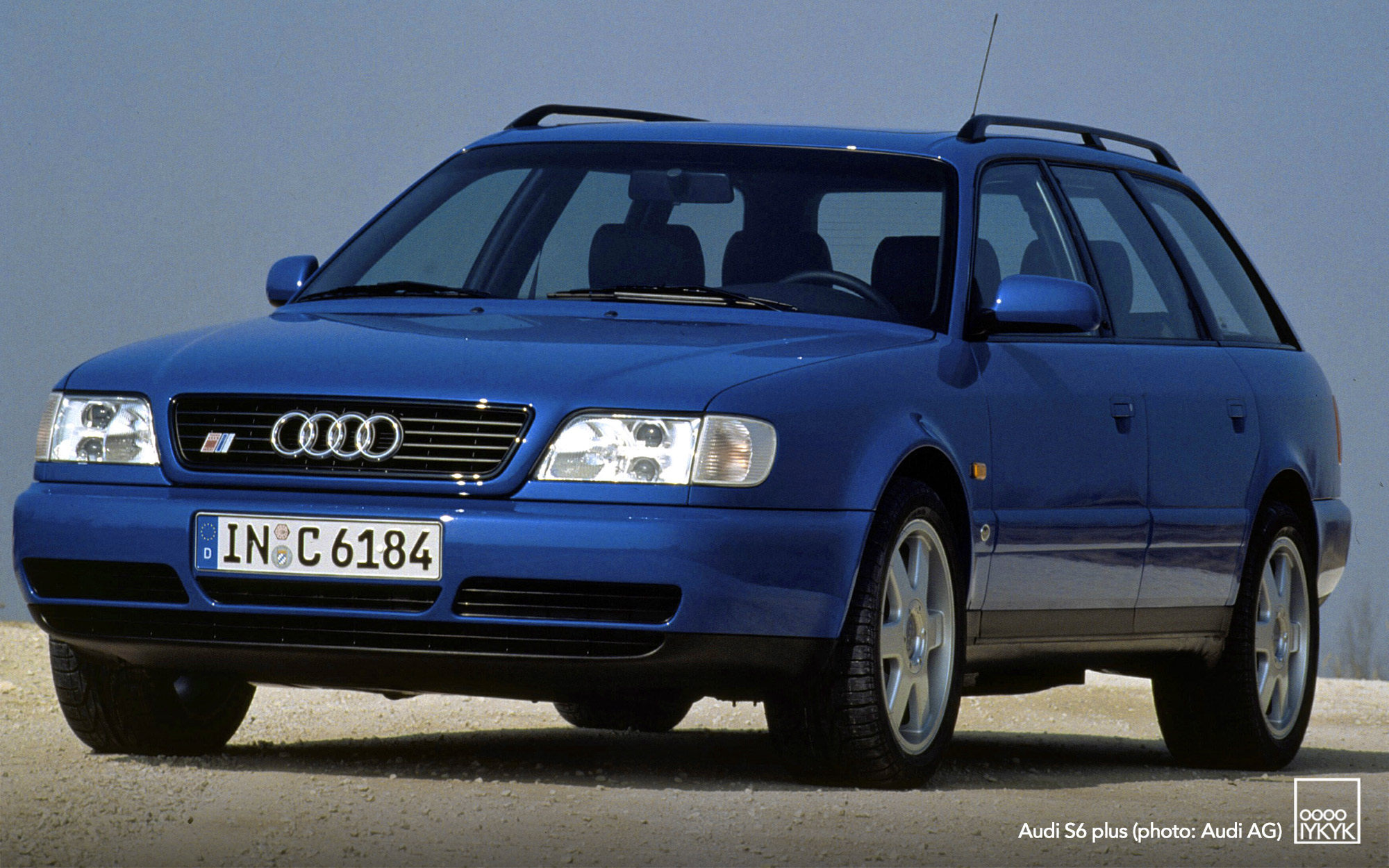
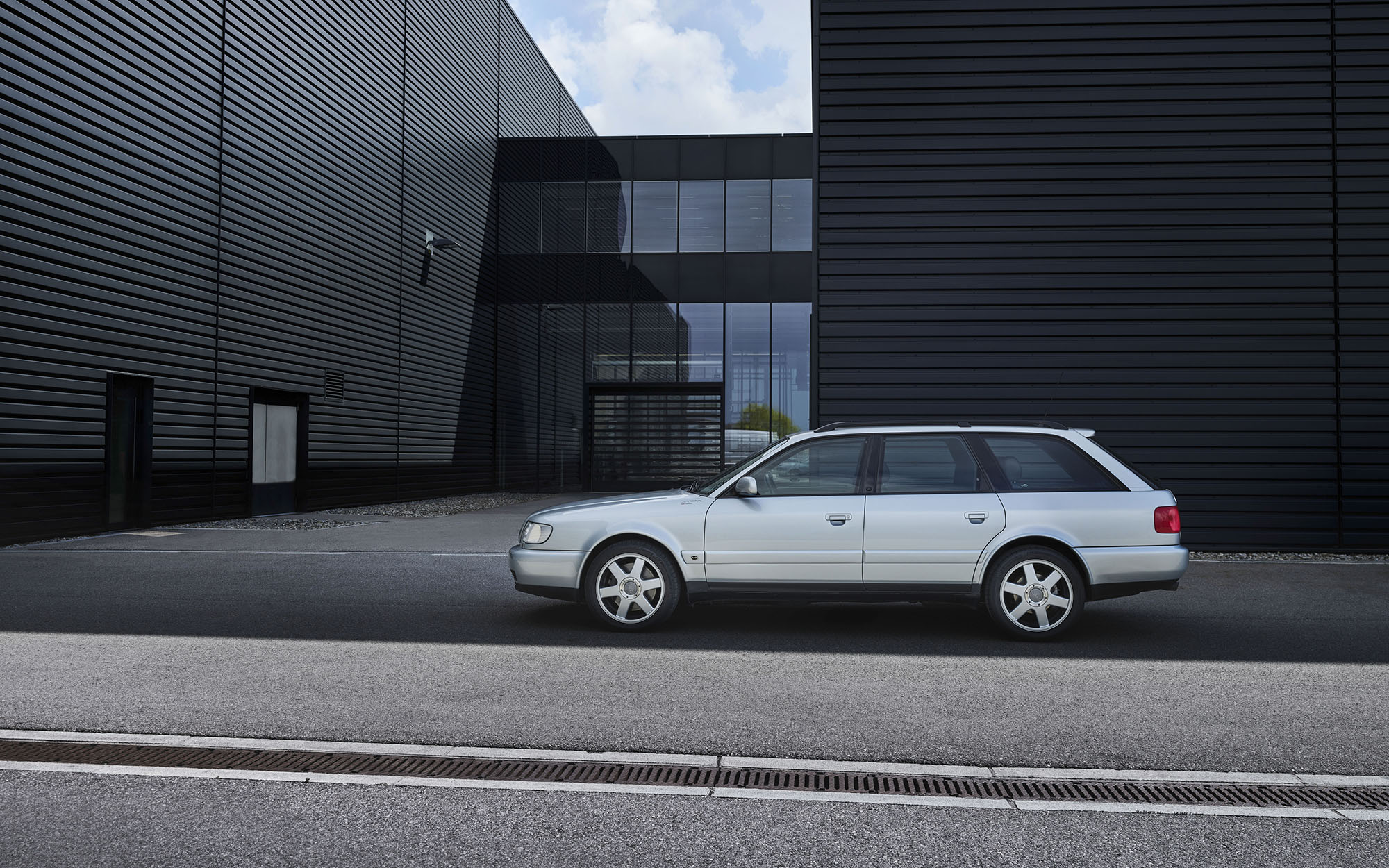
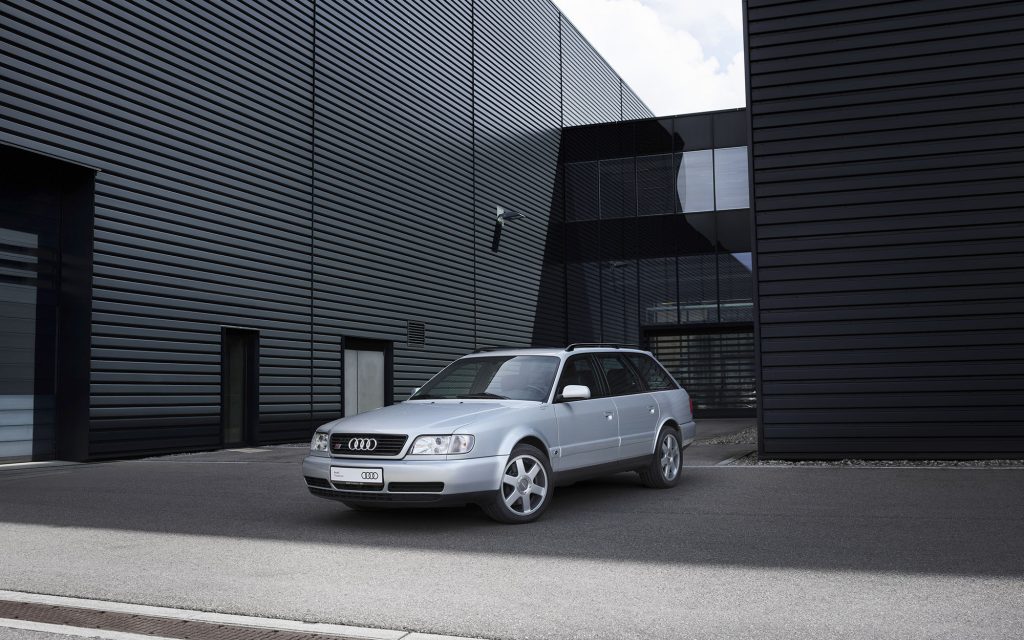
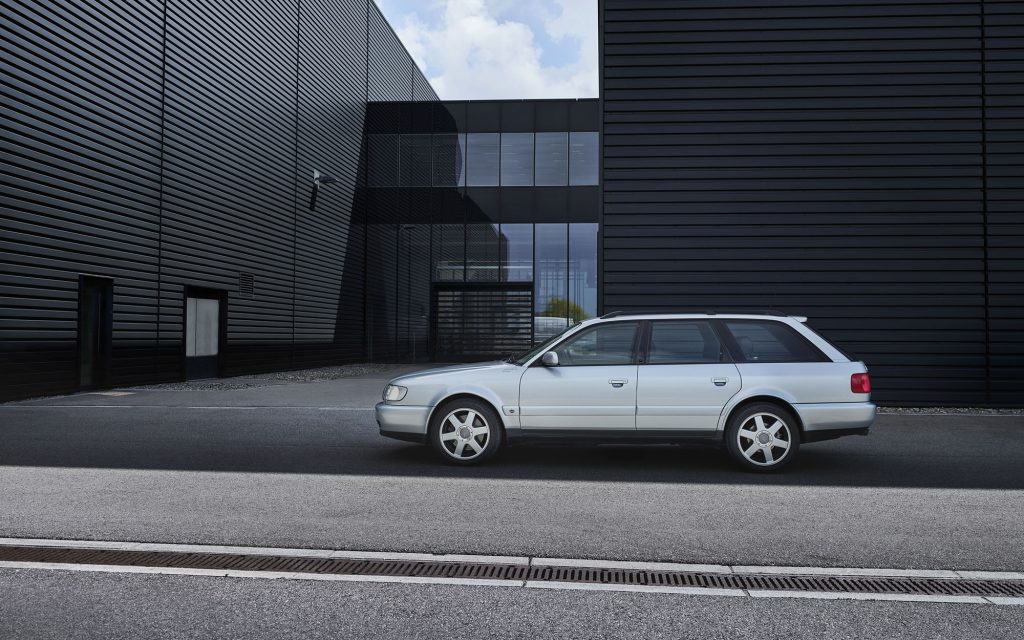
In 1996, quattro GmbH became a registered vehicle manufacturer and introduced its first complete vehicle, the Audi S6 plus. Developed with AUDI AG under the internal name Project Q1, the S6 plus was offered as a sedan and Avant.
Its 4.2-liter V8 was extensively reworked by quattro GmbH, increasing output from 213 kW / 290 PS to 240 kW / 326 PS. A six-speed manual transmission, quattro permanent all-wheel drive, revised running gear and exclusive visual and interior details completed the package.
The S6 plus demonstrated that quattro GmbH could develop and market a complete high-performance model, but it remained a joint program based closely on an existing Audi S6. The next major step was the B5-generation Audi RS 4 Avant.
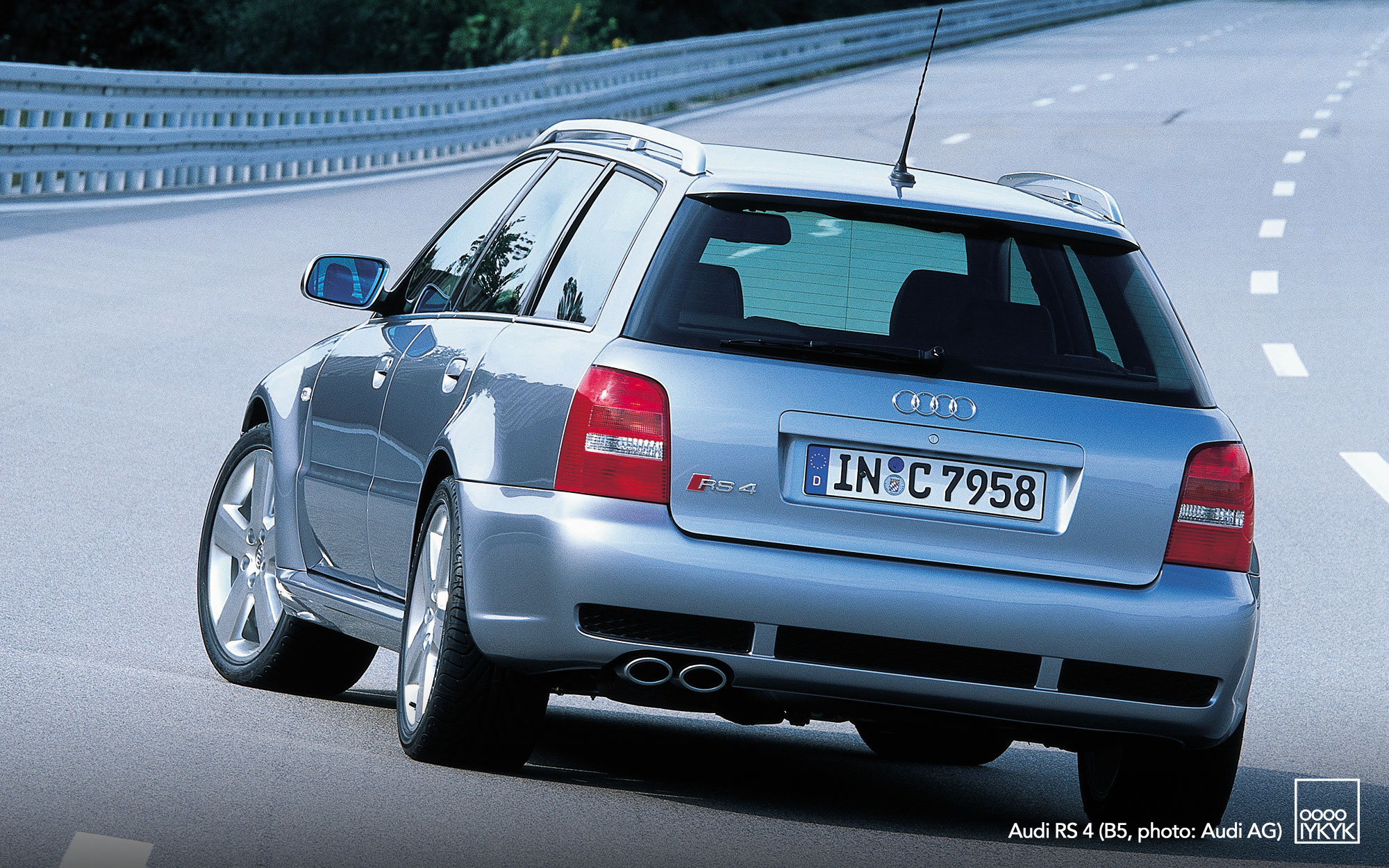
Presented at the Frankfurt Motor Show in September 1999 and launched in early 2000, the RS 4 was described by quattro GmbH as the first complete car it had created in its own right and developed in conjunction with AUDI AG. This wording distinguished it from the earlier S6 plus and reflected the subsidiary’s substantially greater responsibility for the vehicle.
Based on the Audi S4, the RS 4 received a 280 kW / 380 PS version of Audi’s 2.7-liter biturbo V6, developed with Cosworth Technology. It also featured widened bodywork, model-specific aerodynamics, larger brakes, an extensively revised suspension and a more visually assertive identity.
The RS 4 was assembled jointly by the Audi plant in Ingolstadt and quattro GmbH in Neckarsulm. Partially completed cars arrived at quattro GmbH for final assembly and finishing by hand. Its success established the RS range as a permanent and increasingly important part of the Audi portfolio.
THE BUSINESS IN 2000
Contemporary quattro GmbH material organized the company’s activities into four product lines:
- Special model series: Complete high-performance vehicles led by the Audi RS 4
- Customization: Special paints, leather, Alcantara, wood, carbon fiber, equipment packages and individual customer commissions
- Accessories: Alloy wheels, interior components, loading systems, communications equipment and other Audi-specific products
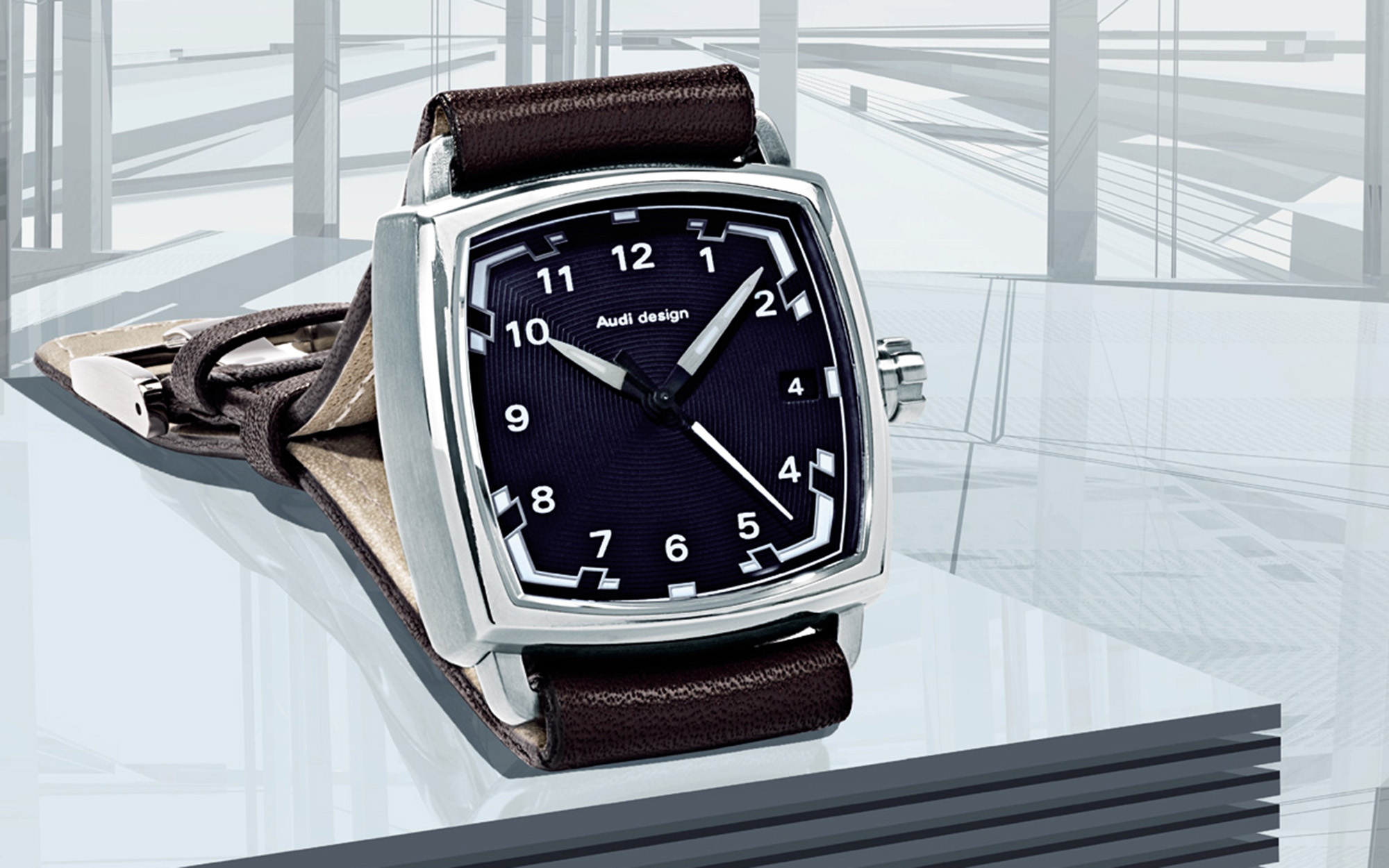
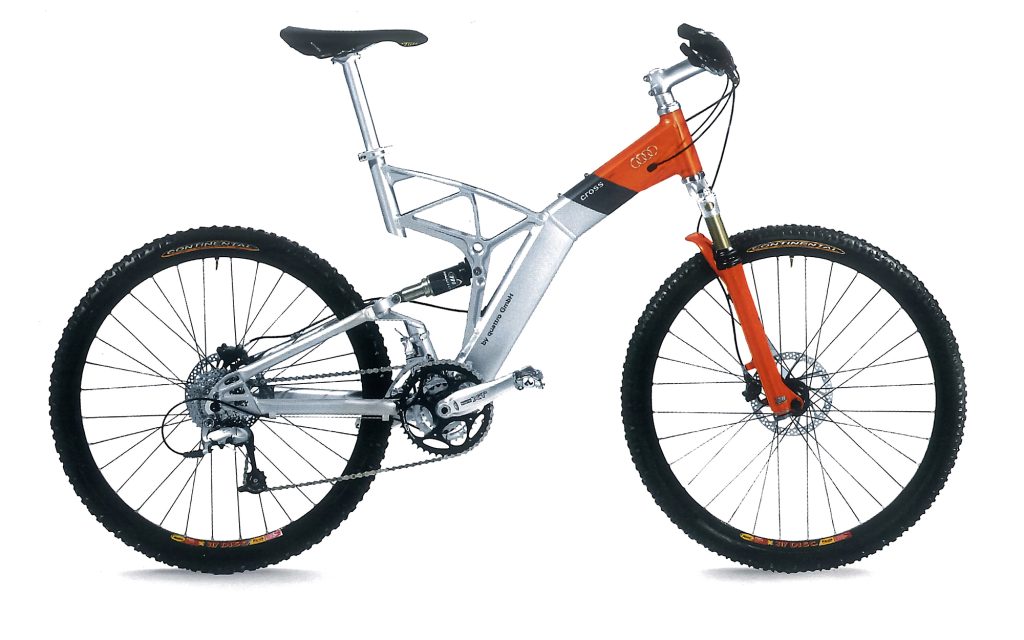
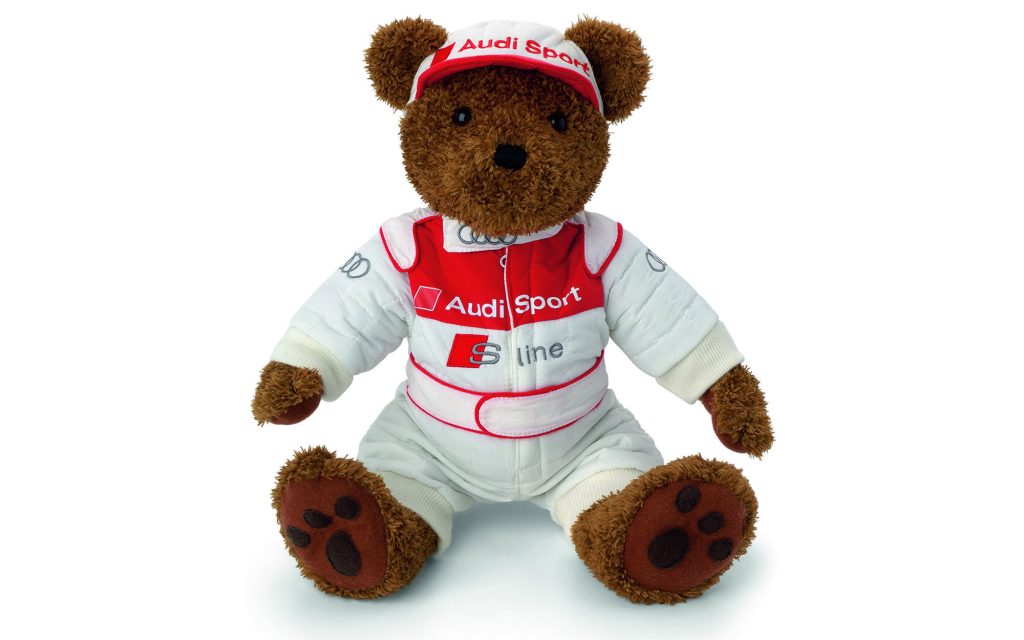
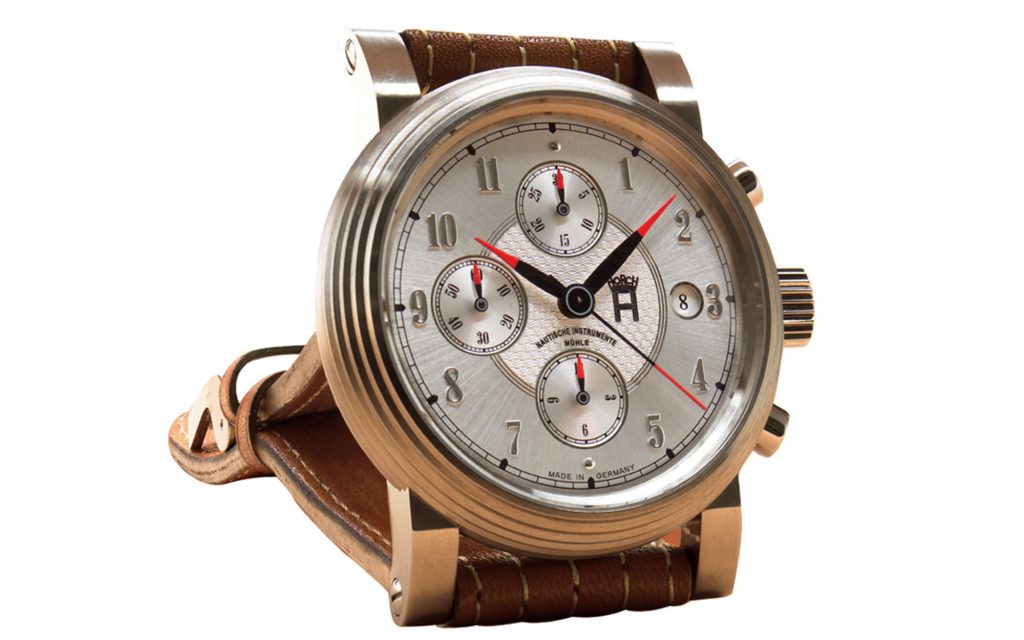
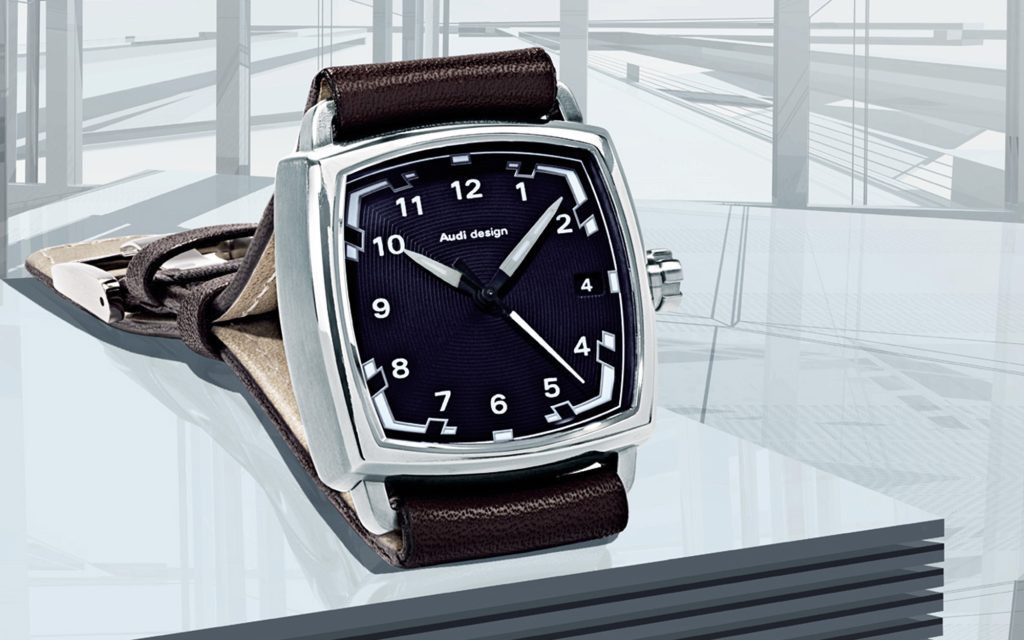
- Lifestyle articles: Clothing, luggage, watches, bicycles, leather goods and other products sold through the Audi collection
The company described the common themes across these activities as individuality, sporting character and exclusivity. The products varied considerably, but all were intended to supplement the regular Audi range while meeting the company’s standards for design, function, materials and workmanship.
In 1999, quattro GmbH reorganized and established its own development, sales and marketing operations. Managing Director Werner Frowein said the new structure would allow the company to respond more closely to the requirements of individual markets and customers.
This restructuring marked quattro GmbH’s transition from a small specialist supplier into a more independent vehicle and product organization. Its operations also shifted from Ingolstadt to Neckarsulm during this period, establishing the location that would remain its headquarters under the Audi Sport GmbH name.
ACCESSORIES AND THE AUDI COLLECTION
Accessories remained a substantial part of the quattro GmbH business even as the company’s high-performance cars became more prominent. Its 2000 range included 16-, 17- and 18-inch alloy wheels for the A3, A4, A6, A8, S8 and TT, along with model-specific shift knobs, sill plates and interior accessories.
The company also developed functional products such as the Multiload system for the Audi A6 Avant. Mounted on rails, its extendable load platform could handle objects weighing up to 120 kilograms and could be configured to secure bicycles inside the luggage compartment.
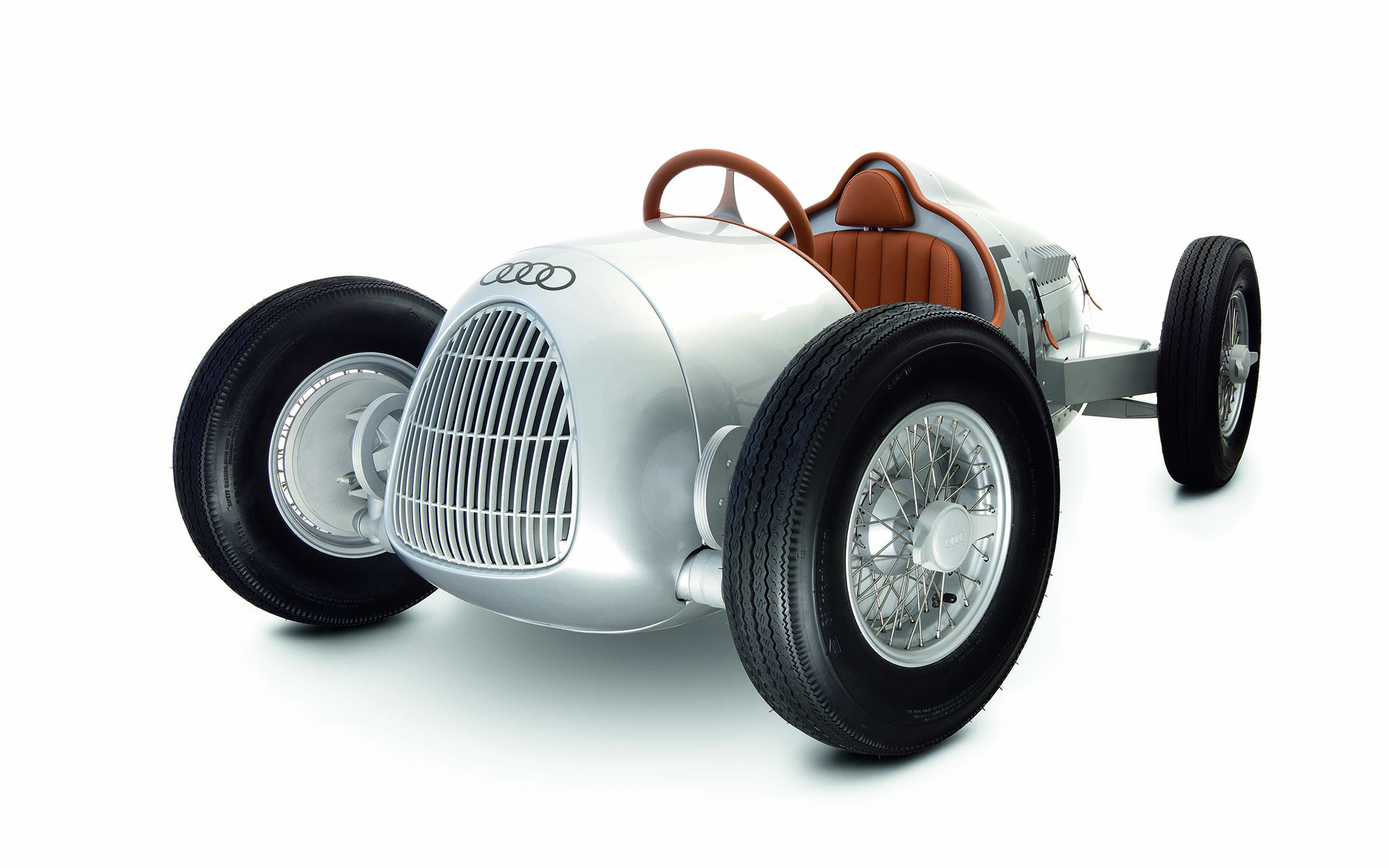
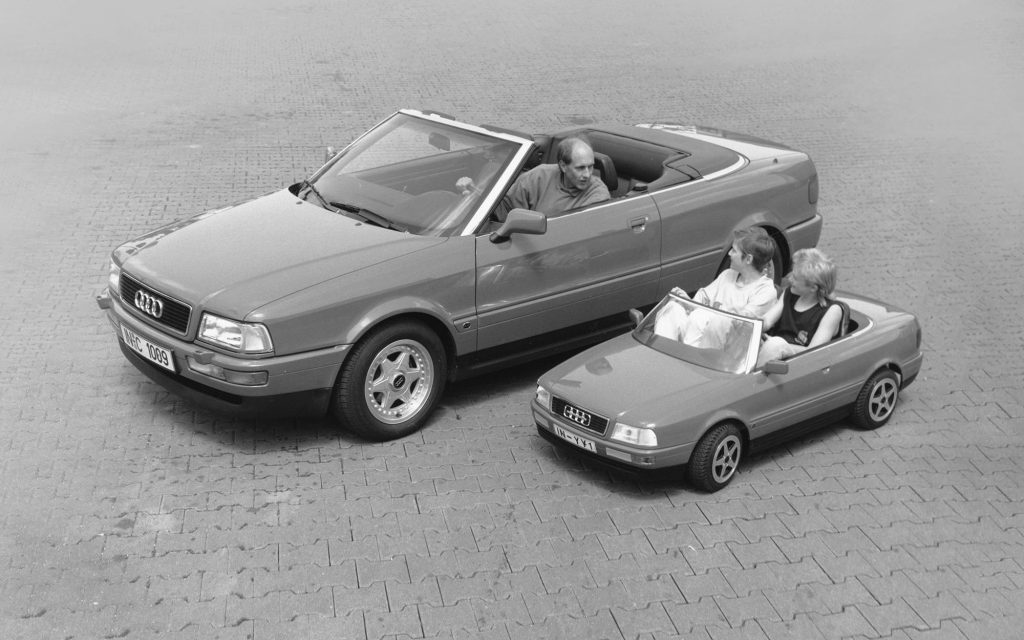
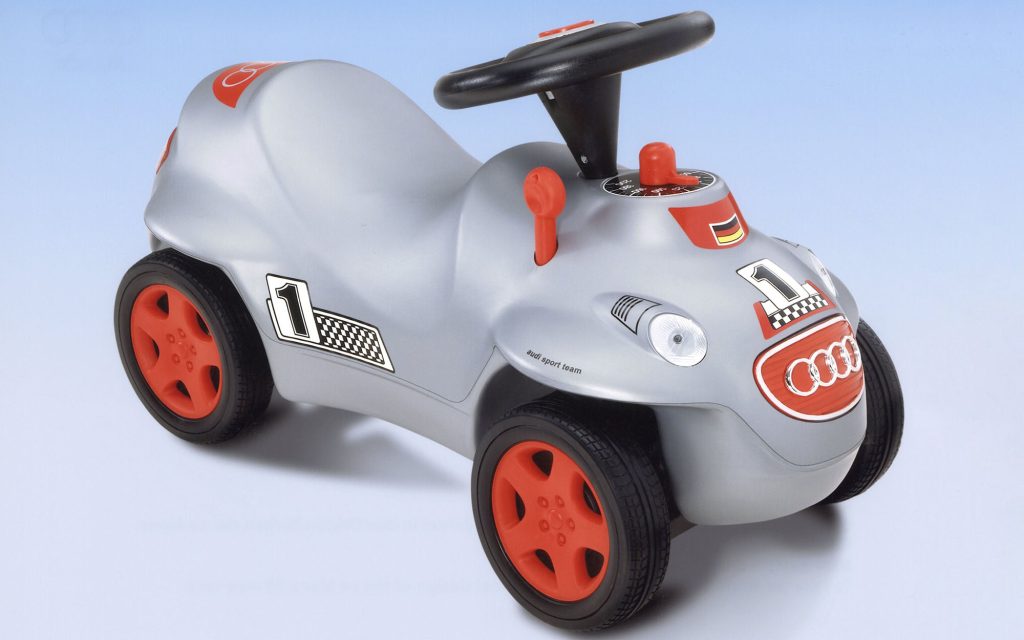
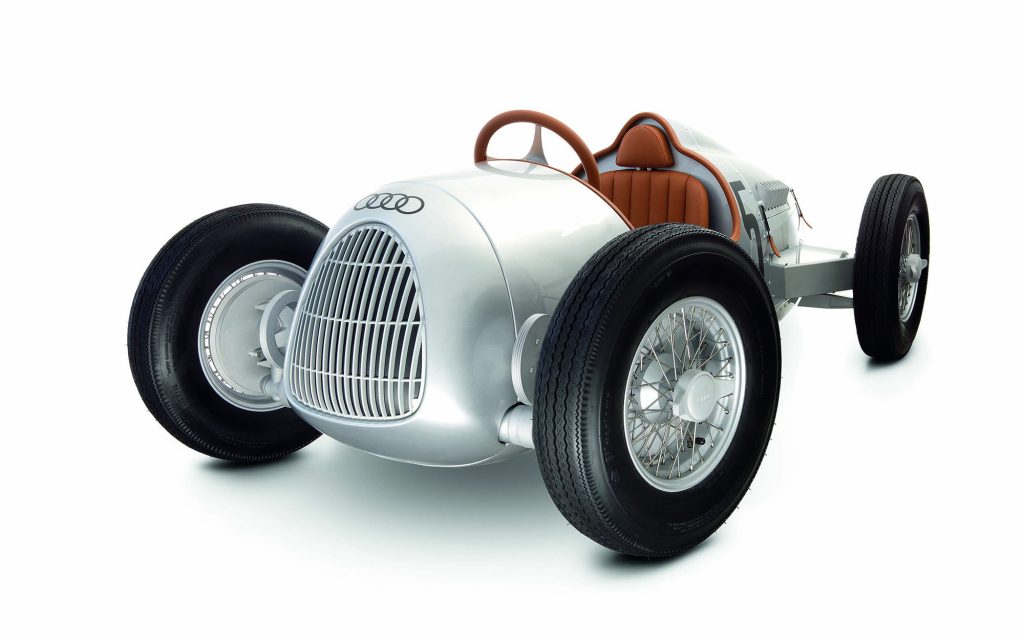
The Audi collection extended the brand beyond the car. quattro GmbH worked with Audi Design and external partners to create clothing, luggage, watches, sunglasses, leather goods, bicycles and model-specific products. Materials, colors and design details were often selected to correspond with individual Audi vehicles.
The TT collection was a particularly clear example. Clothing, watches and fitted luggage drew on the design language of the Audi TT, while the contemporary Audi exclusive TT program offered special paint, leather and Alcantara combinations for the car itself. Together, the programs demonstrated how quattro GmbH connected vehicle individualization, accessories and lifestyle products within one organization.
EXPANSION OF THE RS RANGE
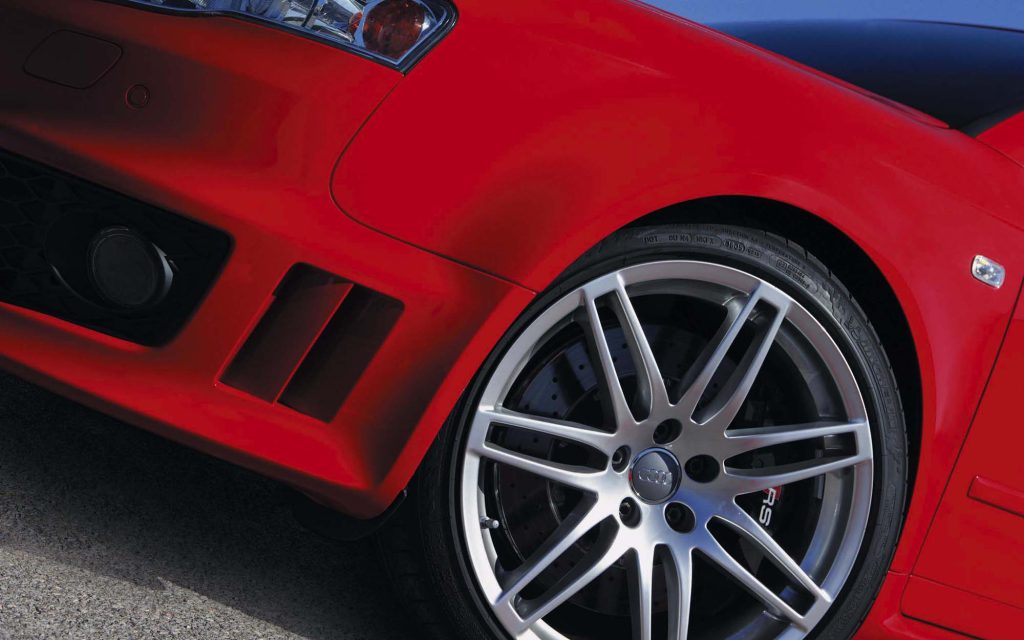
Following the B5 RS 4, quattro GmbH expanded the RS portfolio into additional Audi model lines. Its vehicles combined substantially increased performance with quattro all-wheel drive, revised suspensions, stronger brakes and bodywork developed around functional requirements such as cooling, tire clearance and aerodynamic stability.
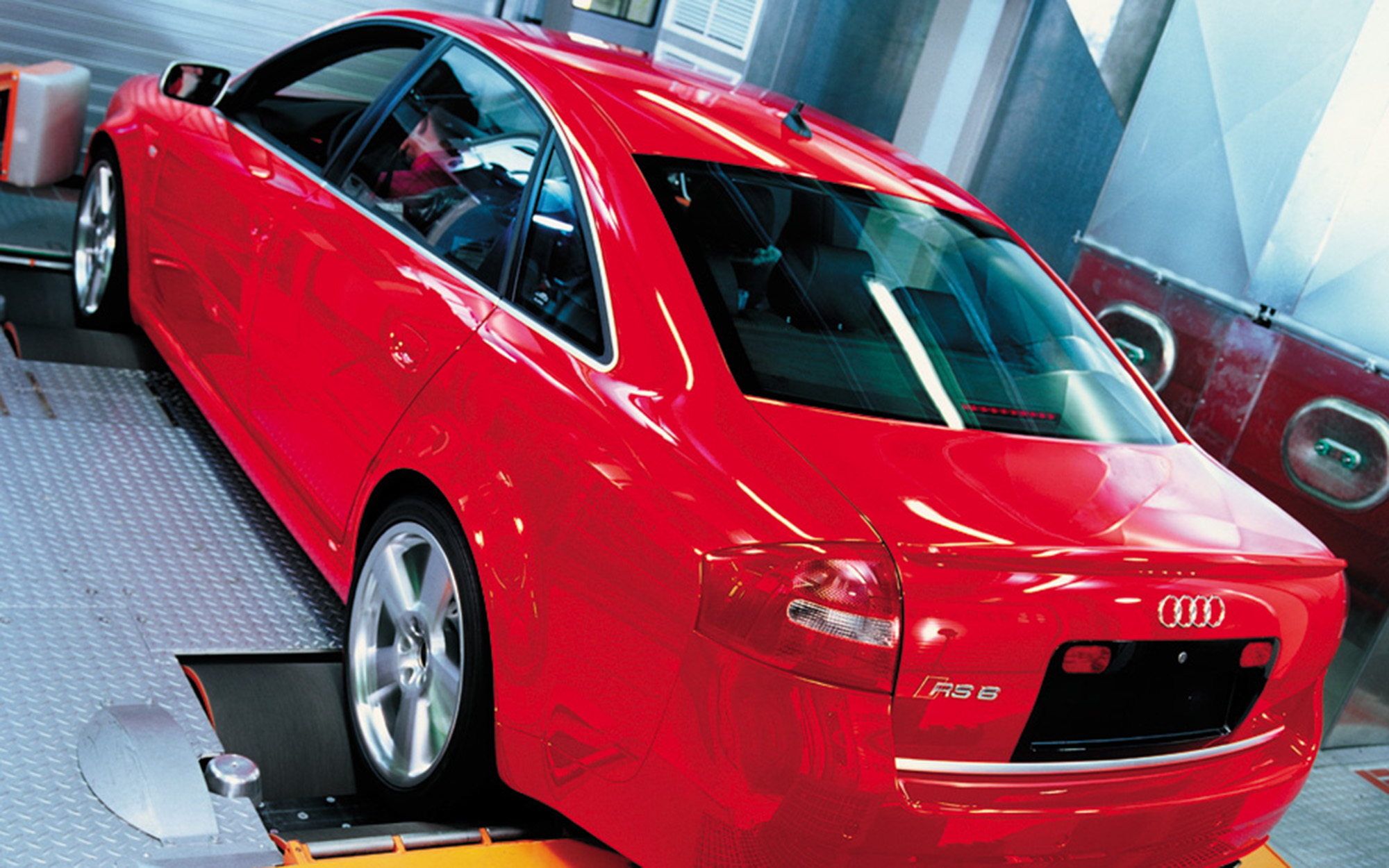
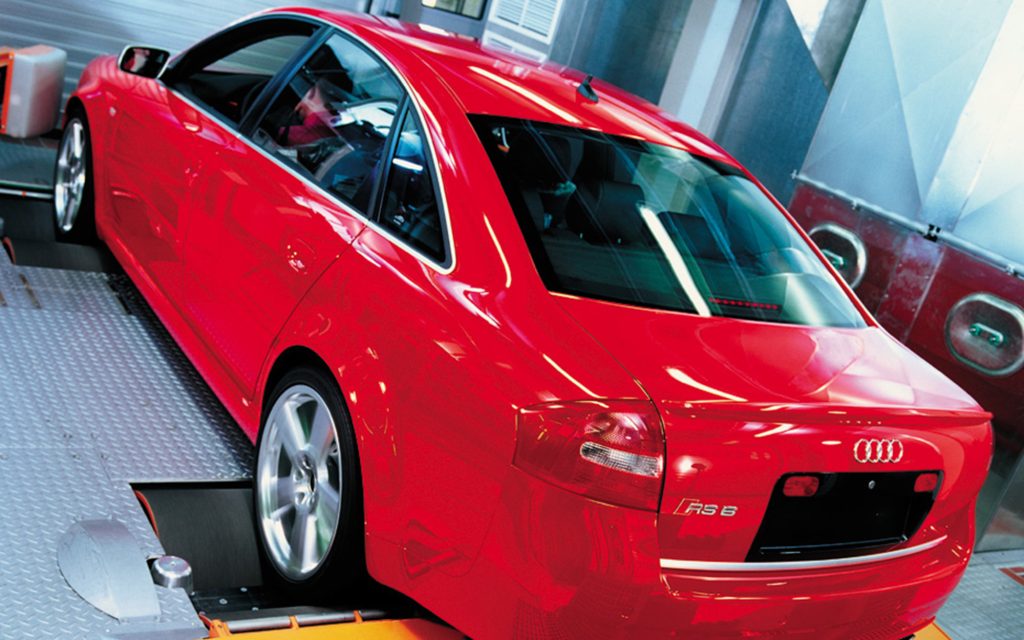
The C5 RS 6 introduced the formula to Audi’s larger executive-car range in 2002. Later RS 4, RS 5, RS 6, RS 7, RS 3, TT RS and RS Q3 models broadened the portfolio across multiple segments and body styles.
Although the RS designation originated with the Audi Avant RS2 developed with Porsche, quattro GmbH turned RS into a sustained Audi product line. The company’s combination of engineering, low-volume production and customization gave the models a distinct position above Audi’s regular S range.
AUDI R8
The Audi R8 represented the largest expansion of quattro GmbH’s vehicle-manufacturing role. Previewed by the Audi Le Mans quattro concept in 2003, the production R8 was introduced in 2006 and entered production at Neckarsulm late that year.
Unlike the RS models, which were derived from existing Audi production vehicles, the R8 was a purpose-built mid-engine sports car. quattro GmbH was responsible for its development and low-volume production, applying expertise gained through the RS program to an independent flagship model.
R8 production later moved to the purpose-built Böllinger Höfe facility near Neckarsulm. Opened in 2014, the facility combined low-volume hand assembly with flexible manufacturing technology and became closely associated with the specialist production responsibilities of quattro GmbH and its Audi Sport GmbH successor.
CUSTOMER RACING
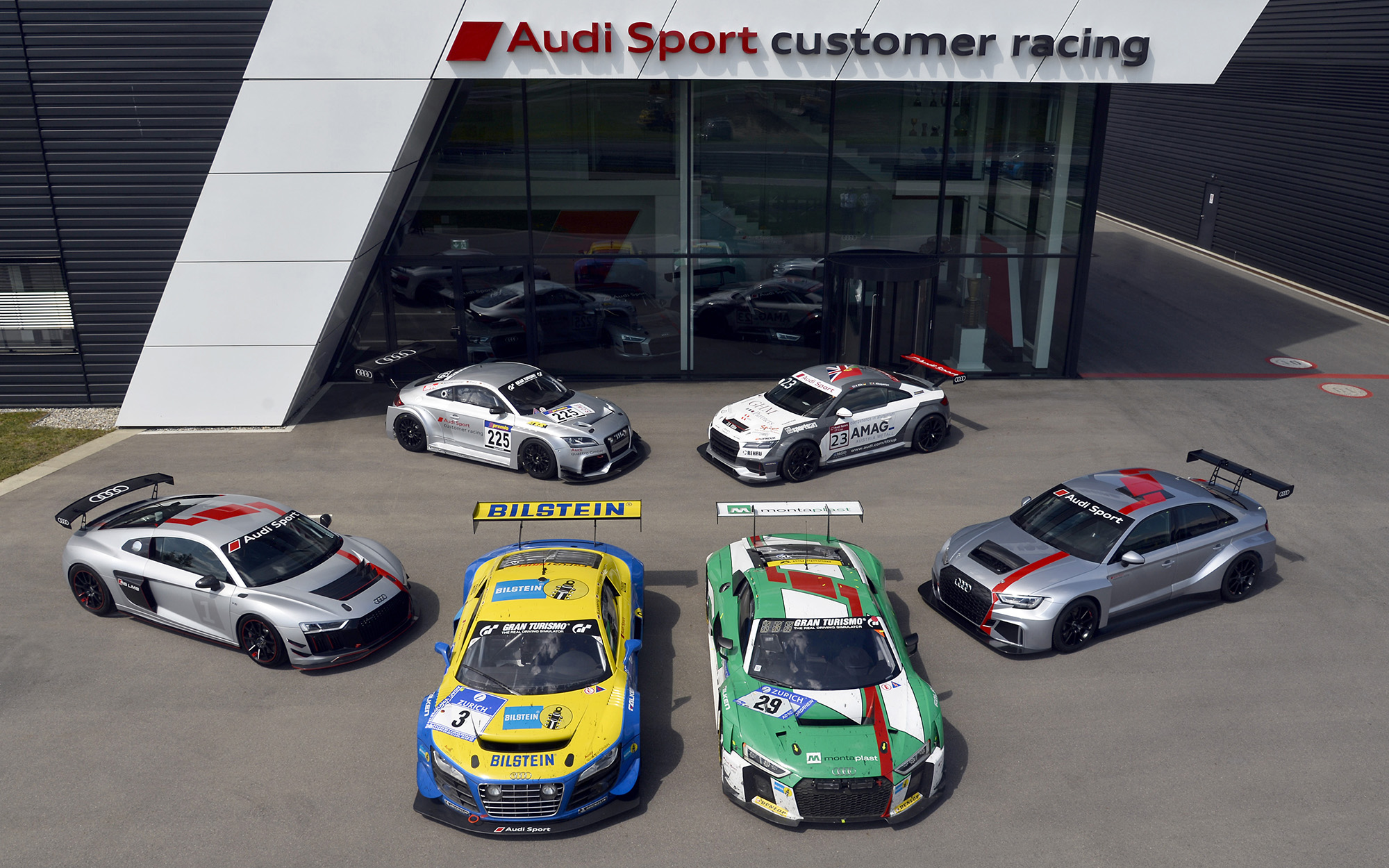
Audi introduced the R8 LMS customer race car in 2009. Developed for GT3 competition, it allowed independent teams to purchase and race an Audi designed specifically for customer motorsport.
Responsibility for Audi Sport customer racing transferred to quattro GmbH in 2011. The operation developed and sold race cars, supplied replacement parts, offered technical support and made professional drivers available to customer teams.
The range subsequently expanded beyond the R8 LMS GT3 to include additional GT and touring-car categories. Customer racing connected quattro GmbH’s road-car operations more directly with the Audi Sport name, although Audi’s factory motorsport programs remained organizationally separate at the time.

QUATTRO GMBH AND AUDI SPORT
For most of quattro GmbH’s existence, the company and Audi Sport were not interchangeable organizations. Audi Sport traditionally referred to Audi’s factory motorsport operation, while quattro GmbH was a separate wholly owned subsidiary responsible for customer-facing products and services.
quattro GmbH developed and produced RS models and the R8, operated Audi exclusive, managed the Audi collection and eventually assumed responsibility for customer racing. Audi Sport, meanwhile, ran Audi’s factory competition programs in rallying, touring cars, sports prototypes and other disciplines.
The distinction became less obvious as quattro GmbH’s products adopted stronger Audi Sport branding and customer racing became one of its principal activities. By 2016, the name quattro had also become almost universally associated with Audi’s all-wheel-drive technology rather than the specialist subsidiary.
BECOMING AUDI SPORT GMBH
On November 29, 2016, Audi announced that quattro GmbH was operating under the new name Audi Sport GmbH. It remained a wholly owned subsidiary of AUDI AG and retained its headquarters in Neckarsulm.
At the time of the change, Audi described the company as having approximately 1,200 employees and four principal business areas:
- Development and production of Audi RS models and the Audi R8
- Audi Sport customer racing
- Vehicle individualization through Audi exclusive
- Lifestyle products marketed through the Audi Sport collection
The new name drew on Audi’s competition history and provided a clearer performance identity than quattro GmbH, particularly as the RS range and customer racing had become increasingly international businesses. It also separated the company’s name from quattro all-wheel drive, a technology offered across much of the regular Audi range.
The change was a renaming rather than the creation of an entirely new company. Audi Sport GmbH inherited quattro GmbH’s organization, employees, facilities, responsibilities and corporate history.
SIGNIFICANCE
quattro GmbH provided Audi with a structure capable of working beyond the limits of conventional mass production. It could satisfy individual customer requests, develop special accessories, manufacture branded products and complete low-volume high-performance vehicles while remaining closely connected to AUDI AG.
Its development followed a gradual progression. The company began by protecting and commercializing the quattro identity, moved into accessories and vehicle individualization, became a registered automobile manufacturer and eventually developed some of Audi’s most recognizable performance cars.
The S6 plus proved that quattro GmbH could offer a complete vehicle. The B5 RS 4 demonstrated that it could independently lead the creation of a high-performance Audi derivative. The R8 established it as the producer of a dedicated mid-engine sports car, while Audi Sport customer racing added a direct commercial connection to motorsport.
By the time the company became Audi Sport GmbH in 2016, high-performance vehicles had become its most visible products. Its less publicized businesses—Audi exclusive, accessories and the Audi collection—were nevertheless fundamental to the company from its earliest years and remained part of the organization at the time of the name change.
KEY DATES
- October 10, 1983: quattro GmbH founded as a wholly owned subsidiary of AUDI AG
- 1984: First quattro-branded collection introduced with 22 products
- 1995: Systematic vehicle individualization begins, later known as Audi exclusive
- 1996: quattro GmbH becomes a registered vehicle manufacturer and introduces the Audi S6 plus
- 1998–1999: Operations move from Ingolstadt to Neckarsulm
- 1999: Company establishes its own development, sales and marketing operations
- September 1999: B5 Audi RS 4 Avant makes its international debut at the Frankfurt Motor Show
- 2000: RS 4 production and market launch begin
- 2002: C5 Audi RS 6 expands the RS range
- 2006: Audi R8 introduced
- Late 2006: R8 production begins in Neckarsulm
- 2009: Audi R8 LMS launches Audi’s modern customer-racing program
- 2011: Audi Sport customer racing becomes part of quattro GmbH
- 2014: R8 production moves to the new Böllinger Höfe facility
- November 29, 2016: quattro GmbH renamed Audi Sport GmbH
PHOTO GALLERY

SOURCES
- quattro GmbH, A Touch of Class from quattro GmbH: Individuality, Sports Appeal and Exclusivity, press material, 1999–2000
- quattro GmbH, Audi exclusive TT, German-language catalogue, 2000
- Audi Communications, 40 Years of Audi Sport GmbH, May 15, 2023
- Audi Communications, Moving Forward Under a New Name: quattro GmbH Becomes Audi Sport GmbH, November 29, 2016
- Audi Communications, Portrait of Audi Sport GmbH