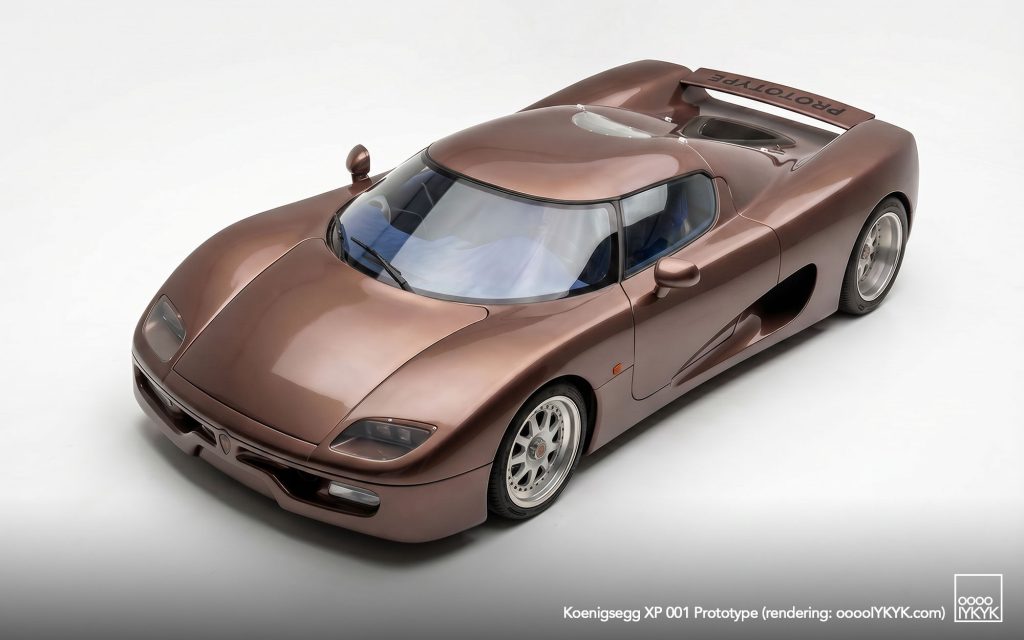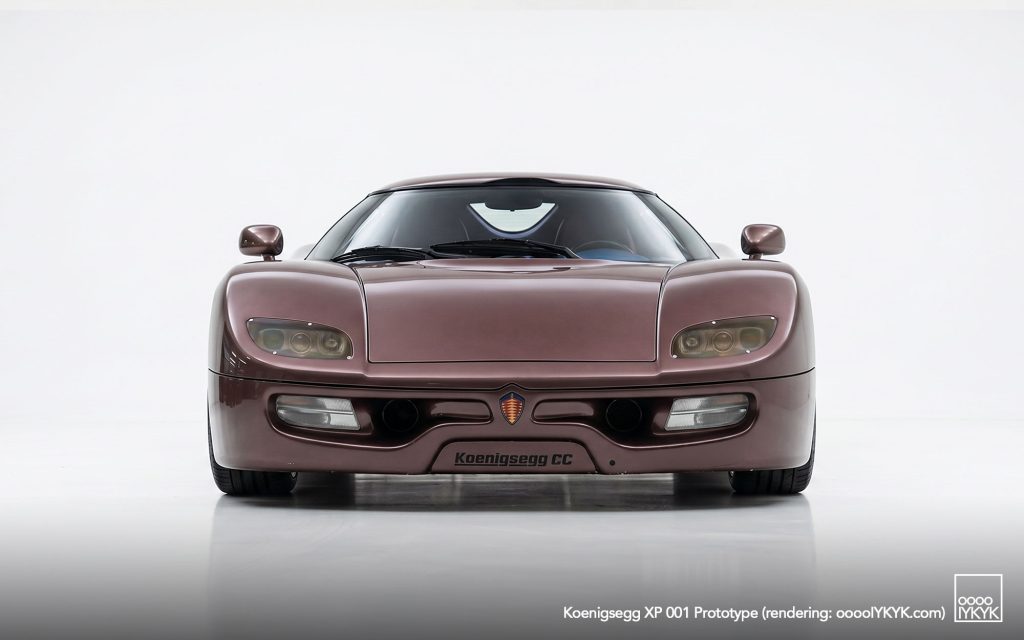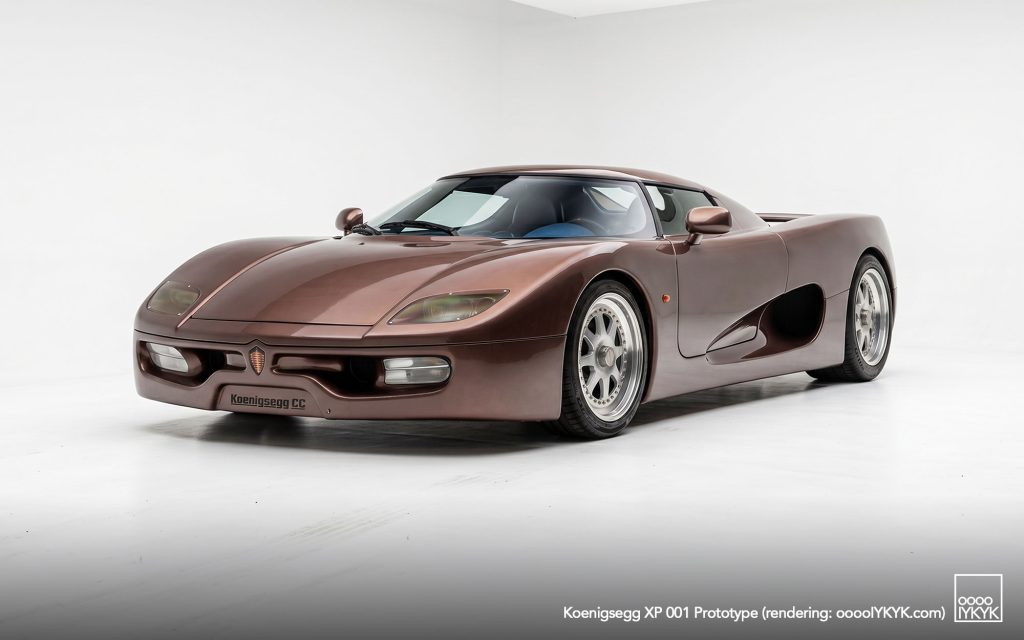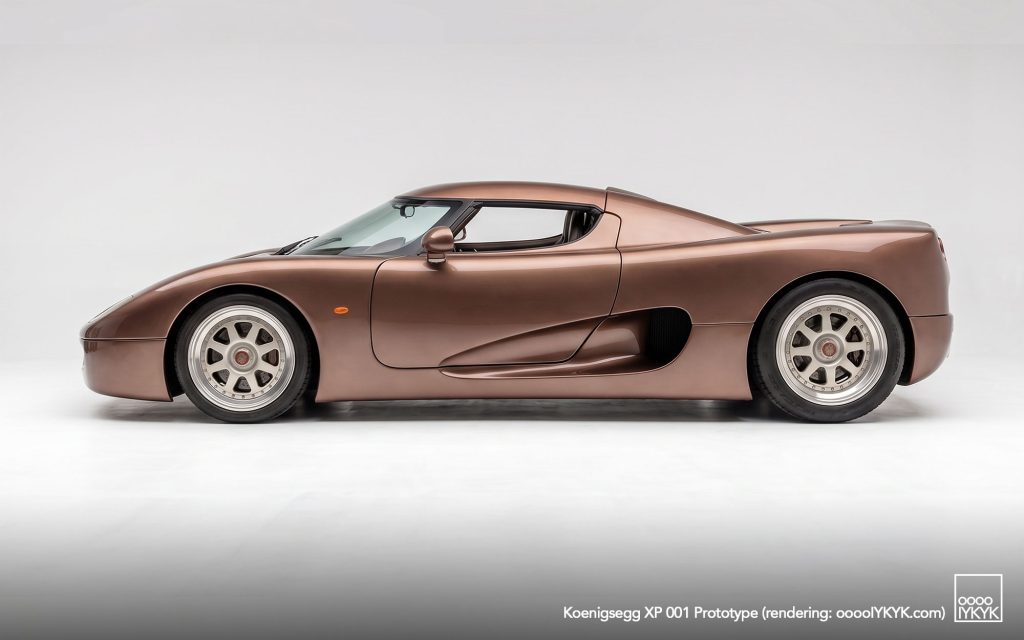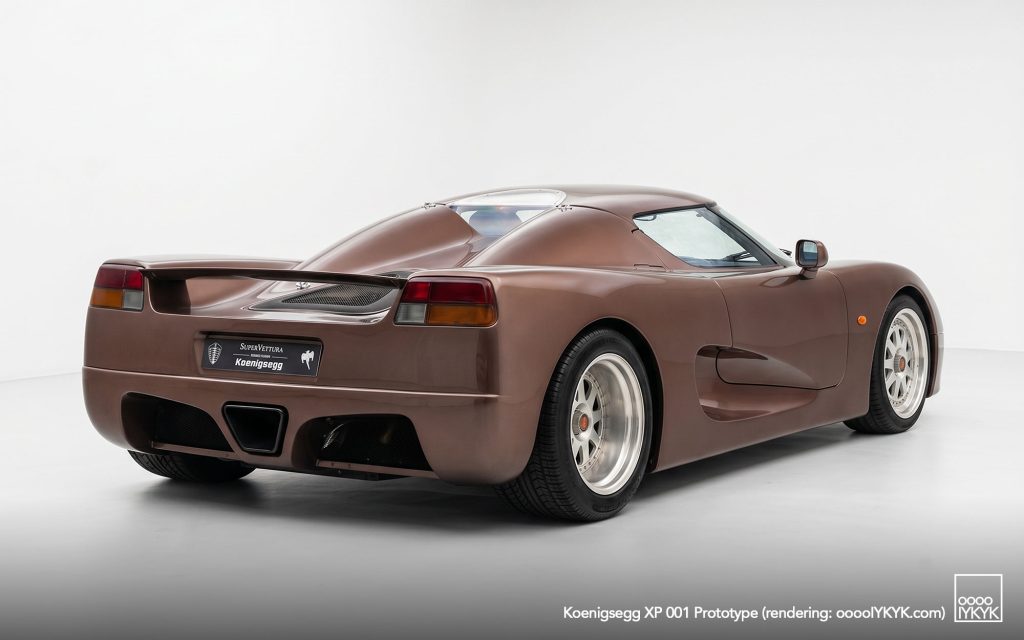
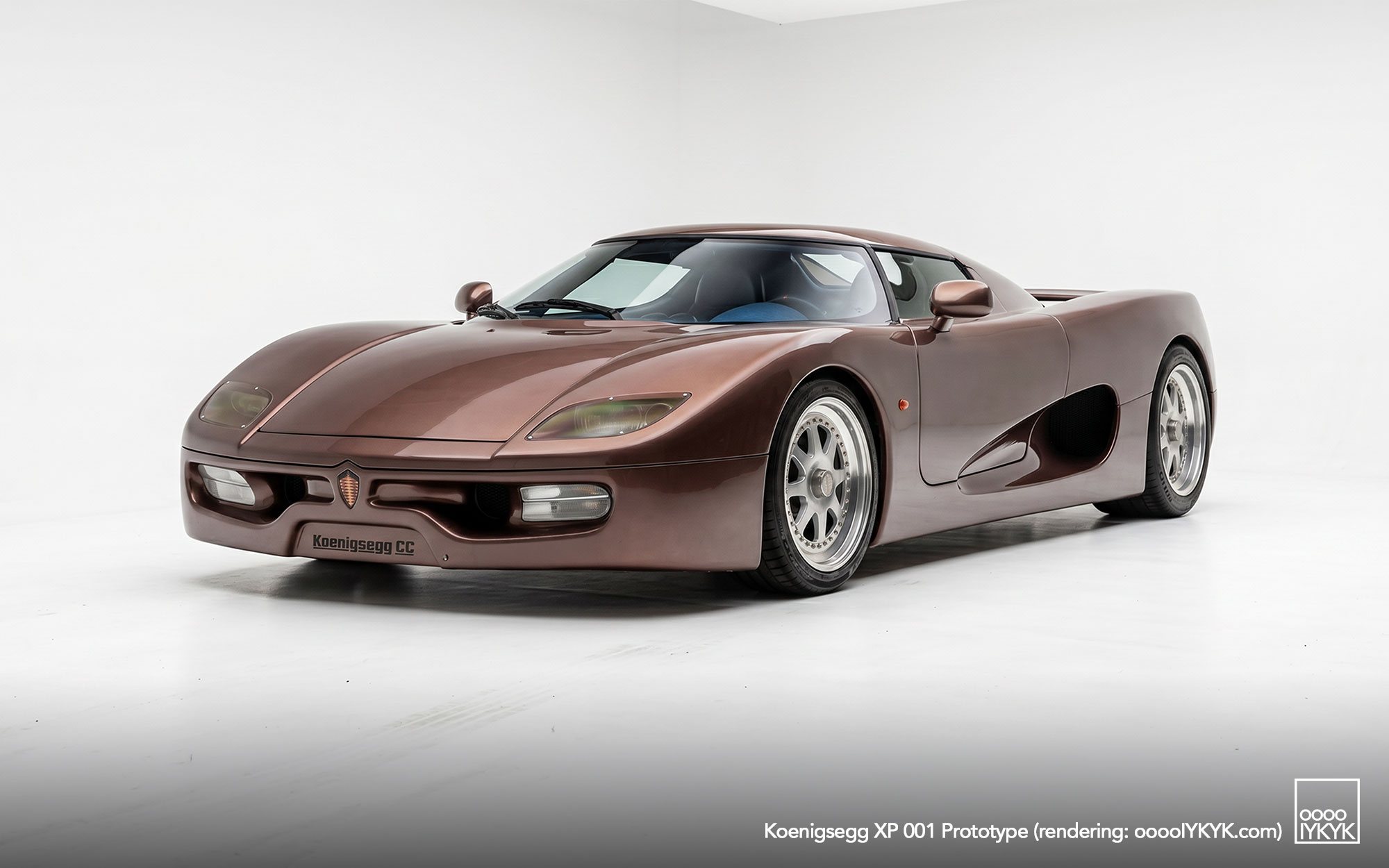

What: Koenigsegg XP-001 (also referred to as XX1)
Manufacturer: Koenigsegg Automotive AB
Chassis: Prototype No. 1
Production: One
Debut: August 22, 1996 – Anderstorp Raceway, Anderstorp, Sweden (public driving debut)
Designer: Christian von Koenigsegg and Koenigsegg Automotive AB
Configuration: Mid-engine, rear-wheel drive
Chassis: Tubular steel spaceframe
Body: Composite
Engine: 4.2 V8
Displacement: 4,172 cc
Power: Approximately 420 hp (313 kW)
Transmission: 6-speed manual
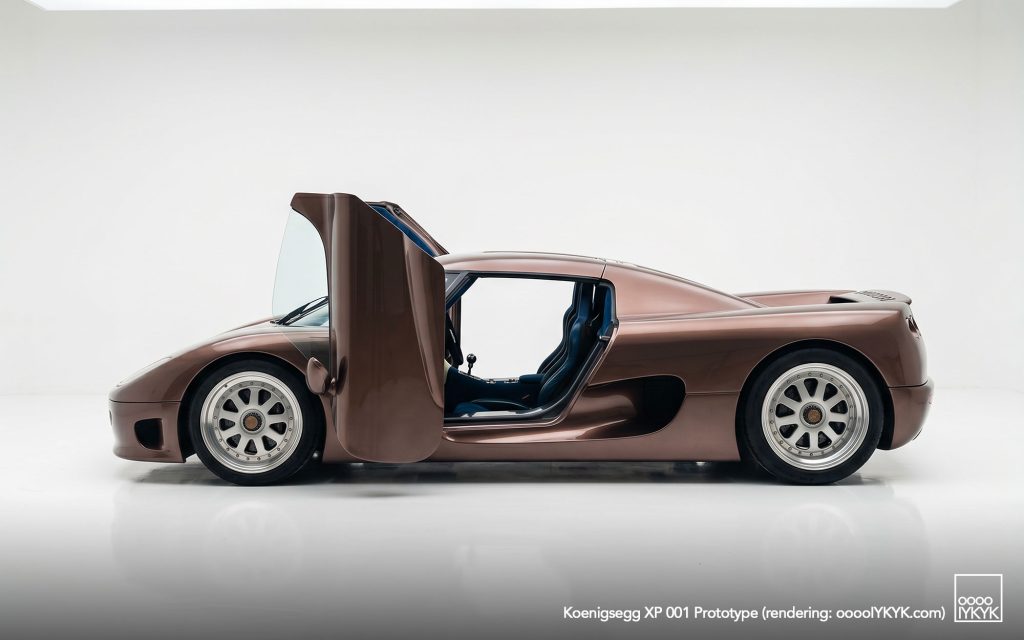
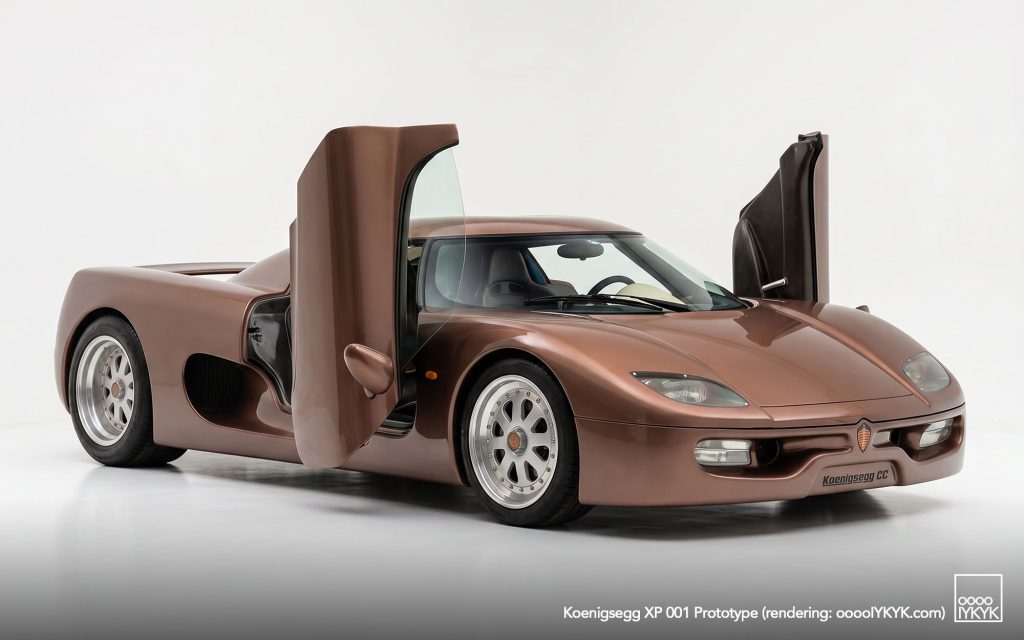
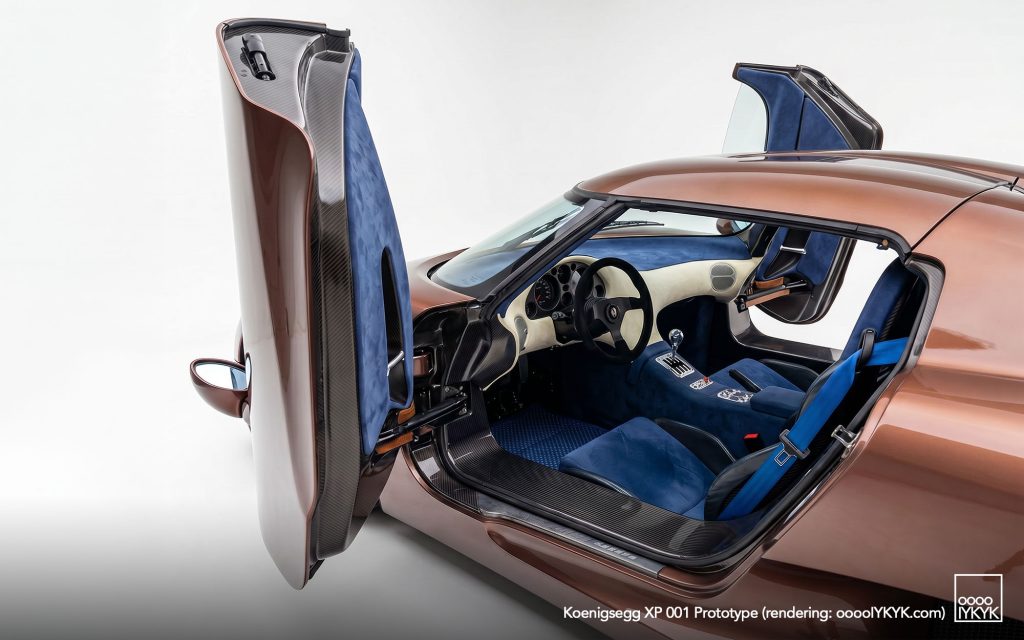
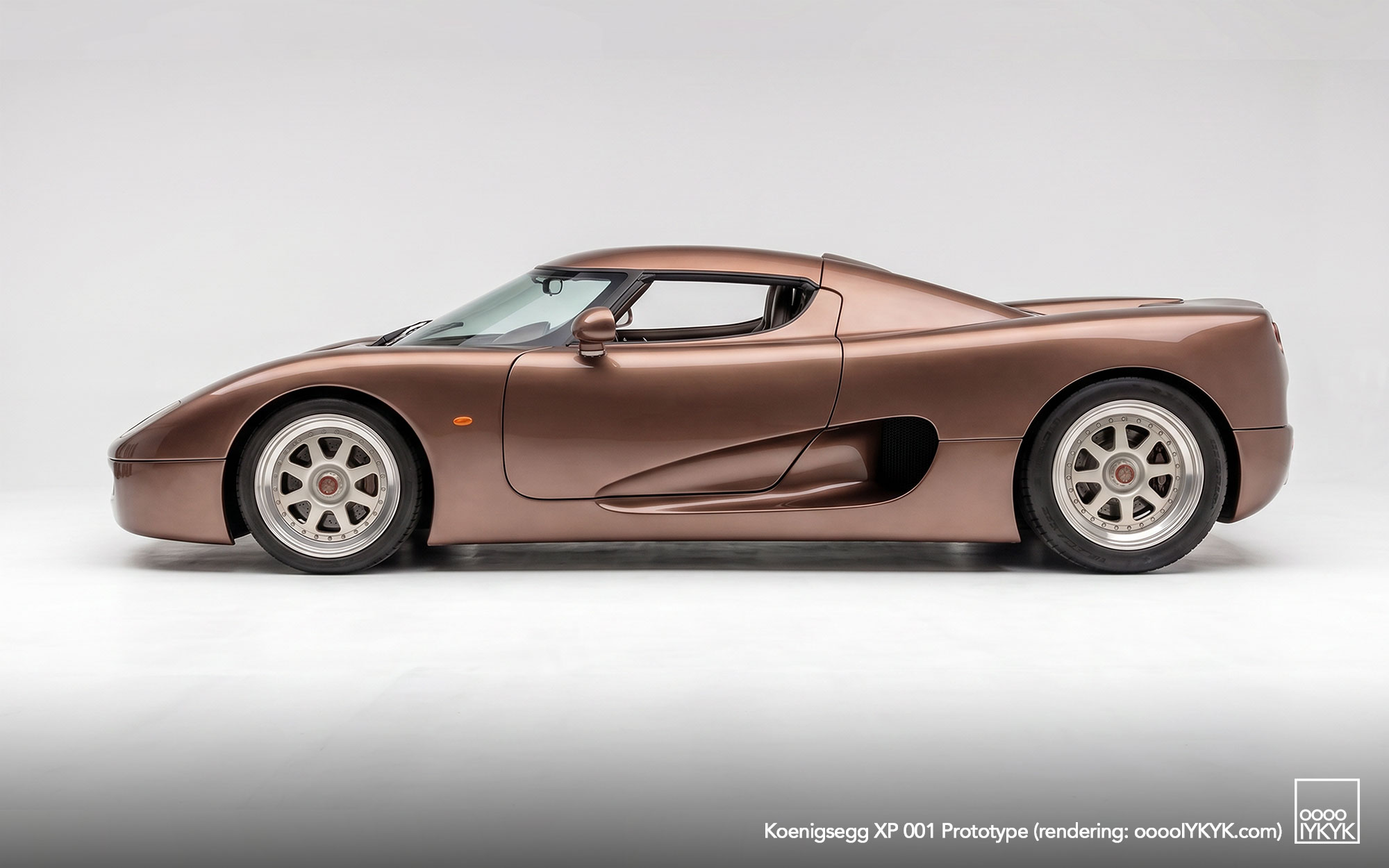
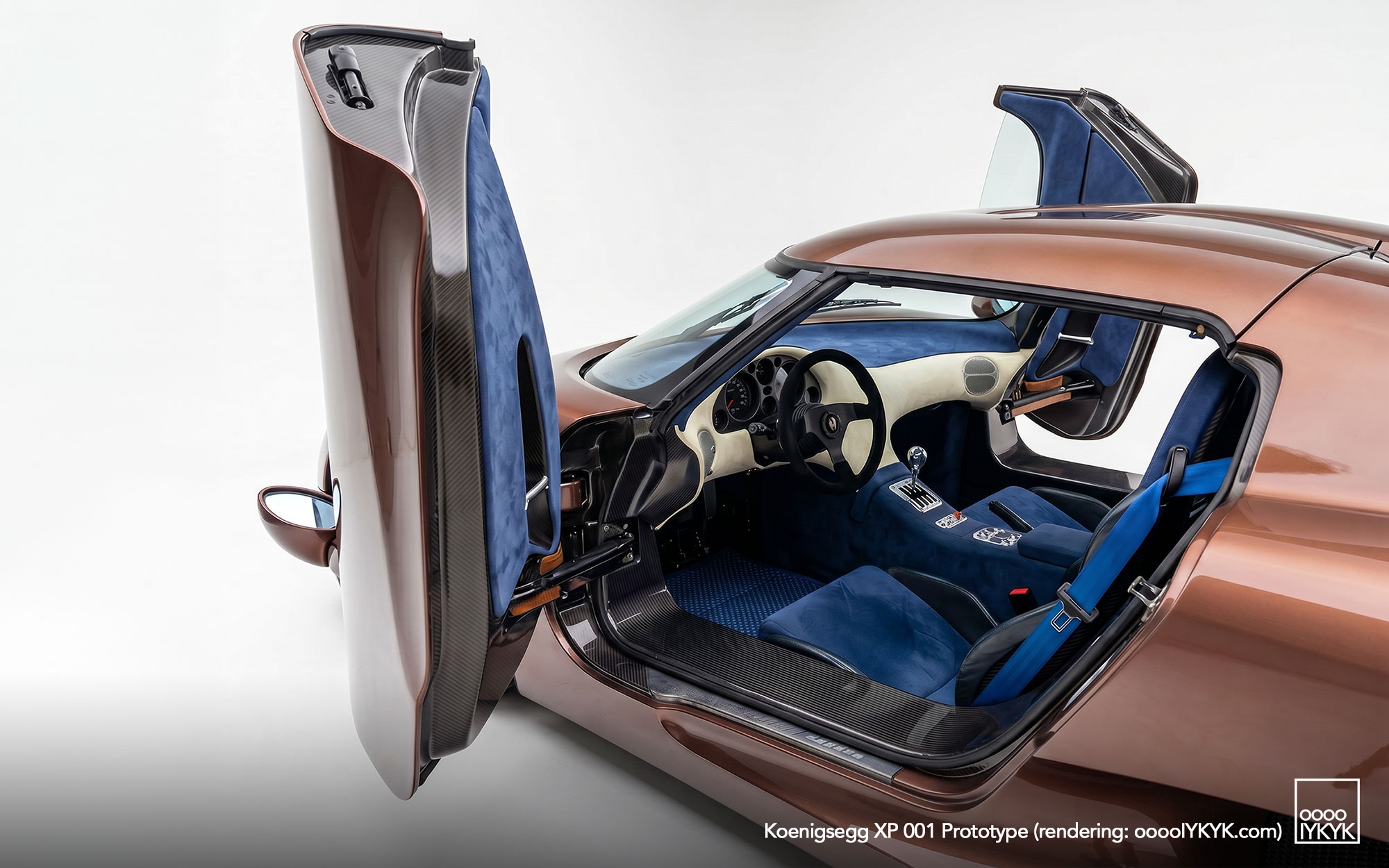
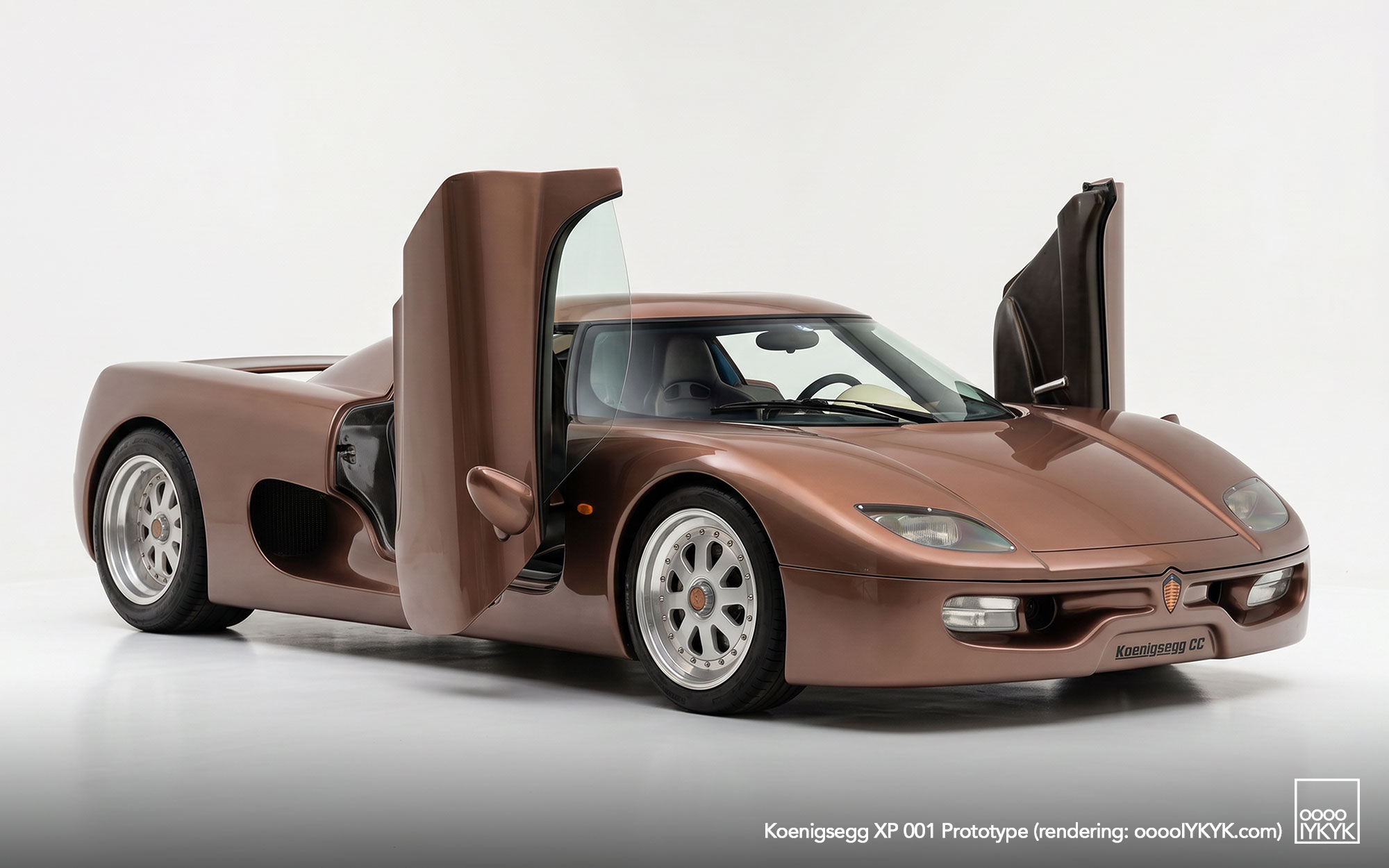
Doors: Conventional doors as built; later converted to the first dihedral synchro-helix door system
Current Known Status: Preserved in private ownership in Dubai; publicly displayed at the 2026 SCD Secret Meet, Silverstone Circuit, England
AUDI CONNECTION
The XP-001 occupies a unique place in both Koenigsegg and Audi history. While remembered as the prototype that launched one of the world’s most respected hypercar manufacturers, it also represents one of the earliest examples of a boutique supercar built around an Audi production engine.
Rather than developing a bespoke powerplant from the outset, Christian von Koenigsegg selected Audi’s 4.2-liter all-aluminum DOHC V8. The engine allowed the young company to focus its resources on chassis development, aerodynamics and manufacturing while proving the viability of its first complete automobile.
OVERVIEW
Founded in 1994, Koenigsegg Automotive AB spent approximately two years developing its first functional prototype.
Completed during the summer of 1996, XP-001 made its public driving debut at Anderstorp Raceway on August 22, 1996, where it was demonstrated by Swedish touring car driver Rickard Rydell. The event marked the public introduction of Koenigsegg as an automobile manufacturer and demonstrated that Christian von Koenigsegg’s vision had progressed beyond sketches and scale models into a functioning supercar.
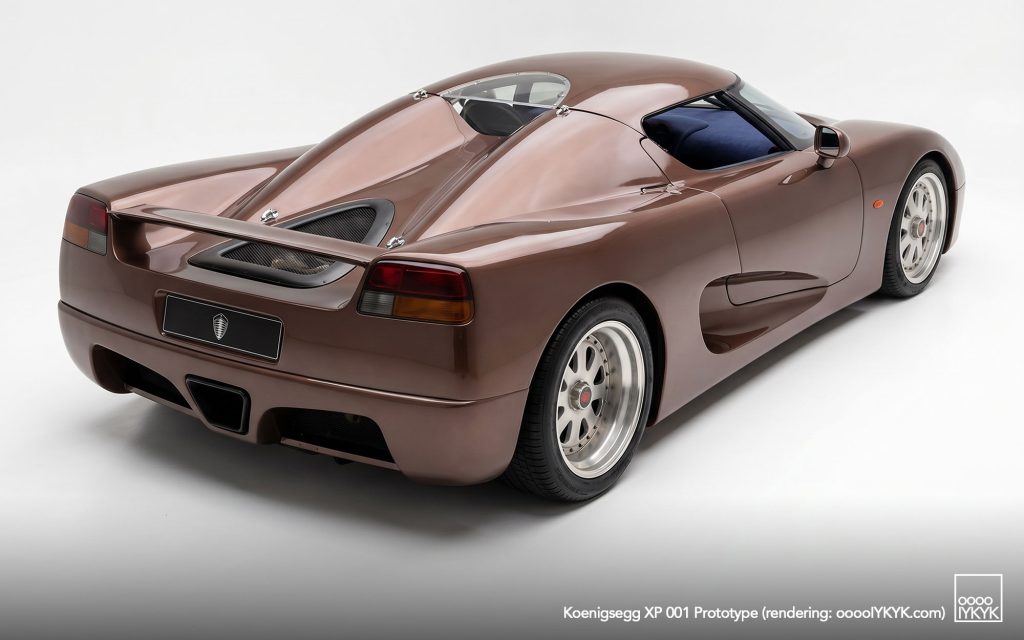
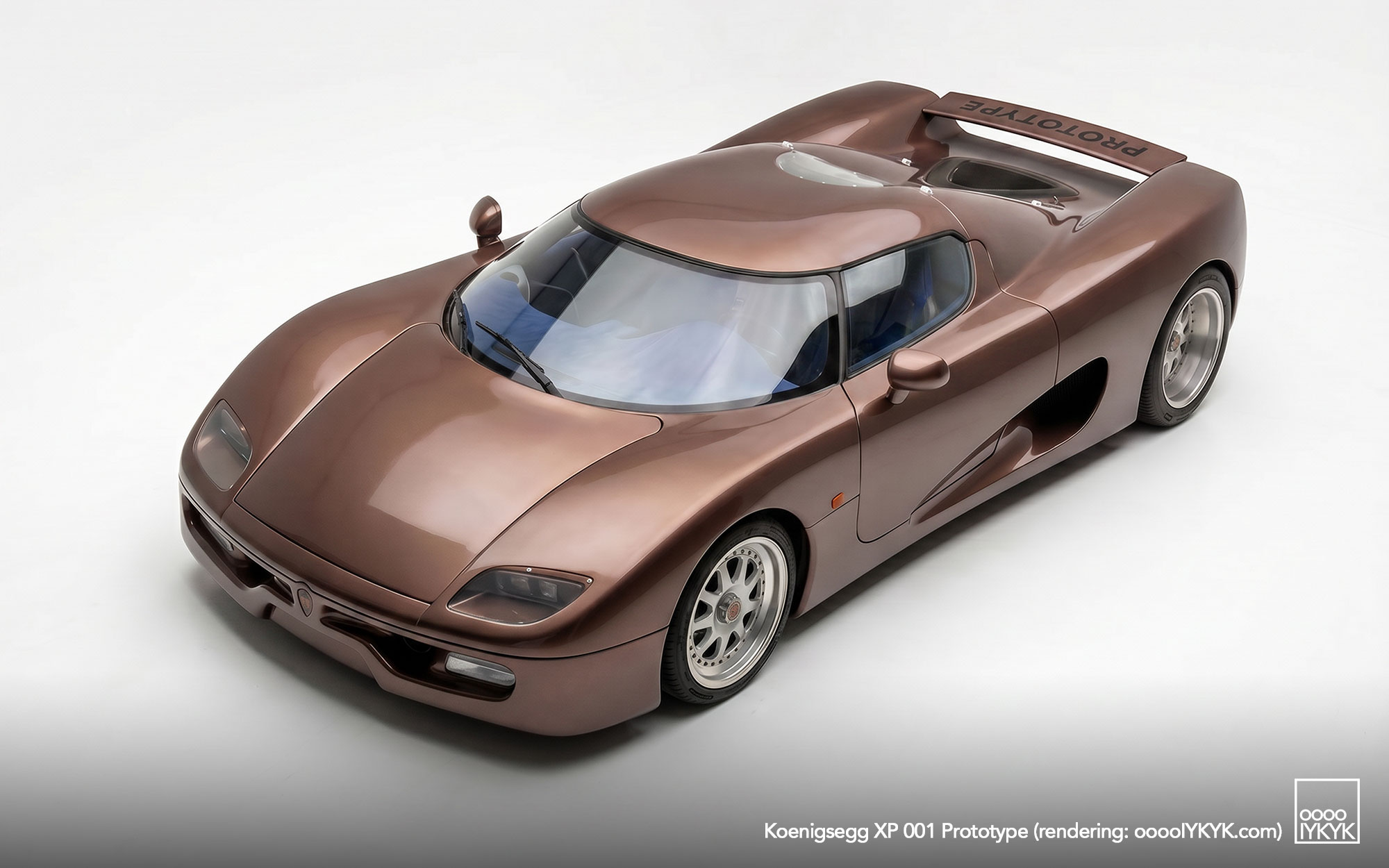
The prototype established the basic layout that would define every Koenigsegg to follow: a lightweight composite-bodied, mid-engine sports car with a removable roof and distinctive proportions.
DEVELOPMENT
XP-001 did not remain static.
The prototype was originally finished in silver and equipped with conventional doors. During development, Koenigsegg engineered the dihedral synchro-helix door system that would become one of the company’s defining characteristics. XP-001 was modified accordingly before later being repainted black.
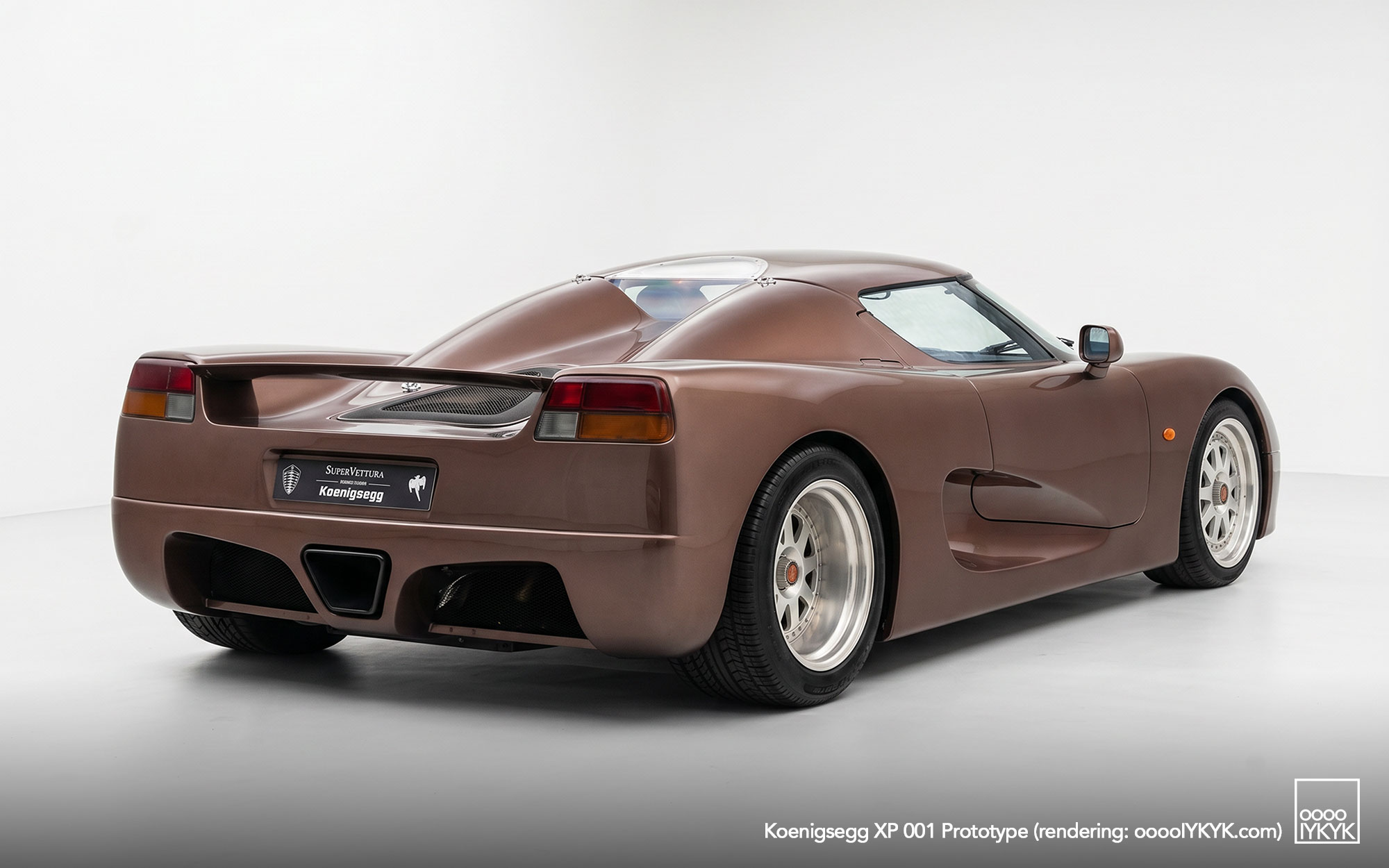
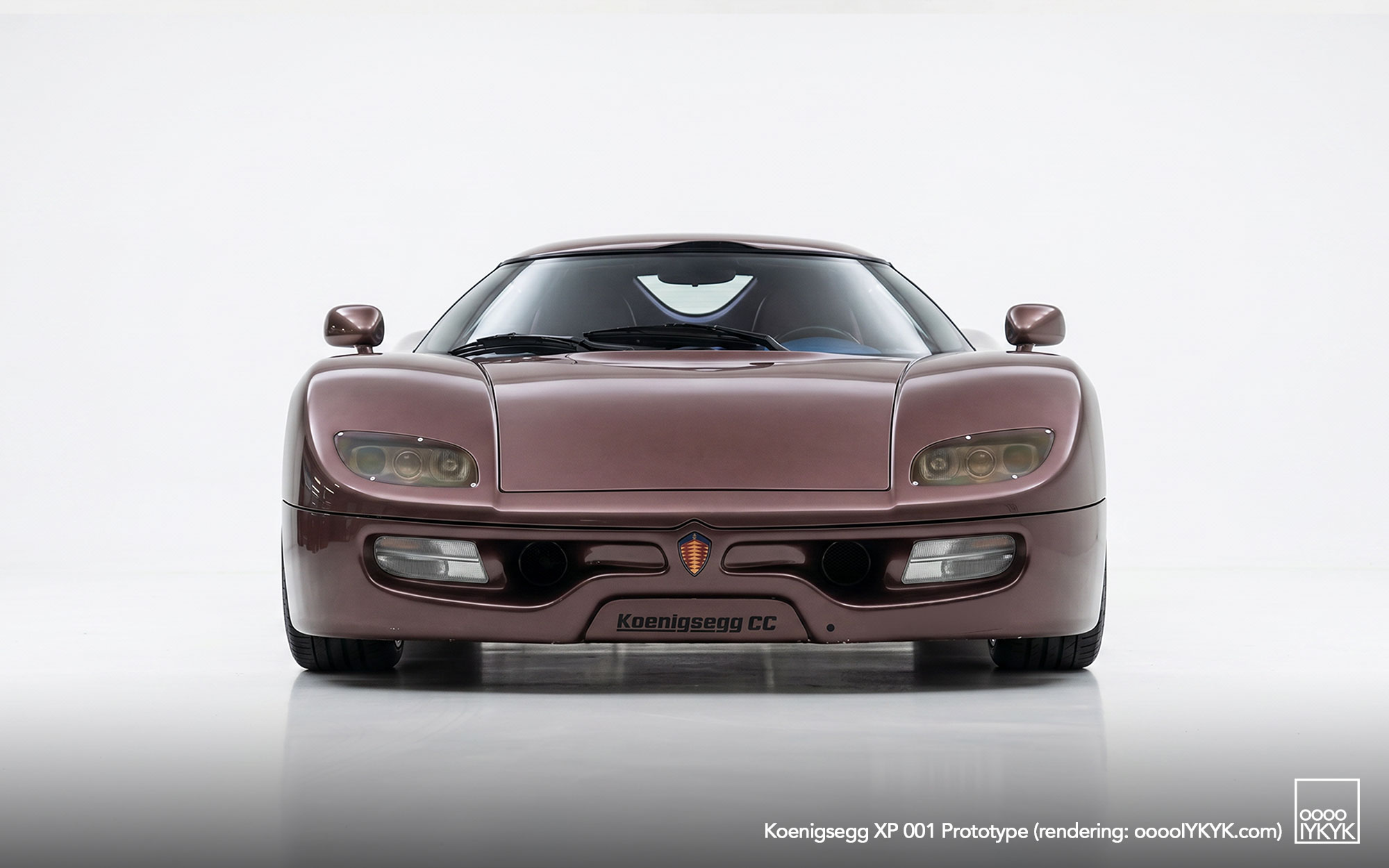
Christian von Koenigsegg has explained that the final bronze-brown finish resulted from a misunderstanding with the painter. Inspired by a contemporary Volvo color, the requested finish was interpreted differently, producing the unique metallic color the prototype still wears today.
The Audi-powered prototype continued serving as a development vehicle until Koenigsegg transitioned toward the production-ready CC8S program.
SHARED DNA
XP-001 was not the only specialty automobile to benefit from Audi engineering during the Ferdinand Piëch era.
Throughout the late 1990s and into the 2000s, Audi and the wider Volkswagen Group produced a succession of advanced production engines that attracted the attention of boutique manufacturers. While it remains unclear whether Audi maintained a formal customer-engine program for low-volume manufacturers, companies including Spyker, Donkervoort, Gumpert, YES!, KTM and others all incorporated Audi or Volkswagen Group powertrains into their own vehicles.
XP-001 stands as one of the earliest and most historically significant examples of that shared engineering heritage.
KNOWN HISTORY
1994 – Koenigsegg Automotive AB founded.
August 22, 1996 – XP-001 publicly debuts at Anderstorp Raceway, Sweden.
1996–1998 – Prototype evolves through continued testing, including the adoption of the dihedral synchro-helix door system and multiple exterior colors.
2000 – Koenigsegg transitions toward the production-specification CC8S prototype with a different engine program.
July 2026 – XP-001 appears publicly at the SCD Secret Meet at Silverstone after being transported from Dubai.
SIGNIFICANCE
Although Koenigsegg would ultimately become known for designing its own world-class powertrains, the company’s first successful prototype owes its existence in part to Audi’s naturally aspirated 4.2-liter V8.
For Audi enthusiasts, XP-001 represents a fascinating and little-known chapter of the brand’s engineering legacy—one in which an Audi production engine helped launch a manufacturer that would go on to redefine the modern hypercar.
PHOTO GALLERY