
What: 1999 Frankfurt IAA – Audi Exhibition
Event: Internationale Automobil-Ausstellung (IAA), also known as “Frankfurt Motor Show”
Year: 1999
Dates: September 16–26, 1999
Press Days: September 14–15, 1999
Location: Messe Frankfurt, Frankfurt am Main, Germany
Audi Stand Area: approx. 4,200 square meters
Stand Design: Ingenhoven, Overdieck und Partner (Düsseldorf)
Theme: “In Future – Audi”
Focus: Innovation, aluminum construction, performance models and brand design
RELATED
Concept Cars: A2 1.2 TDI (technology showcase)
Road Cars: A2 (8Z), RS 4 (B5), S6 (C5), A8 (D2.5) facelift
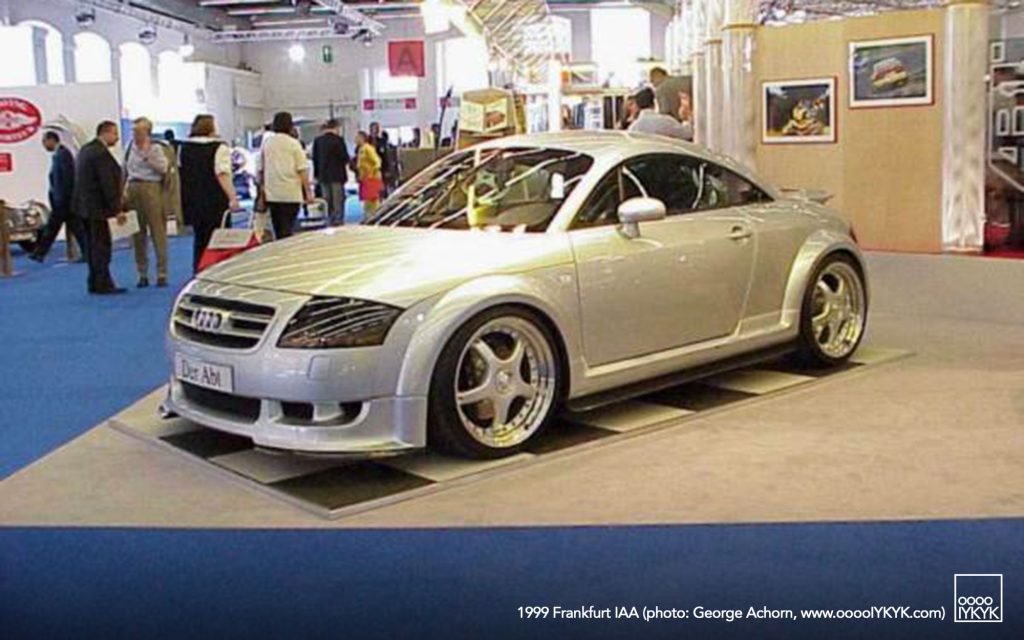
Aftermarket / Tuners: ABT Sportsline
FRANKFURT IAA 1999
The 1999 Frankfurt International Motor Show (IAA) marked the final Frankfurt exhibition of the twentieth century and served as an important milestone for Audi as the brand entered a new era of technology, design and global expansion. Held at the Messe Frankfurt exhibition complex from September 16 through September 26, with press previews beginning September 14, the show brought together the world’s leading automakers to present their vision for the coming millennium.
Audi used the occasion to reinforce its long-standing brand philosophy of “Vorsprung durch Technik” (Advancement Through Technology) through an immersive exhibition concept titled “In Future – Audi.” Rather than presenting vehicles in a traditional static display, the company introduced an ambitious architectural installation designed to transform its exhibition space into what it described as the “World of Audi.”
THE WORLD OF AUDI STAND
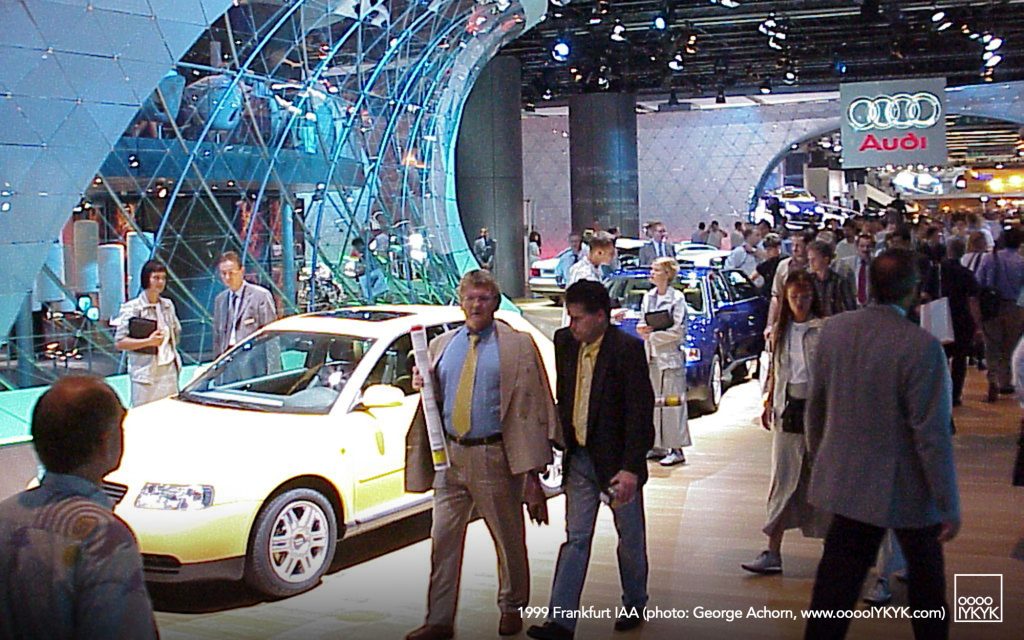
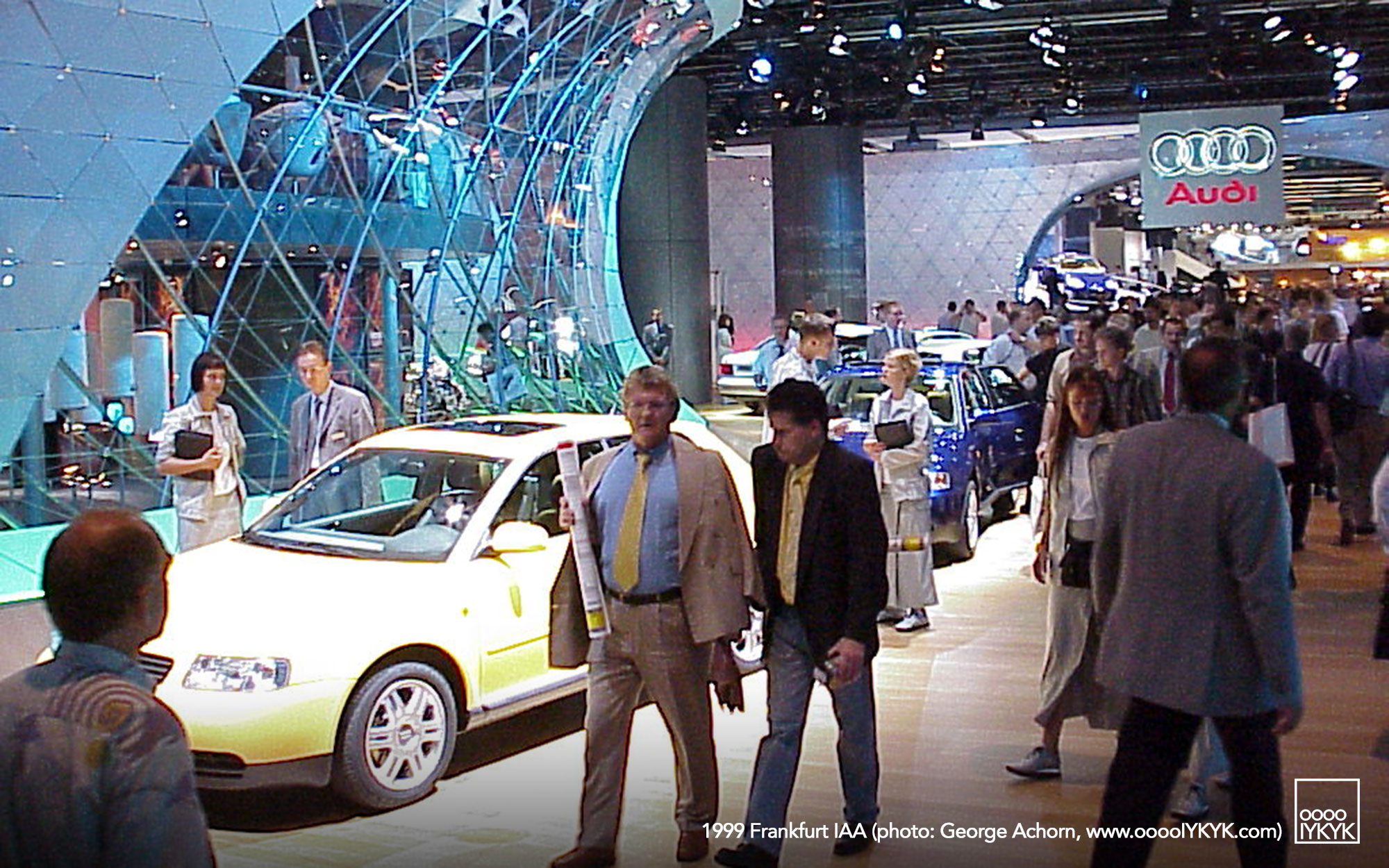
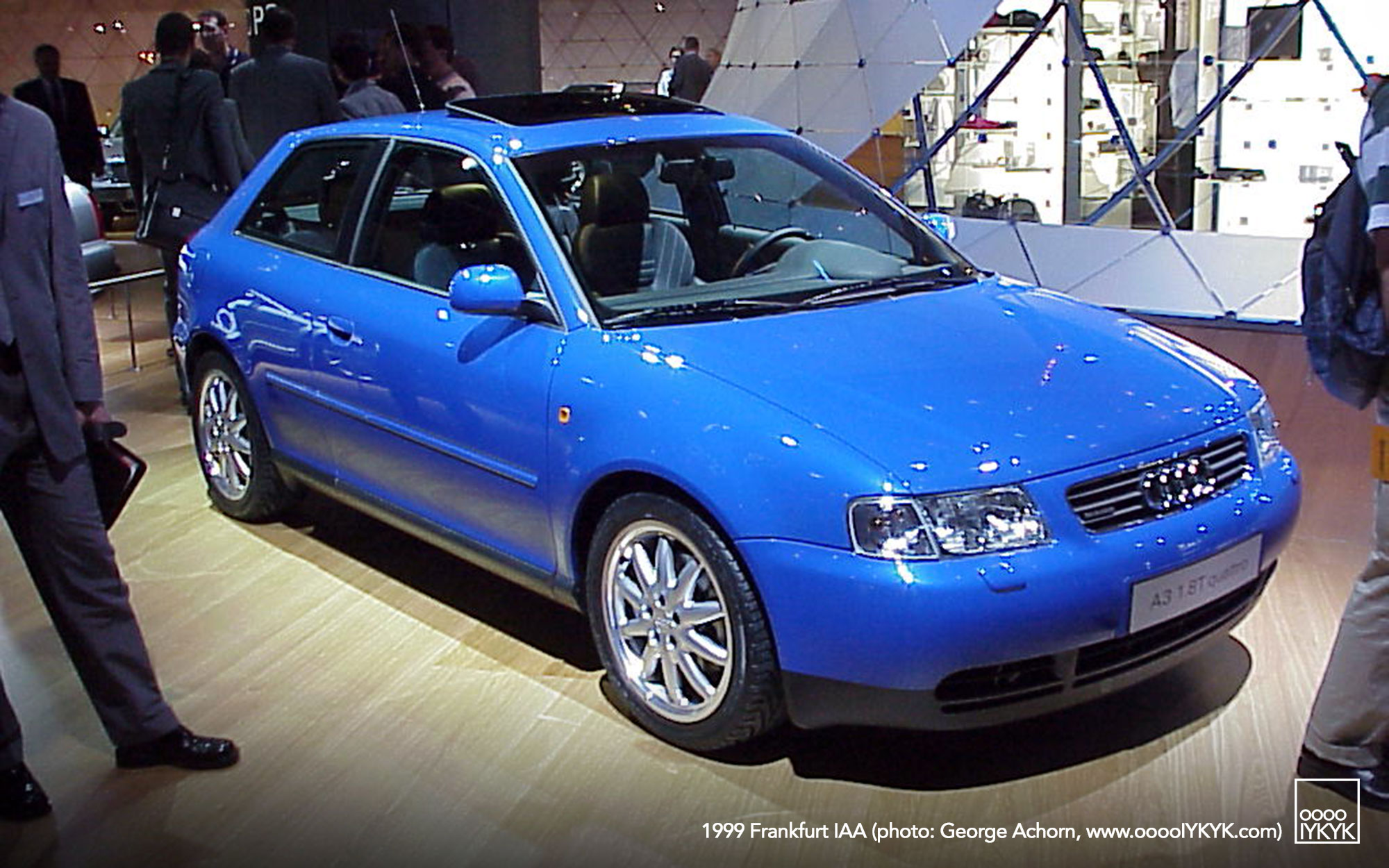
At the heart of Audi’s presence was a striking exhibition stand covering approximately 4,200 square meters. Designed by Düsseldorf-based architects Ingenhoven, Overdieck und Partner, the installation combined architecture, lighting, projection technology and vehicle presentation into a unified environment.
The stand was built around a transparent architectural structure referred to as the “loop.” This distinctive installation consisted of a 320-meter curving facade made from triangular glass panels connected by stainless steel cables and tubular supports. The transparent structure emphasized openness and brightness while acting as a canvas for dynamic projections and lighting effects.
Projected imagery such as natural landscapes and abstract visuals were displayed across sections of the loop using computer-controlled projection systems. These projections connected different thematic areas of the stand, guiding visitors through a sequence of zones representing various aspects of Audi technology and design.
Within recesses along the loop structure on the ground floor, groups of vehicles were arranged according to theme and model family. Above the main display area, visitors could access a first-floor level via three ellipsoidal stairways, where Audi hosted business lounges, dealer meeting areas and hospitality zones. From these elevated spaces, guests could view the entire stand through transparent sections of the loop structure.
Audi also created a Kids’ Club area where younger visitors could engage in creative activities while their parents explored the exhibition.
WORLD DEBUT: AUDI A2
The centerpiece of Audi’s Frankfurt presentation was the world debut of the Audi A2, a groundbreaking compact car built around an aluminum Audi Space Frame (ASF) structure. The A2 represented a bold engineering experiment that applied lightweight construction techniques previously reserved for flagship models such as the Audi A8 to a small production vehicle.
The compact hatchback emphasized efficiency, aerodynamics and advanced materials. With its aluminum body structure and aerodynamic design, the A2 represented a new direction for Audi’s small car strategy at the turn of the millennium.
Production of the A2 would begin later in 1999, making it one of the first mass-produced vehicles to bring aluminum space-frame construction into the compact segment.
AUDI A2 1.2 TDI: THE THREE-LITER CAR
Alongside the standard A2, Audi presented the Audi A2 1.2 TDI, an ultra-efficient variant designed to consume just three liters of fuel per 100 kilometers (approximately 78 mpg US). This made it the world’s first four-door production vehicle to achieve the “three-liter car” benchmark.
The model demonstrated Audi’s broader commitment to improving efficiency through lightweight engineering, aerodynamics and advanced diesel technology. Combined with the aluminum construction of the A2 platform, the 1.2 TDI represented one of the most ambitious fuel-efficiency programs of the era.
AUDI RS 4 (B5)
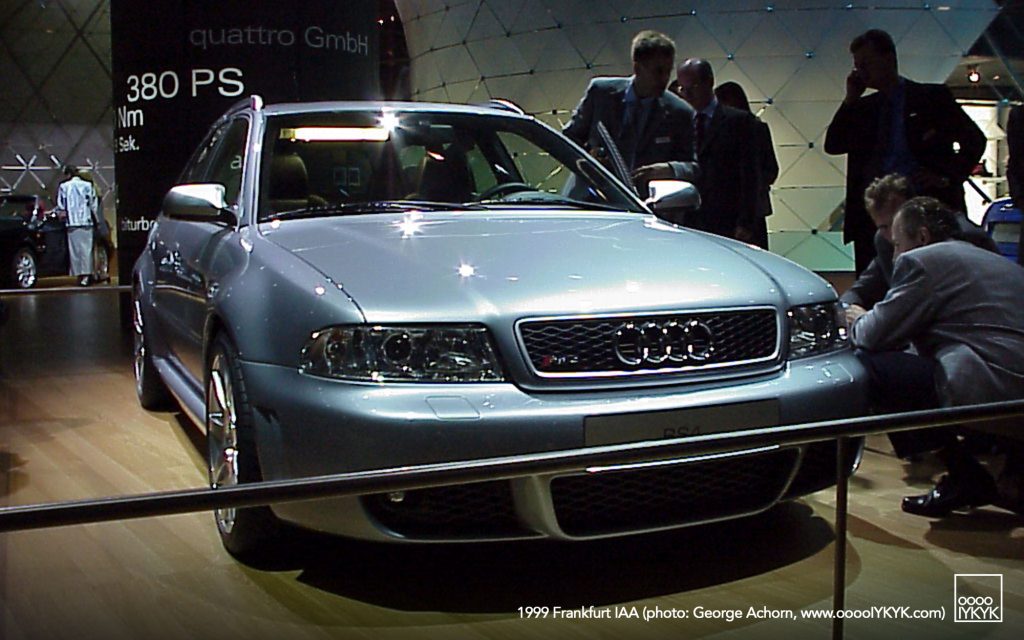
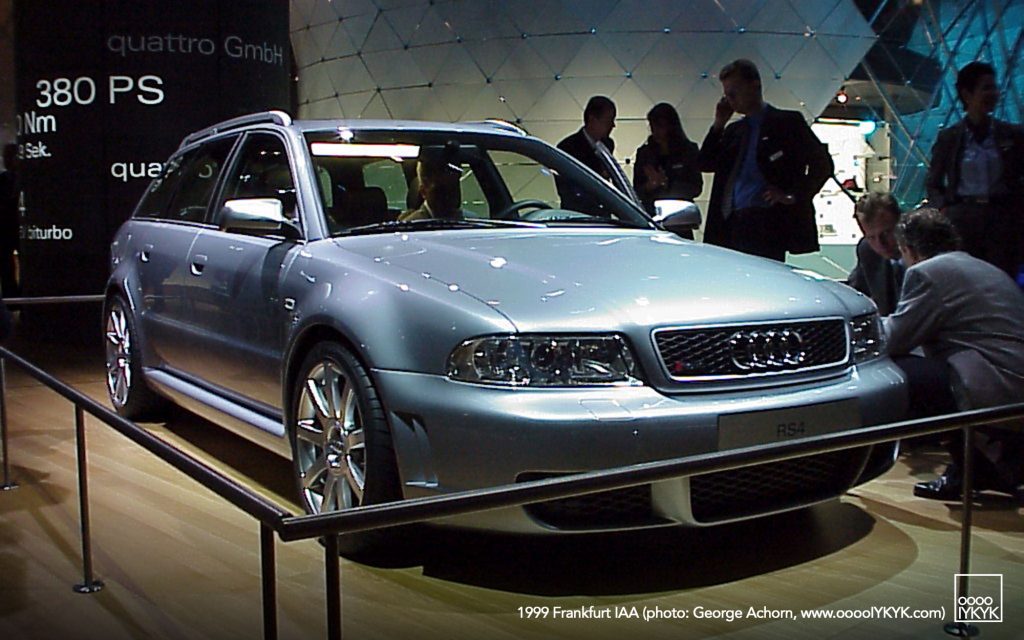
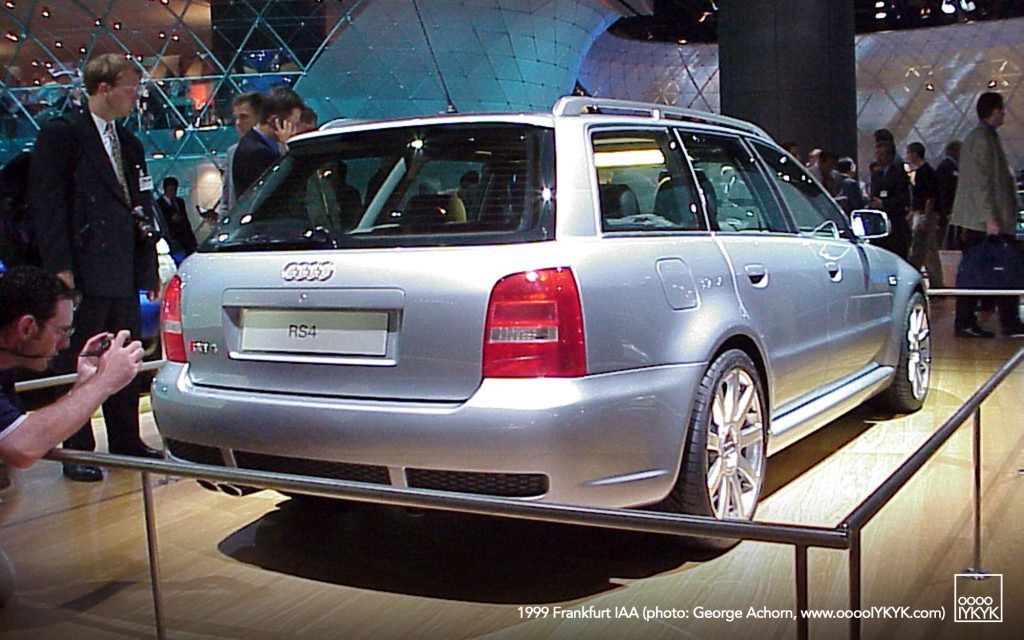
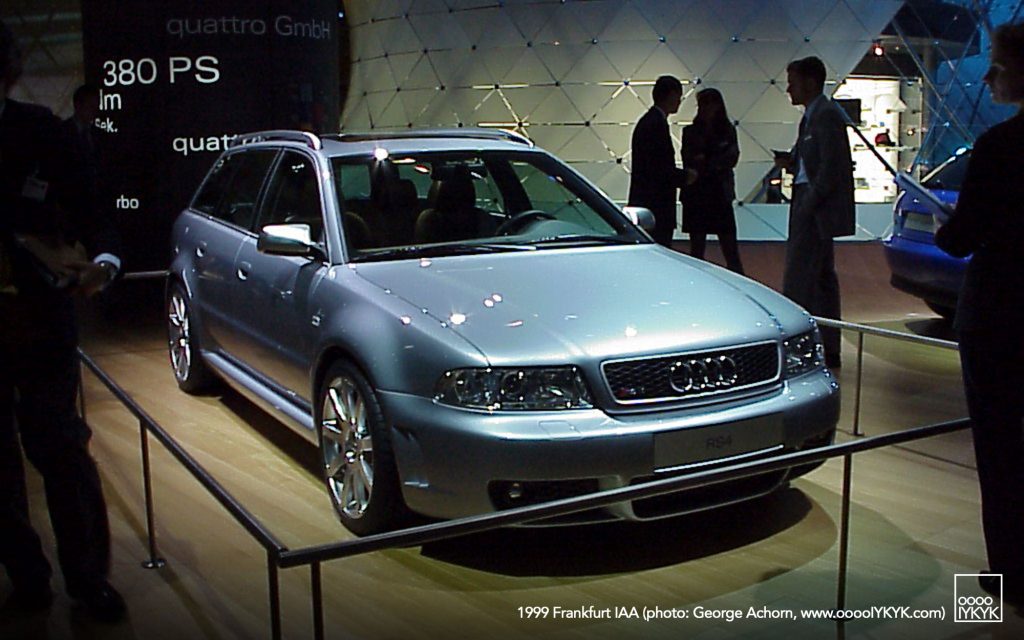
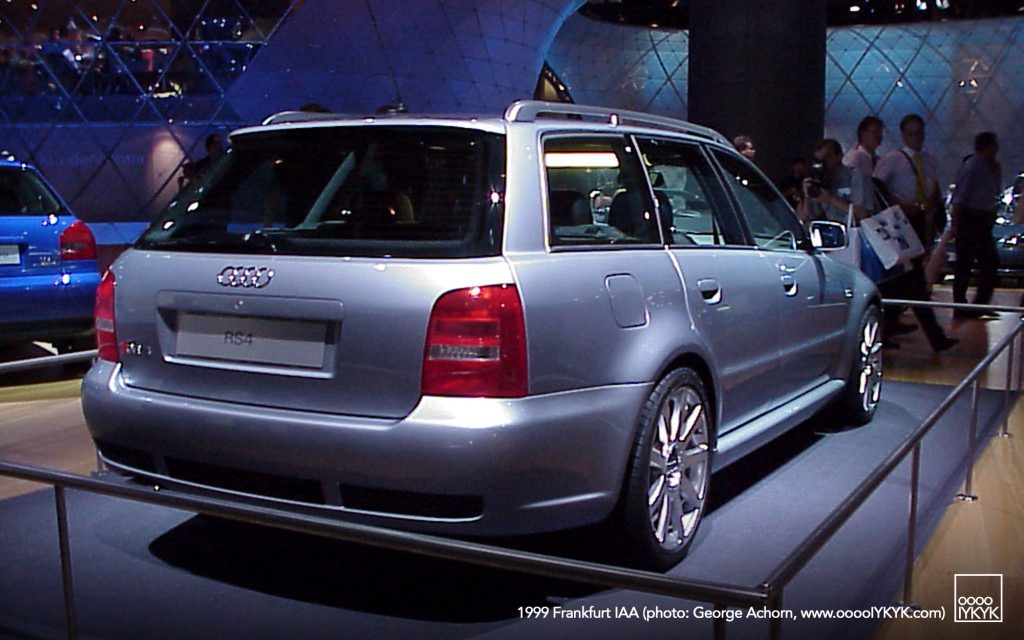
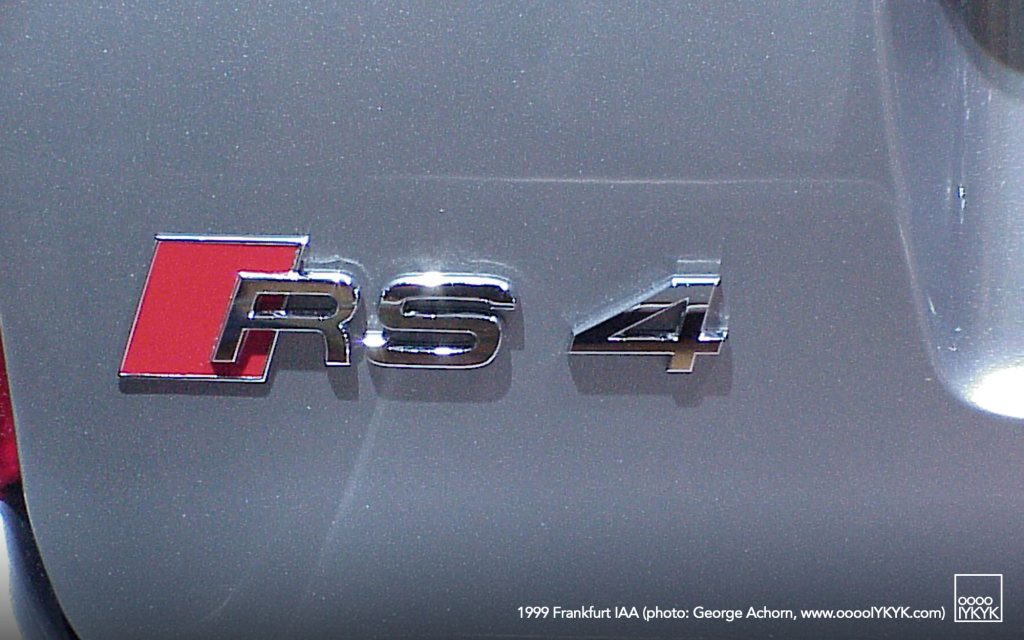
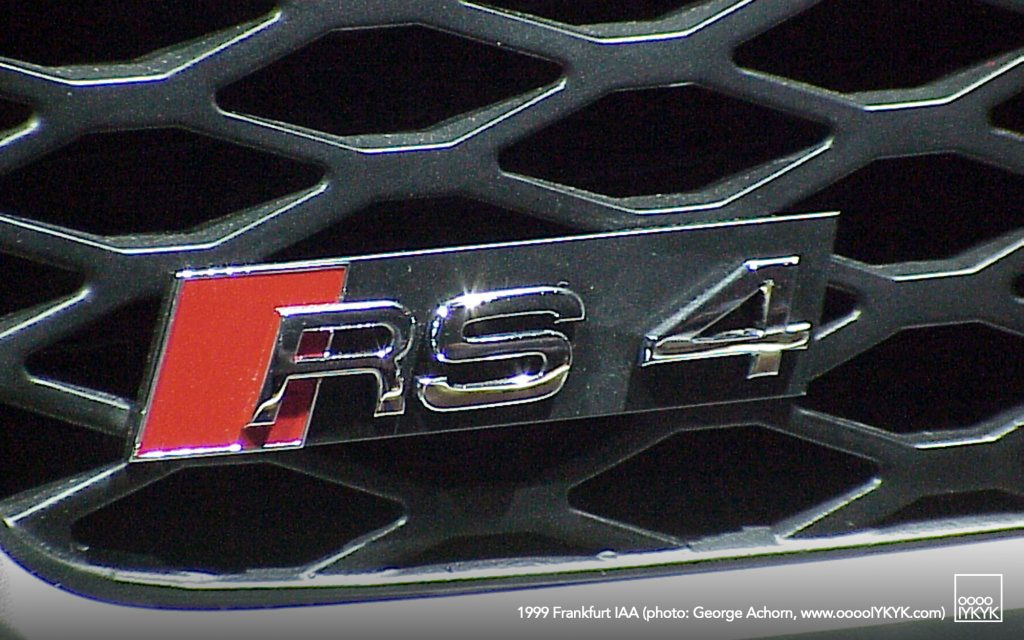
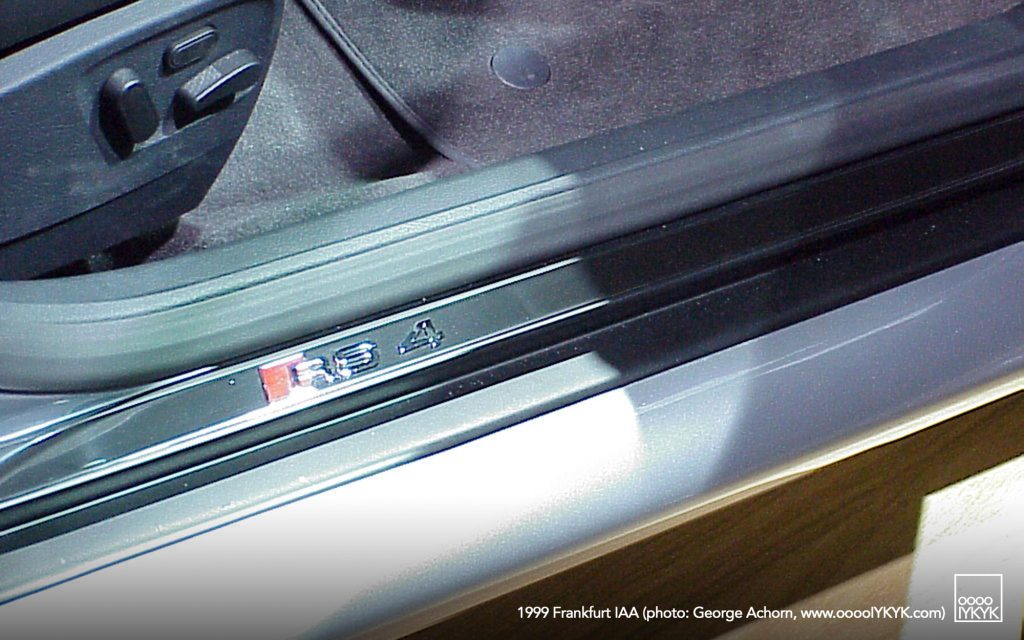
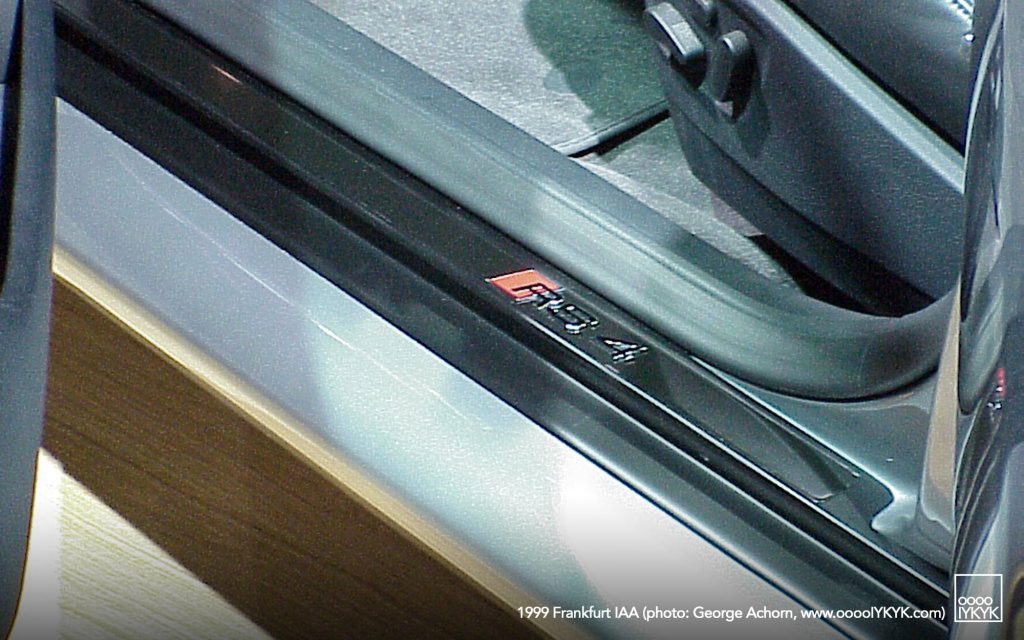
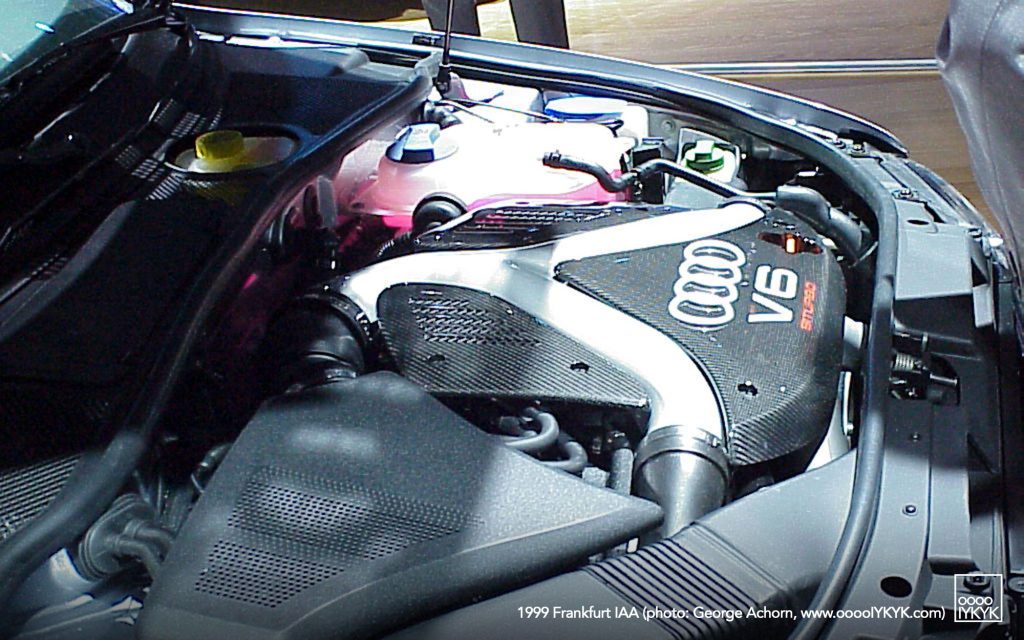
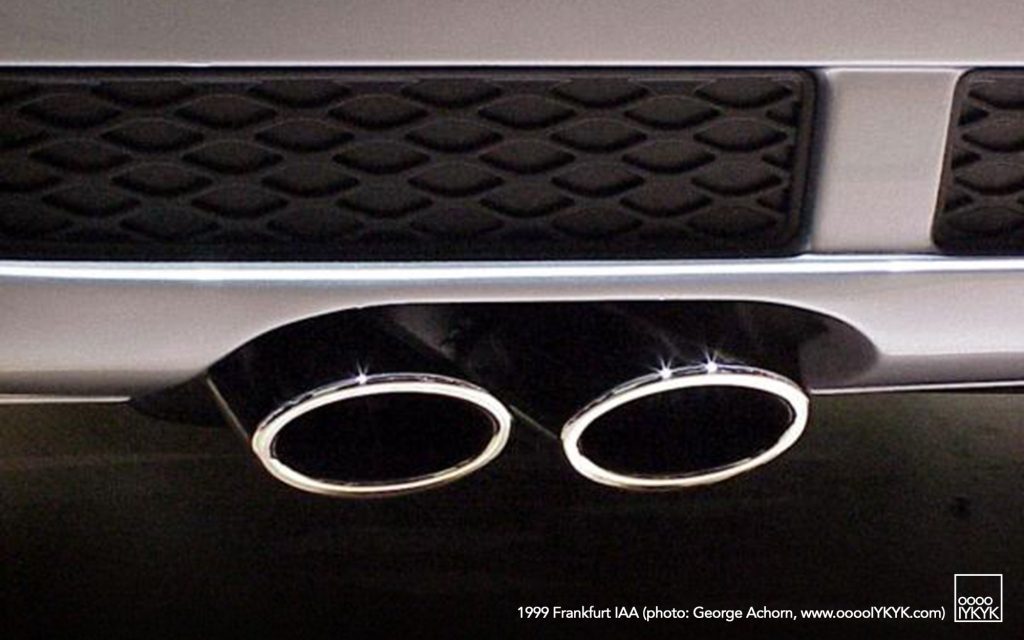
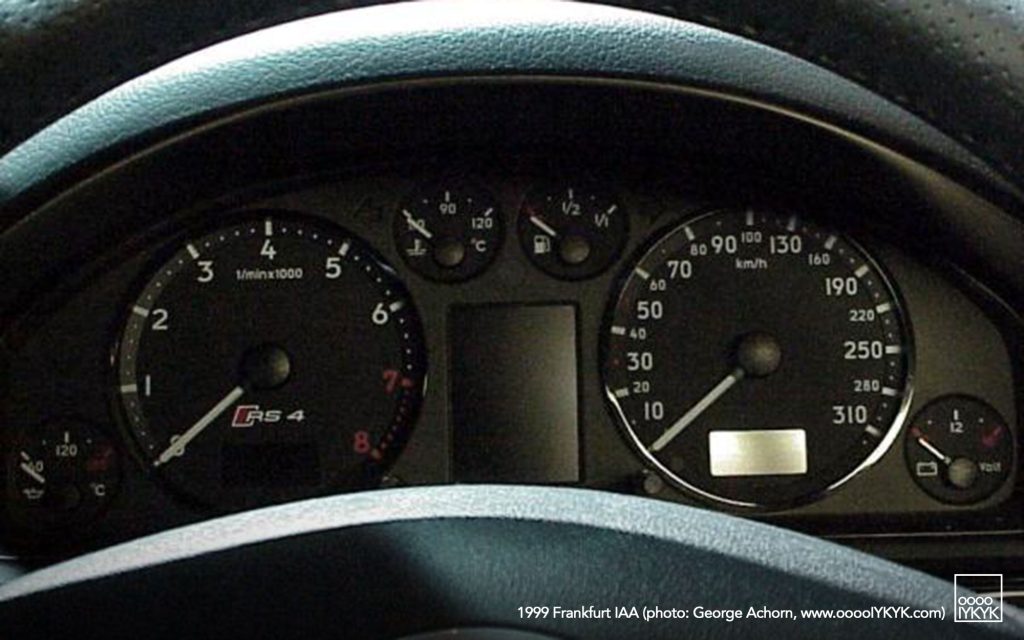
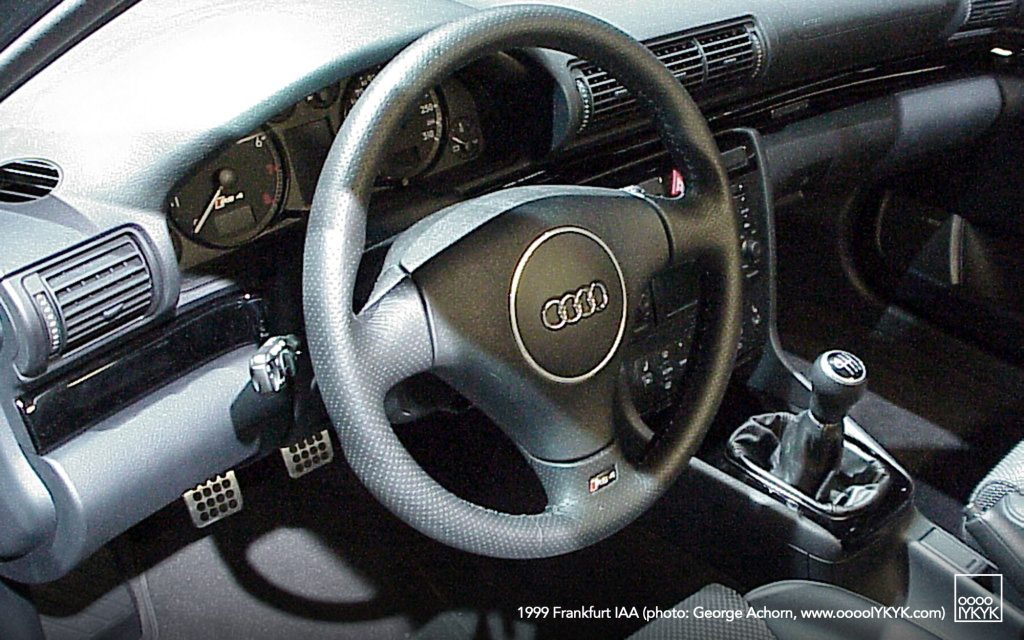
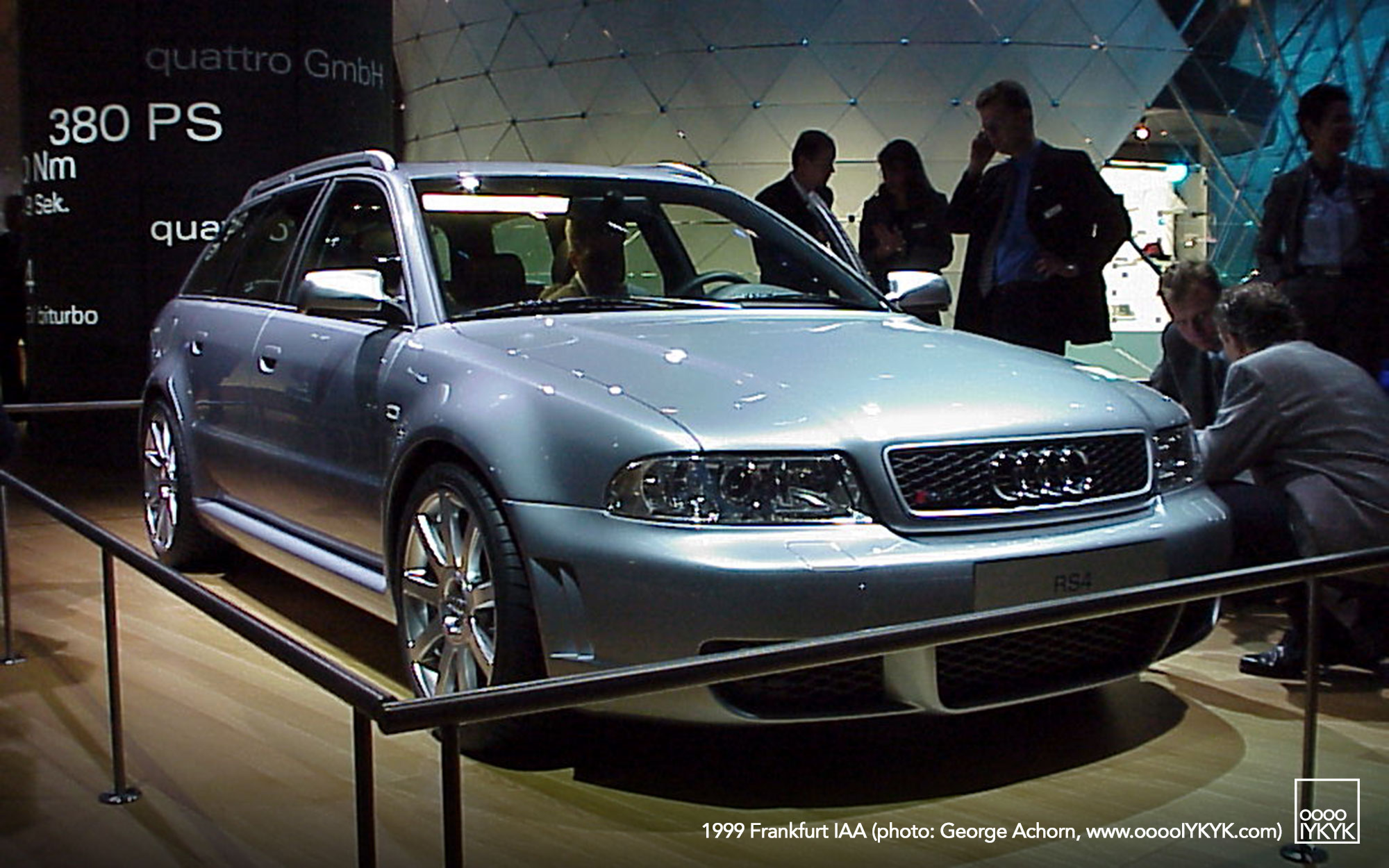
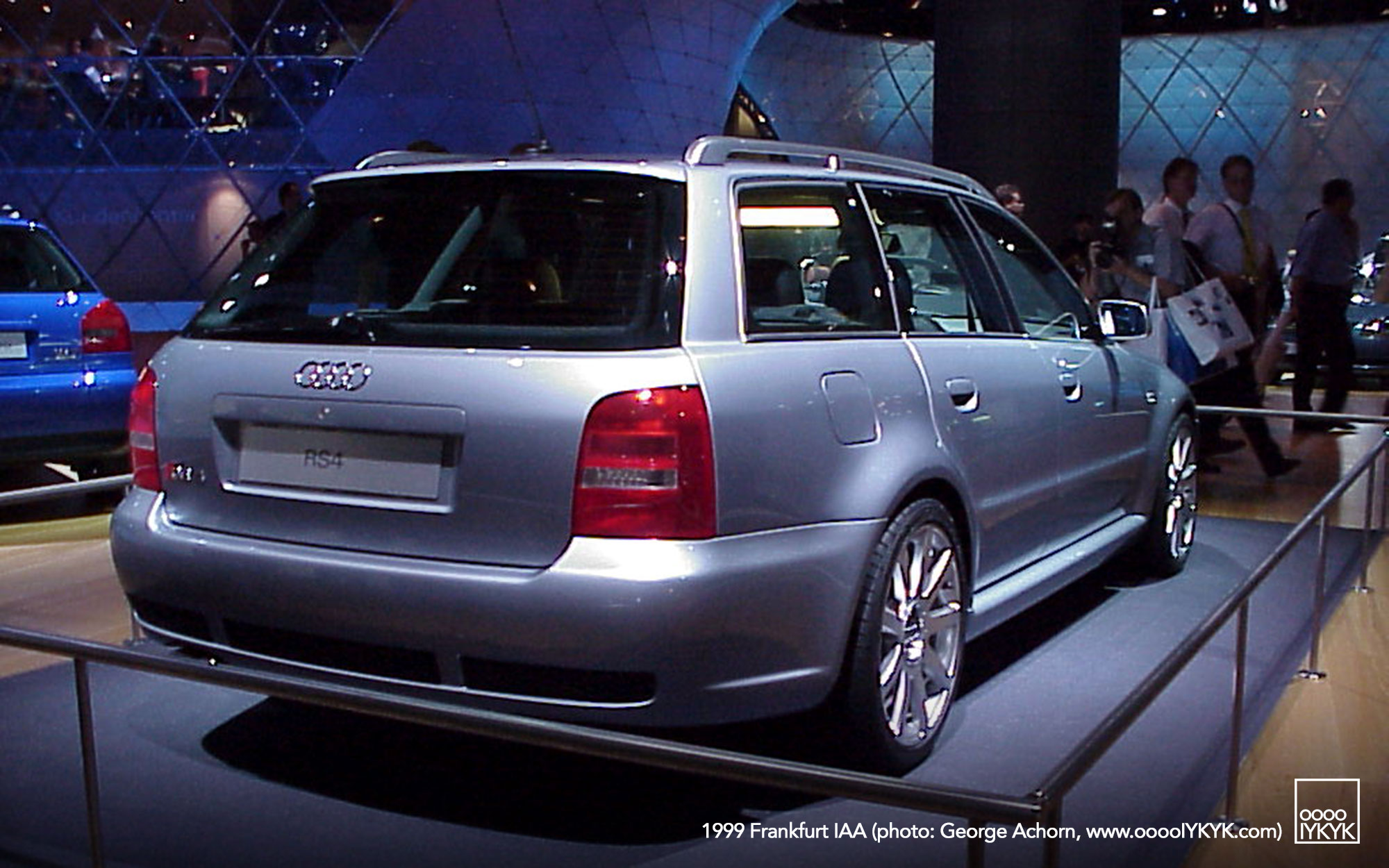
Another major highlight of the Audi stand was the unveiling of the Audi RS 4 (B5), which at the time represented the most powerful production Audi ever offered.
Developed in collaboration with Cosworth Technology, the RS4 featured a heavily modified 2.7-liter biturbo V6producing approximately 380 horsepower. The performance-focused Avant combined the practicality of a wagon body style with the performance characteristics of a high-end sports car.
The RS4 would go on to become one of the most iconic models in the history of Audi Sport and helped define the modern RS performance lineup.
AUDI S6 (C5)
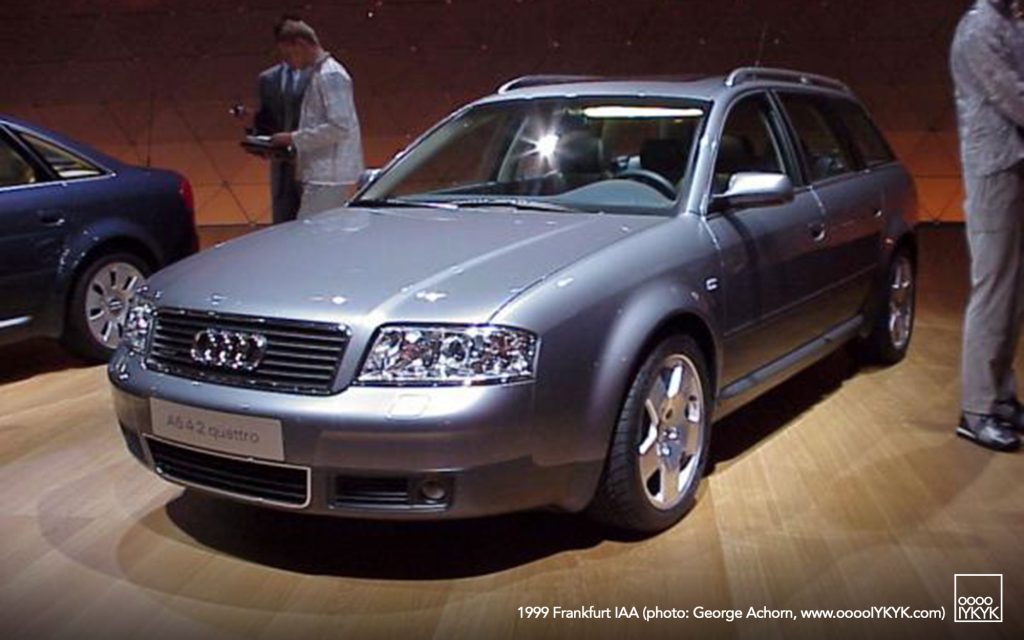
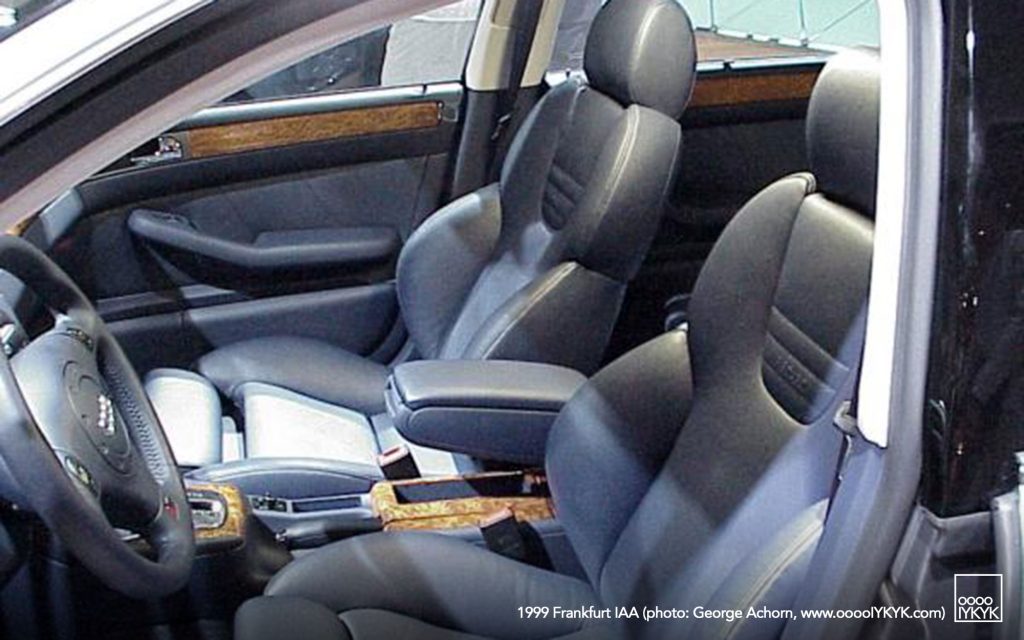
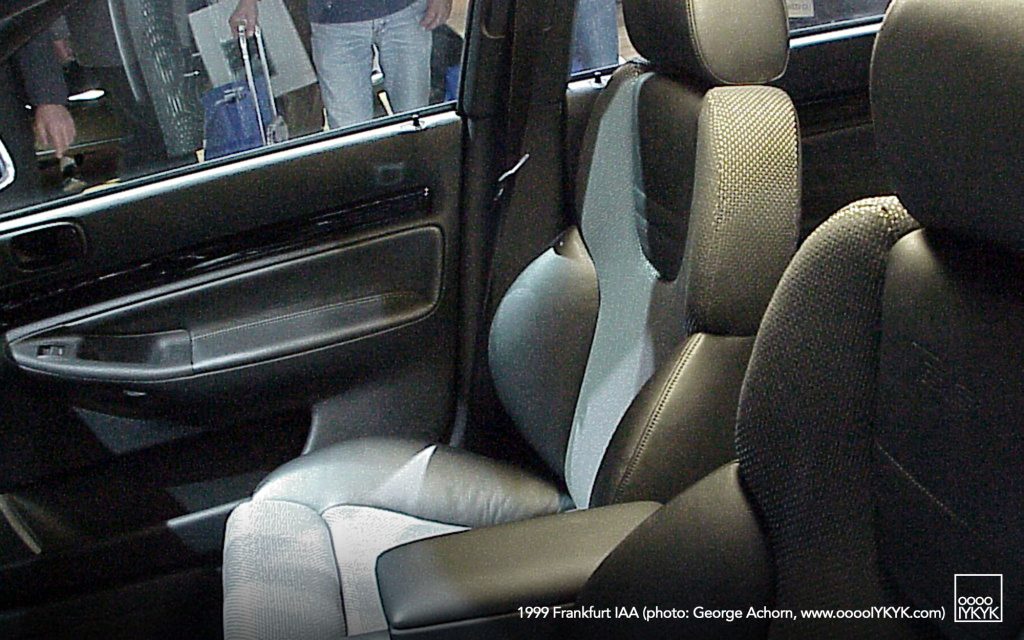
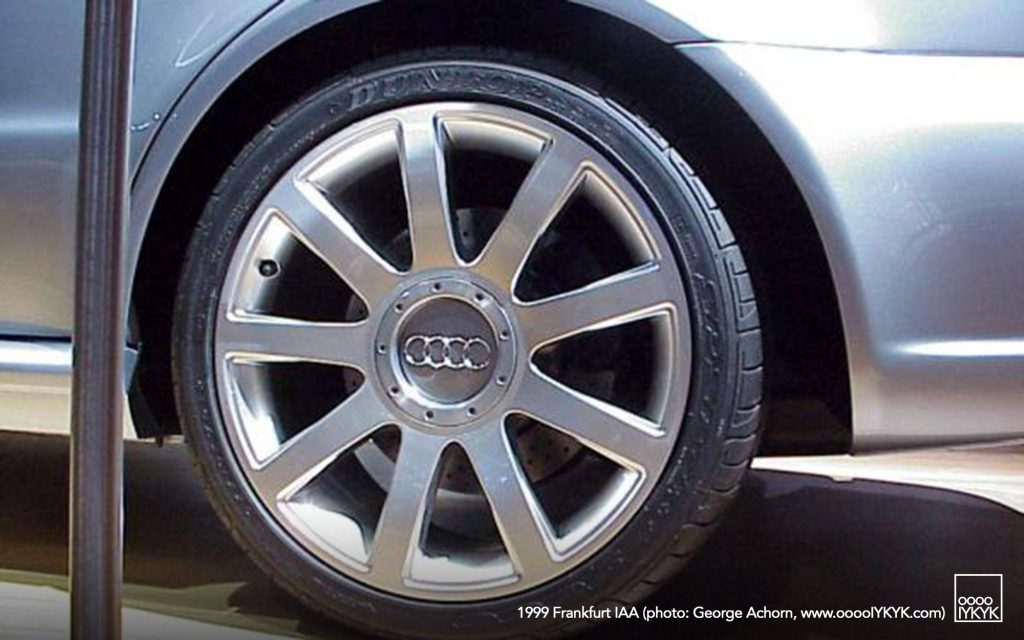
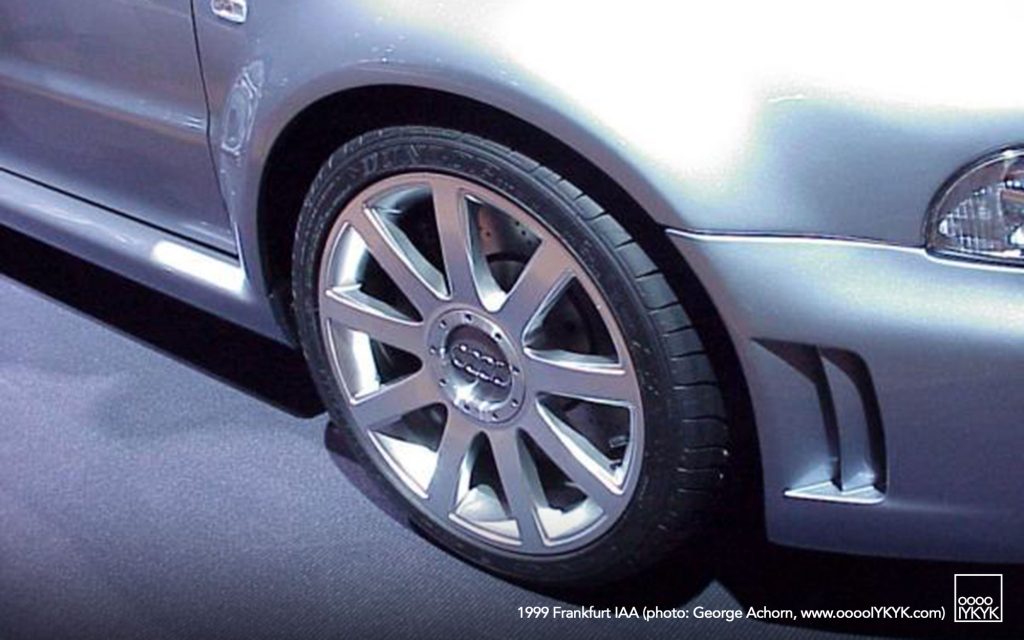
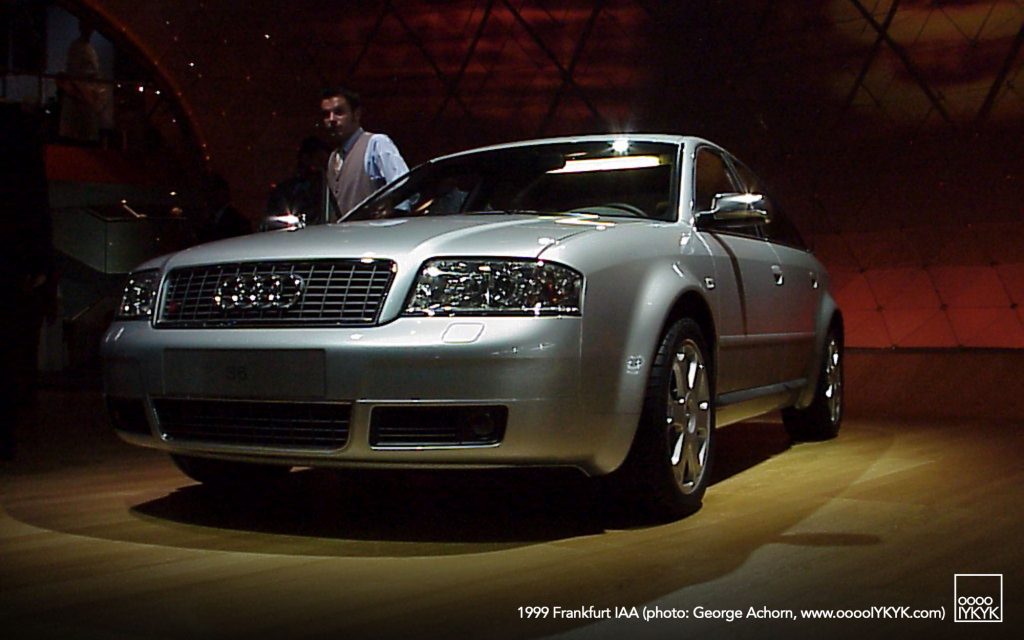
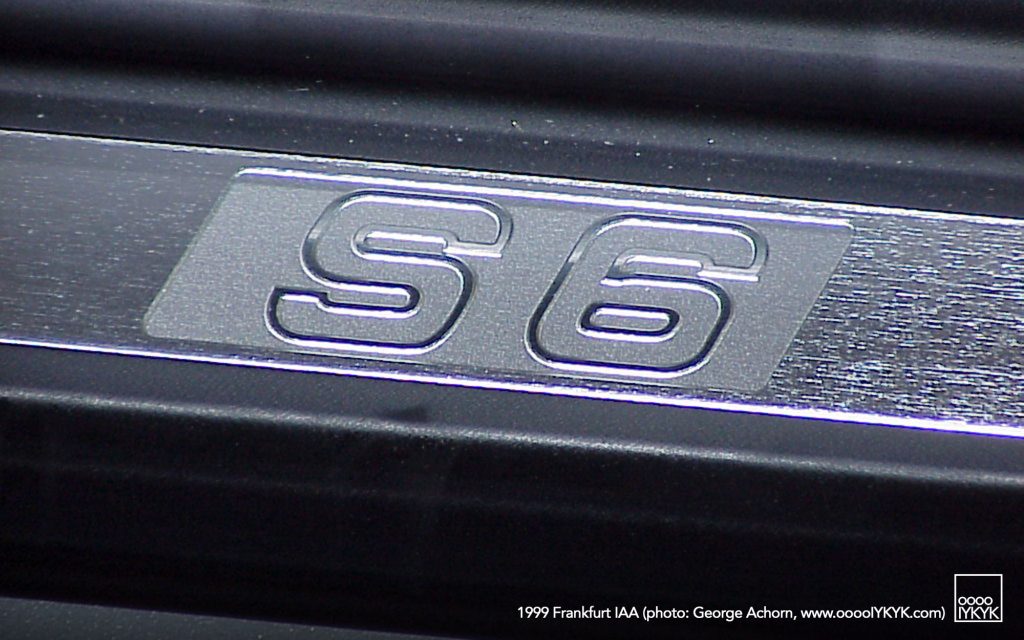
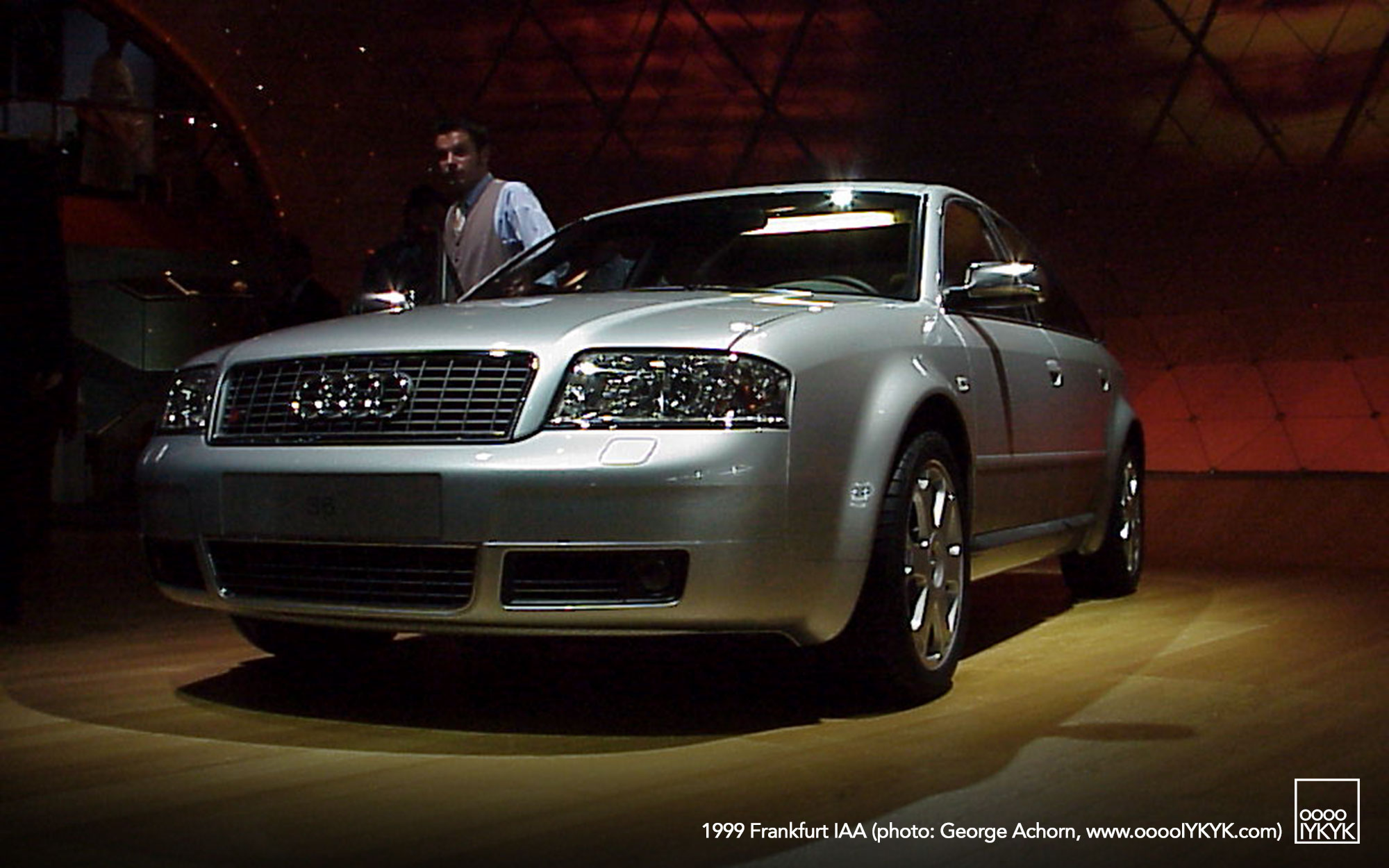
The Frankfurt show also marked the introduction of the Audi S6, expanding the performance-oriented S lineup within the Audi range.
Based on the C5-generation A6 platform, the S6 was powered by a 4.2-liter naturally aspirated V8 paired with Audi’s quattro all-wheel-drive system. The model combined high-speed touring capability with understated styling and everyday usability, continuing Audi’s tradition of subtle high-performance sedans.
AUDI A8 FACELIFT (D2)
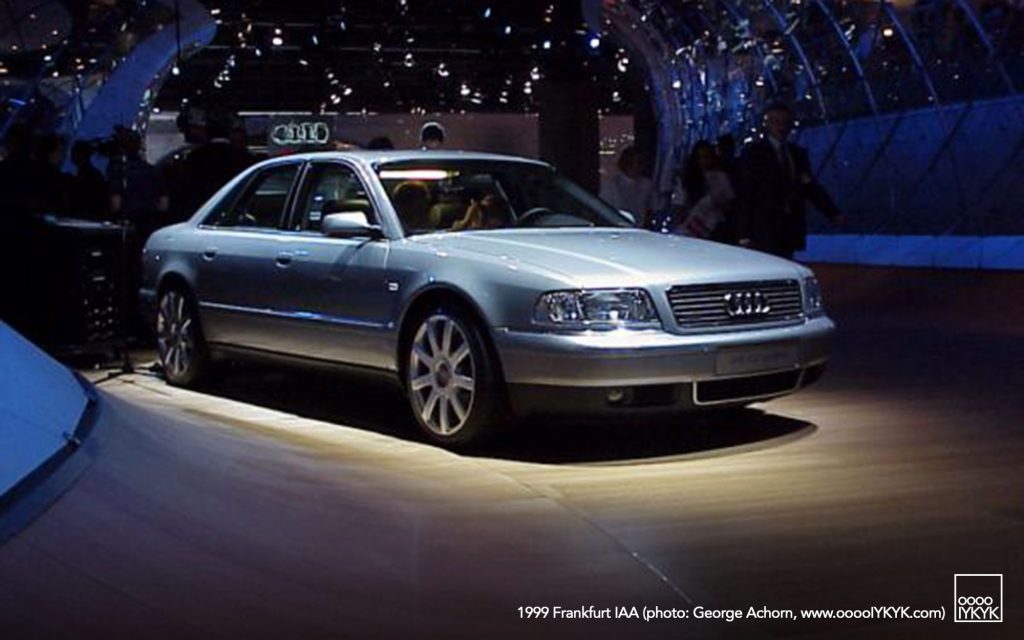
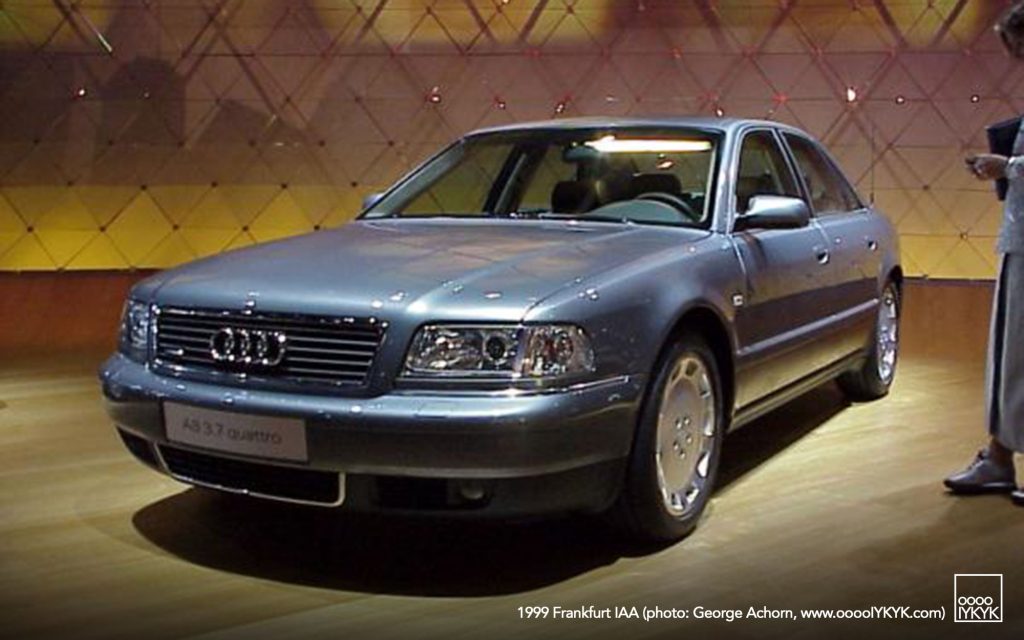
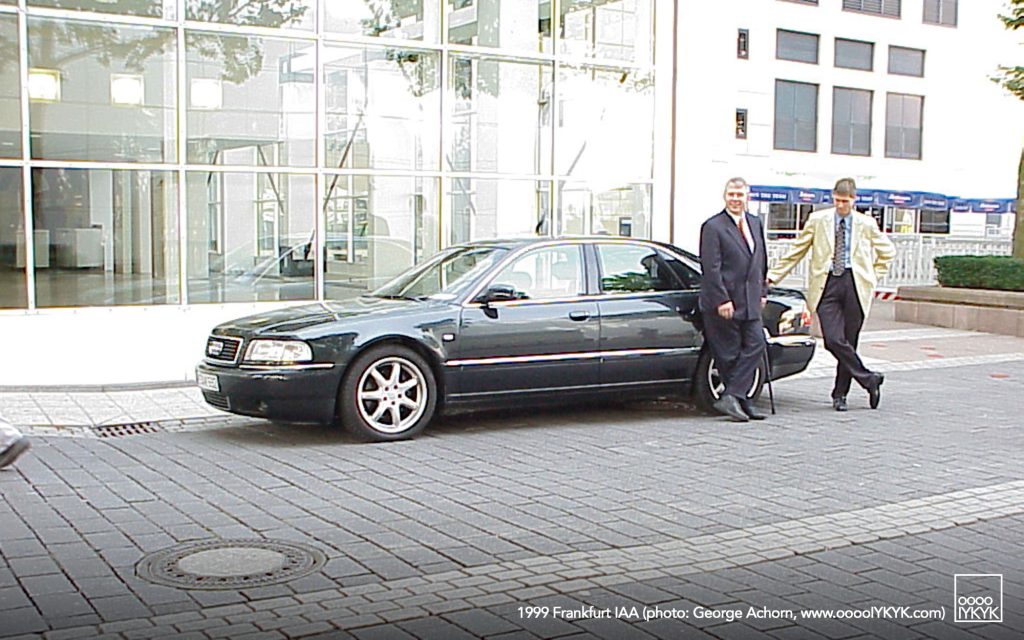
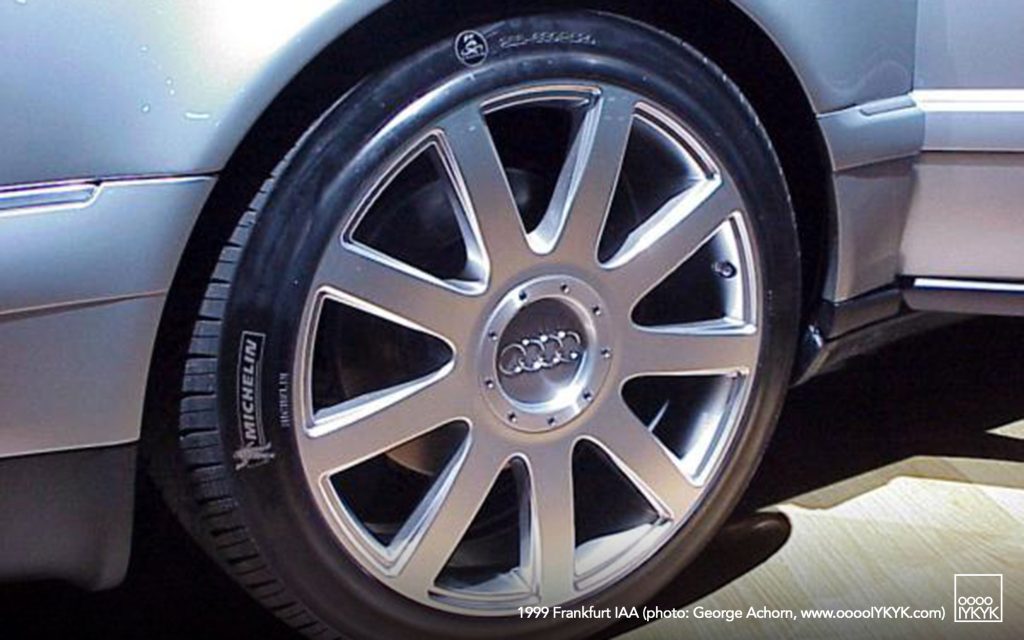
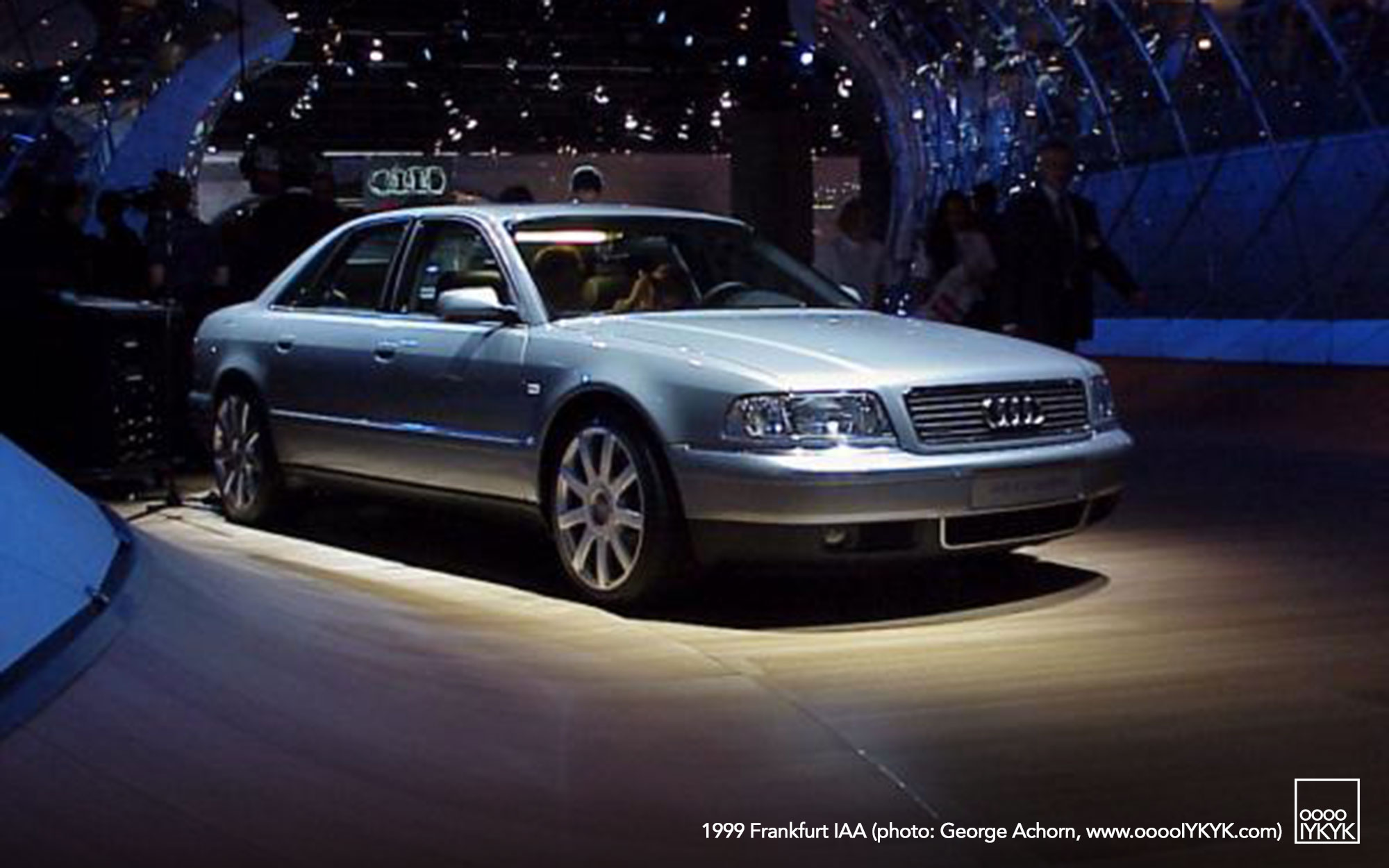
Audi also presented the facelifted D2-generation Audi A8, representing the 2000 model year update of the brand’s flagship luxury sedan.
The update introduced subtle exterior refinements, interior improvements and updated engine options, including a 355 horsepower version of the 4.2-liter V8. The A8 continued to showcase Audi’s aluminum Audi Space Frame construction, which had first debuted on the model in 1994.
ABT SPORTSLINE AT IAA
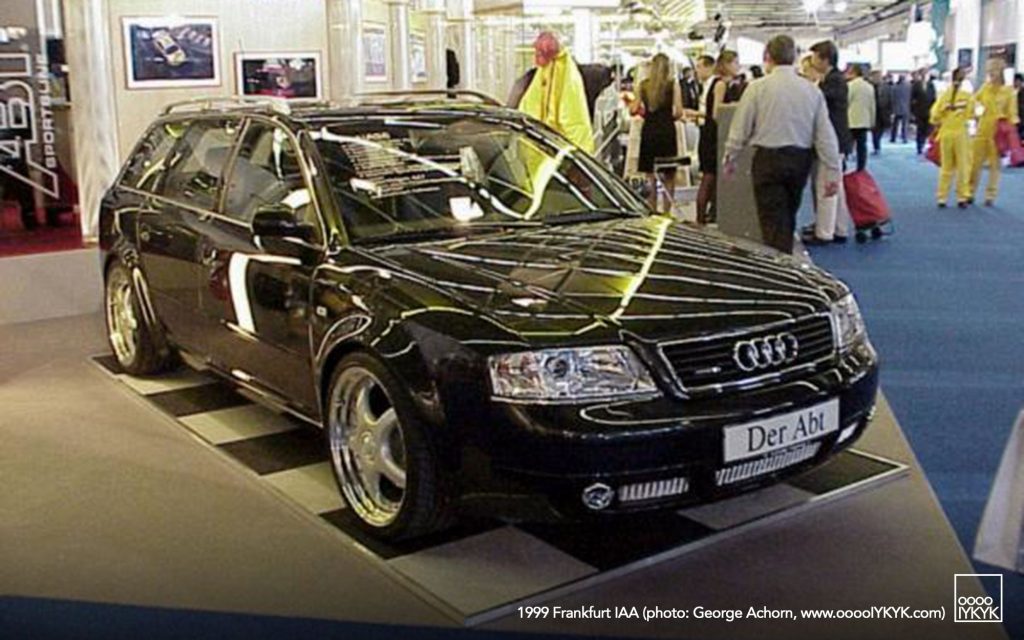
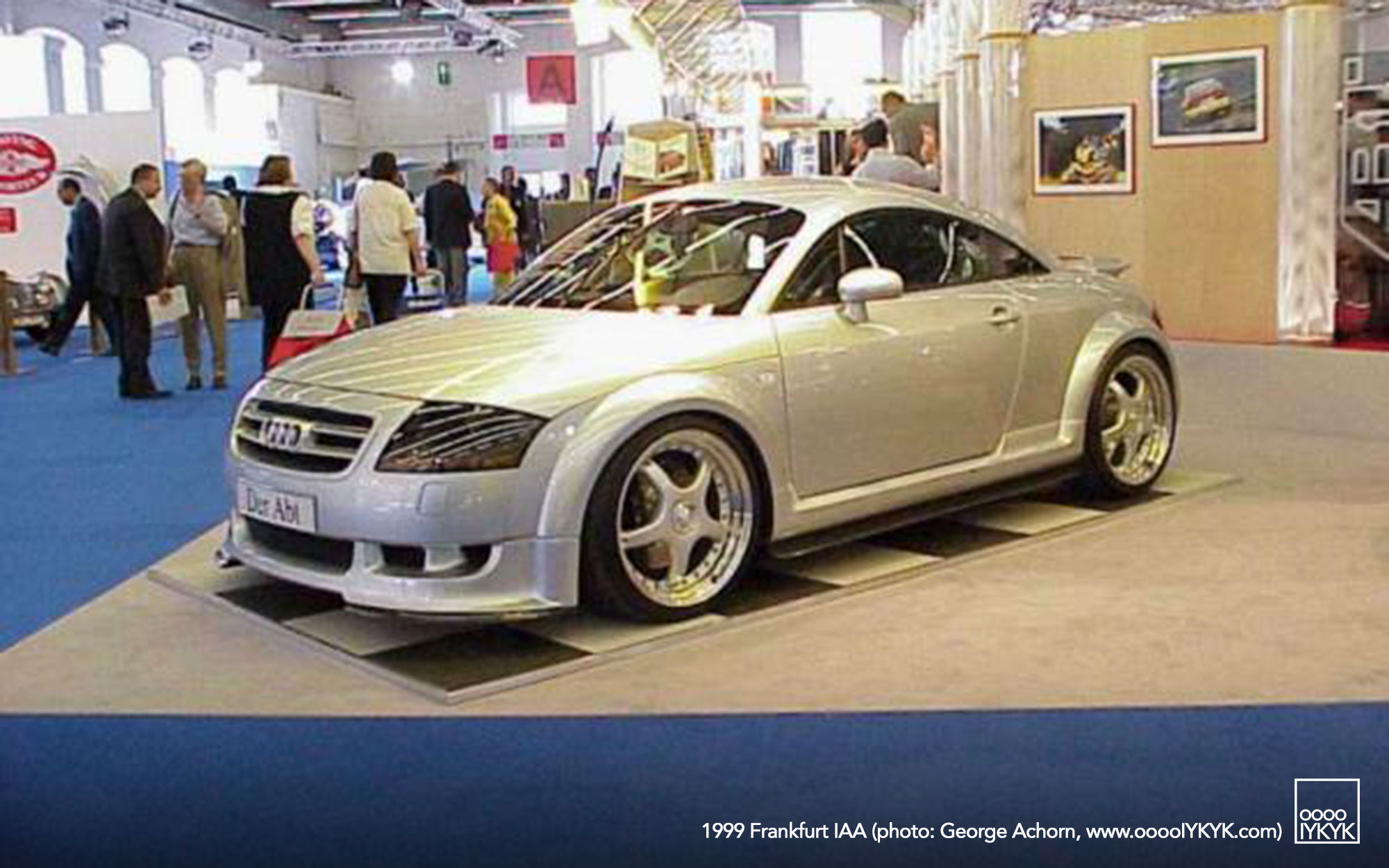
Elsewhere on the Frankfurt exhibition grounds, the aftermarket hall hosted several tuning companies and performance specialists. Among them was ABT Sportsline, long recognized as one of the most prominent Audi tuners.
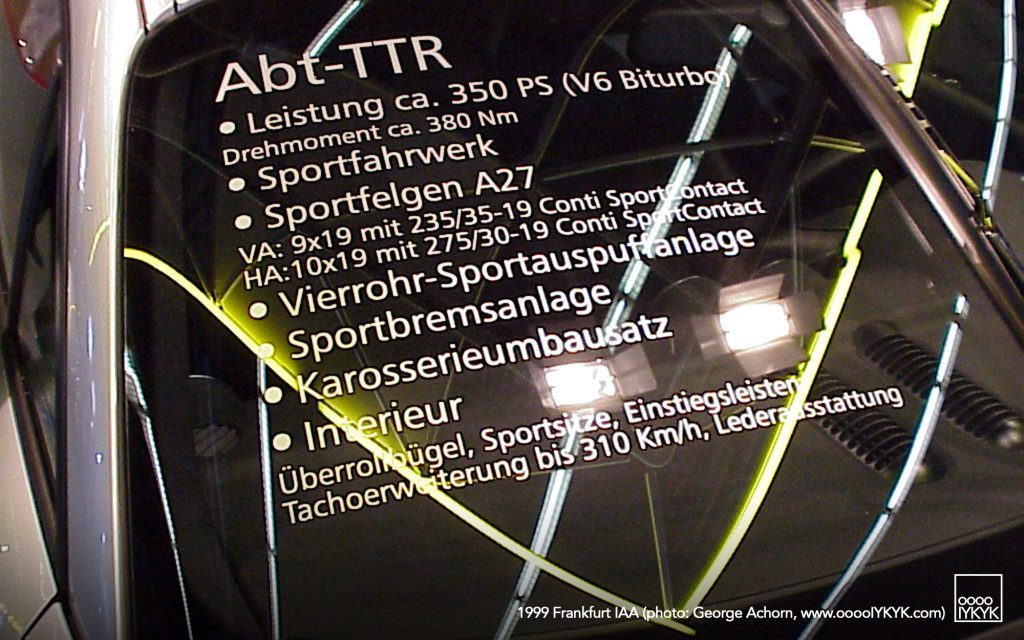
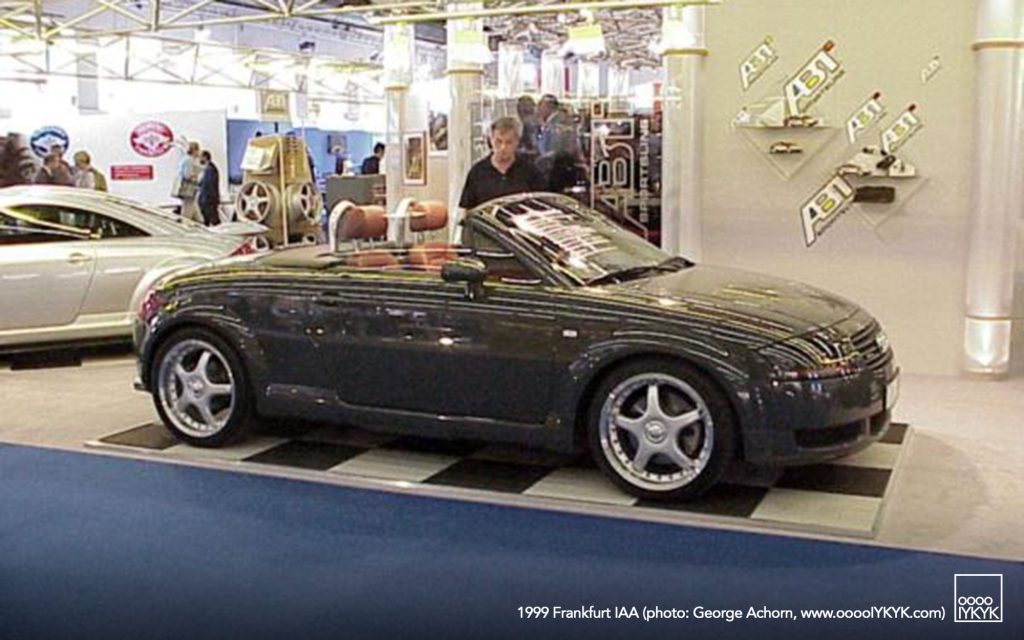
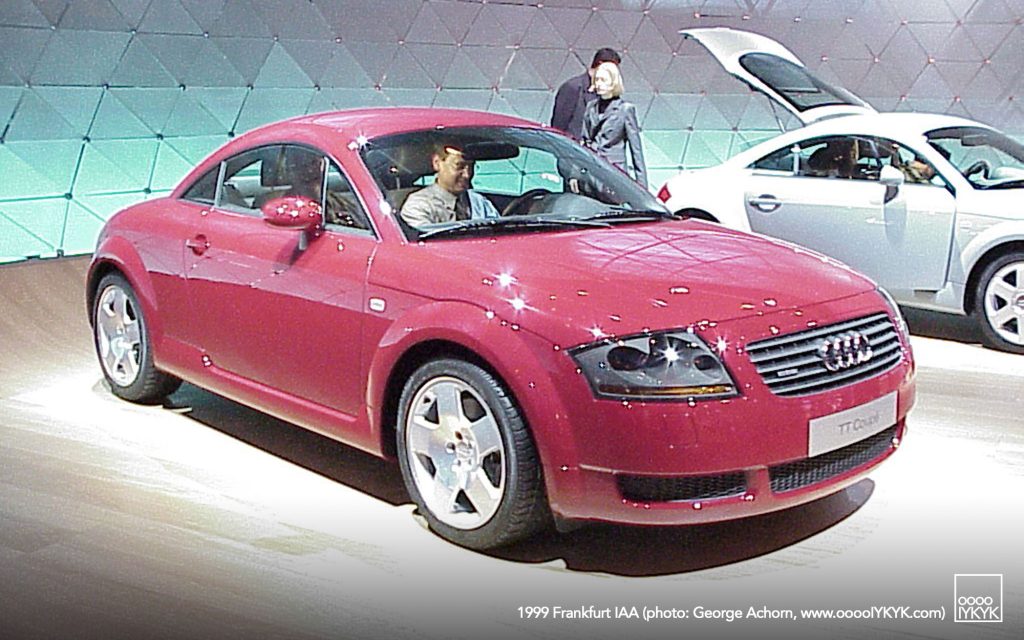
ABT displayed several modified vehicles including customized versions of the Audi TT Roadster, Audi allroad quattro and a more radical TT-based performance build finished in silver. The company also showcased a range of body kits, wheels and accessories designed for Audi models.
These tuner displays highlighted the strong aftermarket culture surrounding Audi vehicles at the end of the 1990s, particularly as models like the TT and S-series cars gained popularity among enthusiasts.
LEGACY
The 1999 Frankfurt Motor Show represented a pivotal moment for Audi as the brand entered the new millennium with a strong emphasis on technology, efficiency and performance.
The debut of the Audi A2 demonstrated Audi’s willingness to experiment with lightweight engineering and alternative approaches to efficiency, while the introduction of the RS 4 (B5) reinforced the growing importance of high-performance variants within the brand’s lineup. The return of the Audi “RS” nomenclature, and arguably the advent of the modern Audi-developed RS range, makes this event particularly relevant in the history of the Audi brand.
Together with the immersive World of Audi exhibition concept, the Frankfurt presentation showcased Audi’s ambition to position itself as a technological leader within the global automotive industry at the dawn of the 21st century.
PHOTO GALLERY