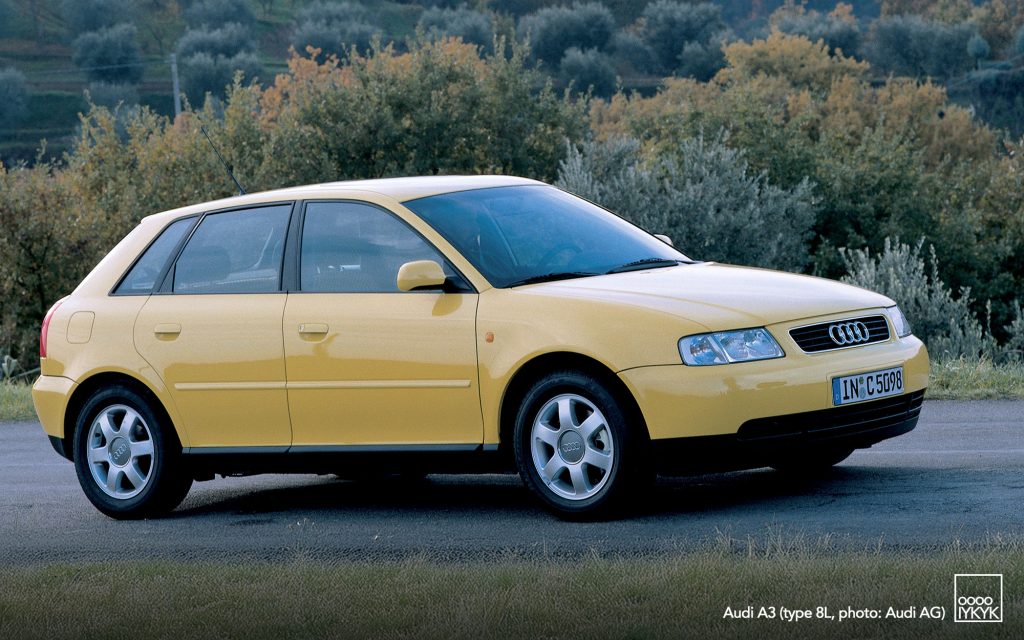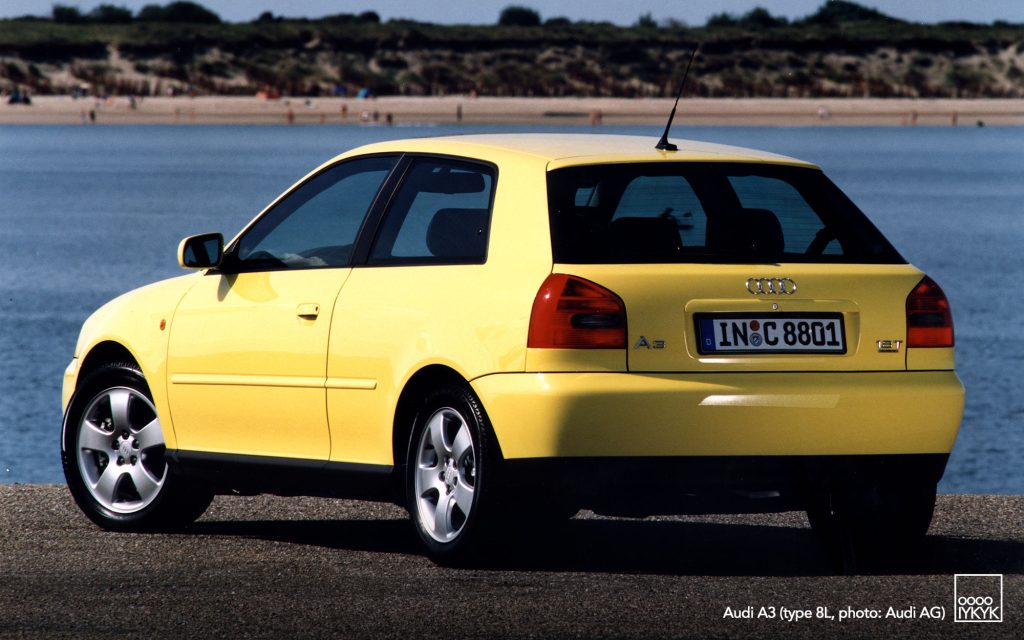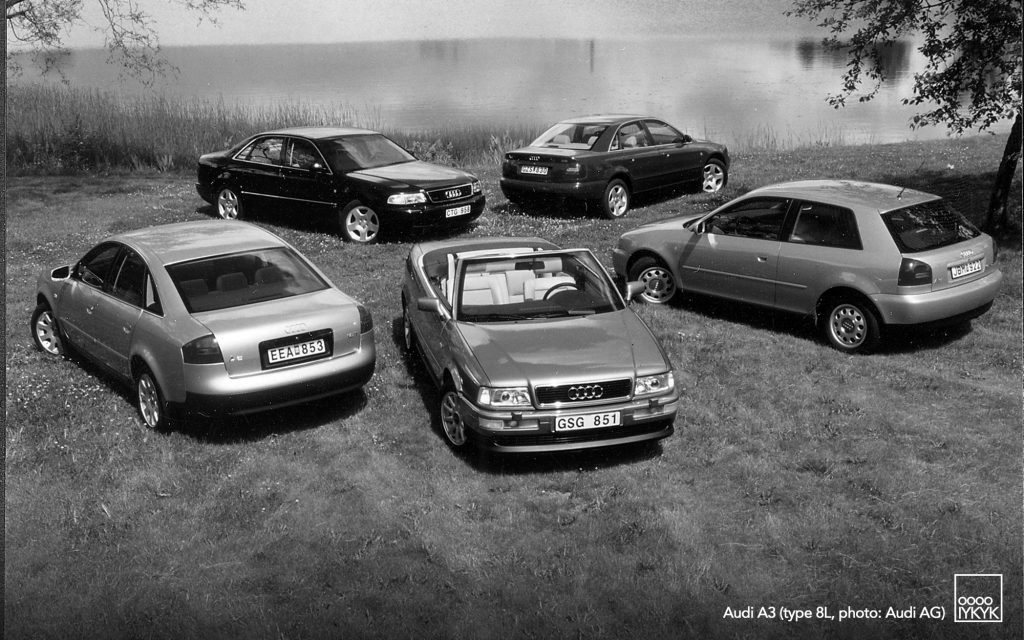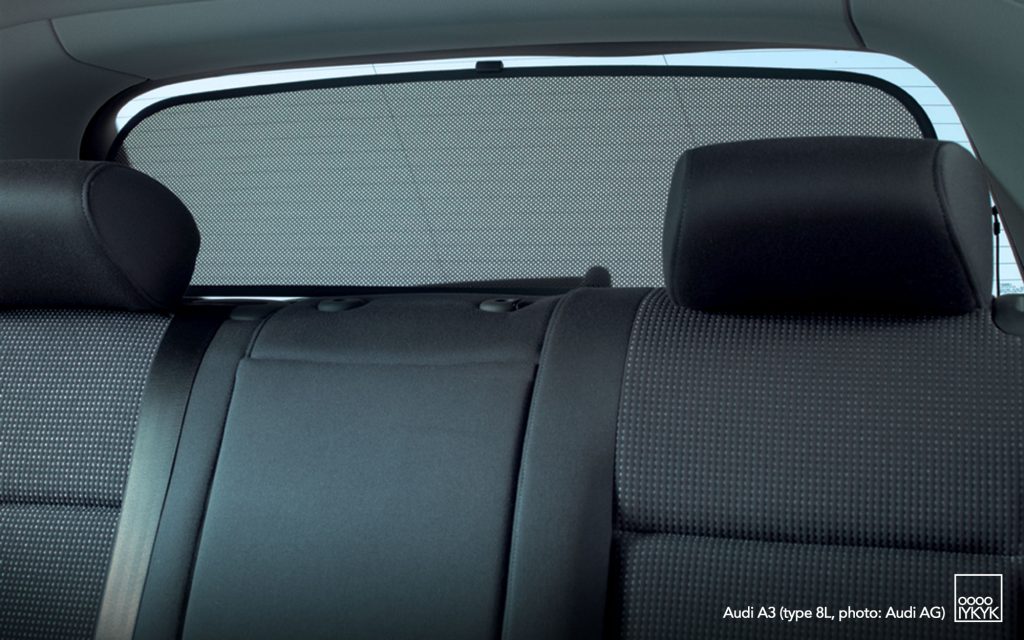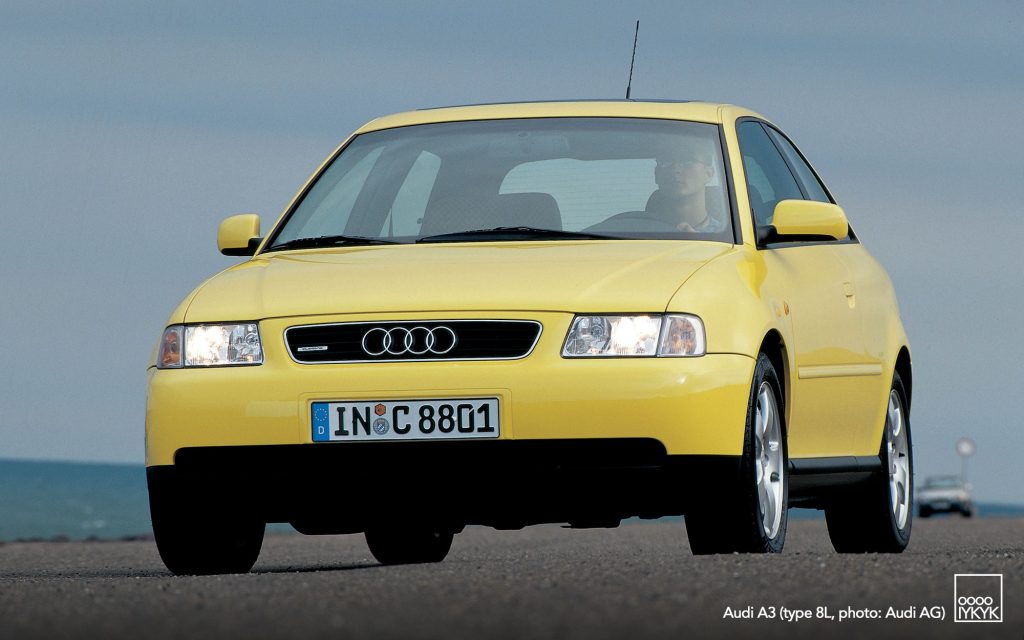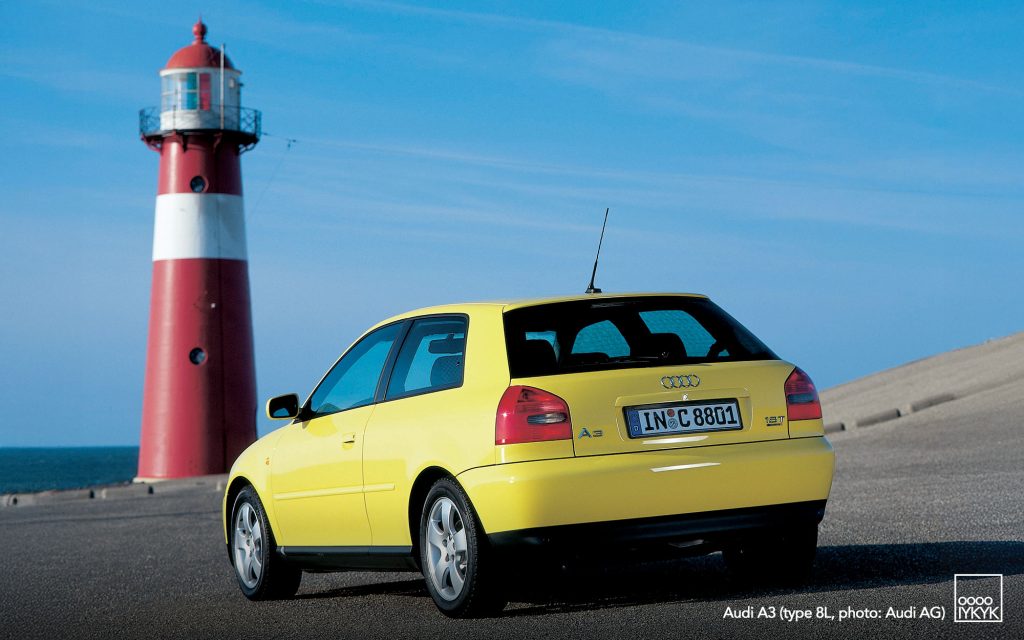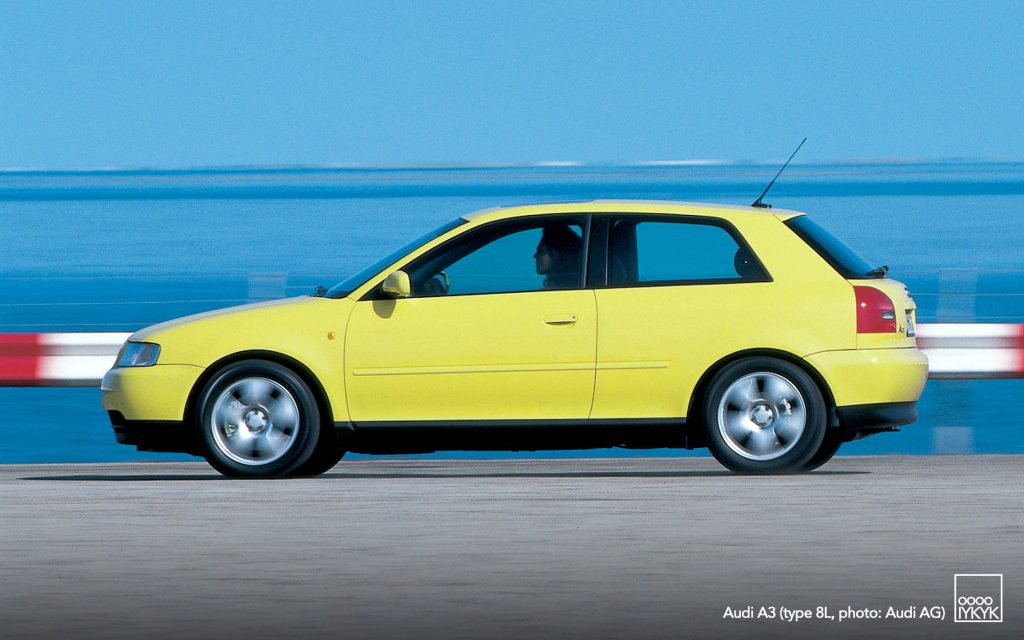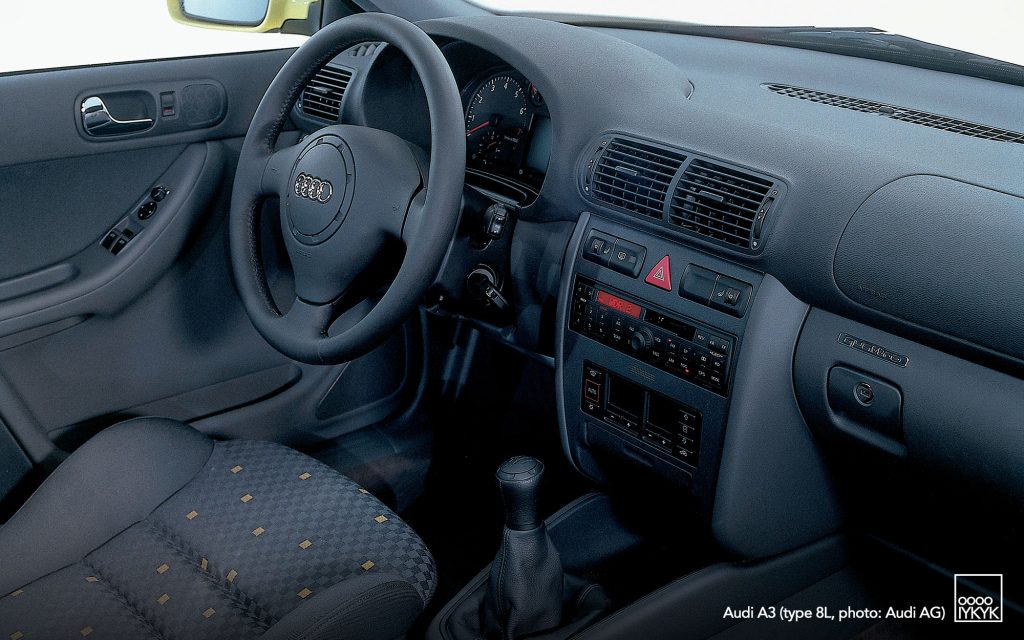


What: 8L A3
Model Family: A3
Market / Zone: EU
Production Location: Györ, Hungary (1996-2001)
Auto Show Debut: 1996 Paris Motor Show
Year: 1996, 1997, 1998, 1999, 2000, 2001
Number Produced: unknown
Model / Generation Code(s): Type 8L
Chassis / Matrix: PQ34
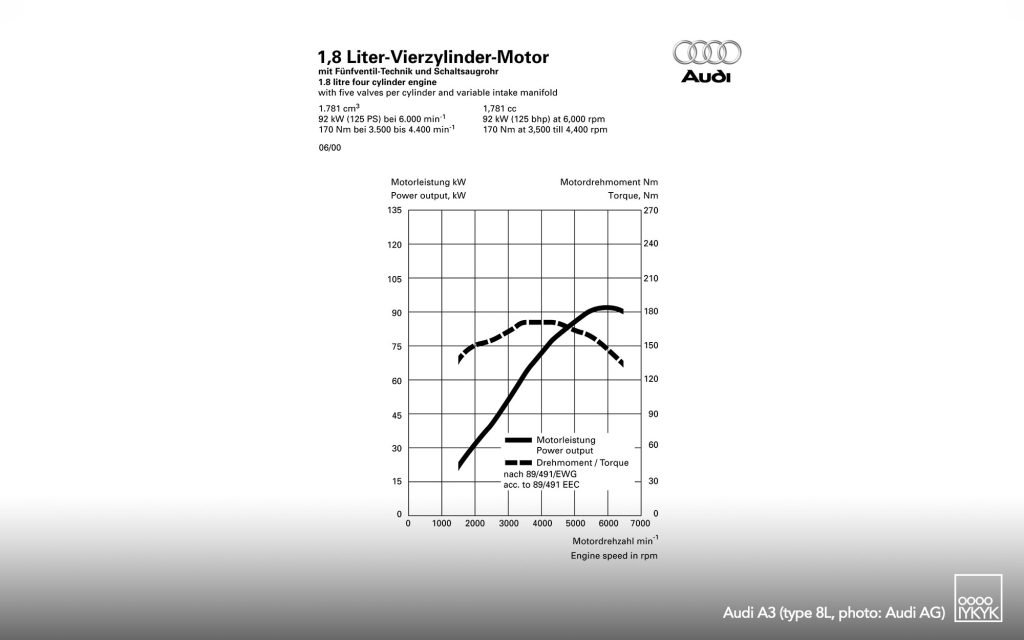
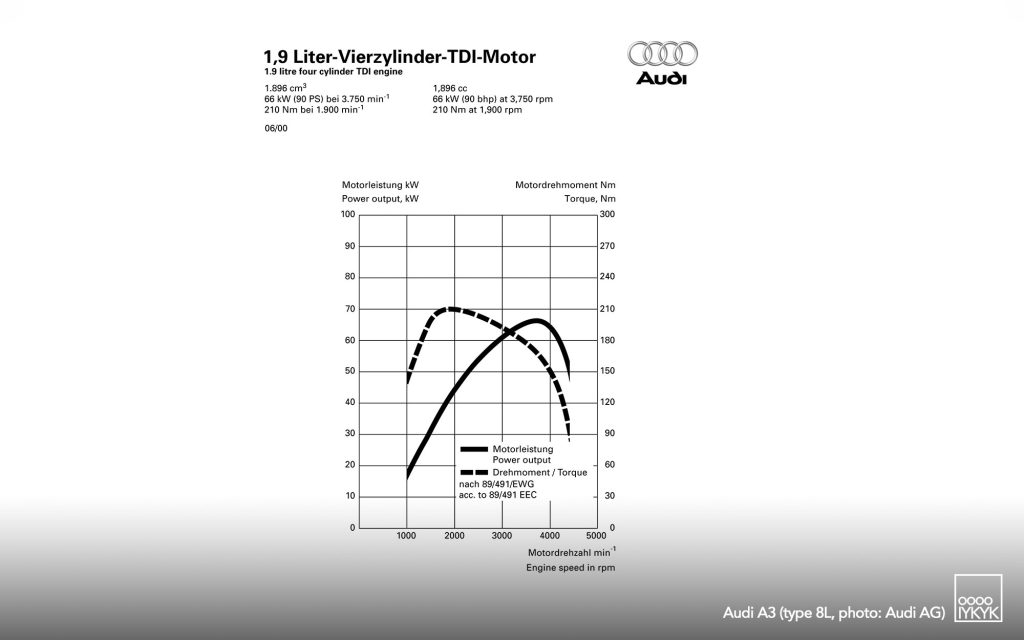
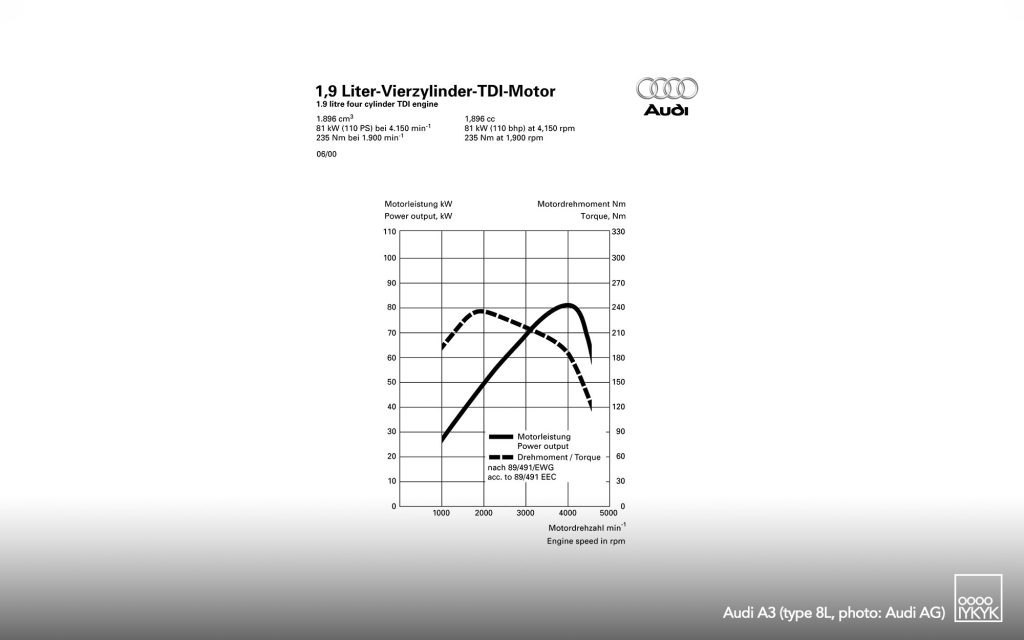
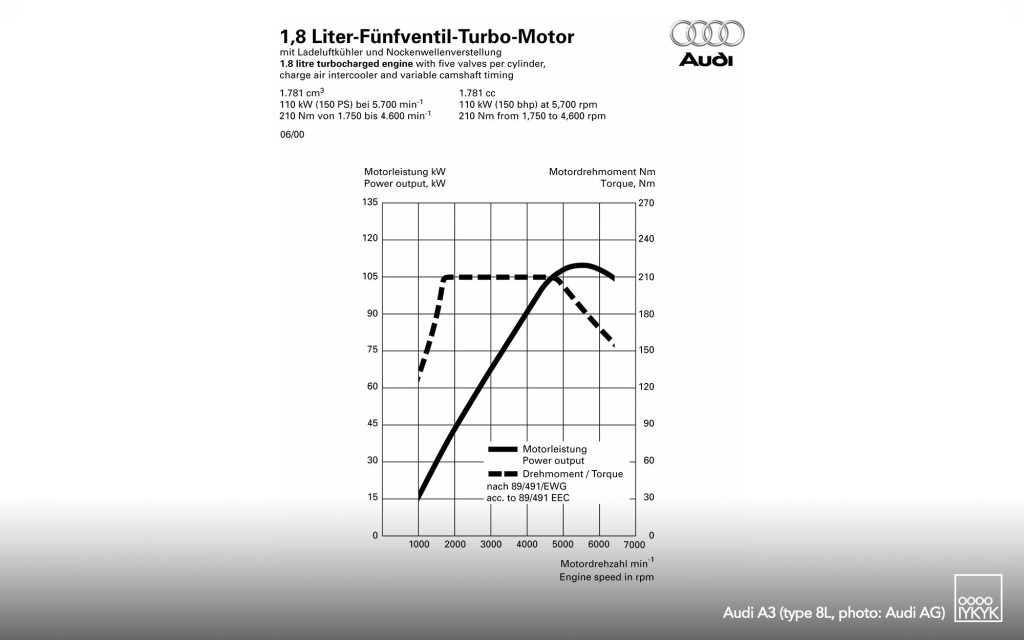
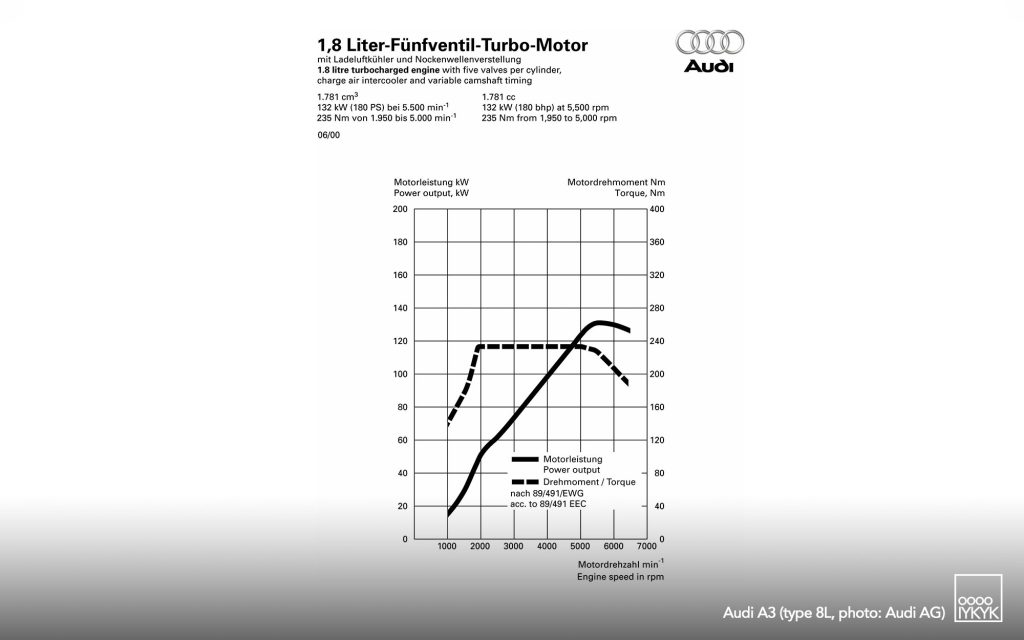
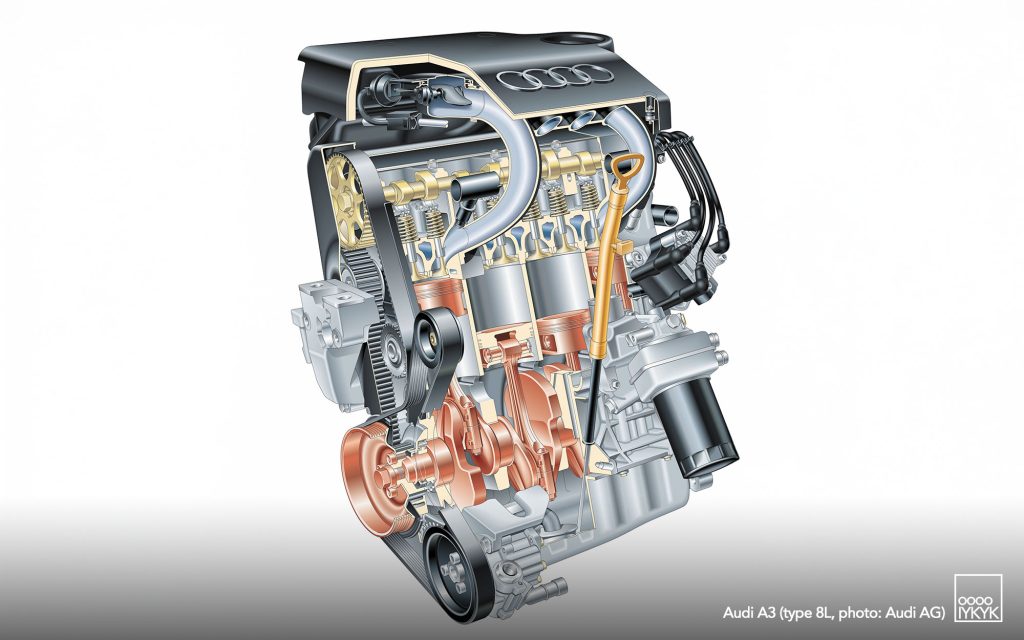
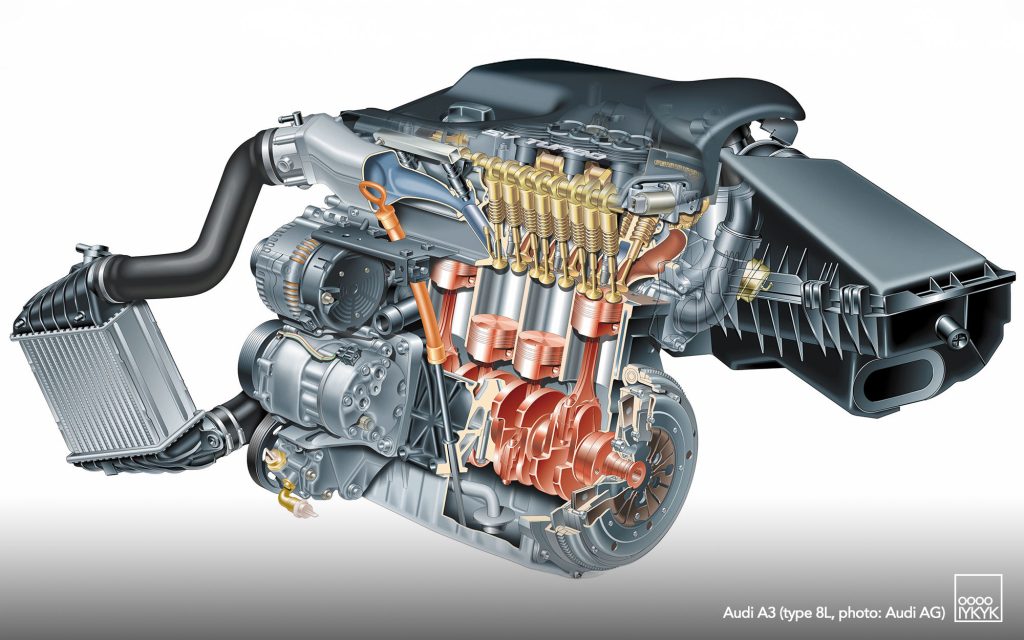
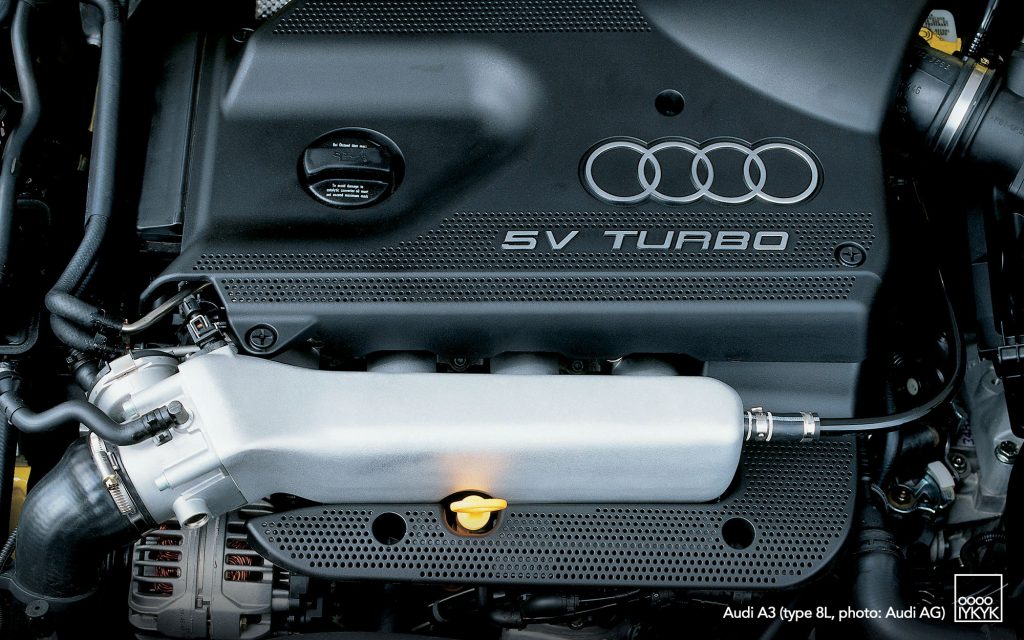
Engine(s): 1.6l 4-cylinder, 1.8L 20V 4-cylinder, 1.8T turbocharged 4-cylinder, 1.9L TDI PD turbocharged direct-injection diesel
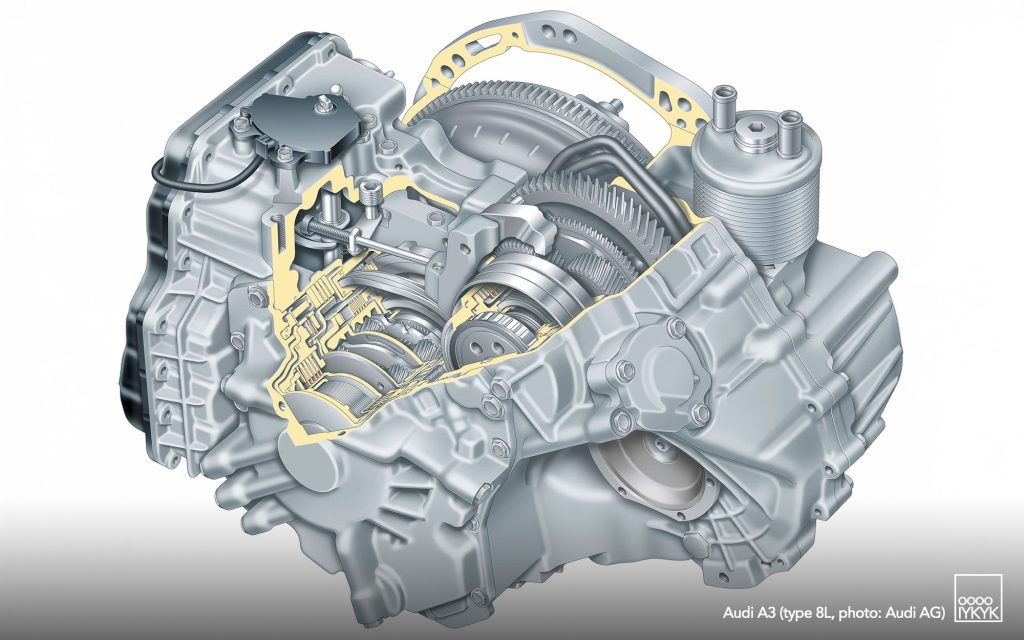
Transmission(s): 5/6-Speed Manuals, 4/5-Speed Autmatics
Designer: Dirk van Braeckel (1992)
WHEEL / TIRE DETAILS
Wheel Size(s):
Tire Size(s):
Bolt Pattern: 5×100
Offset:
SUMMARY
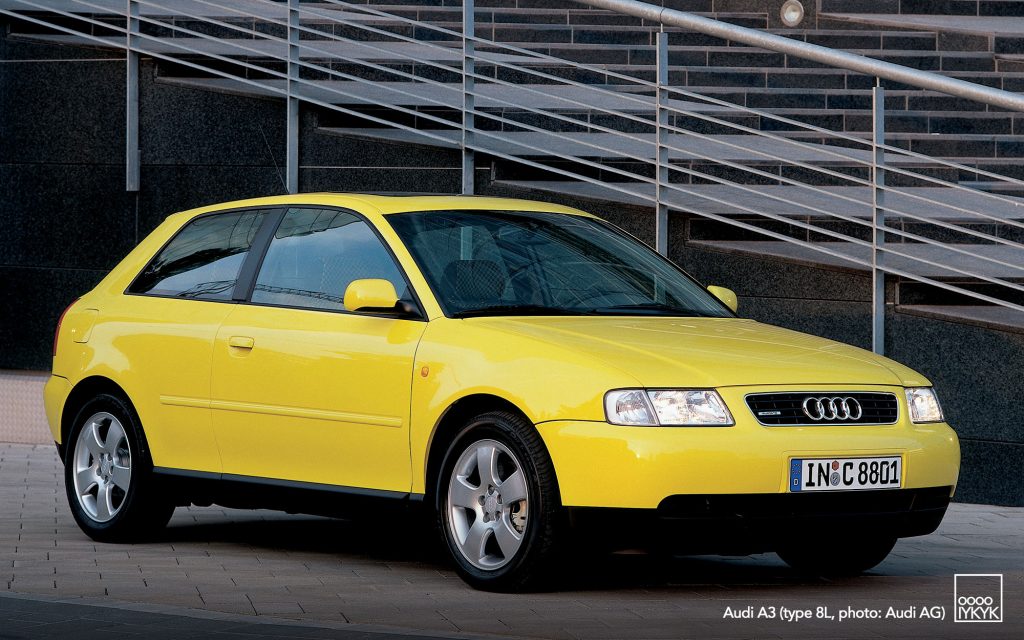
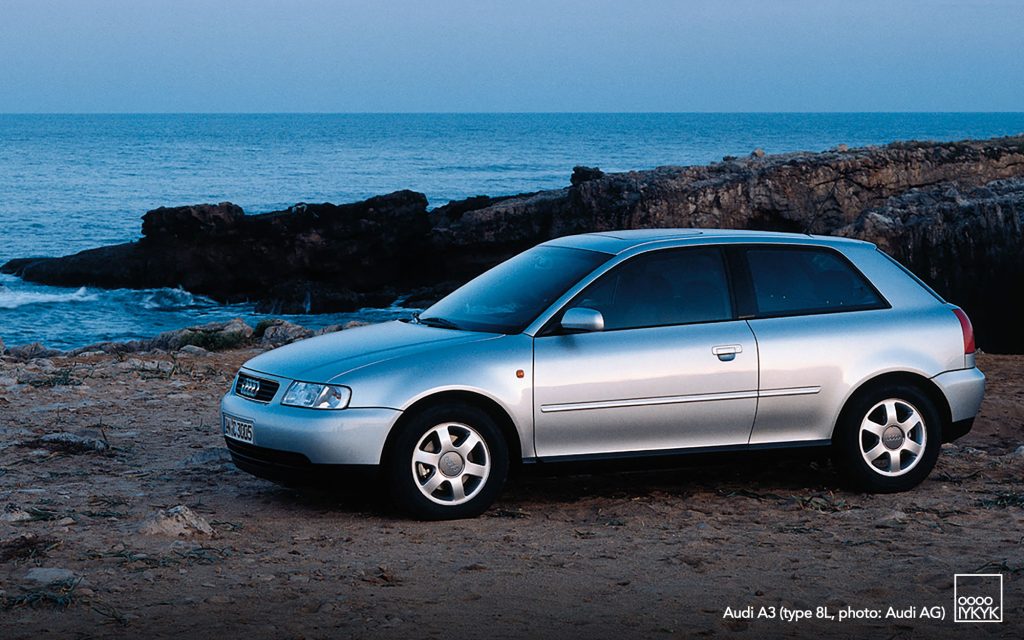
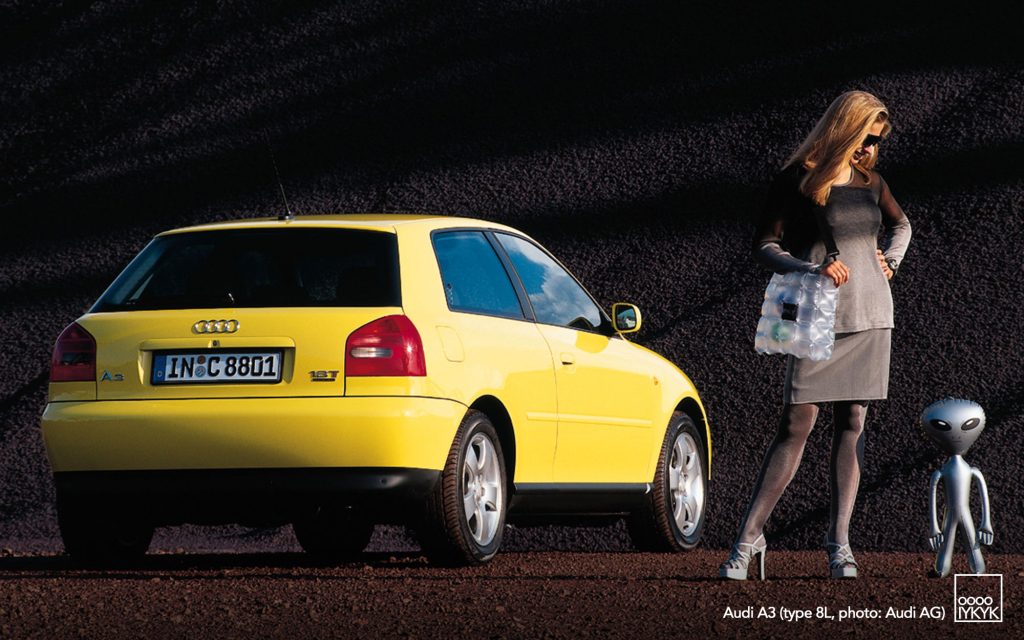
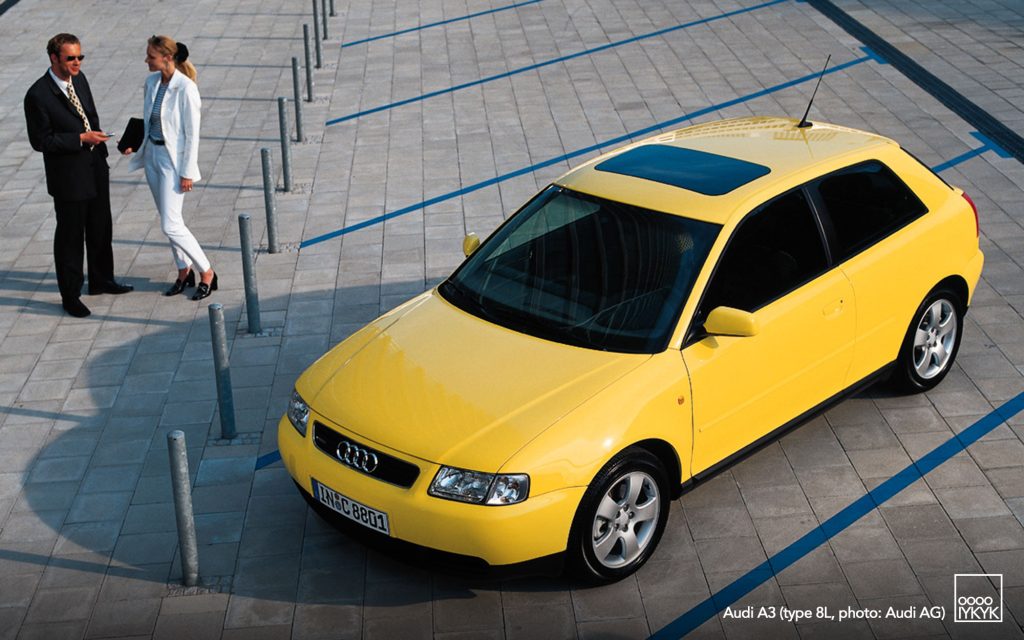
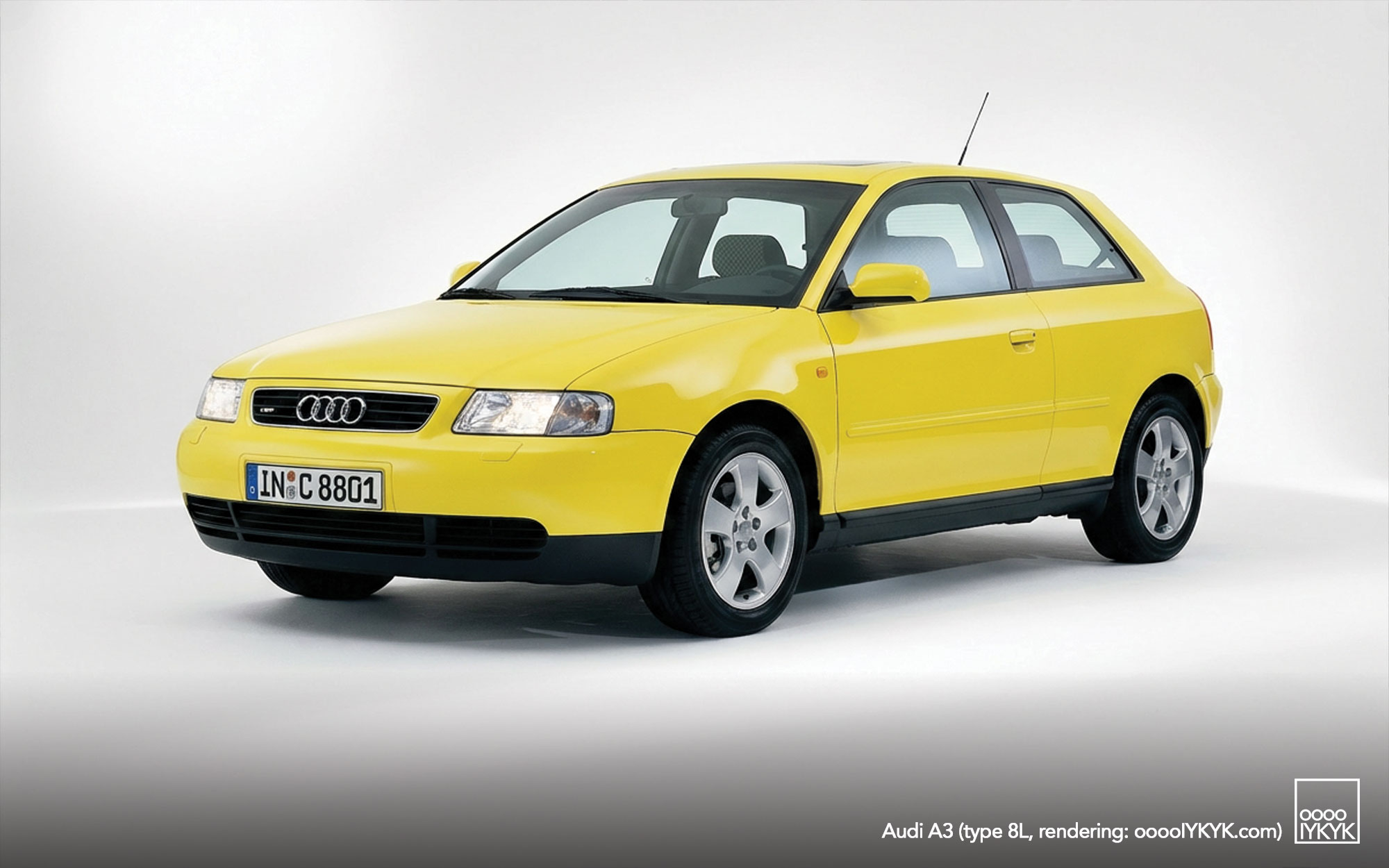
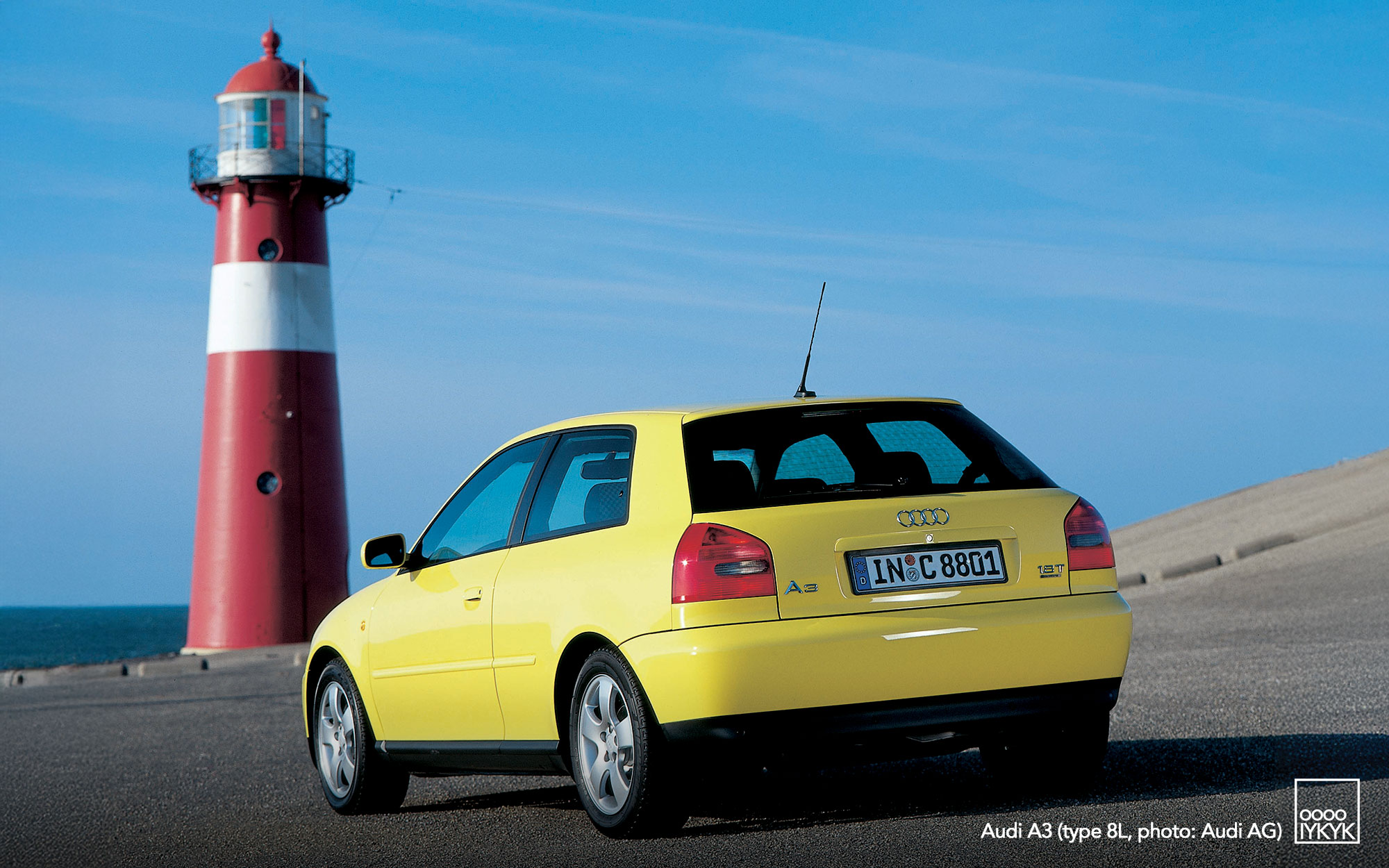
The Audi A3 (Typ 8L) is the first generation of the Audi A3 compact hatchback, produced from 1996 to 2003 in Europe and until 2006 in Brazil. As Audi’s return to the small-car segment after the Audi 50 ended production in 1978, the 8L marked a major expansion of the brand’s model portfolio and introduced premium features to the compact class. It debuted at the 1996 Paris Motor Show, initially as a three-door hatchback, and became one of Audi’s most successful models of the late 1990s and early 2000s.
BACKGROUND & DEVELOPMENT
Audi announced the A3 in June 1995 as part of a broader effort to strengthen its position in lower segments of the European market. The A3 was the first vehicle built on the Volkswagen Group PQ34 (A4) platform, preceding the launch of the Volkswagen Golf Mk4 by one year. Within three years of its introduction, the platform underpinned seven Volkswagen Group models, demonstrating the strategic importance of the A3 in the company’s modular engineering strategy.
The A3 arrived in European showrooms in September 1996 and reached the United Kingdom in November of the same year. Audi positioned it as a sporty, premium compact, distinguishing it from the Golf through design, interior quality and equipment levels.
DESIGN & FEATURES
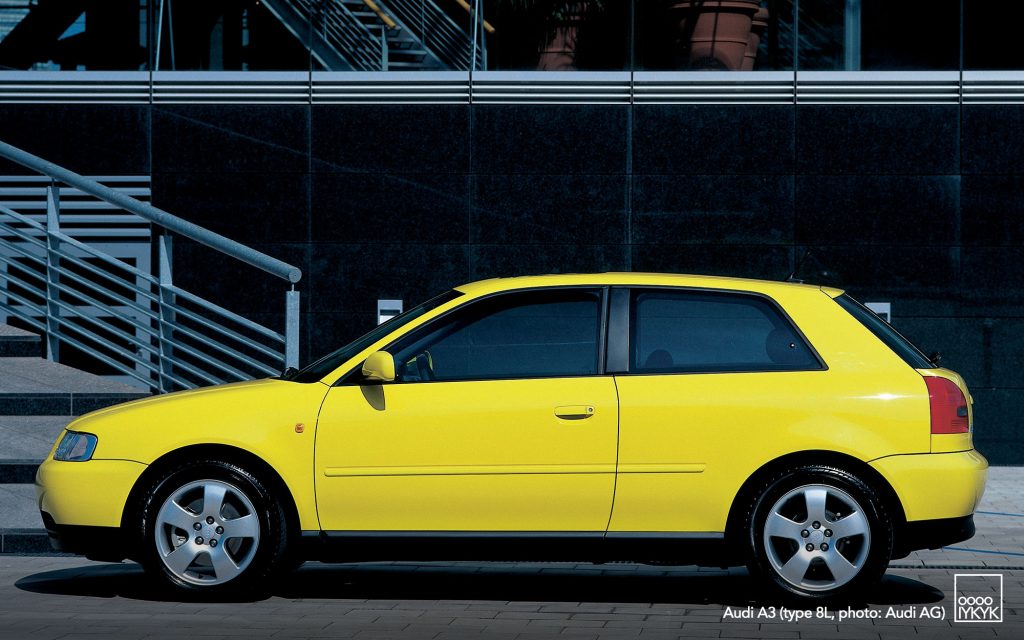
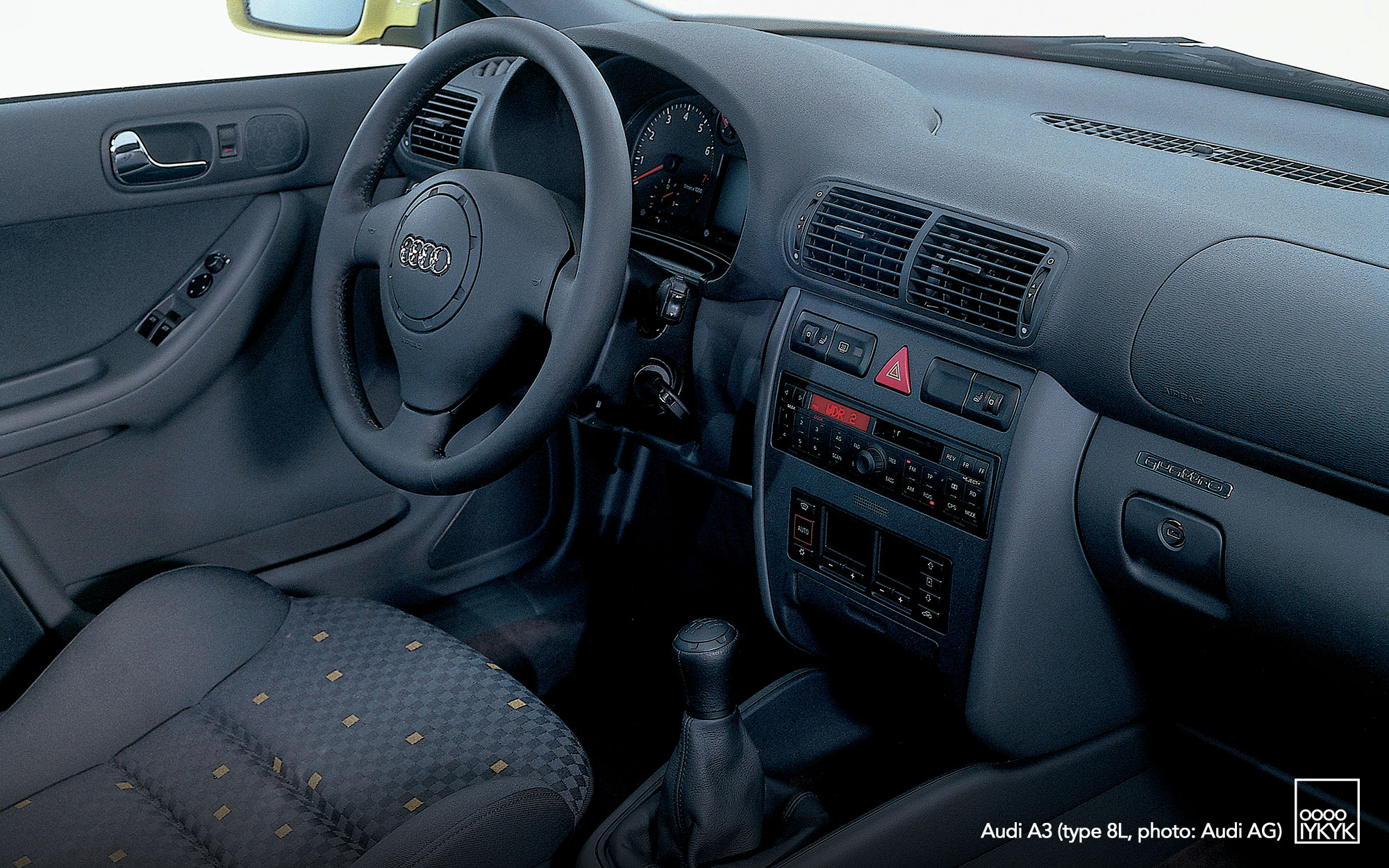
The 8L generation established the A3’s design language with clean surfacing, a rounded hatchback profile and a subtly upscale interior. Audi offered the model in three distinct trim lines—Attraction, Ambition and Ambiente—each targeting different customer priorities. Shared interior components, such as the dashboard, later appeared in the first-generation SEAT León and second-generation SEAT Toledo.
Safety performance was a significant focus during development. The A3 earned top scores in the Euro NCAP crash test in May 1998, reflecting Audi’s emphasis on structural integrity and occupant protection in the new compact class. The model also received major European design awards, including the “Goldenes Lenkrad” and “Autotrophy.”
The Audi A3 (type 8L) received a subtle product improvement in 2002. Differentiation is most easily noted in more round Euro side markers on the front quarter panel that are more rectangular after the update. Other changes can be seen in the headlights and taillights.
BODY STYLES & MODEL EXPANSION
At launch, the A3 was available exclusively as a three-door hatchback to reinforce its sporty positioning. A five-door variant was added in March 1999 following its debut at the Geneva Motor Show, broadening the model’s appeal and improving practicality for family buyers.
The range was crowned by the high-performance Audi S3, introduced in 1999, featuring a 1.8-litre turbocharged engine, quattro all-wheel drive and upgraded chassis components. The S3 established the A3’s future role as the basis for compact performance models within the Audi portfolio.
POWERTRAINS & TECHNOLOGY
The A3 offered a selection of transversely mounted inline four-cylinder engines in petrol and diesel configurations. Early engines included both naturally aspirated and turbocharged 1.6- and 1.8-litre petrol units, as well as 1.9-litre TDI engines. Several variants featured Audi’s five-valve-per-cylinder technology, a hallmark of the brand in the 1990s.
From 1999, the engine lineup expanded to include:
- A 1.8-litre turbocharged engine producing 180 PS
- A 1.9-litre TDI with unit injector (Pumpe Düse) technology and a variable-geometry turbocharger
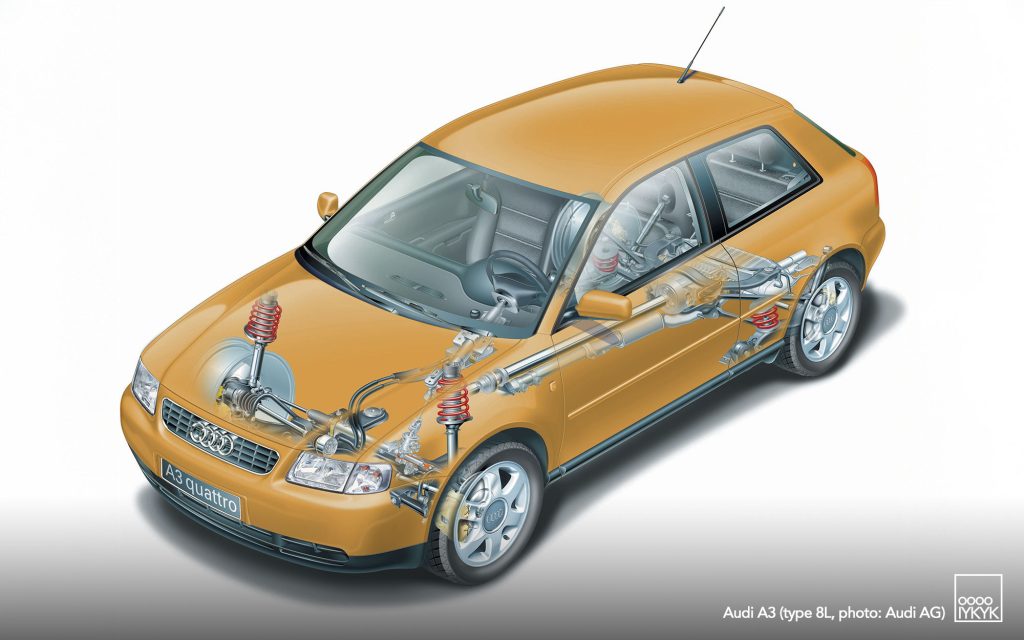
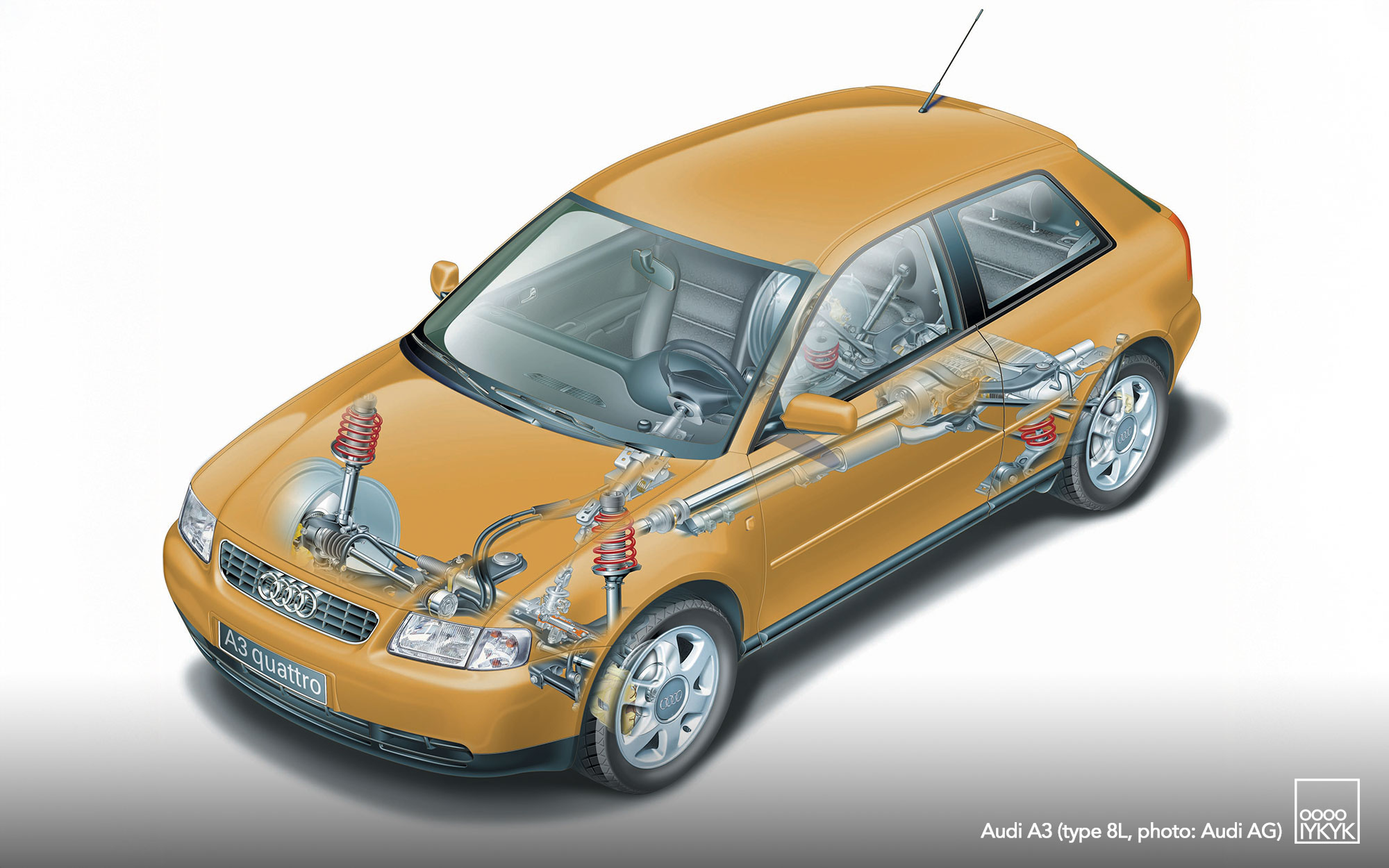
Quattro all-wheel drive was available on select models, using a Haldex Traction coupling system shared with the Audi TT and S3. Front-wheel drive remained the standard configuration across most of the range.
PRODUCTION & MARKET RECEPTION
Production in Germany continued until June 2003, after which the 8L was replaced by the Typ 8P second-generation A3. Manufacturing in Brazil continued until October 2006 to serve regional markets.
The A3 8L was widely credited with helping to create the modern premium compact segment, combining Audi’s brand values with efficient packaging and advanced technology. Its market success prompted broader adoption of premium features in small cars across the industry and established the A3 as a core model for Audi.
LEGACY
The first-generation A3 laid the foundation for a long-running model line that expanded into multiple body styles, performance variants and electrified powertrains in later generations. Its platform-sharing strategy, safety achievements and early adoption of high-tech features defined Audi’s approach to compact cars and influenced Volkswagen Group engineering for years to follow. Today, the 8L is regarded as a landmark model that successfully translated Audi’s premium identity into a smaller, more accessible format.
PHOTO GALLERY