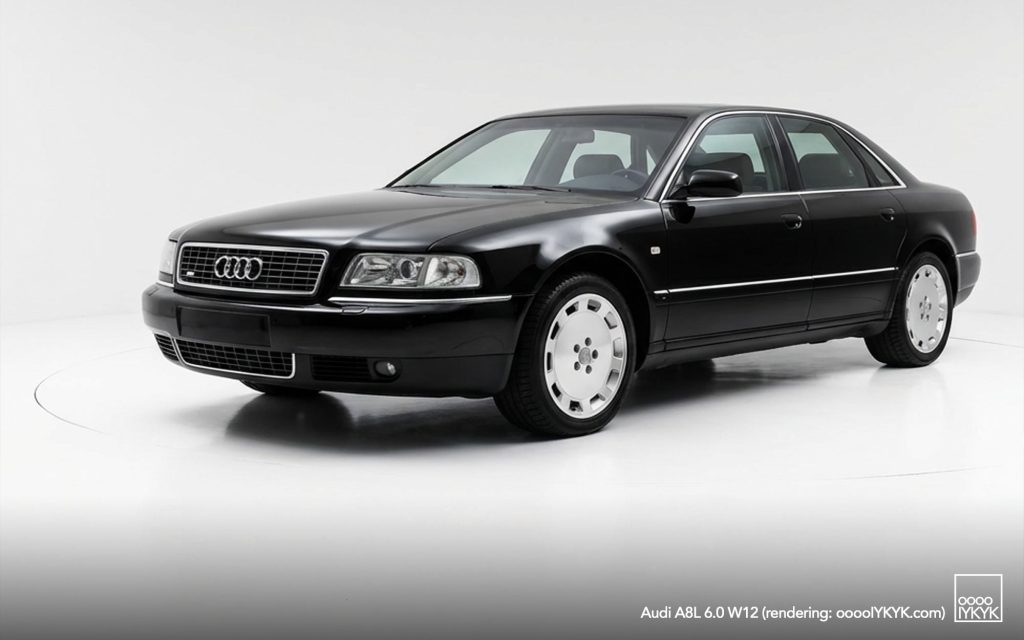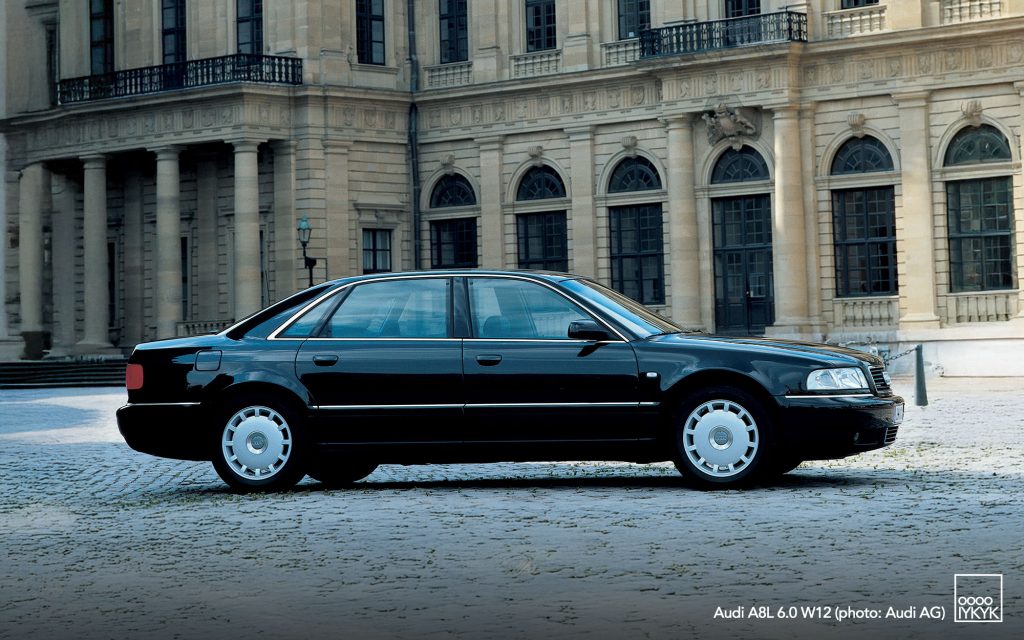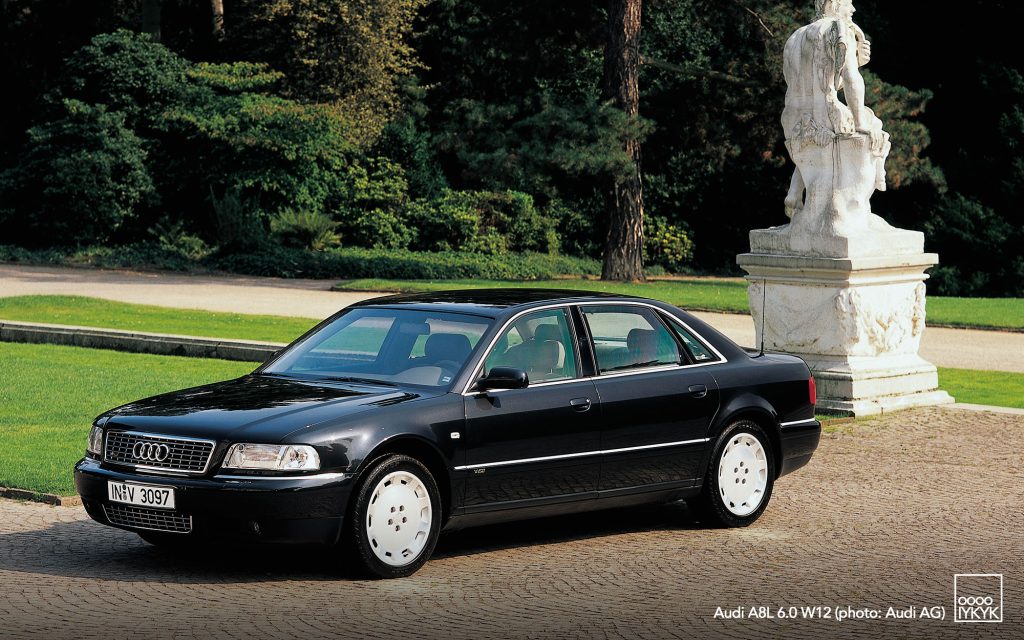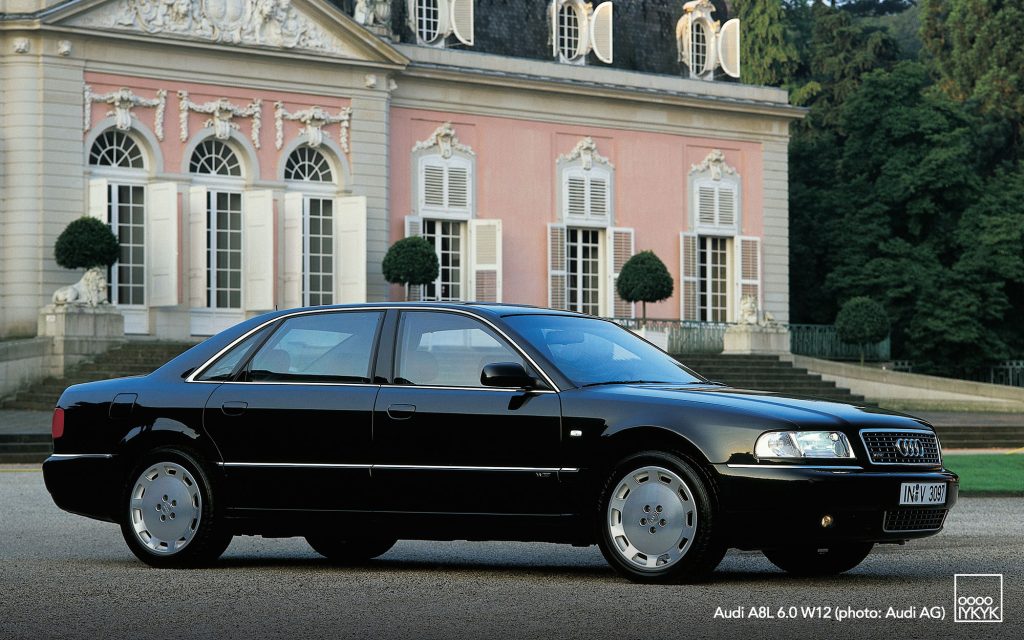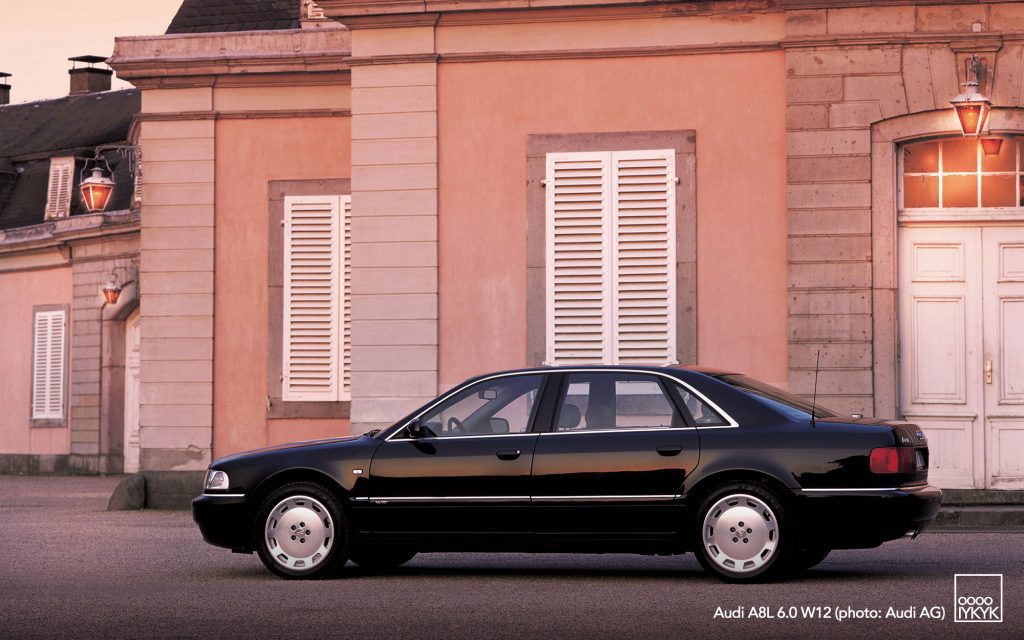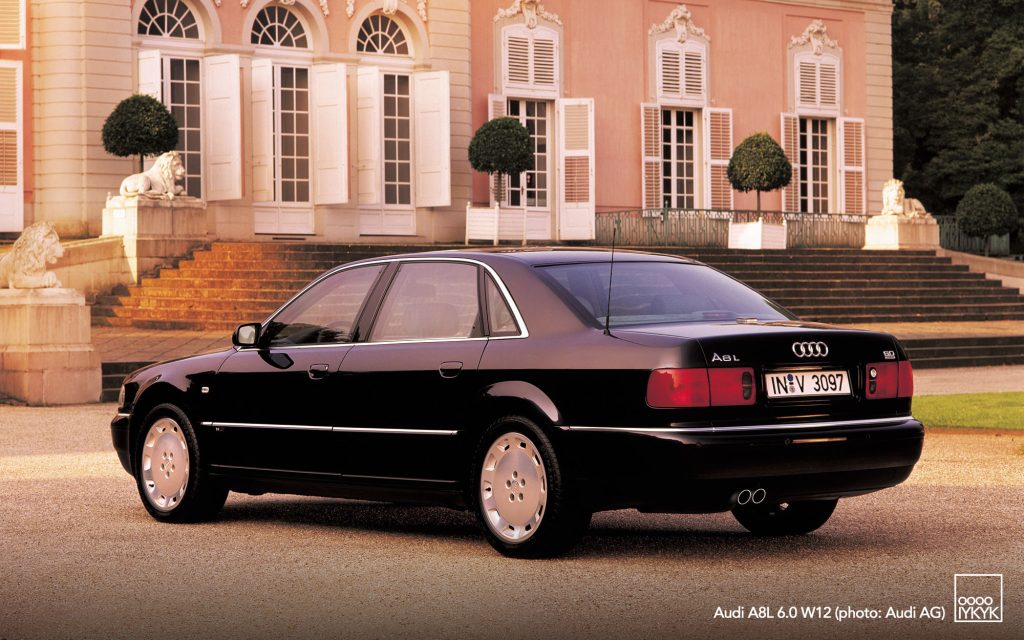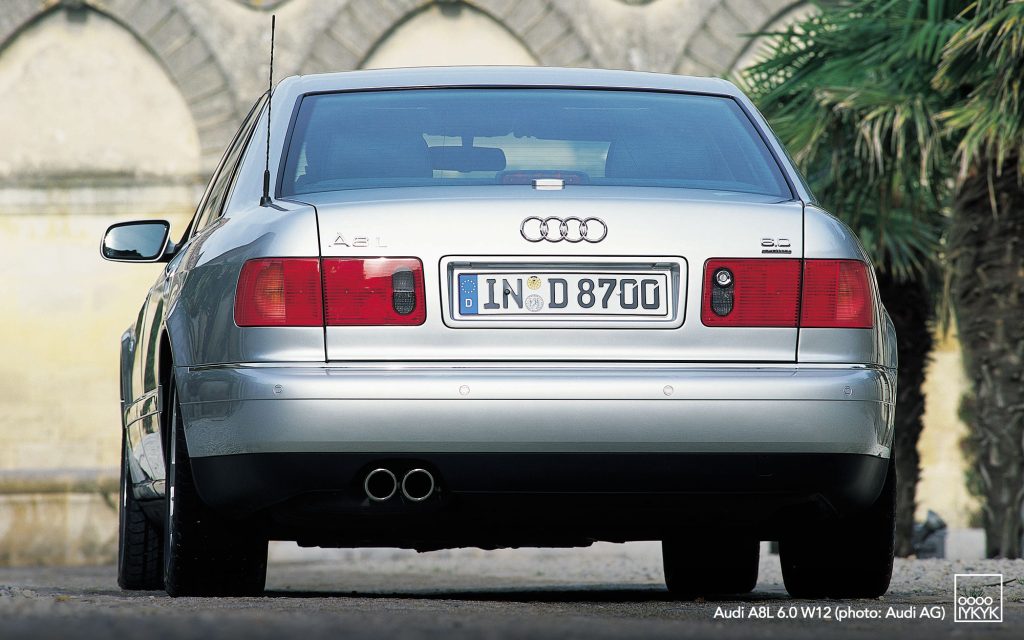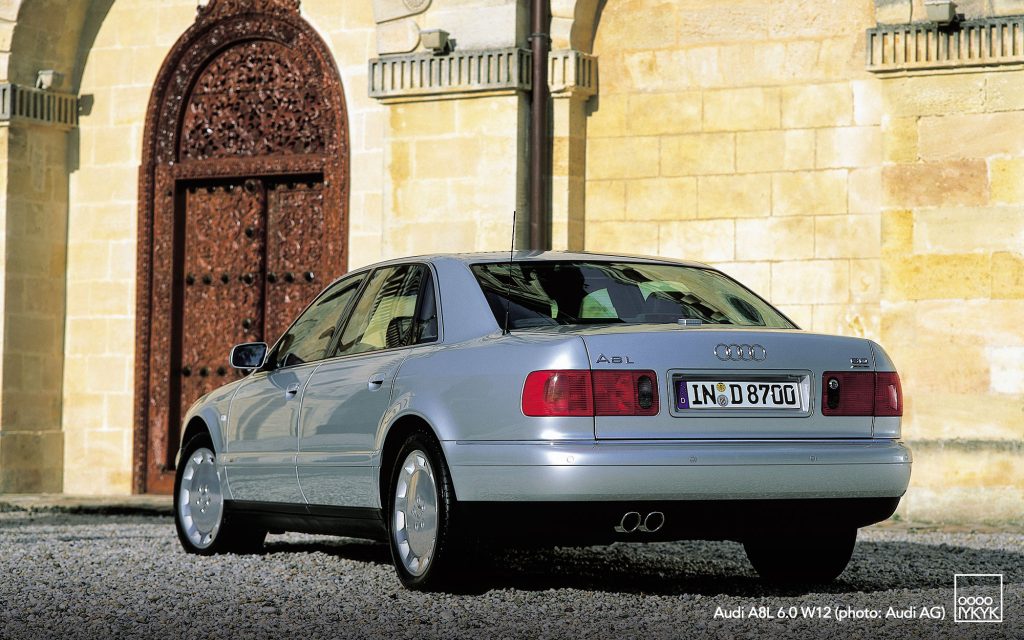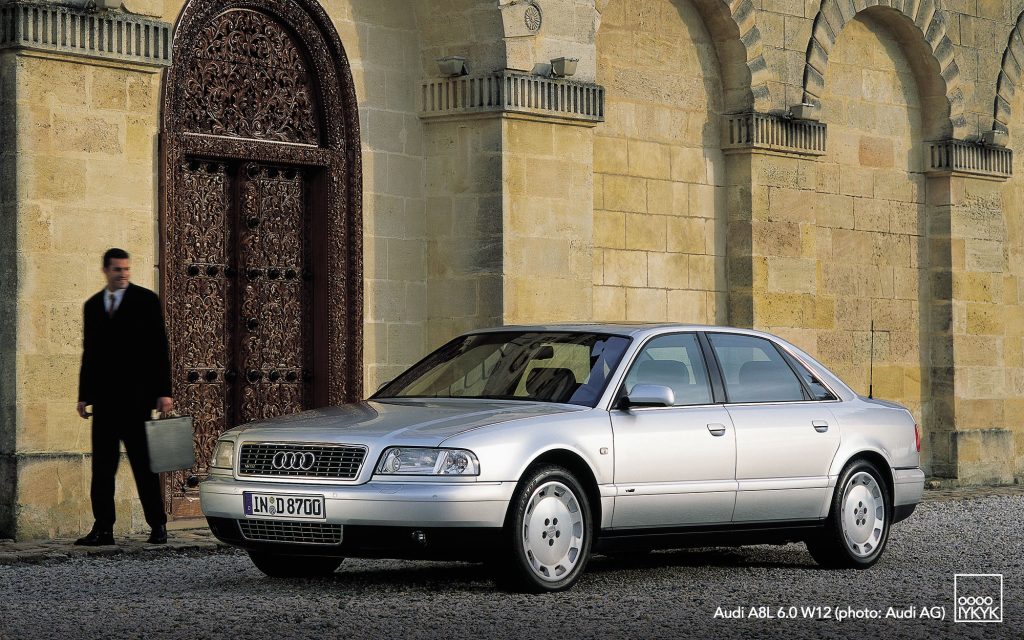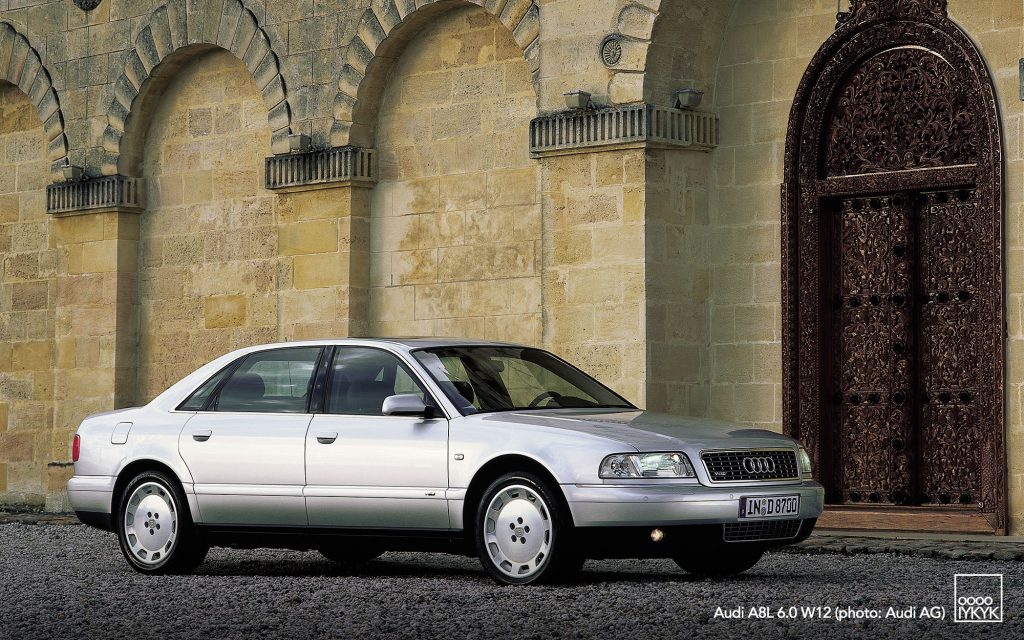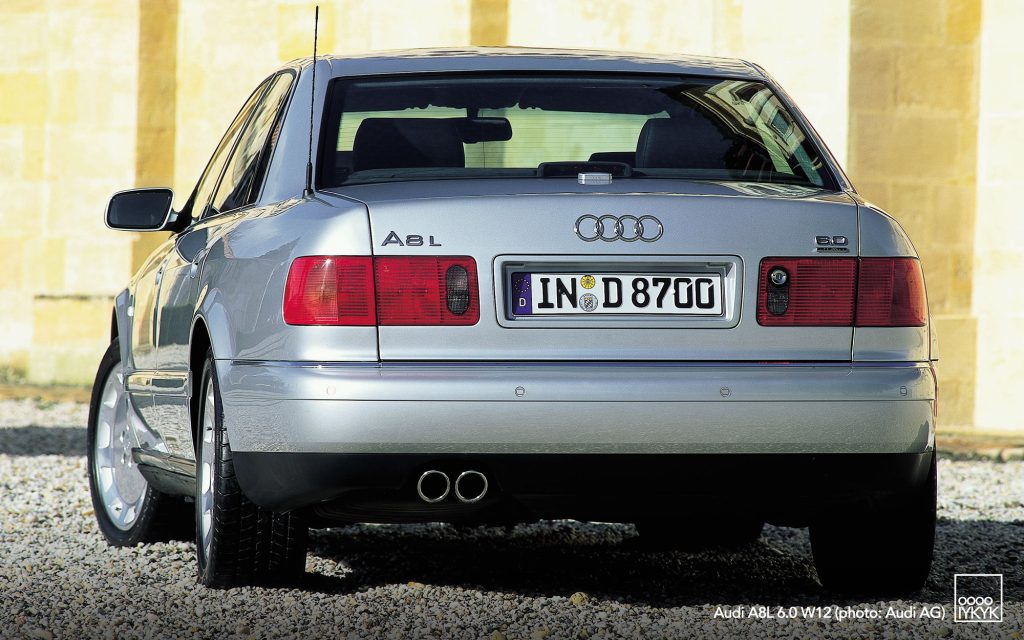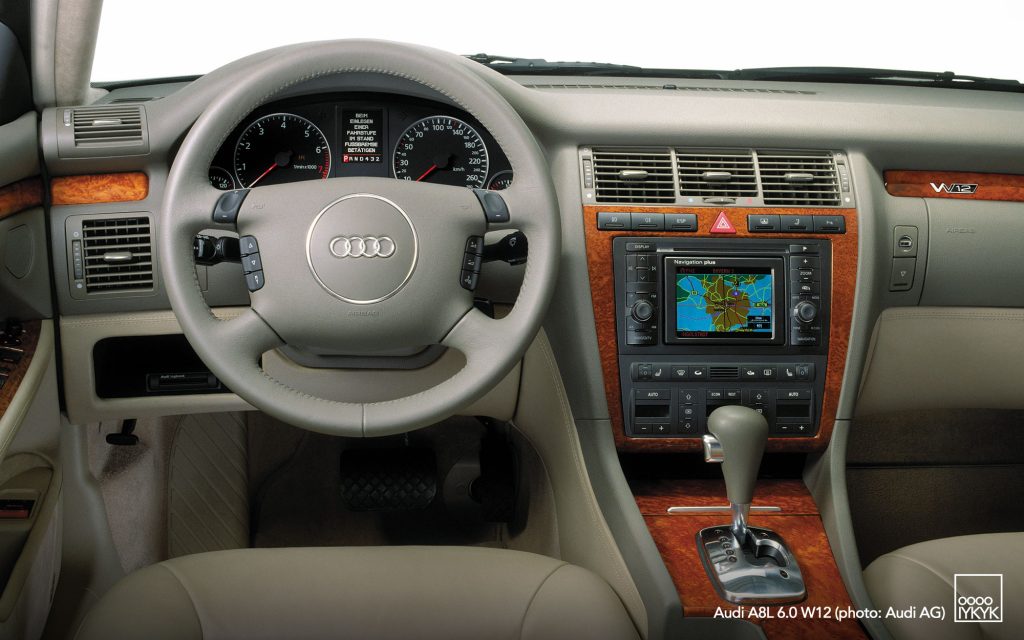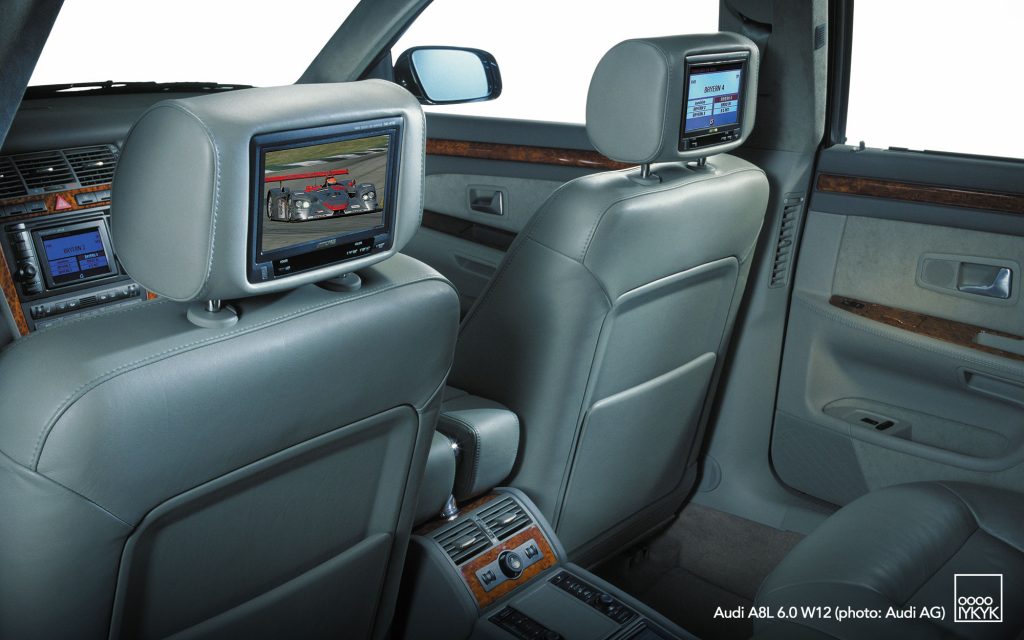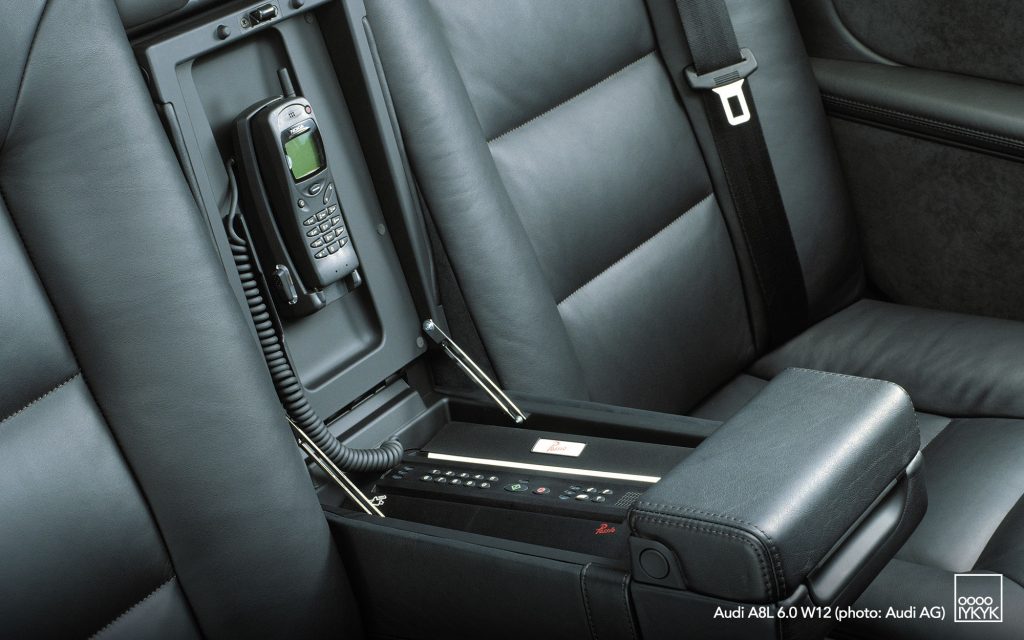


What: A8L 6.0 quattro
Model Family: A8
Market / Zone: EU
Production Location: Neckarsulm, Germany
Year: 2001, 2002
Number Produced: unknown
Model / Generation Code(s): Type 4D
Chassis / Matrix: D2, ASF
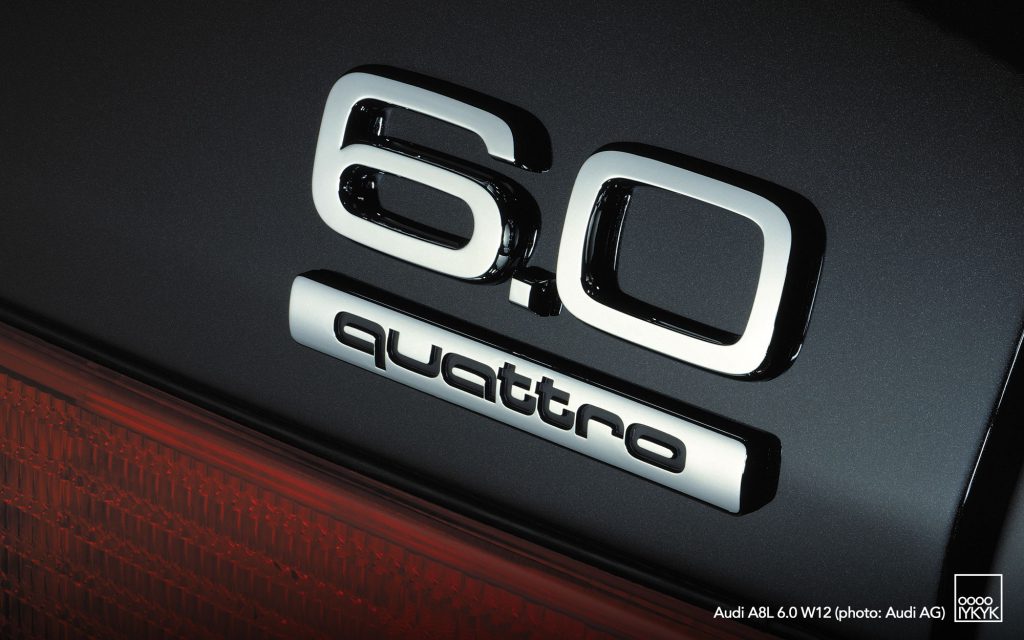
Engine: 6.0-liter W12, 48-valve (5,998cc) W12
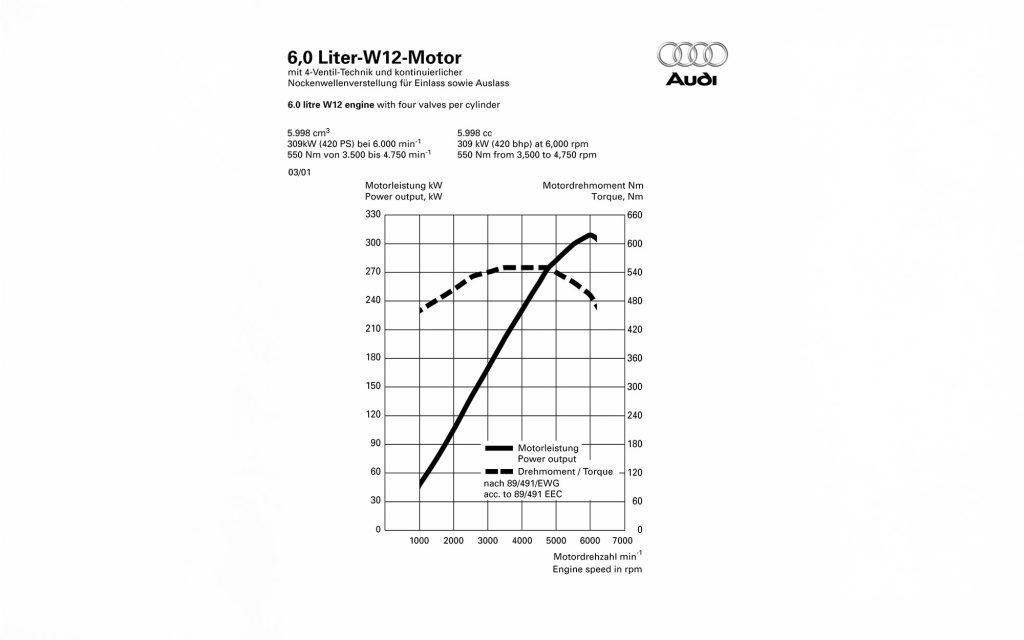
Output: 420 PS (309 kW; 414 hp)
Torque: 550 N⋅m (406 lbf⋅ft)
Transmission: 5-Speed Tiptronic Automatic
Acceleration (0-100 km / 62 mph: 6.7 seconds
WHEEL / TIRE DETAILS
Wheel Size(s): 8Jx18 summer
Tire Size(s): 245/45 ZR18 summer
Bolt Pattern: 5×112
Offset: ET48
SEE ALSO
SUMMARY
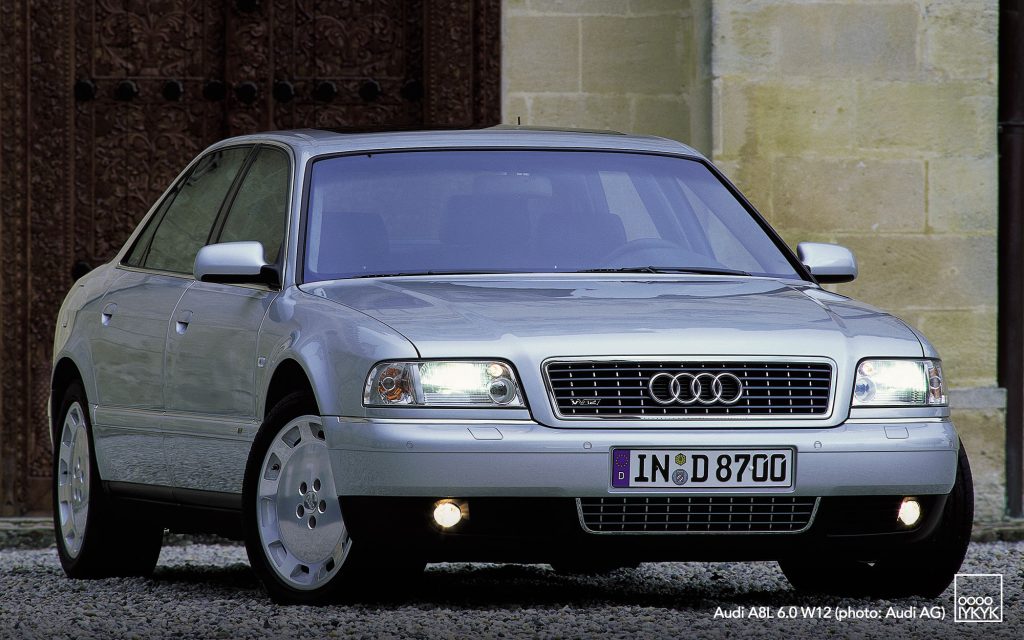
The Audi A8L 6.0 quattro is the long-wheelbase, twelve-cylinder flagship variant of the first-generation Audi A8 (D2), produced in limited numbers for the 2001 and 2002 model years. It marked Audi’s first use of a series-production twelve-cylinder engine and introduced the Group’s pioneering AZC-coded W12 powerplant to the market. Positioned above the V8-powered A8 and the performance-oriented S8, the A8L 6.0 represented the ultimate expression of Audi’s engineering capabilities at the turn of the millennium, combining the brand’s lightweight aluminium Audi Space Frame (ASF) with quattro all-wheel drive, advanced luxury equipment and a highly compact 6.0-litre W12 engine.
BACKGROUND & DEVELOPMENT
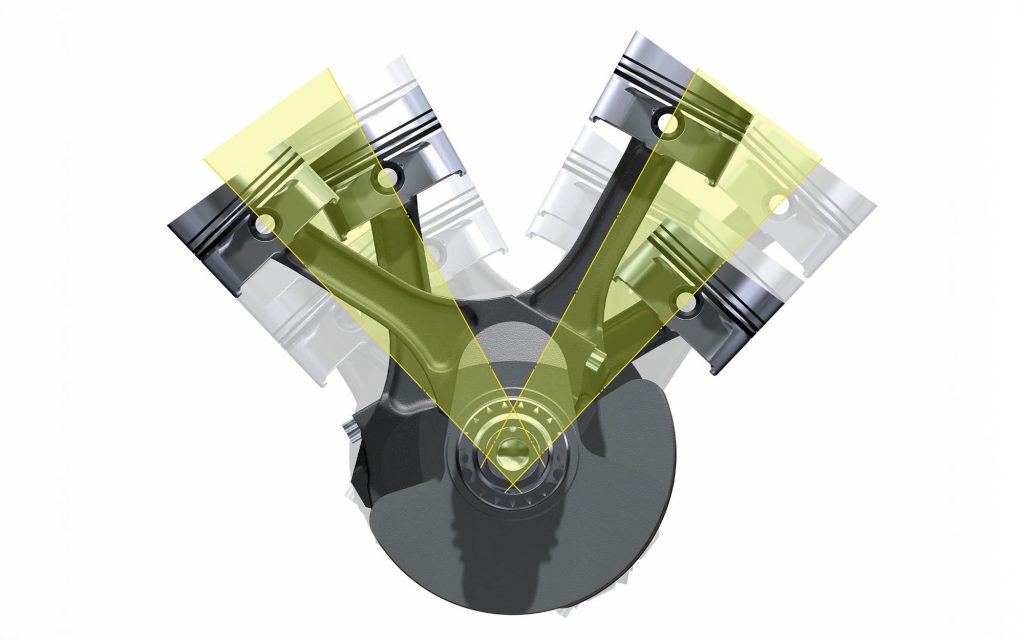
Work on a twelve-cylinder Audi flagship traced its origins to the early 1990s, when the Avus quattro concept car previewed a futuristic W-configuration engine. Although the Avus power unit was a mockup and early three-bank prototypes proved too complex for production, the concept laid the foundation for Audi’s pursuit of a compact, multi-cylinder architecture suitable for its aluminium platform. By the late 1990s, engineers within the Volkswagen–Audi Group advanced a new approach based on components from the VR6 engine family, mating two narrow-angle cylinder groups at a 72-degree angle to form a twelve-cylinder block with an unusually small footprint.
This architecture enabled the W12 to fit within the A8’s longitudinal engine bay while maintaining quattro compatibility. Following the construction of 44 test vehicles in 2000 using 5.6- and 6.0-litre W12 prototypes, Audi introduced the production A8 6.0 quattro in 2001. It became the first production car to use the AZC engine and, at launch, the most powerful twelve-cylinder luxury saloon in the world.
DESIGN & CONSTRUCTION
Like all D2-generation A8 models, the A8L 6.0 employed Audi’s innovative aluminium Space Frame architecture. The ASF combined extruded aluminium sections with vacuum-cast nodes and load-bearing panels to create a rigid yet lightweight structure. Compared with conventional steel luxury sedans of similar size, the A8’s body offered a weight reduction of approximately 140 kg, improving both performance and efficiency. The ASF also provided exemplary crash performance, reflected in the A8’s maximum five-star rating in the 1998 U.S. NCAP frontal impact test.
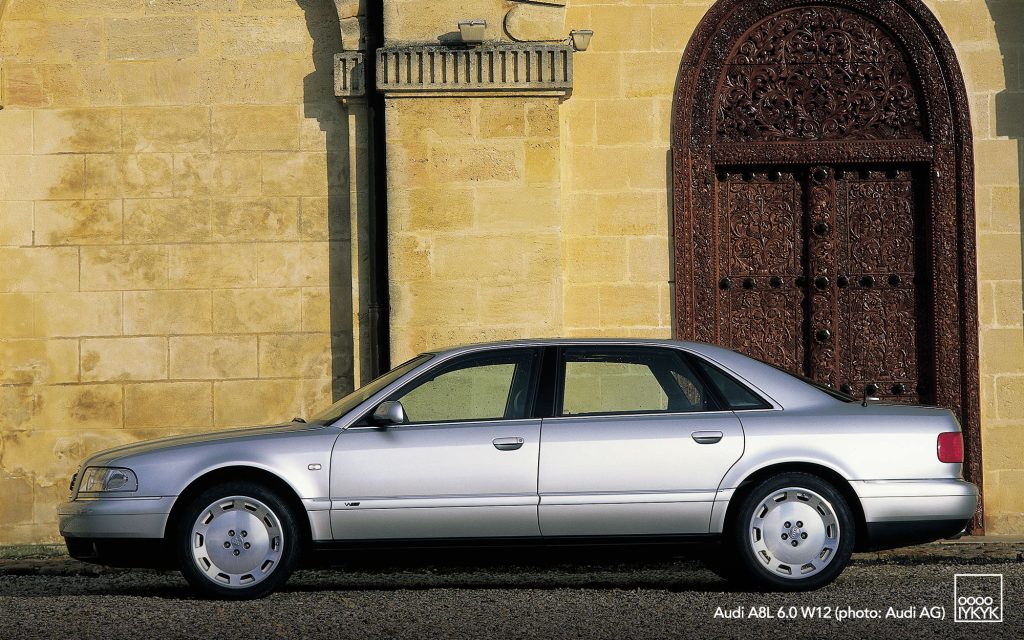
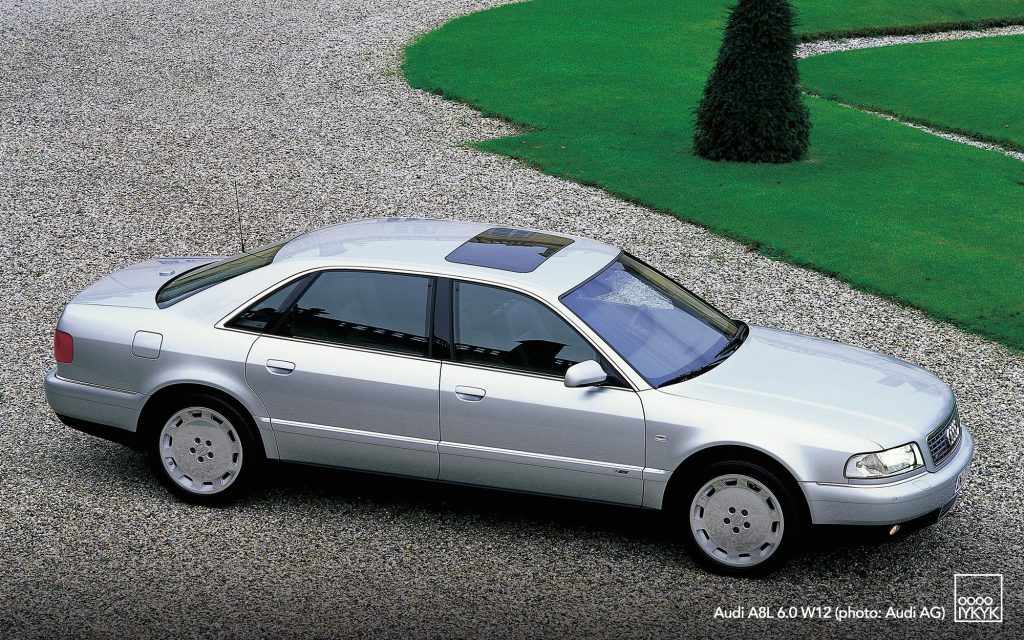
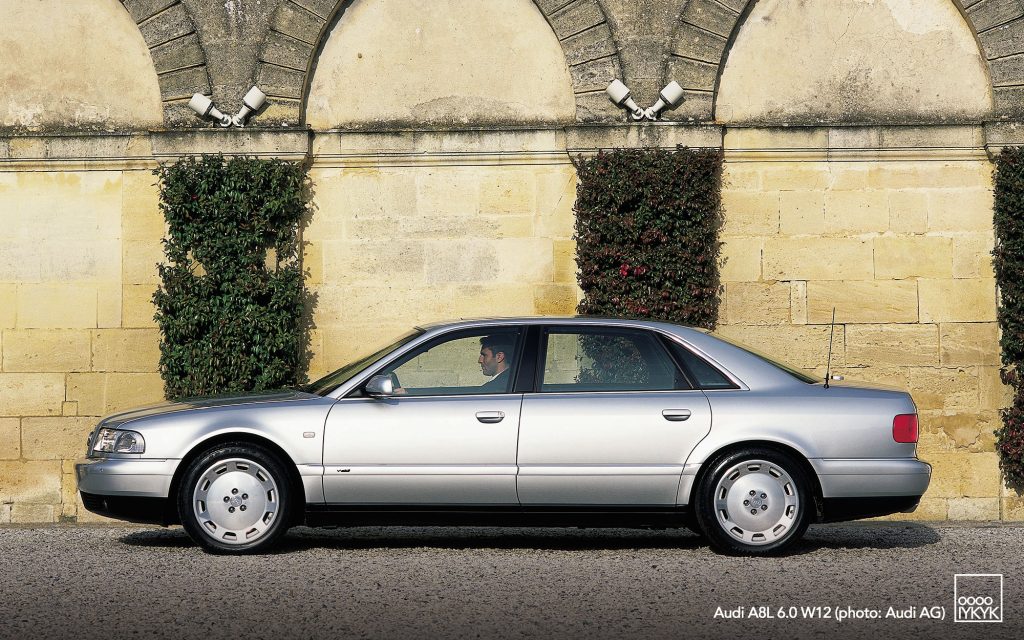
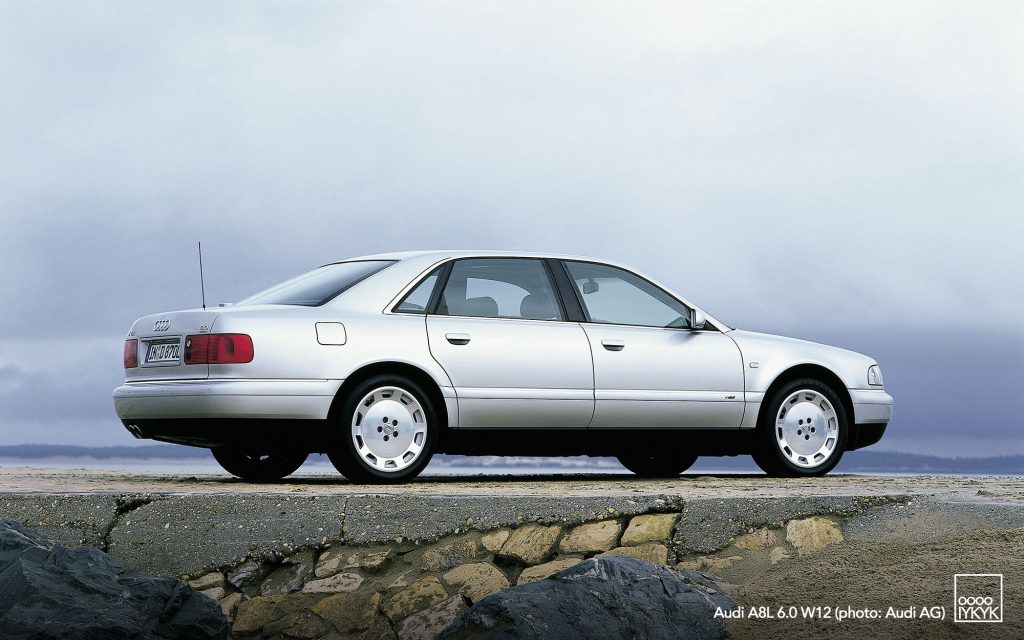
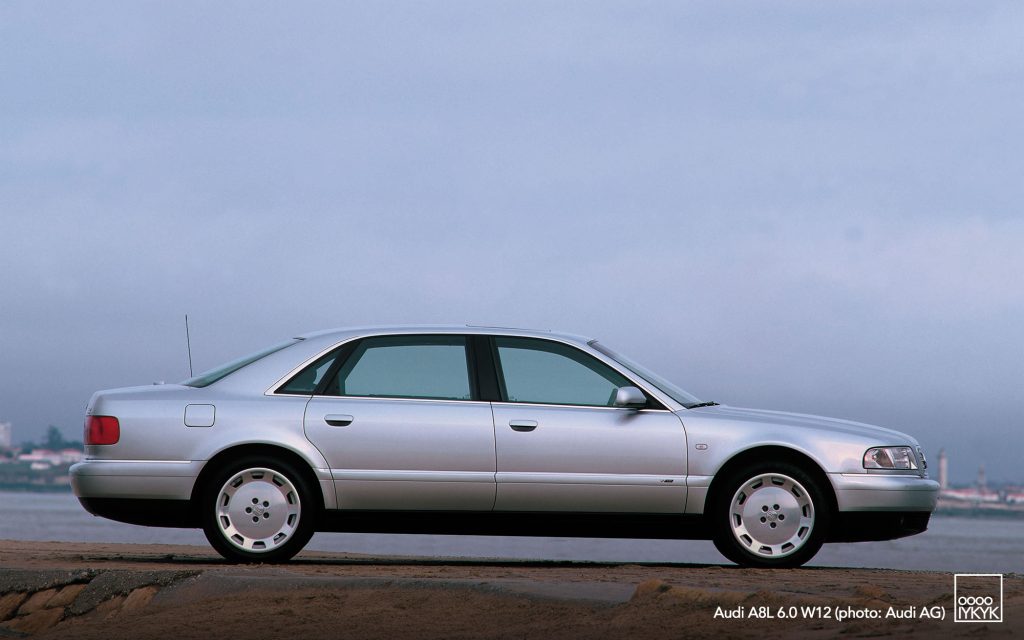
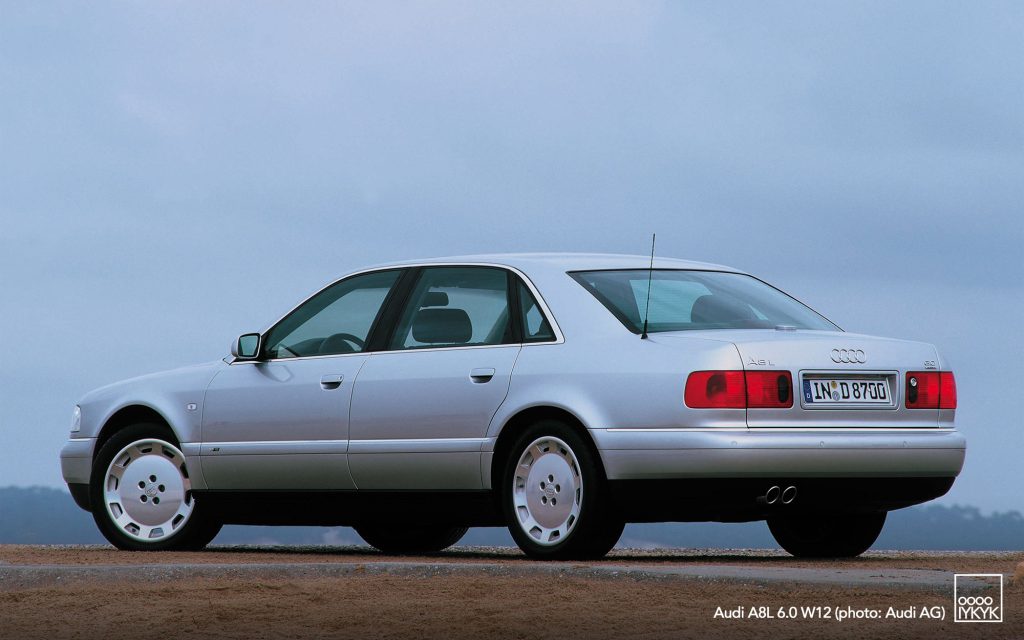
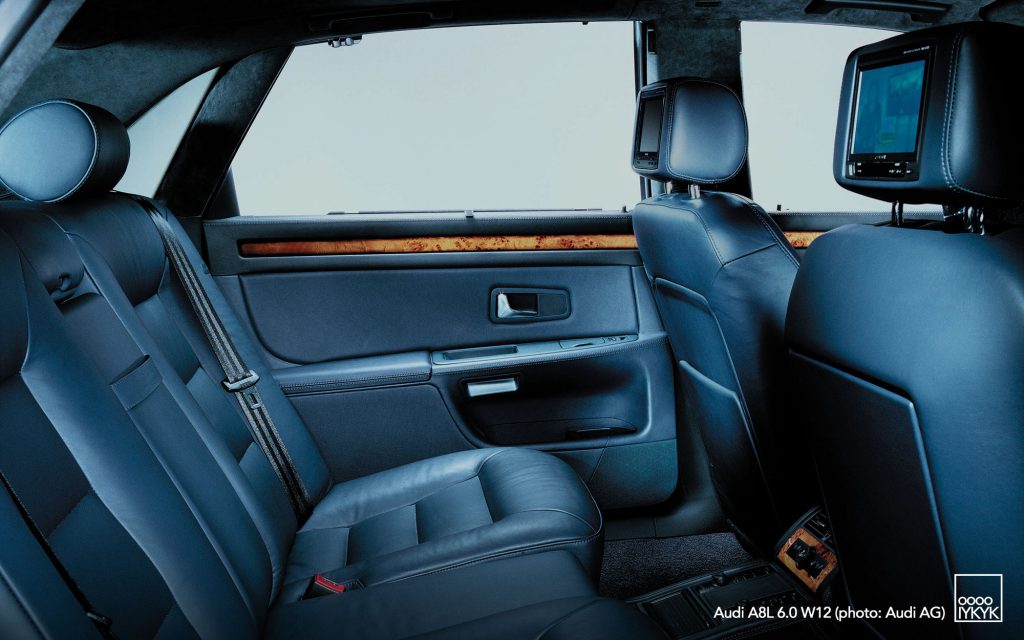
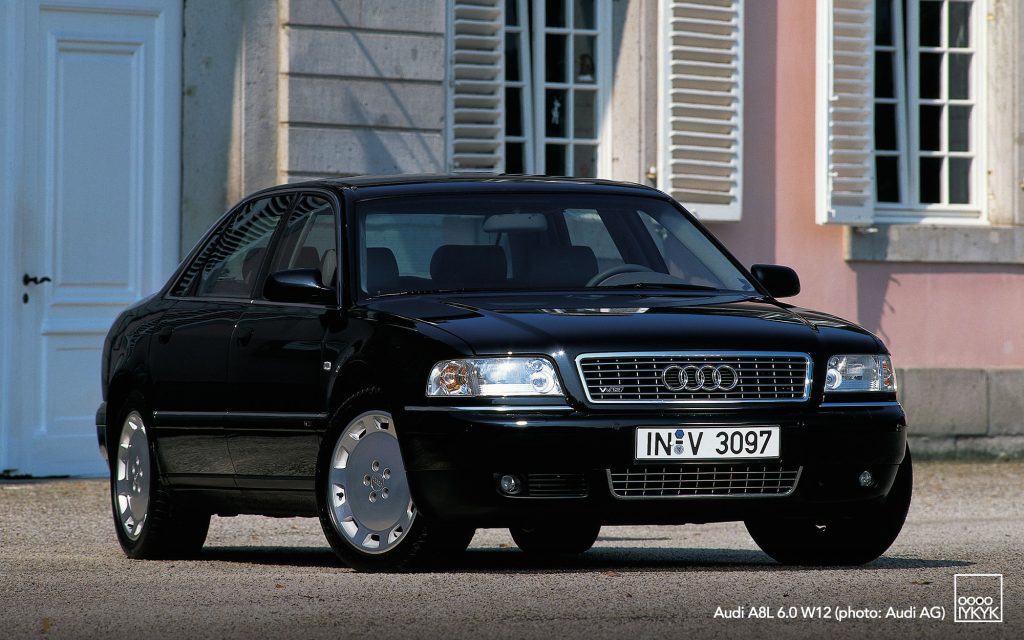
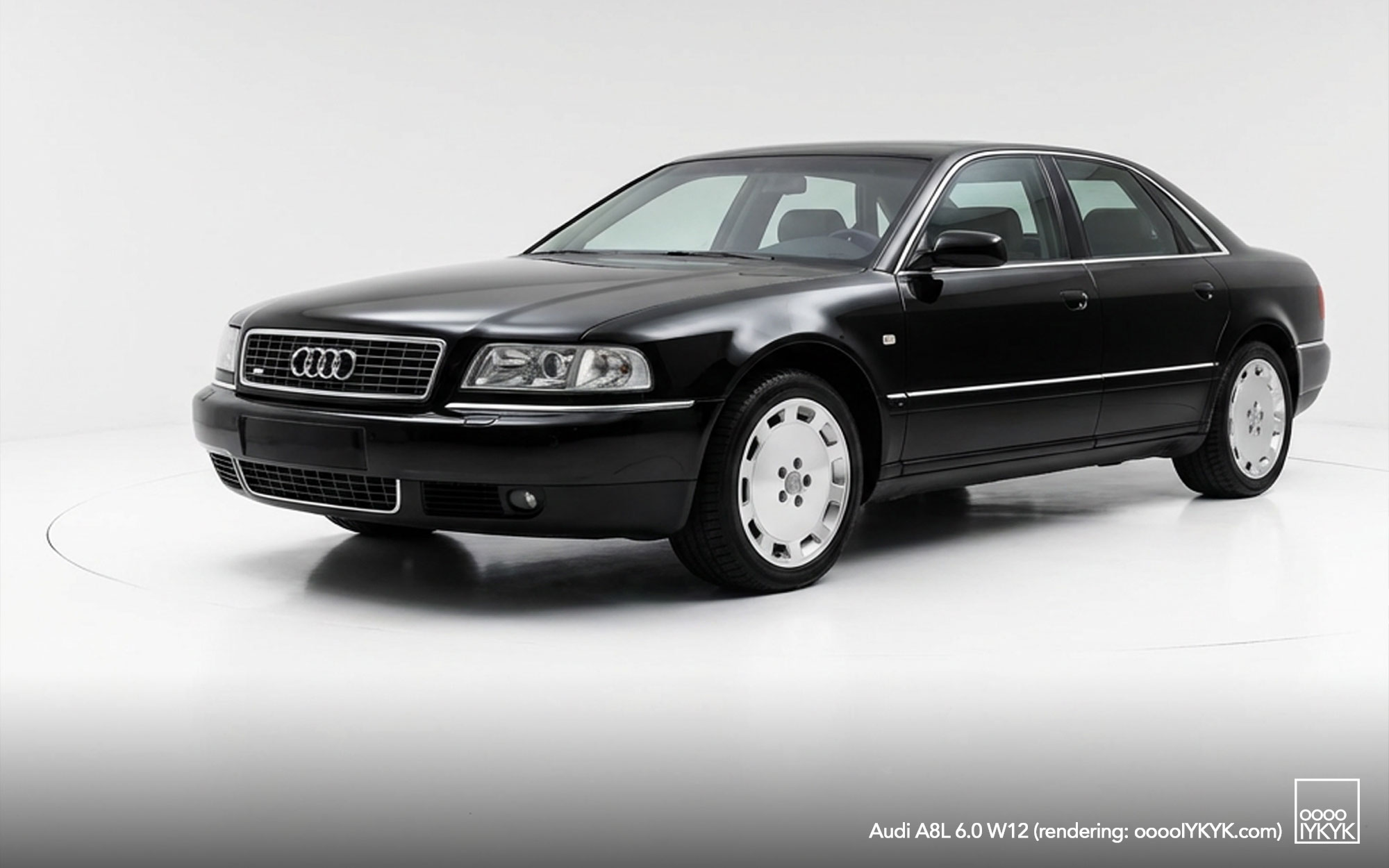
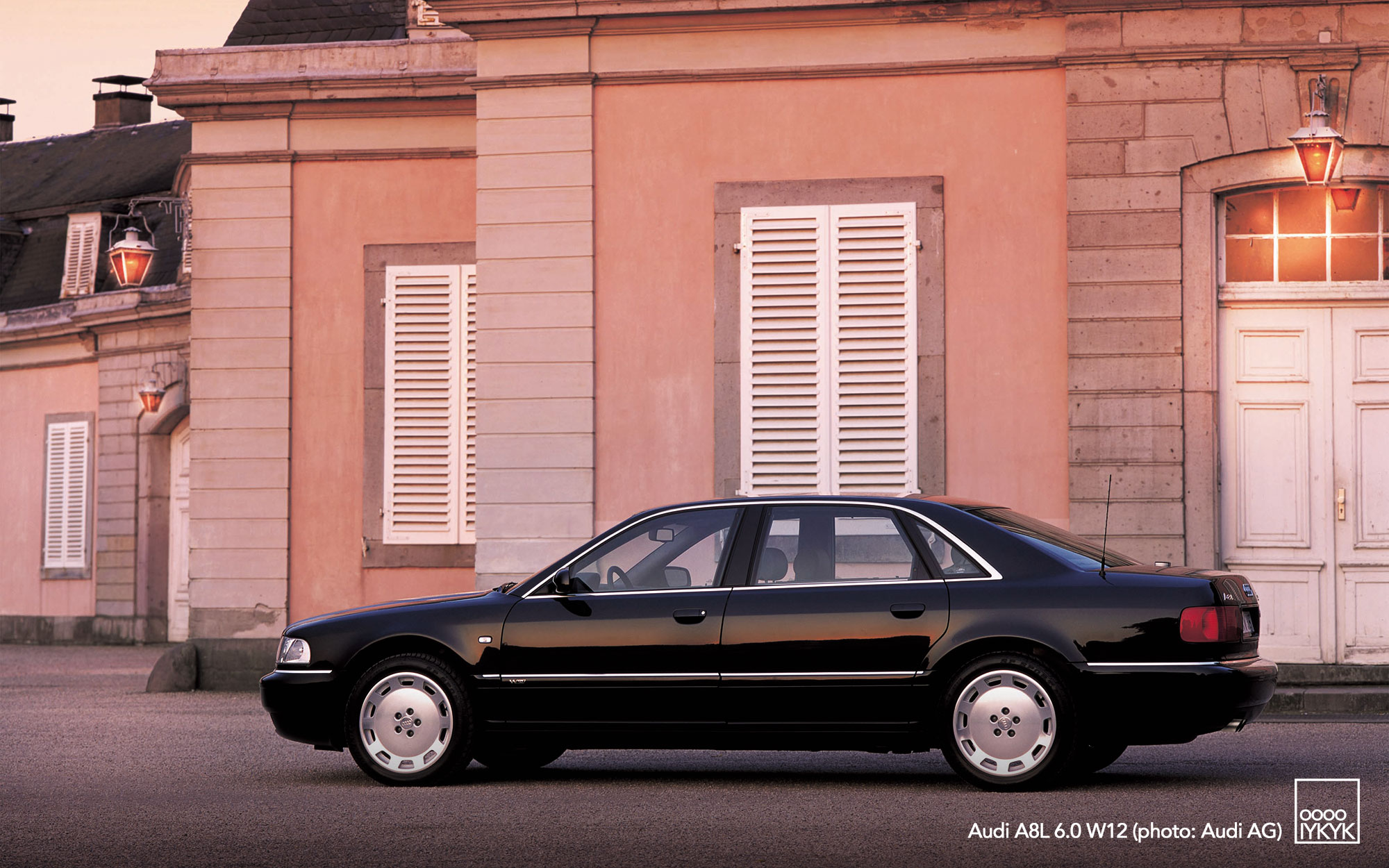
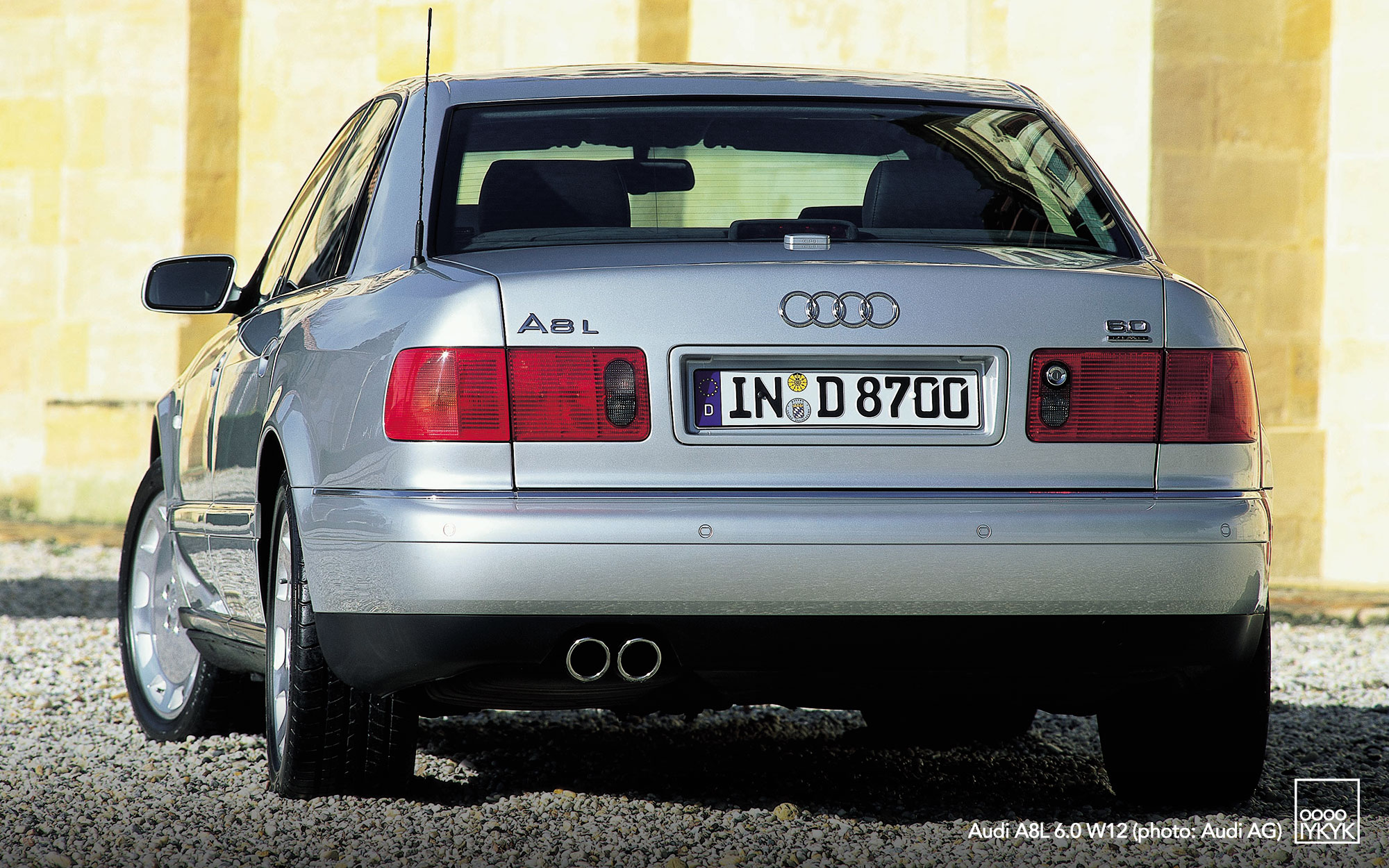
The long-wheelbase configuration extended overall length to 5164 mm, adding 130 mm between the pillars and improving rear-seat comfort with increased head, elbow and shoulder room. Extended rear doors enhanced ease of entry, supporting the A8L 6.0’s role as a chauffeur-oriented flagship within the Audi lineup.
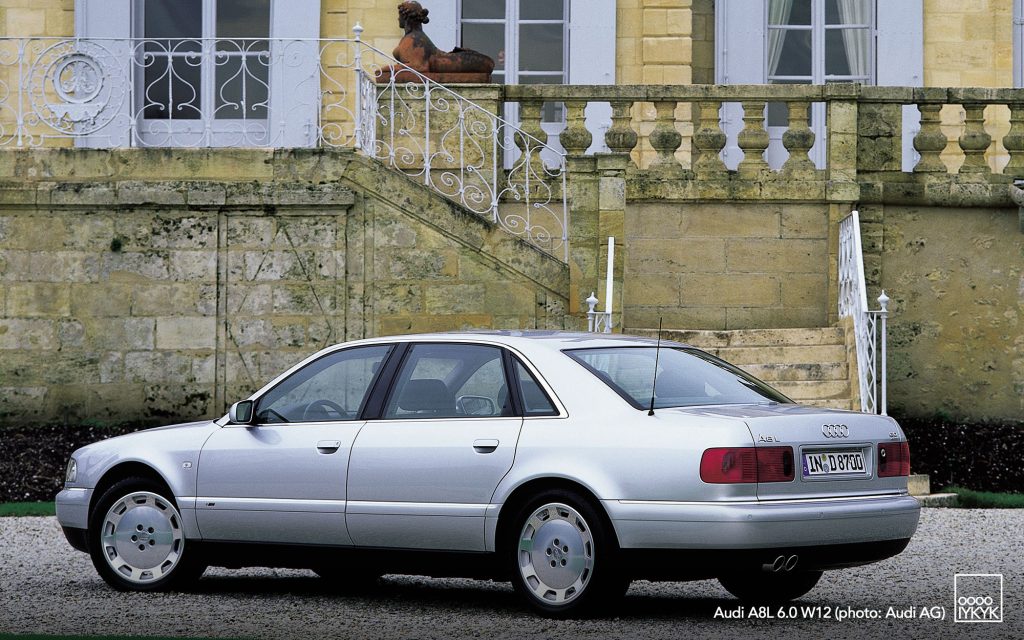
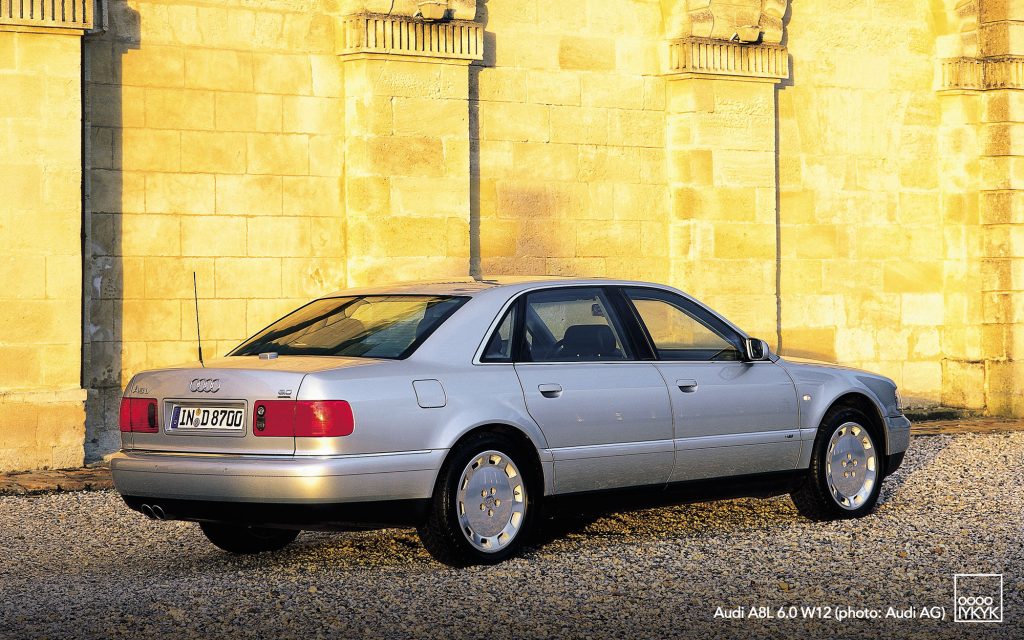
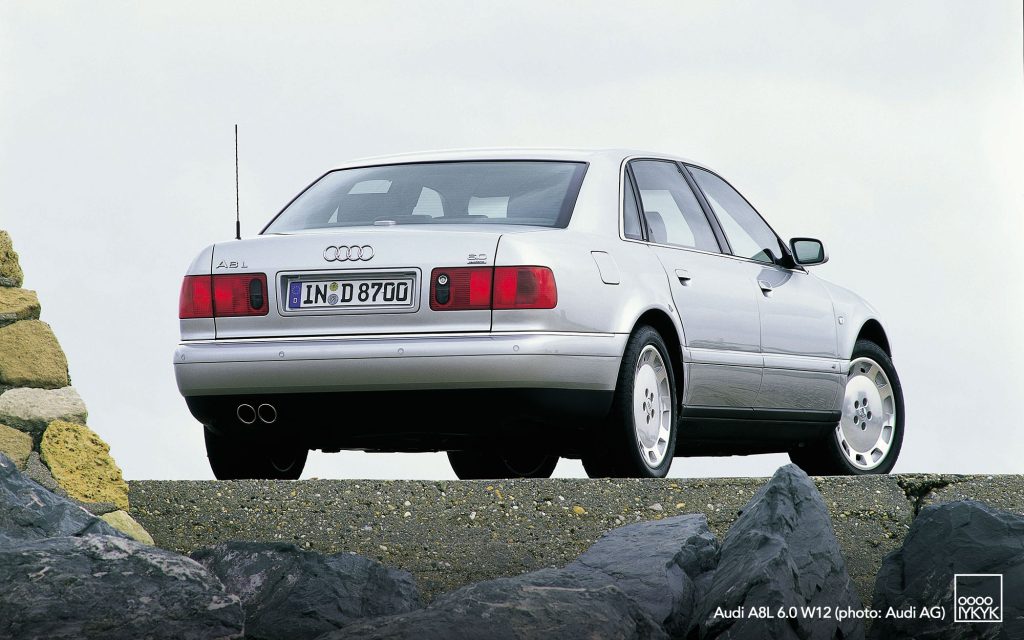
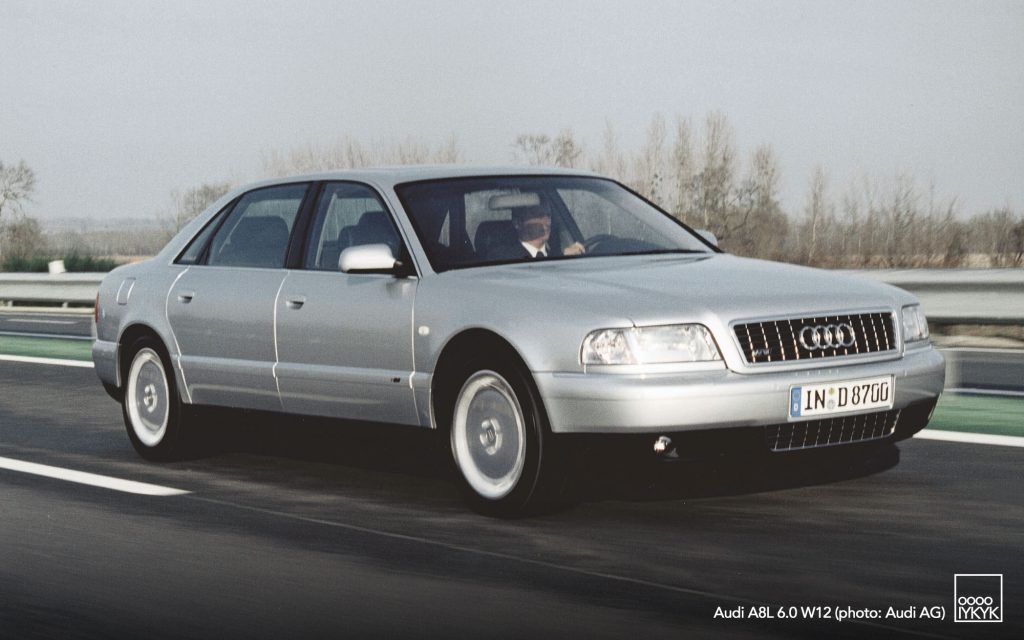
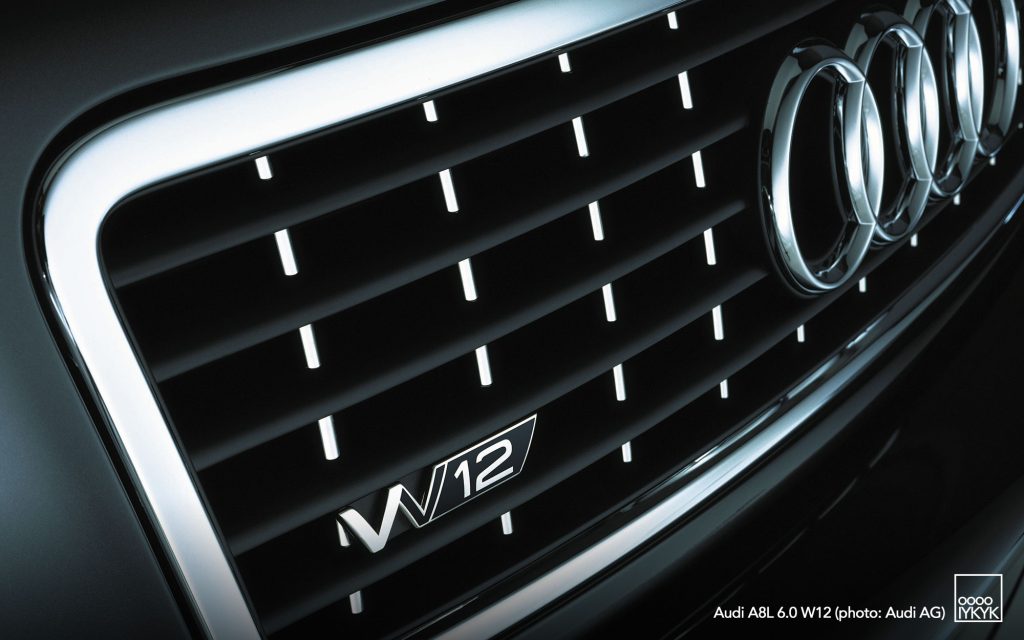
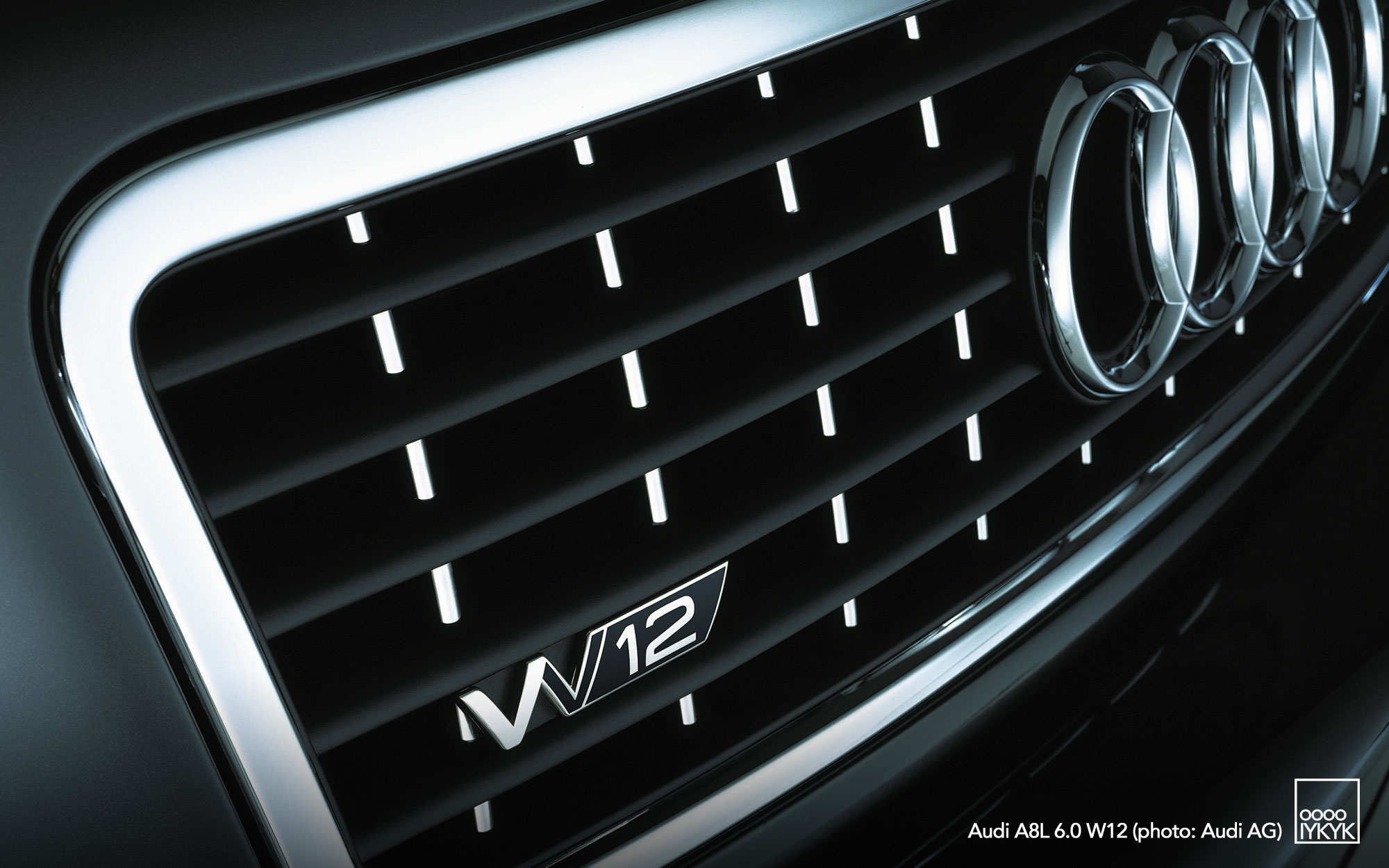
Exterior revisions introduced in 1999 carried through to the W12 model, including updated headlights with clear lenses, a reshaped grille, streamlined mirrors and revised bumpers with additional aluminium detailing. Various alloy wheel designs were available, though most A8L 6.0 models were configured with larger wheels to visually anchor the car’s proportions.
ENGINE & MECHANICAL FEATURES
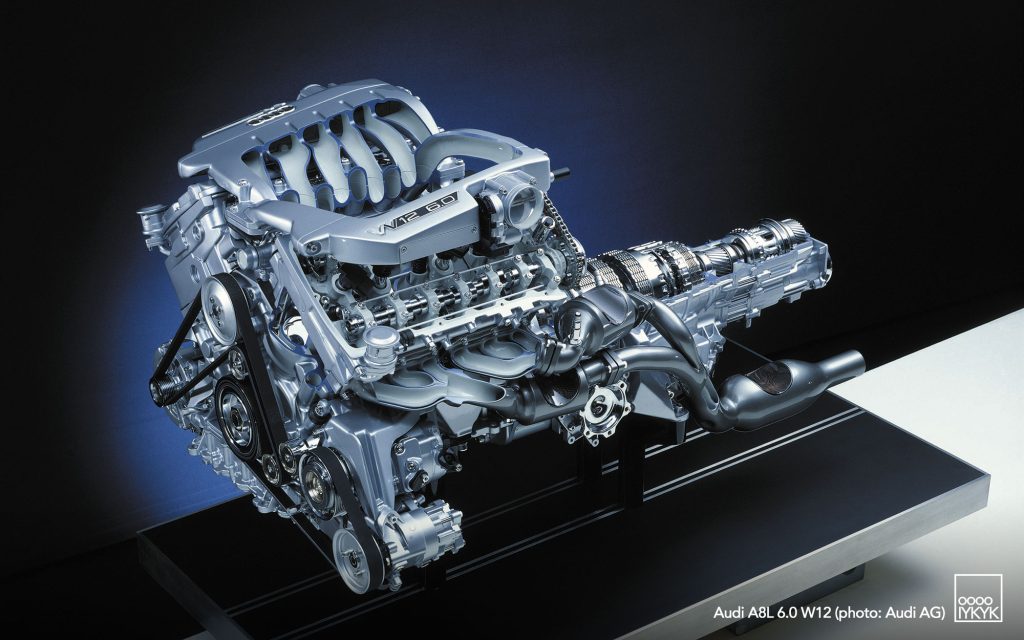
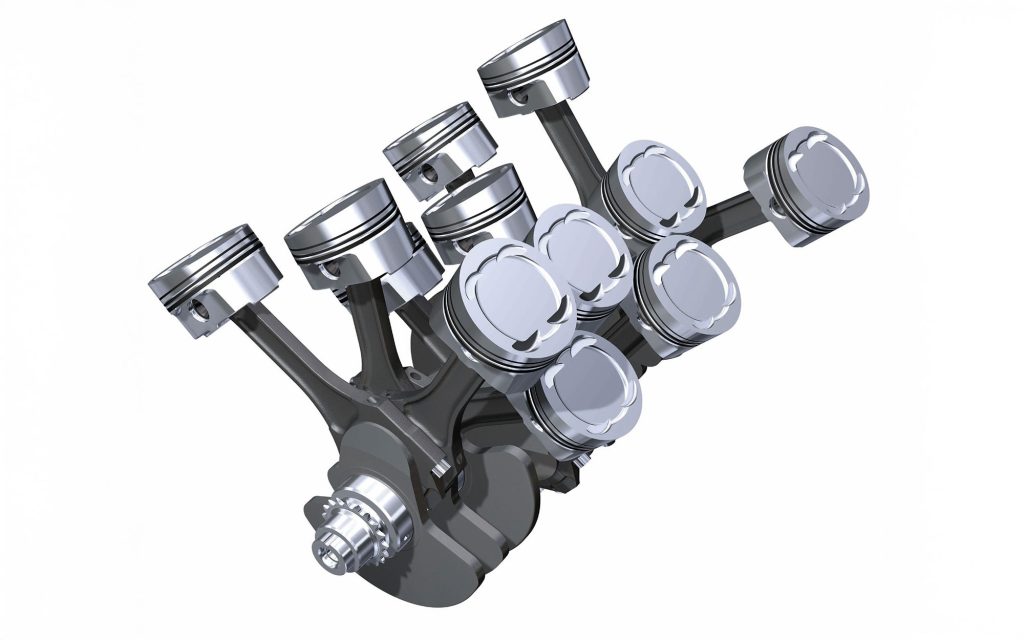
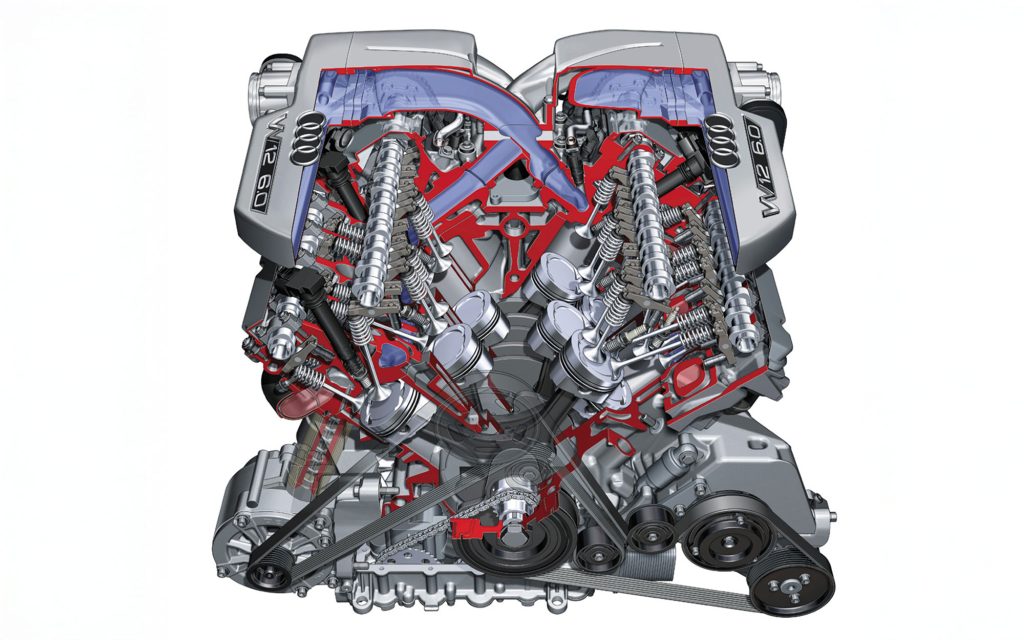
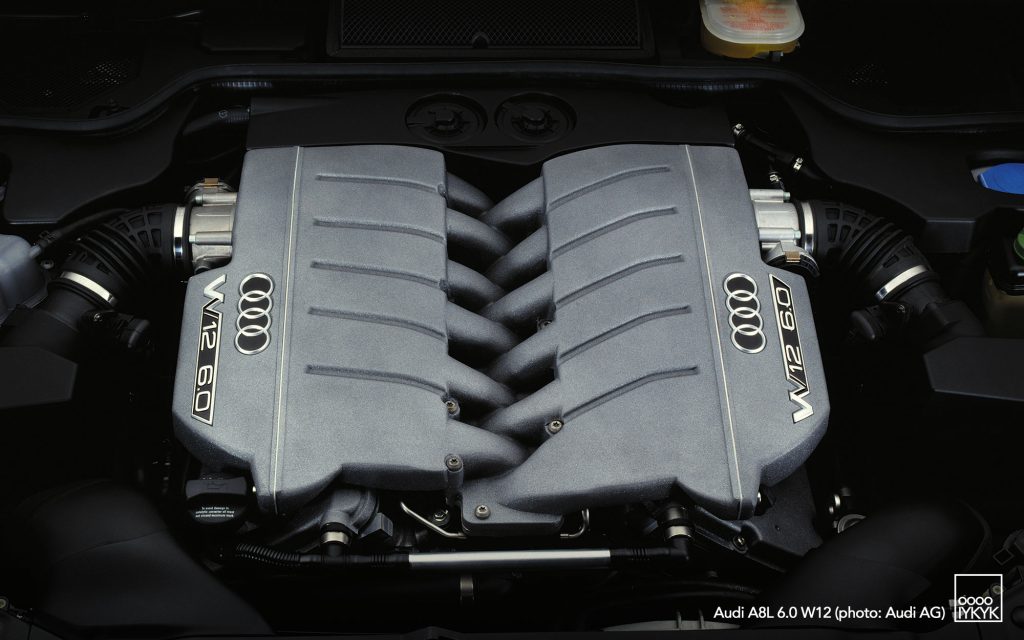
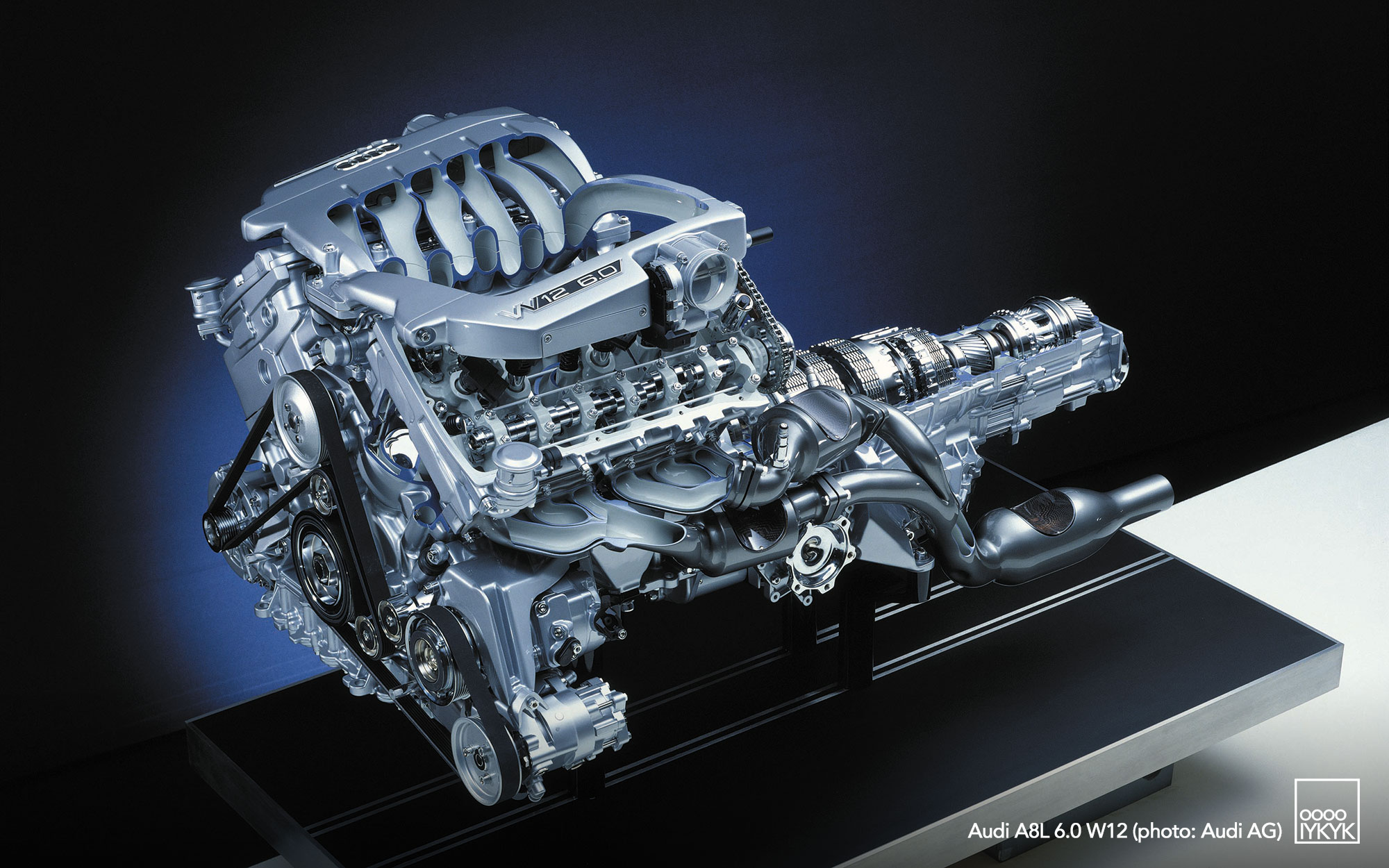
The centrepiece of the A8L 6.0 was the AZC-coded 6.0-litre naturally aspirated W12 engine. Producing 420 PS, it used an Alusil block, forged crankshaft and a distinctive dry-sump lubrication system with two scavenge pumps and one pressure pump. This setup reduced engine height, ensured consistent lubrication under high load and marked the AZC as the most technically ambitious of all naturally aspirated W12 variants.
The engine’s compact design was the result of combining two 15-degree VR6 cylinder groups into a unified twelve-cylinder block. Continuous camshaft phasing for intake and exhaust, unequal-length intake and exhaust runners, and an intricate cooling system featuring both mechanical and electric water pumps contributed to smooth operation and reliable heat management. Electrically actuated engine mounts were used to reduce vibration, allowing the W12 to achieve refinement comparable to a conventional V12 without the need for a balance shaft.
Power was delivered through a five-speed Tiptronic automatic transmission to Audi’s permanent quattro all-wheel drive system, making the A8 the only twelve-cylinder luxury sedan of its era to pair such an engine exclusively with all-wheel drive.
INTERIOR & EQUIPMENT
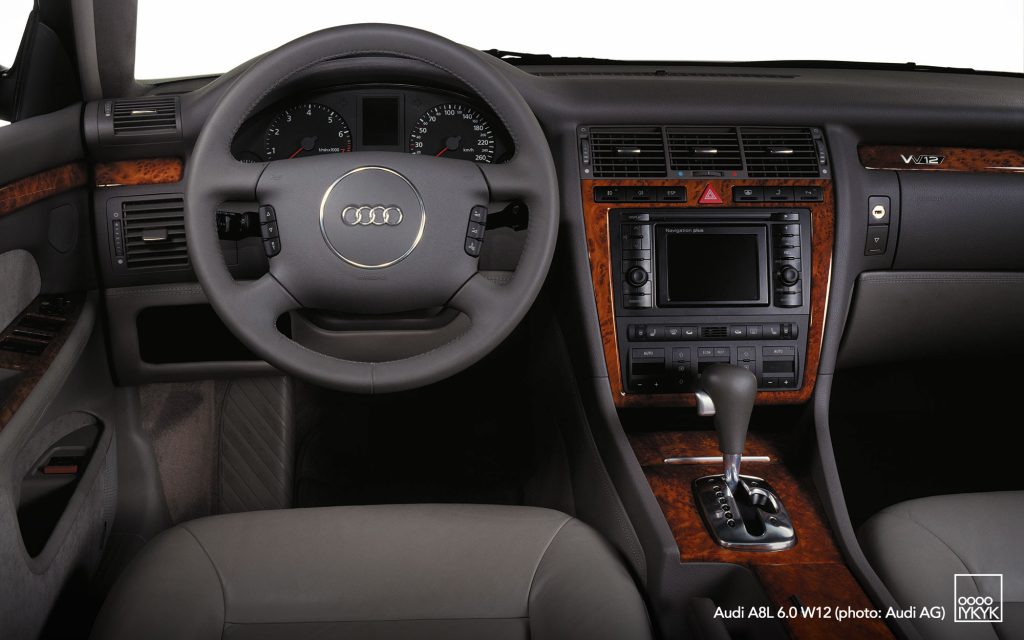
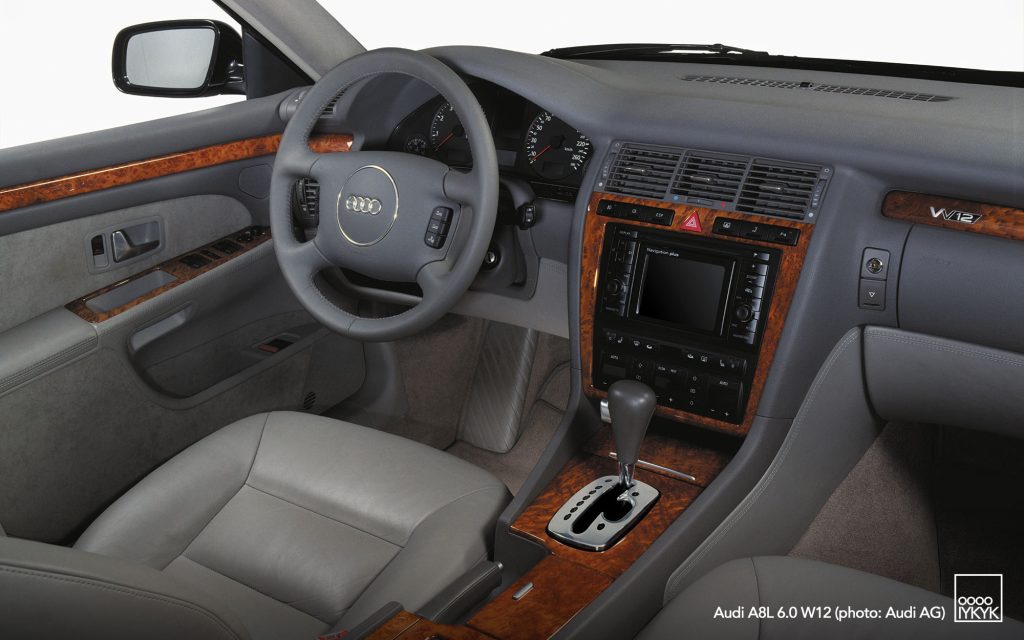
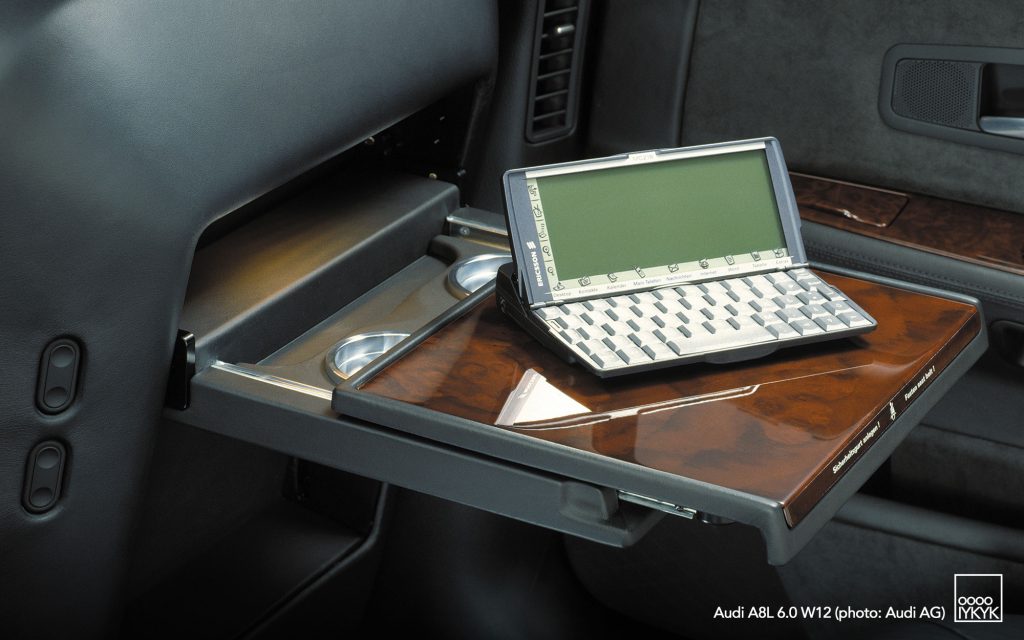
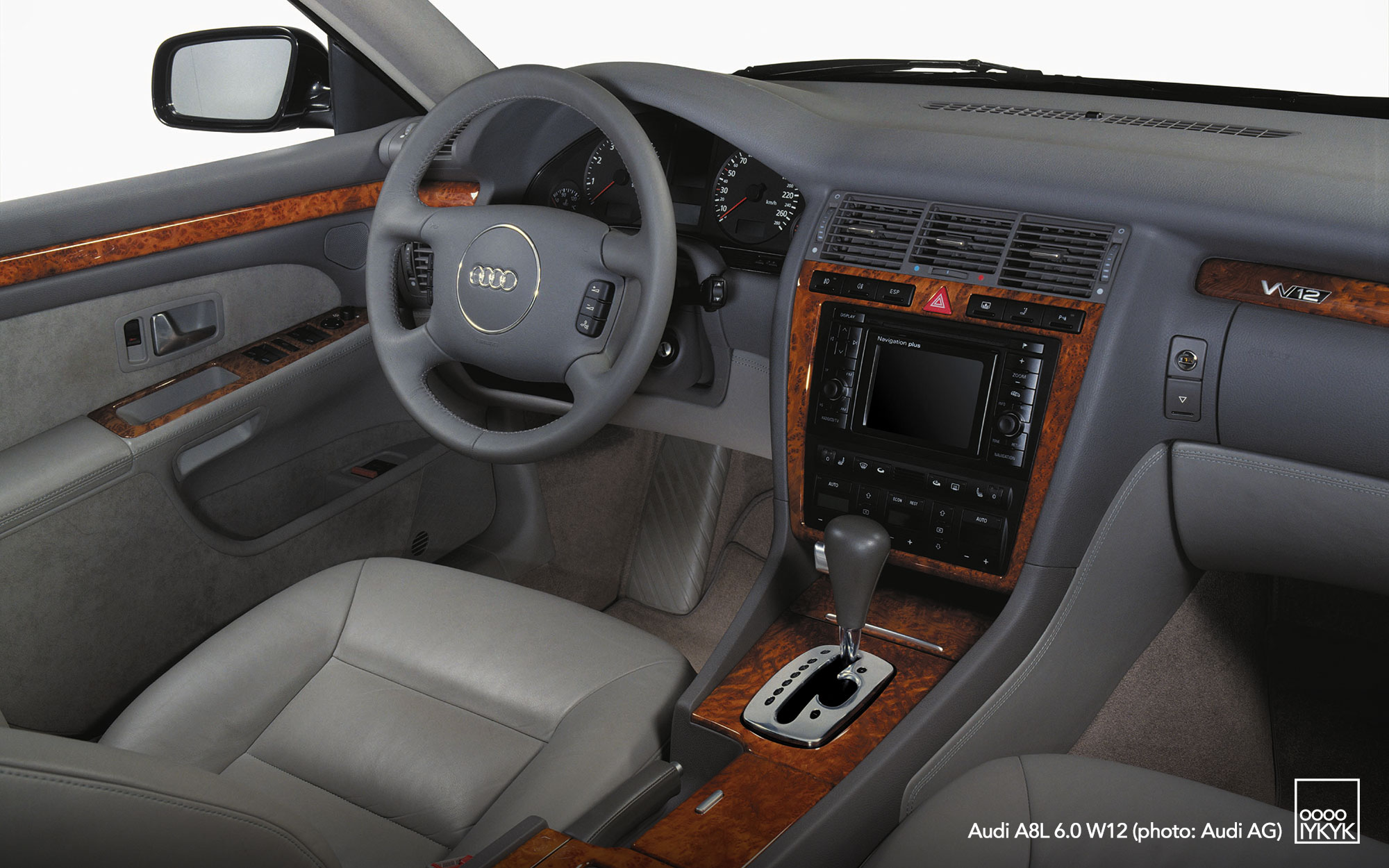
The A8L 6.0 shared many of the upgrades introduced across the A8 range for 2001, including revised cabin materials, updated switchgear, and additional colour and trim combinations. Premium Valcona leather upholstery, polished wood inlays and advanced comfort features were standard. Long-wheelbase models offered enhanced rear passenger accommodations, further distinguishing the W12 flagship.
Equipment highlights included multi-zone climate control with sun-position compensation, heated windscreen with a metallised element, front and rear side airbags plus SIDEGUARD head-level airbags, and extensive memory functions covering seats, mirrors, steering column and climate preferences. Optional systems included navigation, premium audio and a range of communication technologies.
PERFORMANCE & DRIVING CHARACTERISTICS
The combination of the AZC W12 engine, ASF lightweight construction and quattro drivetrain gave the A8L 6.0 competitive performance despite its luxury focus. The dry-sump engine’s low mounting position contributed to favourable weight distribution, while quattro enhanced stability and traction in all weather conditions. The hydraulic and electric cooling systems, robust chain-driven timing arrangement and durable valvetrain components ensured long-distance reliability even under demanding operating conditions.
PRODUCTION & RARITY
Production of the A8L 6.0 spanned only the 2001 and 2002 model years, making it one of the rarest D2-generation variants. Although the D2 A8 surpassed 105,000 total units produced by early 2002, only a small fraction were equipped with the W12 engine. Most long-wheelbase W12 models were built in limited batches for specific markets, positioning the A8L 6.0 as a niche flagship rather than a high-volume competitor to German luxury rivals.
LEGACY
The A8L 6.0 quattro marked Audi’s arrival in the twelve-cylinder luxury segment and established the technical foundation for later W12-powered models across the Volkswagen–Audi Group, including subsequent generations of the A8 and a wide range of Bentley and Volkswagen luxury vehicles. Its combination of aluminium construction, quattro drivetrain and compact twelve-cylinder engineering remains unique in the history of early-2000s luxury sedans.
Today the 2001–2002 Audi A8L 6.0 is recognised as an important transitional model that demonstrated Audi’s ambition to compete directly with the most advanced luxury flagships of its era. Its rarity, innovative powertrain and significance in the evolution of the W-configuration engine have made it a notable entry in Audi’s engineering lineage and a point of interest for collectors and marque historians.
PHOTO GALLERY