

/ Eras / Audi Postwar Era/ Audi 100 / 100 (C2, type 43)
What: 100 (C2) Avant
Model Family: 100
Market / Zone: EU
Production Location: Ingolstadt, Germany & Neckarsulm, Germany
Debut: unknown
Year: 1977, 1978, 1979, 1980, 1981, 1982
Number Produced: approximately 49,652 (source: Wikipedia)
Model / Generation Code(s): Type 43
Chassis / Matrix: C2
Engine(s): 1.6l 4-cylinder, 1.9l 5-cylinder, 2.0l 4-cylinder, 2.1l 5-cylinder, 2.1l 5-cylinder turbo, 2.0l 5-cylinder diesel, 2.0l 5-cylinder turbo diesel
Transmission(s): 5-speed Manual, 3-speed Automatic
Designer: Ludwig Kraus
Predecessor: Audi 100 (C1)
Successor: Audi 100 (C3, type 44)
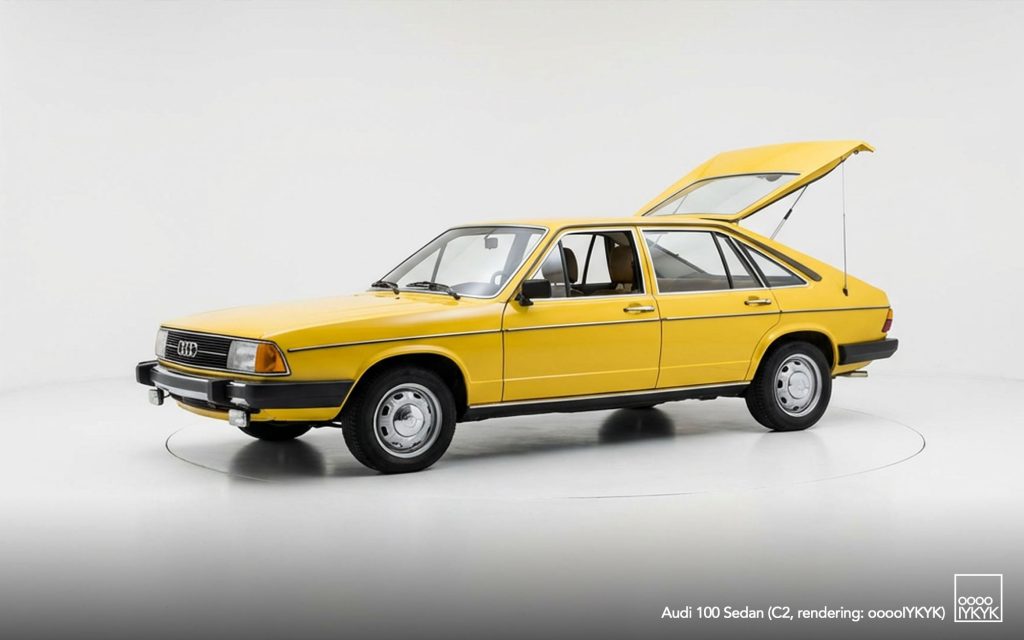
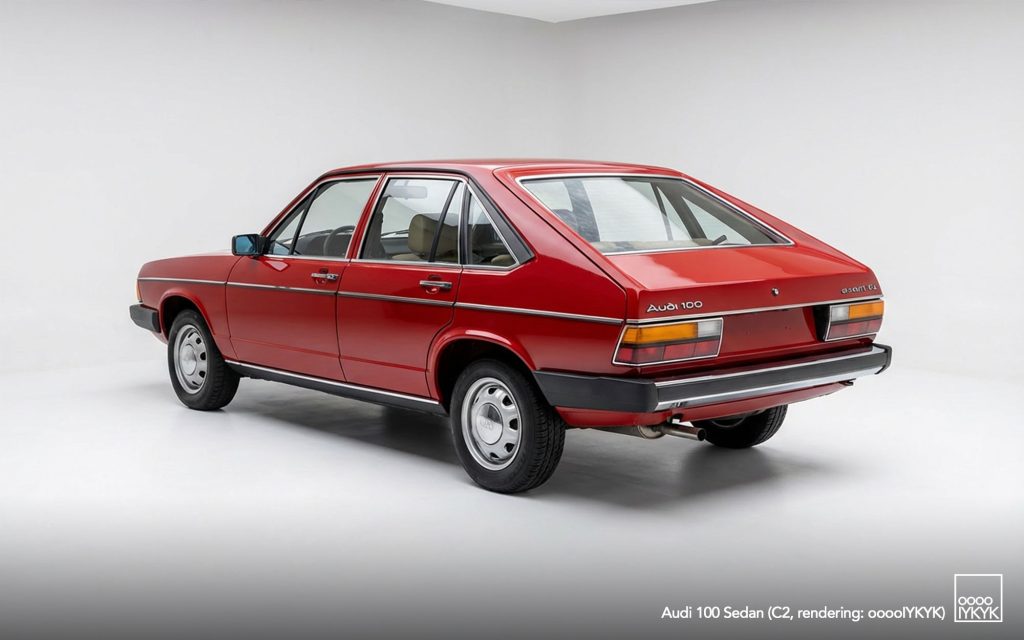
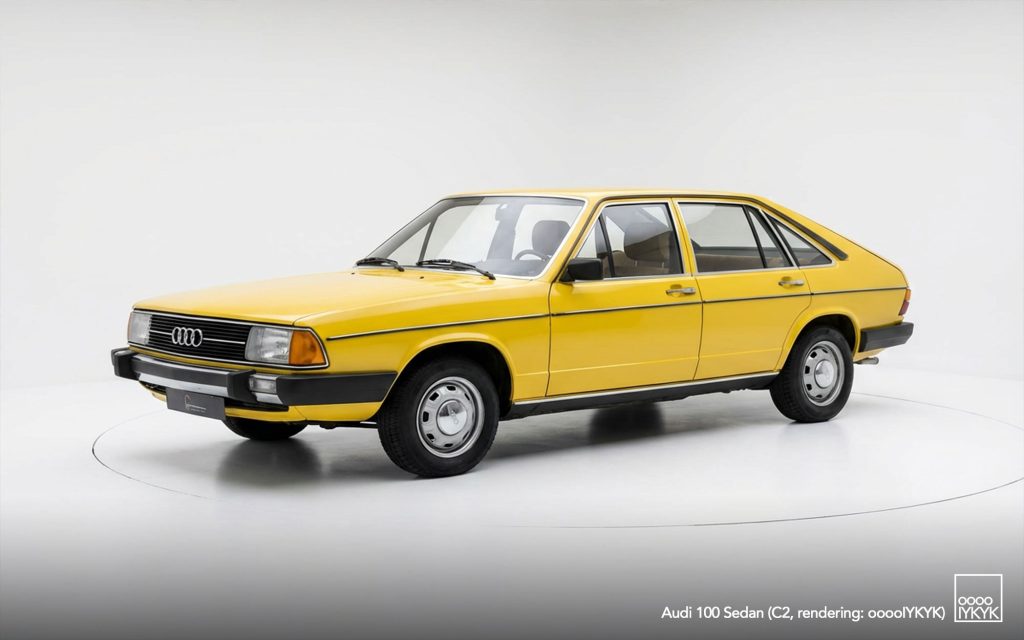
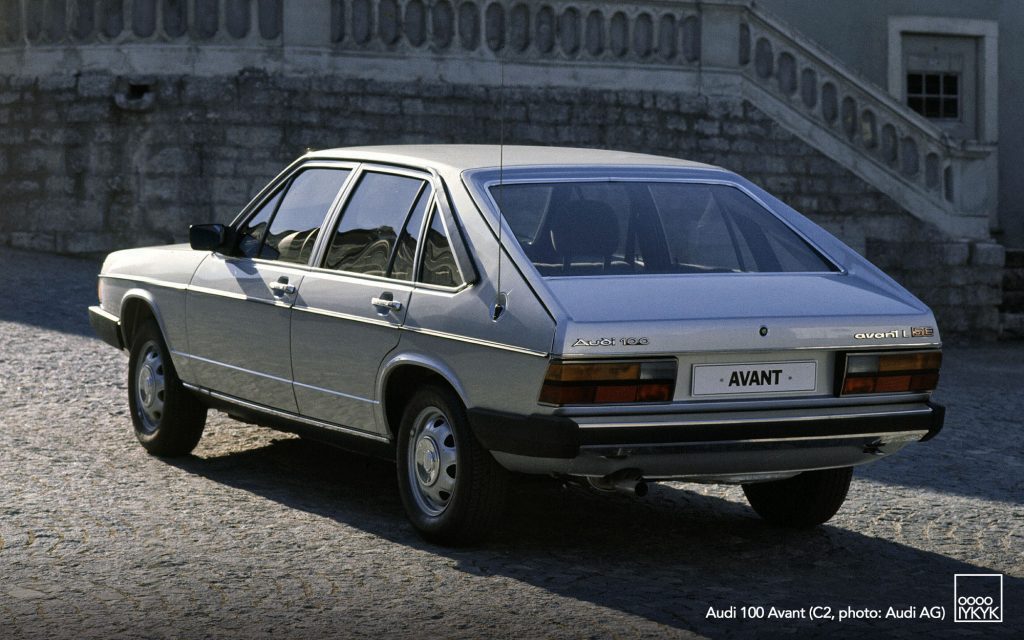
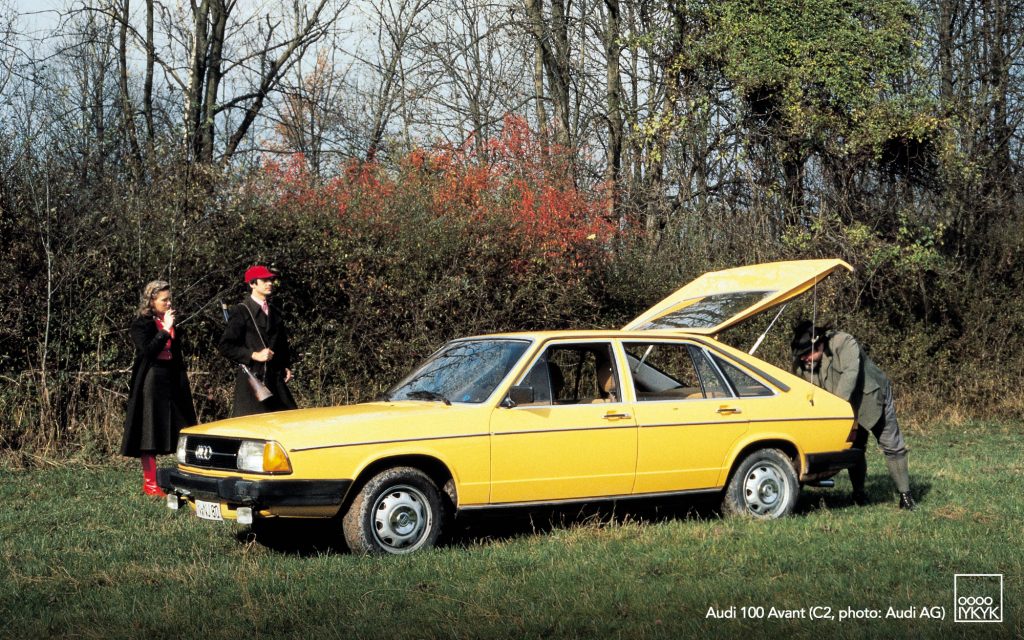
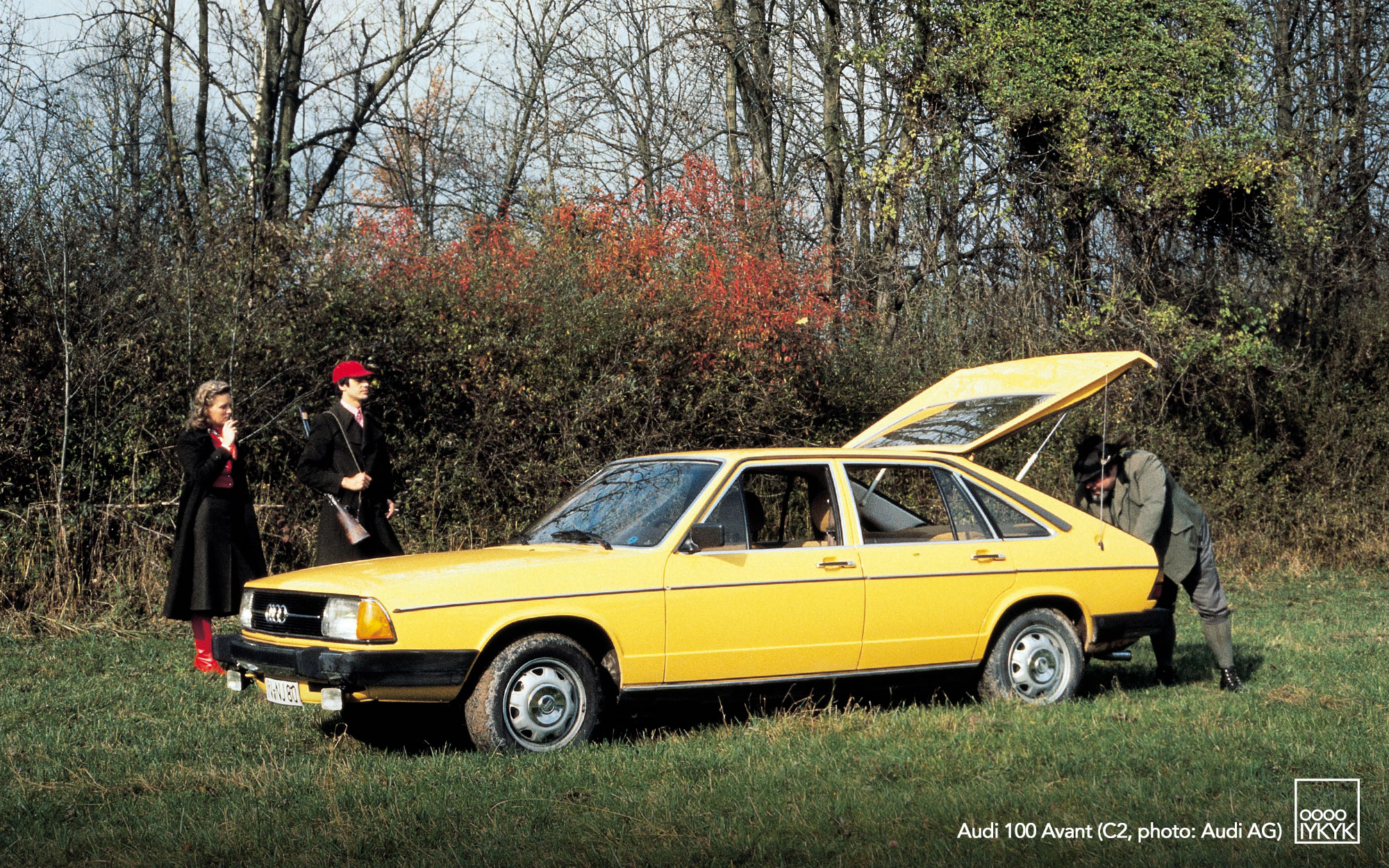
The Audi 100 Avant (C2) refers to the five-door liftback version of the second-generation Audi 100, produced between 1977 and 1982. Introduced as a new body style within the Type 43 range, the Avant offered increased practicality while retaining the mechanical layout, engines, and overall proportions of the Audi 100 sedan. It was the first Audi 100 to use the “Avant” designation for a mass-market model, establishing a naming convention that would become central to Audi’s estate and liftback identity that remains intact today.
INTRODUCTION AND DEVELOPMENT
Audi presented the C2-generation Audi 100 on 6 August 1976 with two- and four-door sedans. The Avant followed in September 1977 as the third body style in the range. During development, Audi envisioned a globally adaptable model family that would include multiple configurations; the Avant fulfilled the role of a versatile five-door model suited to both family and commercial use.
The liftback design offered a large rear opening and a flexible cargo compartment, drawing similarities to contemporary Volkswagen Passat (B1) hatchback models. Audi aimed to combine practicality with the aerodynamic cleanliness and refinement emphasized in the C2 platform.
THE FIRST USE OF THE “AVANT” NAME
The C2 Audi 100 Avant marked the first use of the term “Avant” to designate a distinct Audi body style. Earlier estate-type Audi vehicles—such as the Audi 80 (B1) station wagon—were marketed under more generic terms including “Variant,” “station wagon,” or “estate,” depending on preferred vernacular in a given market region. These names aligned with Volkswagen Group conventions of the period but did not establish a unique Audi-specific identity.
By contrast, the C2 Avant introduced a new, brand-defining label. The word “Avant” is French, meaning “ahead” or “forward.” The choice aligned with Audi’s late-1970s strategy of signalling technical progress, modernity, and upward repositioning. Over time, the Avant name evolved beyond its initial liftback context to represent Audi’s estate/wagon models across multiple generations.
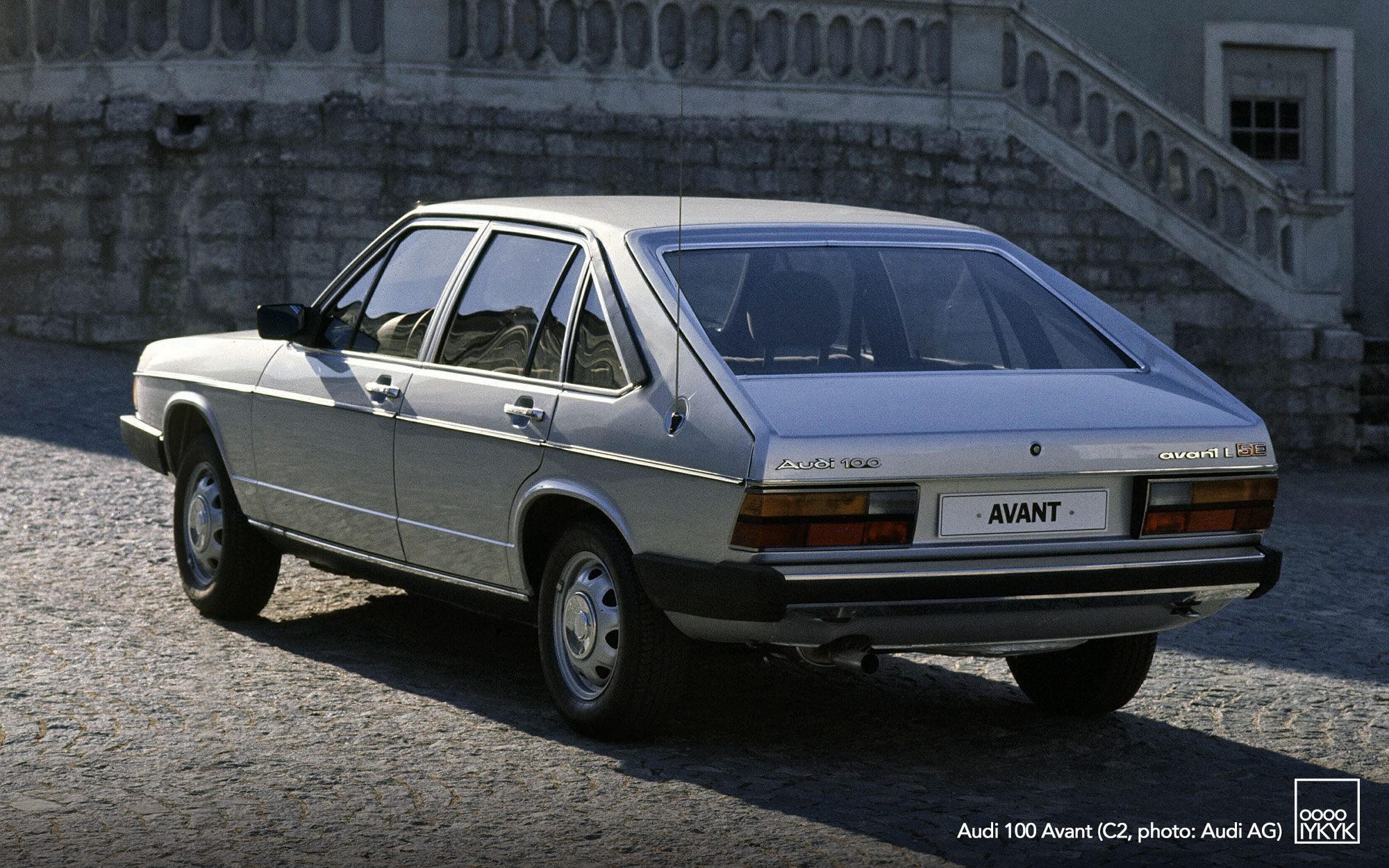
Notably, the C2 100 Avant was not a traditional station wagon. While it featured five doors and an extended roofline, its profile followed the form of a sedan with a hatch—conceptually comparable to the B1 Volkswagen Passat (sold as the Dasher in the United States). Decades later, its silhouette also bears conceptual similarities to modern Audi models such as the A7 Sportback and A5 Sportback, though those vehicles present more coupe-like rooflines and lower cabin profiles than their corresponding A6 sedan and A4 sedan contemporaries. The C2 Avant retained the same cabin height and basic upright proportions as the sedan, resulting in a more angular and functional appearance.
DESIGN AND BODY STYLE
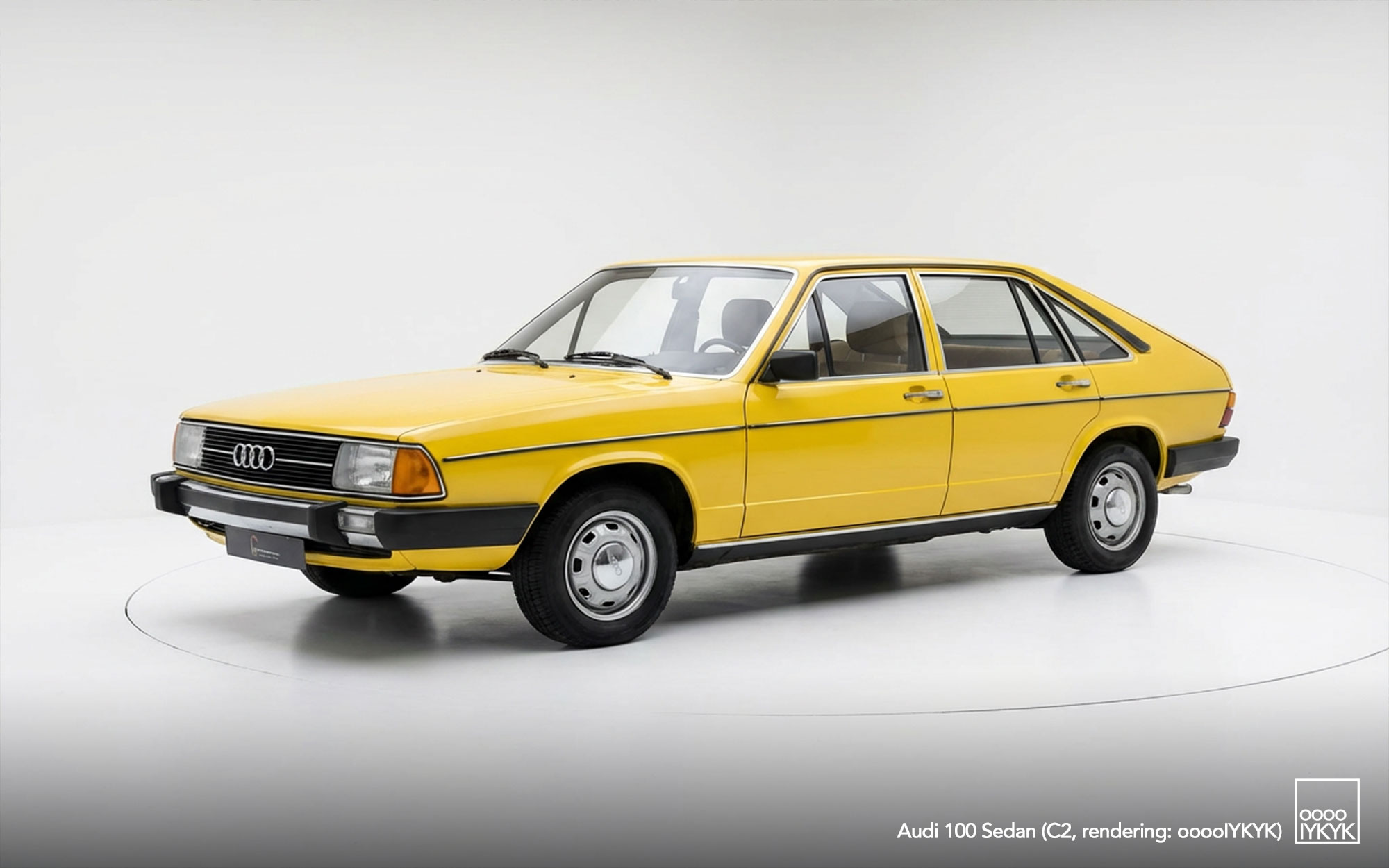
The Avant shared its wheelbase, front-end styling, interior layout, and mechanical components with the C2 sedan. Its defining element was a long, gently sloping roof terminating in a wide-opening hatch that improved cargo access. This configuration offered significantly more load capacity than the sedan and allowed the rear bench to fold for additional versatility.
Though boxier and more upright than later Avants, the C2 model established a design template of combining practicality with executive-segment refinement. Larger glass areas enhanced visibility, while the overall shape appeared modern for its era.
ENGINES AND TECHNICAL FEATURES
The Avant shared the same European-market engines as the Audi 100 sedan, including:
Inline-four engines:
1.6 L I4, 85 PS (63 kW), carbureted
2.0 L I4, 115 PS (85 kW), carbureted (early production)
Inline-five petrol engines:
2.1 L I5, 100 PS (74 kW), carbureted
2.1 L I5, 115 PS (85 kW), carbureted
2.1 L I5 5E, 136 PS (100 kW), fuel injection
Diesel engine:
2.0 L I5 diesel, 70 PS (51 kW), introduced in 1978
All engines were paired with a four-speed manual gearbox, with certain variants offered with a three-speed automatic transmission.
MARKET POSITION AND ROLE WITHIN THE RANGE
The Avant broadened the offering of the Audi 100 by offering a premium yet practical liftback configuration. It appealed to buyers seeking the comfort and refinement of the sedan combined with the usability of a large cargo opening. Positioned between traditional sedans and full estate cars, the Avant filled a niche that foreshadowed later European demand for versatile executive liftbacks and wagons at a time when hatchbacks had become the rage.
In September 1977, the one-millionth Audi 100 produced was an Avant built at the Neckarsulm plant, underscoring the model’s importance within Audi’s expanding production footprint.
LEGACY
The C2 Audi 100 Avant introduced the Avant nameplate and established a conceptual blueprint for future Audi estate and liftback models. Later generations of Audi 100, 200, A6, and other Avant-branded vehicles built on the formula of blending practicality, refinement, and a distinctly Audi design identity. The C2 Avant’s combination of sedan-like comfort and enhanced utility made it an important milestone in the evolution of Audi’s model range.
PHOTO GALLERY