
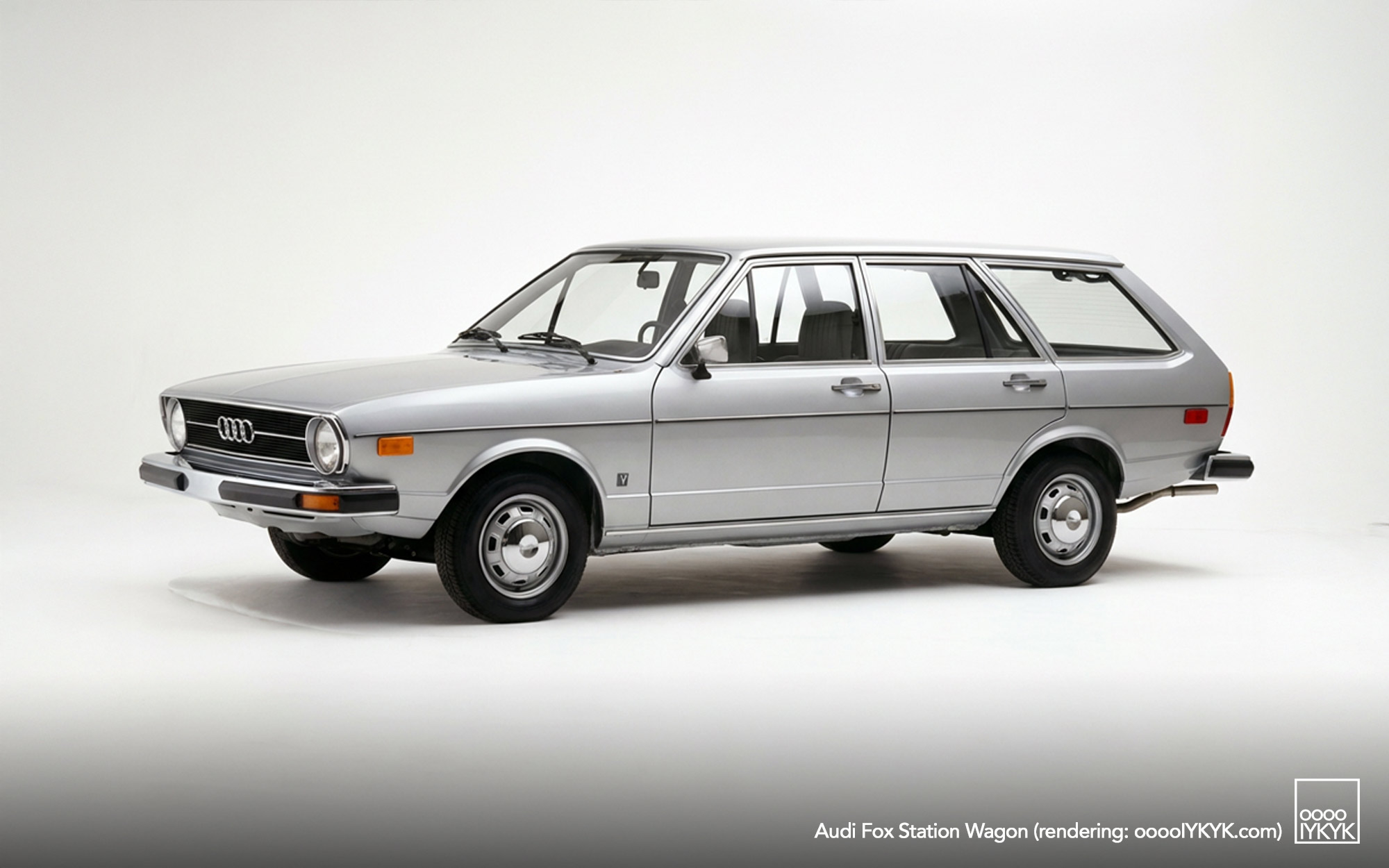

What: Fox Station Wagon (B1)
Model Family: Fox
Market / Zone: USA
Production Location: Ingolstadt, West Germany
Debut:
Year: 1975, 1976
Number Produced:
Model / Generation Code(s): Type 80
Chassis / Matrix: B1
Layout: Front-engine, front-wheel drive
Engine(s): 1.6l 4-cylinder
Transmission(s): 4-speed Manual, 3-speed Automatic
Wheelbase: 2,470 mm (97.2 in)
Length: approx. 4,180 mm (164.6 in)
Curb weight: approx. 900 kg (1,984 lb), depending on specification
Designer:
Predecessor: Audi 60 / Audi 75 (type F103)
Successor: Audi Fox Station Wagon (B1.5, type 82)
OVERVIEW
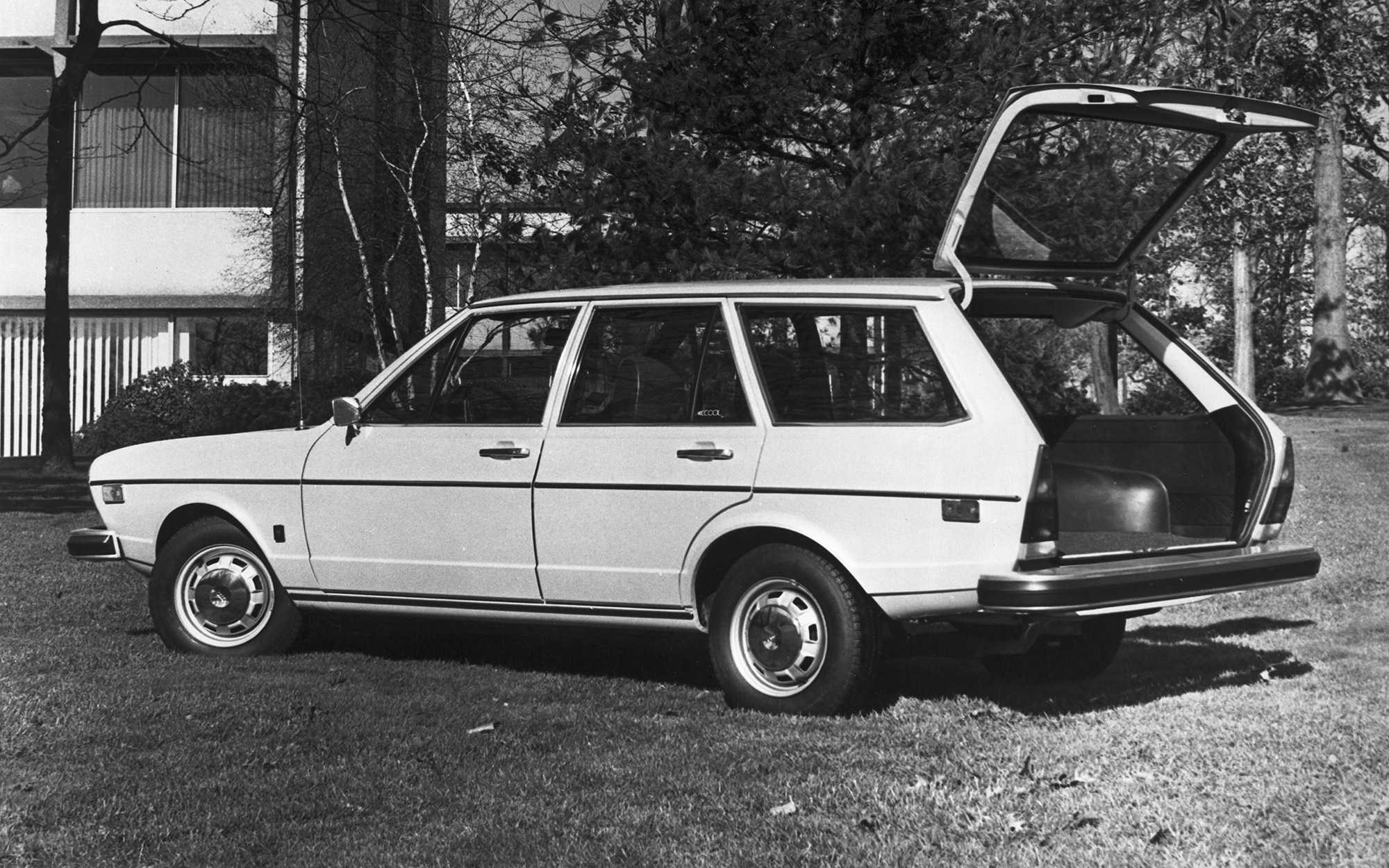
The Audi Fox Station Wagon, produced for the United States market from 1975 to 1976, was the wagon derivative of the first-generation Audi 80 (B1) sold under the Audi Fox nameplate. Introduced late in the B1 lifecycle, the Fox Station Wagon combined compact European dimensions, front-wheel drive, and fuel-efficient engines with increased cargo capacity.
Offered during a period shaped by rising fuel prices and shifting consumer preferences, the Audi Fox Station Wagon positioned itself as a practical alternative to larger domestic wagons. Its short production run and limited sales volume have since made it one of the rarest U.S.-market Audi Fox variants.
DEVELOPMENT & CONCEPT
The Audi Fox was developed as a U.S.-market adaptation of the Audi 80 B1, with the Fox name selected to avoid confusion with Audi’s numerical model designations in North America. The station wagon body style was added to broaden appeal among buyers seeking versatility without sacrificing efficiency.
Development followed the lightweight and engineering-led philosophy established by Ludwig Kraus, emphasizing low mass, front-wheel drive, and compact packaging. The wagon configuration allowed Audi to compete in a segment traditionally dominated by larger, rear-wheel-drive American vehicles.
DESIGN & BODY STYLE
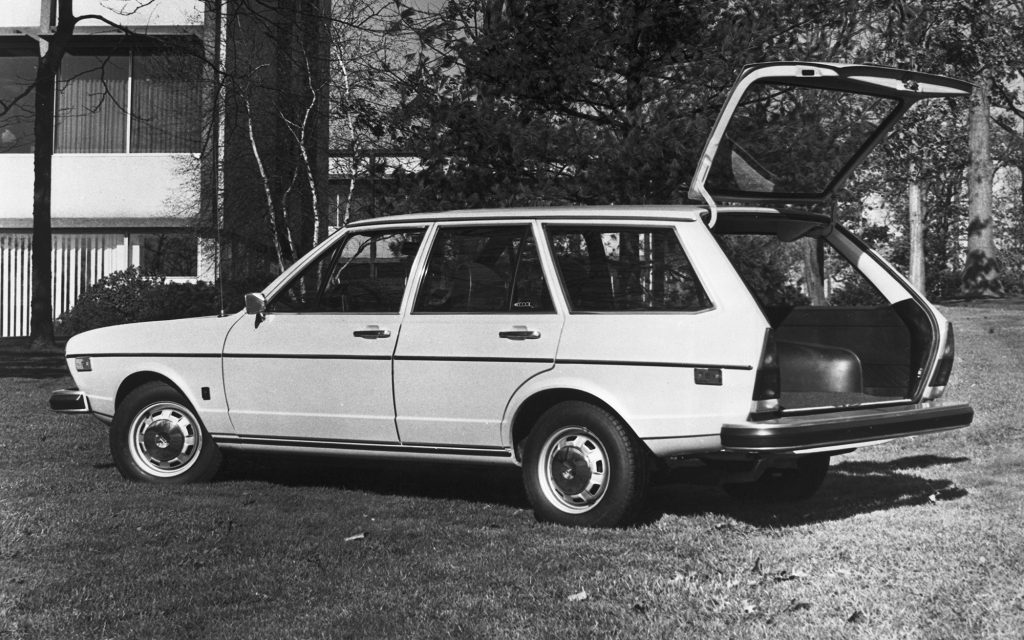
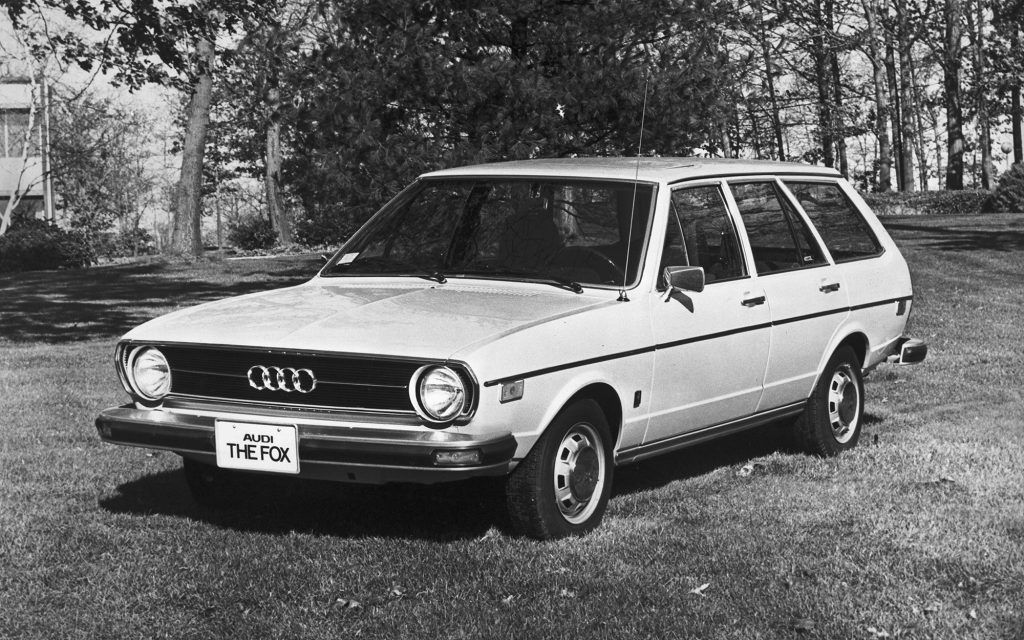
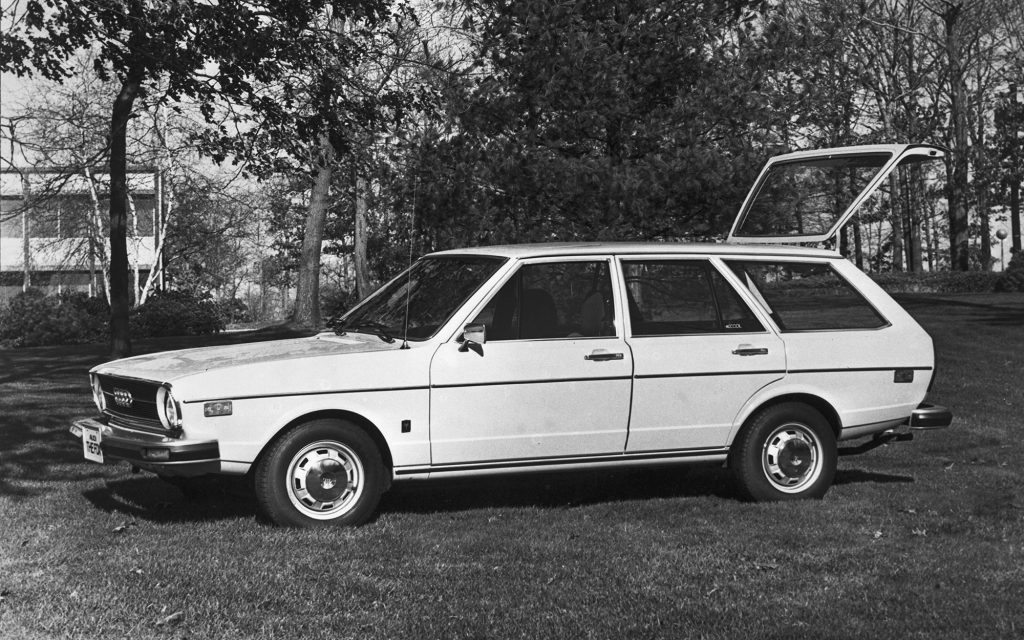
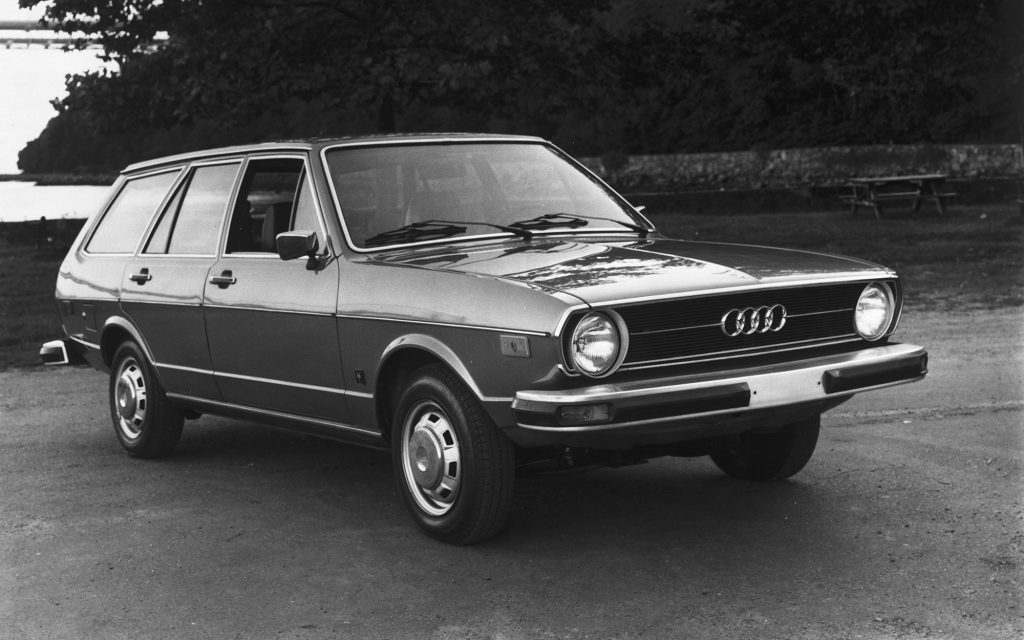
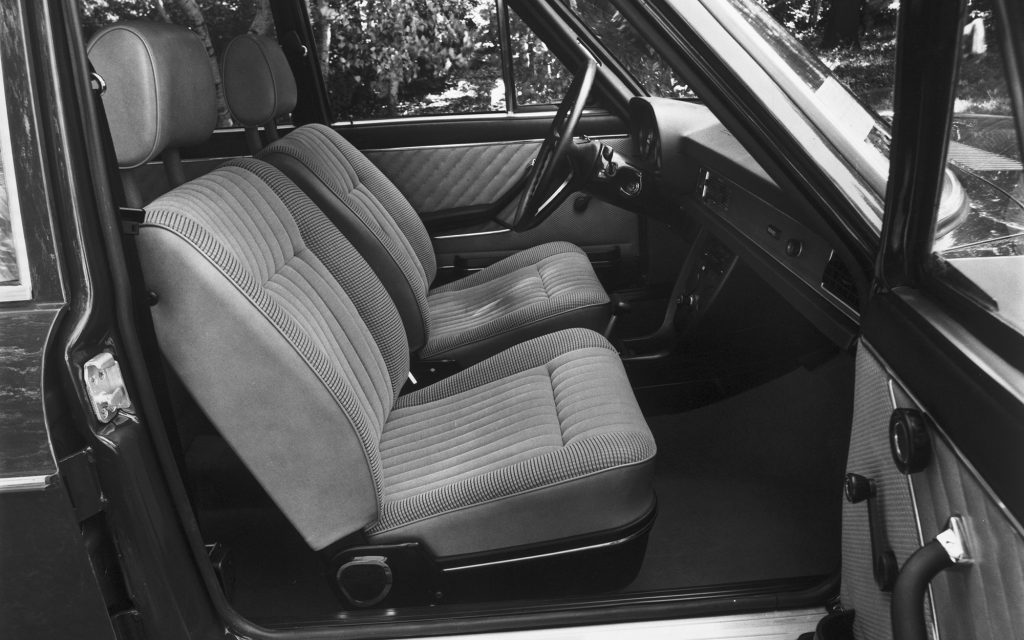
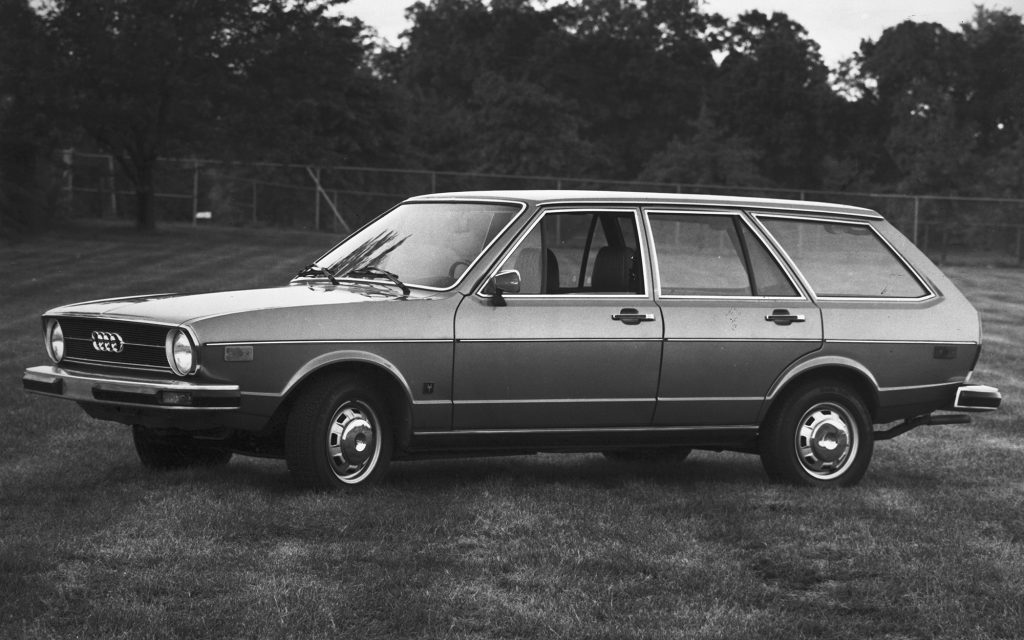
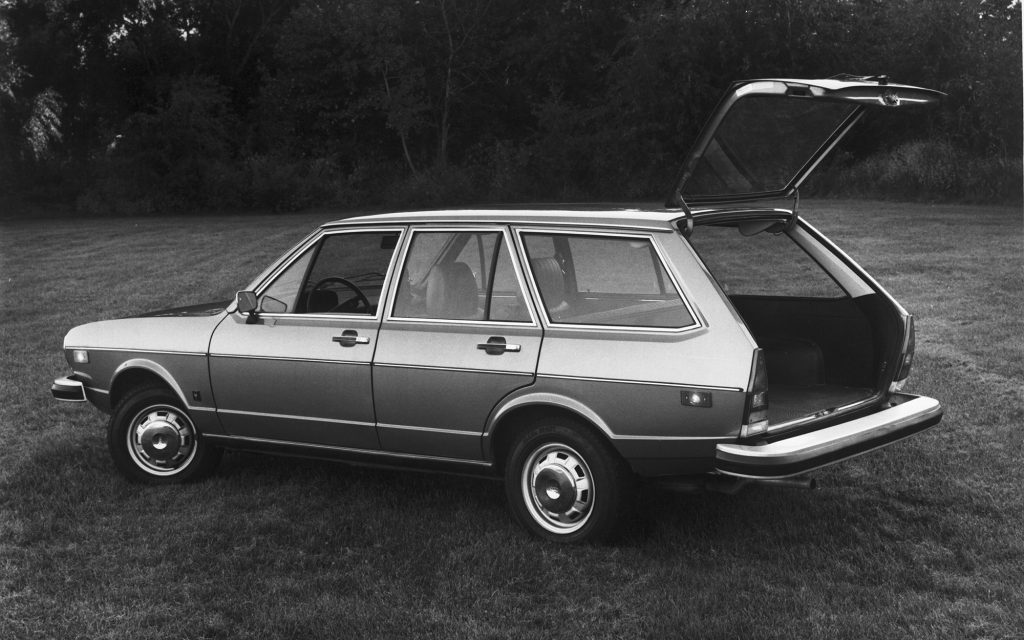
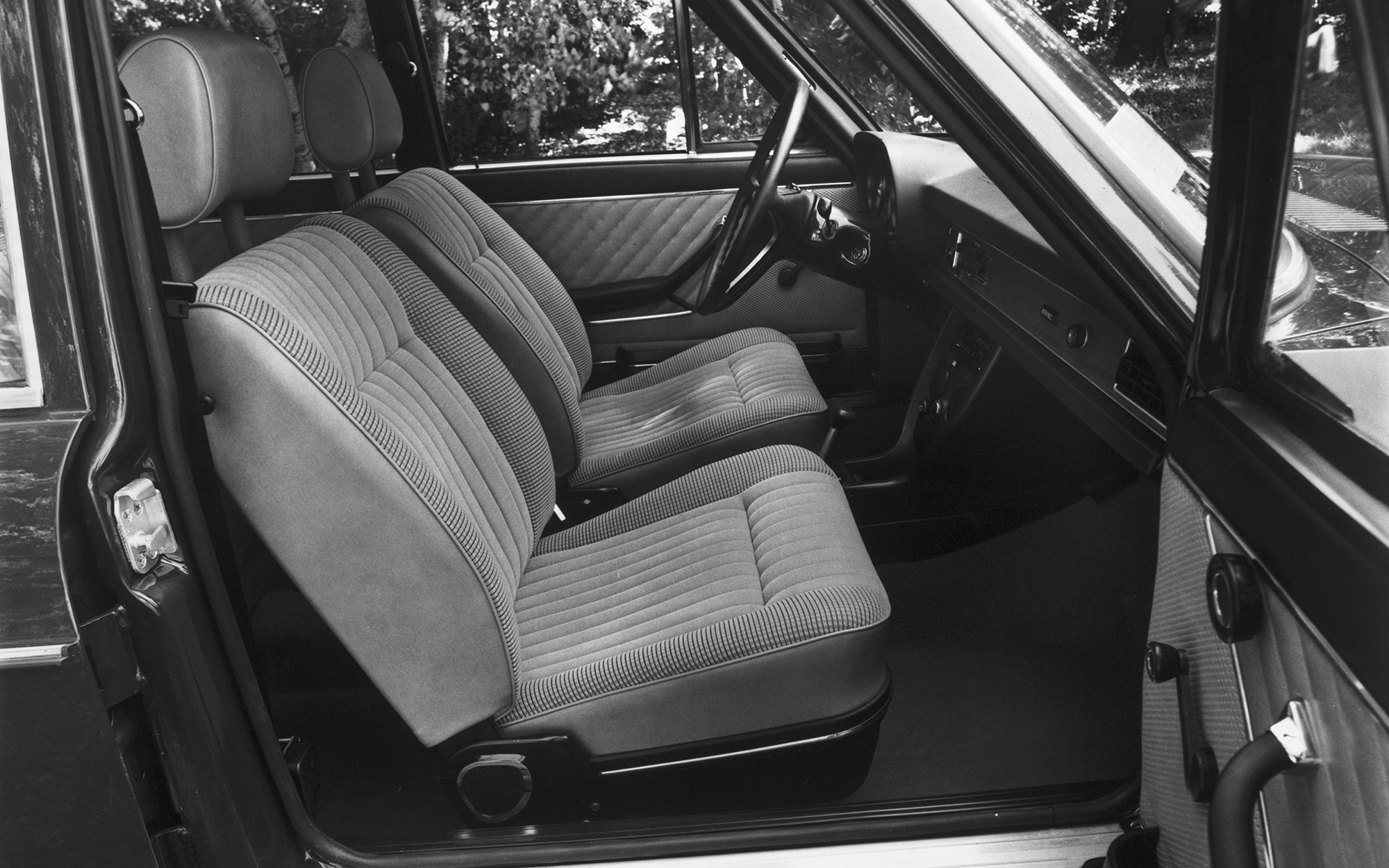
The Audi Fox Station Wagon shared its front-end styling, doors, and passenger compartment with the Fox sedan, while the rear bodywork featured an extended roofline and full-height tailgate. The nearly horizontal roof maximized cargo volume while preserving the compact footprint of the B1 platform.
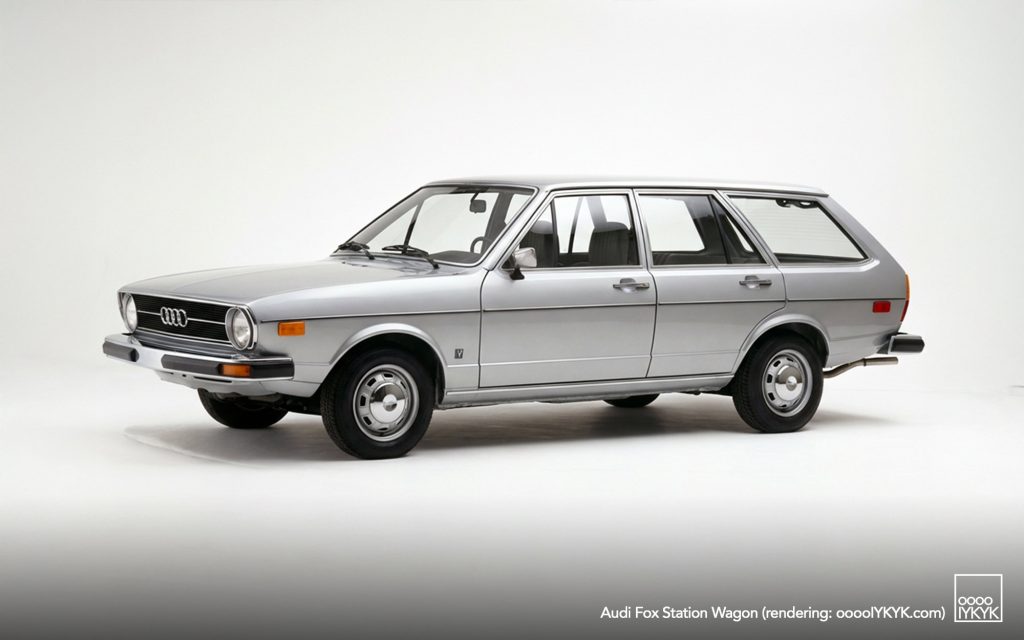
Exterior styling was conservative and functional, consistent with Audi’s mid-1970s design language. Large glass areas improved outward visibility, while minimal ornamentation emphasized practicality rather than luxury or performance.
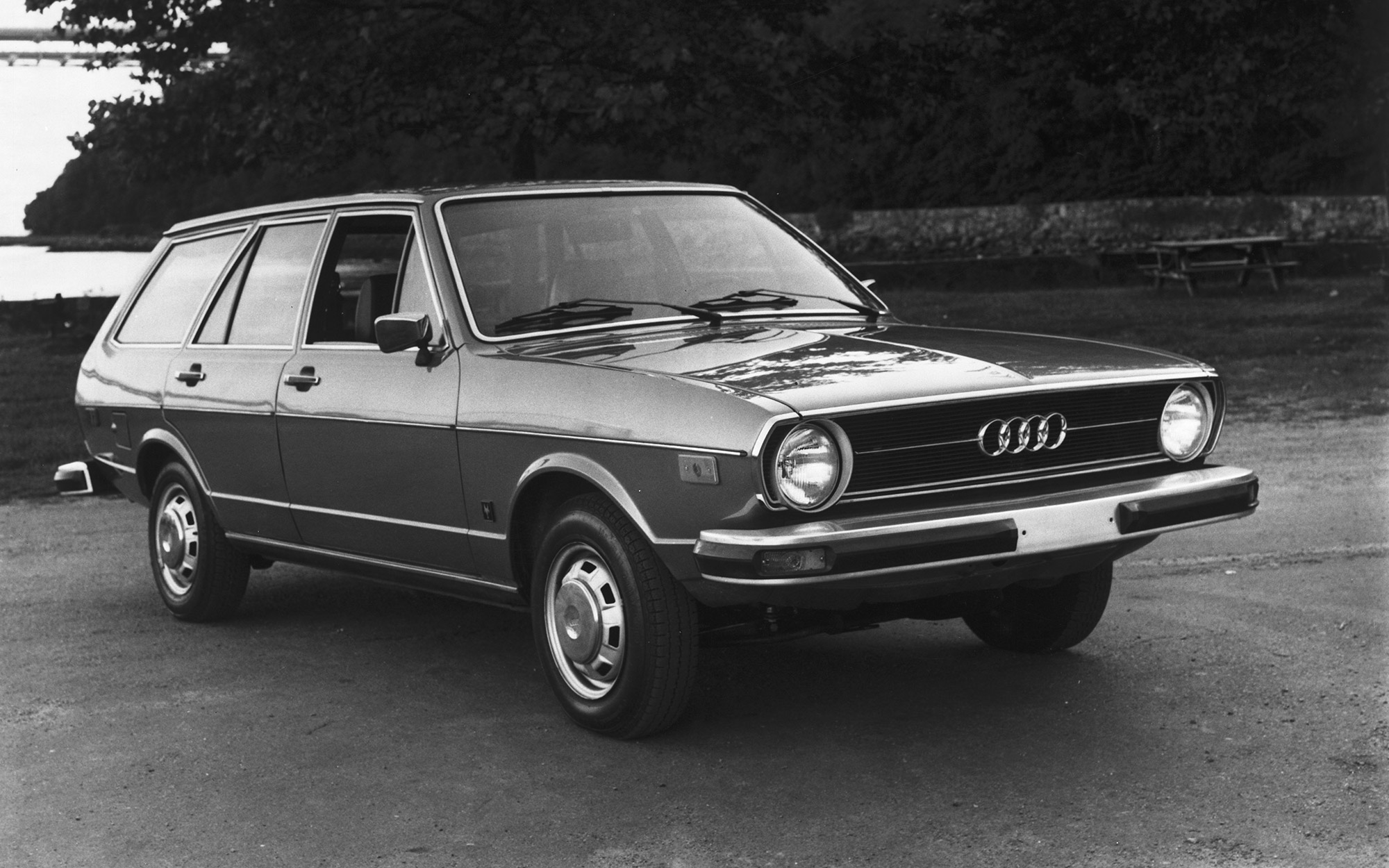
U.S. market Fox variants are most easily identified for their larger U.S.-spec bumpers and amber U.S. side markers doubling as reflectors ahead of the wheel well on the front quarter panels. Fox badging included Fox head icon badges on the front quarter panels behind the front wheel wells and also on the rear of the car.
CHASSIS & SUSPENSION
The Fox Station Wagon utilized the standard B1 chassis architecture. Front suspension consisted of MacPherson struts with lower wishbones, while the rear employed a torsion crank axle with spring dampers. This configuration provided predictable handling characteristics and stable load behavior.
Rack-and-pinion steering incorporated a negative steering roll radius, improving directional stability during braking. The braking system featured diagonally split hydraulic circuits, enhancing safety in the event of partial system failure.
Despite the increased cargo capacity, weight gain over the sedan was kept modest, preserving the Fox’s efficiency and balanced driving dynamics.
ENGINES & POWERTRAIN
U.S.-market Audi Fox Station Wagons were equipped with inline four-cylinder gasoline engines from the EA827 engine family. These engines featured a single overhead camshaft, toothed-belt camshaft drive, and hydraulic tappets requiring no routine valve adjustment.
Engine displacement for U.S. models was typically 1.6 liters, tuned to meet American emissions requirements. Power was delivered to the front wheels through a four-speed manual transmission, which was standard throughout the model’s production.
Fuel efficiency was a central selling point, particularly in the years following the 1973 oil crisis, when American buyers increasingly favored smaller, more economical vehicles.
MARKET RECEPTION & PRODUCTION
Introduced in the United States for the 1975 model year, the Audi Fox Station Wagon occupied a niche position in the American market. It appealed primarily to buyers interested in European engineering, front-wheel drive, and compact dimensions at a time when such attributes were still uncommon among U.S.-market wagons.
Sales volumes were limited, and the Fox Station Wagon remained a relatively rare sight compared to domestic competitors. Production ended after the 1976 model year as Audi prepared to refine its North American lineup and transition away from the Fox nameplate.
LEGACY
The Audi Fox Station Wagon represents an early and experimental chapter in Audi’s U.S. product strategy. It introduced American buyers to Audi’s approach to compact wagon design, front-wheel-drive packaging, and efficiency-focused engineering.
Although short-lived and produced in small numbers, the Fox Station Wagon helped lay the groundwork for later Audi wagons in the United States, including the Audi 4000 Avant. Today, surviving examples are rare and primarily of interest to enthusiasts and collectors focused on Audi’s formative years in the American market.
PHOTO GALLERY