

/ Eras / Audi Postwar Era/ Audi 100 / 100 (C1) / Audi 100 Coupé S (C1)
What: 100 Coupé S
Model Family: 100
Market / Zone: EU
Production Location: Ingolstadt, West Germany
Debut: 1969 Frankfurt IAA
Year: 1970, 1971, 1972, 1973
Number Produced: 30,687 total F105 production (source: Wikipedia)
Model / Generation Code(s): F105
Chassis / Matrix: C1
Engine(s): 1.9L inline-four
Transmission(s): 4-speed manual, optional 3-speed automatic
Designer: Ruprecht Neuner (source: Wikipedia), Hartmut Warkuss
Predecessor:
Successor: Audi 100 Coupé S C1.5 (facelift)
TECHNICAL DETAILS
Engine Type: Inline 4-cylinder, carbureted
Displacement: 1,871 cc
Power Output: 115 PS (early), later 112 hp (post-1972 revision)
Top Speed: approx. 185 km/h
0–100 km/h: under 10 seconds
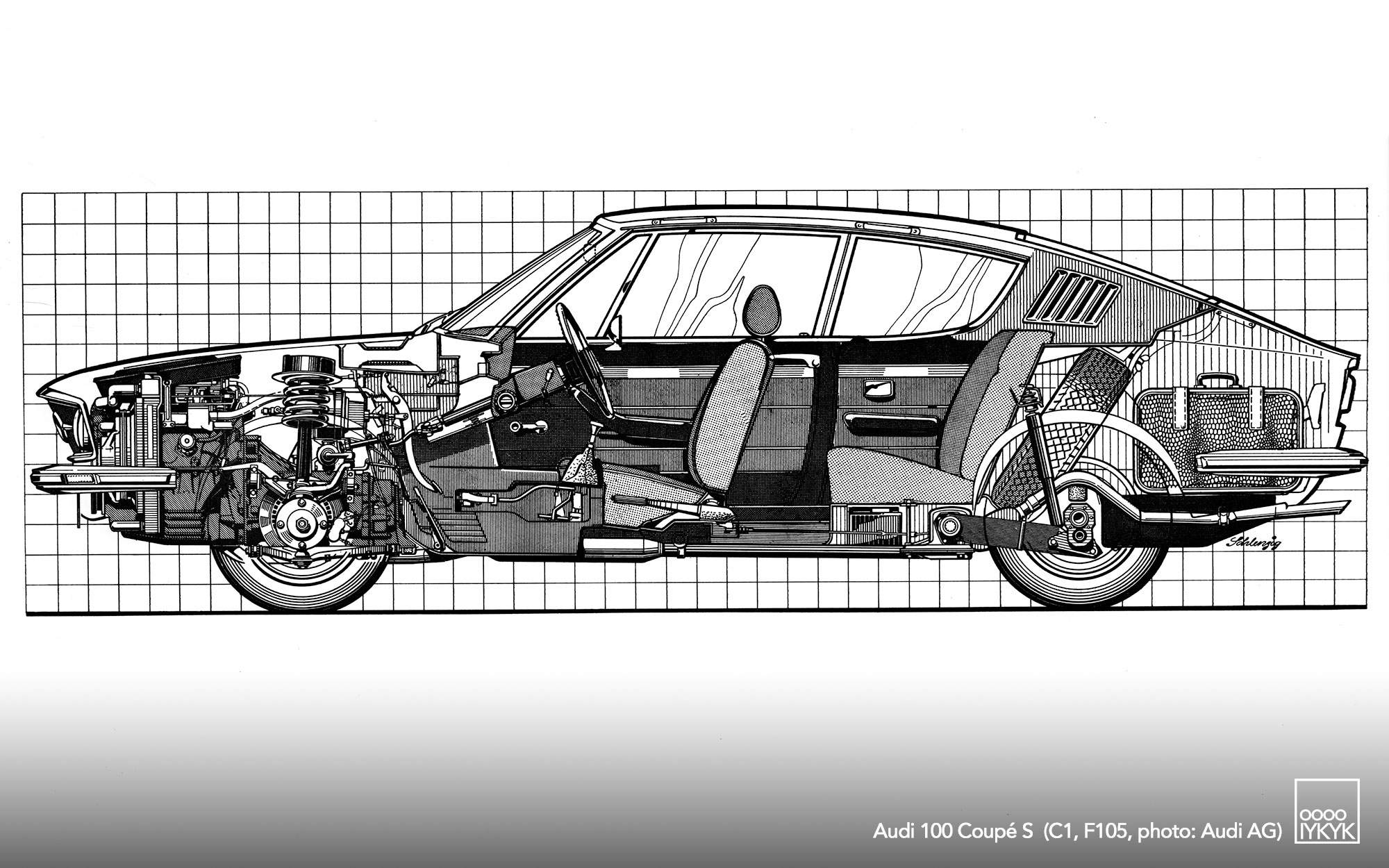
Drivetrain: Front-wheel drive
Transmission: 4-speed manual / optional 3-speed automatic
Wheelbase: 2,560 mm
Length: 4,398 mm
Width: 1,750 mm
Height: approx. 1,326 mm (laden)
Track Width: 1,440 mm (front/rear)
Tires: 185/70 HR 14
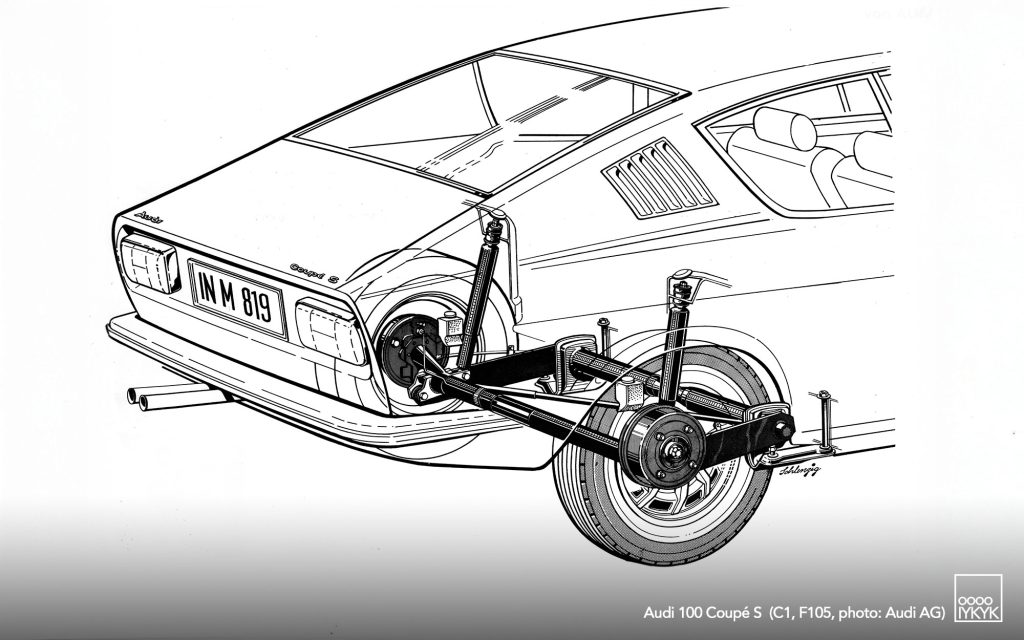
Brakes: Inboard front discs, rear drums
Seating: 4
MARKET VARIANTS
The Audi 100 Coupé S was primarily developed for the European market, though limited exports extended its reach.
Europe (Primary Market 🇪🇺)
The core market for the Coupé S, featuring full trim availability, complete color palette and both transmission options. Most surviving examples originate from Germany, Switzerland, and surrounding Western European markets.
United Kingdom 🇬🇧
Right-hand-drive variants were produced in limited numbers. Equipment levels were broadly similar, though trim combinations and lighting specifications followed local regulations.
North America 🇺🇸 (Limited / Grey Market)
The Coupé S was not officially sold in the United States. A small number of cars arrived via private import, making U.S.-based examples especially rare.
Other Export Markets
Select markets including Scandinavia and Australia received small numbers of vehicles, typically aligned with European specifications but adapted for local compliance.
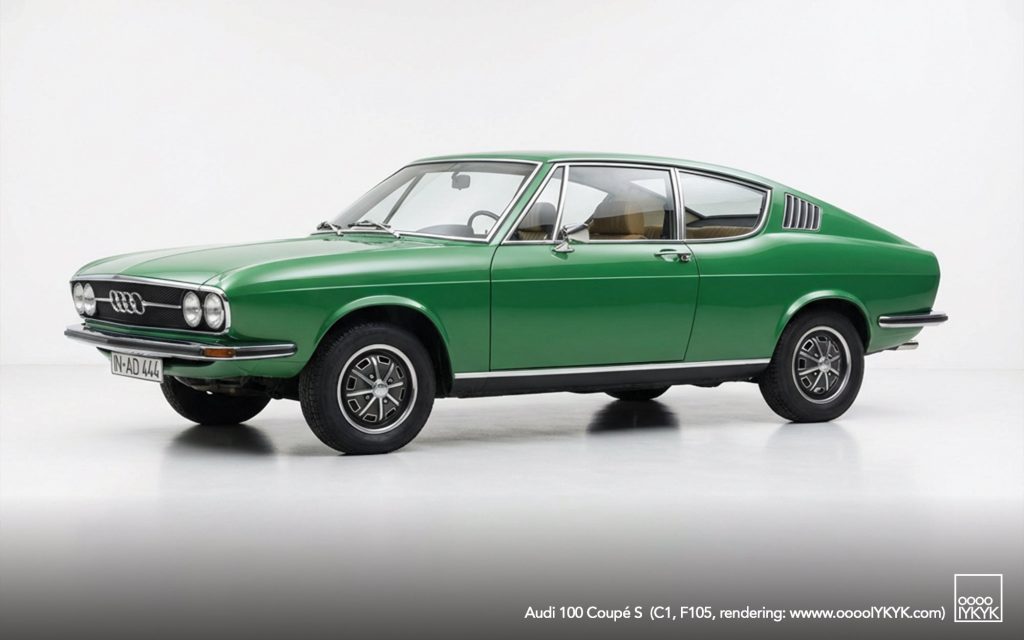
COLOR & TRIM MATRIX (PERIOD CORRECT)
Based on 1970–1972 catalogue materials, the Coupé S offered a distinctly period palette emphasizing both conservative and expressive tones.
Exterior Colors (Typical Early Range)
- Alaska White
- Polar White
- Bahia Red
- Malaga Red
- Rallye Yellow
- Emerald Green
- Olive Green
- Adriatic Blue
- Pacific Blue
- Silver Metallic
- Beige / Sand tones
Interior Trim Options
- Black vinyl
- Brown vinyl
- Beige vinyl
- Cloth (corduroy-style inserts in select markets)
Interior Details
- Wood trim accents on dashboard and console
- Black or color-matched dashboard surfaces
- Chrome interior detailing
Color combinations were typically conservative but could be specified with contrasting interiors, especially in higher-end markets.
OPTION PACKAGES & FEATURES
The Coupé S was offered with a modest but well-considered list of options focused on comfort and usability.
Factory Options
- Steel sliding sunroof
- 3-speed automatic transmission
- Heated rear window
- Front and rear headrests (market dependent)
- Radio (various Blaupunkt and period-correct units)
- Rear window wiper (select markets)
Standard Equipment Highlights
- Tachometer (equal prominence to speedometer)
- Center console with auxiliary gauges (clock, ammeter)
- Reclining front seats with integrated headrests
- Full carpeting and interior trim
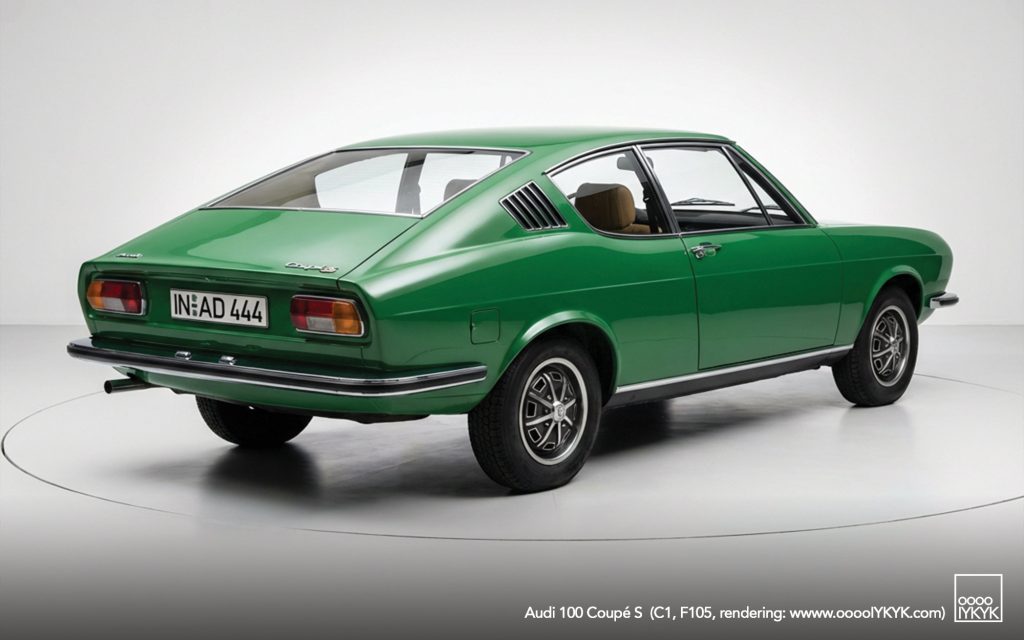
- Ventilated rear side window design
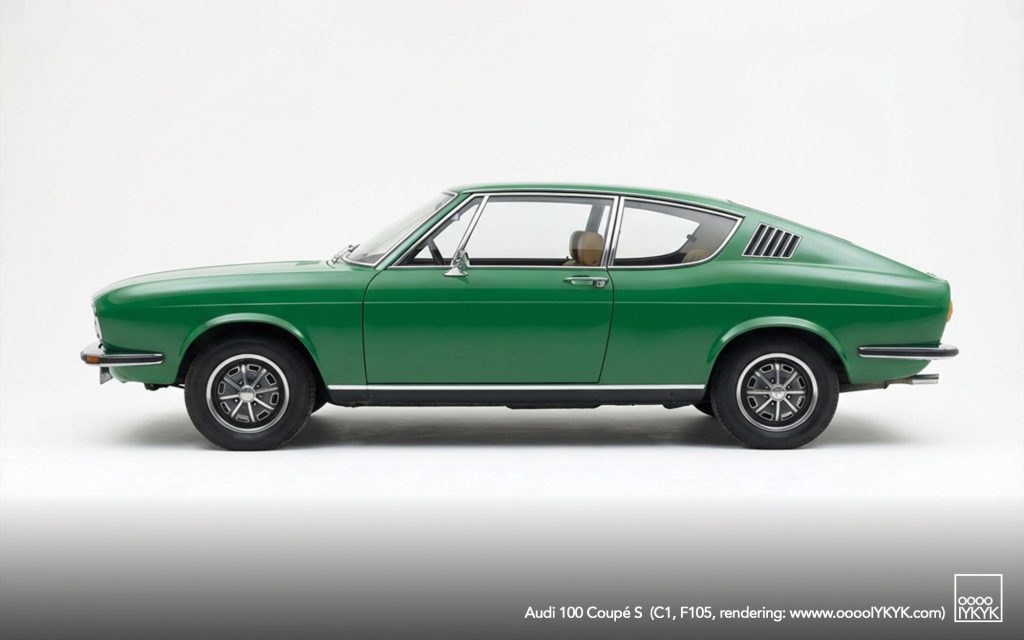
MODEL OVERVIEW
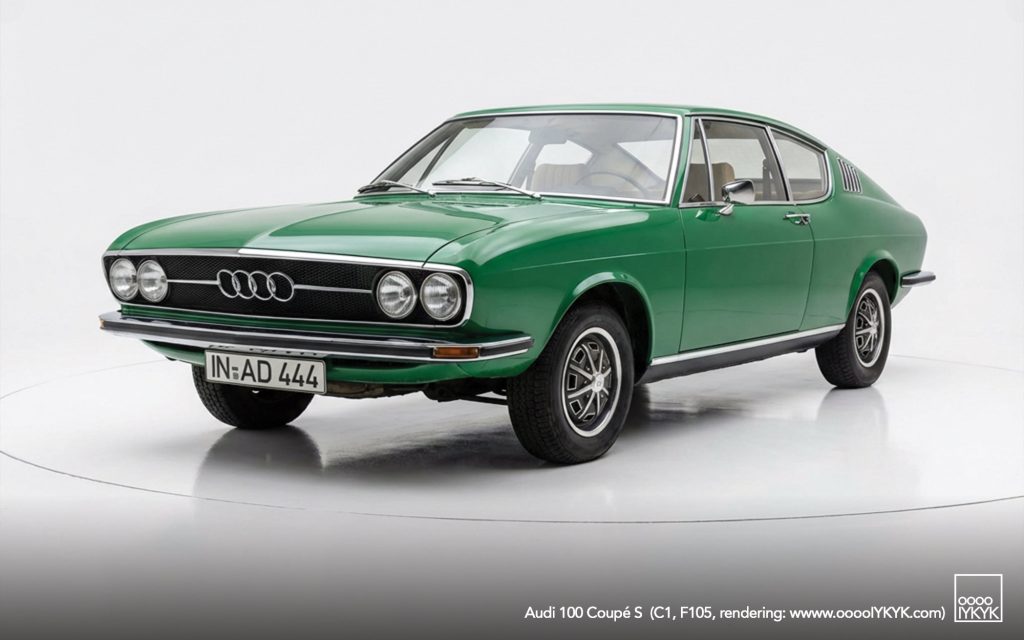
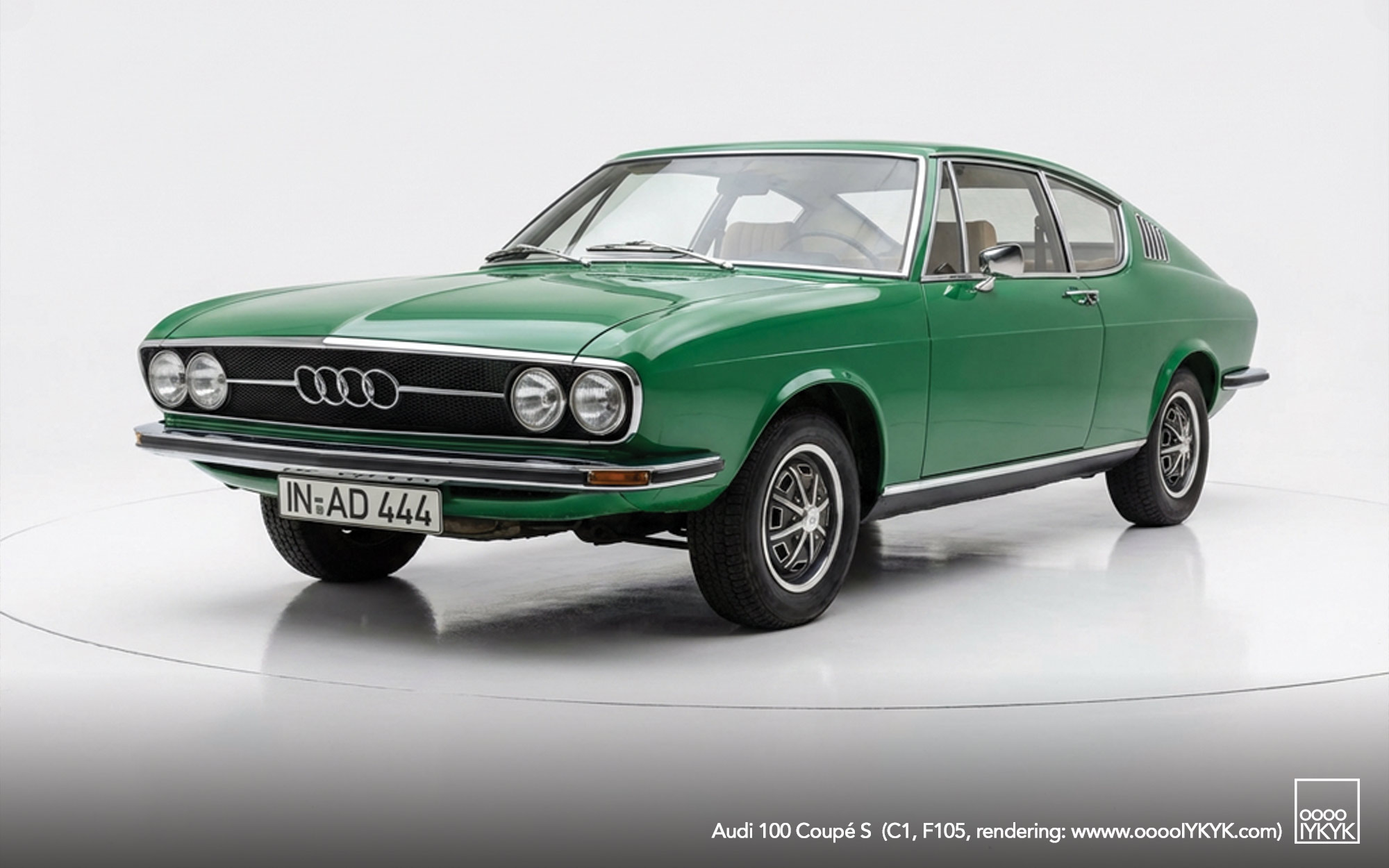
The Audi 100 Coupé S marked a turning point for Audi—less about survival, more about establishing a new identity. First shown at the 1969 Frankfurt Motor Show and entering production the following year, the Coupé S transformed the rational Audi 100 sedan into something far more expressive.
At a time when Audi NSU Auto Union was still stabilizing financially, the Coupé S served as a statement piece. The underlying Audi 100 had already secured the brand’s future within Volkswagen, but this car helped define what Audi could become.
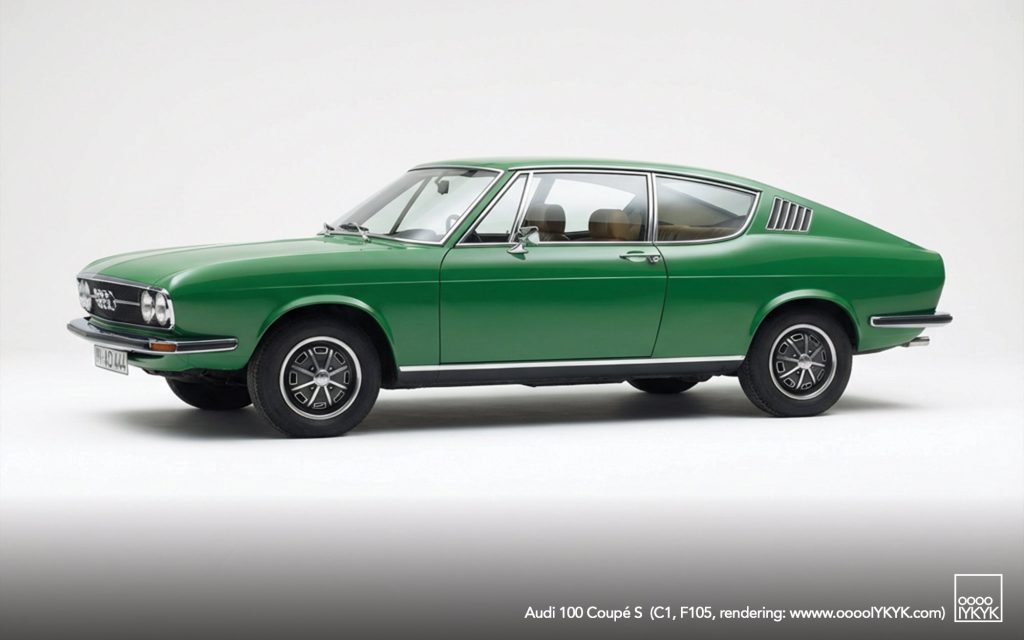
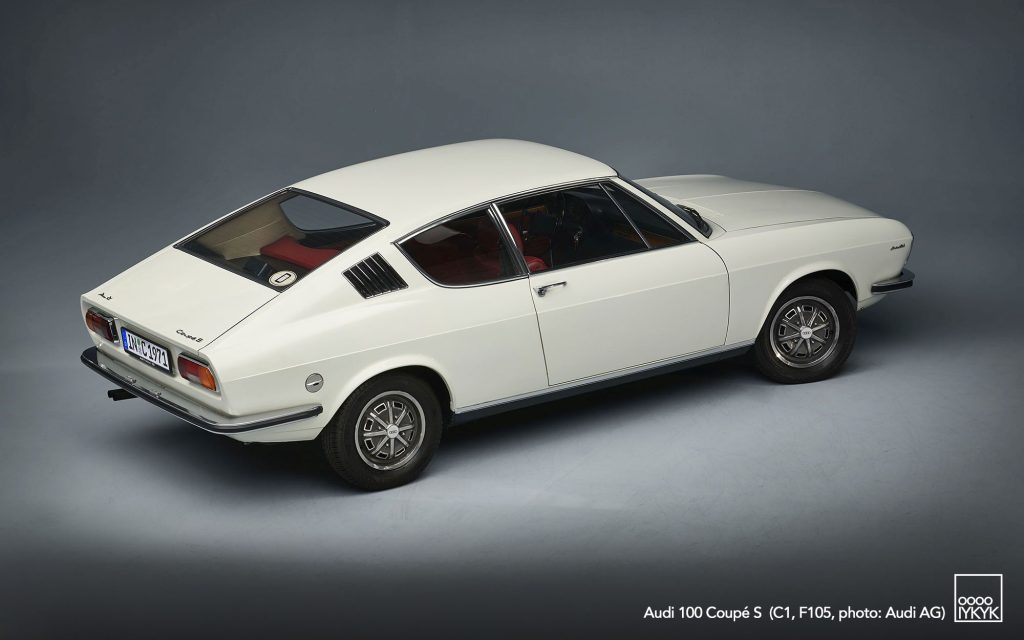
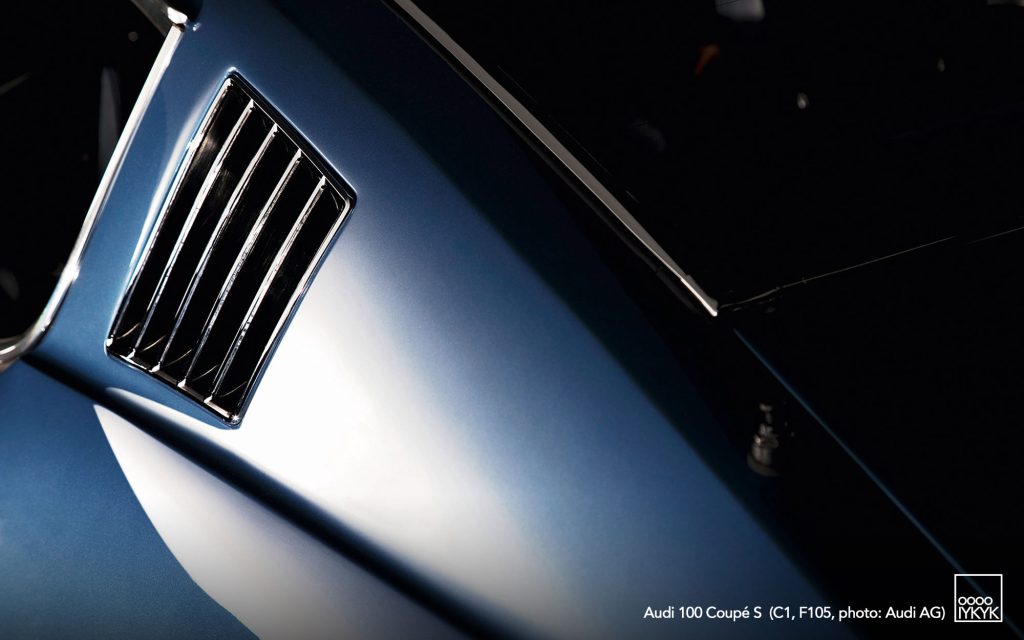
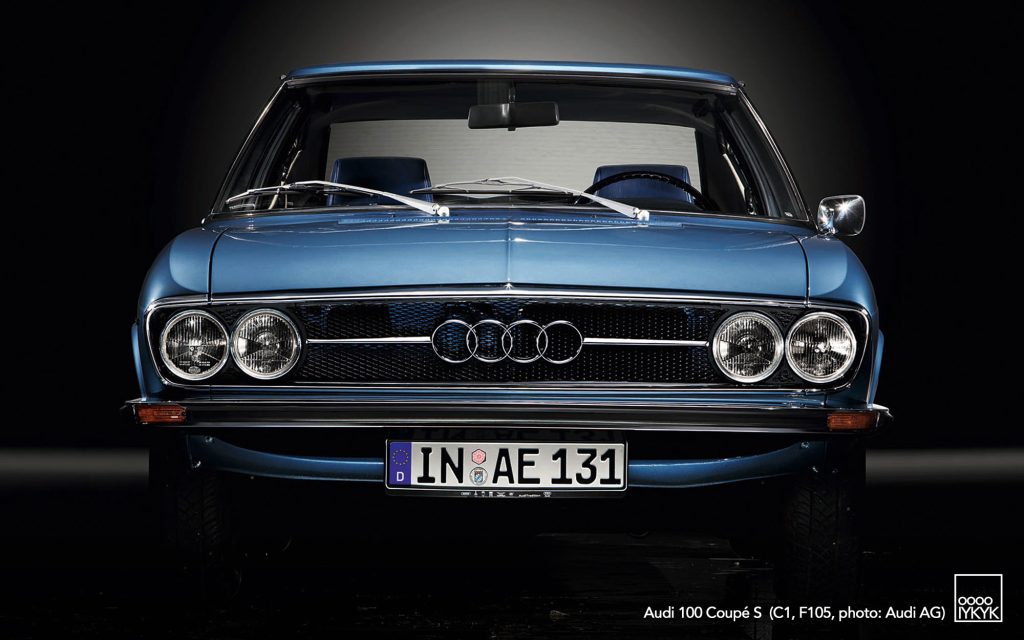
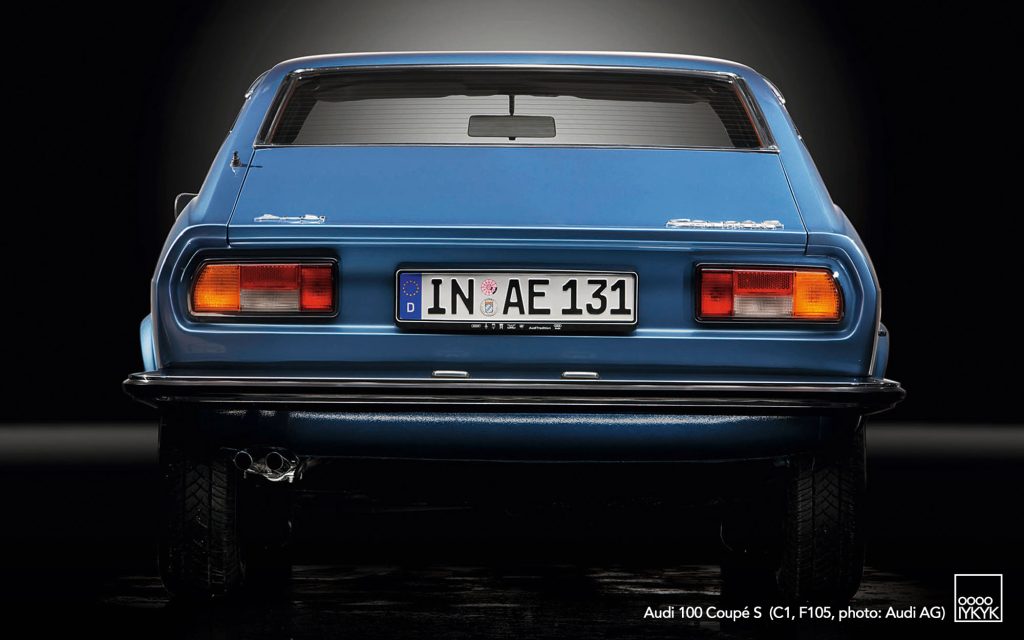
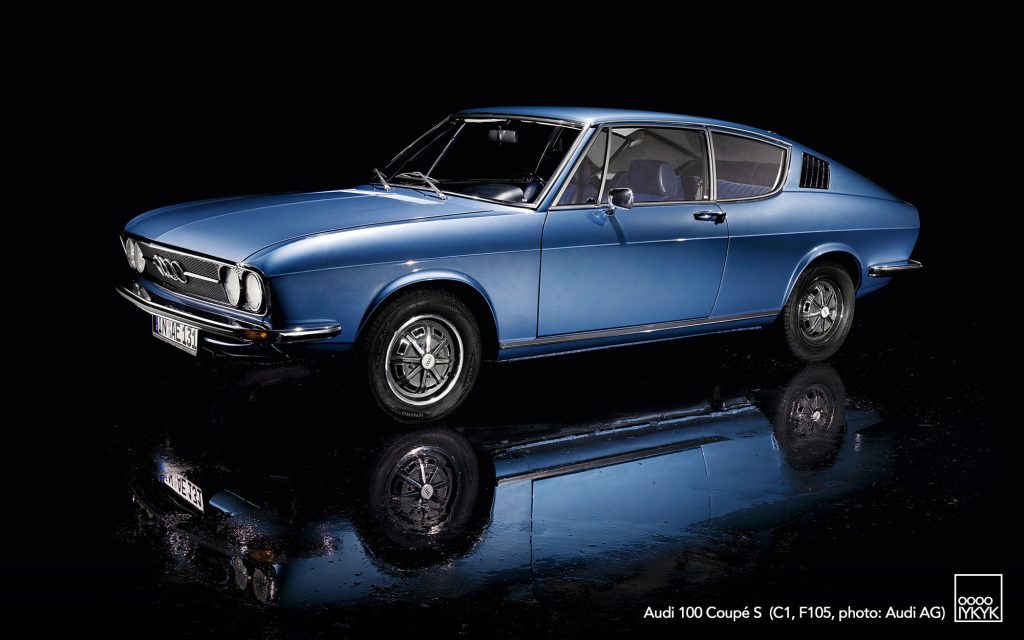
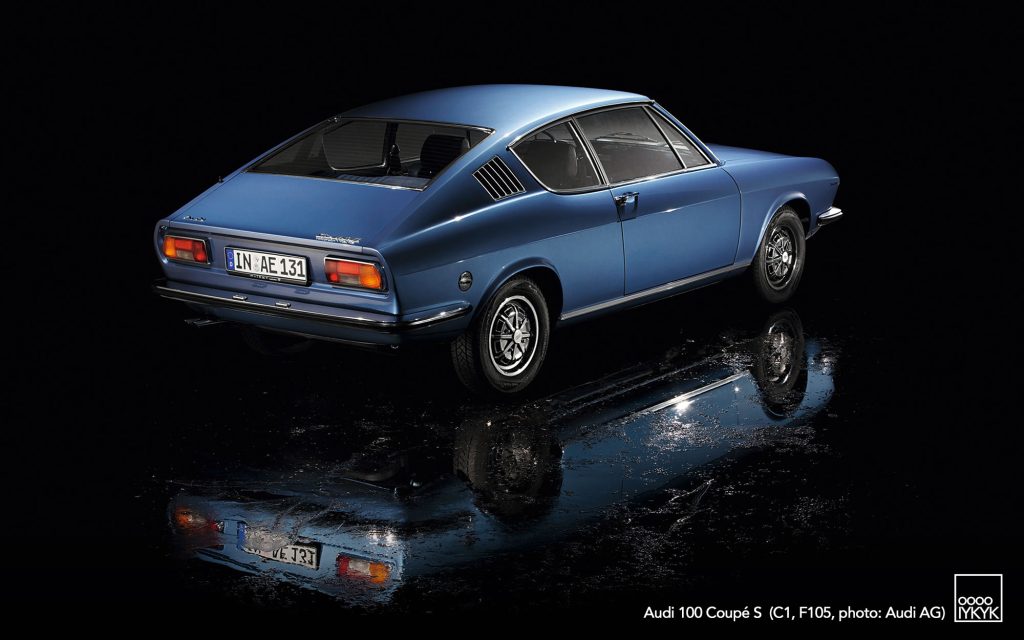
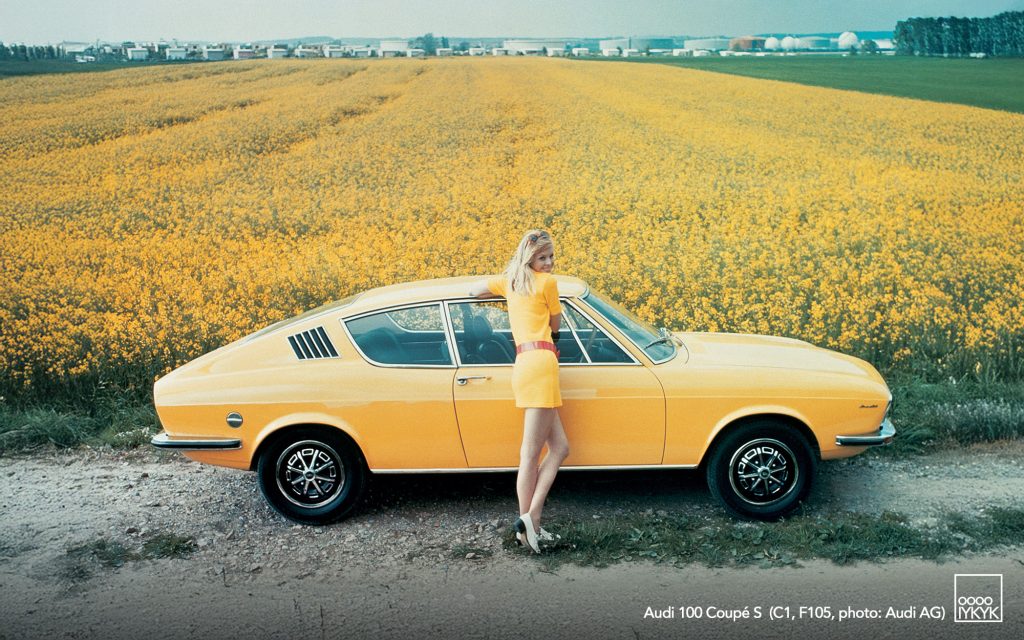
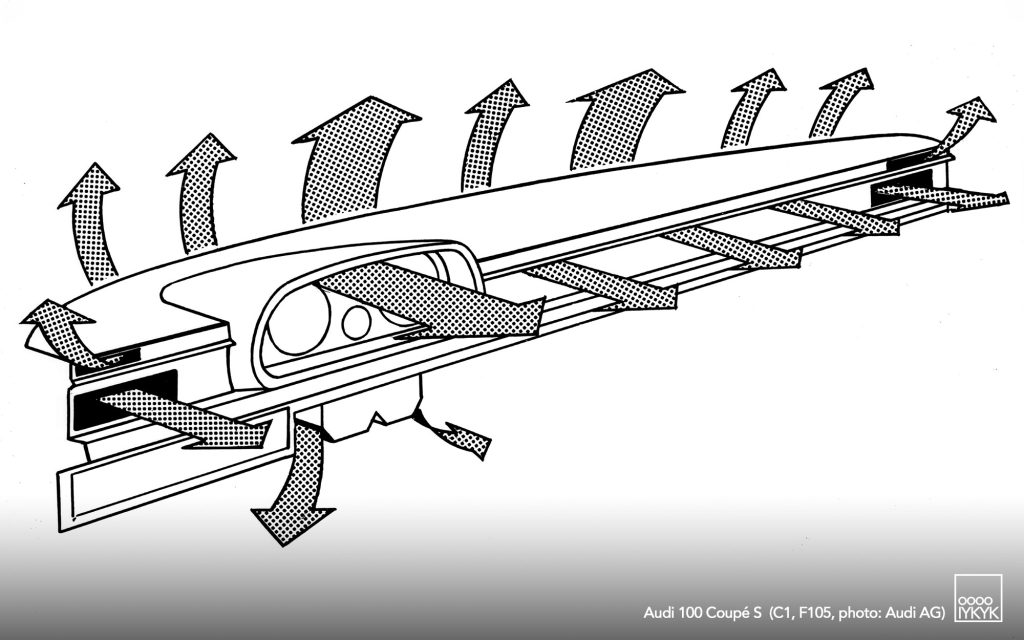
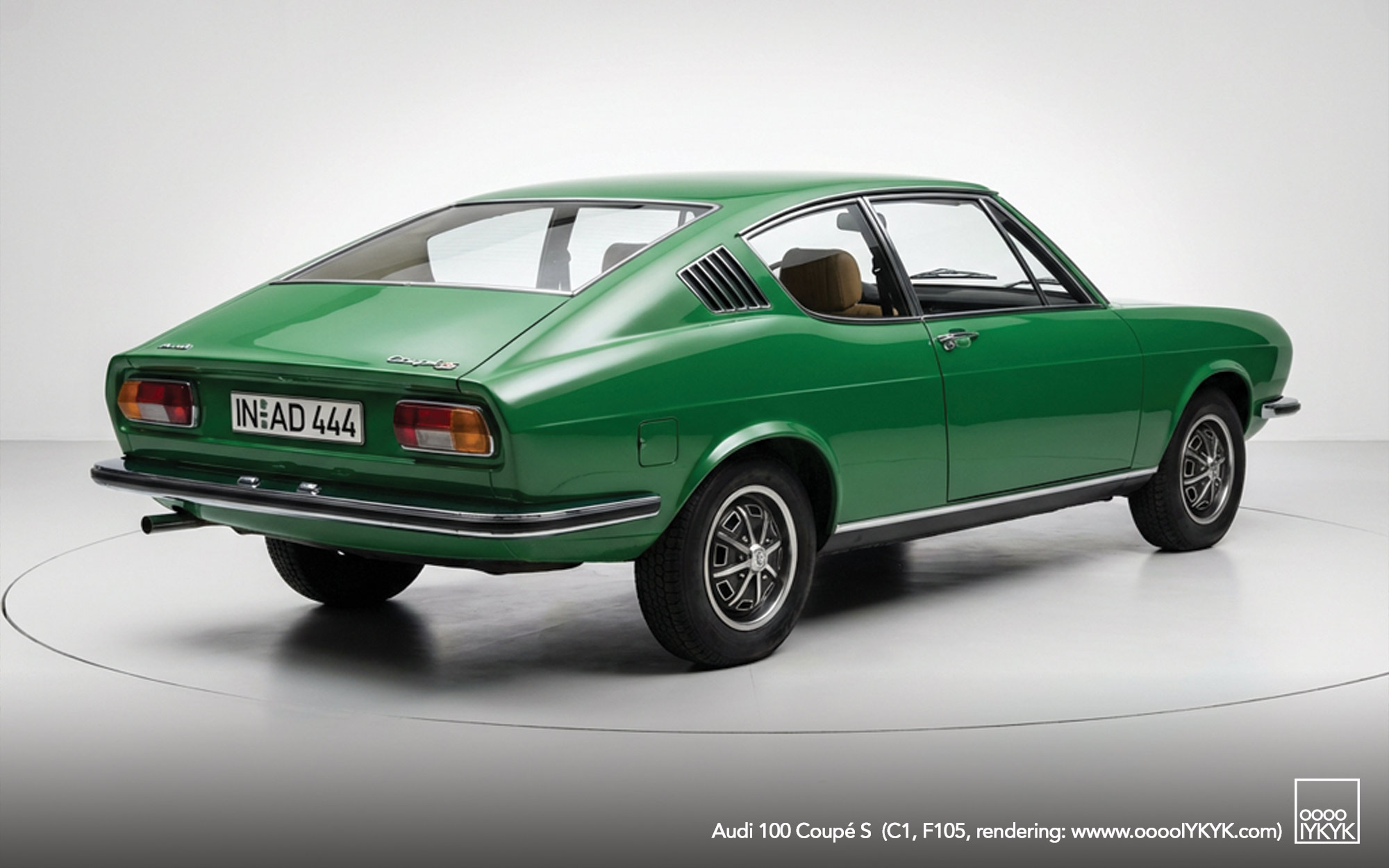
Design was central to that shift. While the front structure carried over from the sedan, everything above the beltline was reimagined. A long hood, slim pillars and a sweeping fastback rear gave the car proportions that leaned heavily into contemporary Italian influence. Four round headlamps and subtle brightwork reinforced its European GT character, while functional C-pillar vents added both visual interest and interior airflow.
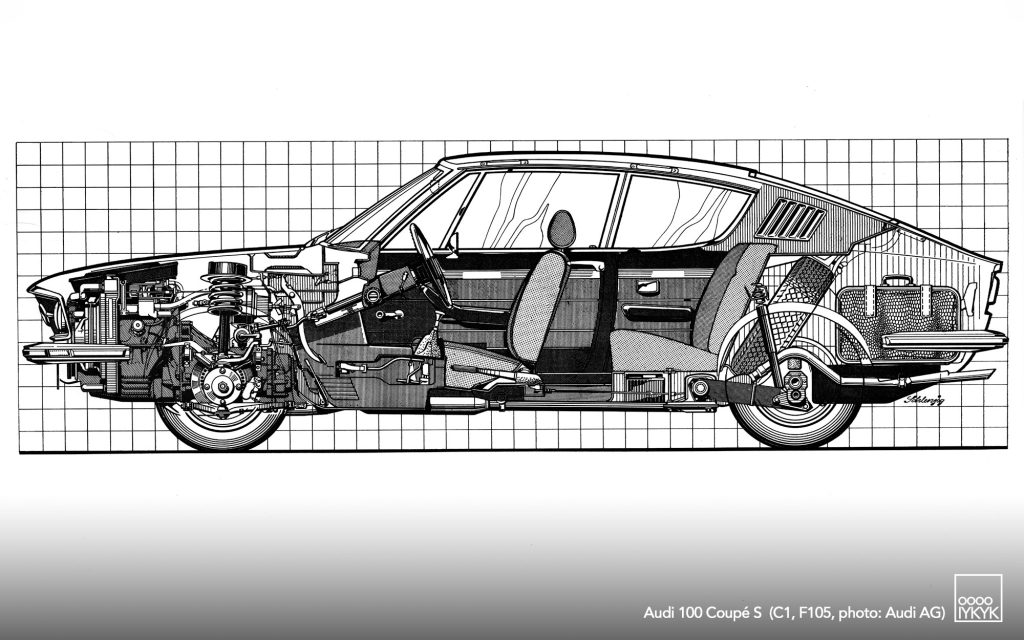
Despite its sleek profile, the Coupé S was engineered as a true four-seater. Audi positioned it as a grand tourer rather than a sports car, emphasizing comfort, usability and long-distance capability. Inside, that translated to supportive front seats with integrated headrests, a driver-focused instrument cluster with a full tachometer and a center console housing auxiliary gauges and controls. Materials and finishes reflected the era, blending sport with understated luxury.
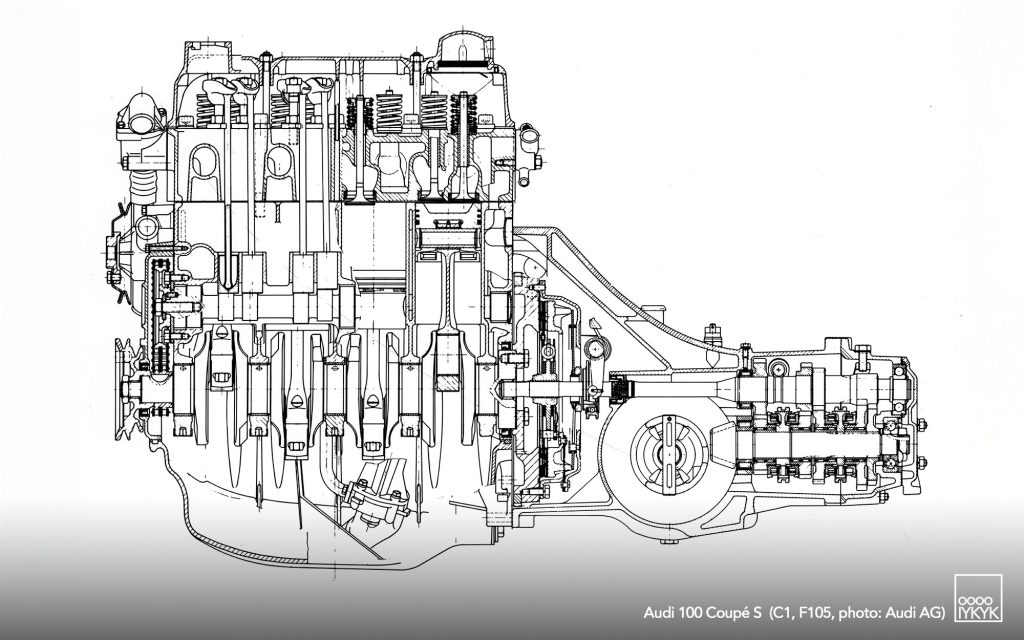
Power came from a 1.9-liter inline-four producing 115 PS in early form. Performance was strong for the segment, with a top speed approaching 185 km/h and sub-10-second acceleration to 100 km/h. Later revisions saw output adjusted to 112 hp following a change in carburetion, though the car’s overall character remained unchanged.
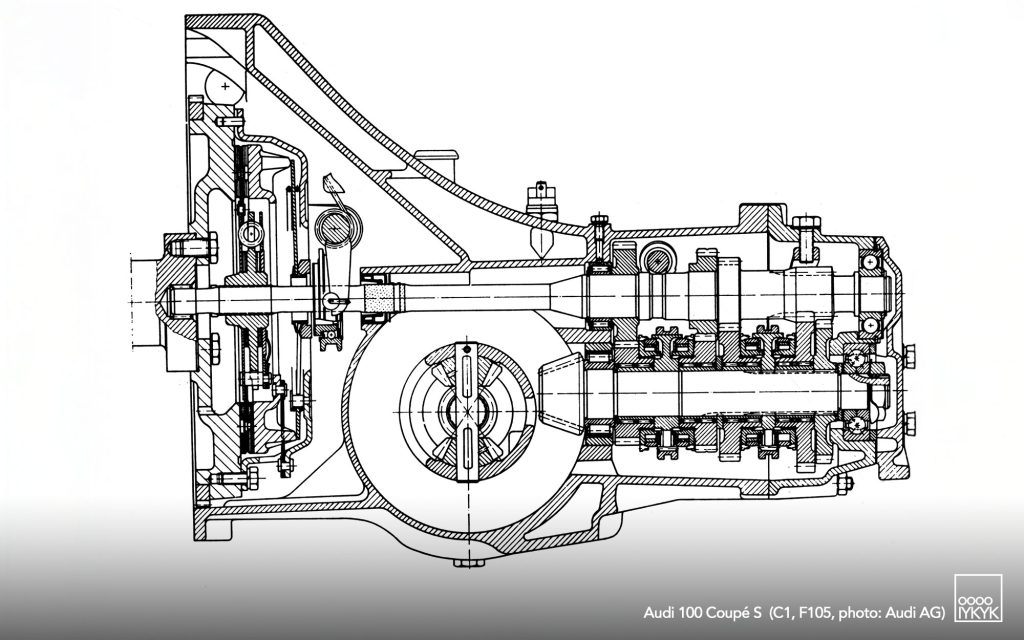
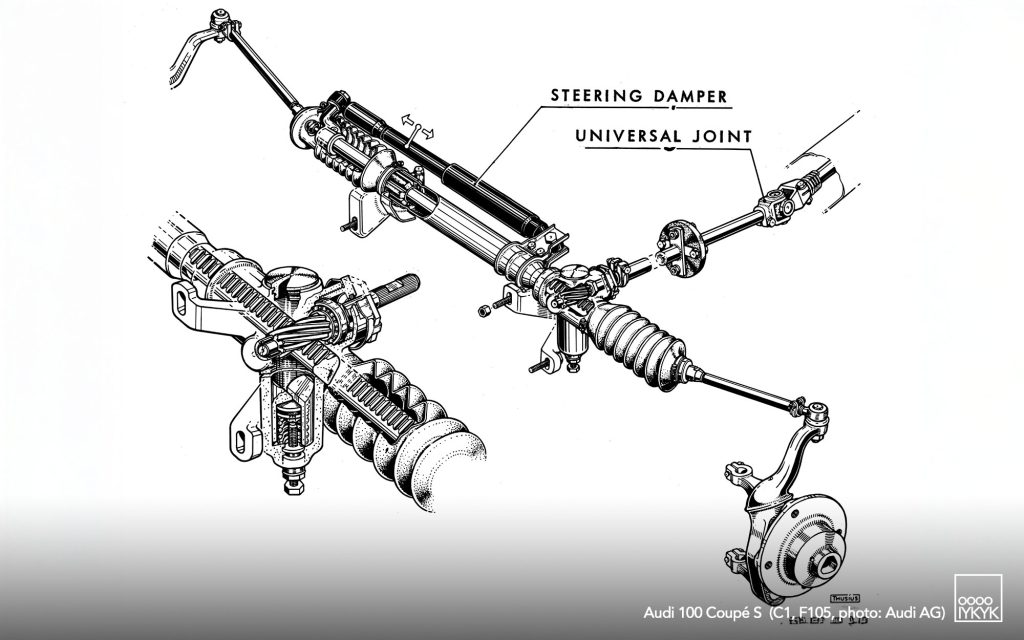
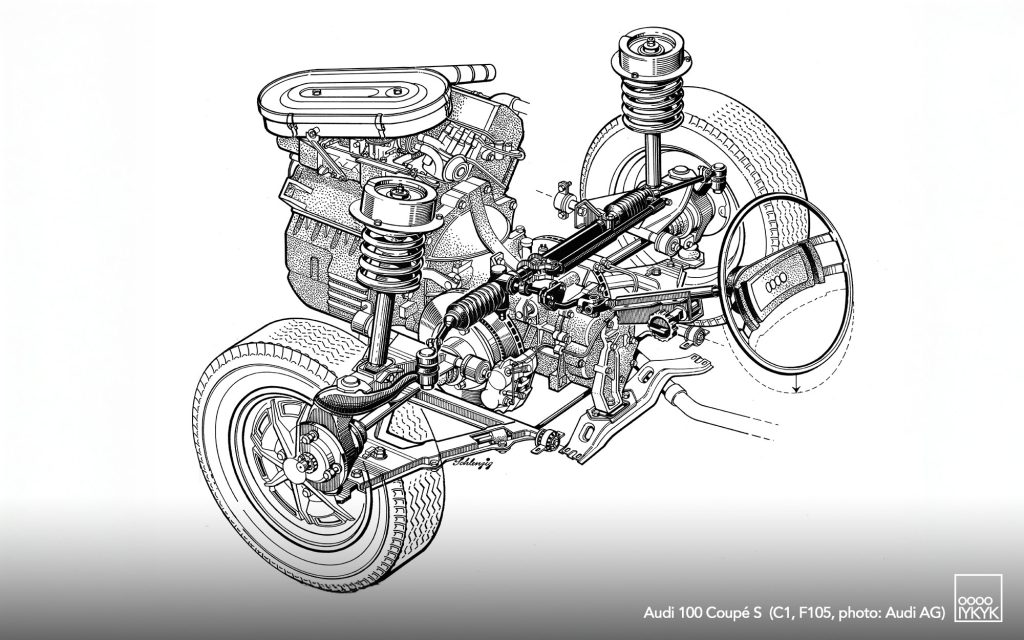
Underneath, the Coupé S retained the Audi 100’s front-wheel-drive layout, tuned for stability and predictability rather than aggression. One of its more distinctive engineering features was the use of inboard front disc brakes mounted near the transmission, reducing unsprung weight and improving durability in adverse conditions.
In C1 form, the Coupé S represents the purest expression of the original design—prior to the mid-cycle updates that would follow. It stands as one of the earliest examples of Audi pairing engineering credibility with emotional design, laying the groundwork for future coupes that would define the brand.
PHOTO GALLERY