

MODEL DETAILS
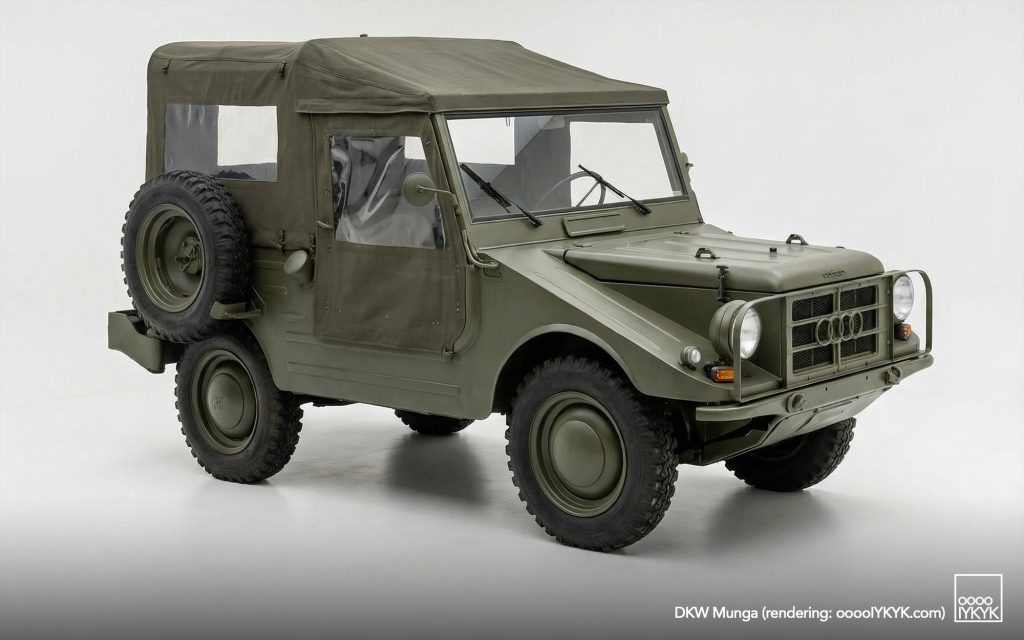
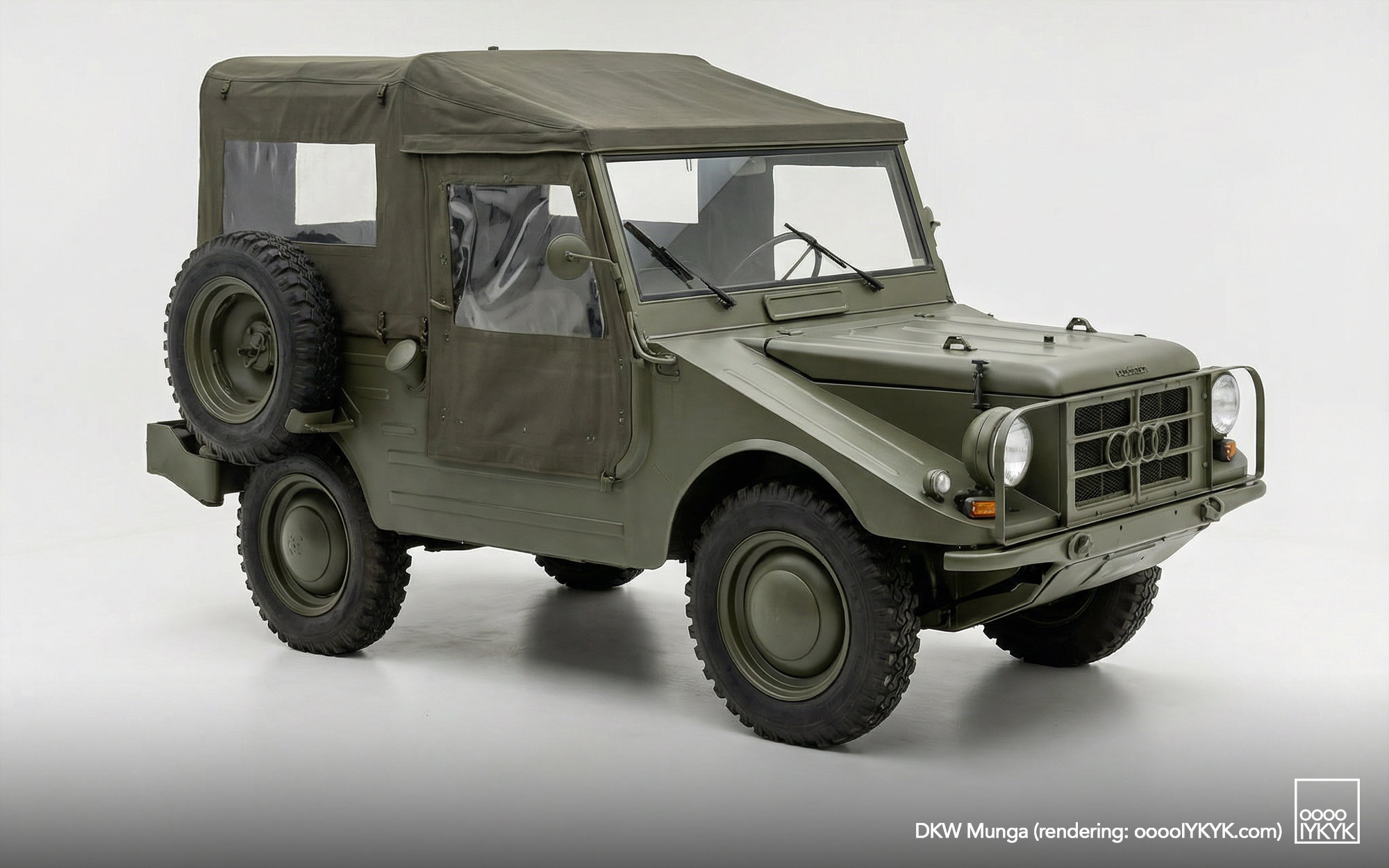
What: DKW Munga
Brand / Era: DKW Postwar
Model Family:
Market / Zone: Germany
Debuted: 1931 IAA, Berlin, Germany
Factory: Ingolstadt, Germany
Year: 1956, 1957, 1958, 1959, 1960, 1961, 1962
Number Produced: 46,750
Model / Generation Code(s): F 91/4
Chassis / Matrix:
Engine: 3-cylinder, 2-stroke
Displacement: 896 cc
Fuel Delivery:
Fuel Type(s):
Horsepower: 27 kW (36 hp) 896cc / 33 kW (44 hp) 900cc
Peak Torque:
Transmission: 3-speed manual standard, 4-speed optional, plus permanent 4WD with a dashboard-controlled reduction gear for ultra-low crawling)
Top Speed:
Predecessor:
Successor: Volkswagen Iltis
SUMMARY
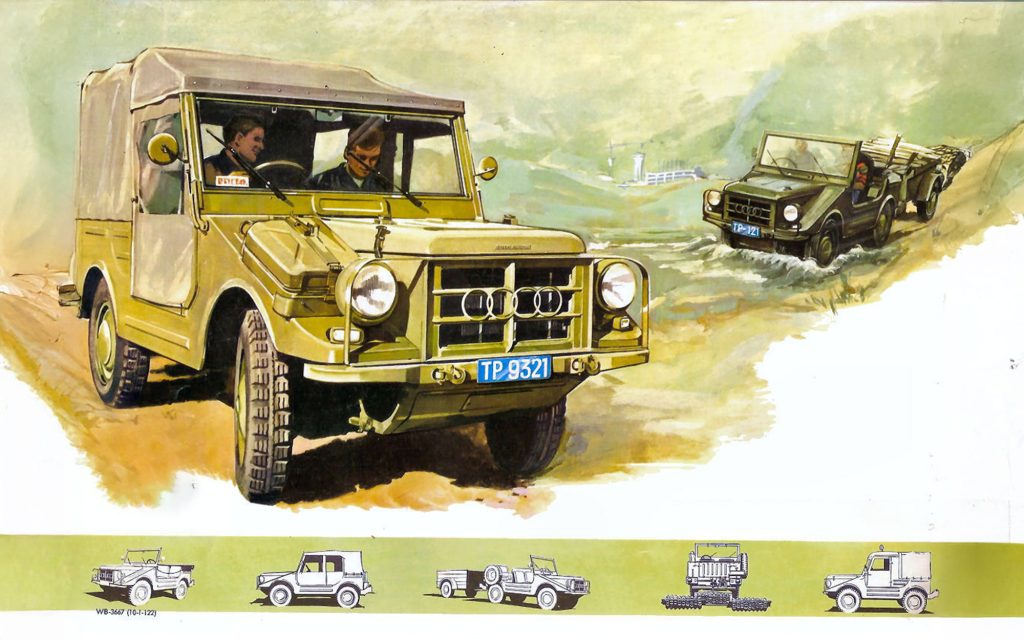
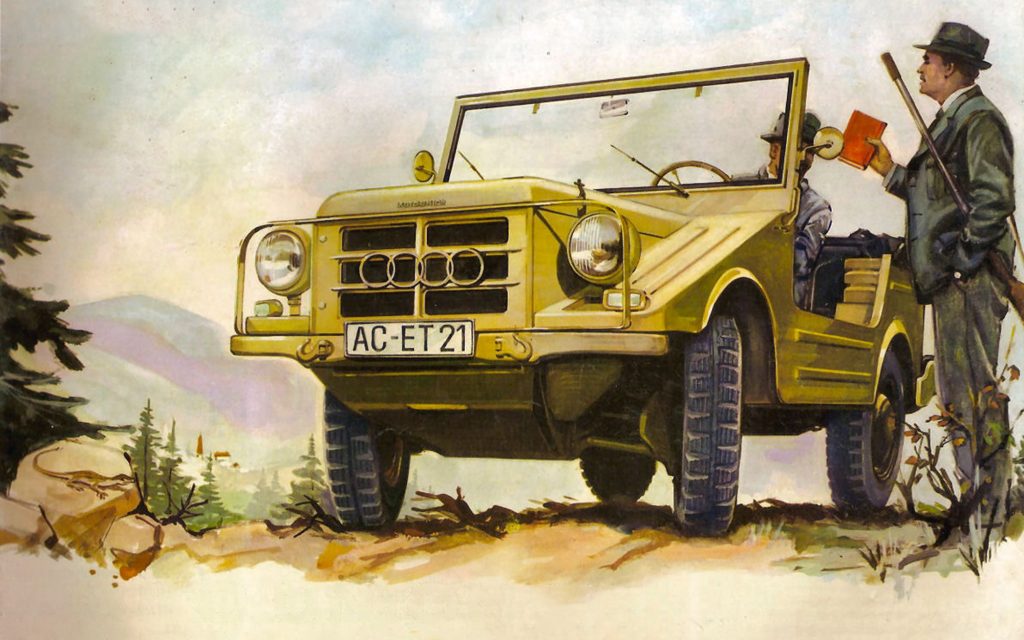
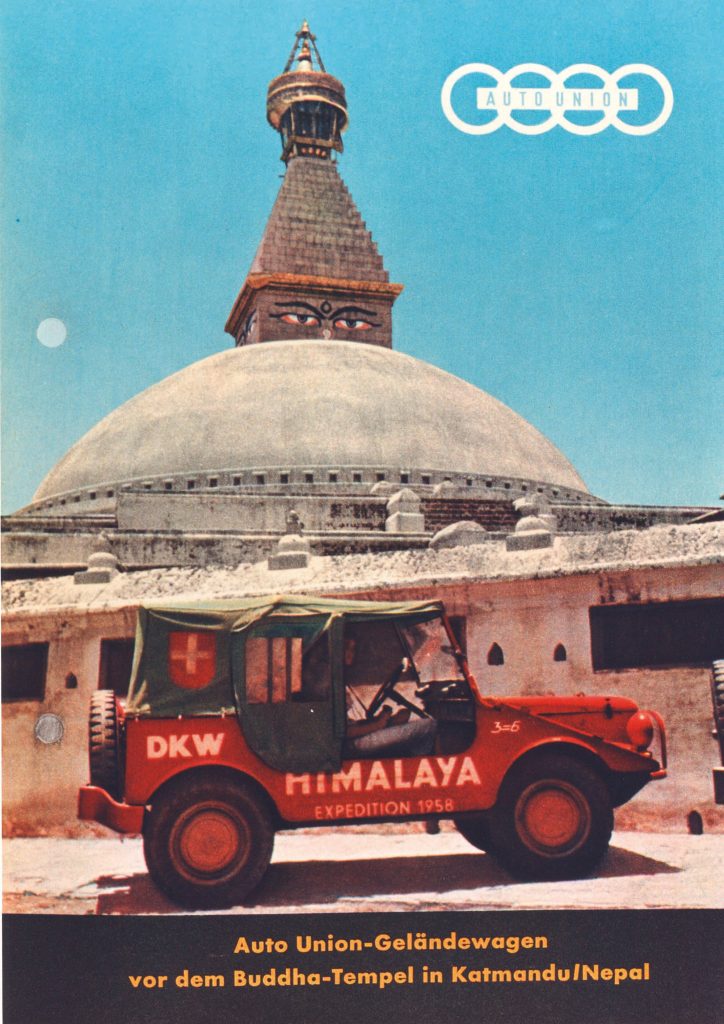
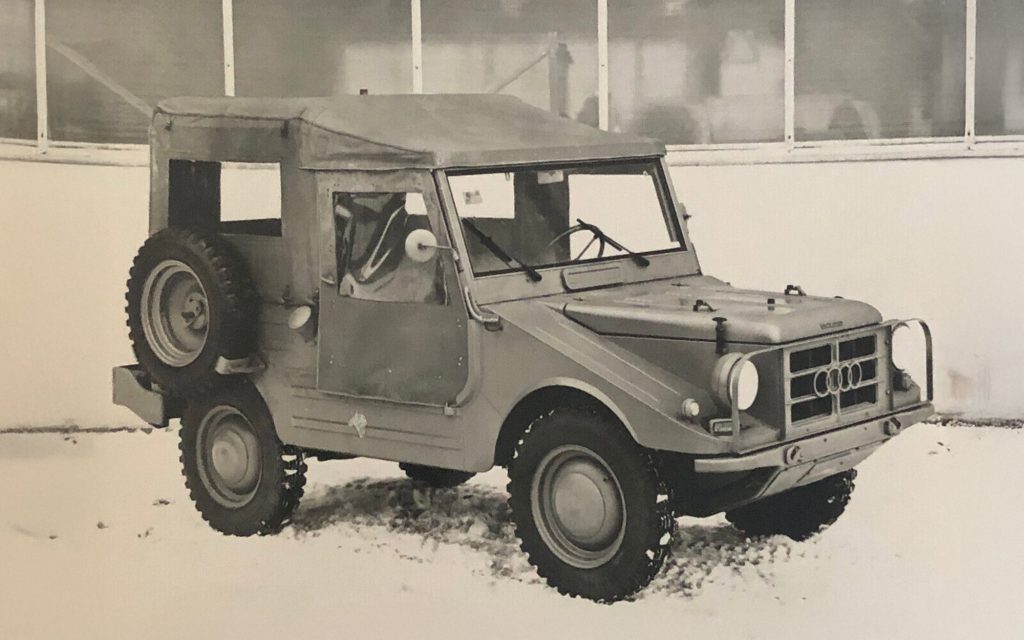
The DKW Munga is a four-wheel-drive off-road vehicle produced by Auto Union GmbH in Ingolstadt, West Germany, from 1956 to 1968. Developed initially to meet German government inquiries about vehicles for the Border Police and the newly established Bundeswehr, the Munga evolved from DKW’s two-stroke engineering tradition and became one of the most widely used light off-road vehicles in postwar West Germany. A total of 46,750 units were built.
The name Munga is an acronym for Mehrzweck Universal Geländewagen mit Allradantrieb (multi-purpose universal off-road car with all-wheel drive). It also evokes the German word Mungo (mongoose), and predates other animal-named German military 4x4s, such as the later Volkswagen Iltis.
BACKGROUND & EARLY DEVELOPMENT
In 1953, German authorities circulated confidential requirements for potential off-road vehicles for the Bundesgrenzschutz (Border Police) and the armed forces that would later become the Bundeswehr (founded on 12 November 1955). Auto Union responded with a design derived from its DKW 3=6 passenger car mechanicals and the DKW Schnellaster van, adapting the company’s two-stroke powertrain and lightweight construction experience to create a rugged military platform.
Between 1953 and 1956, Auto Union developed a prototype known as the DKW F 91/4, the designation indicating a four-wheel-drive variant of the DKW F 91. Built at the Ingolstadt plant, the vehicle was submitted to competitive trials and won the government tender over competing “Jagdwagen” (hunter’s car) concepts, including the Goliath Typ 31 and Porsche 597.
Production of the F 91/4 began in October 1956, and the model was formally introduced into Bundeswehr service as the standard 0.25-ton off-road vehicle. In 1962, Auto Union officially adopted the designation Munga for the entire line.
MILITARY & CIVILIAN ADOPTION
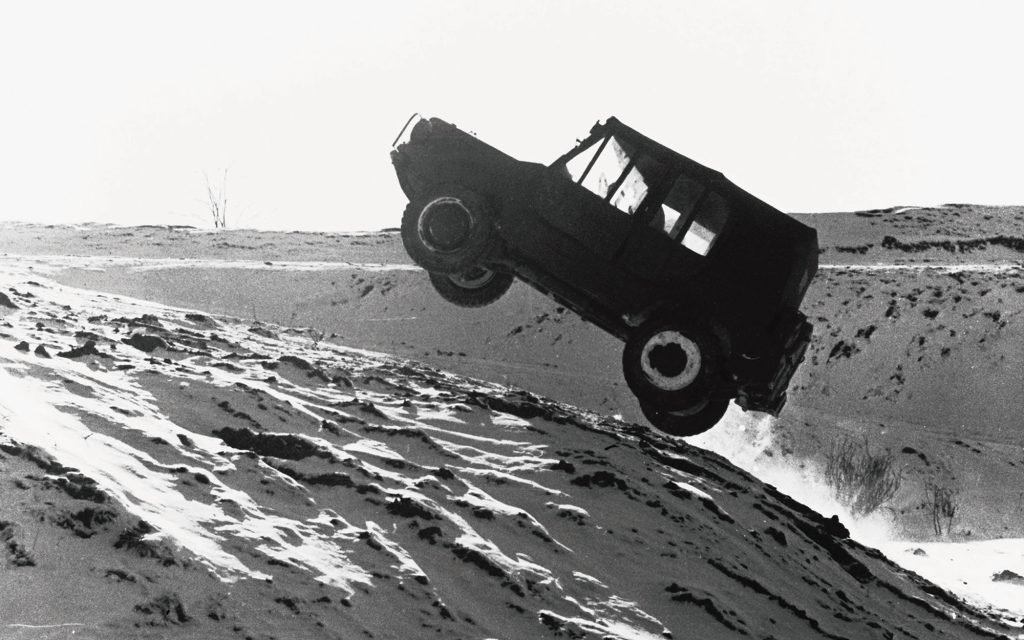
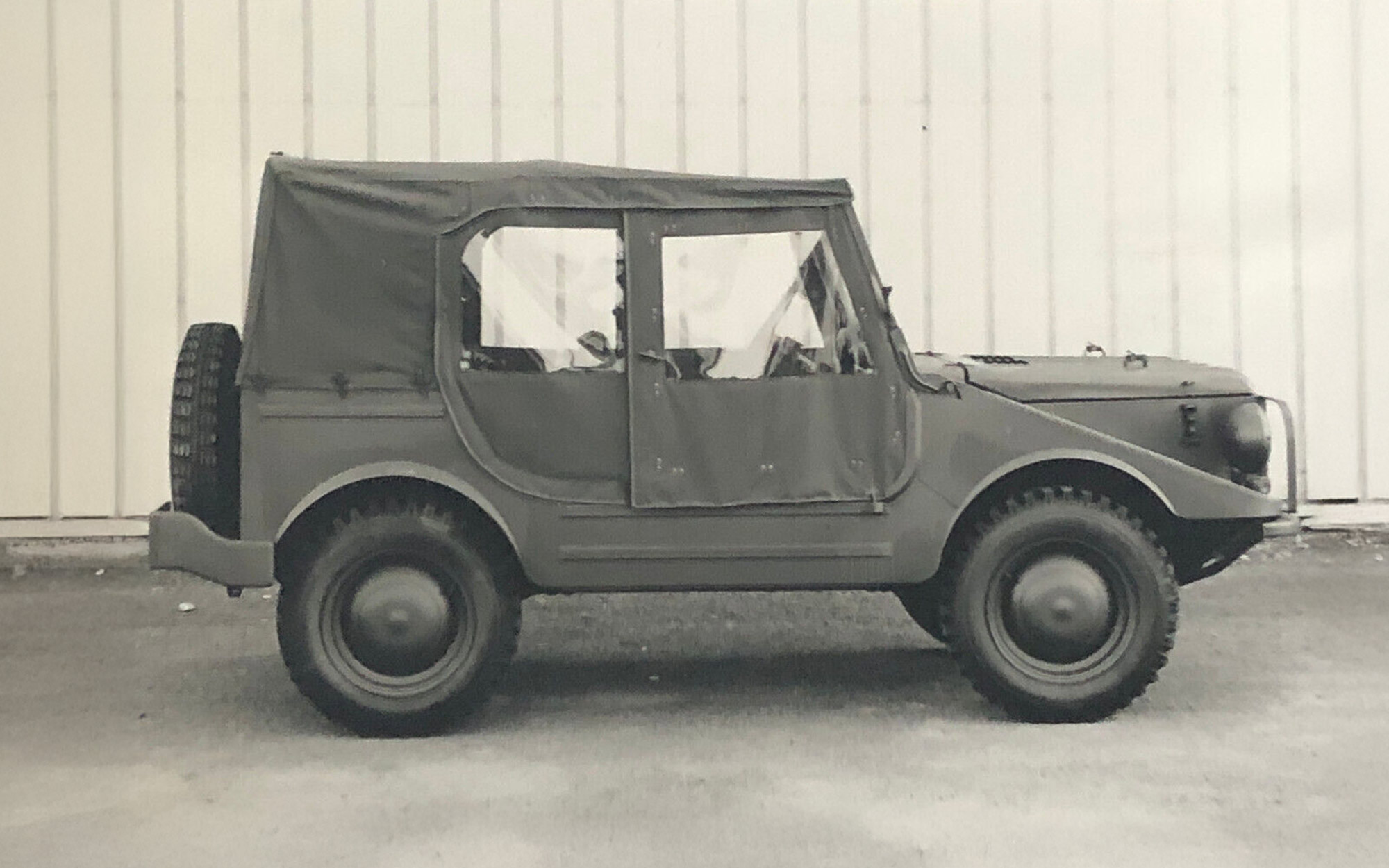
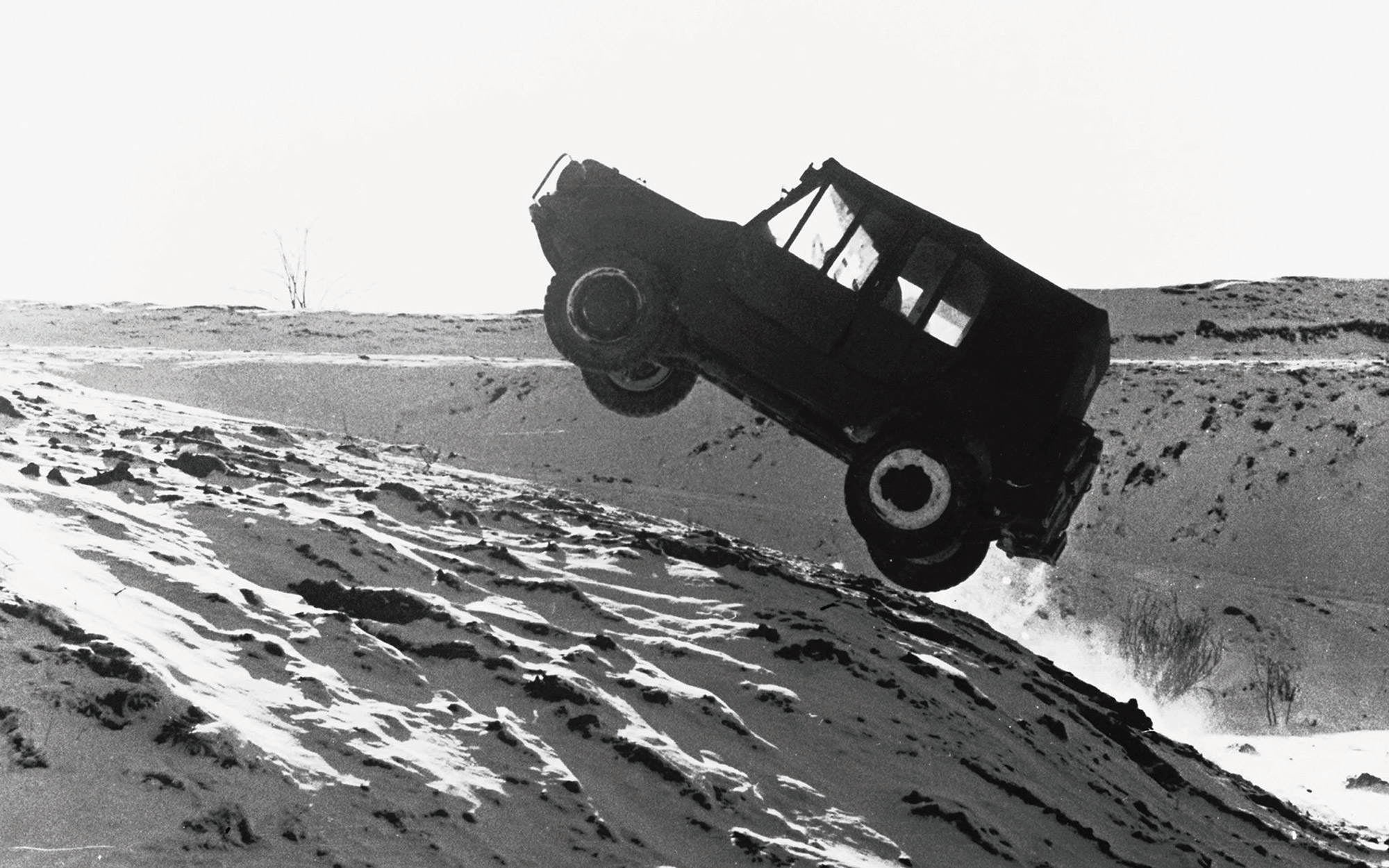
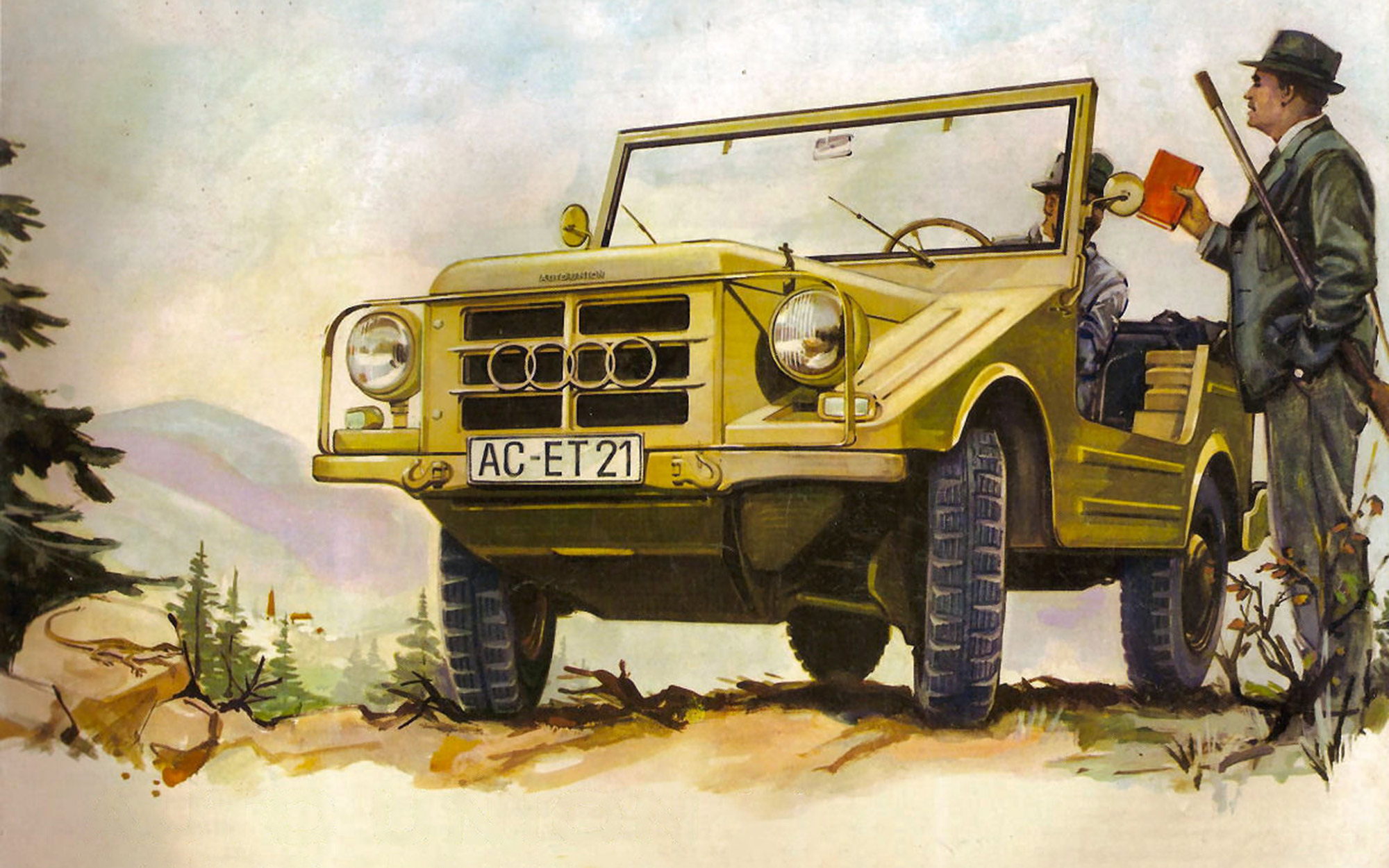
The Munga quickly established a reputation for dependability and mobility in difficult terrain. It became a core vehicle of the West German Bundeswehr, and was also supplied in large numbers to the German Border Police and various NATO military formations.
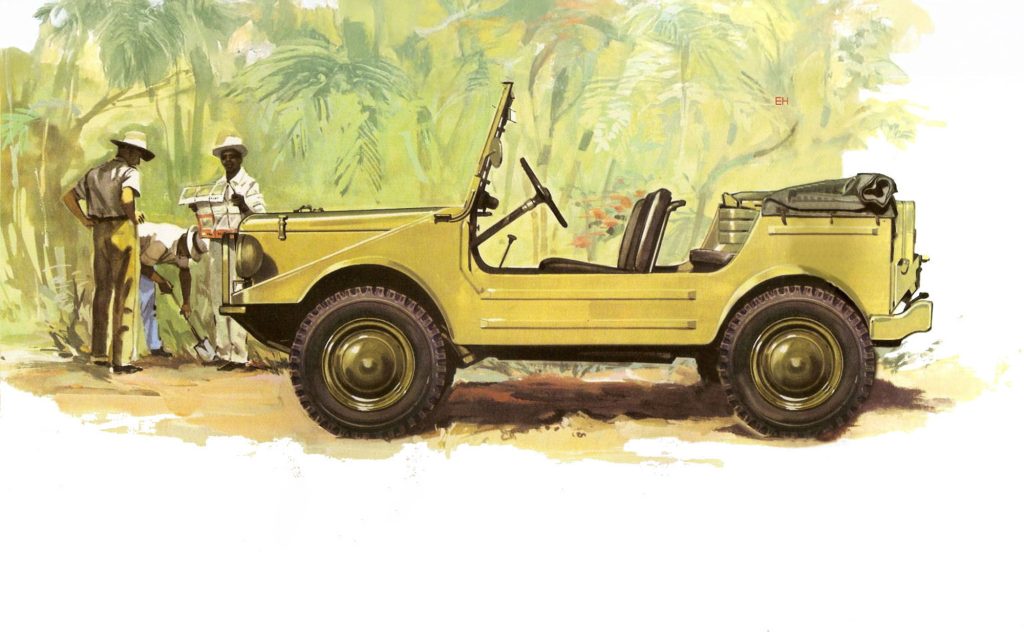
The vehicle’s civilian versions saw extensive use in agriculture, forestry, construction, and other industries requiring light off-road transport. Strong export demand emerged in regions with poor road infrastructure, especially South America and South Africa. Approximately 2,000 Mungas were delivered to the Royal Netherlands Army, although the type was withdrawn from frontline Dutch service in 1970 due to operational issues, with reserve-stock M38A1 NEKAF Jeeps reissued in its place until 1995.
The Munga was also built under license in São Paulo, Brazil by DKW-Vemag, where it was marketed as the DKW Candango. Brazilian production ran from 1958 to 1963 in both four-wheel-drive and two-wheel-drive variants.
‘
DESIGN & ENGINEERING
Chassis & Structure
The Munga employed a torsion-resistant box-section frame with double longitudinal members, designed to withstand severe mechanical stresses. Suspension consisted of transverse leaf springs paired with double-acting telescopic shock absorbers, providing durability and comfort over uneven terrain. An Auto Union rack-and-pinion steering system with a divided drag link offered precise control and rapid self-centering, particularly valuable in off-road situations.
Drivetrain
The vehicle featured permanent four-wheel drive, enhancing traction on loose, muddy or uneven surfaces. A synchronized transmission provided 10 total driving ratios (8 forward, 2 reverse) through a secondary reduction gear, enabling fine control across varied terrain. A robust single-plate dry clutch from Fichtel & Sachs transmitted power to the axles.
Engine
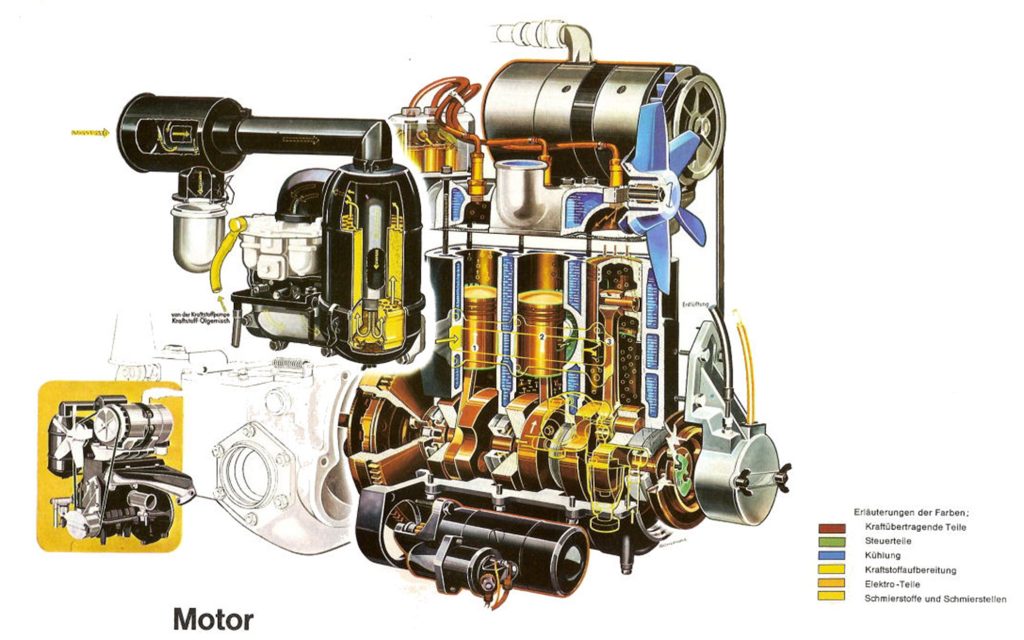
The Munga was powered by Auto Union’s signature three-cylinder, two-stroke inline engine, known for its high reliability in extreme climates. Key specifications include:
- Displacement: 980 cc
- Output: 44 PS (50 hp SAE) at 4250 rpm
- Maximum torque: 8.5 mkg at 2100 rpm
- Thermosiphon water cooling
- Lubrication: 1:40 oil mixture
- Exceptional cold-start capability (down to –40°C)
The engine’s simplicity and resistance to dust, sand and severe temperature swings made it well suited for military use.
Braking & Serviceability
A hydraulic duplex brake system acted on all four wheels, supplemented by a mechanical handbrake operating via the driveshaft. The Munga’s mechanical layout emphasized accessibility, aiding maintenance in the field and contributing to its reputation for ease of service.
VARIANTS
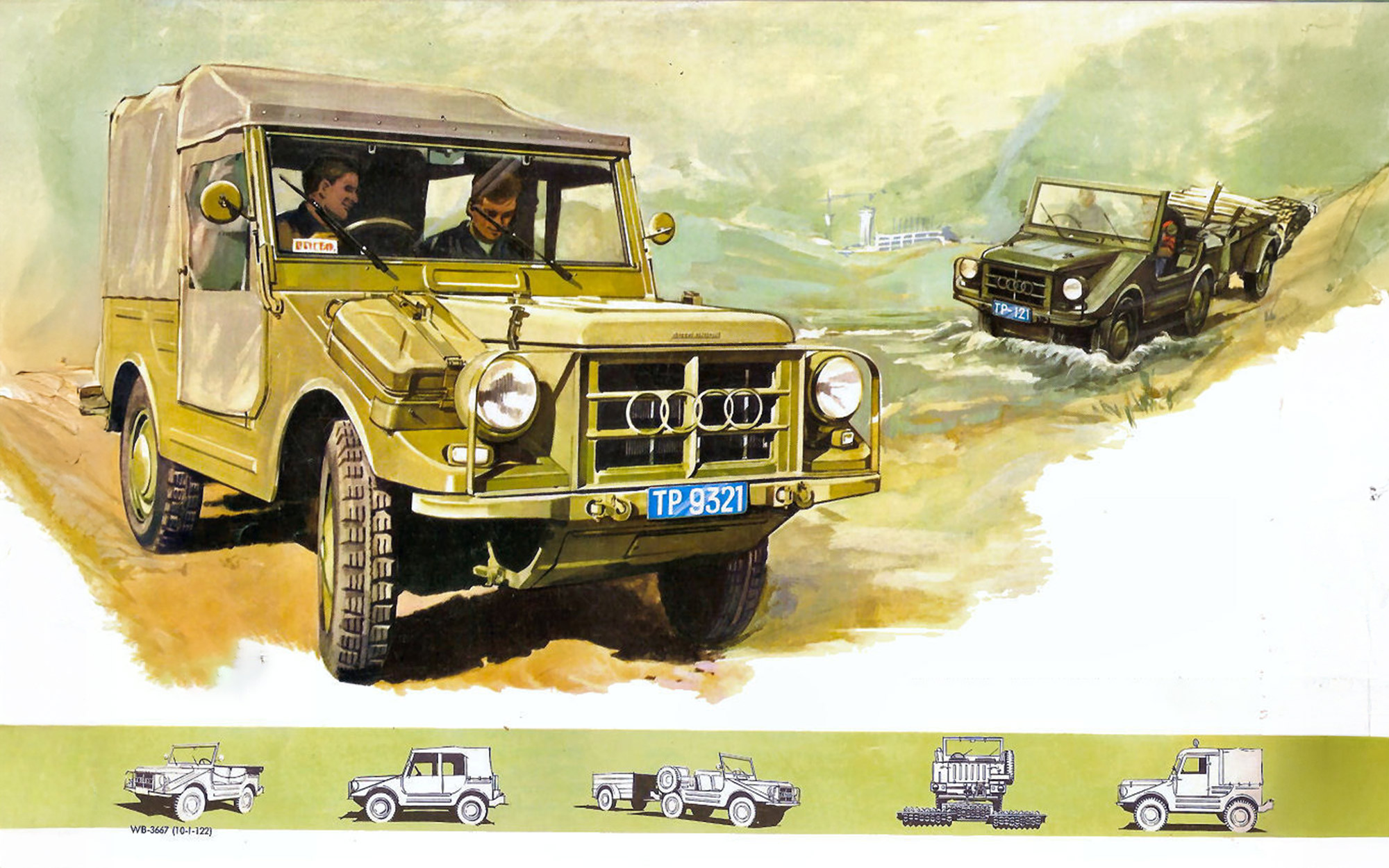
The Munga line offered several body styles, each tailored to specific roles:
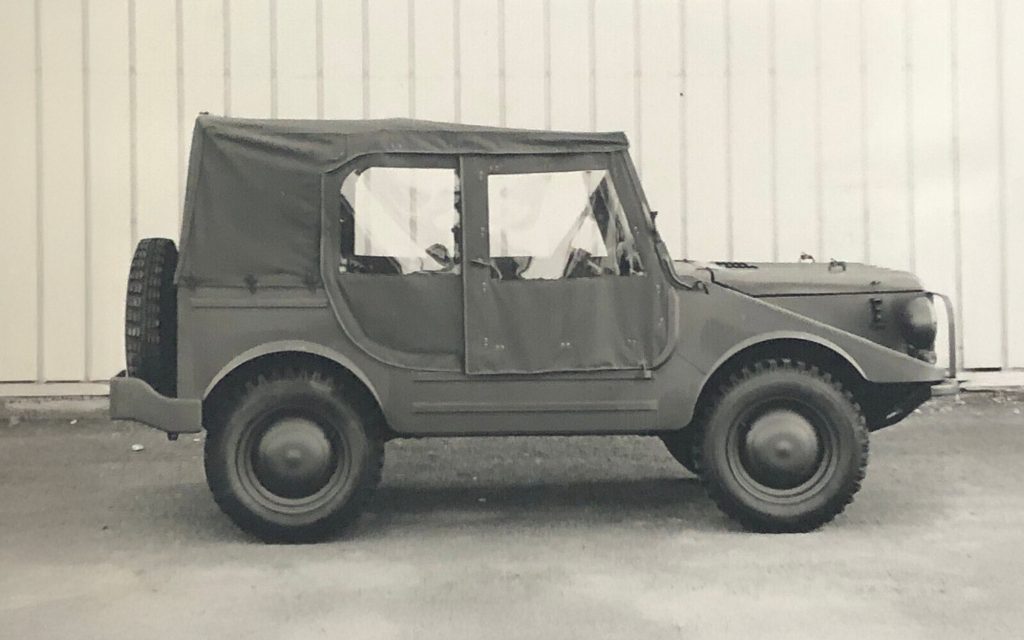
Munga 4
Four-seat version with folding all-weather top, used primarily for personnel transport in military and civilian applications.
Munga 6
A six-seat pickup with higher payload capacity and optional folding benches. Adapted widely for agriculture, construction and forestry.
Munga 8
A long-wheelbase model with extended cargo area, capable of covering long distances at high speed while retaining off-road capability.
Flatbed & Specialist Conversions
Auto Union and external coachbuilders offered specialized bodies including:
- Hard-cab service vehicles for airfields, rescue services and industry
- Enclosed expedition bodies for scientific and broadcast organizations
- Multi-role flatbeds with removable bench seating
These made the Munga a versatile platform for commercial and institutional users.
PRODUCTION & END OF SERIES
Munga production continued until December 1968, when Bundeswehr procurement contracts ended and Auto Union shifted towards newer technological directions under its post-Mercedes-Benz corporate restructuring. In total, 46,750 units were built across all variants, making it the final DKW-branded vehicle and closing the company’s two-stroke legacy.
LEGACY
The DKW Munga remains significant as one of the most successful German light off-road vehicles of the postwar period. It contributed to rebuilding West Germany’s military and civil infrastructure, supported Auto Union’s industrial revival in Ingolstadt, and laid conceptual groundwork for later Audi and Volkswagen off-road vehicles, including the Volkswagen Iltis.
Surviving Mungas are now prized by collectors, military vehicle restorers and off-road enthusiasts, particularly in Germany, the Netherlands, South America and South Africa.
PHOTO GALLERY