

Editor’s Note: This story is part of a series on the purchase, ownership and upgrade of a 2003 Audi exclusive TT Roadster. Find the full series HERE.
As one does with any new old car purchase, our first focus for the 2003 Audi exclusive Nogaro Blue TT Roadster we acquired earlier this summer was sorting out the basics — much of that dictated by the Pennsylvania state inspection required before we could register it for the road. And, also as one does with a new old car, there were some immediate repairs and replacements that needed attention. Those quickly pushed finding a wheel and tire solution to the top of the list.
We were excited to find such a well-preserved and largely unmodified 80,000-mile TT, particularly one this unique and offered at a very fair price. There hadn’t been much need to haggle, and complicating matters with a pre-purchase inspection or nitpicking wear here and there wasn’t a priority. We wanted the car, even if we held back from gushing over it when we arrived in Ohio to make the acquisition happen.
To be honest, I never checked the tires. They looked fresh enough, and that was one area where an upgrade was already planned. Once the car arrived for its inspection, though, I learned they dated to 2017, putting them well beyond the recommended age. They were also split and showing some cord, so ultimately they weren’t safe and wouldn’t pass inspection. Given that I’d hoped to change the wheel diameter when replacing the tires anyway, wheels and tires suddenly moved to the front of the upgrade queue.
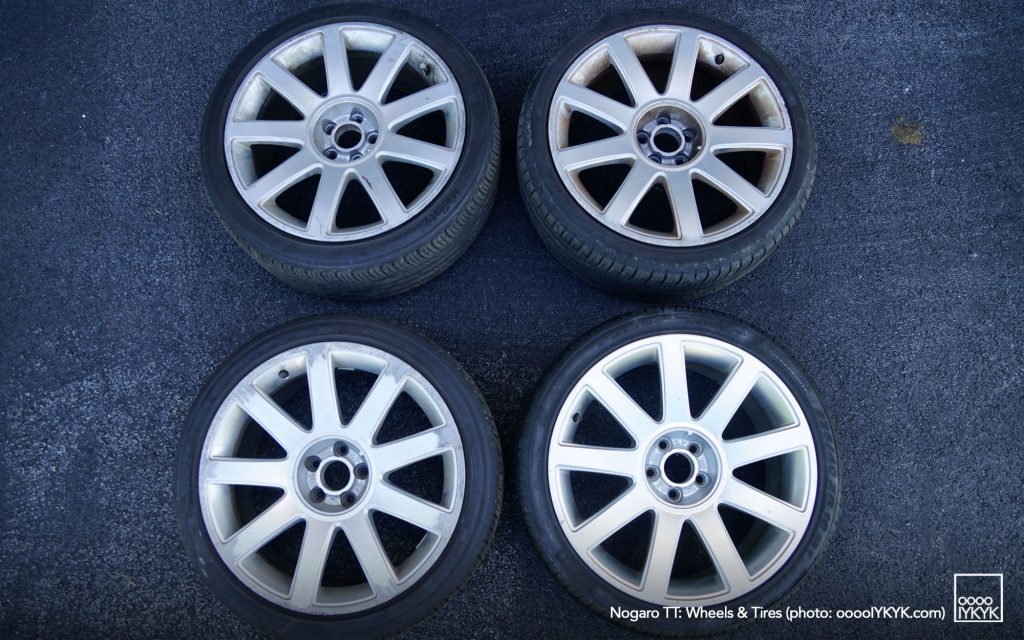
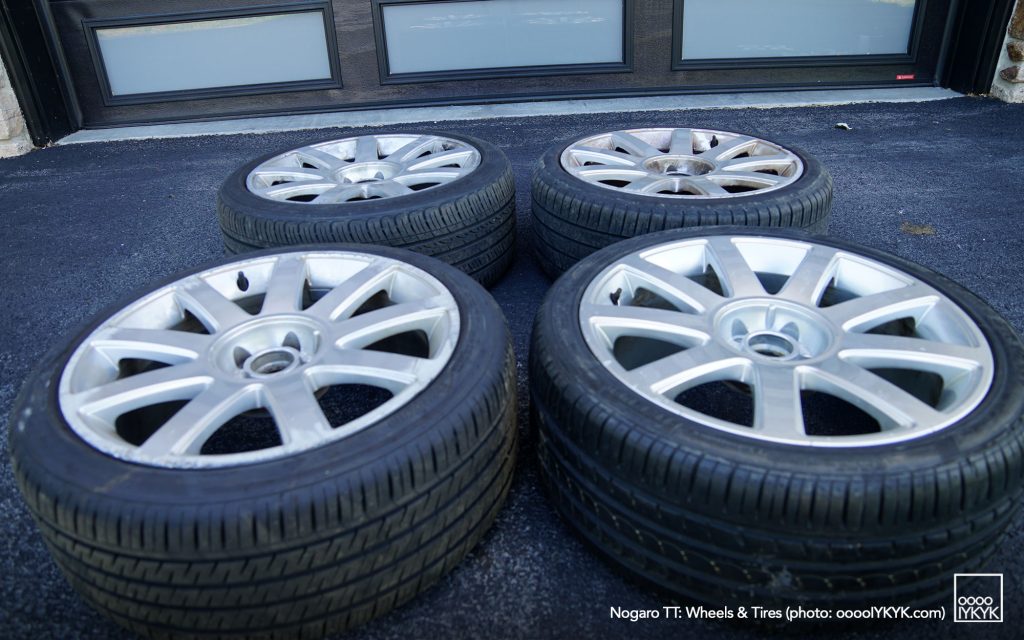
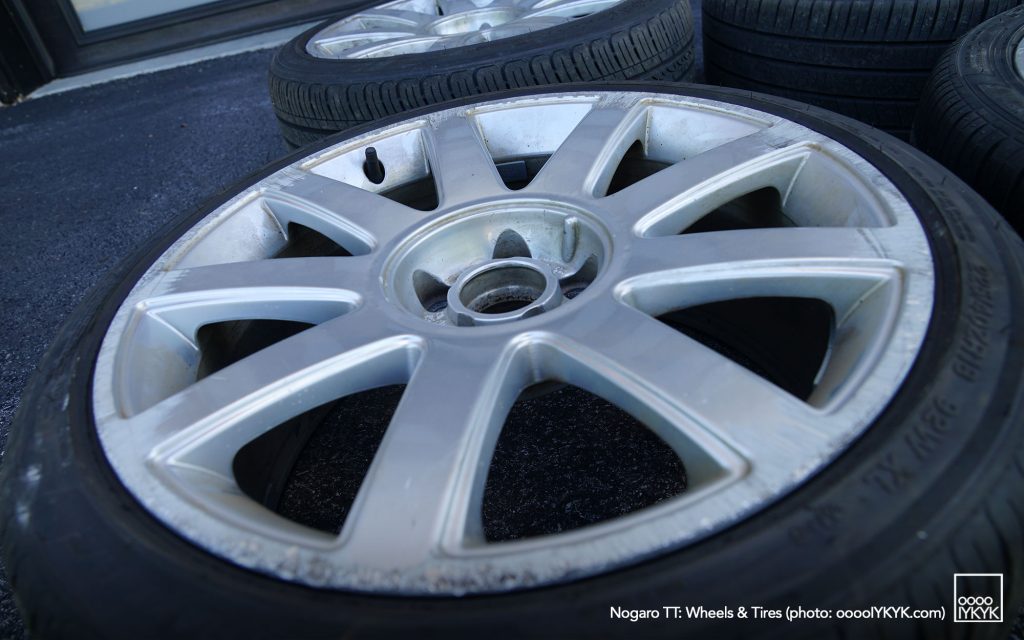
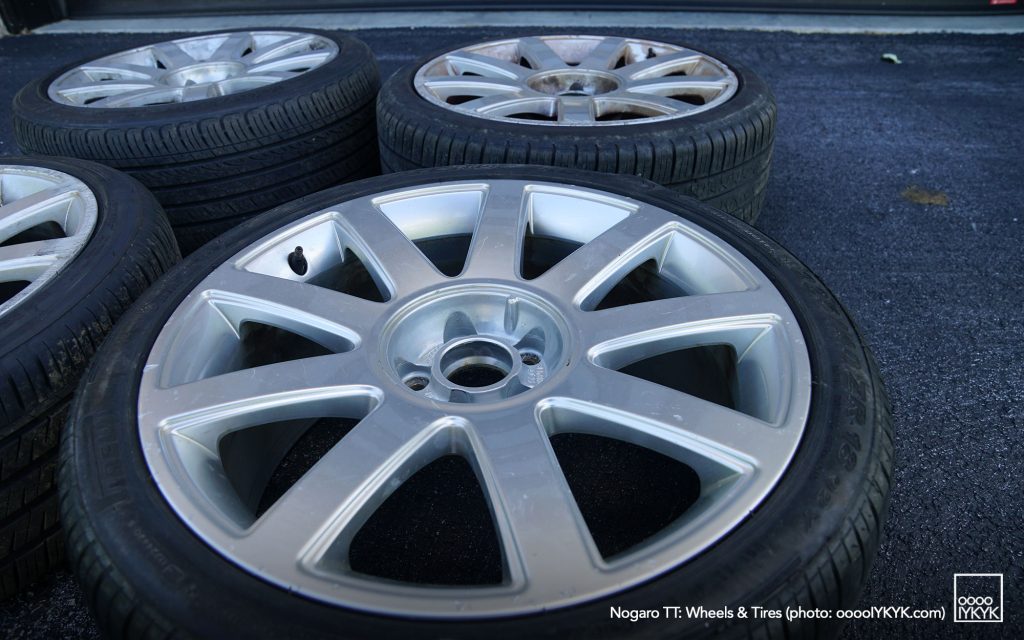
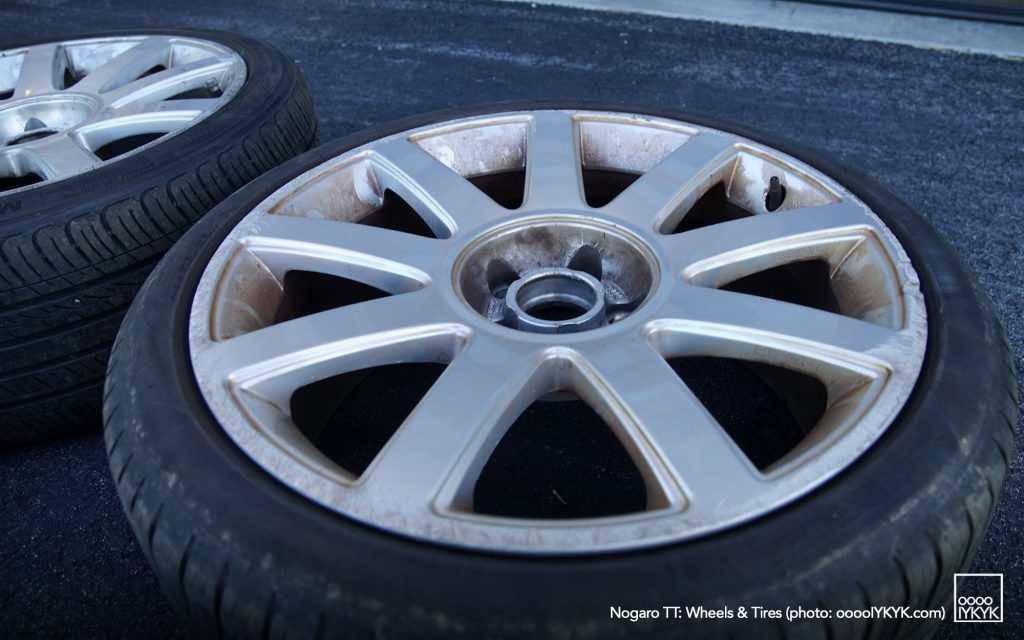
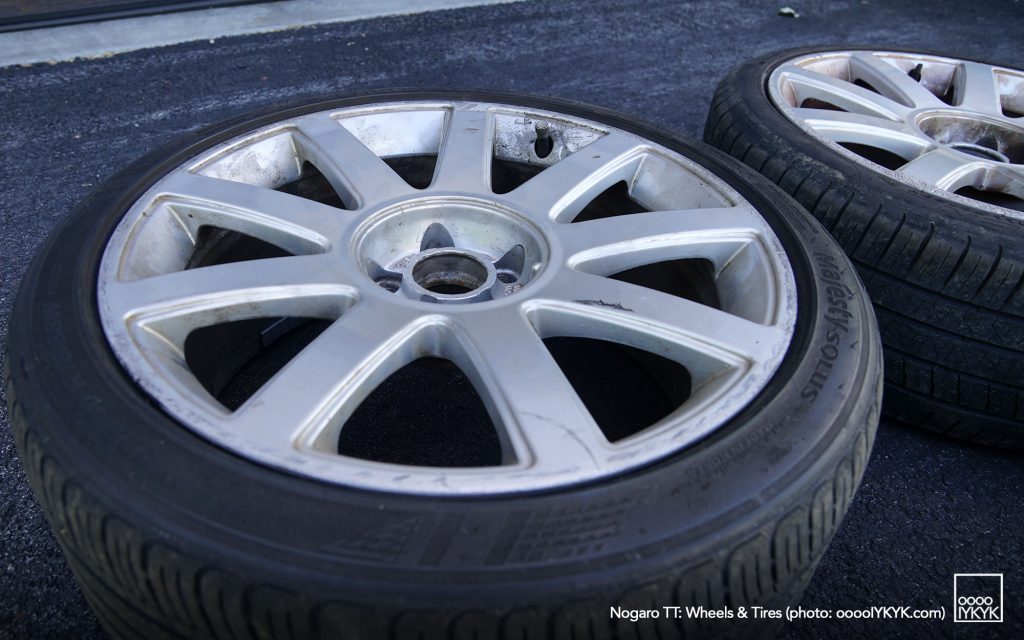
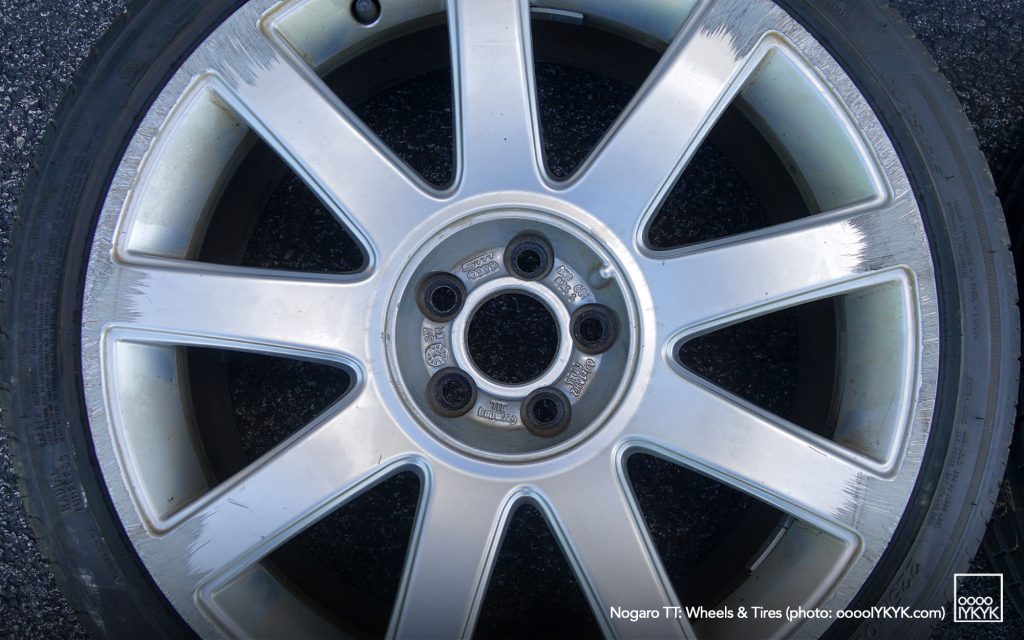
$200 18-INCH CURBED WHEELS CURBED + NLA PARTS
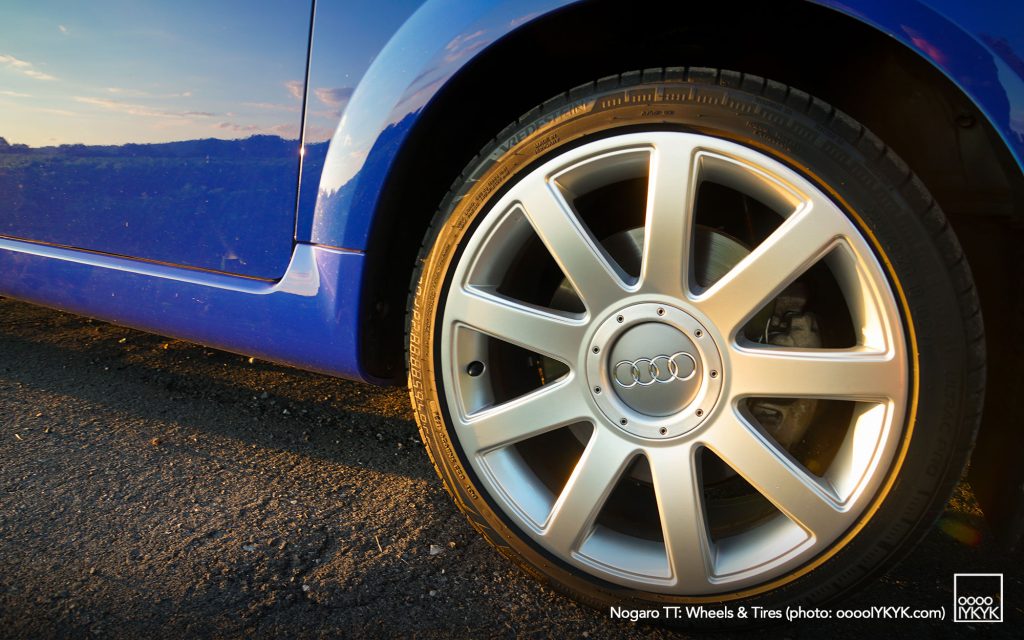
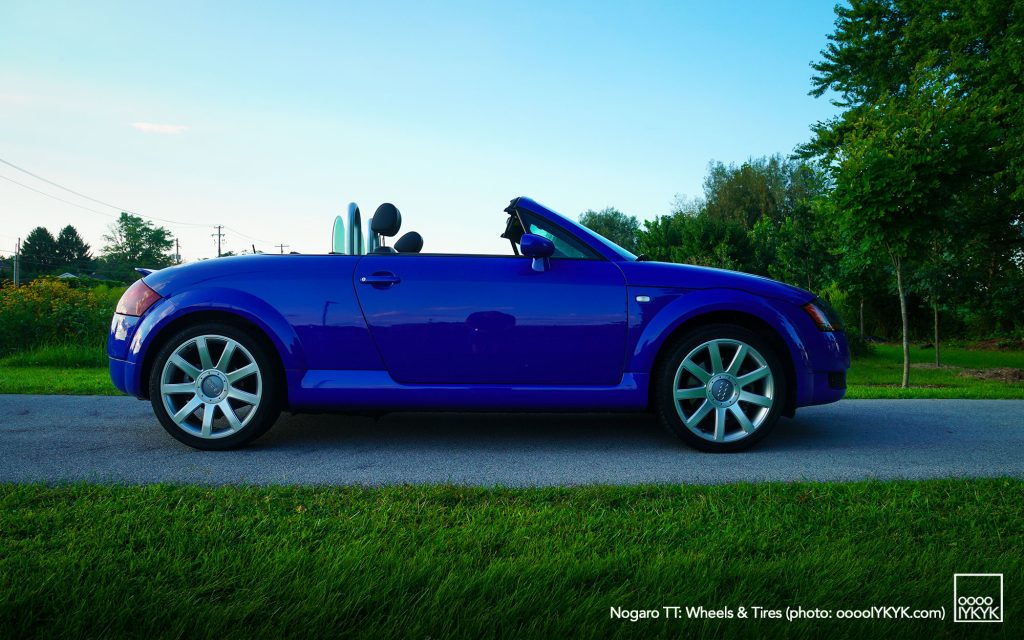
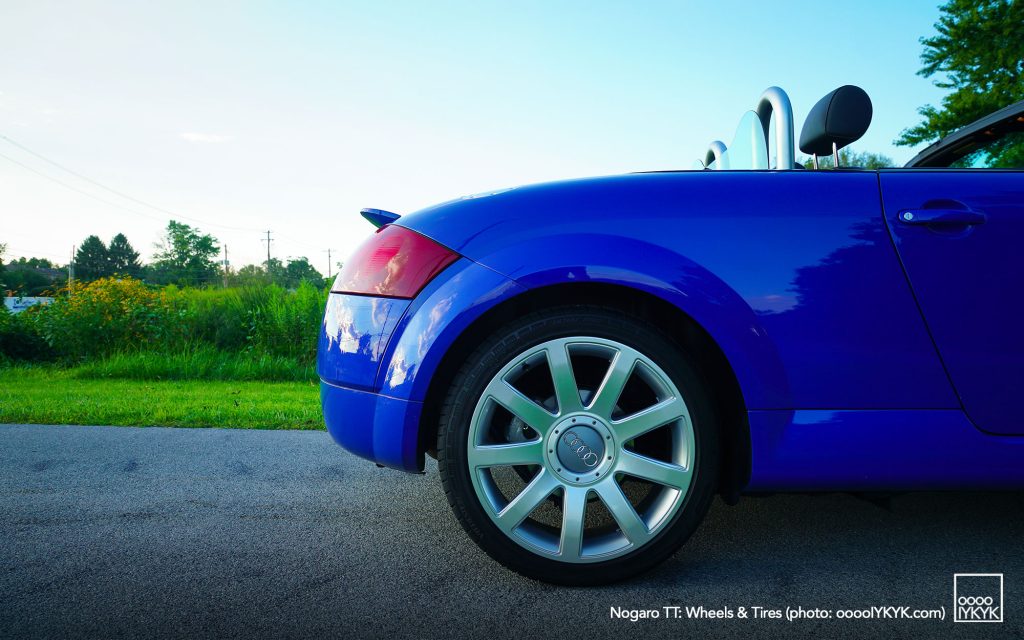
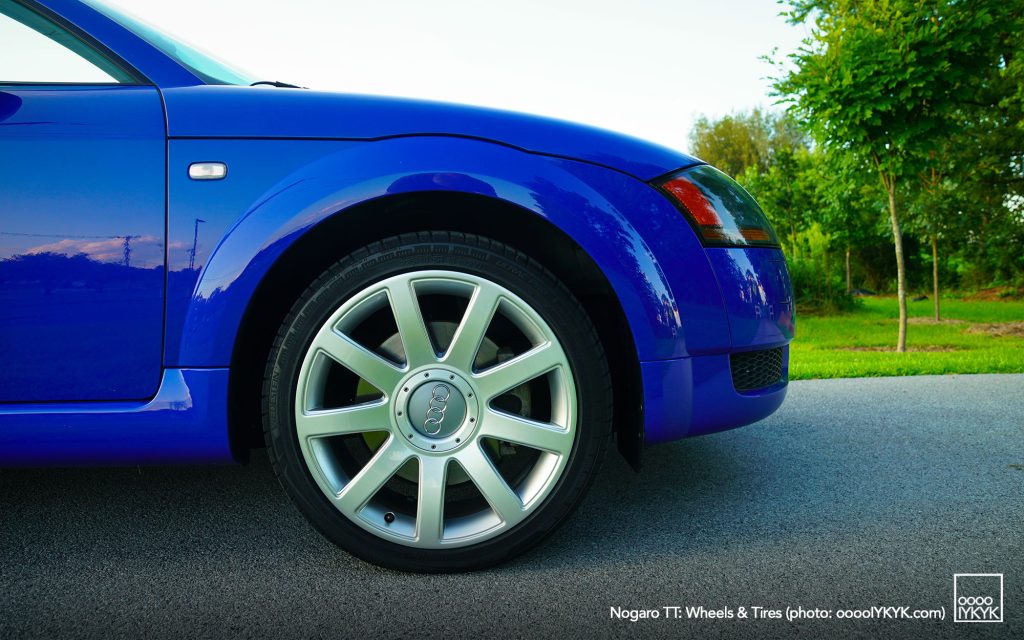
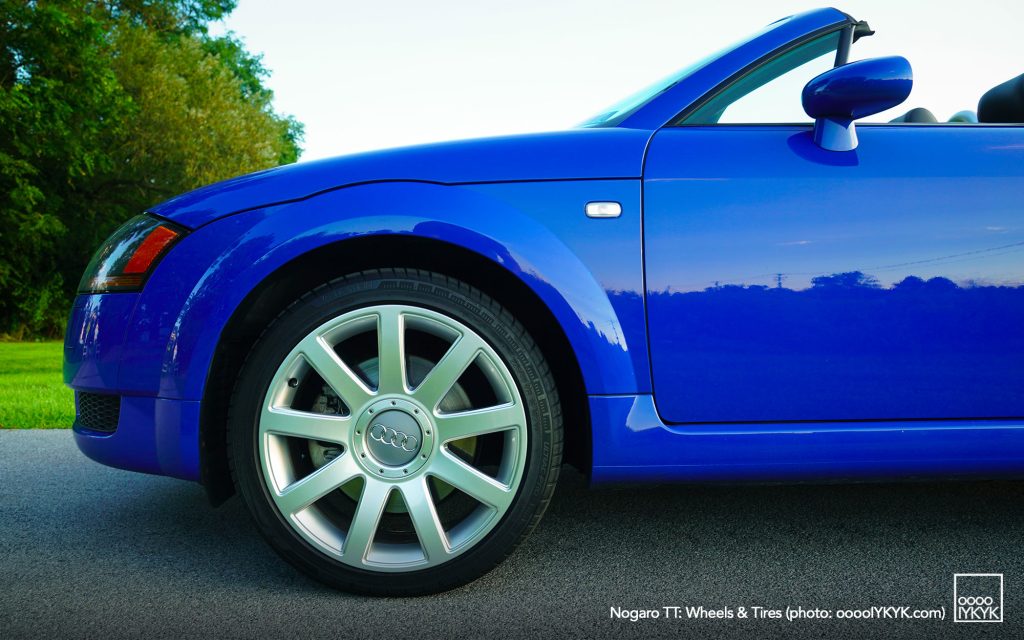
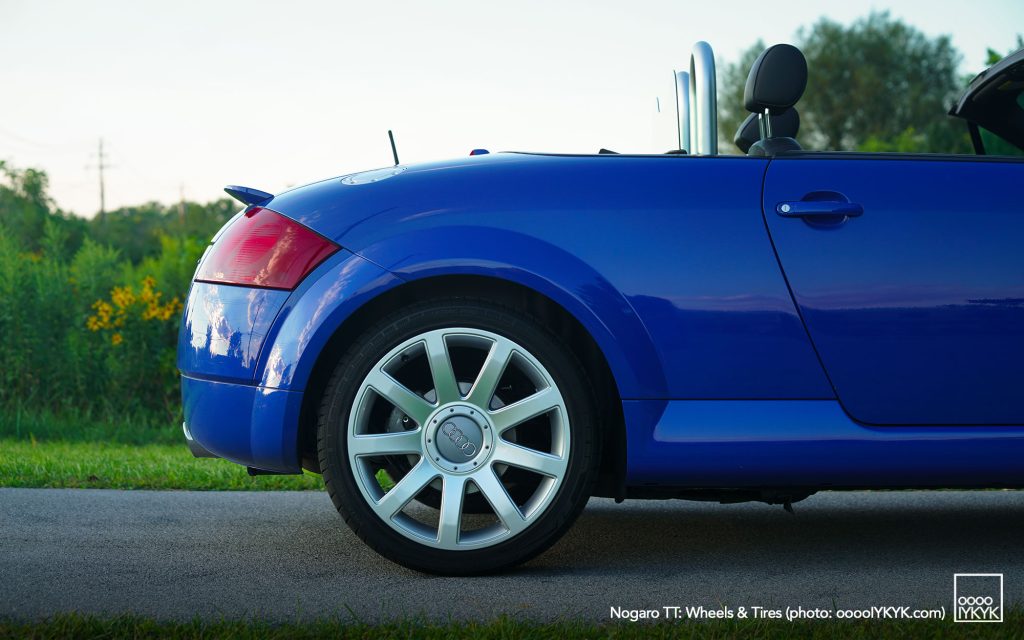
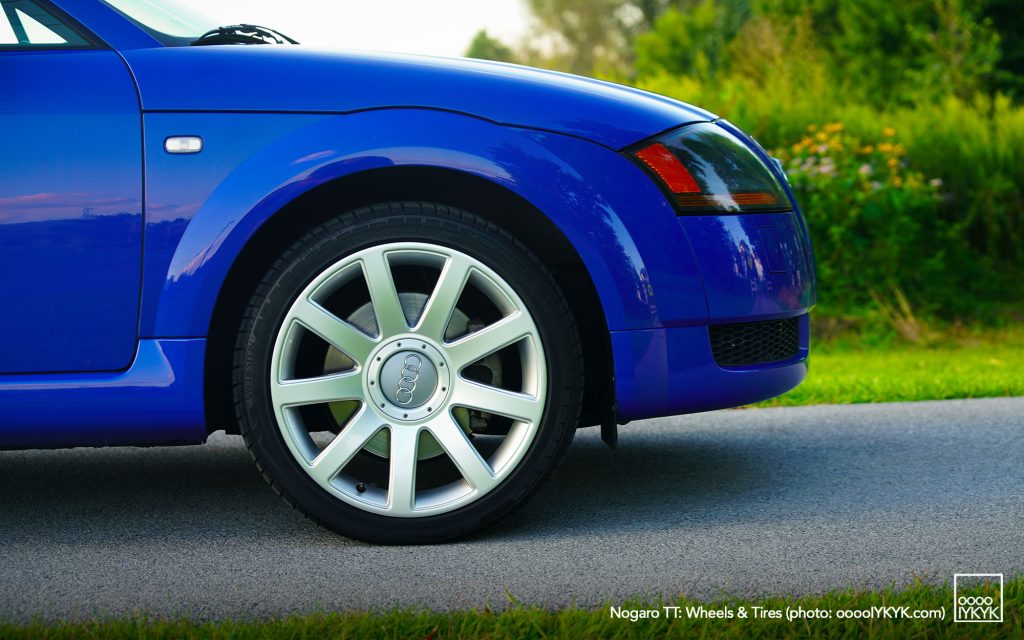
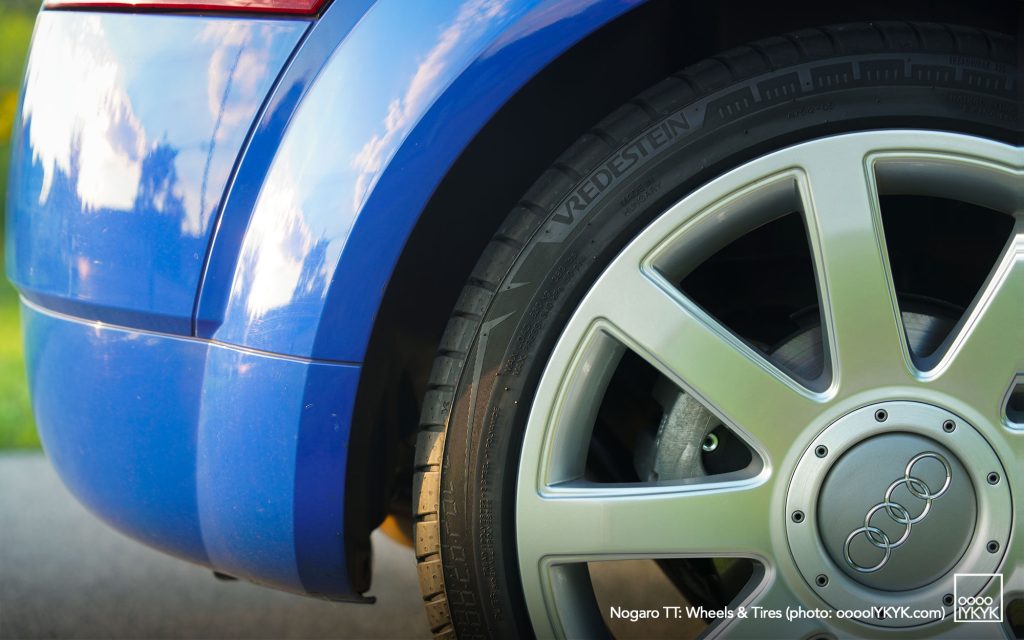
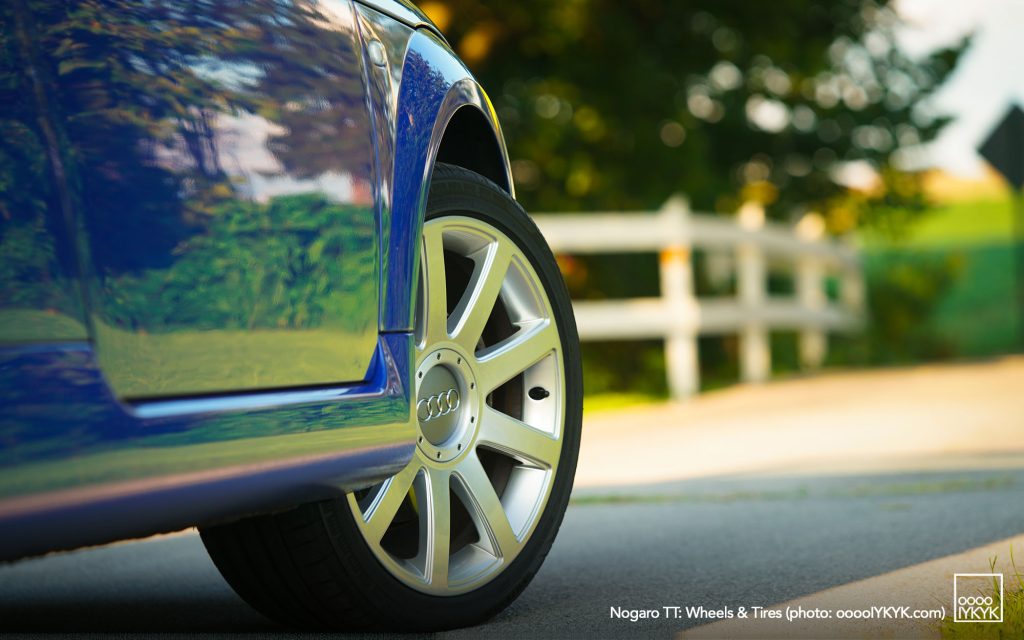
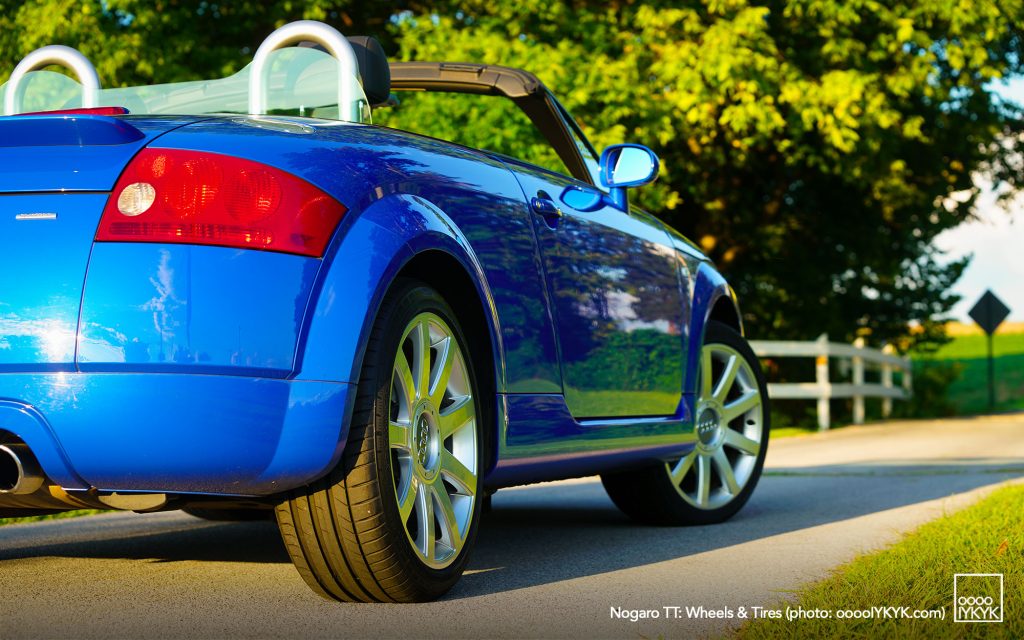
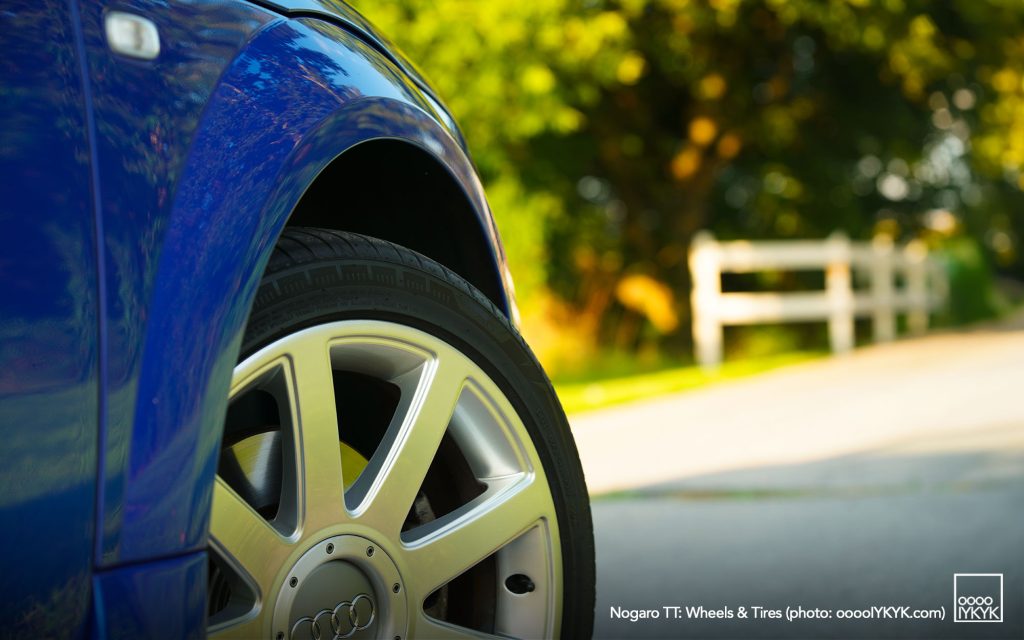
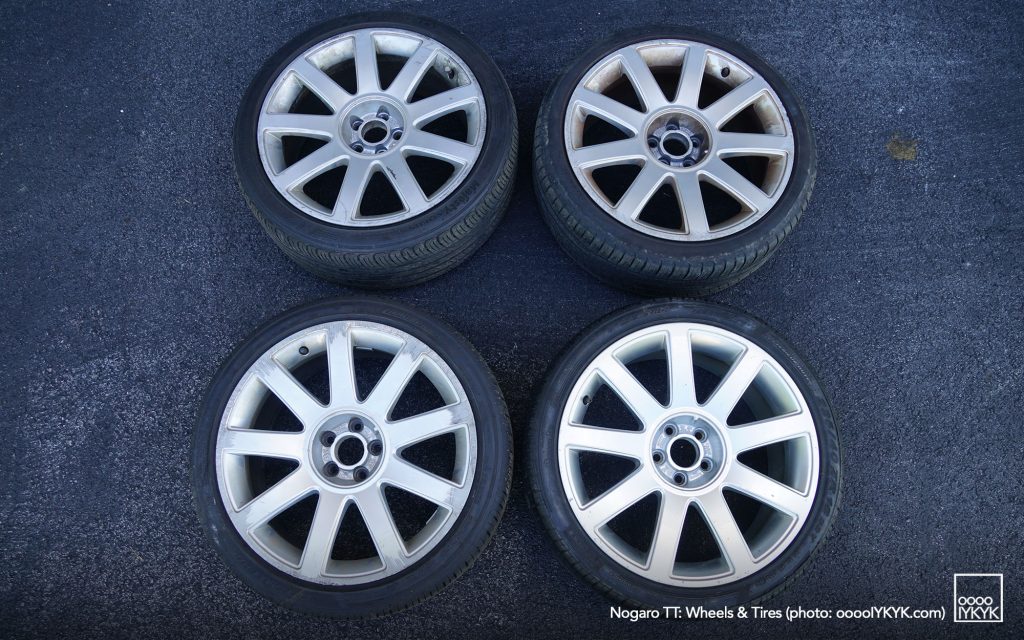
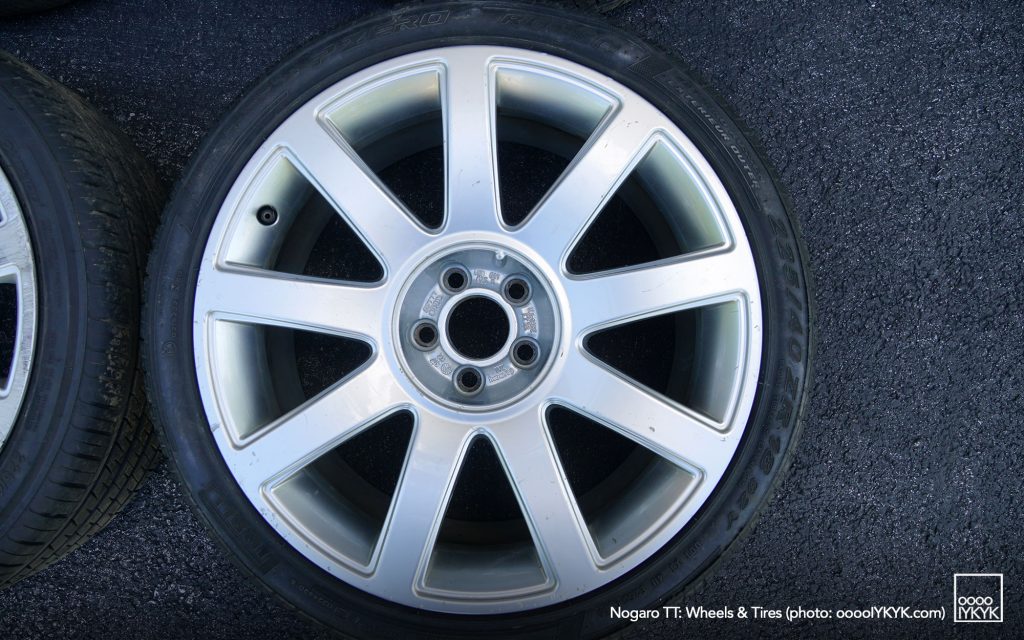
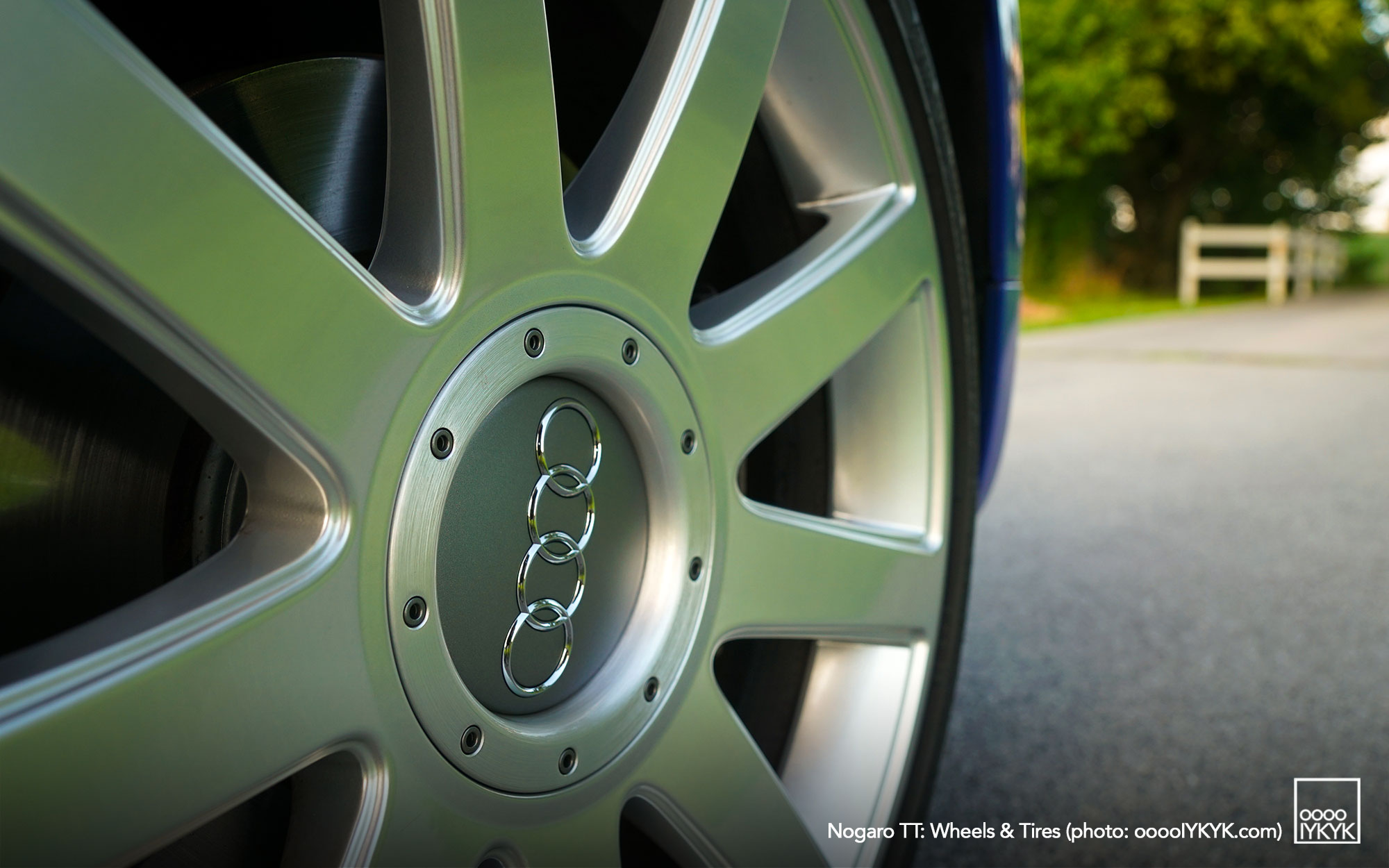
For the OEM-focused, one of the ultimate wheel designs for the TT (Mk1, Type 8N) must surely be the 18-inch 9-spoke design seen on special-edition models like the TT ALMS and 3.2 S line competition. It shares its design, though not its fitment, with the Audi RS 4 (B5), making it an iconic representation of that early-2000s period at Audi.
Having had a head start in Mk1 TT ownership before buying this car, I was already aware of one single wheel in the design I sought. Located near Watkins Glen, New York, it appeared to be in good condition and was very fairly priced at $50. And while that was all well and good, one wheel does not a full set make.
At the same time, I’d made contact with Brandon Cenchitz. His shop, BC Autoworks in Northampton, Pennsylvania, specializes specifically in parting out and repairing Mk1 Audi TTs. As such, it’s a huge resource for any early TT owner and something of a godsend if you happen to be relatively local, as BC is in our case.
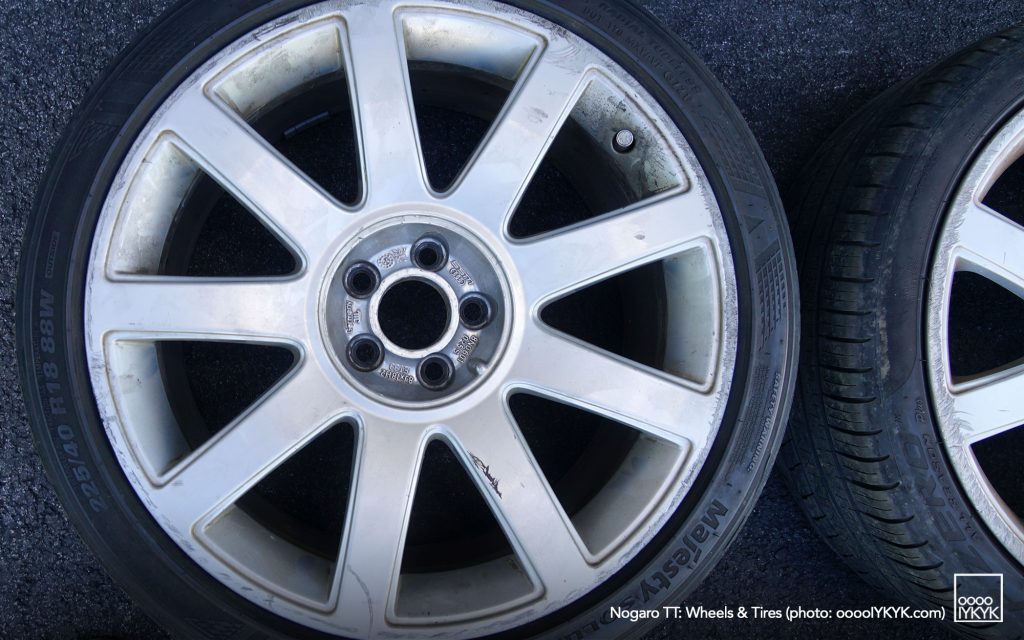
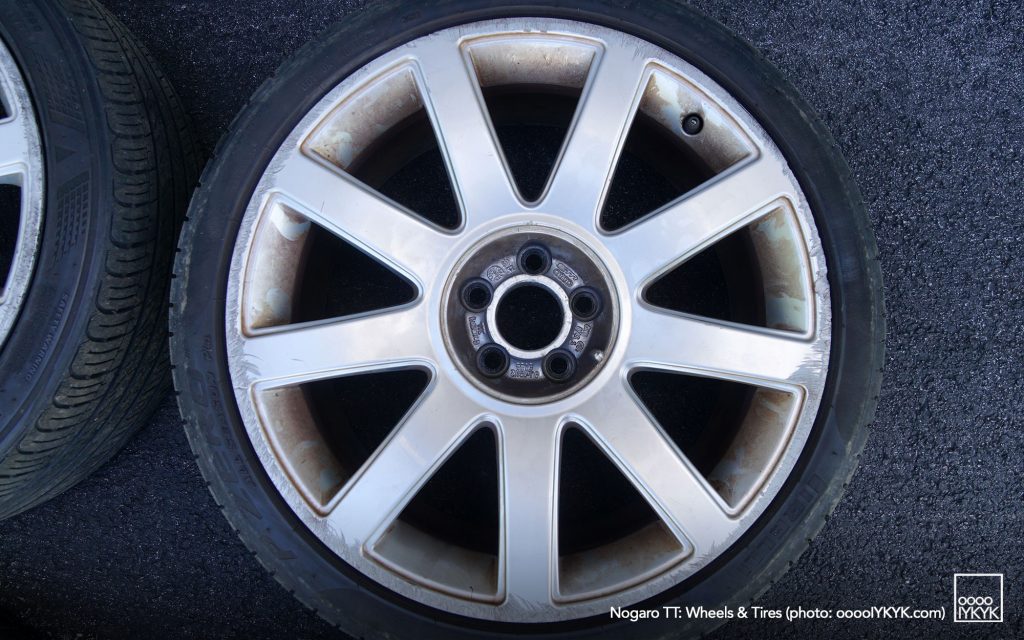
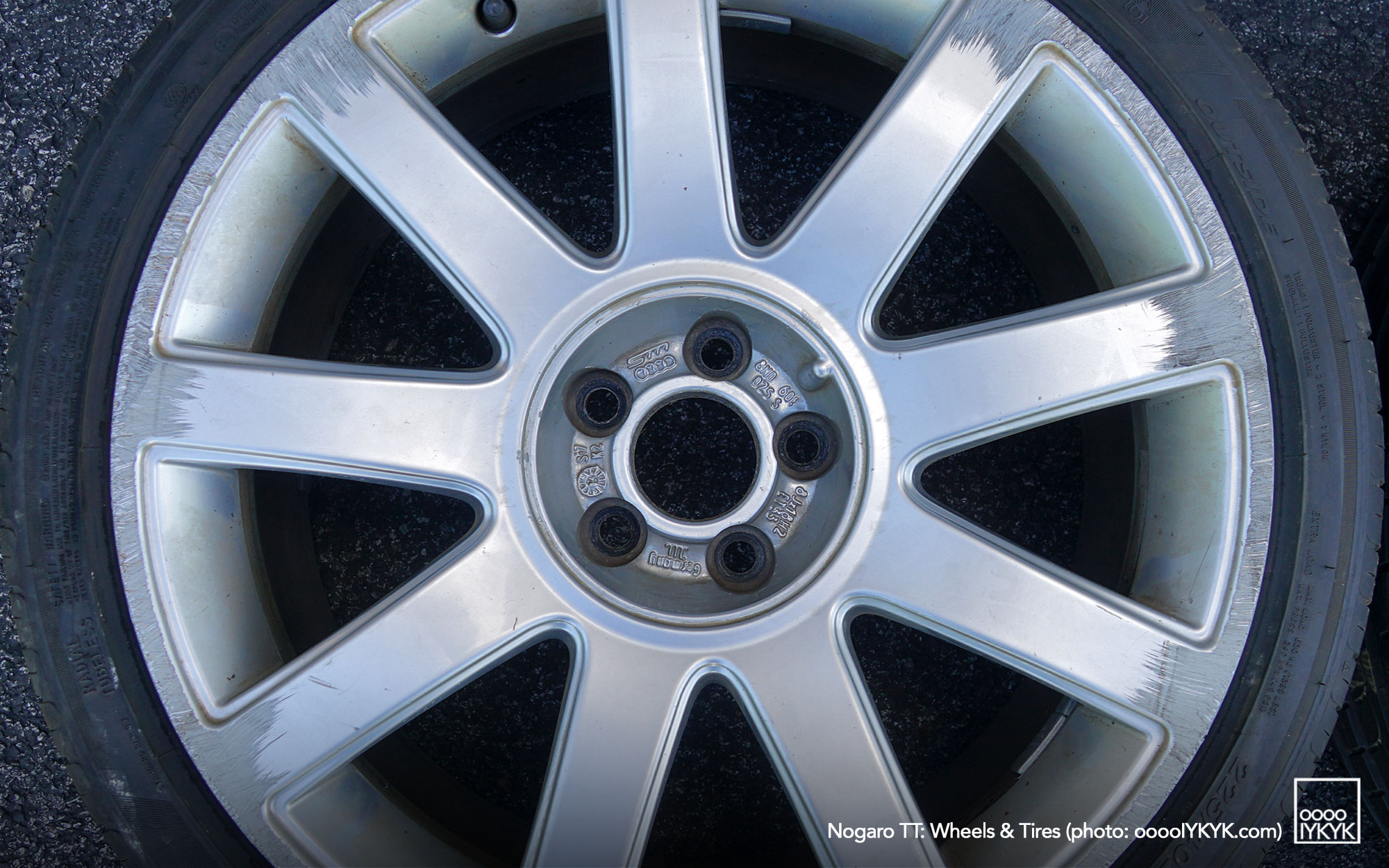
Working our way through state inspection, there were a few obscure and out-of-production parts the car needed, so Brandon was quickly on our radar. When I asked if he also had any of the 18-inch 9-spoke wheels in TT fitment, he mentioned that he had three. The catch was that all were heavily curbed. In such sorry shape, he’d let them go for $150.
Add those to the Watkins Glen wheel, which the seller was willing to ship, and I had a set of four for under $250. Not bad, but also far from pristine. Then again, virtually no wheel of this era is perfect, with most surviving examples showing some degree of wear and tear. I estimated that a complete set of even relatively nice used examples would have cost more than $1,000.
ALLOY WHEEL REPAIR & RESTORATION
Fortunately, when it comes to chewed-up wheels, I’ve had a spectrum of experience. I’ve seen wheels airbrushed in dealership parking lots, repairs that usually don’t hold up particularly well to high-pressure washing. Frankly, these wheels were too far gone for that sort of quick fix anyway.
At the other end of the spectrum, I’ve also had full restorations performed by Wheel Collision Center. You might remember the company from its ads that ran for decades in the back of AutoWeek or Road & Track. Nowadays, it operates as Alloy Wheel Repair Specialists, though it still works out of the same facility near the Allentown airport in Bath, Pennsylvania, where I first had them work their magic on a set of curbed wheels years ago.
In this case, three of the four wheels were considerably damaged, with chunks taken out of the edges. The fourth, while much better, still showed a number of cosmetic imperfections. Past visits to this shop had already taught me that while cracked or egg-shaped wheels may be rejected for safety reasons, they can work wonders with curb damage. Given that some of mine had damage reaching halfway up the spokes, this set was a prime candidate to demonstrate just how impressive a proper restoration can be.
I wasn’t disappointed.
All in, repairing and refinishing the four wheels cost $805.60 at the time of this writing. In the end, I had a complete set perfectly refinished in factory-spec hyper silver. Add the roughly $250 invested in acquiring them, and the finished set still cost me about what I might have paid for average preserved-but-used examples elsewhere.
CAPPING THEM OFF
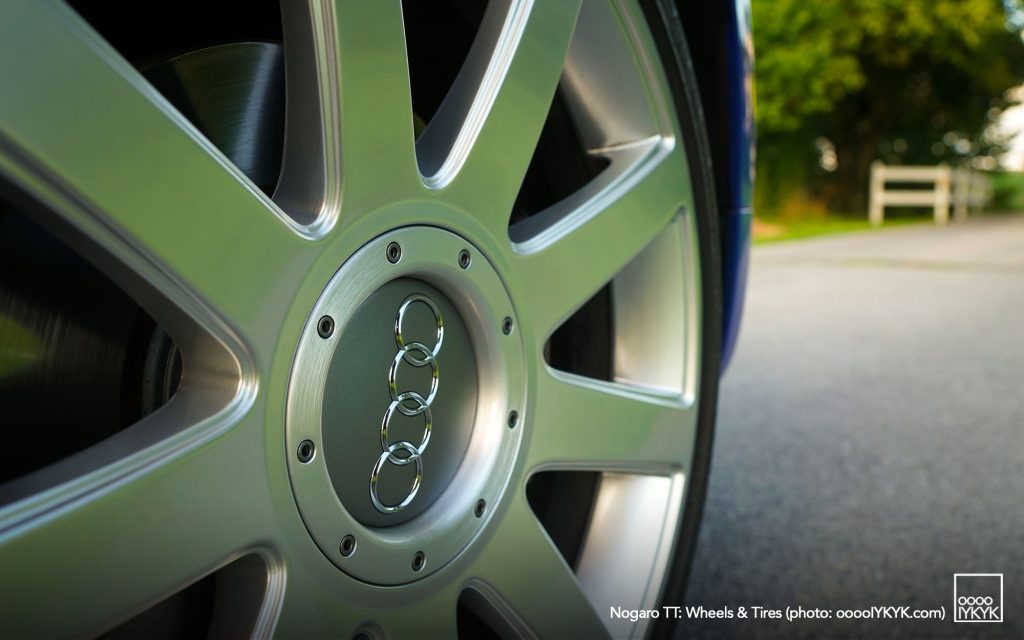
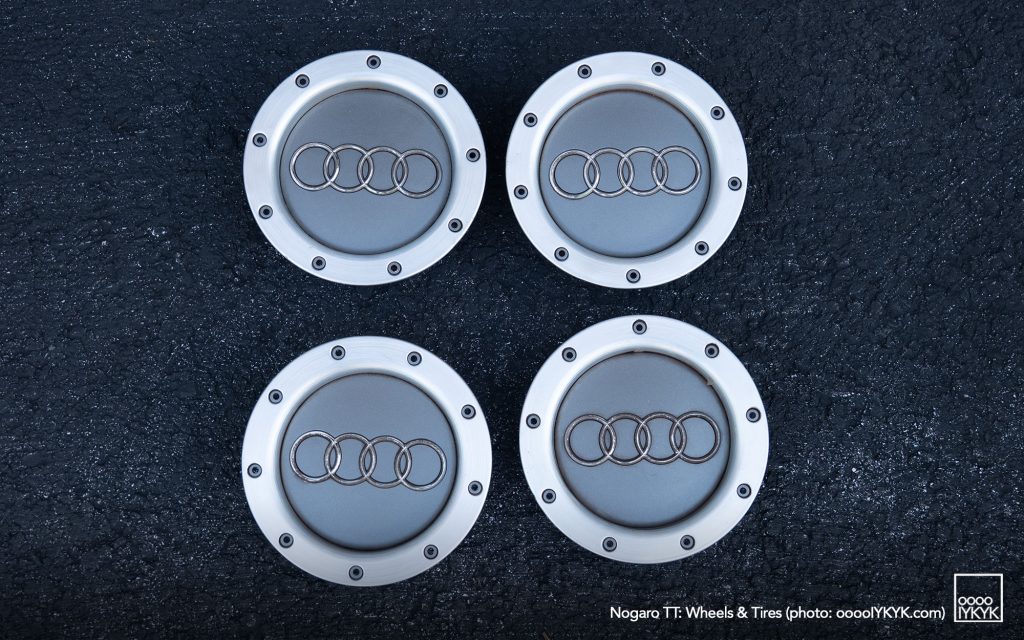
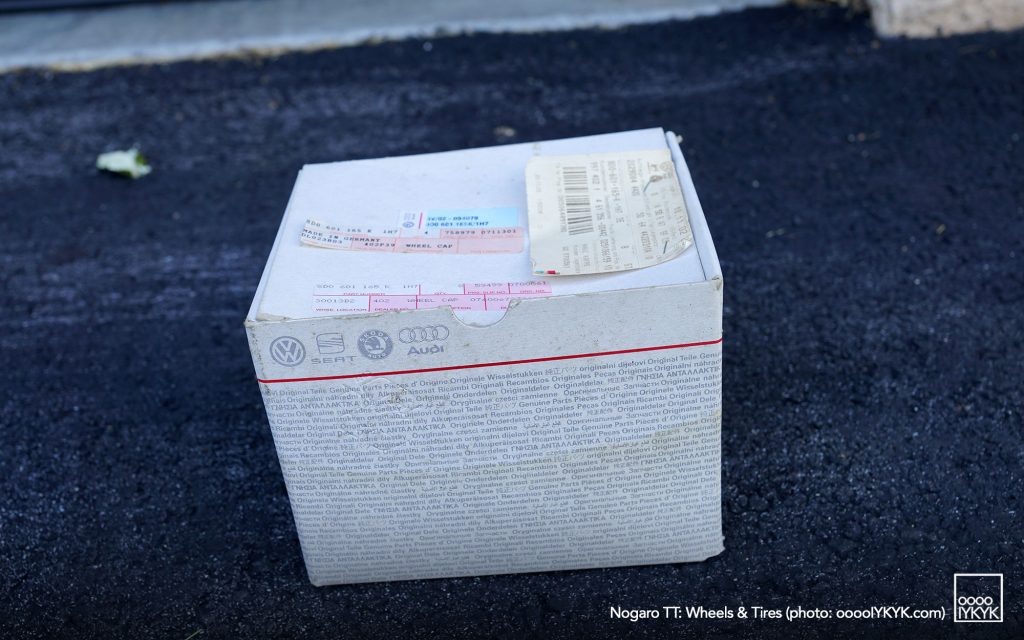
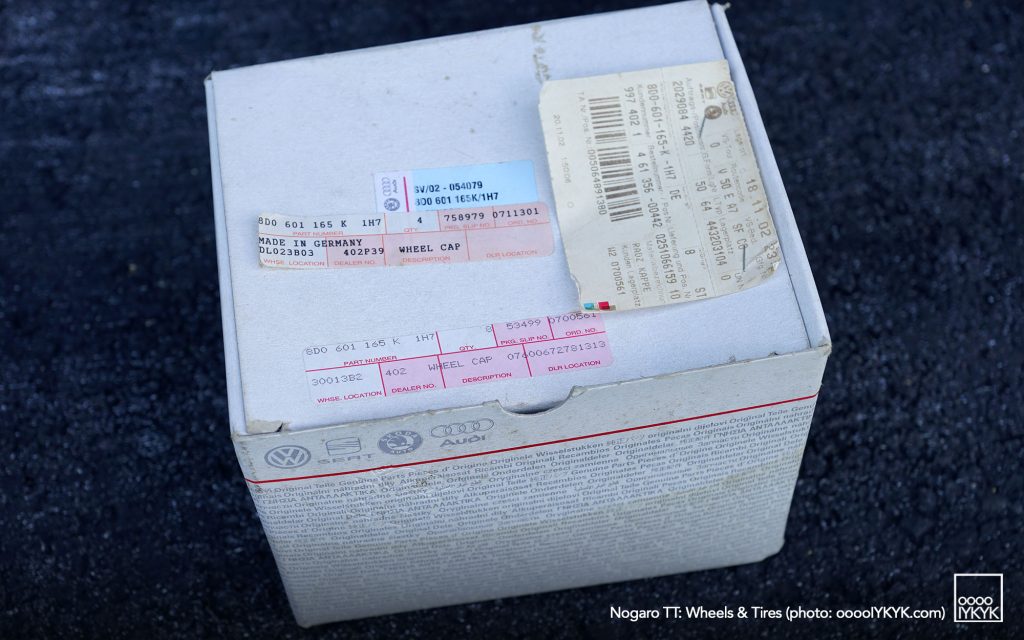
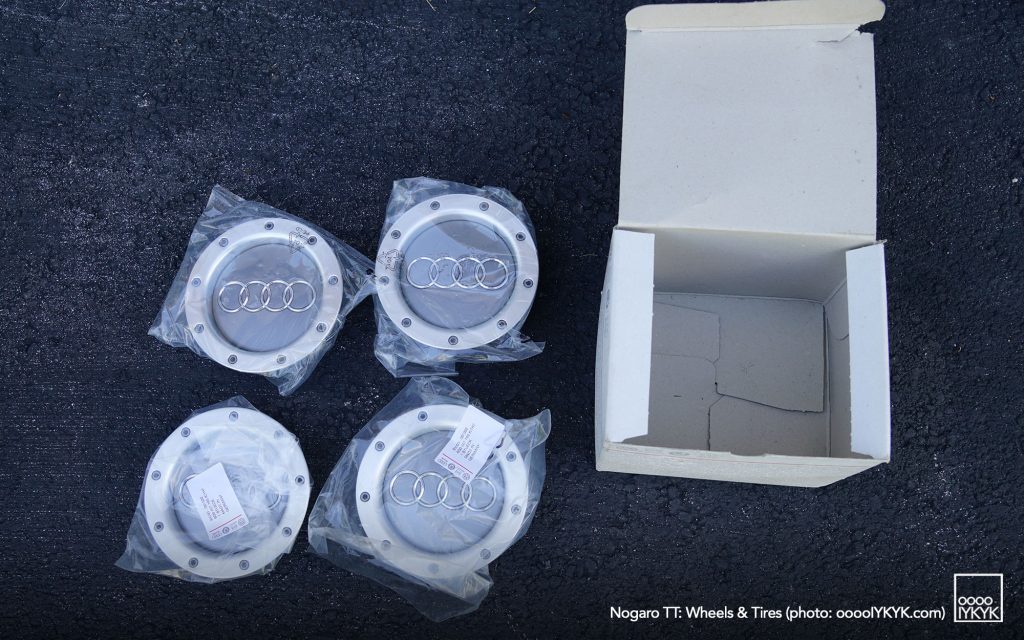
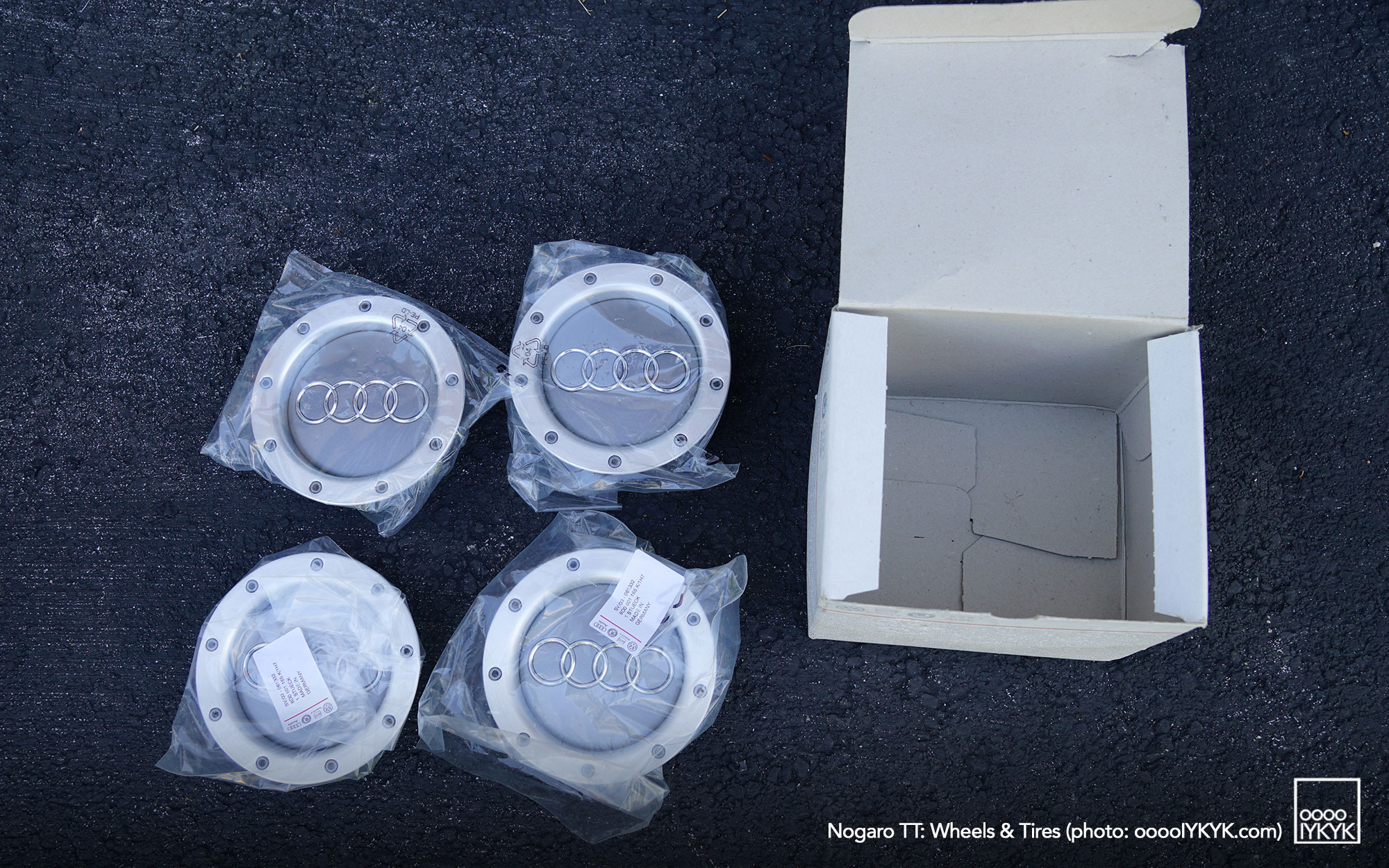
Capping things off, quite literally, are the factory center caps specific to these wheels. The part is shared with other fitments of the same basic wheel design, meaning caps from models such as the A4 Ultrasport (B6), RS 6 (C5) and others from this period should fit.
I had purchased a used set on eBay for what appeared to be a deal, but they turned out to have stubborn brake-dust buildup in details such as the Audi rings. Worse, the tabs holding the tension rings that keep the clips taut and secure the caps to the wheels were compromised. That’s worth watching for if you’re considering a used set of these now-discontinued caps. It may be worth paying the premium for new old stock examples if you can find them.
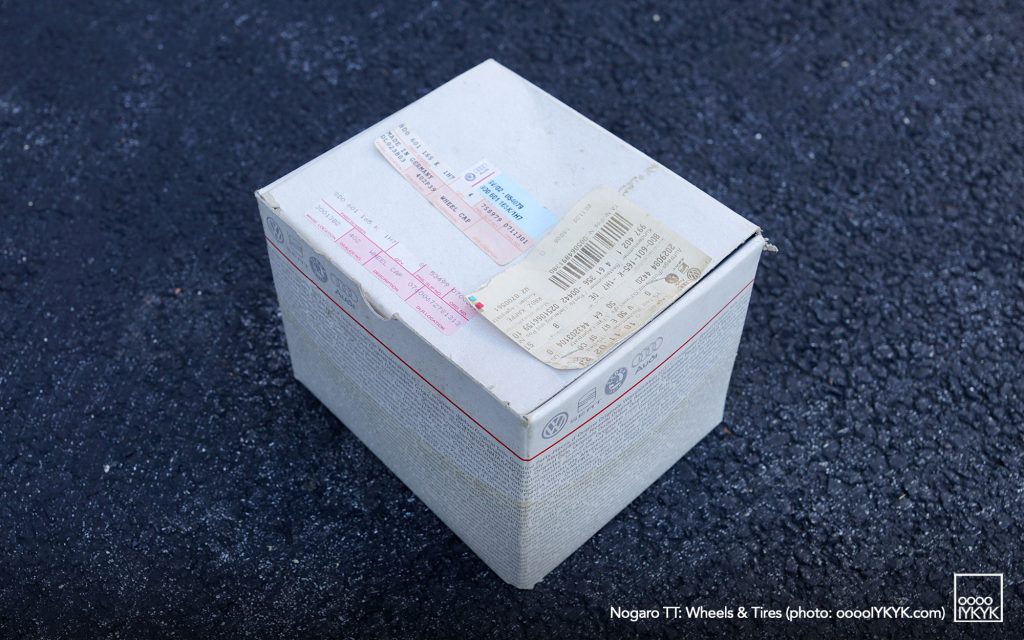
In my case, I discovered a new old stock set that I’d stored years ago and forgotten about in a seldom-visited corner of the garage, so those ultimately went on the car. The finished look is rich, reminding us of an era when Audi spent generously on details as seemingly minor as a wheel center cap to help set its cars apart from the competition.
VREDESTEIN TIRES COMPLETE THE UPGRADE
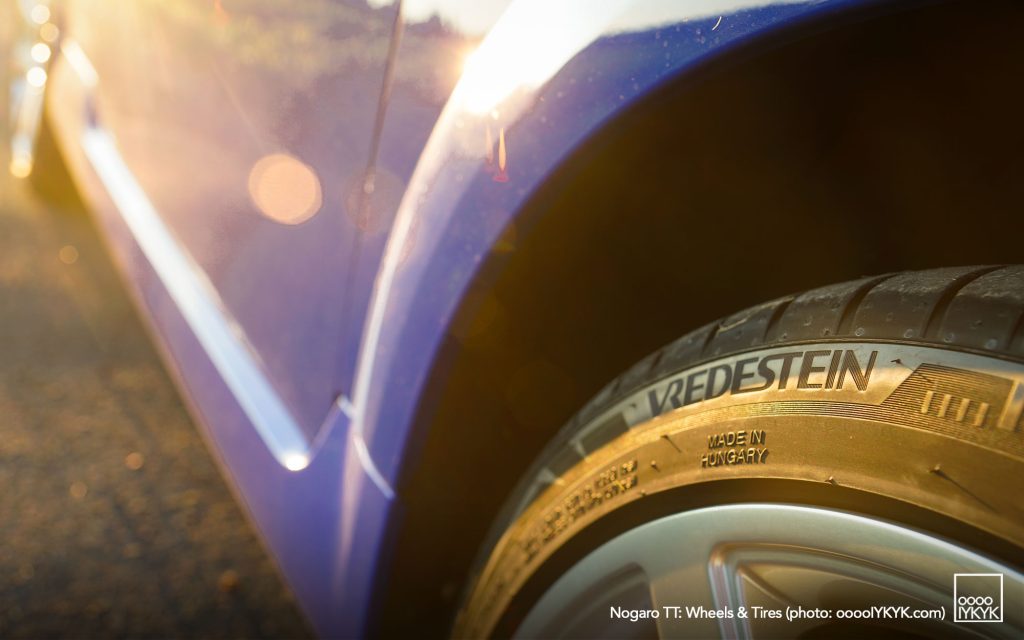
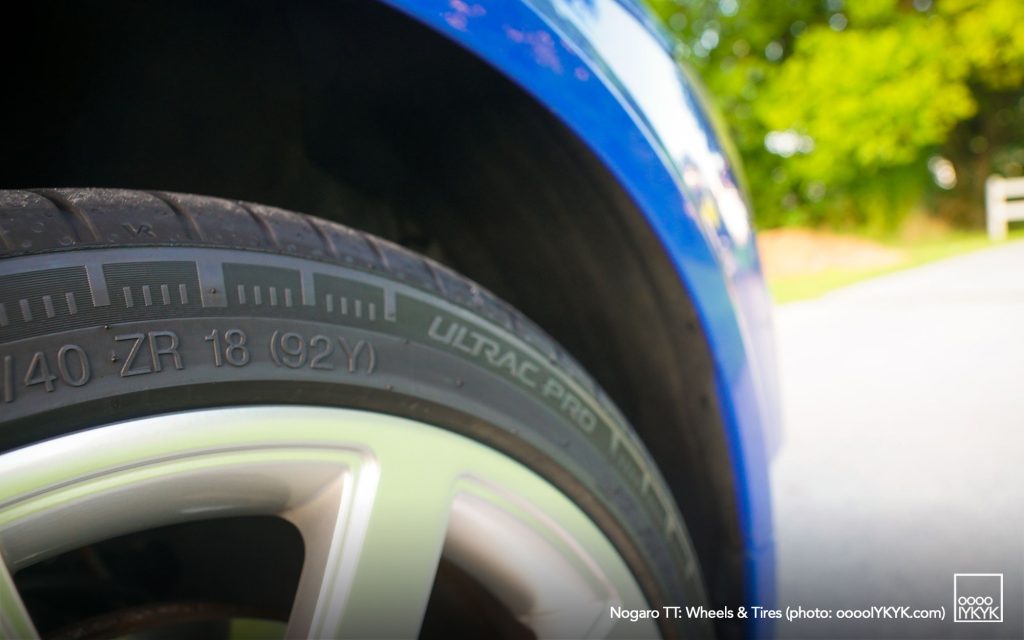
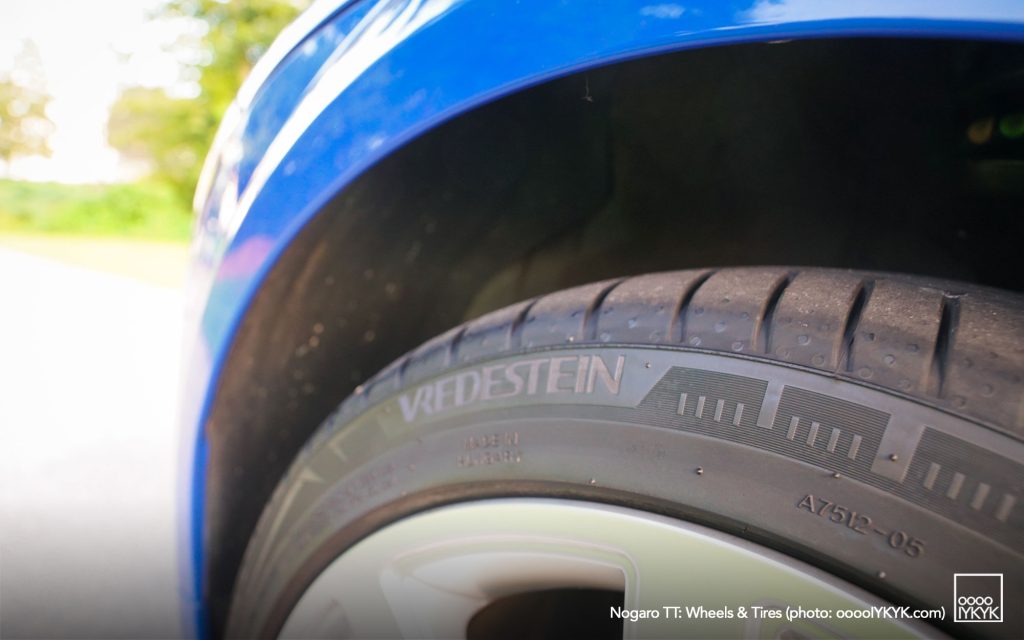
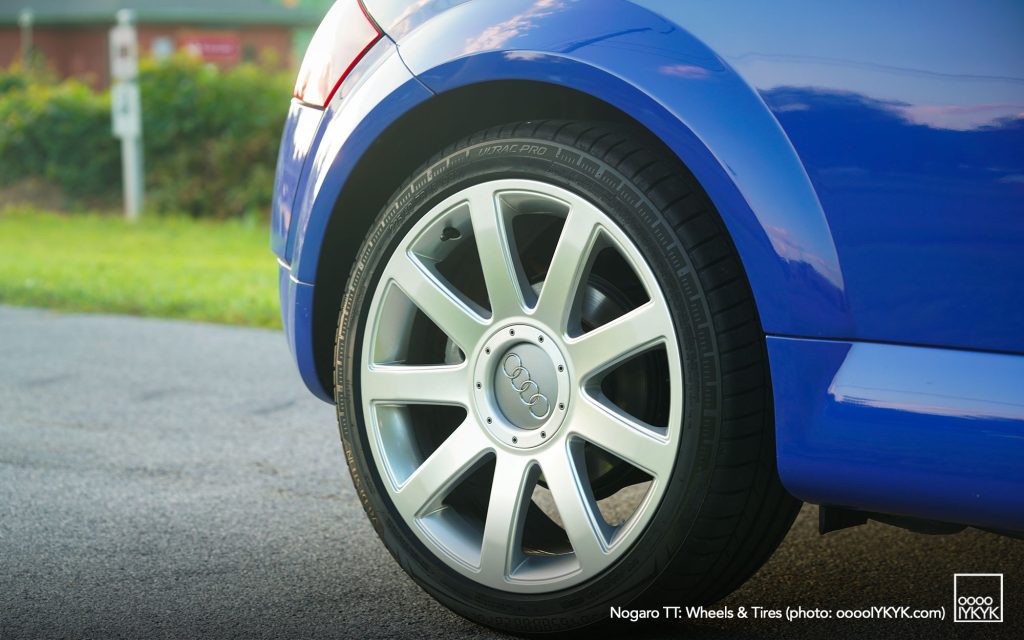
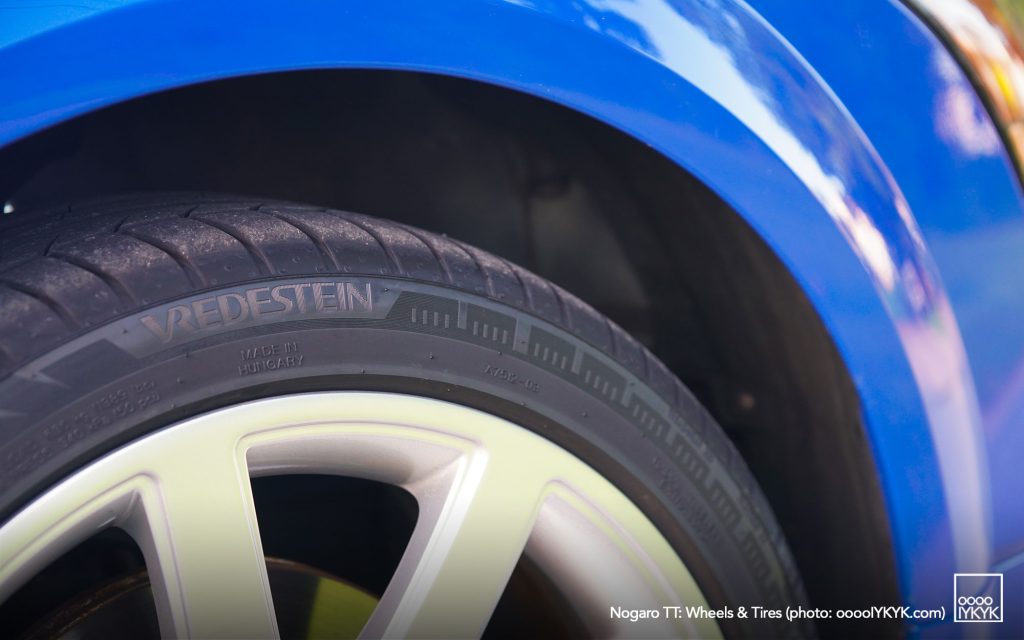
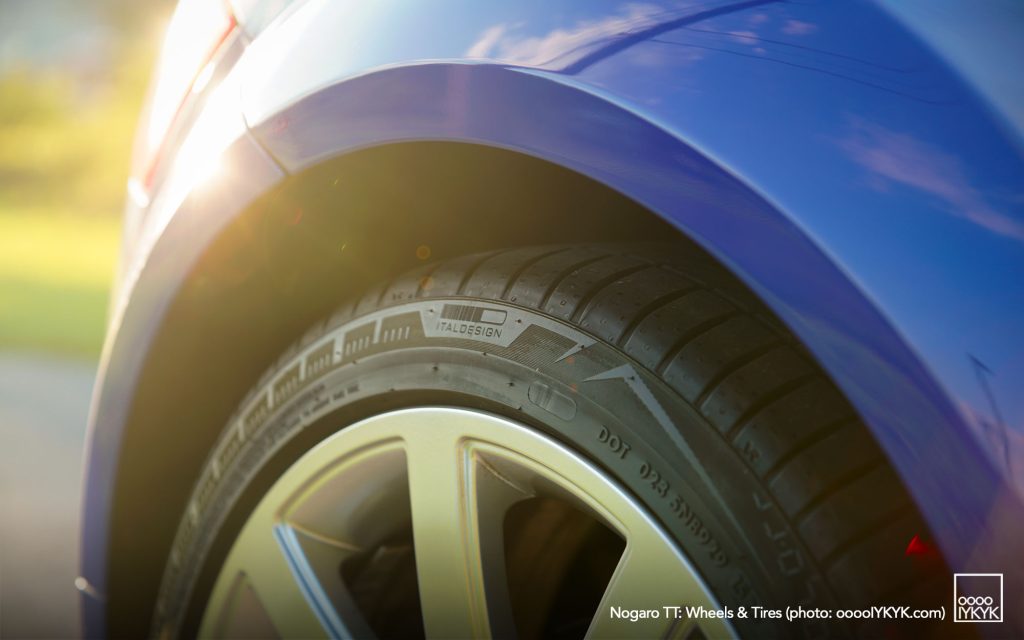
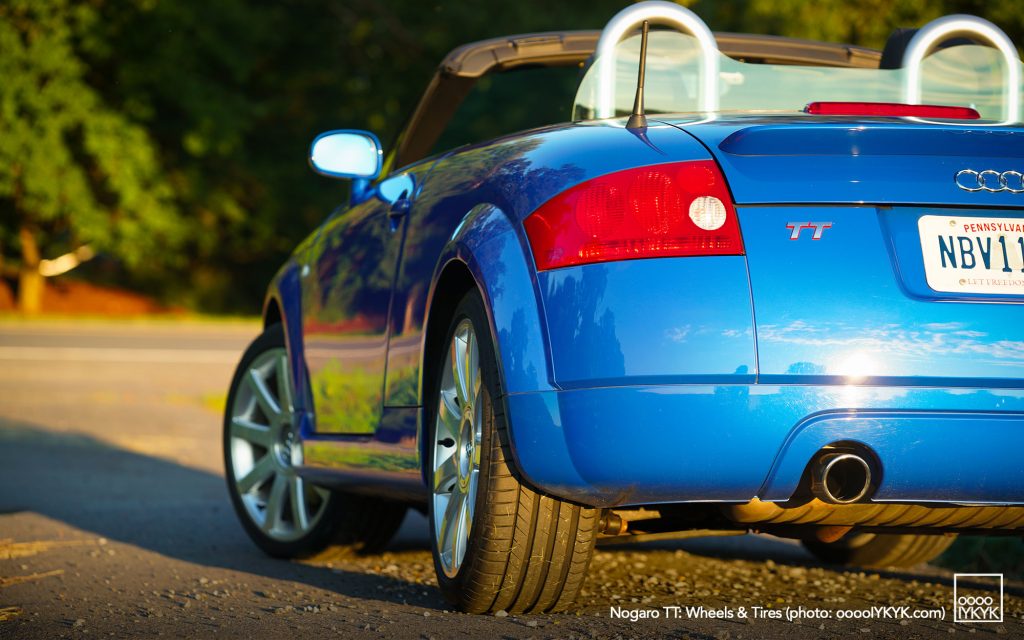
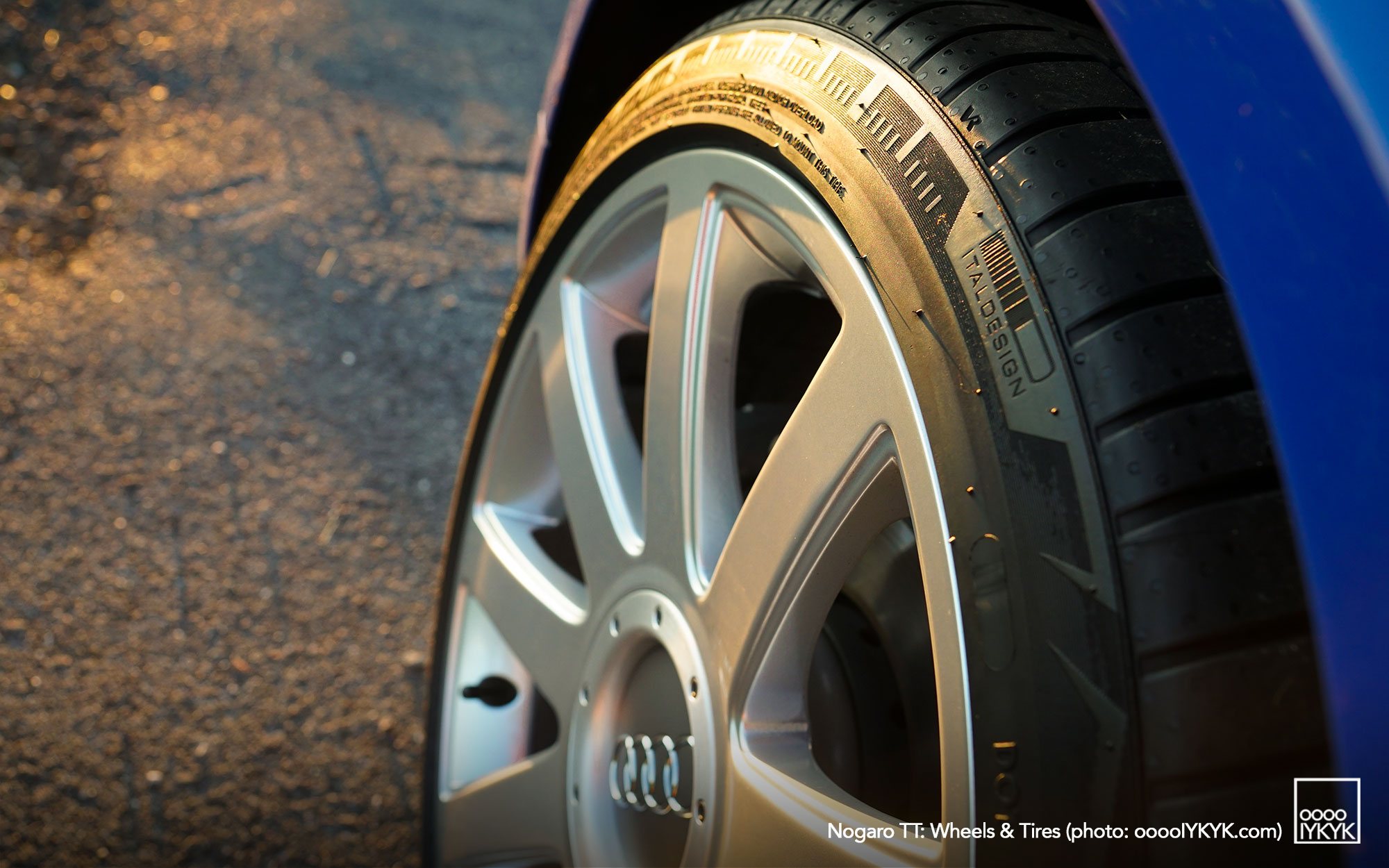
Ultimately, the need for fresh tires was what spurred this upgrade in the first place. With the move to the new wheels, factory tire sizing shifts to 225/40 R18. For these, I turned to Vredestein and its Ultrac Pro high-performance summer tire.
Given that the plan isn’t to drive the car year-round, a high-performance summer tire seemed like the right move. Vredestein occupies an interesting place in the market, offering a high-quality performance tire at a more approachable price than premium brands such as Michelin or Pirelli and as seen on my repeated go-to-source Tire Rack. That made the Ultrac Pro a sensible choice for a car like a first-generation Audi TT.
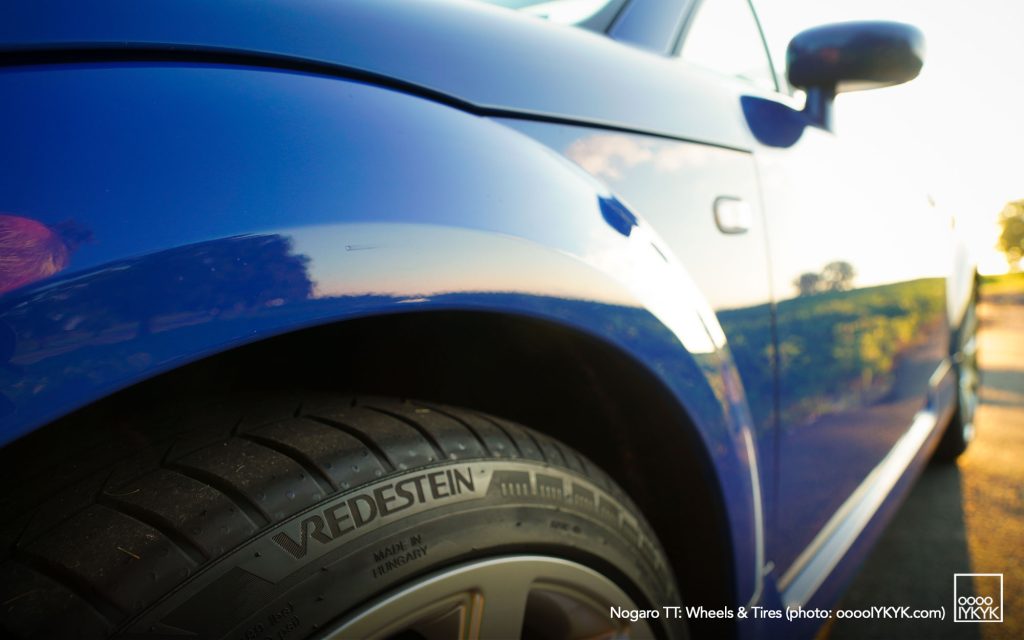
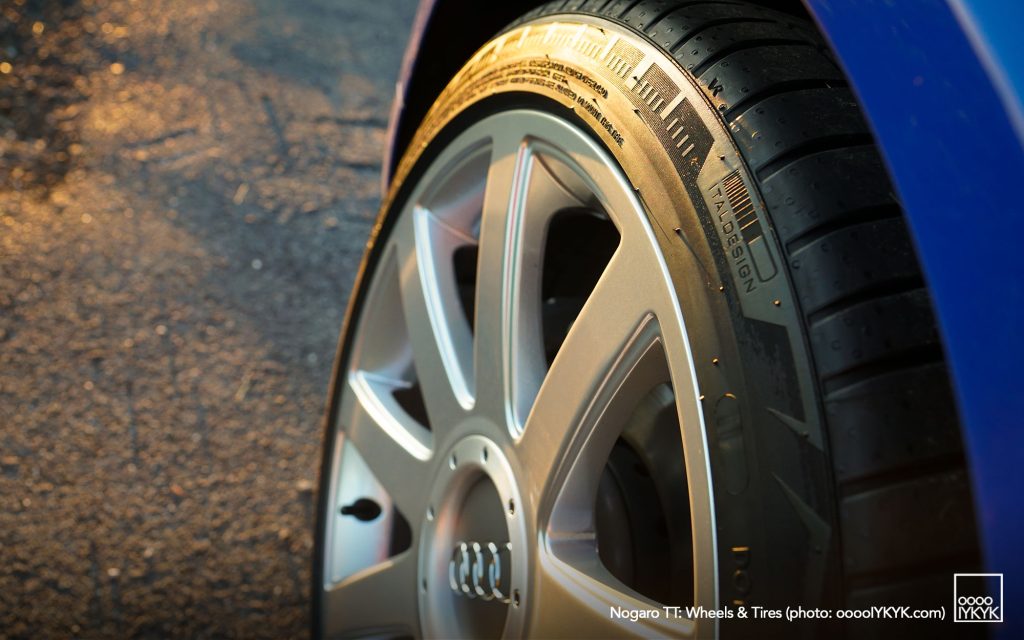
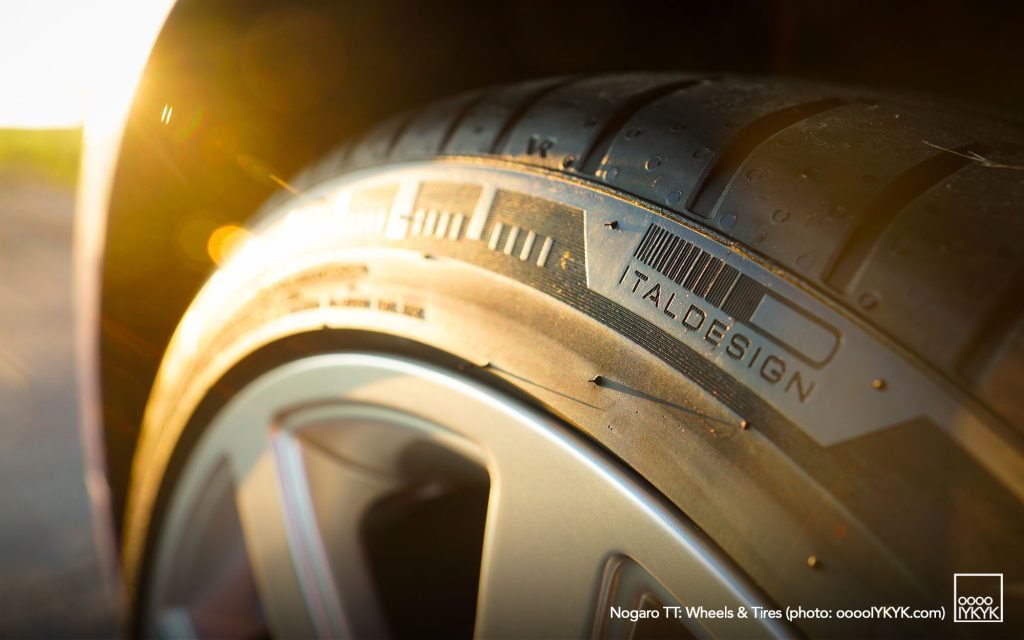
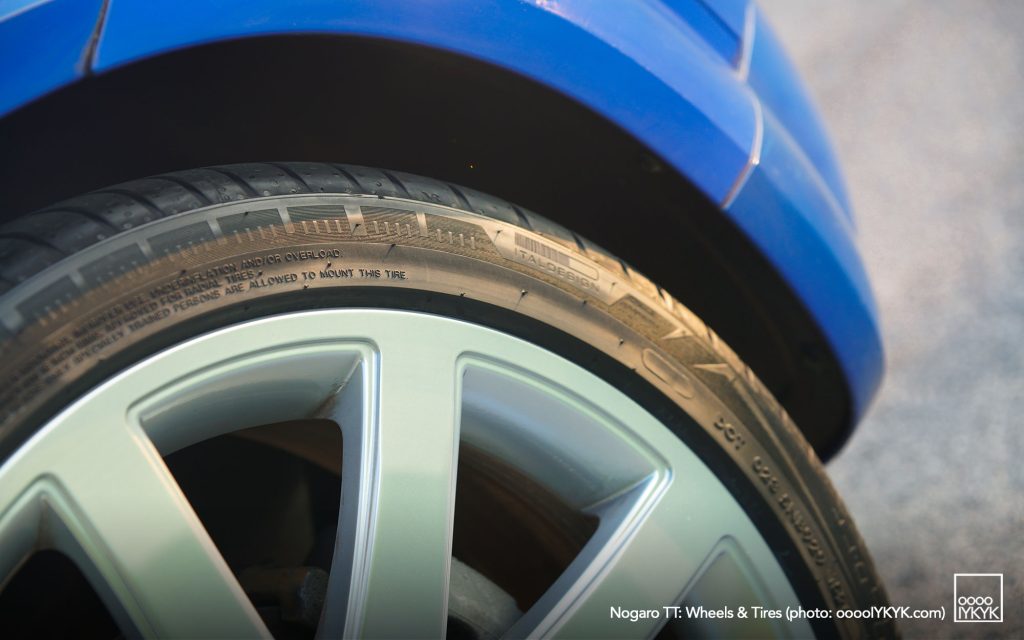
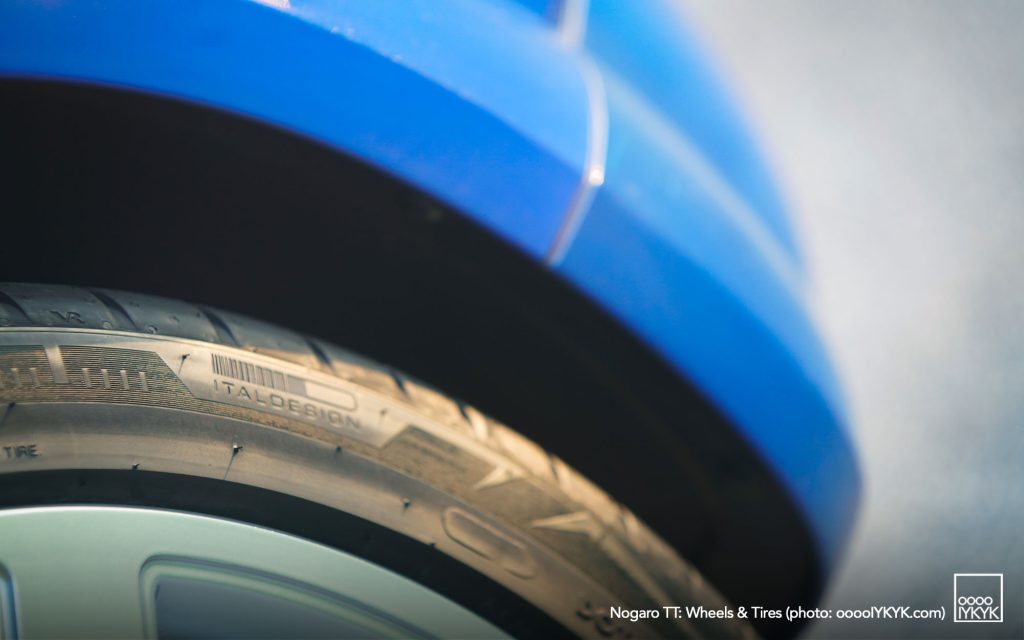
There’s also a more obscure reason that amounts to a bit of an Easter egg. Italdesign has designed the sidewalls of Vredestein tires, including the Ultrac Pro, and they carry the Giugiaro name. While neither Italdesign nor Giorgetto Giugiaro designed the first-generation TT, the Turin-based firm did play host to Freeman Thomas and members of the team during construction of the first TT prototype. As such, there’s a subtle connection between the Mk1 TT and these tires that goes beyond simply having an iconic Italian design firm lend its name to the sidewall of an equally iconic early-2000s Audi sports car.
WHEEL & TIRE SUMMARY
With new shoes fitted to our Audi exclusive TT, there are several takeaways worth noting.
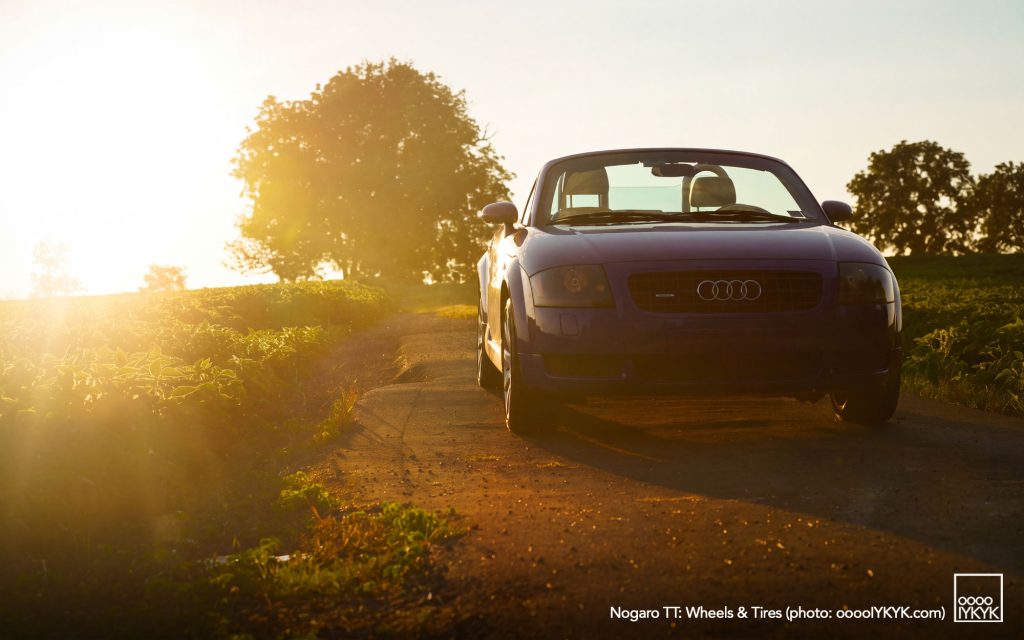
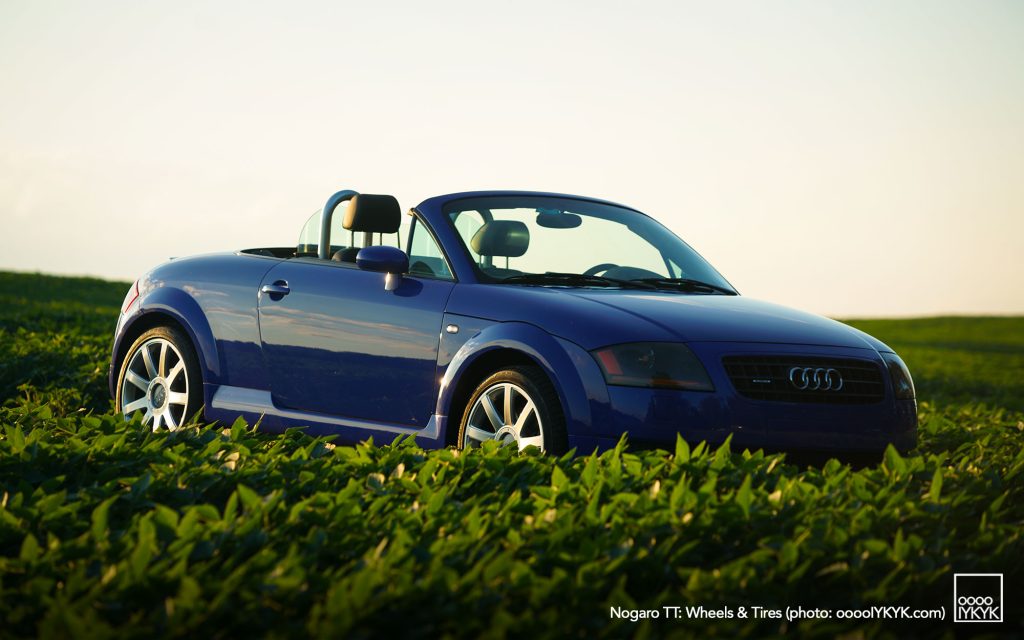
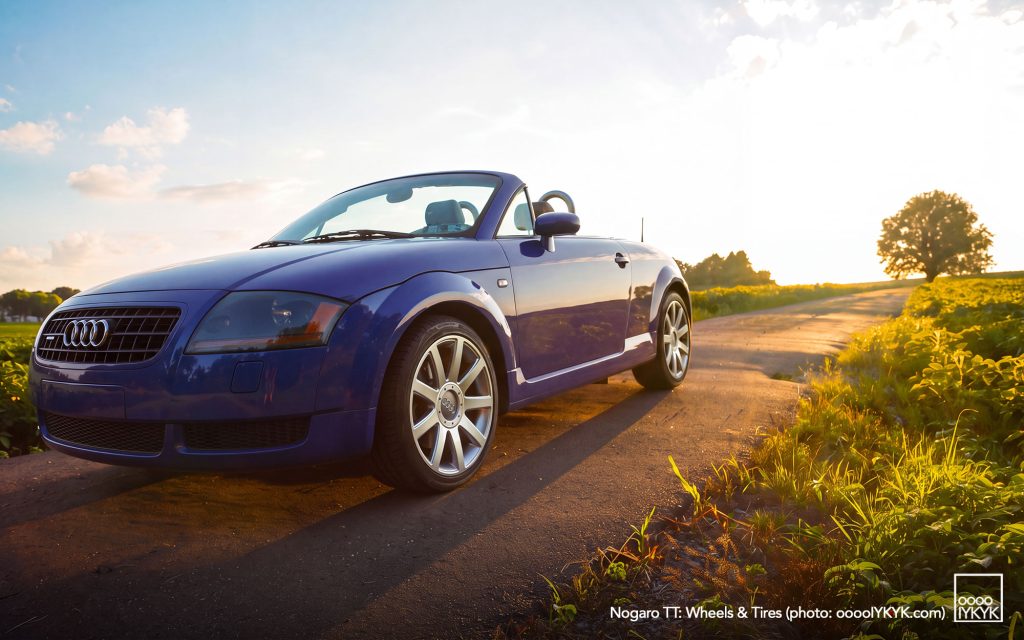
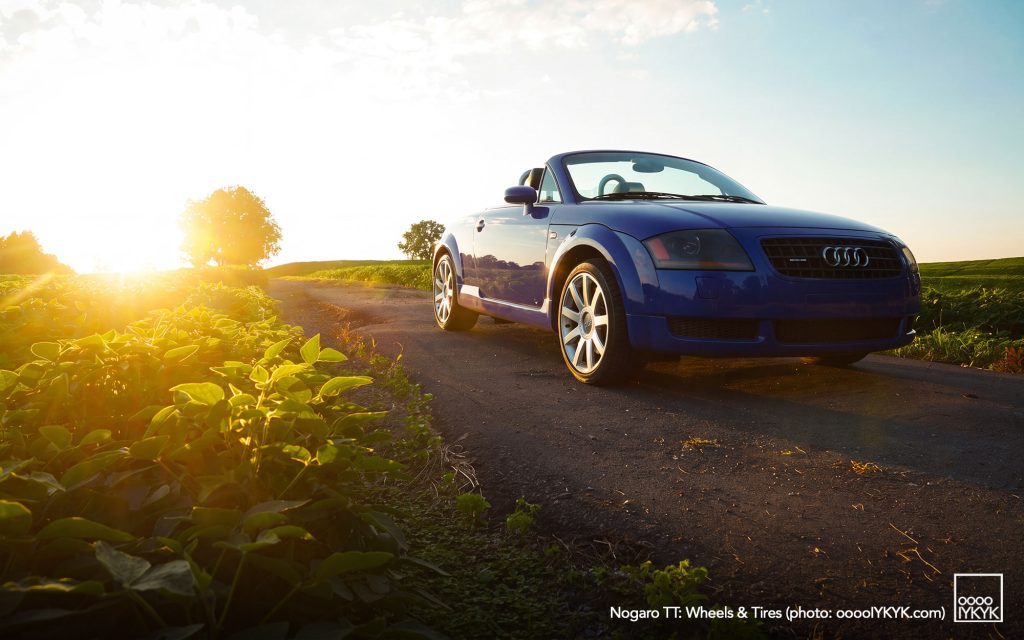
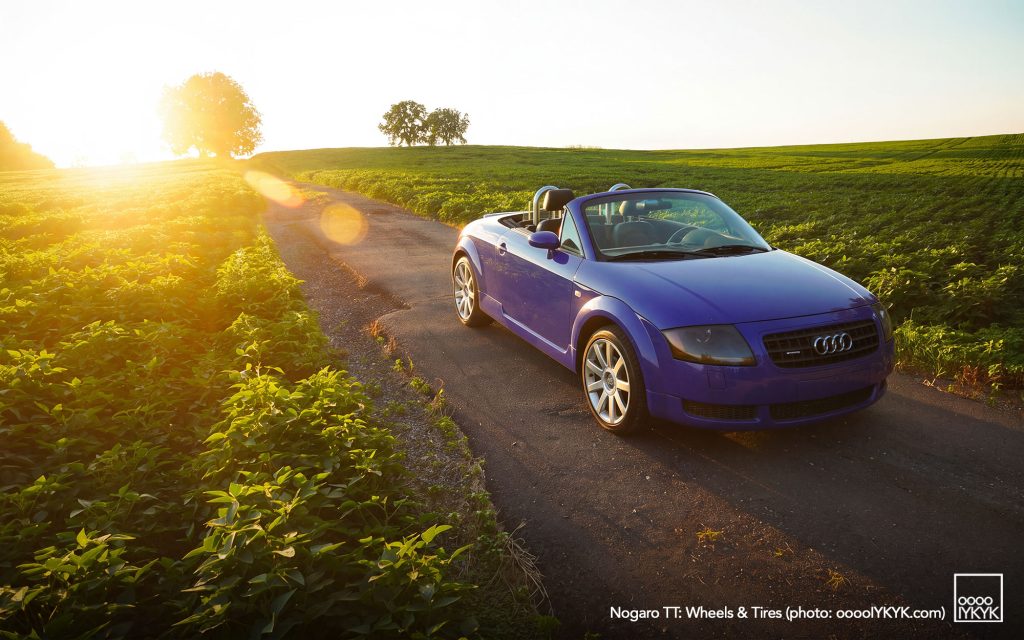
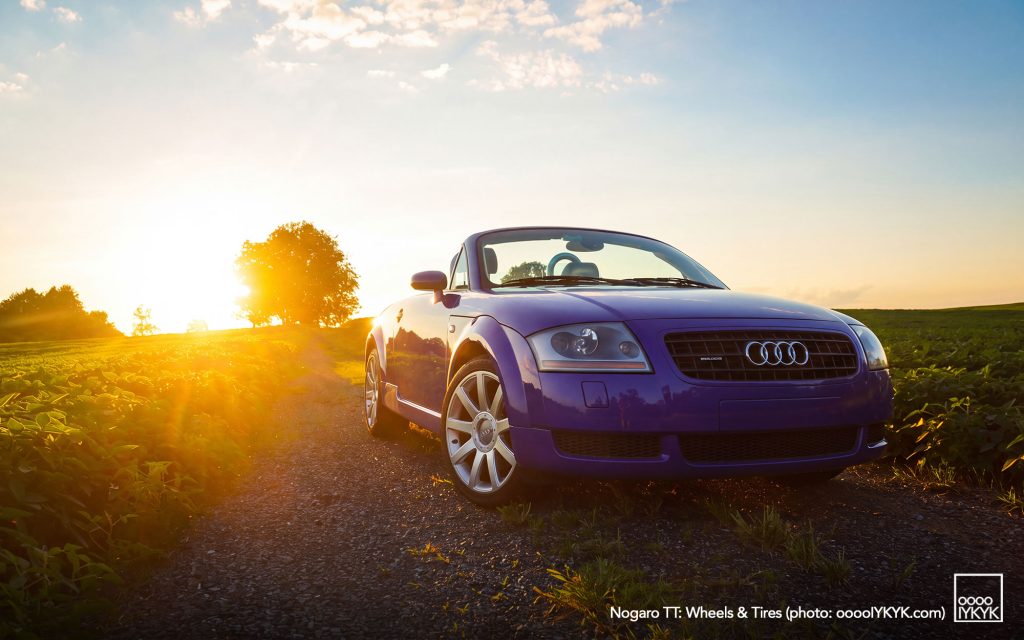
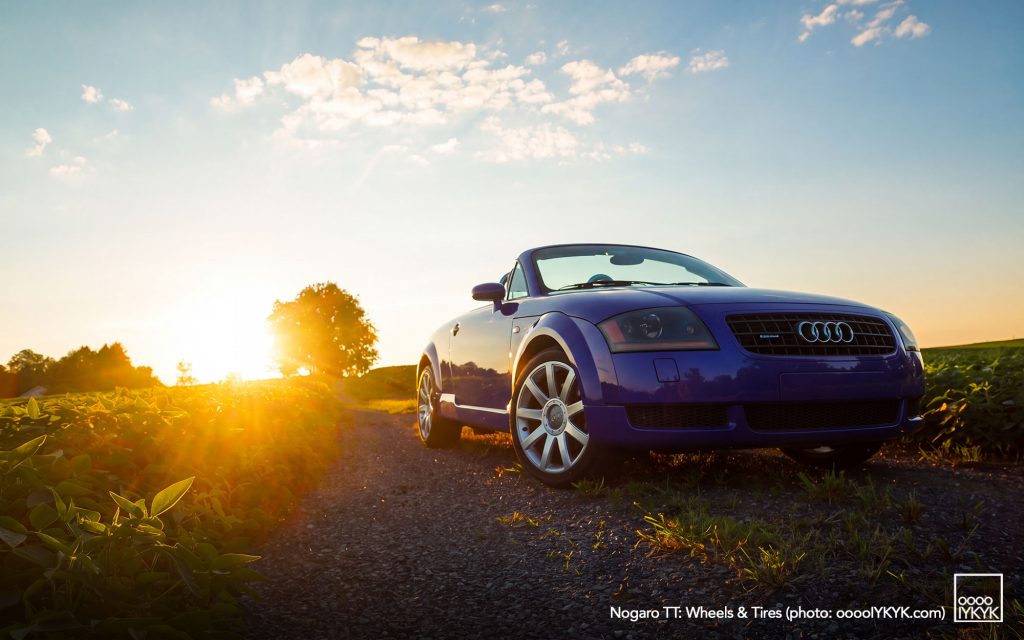
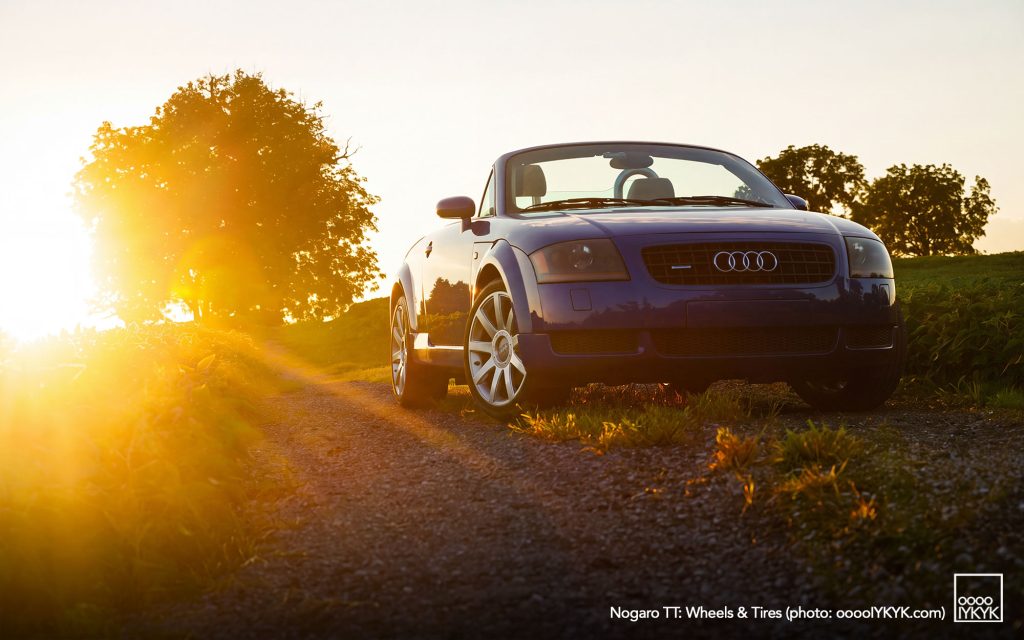
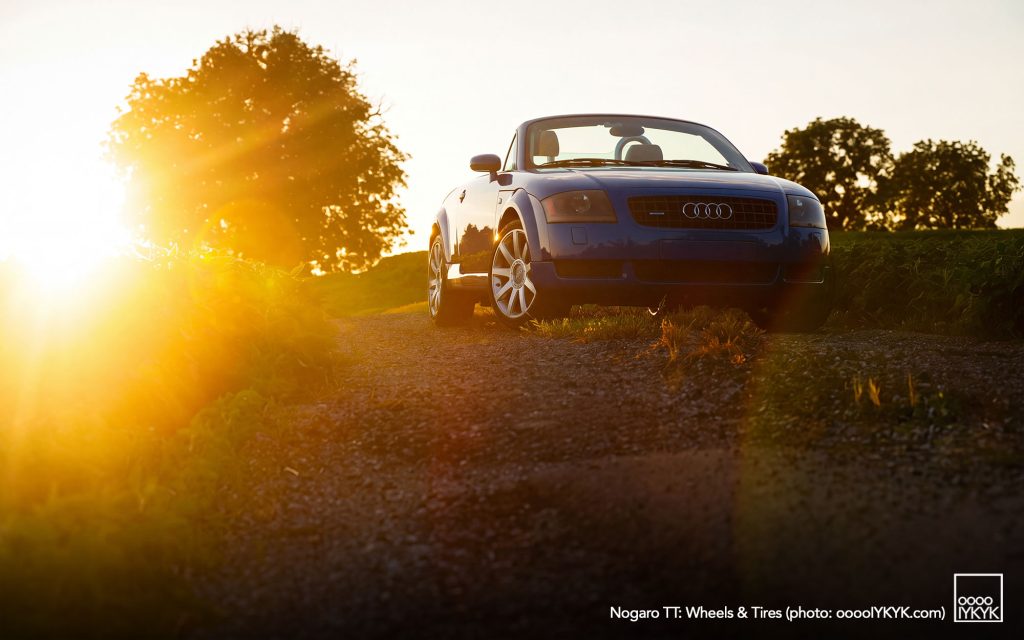
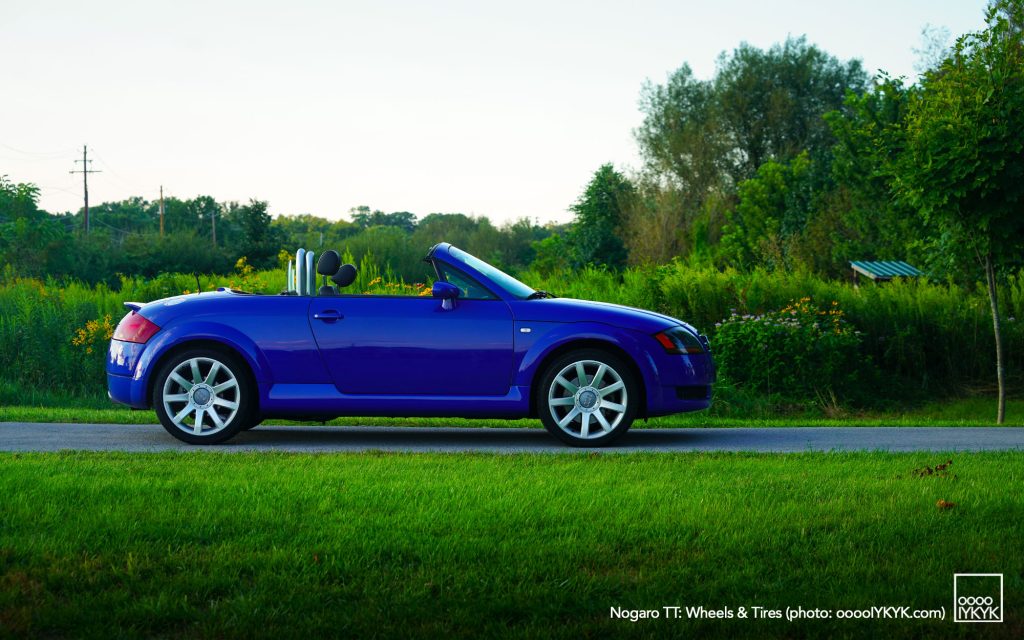
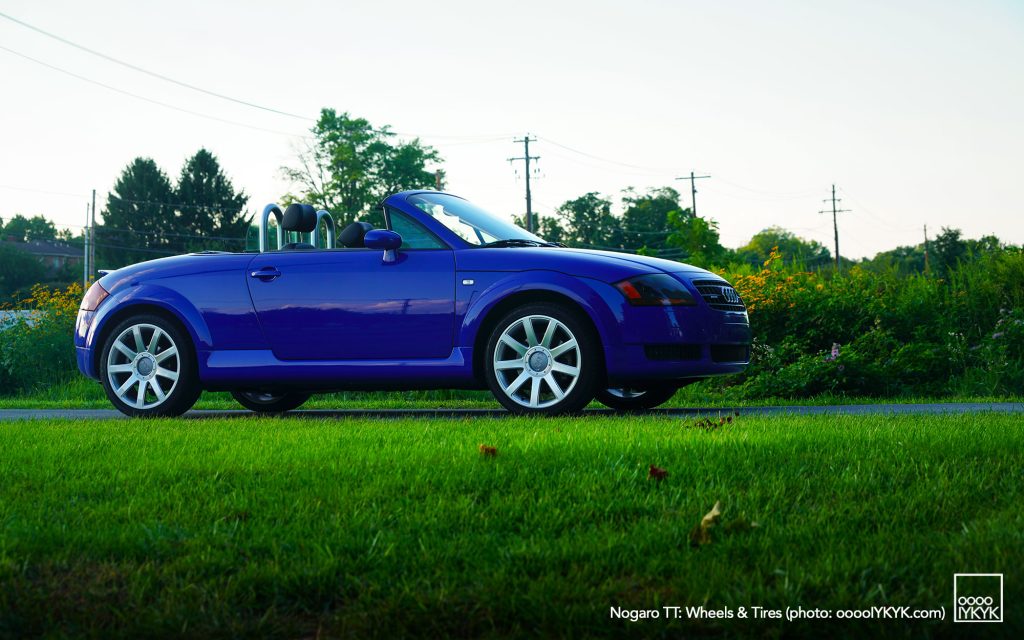
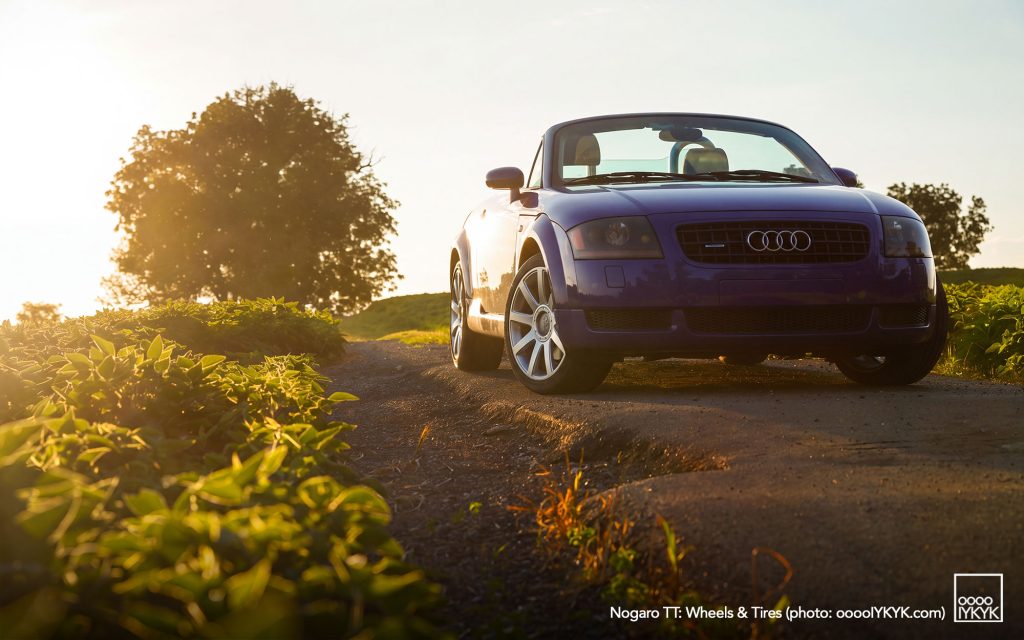
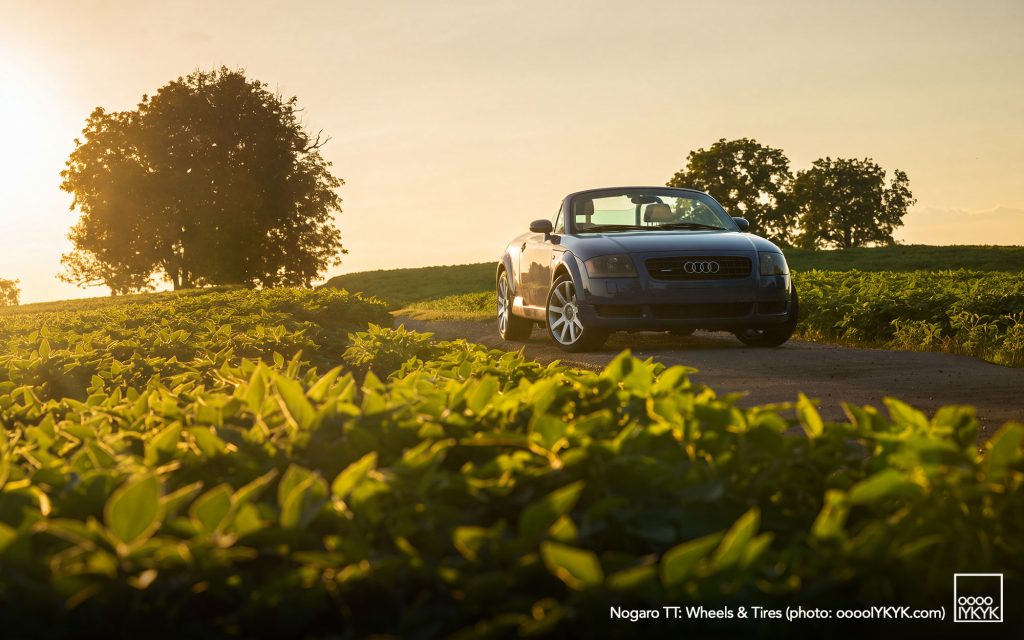
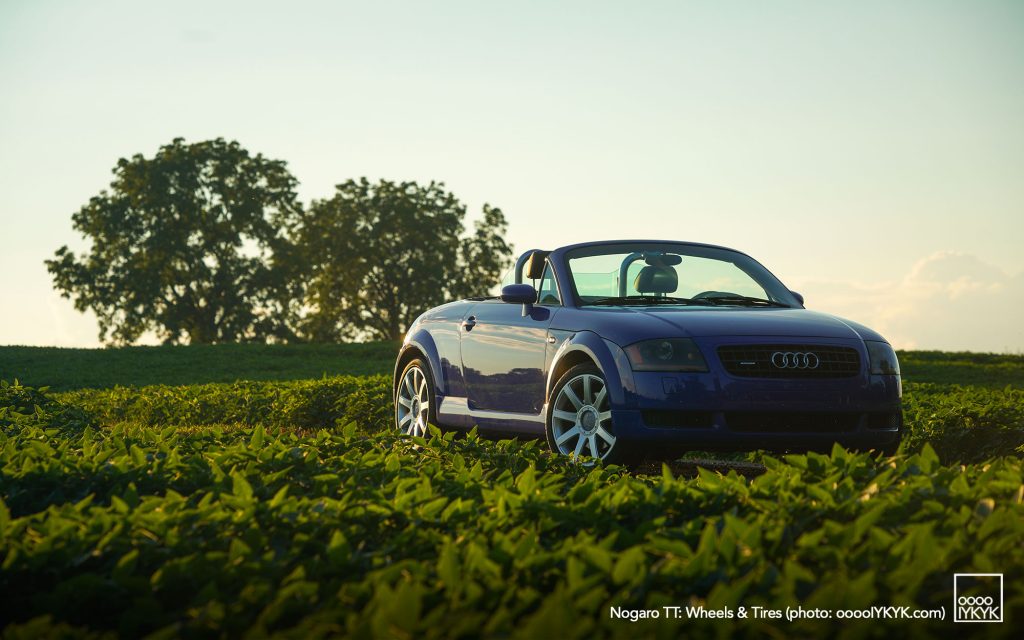
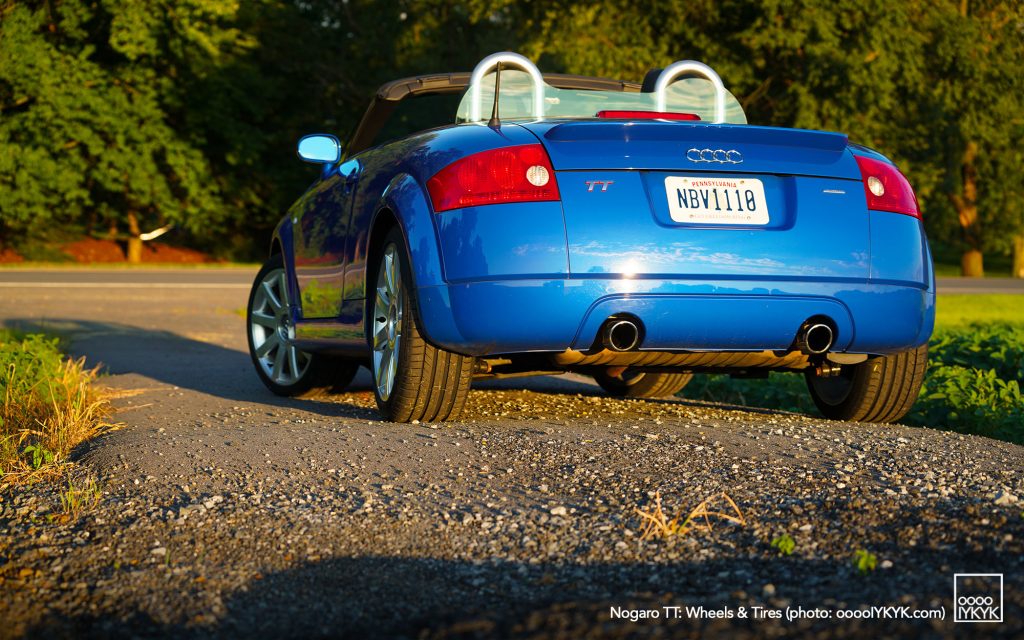
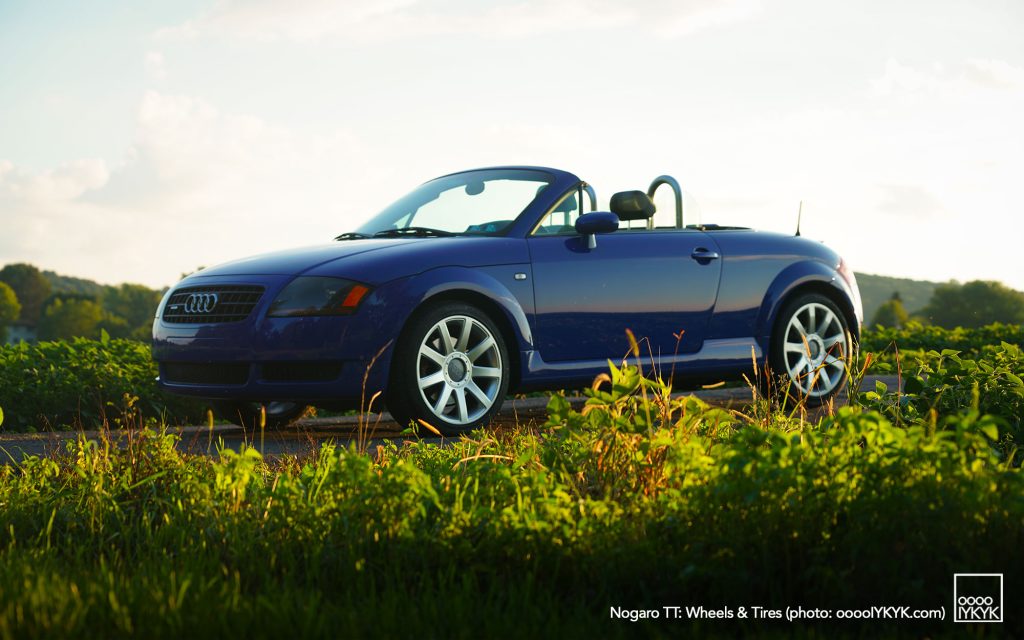
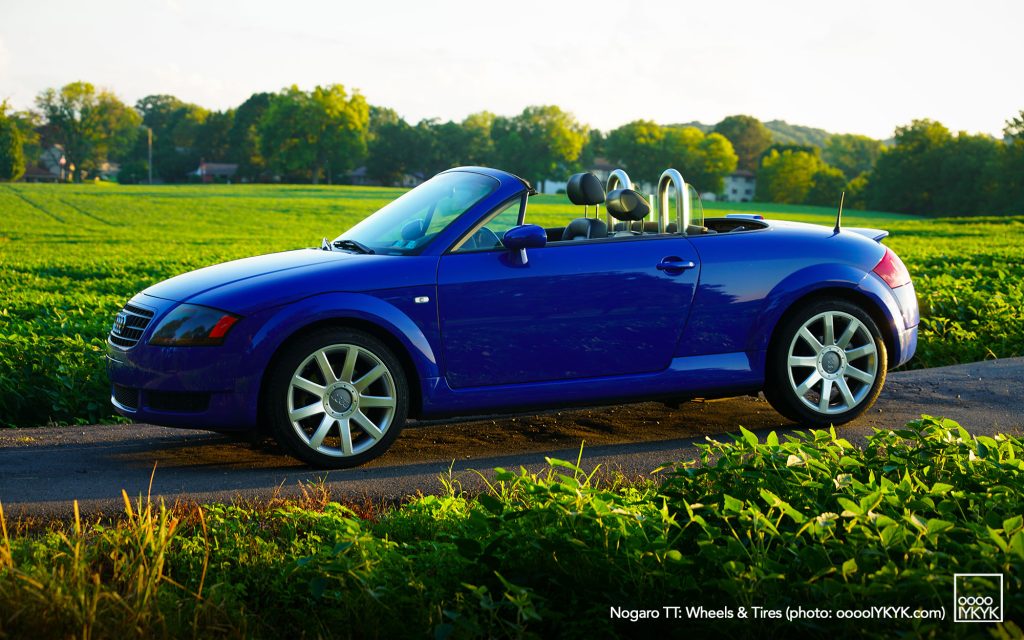
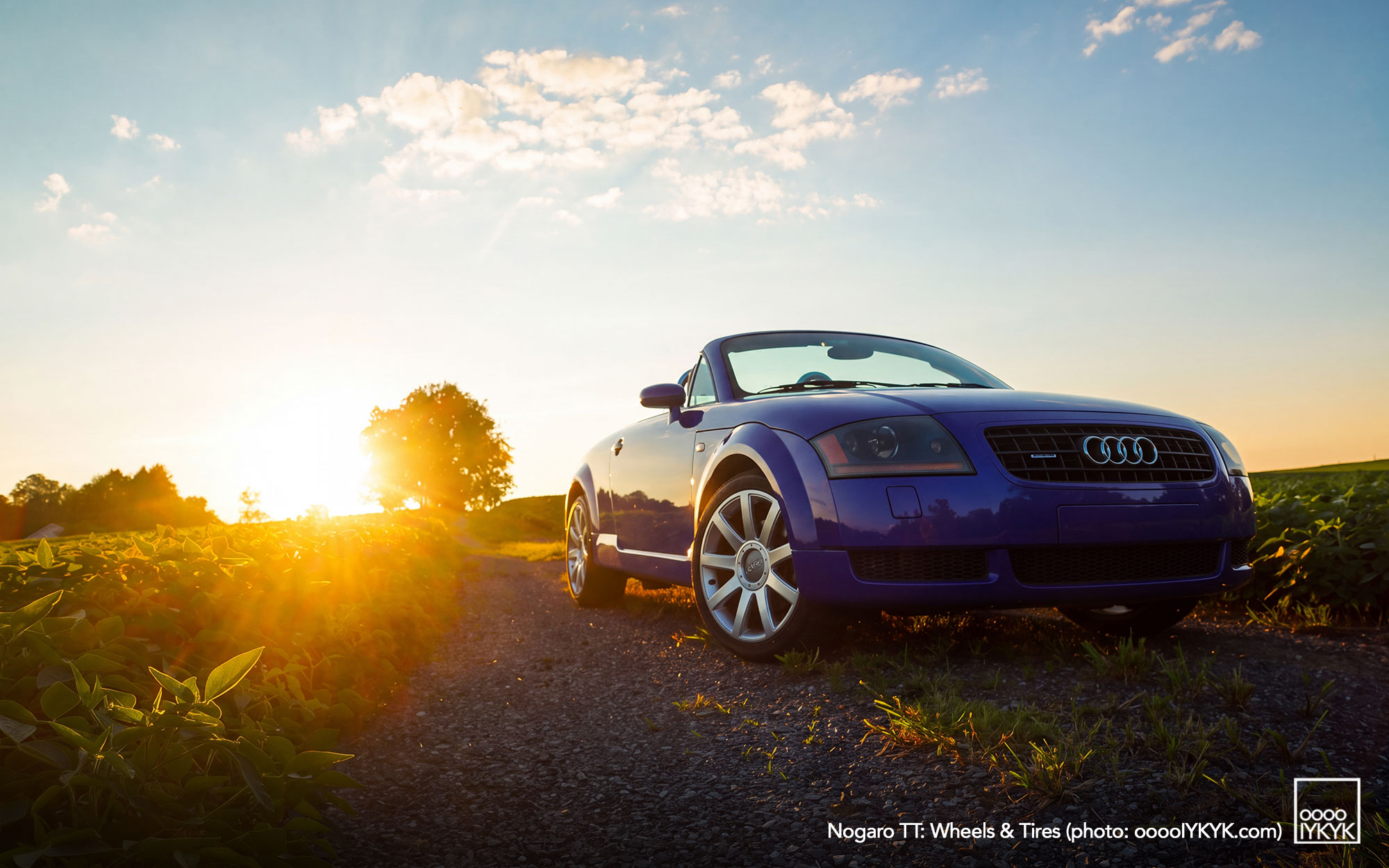
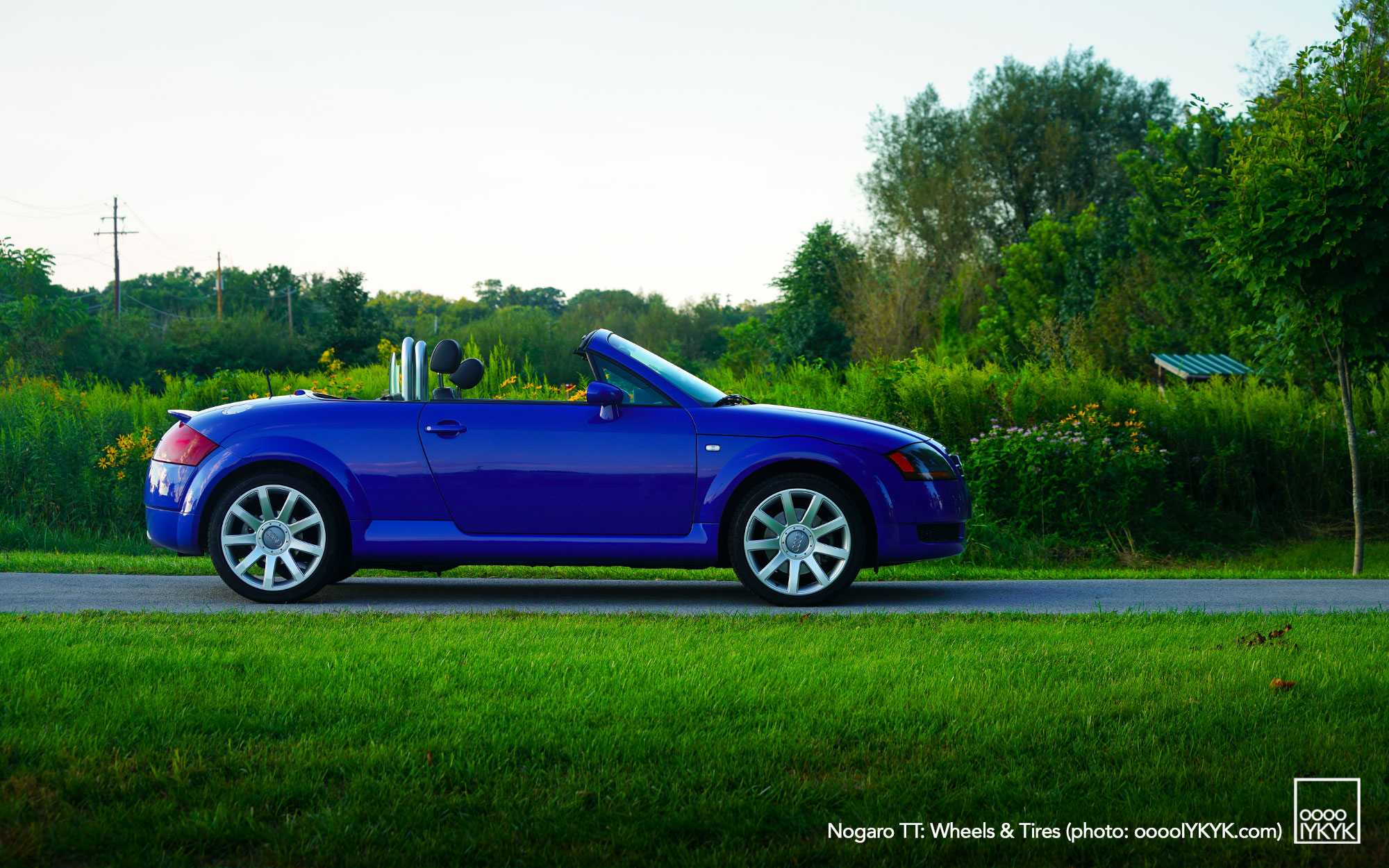
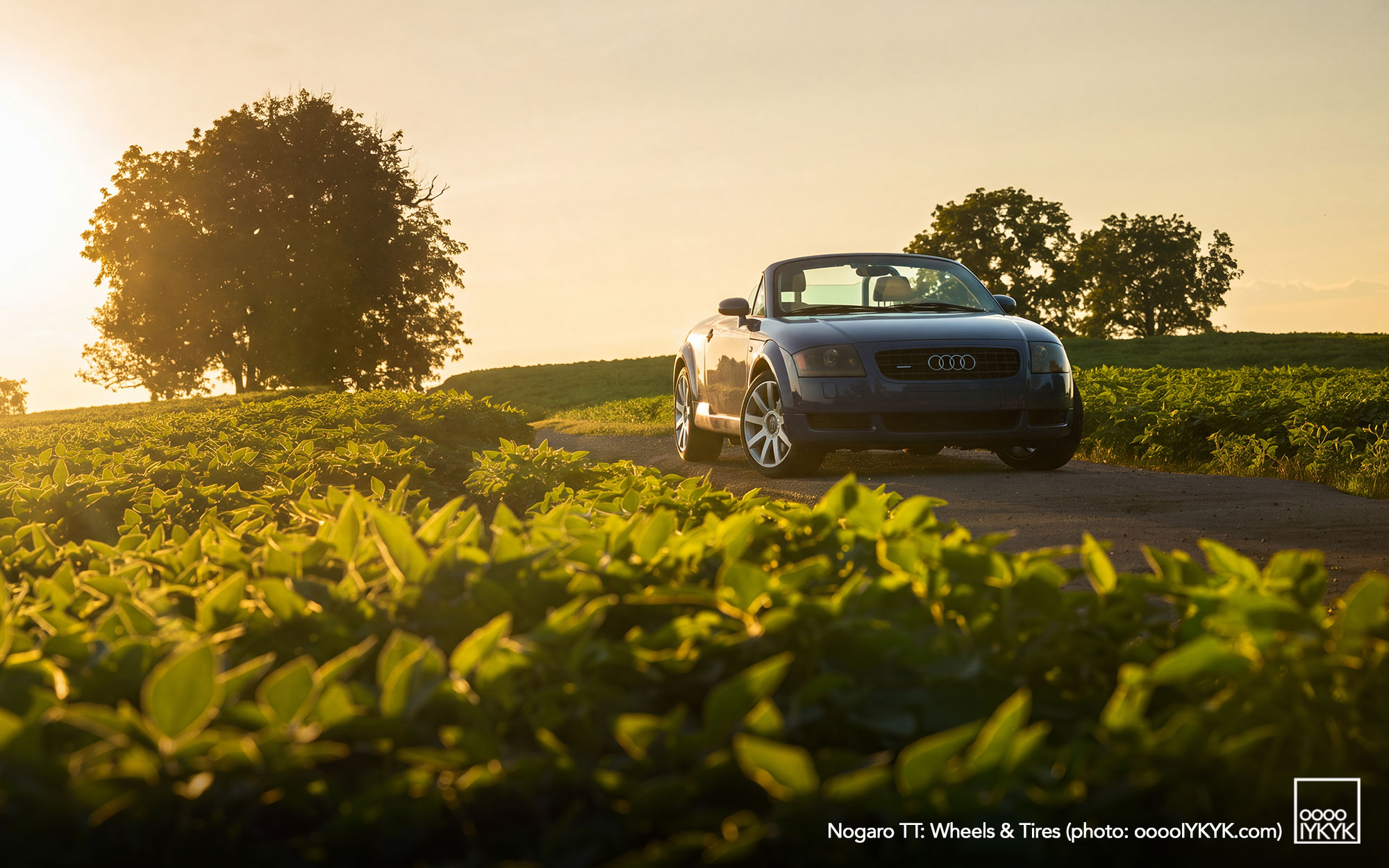
For starters, those 9-spoke 18-inch wheels look exceptionally good on the car. The Project Rosemeyer-inspired Avus wheels fitted previously also suited it, but the new wheels are arguably the ultimate period choice. Our car now closely resembles the Nogaro Blue example fitted with the same design in an early-2000s Audi exclusive catalogue from quattro GmbH.
The larger wheels do a lot for the overall aesthetic, but they also revealed a drawback: the lower-profile tires and larger wheel faces accentuate just how high the suspension sits, particularly at the front. The suspension appears to have been freshened at some point by the previous owner, but our guess is that he used either OEM components or an equivalent aftermarket replacement.
The change in handling also draws more attention to the suspension. With a wider contact patch and fresh high-performance Vredestein tires, the car invites you to carry more speed through corners. Do that with more vigor than before, however, and the amount of body roll isn’t especially reassuring.
That aforementioned TT in the quattro GmbH catalogue had factory sport suspension, and now ours is making a compelling case for something similar.
Expect more on that later.
RELATED LINKS
Alloy Wheel Repair Specialists (a.k.a. Wheel Collision Center)
PHOTO GALLERY