
ooooIYKYK, ISSUE #oo52, SUBSCRIBE TO THIS NEWSLETTER ON SUBSTACK.
It seems like a timely moment to have a conversation about naming.
The launch of the new A5 Sedan generated its fair share of criticism, and not without reason. Somewhere within Audi brand management came the idea that every even-numbered model (A2, A4, A6 and so on) would become electric, while every odd-numbered model (A3, A5, A7) would remain internal combustion.
The idea wasn’t entirely original. Volvo split its sedan and wagon ranges years ago with S and V models. BMW made a similar move by separating coupes and sedans, turning the M3 Coupé into the M4 while separating their most iconic and brand-defining models from one of the industry’s most celebrated nameplates.
Predictably, those decisions were often criticized by the enthusiasts most invested in those brands. That’s especially true for the German manufacturers, whose reputations were built on logical naming conventions. A BMW 325i immediately told knowledgeable buyers they were looking at a 3 Series with a 2.5-liter inline-six and fuel injection. Audi, BMW and Mercedes-Benz all developed these logical naming conventions that also operated as insider language that became part of their appeal. Over time, however, each has drifted away from that clarity.
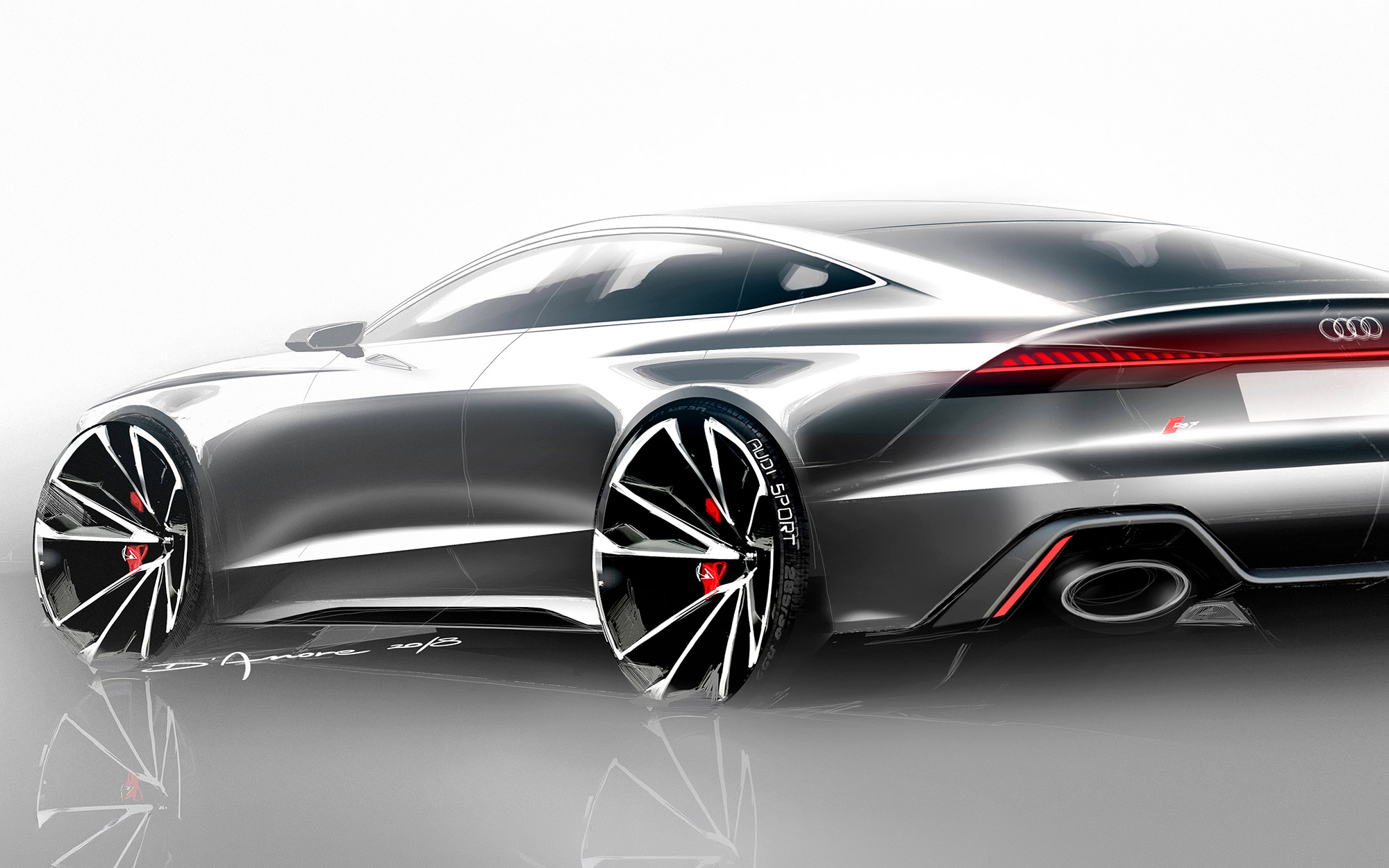
Much has already been said about Audi’s decision to rename the A4 as the A5, and the company already appears to be course-correcting by keeping the A6 name intact and suggesting a return to A4 in the mid-lifecycle. Rather than revisit that debate, I’d rather talk about something else: body styles.
Like… what’s a Sportback anymore?
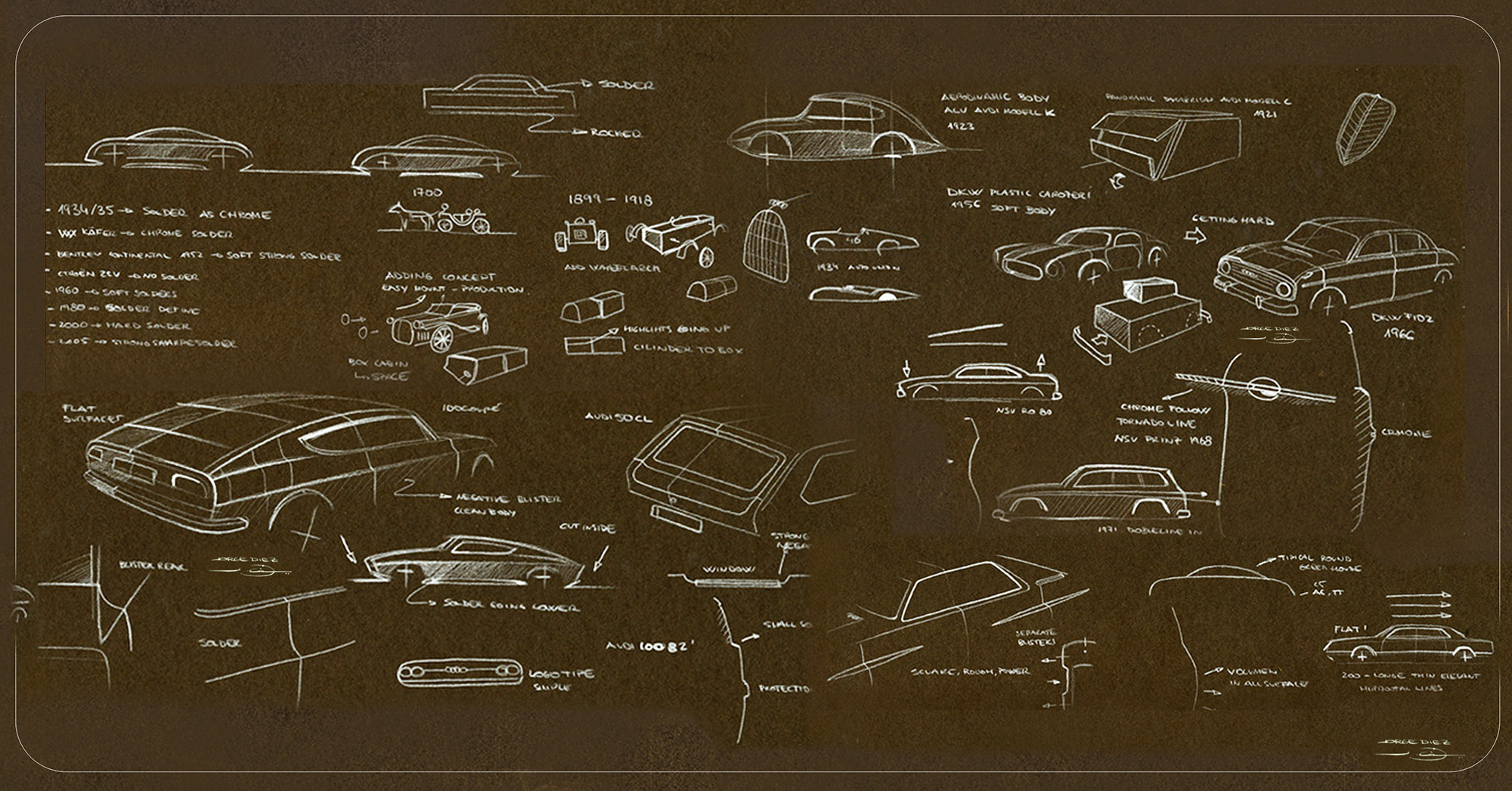
Back in 1977, Audi launched the first model to wear the Avant name. The car wasn’t the first attempt by the brand to offer a station wagon, but the original Audi 100 Avant wasn’t really a conventional wagon either. French for “forward” or “ahead,” Avant described a sloping hatchback more akin to the original Volkswagen Dasher/Passat (B1) than the long-roof wagons we’d later come to associate with the name.
The C3 Audi 100 Avant refined that idea with its aerodynamic profile and distinctive glass hatch bisected by a spoiler, matching up favorably with the tail design of the second-generation Volkswagen Scirocco. By the time the Audi 100 (C4) and Audi 80 (B4) arrived, however, Avant had evolved into the traditional station wagon we know today. Practicality had largely overtaken avant-garde design.
Other body styles followed similar evolutionary paths. Audi’s early two-door notchbacks gave way to the fastback Coupé that ultimately underpinned the ur quattro. Later came the hatchback Coupé (B3) and TT, before the A5 returned to a more traditional grand touring coupe.
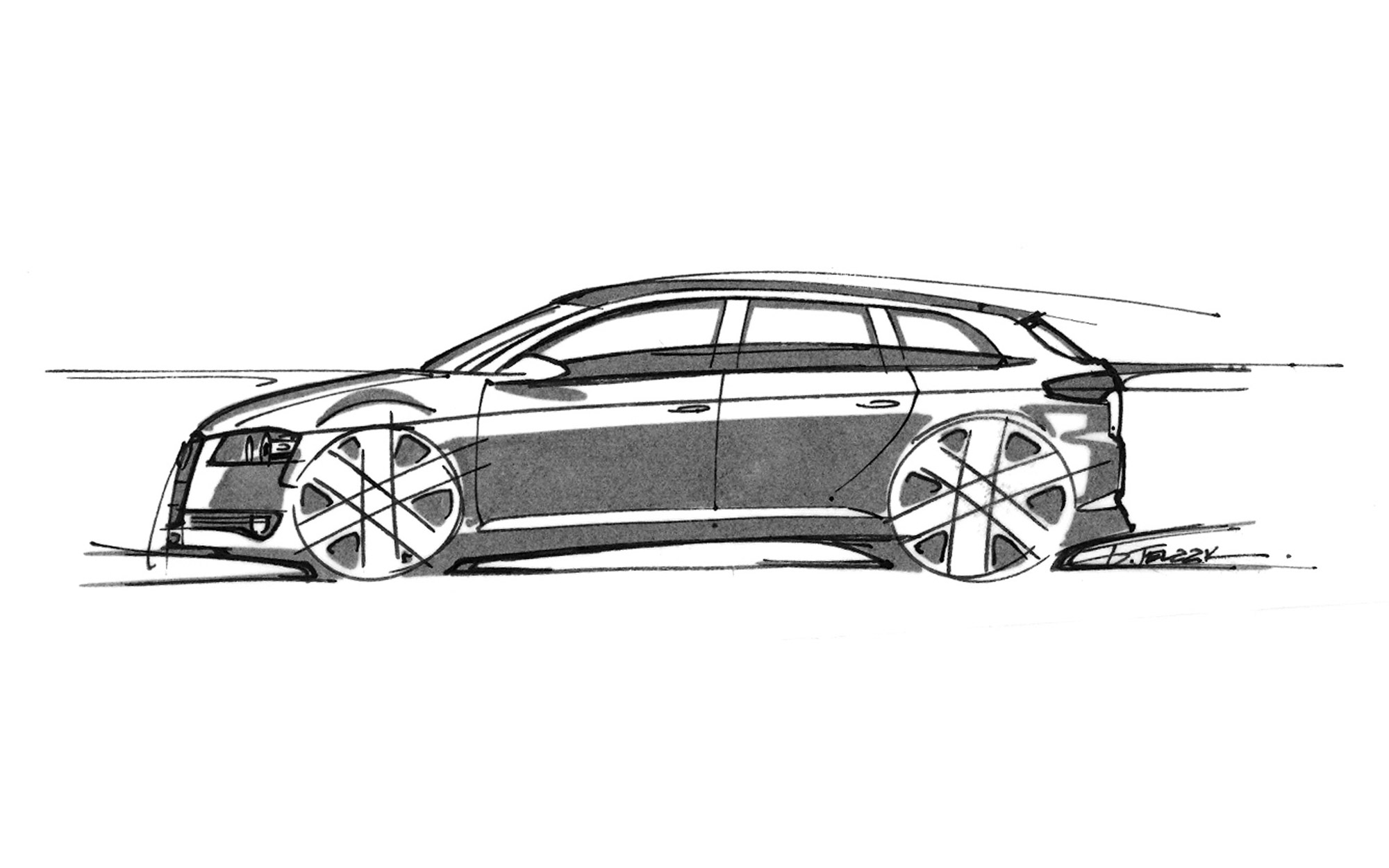
Then Audi introduced the Sportback.
It began with the five-door A3 Sportback, essentially an Avant-like form on a shorter footprint hatchback, before expanding to the A7 Sportback—a four-door coupe on a sedan footprint with a hatch that, in many ways, revisited the spirit of the original Audi 100 Avant. The concept spread throughout the lineup. The Q8 adopted a similar profile to the “Sportback” A3 yet without any name to describe its form, while 5-door coupe-like versions of the Q3, Q5 and e-tron also became Sportbacks. Meanwhile, their more upright siblings were more intentionally termed “SUV” on brand configuration tools.
Then came the latest A5.
Its Coupé, Cabriolet and previous Sportback ave hall disappeared. In their place are an Avant, a long-wheelbase Sportback for China oddly enough and a Sedan that looks like a traditional notchback sedan but hides a hatchback rear tailgate. Meanwhile, the hatchback-shaped A6 e-tron is still called a Sportback.
Confused yet? I know I am.
Ignoring specialty cars like the R8, today’s mainstream Audi lineup includes traditional sedans, hatchback sedans, wagons, crossover SUVs and coupe-like crossover SUVs. Some are called Sportback. Some aren’t. Some Sedans are hatchbacks. Some aren’t. The logic that once underpinned Audi’s naming convention no longer seems particularly logical.
And that’s before introducing allroad and allstreet that are basically the same thing. So too are now retired convertibles where, depending on the model, are either a Roadster a Cabriolet or a Spyder.
So what’s my point?
Rather than just a “get off my lawn” moment, I’d argue this A5 moment presents an opportunity. Audi could acknowledge that its body-style language has gotten out of control through a long series of deviations. They could use this generational shift to establish a clear, logical taxonomy for future models. Keep the alphanumeric model names. Keep the heritage names. Just apply them consistently.
The names themselves are not as important as the system behind them.
Good nomenclature should help customers understand a product at a glance. It should become part of the brand’s language—a shorthand that enthusiasts appreciate, new buyers quickly learn and future product planners can apply without reinventing the rules every product cycle.
NEWS & FEATURES
CURATED PODCASTS & VIDEO CONTENT
The Audi F1 Project that Brought Me Back – Mattia Binotto | High Performance Podcast
Allan McNish: Why Audi Revolut F1 Team Will Become F1 World Champions | High Performance Podcast
Why I’d Still Buy an RS Q8 in 2026 | Autotrader
Alonso Warned Us about Gabriel Bortoleto
Audi R18 RP4/5: The Last Diesel to Win Le Mans | Sam’s the Pits
ooooIYKYK AUDI ARCHIVE UPDATES
This story is the basis of an issue of the ooooIYKYK Newsletter on Substack. If you’ve got too much going on in your life and don’t want to keep coming back to this website just to check in and see what I’m writing about, signing up to the ooooIYKYK Newsletter is an excellent way to get this content coming directly to you in your inbox. Subscribe at Substack via the link below, and consider becoming an optionally paying subscriber if you want to help support the viability of this title.Subscribe to the ooooIYKYK Newsletter on Substack HERE.