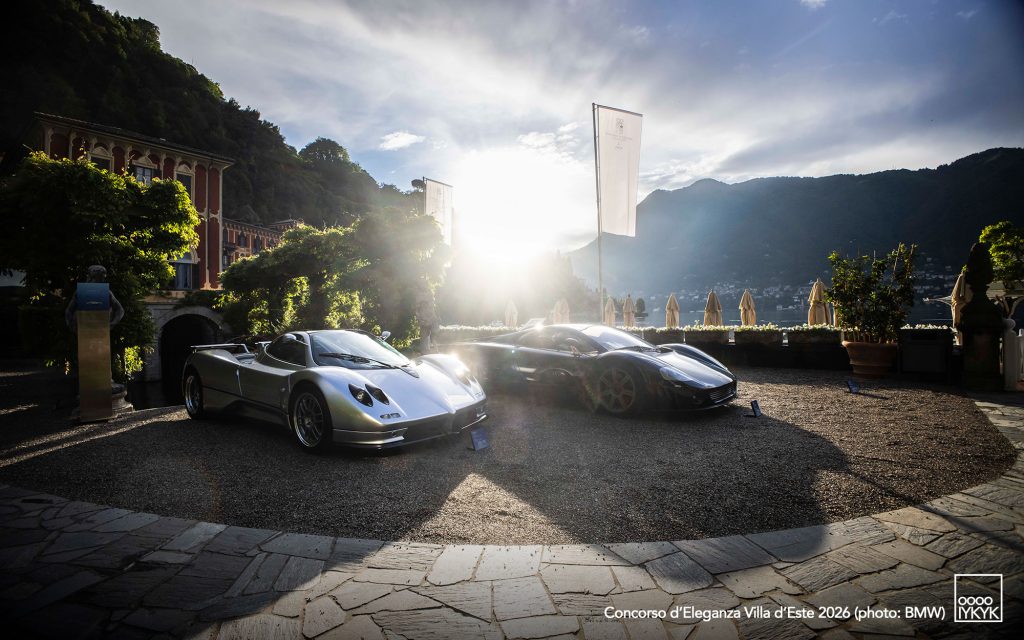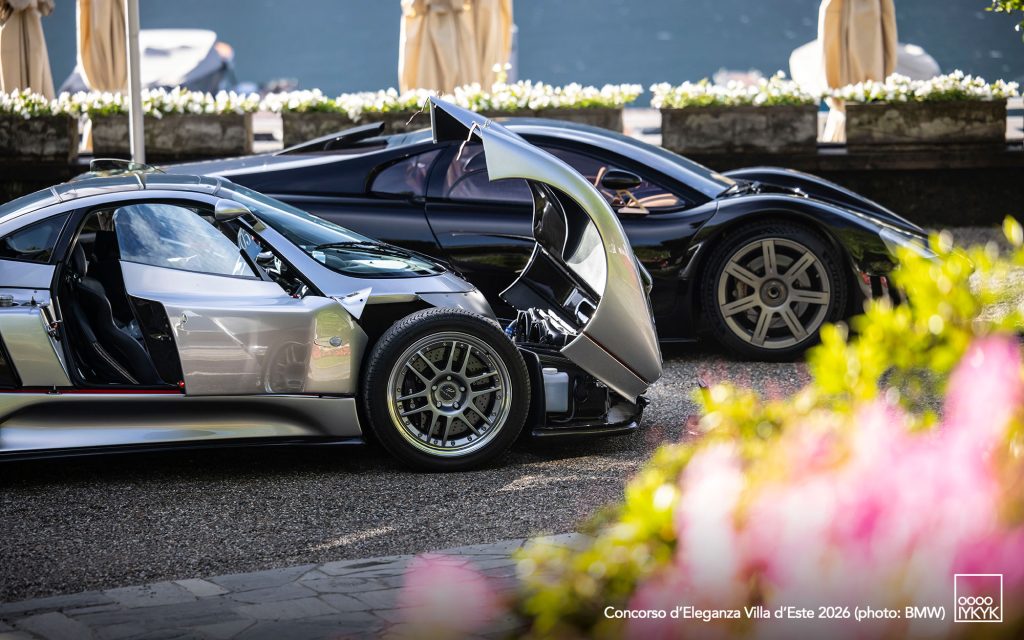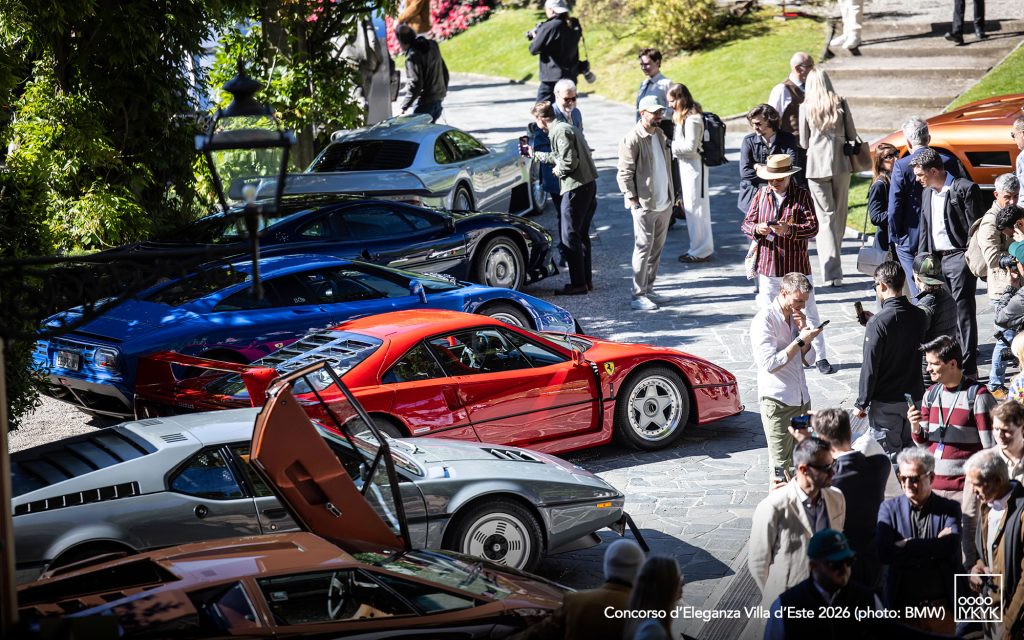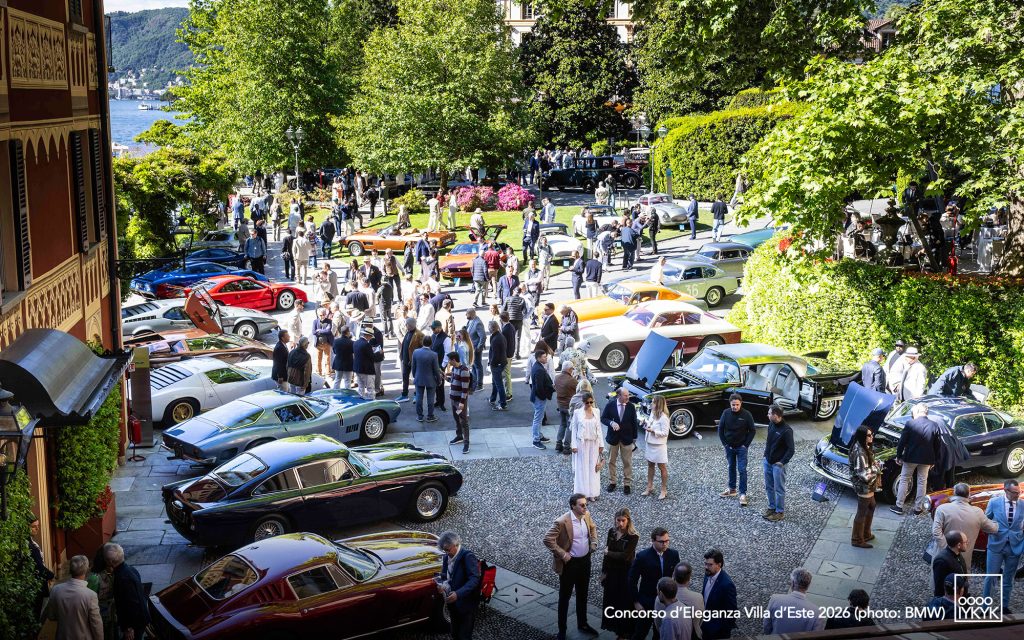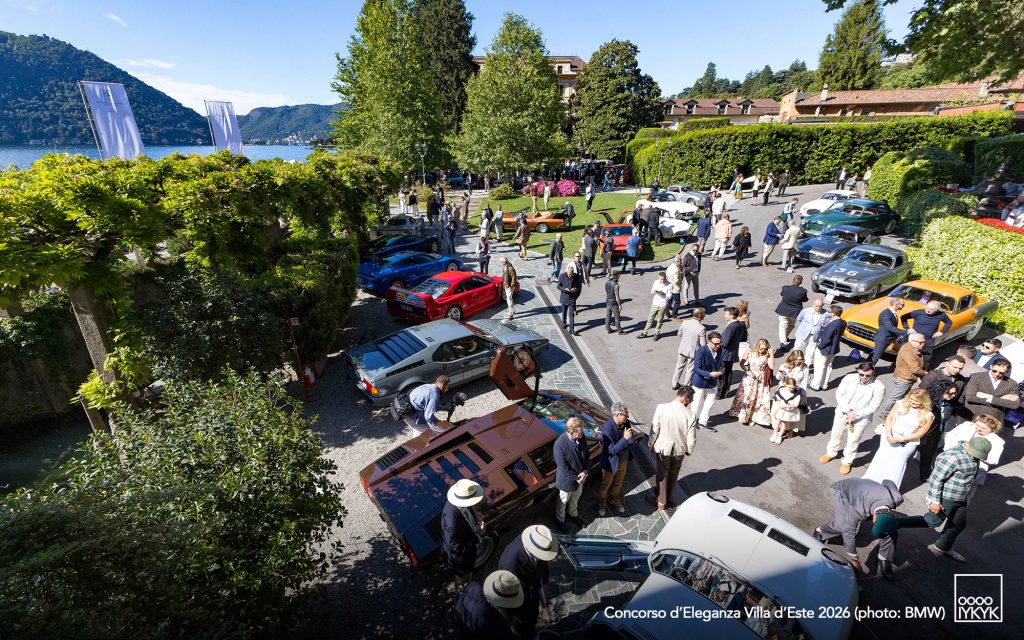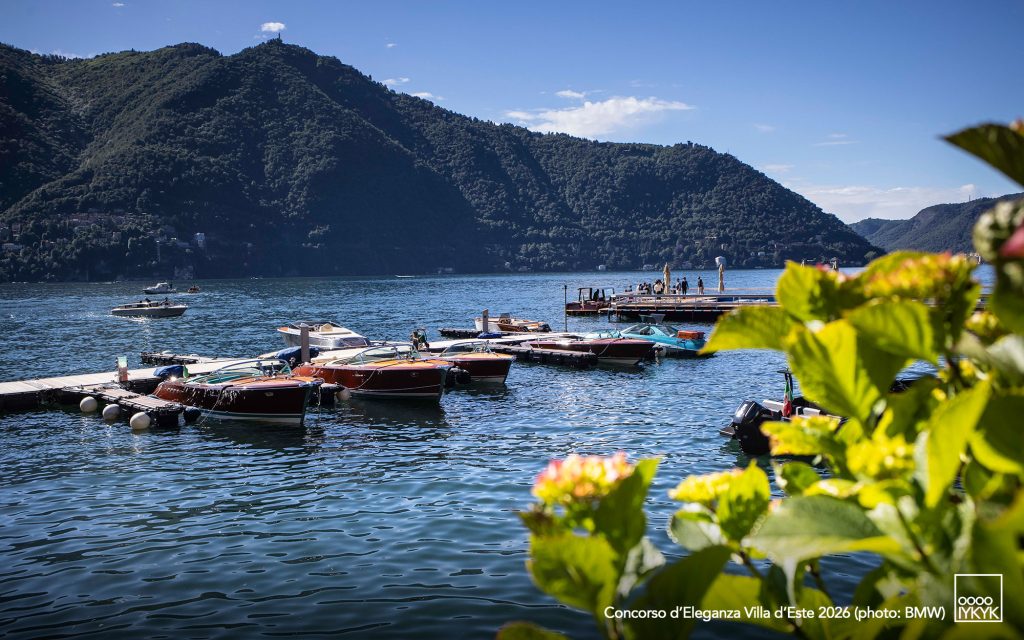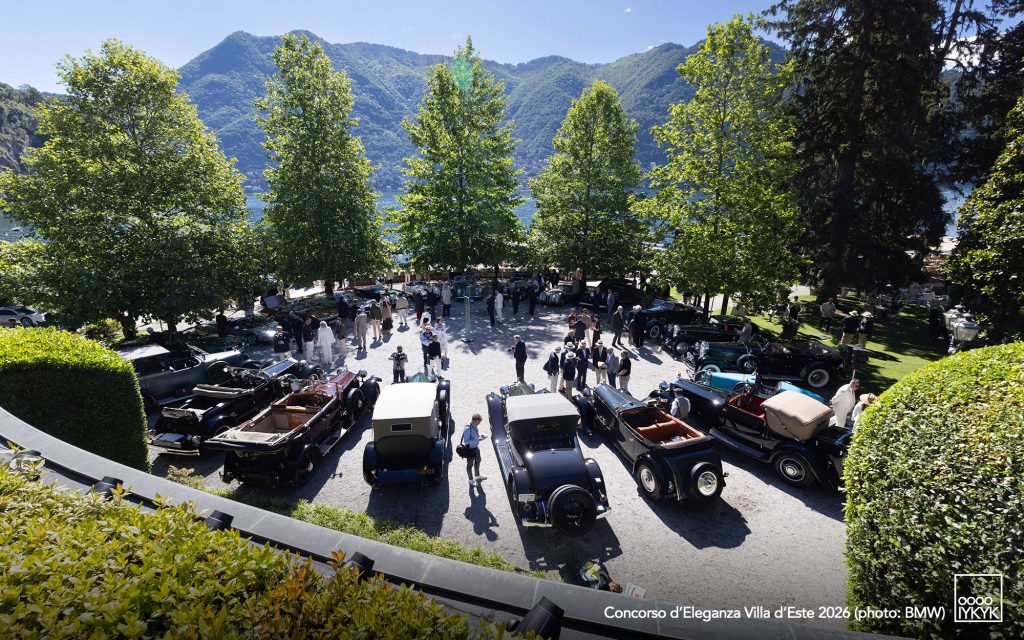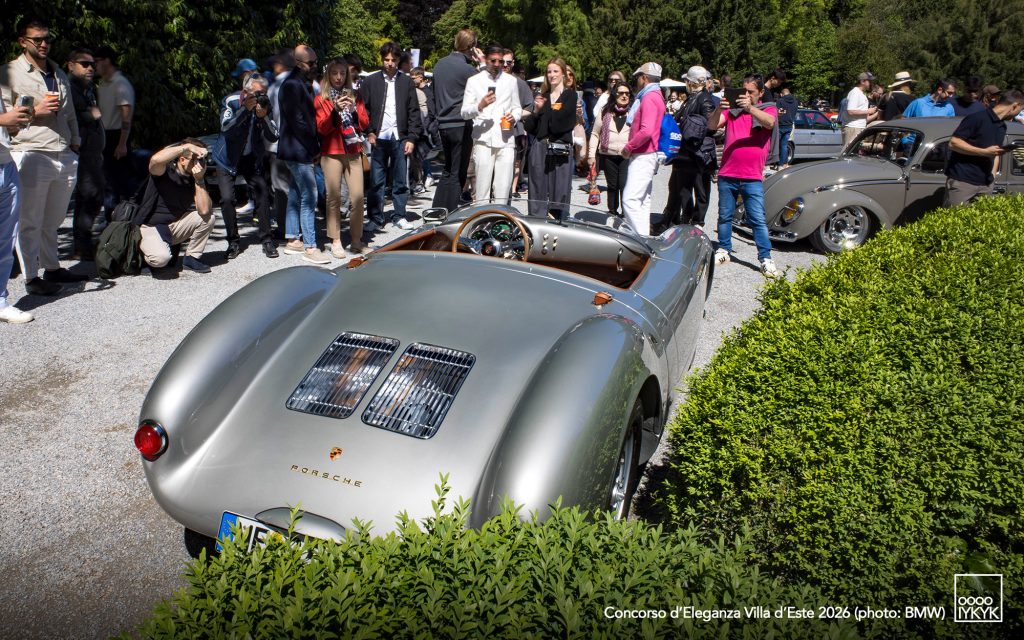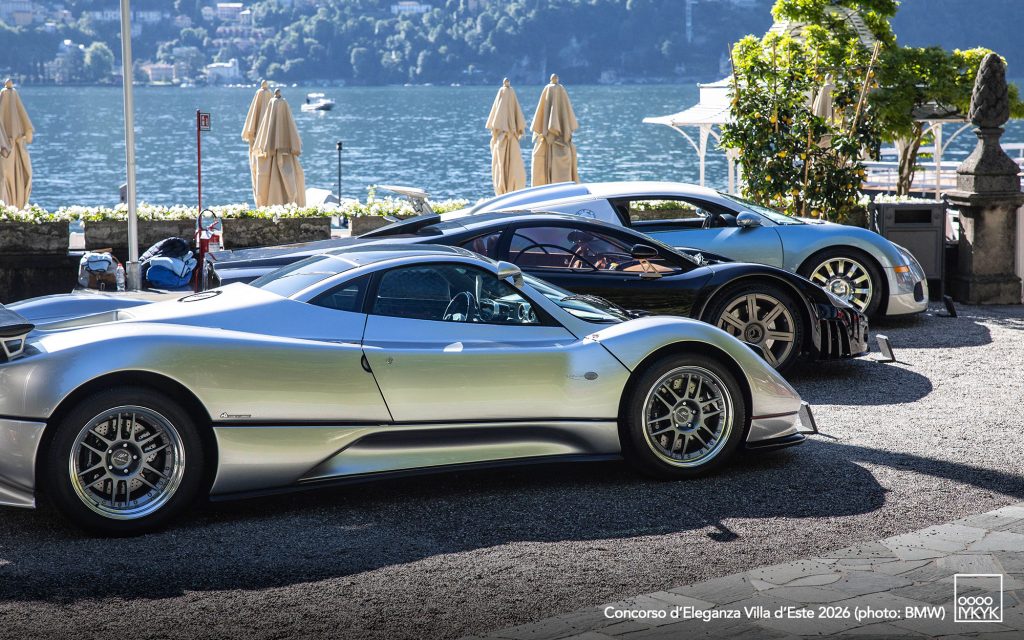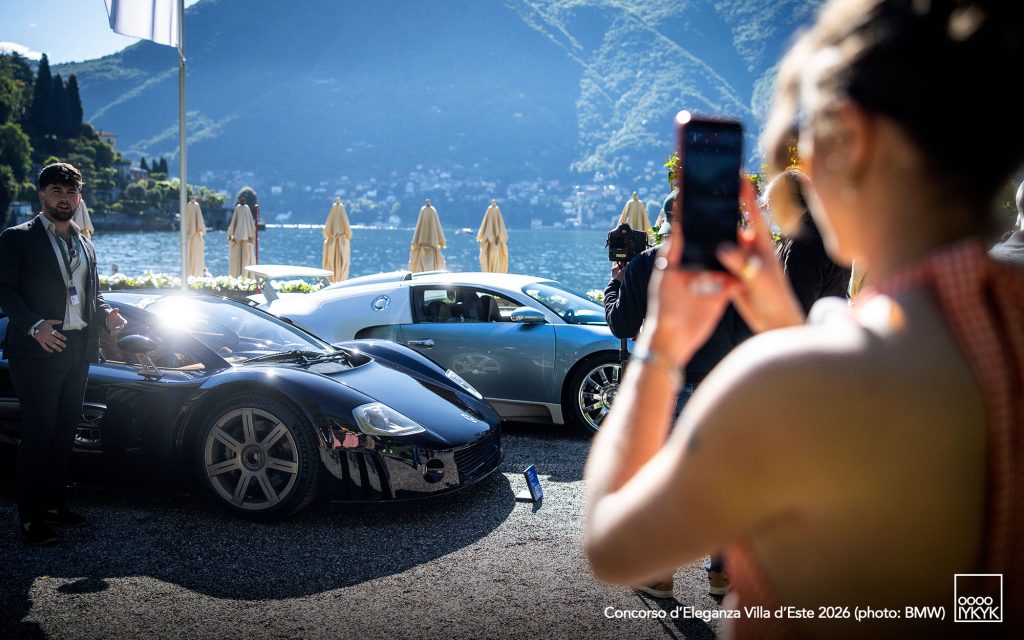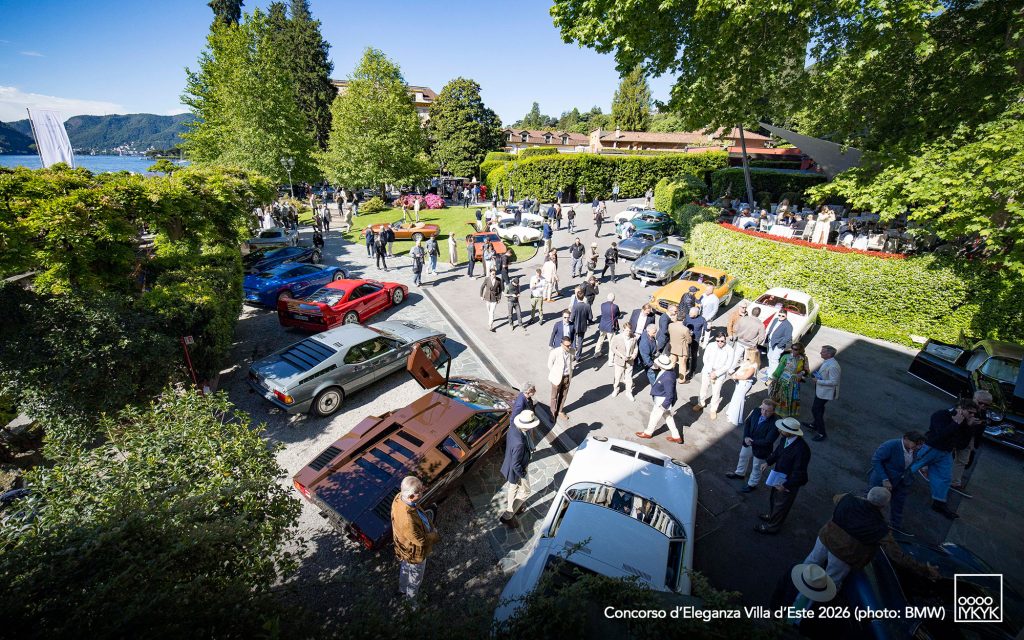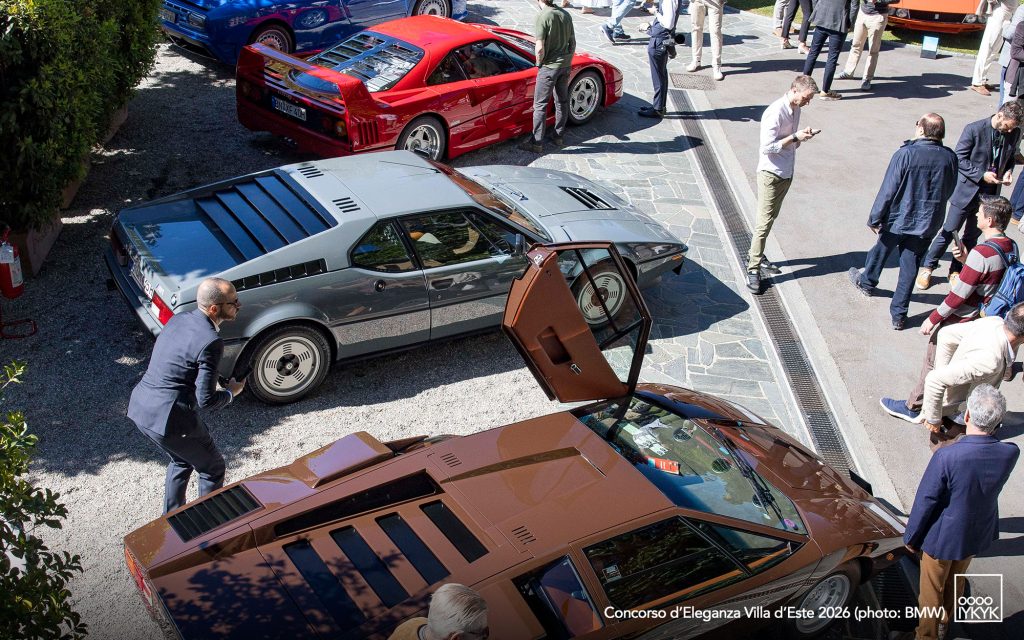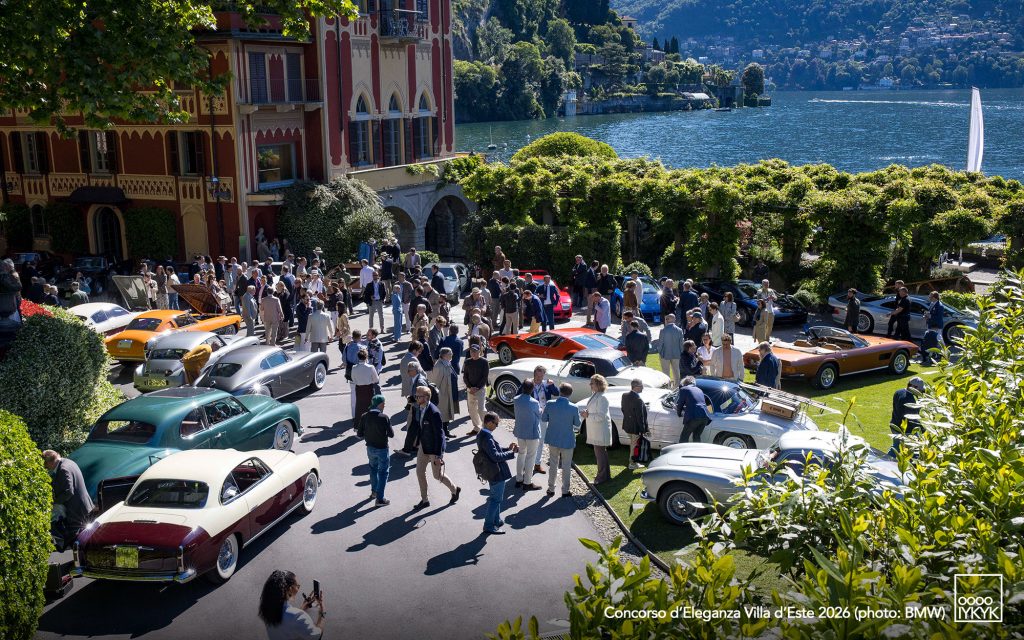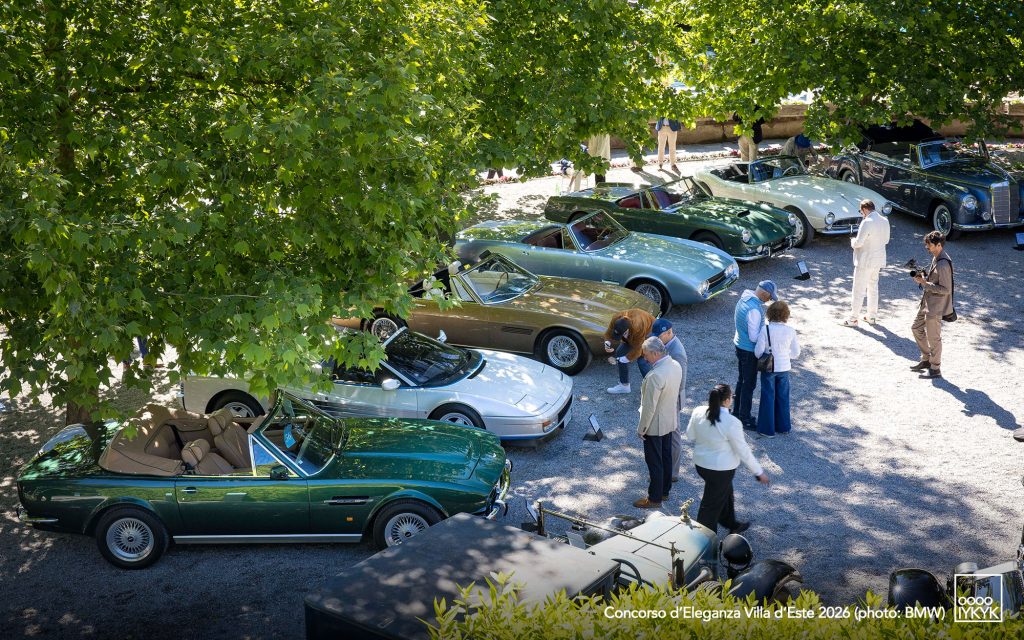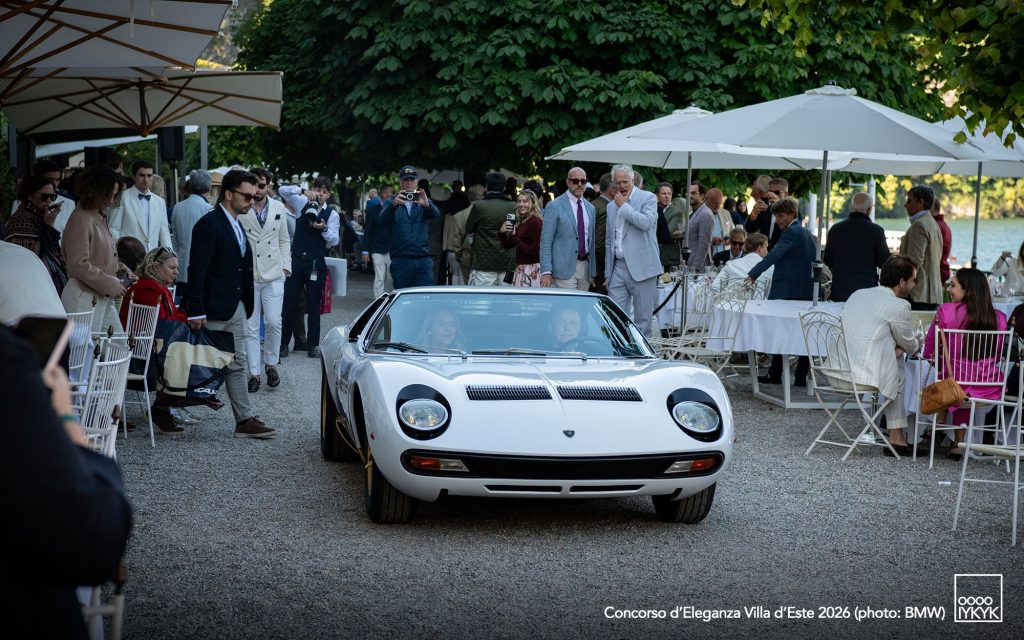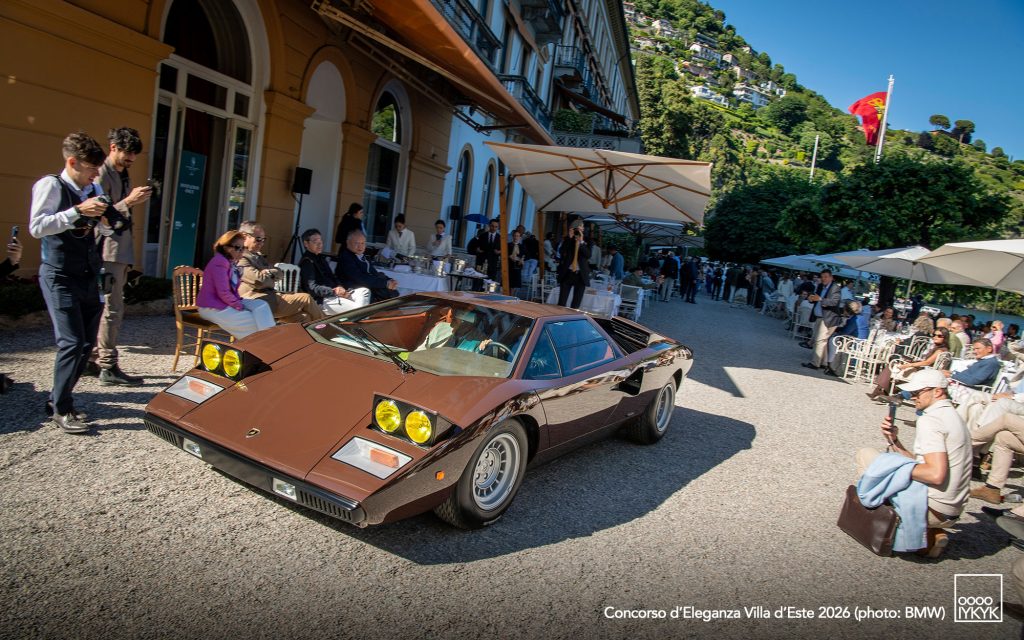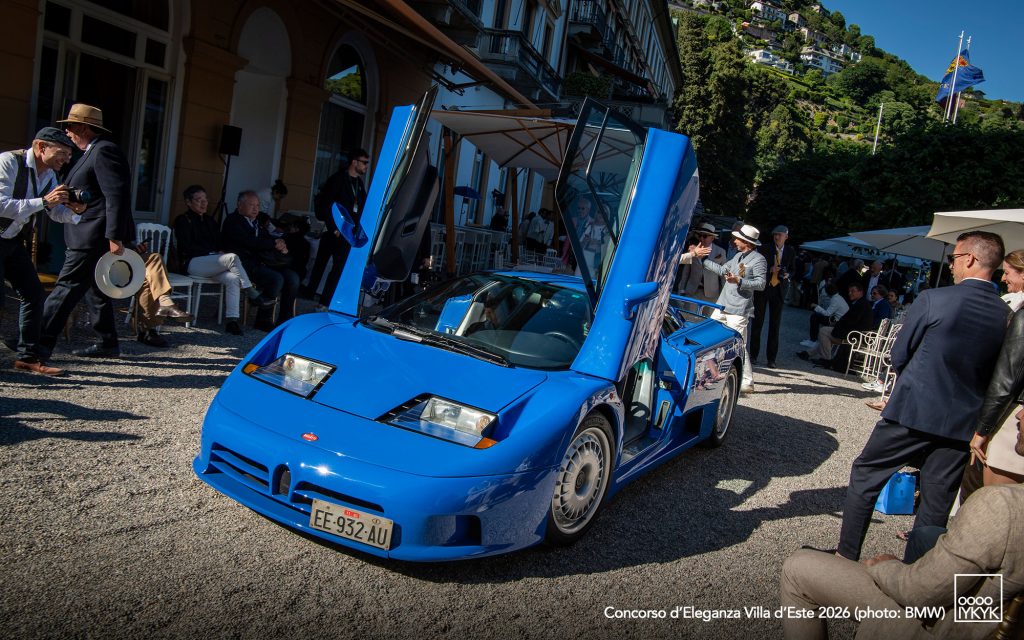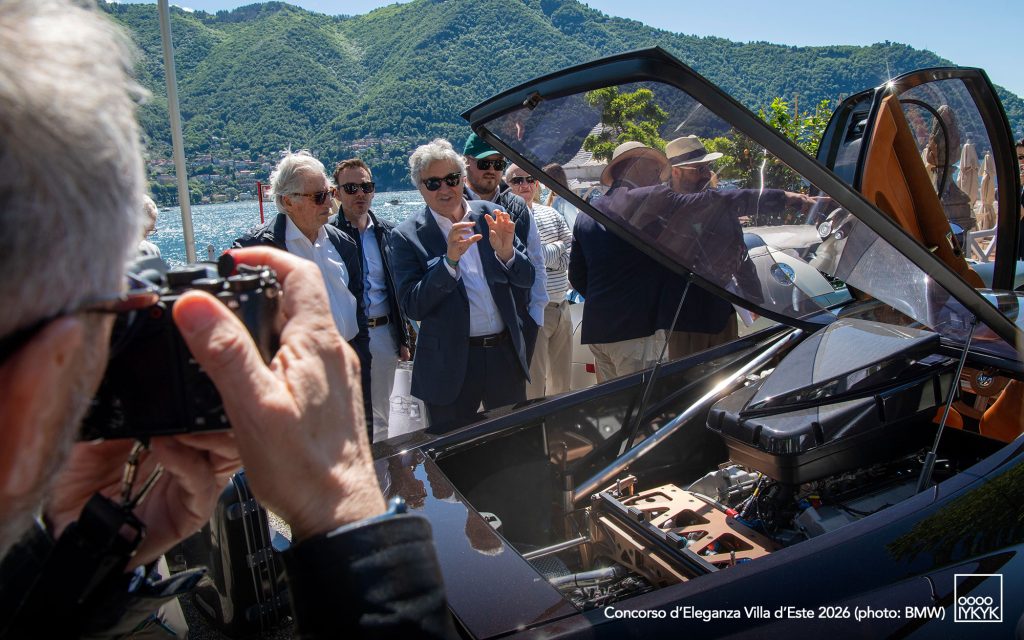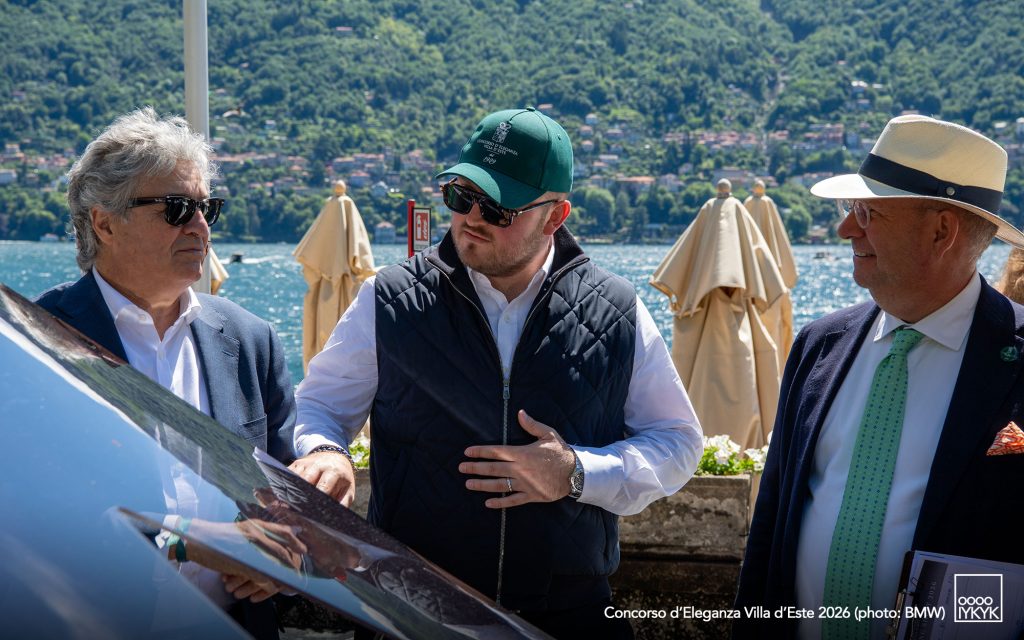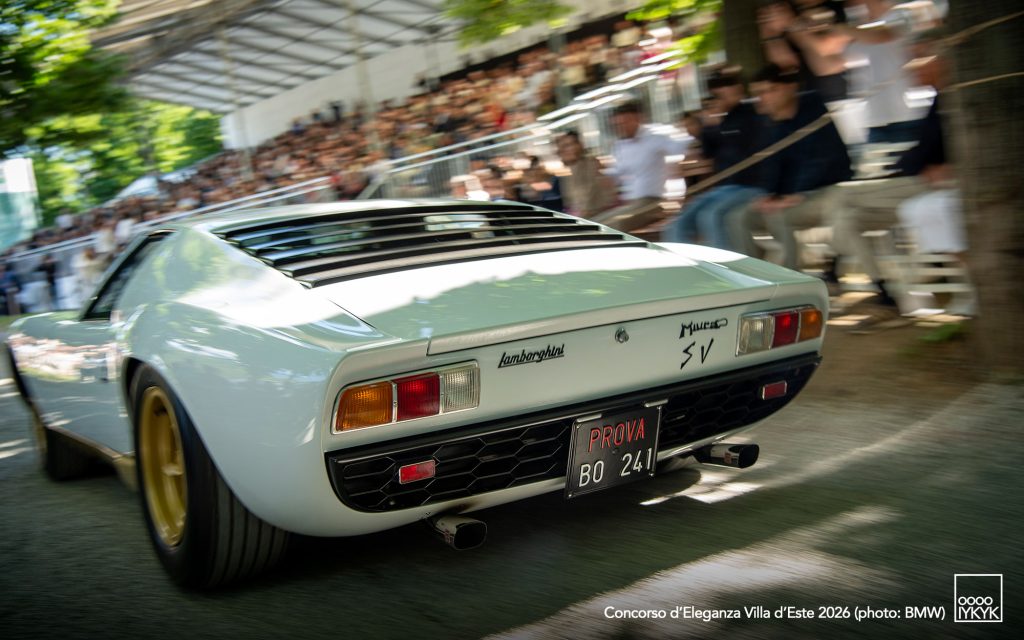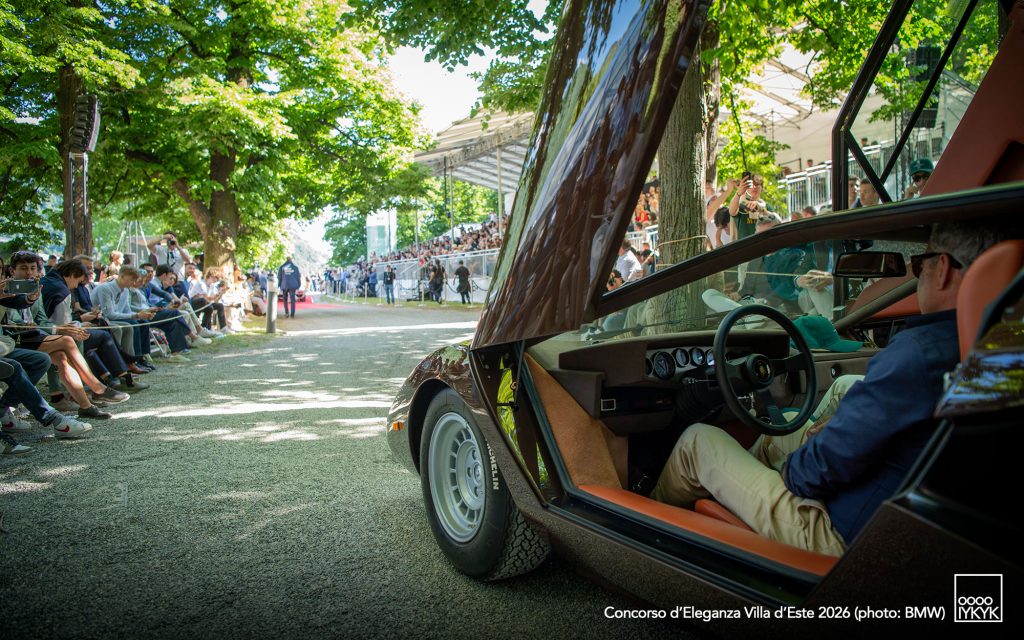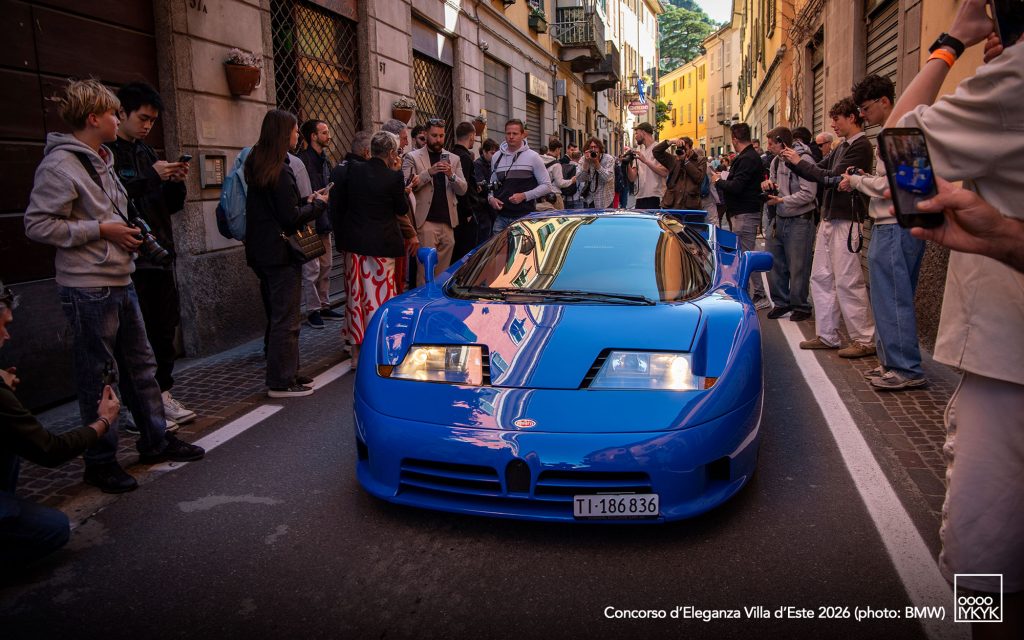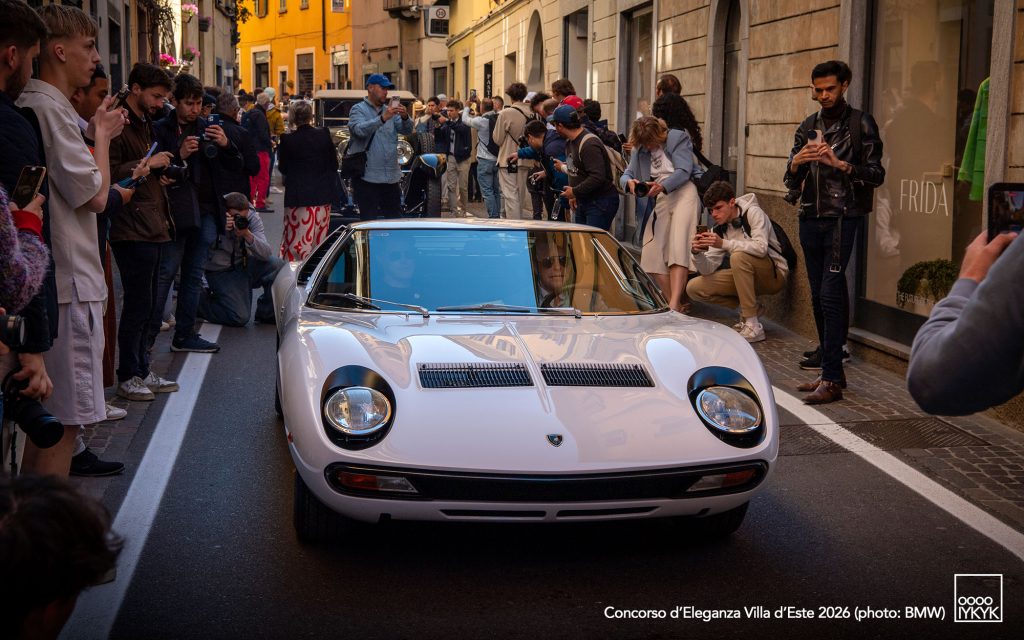

For decades, the annual spring pilgrimage to Lake Como in Italy has represented one of the automotive world’s most exclusive car event traditions. What began as a classic concours on the grounds of the storied Villa d’Este has gradually transformed into something far larger and more culturally influential: a sprawling multi-day celebration of design, heritage, motorsport and modern collector culture now increasingly referred to simply as “Como Week.”
CONCORSO D’ELEGANZA VILLA D’ESTE
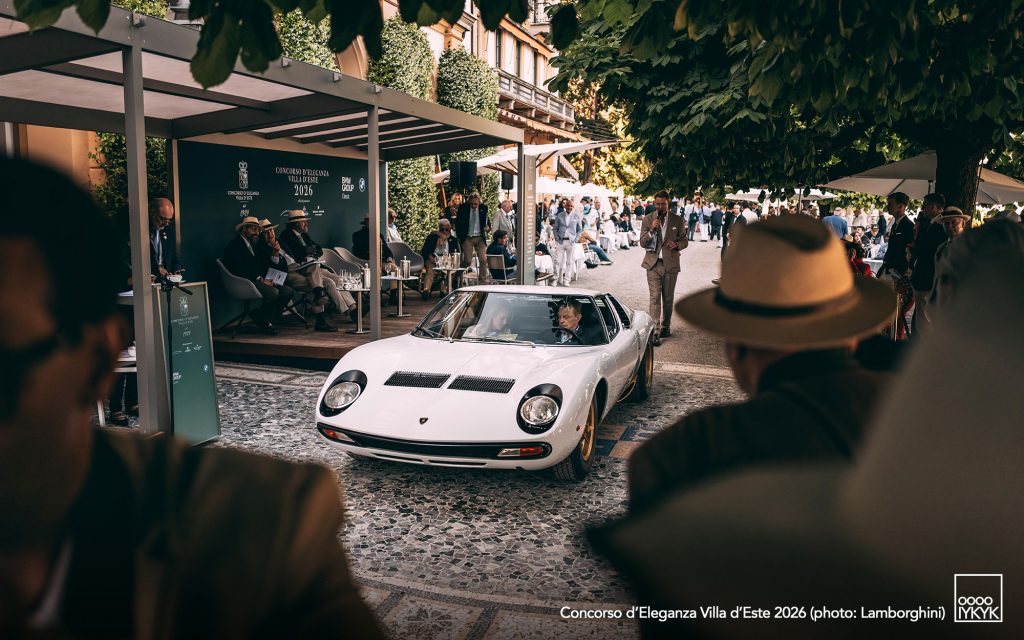
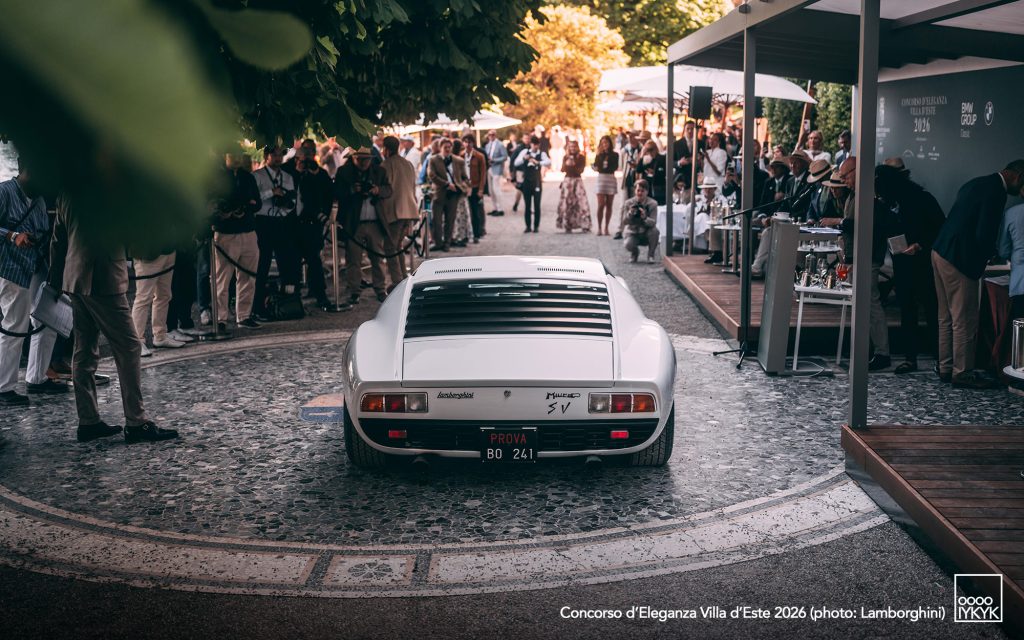
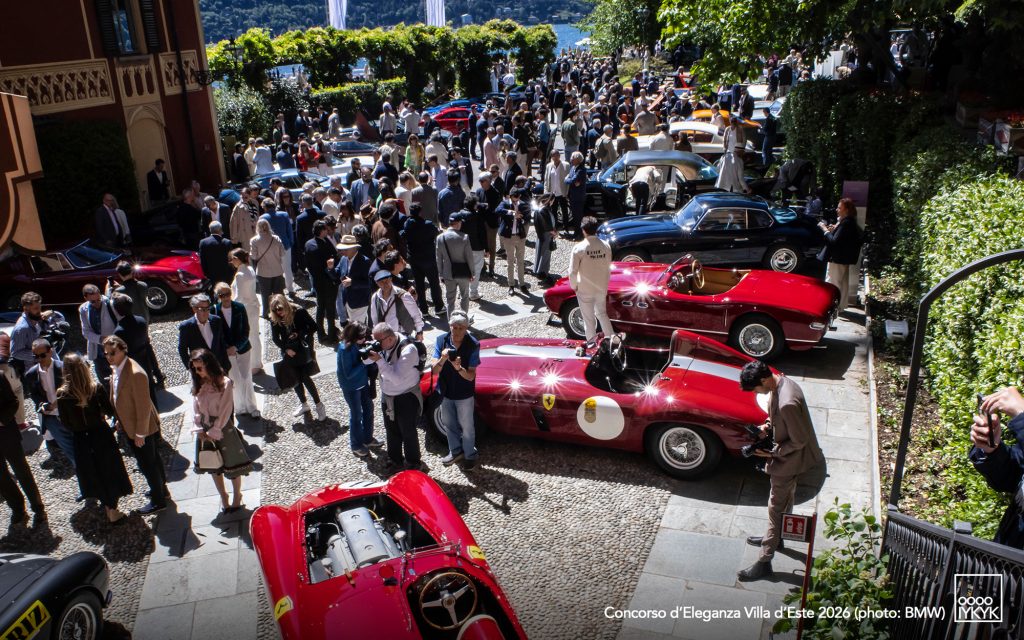
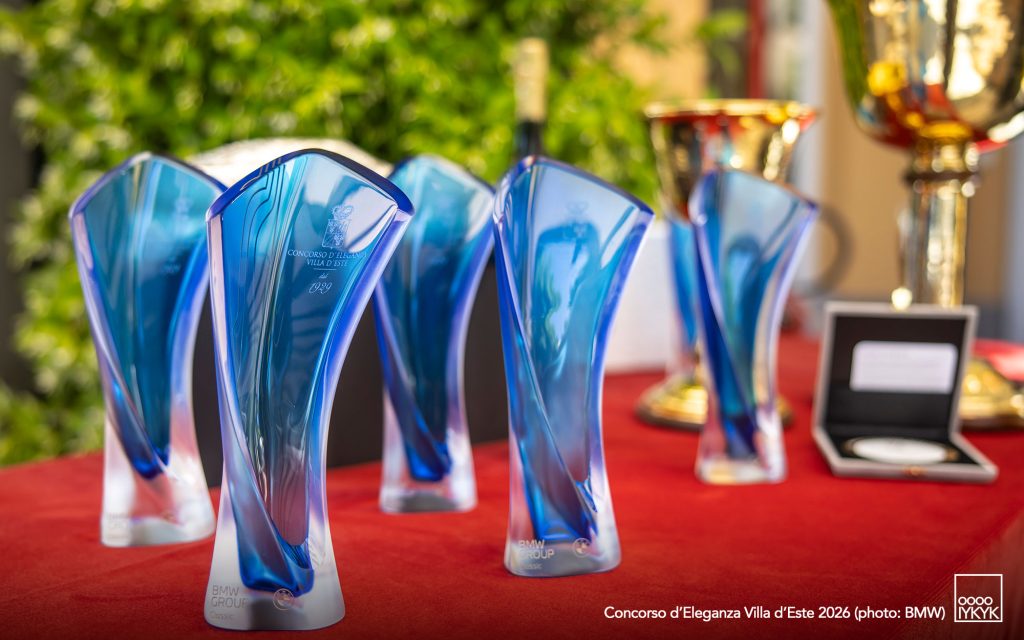
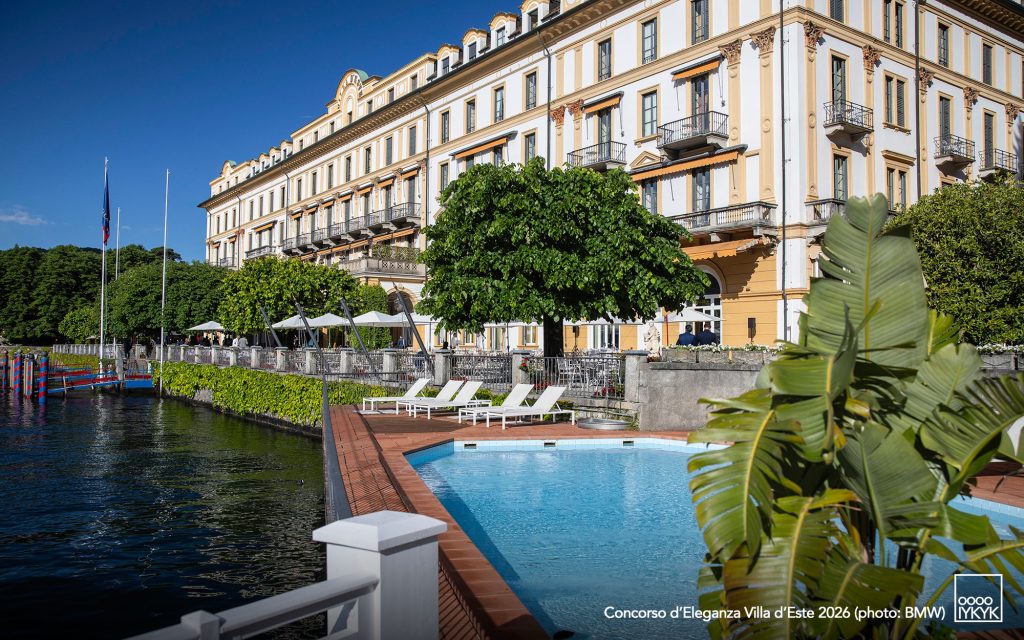
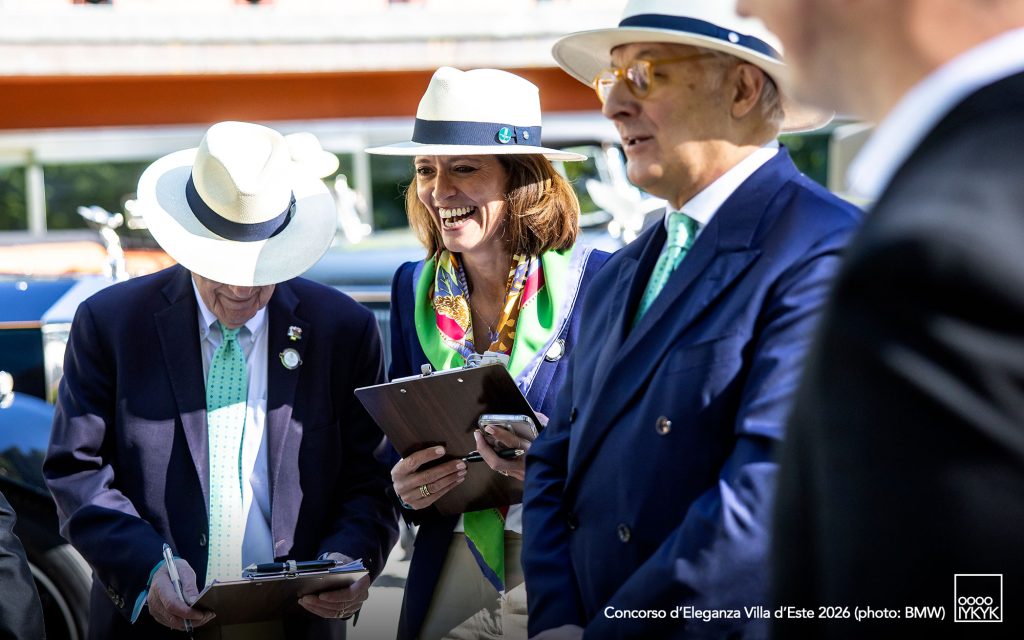
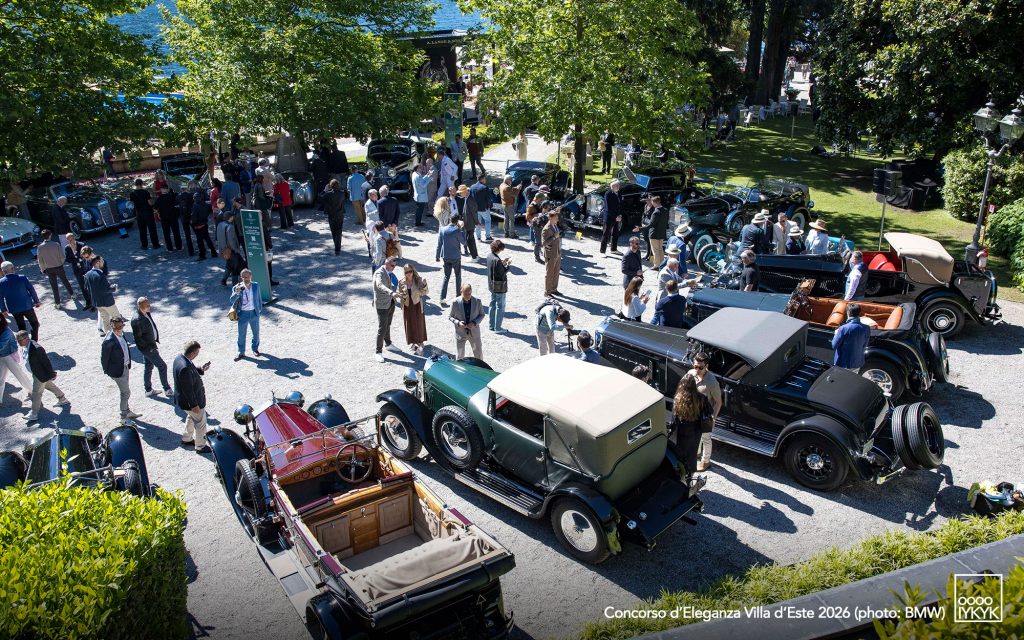
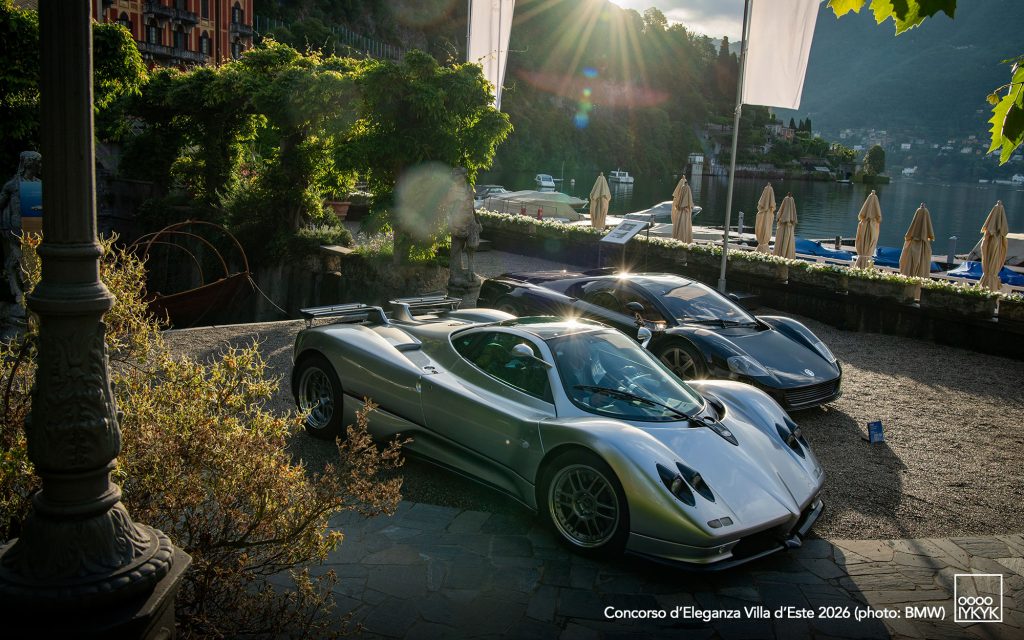
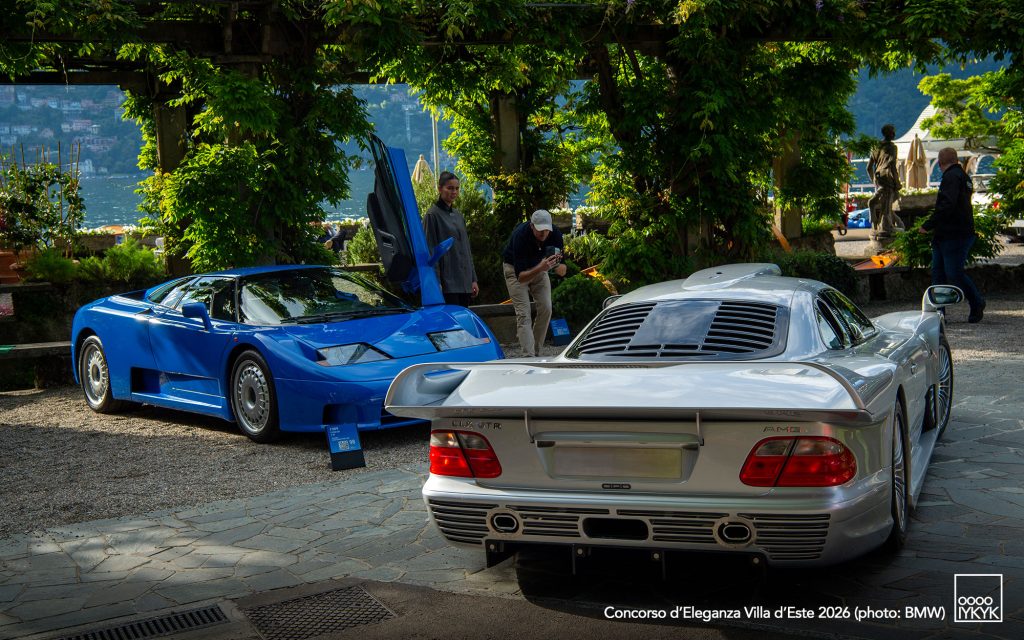
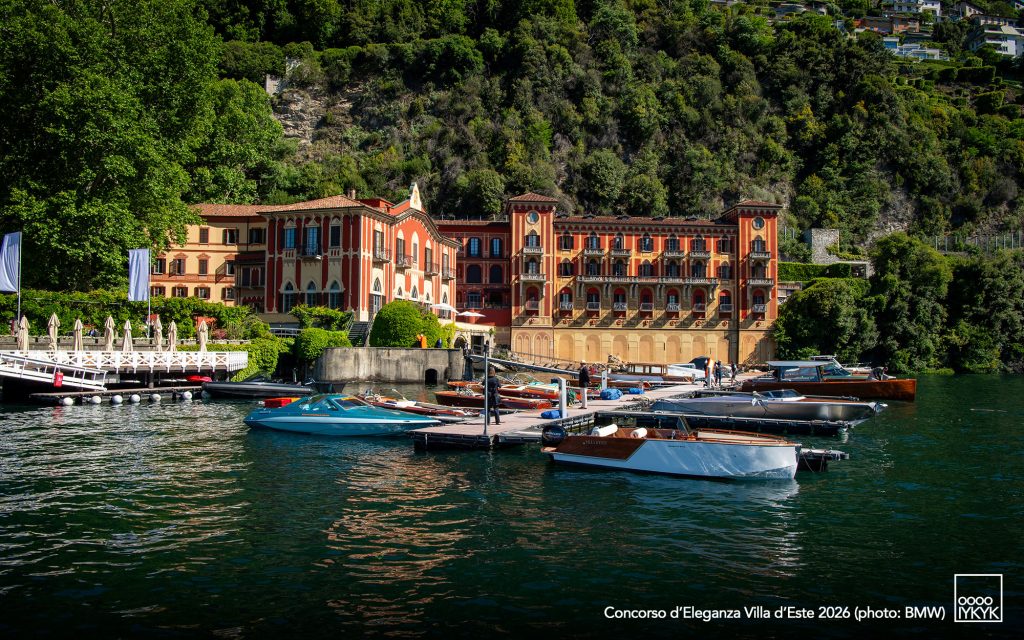
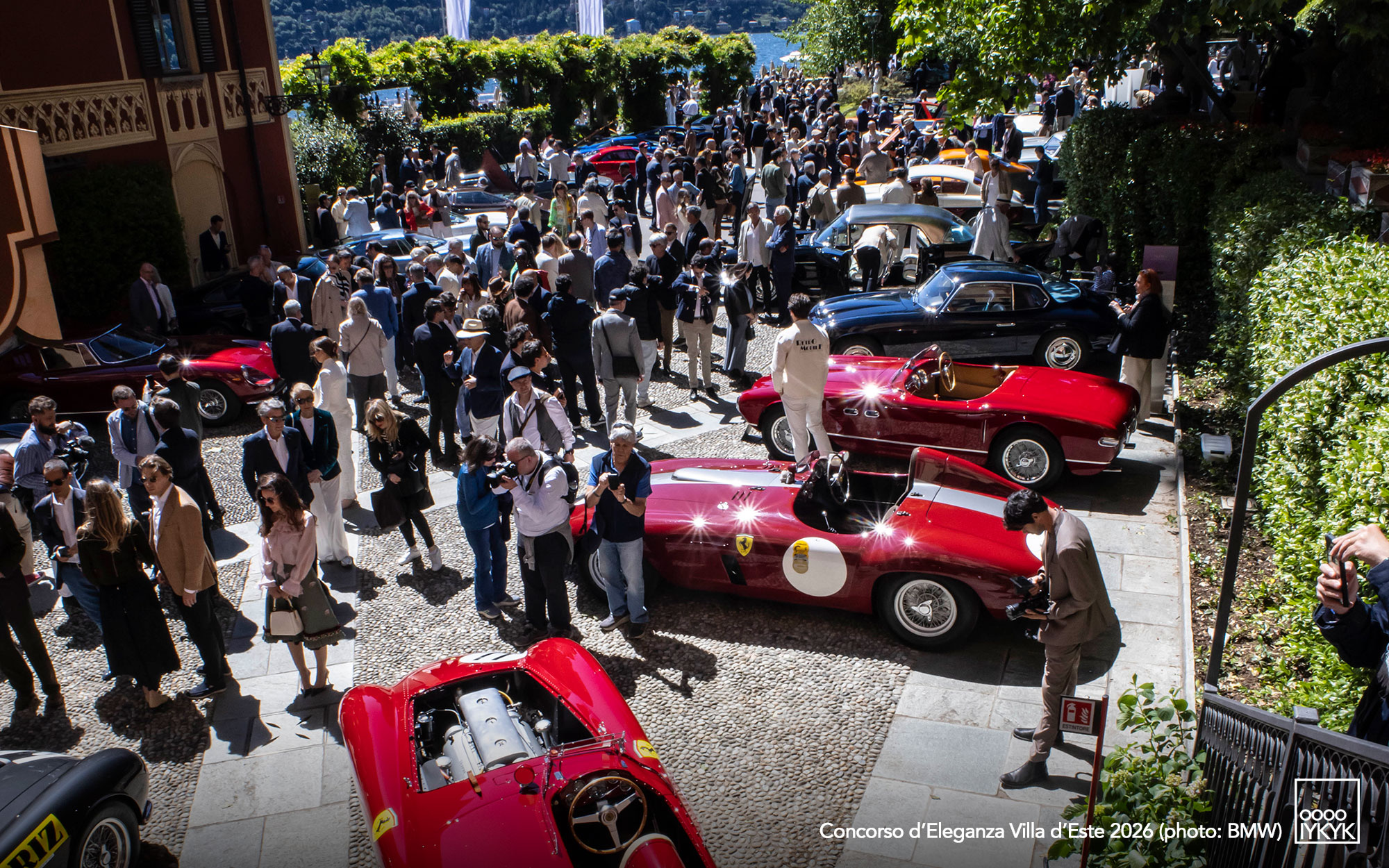
At its center remains the Concorso d’Eleganza Villa d’Este, an event whose origins stretch back to 1929. Created during the golden age of European coachbuilding, the concours was originally conceived as a gathering for the continent’s most elegant automobiles and the aristocratic clientele who commissioned them. Interrupted by World War II and later revived in the late 20th century, the event eventually evolved into one of the world’s premier concours gatherings under the stewardship of BMW Group, which has co-organized the modern event since 1999.
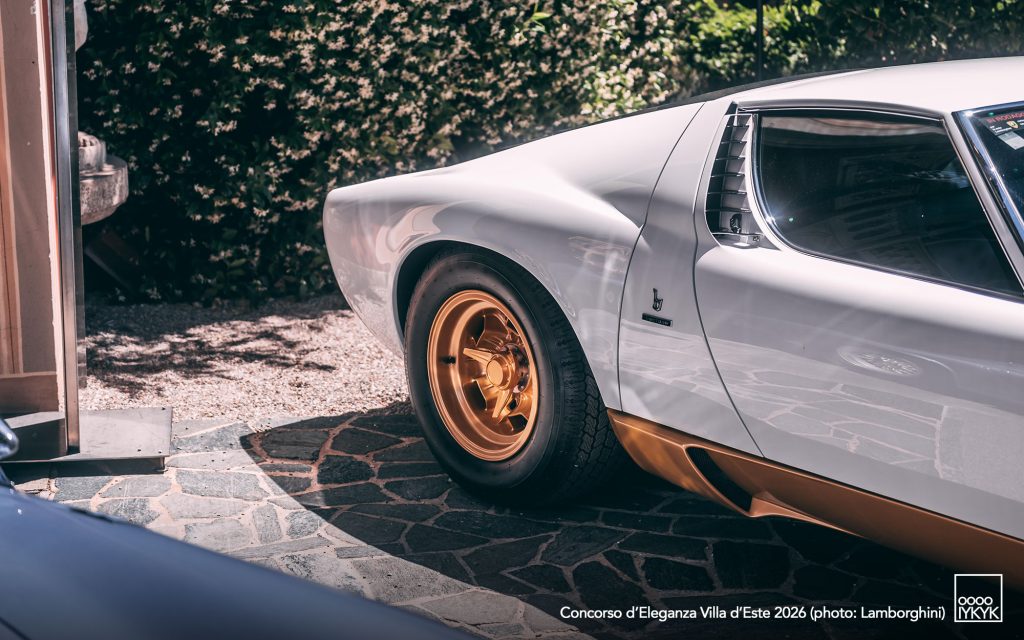
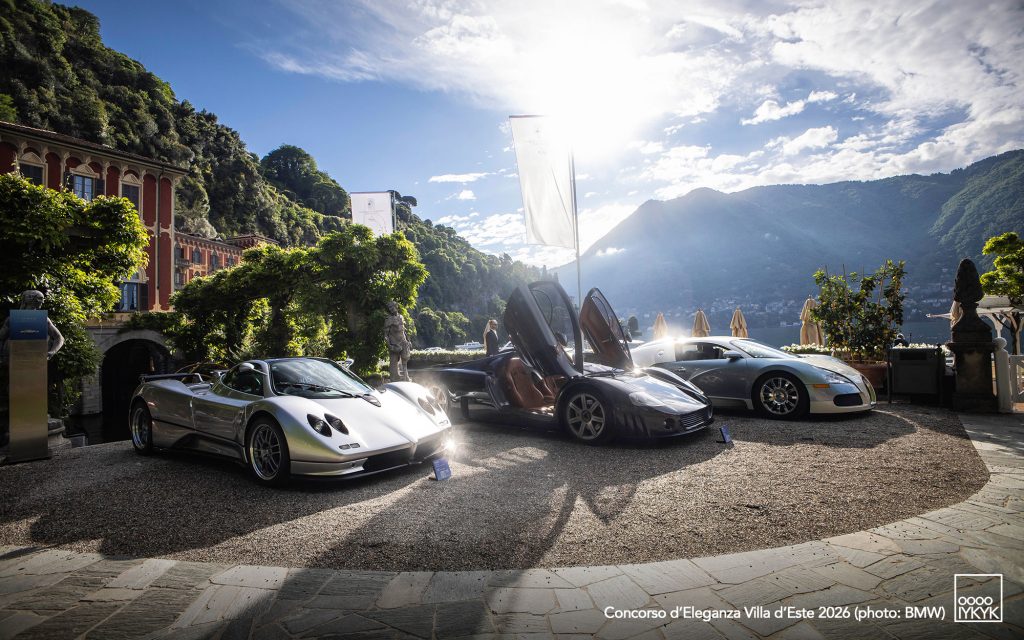
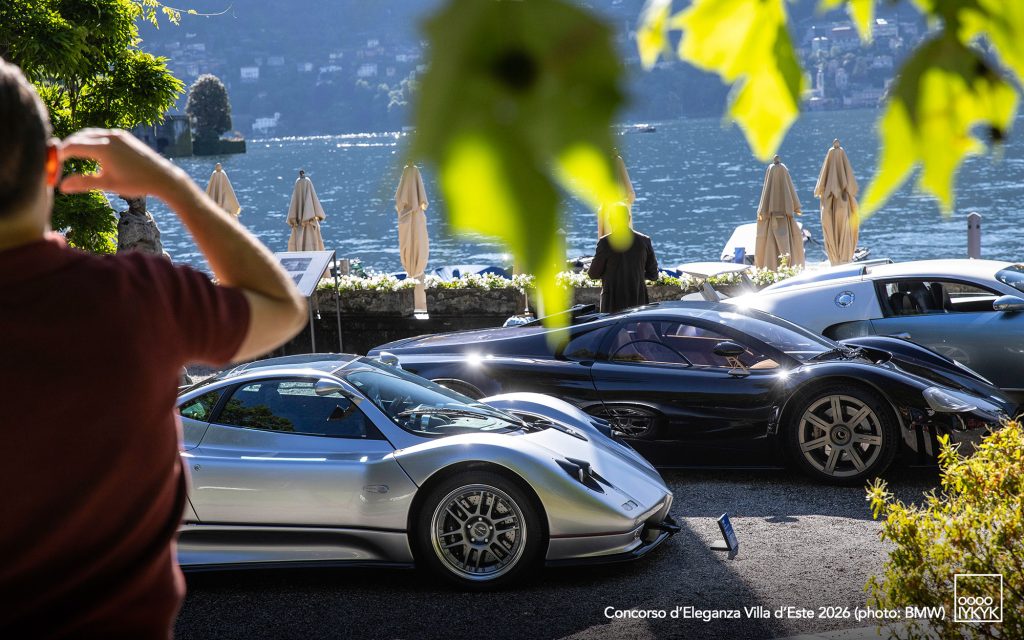
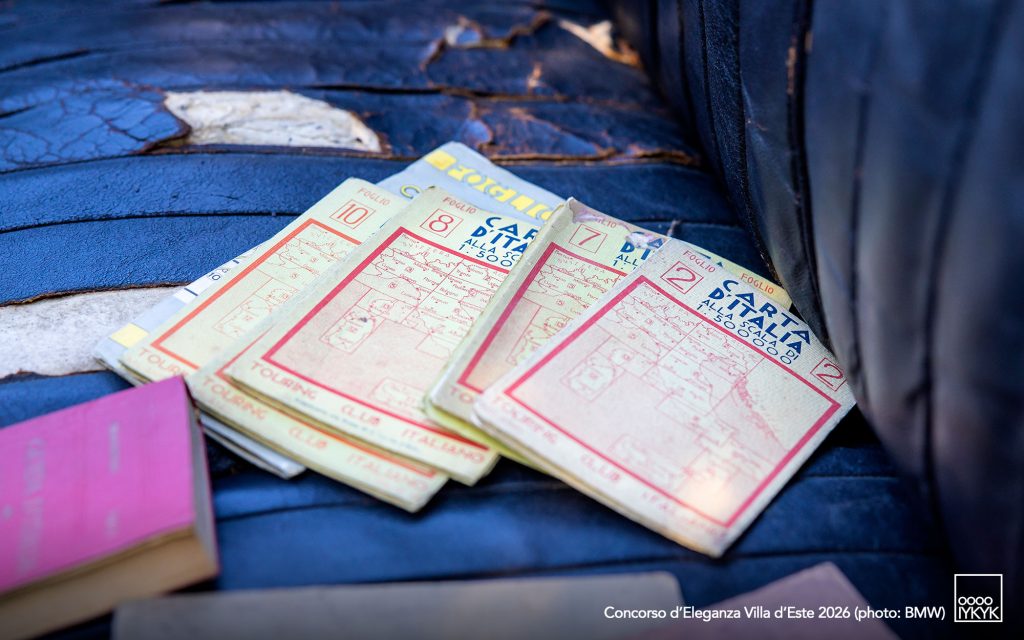
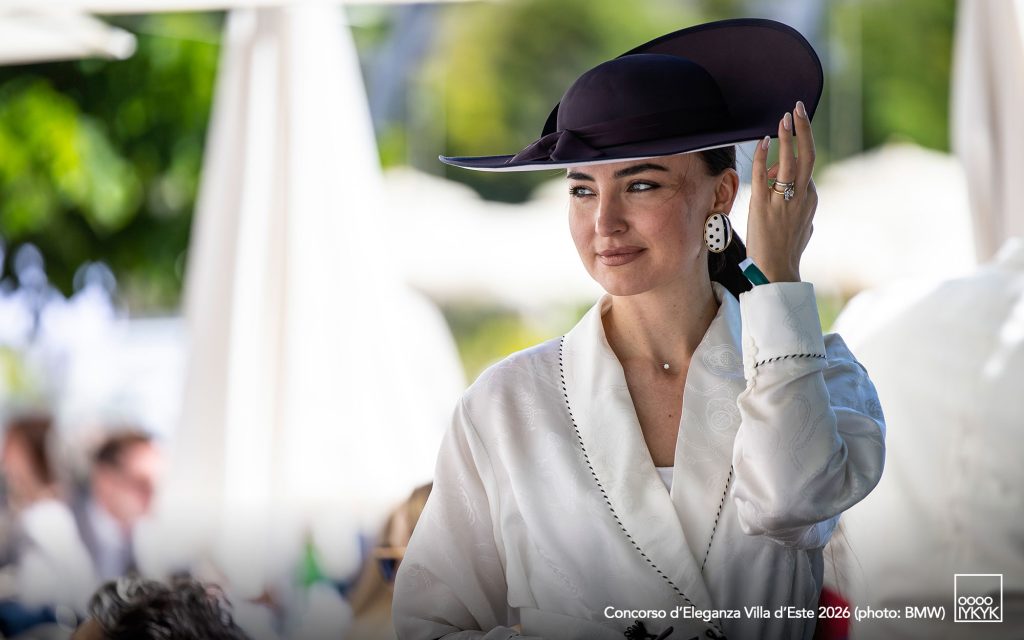
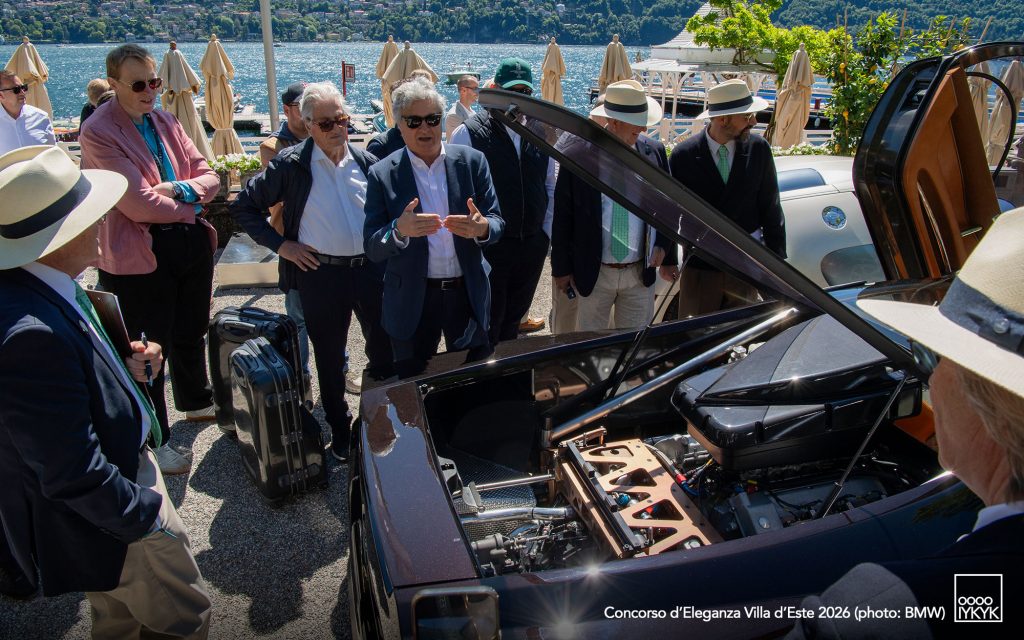
Traditionally, Villa d’Este has represented the formal side of the collector world. Immaculately restored coachbuilt classics, historically significant racing cars and concept debuts occupy the manicured lawns overlooking the lake while collectors, designers and executives move between villas in linen jackets and tailored suits. The event’s prestige has long rivaled Pebble Beach Concours d’Elegance, though with a distinctly European atmosphere shaped as much by architecture, fashion and hospitality as by the automobiles themselves.
Yet over the last decade and much like other peer events such as Pebble Beach, the orbit around Villa d’Este has expanded dramatically.
FUORICONCORSO
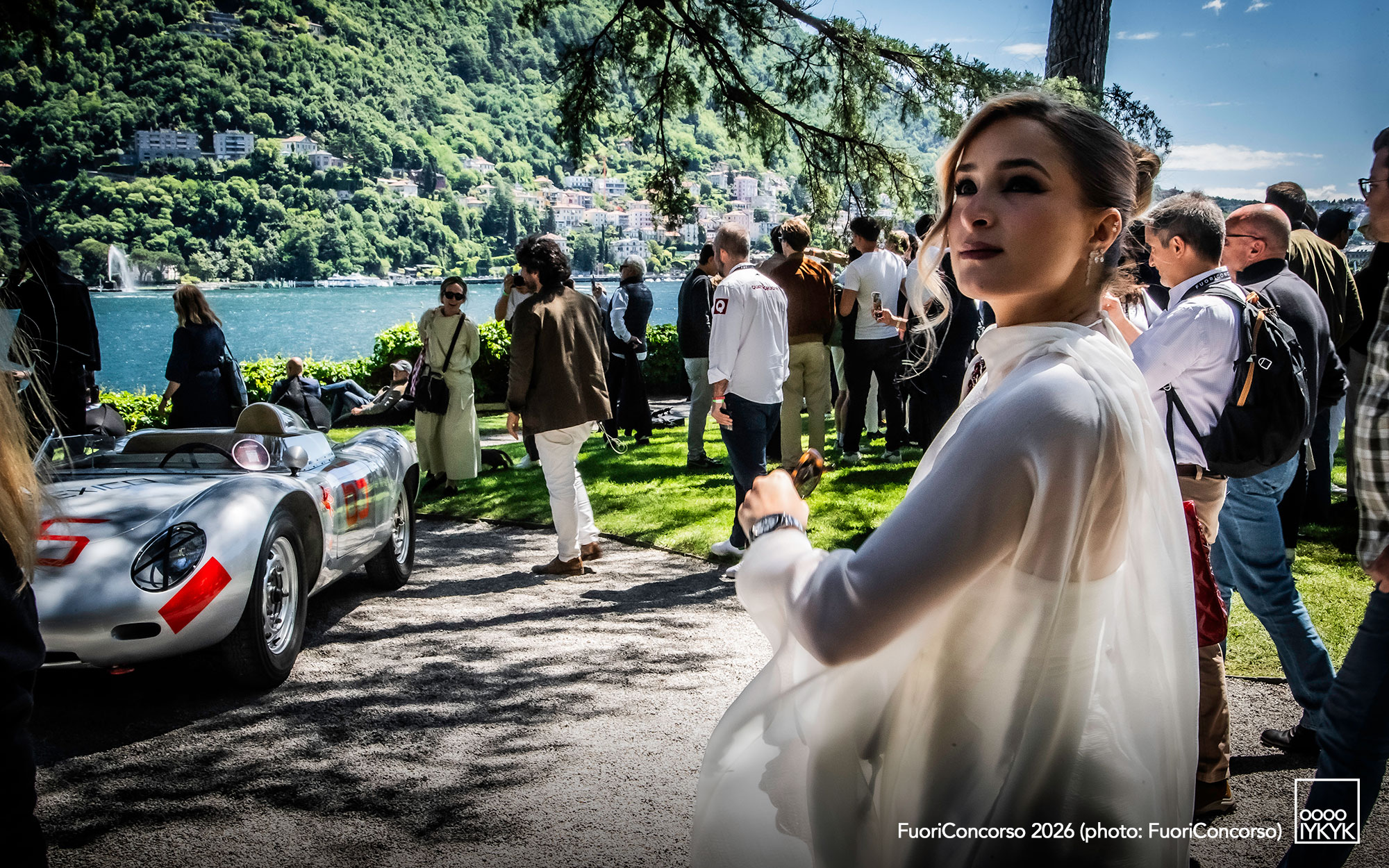
The emergence of FuoriConcorso has fundamentally changed the dynamic of the weekend. Founded by Italian entrepreneur Guglielmo Miani, this event was intentionally designed as a cultural counterpoint to the formality of the concours itself. Rather than judged classes and concours trophies, FuoriConcorso embraced themes, installations, contemporary collector culture and a more immersive atmosphere spread across the historic villas and gardens around Lake Como.
In practice, the two events now coexist symbiotically. Villa d’Este remains the institution while FuoriConcorso has become the experimental edge — part concours overflow, part design week, part social summit for the modern enthusiast class.
And increasingly, manufacturers are beginning to recognize that the real stage is no longer limited to the concours lawn itself.
That shift became especially apparent this year with Audi’s unexpectedly substantial presence at FuoriConcorso.
AUDI ARRIVES IN COMO
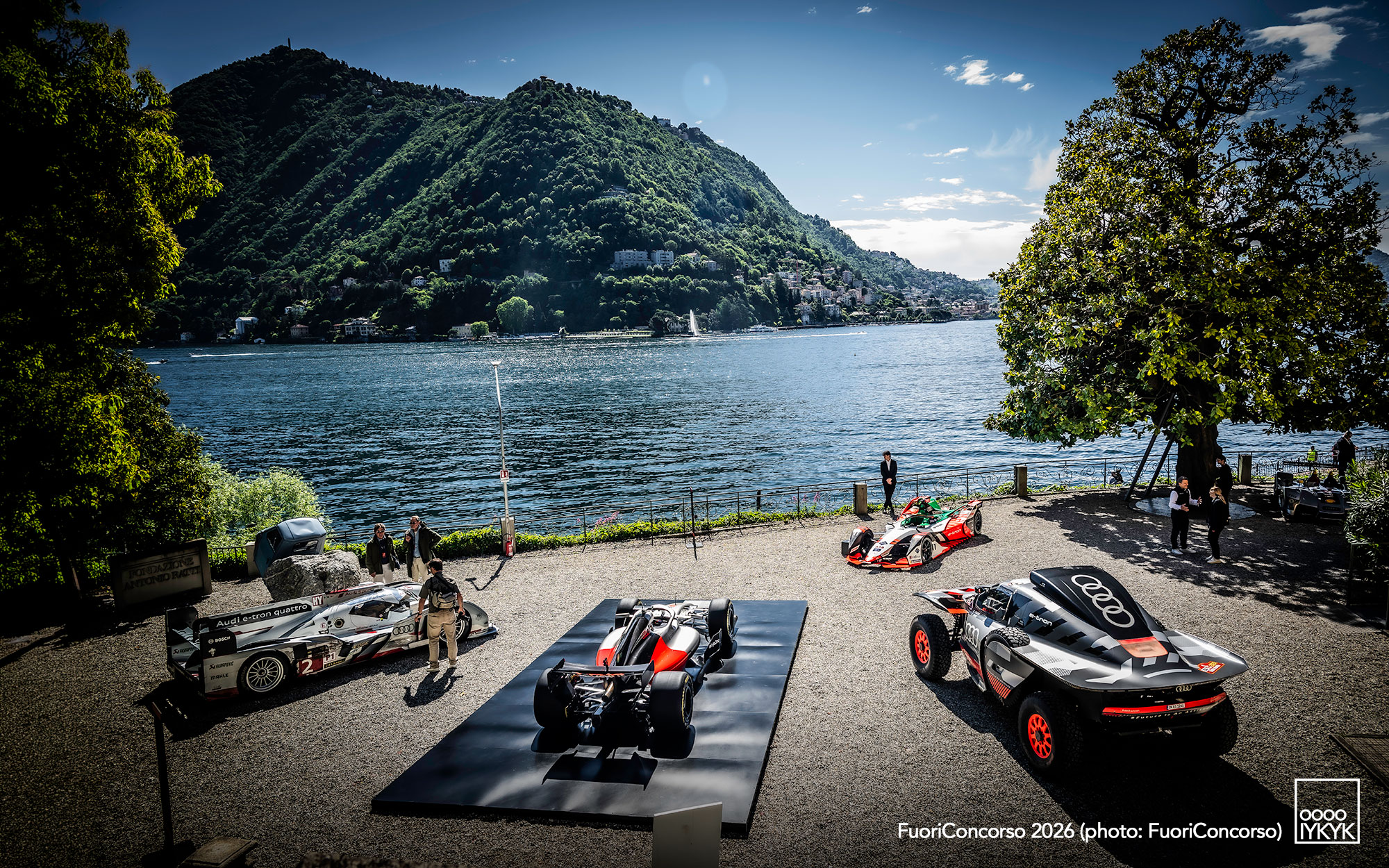
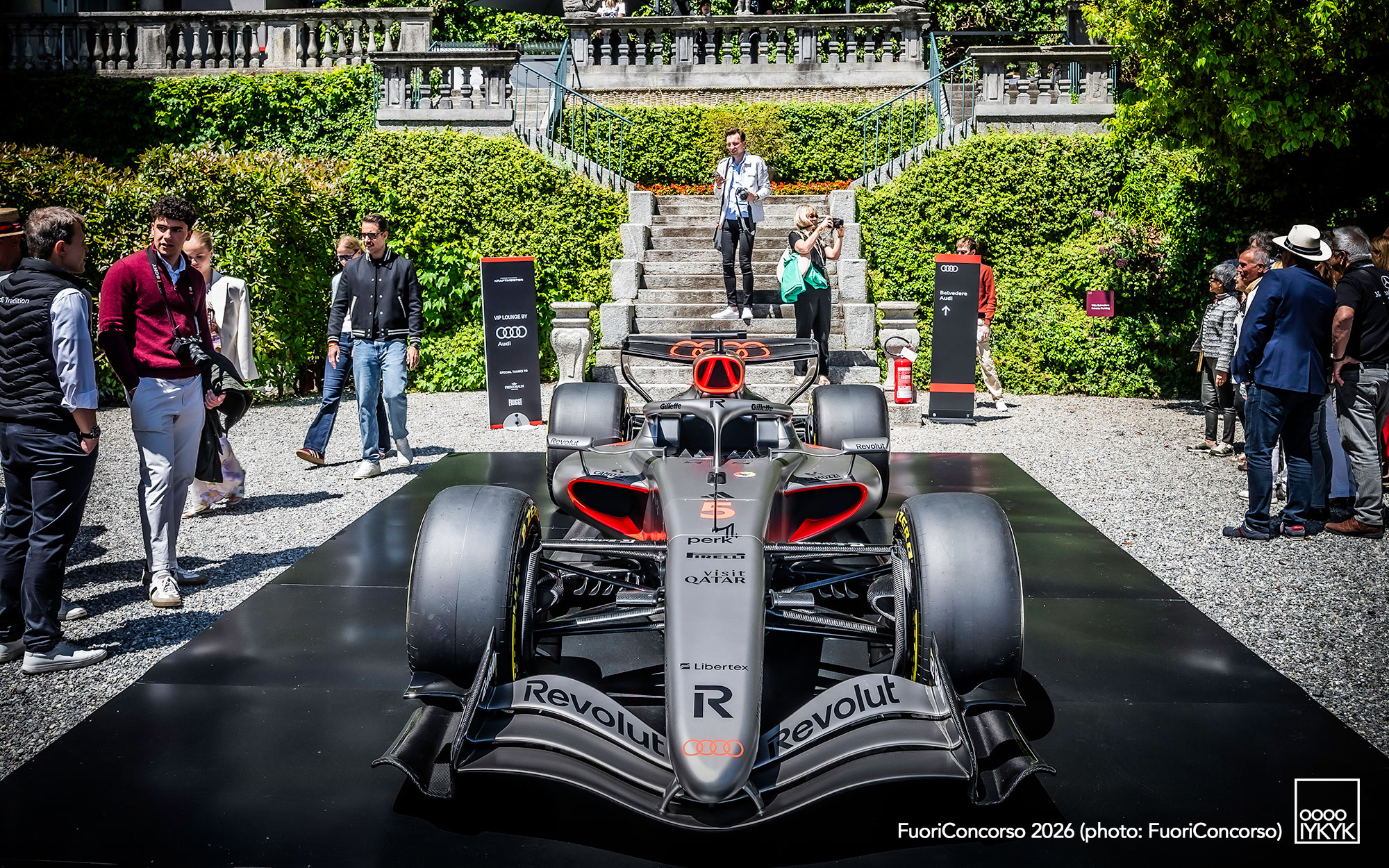
Historically, Audi has not maintained the kind of regular or dominant Como presence associated with brands like BMW, Porsche or Ferrari. Audi concept debuts and heritage activations have appeared sporadically over the years, though rarely with sustained strategic focus. In 2026, however, Audi Italia partnered with Audi Tradition and Audi AG to present an extensive manufacturer-backed motorsport exhibition, transforming Villa Sucota into a temporary celebration of Audi competition history meant drive the point home that Audi has won virtually every corner of motorsport to which it has applied itself.
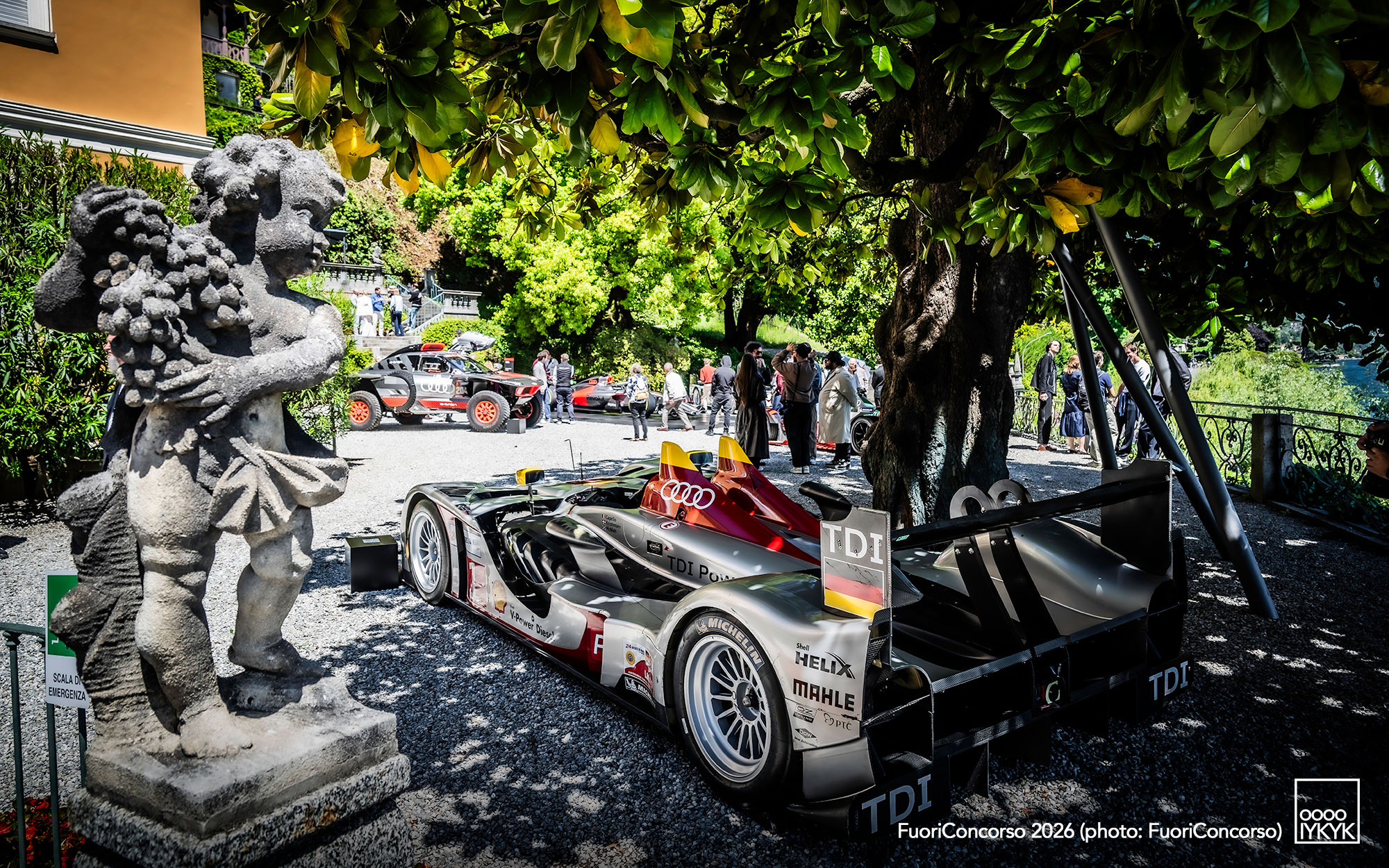
The display itself stretched across more than four decades of Audi motorsport development. Among the featured cars were the 1984 Audi Sport quattro S1, the 1989 Audi 90 quattro IMSA GTO, the 2005 Audi A4 DTM (B6), the 2009 Audi R15 TDI, the hybrid-powered 2013 Audi R18 e-tron quattro, the 2021 Audi e-tron FE07 Formula E car, the 2024 Audi RS Q e-tron Dakar Rally Raid vehicle and finally the latest Audi R26 F1 entry.
Also present were road cars such as the 1984 Audi Sport quattro 1994 Audi RS2 Avant and the new Audi RS 5 Avant, visually linking Audi’s roadgoing hardware to its rally, IMSA and Le Mans heritage, and finally to the company’s latest Formula One effort.
Italian reports surrounding the event described the collection as an exploration of “authenticity and avant-garde” through motorsport, positioning competition not merely as heritage but as the laboratory through which Audi continues to define its future.
DRIVING LEGENDS MAKE APPEARANCE
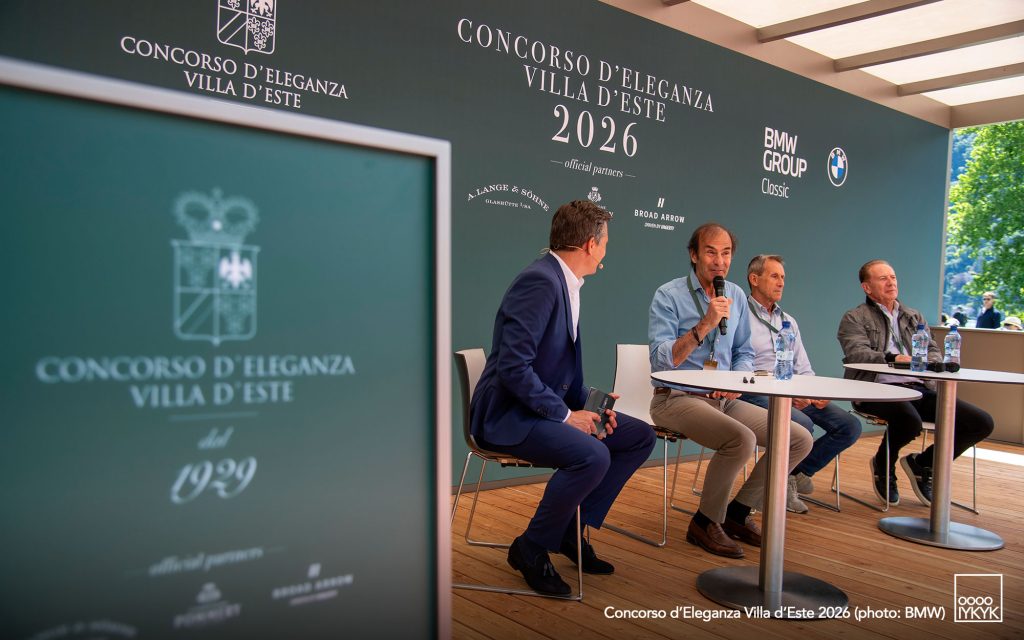
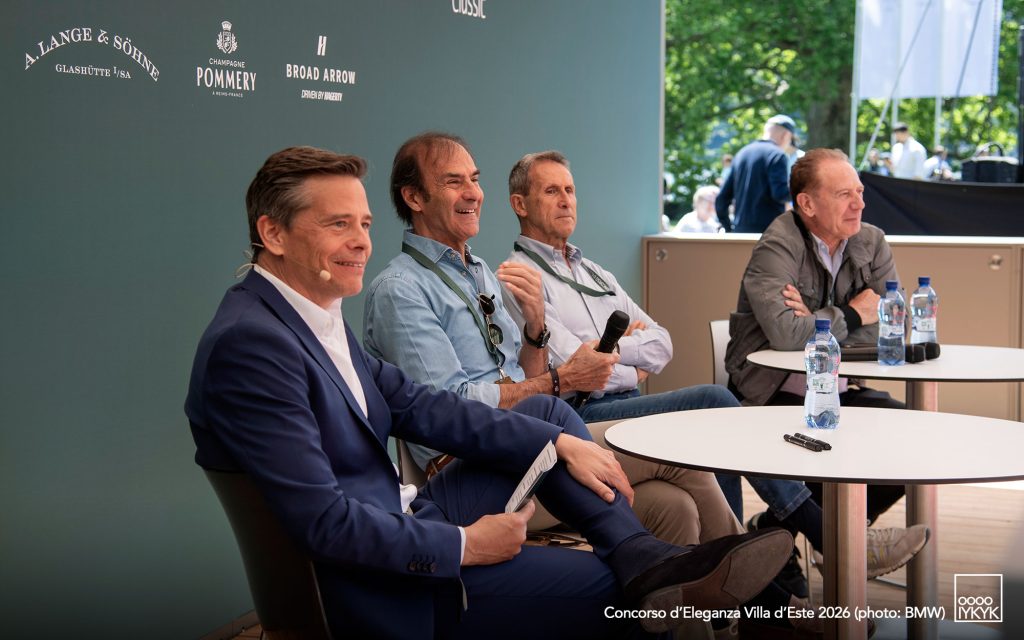
Freshly named as Audi’s new Formula 1 Racing Director, Allan McNish appeared during the weekend alongside two of his most popular teammates: Tom Kristensen and Dindo Capello. – the trio perhaps most closely tied to Audi’s dominant Le Mans era. Together, the trio represent one of the most defining periods in modern endurance racing history. FuoriConcorso hosted a featured discussion titled “Audi: From Heritage to the Future of Motorsport,” further underscoring the weekend’s emphasis on continuity between Audi’s past competition successes and its next chapter in Formula 1.
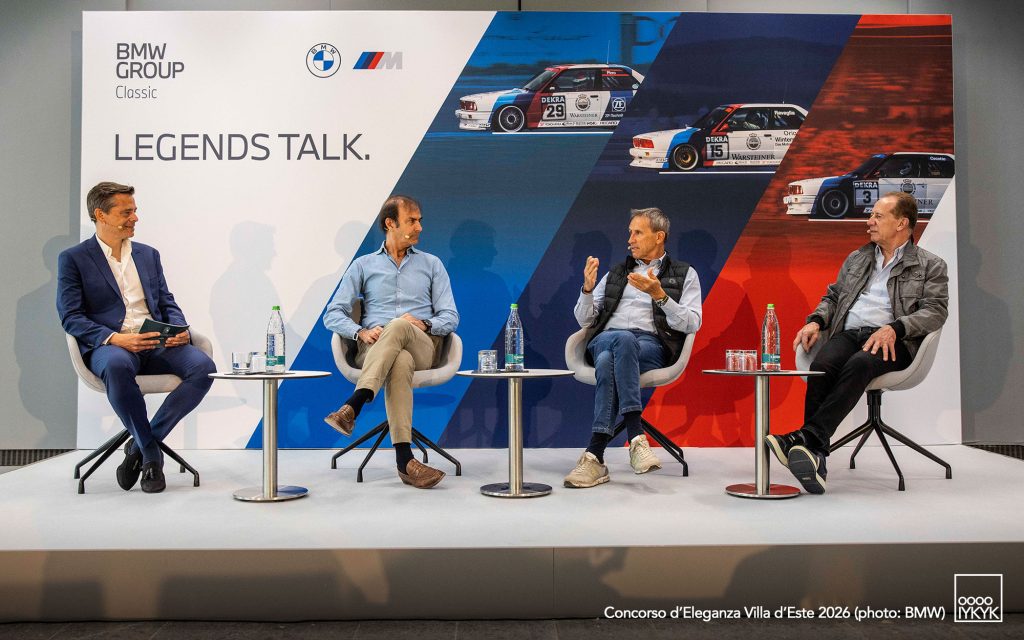
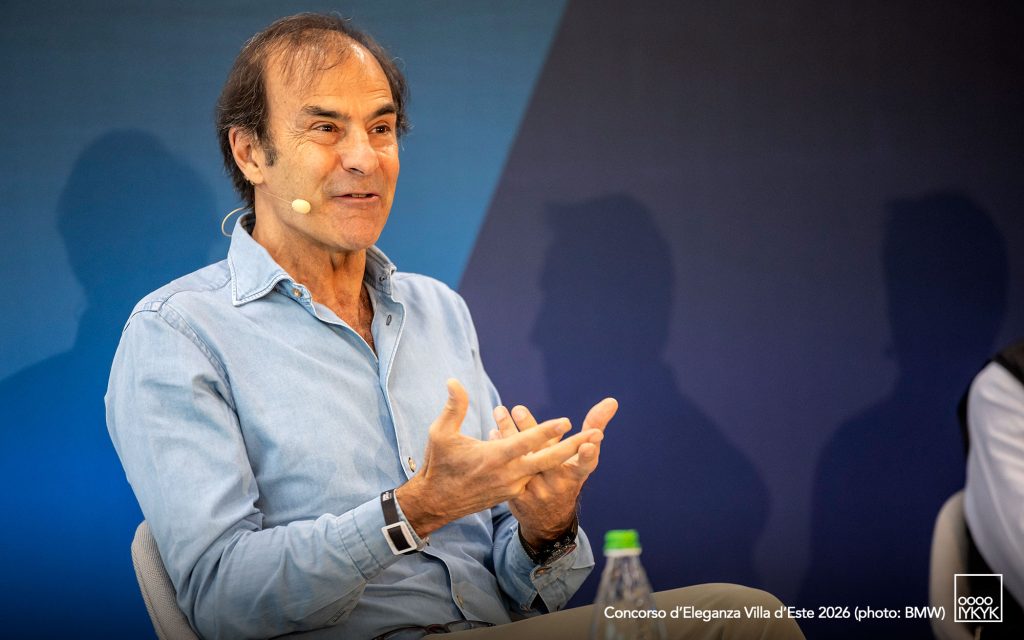
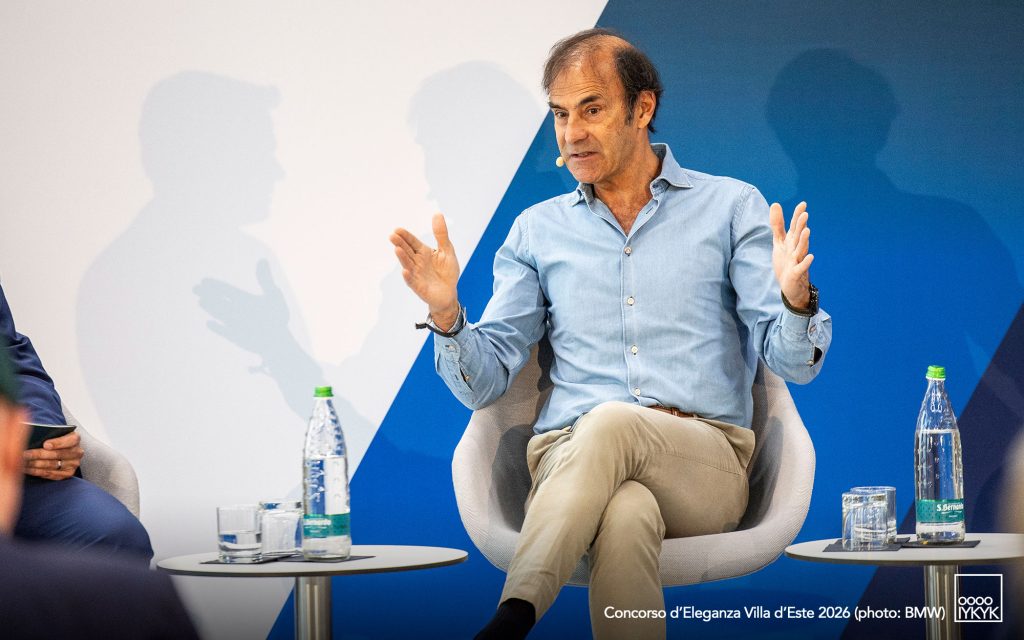
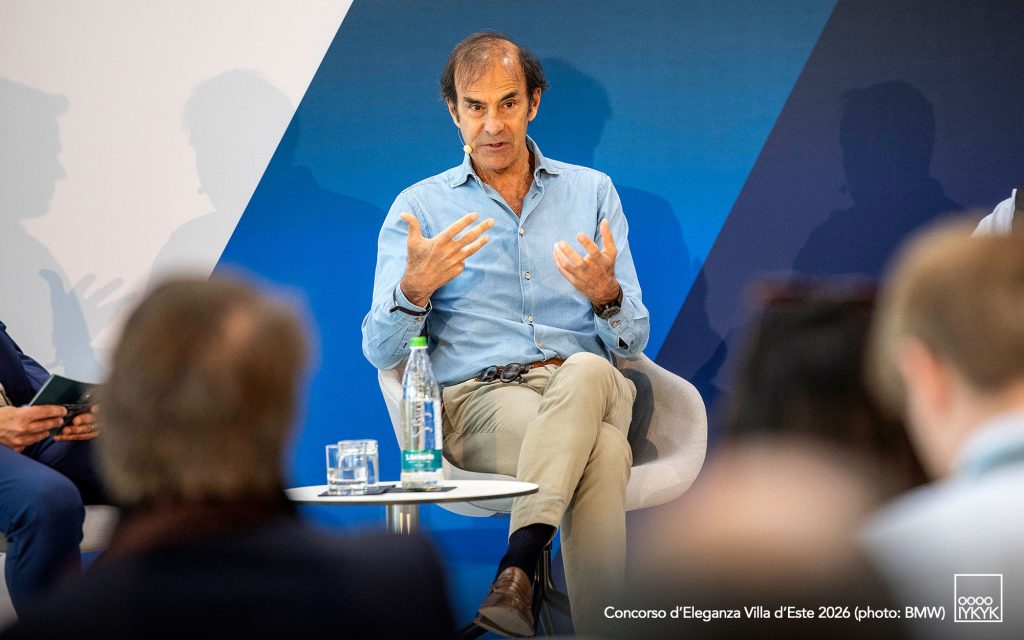
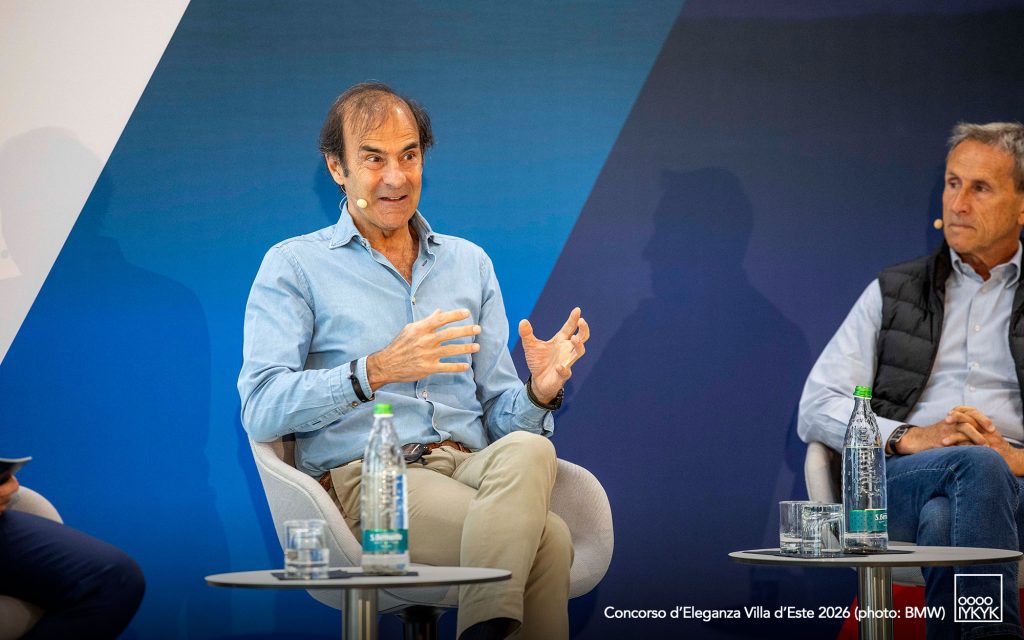
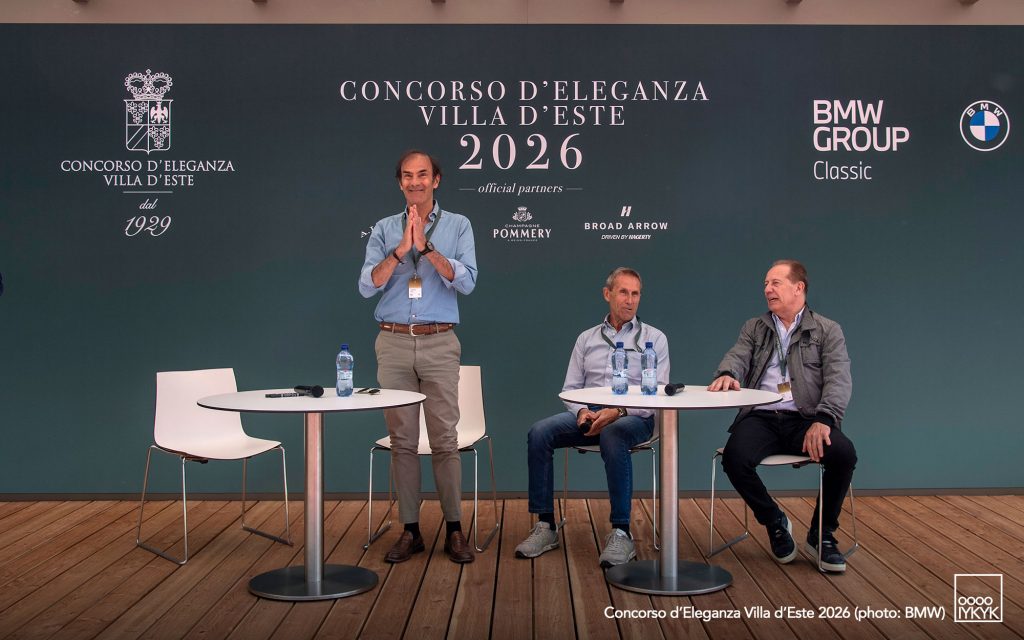
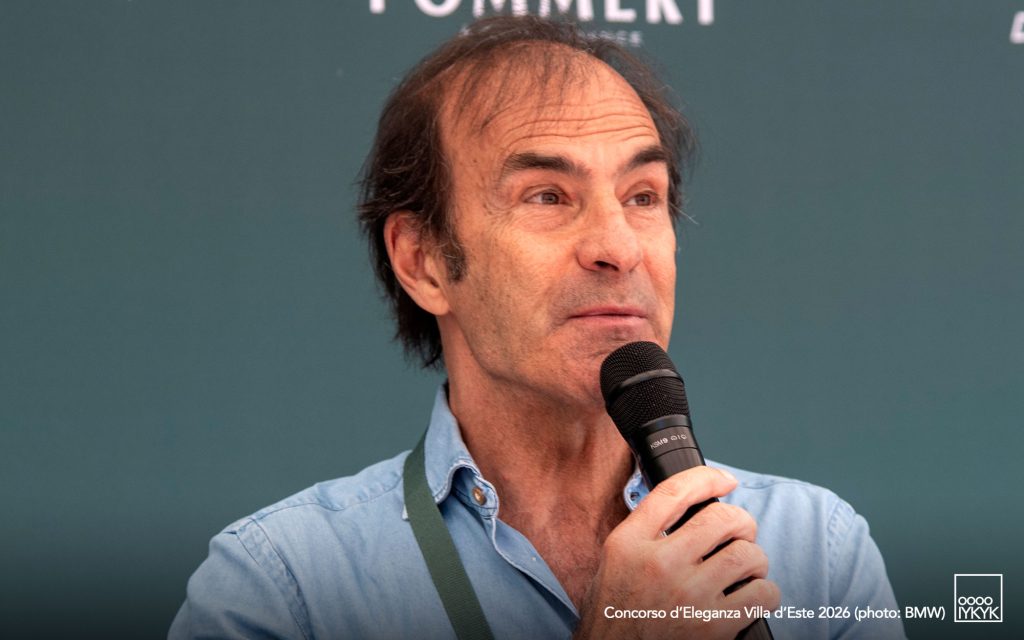
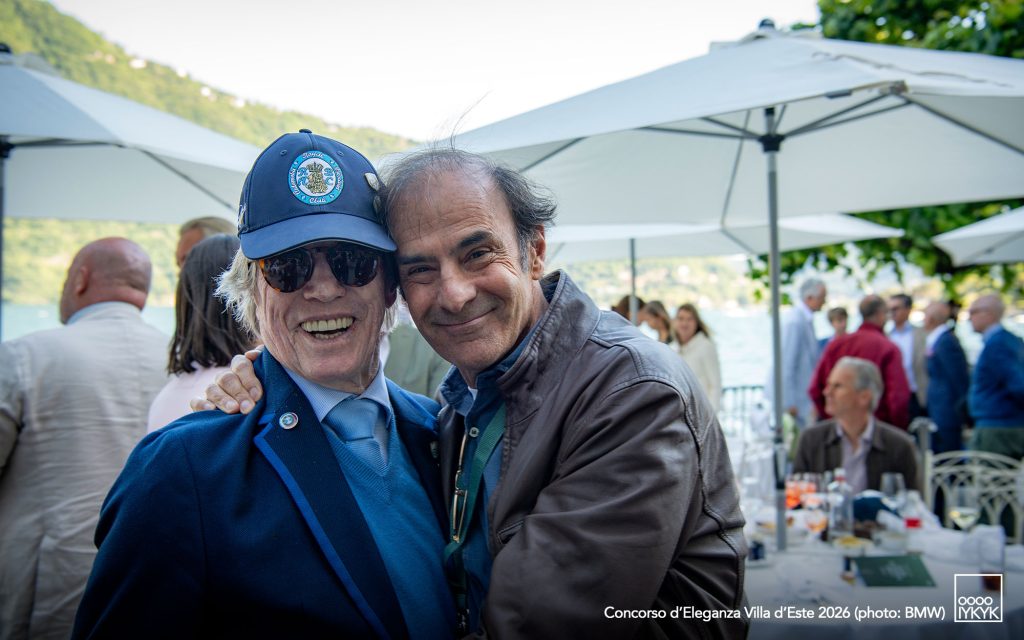
Their appearance also reinforced how intertwined motorsport legacies become during Como Week. While McNish, Kristensen and Capello were appearing with Audi at FuoriConcorso, another former Le Mans-era Audi teammate, Emanuele Pirro, surfaced across the lake at Villa d’Este as a guest of BMW.
IN PERSPECTIVE
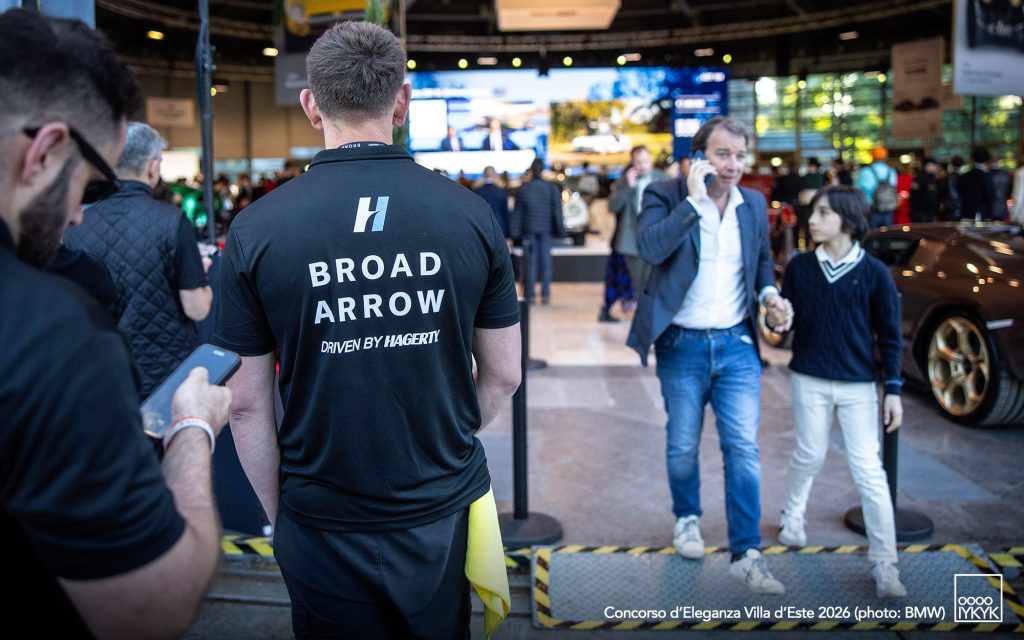
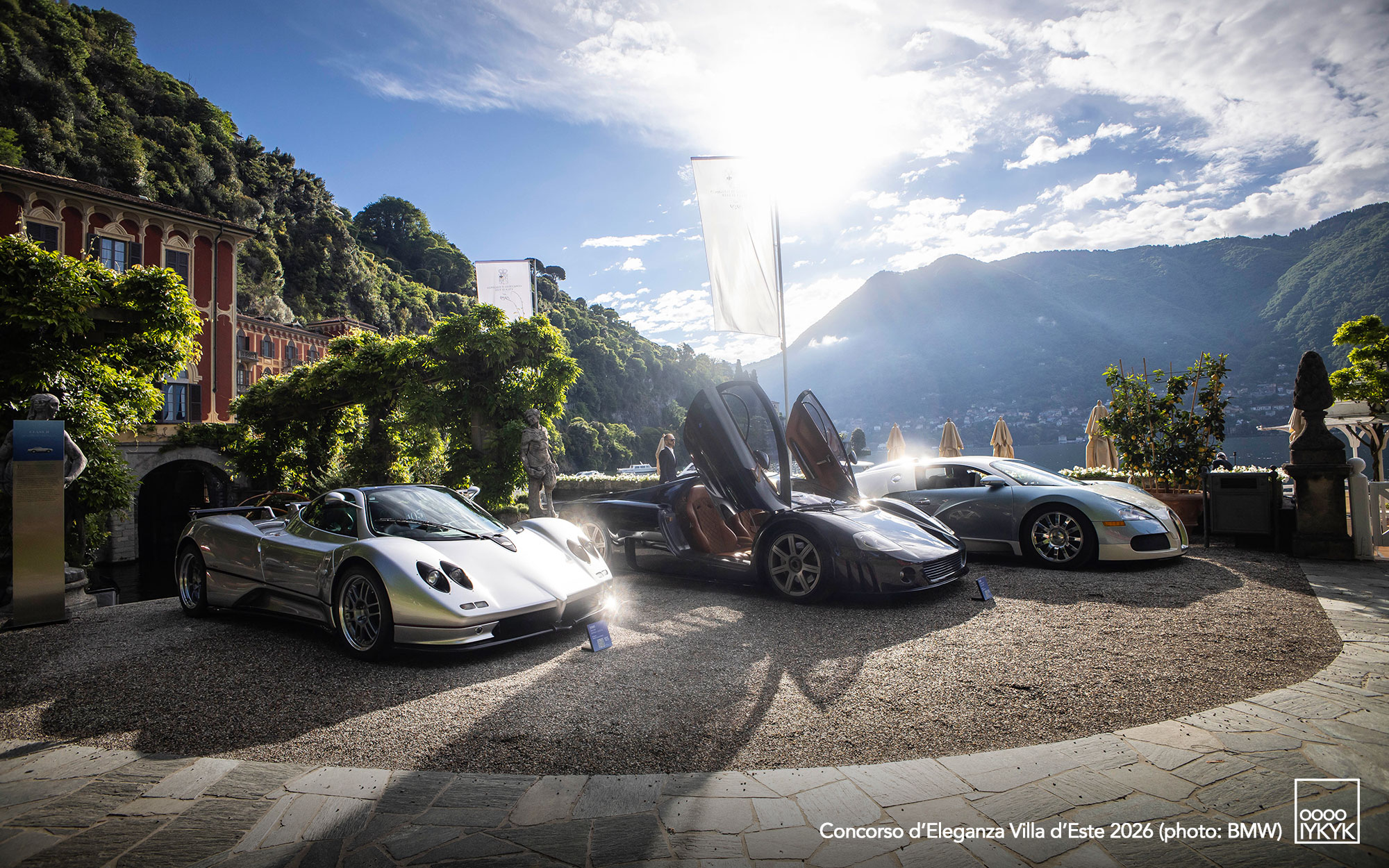
That crossover between brands, eras and disciplines increasingly defines the atmosphere around Lake Como today. Unlike a traditional auto show or single-brand event, Como Week has become an ecosystem unto itself — a temporary convergence point where manufacturers, collectors, designers, racing legends and modern enthusiasts all occupy the same geography for a few days each spring.
The result is something closer to the automotive equivalent of Milan Design Week than a conventional concours.
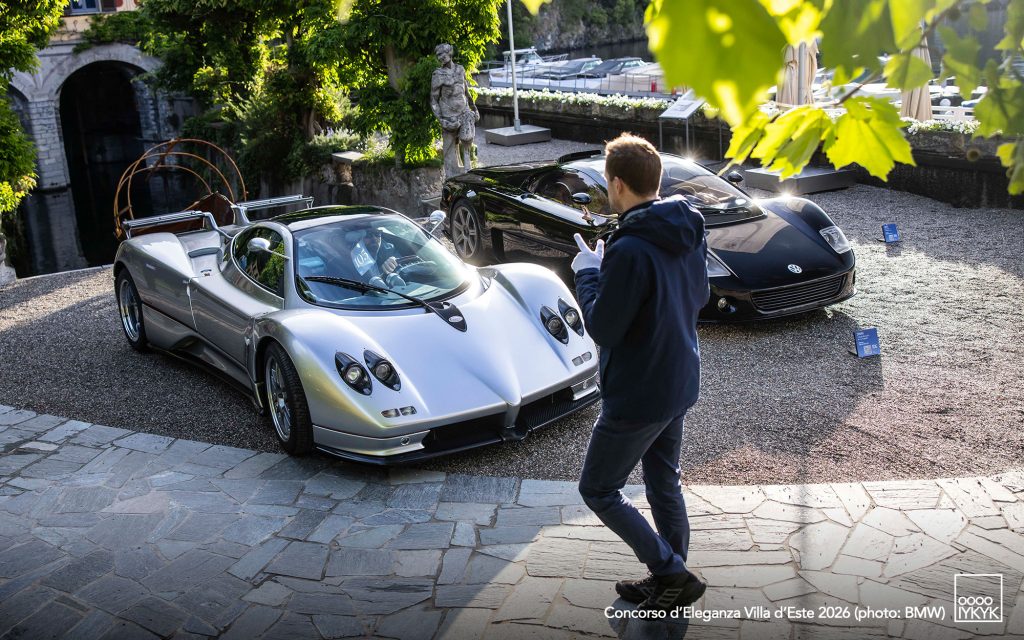
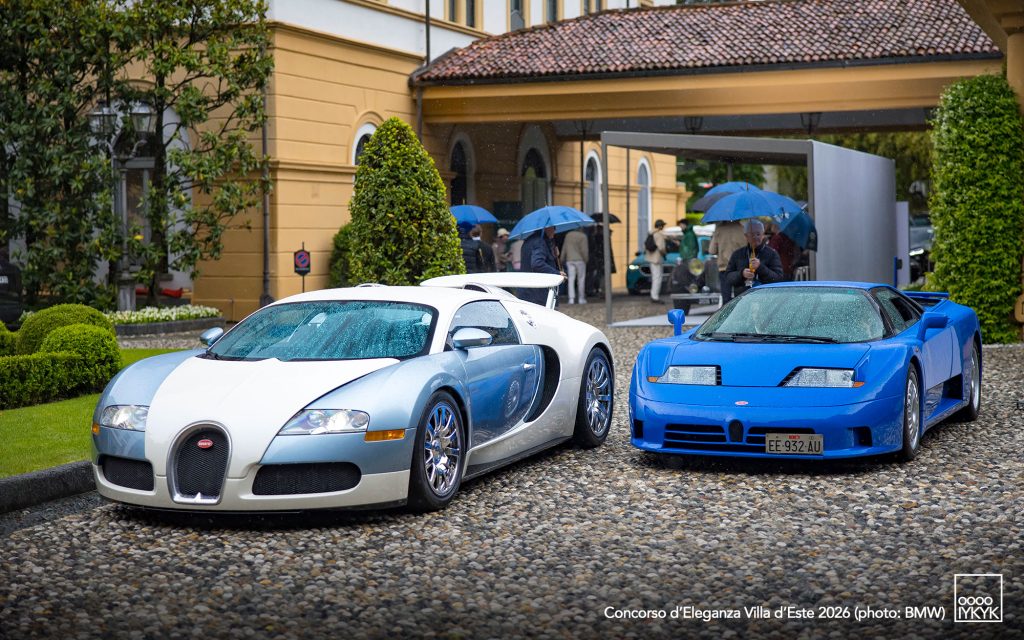
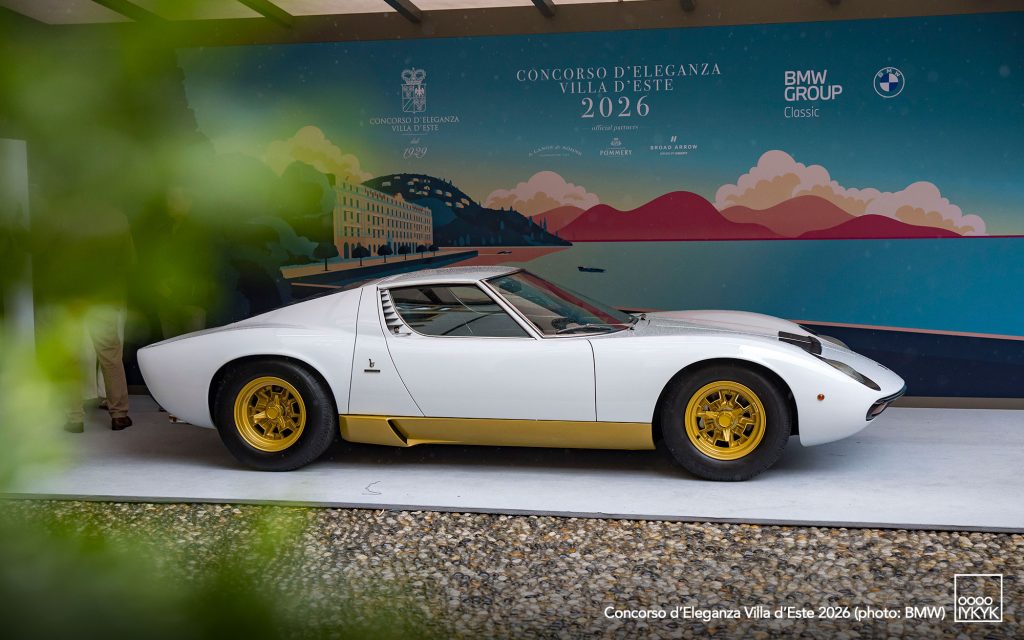
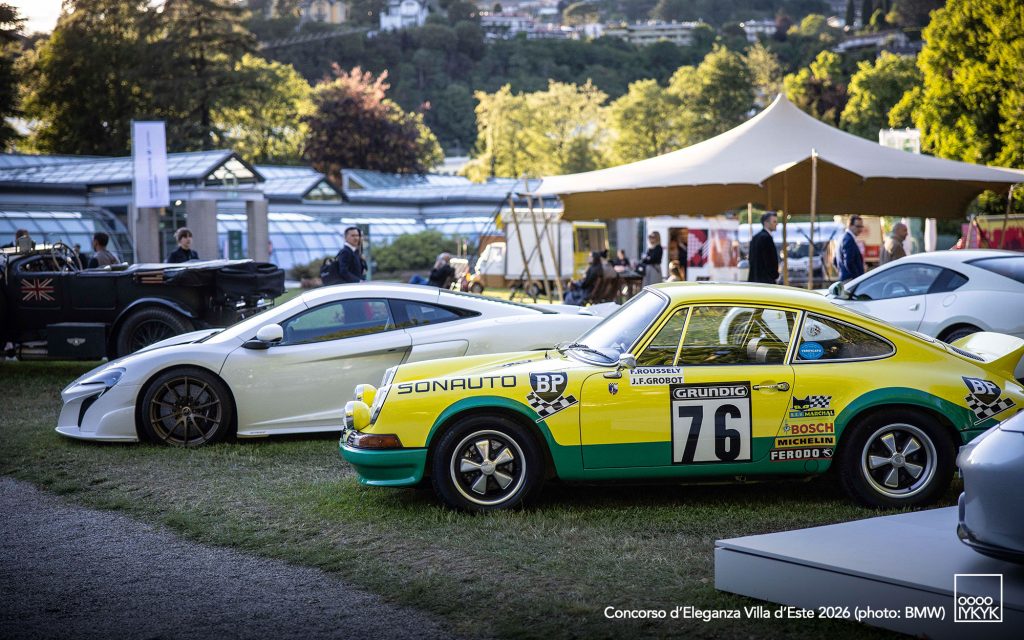
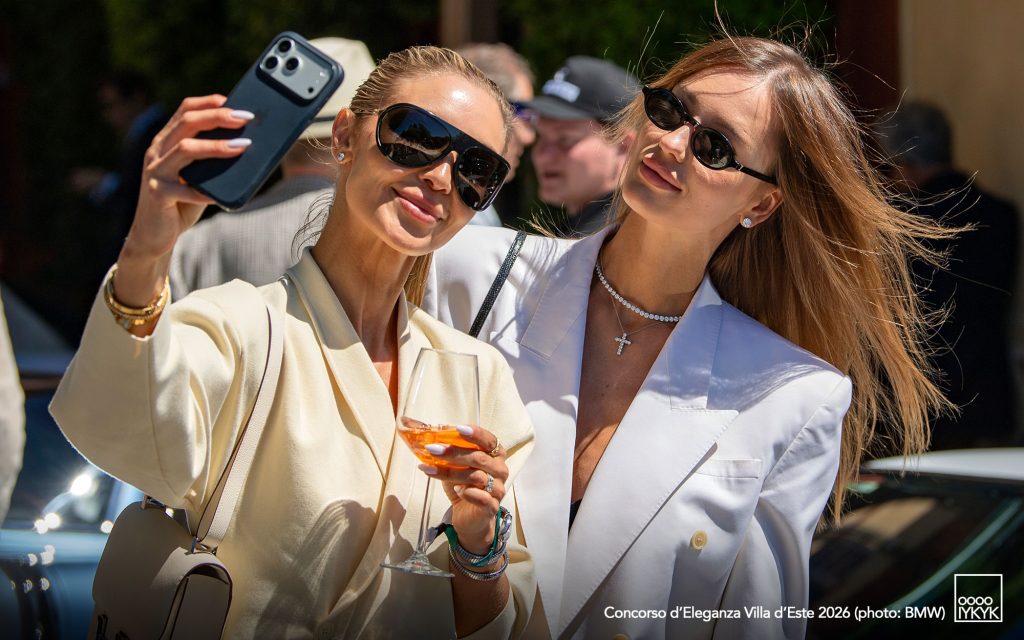
Modern hypercars arrive alongside pre-war coachbuilt masterpieces. Historic racing icons share space with restomods and one-off commissions. Factory-backed heritage programs intermingle with independent collectors and boutique builders. Social media creators mingle with concours judges and CEOs. Increasingly, the brands that succeed here are the ones that understand the broader cultural landscape rather than treating the weekend as merely a traditional concours appearance.
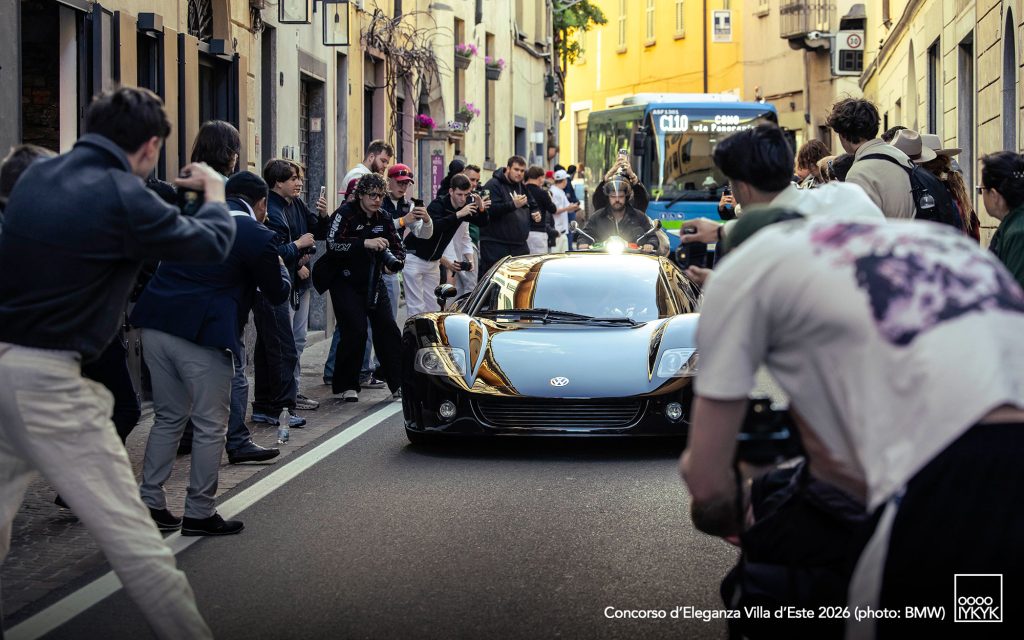
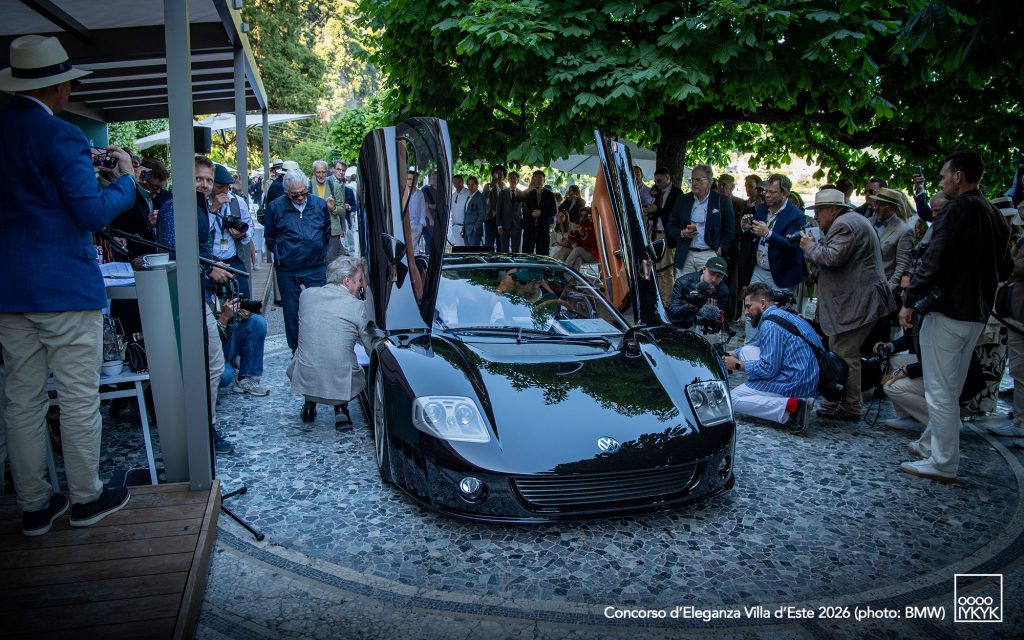
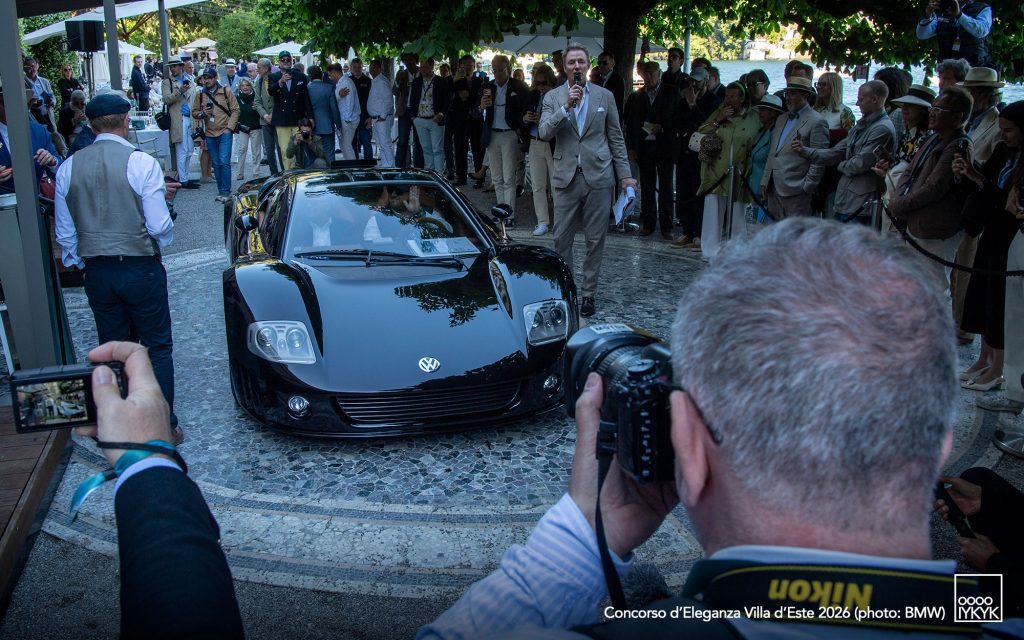
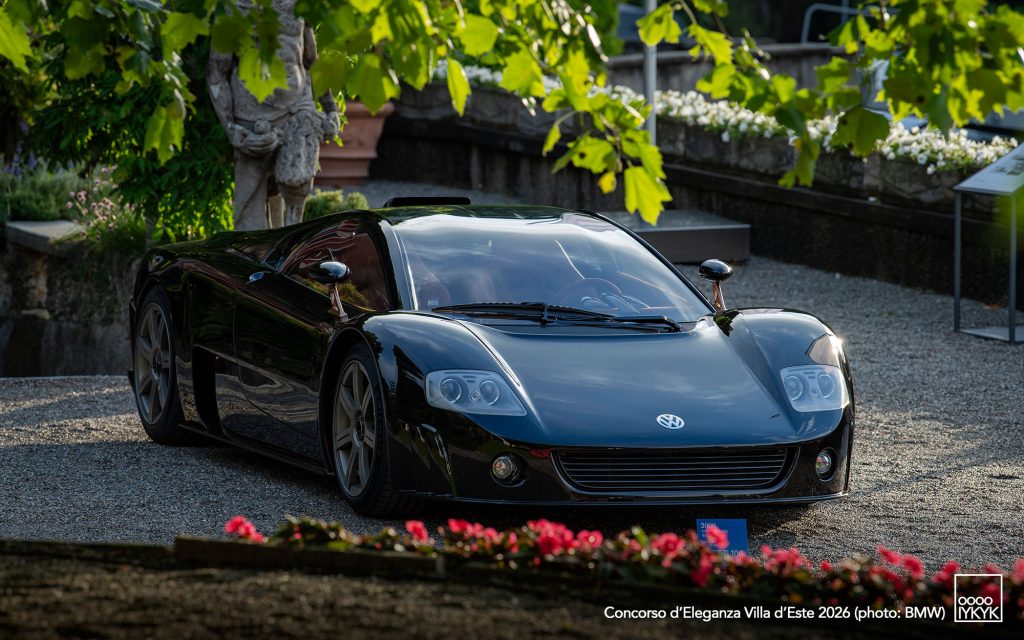
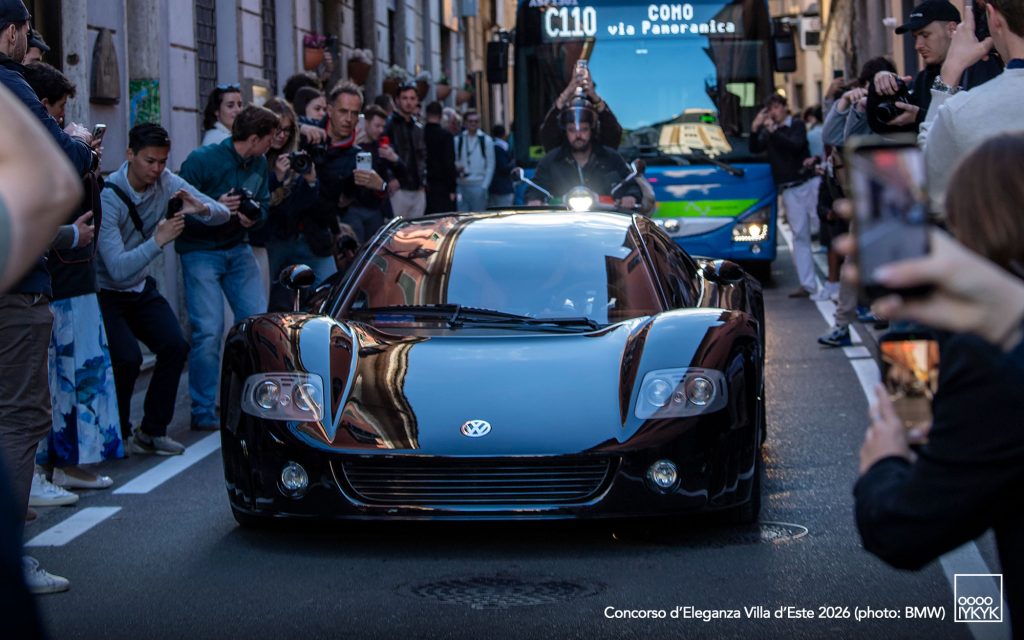
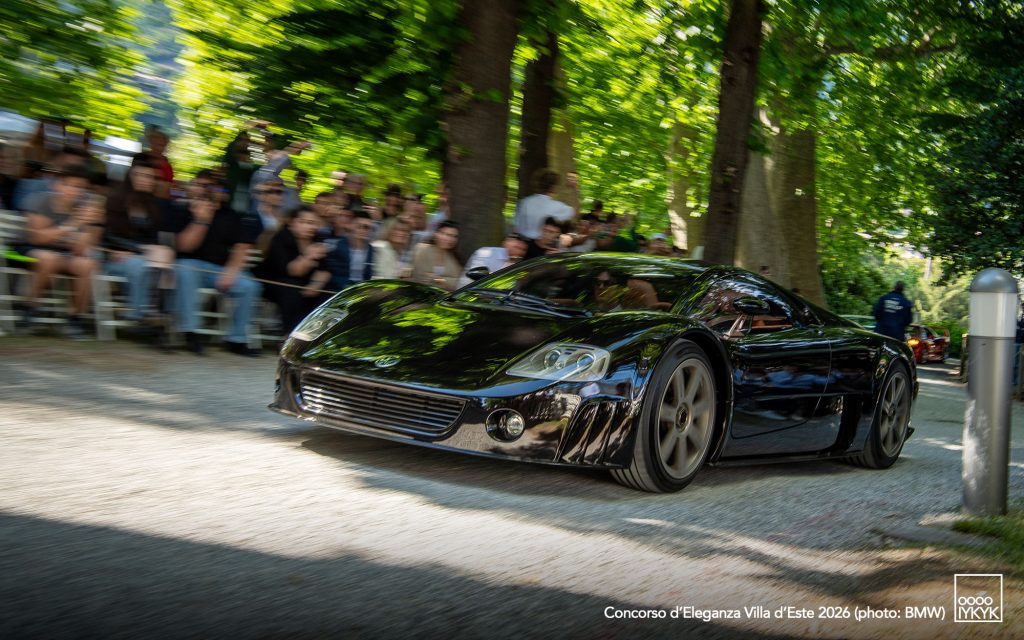
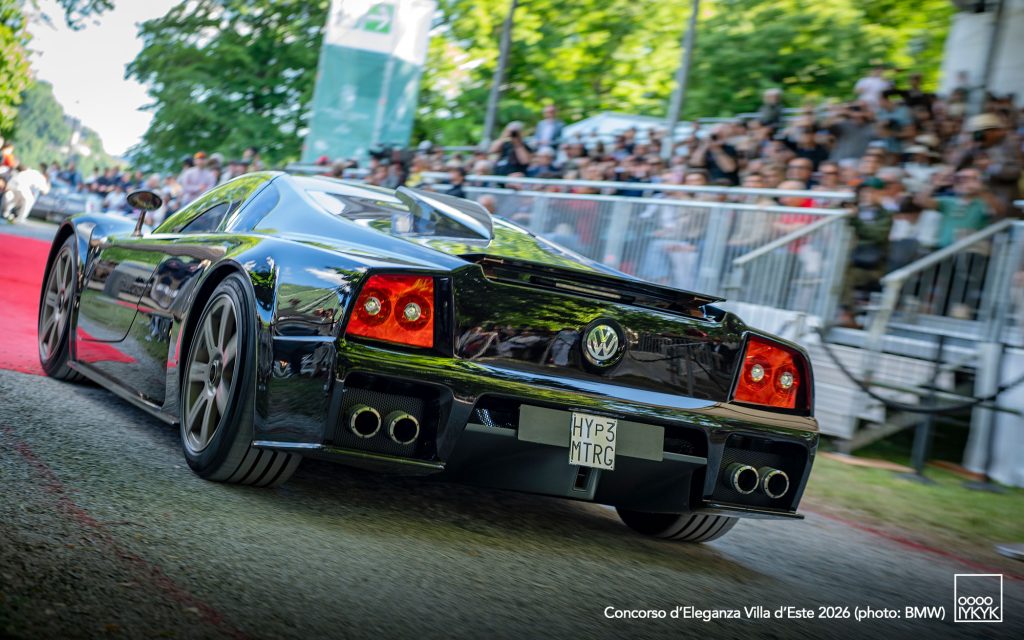
Other highlights that Audi aficionados would appreciate abound, but some in particular are worth calling out. Fabrizio Giugiaro was present with his GFG Style team, displaying an immaculate and drivable example of the Volkswagen W12 Nardo concept car that, like the Avus quattro concept, was an early concept meant to display the W12 engine while exploring the mid-engine supercar possibilities for the Volkswagen Group.
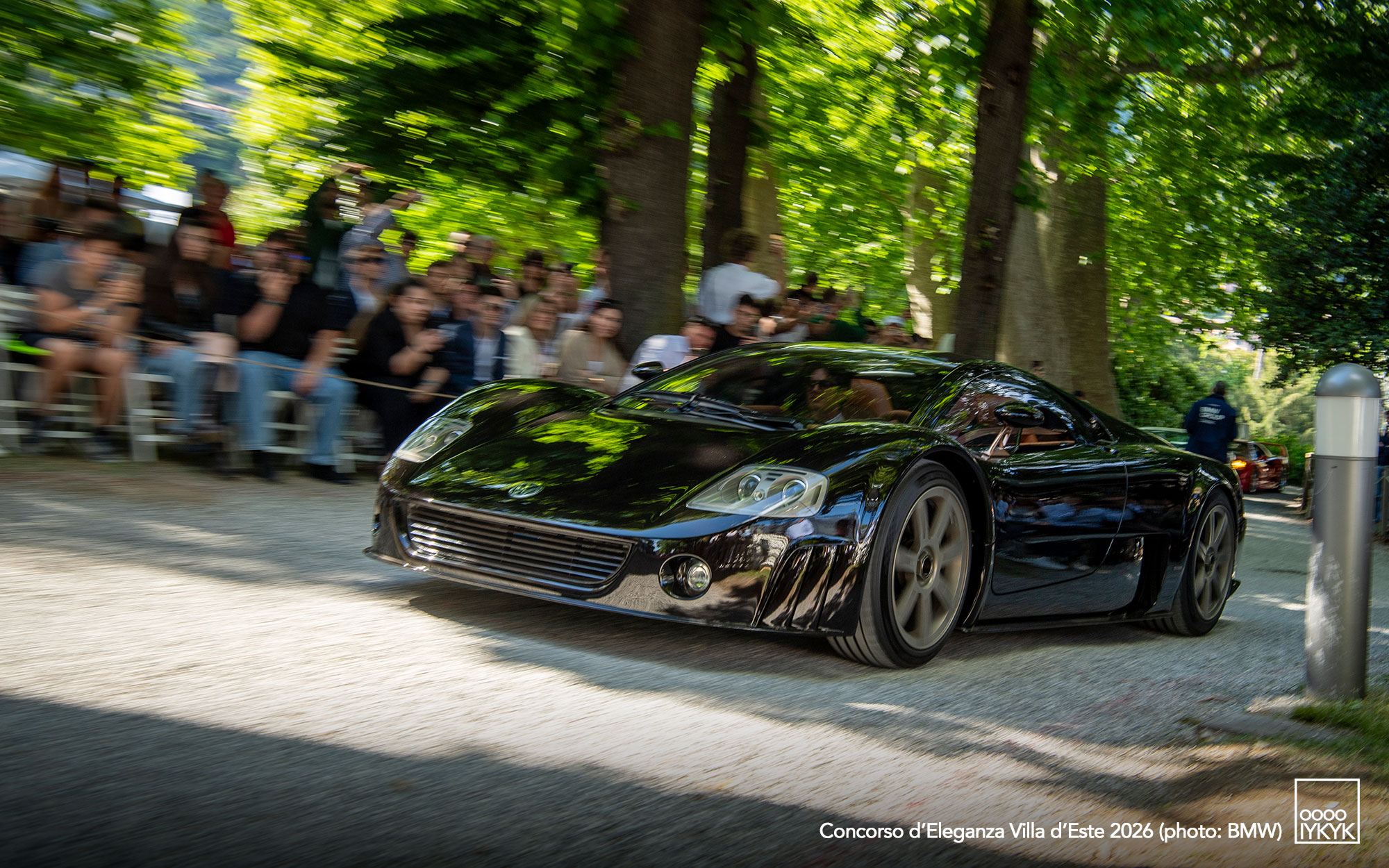
Other Volkswagen Group siblings including Bentley, Lamborghini and Porsche were also present – each having a more established Como tradition than Audi in prior years.
For Audi, the decision to be present may prove important. In addition, its decision to step into the Como spotlight may signal a new brand tradition where no doubt the automotive enthusiast world will welcome it. Lake Como offers an environment uniquely suited to connecting the brand’s various narratives: quattro heritage, Le Mans dominance, design culture and the arrival of the brand’s F1 era.
No longer simply a concours, nor merely a collection of side events orbiting Villa d’Este, Como Week is evolving into one of the automotive industry’s most influential cultural gatherings. A place where heritage, luxury, motorsport, design and modern enthusiast culture increasingly intersect — and where manufacturers now understand that simply showing up may no longer be enough.
PHOTO GALLERY FUORICONCORSO
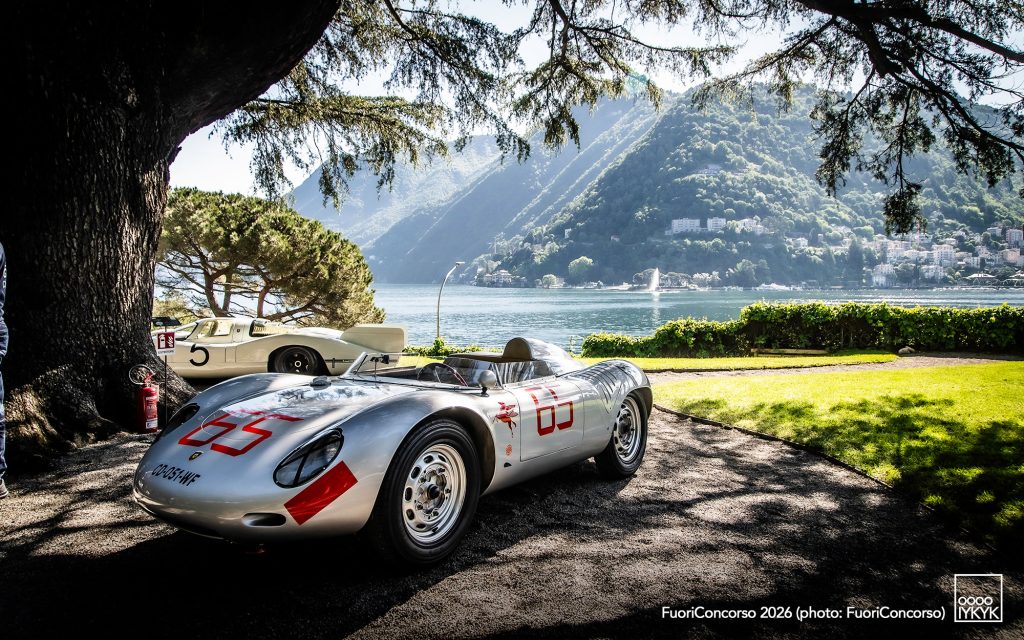
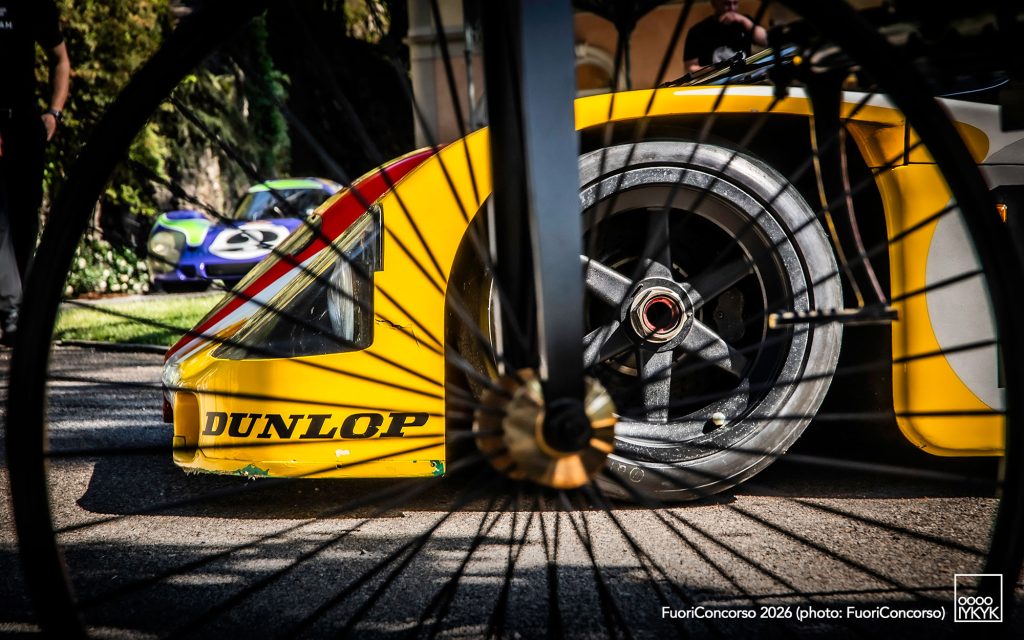
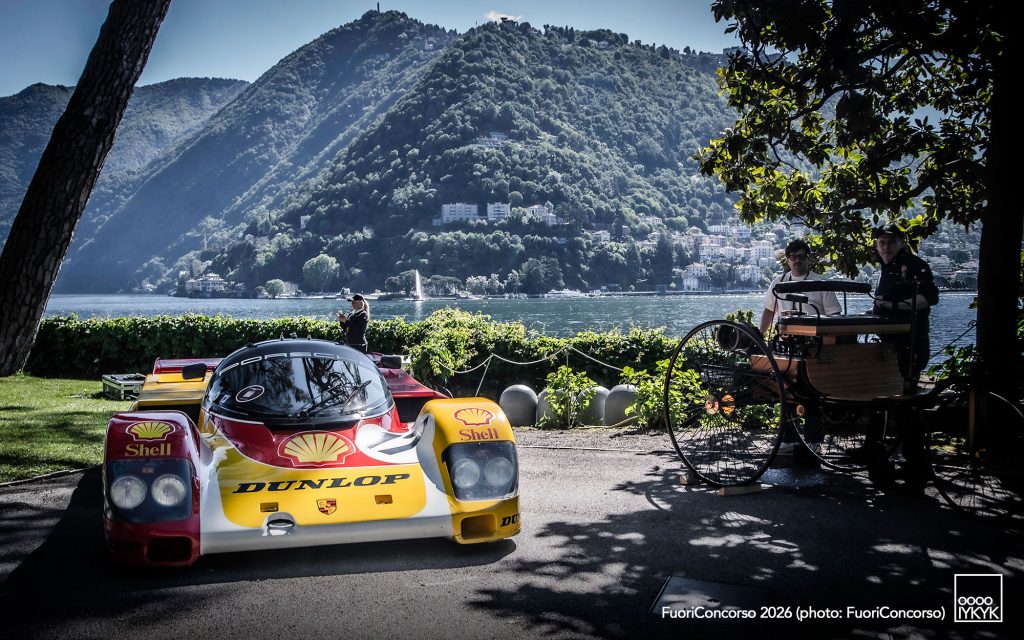
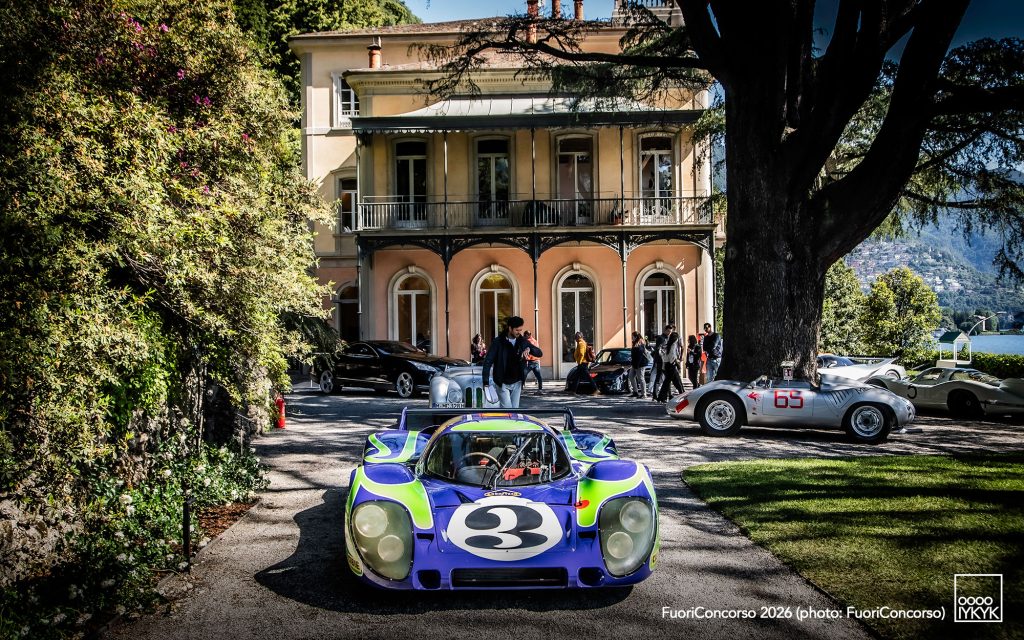
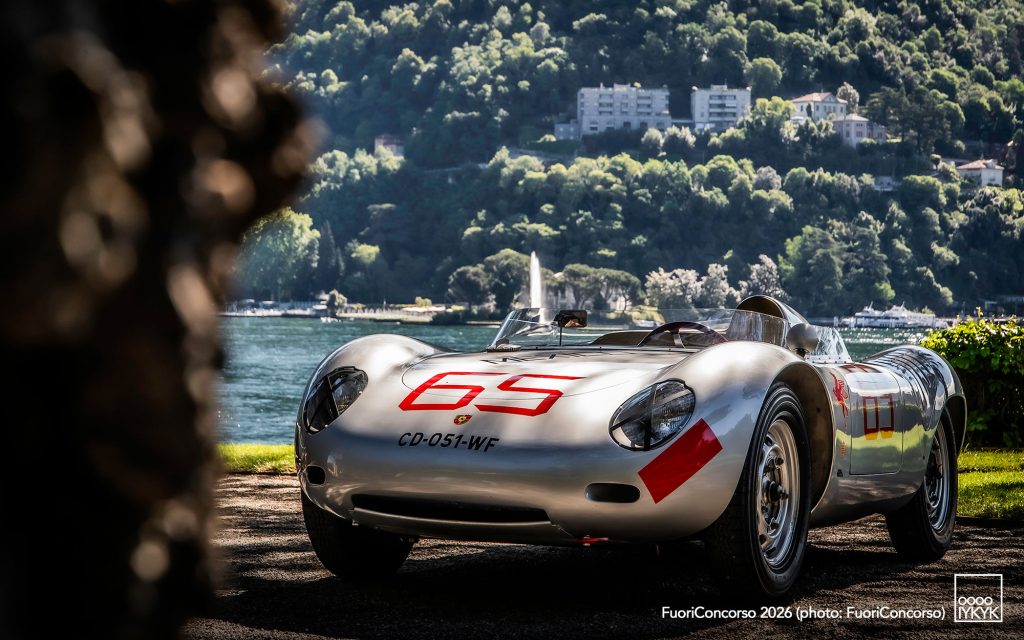
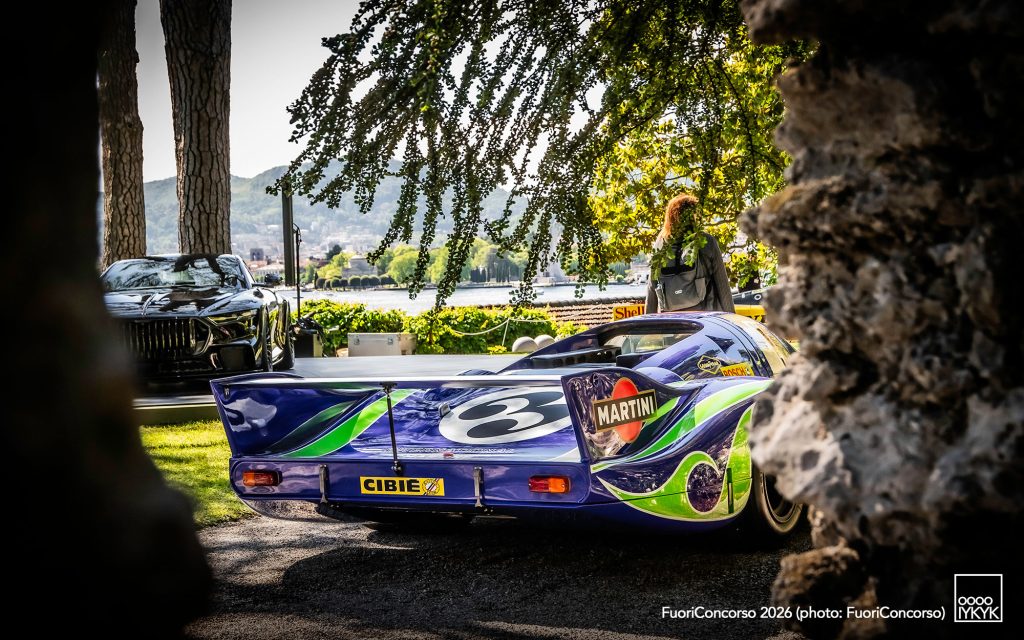
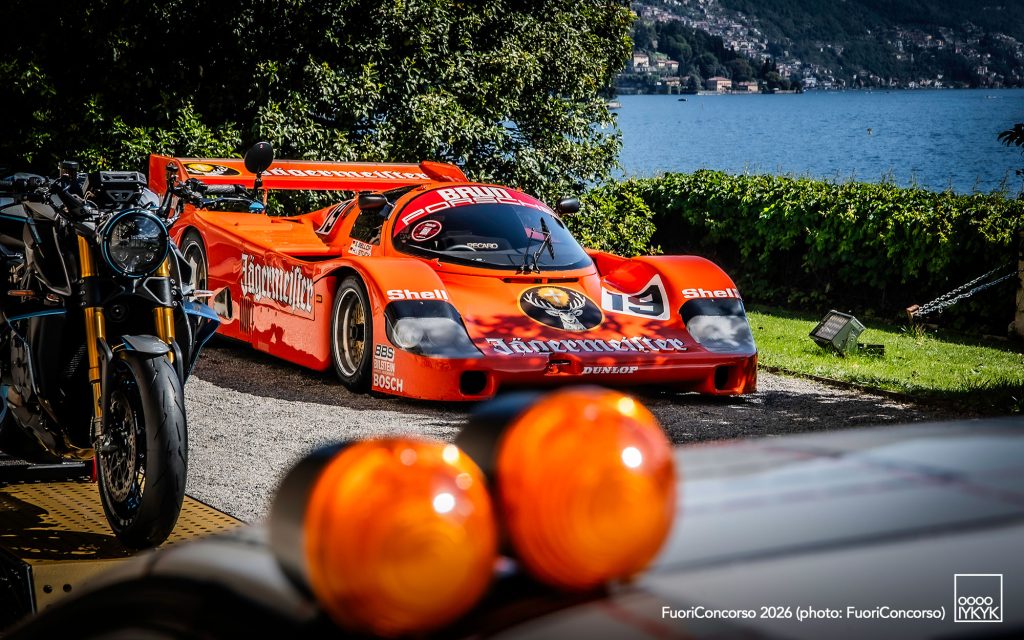
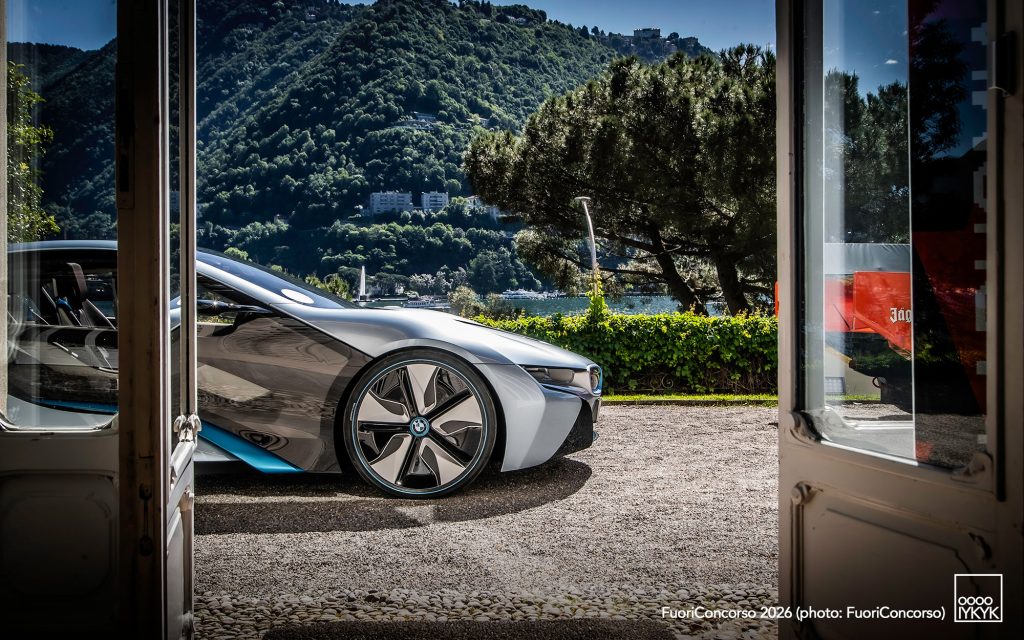
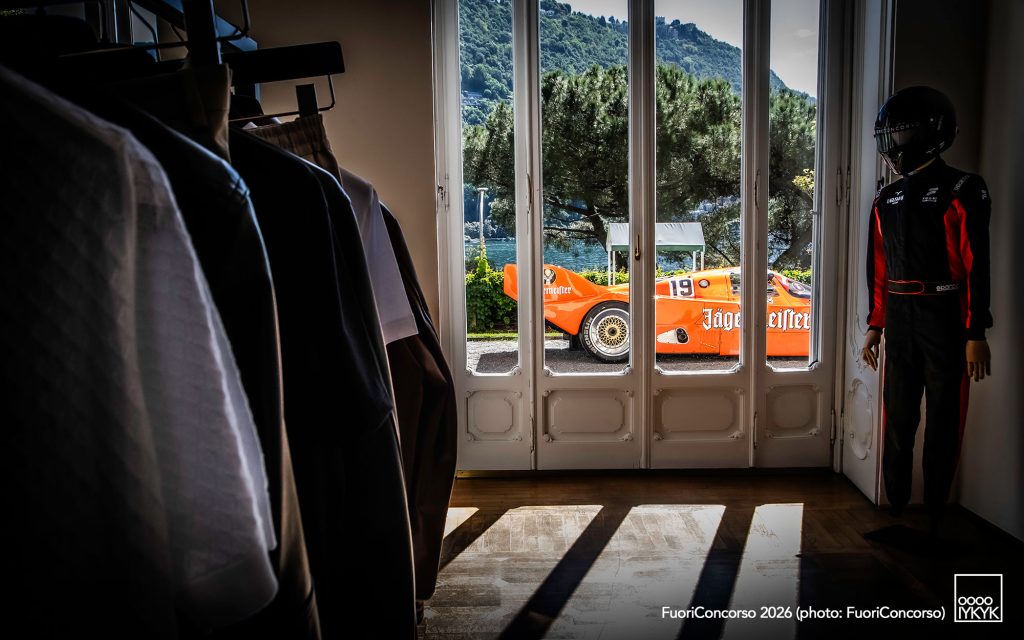
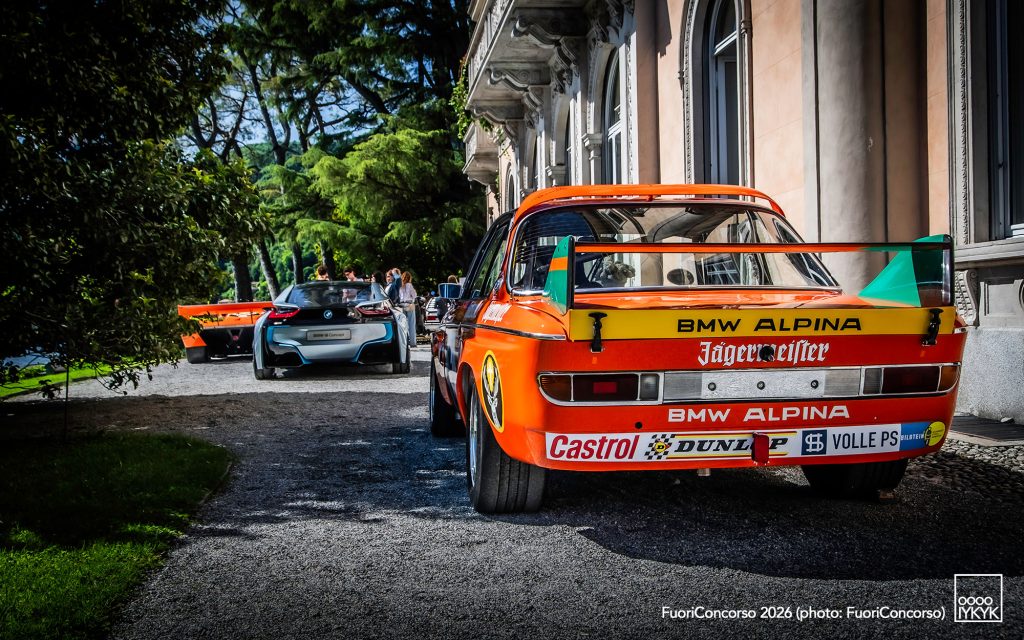
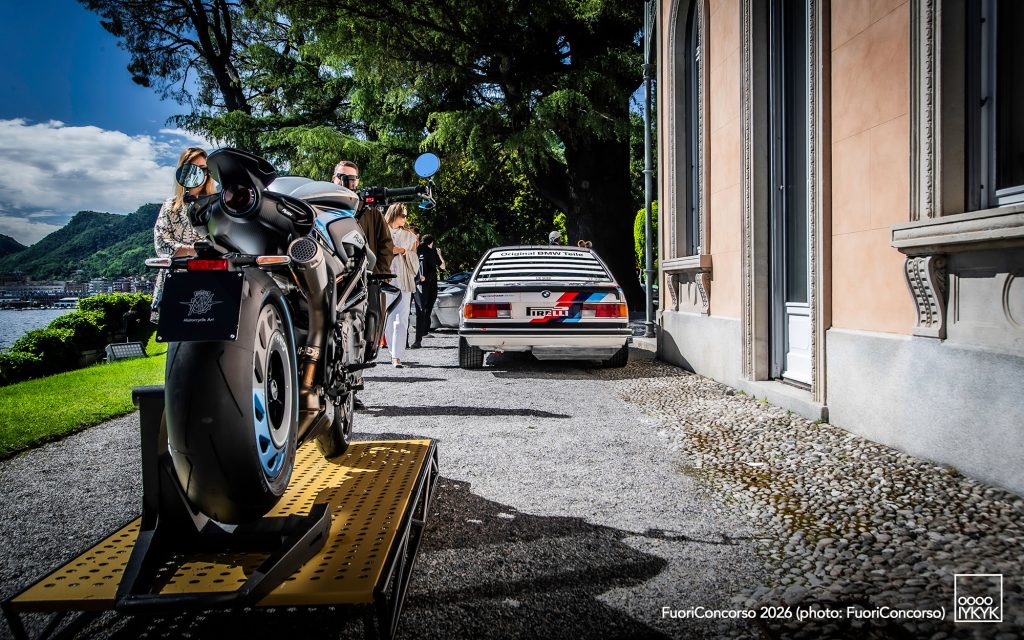
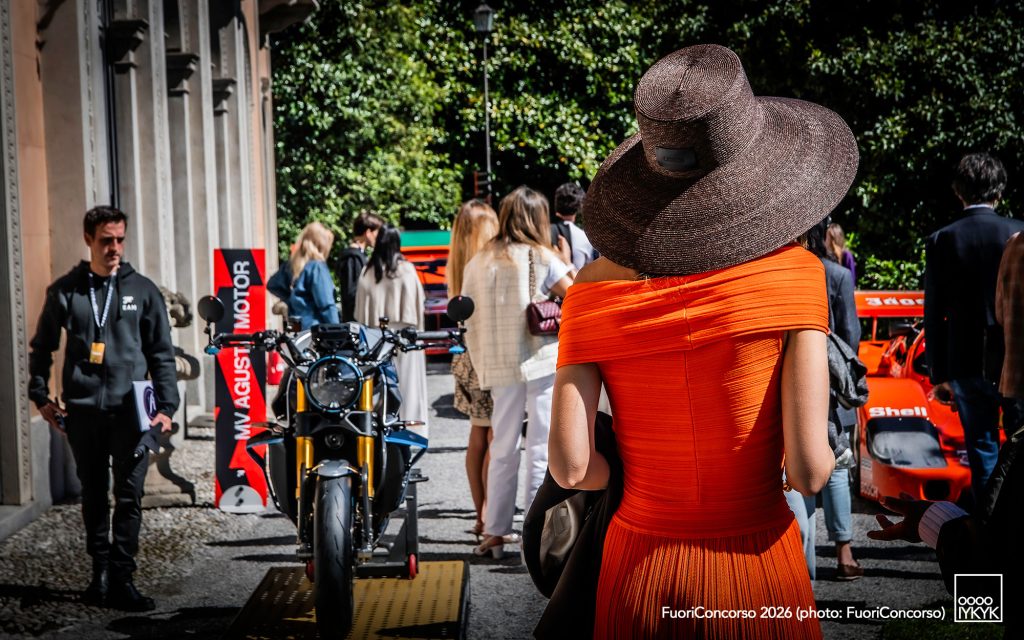
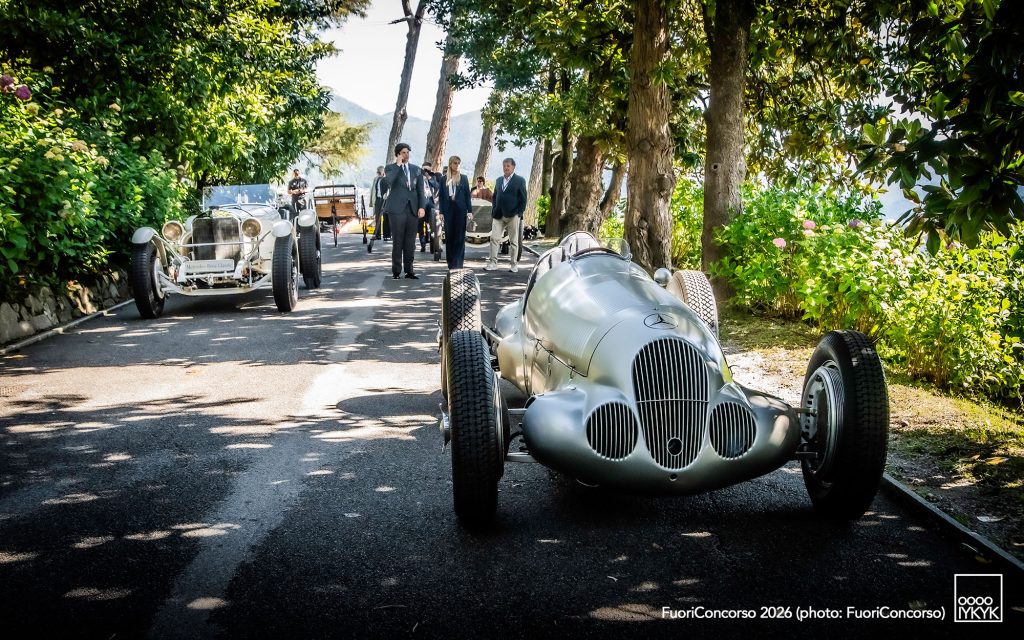
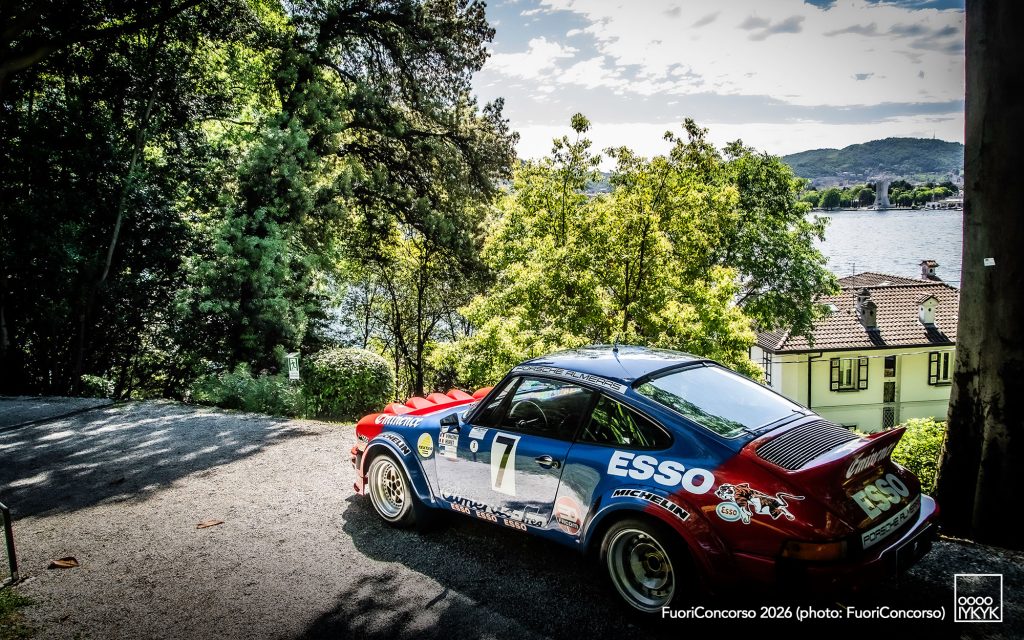
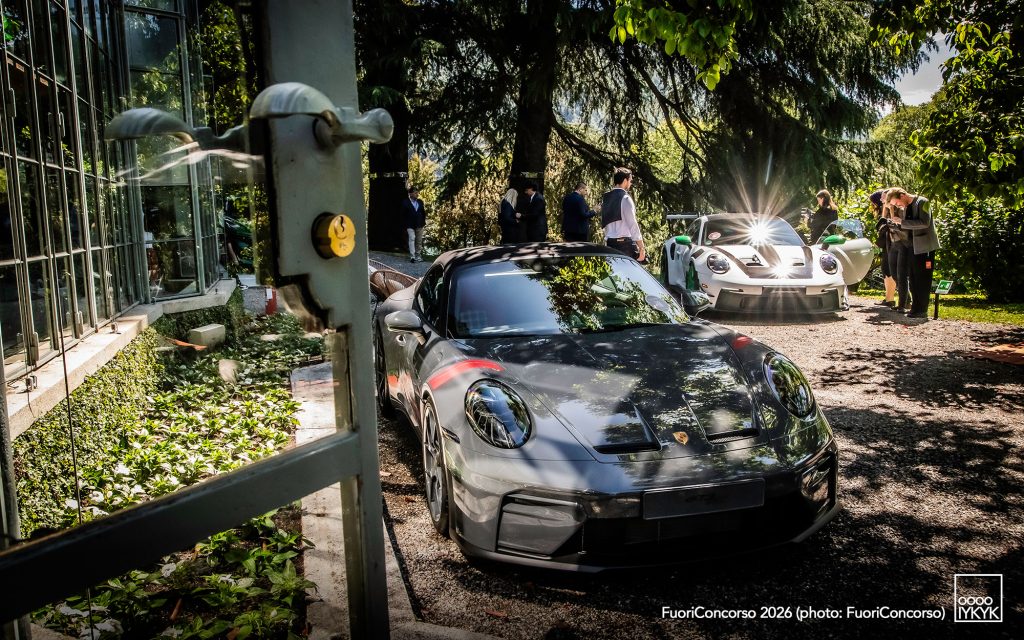
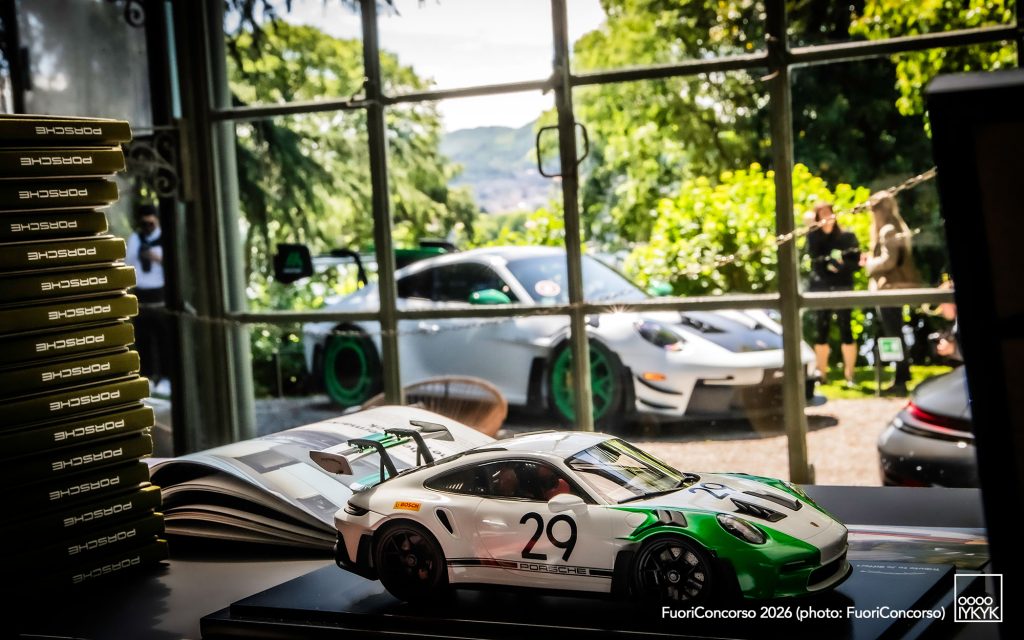
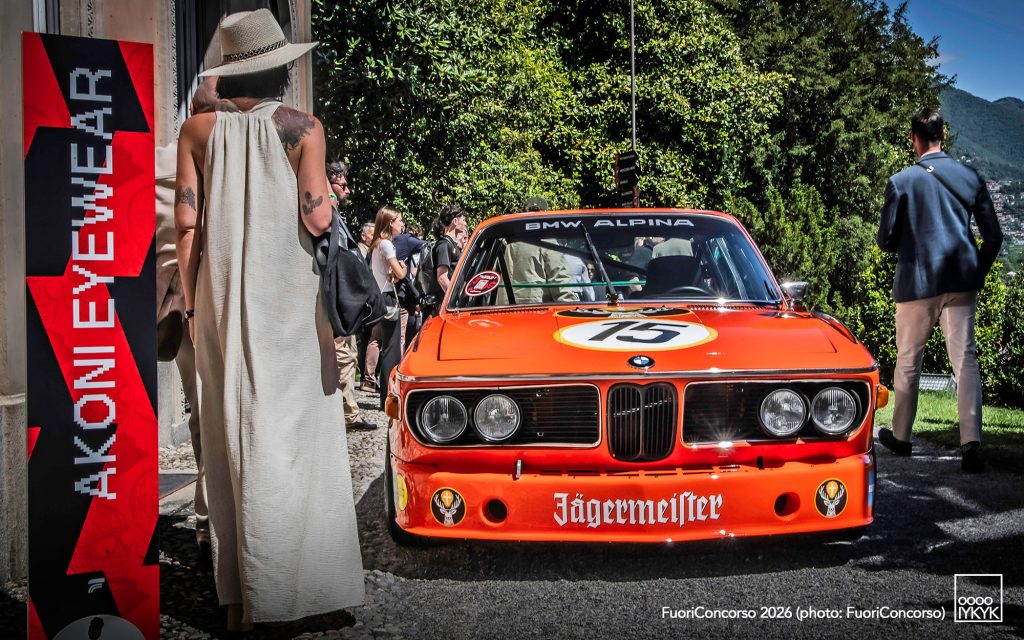
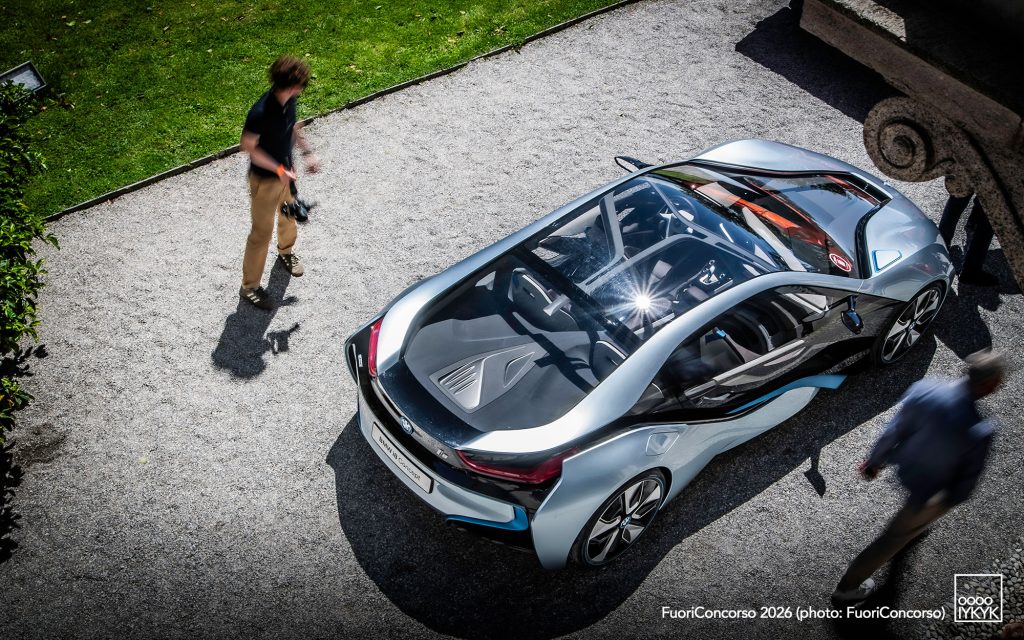
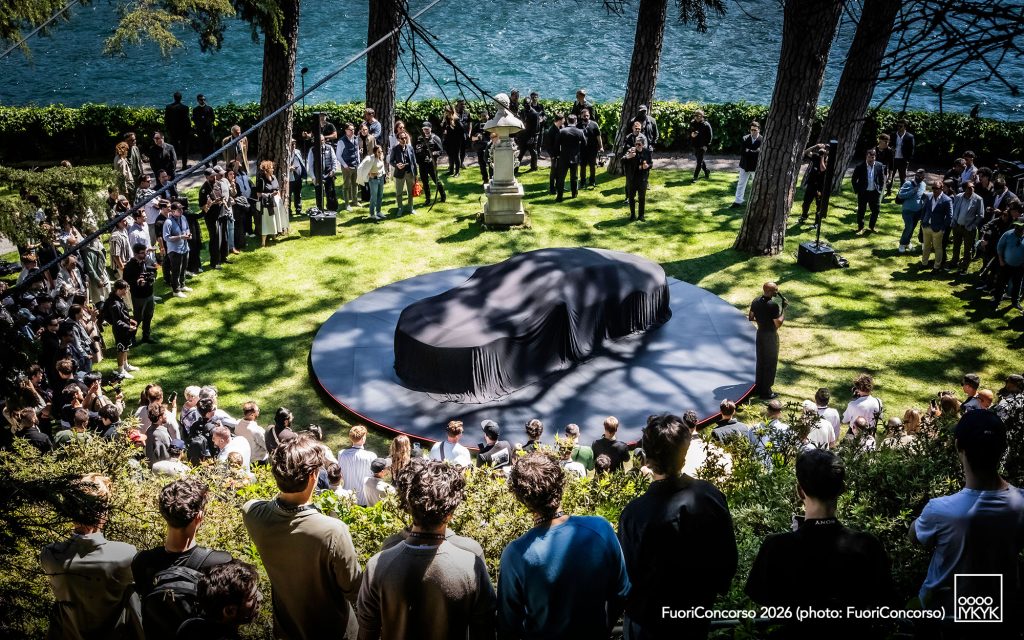
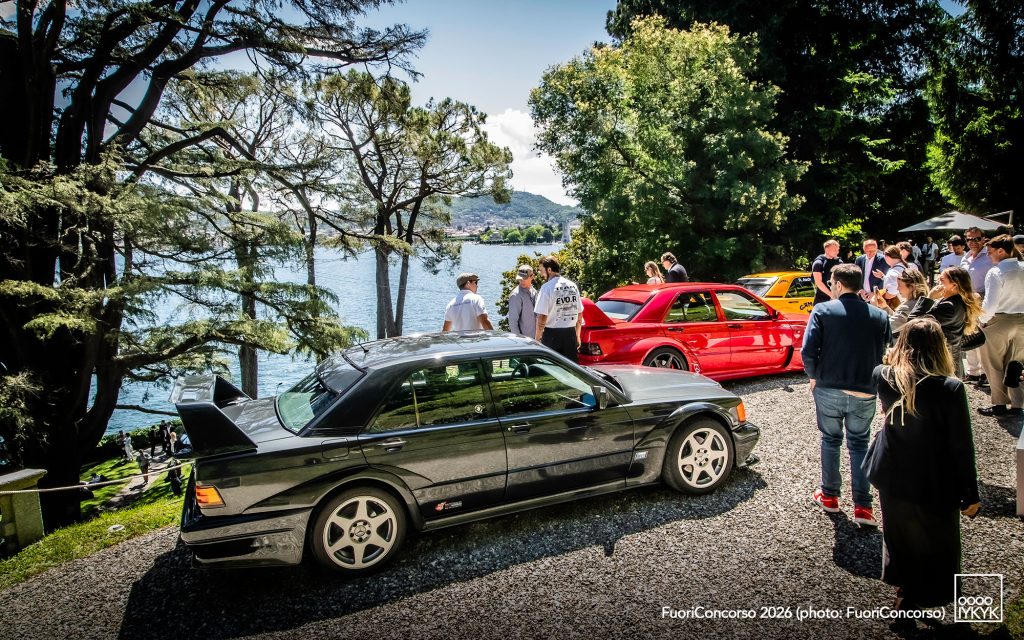
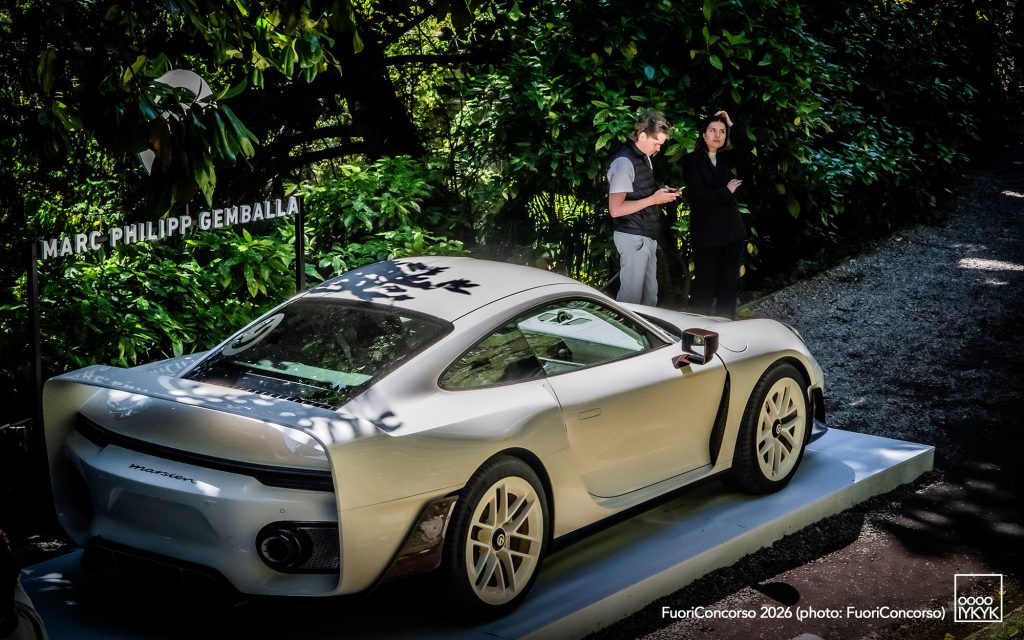
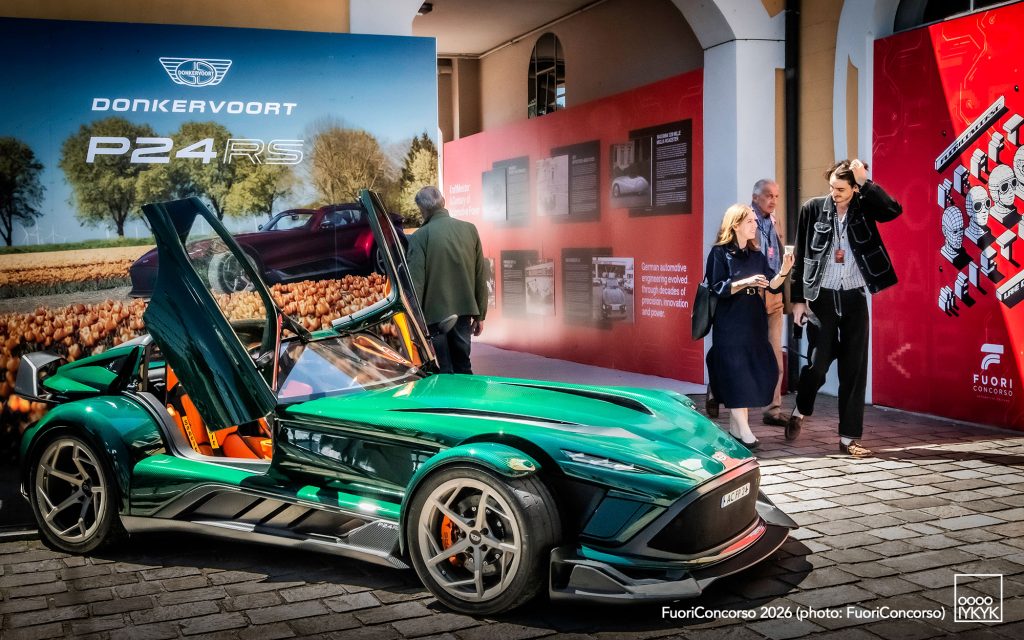
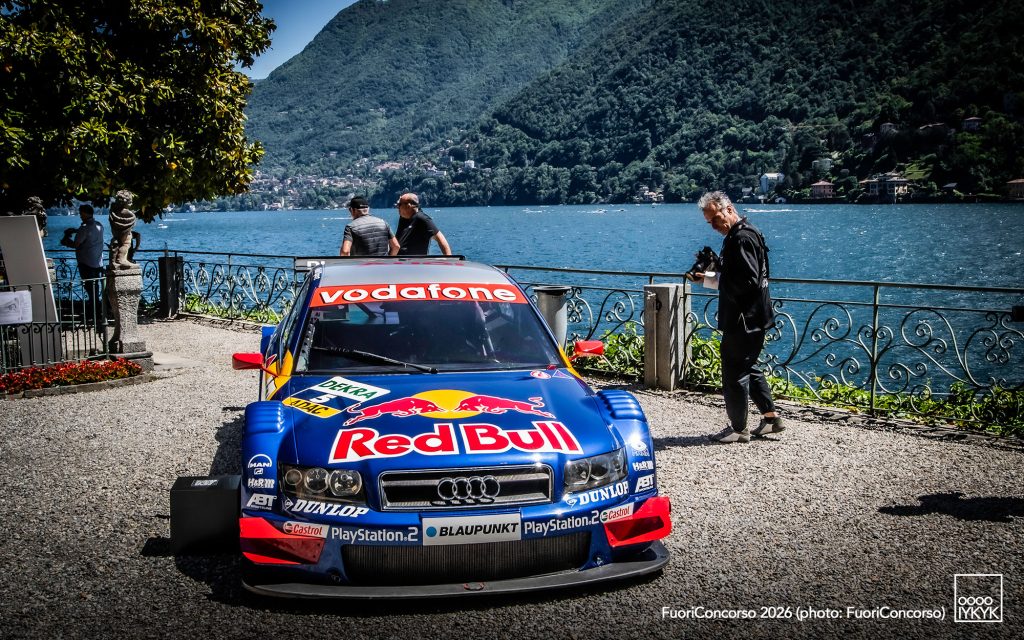
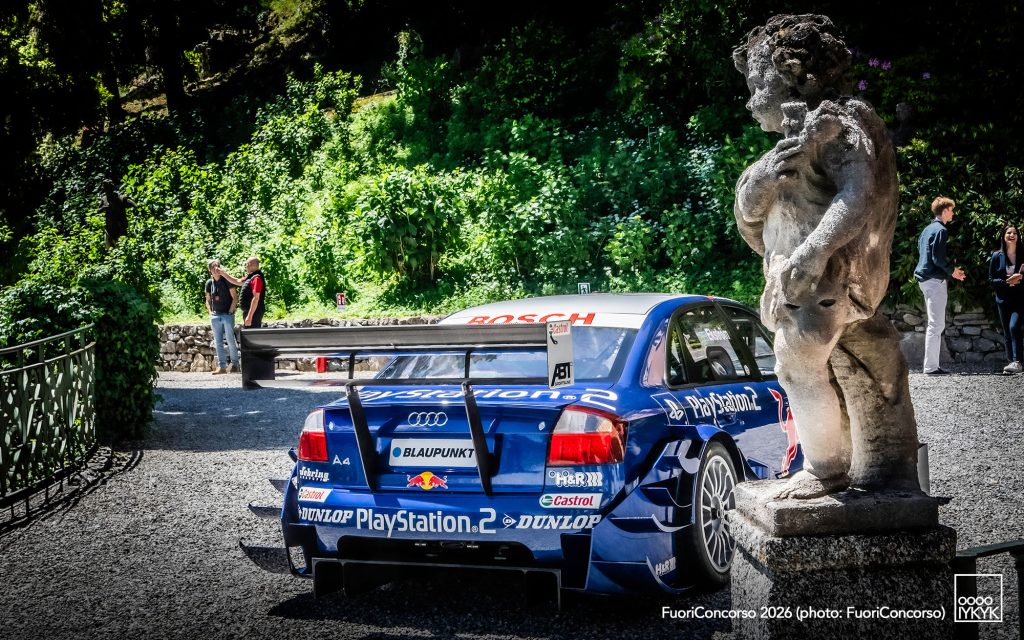
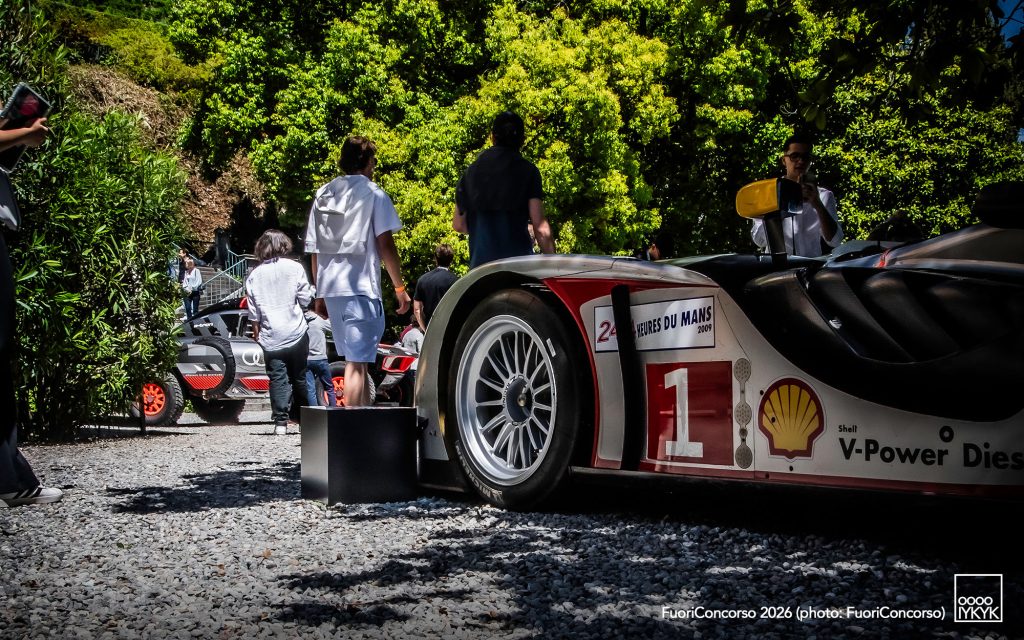
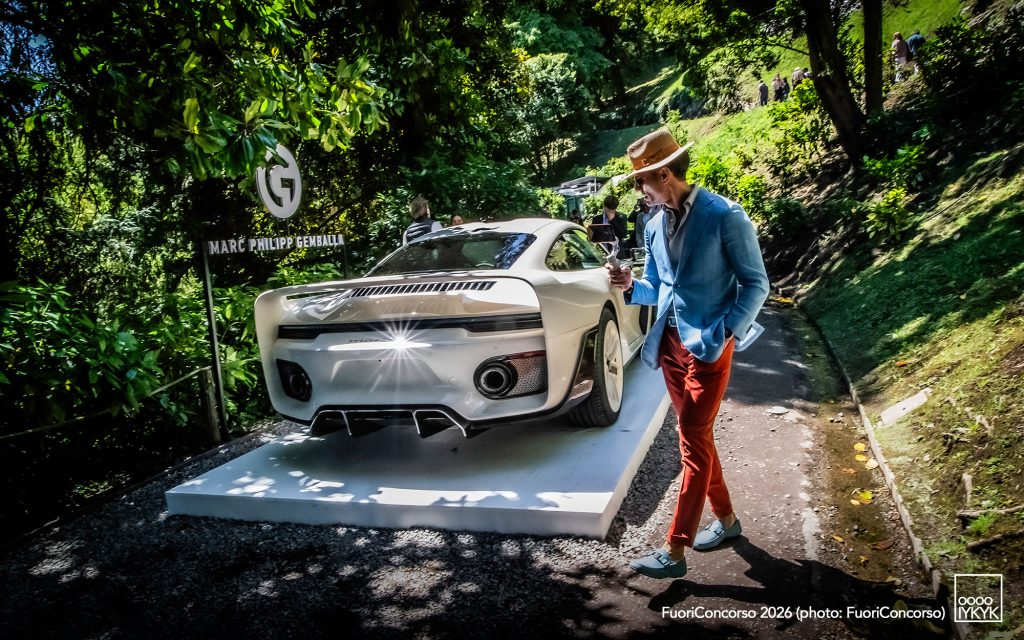
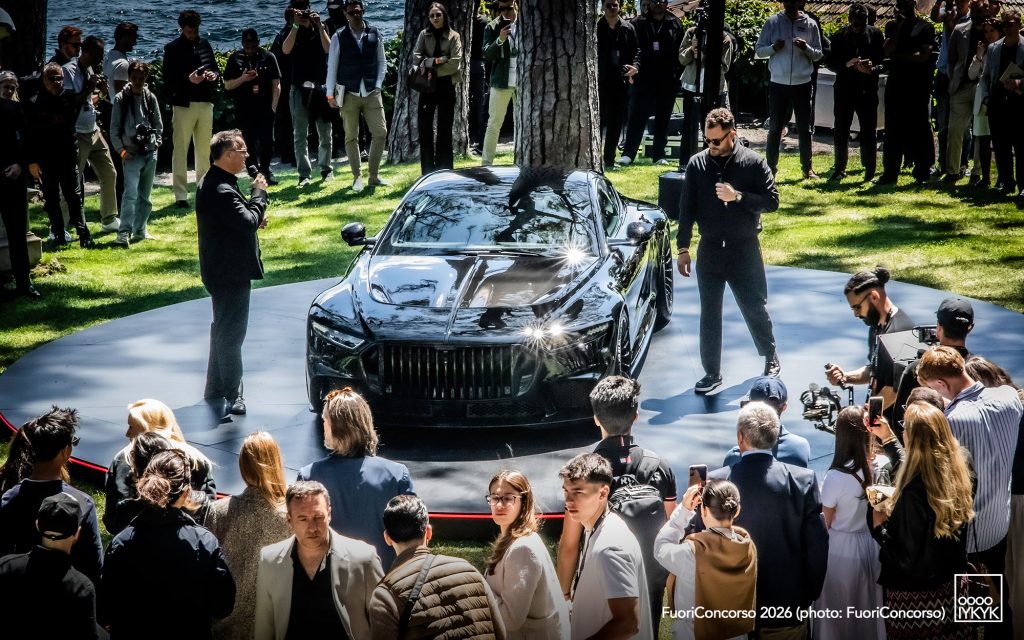
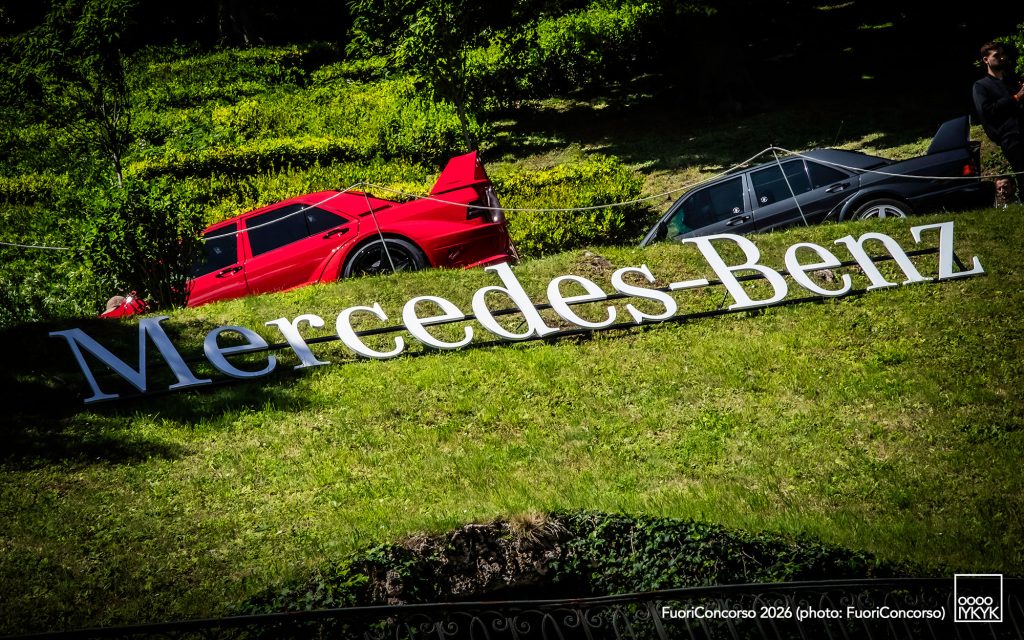
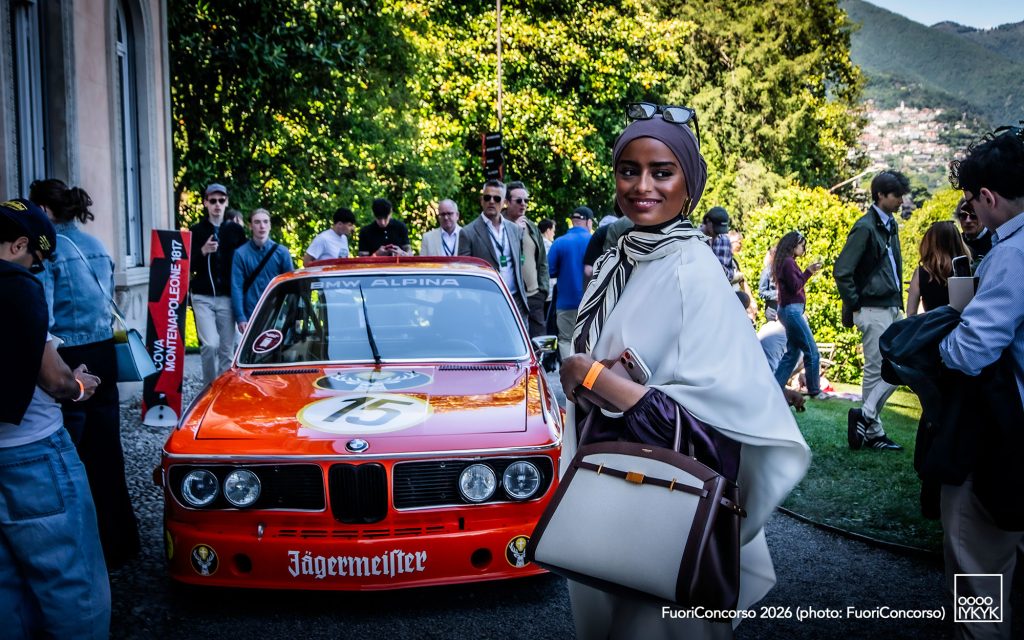
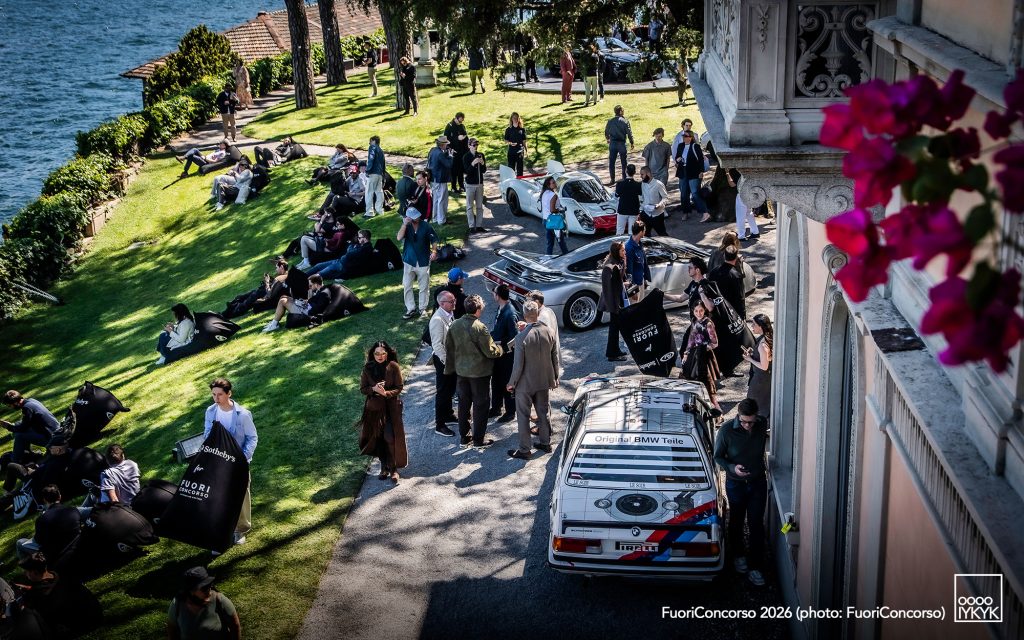
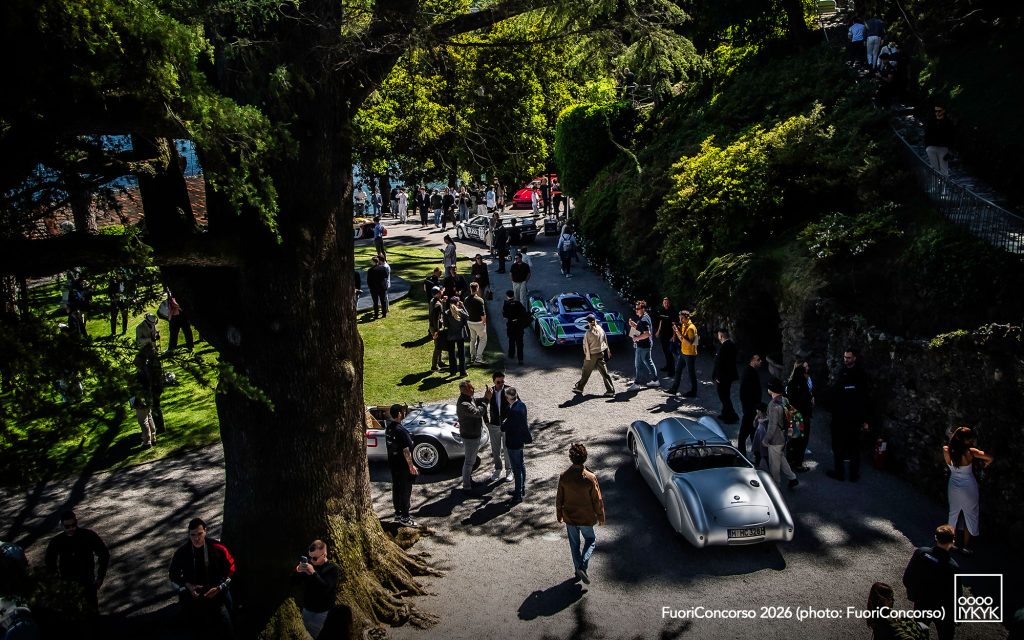
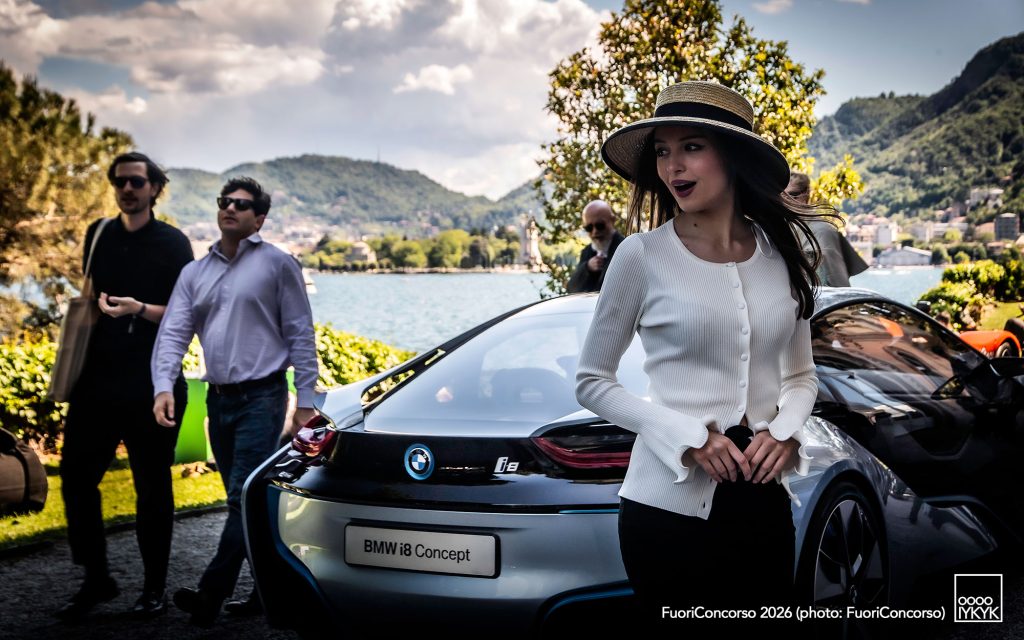
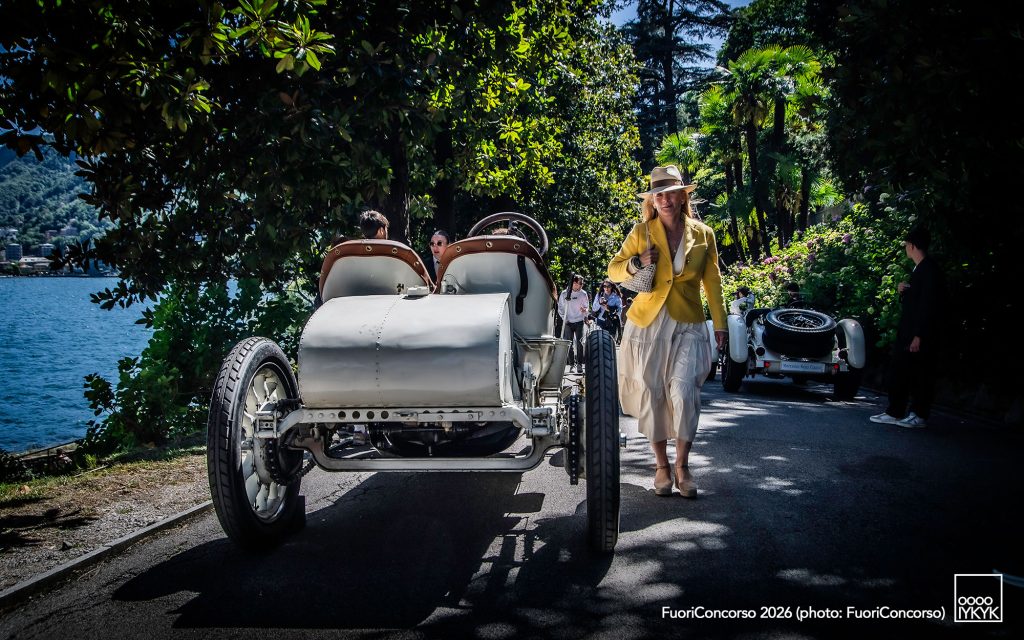
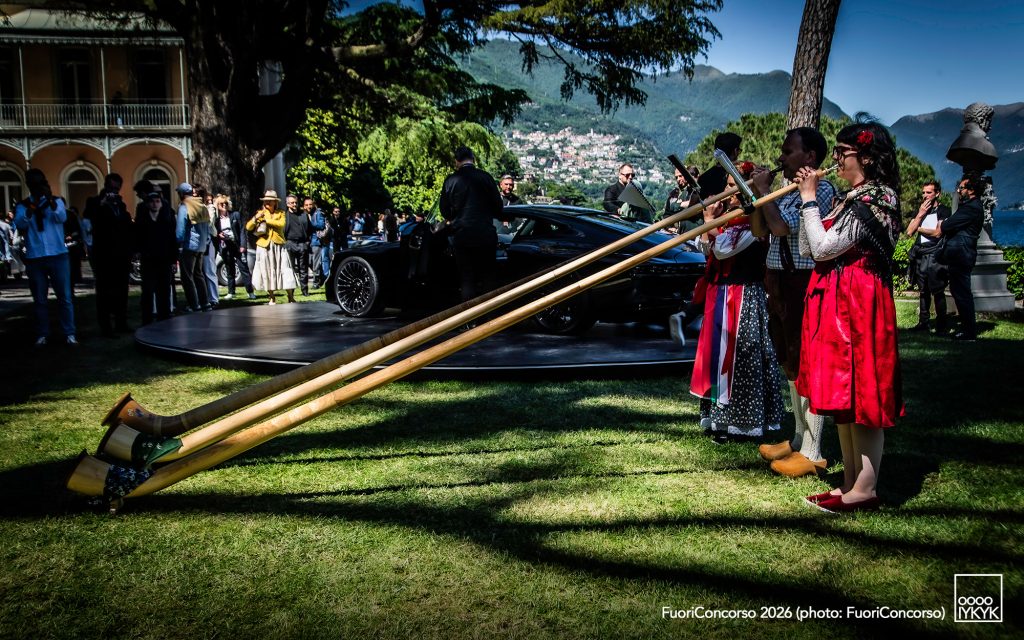
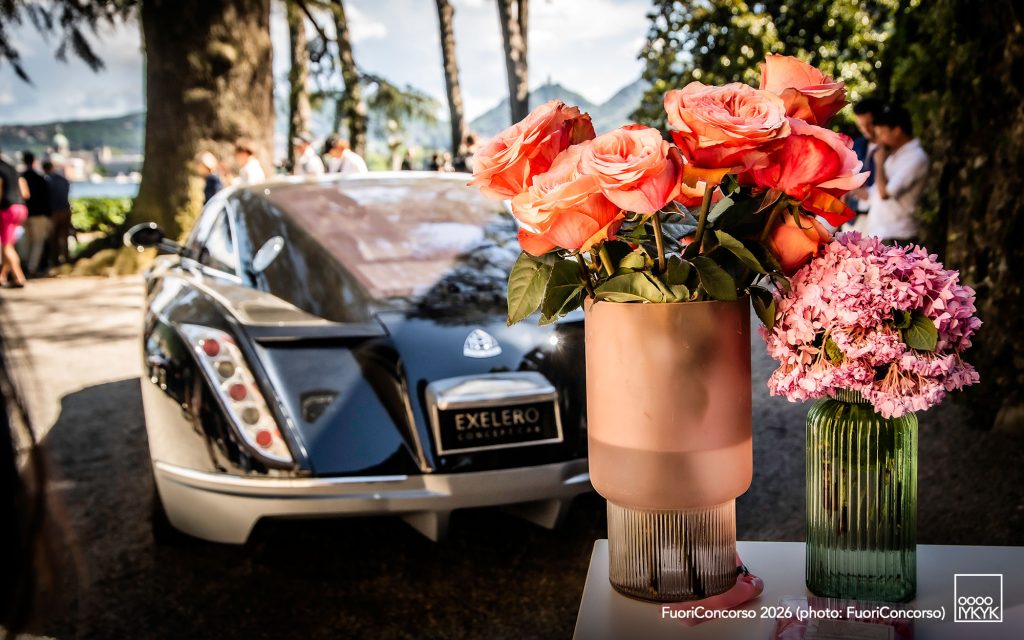
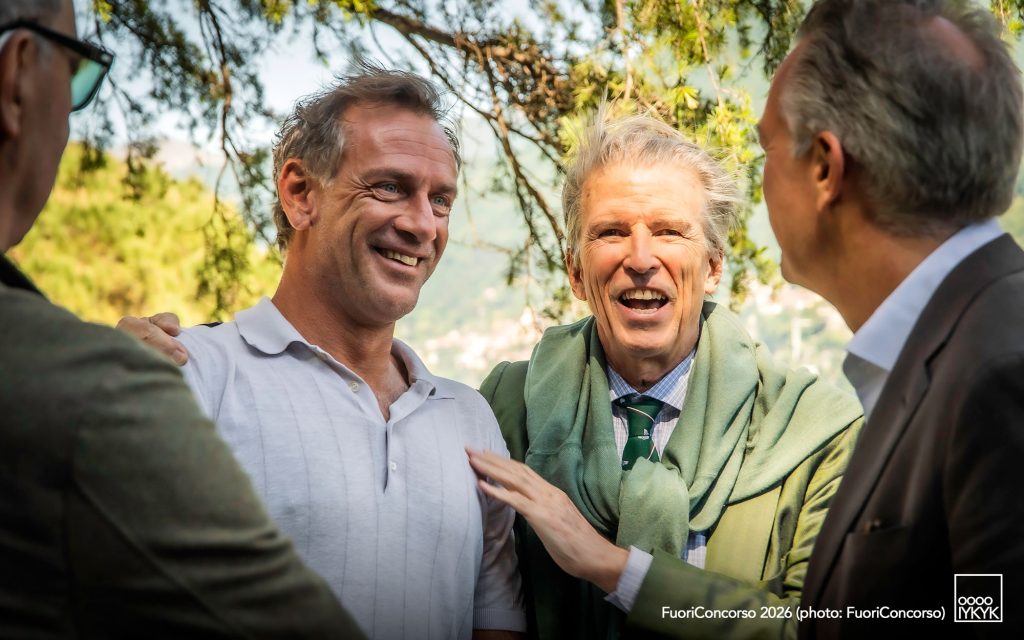
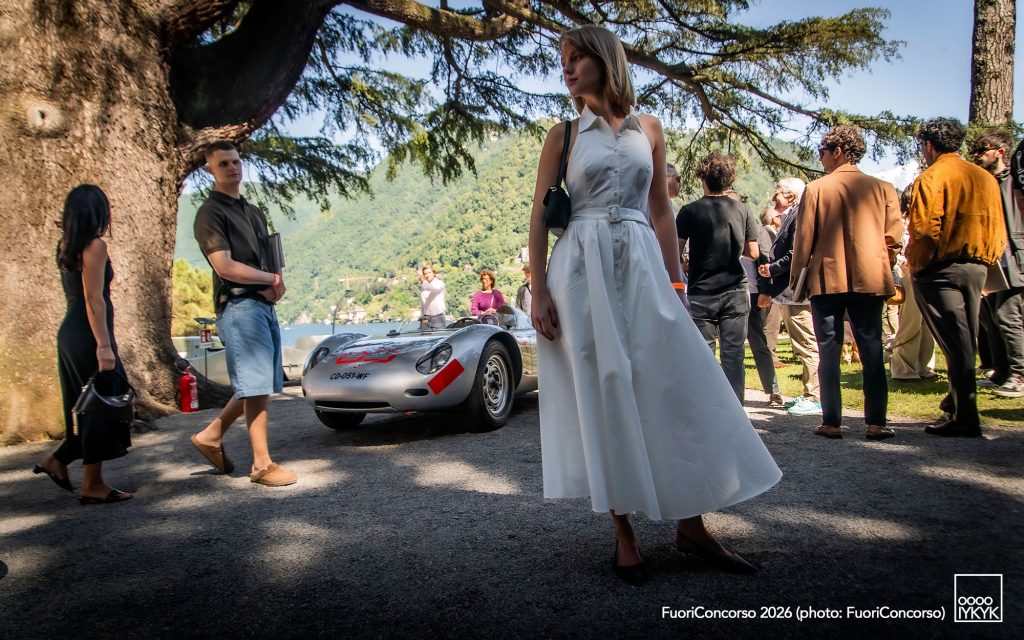
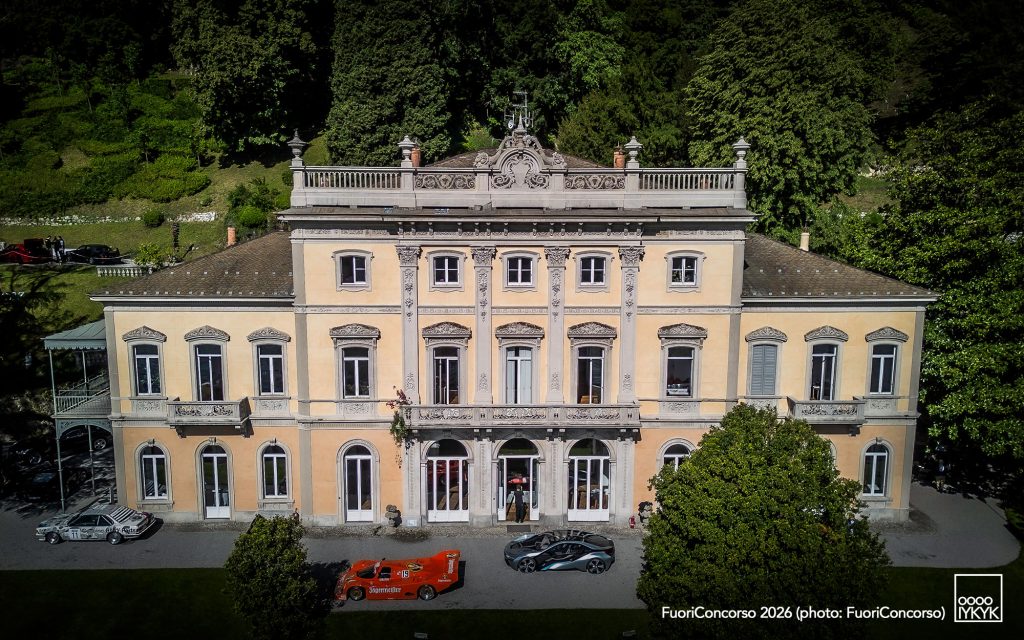
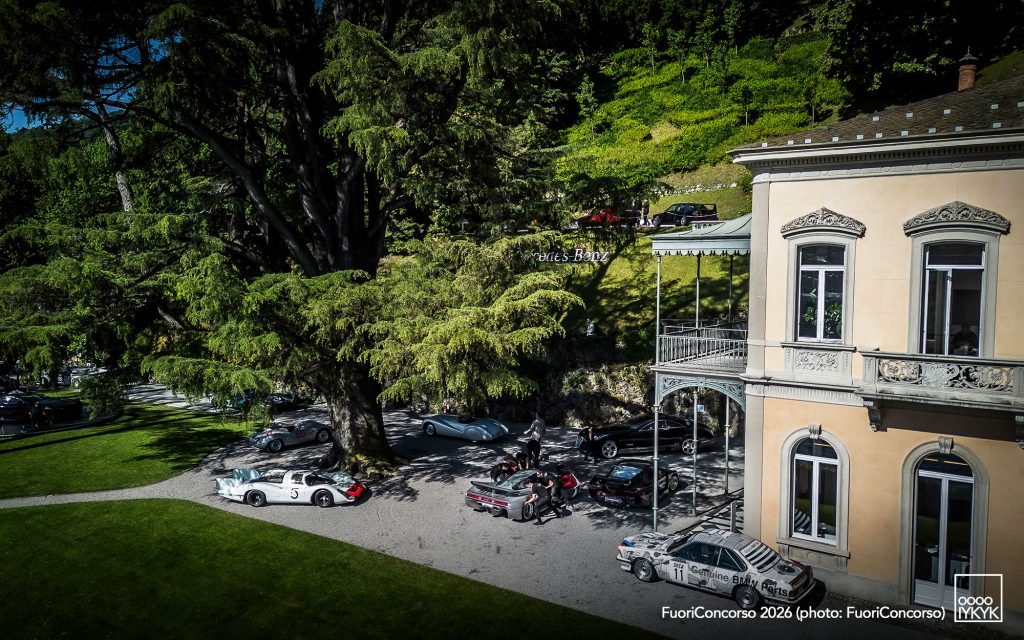
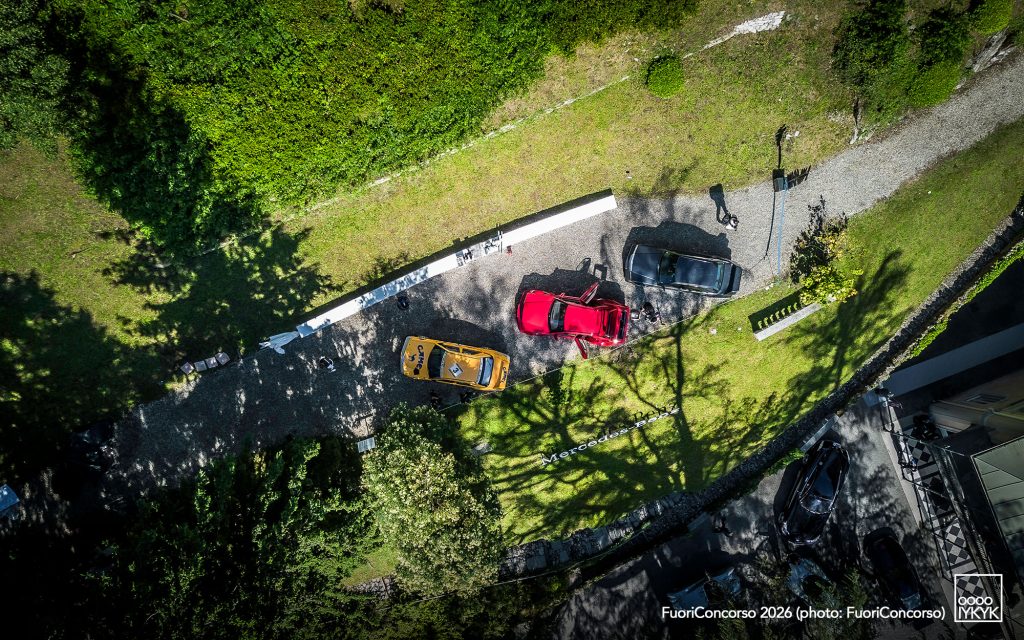
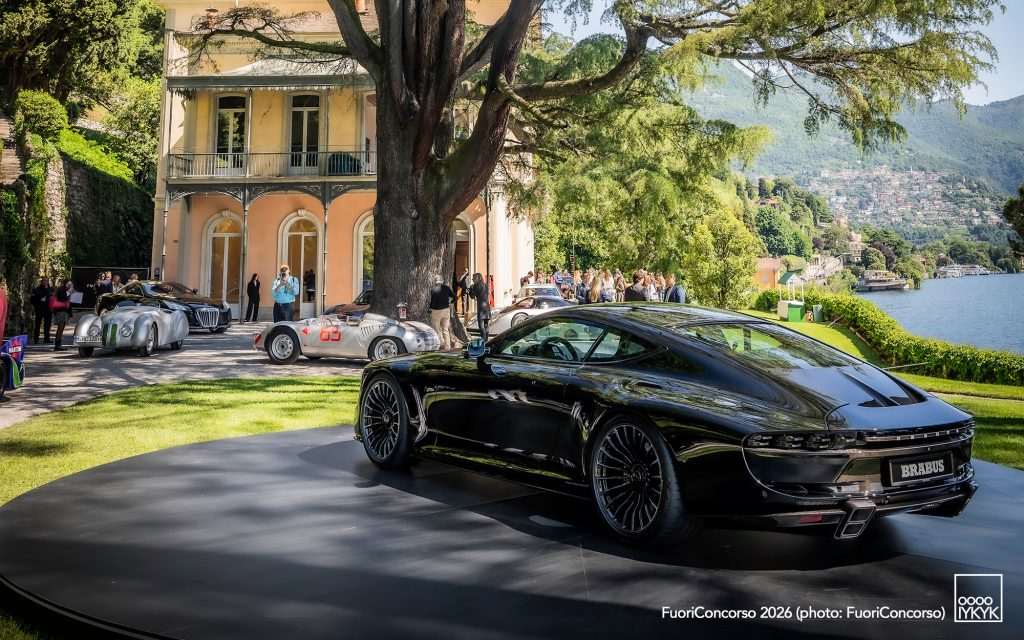
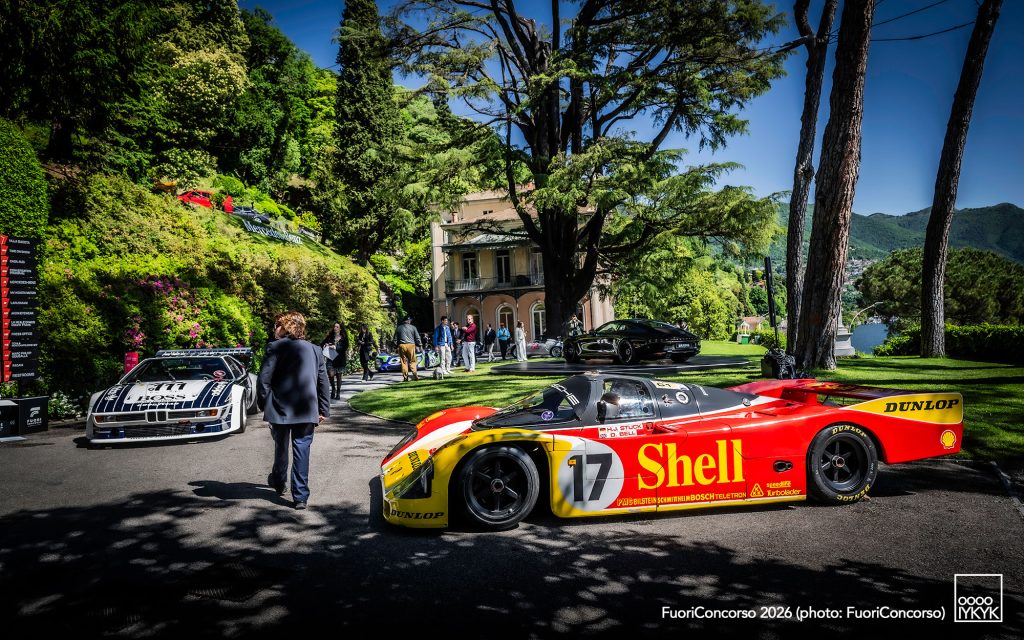
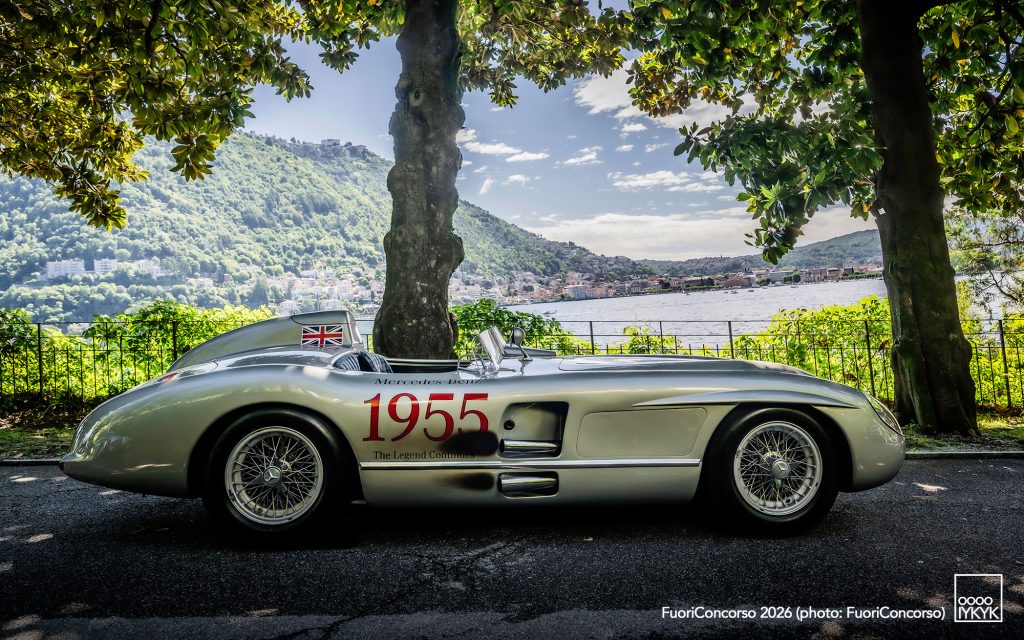
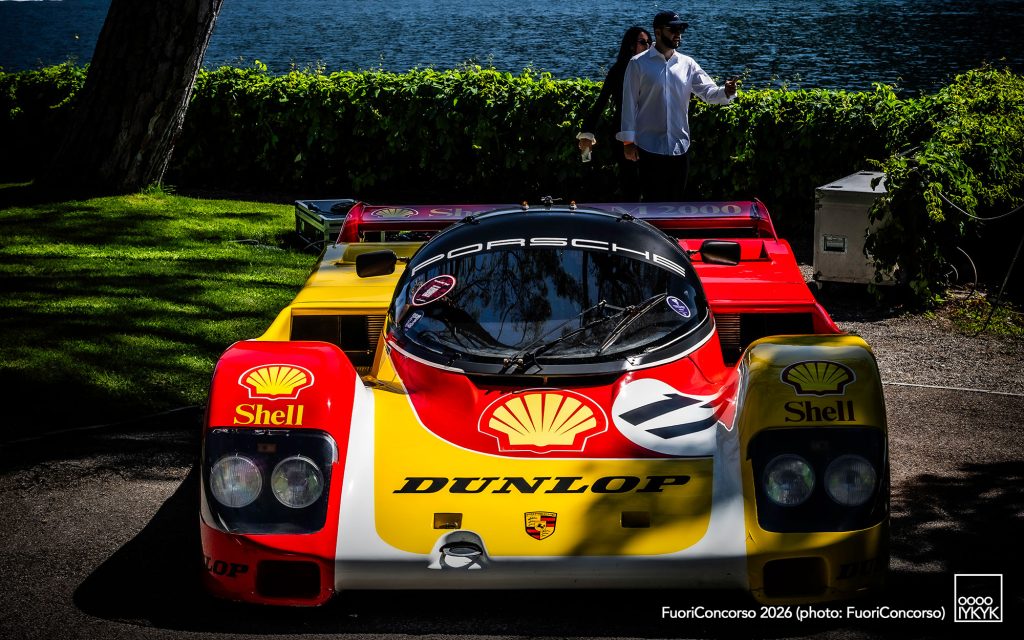
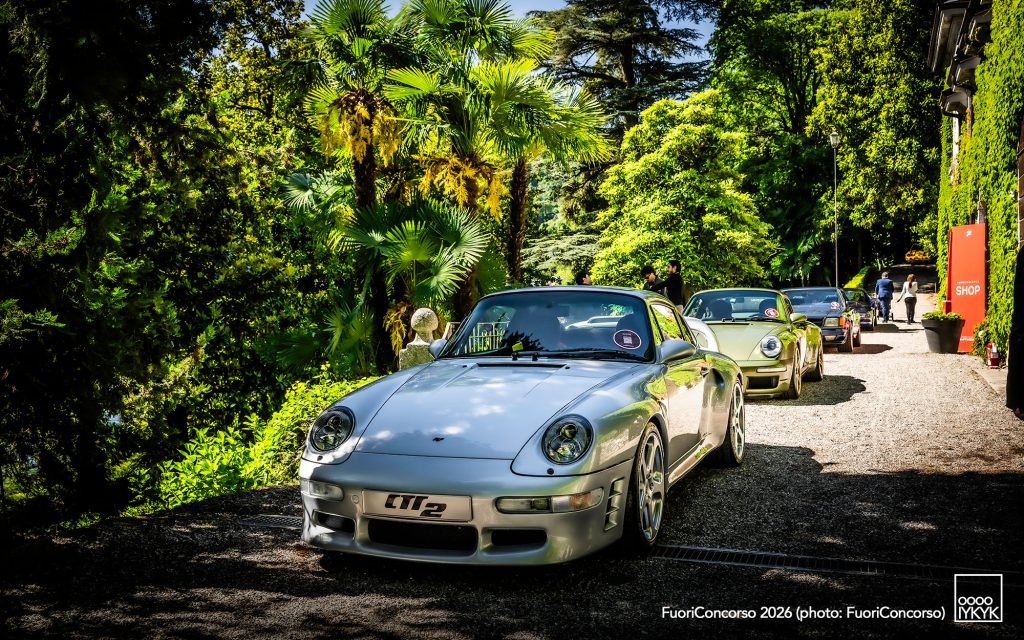
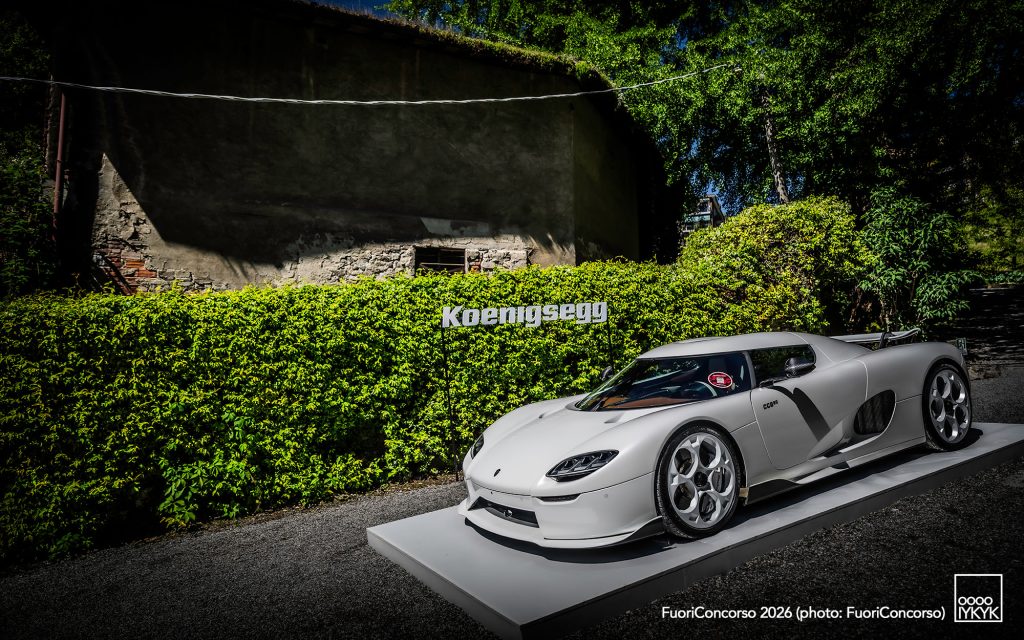
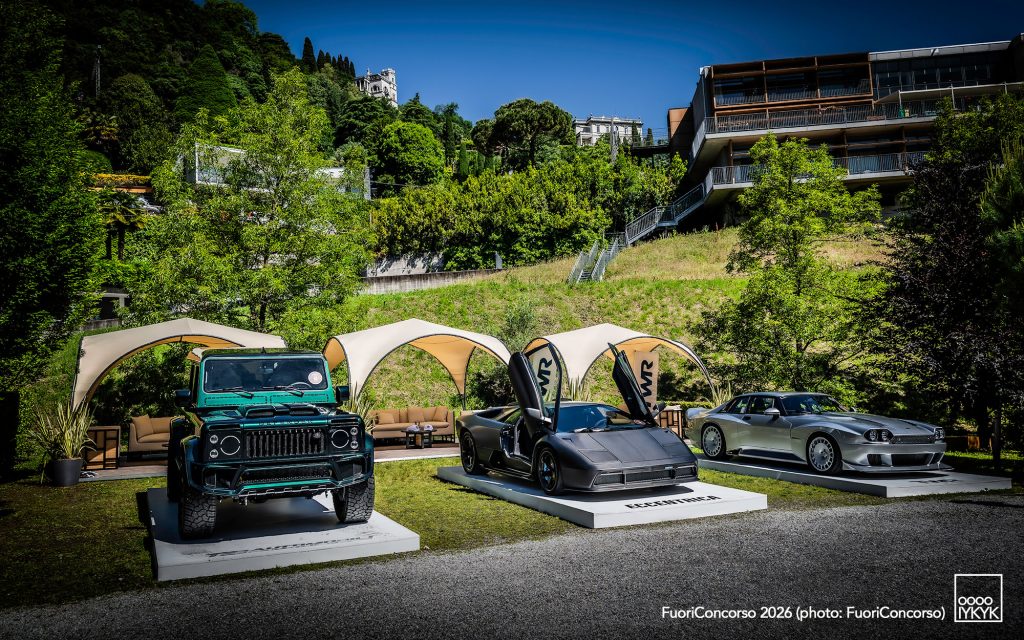
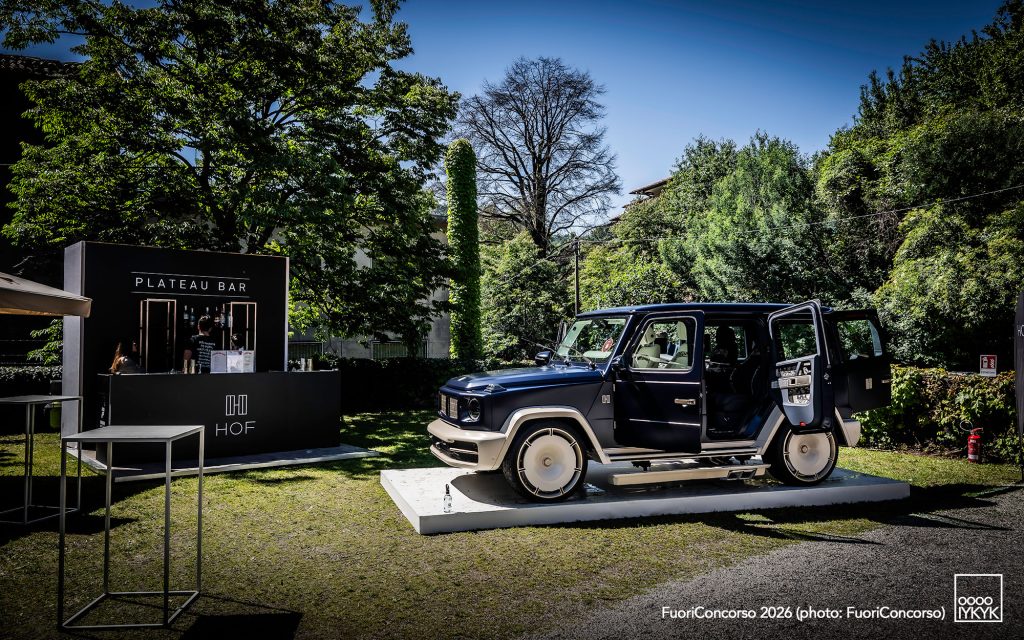
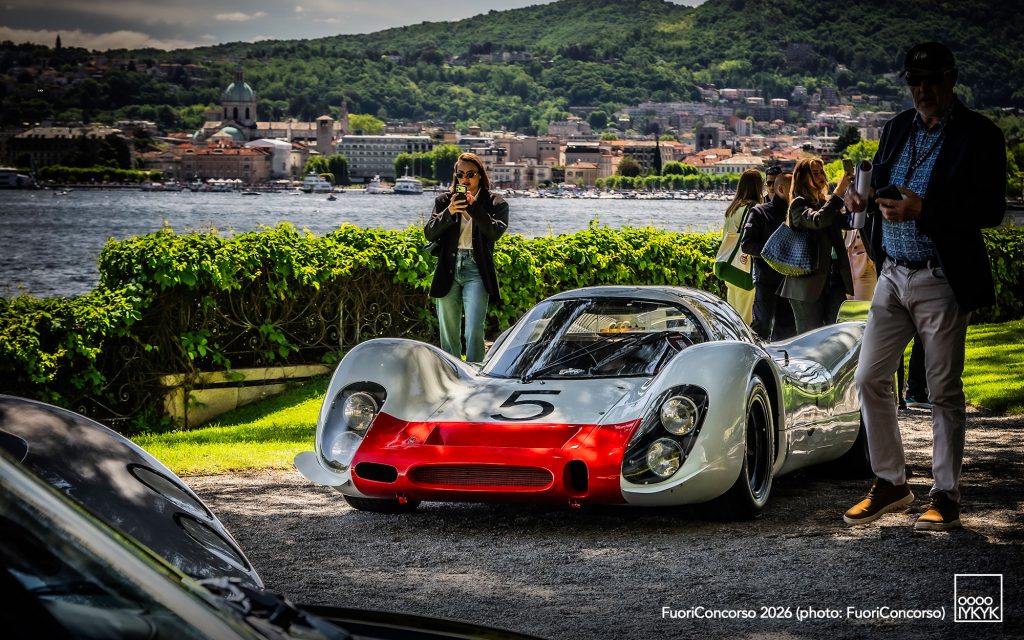
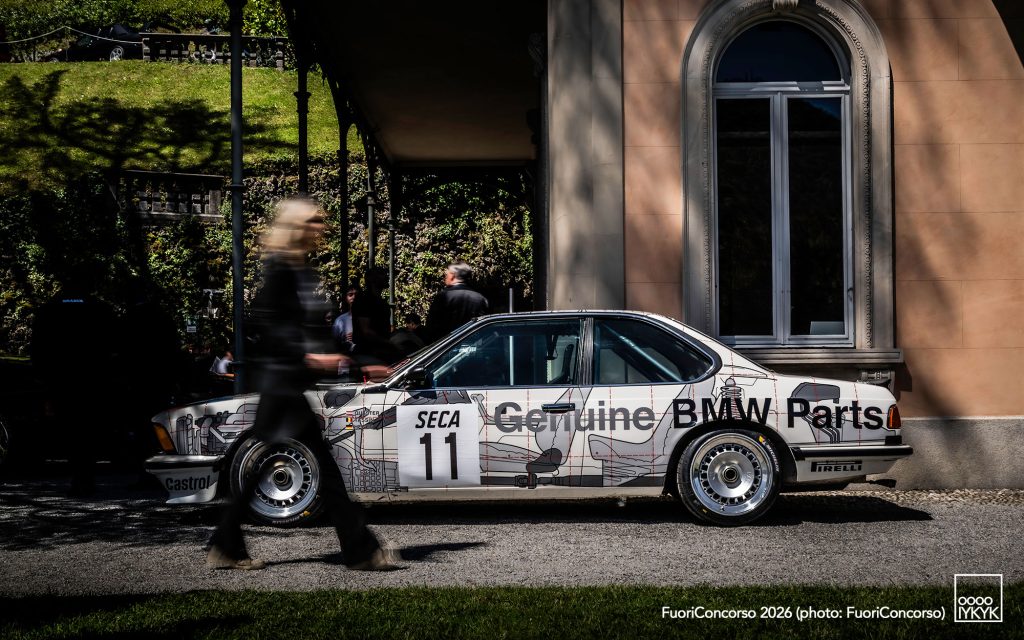
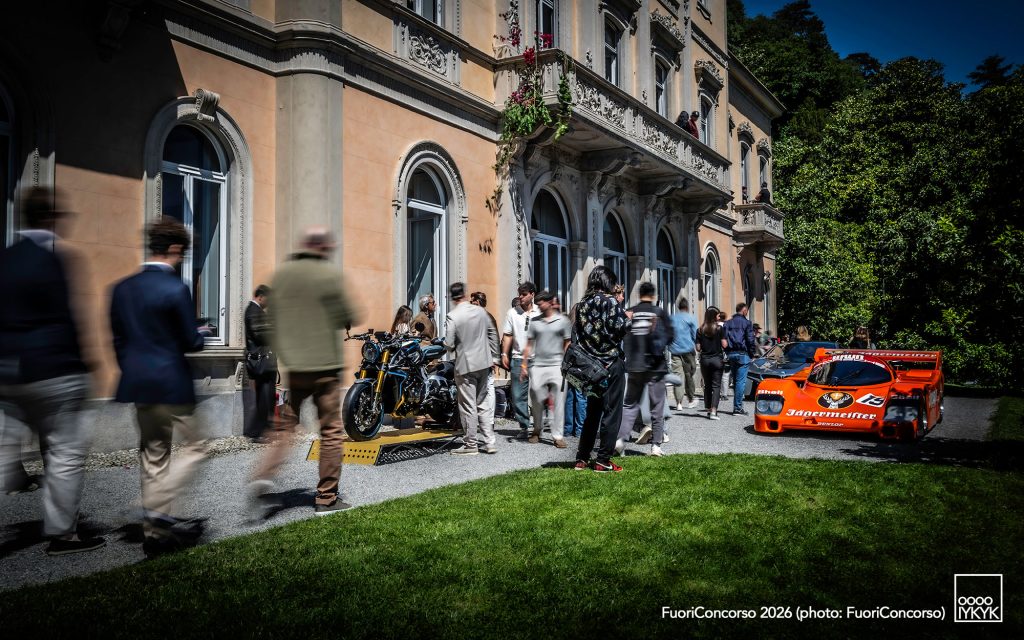
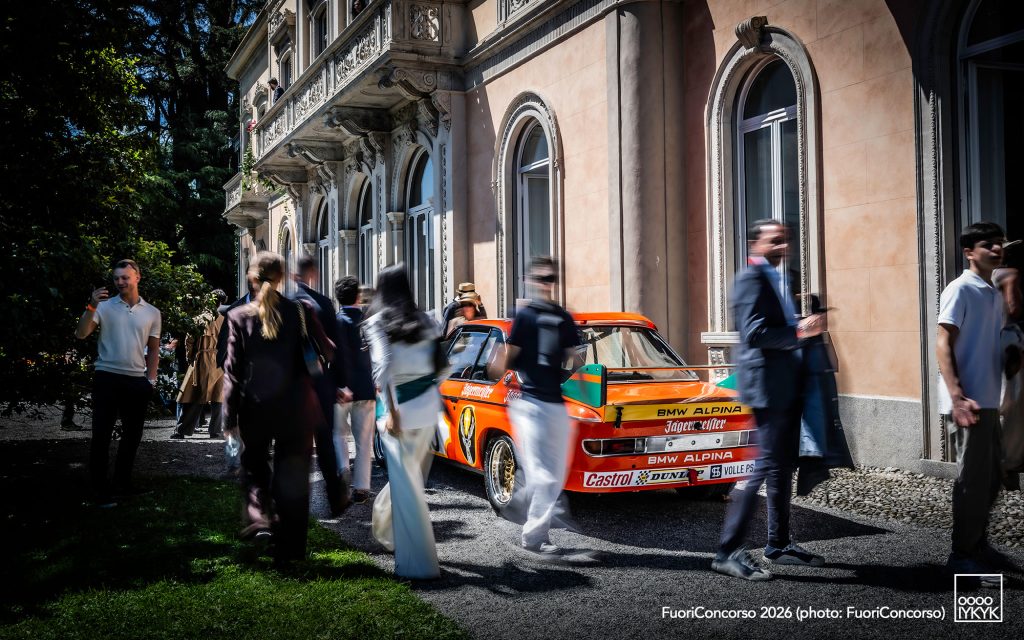
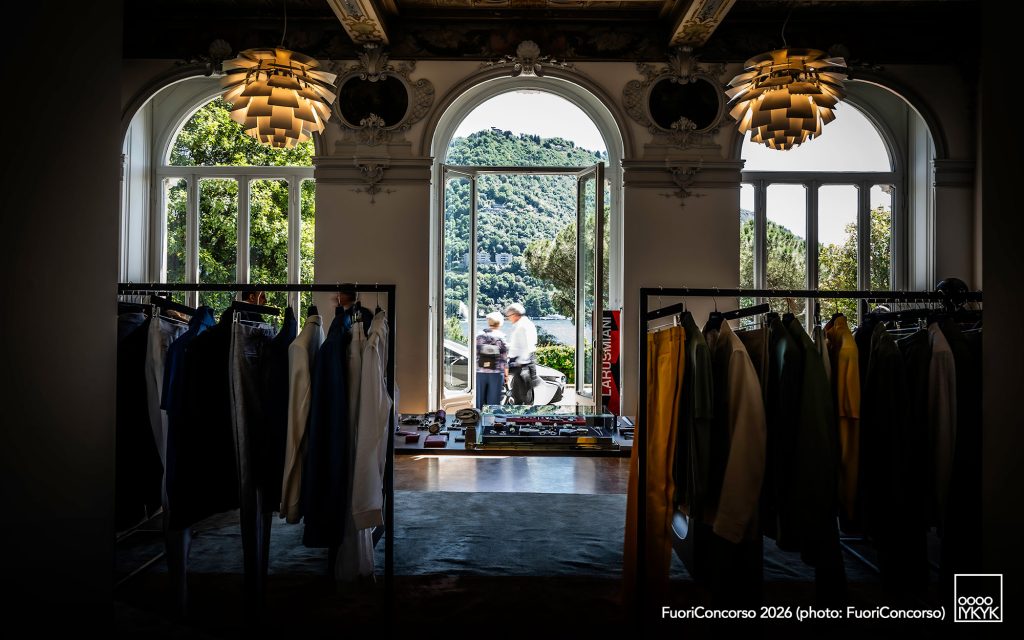
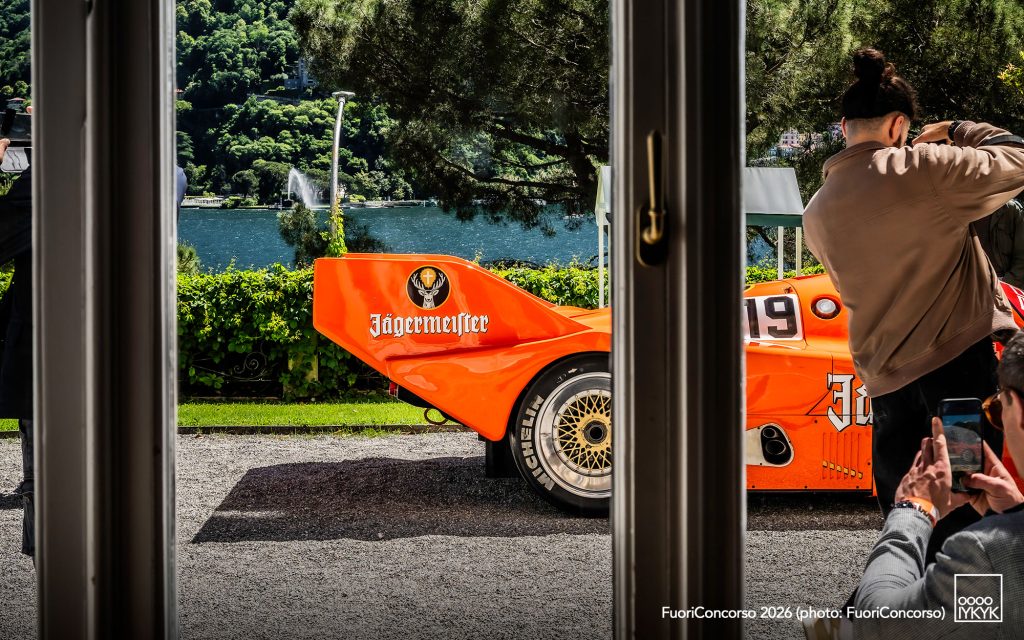
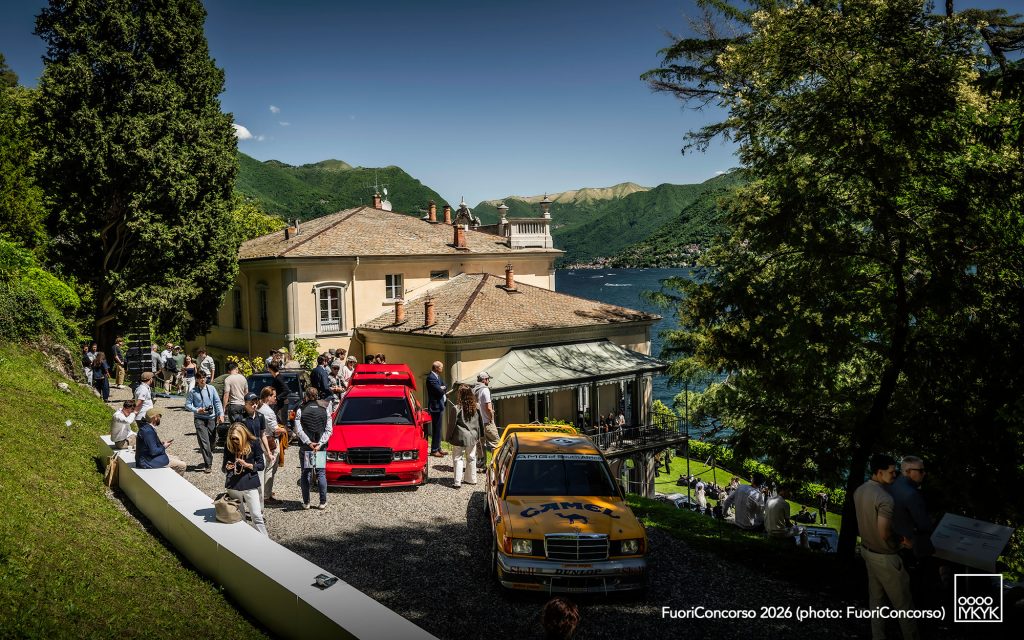
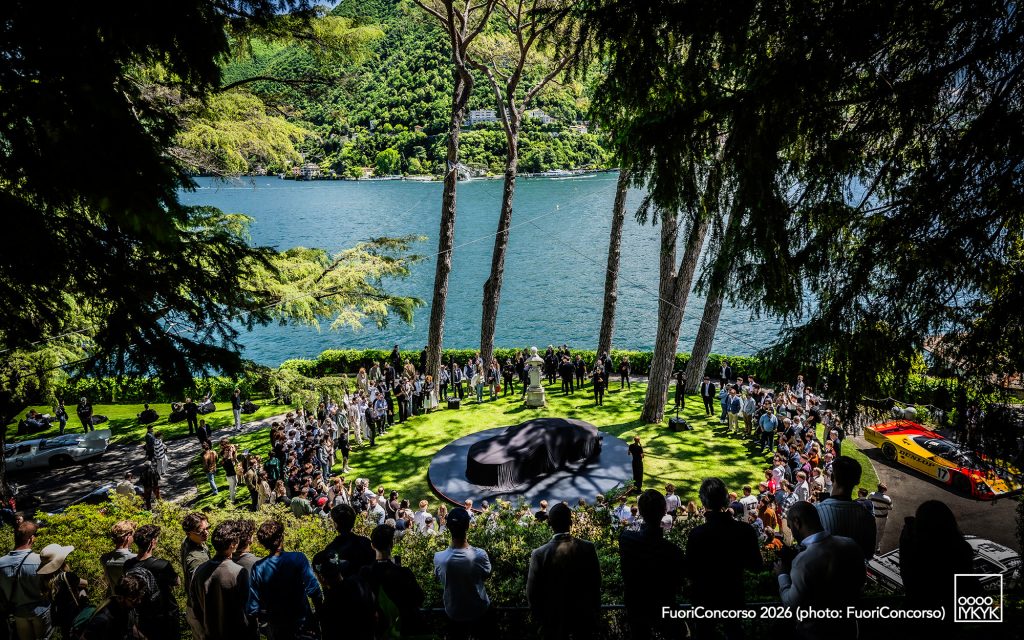
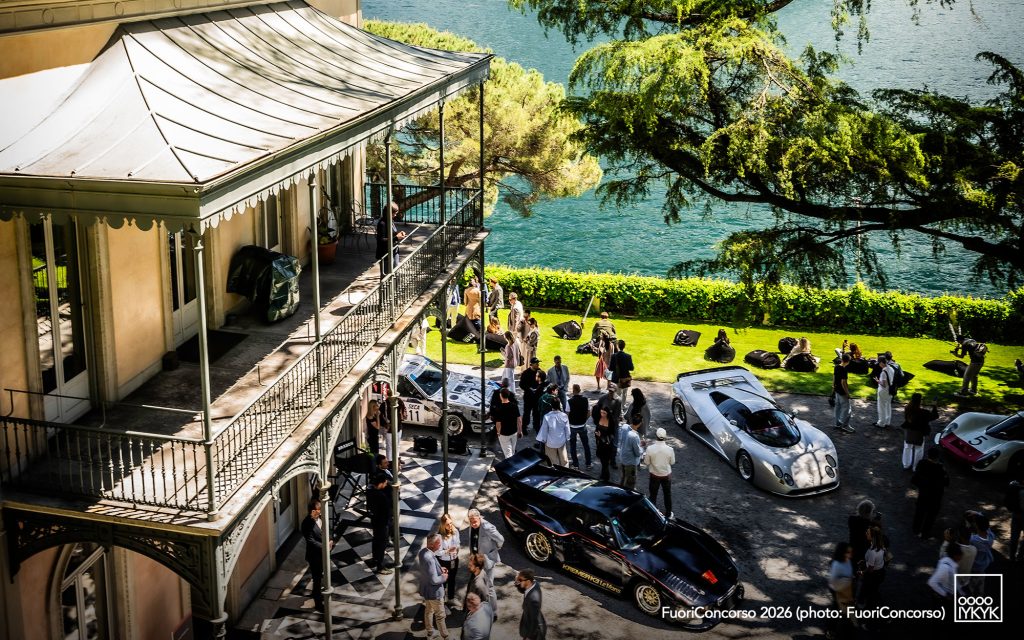
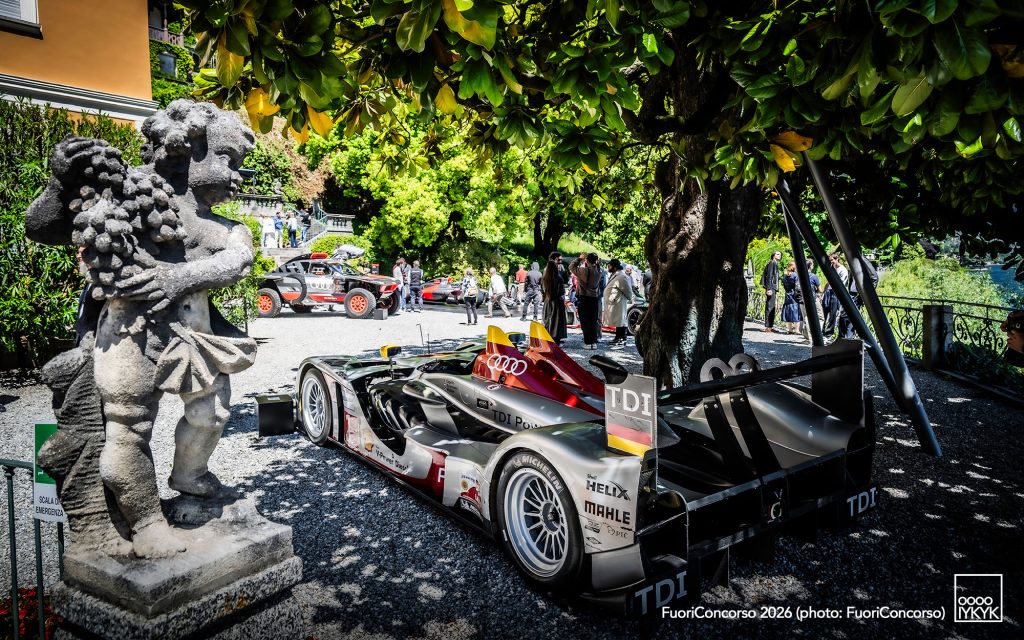
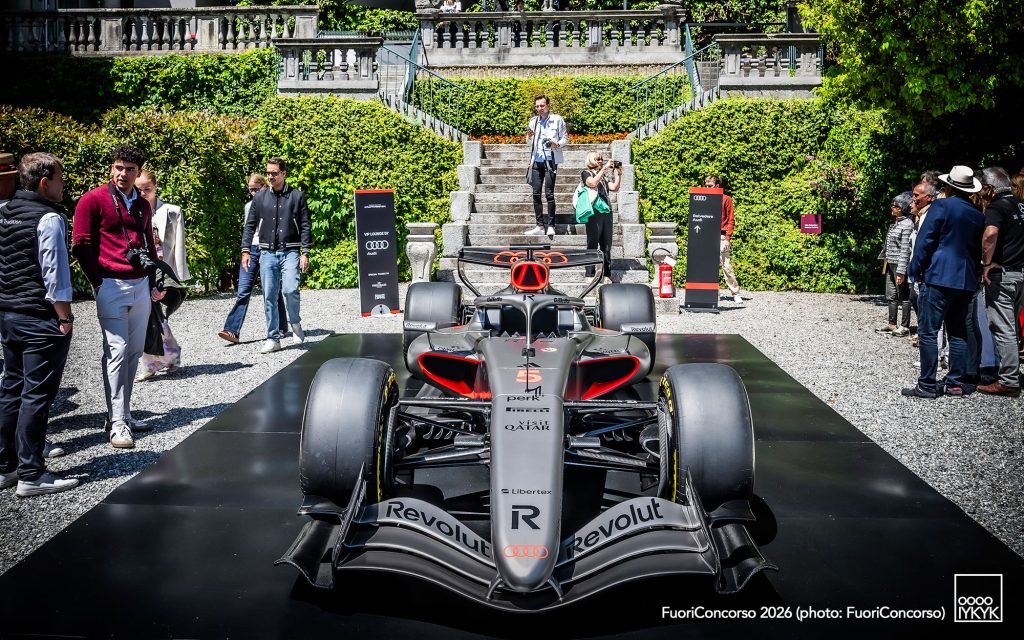
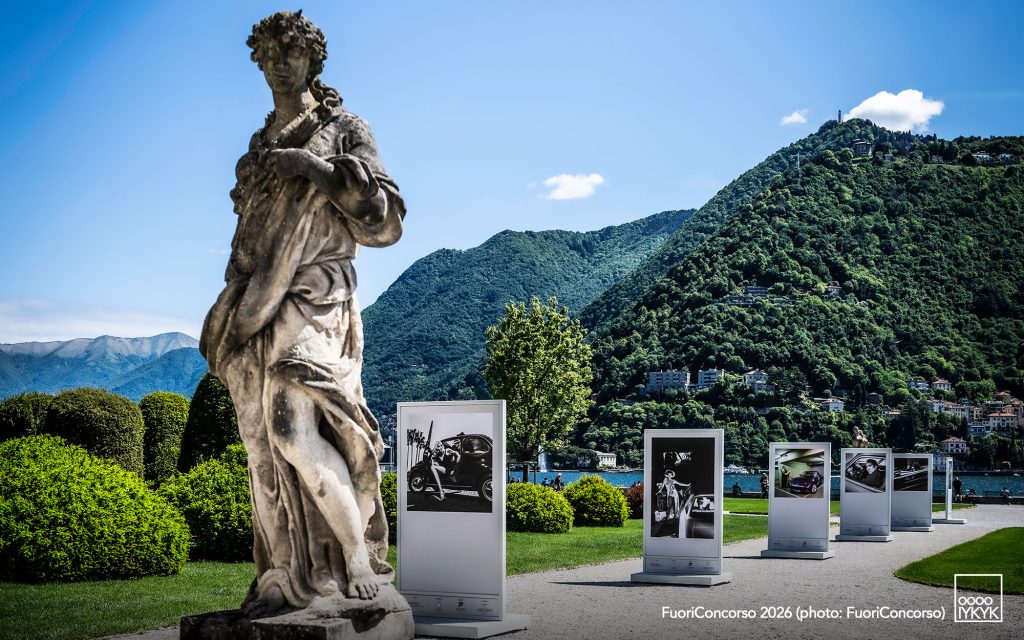
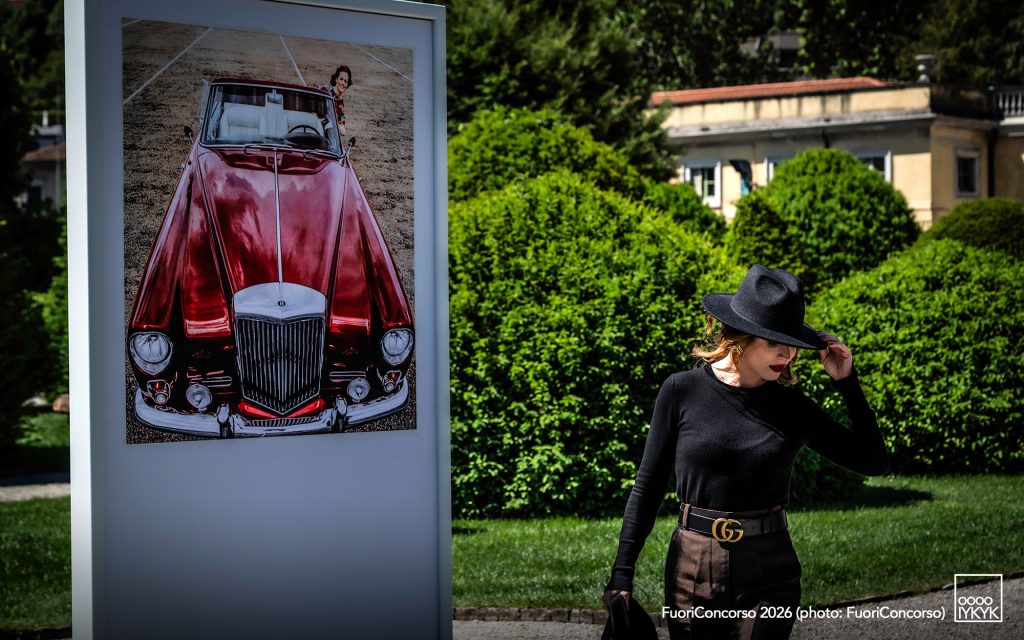
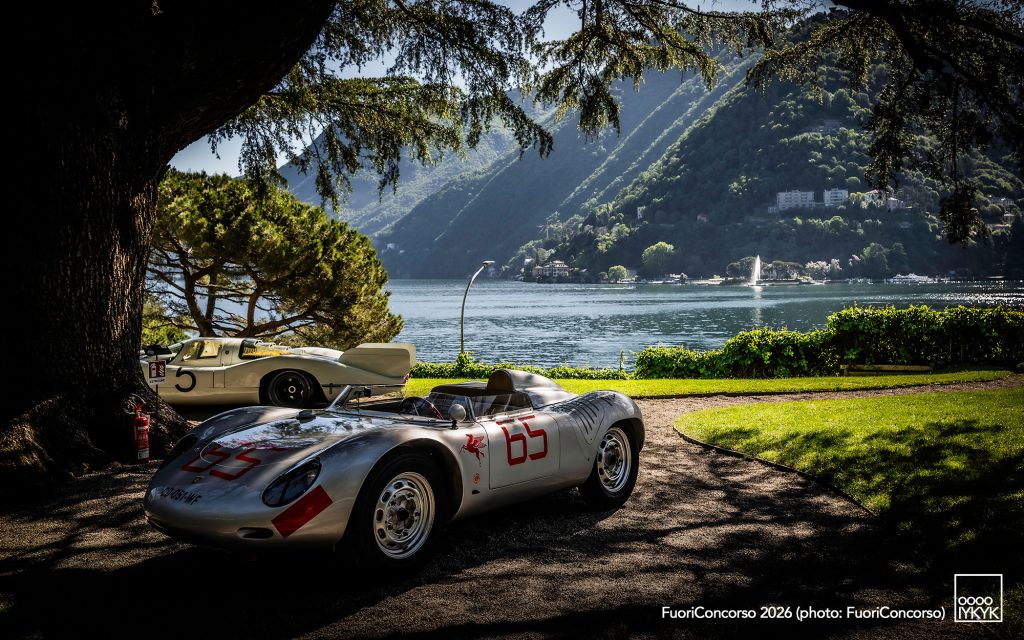
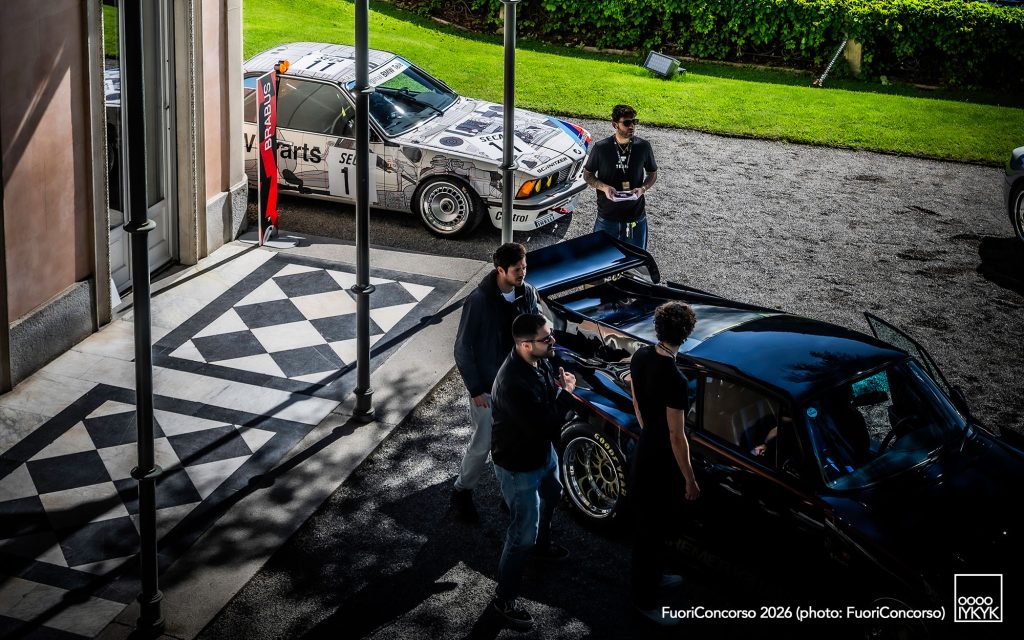
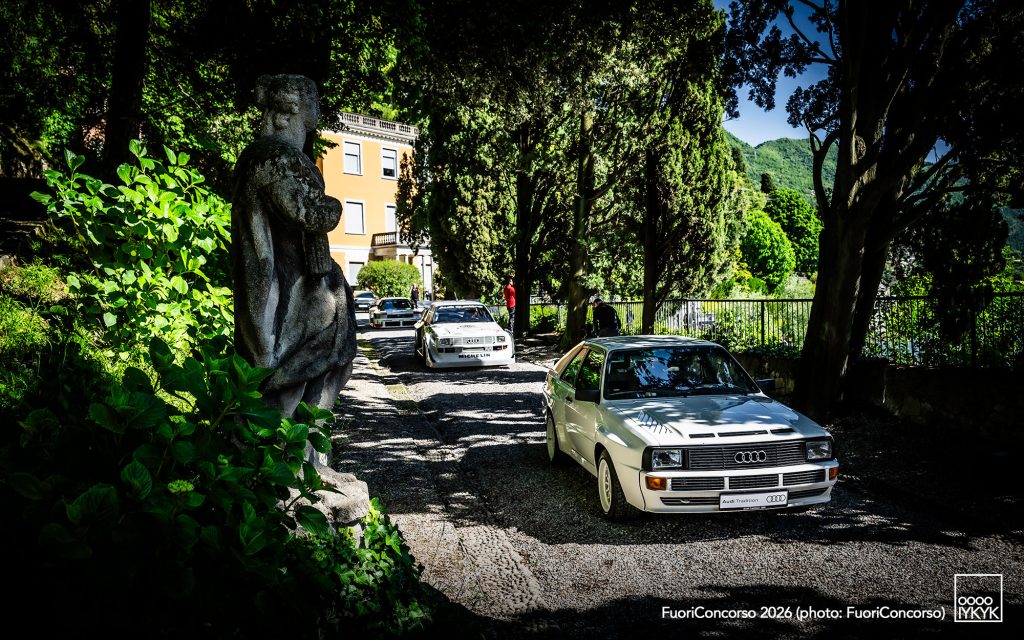
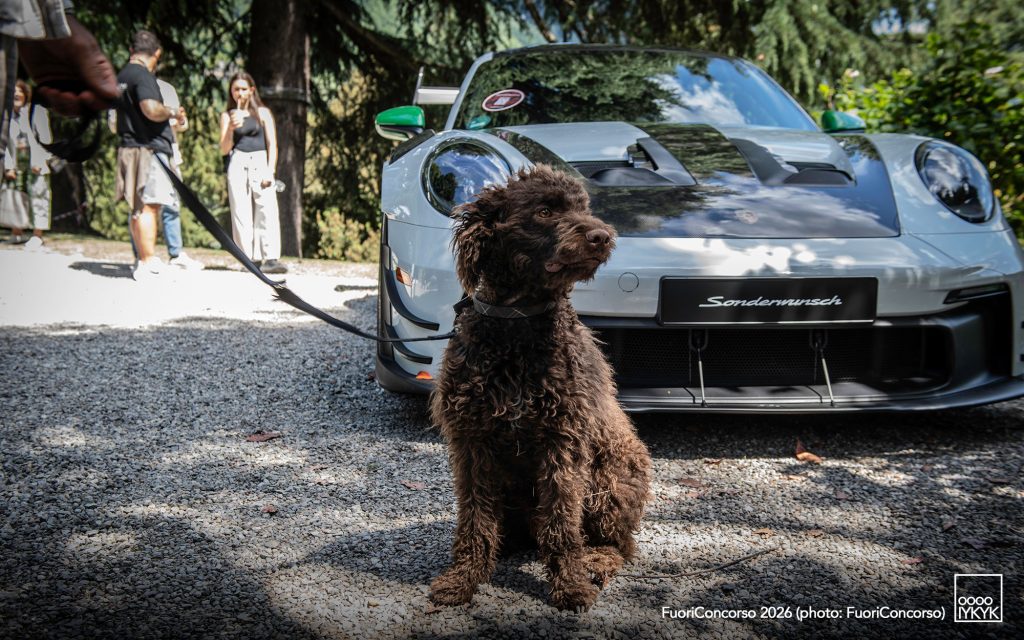
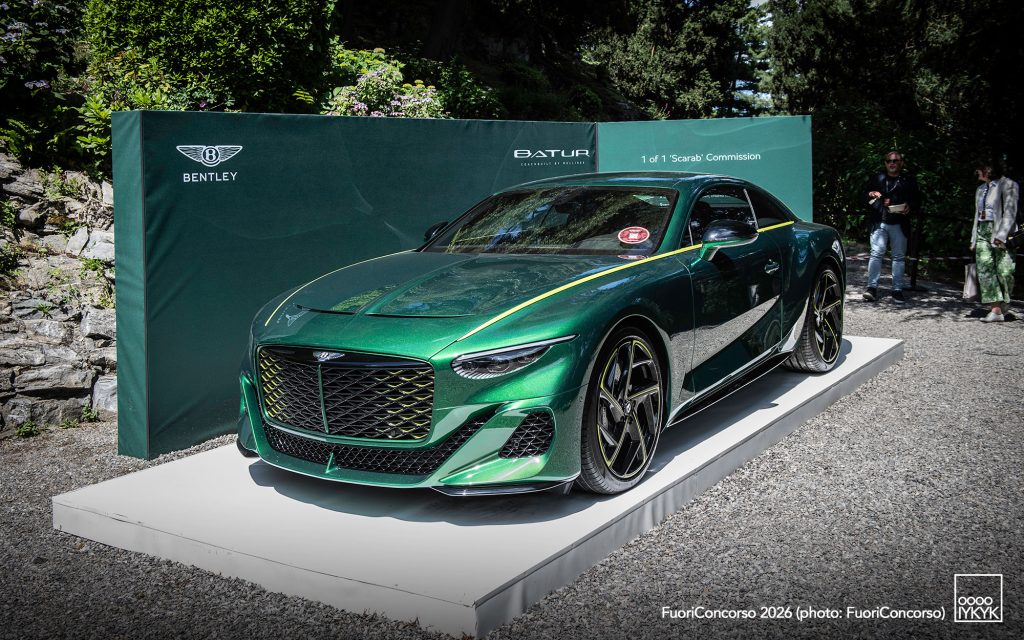
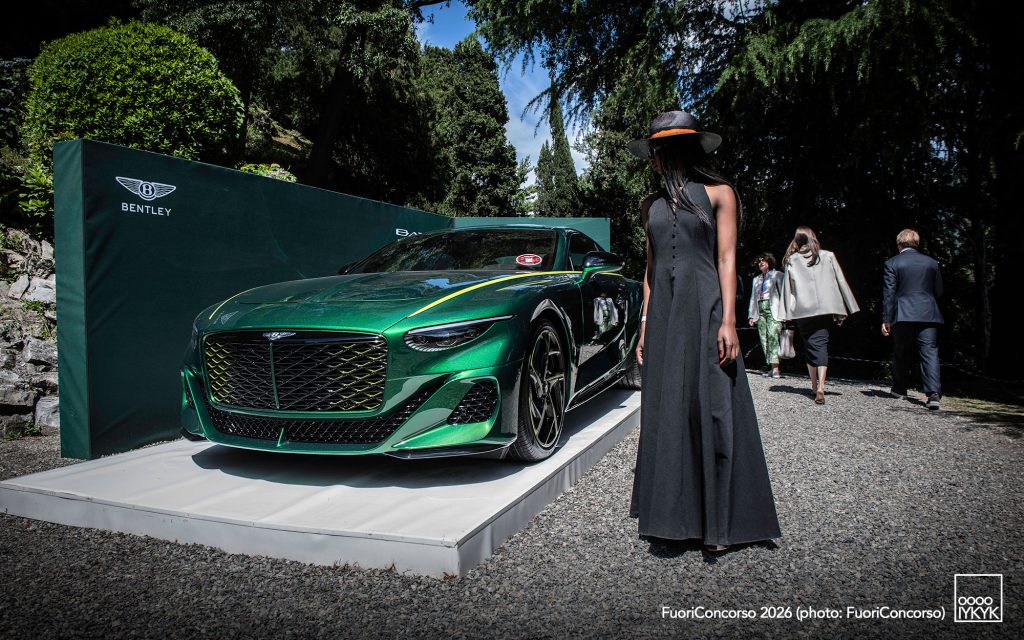
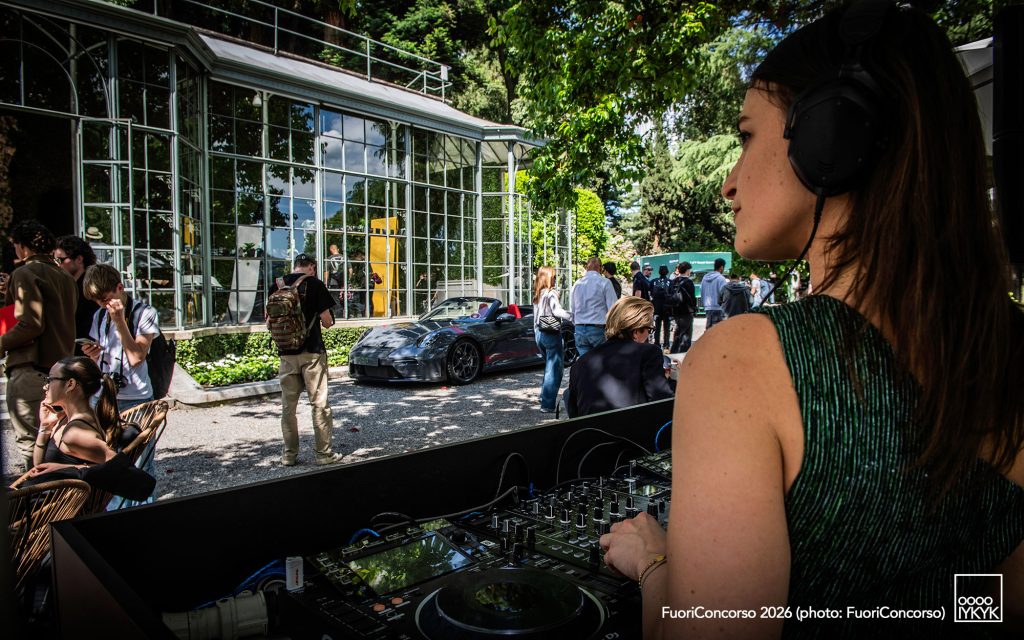
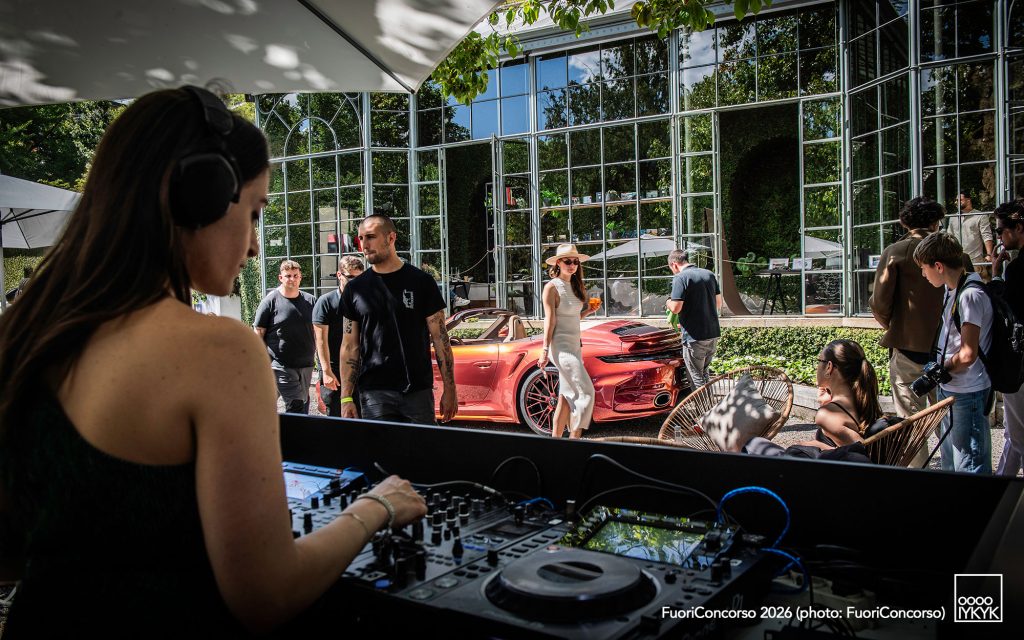
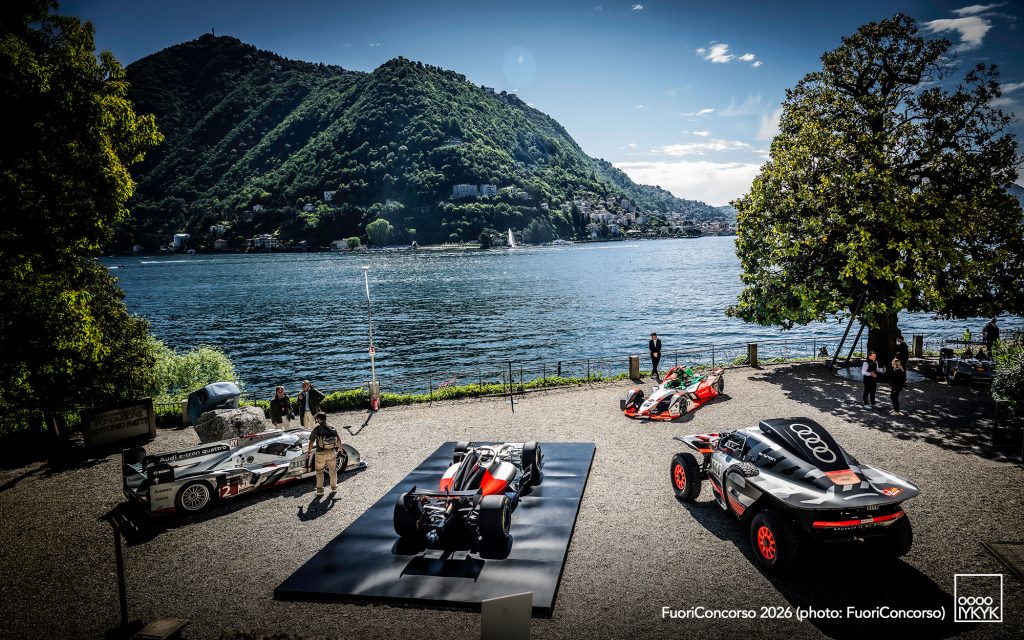
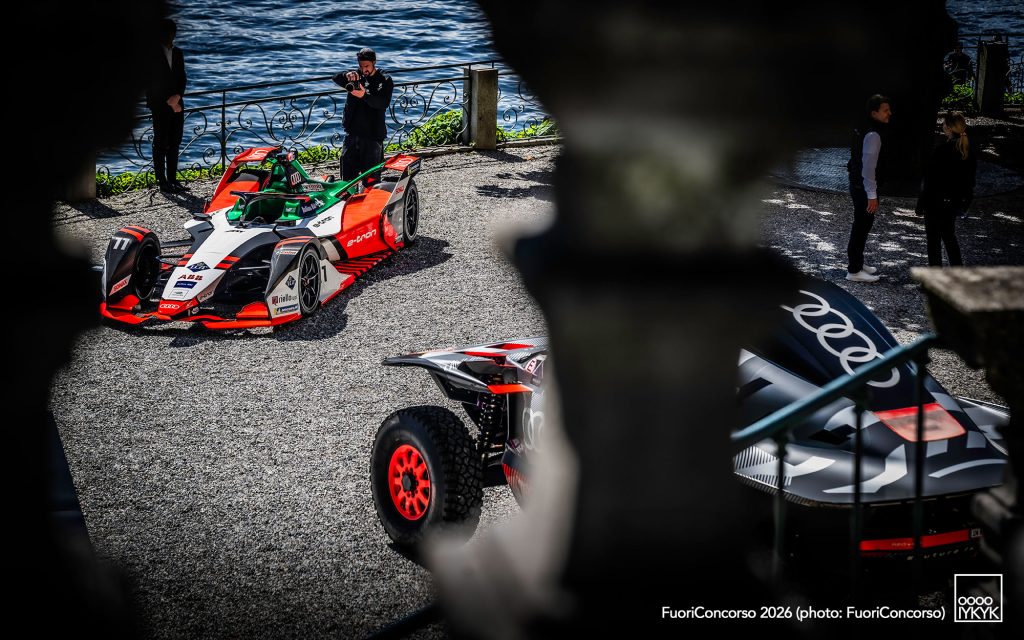
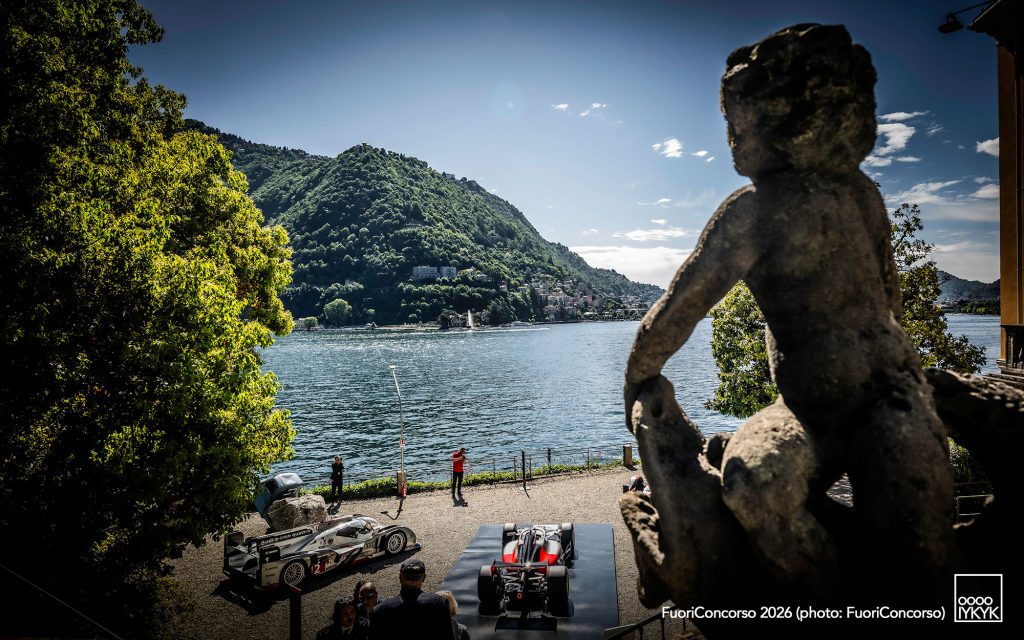
PHOTO GALLERY CONCORSO D’ELEGANZA VILLA D’ESTE