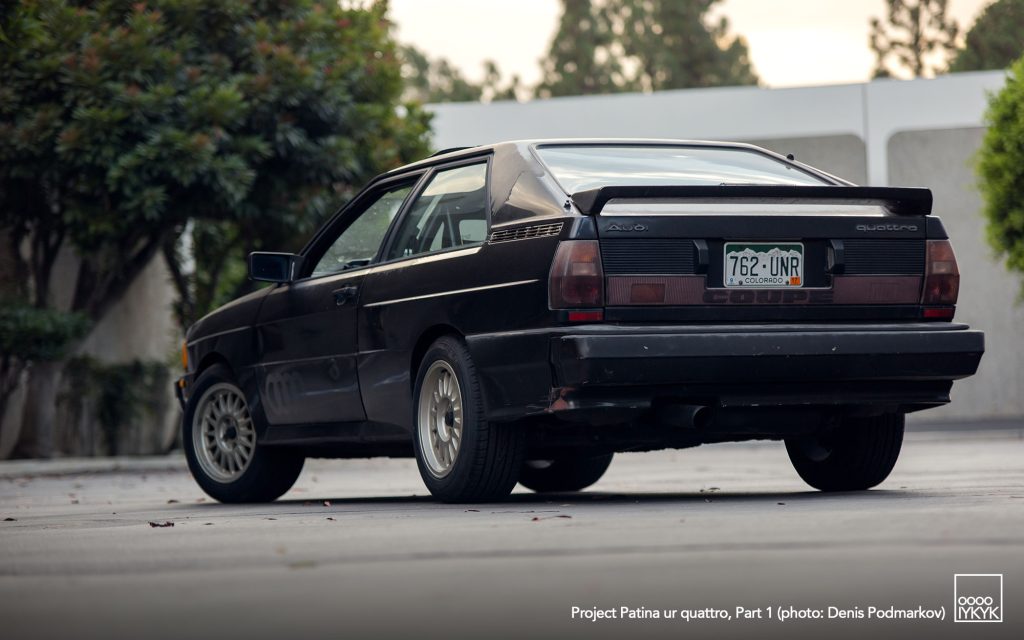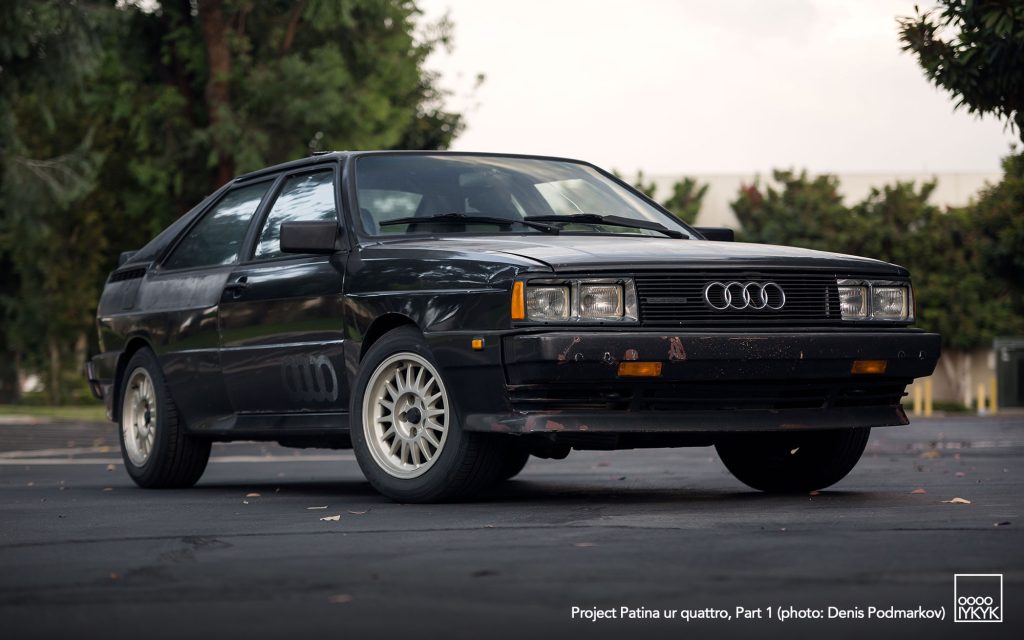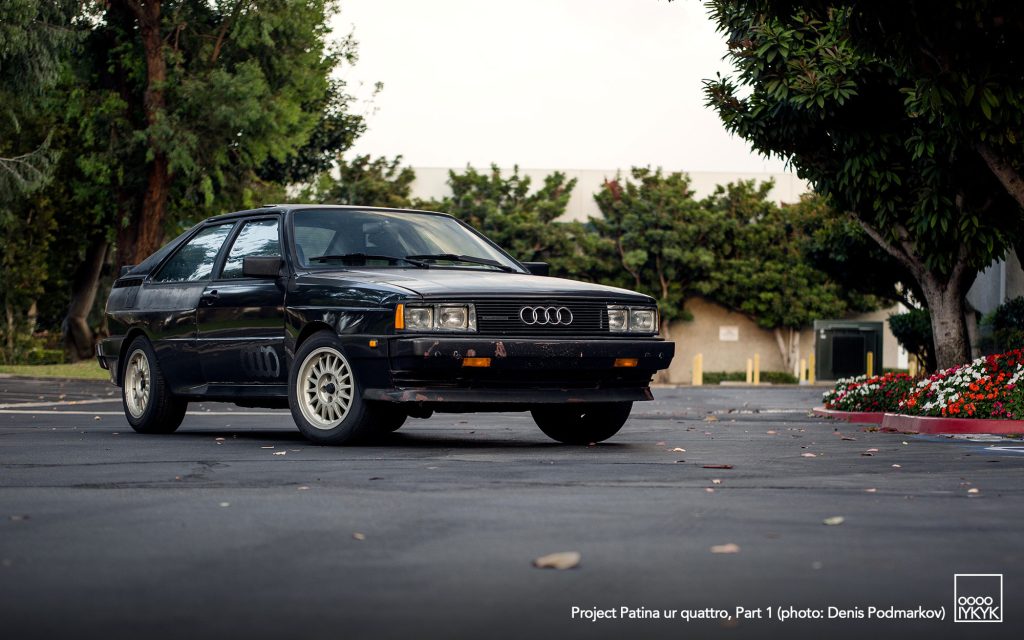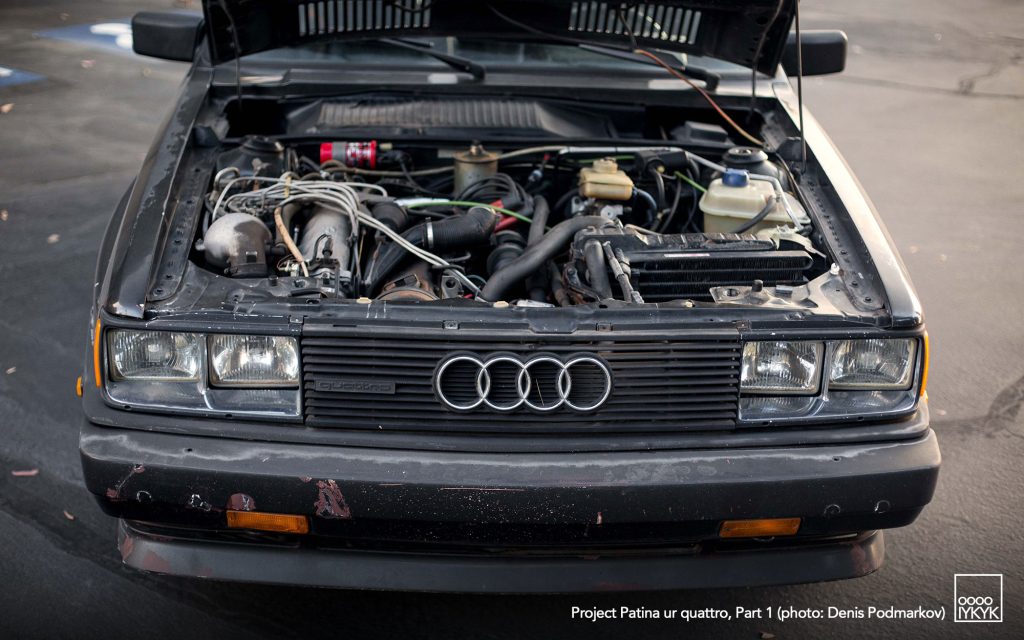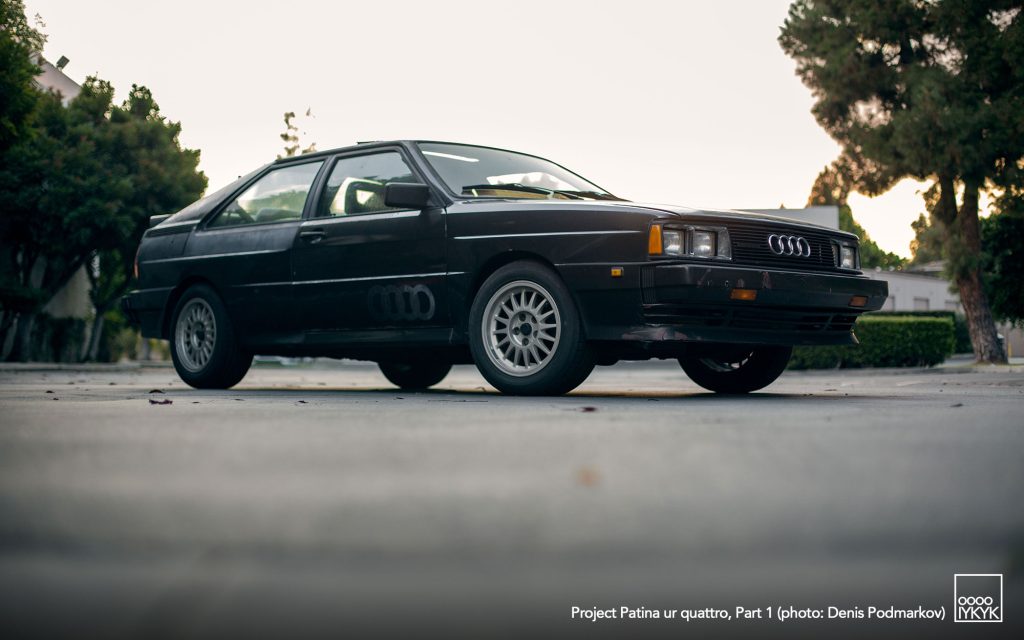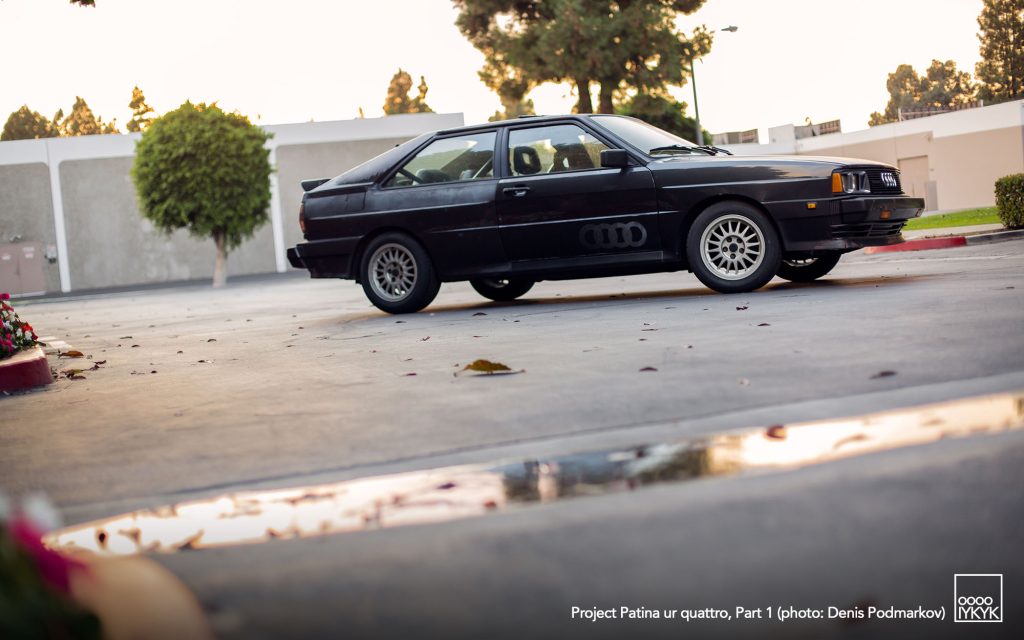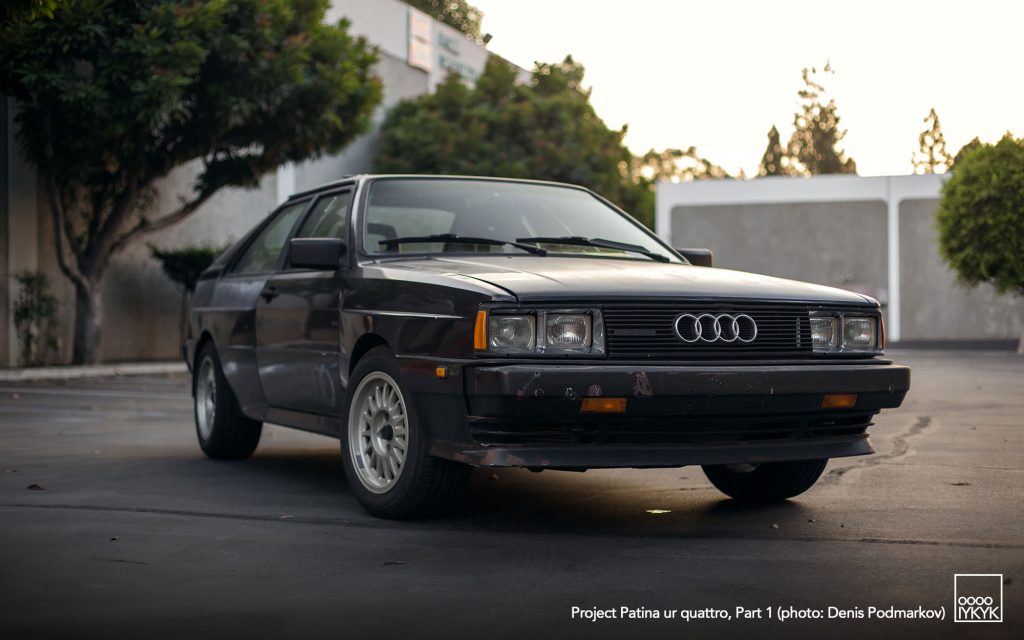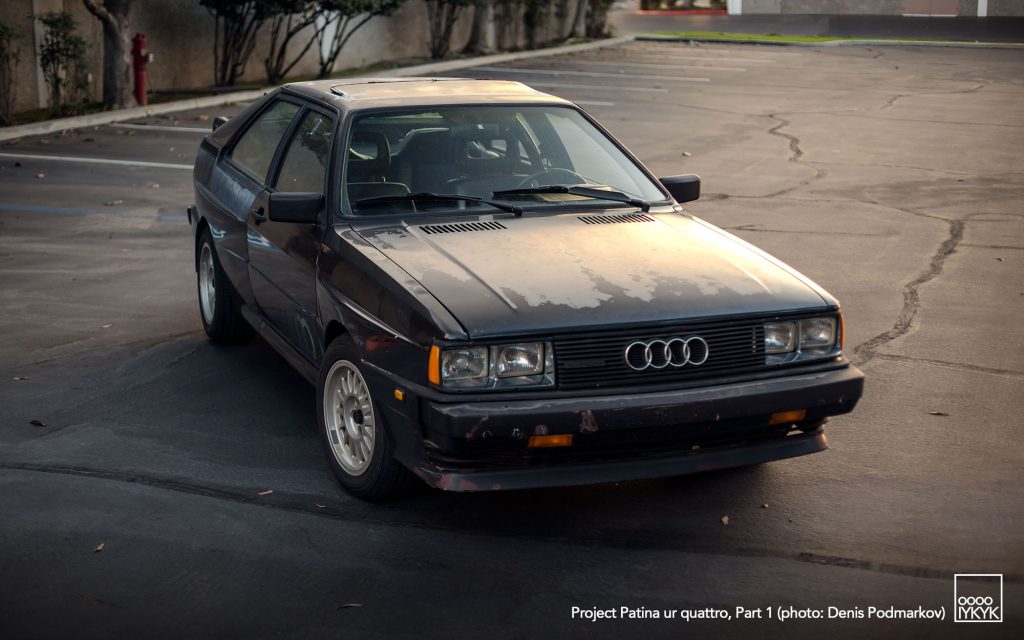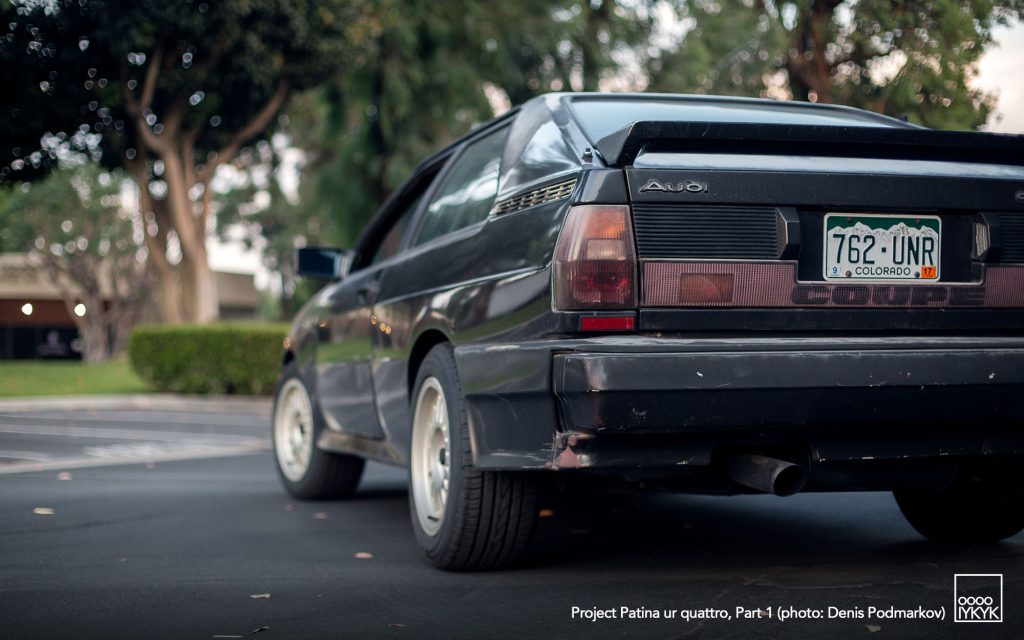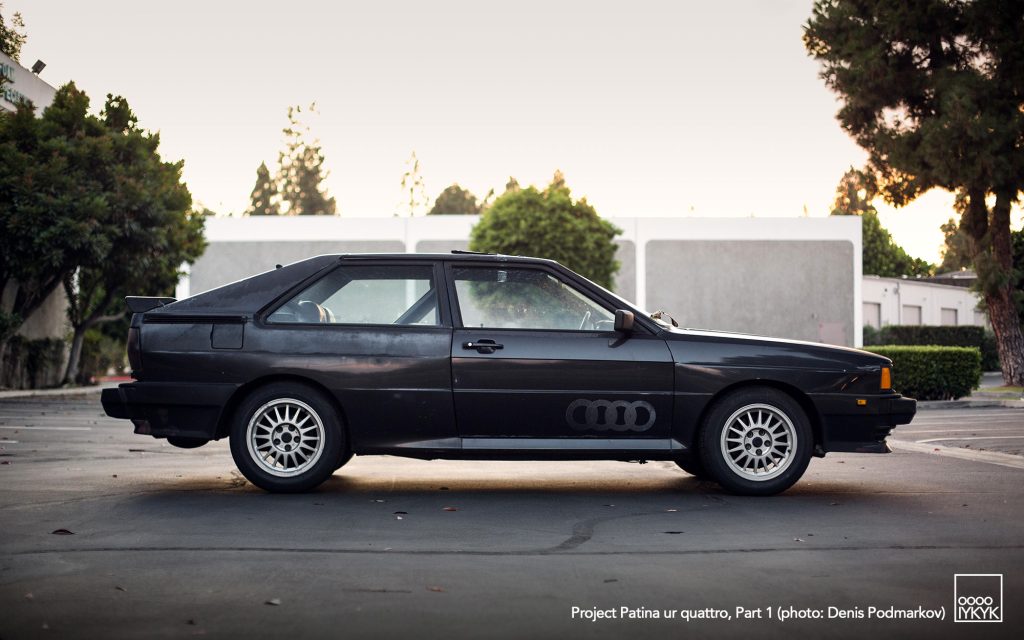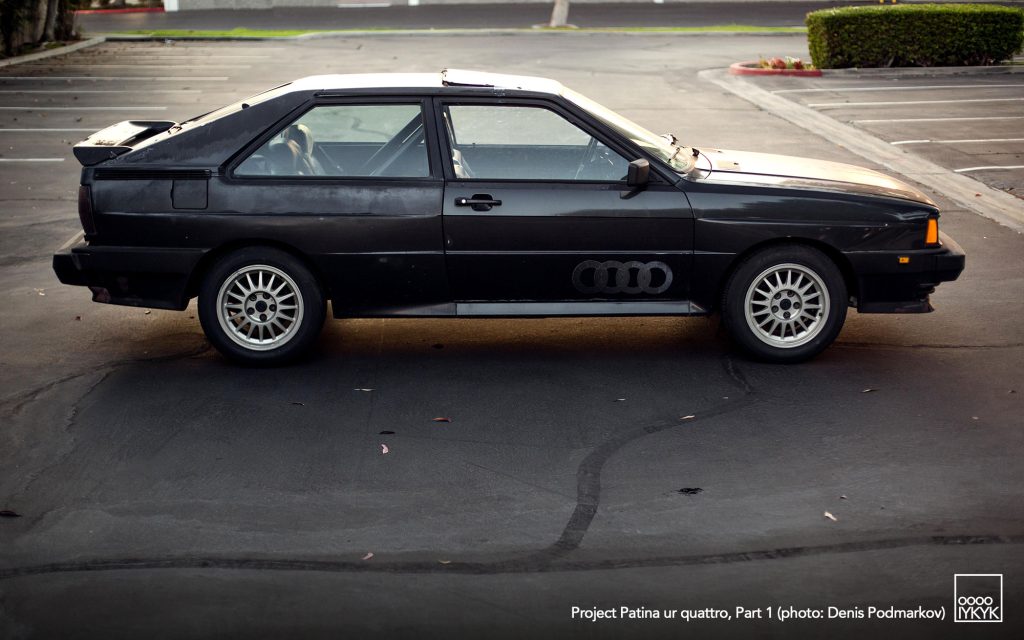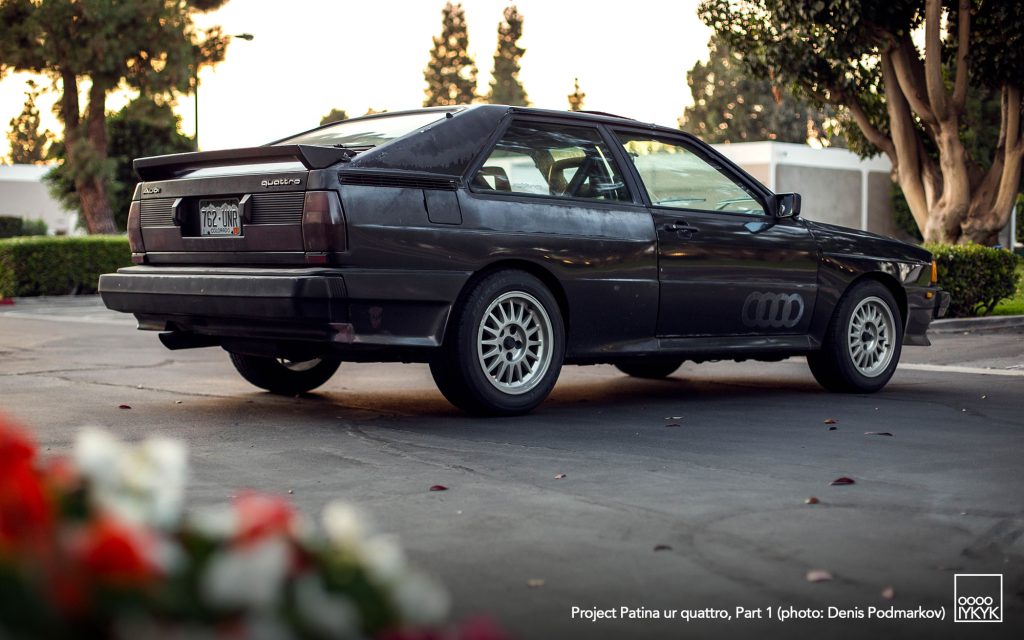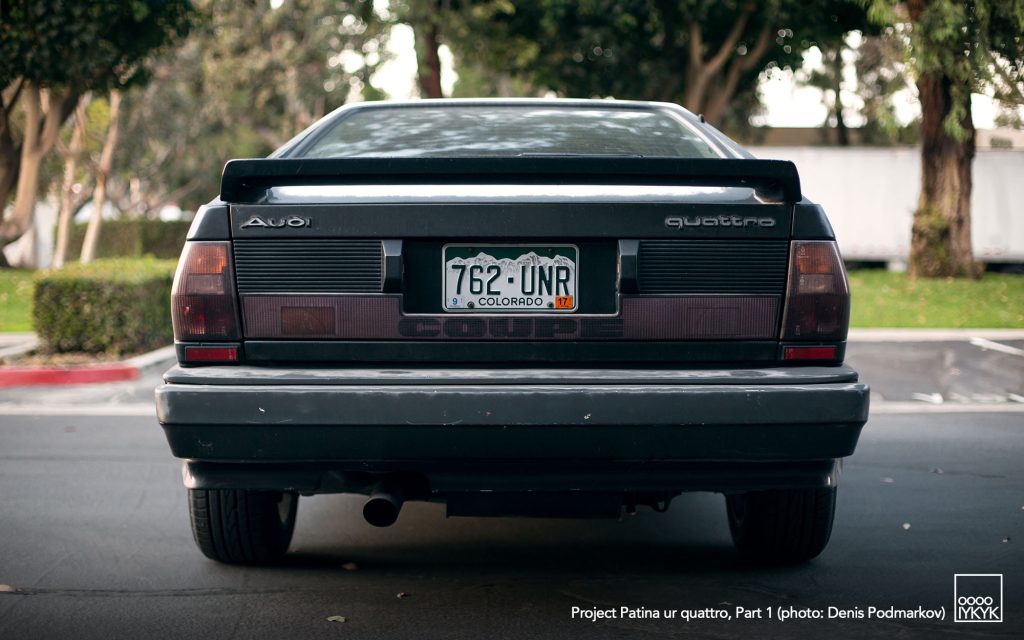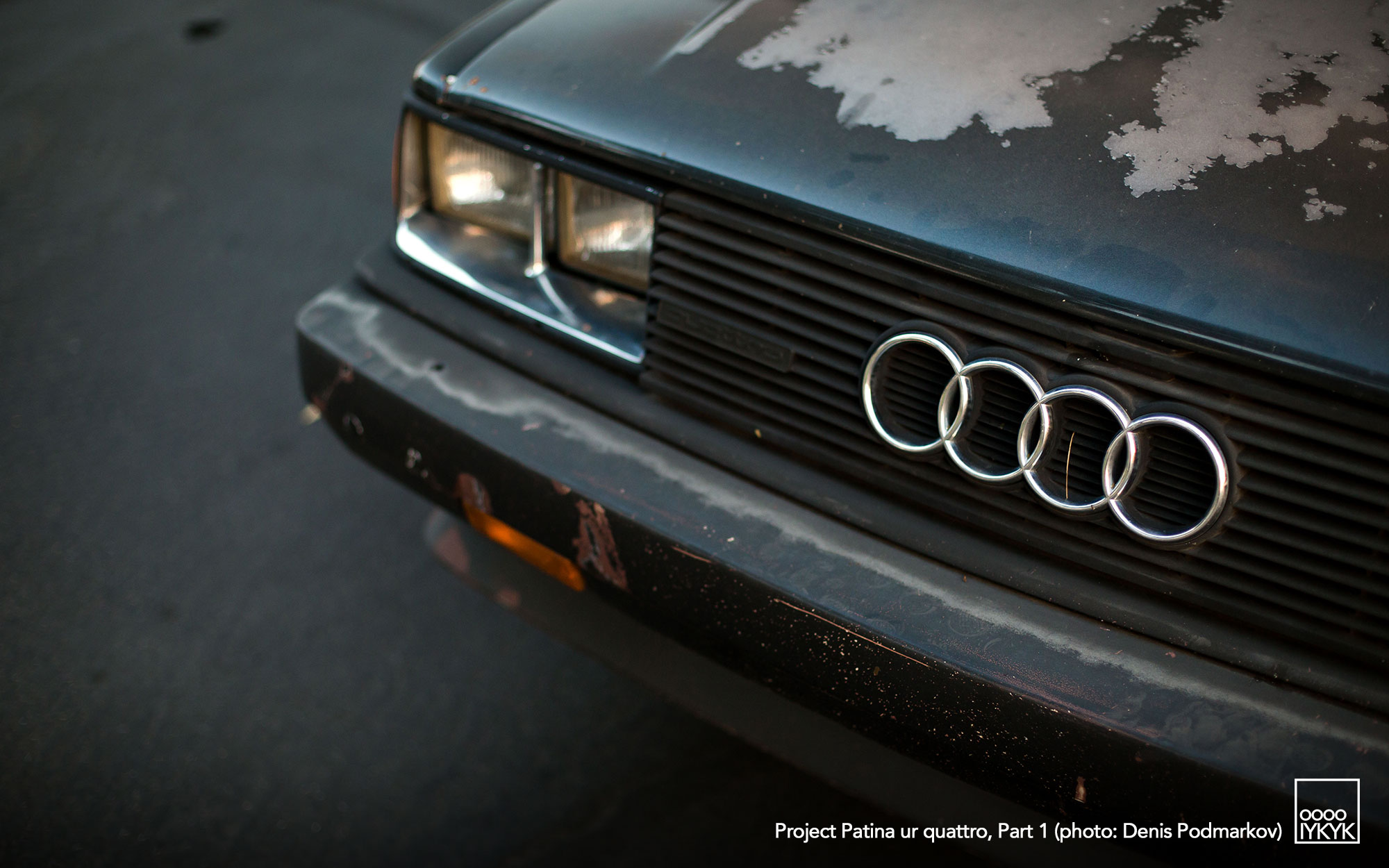

It’s time to get serious about my 1985 quattro. It’s been sitting, and degrading for several years. Minus a few brief interludes with local driving, its use went from minimal cars and coffee runs to nonexistent last summer when the hydraulics in the clutch simply left it immobile. This week, it’s headed to a local shop who aims to begin sorting it out.
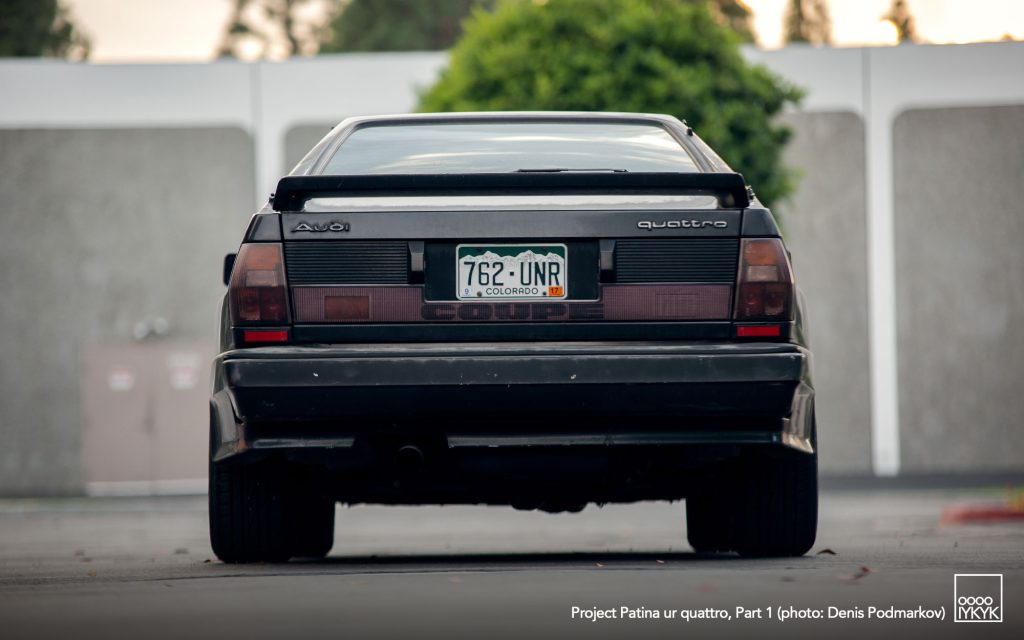
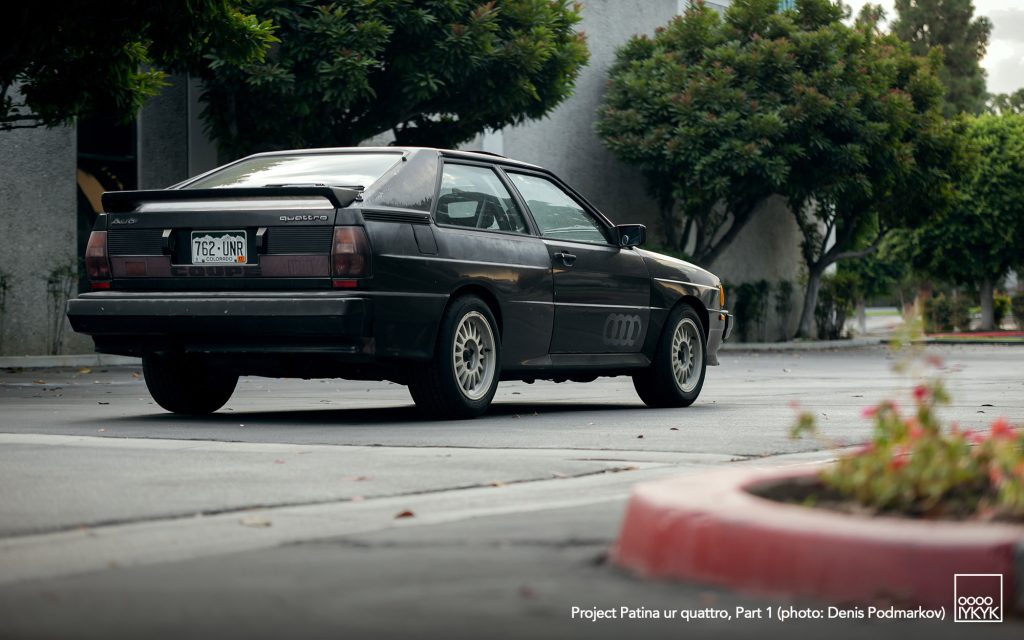
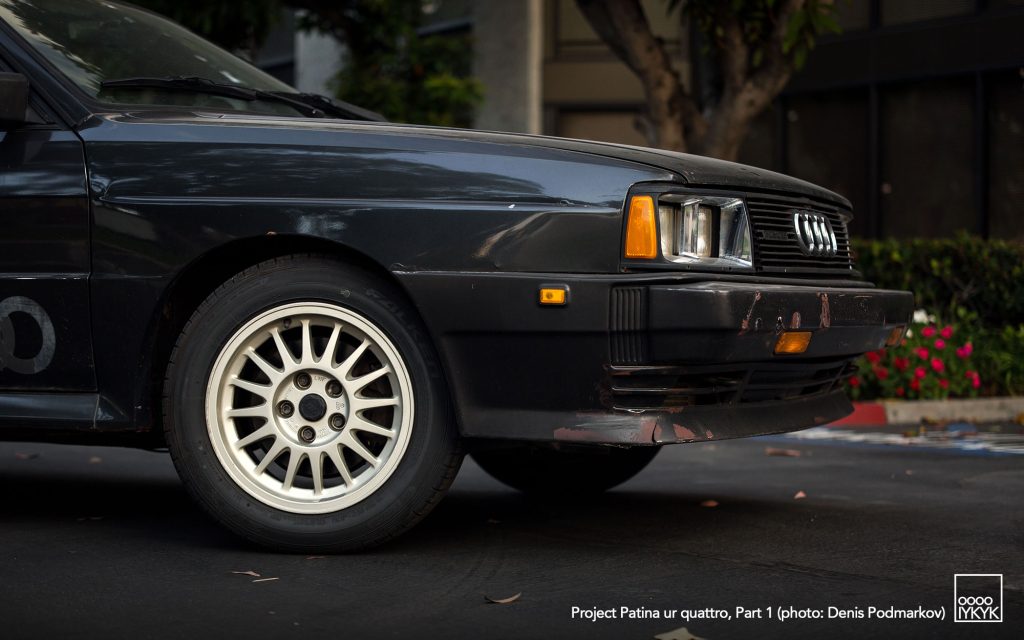
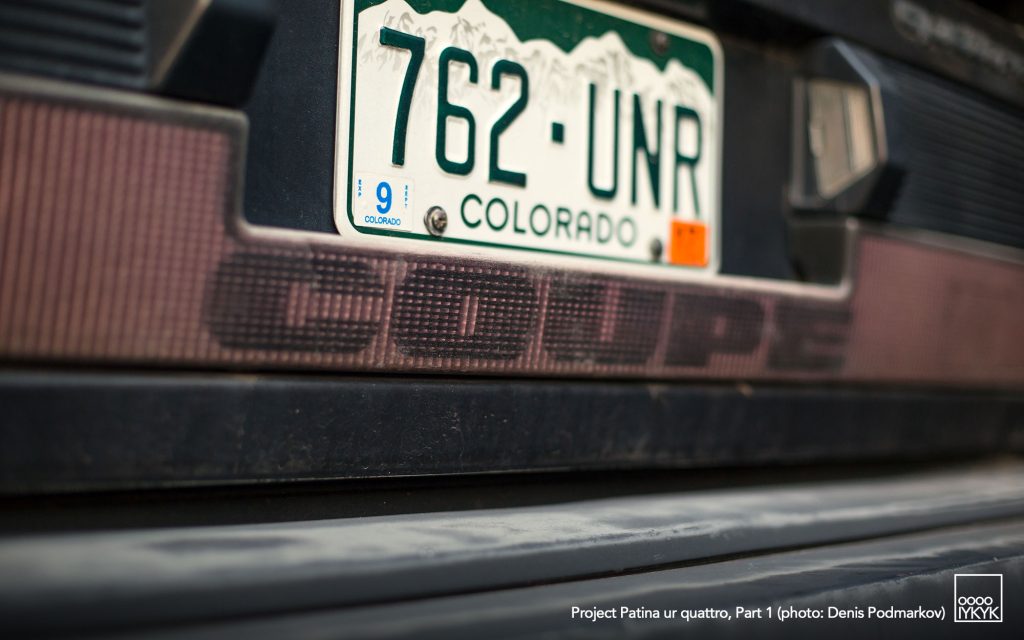
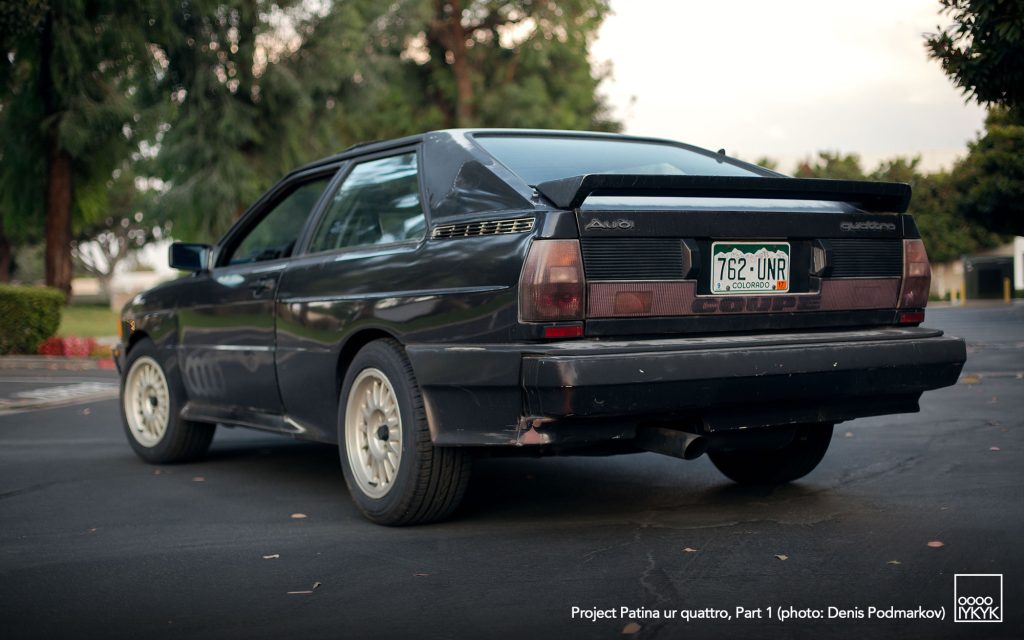
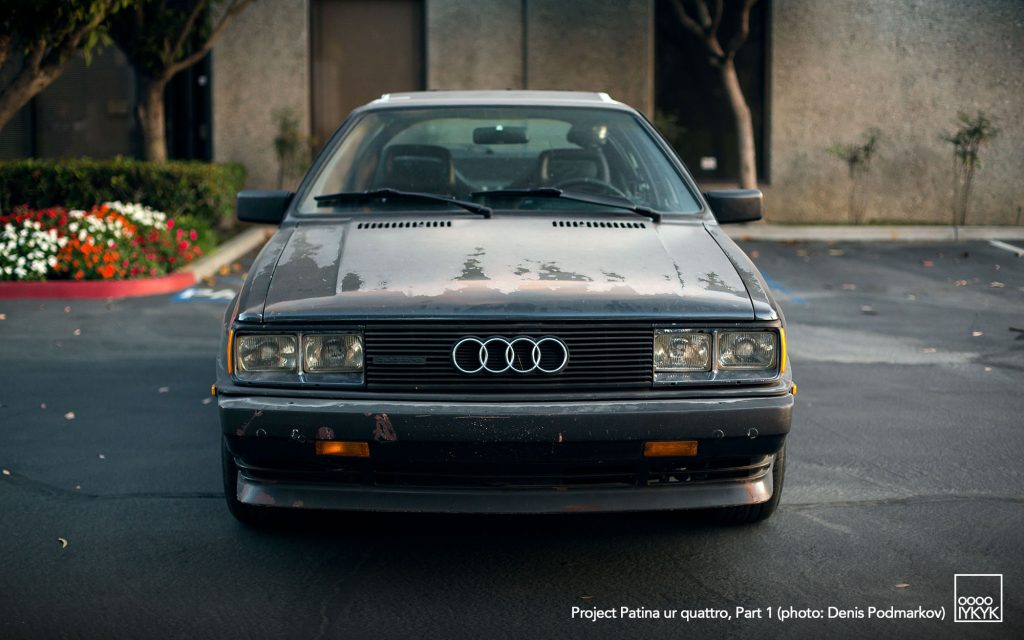
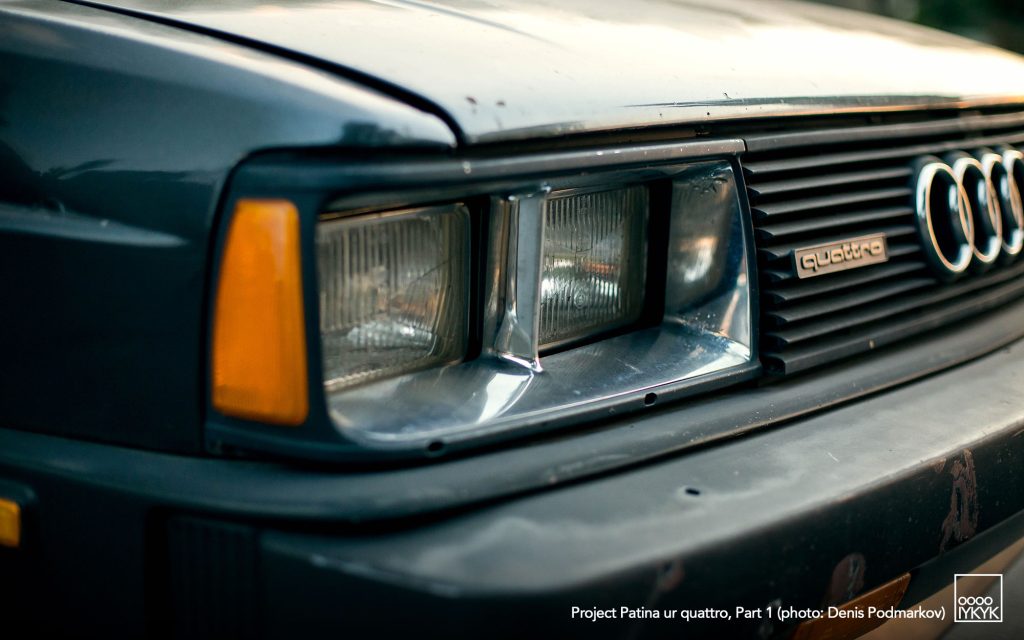
I briefly mentioned the car in our first oooo Fleet series introduction. In short, it’s a rare U.S.-spec 1985 car of which only about 80-some were known to have bene produced. As as an ’85 it received the updated interior and sloped grille with clumsy quad sealed beam square headlights though is otherwise mechanically similar to earlier 1983 and 1984 cars sold in the USA.
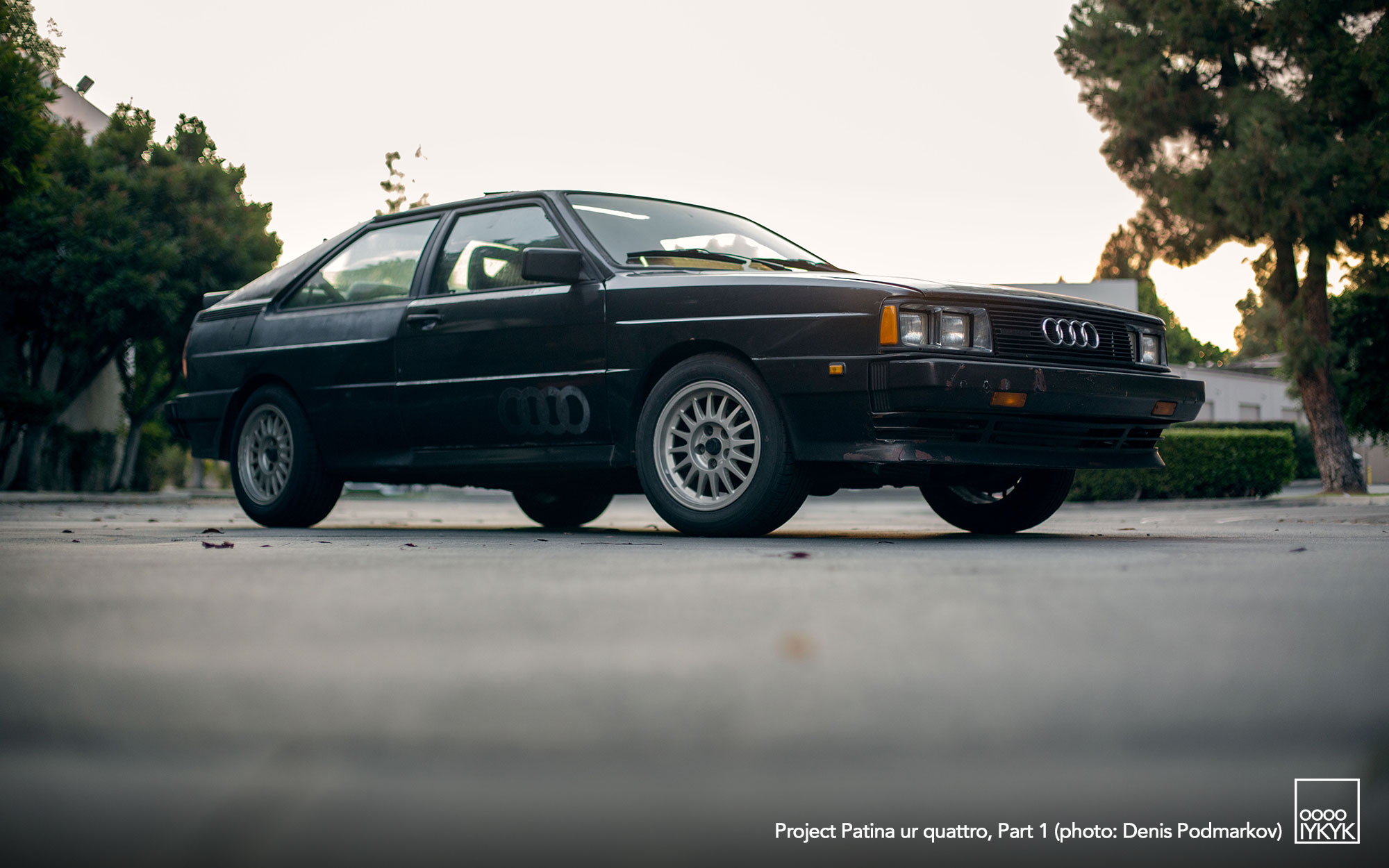
CURRENT STATUS
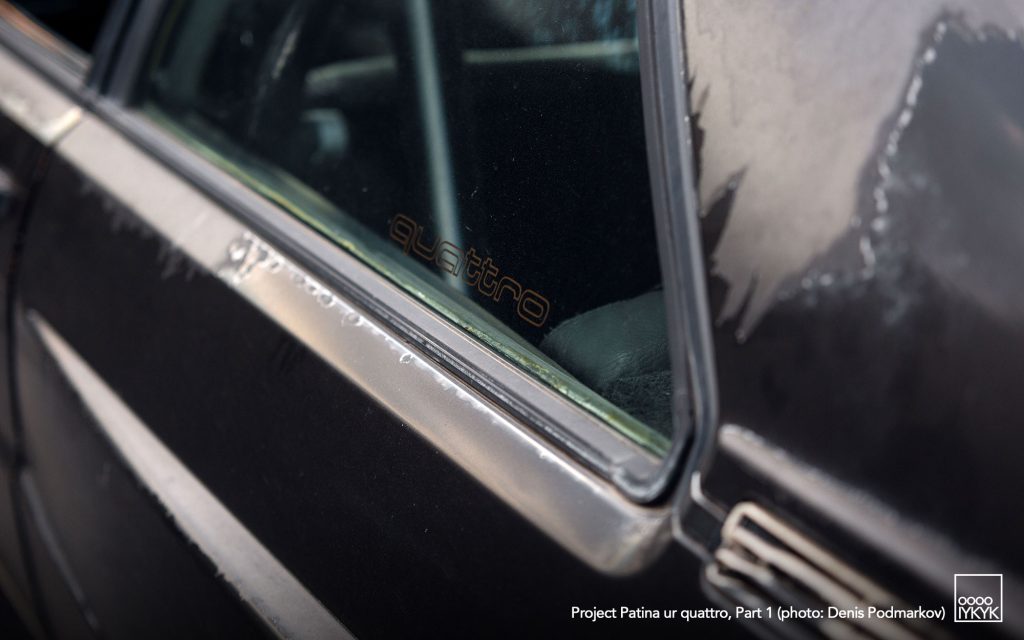
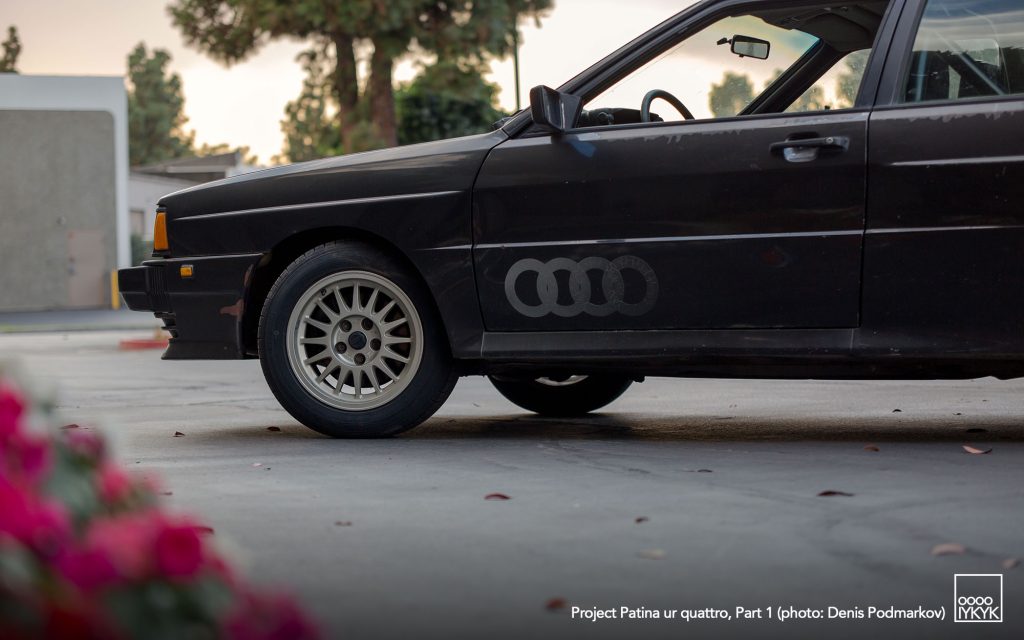
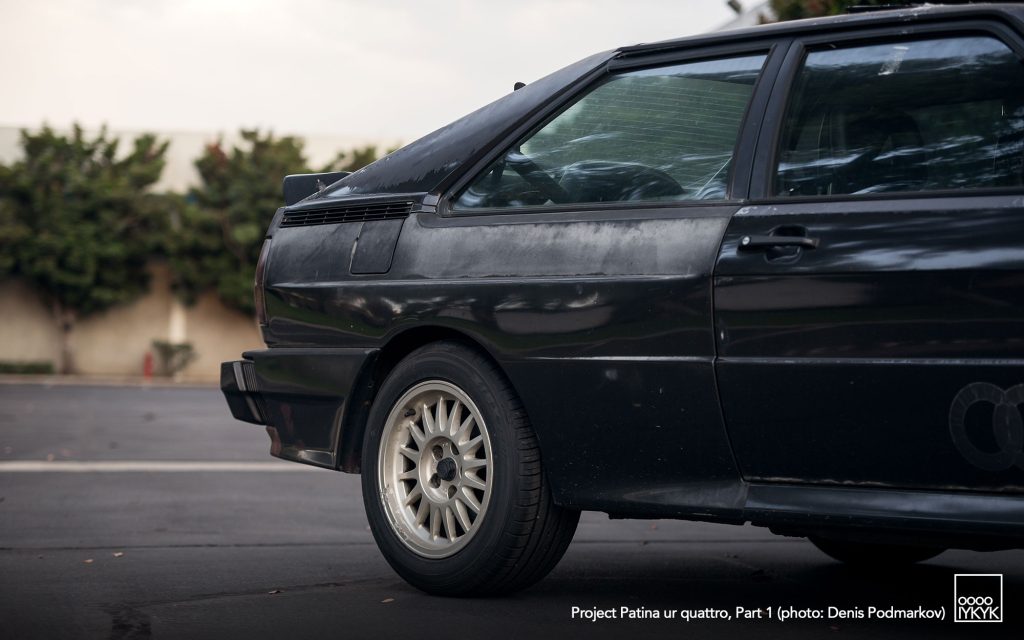
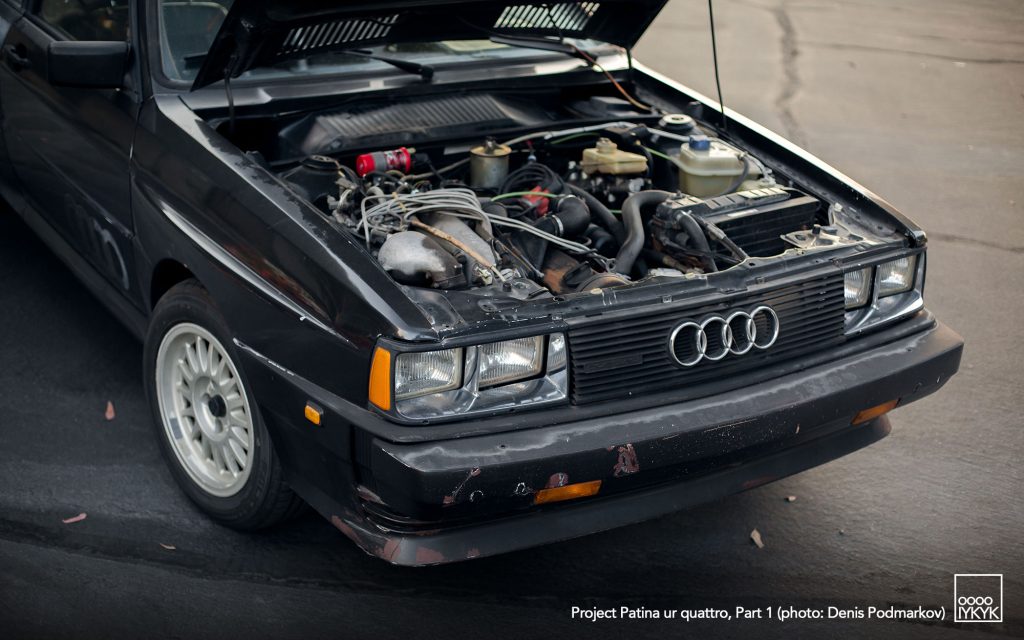
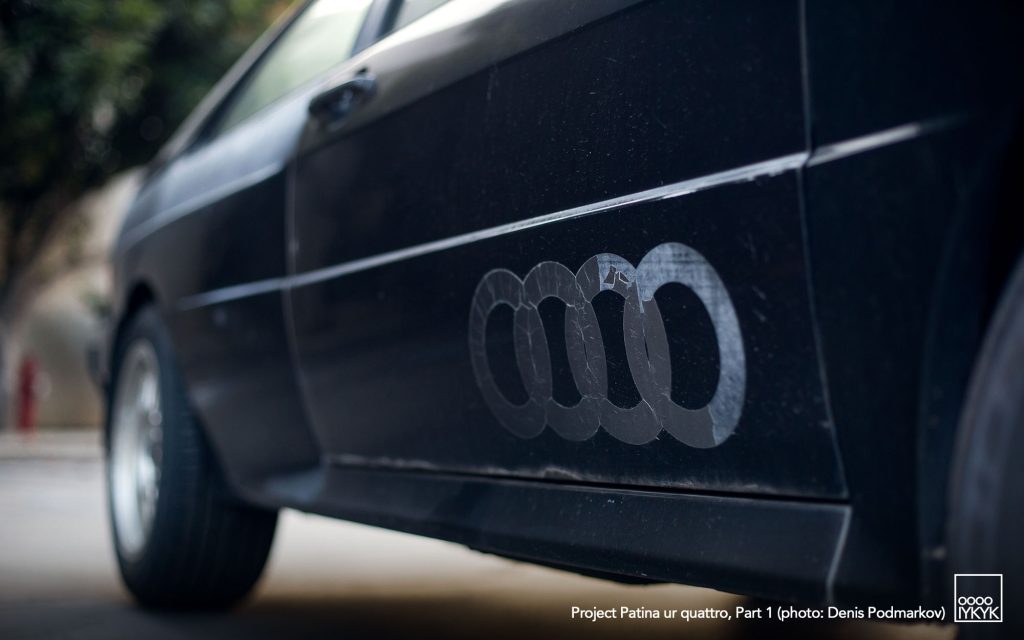
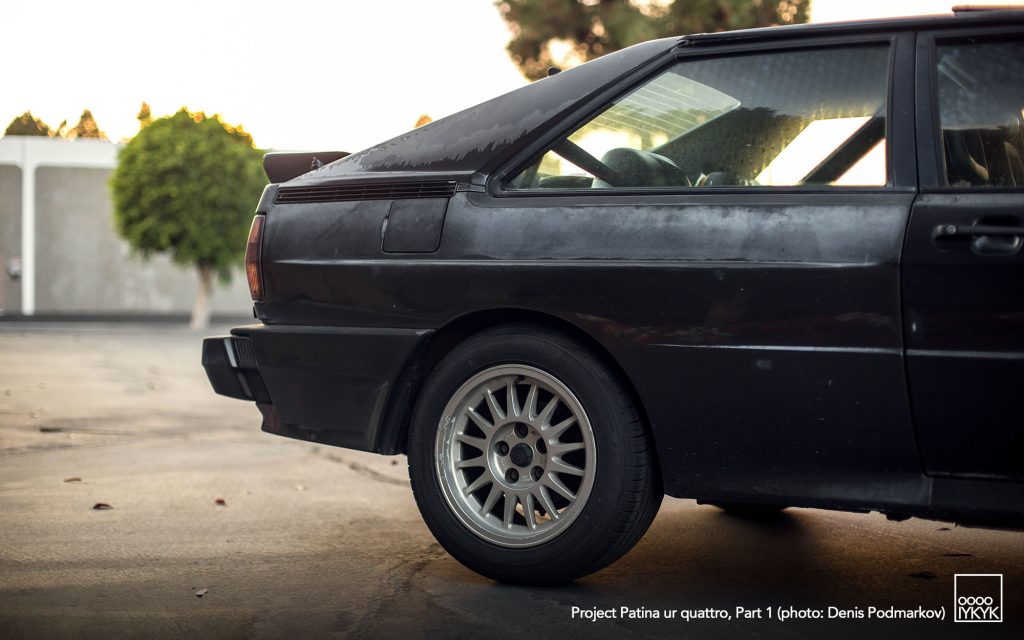
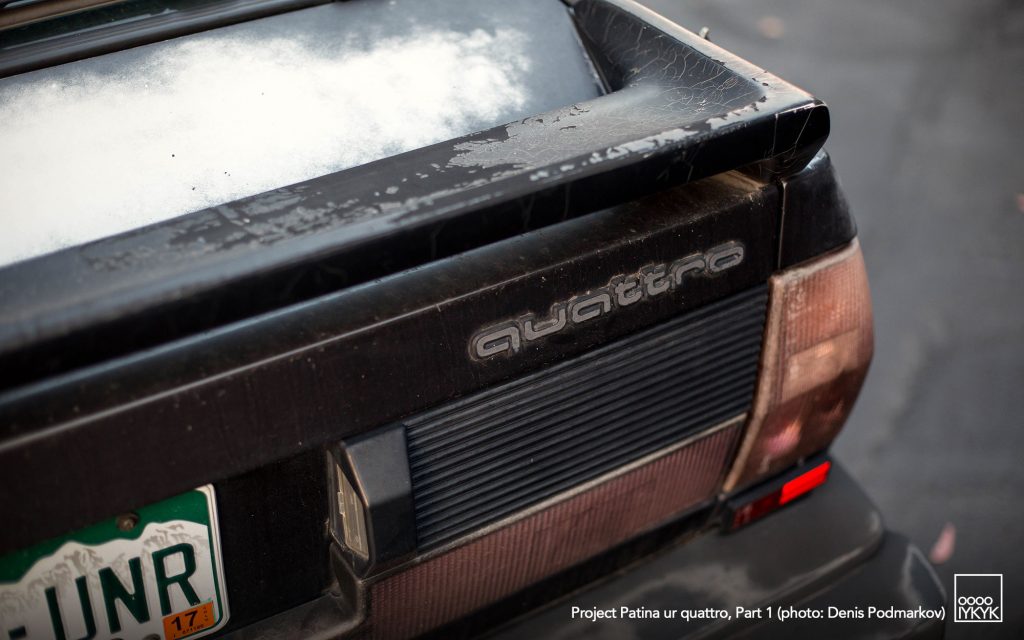
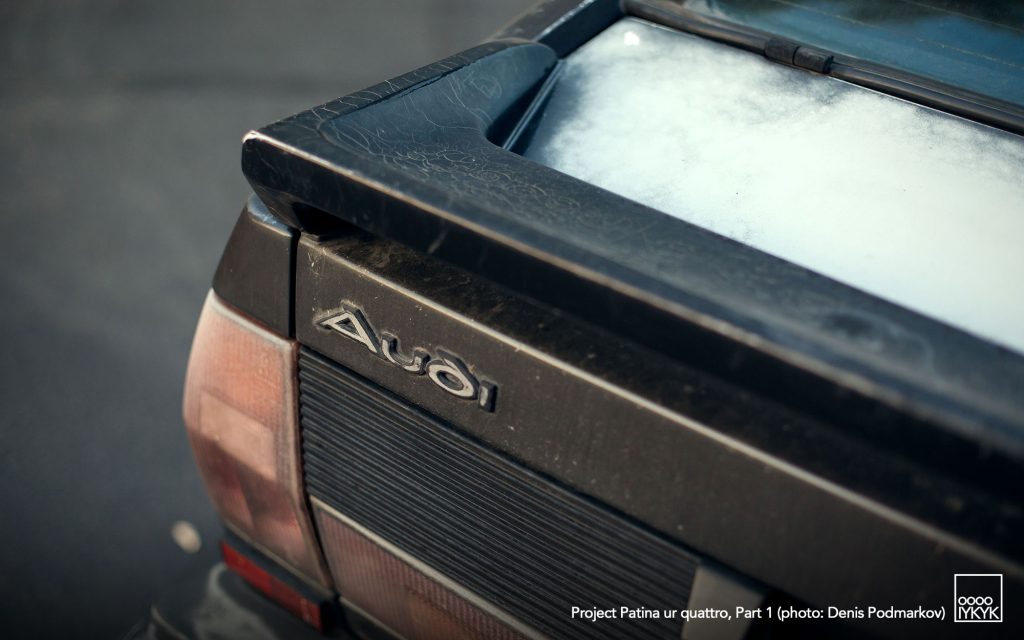
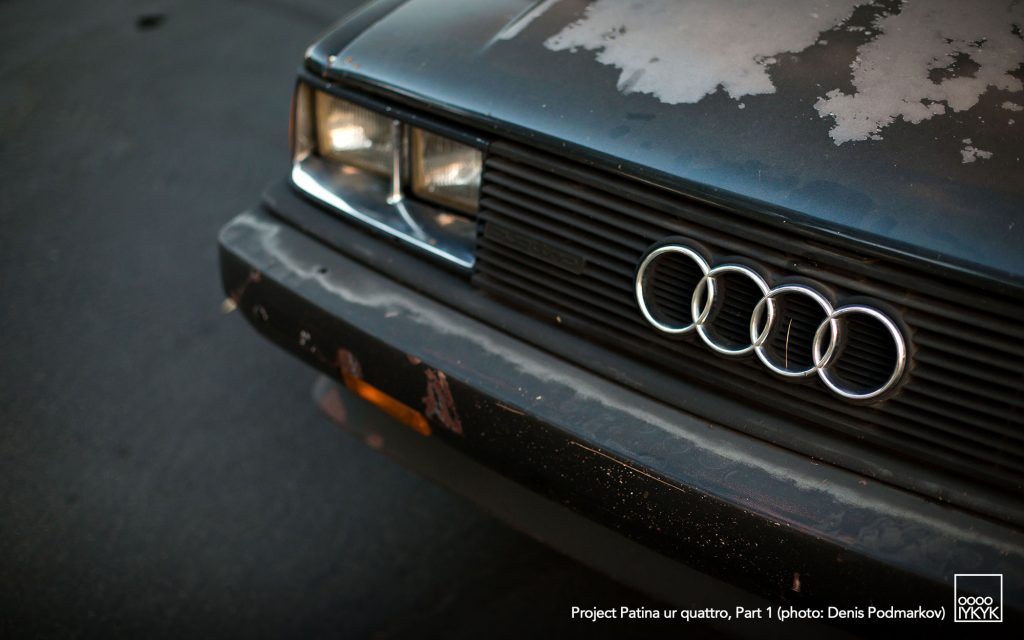
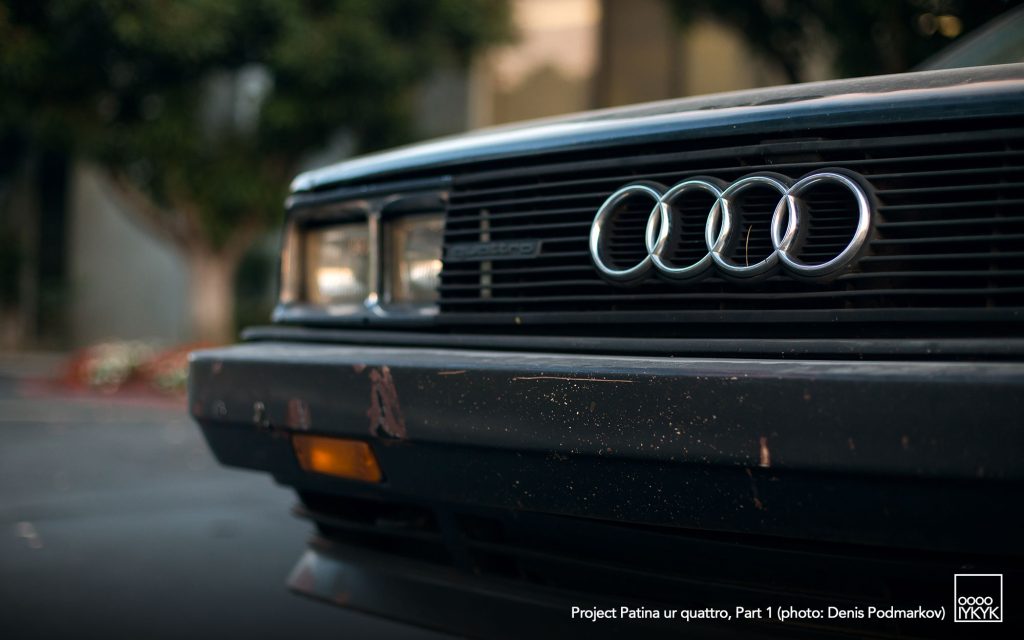
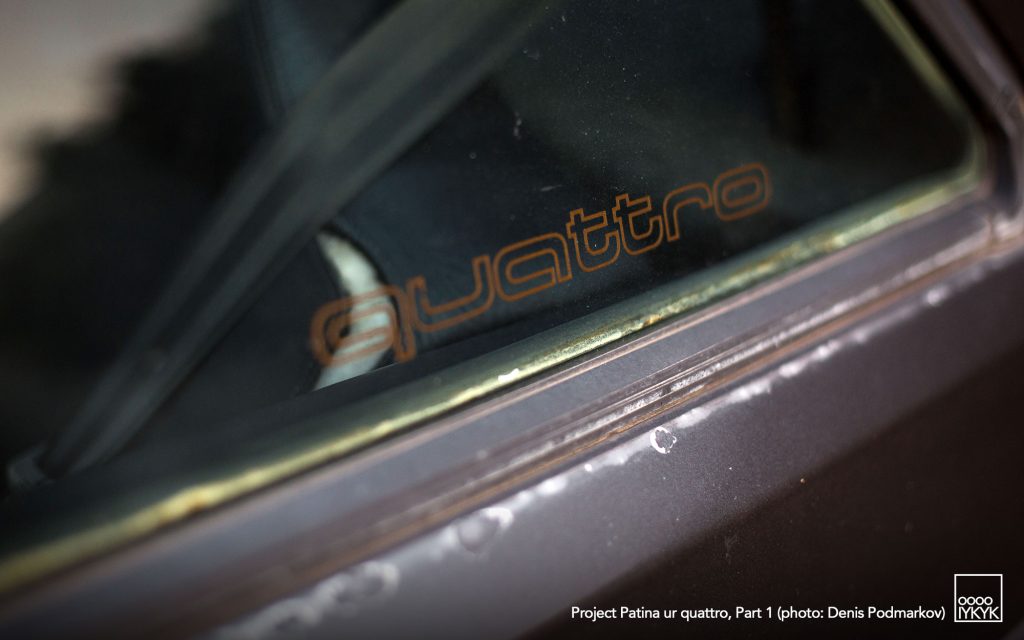
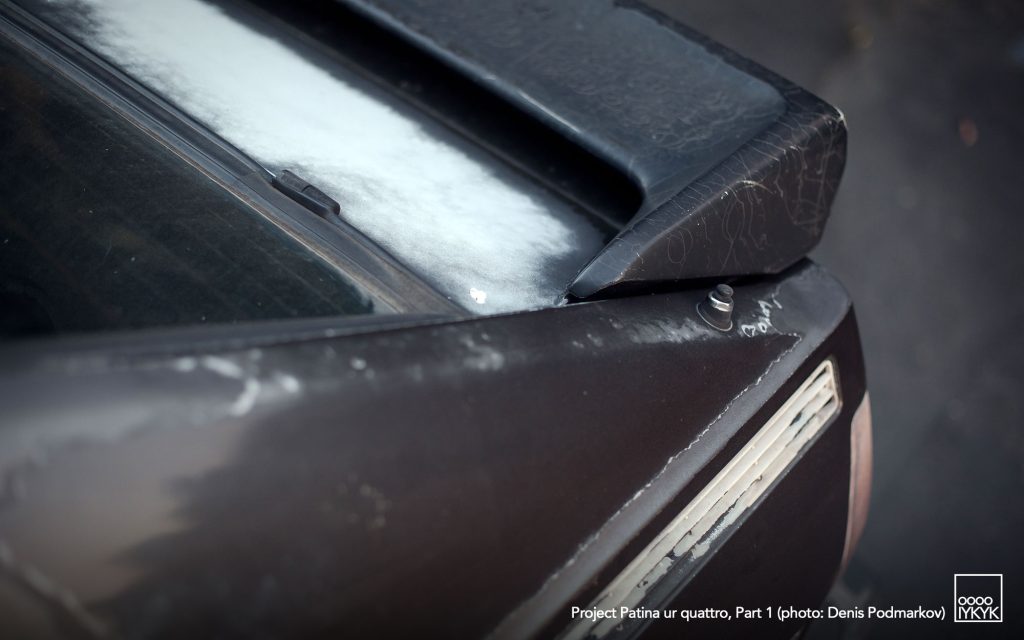
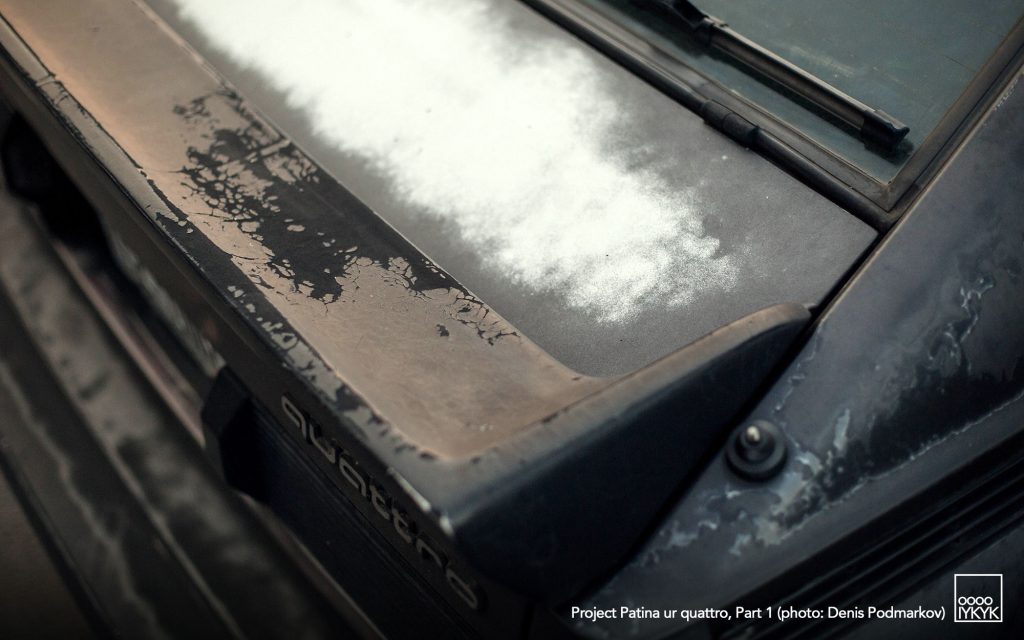
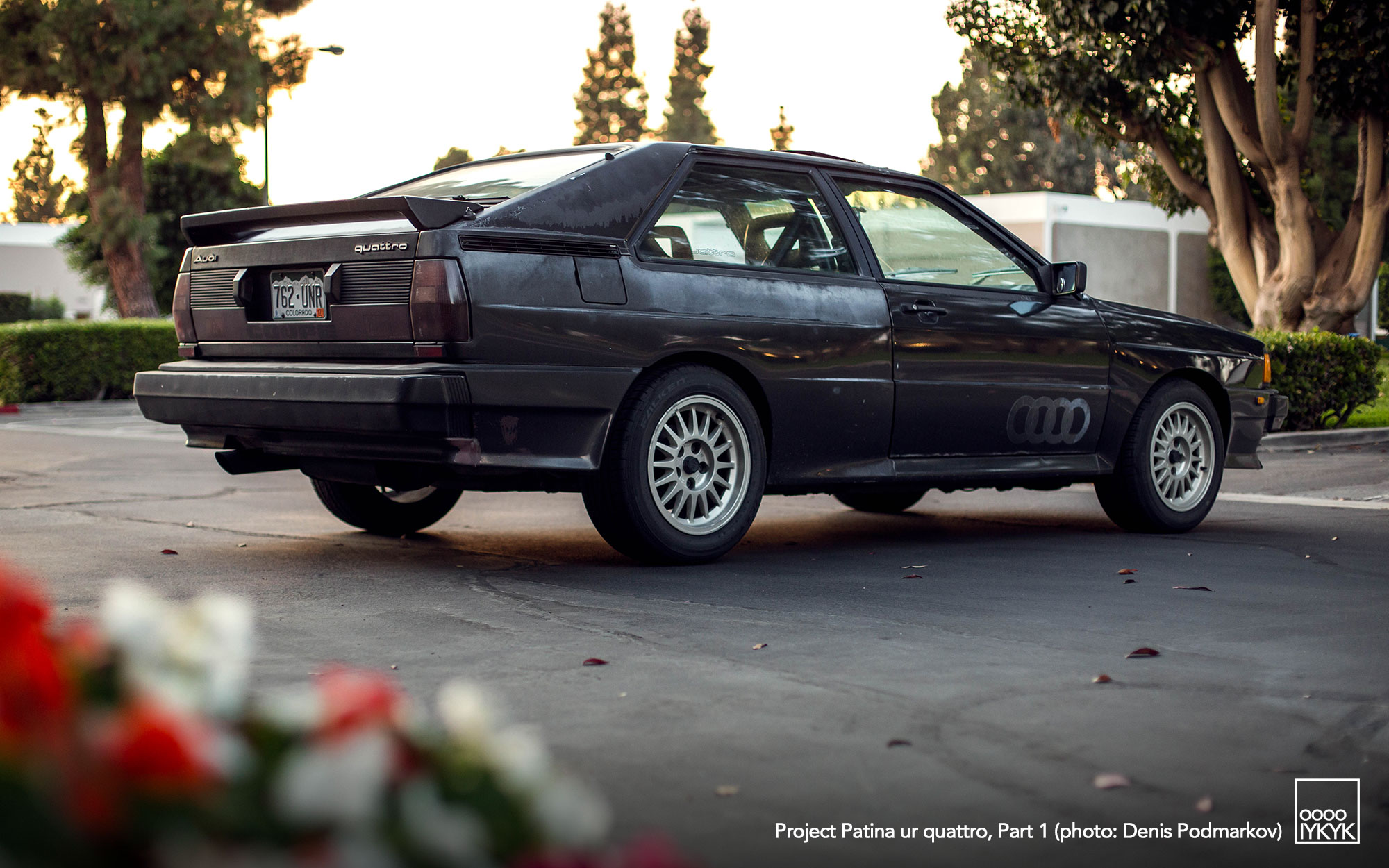
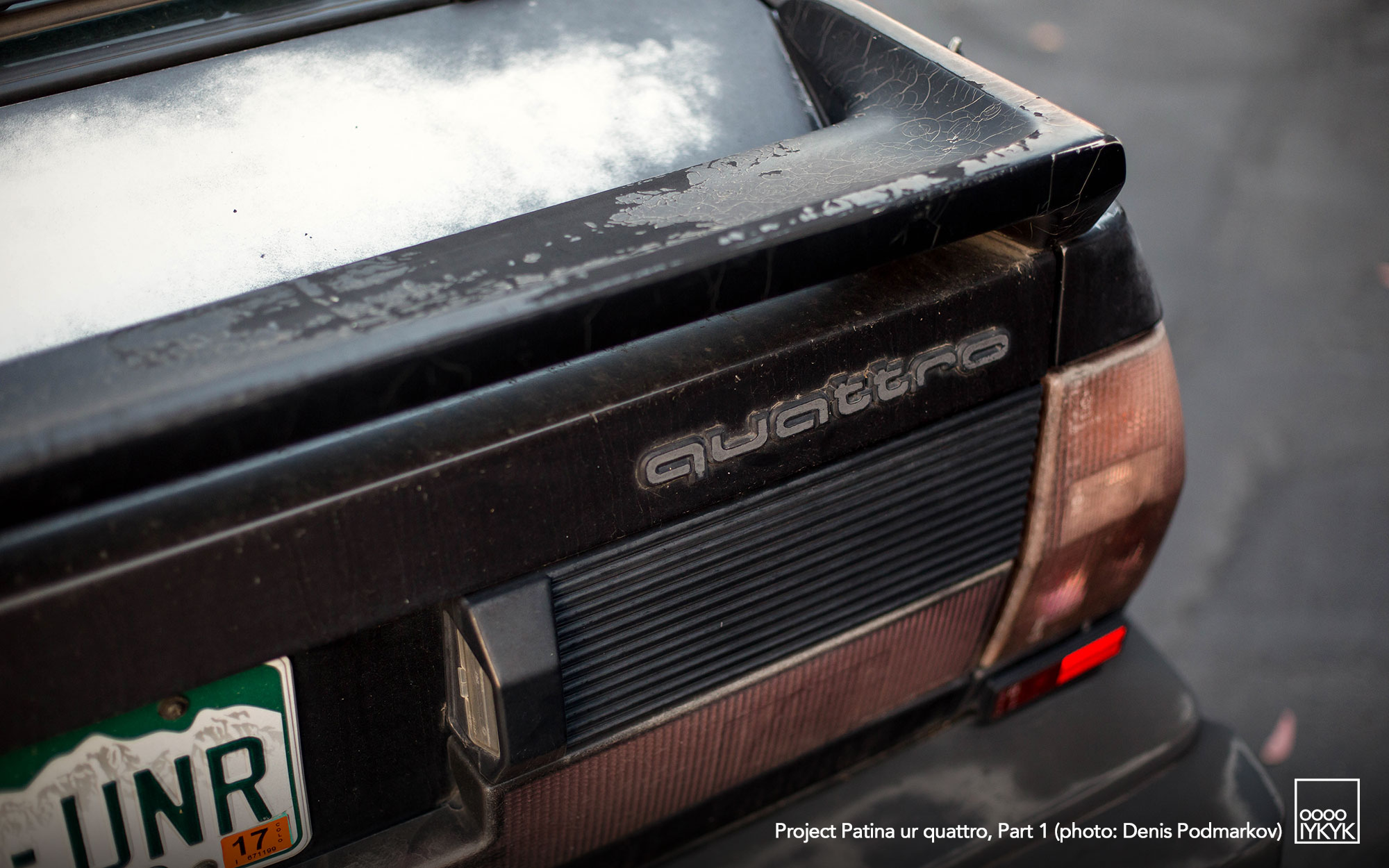
This one’s been modified, driven hard… but not put away wet fortunately. In as much, clear coat is peeling and Audi logo decals on the doors are baked and cracked, albeit not as baked and cracked as the finish on the rear spoiler.
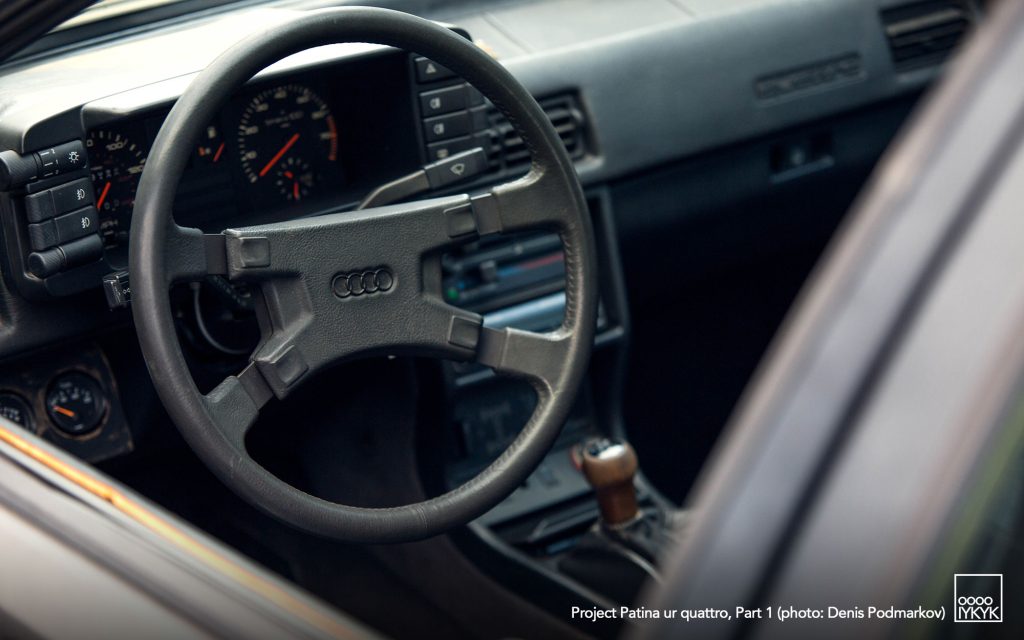
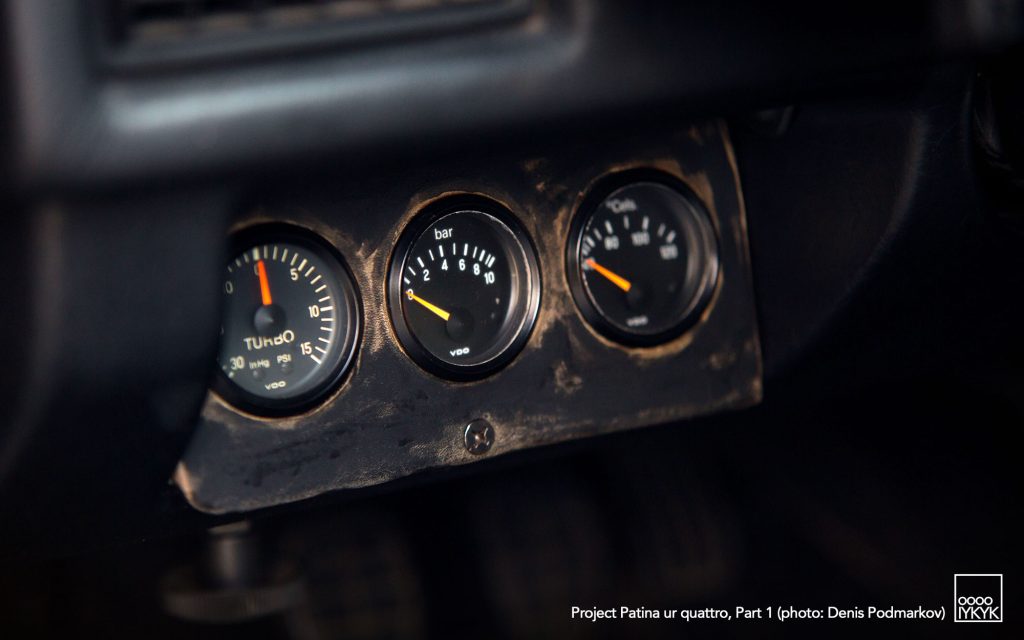
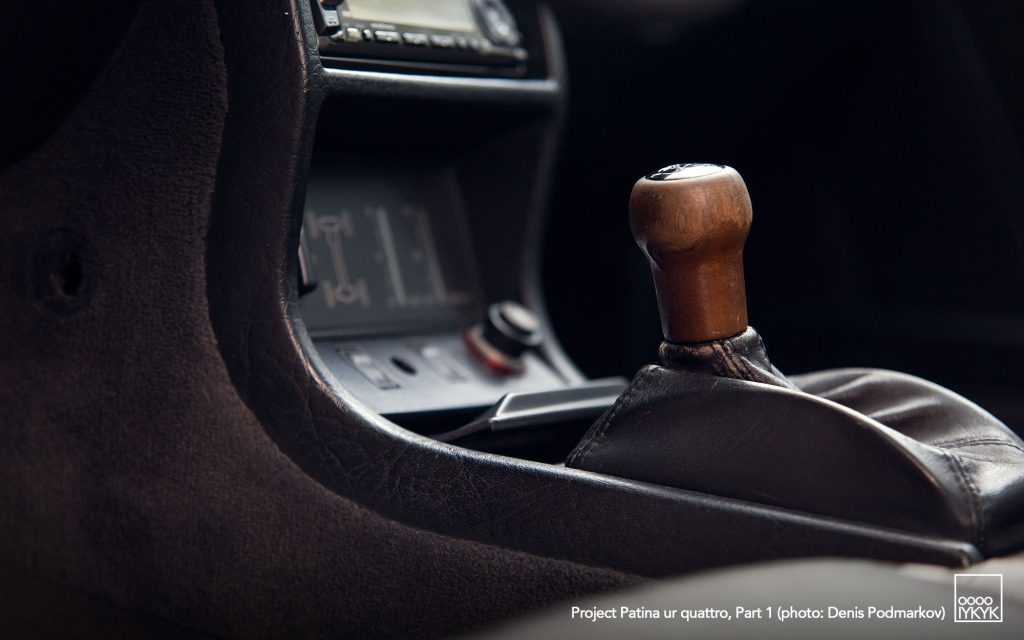
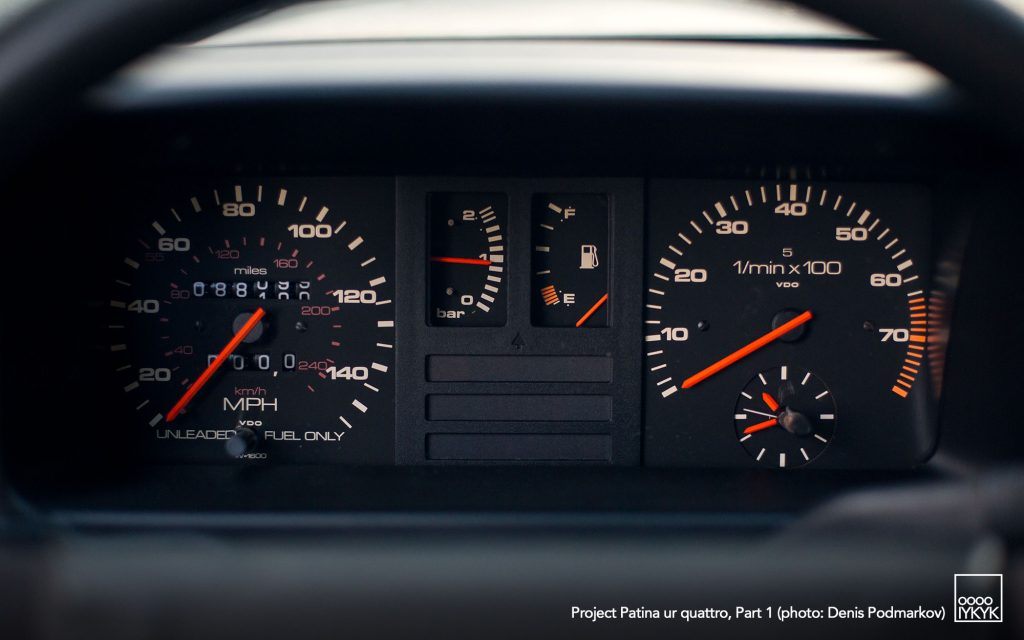
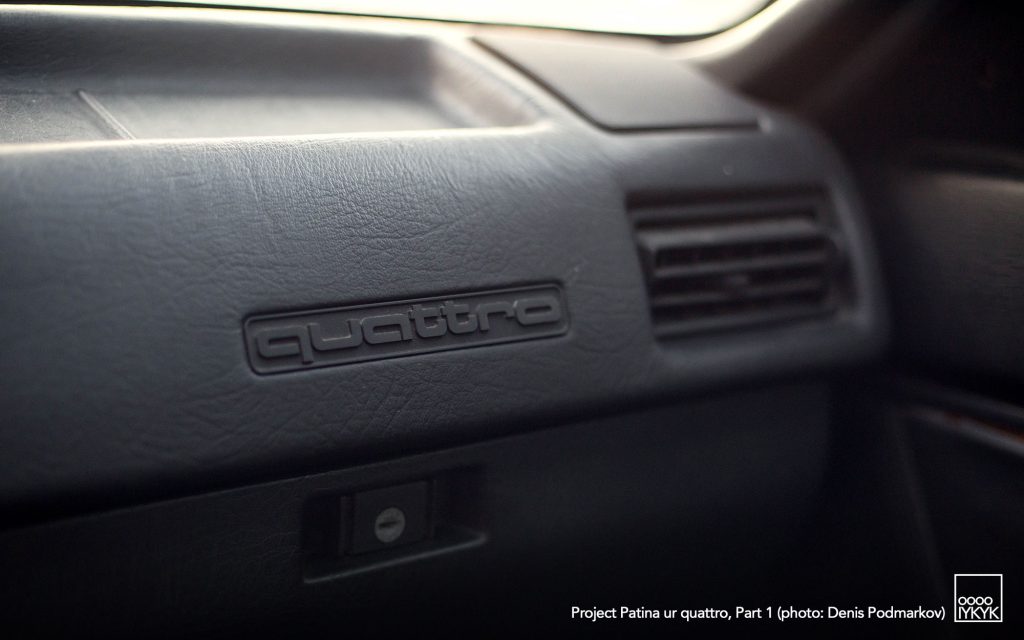
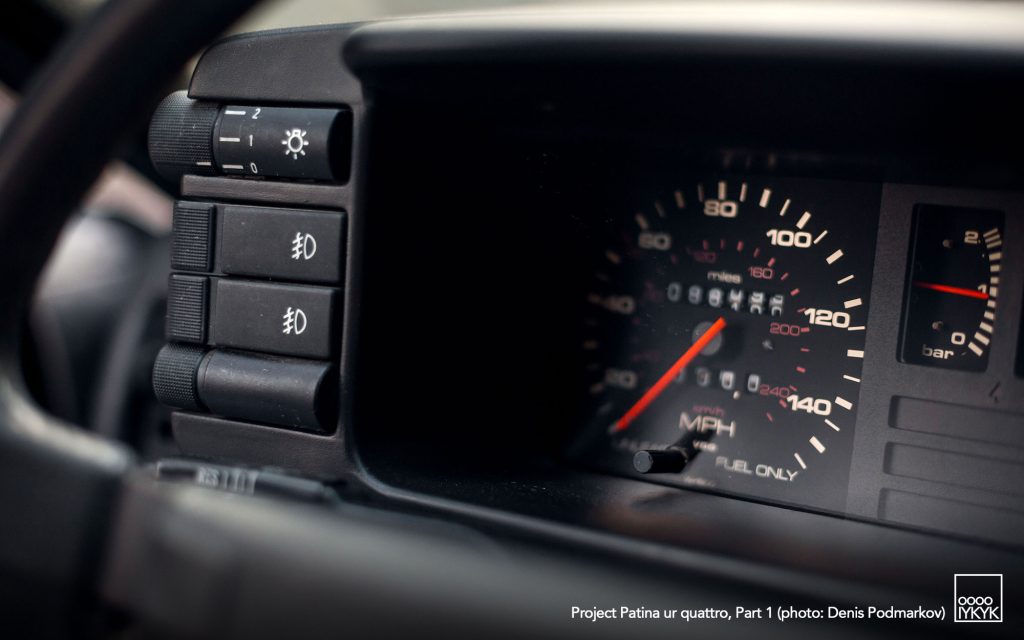
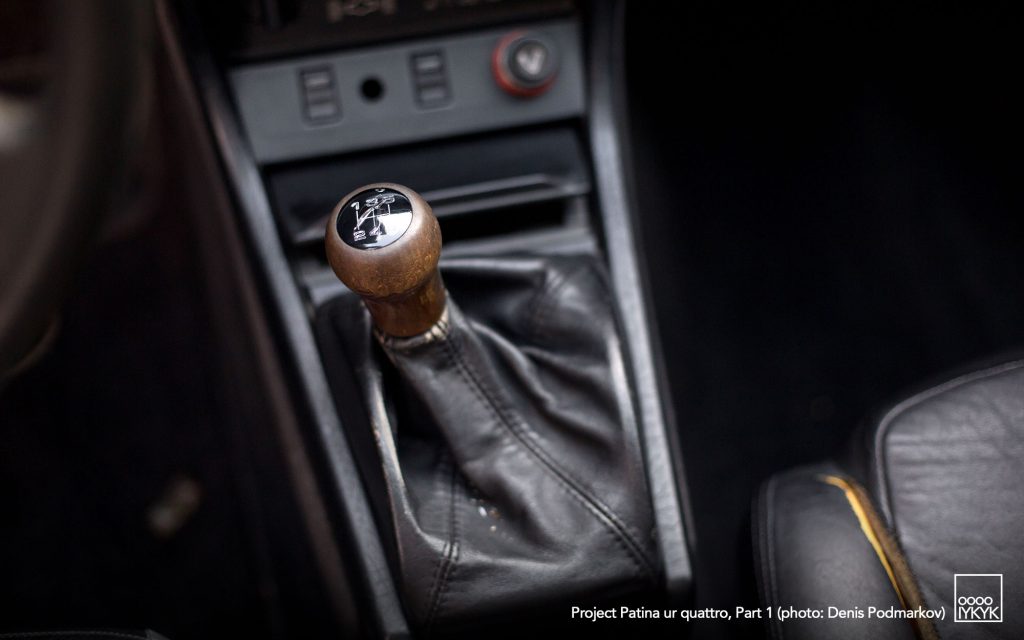
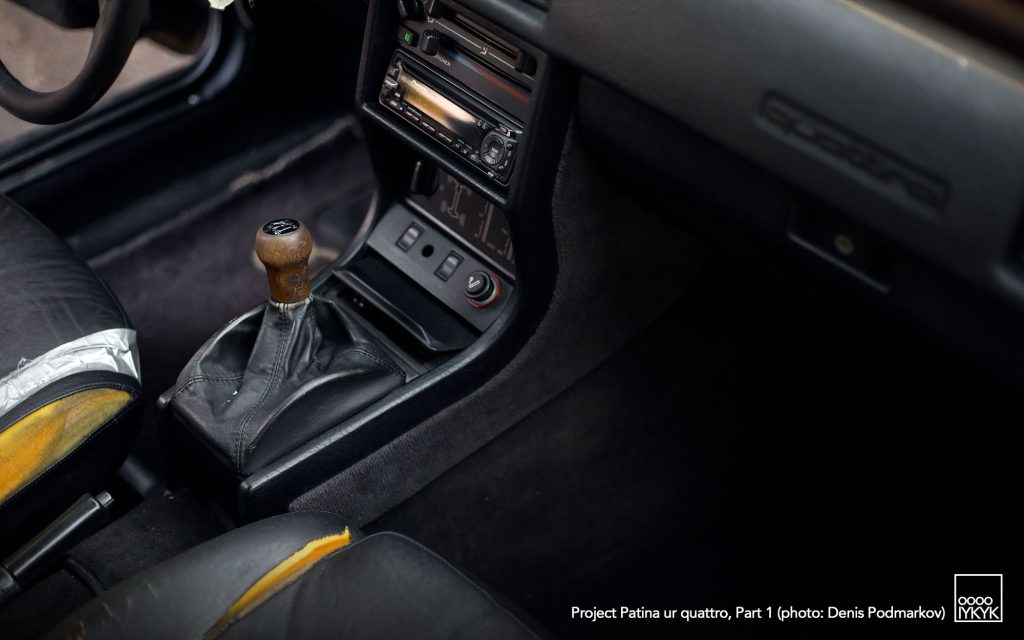
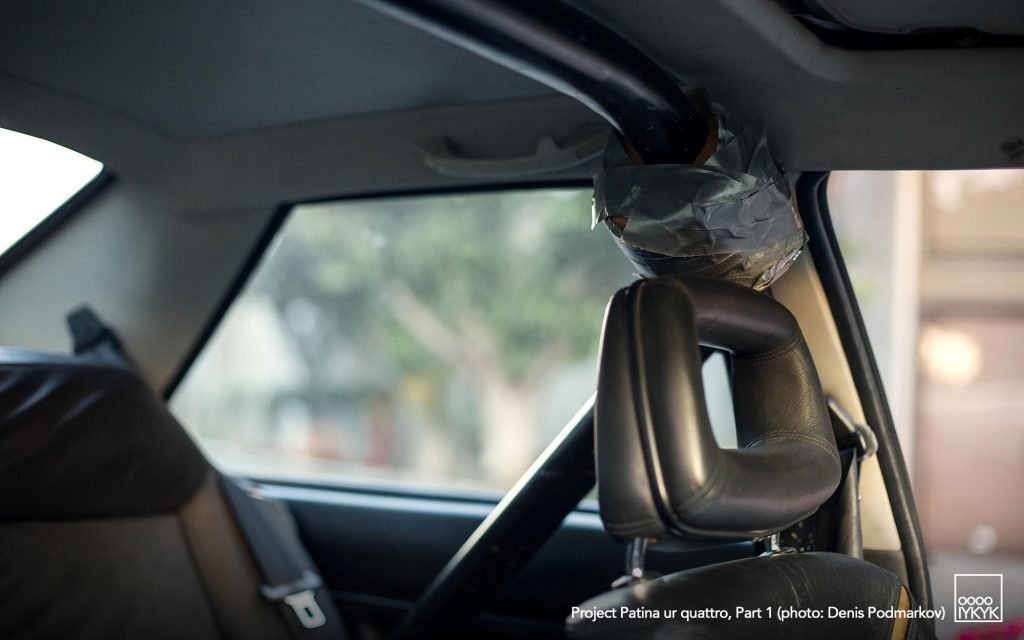
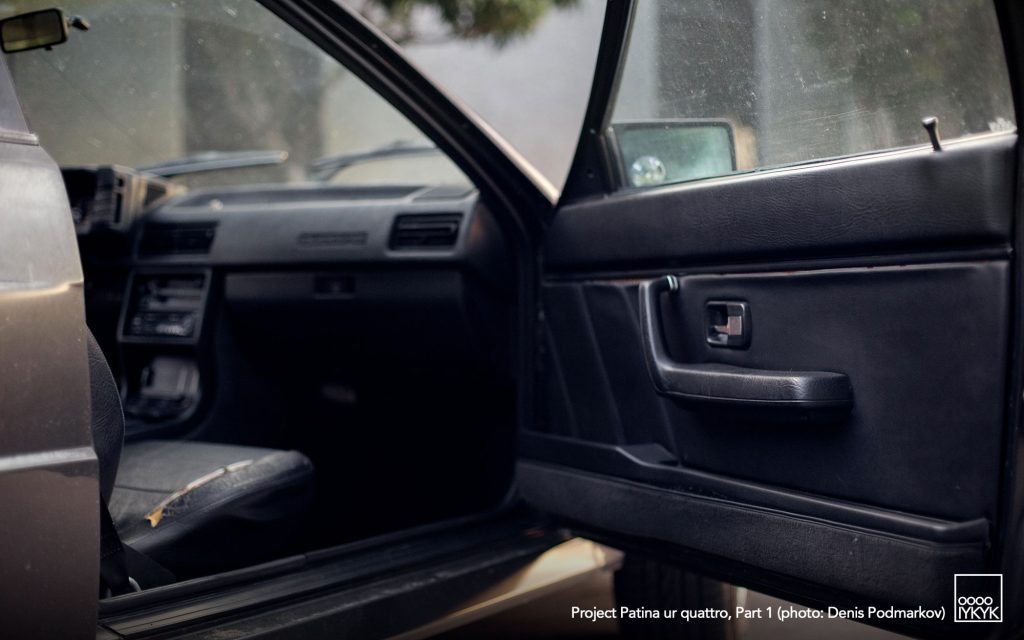
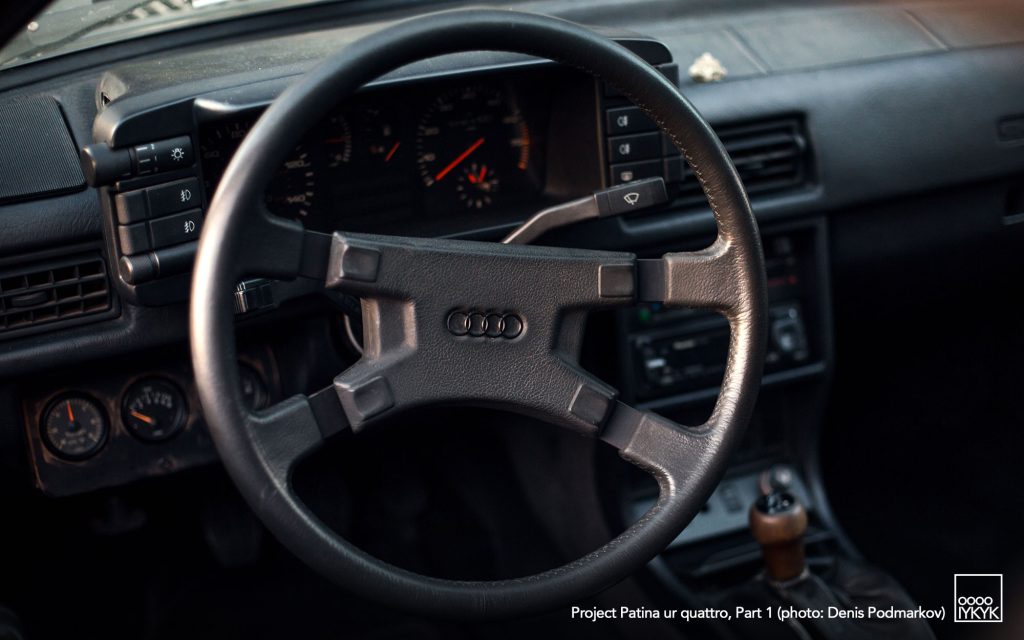
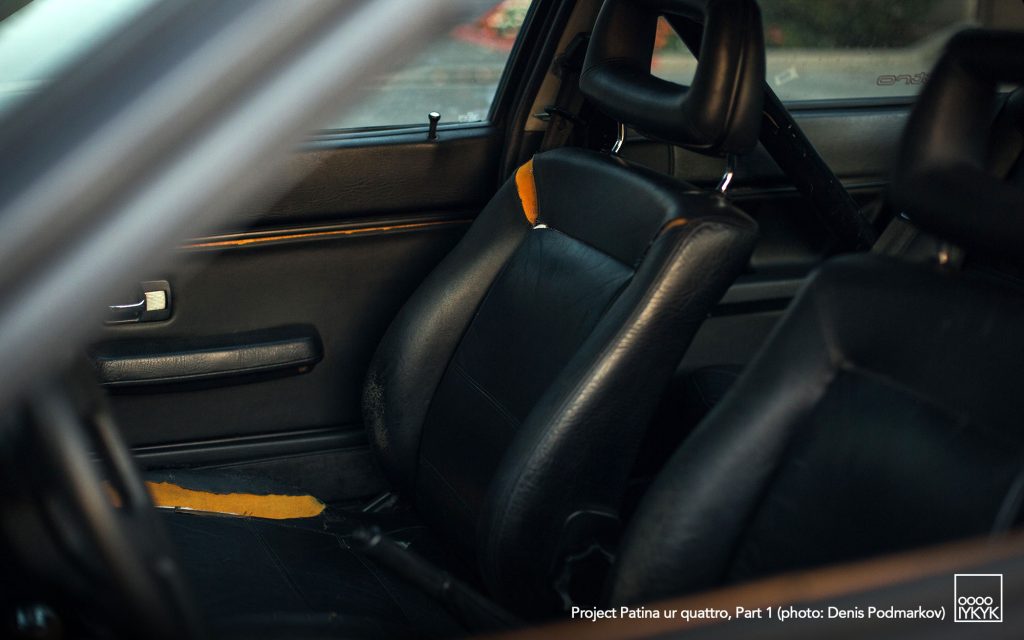
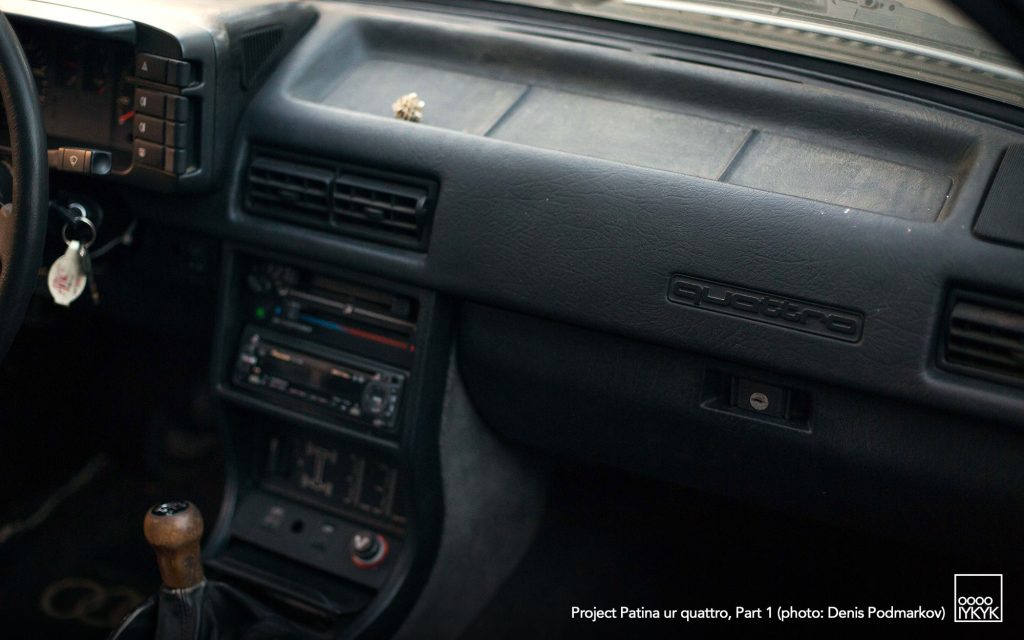
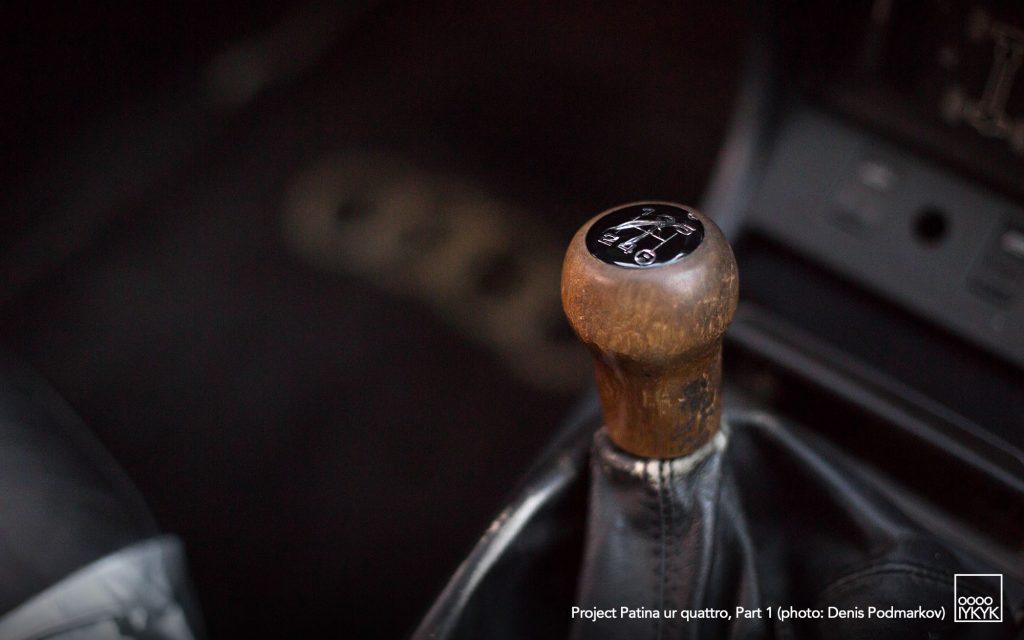
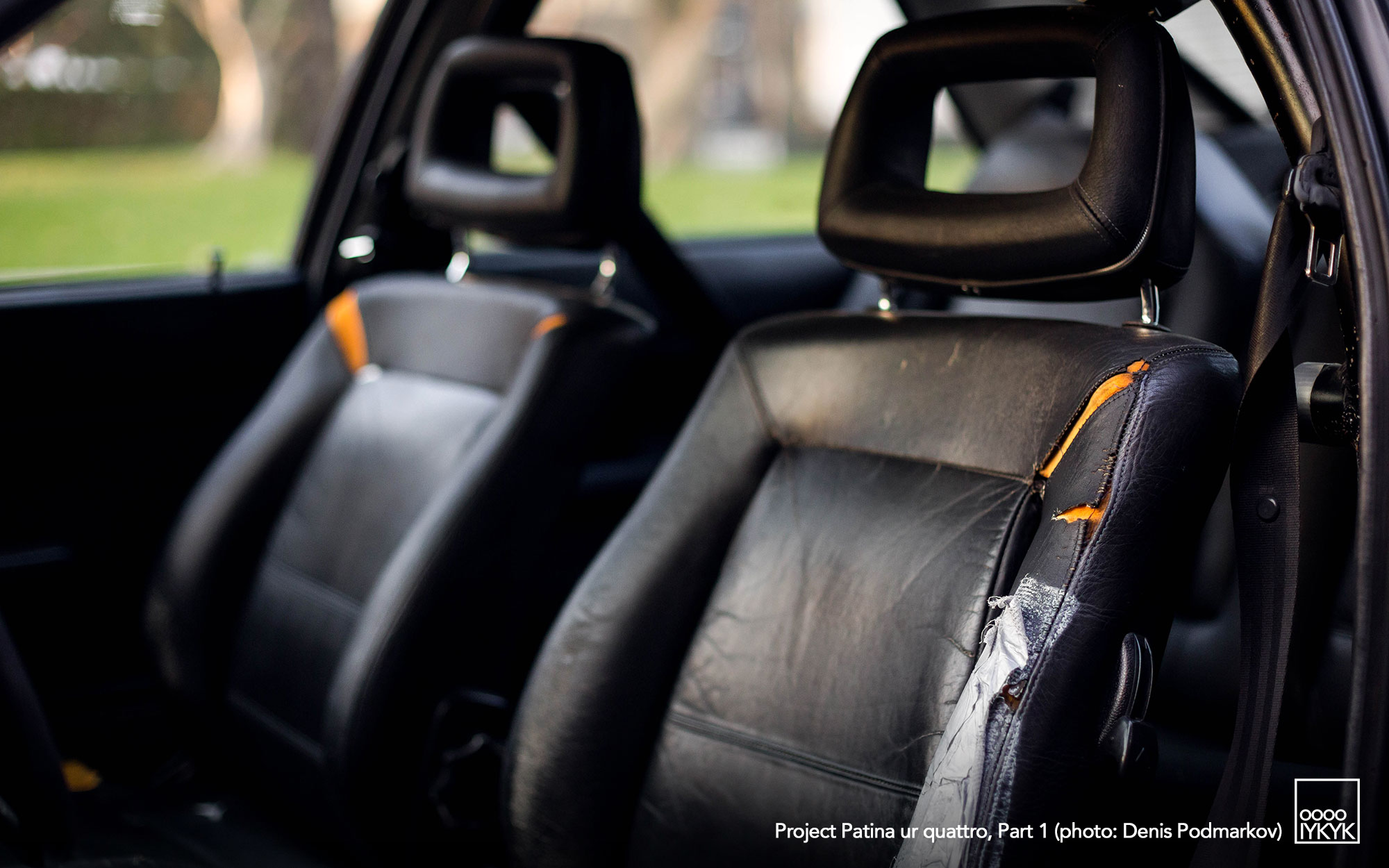
The interior has seen better days, though it’s got some interesting details that could probably tell their own story – an ABT boost controller under the dash, auxiliary gauges (also under the dash), and a unique half cage with bolt-in center on which to attach harnesses.
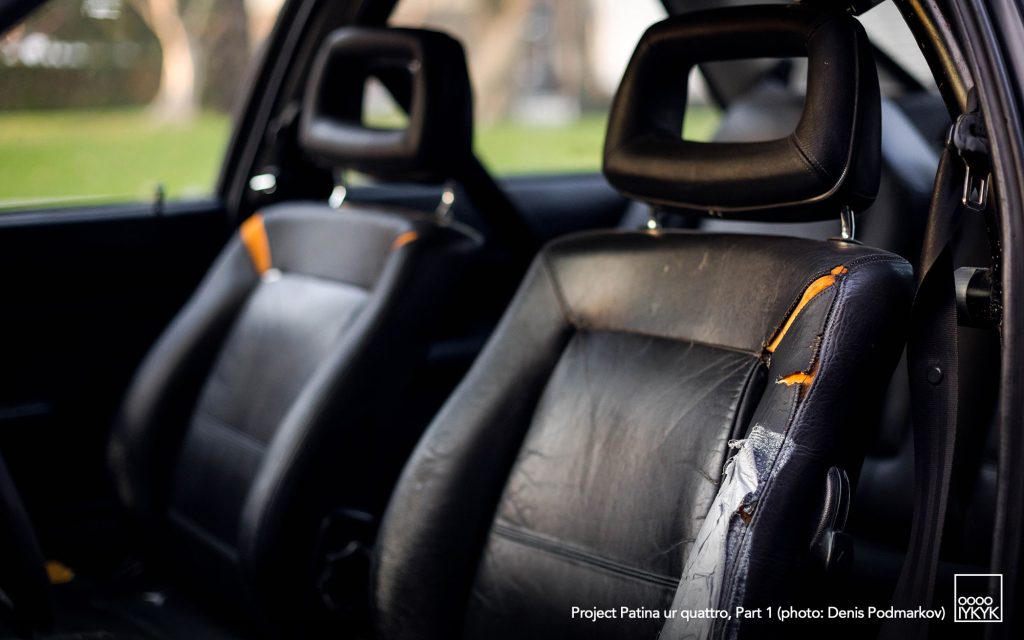
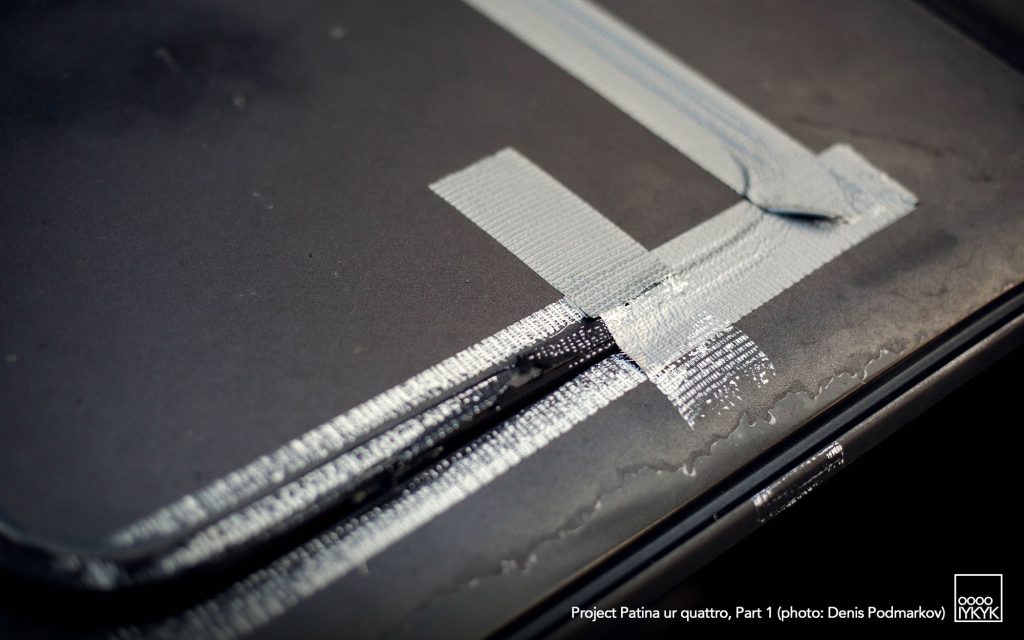
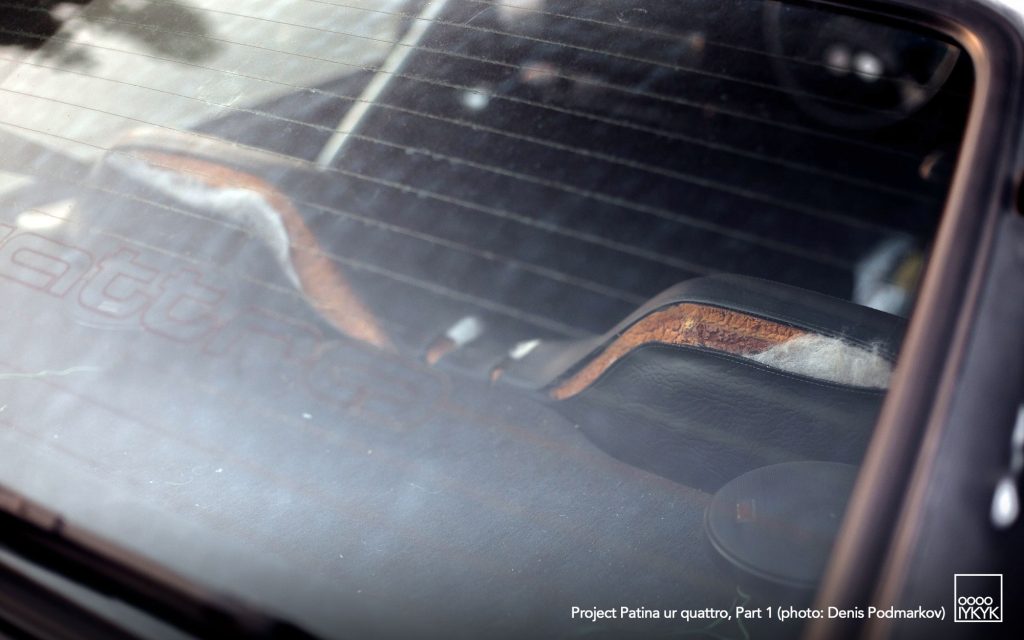
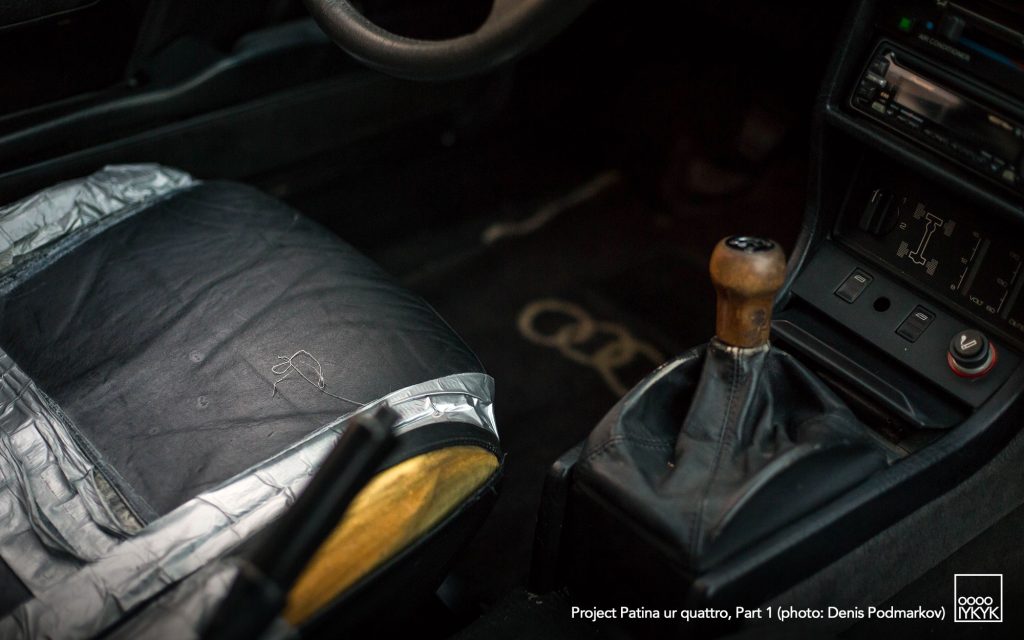
The seats, as you can see in these photos, are intolerably pulling apart and held together in some places by duct tape. I’ve made a few upgrades already out of parts I’d had sitting on the shelf that I’ll get to in Part 2.
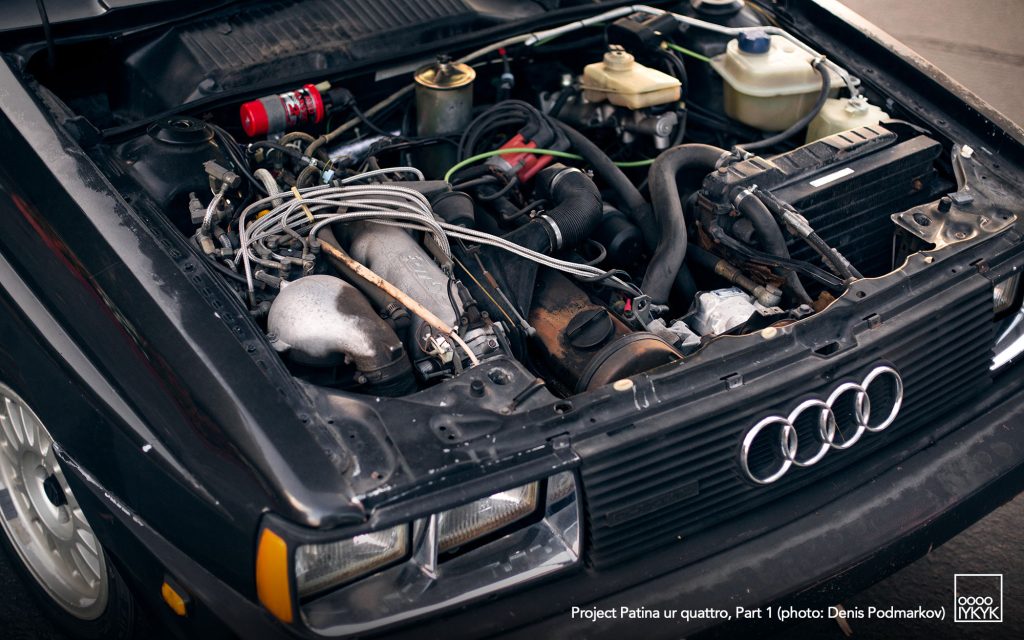
Figuring out modifications on cars that you didn’t build can be a challenge, and this one admittedly has me curious. It comes on boost harder than other ur quattros I’ve driven and that telltale ABT boost dial suggest it’s got more going on than your average ur quattro.
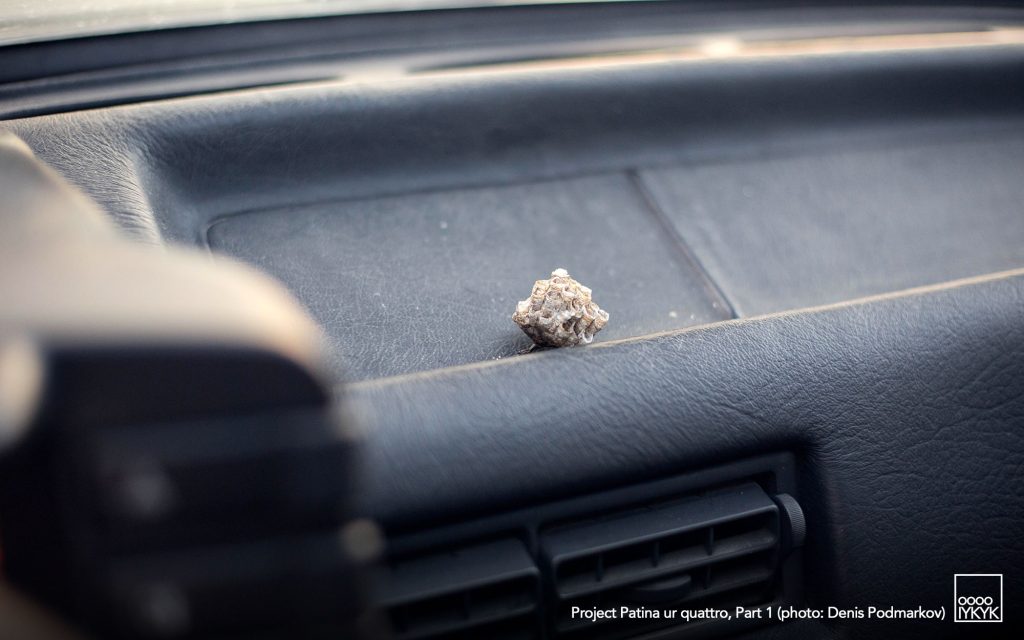
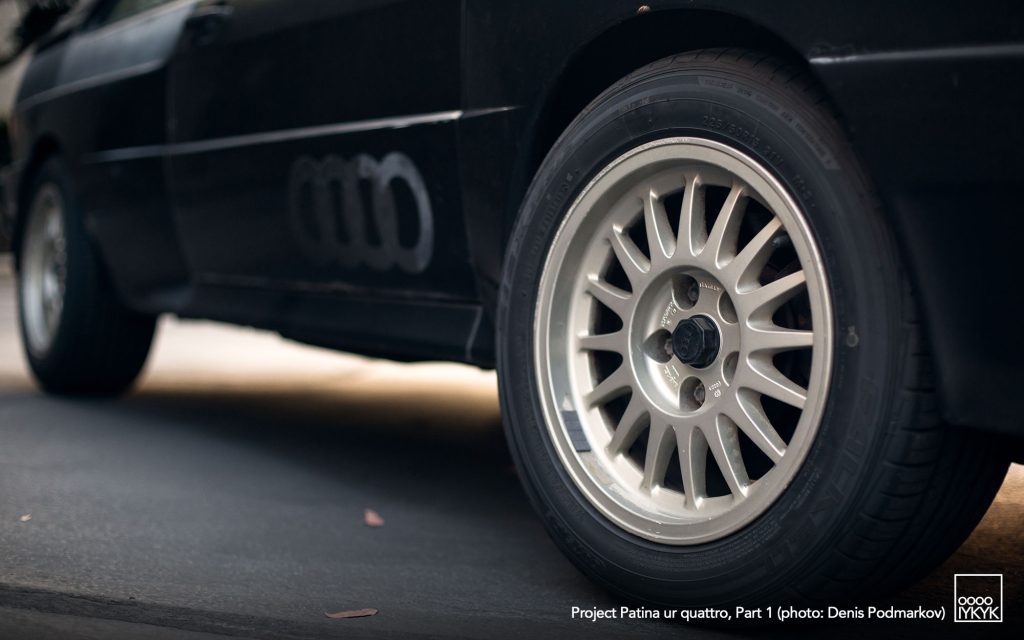
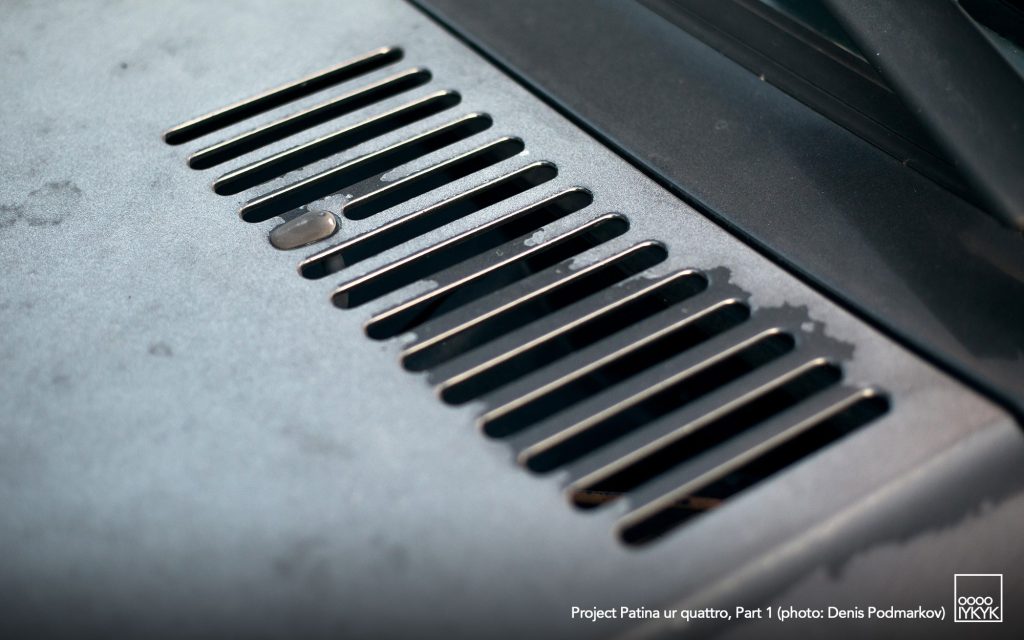
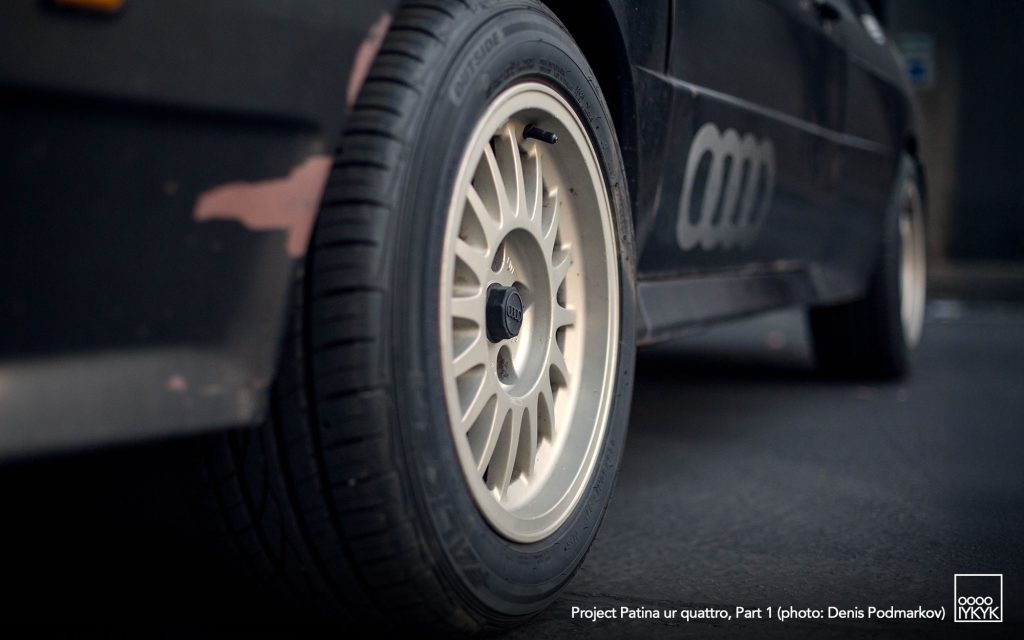
Critically, the car isn’t rusty and it is complete if also completely worn in its ragged appearance. Clear coat is peeling, the wheels have chips and gouges, primer can be seen in some spots and there are those cracked surfaces already named. If I wanted to restore it the values of quattros have gone up enough that I wouldn’t lose my shirt, but so many parts are obsolete that replacement of every worn trim piece or component would likely be a nearly insurmountable challenge.
I think therein lies the opportunity, and that is patina.
ABOUT PATINA
Patina used to be something you fixed. Faded paint, worn trim and surface rust were seen as signs of neglect rather than value. For decades, the default path for any historically significant car was restoration—often to a level that exceeded how it ever left the factory. Better-than-new became the goal on concours lawns around the globe.
That mindset has shifted. Increasingly, originality carries more weight than perfection. A car that shows its age honestly—stone chips, sunburnt paint, cracked decals and all—offers something restoration cannot replicate. It’s a physical record of use. Not just mileage, but experience.
Within enthusiast circles, particularly the sub-sect of low riders and/or air-cooled Volkswagens, patina has become its own language. It might signal restraint or a one-of-one condition earned with something that can’t be replicated – time. It suggests the owner understands what not to touch as much as what to change. In the best cases, it reflects confidence—leaving visible flaws in place because they tell a story worth keeping.
That doesn’t mean anything tired automatically qualifies as desirable. There’s a difference between preservation and neglect. Patina works when the underlying car is fundamentally sound, when the wear is authentic rather than manufactured, and when the next chapter respects what’s already there.
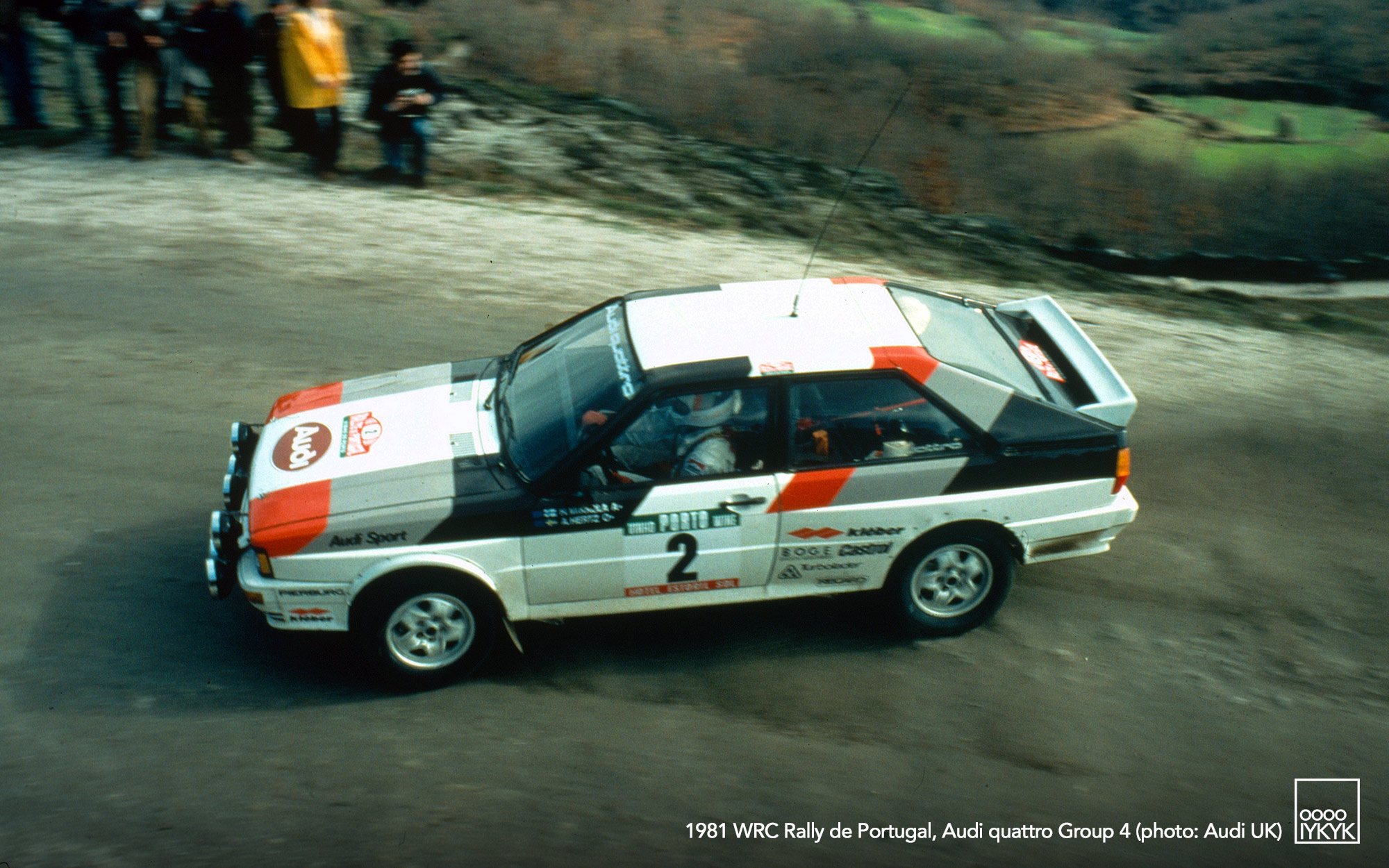
For a car like an ur quattro—there’s another layer of authenticity that pairs so naturally with patina. We all know the original quattro traces its DNA back to rally – where racing isn’t wheel-to-wheel but against the clock with the only limit beyond the car being grit – mental and literal. The hard-driven and often dirty nature of such an extreme sport as rally lends itself well to the embracing of earned patina.
While I’d initially purchased the car as the basis of a restoration, the more time spent in and around it, taking in the imperfections, the more I came to love its honesty. It is what it is, yet it needs a few things and can also be improved upon.
Rallying has never been about pristine surfaces. Period competition cars were tools. They wore their damage in real time and kept going. In that context, patina doesn’t detract from the build. I’d wager it reinforces it.
THE ANSWER IS IN GROUP 4
All this in mind, that’s where I turned to Group 4. By 1985, the Audi rally team had shifted to Group B regulations with further-evolved cars wearing exotic panels made of aeronautical industry woven fabrics. Flares were more extreme, as were power figures. Group B had moved notably beyond the production car origins of the roadgoing quattro.
Not so Group 4 that preceded Group B. These were the rules under which the quattro had arrived. While still built from bodies in white with many panels in aluminum unlike my roadgoing quattro, components were decidedly more production looking… and that fits my needs almost to a tee.
You see, my interior is beat and obsolete. Converting it to rally spec means ripping much of that tired trim out. Outside, components like the Group 4-spec tack-on arch flares will cover blemishes like the very little rust my car does have in the left front wheel arch.
This won’t be a replica build trying to be something it’s not. It won’t look like a car from this or that WRC round in period. Instead, it will ear those components creatively to augment the car as it sits, while those components are “just enough” that they won’t force me to swap out body panels that are so rich with time-worn finishes.
While I don’t want it to be a rally clone, I do still want it to be a tribute – paying homage to the racing of that era and specifically Michéle Mouton. For me, Mouton is legend of legends, and beyond that this project is something I’ll be sharing with my daughters for whom Mouton’s legacy resonates even more than it does for me.
The decision, then, isn’t whether to erase the past. It’s how much of it I carry forward. That will be the worn history of this particular quattro, or the legendary motorsport history of Audi Sport in that era.
STAY TUNED
The quattro heads to the shop this week in order to address some fundamental issues. In the meantime, I’ll dig into it a bit more and show the couple of fixes we’ve done so far and plans for where we go from here.
PHOTO GALLERY