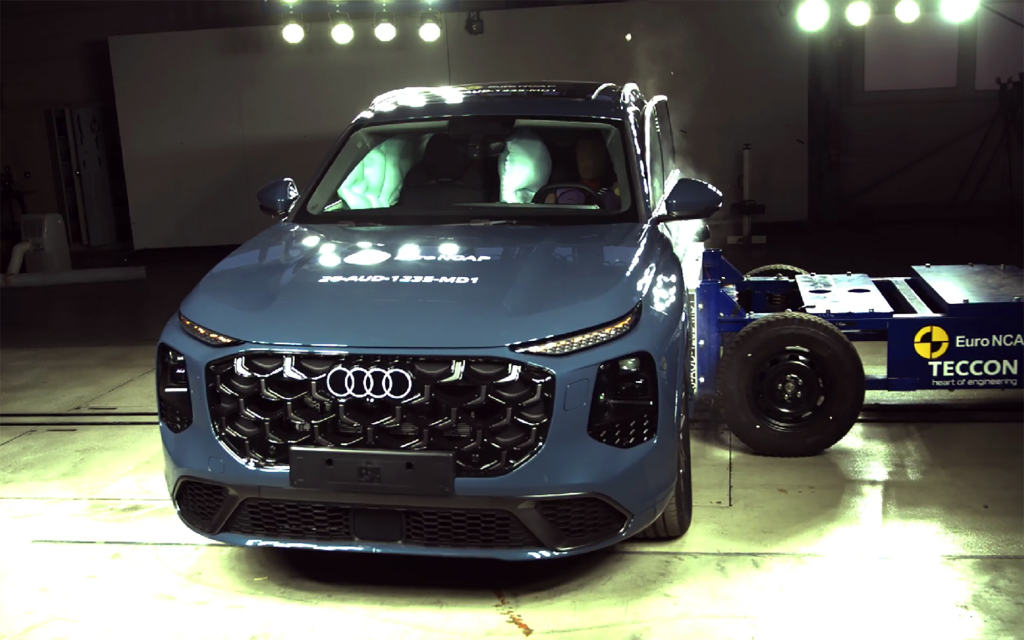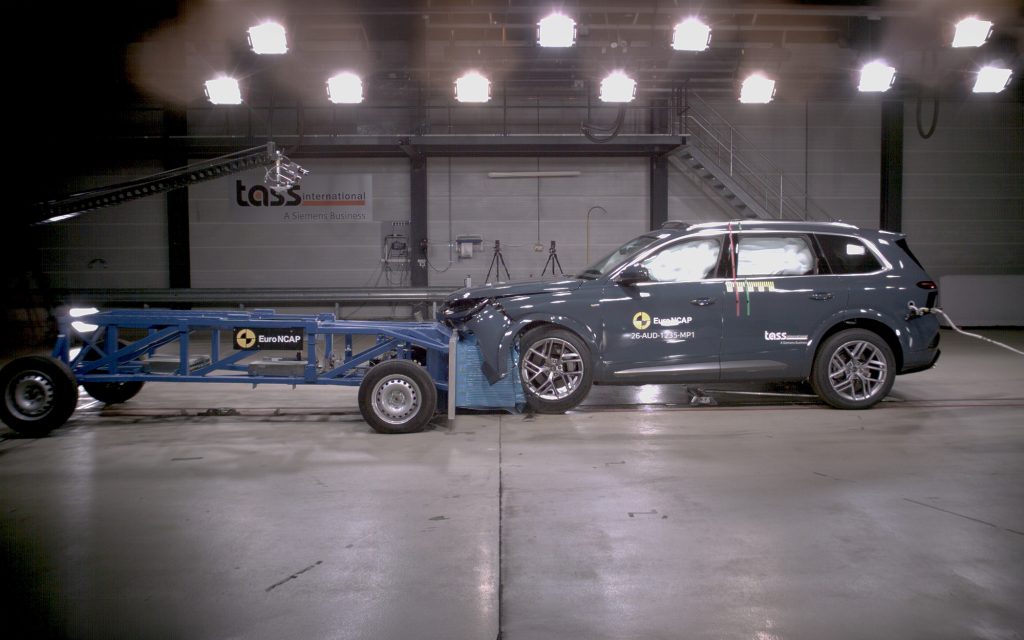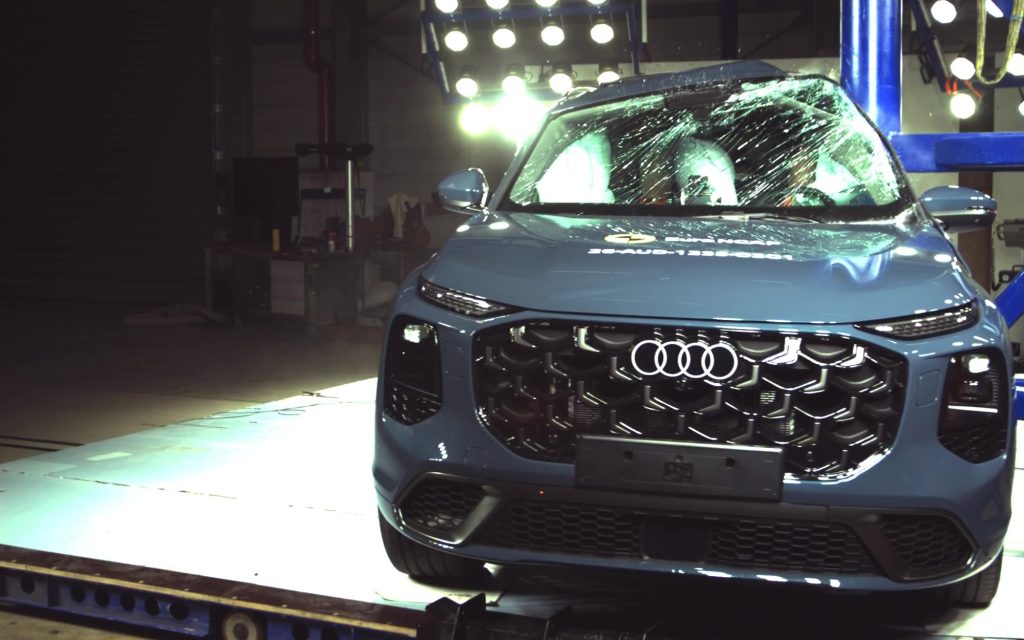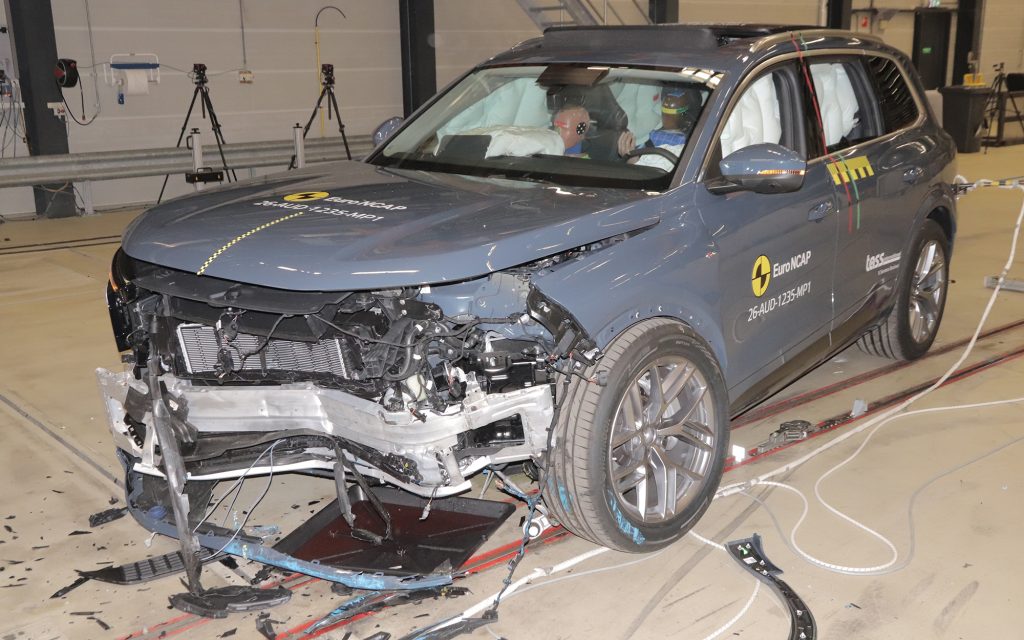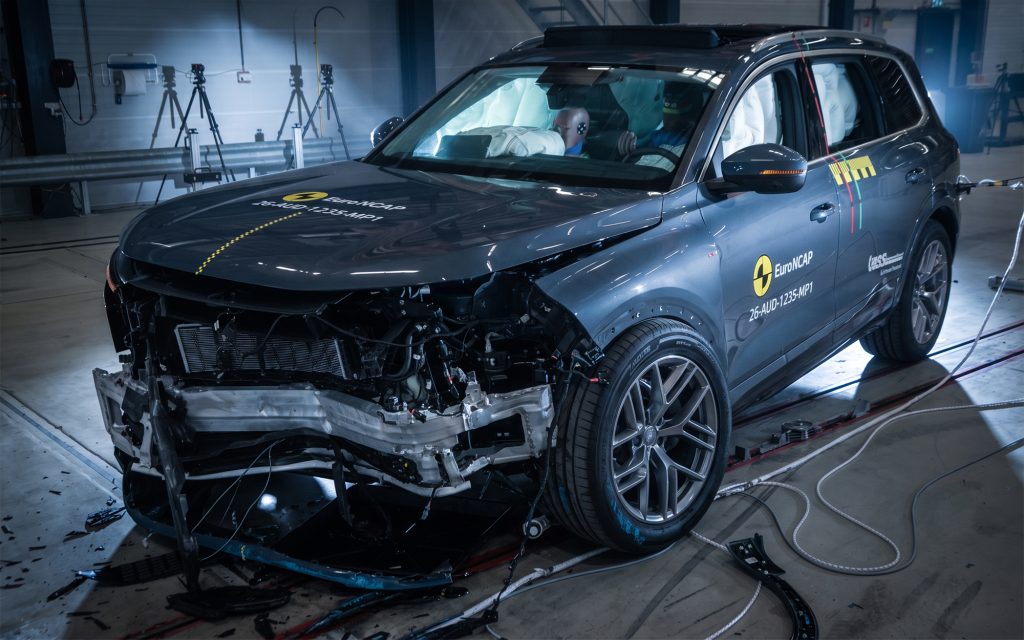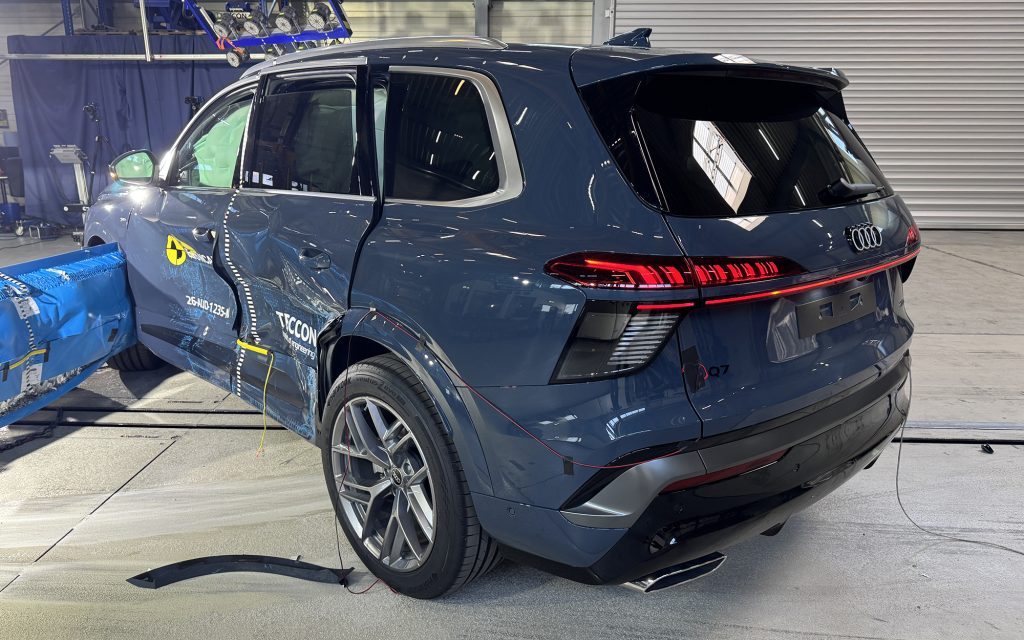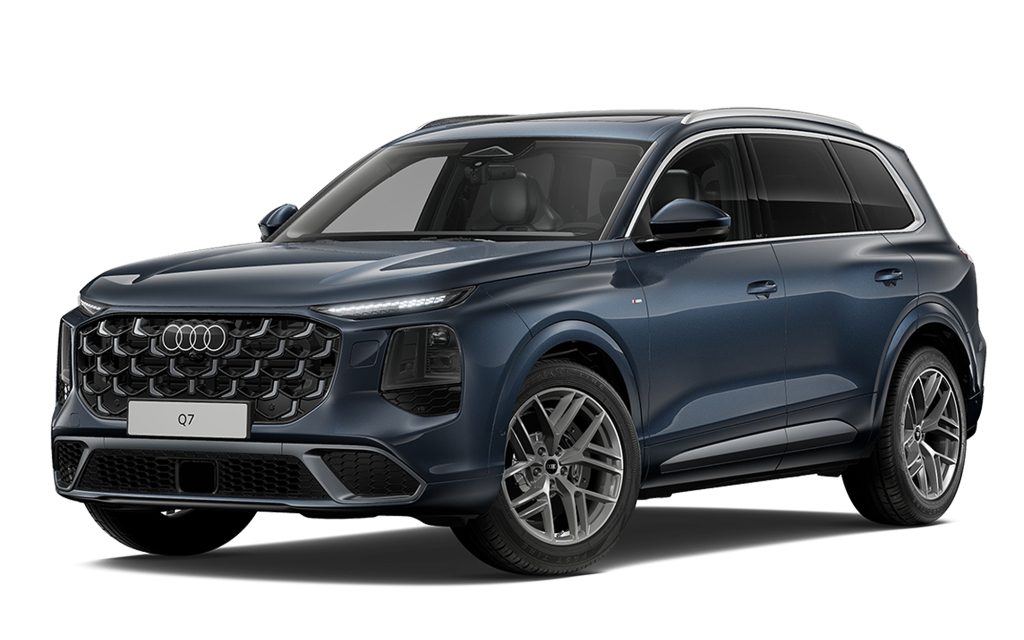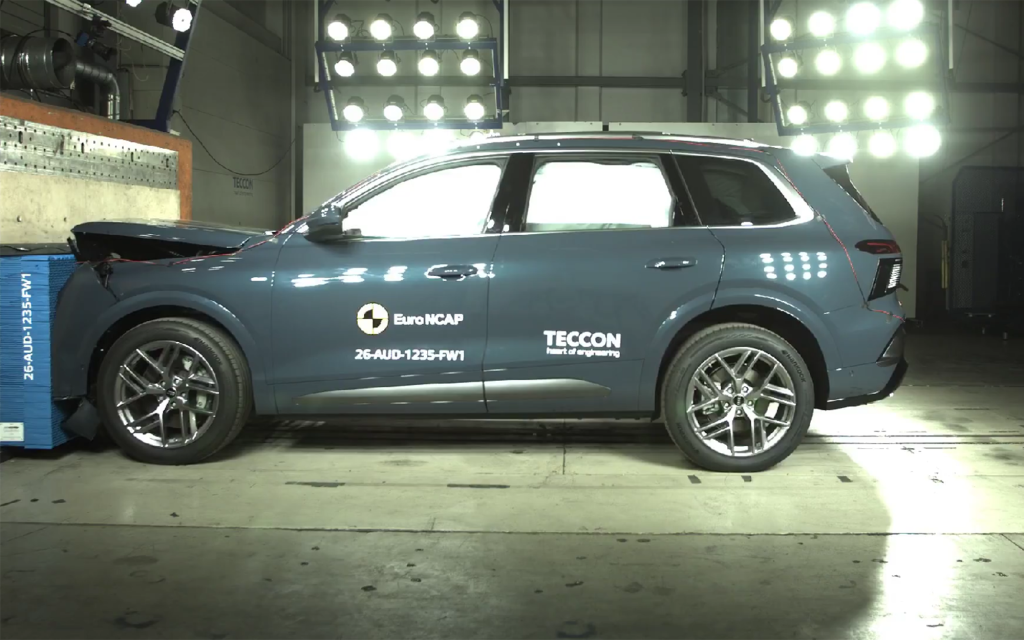

The new Audi Q7 (type G8) has earned a five-star Euro NCAP safety rating, with physical buttons and stalks drawing particular praise under the organization’s revised 2026 testing protocols. Alongside excellent occupant protection in frontal, side and pole impacts, the SUV scored 90% in the driving controls assessment, reinforcing the safety case for keeping frequently used functions directly accessible.
The result puts Audi among the manufacturers responding to criticism of controls embedded in touchscreen menus. Euro NCAP’s latest assessments evaluate how easily drivers can operate essential functions, making cabin ergonomics part of the broader safety picture.
PHYSICAL CONTROLS GET THEIR OWN SAFETY TEST
Under the Safe Driving portion of Euro NCAP’s assessment, indicators, windshield wipers and washers, hazard warning lights, the horn and the eCall emergency button should use a direct physical input. The aim is to give drivers access to these functions without requiring them to navigate a touchscreen menu.
The Q7 scored 100% for essential driving tasks and 80% for comfort and infotainment controls, producing its 90% overall driving controls score. Euro NCAP credited its clearly visible, ergonomically positioned buttons and stalks with making manual operation easier and reducing the potential for distraction.
That recognition is significant for Audi and the wider Volkswagen Group, which Euro NCAP noted have previously faced criticism for removing buttons and switches. In the Q7, the organization identified a return to physical controls as a positive response to both consumer feedback and its assessment requirements.
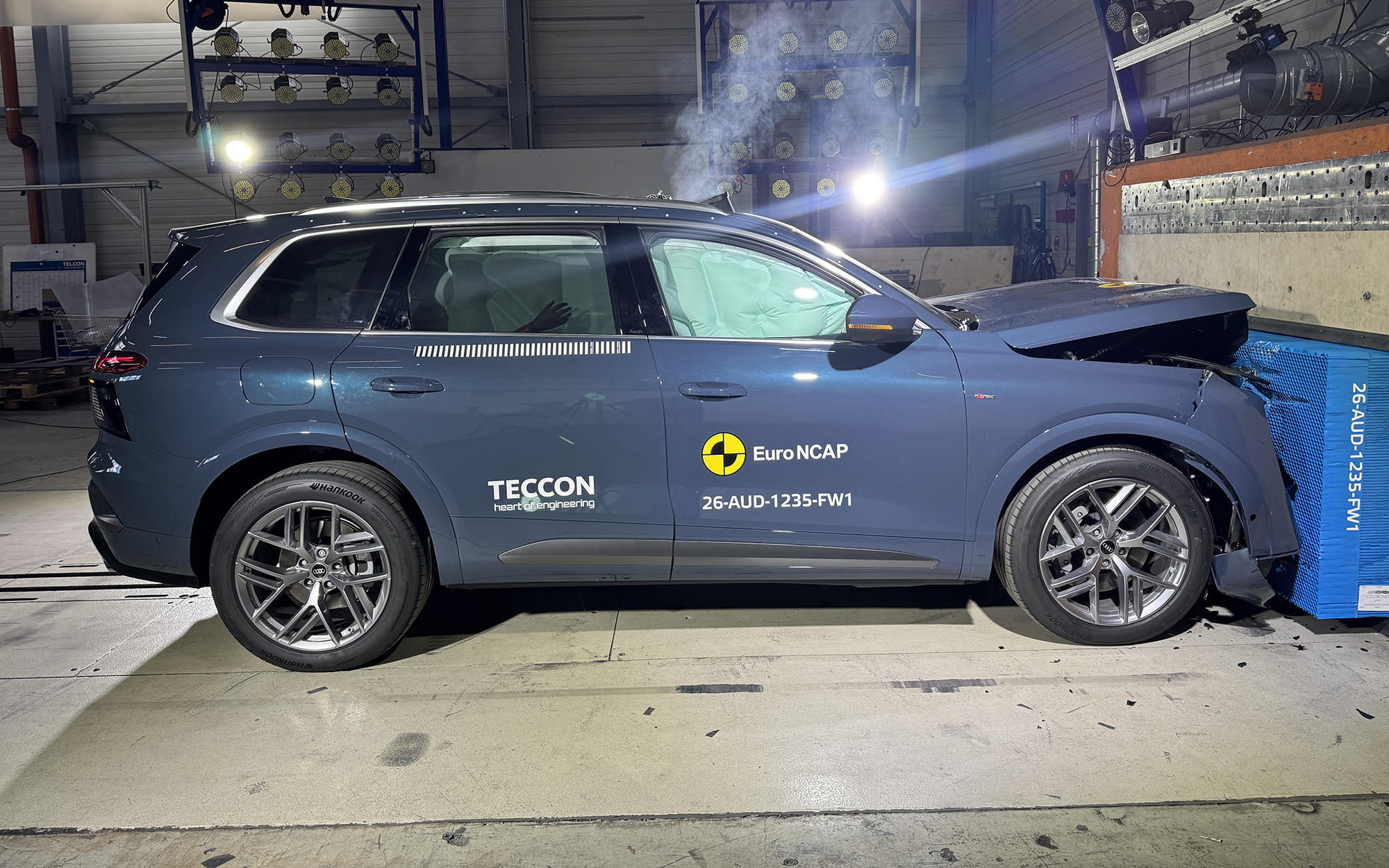
LET’S SAY YOU DO CRASH. FIVE STARS EXTEND BEYOND THE BUTTONS
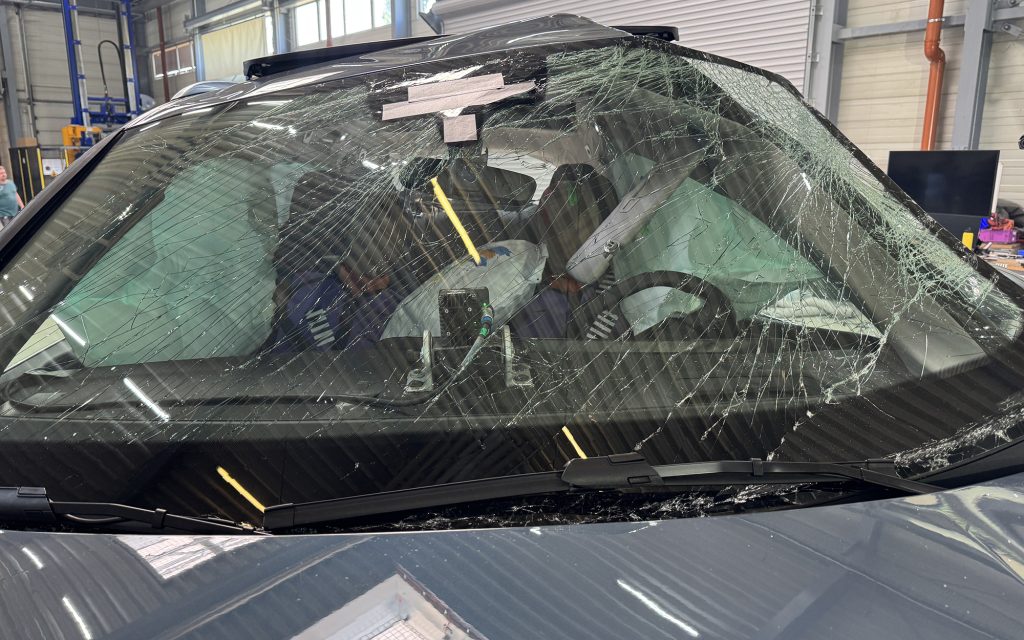
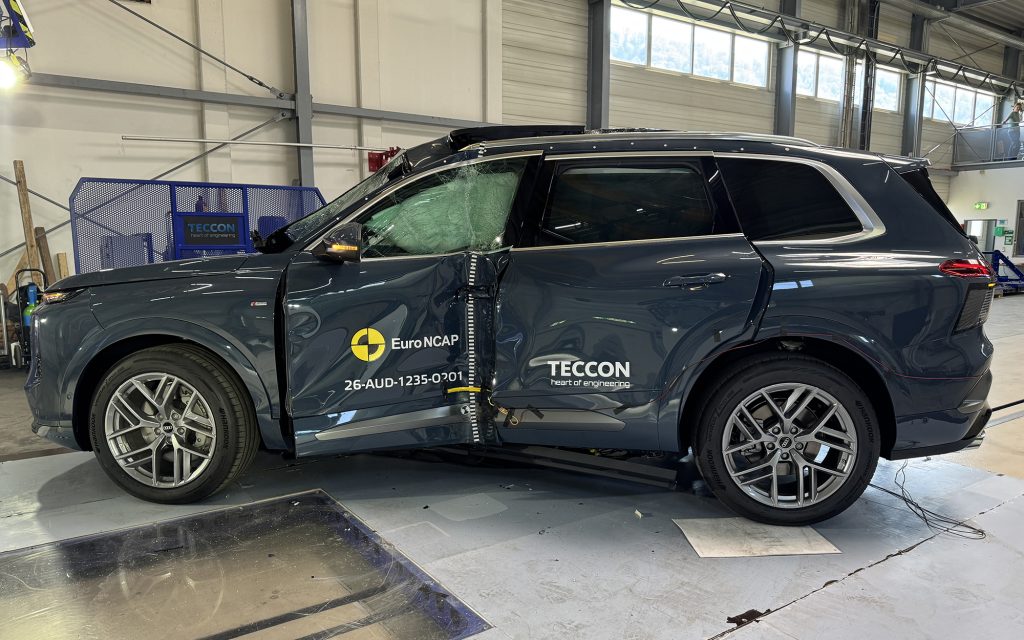
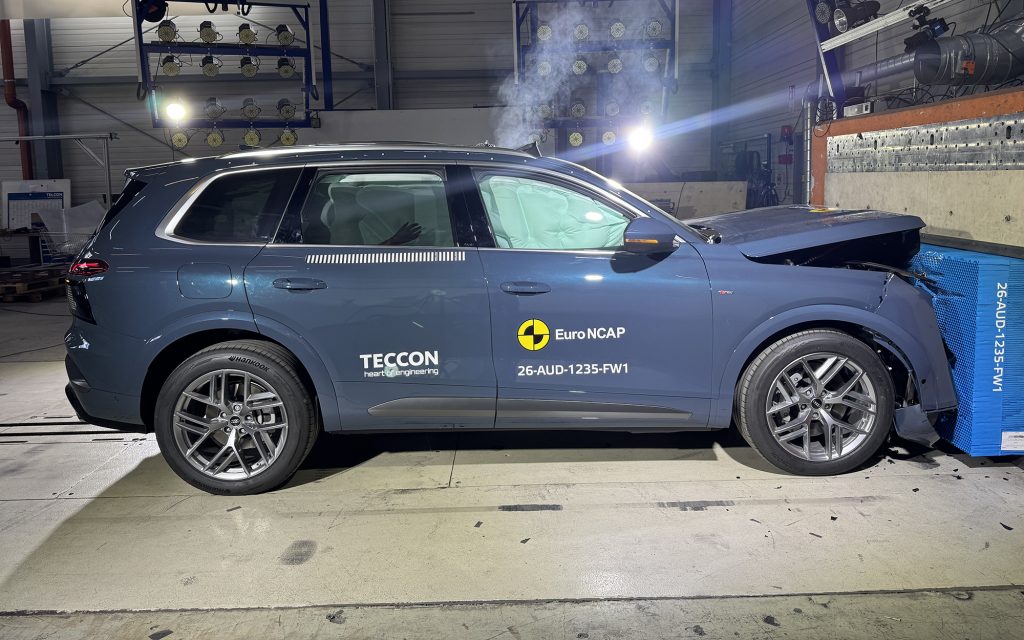
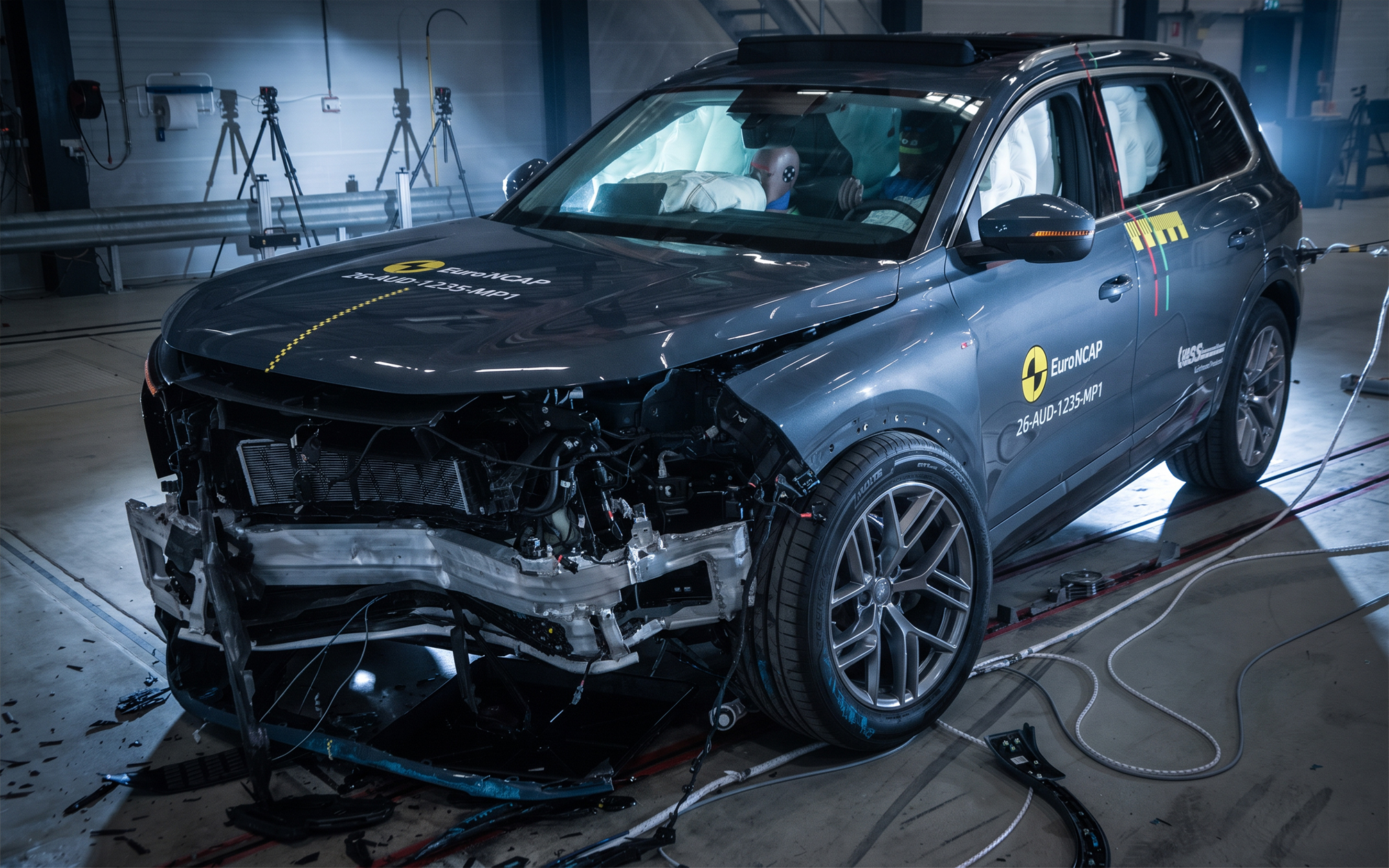
The Q7’s overall result also reflects its performance when a collision occurs. Euro NCAP reported excellent occupant protection across frontal, side and pole impacts, helping secure the SUV’s five-star rating.
Its lane departure system received recognition for adjusting its sensitivity according to driver attention. When the driver is alert, the system reduces warnings and interventions; when distraction is detected, its response changes accordingly. The approach addresses another familiar concern with modern vehicle technology: assistance systems that intervene unnecessarily can become a source of irritation.
The driving controls score is one component of the assessment, rather than a standalone crash-protection rating. The Q7’s result combines accessible controls, driver assistance and occupant protection.
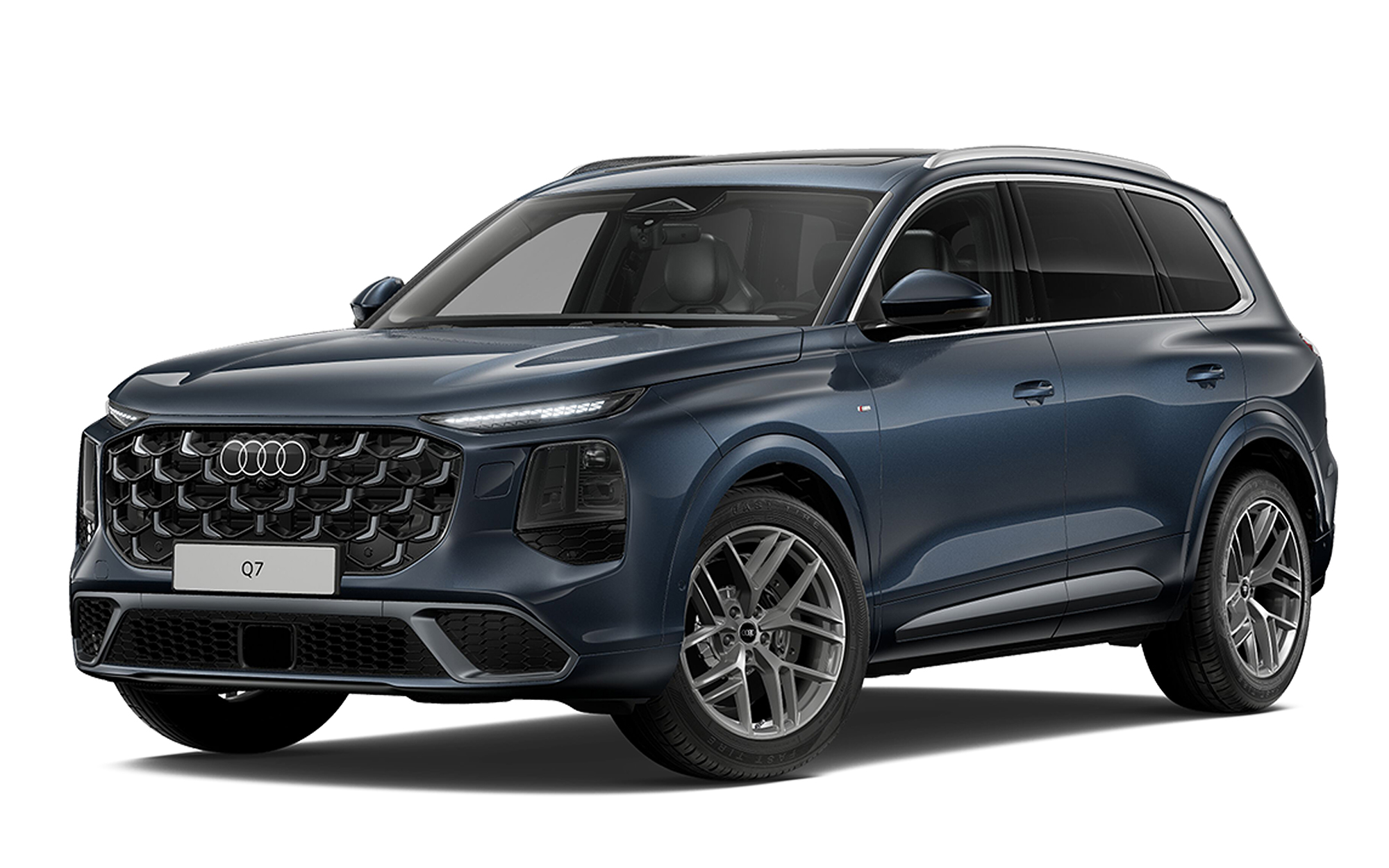
TOUCHSCREENS REMAIN A POINT OF DIFFERENCE
The latest test group illustrates how differently manufacturers approach cabin controls. The Kia EV2 also performed well for physical controls, while the XPENG X9 scored only 20% for its primary driving controls because of its reliance on the central touchscreen. All three vehicles nevertheless earned five-star overall ratings, with the X9’s crash avoidance and post-crash safety performance helping support its result.
For Audi, the Q7 provides a significant example of how physical controls fit into a modern cabin. Screens can continue to handle complex information and secondary functions, while buttons and stalks keep essential tasks readily accessible. Euro NCAP’s 2026 protocols give manufacturers a measurable incentive to preserve that distinction.
PHOTO GALLERY