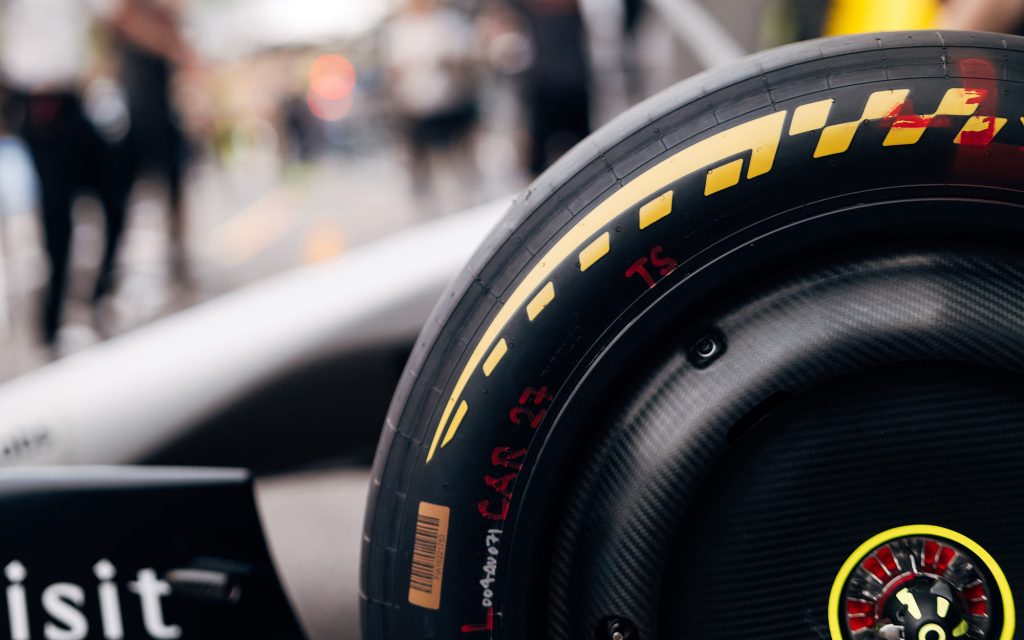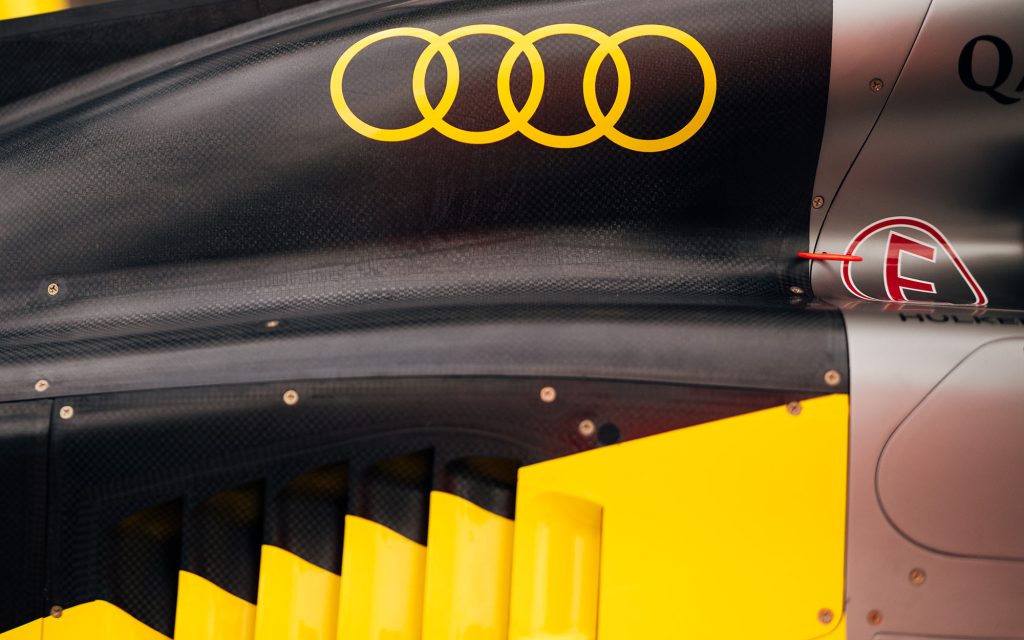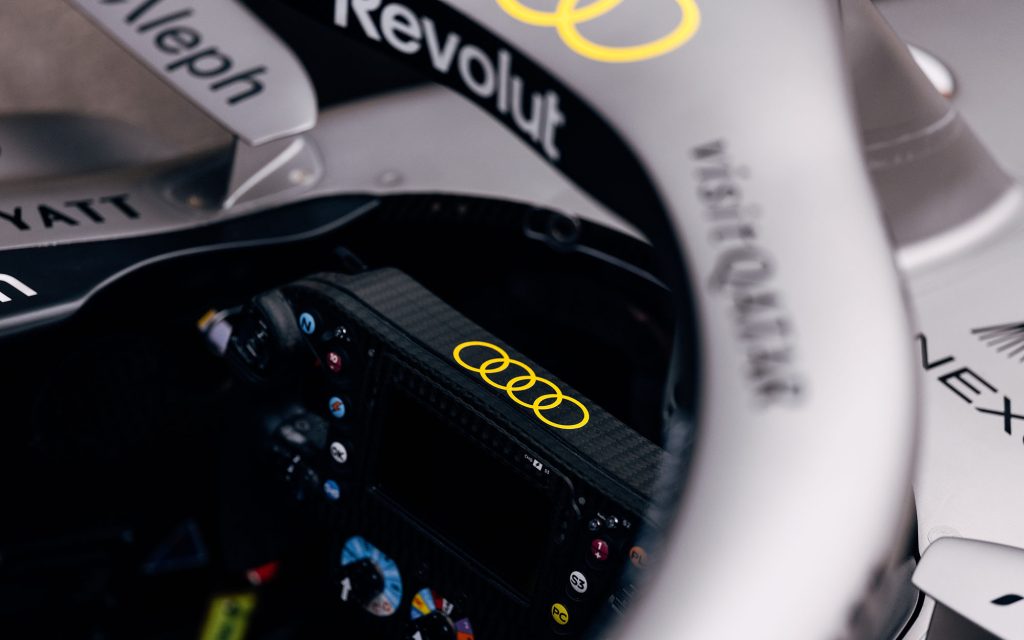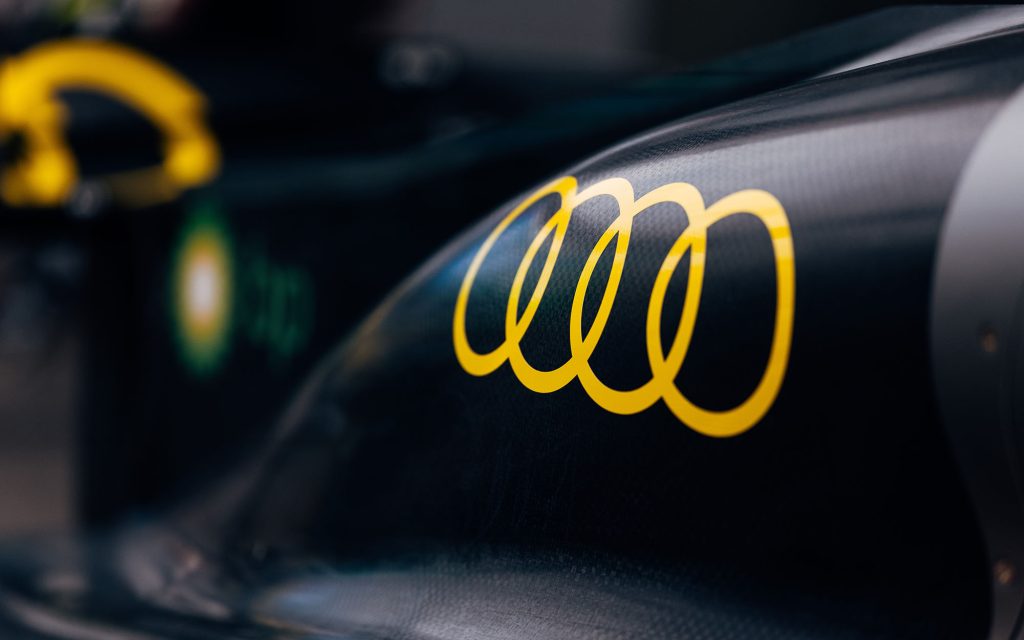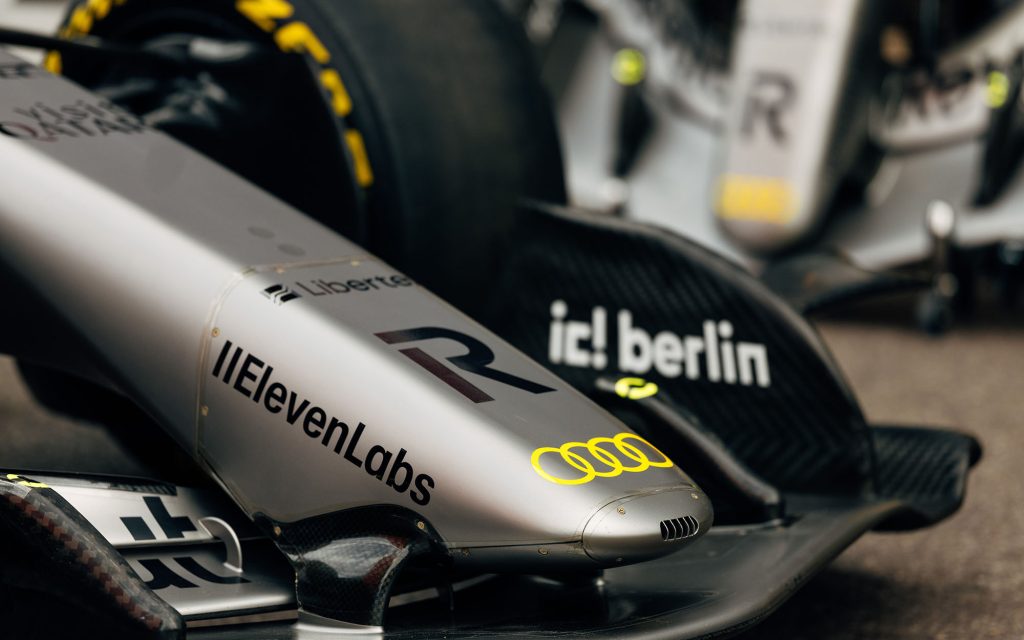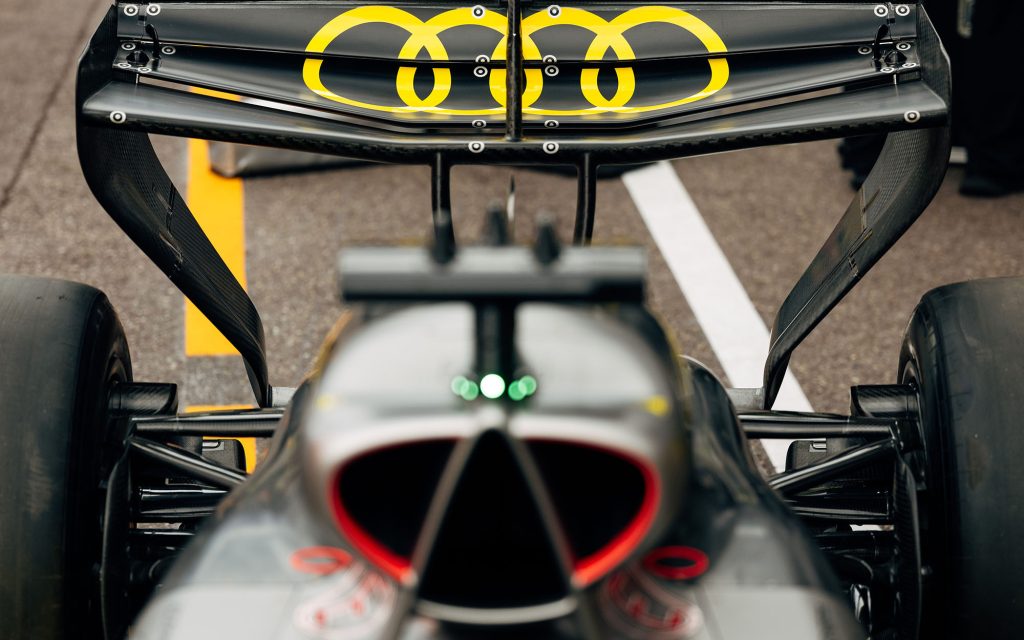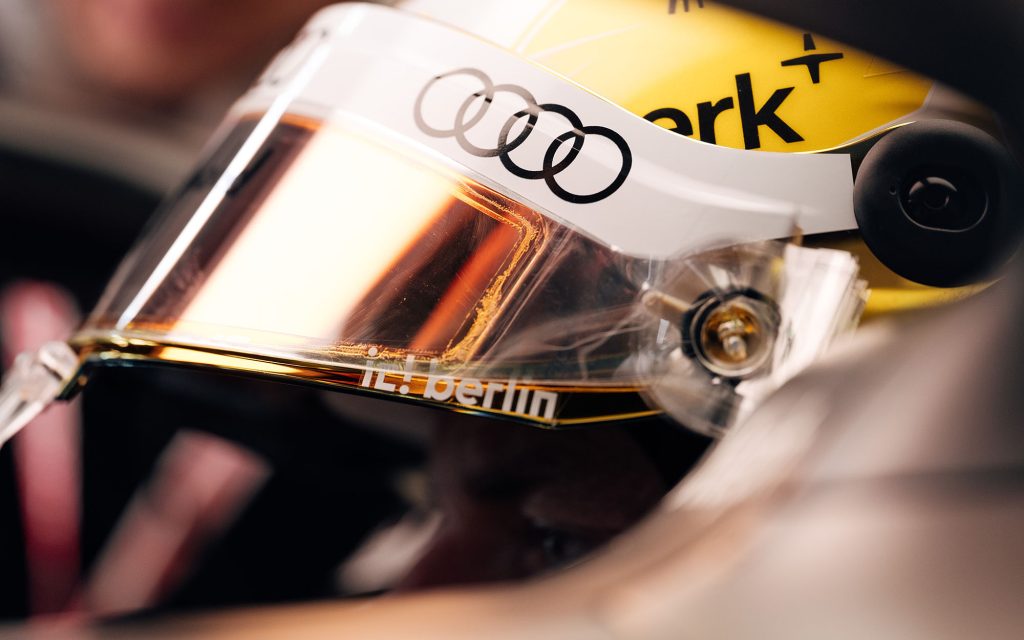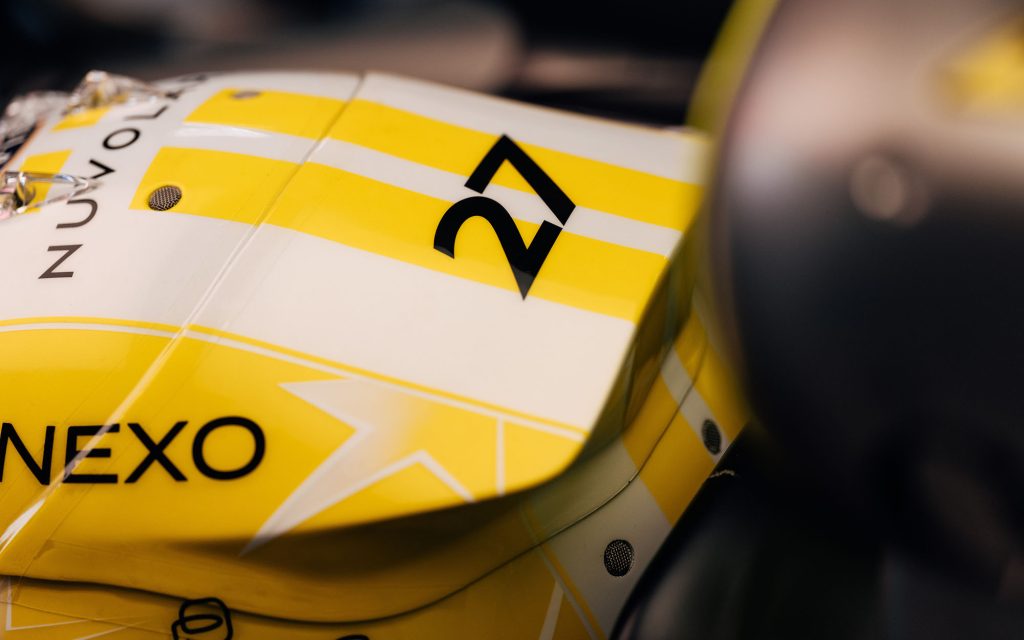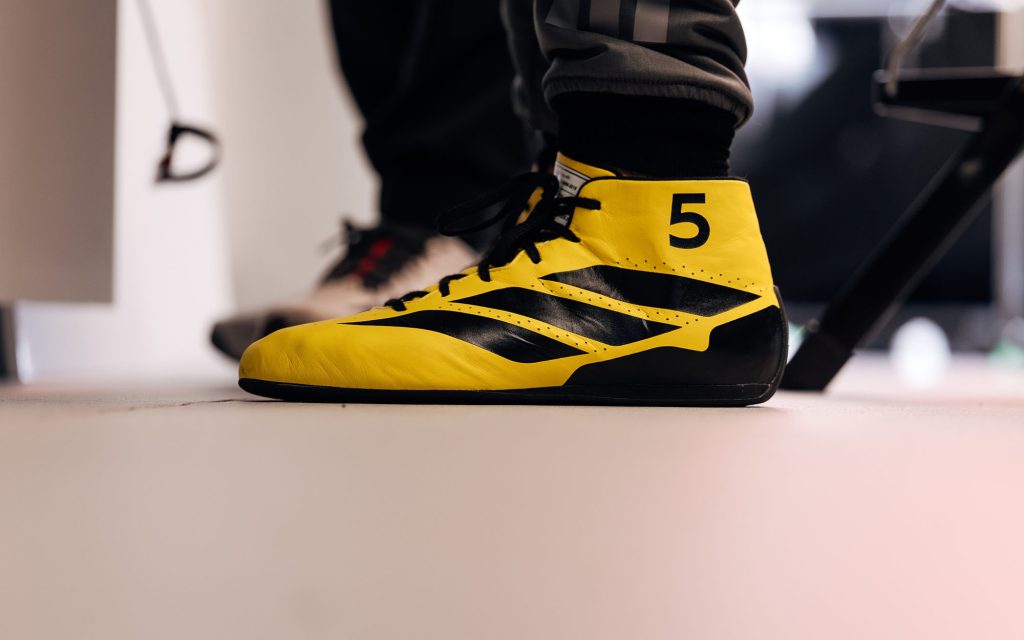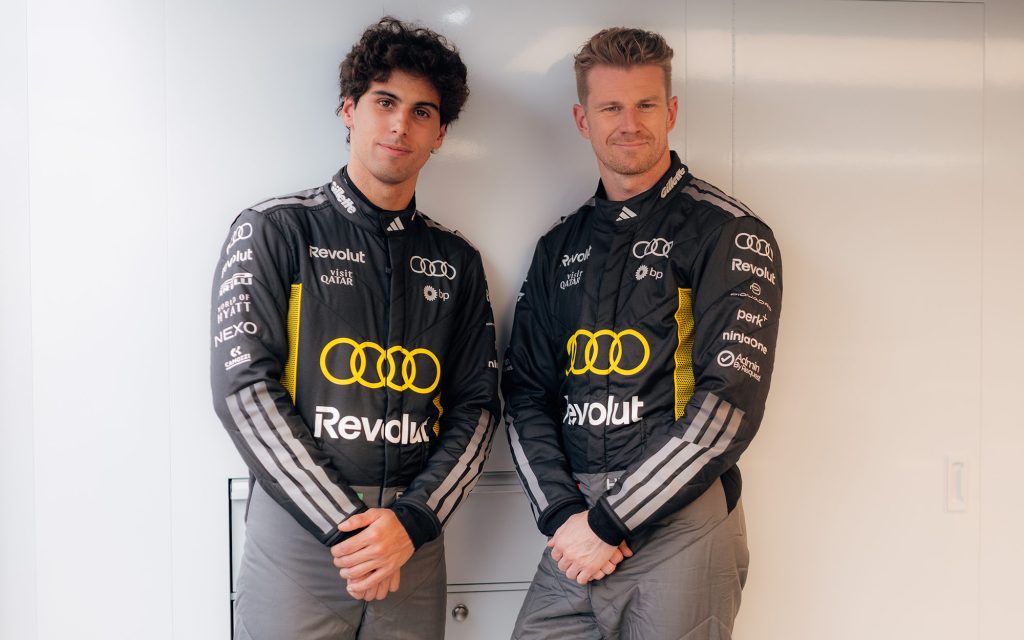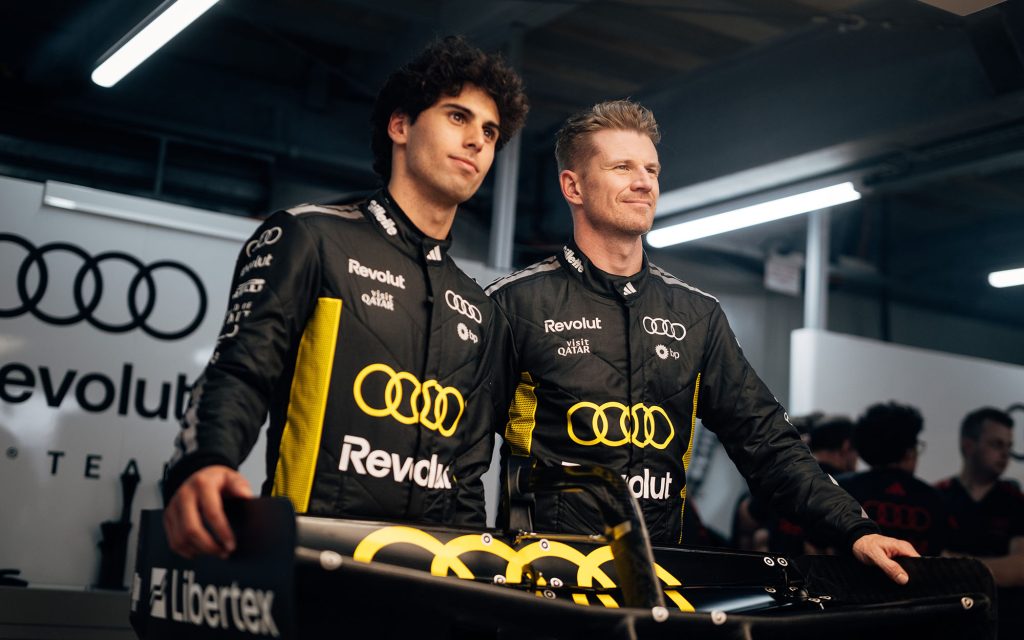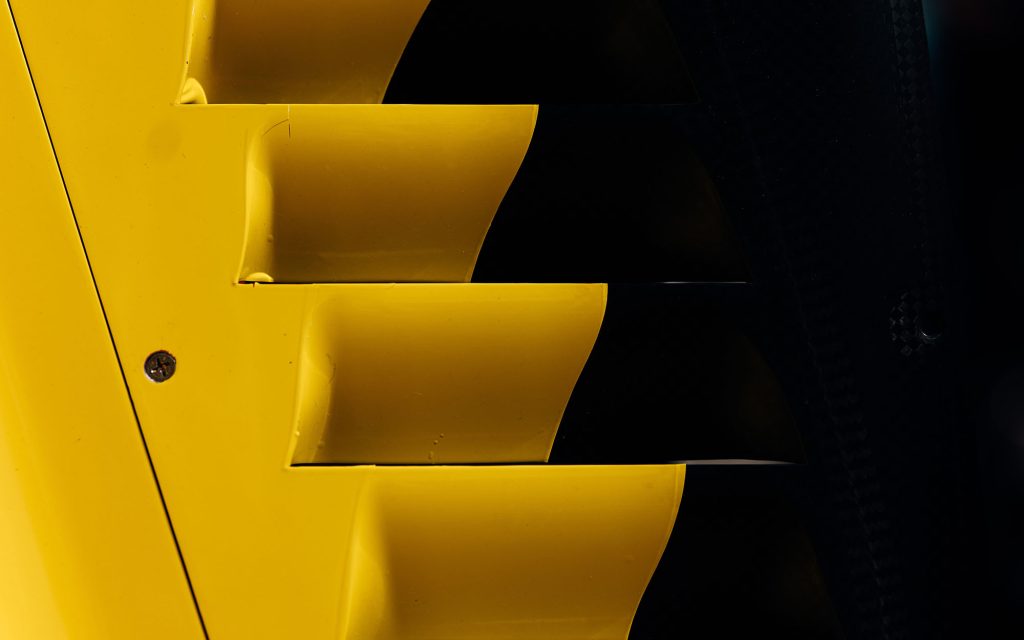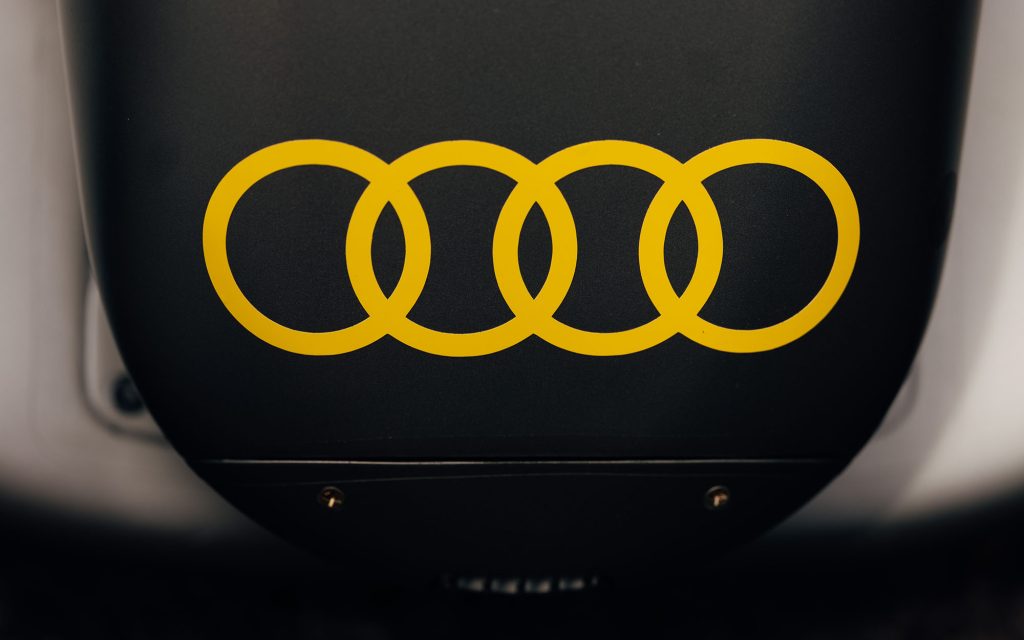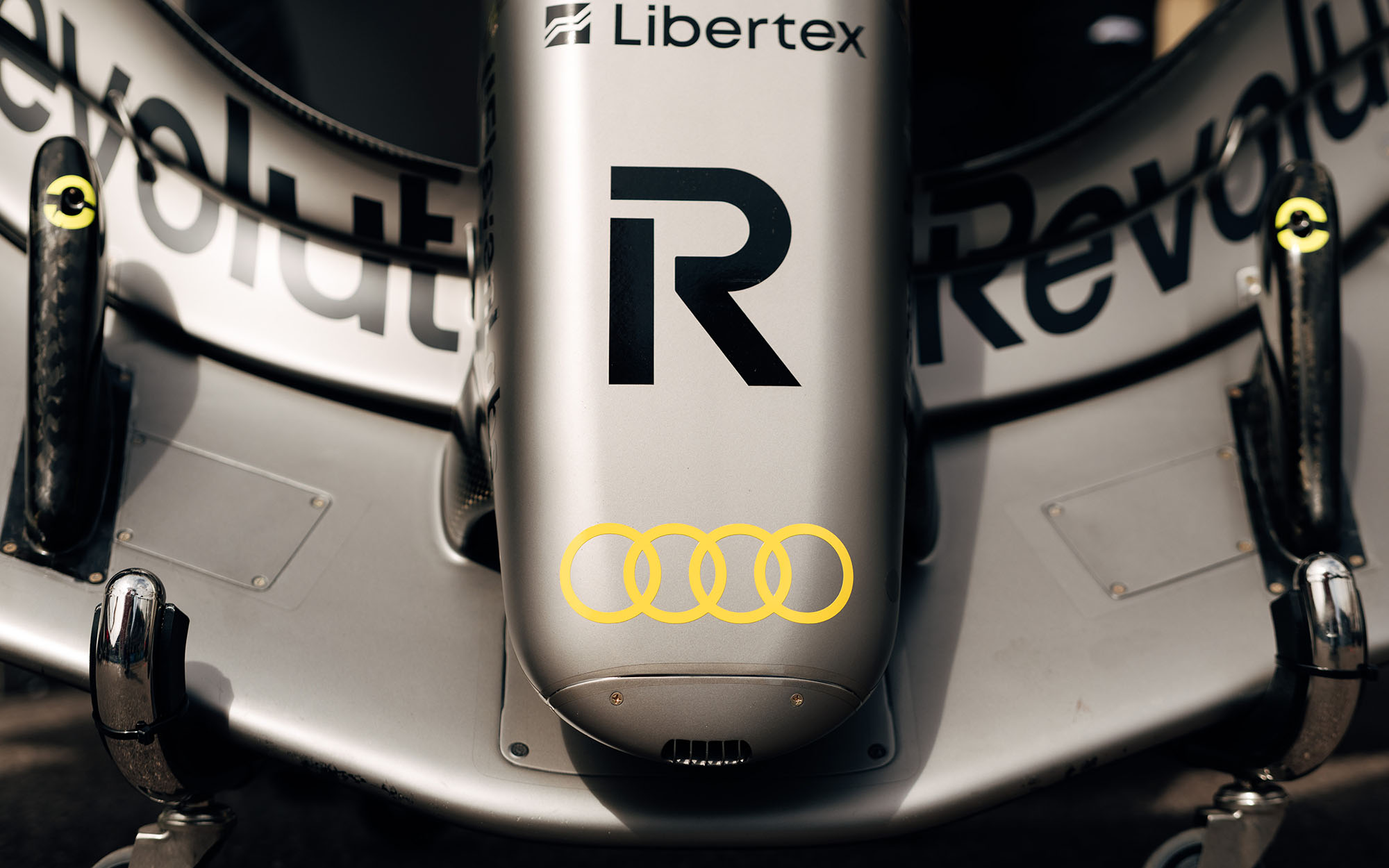

If there is an unmissable theme to Audi’s presence at the 2026 Monaco Grand Prix, it’s the color yellow.
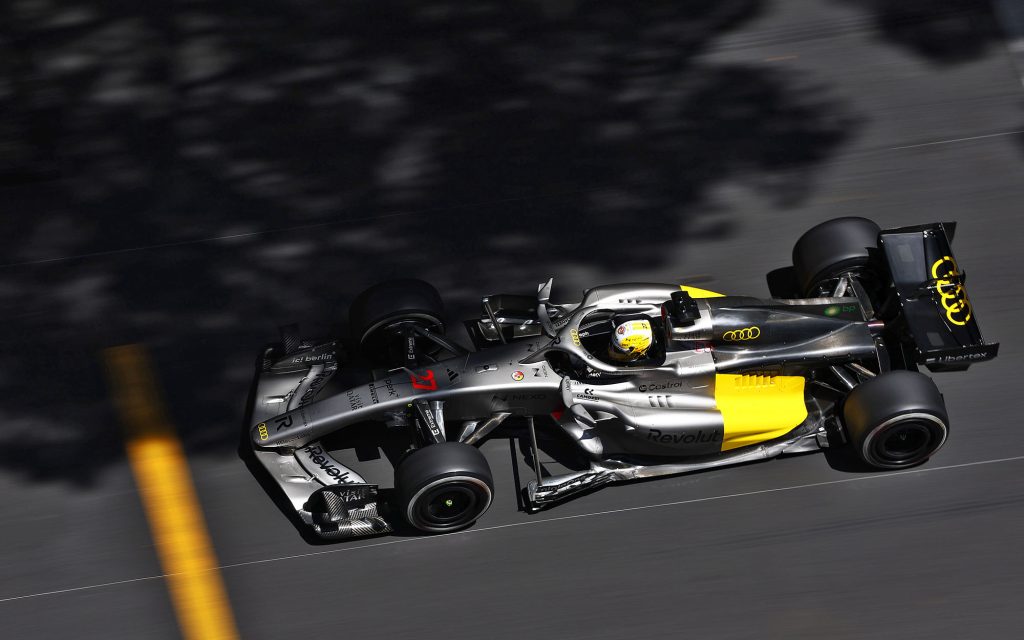
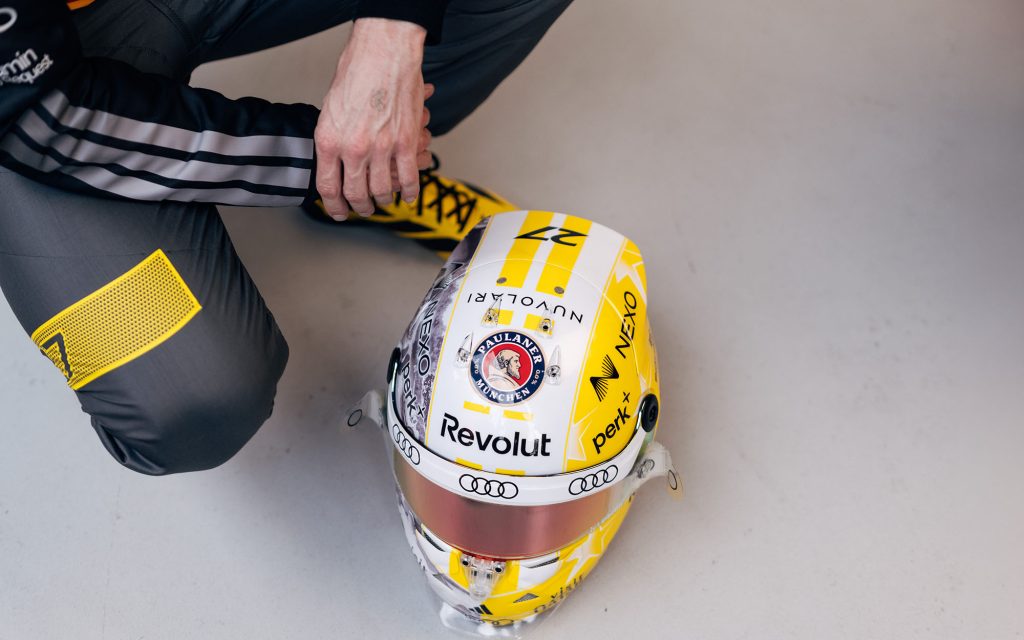
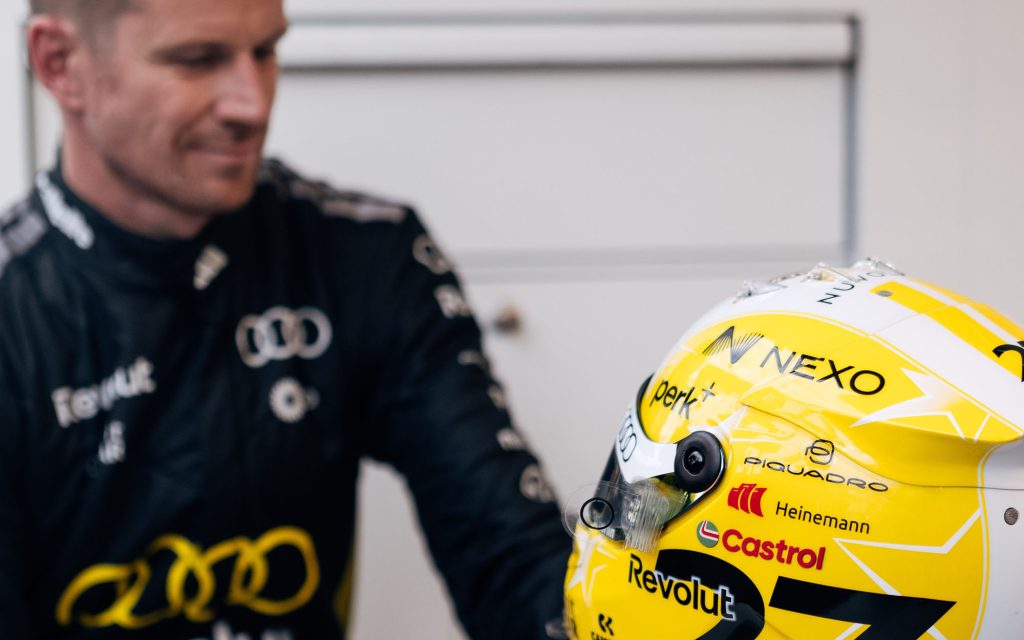
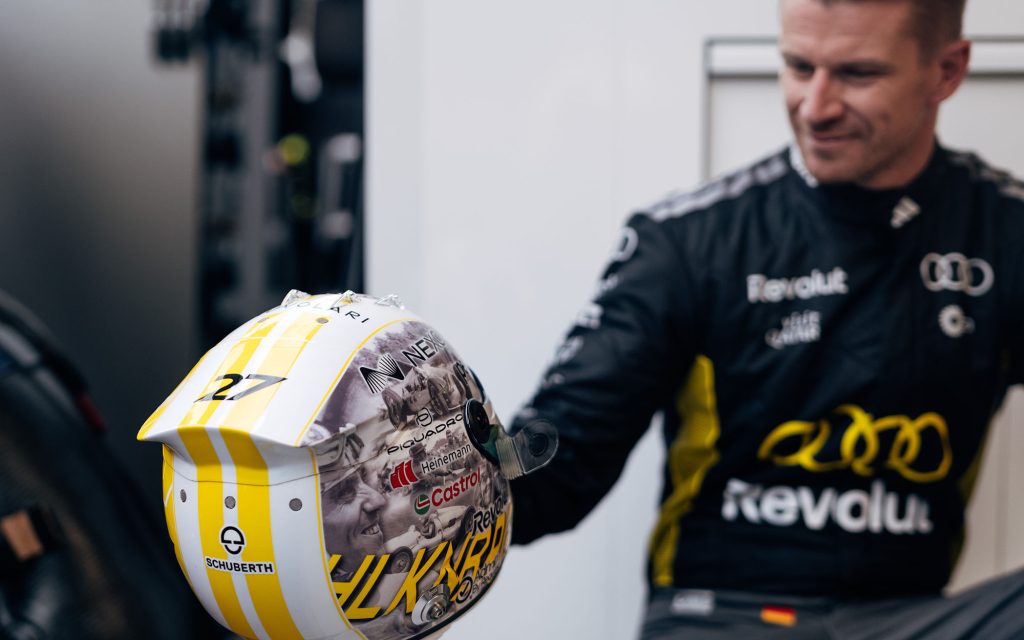
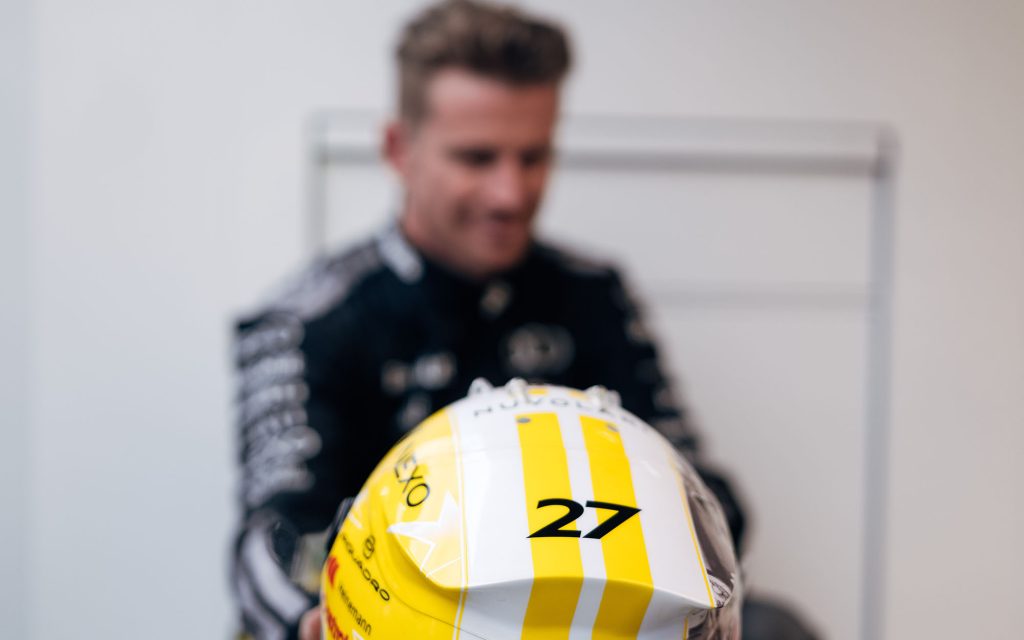
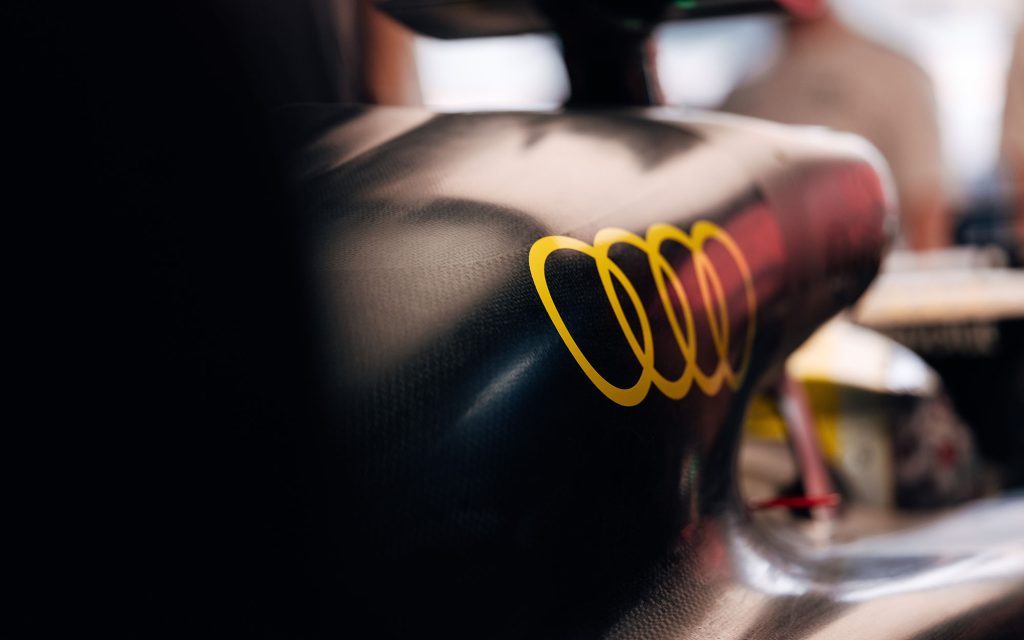
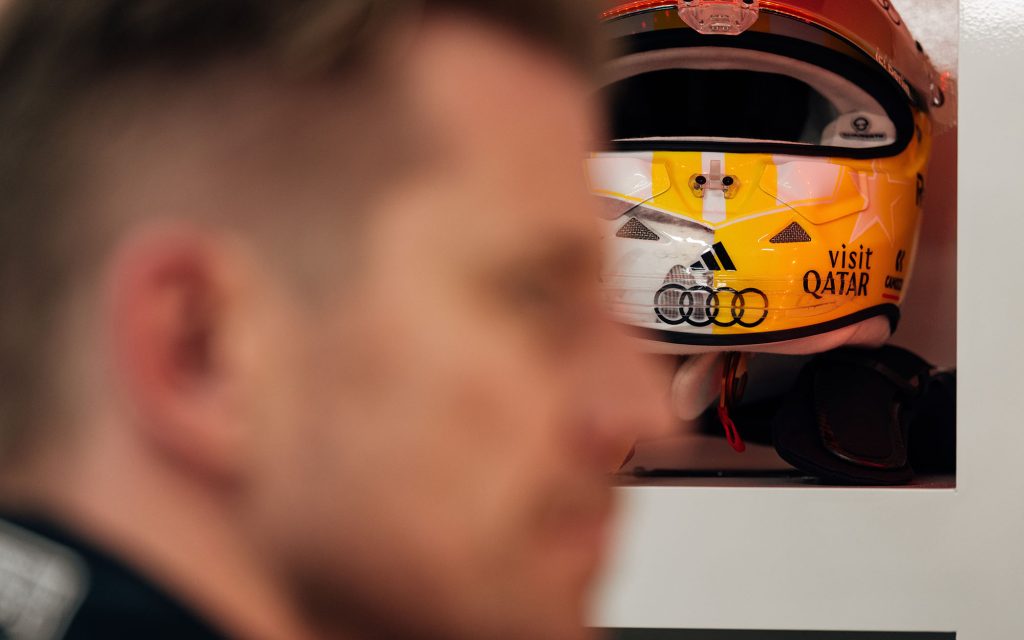
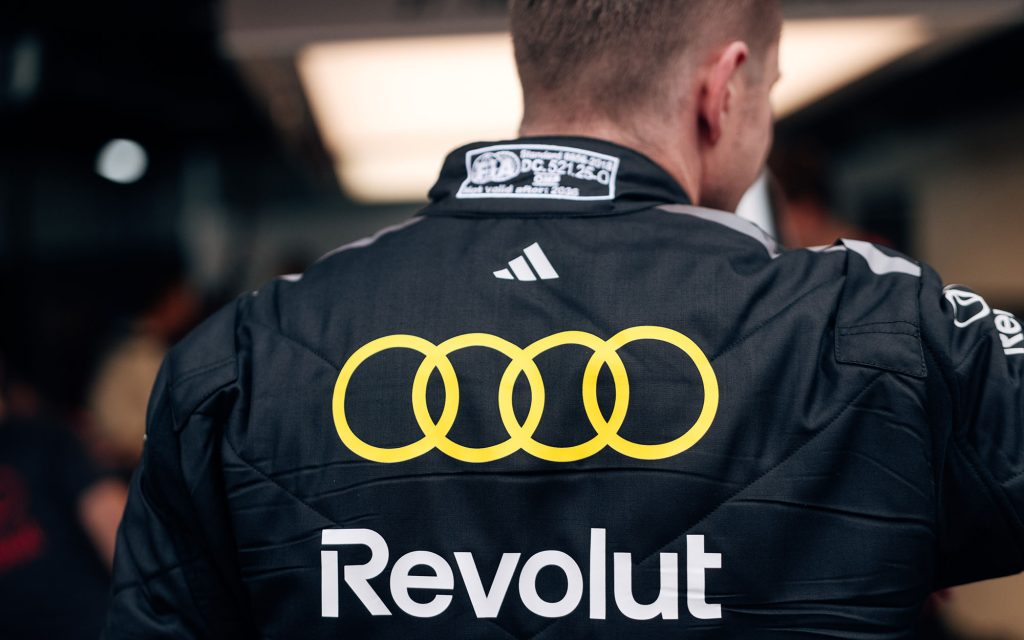
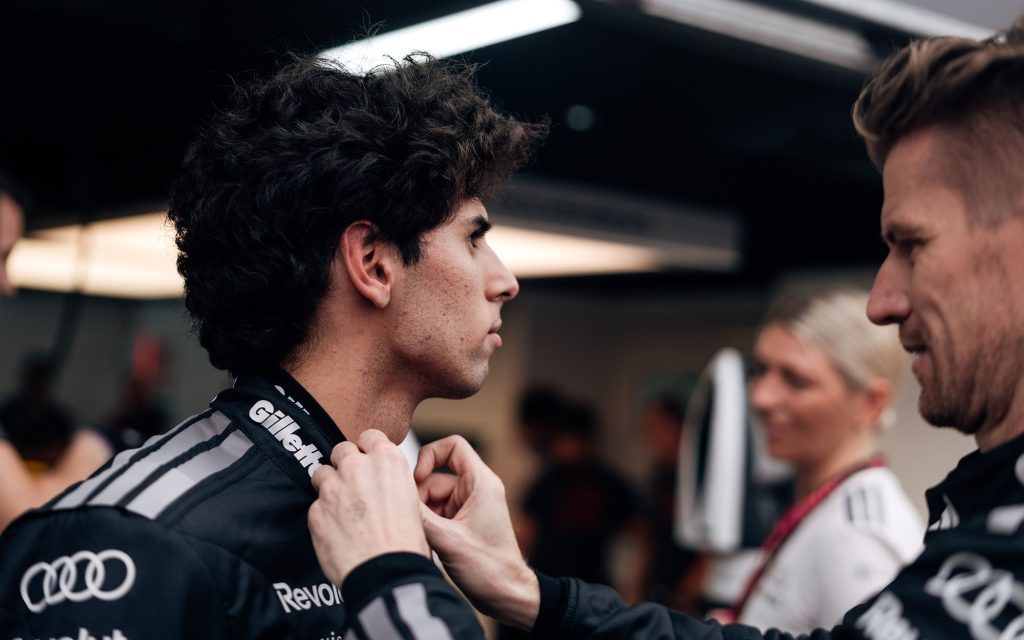
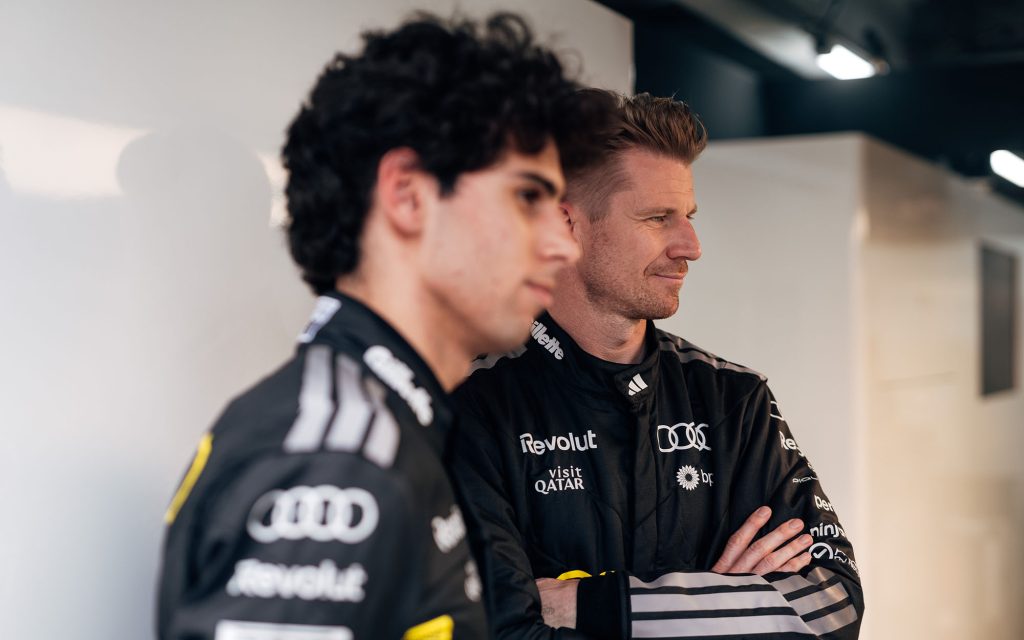
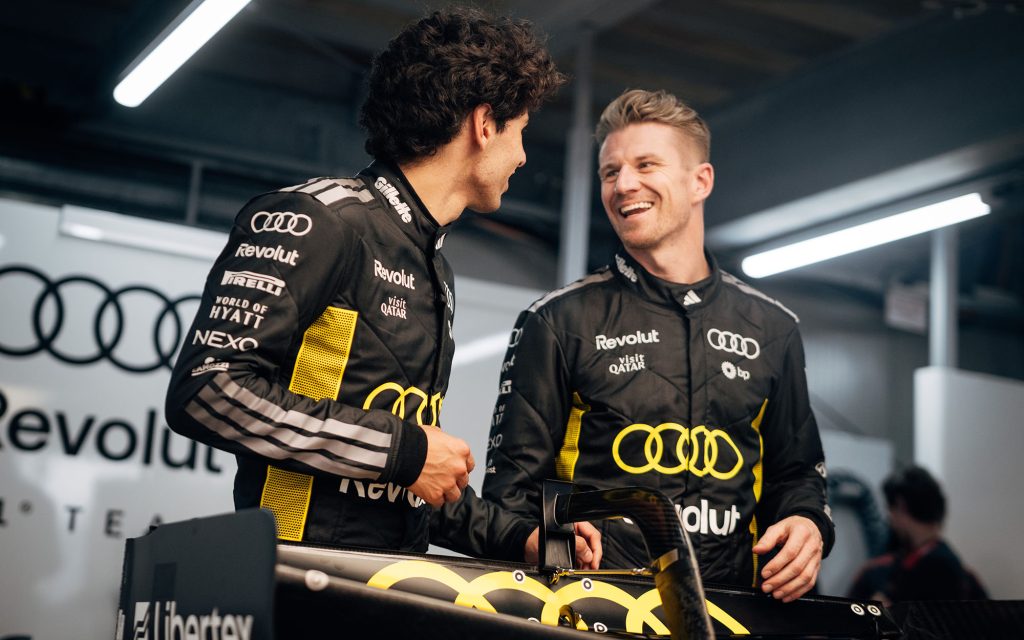
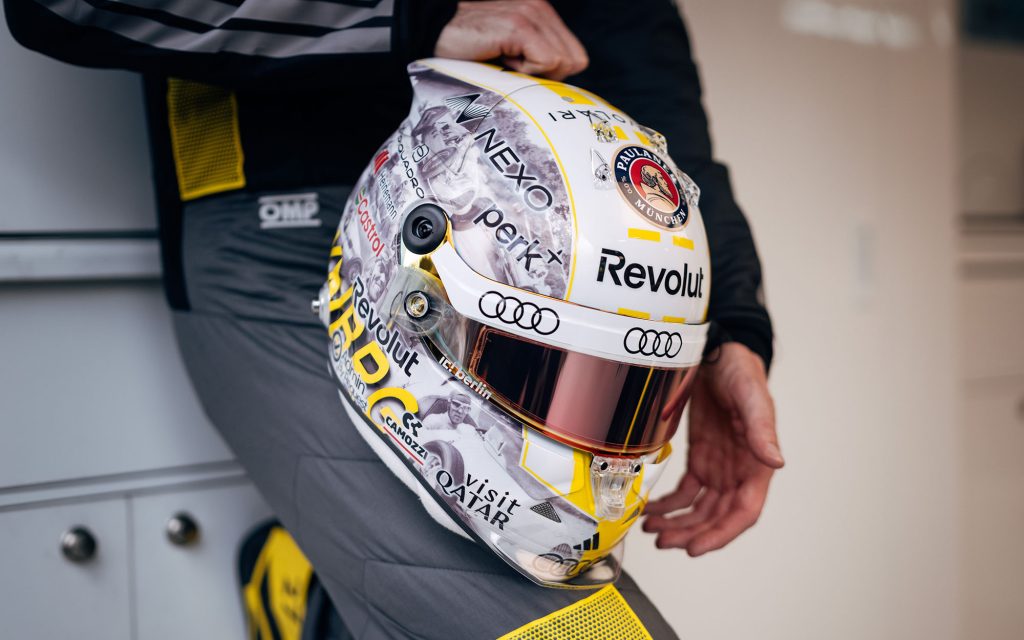
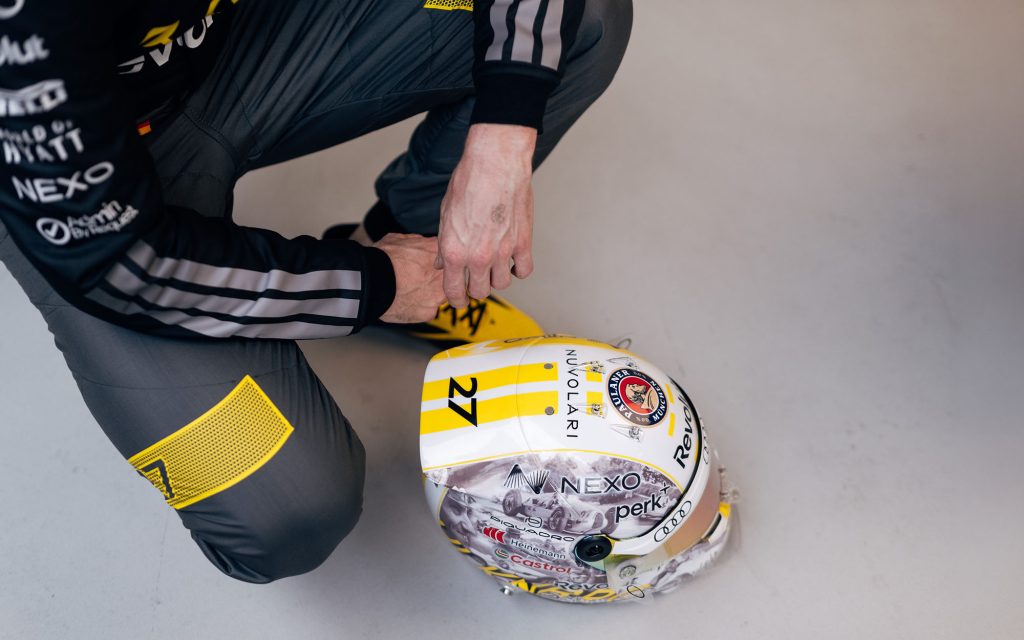
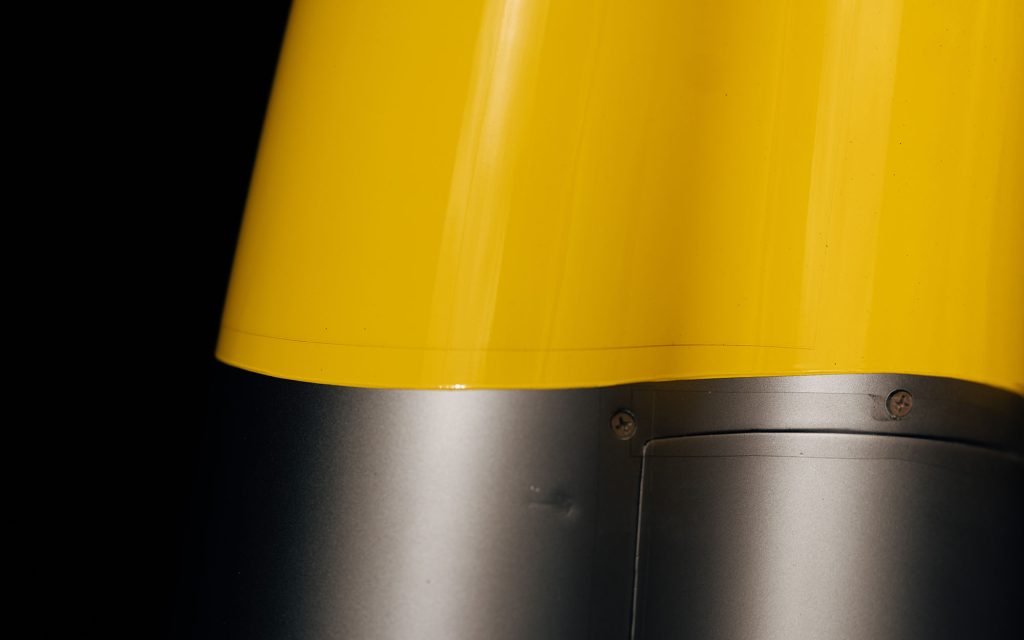
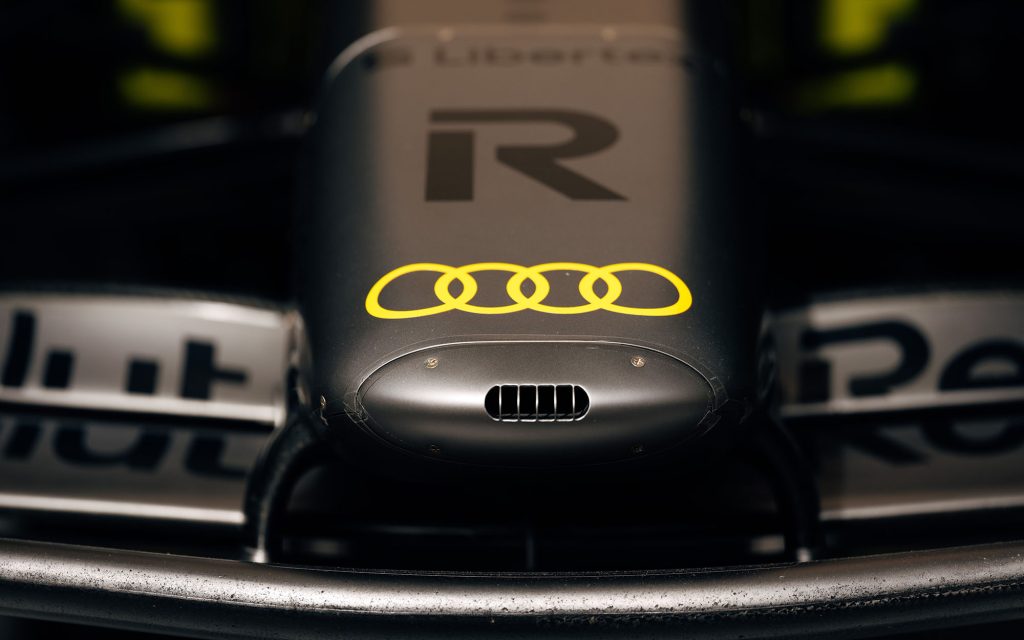
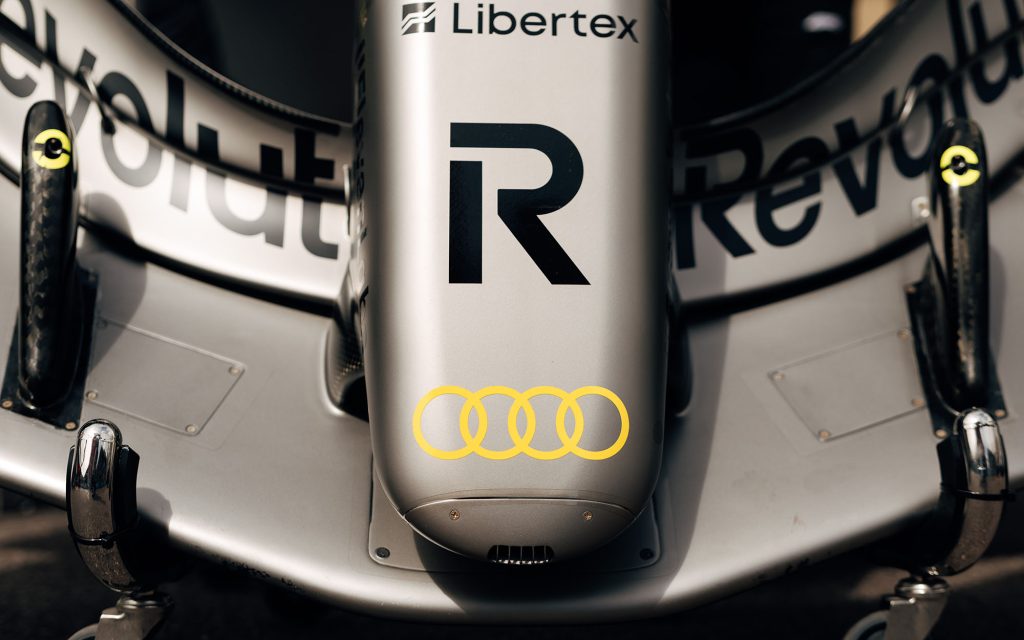
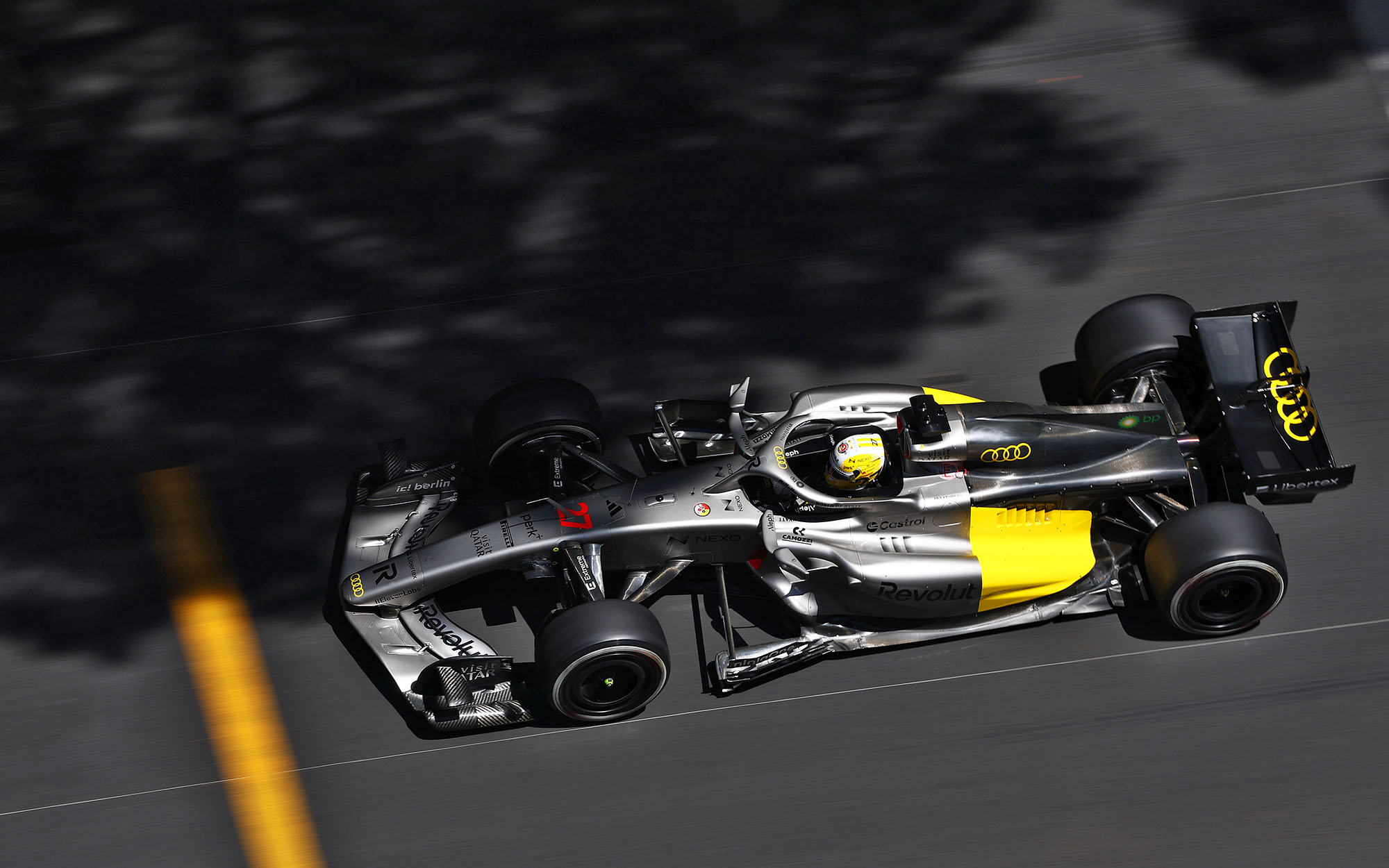
Throughout Monaco race week, yellow is appearing everywhere. The color was woven into Audi’s event branding as it teased its new sportscar, featured heavily in materials surrounding the launch of the Nuvolari sportscar, added to team apparel and driver race suits, incorporated into Nico Hülkenberg’s special Nuvolari-themed temporary helmet design and most visibly applied to the Audi R26 Formula 1 cars themselves, where much of the red accenting normally seen throughout the season was replaced here with yellow.
At first glance, it may have seemed like just another special thematic livery change for what is certainly Formula 1’s most glamorous and storied race weekend. In reality, it represents a deeper cut of the Audi lexicon: the brand reaching back into one of the most important chapters of its motorsport history and using Monaco as the stage to reconnect with it.
LOOKING BACK MOVING FORWARD
The story begins in the late 1930s.
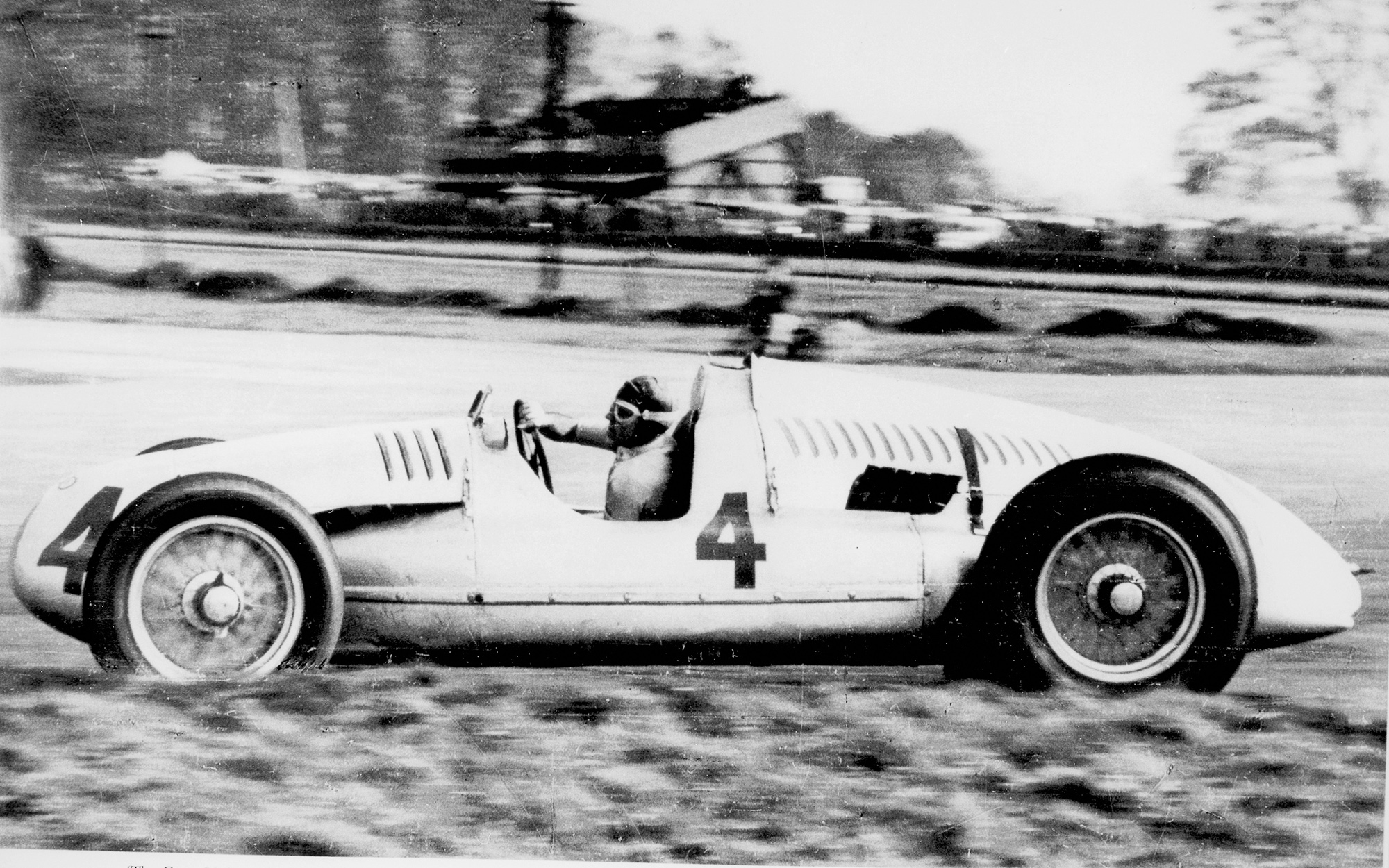
Grand Prix racing was entering an era defined by unprecedented technical advances. Cars were becoming faster, more powerful and increasingly specialized. Among the manufacturers pushing the boundaries were the so-called “Silver Arrows”, whose four-ring emblem in the case of the Auto Union team would eventually evolve into the modern Audi brand.
Auto Union’s Grand Prix cars were revolutionary. While most competitors placed their engines traditionally ahead of the driver, Auto Union’s engineers had adopted a mid-engined layout pioneered by Ferdinand Porsche that would not become commonplace in top-level motorsport for decades. The cars were extraordinarily fast but also notoriously difficult to drive. Success required not only courage but a unique understanding of the machine beneath you.
By 1938, Auto Union found itself at a crossroads. The team had suffered the loss of Bernd Rosemeyer, its star driver and one of the greatest talents of the era. At the same time, Grand Prix regulations were changing and competition from Mercedes-Benz remained fierce.
Dr. Porsche had chosen to move on from his work with Auto Union, though the mid-engine layout he’d pioneered remained key to their continued development. Their next car, the Type D, traded the former V16 engine for a V12 and bodywork had been reworked more radically than any previous evolution from Type A to Type C.
The team also needed a new star driver. It also needed a figure capable of carrying the program forward.
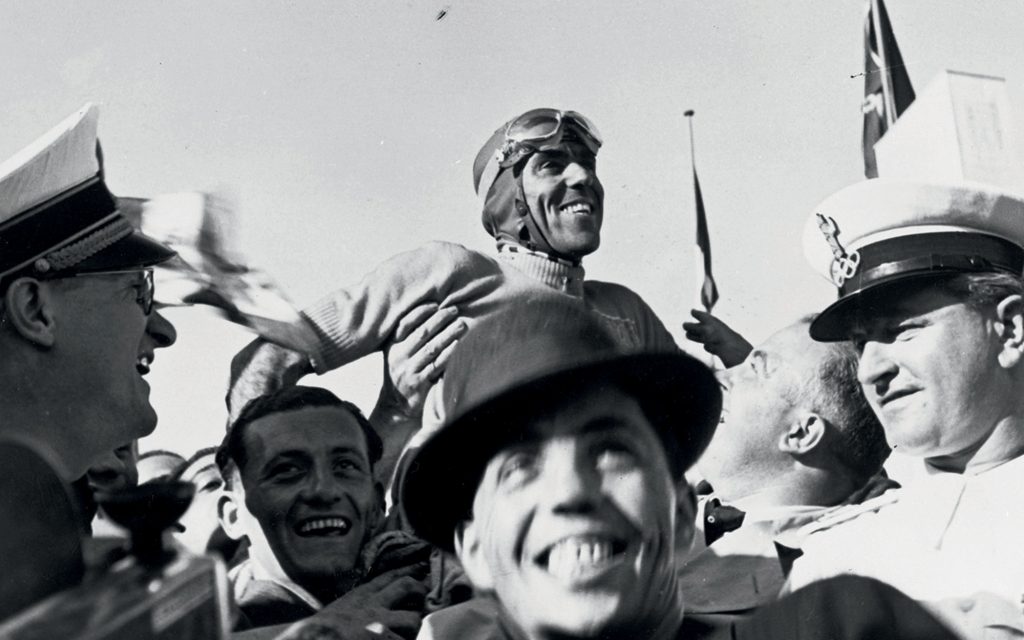
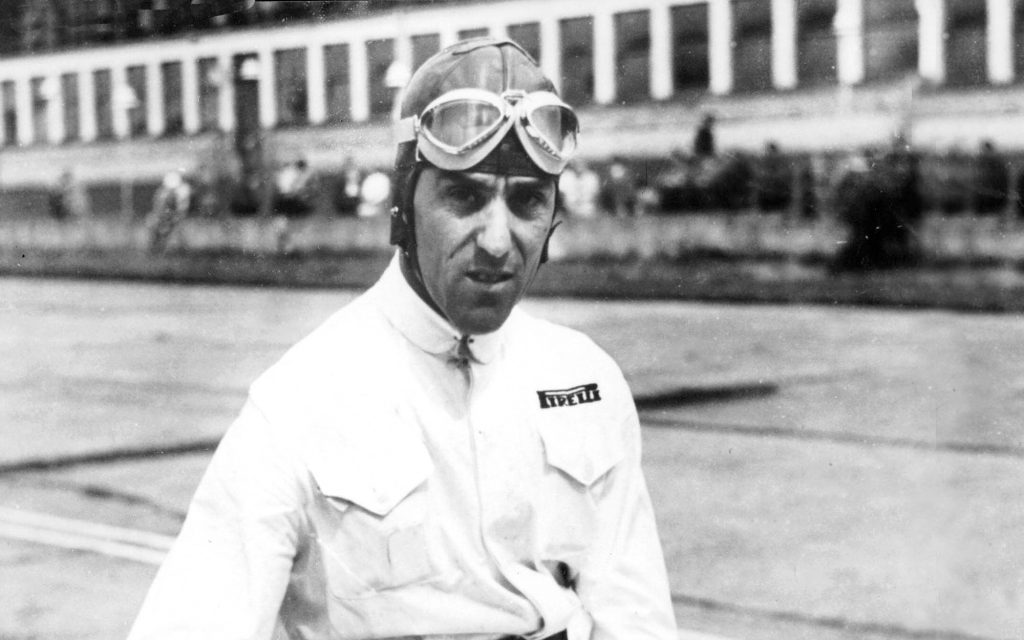
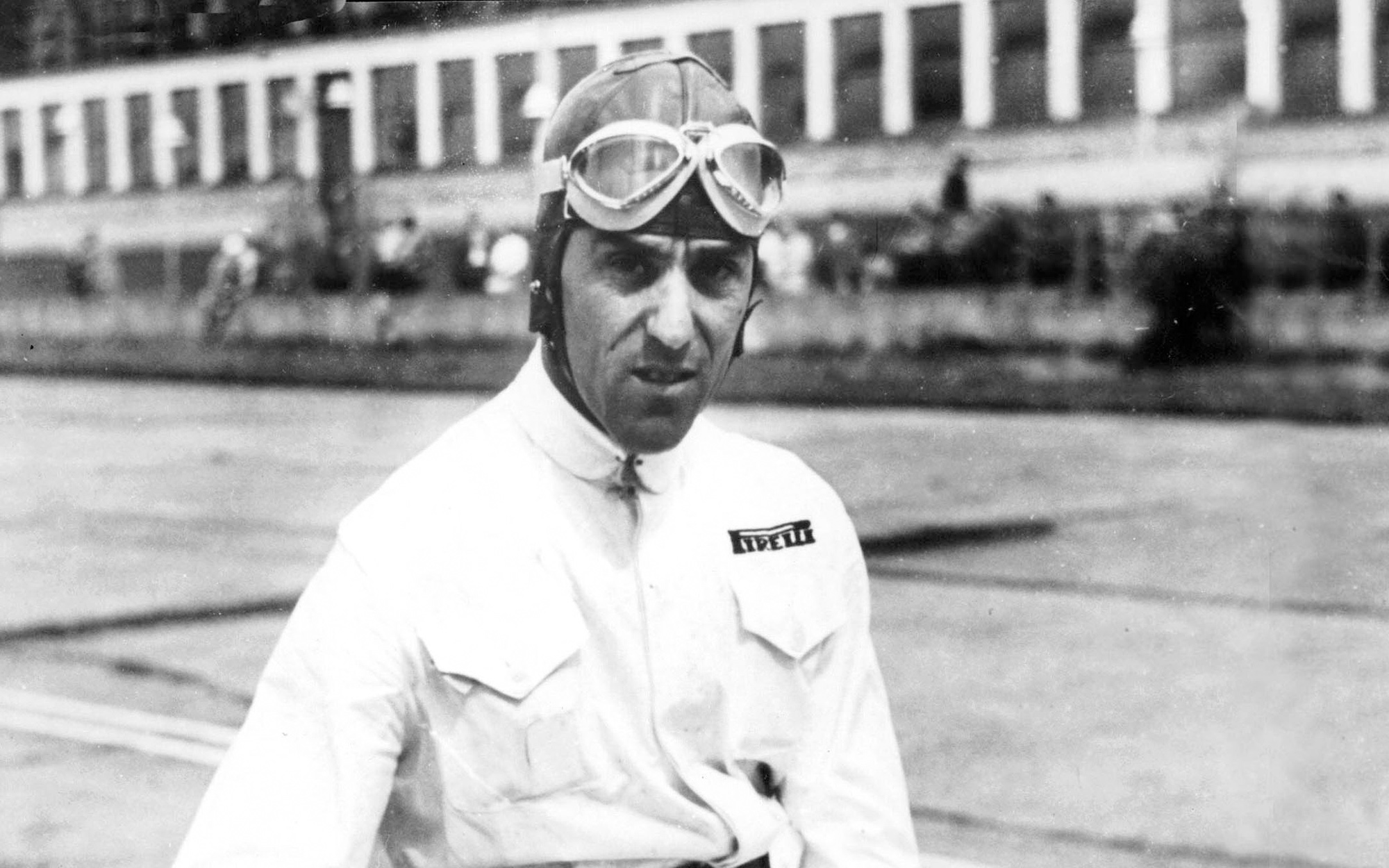
It found that figure in Tazio Nuvolari.
THE FLYING MANTUAN
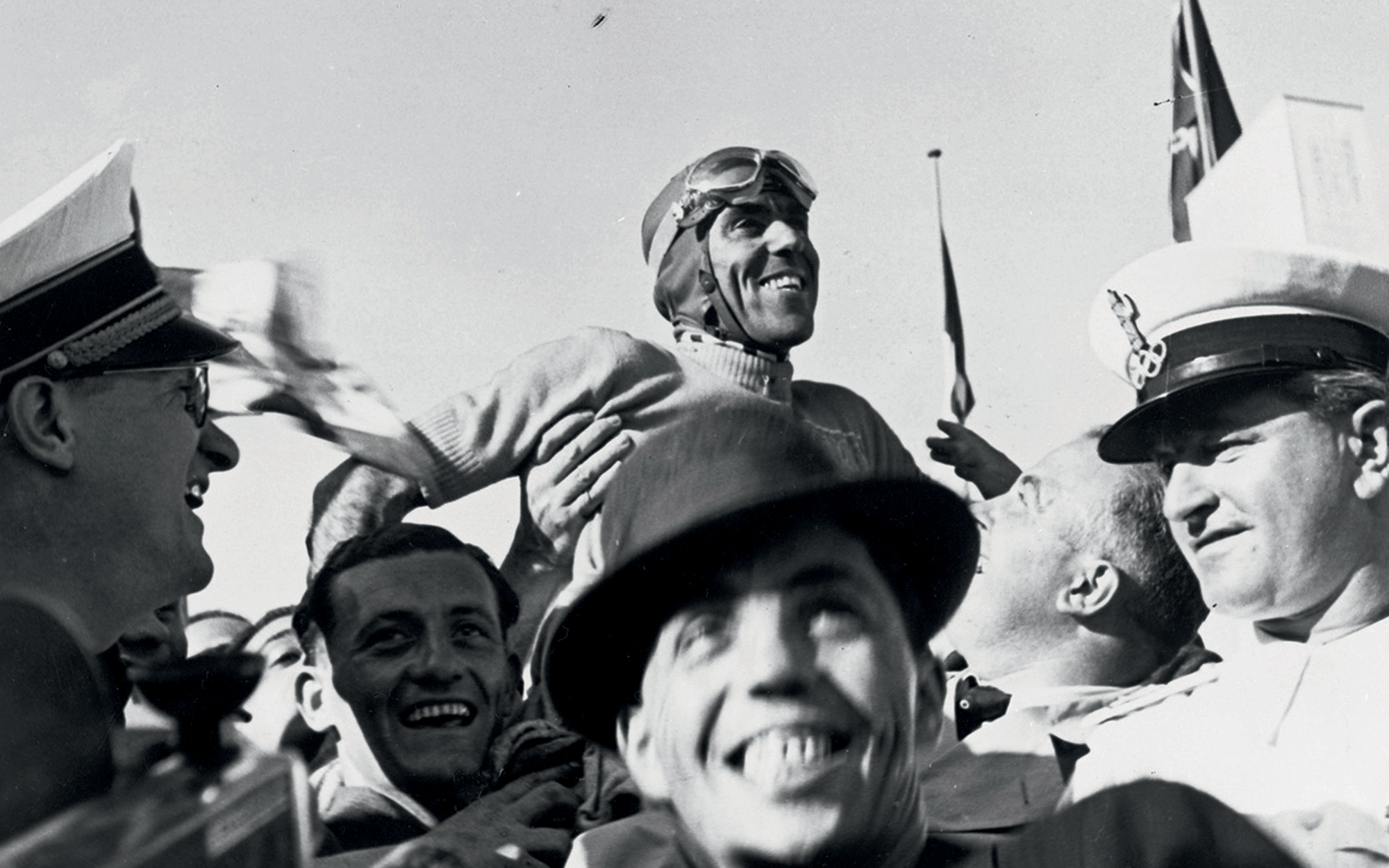
Born in Mantua, Italy, Nuvolari had already established himself as one of the most accomplished and fearless racers in the world long before joining Auto Union.
His reputation was built not simply on winning but on the manner in which he won. Stories of Nuvolari’s ability bordered on mythology. He routinely defeated superior machinery through sheer determination, intuition and racecraft. Rivals admired him. Fans adored him. Even competitors recognized that he possessed something unique.
His nickname, “The Flying Mantuan,” reflected both his hometown and the seemingly impossible feats he accomplished behind the wheel.
Yet even for a driver of Nuvolari’s stature, the Auto Union represented a challenge.
The mid-engined Type D behaved differently from anything he had previously raced. Fast, powerful and unpredictable, it demanded a completely different driving style. Many drivers struggled to adapt.
Nuvolari did not.
By the end of 1938, he had already delivered victories in Italy and at Donington Park in Great Britain. In doing so, he demonstrated exactly why Auto Union had sought him out. That relationship between driver and machine became one of the defining stories of Auto Union’s racing history.
YELLOW MORE THAN A COLOR
During this period, another element became inseparable from Nuvolari’s public image.
Yellow.
In addition to being a brilliant driver, Nuvolari had a penchant for style and personal branding that was far ahead of his time and perhaps driven by just a bit of superstition. Though physically short in stature, Tazio created a signature look. He’d created a distinctive logo much like a major league baseball team with his initials T and N overlapping in a clean and unmistakable design.
Another element was a golden turtle. Once given to him as a gift, “for the fastest man in the world, the slowest animal”, Tazio incorporated it almost as a mascot, wearing it whenever he raced, adding it to his personal letterhead and more.
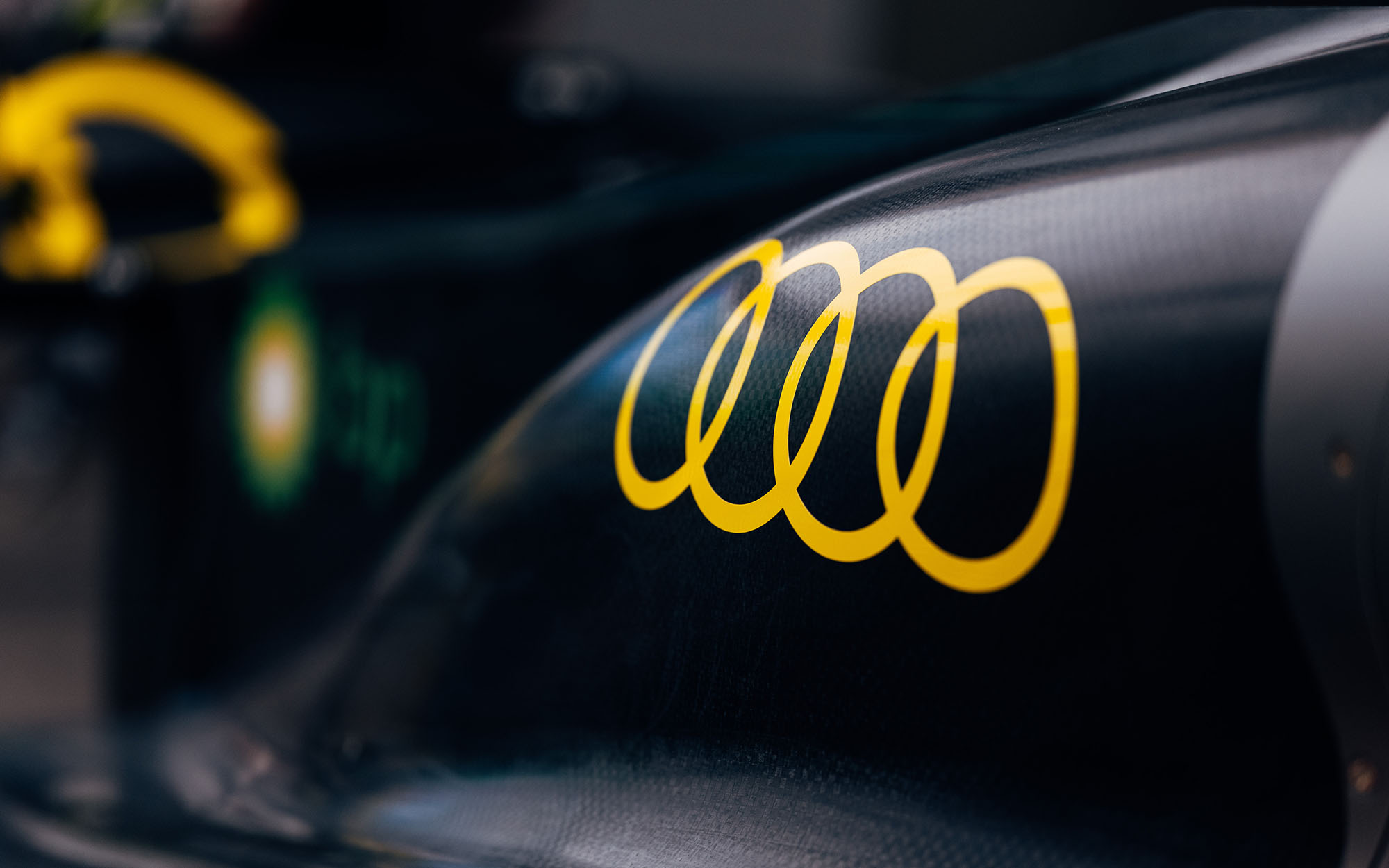
Perhaps it was the gold of that turtle, or perhaps some other reason that is now far less known, but we also know that the at times superstitious Nuvolari also had a signature unofficial racing uniform comprising of a yellow sweater with his signature TN logo, blue trousers and a brown leather vest. Over time the color yellow became associated with his personality and approach to racing. Following his death, he was reportedly buried wearing his signature color. Decades later, yellow remains one of the most recognizable visual references connected to Nuvolari.
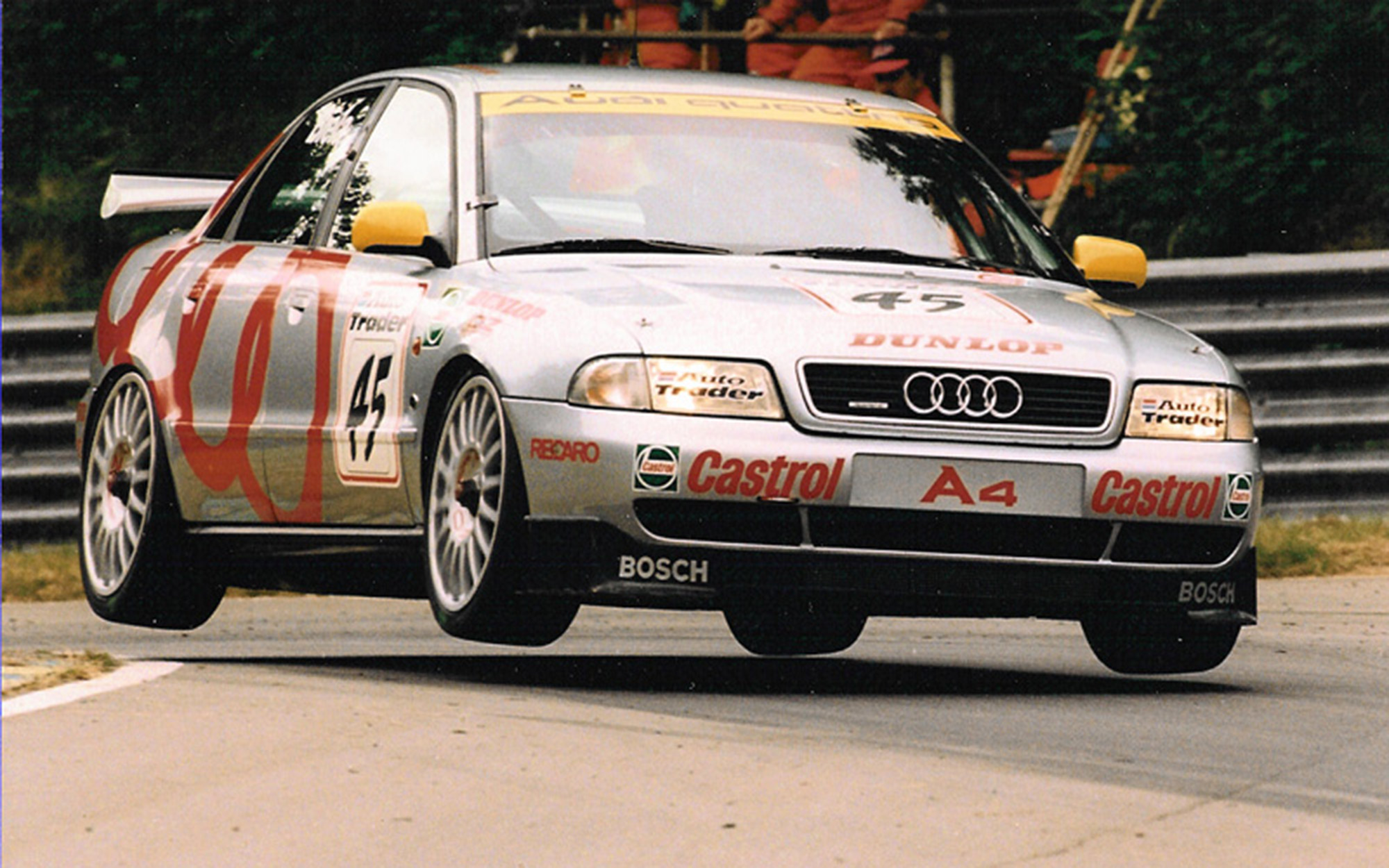
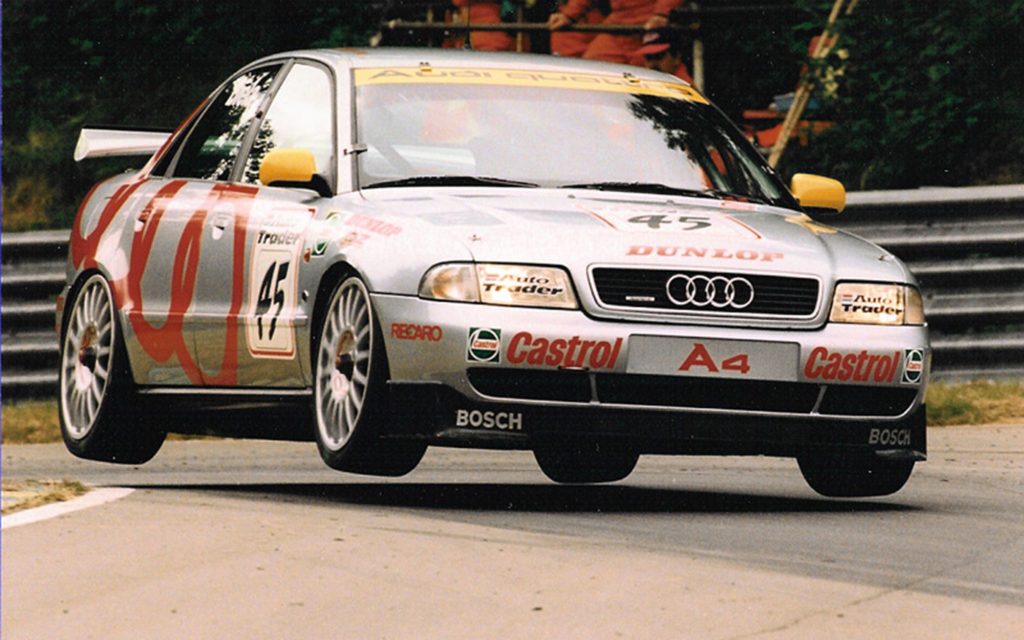
Audi also has some history of its own with the color yellow. In the post war, its adoption first came with the introduction of yellow in the liveries of the HB (Cigarettes) Audi Team on 80s era rally cars. Next, it would gain prominence during the 1996 A4 quattro (B5) Touring car era when every Audi factory driver in all markets chose a signature accent color in order to make their cars more recognizable. Frank Biela chose yellow, dominating and ultimately winning the British Touring Car Championship that year, while inspiring an army of fans around the world to paint their Audi’s mirrors yellow in an IYKYK show of brand fandom.
In the Le Mans era, yellow’s presence was prominent yet not for the superstitious and feint of heart. Following that touring car tradition, Audi Sport frequently differentiated its prototype racers with red, black and yellow accents in keeping with colors on the German flag. And with so many wins in those years, the “yellow car” did log some wins. Even still, a racer who shall remain nameless did point out to me once that the “red car” most often won and that the luck of the “yellow car” was not so obvious as seen in its victory ratio and also Allan McNish’s spectacular crash at the Dunlop Bridge in 2011 where his yellow mirrored R18 was hardly recognizable when it came to rest against the catch fence.
That was many years ago though, and Audi seems to have been ready to return to golden form – fitting when you’re harkening the Flying Mantuan nearly a century after his legend took place.
For Audi, the color has now evolved. The company has identified three characteristics embodied by Nuvolari that yellow now represents within this Monaco tribute: fearlessness, ingenuity and dedication.
Fearlessness is perhaps the easiest to understand. Nuvolari raced in an era when motorsport carried risks that are almost unimaginable today. The cars were fast, safety measures were minimal and reliability was never guaranteed. Success required a willingness to operate at the limit under circumstances that modern drivers thankfully never face.
Ingenuity defined the way he approached racing. Nuvolari was known for finding speed where others could not. Competitors attempted to copy his techniques, but his ability came from instinct as much as method. He drove with a combination of feel, intelligence and adaptability that could never be fully replicated.
Dedication completed the equation. Behind the legends and heroic stories was a driver renowned for his concentration and sensitivity. Nuvolari understood what a racing car was doing beneath him at a level few could match, extracting performance through relentless focus and commitment.
These are qualities Audi clearly wants associated with its modern motorsport efforts.
Oh, and it’s worth mentioning one more thing that’s fitting in the case of Nuvolari the car in particular. It’s based on the Lamborghini Temerario, and yellow is the color most closely associated with the brand of the raging bull.
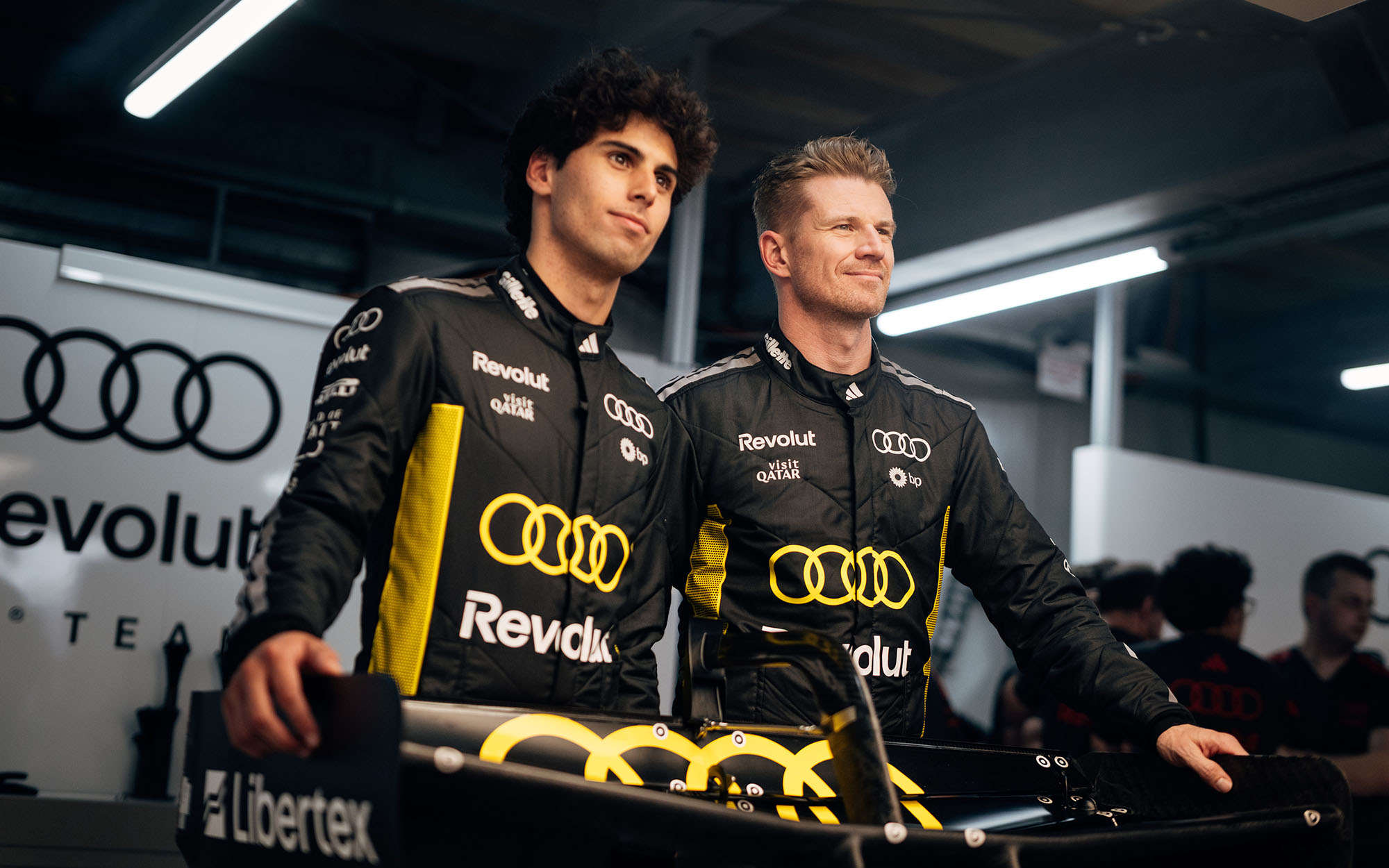
THEN THERE’S MONACO
Monaco occupies a unique place within motorsport. It is simultaneously modern and historic. The sport’s newest technologies race through streets that have hosted legends for generations. This race hosted both Auto Union’s Silver Arrows and Tazio Nuvolari on several occasions. Every corner carries memories of past champions, legendary cars, famous victories and defining moments.
For a brand seeking to connect its future ambitions with its historical roots, there are few more appropriate locations.
Audi’s Formula 1 program is still in its infancy. The manufacturer is building its identity within the championship while also attempting to establish what differentiates it from competitors. Monaco offers an opportunity not merely to showcase a racing team but to tell a story about where that team comes from.
The yellow branding served exactly that purpose.
Rather than focusing solely on Formula 1, Audi is using Monaco to celebrate the broader legacy of Auto Union and one of the drivers most responsible for shaping it the four rings in that era.
THE NUVOLARI CONNECTION
The timing of Audi’s new Nuvolari supercar launch adds plenty to the story.
While the car represents the most powerful and fastest production Audi ever created, its name intentionally links the company’s future with its past.
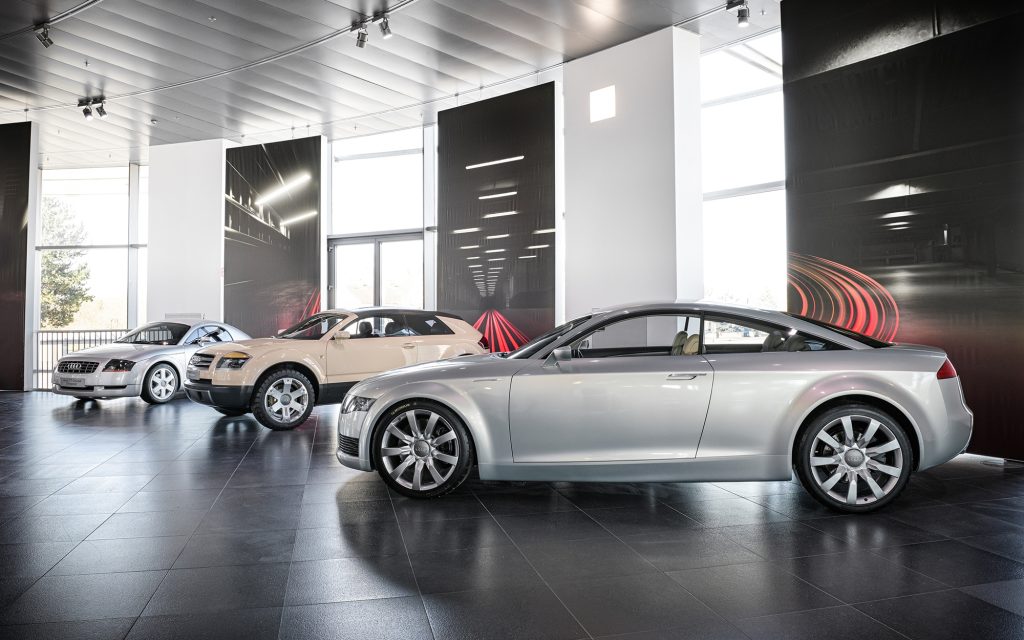
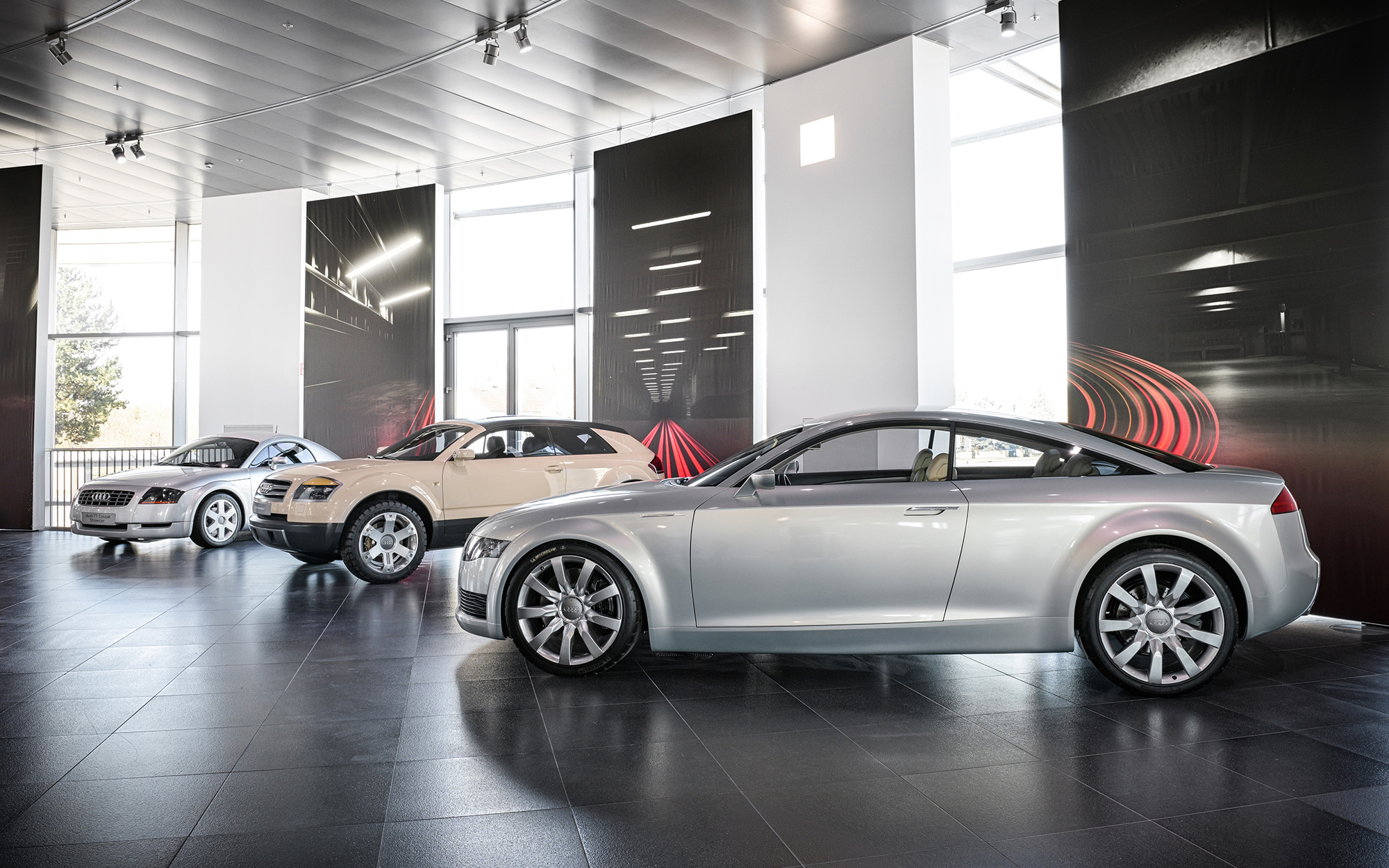
This is not the first time Audi has honored Nuvolari. The 2003 Nuvolari quattro concept remains one of the most significant design studies in the brand’s modern history, previewing themes like the single frame grille and the form of a handsome GT coupé that would influence future production vehicles in truly impactful ways. That car is currently on display in the Audi museum mobile in Ingolstadt.
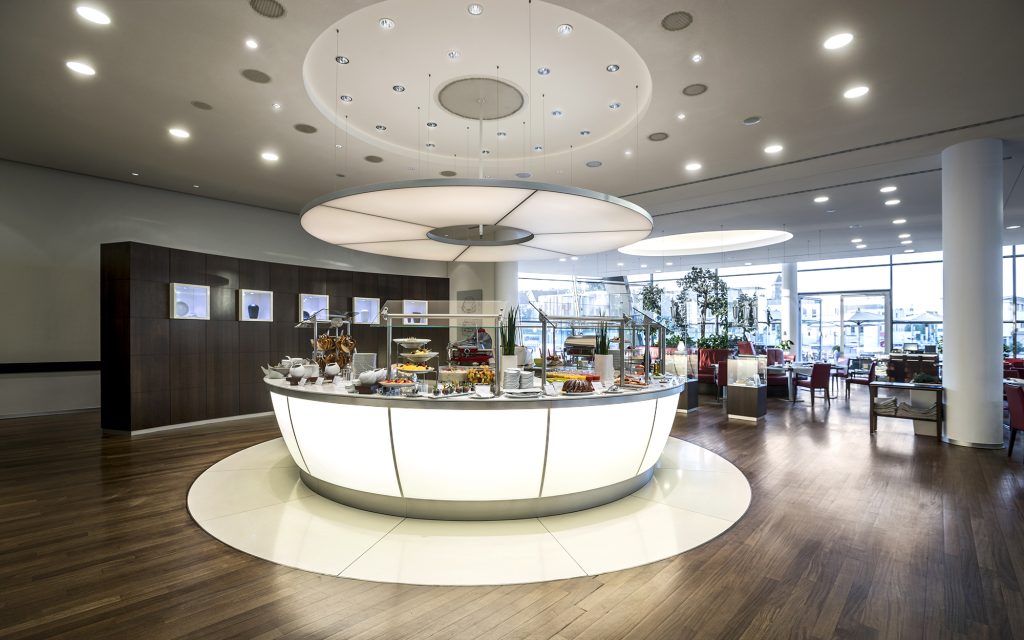

Also, Restaurant Nuvolari at the Audi Forum Neckarsulm continues to commemorate the legendary driver while welcoming guests to one of Audi’s largest customer-focused facilities and delivery centers.
The Monaco launch takes that relationship to a new level.
By unveiling a flagship supercar bearing Nuvolari’s name while simultaneously dressing its Formula 1 operation in the color most closely associated with him, Audi effectively created a week-long tribute to one of the most important figures in its racing heritage.
NUVOLARI HERITAGE ON DISPLAY
About four hours’ drive from Monaco in Mantua, Italy (and not far from that region’s so-called “Super Car Valley” region) is the Museo Tazio Nuvolari. Should you make the diversion, you’ll find a space dedicated to the Flying Mantuan. You’ll also find a surprisingly robust mix of stylish gear made to celebrate Tazio’s signature style. Amidst this range you’ll even find a yellow knit sweater with his TN logo plus a fair number of apparel pieces emblazoned with the tortoise.
And should you not make it to Mantua, it appears their Tazio Nuvolari Originals online shop will ship worldwide.
IDENTITY STATEMENT
Viewed individually, the yellow accents on the race cars, helmets and team apparel could be dismissed as special-event styling. Viewed together, they reveal that Audi chose its presence in Monaco as a serious opportunity to underline its most modern brand identity.
Formula 1 is filled with teams drawing on decades of history. Ferrari, Mercedes and McLaren all possess rich narratives that connect their present-day operations to legendary moments from the past.
For Audi, the challenge is different. The company may be new to Formula 1, but it is not new to Grand Prix racing and, beyond that, it’s a dominant veteran of most other forms of racing.
By turning Monaco yellow, Audi reminds the paddock just how far back its racing heritage extends, back past Le Mans and rally to Auto Union, to the Type D and to Tazio Nuvolari. It reminds fans that before the four rings arrived in Formula 1, they were already part of some of motorsport’s most significant stories.
And in a place perhaps more synonymous with motorsport history than any other, it all seems pretty fitting.
PHOTO GALLERY