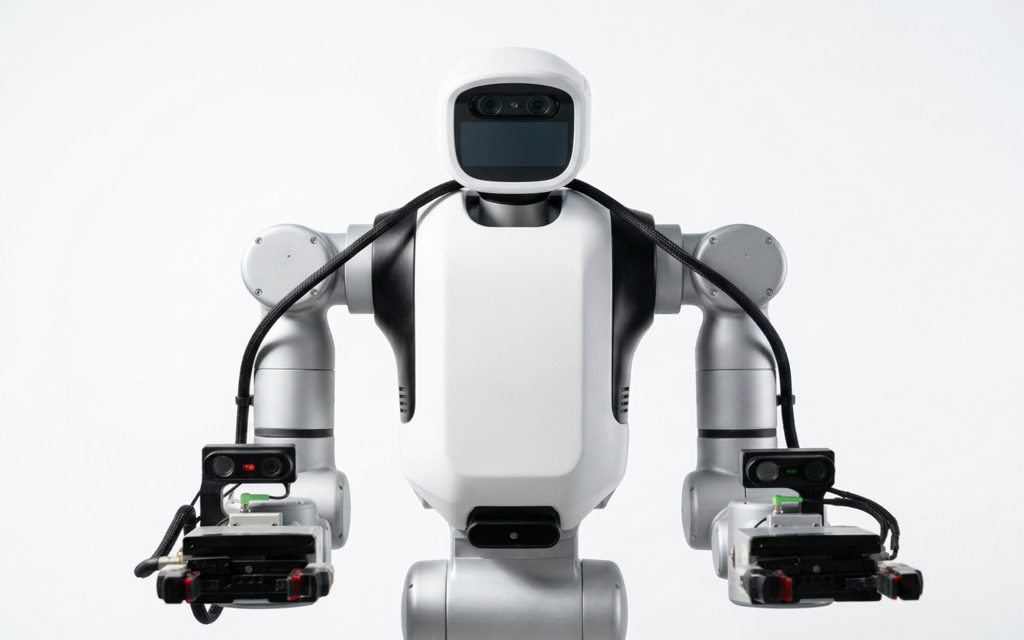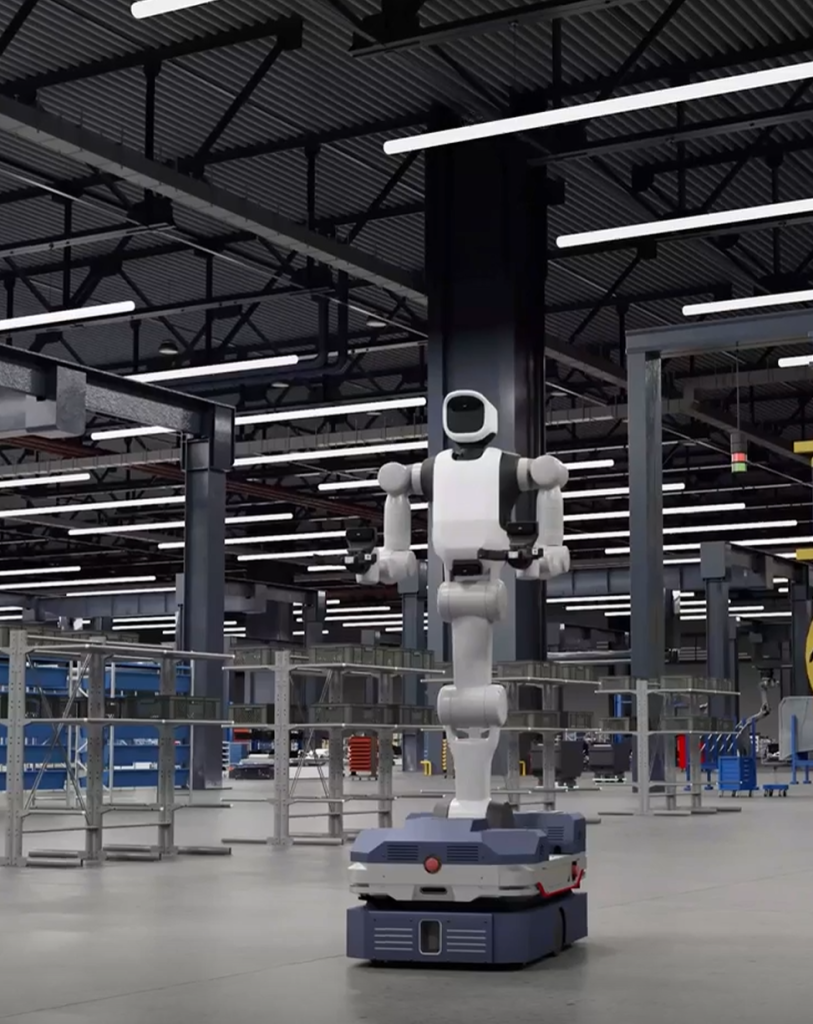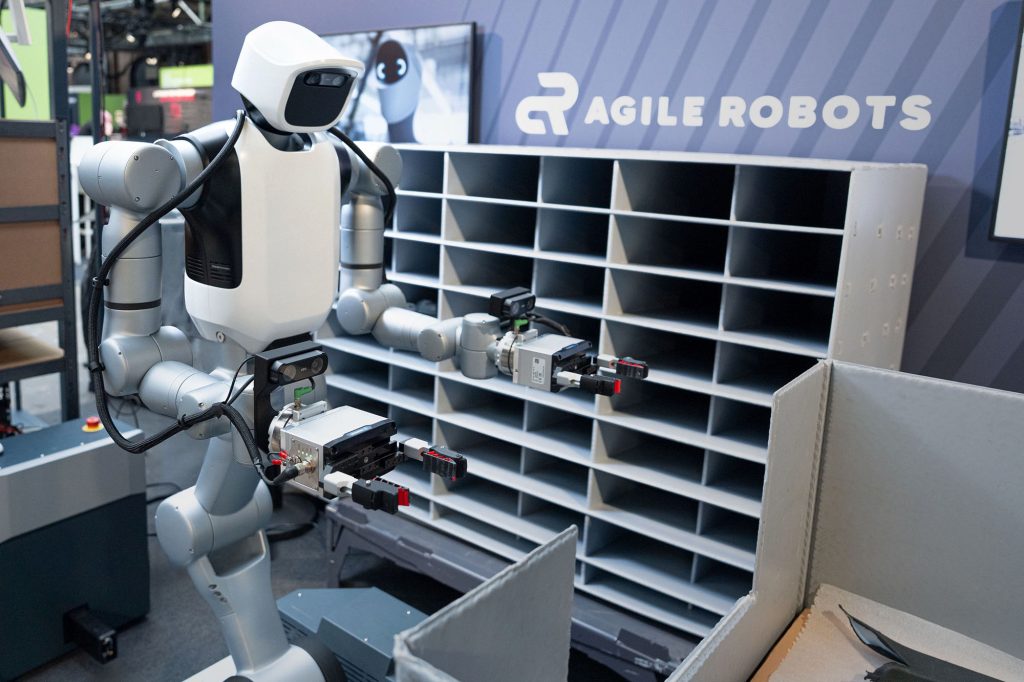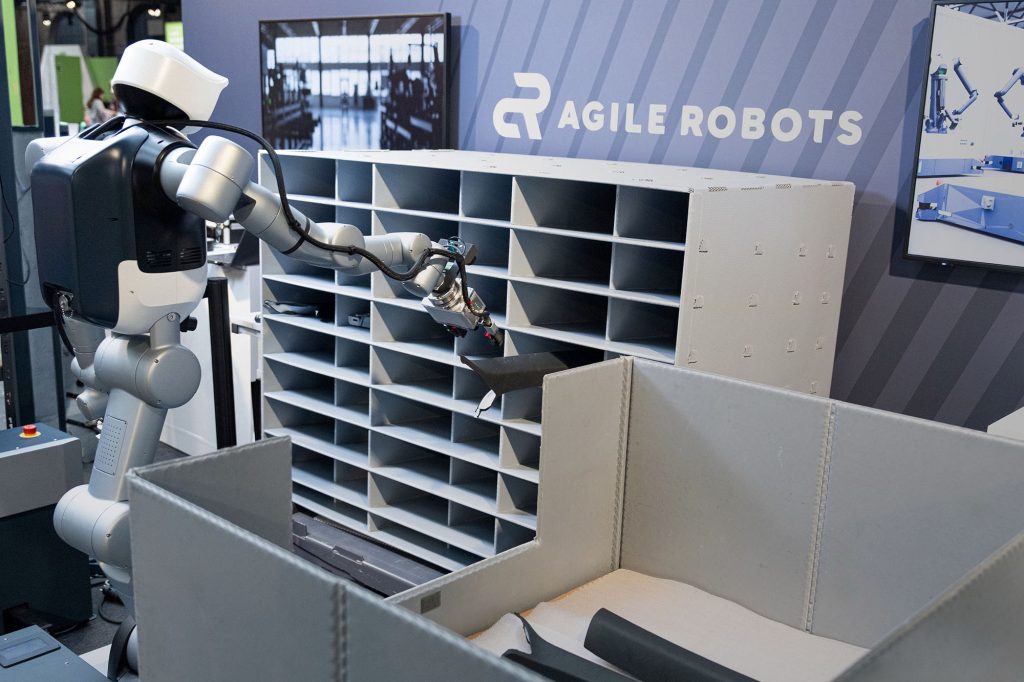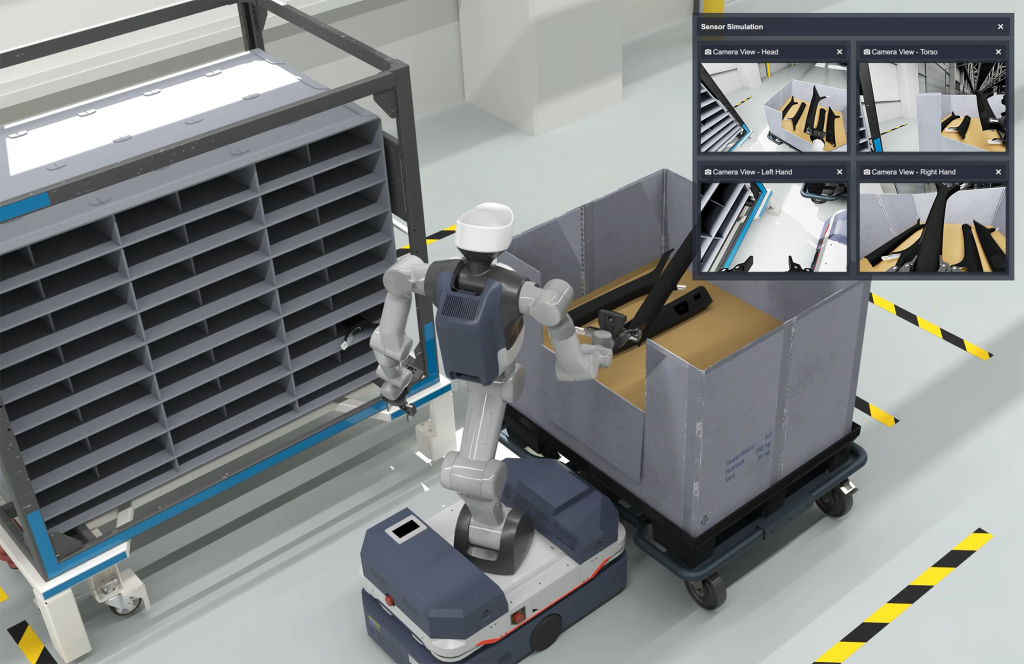

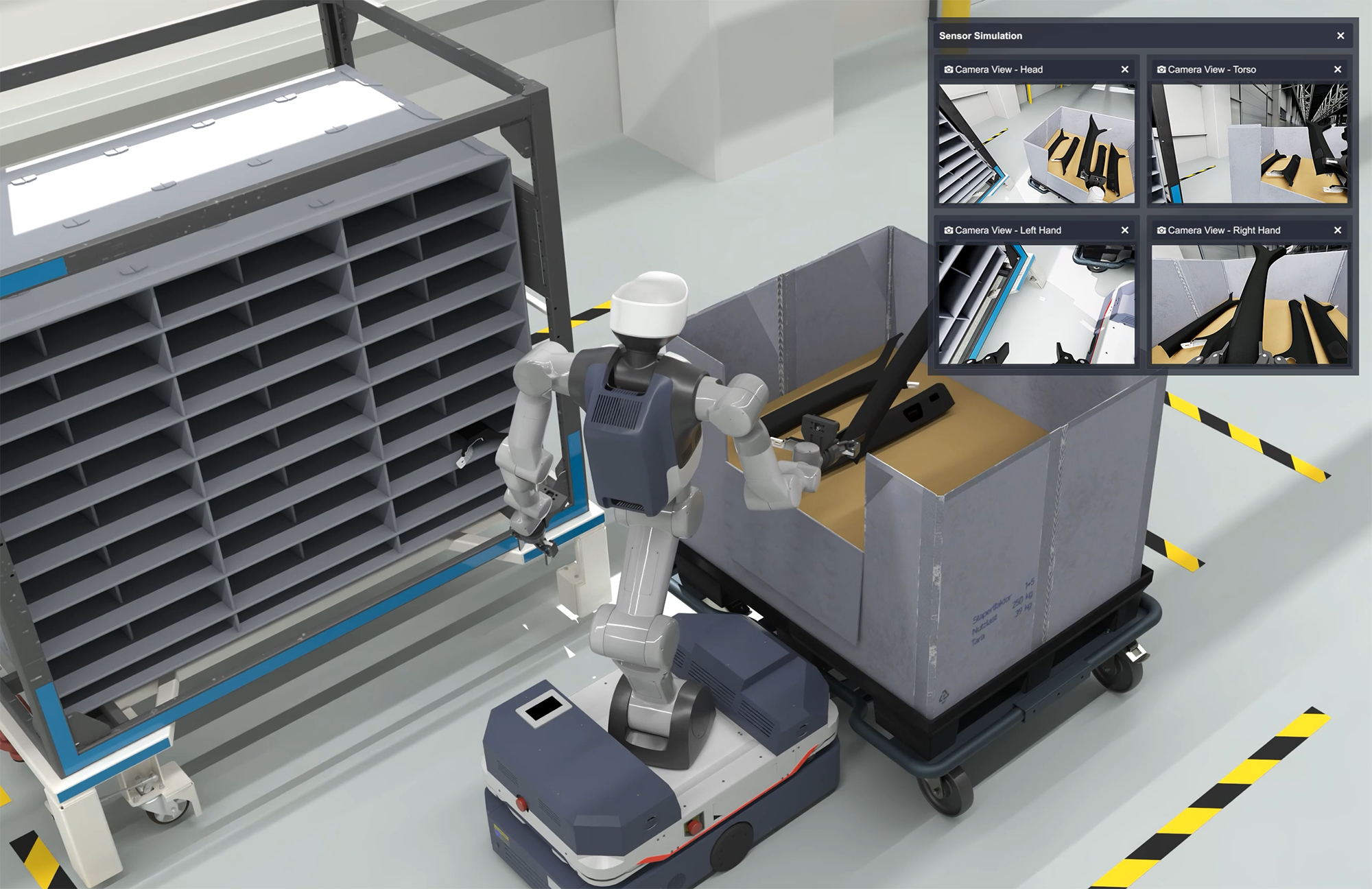
Audi is testing whether mobile humanoid robots can automate one of automotive logistics’ more difficult jobs: picking different components from containers and arranging them in the order needed for assembly. A proof of concept underway in Ingolstadt brings together Audi, robotics developer Agile Robots, Dassault Systèmes and NVIDIA.
Announced at NVIDIA GTC Berlin, the project is being developed in Audi’s Production Lab, where the company tests future manufacturing and logistics technologies. The immediate objective is to demonstrate reliable automated parts sequencing under realistic operating conditions. It is a development project, with no timetable announced for wider production deployment.
GETTING THE RIGHT PARTS IN THE RIGHT ORDER
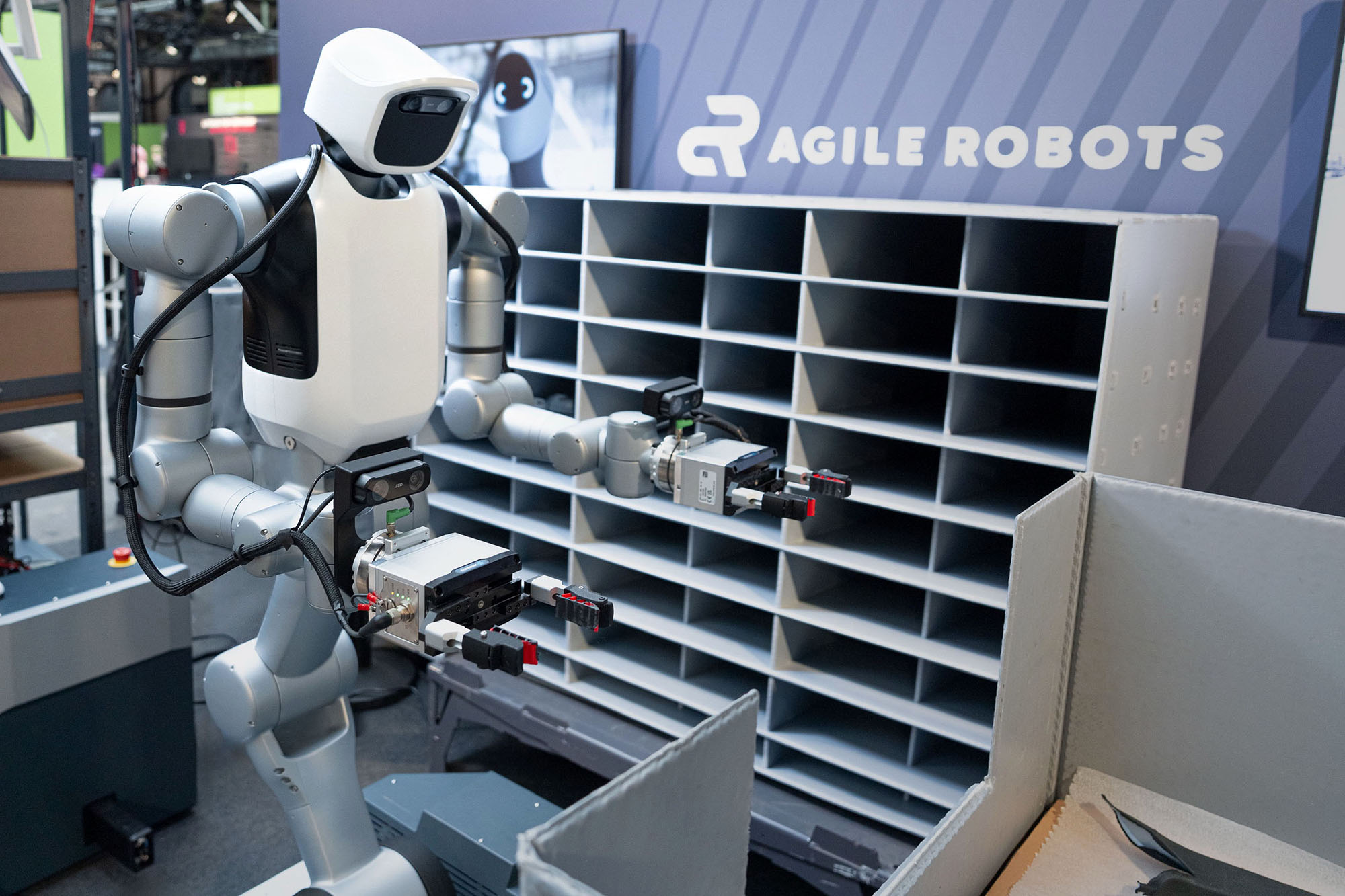
Audi says its demand-driven material supply involves around one million picks each day, ensuring that components reach the correct workstation in the correct assembly sequence. That process supports the mix of configurations moving through production, but the variety of parts also makes it difficult to automate.
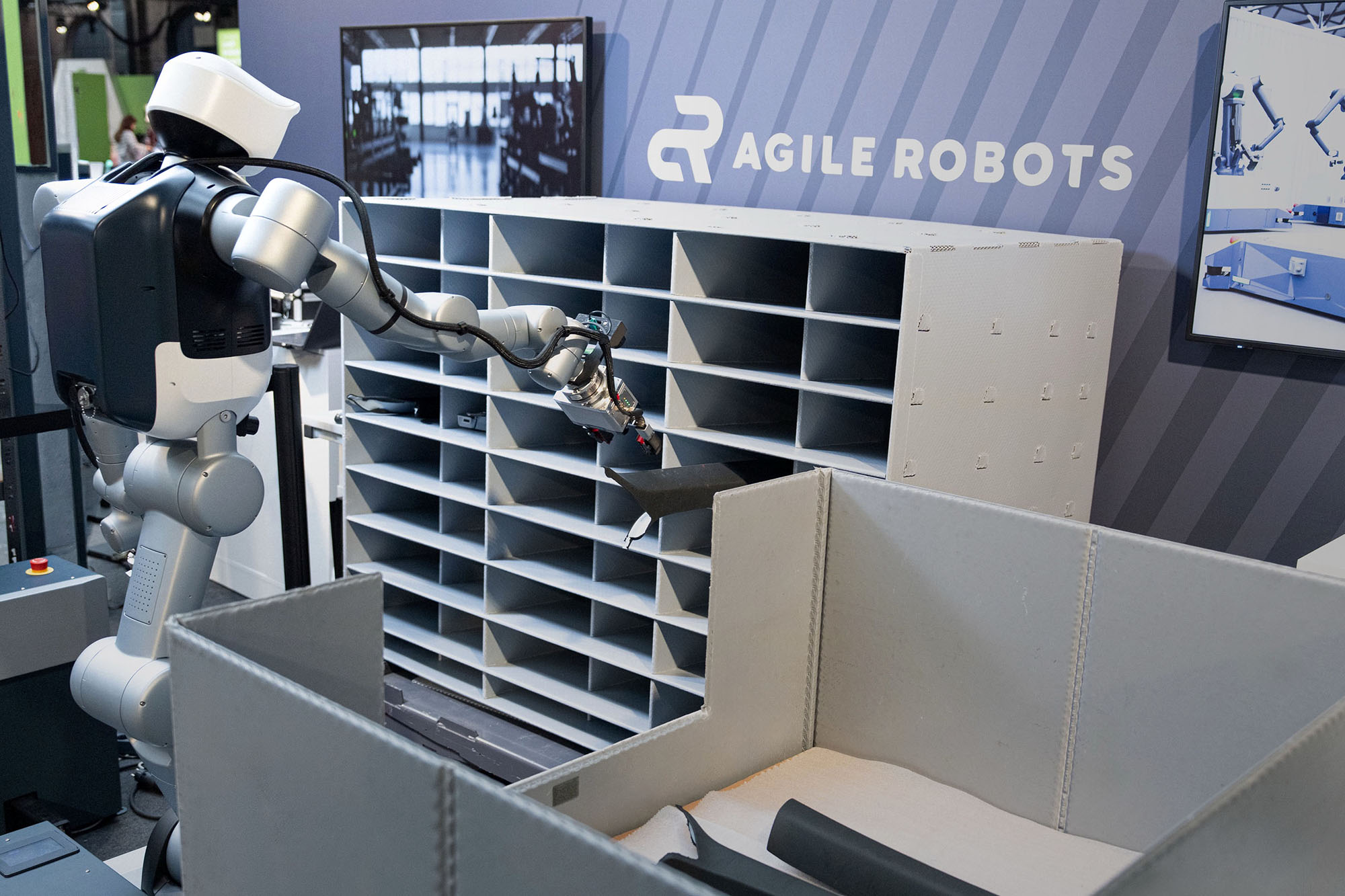
The challenge goes beyond repeating a fixed movement. Components can arrive in different positions, packaging and combinations, while large or flexible parts require different handling techniques from rigid, consistently presented objects. Picking unsorted components reliably from containers remains a particular focus of the project.
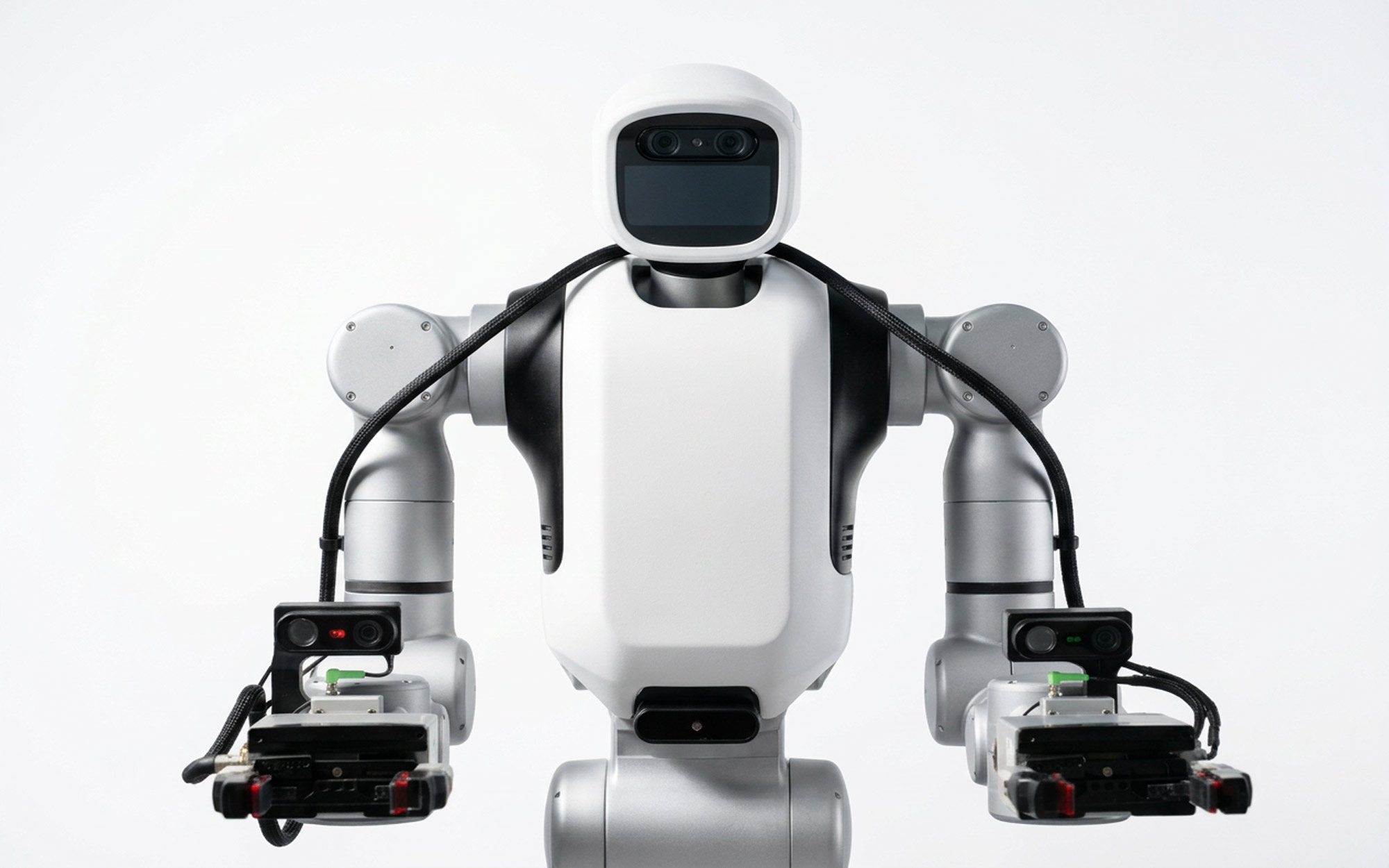
Agile Robots’ machines combine two arms and human-height reach with a mobile base. Their AI-powered perception systems are intended to identify and grasp different components, while dual-arm manipulation allows them to handle larger and more flexible parts. The format is designed to work within Audi’s existing logistics environment.
The important distinction is that these are mobile manipulation systems being tested for a specific factory task. The project’s value will depend on how consistently they can pick and sequence parts at the required pace.
TESTING THE JOB IN A VIRTUAL FACTORY
Alongside the physical work, the partners are creating a virtual twin of the logistics environment using Dassault Systèmes’ DELMIA application. Audi’s supply chain specialists provide the sequencing expertise and define the operational requirements against which the system will be evaluated.
The virtual environment will allow engineers to assess task feasibility, timing, ergonomics and safety before deployment into factory logistics operations. It uses Dassault Systèmes’ 3DEXPERIENCE platform and Industry World Models, together with NVIDIA Omniverse libraries.
Dassault Systèmes also plans to bring its AI-powered virtual companion, LEO, into the engineering process. The company says this approach could reduce work that takes months to days, although the announcement provides no measured results demonstrating that reduction for the Audi project.
A POTENTIAL STEP BEYOND FIXED AUTOMATION
Audi sees the trial as part of its broader effort to automate internal logistics, reducing repetitive manual handling and allowing employees to concentrate on other work. Agile Robots brings an established industrial robotics business to the project, reporting more than 20,000 robotic solutions deployed worldwide. That figure covers its broader business and should not be read as the deployment count for these newly developed mobile humanoids.
The potential benefit is flexibility. A robot that can recognize different parts, accommodate changing presentation and move within an existing workspace could extend automation into jobs that are difficult to serve with a fixed installation.
For now, the Ingolstadt trial will need to establish whether those capabilities translate into dependable sequencing performance. Audi and its partners have identified a concrete application for the technology; the proof of concept is the step toward determining whether it can meet the demands of daily vehicle production.