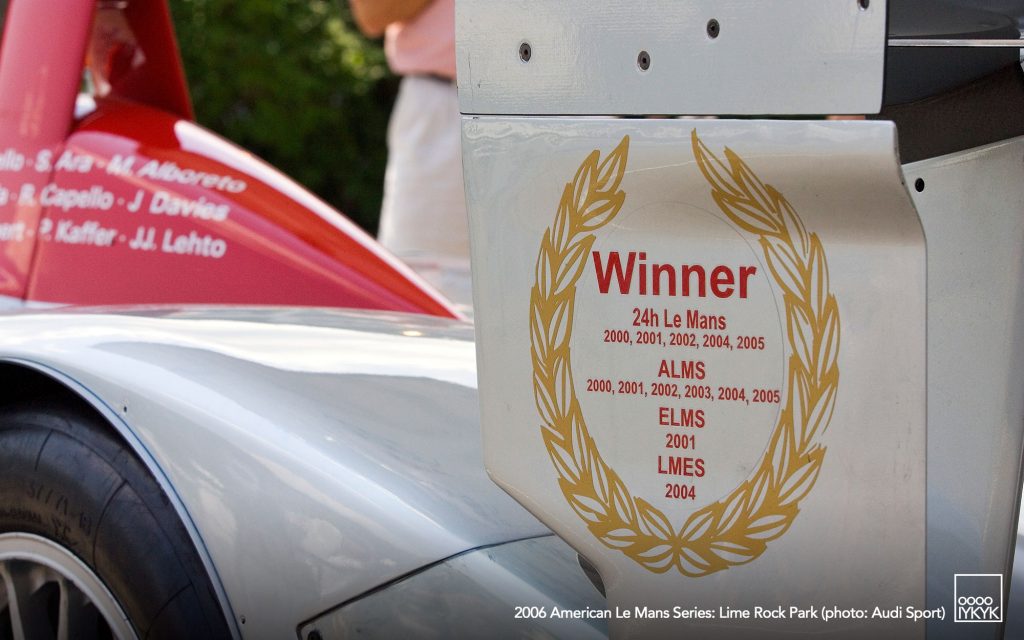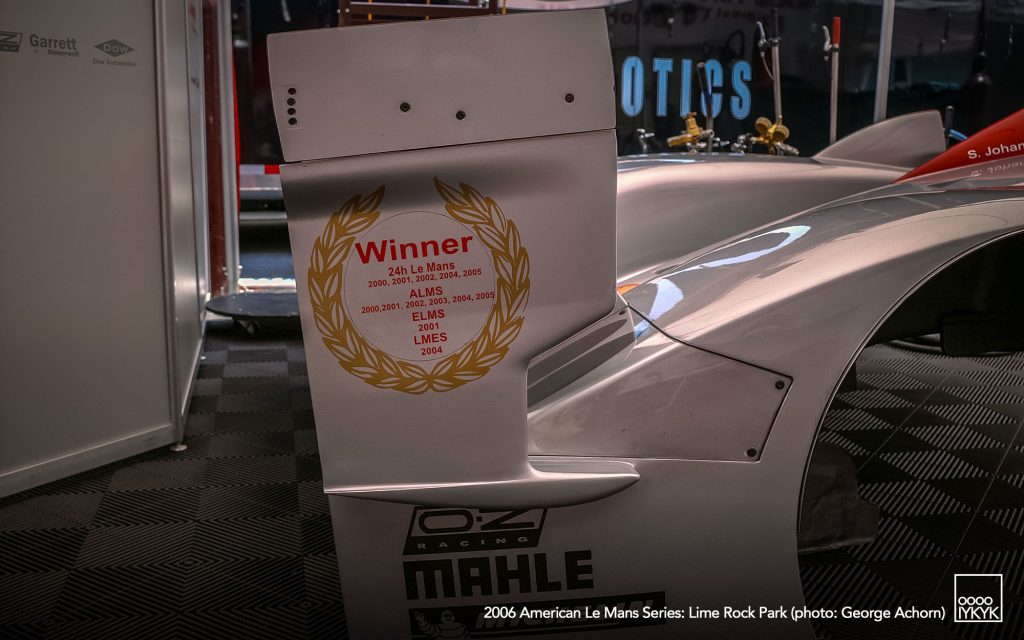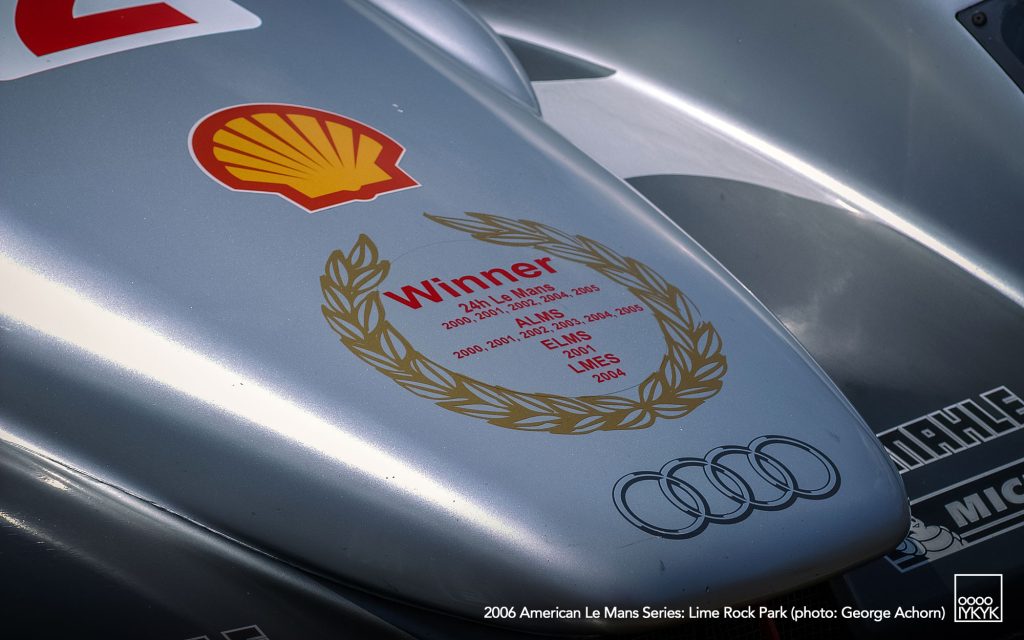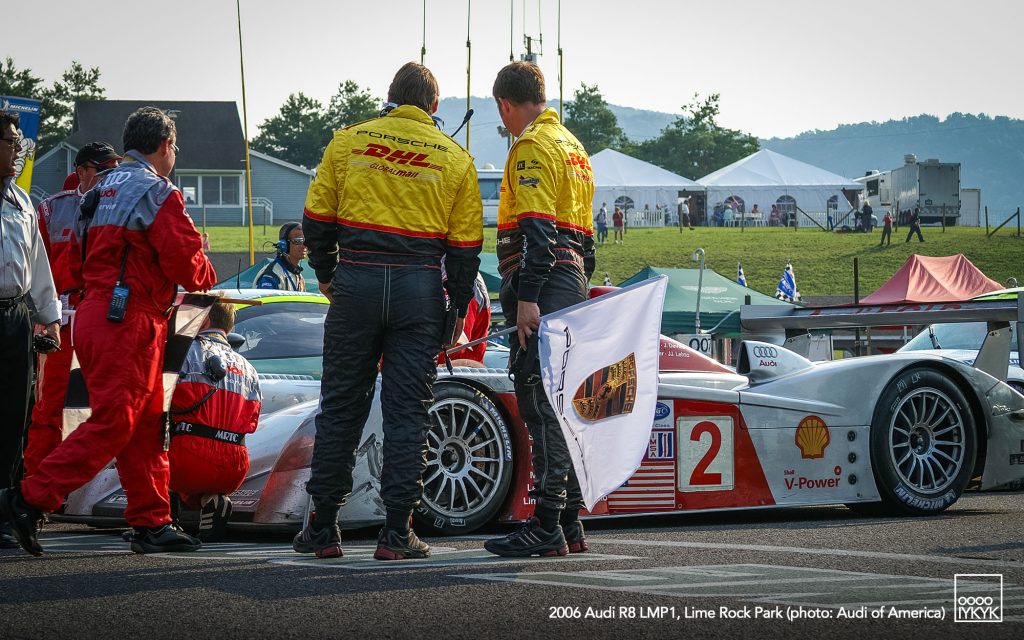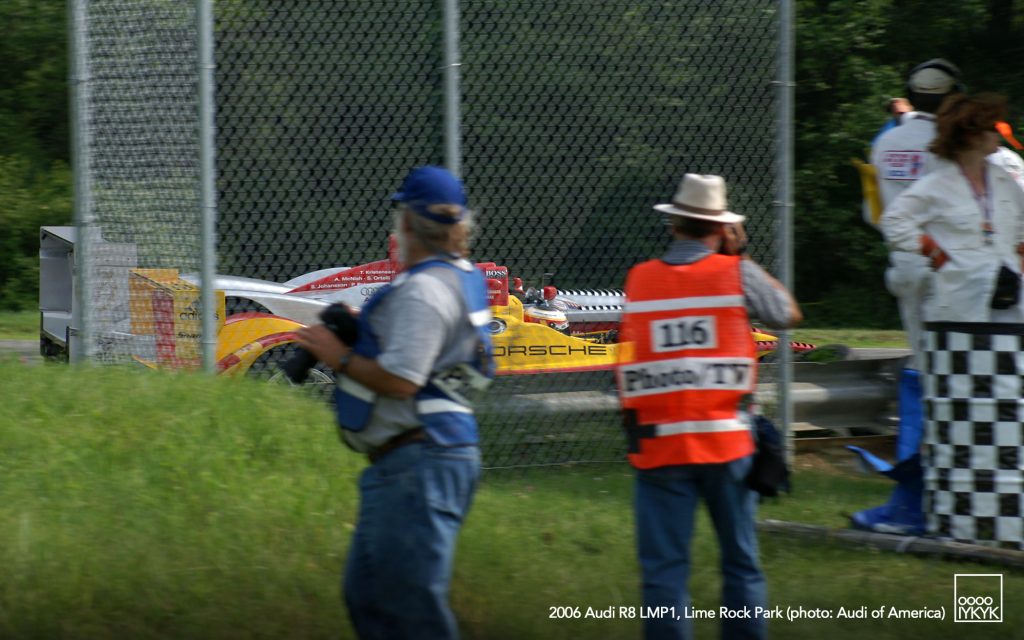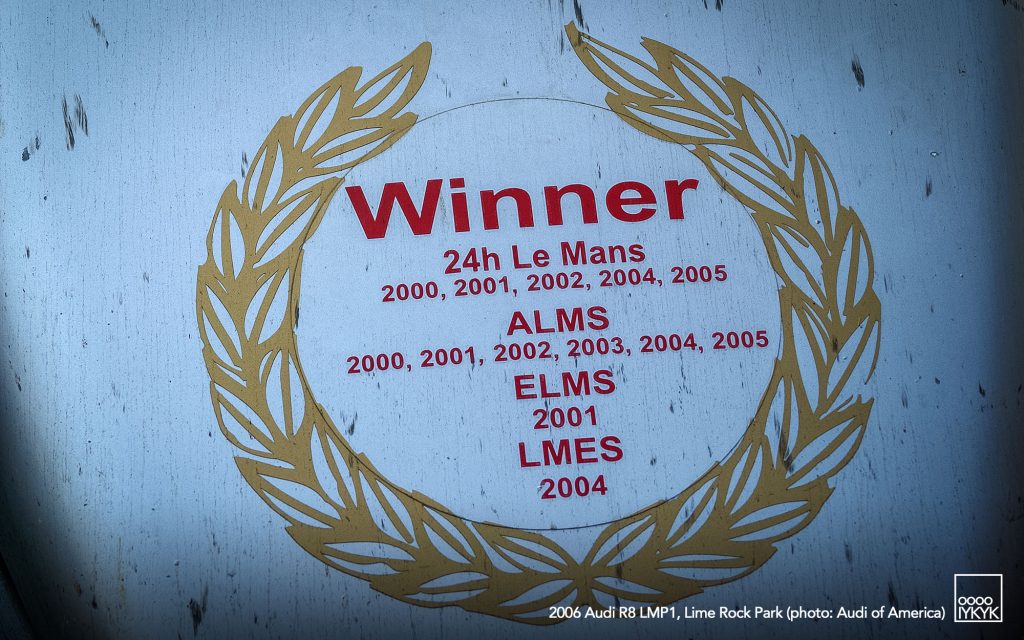

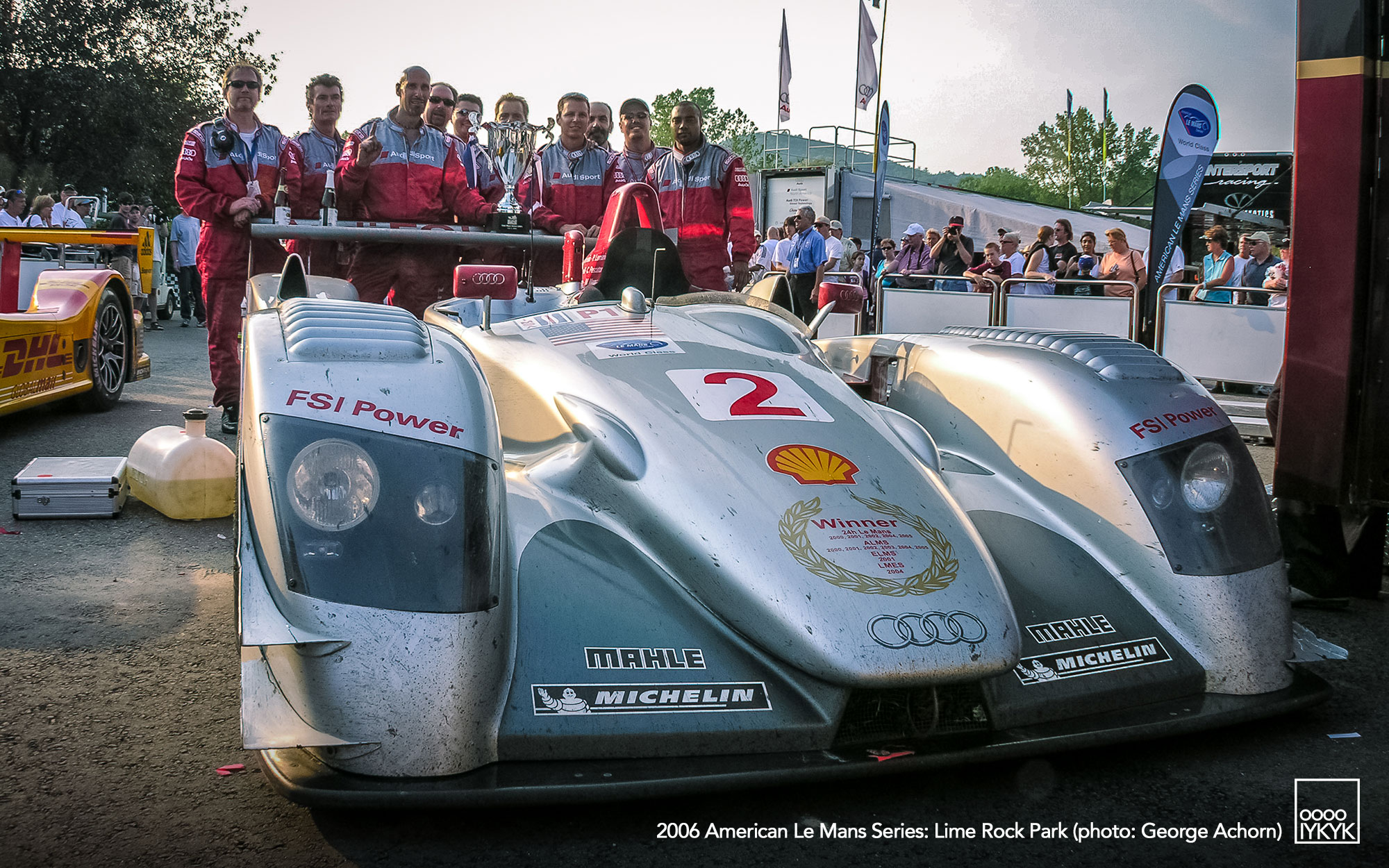

Can you imagine the Audi R8 LMP1 being considered sub-par? Not to boast, but Audi’s LMP1 legend remains the winningest car at Le Mans… ever. Victories in 2000, 2001, 2002, 2004 and 2005 sealed that title for the car, besting the records of the Porsche 956 (four) and Porsche 962 (two… three if you count Dauer). Even still, by 2006 the R8 was beginning to show its age.
Its record of dominance hadn’t helped. Le Mans’ sanctioning body, the Automobile Club de l’Ouest (ACO), weighed it down in an attempt to give the remaining LMP1 competitors—those who hadn’t yet packed up and taken their toys home—a greater chance at winning. The R8’s final Le Mans in 2005 saw the R8 as the slower car, one that proved more reliable in the Sunday morning heat and clawed its way back for the win.
Audi Sport would replace the R8 with its 2006 wunderkind, the V12 TDI-powered R10. They brought that car to Sebring at the start of the season where it logged its first win. From there, the R10 went under wraps in preparation for the 2006 24 Hours of Le Mans. Back in the U.S., Audi Sport, represented by Champion Racing, would continue fielding the veteran R8 until the R10 returned.
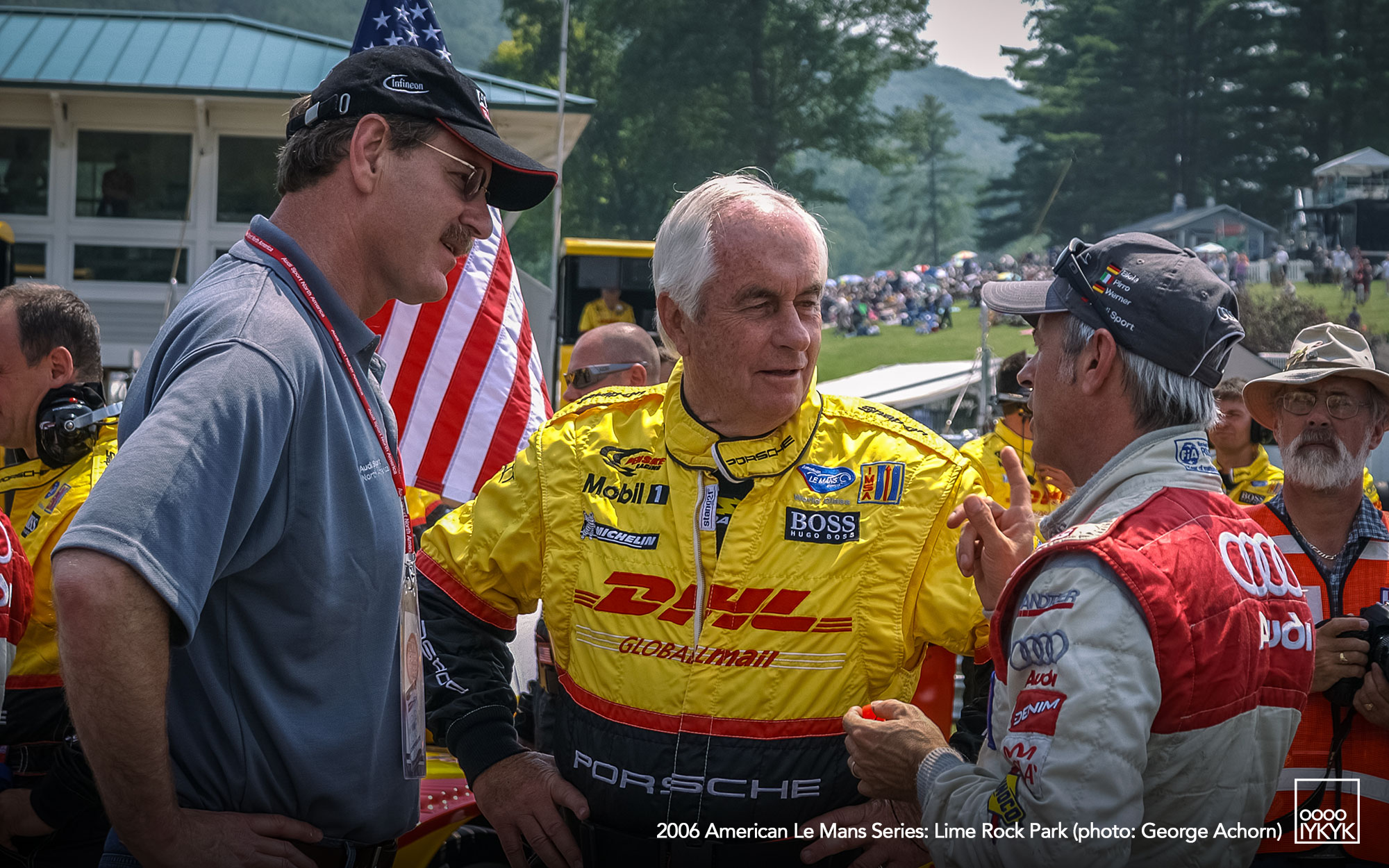
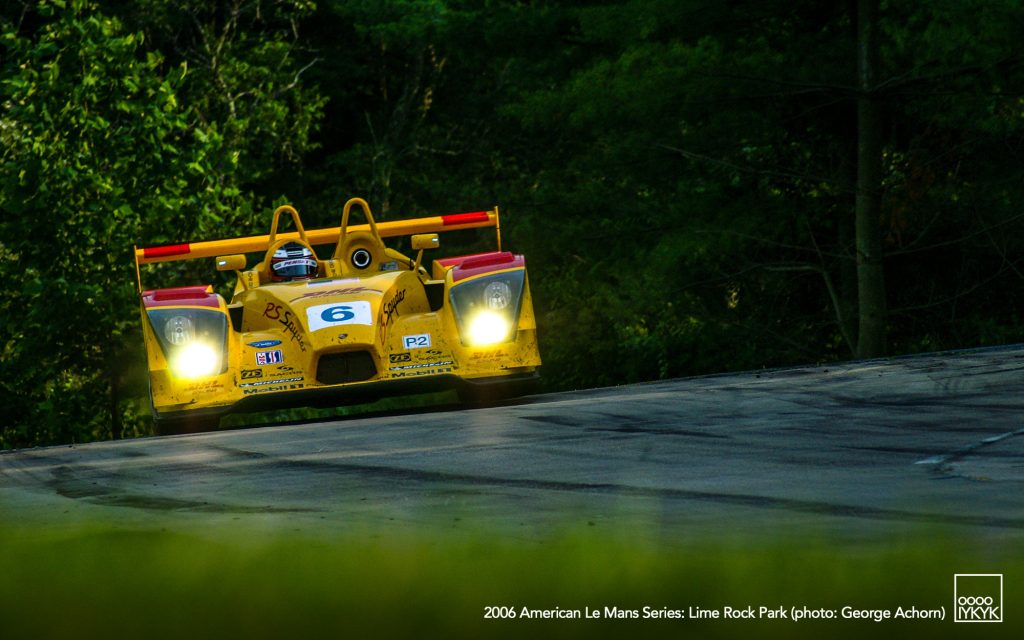
As with the ACO, the American Le Mans Series also wanted to put on a good show—i.e. one where Audi wasn’t running away with all the first-place trophies. And while it had no Henri Pescarolo to give the cars a run for their money in the top class, it did have the Penske-run Porsche RS Spyder in the LMP2 class. Unlike the ACO, it also had no issue with the LMP2s mixing it up with the LMP1s or vying for outright wins or championships.
There was just something about Porsche—the brand that also held the record for the most Le Mans wins—embodying the idea of a smaller-displacement, lightweight championship contender, while Penske Motorsport had (and still has) a pedigree in American racing that bows to no one.
Then there was Audi, modern Le Mans royalty, running the most legendary Le Mans car in history with arguably the world’s top endurance drivers.
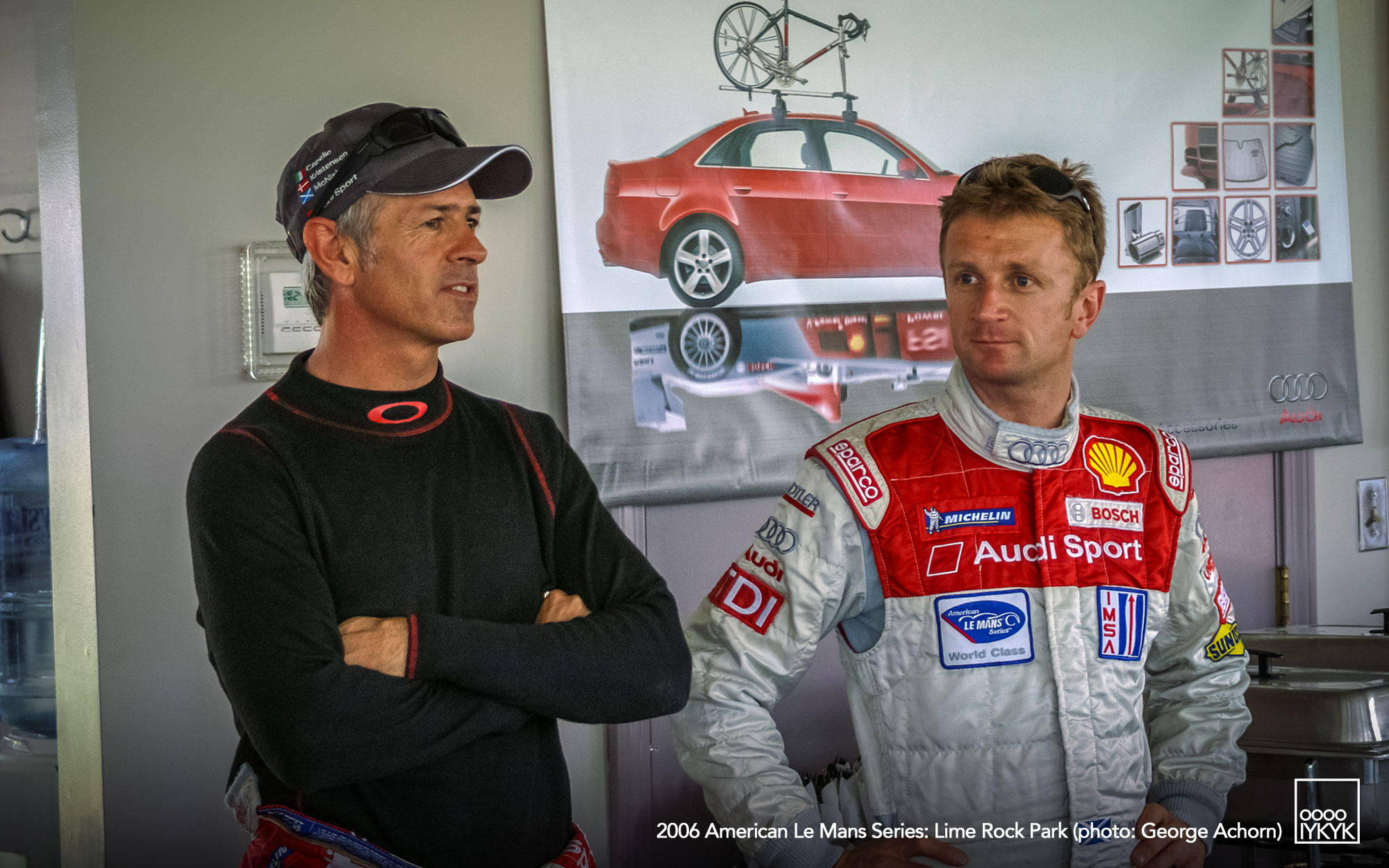
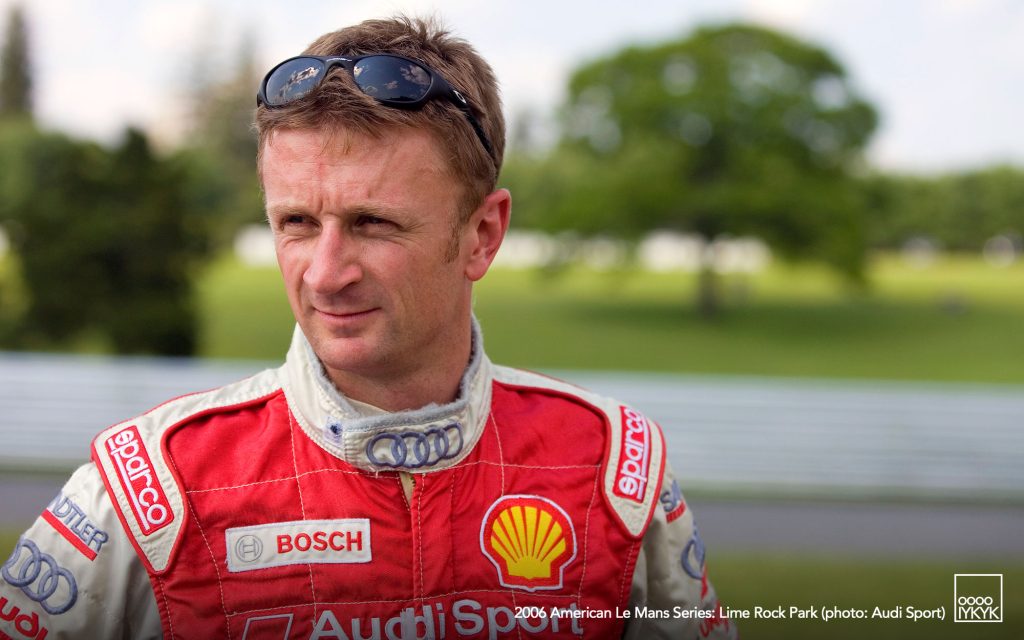
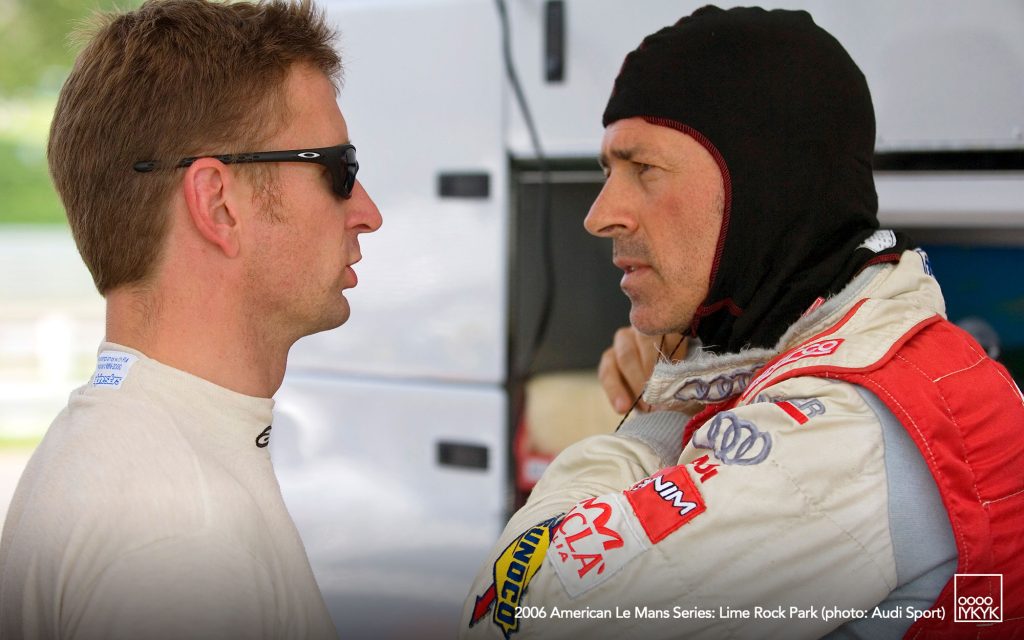
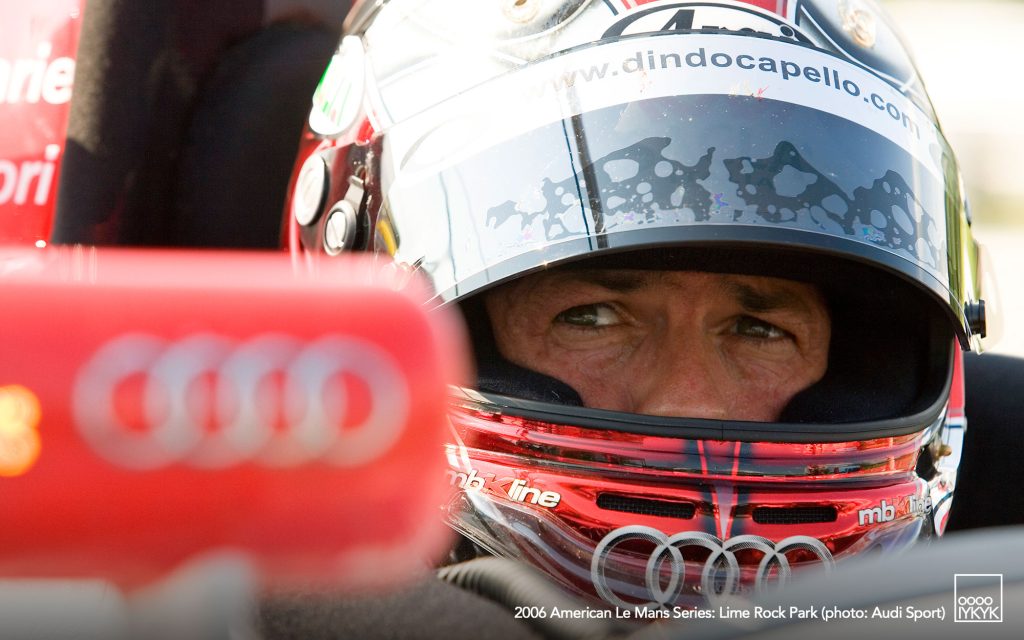
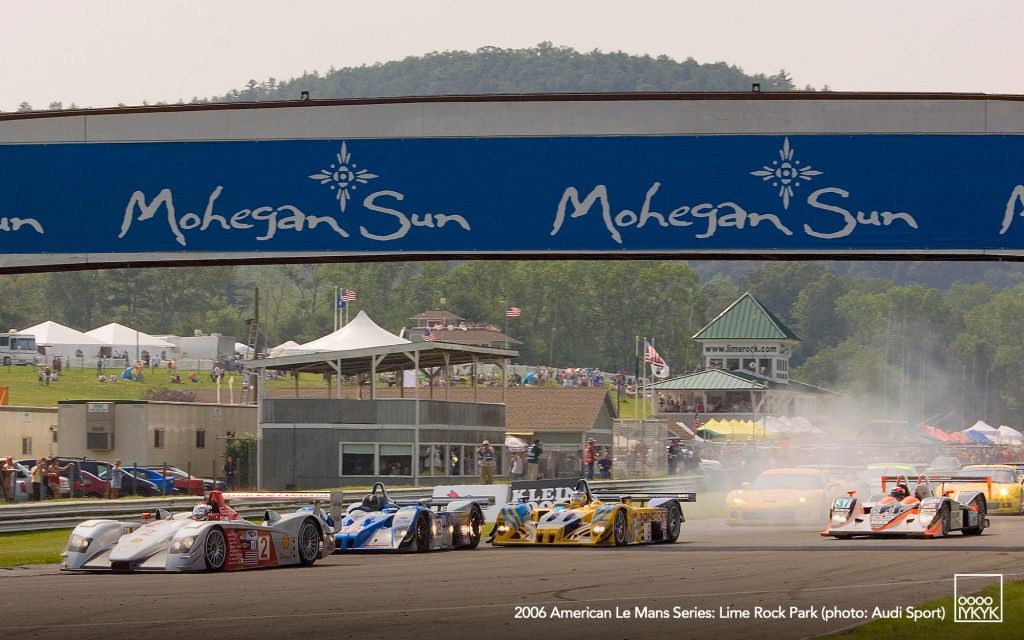
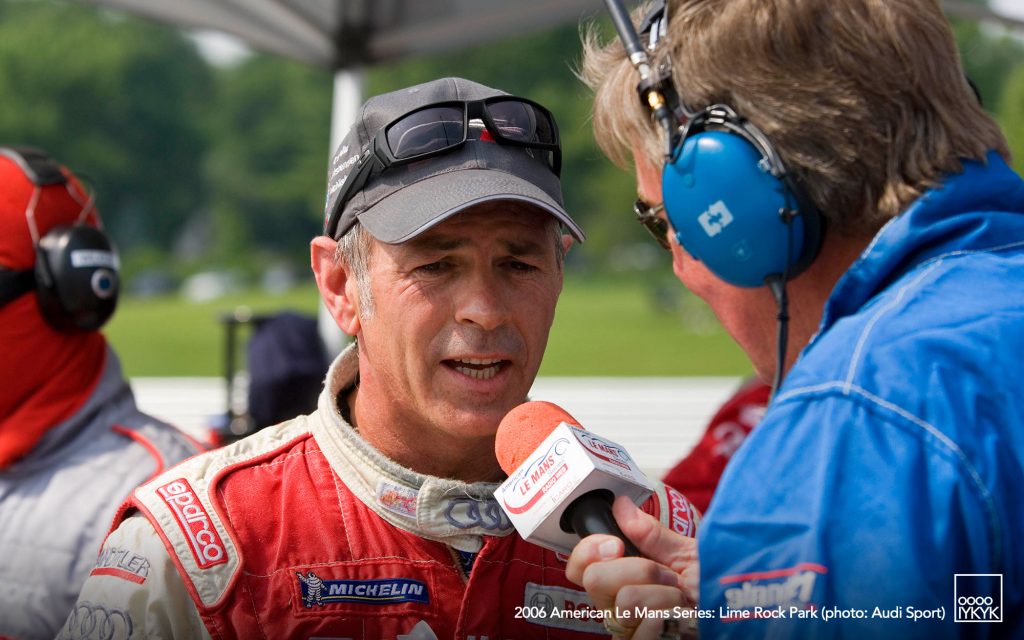
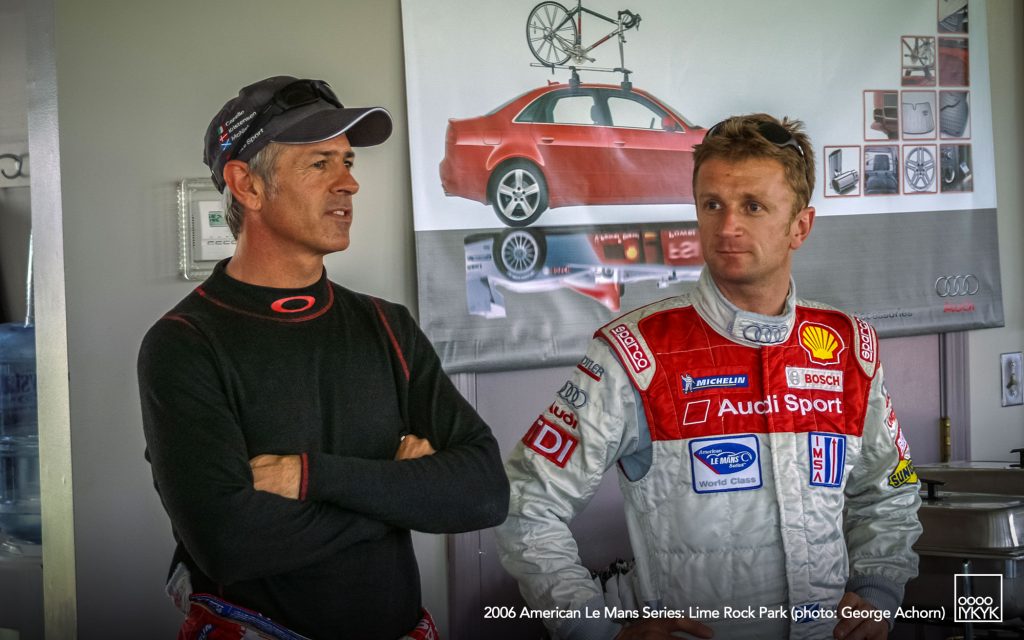
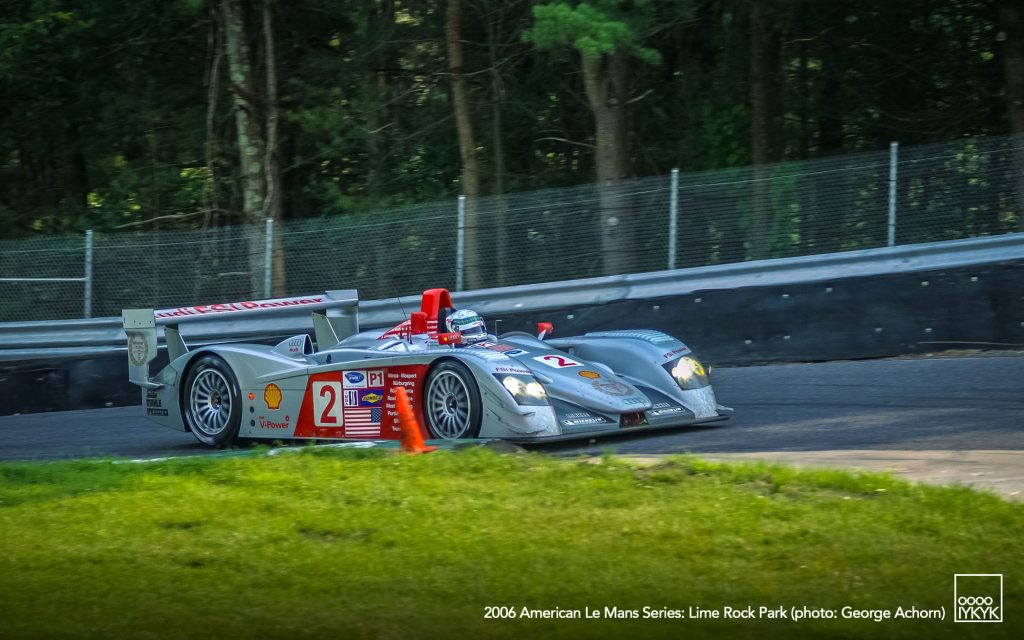
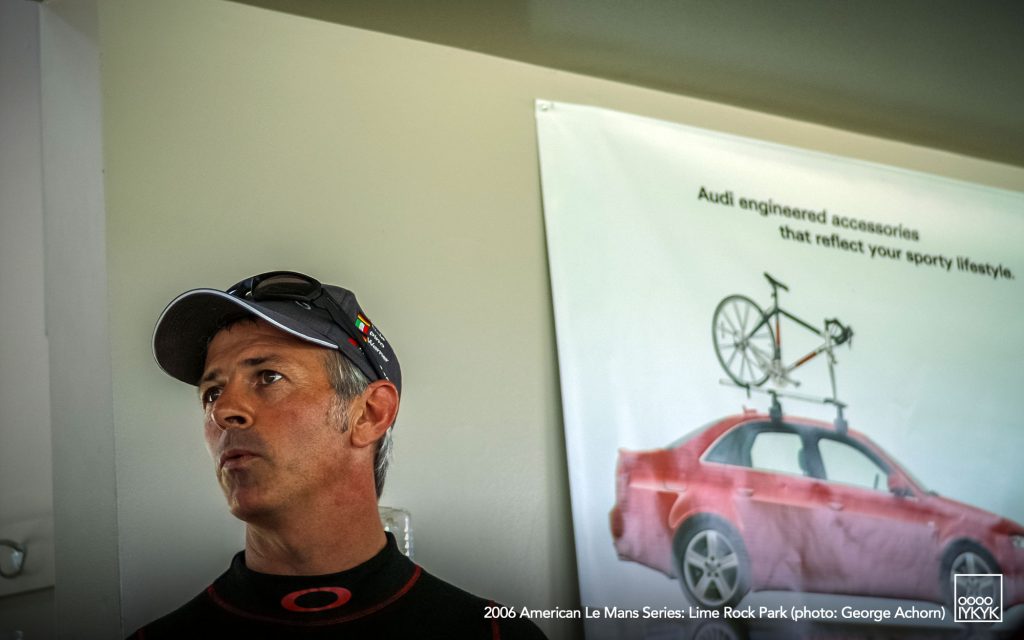
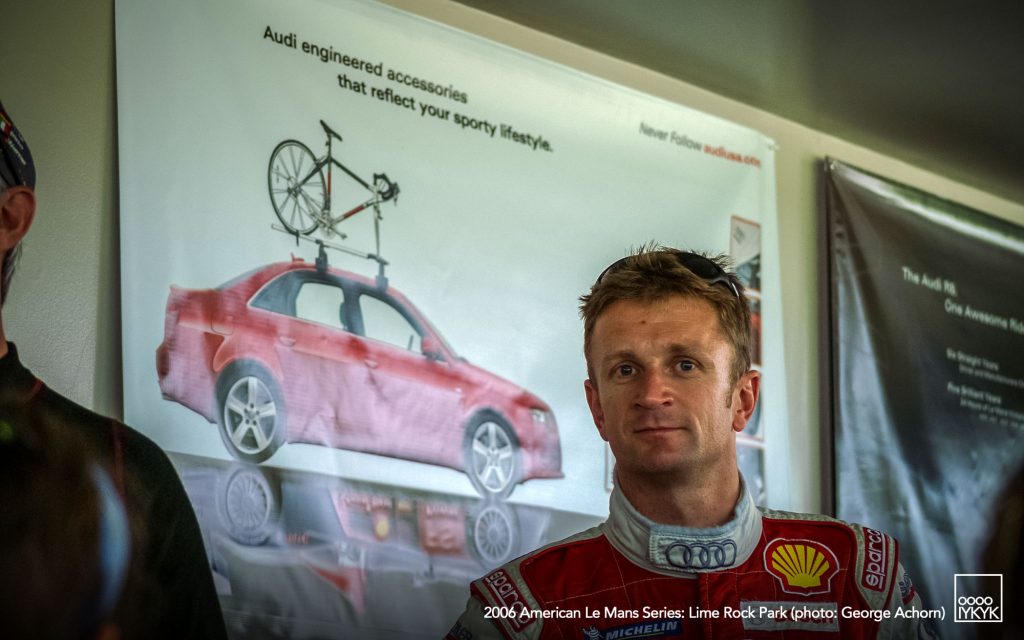
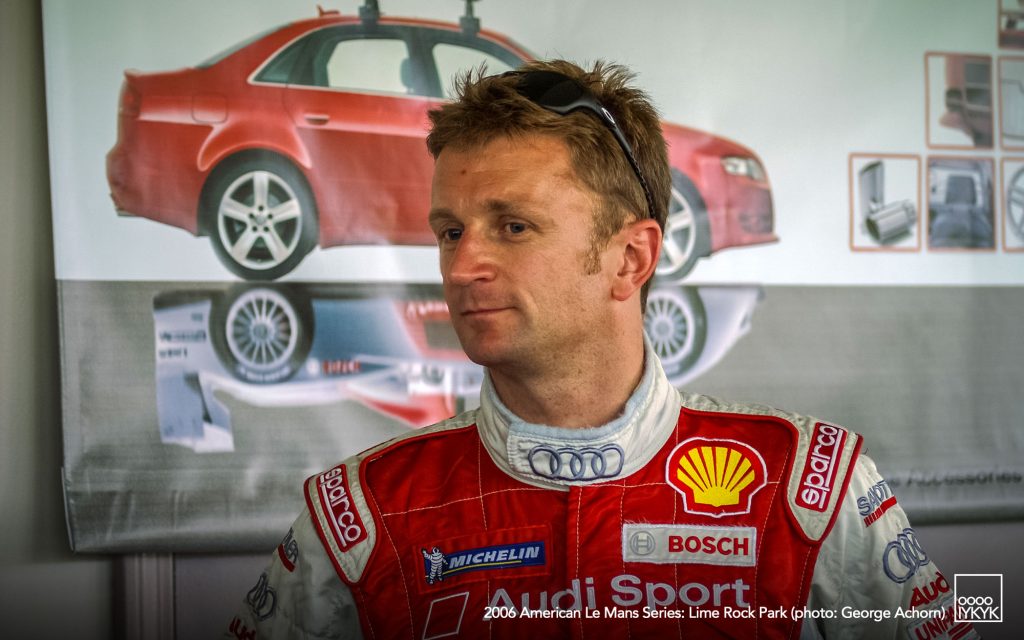
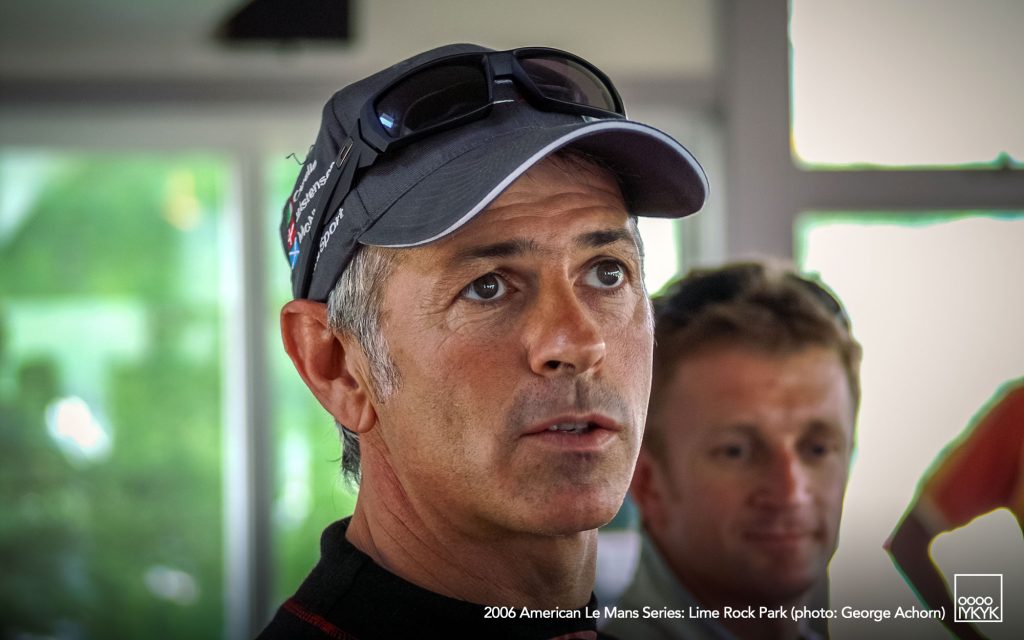
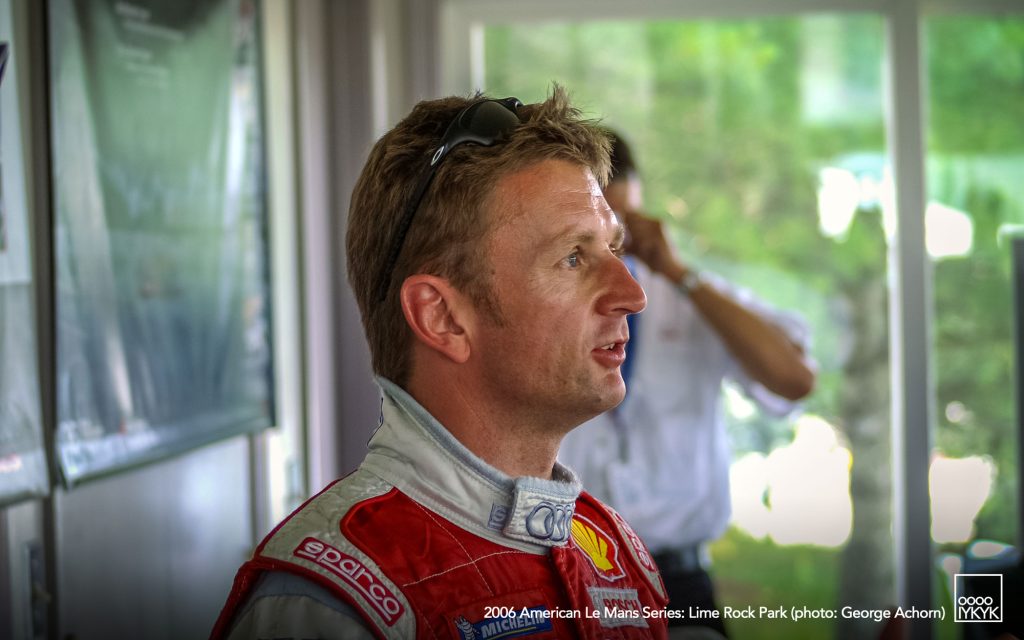
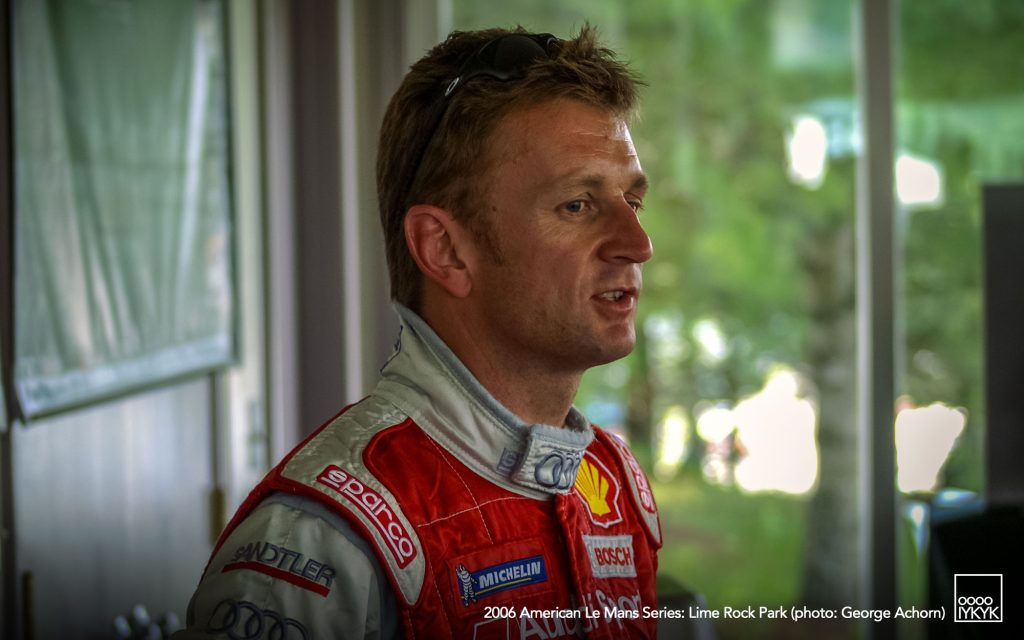
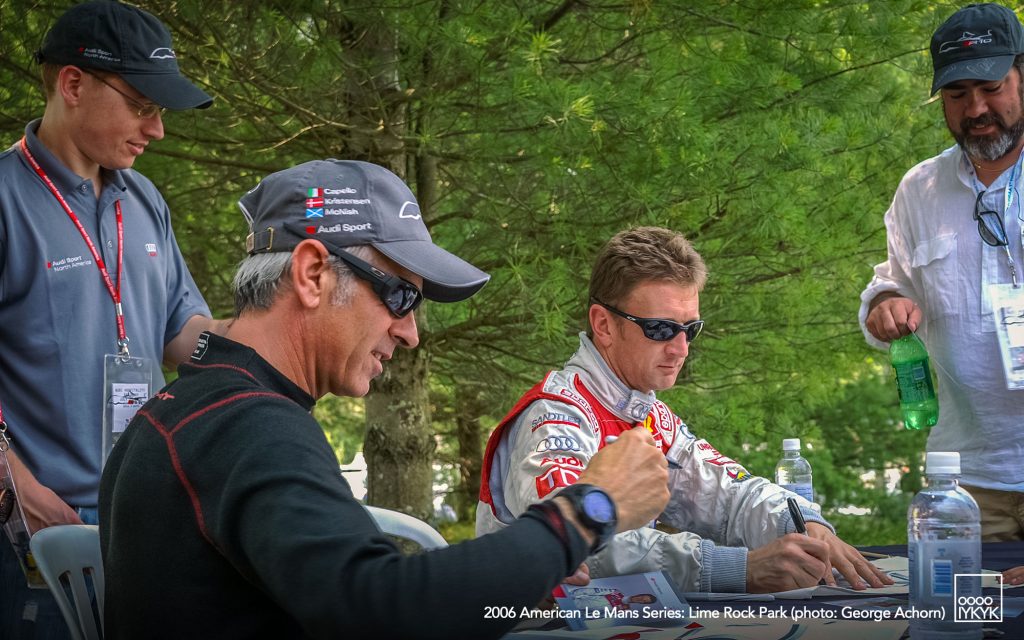
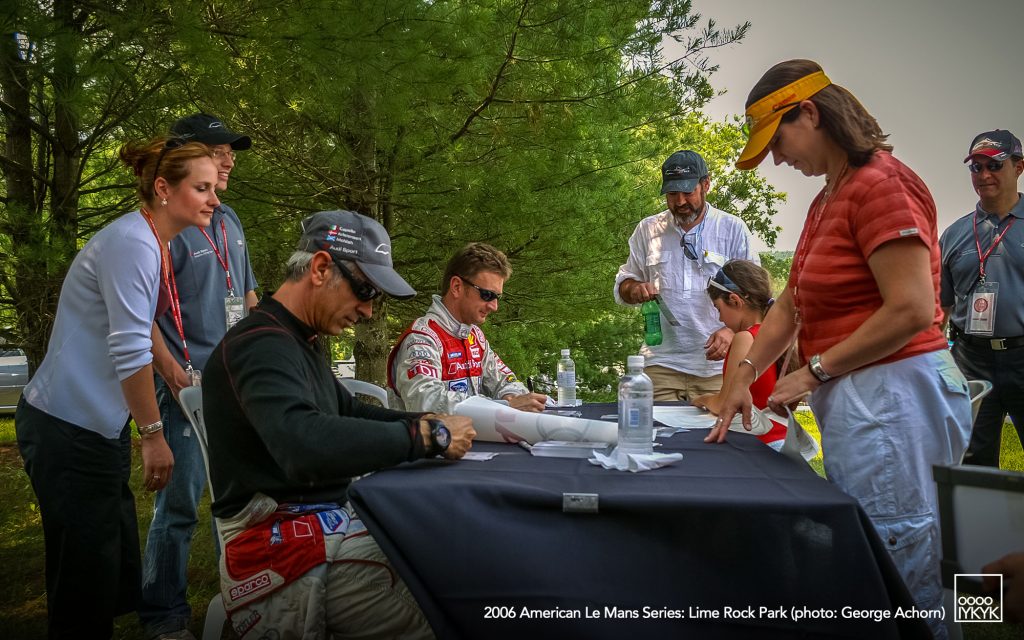
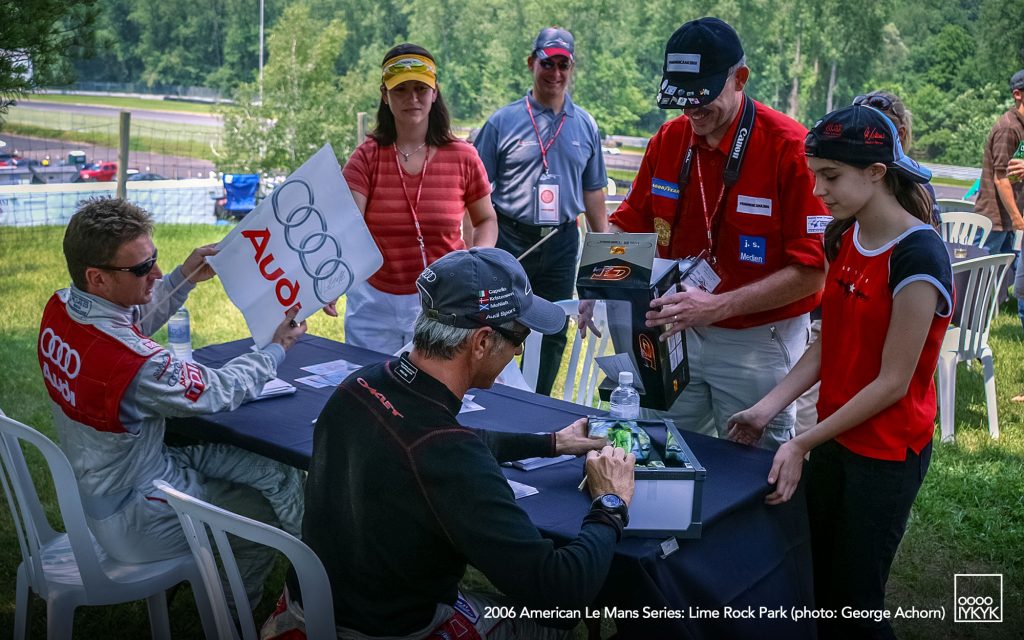
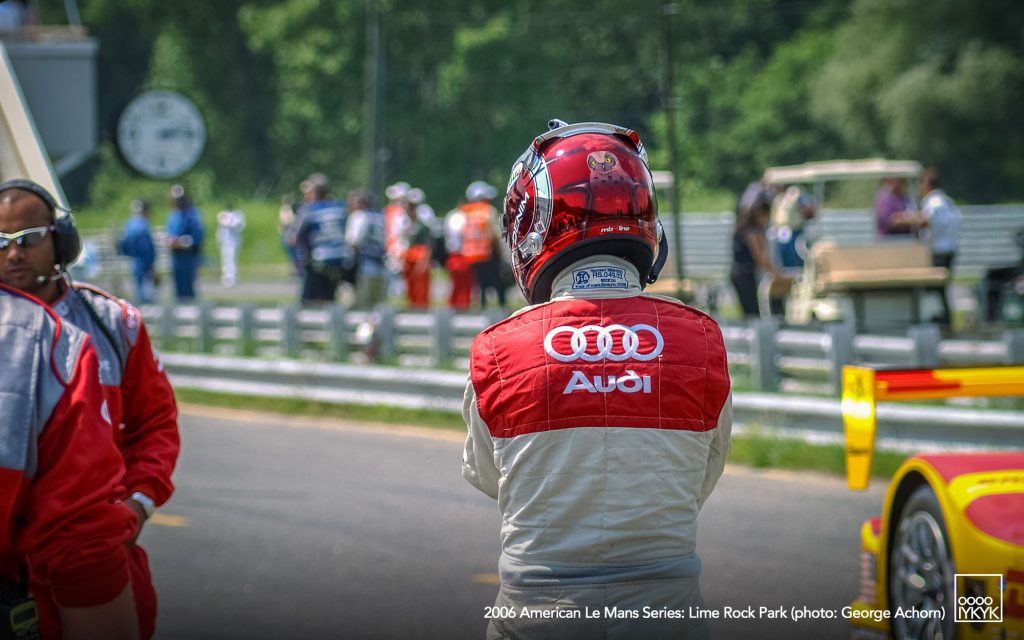
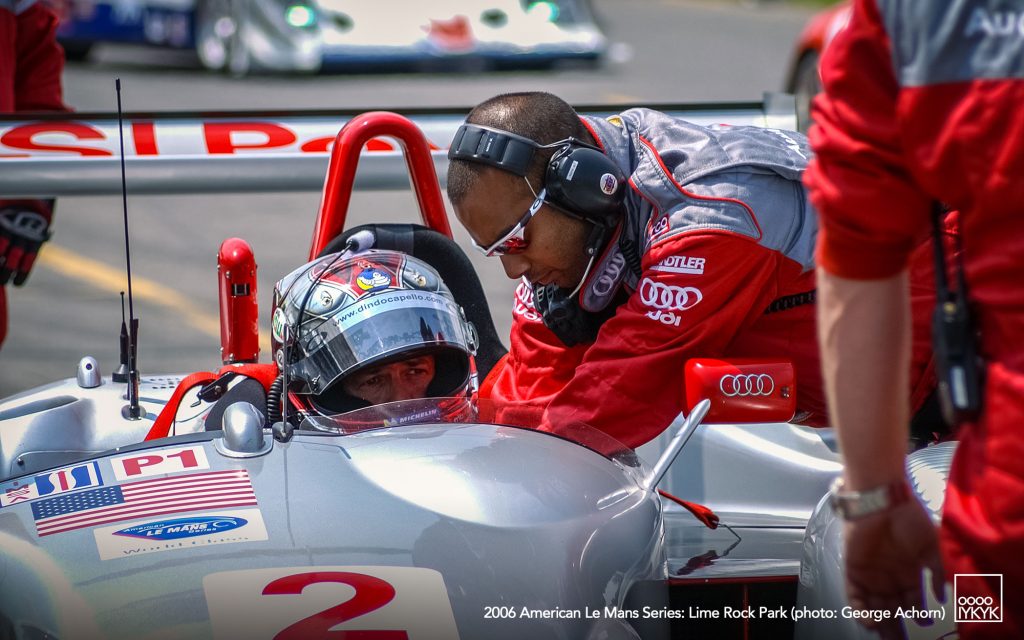
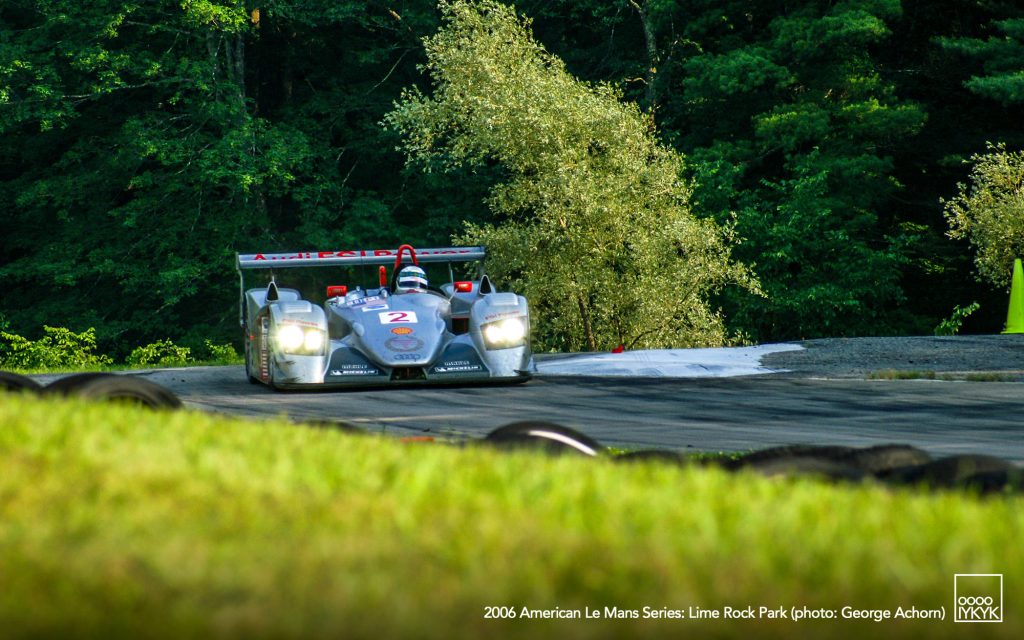
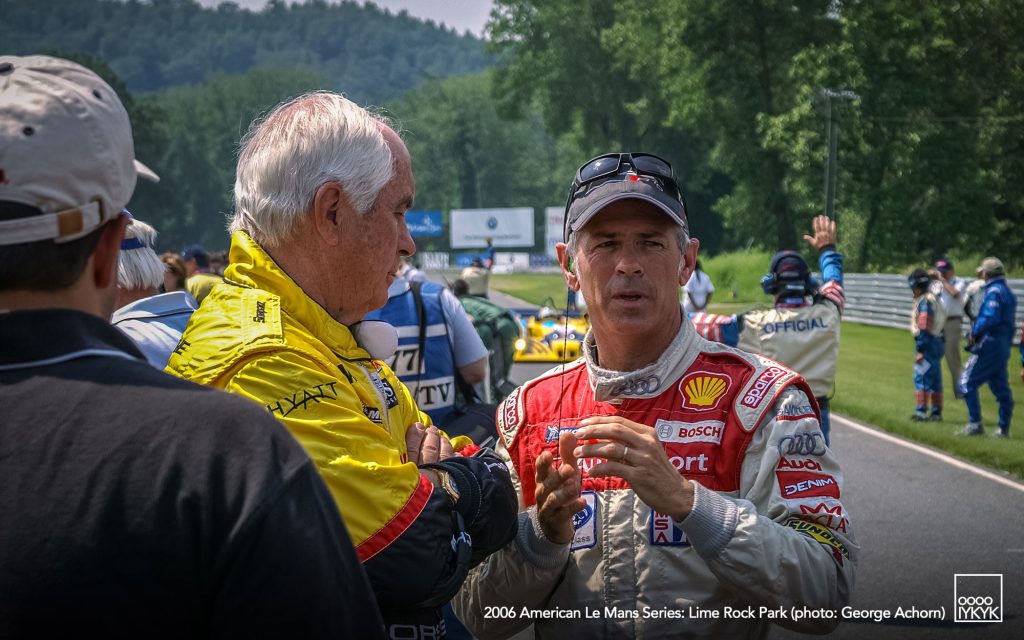
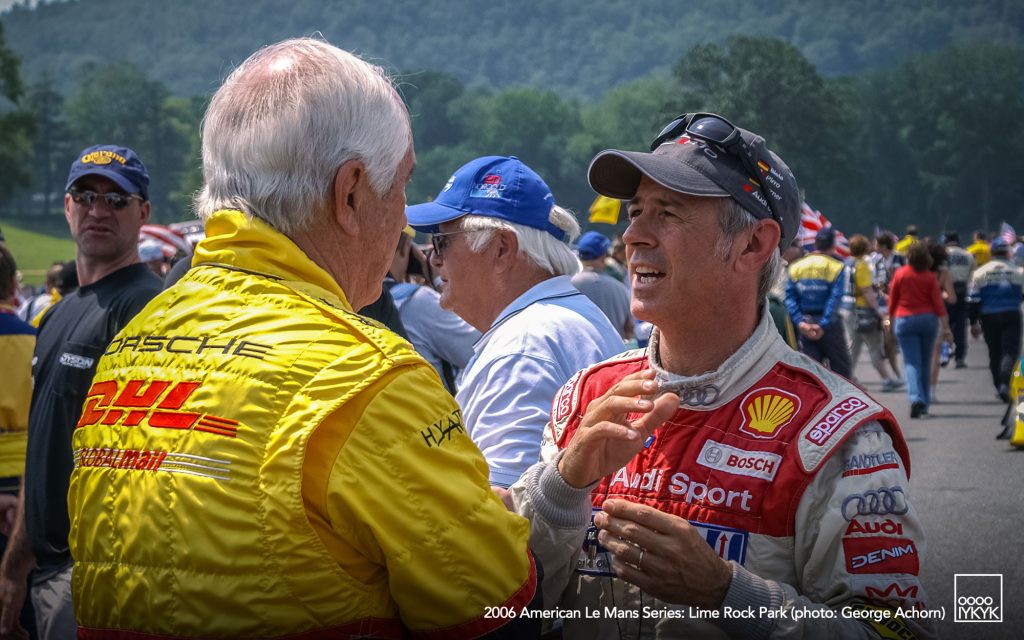
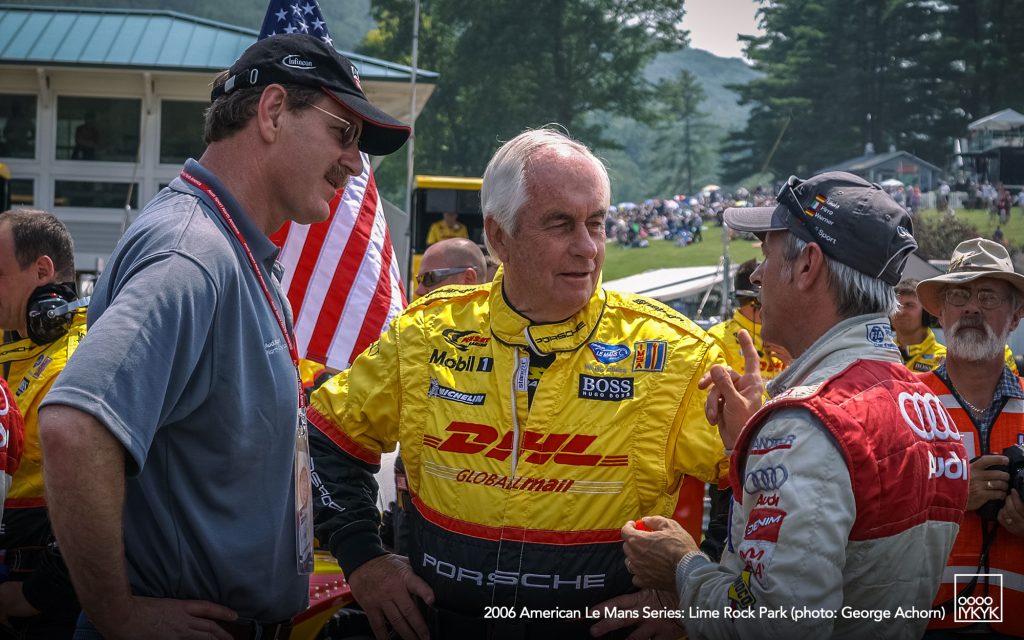
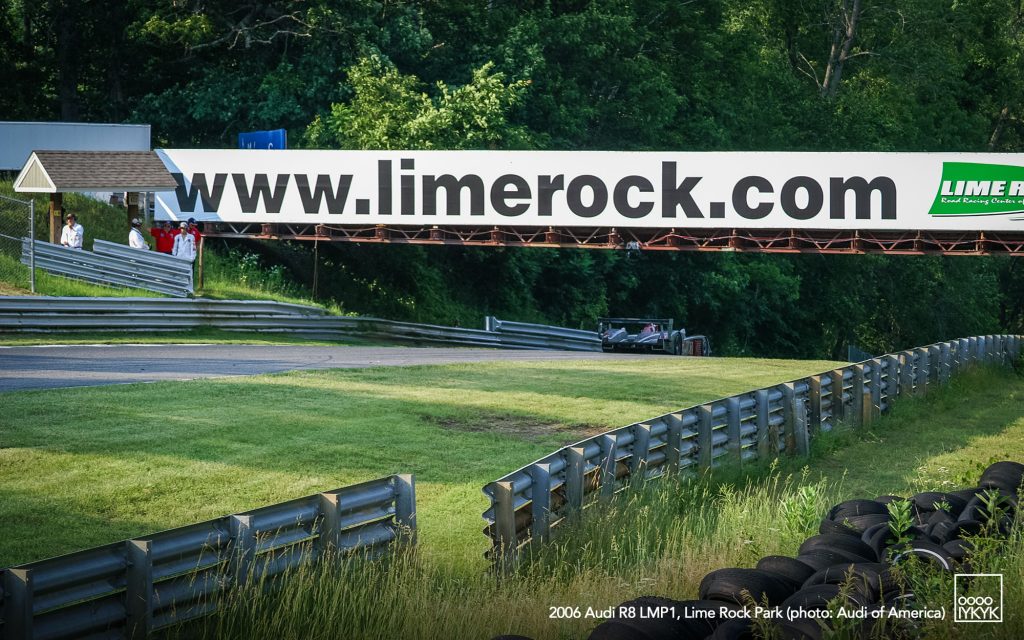
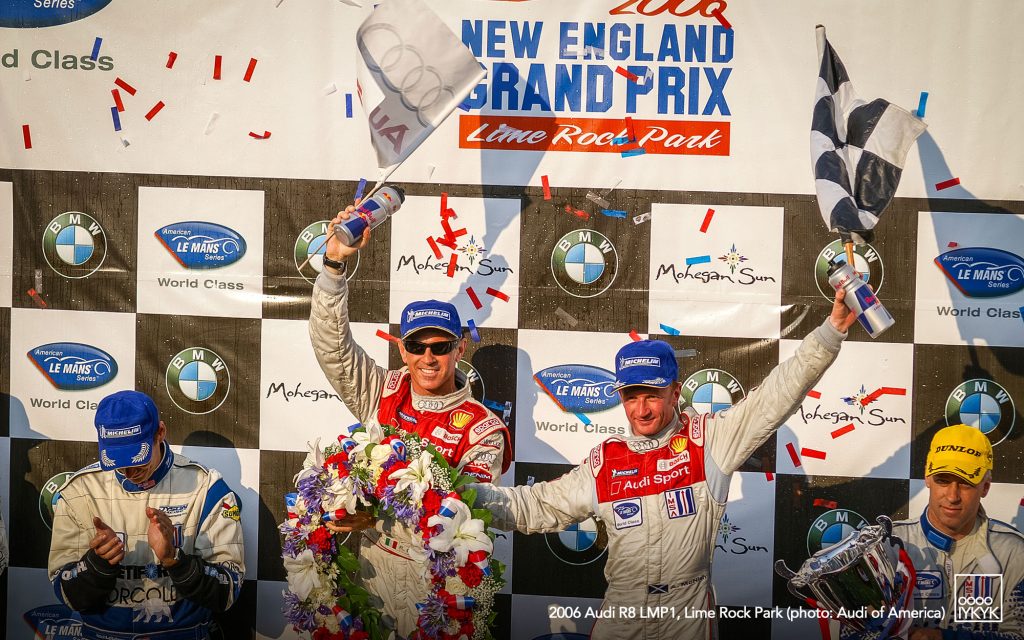
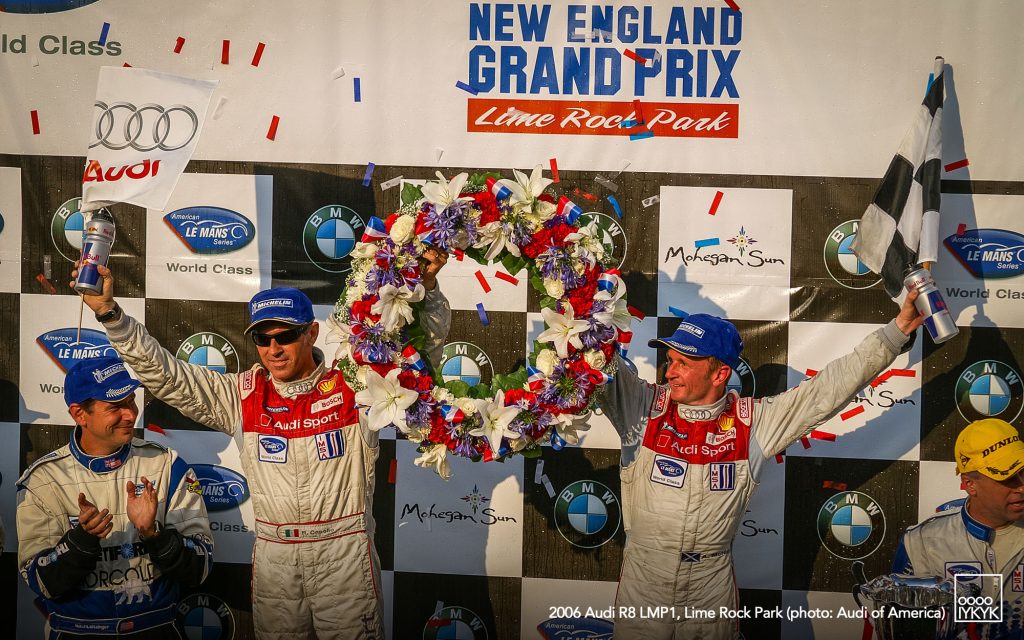
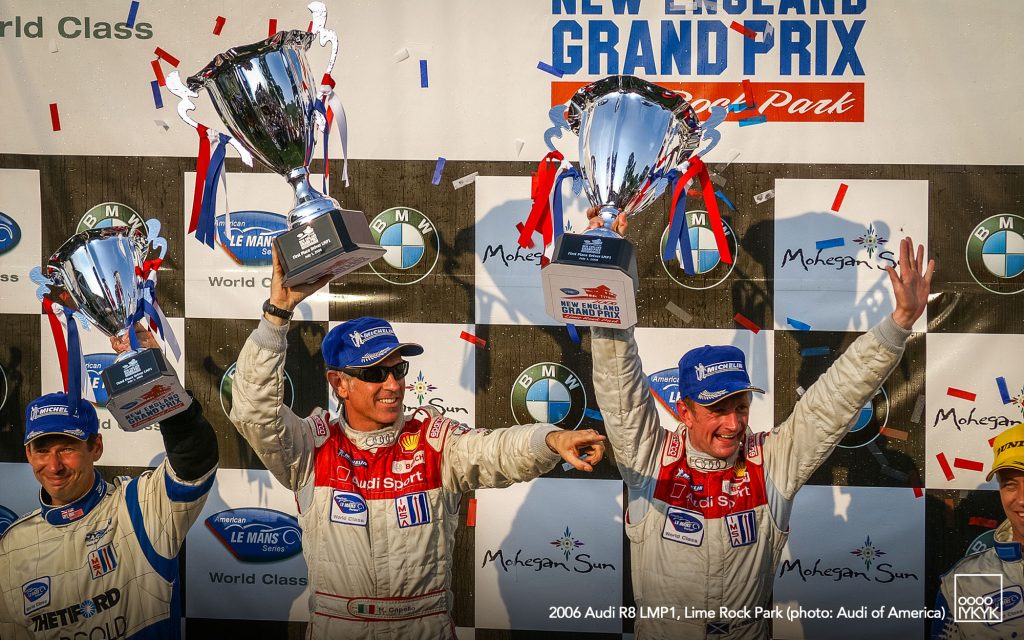
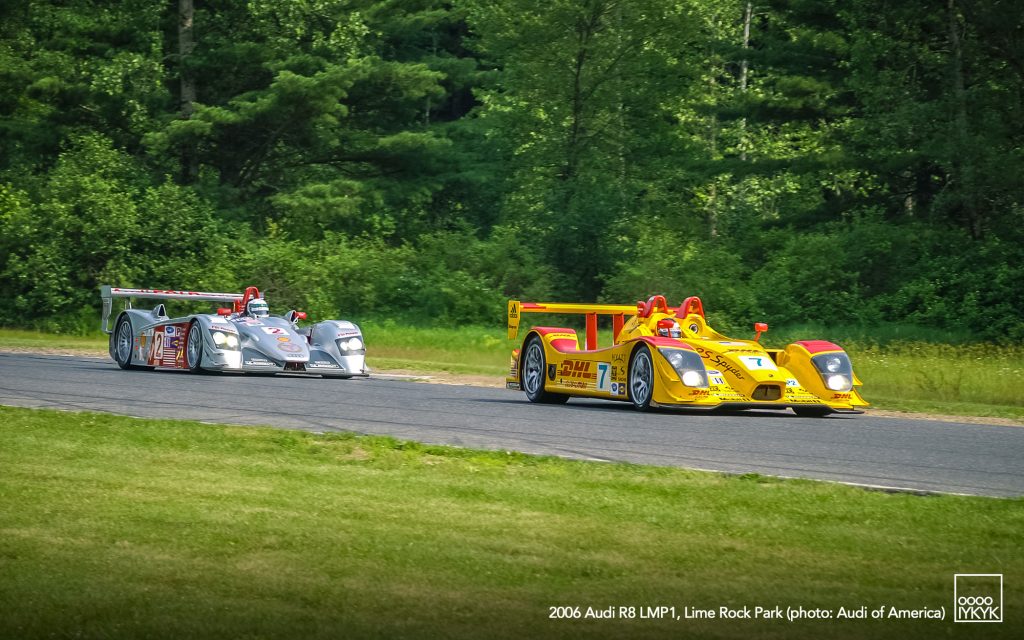
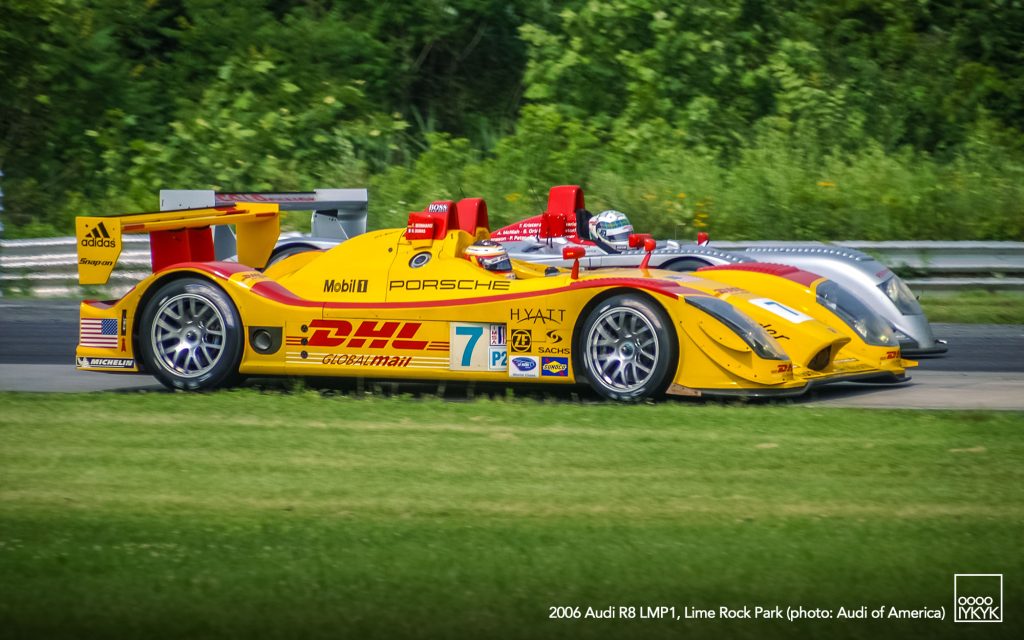
The result made for amazing racing that season—a perfect storm that set the stage for a major showdown at the 2006 New England Grand Prix in Connecticut where Allan McNish and Dindo Capello were set to have one last fling with the R8 LMP1 at Lime Rock Park, a short track that favored the likely faster Penske Porsche RS Spyders.
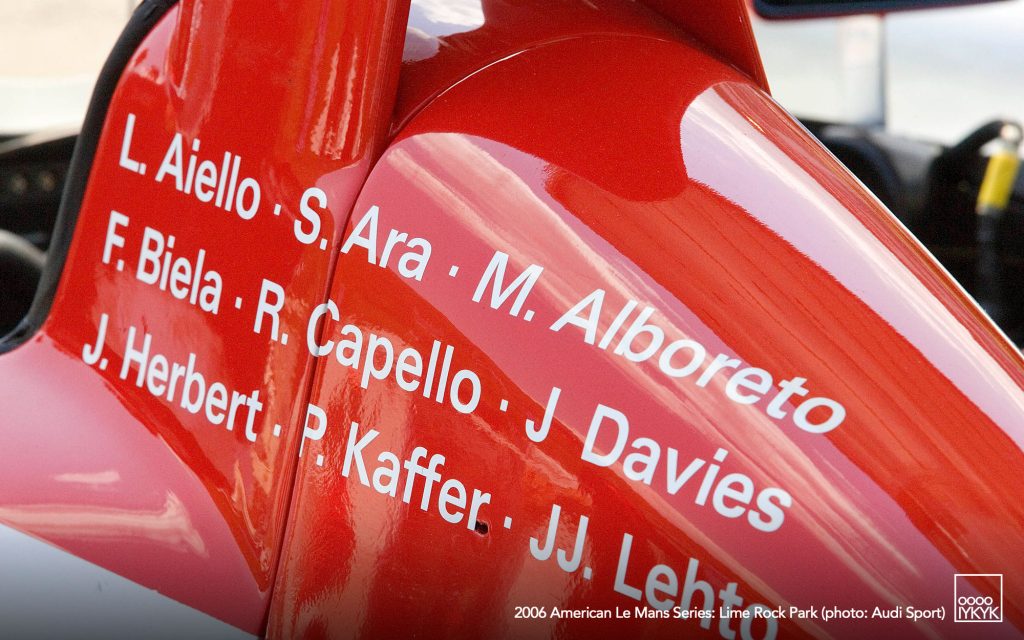
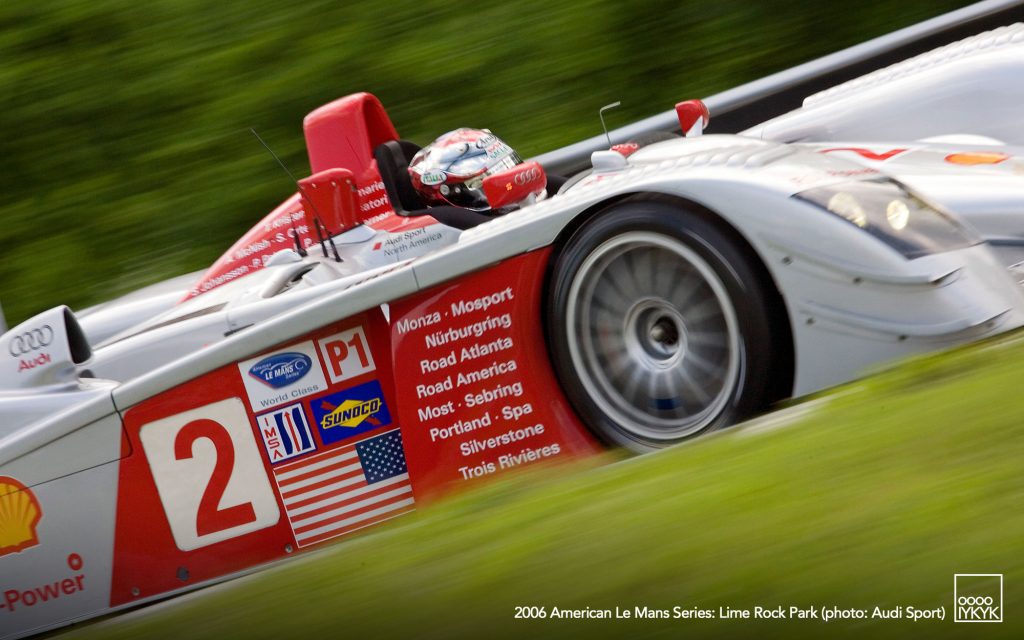
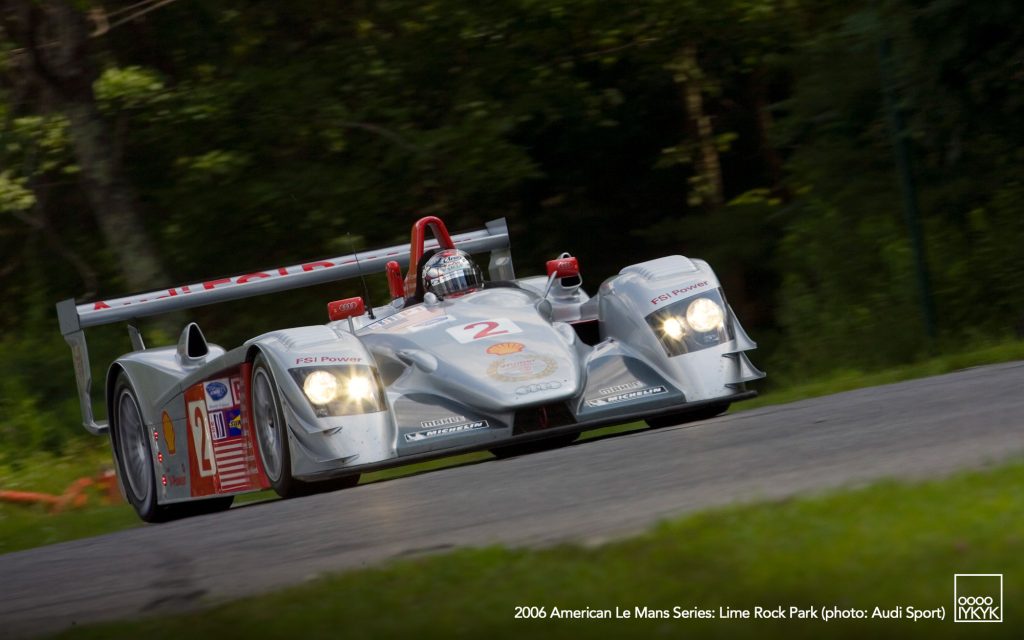
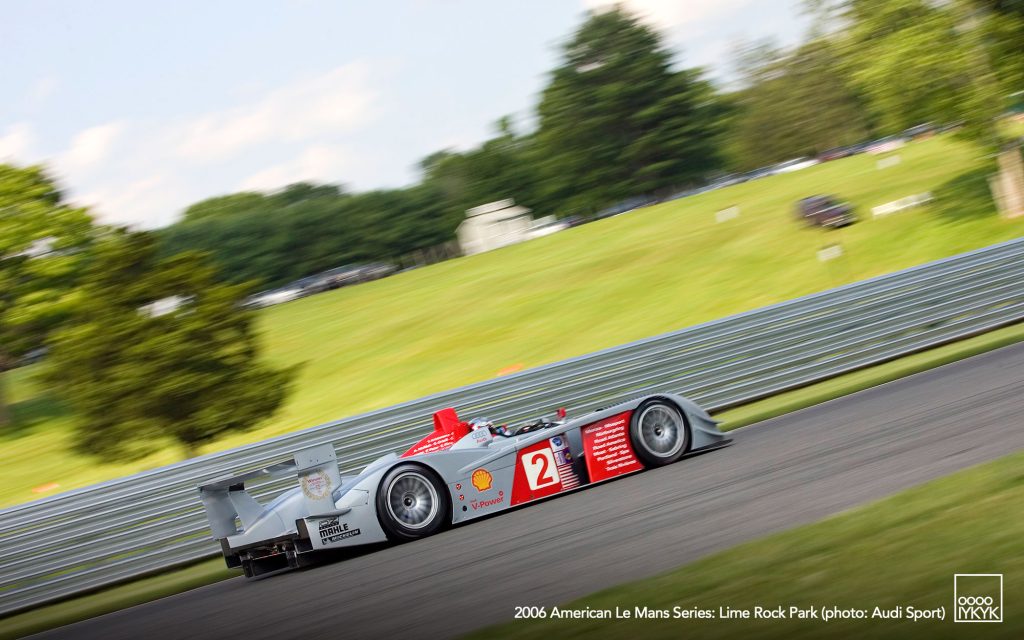
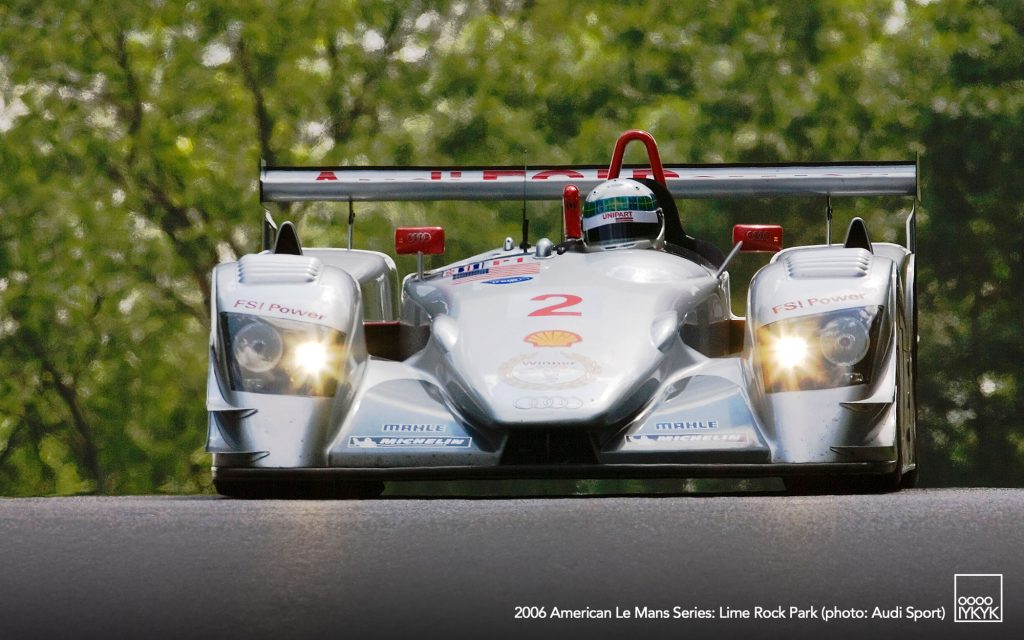
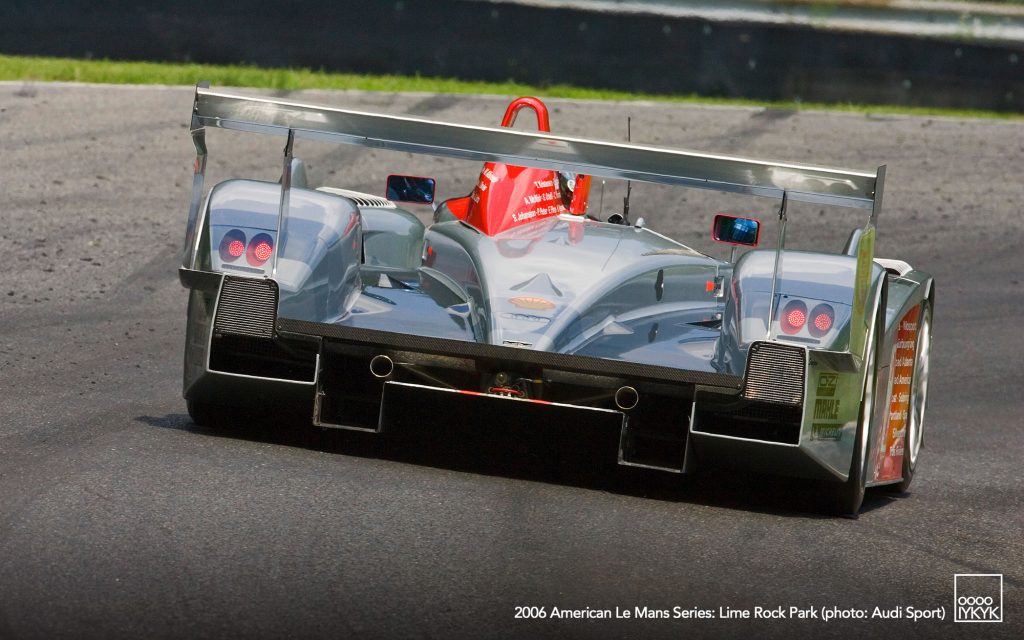
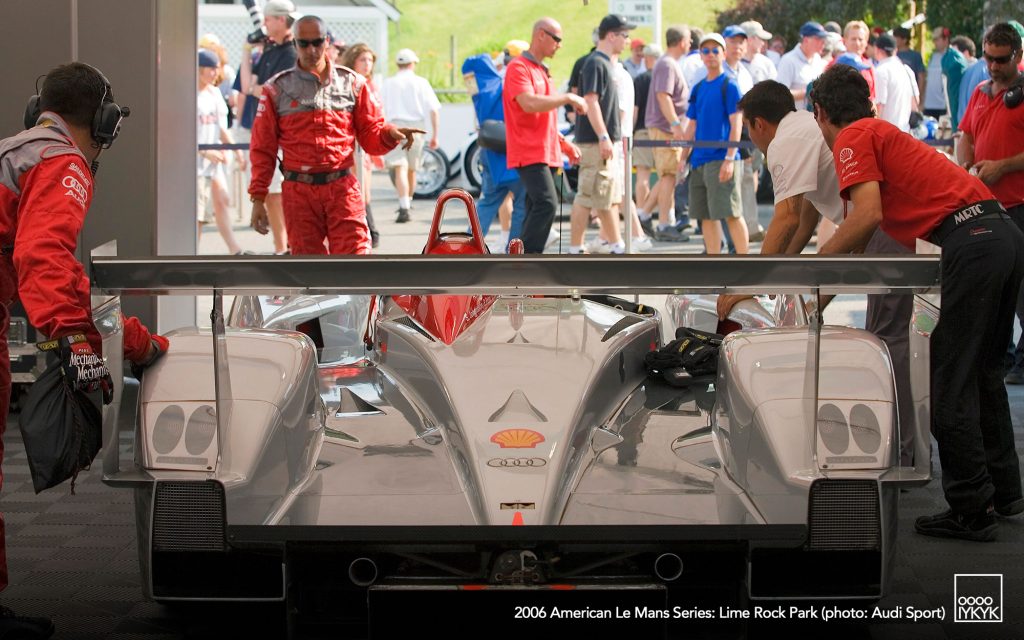
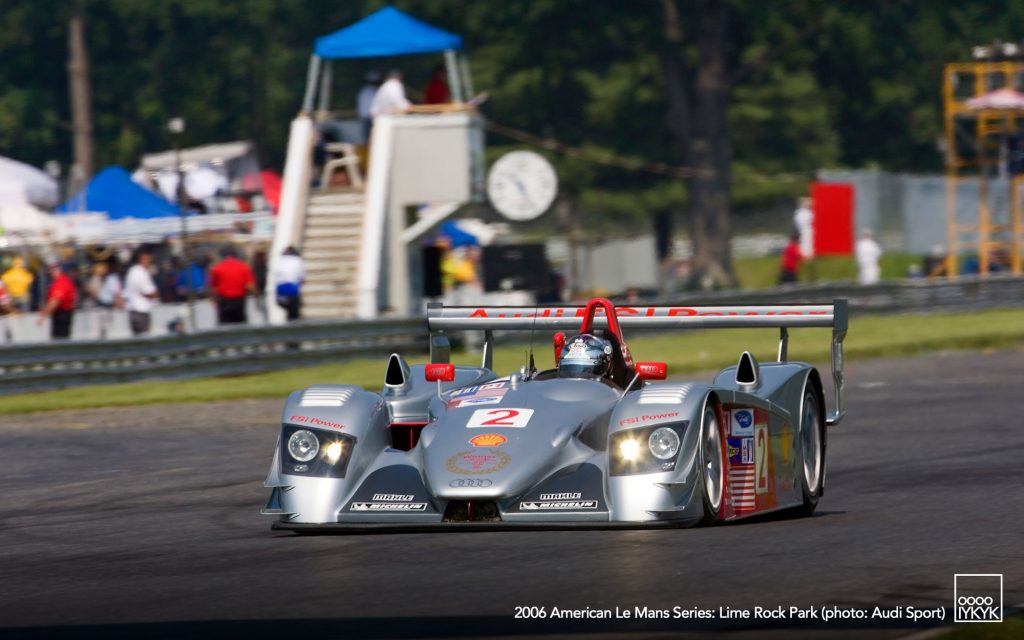
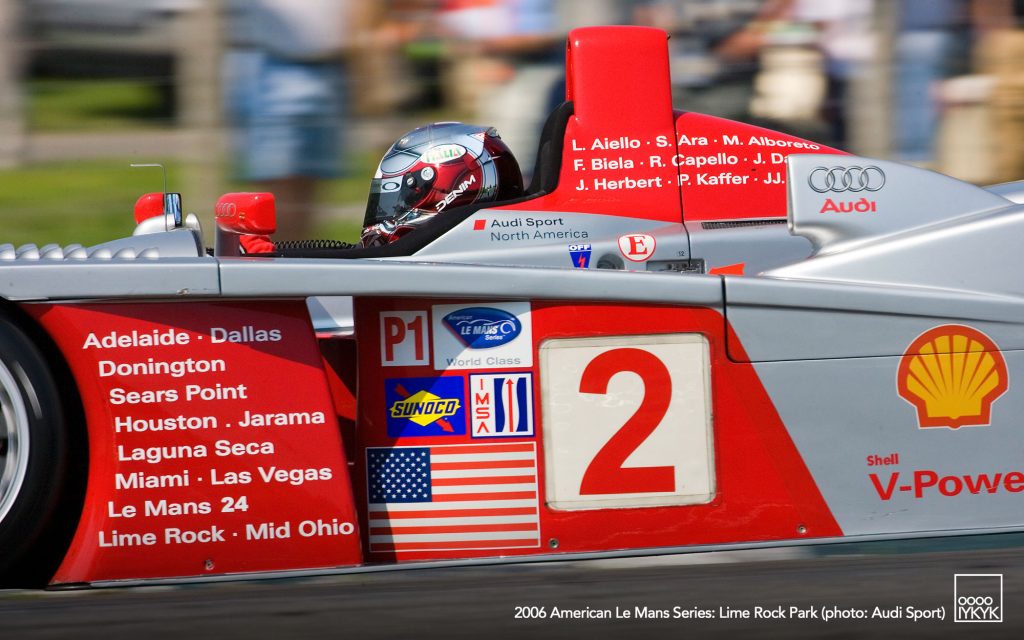
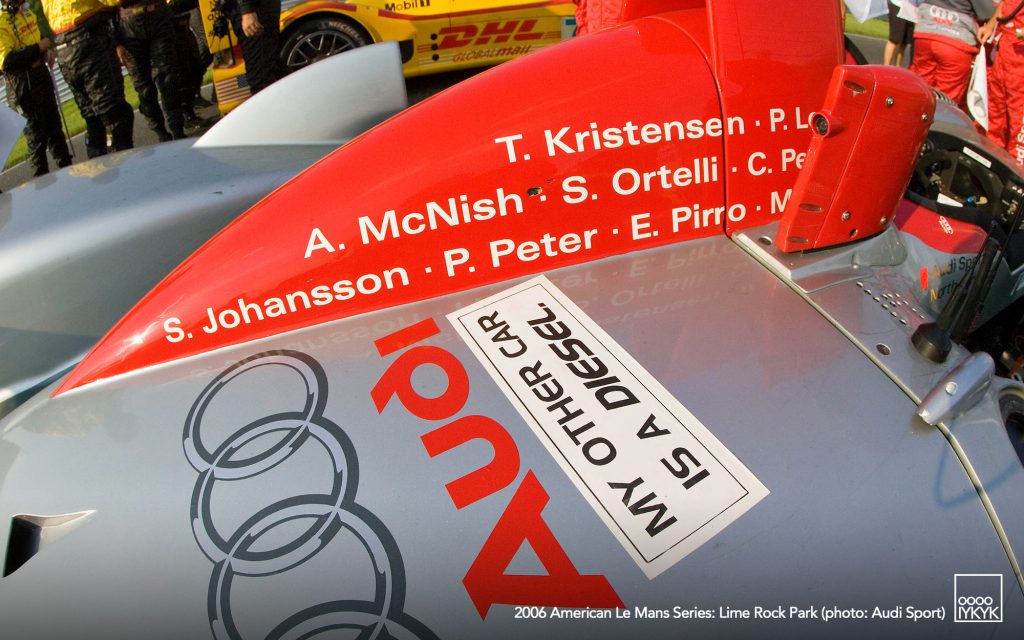
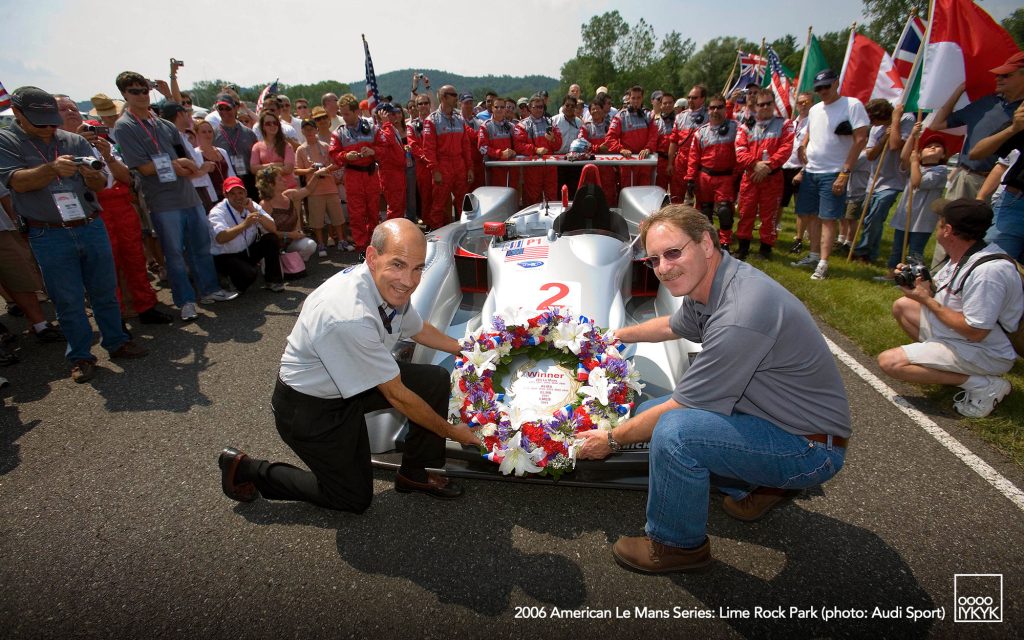
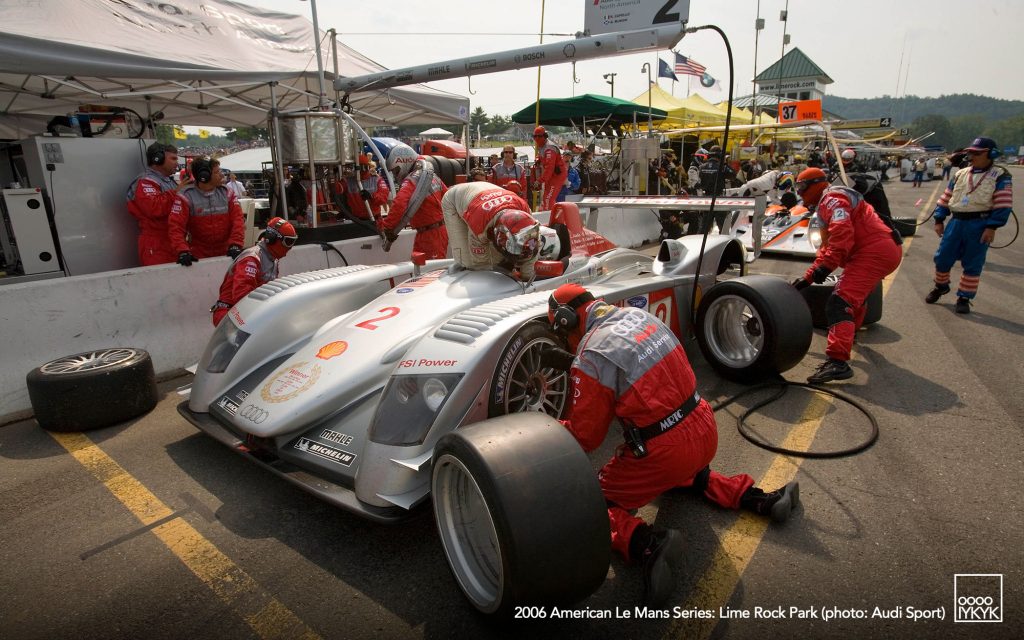
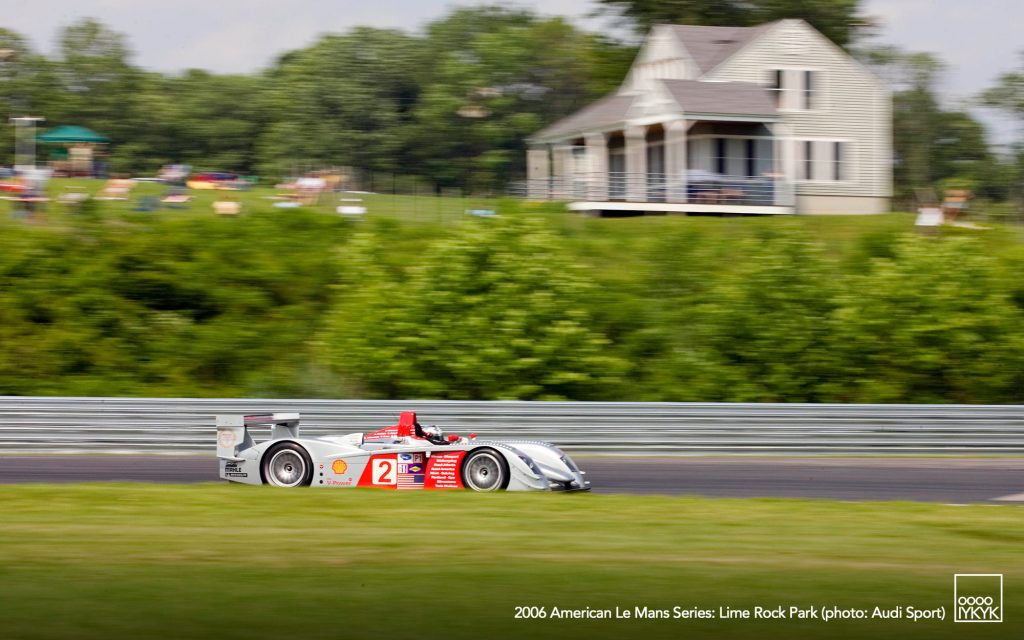
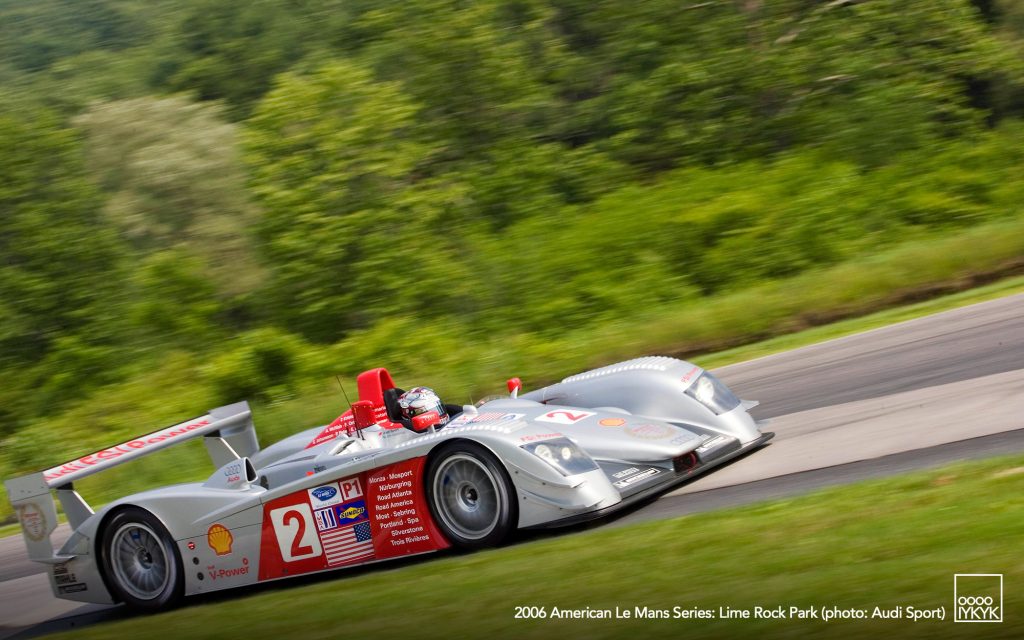
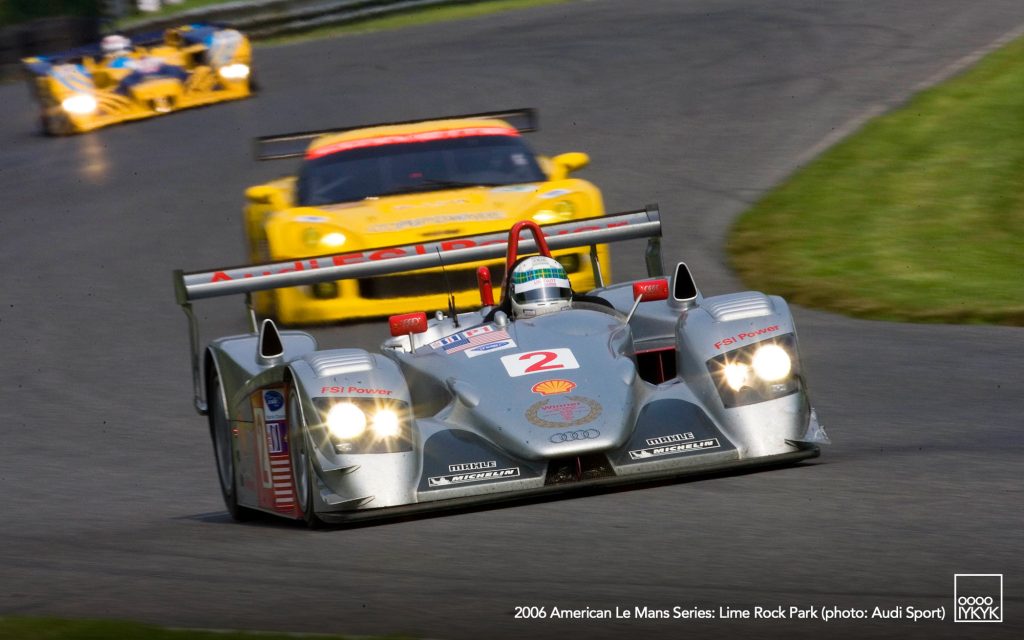
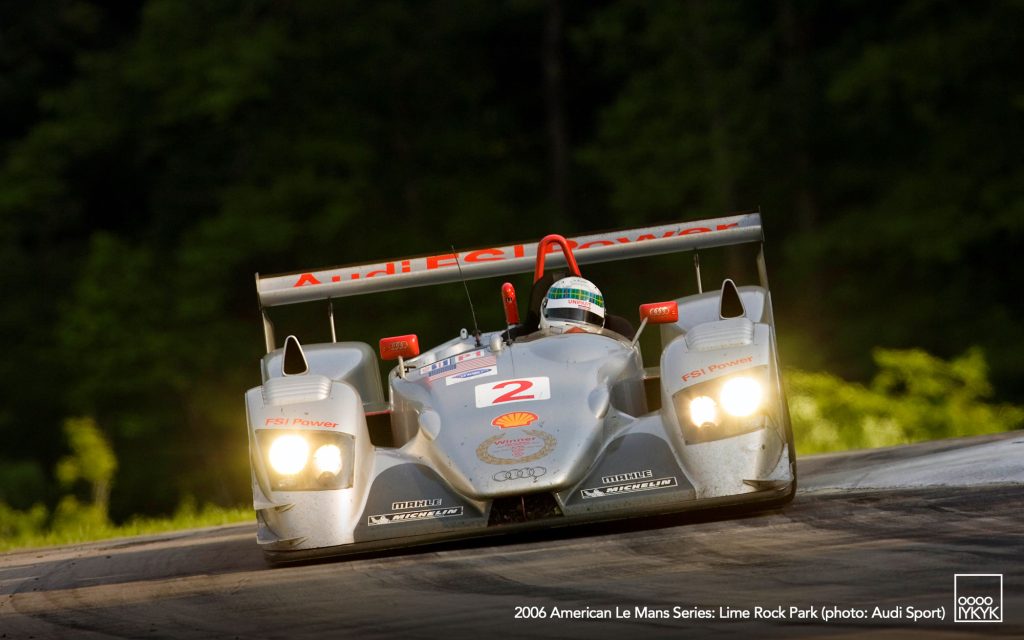
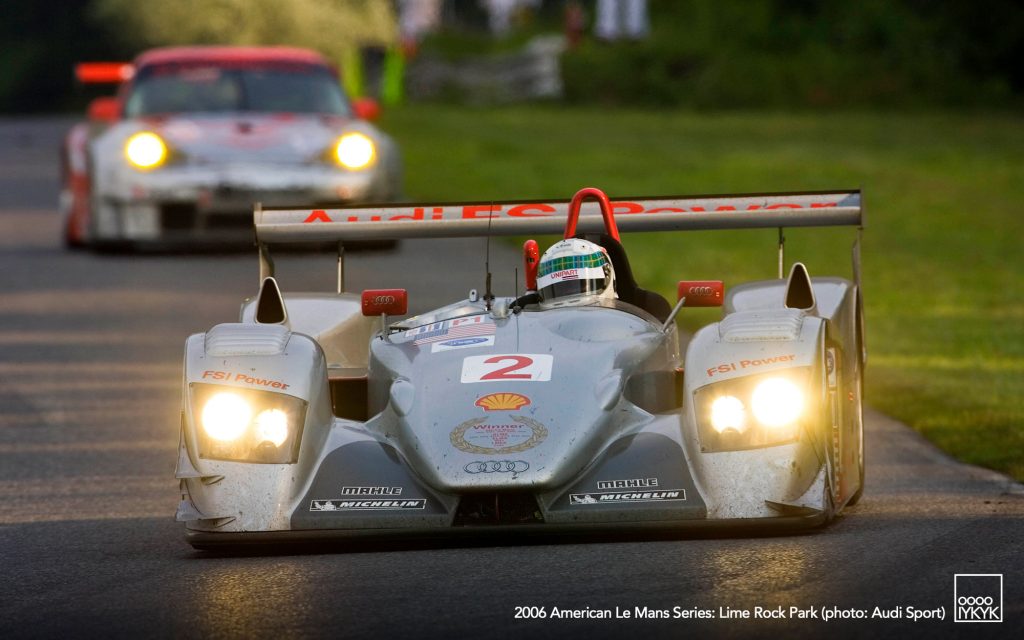
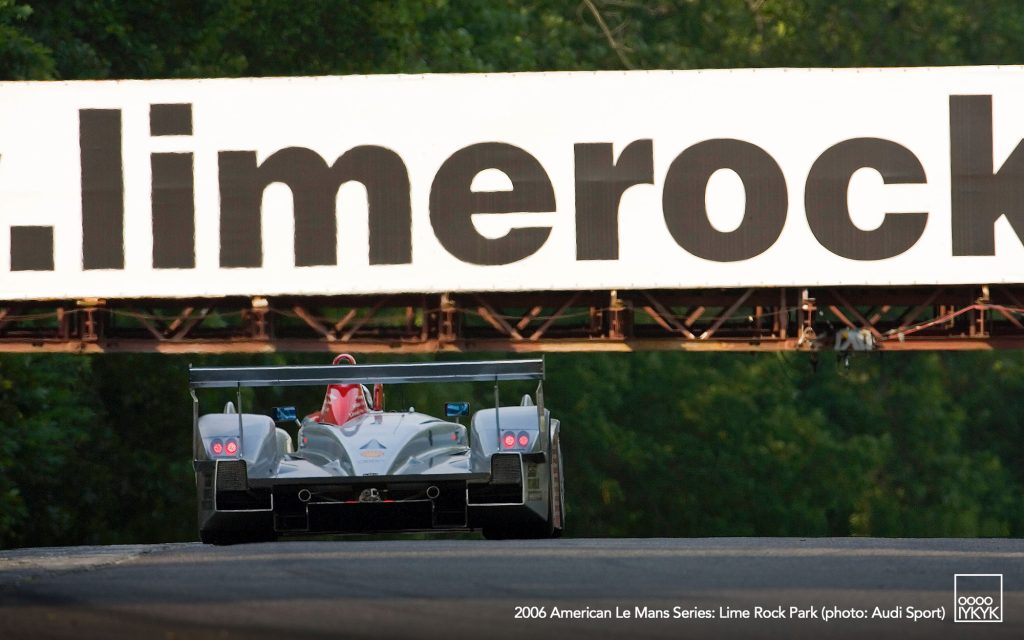
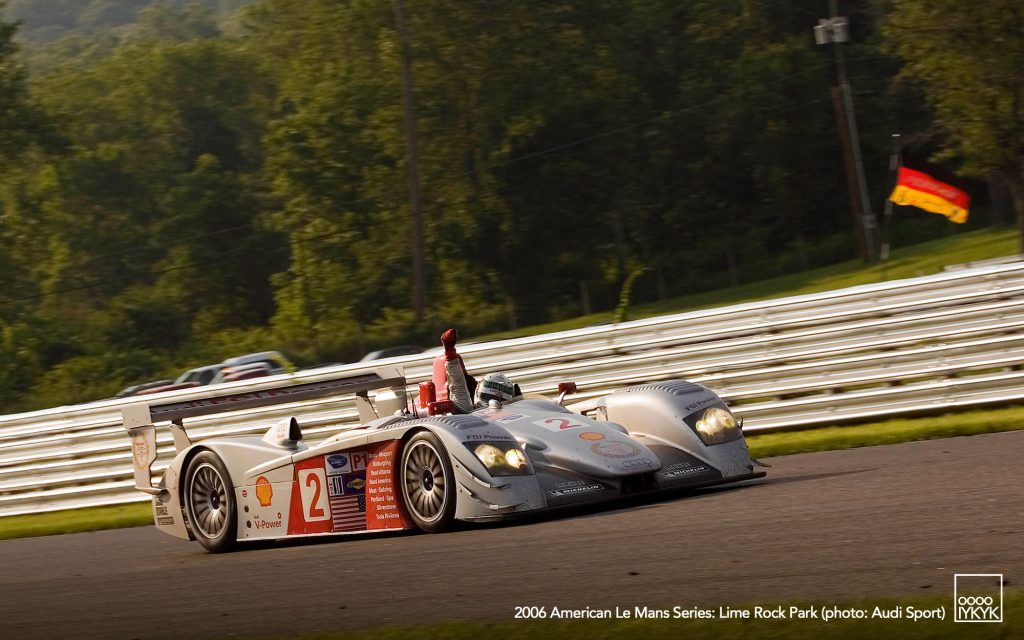
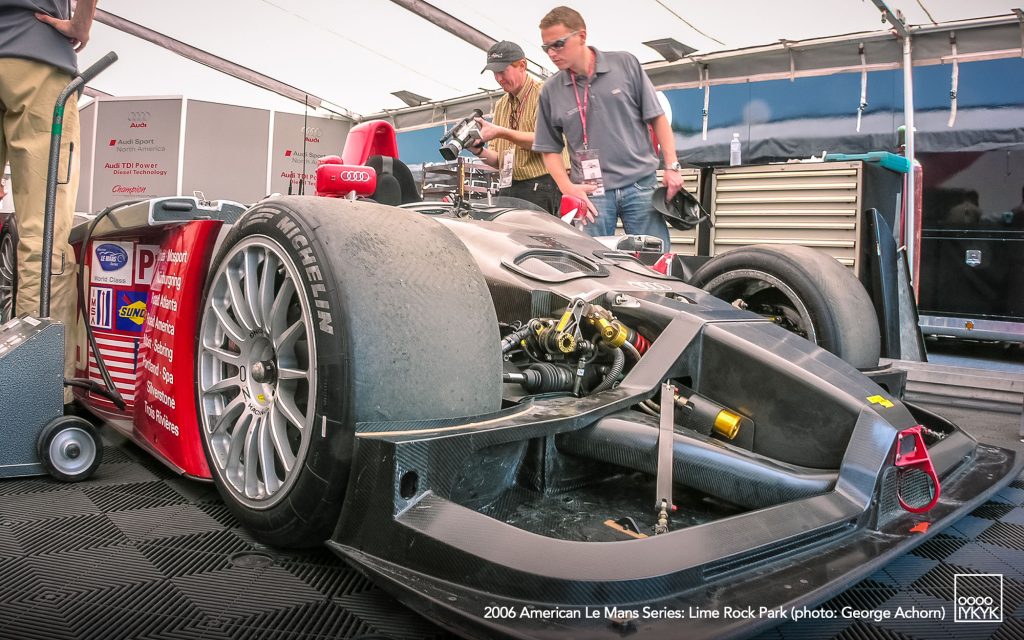
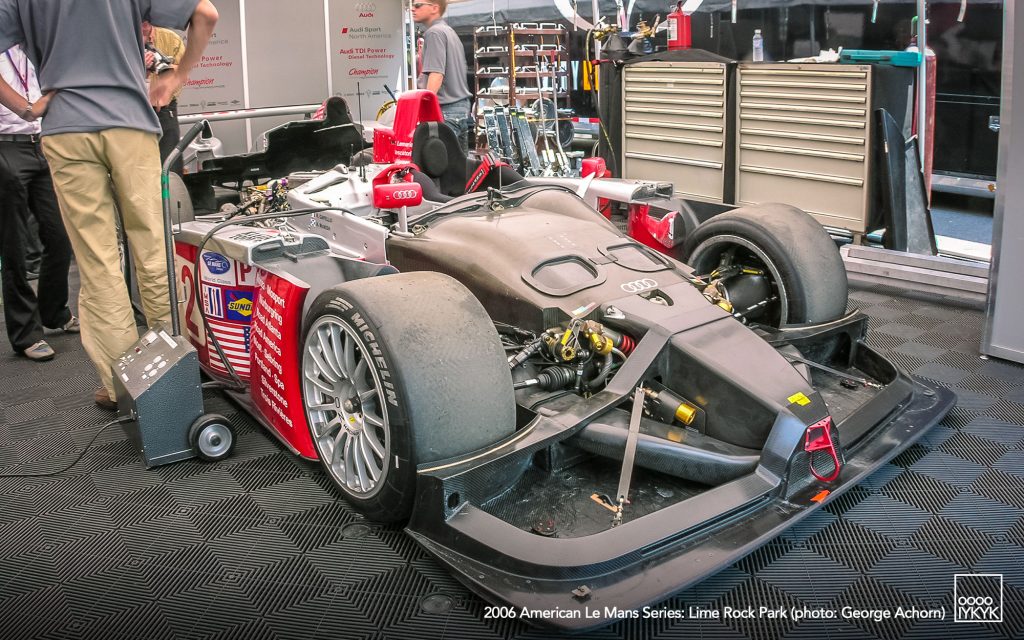
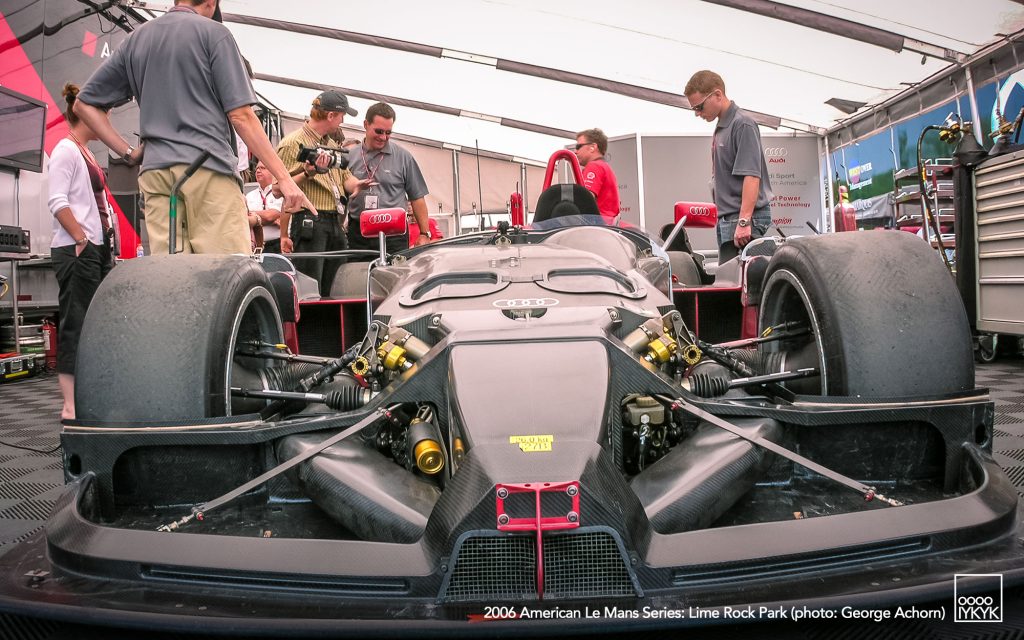
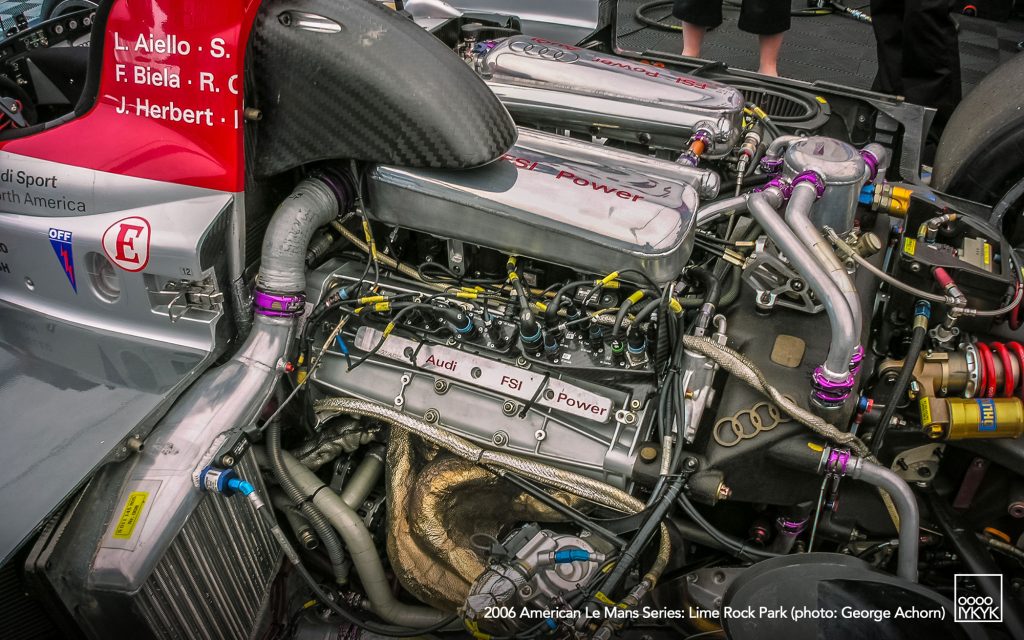
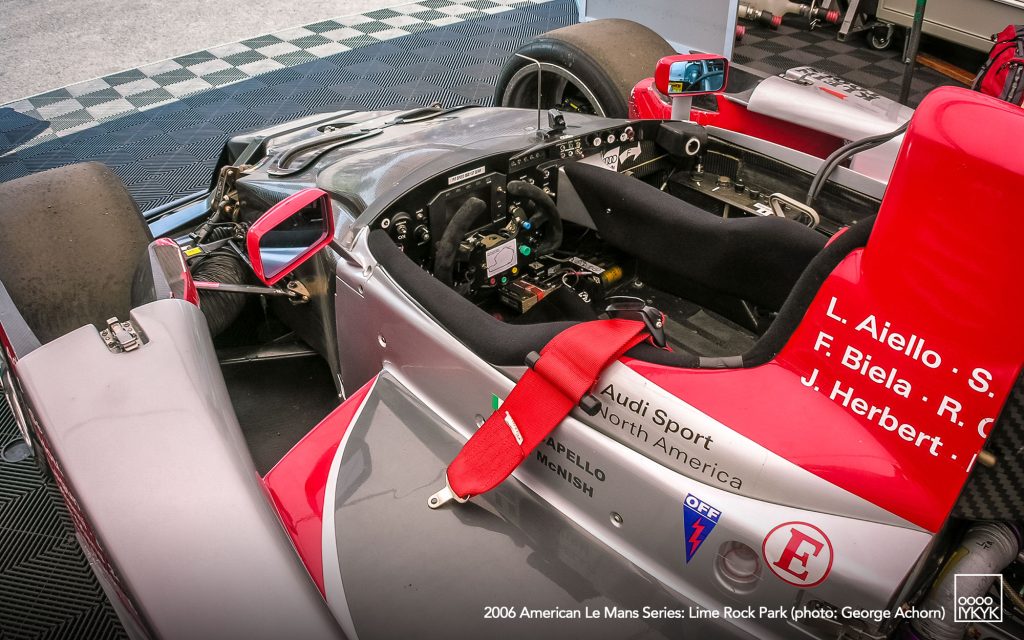
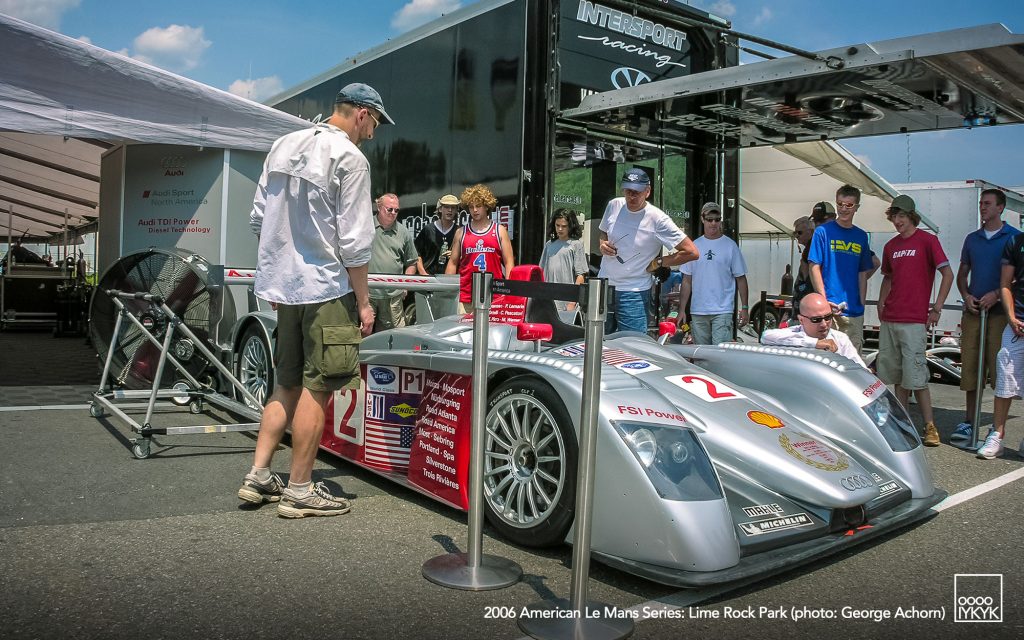
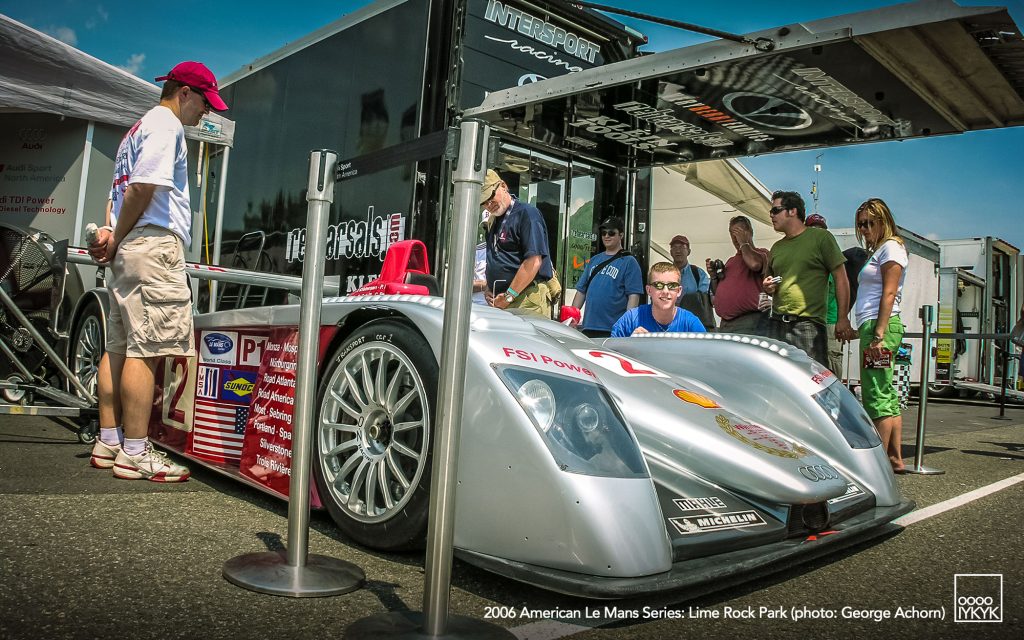
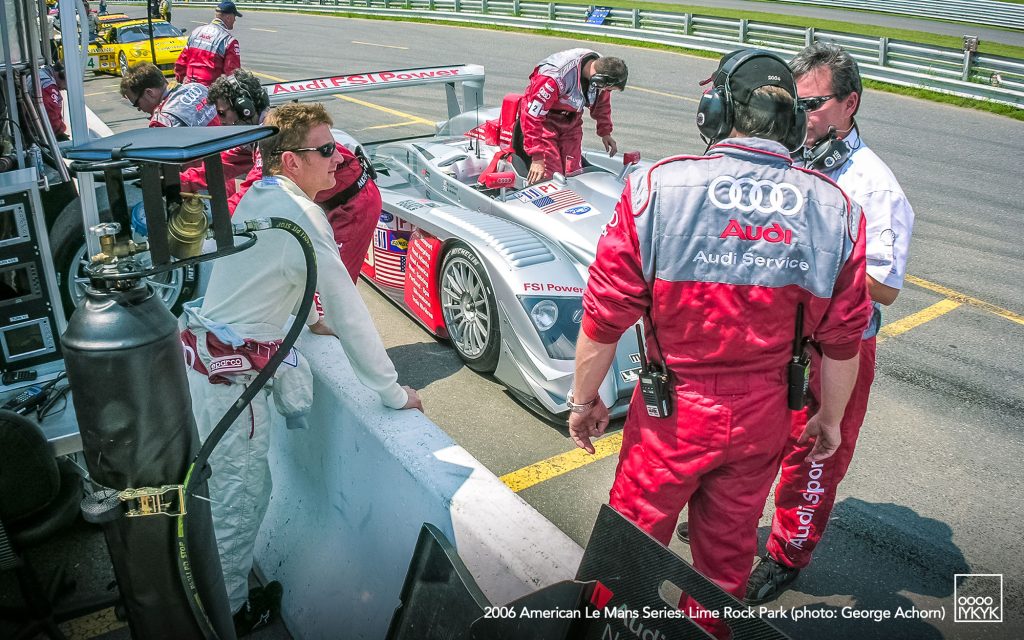
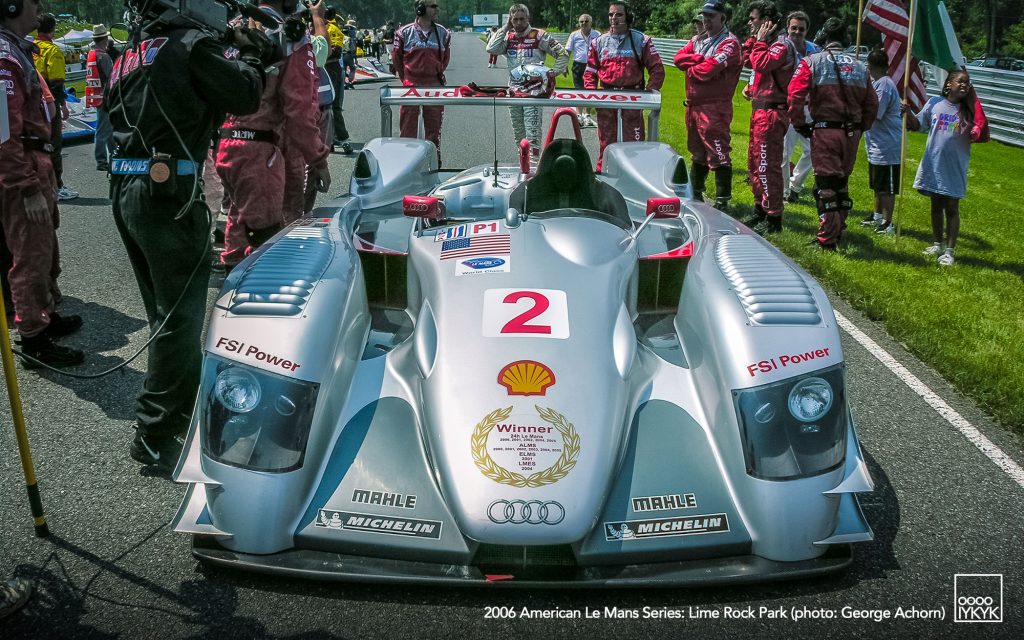
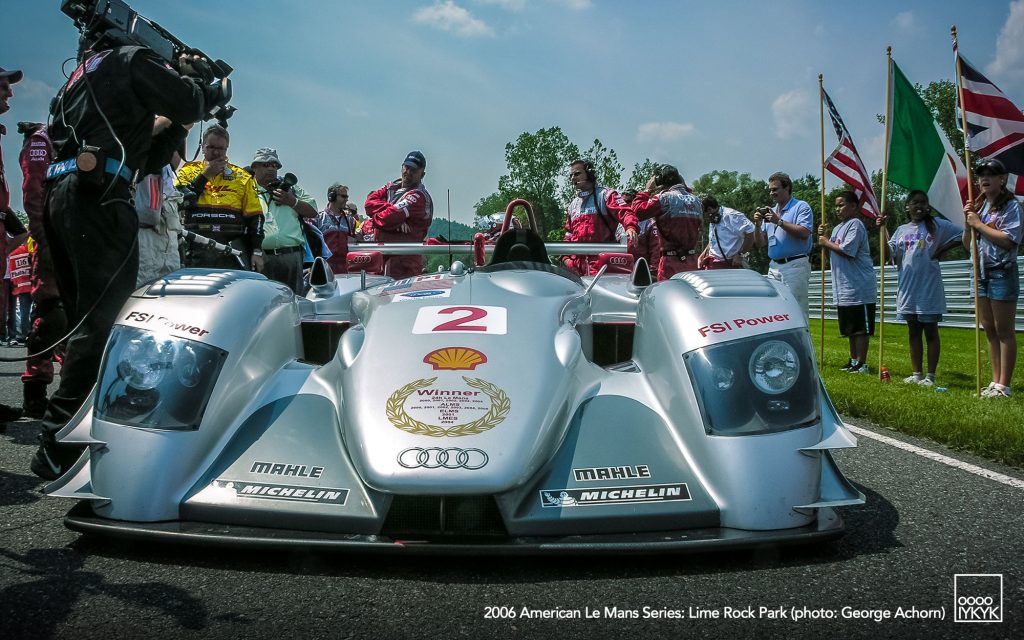
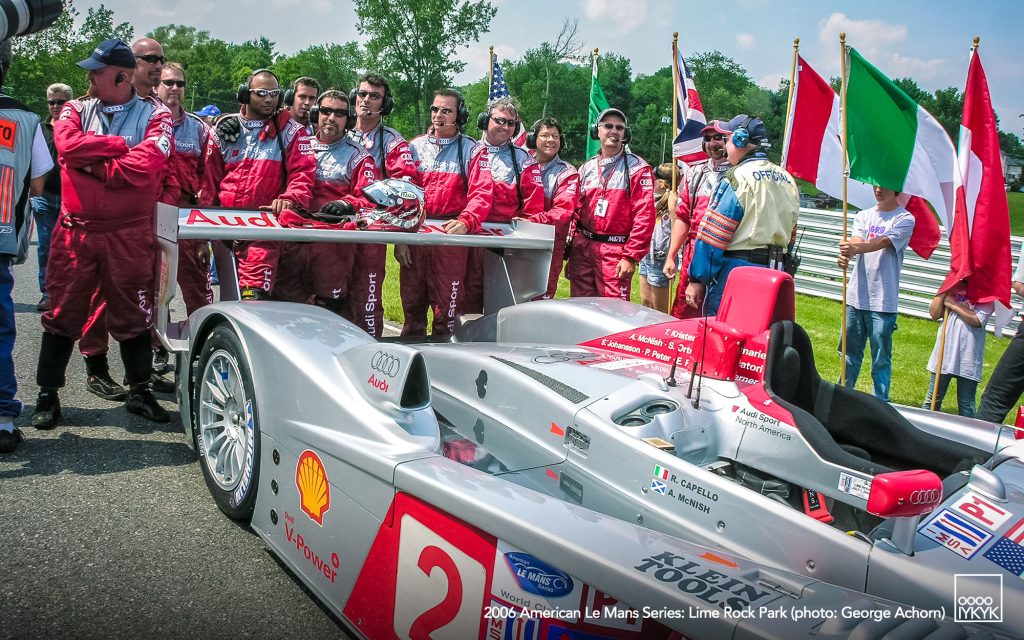
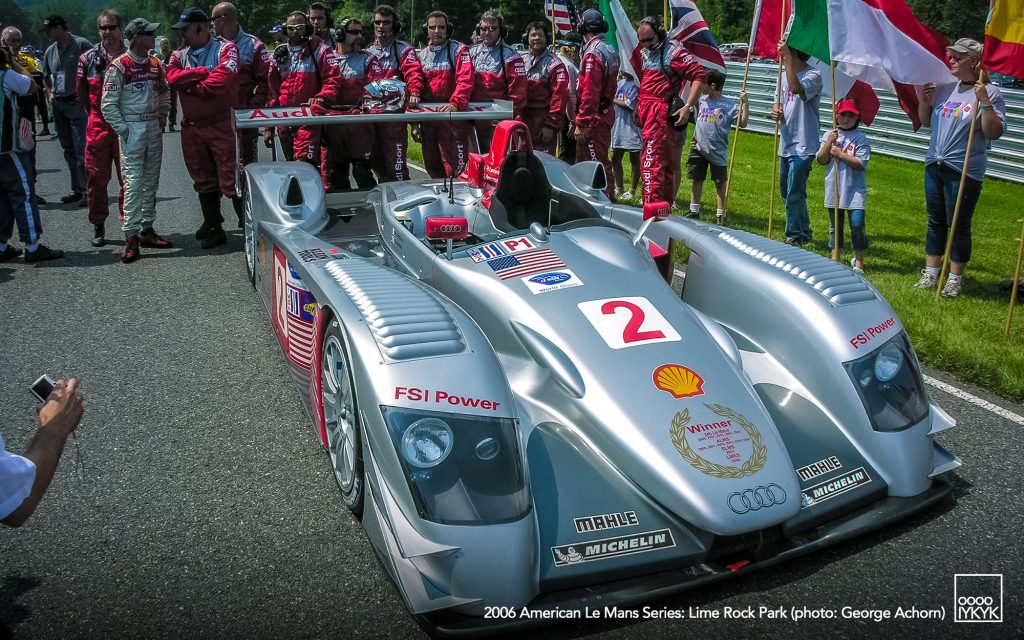
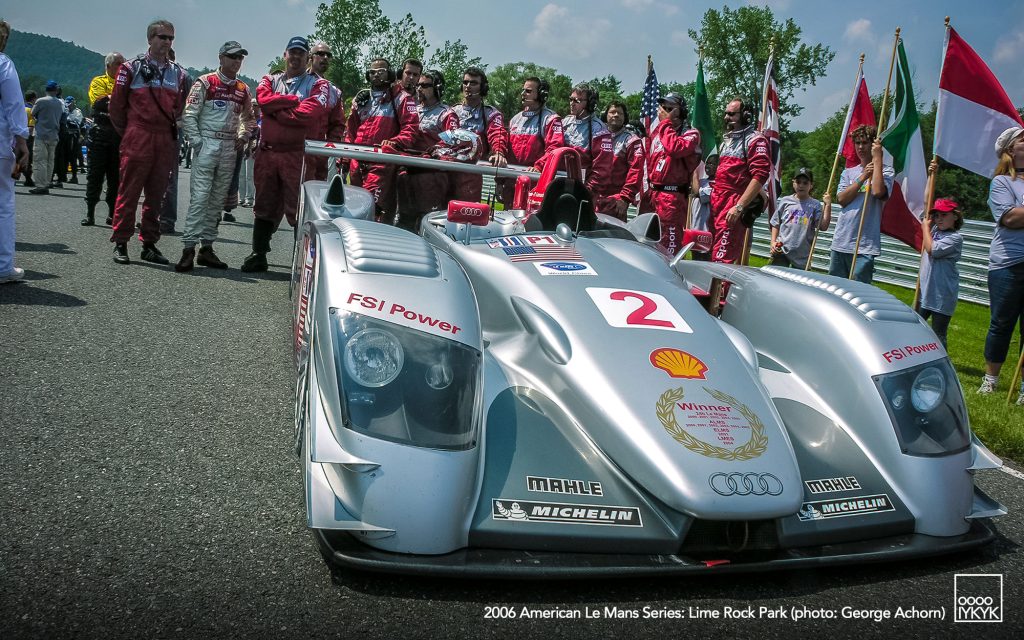
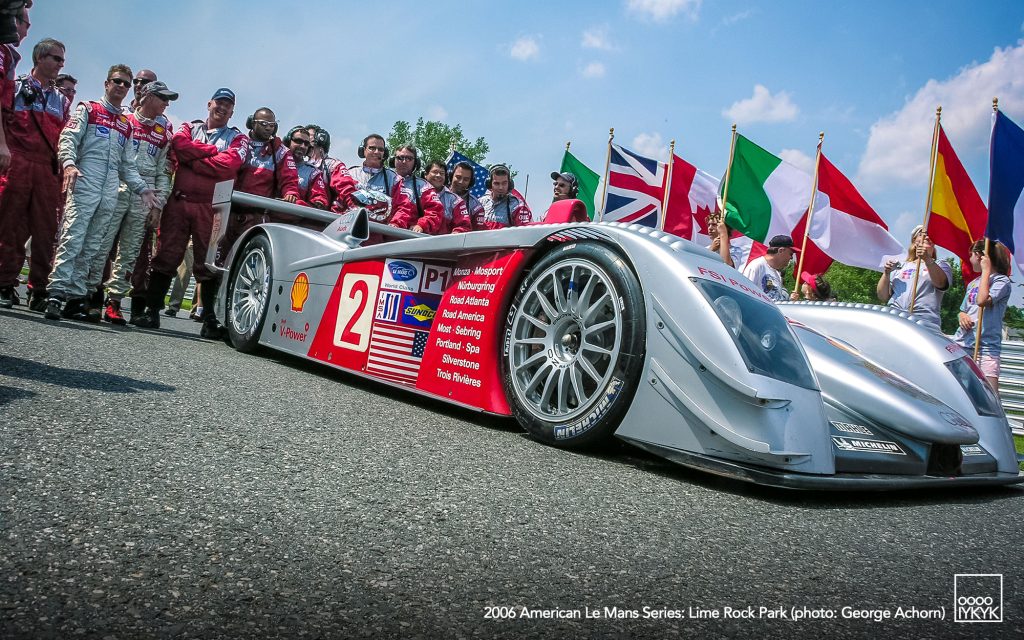
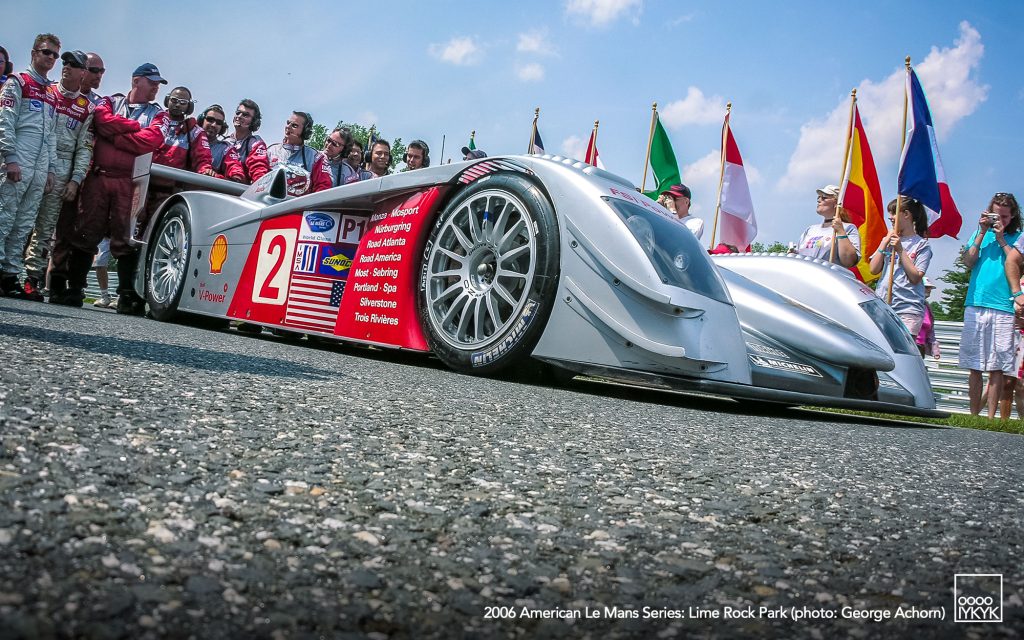
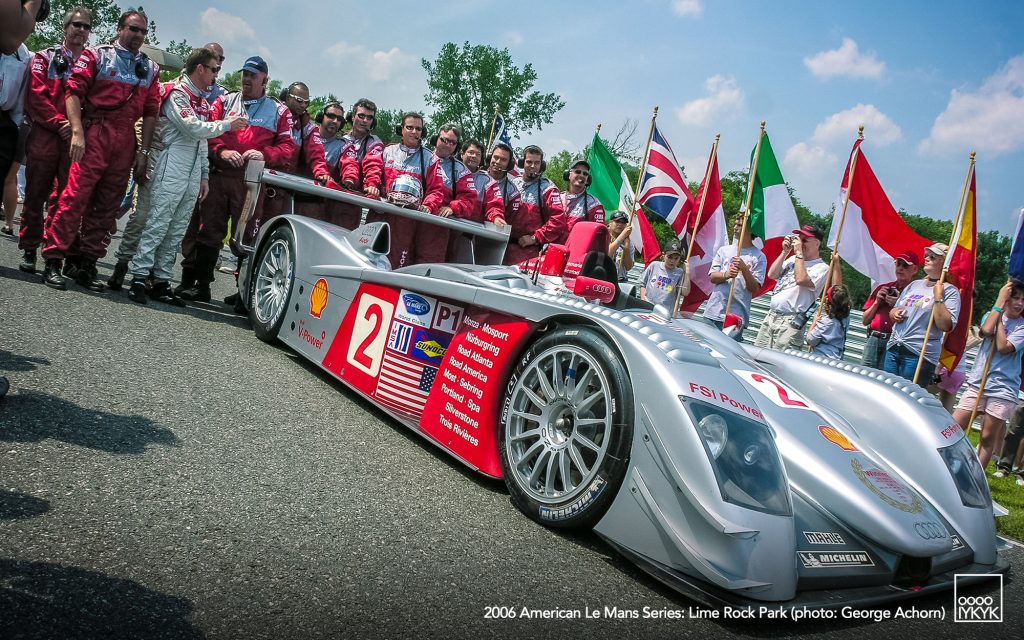
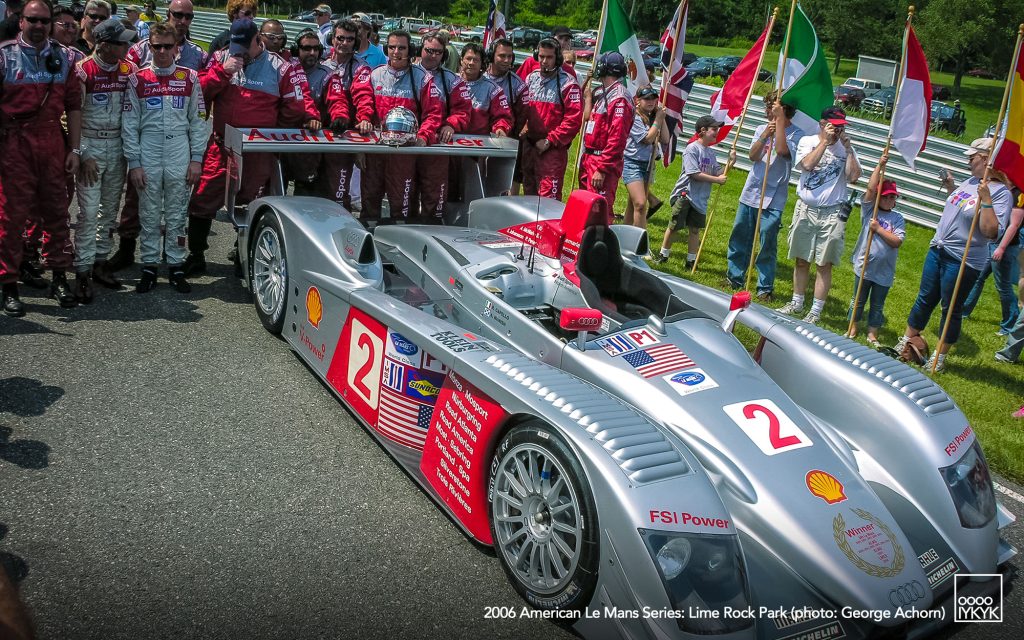
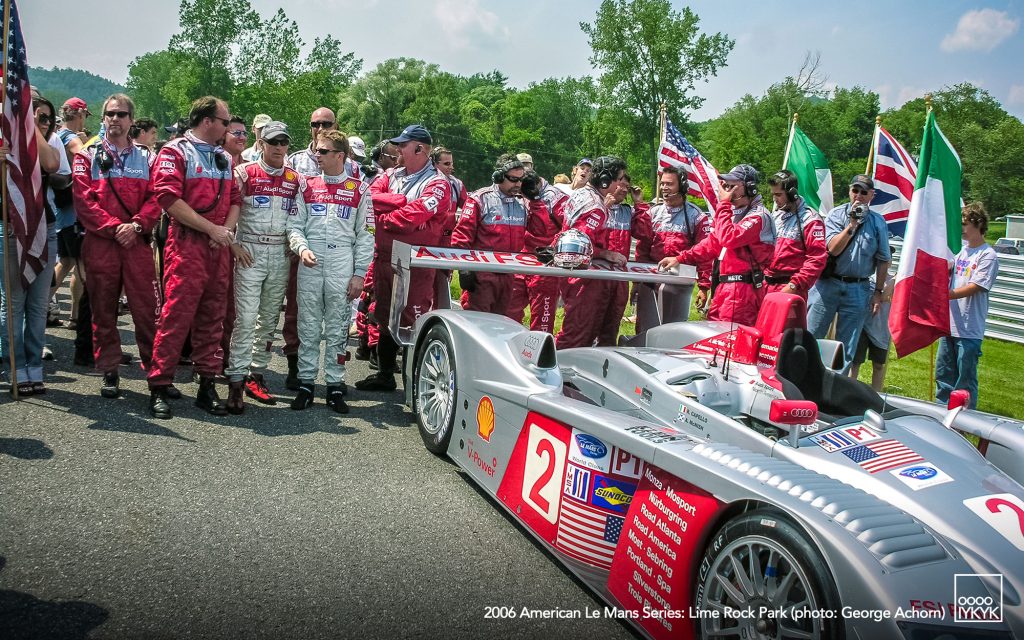
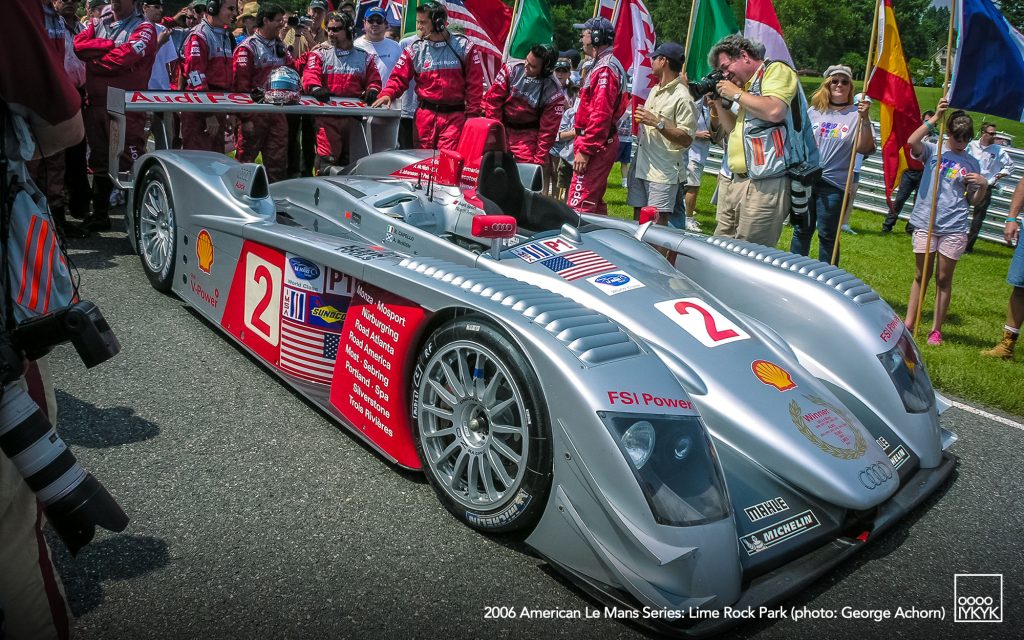
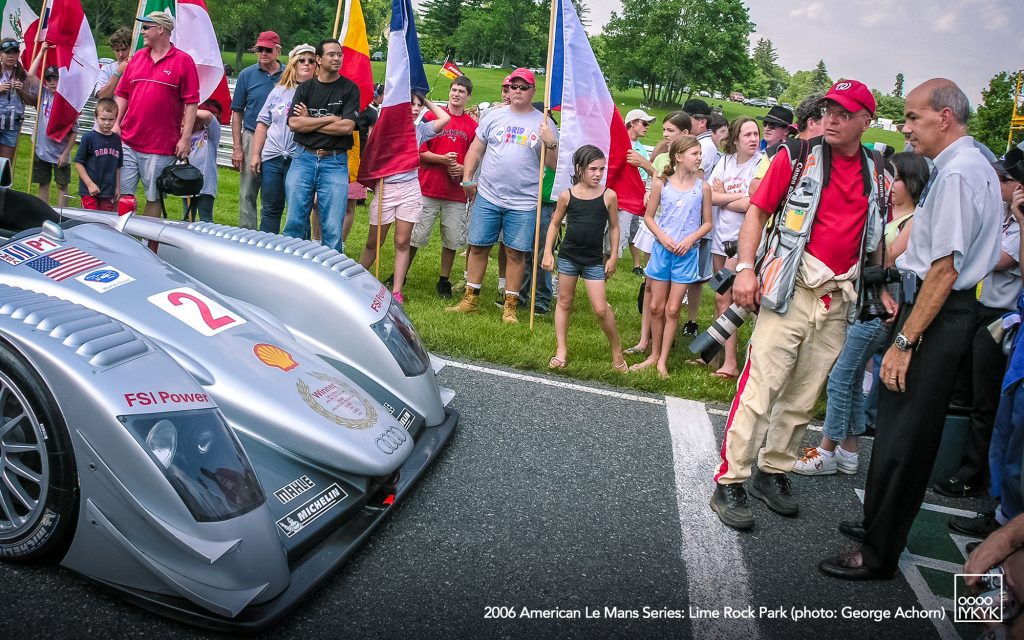
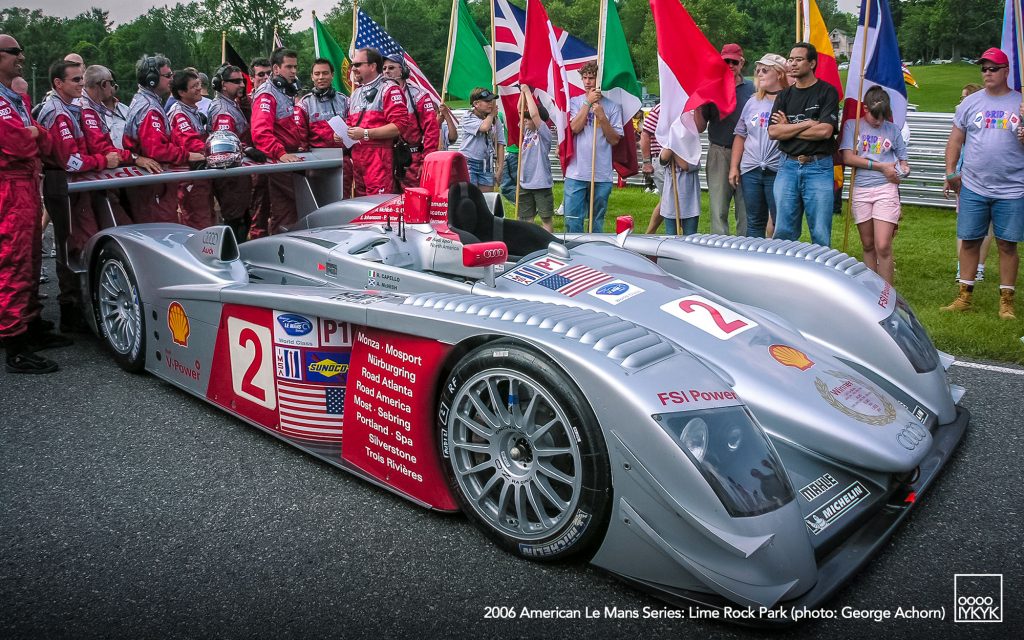
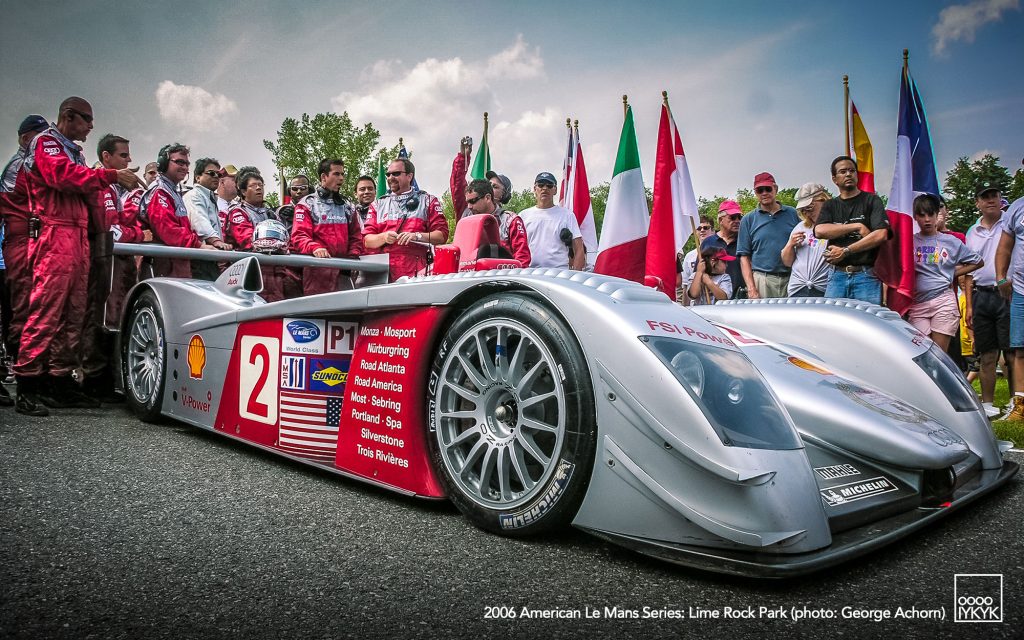
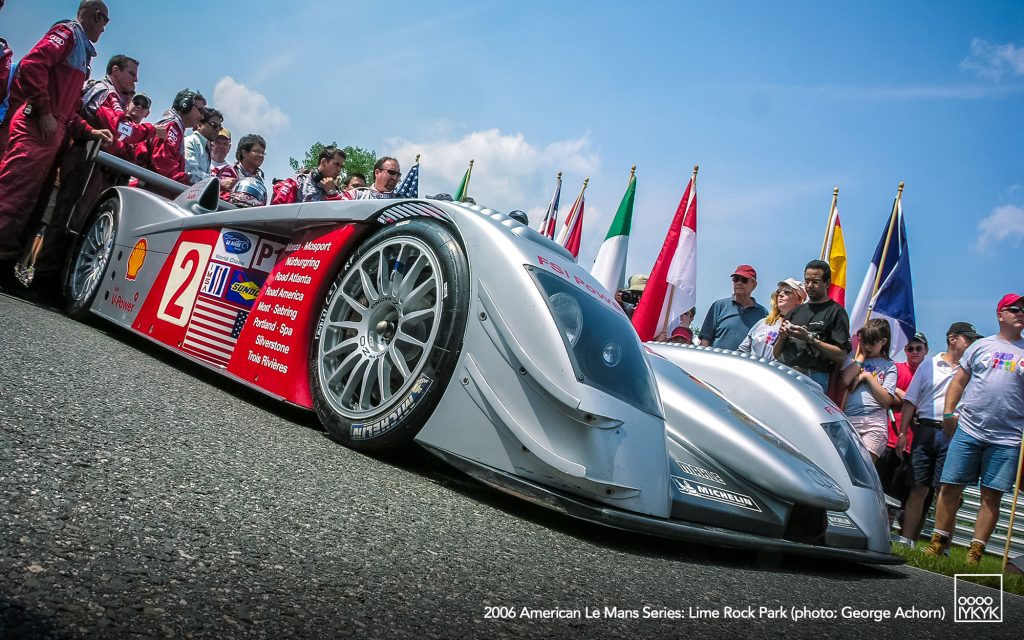
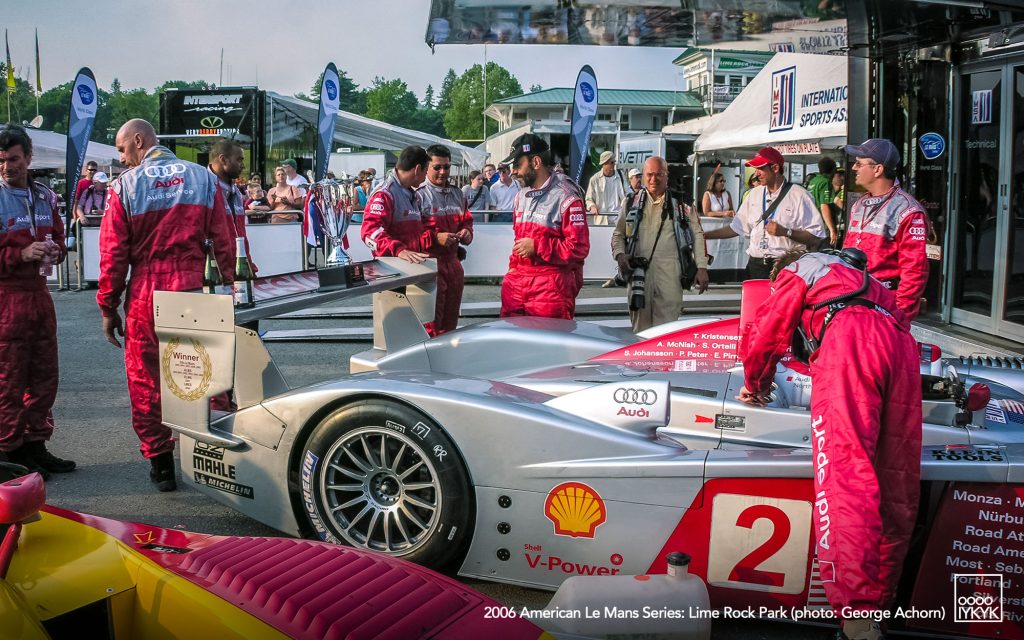
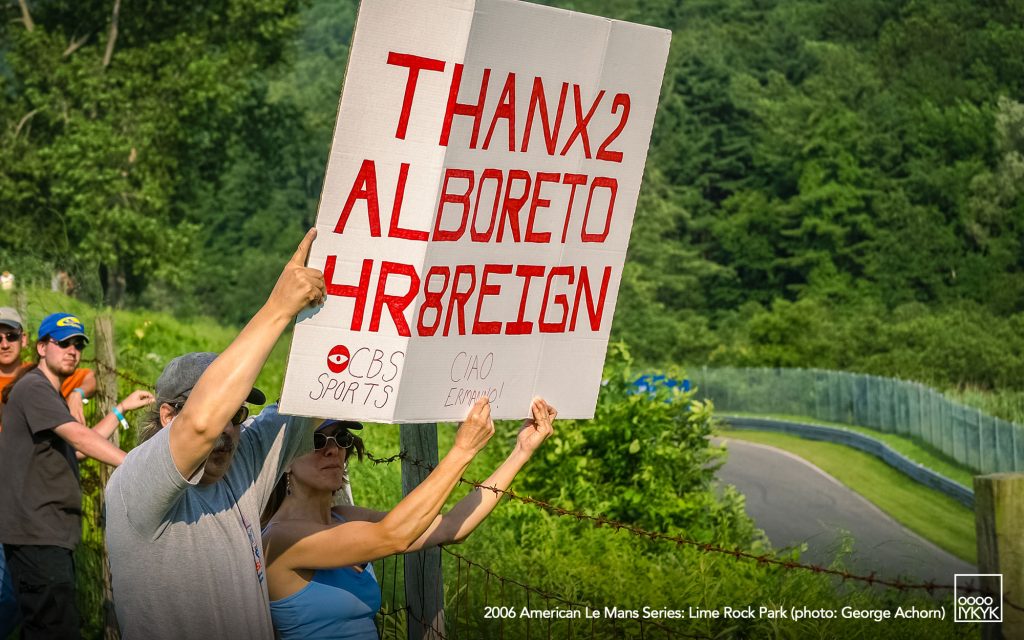
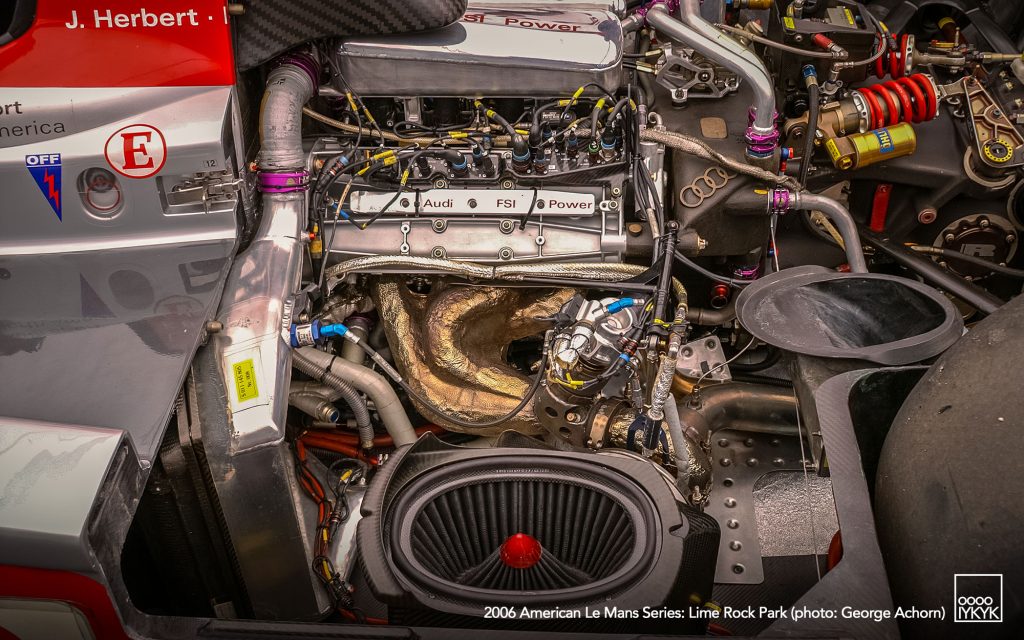
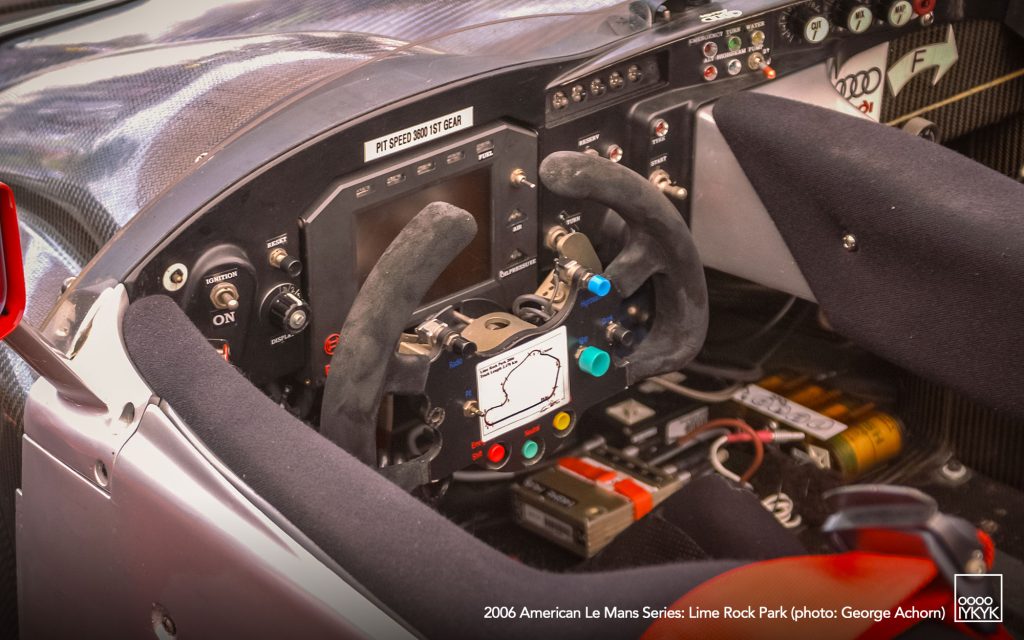
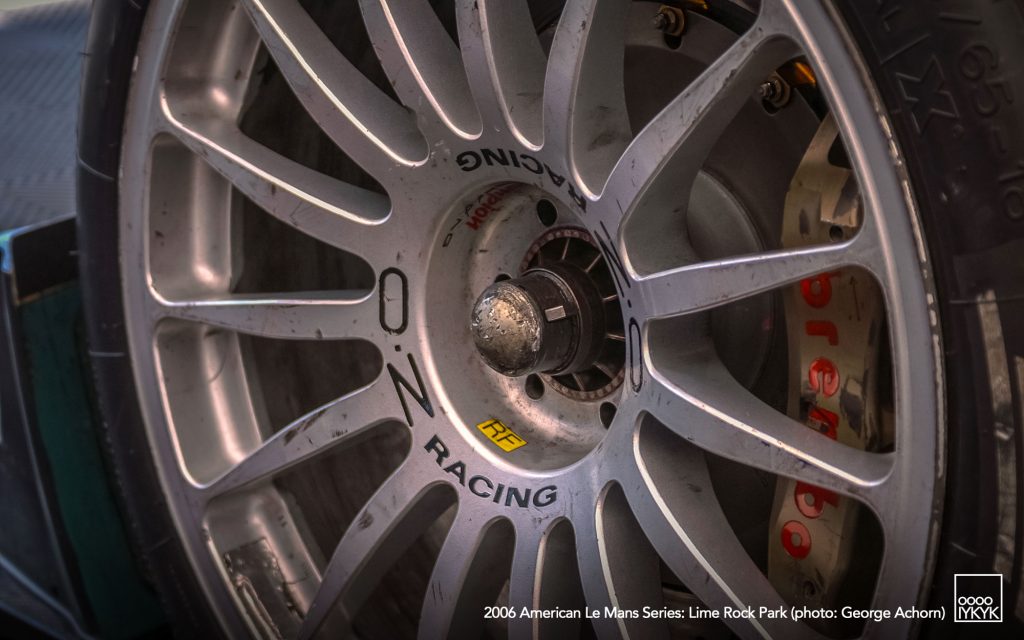
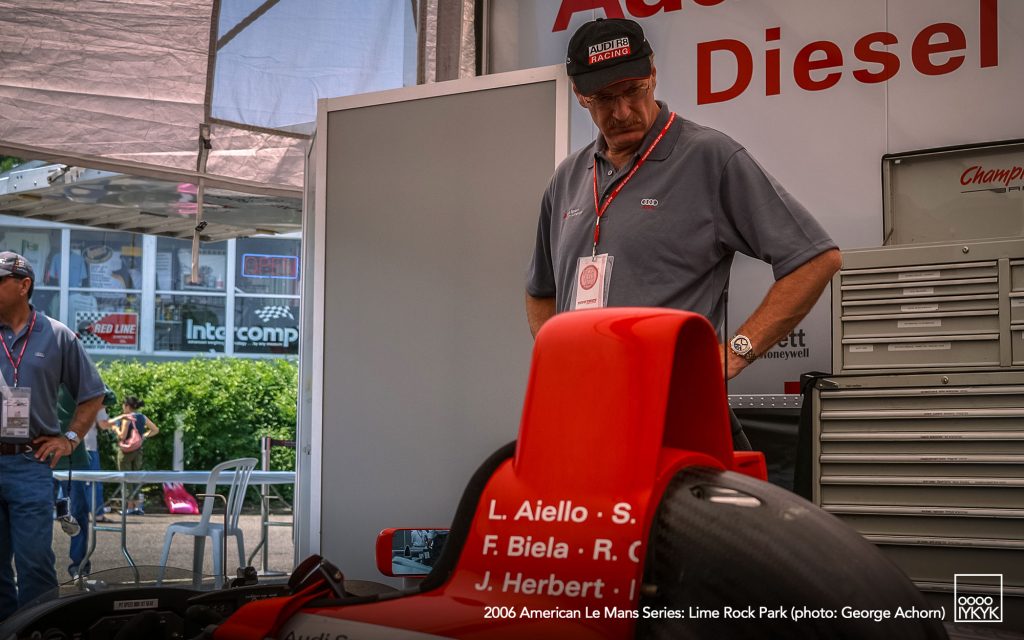
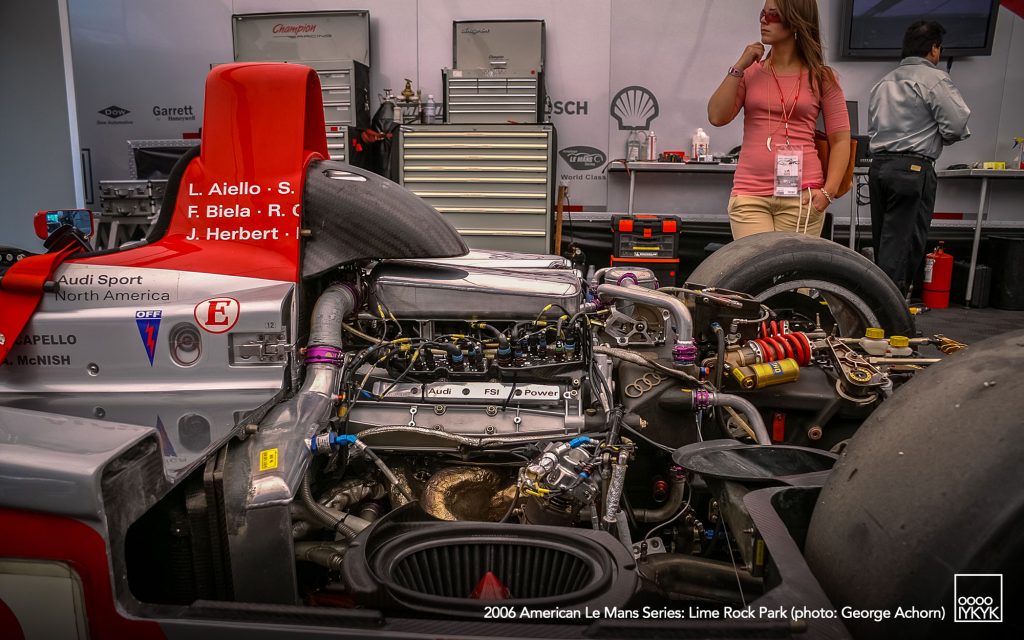
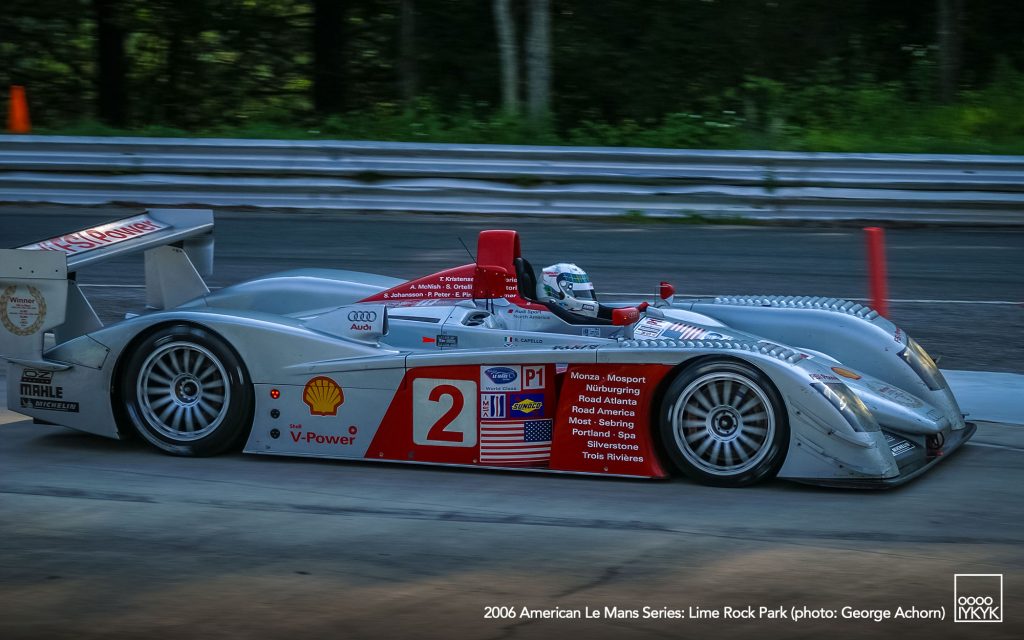
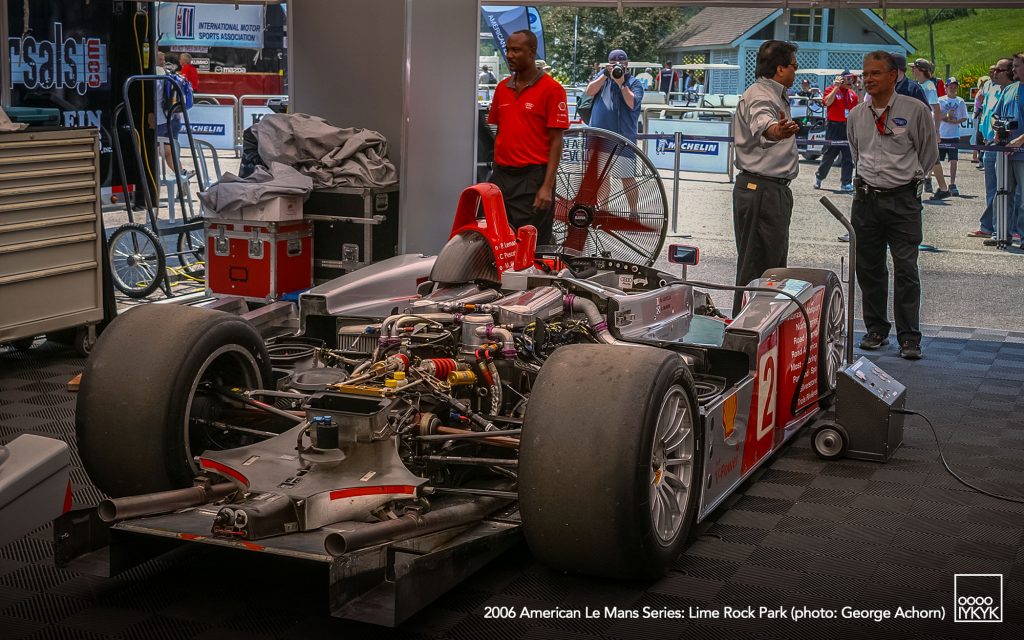
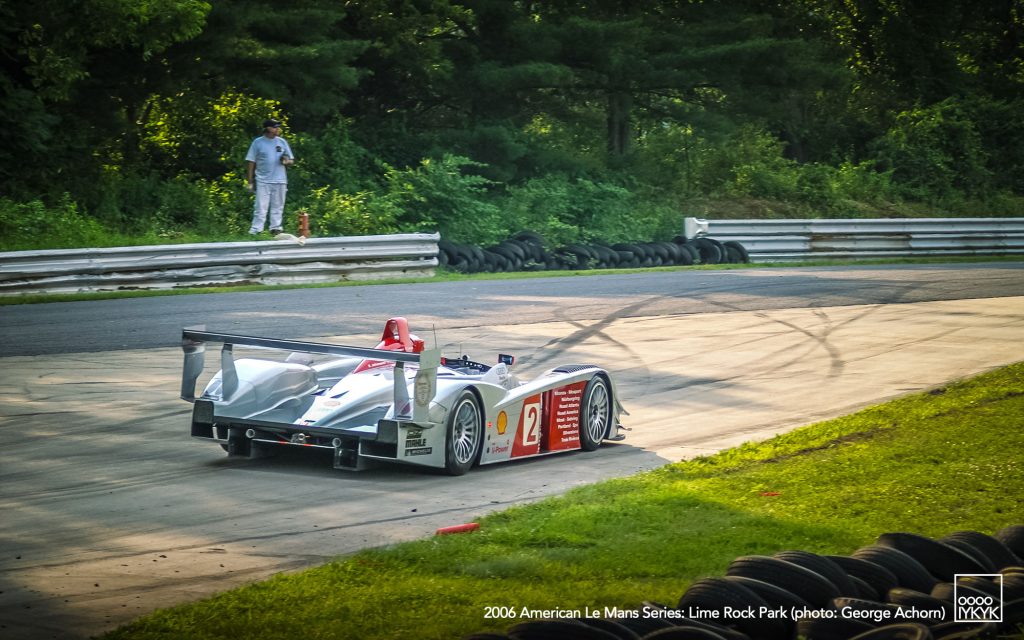
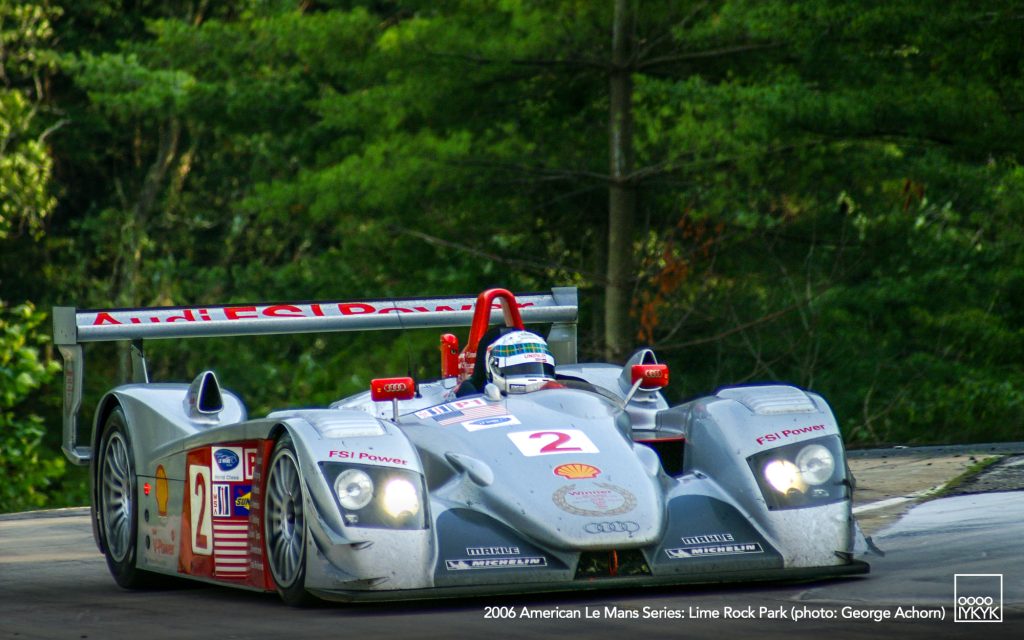
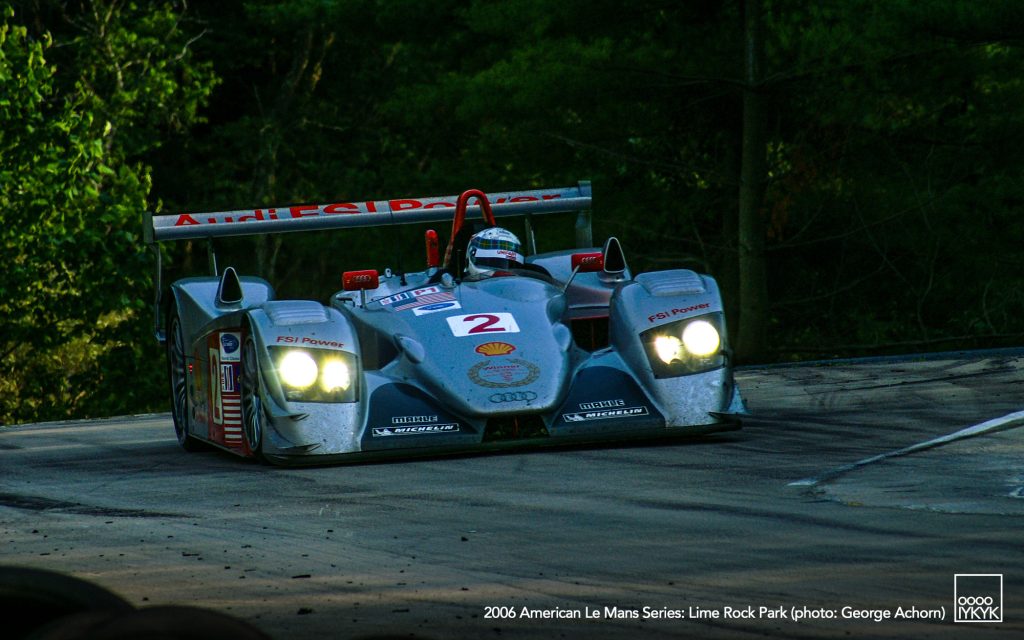
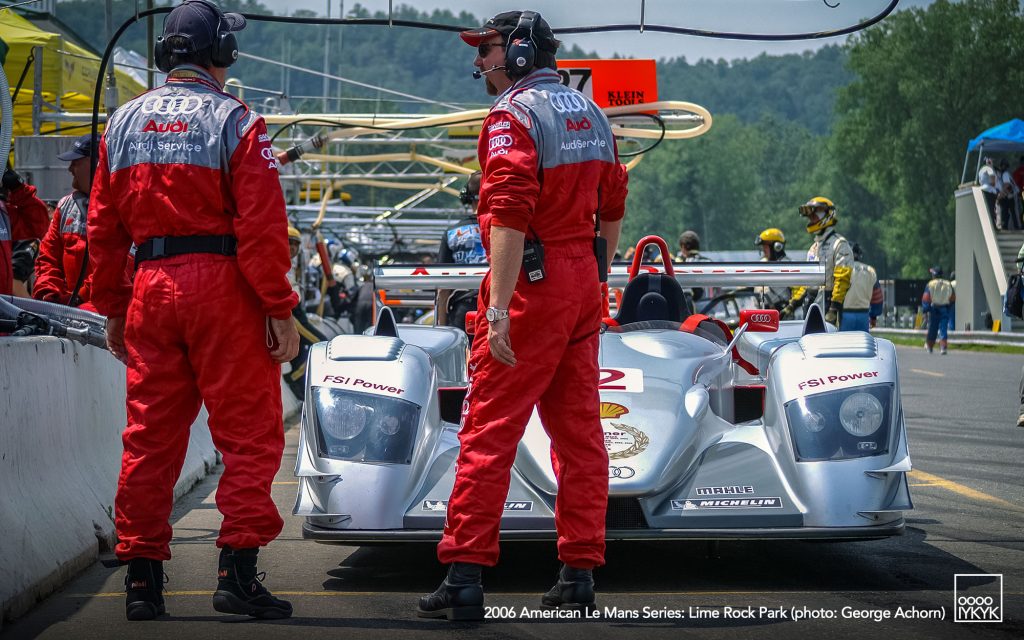
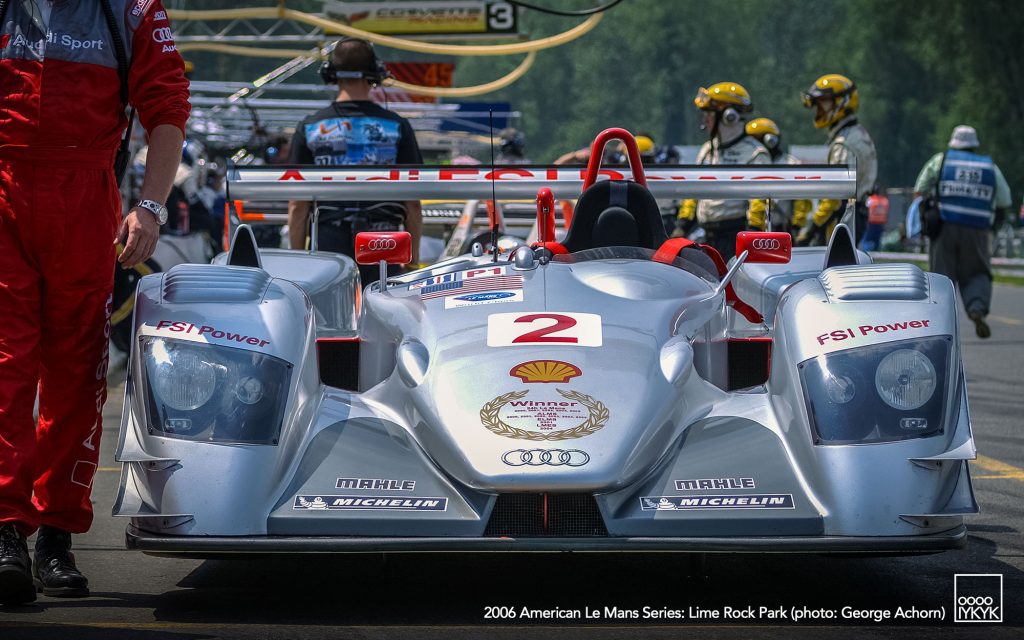
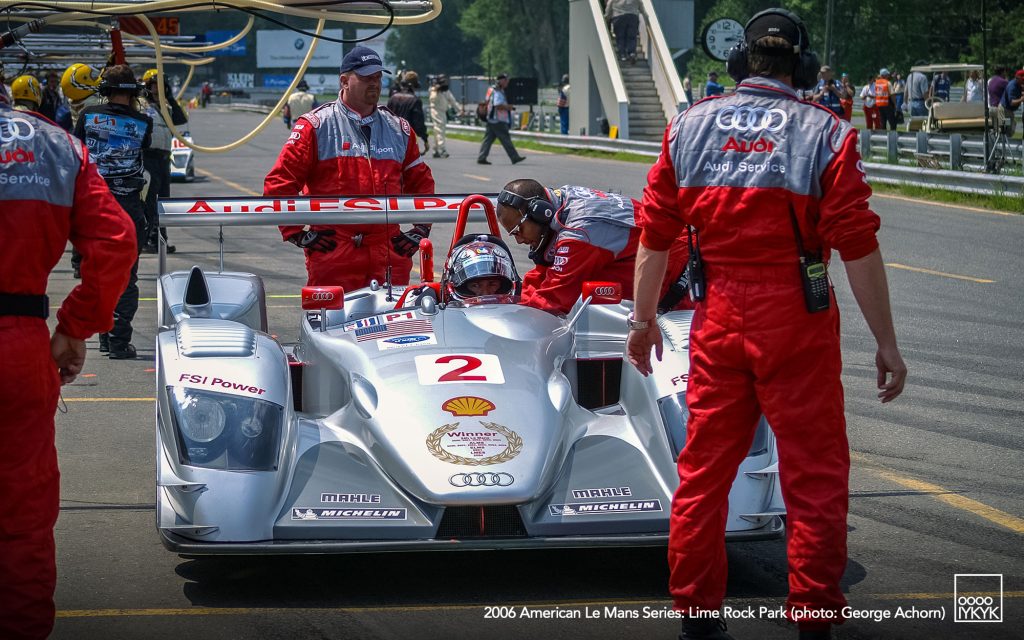
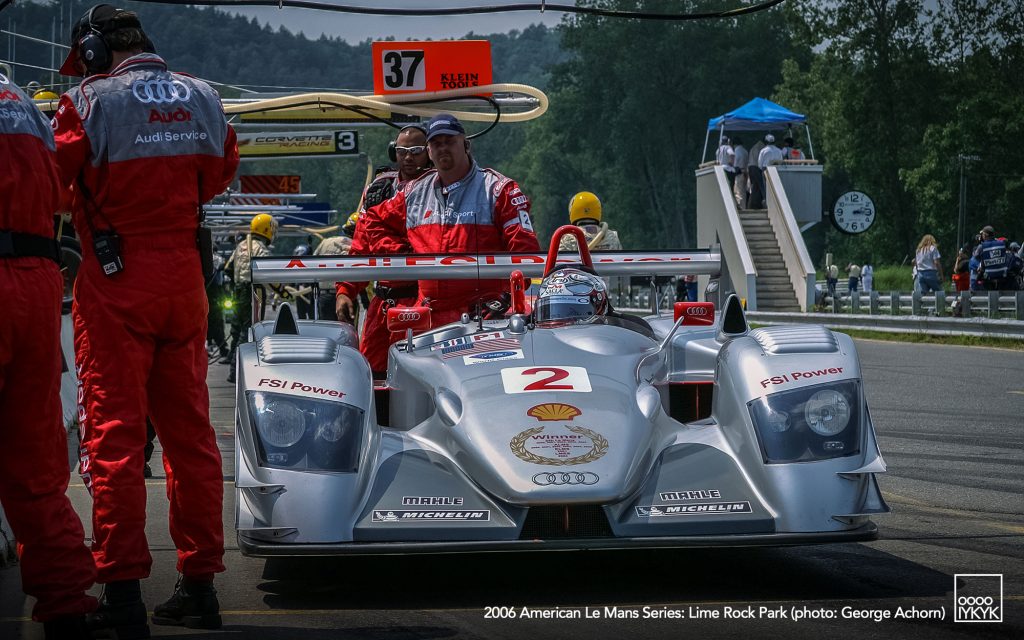
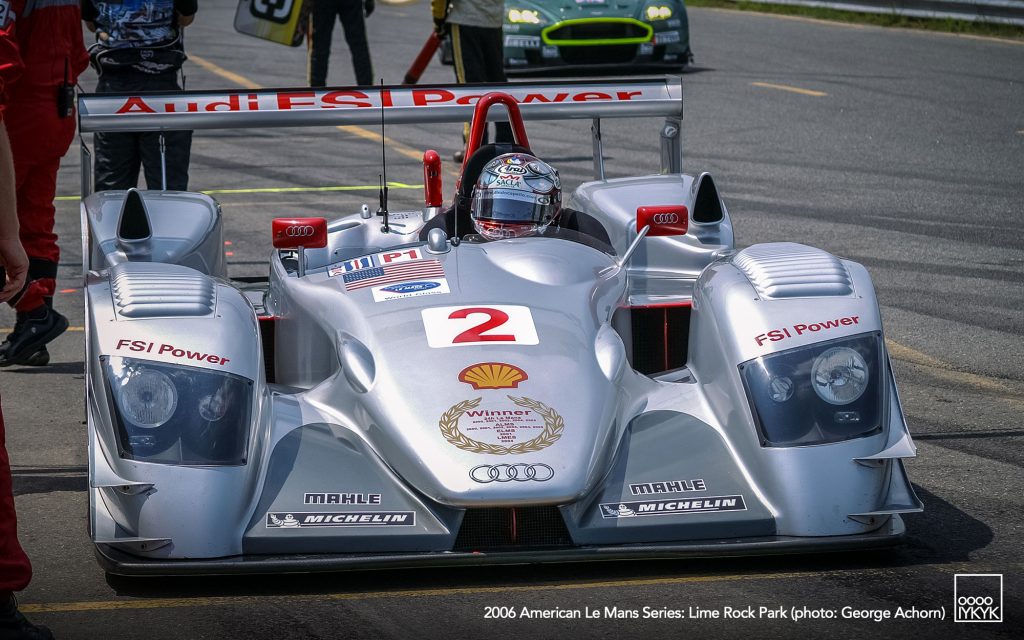
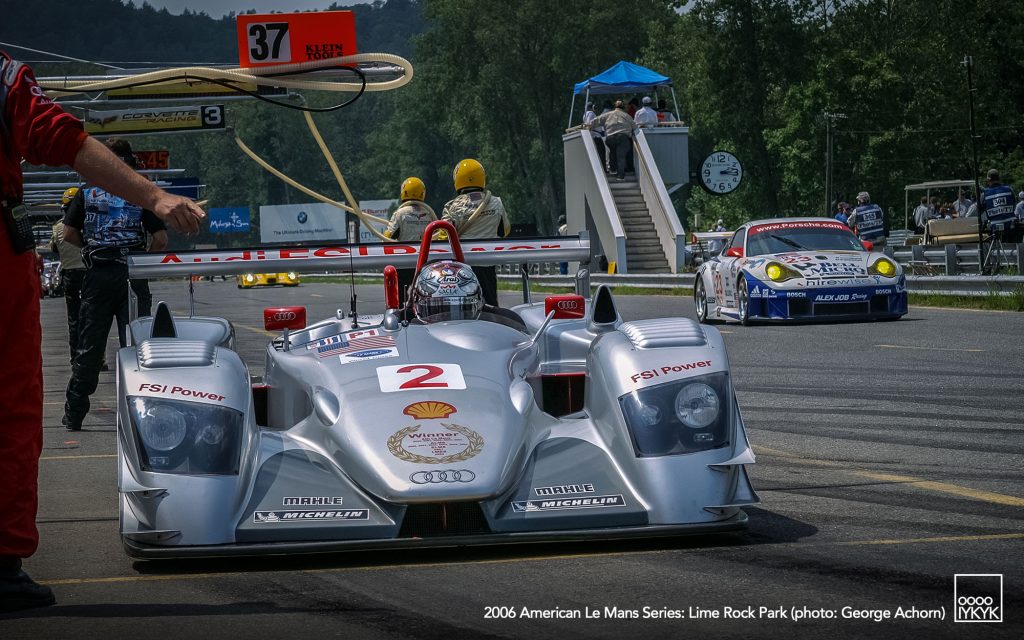
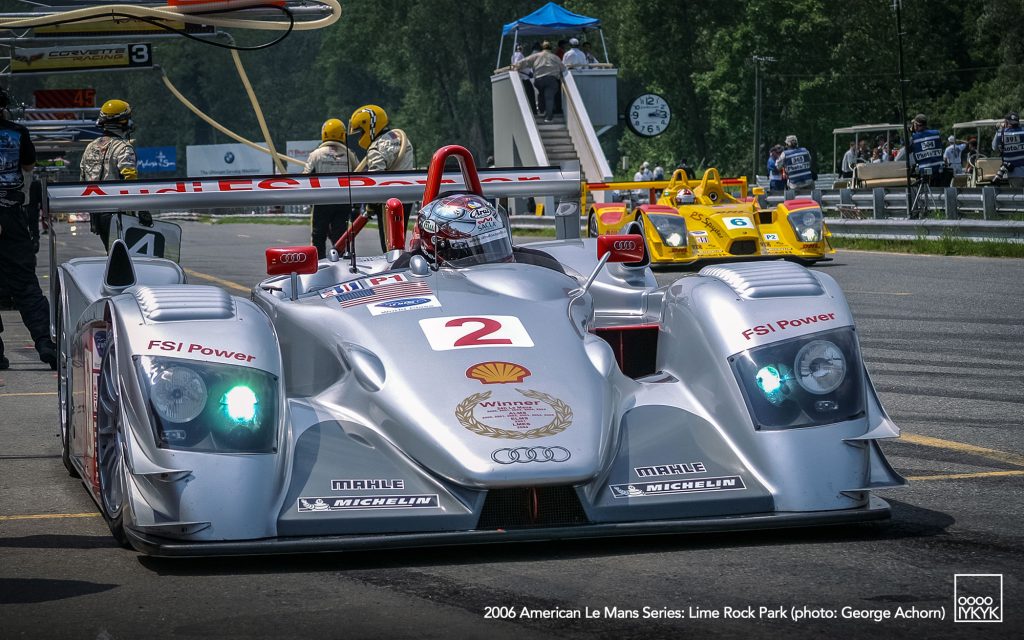
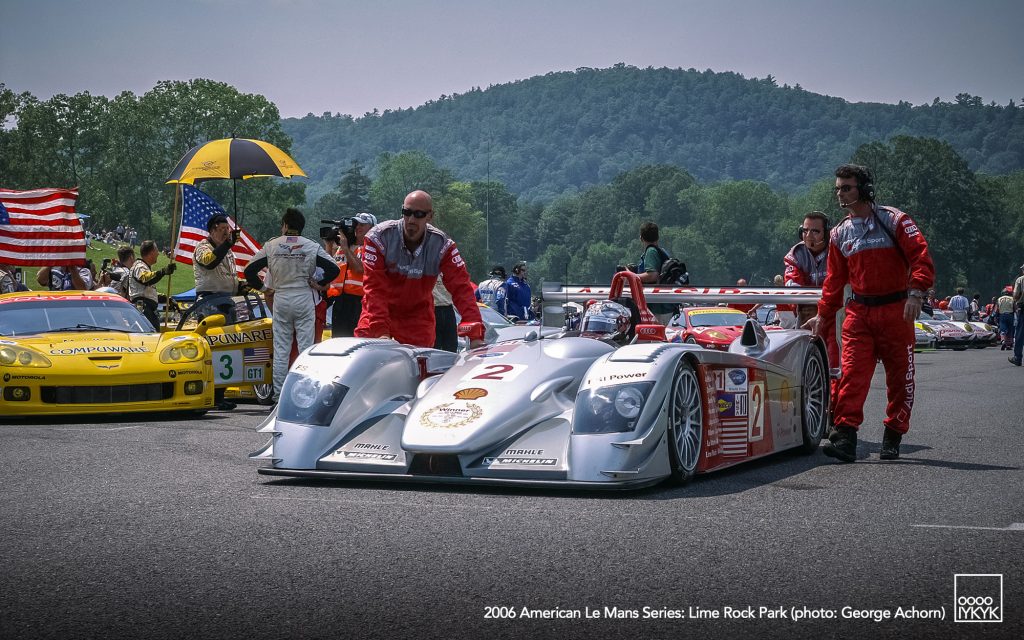
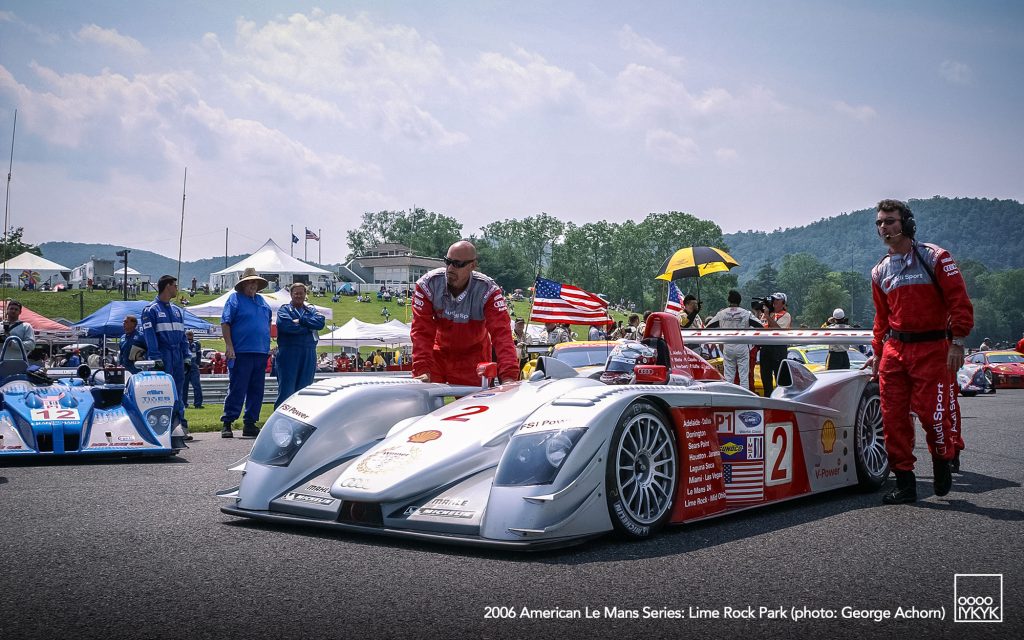
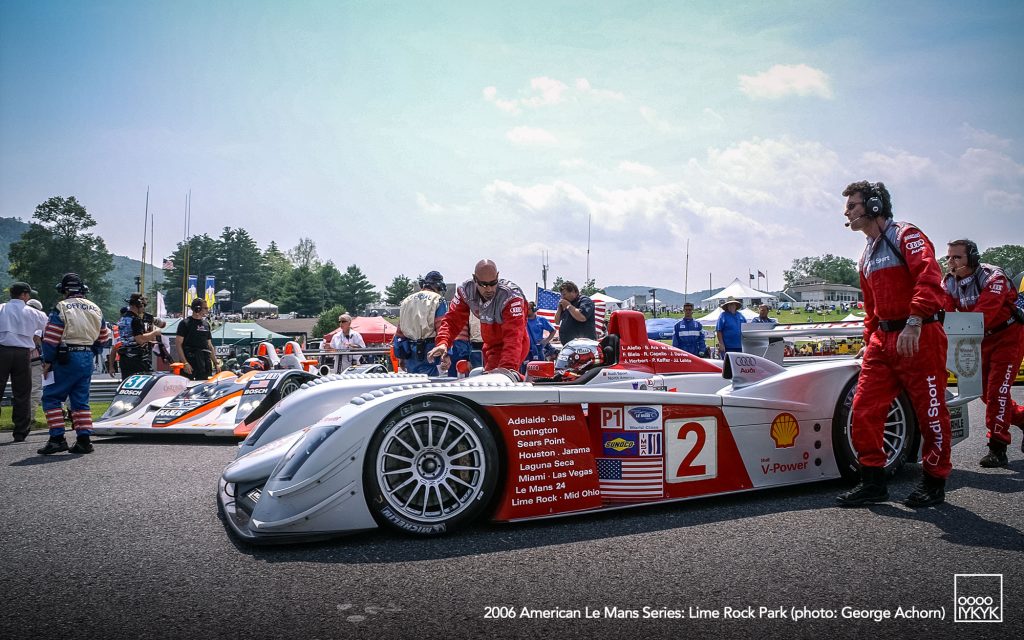
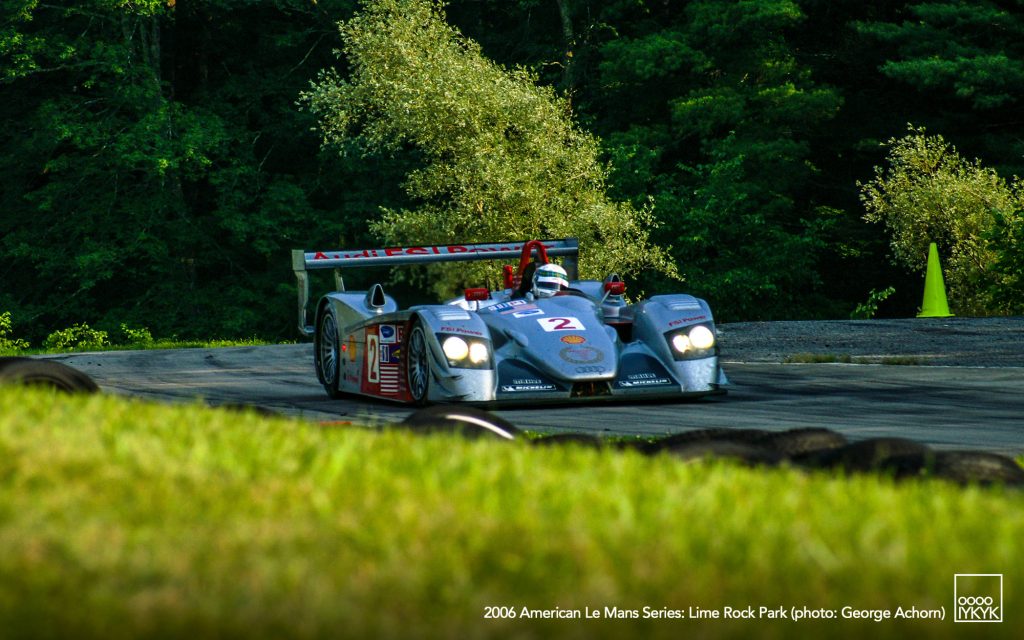
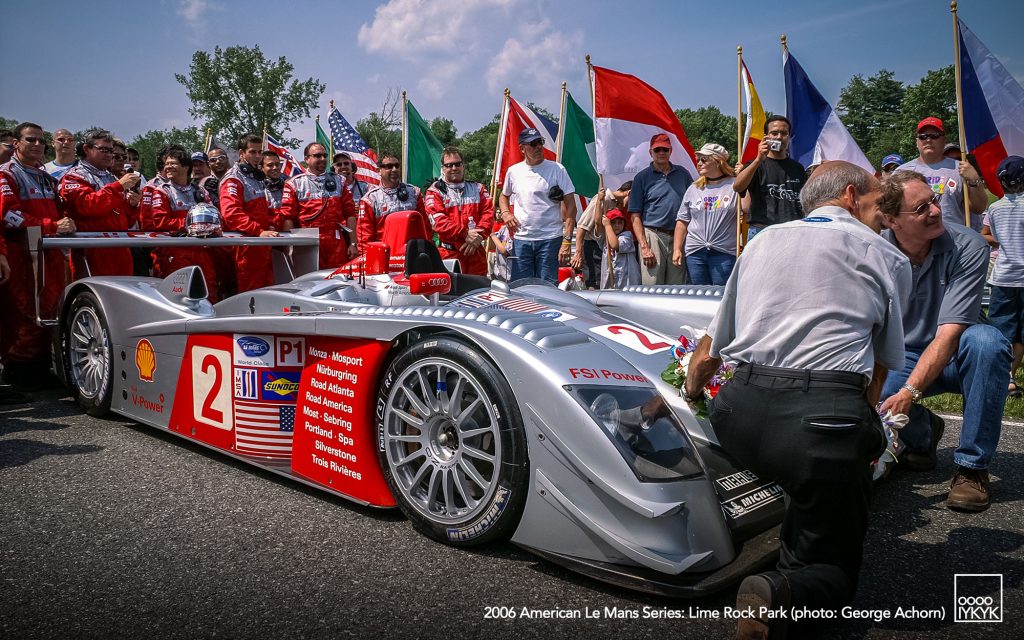
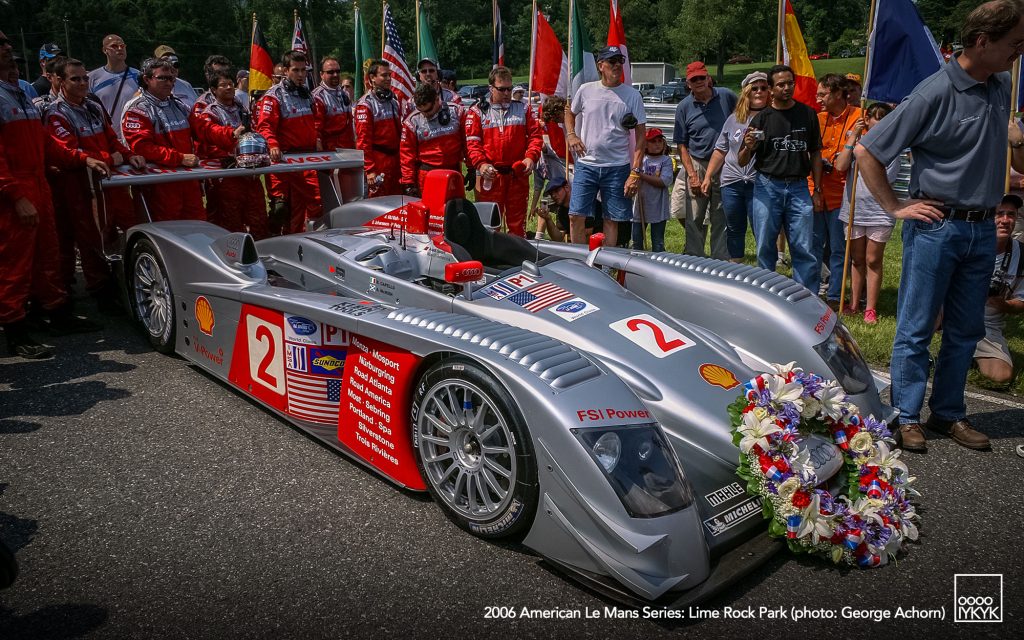
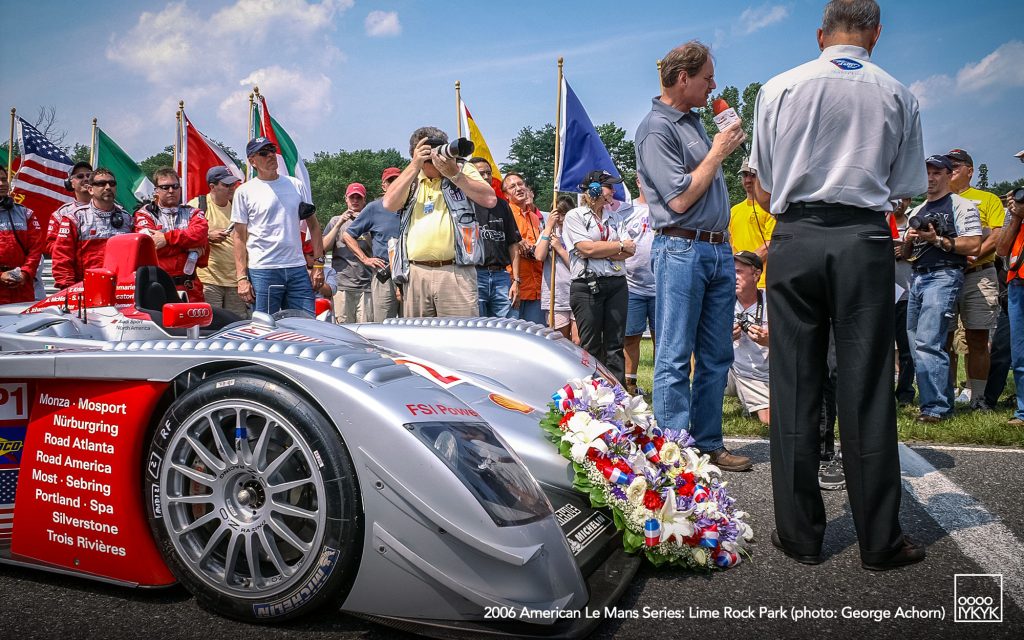
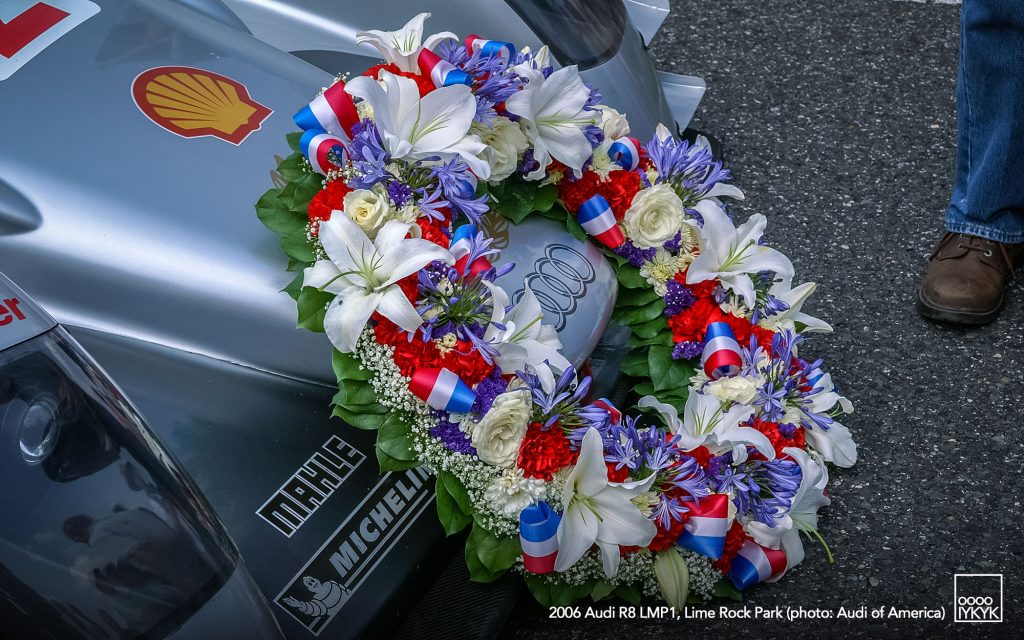
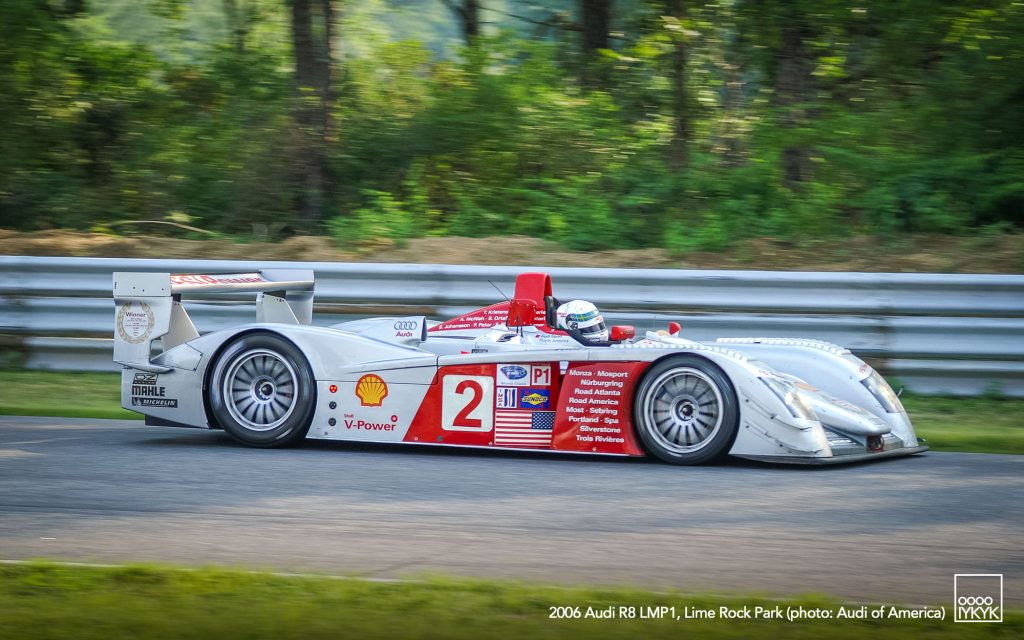
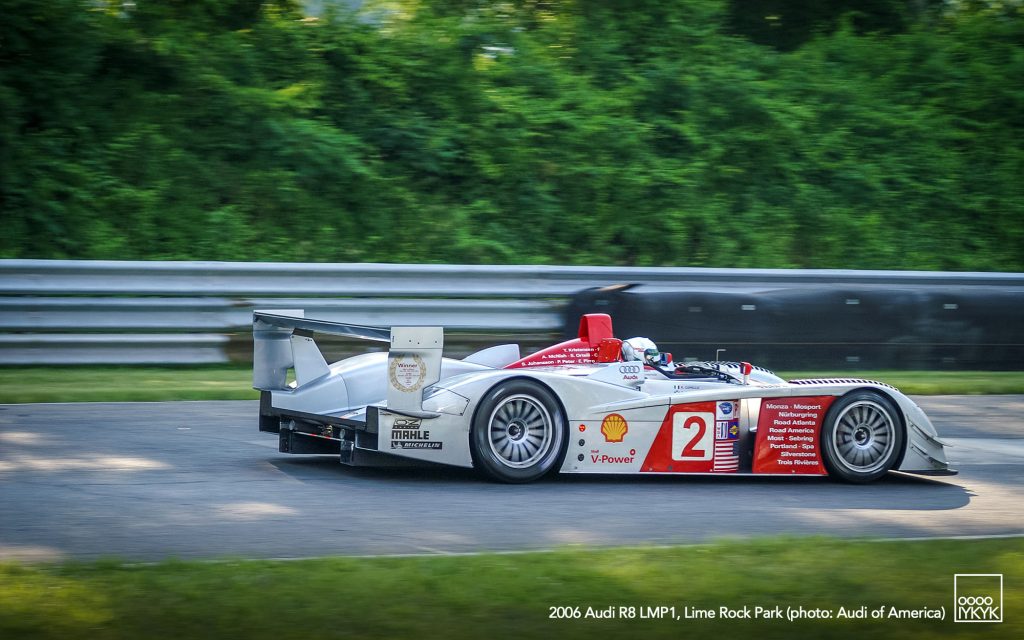
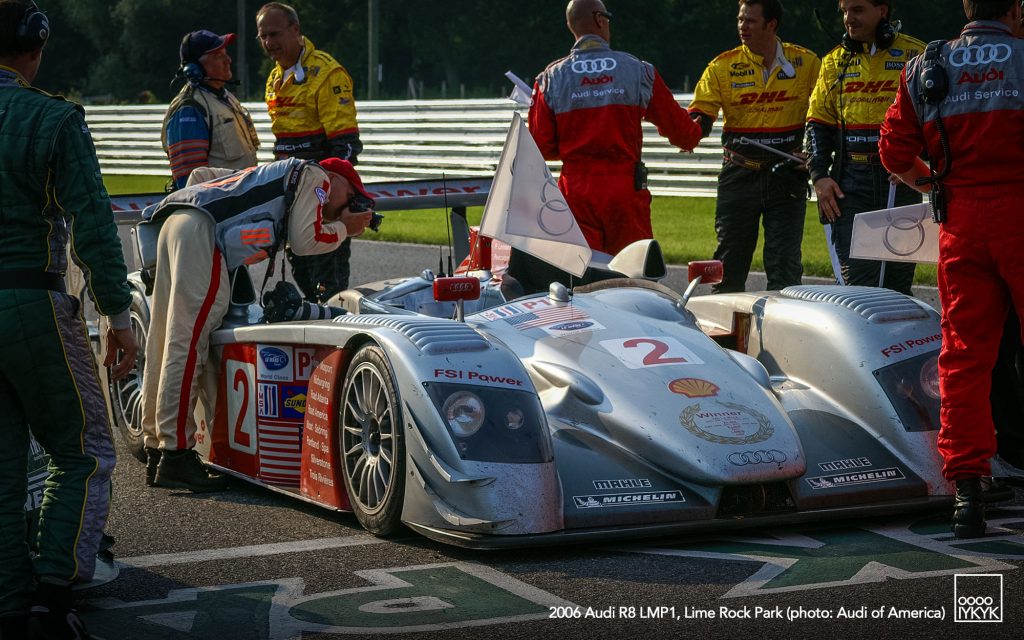
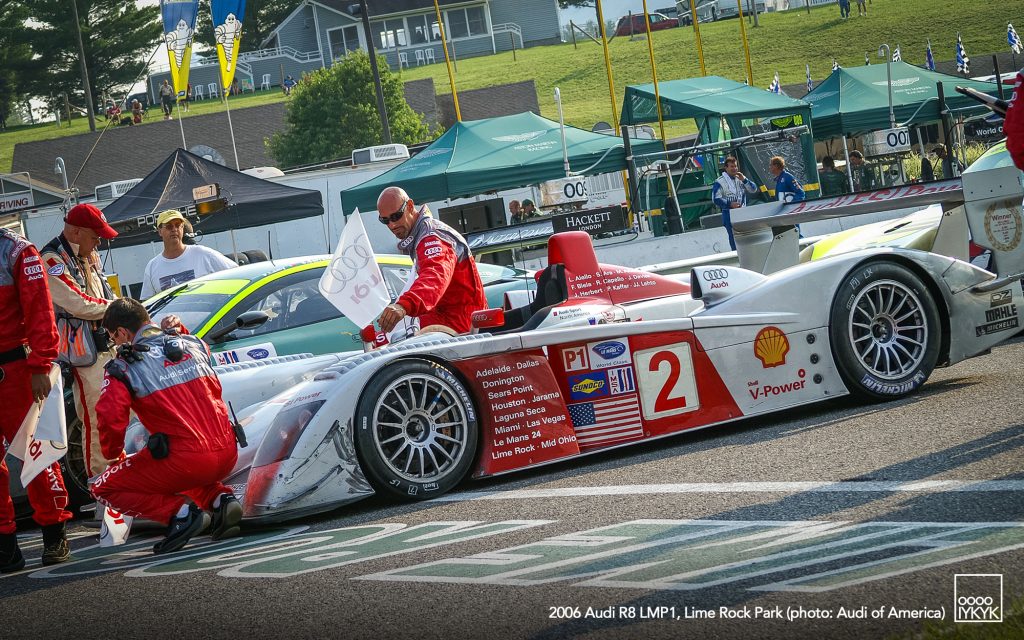
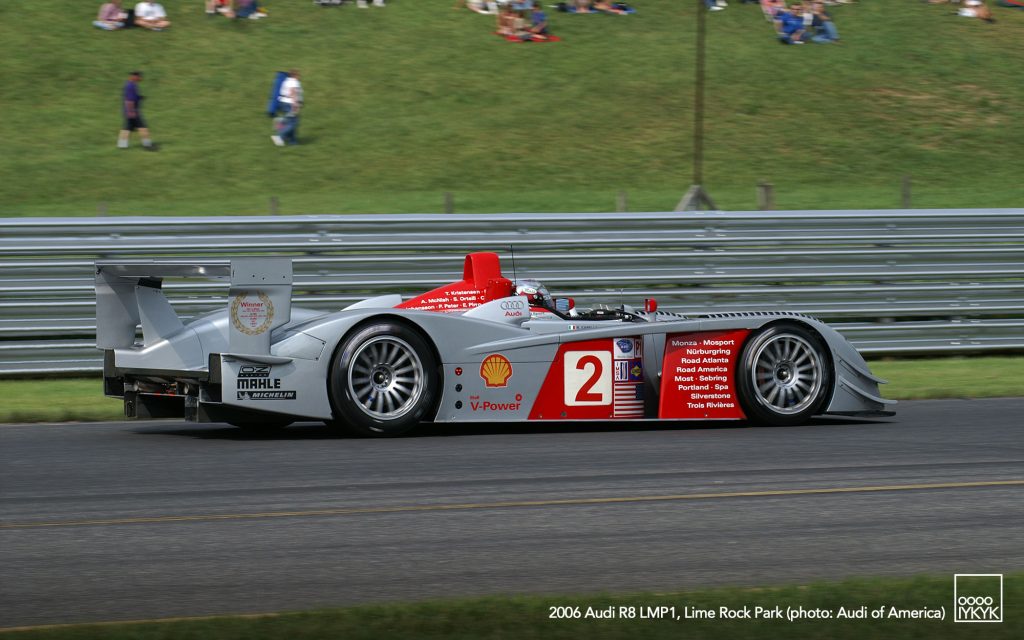
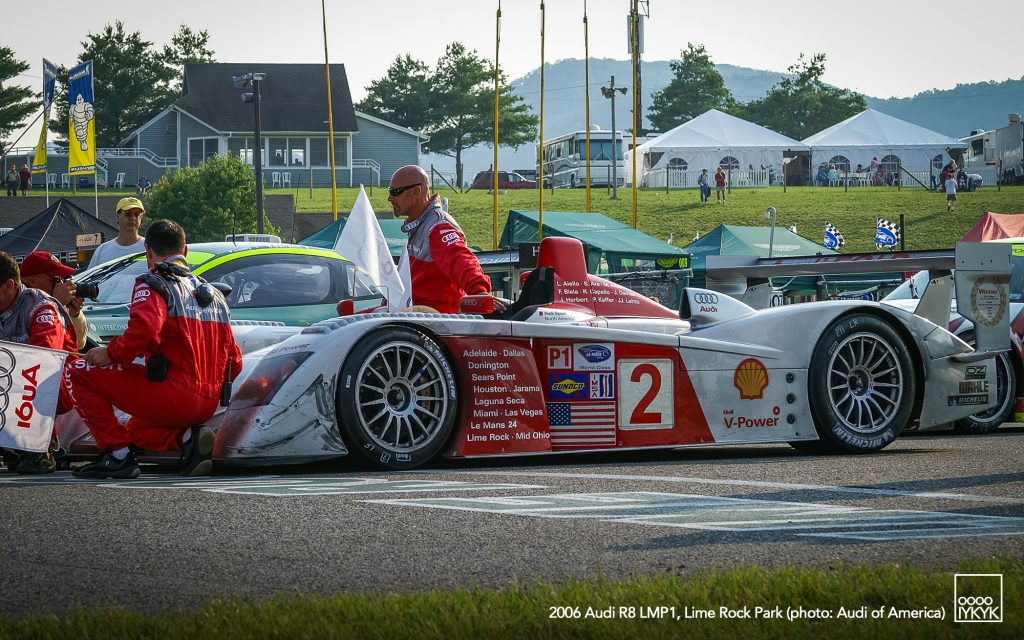
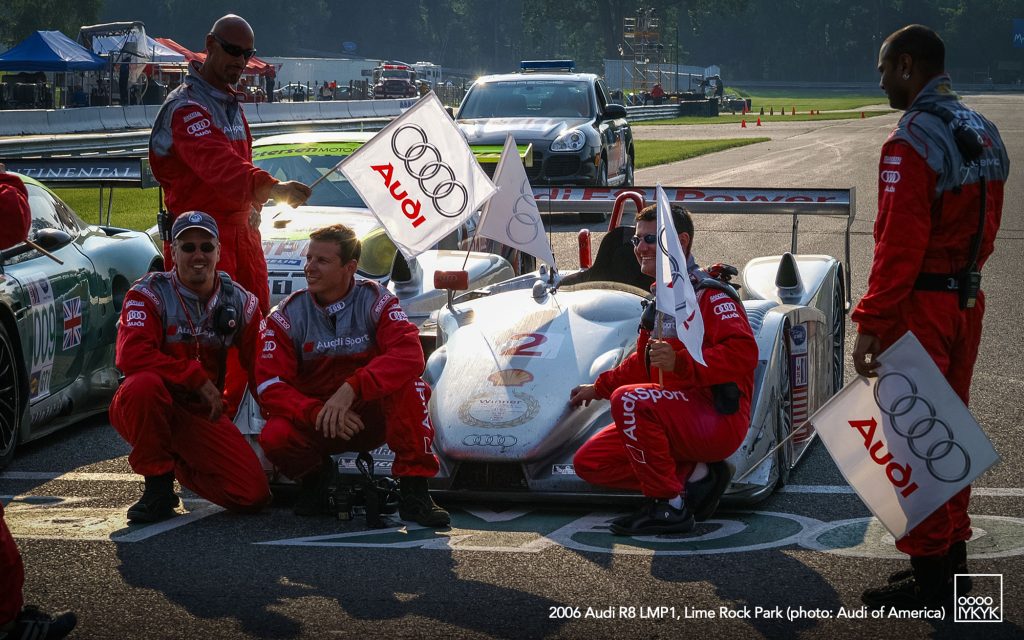
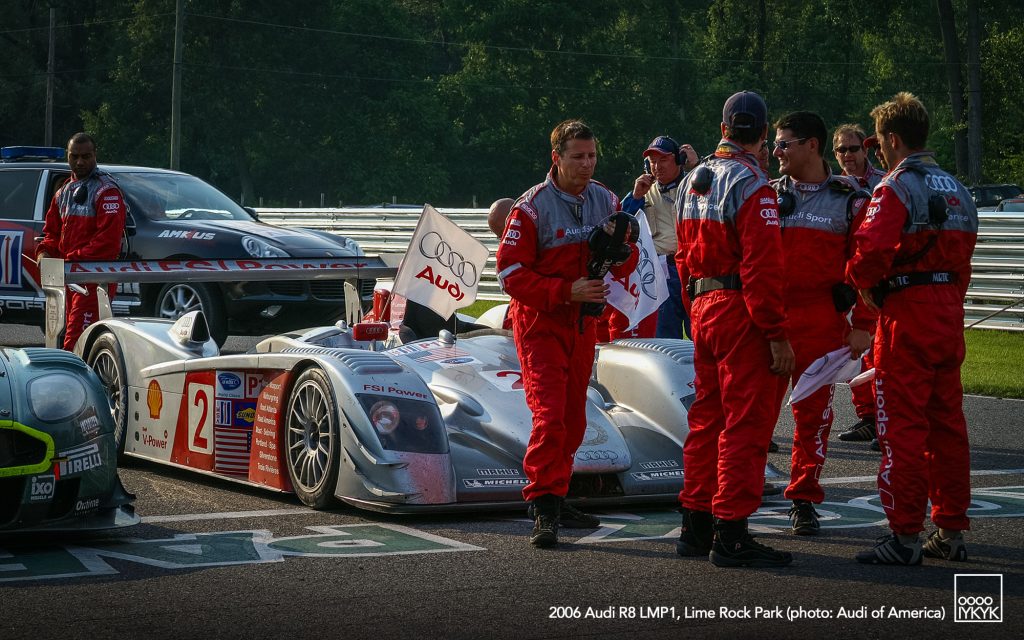
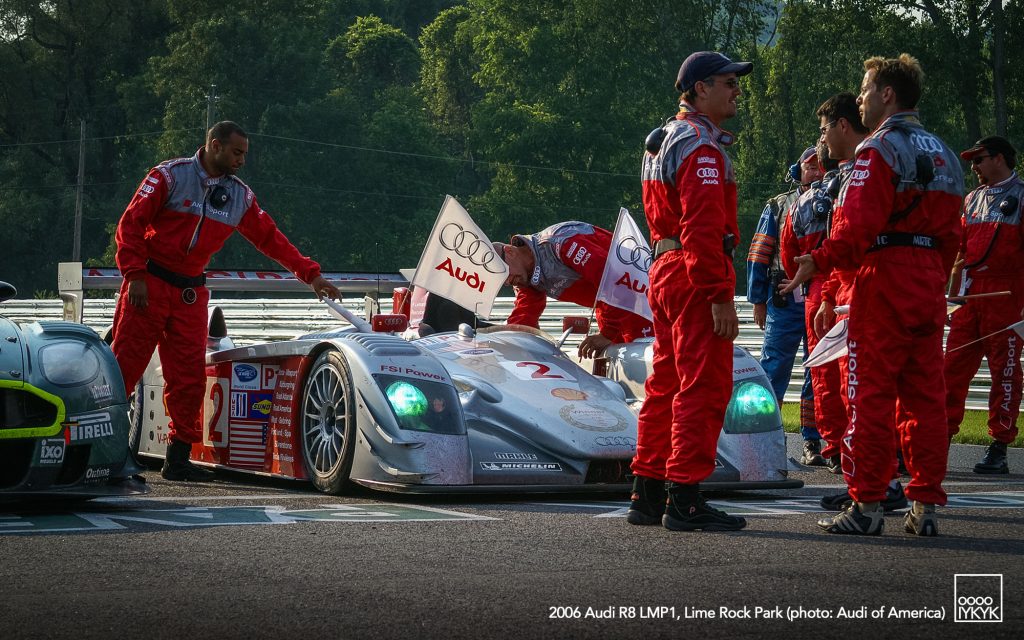
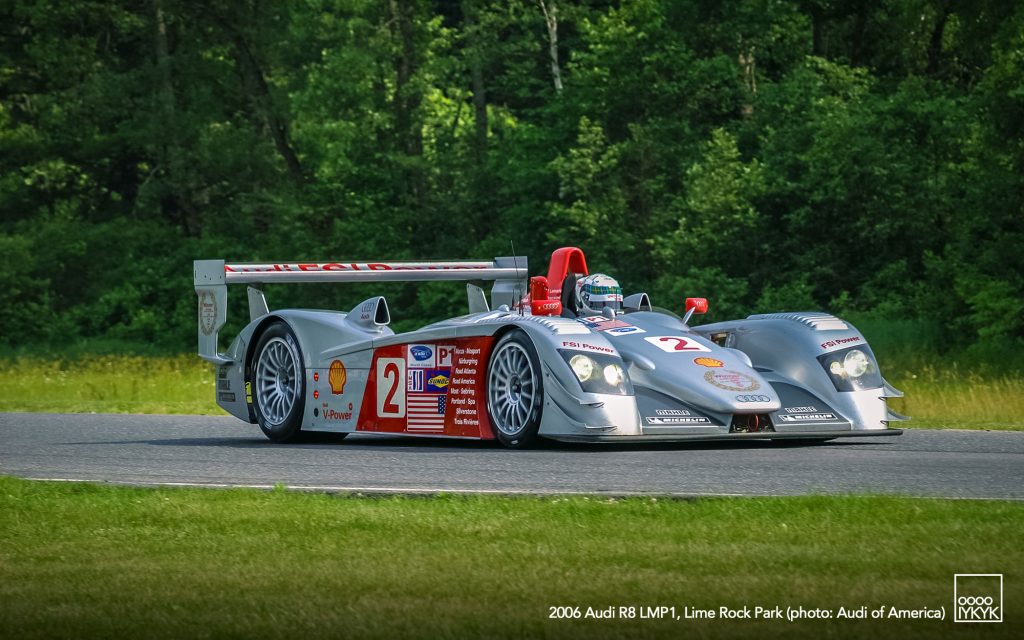
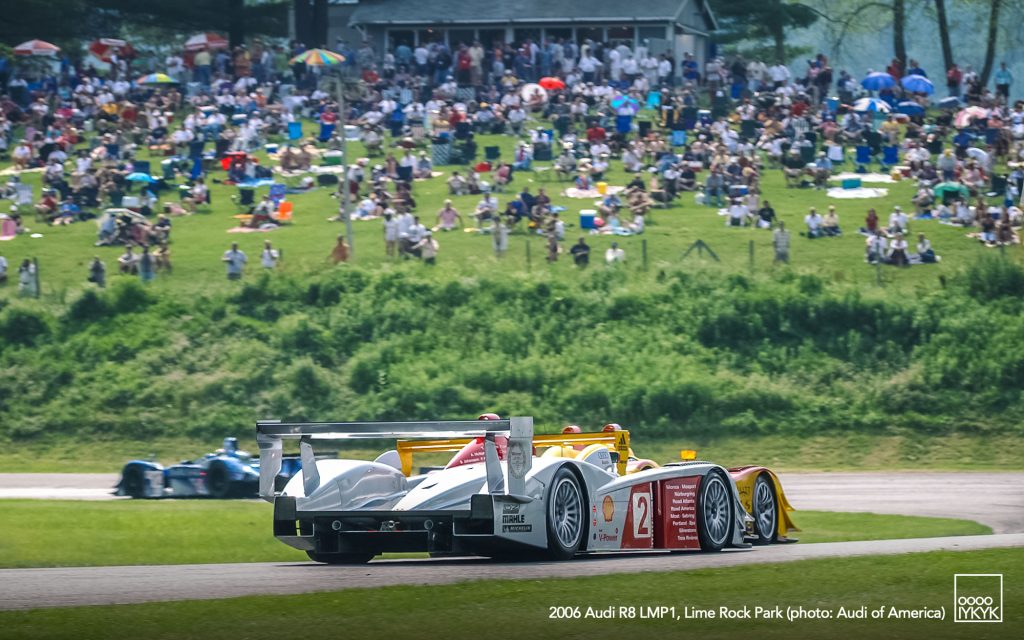
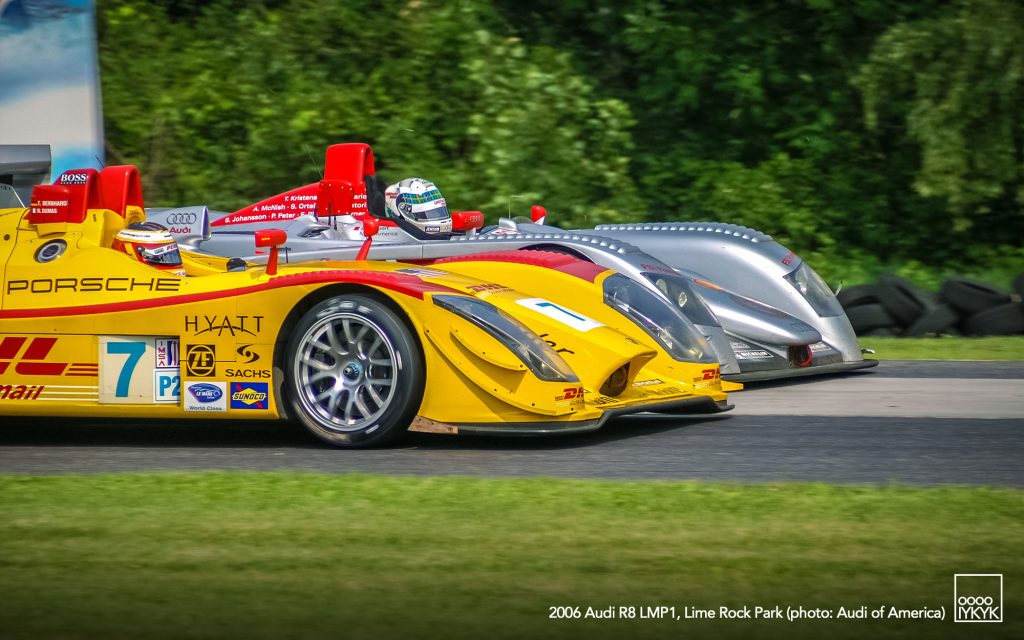
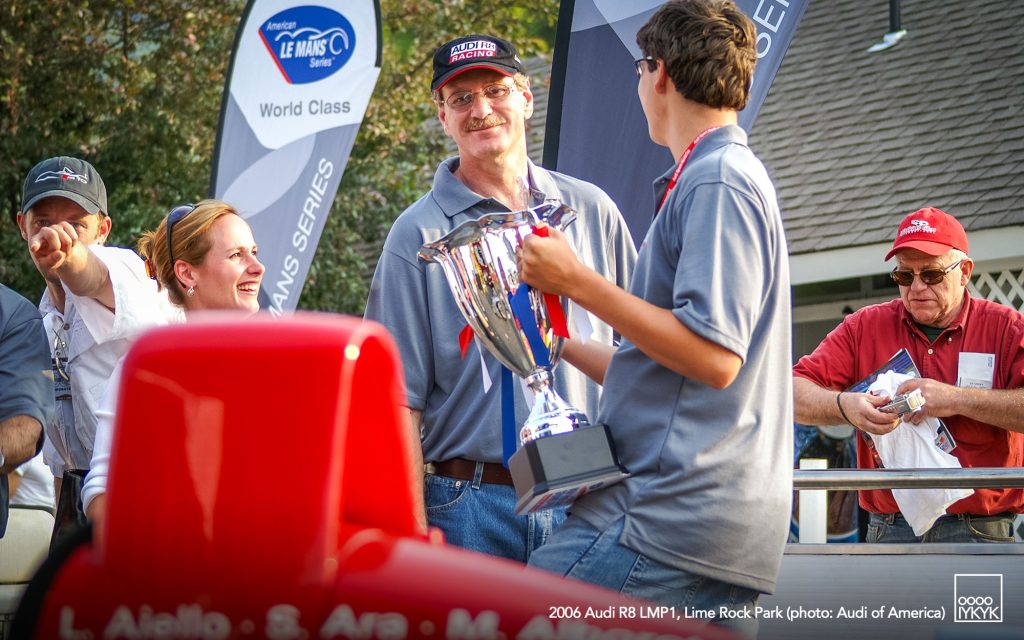
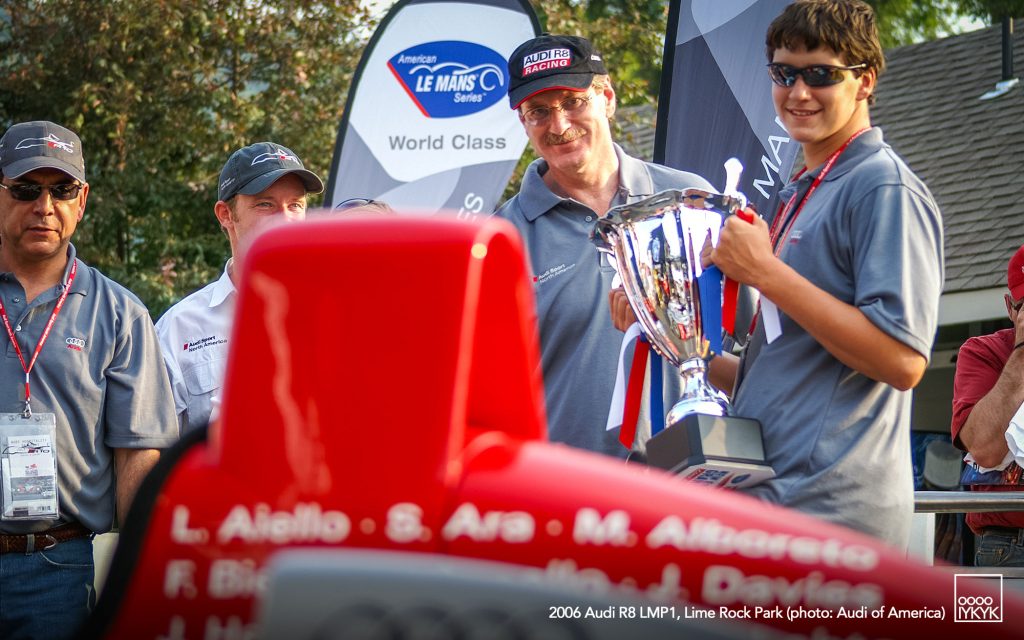
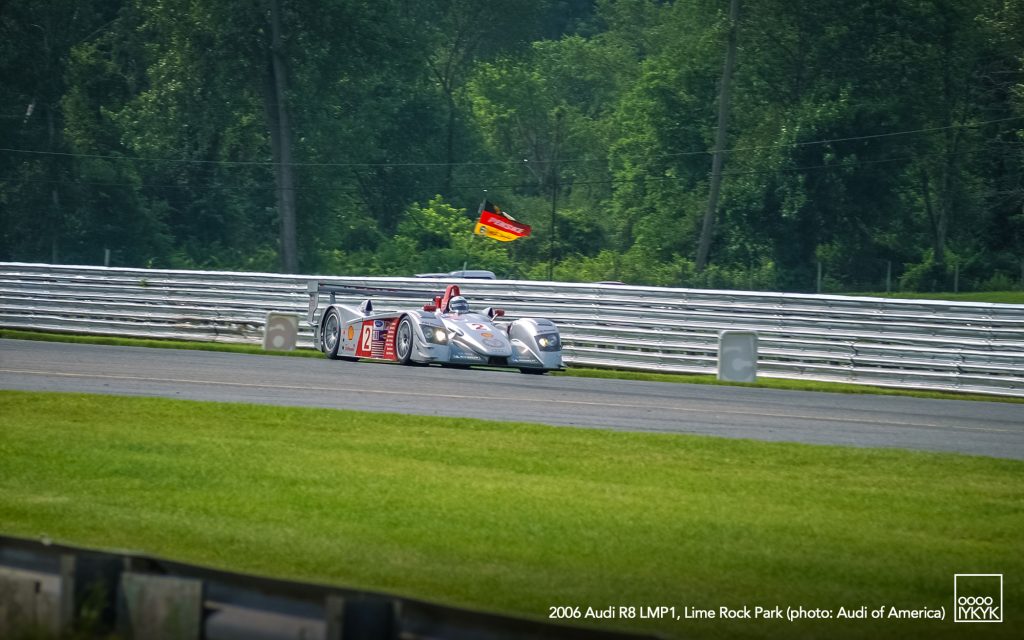
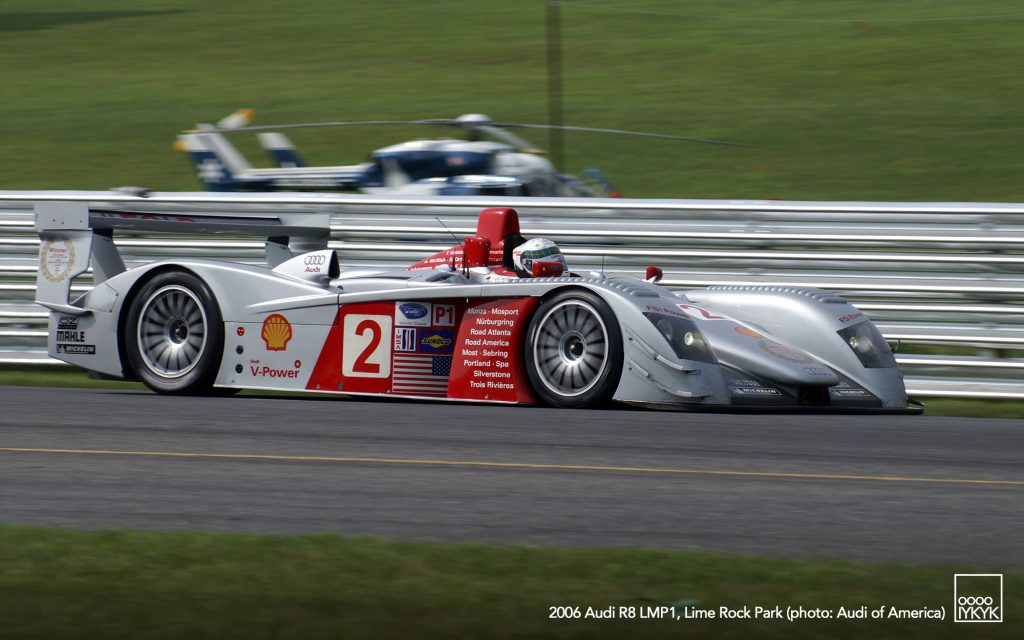
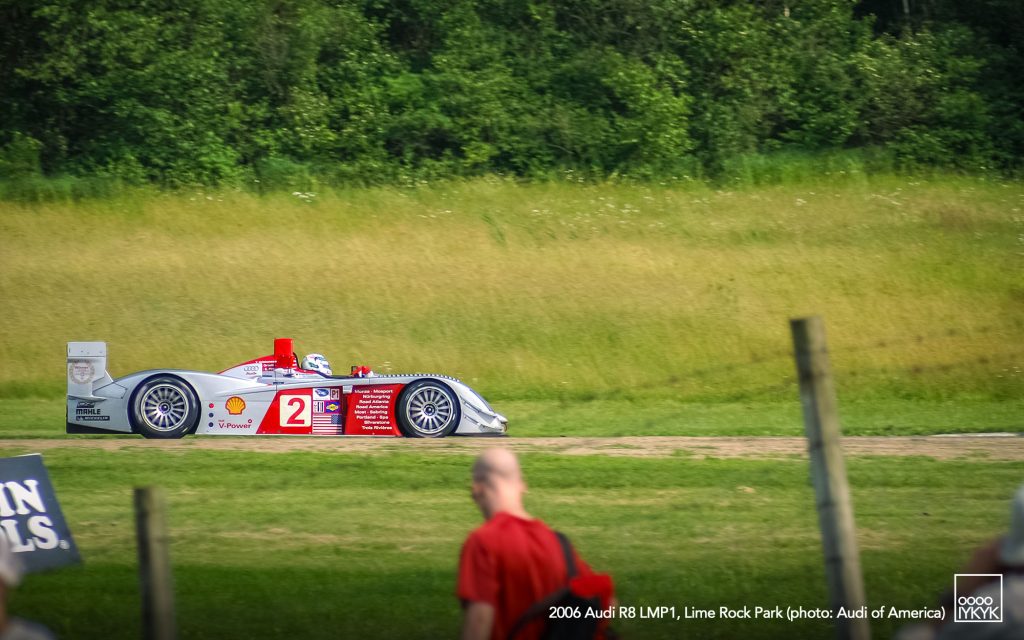
The R8 LMP1 that showed up looked different than it had in recent races. Campaigned by Champion Racing and owned by Audi of America, chassis #605 was actually the very same chassis that gave the R8 its final Le Mans win—and Tom Kristensen his record-breaking sixth overall victory at Le Mans, surpassing Jacky Ickx’s long-standing mark of five. Here, though, it traded its Champion Racing colors seen at Le Mans for a silver-and-red Audi Sport motif the R10s had used at Le Mans. Across the red flanks of the R8 were the names of the drivers who had driven the car to victory and the 23 circuits where it had logged a win, along with a simple “Thank You.”
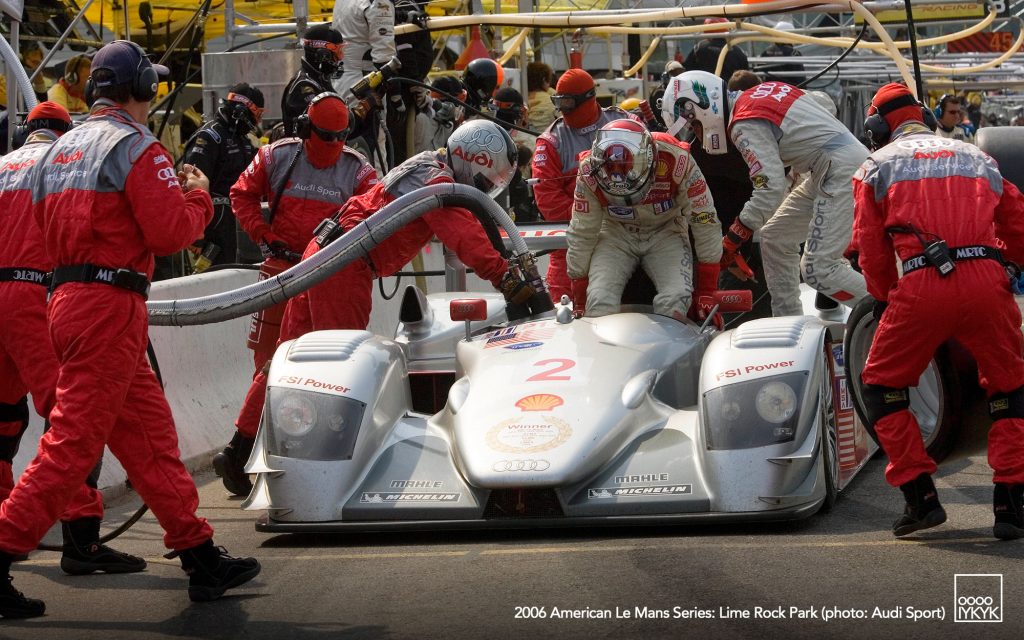
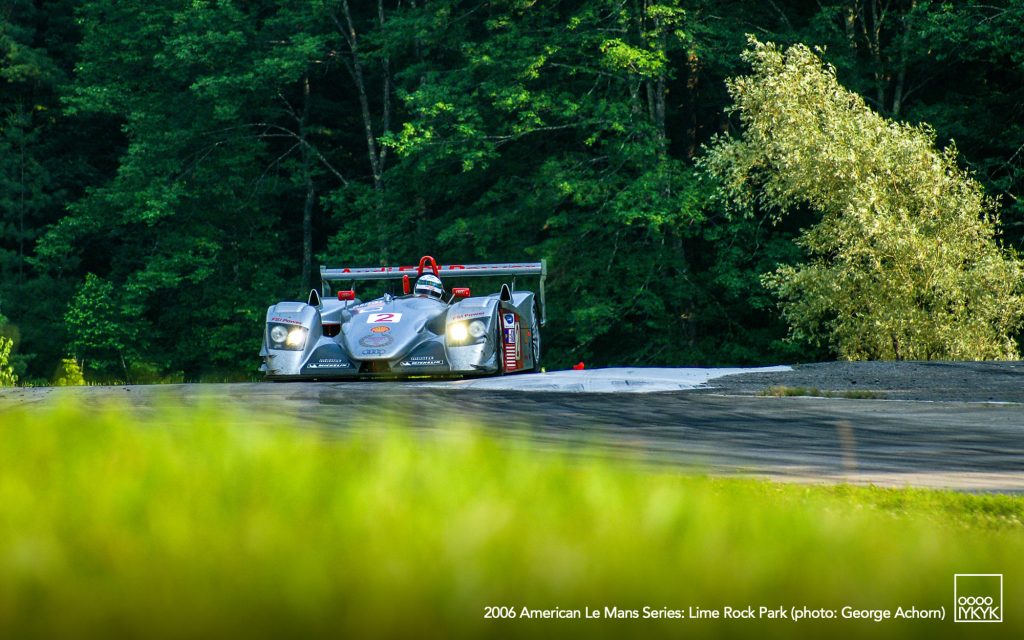
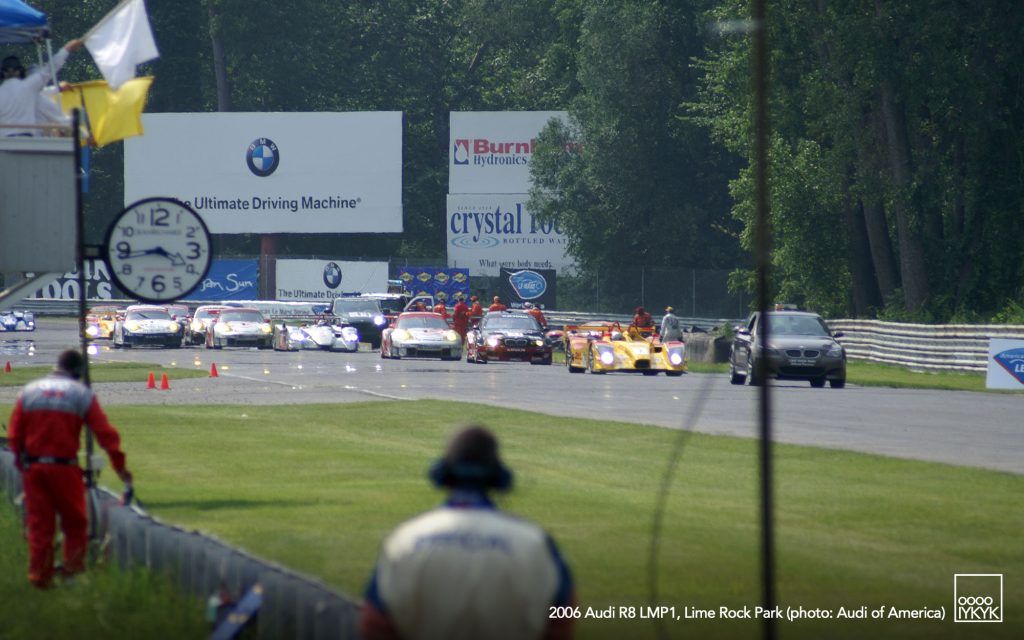
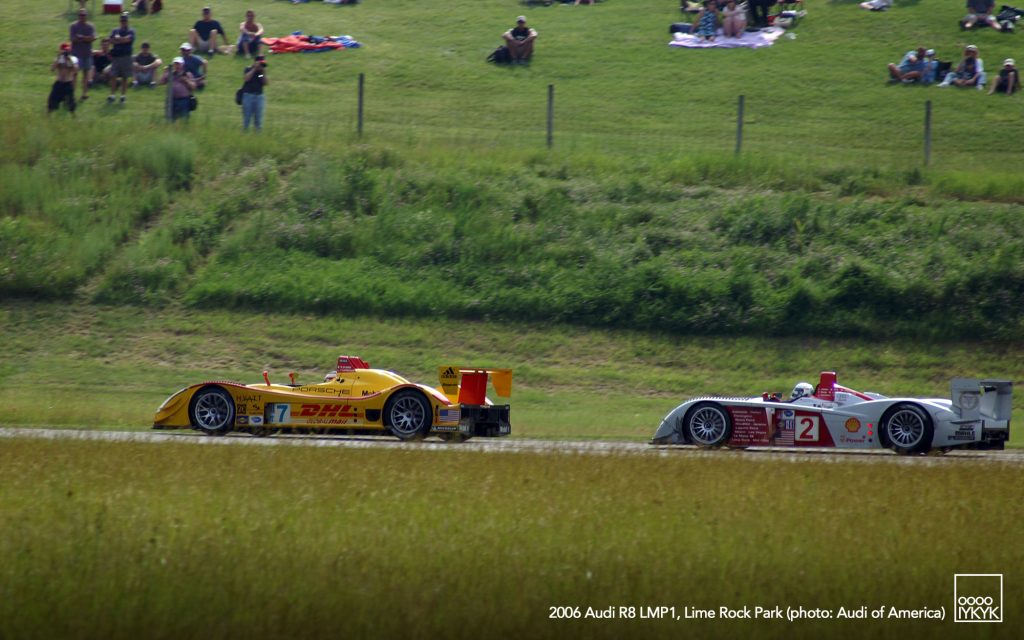
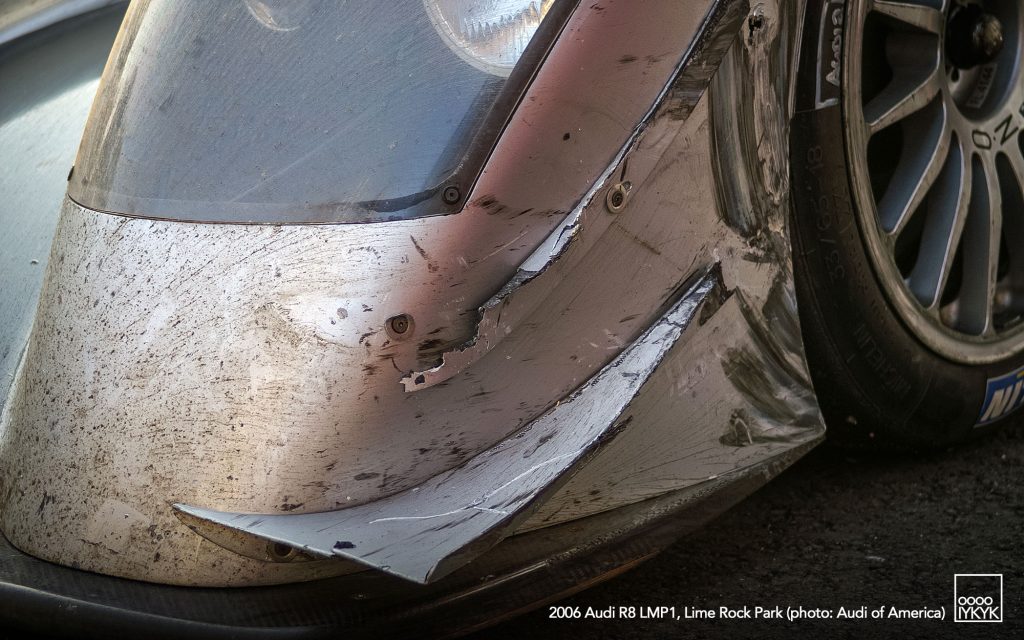
Despite how proven the car was or how seasoned the drivers and their team were, the race didn’t exactly unfold like clockwork. Starting from the second row, Capello settled into second place during the opening stint before handing the car to McNish after 45 minutes. A well-timed caution period and efficient pit strategy elevated the Audi into the lead, allowing the R8 to build an 18-second advantage as the race entered its final hour.
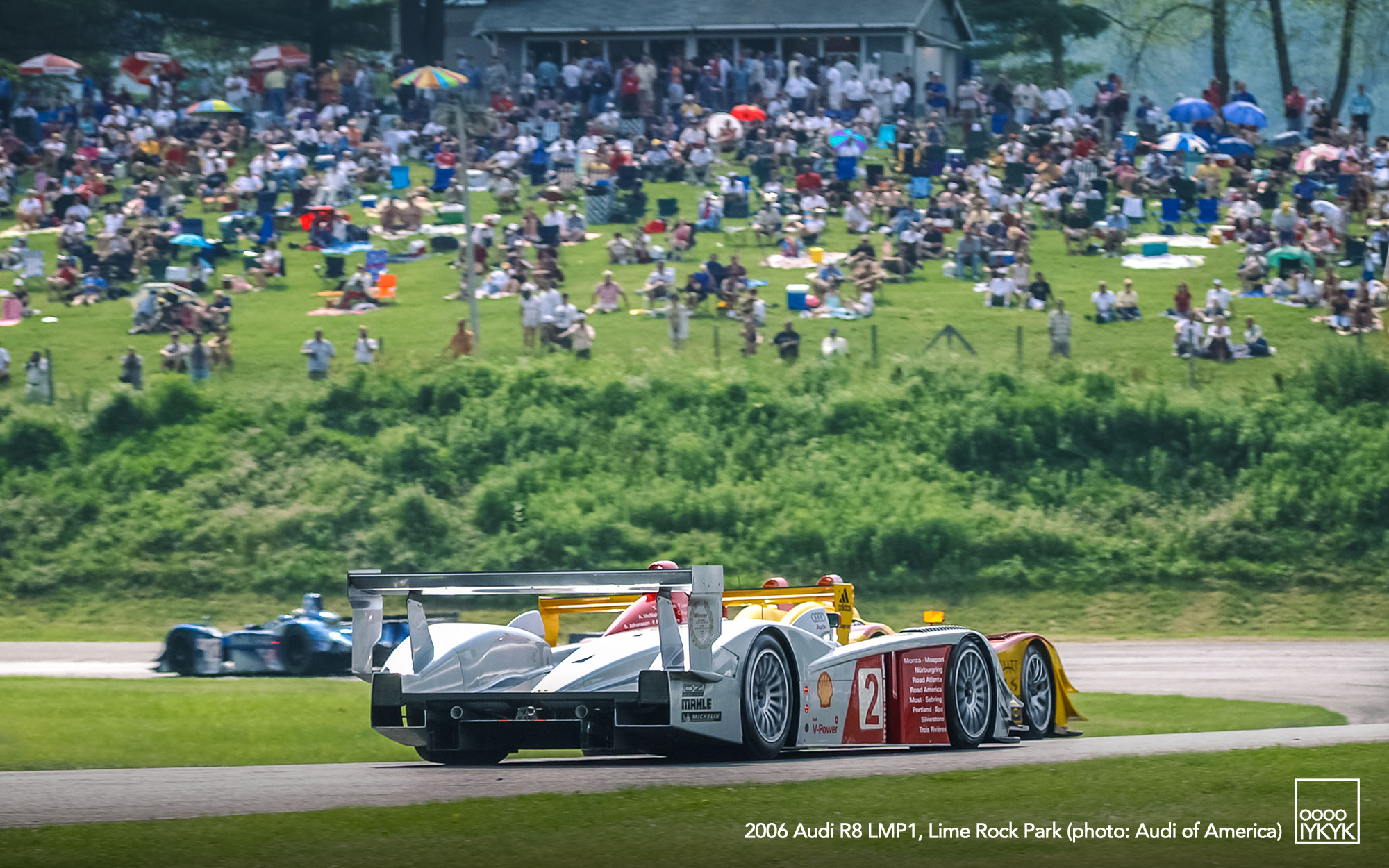
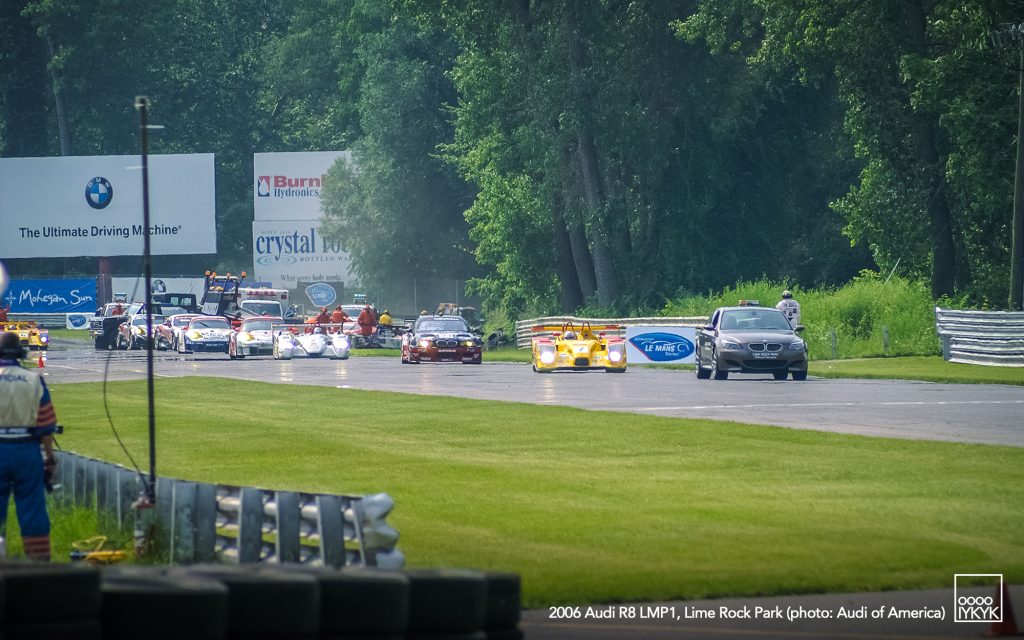
However, that cushion disappeared when another full-course caution reshuffled the field. During the final round of pit stops, McNish was briefly prevented from entering pit lane by officials, allowing the pursuing Porsche to complete its stop first and inherit the lead.
That could have been the end of it, but Porsche still had one problem: Allan McNish.
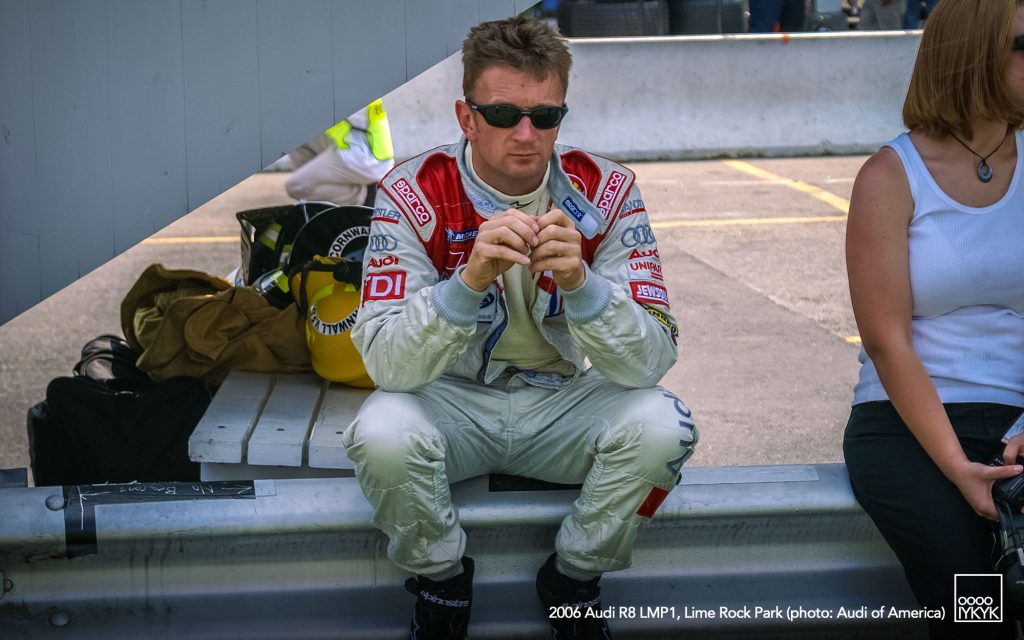
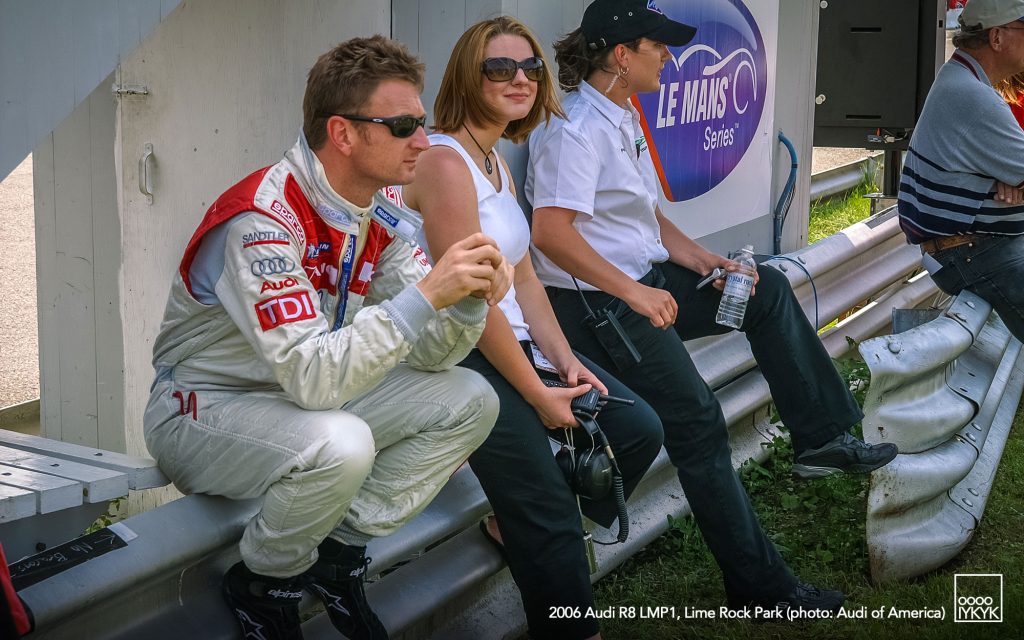
In this period, McNish wasn’t Audi’s driver with the most wins. He was their bulldog. If you put Allan McNish in the car and told him to have at it… well… he had at it. He’d drive the wheels off the car and take the fight to the competition, often making up for deficiencies in the car’s outright pace.
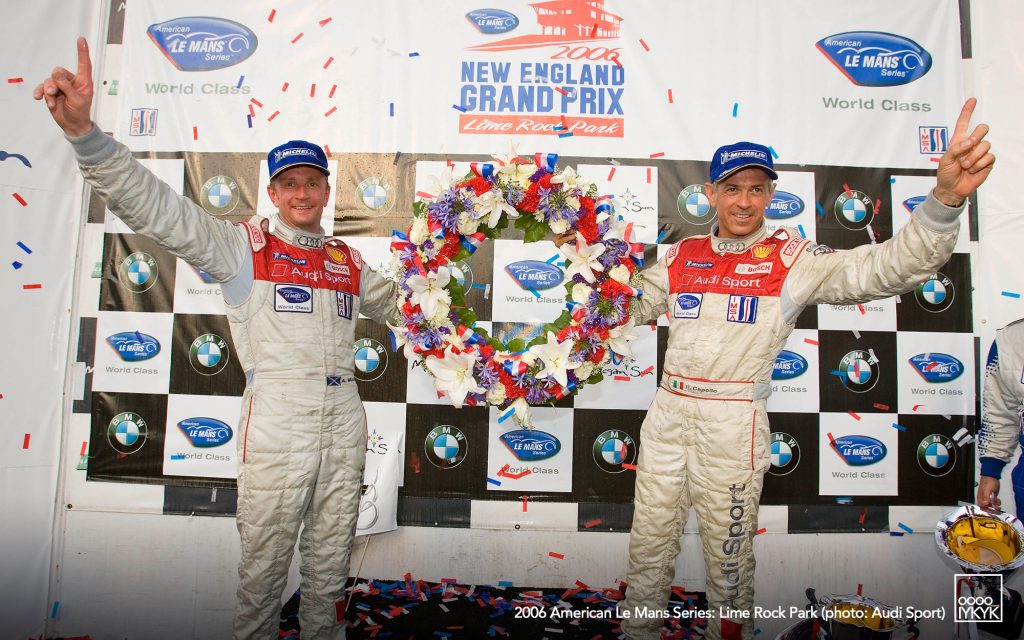
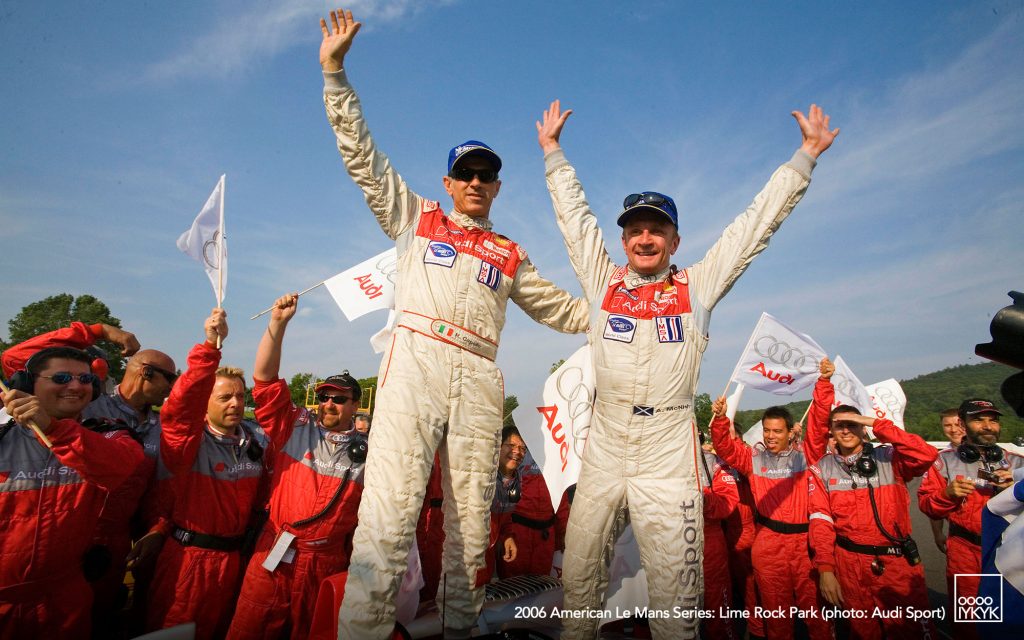
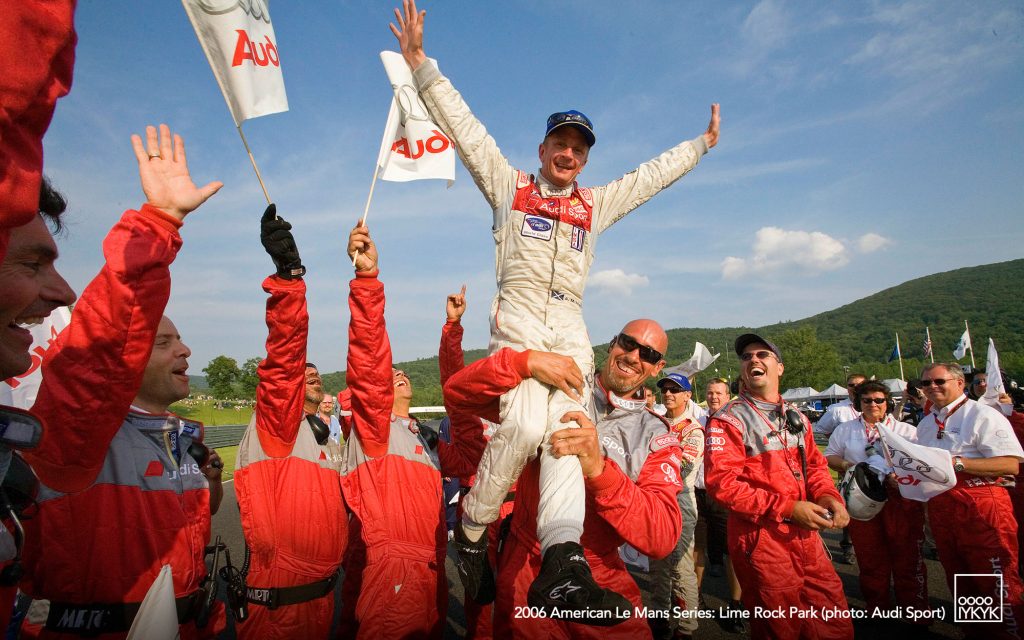
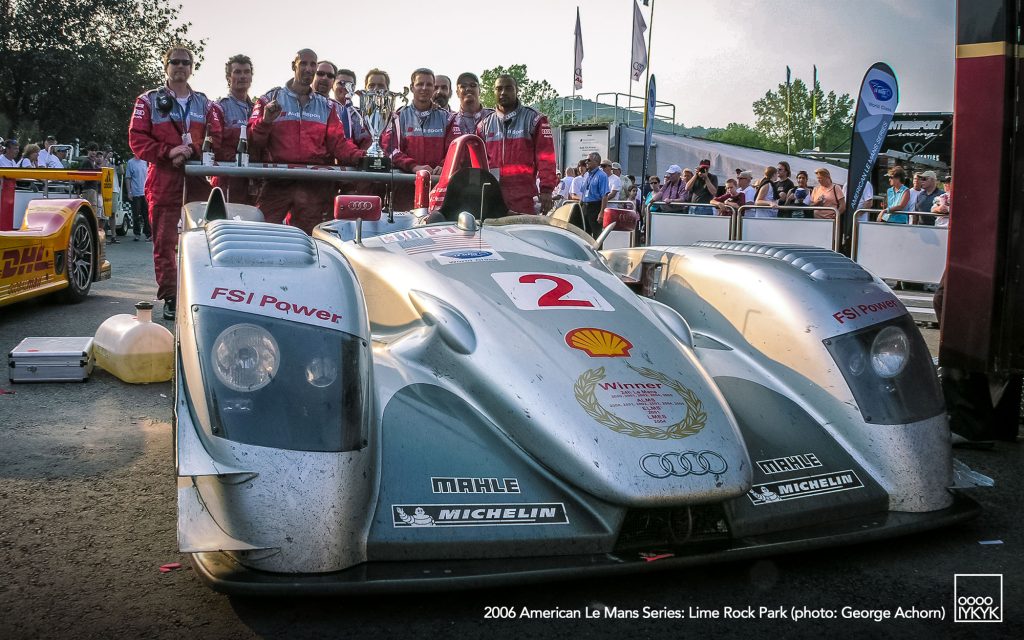
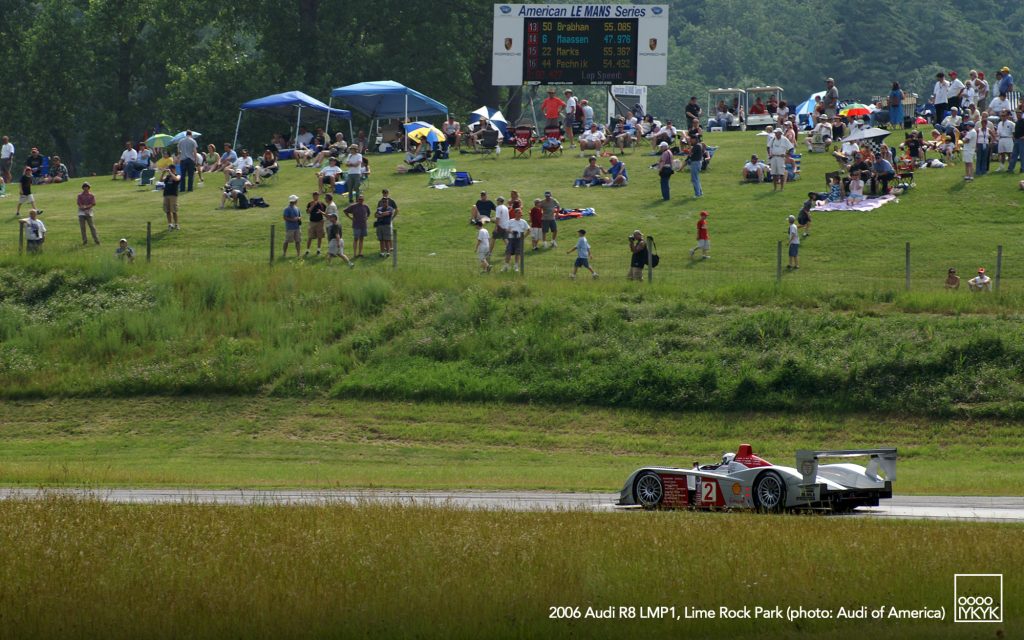
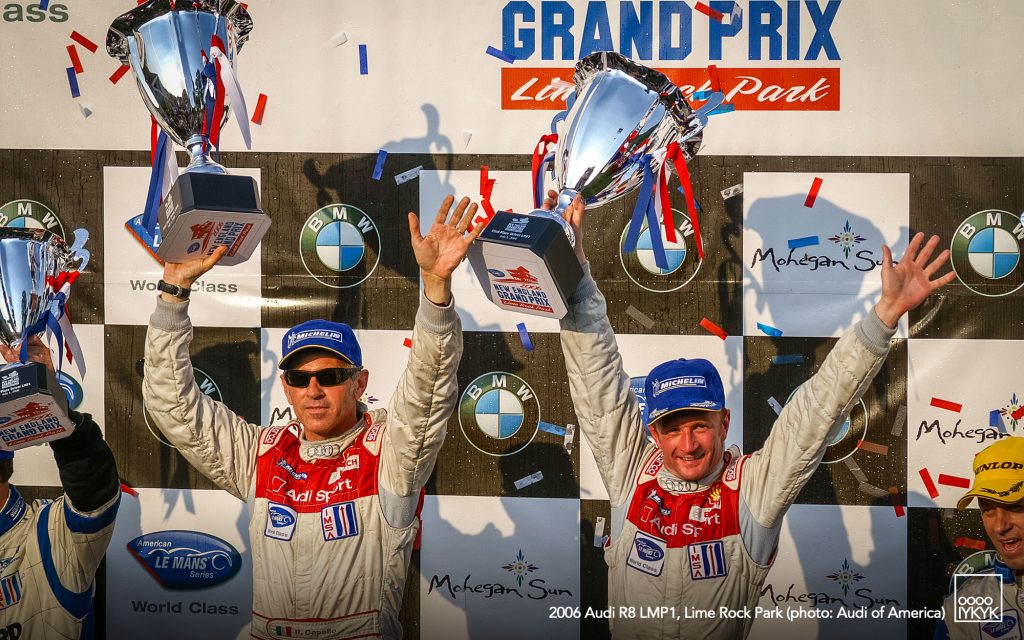
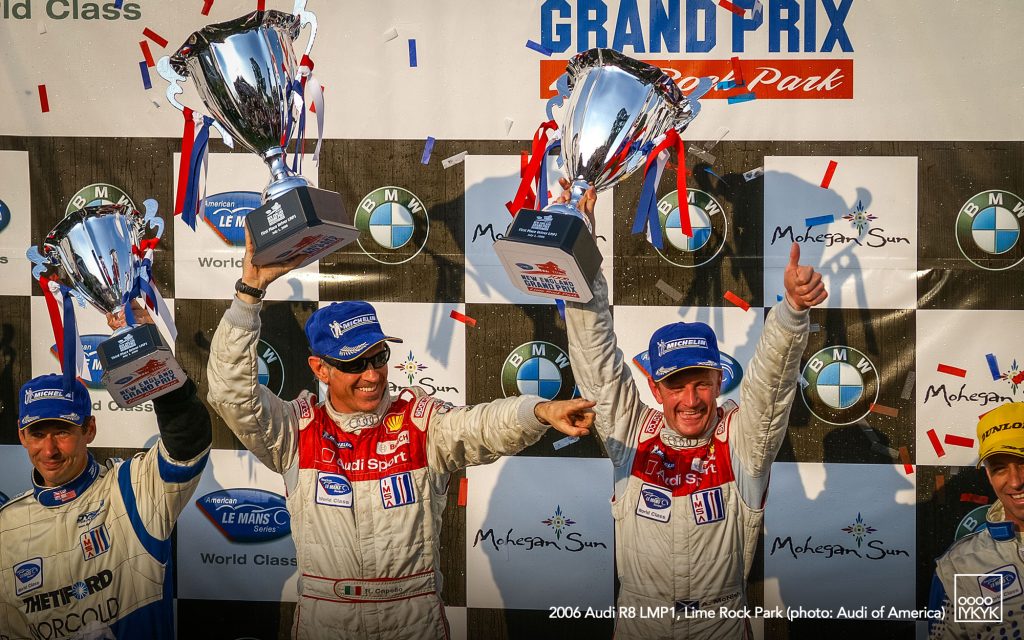
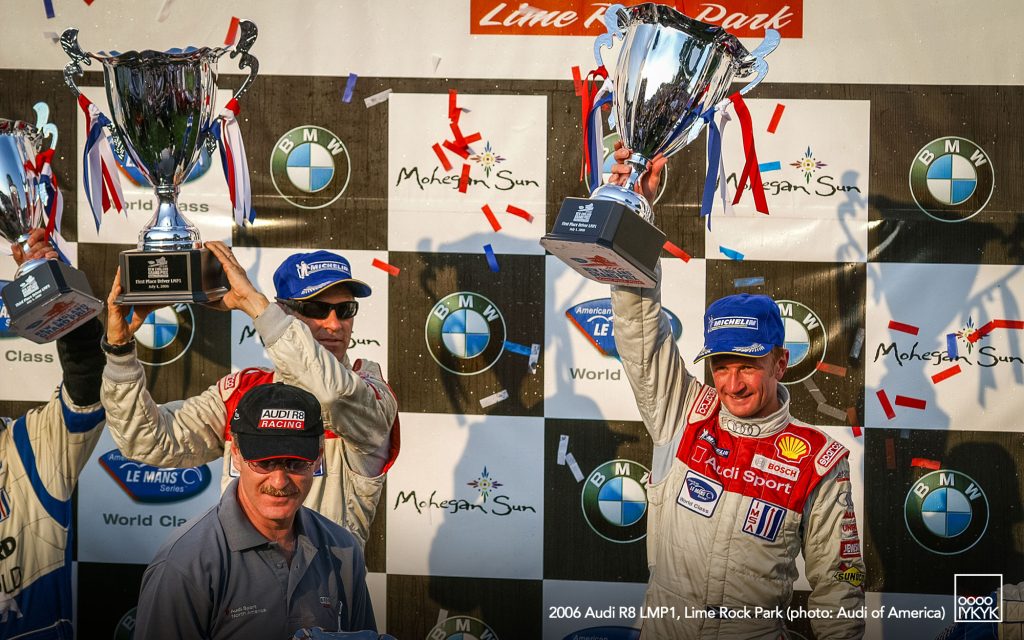
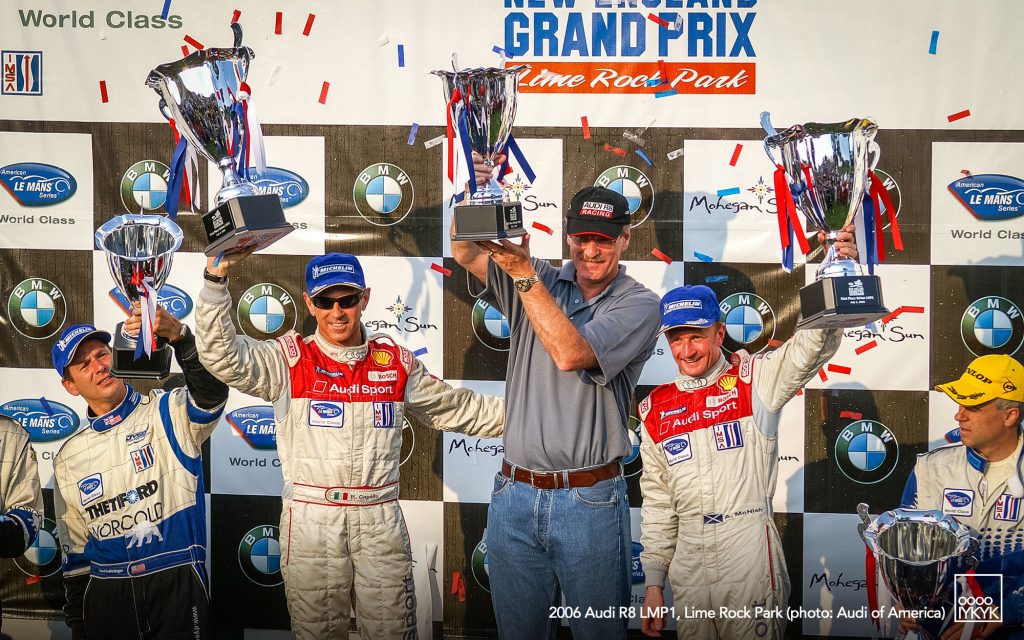
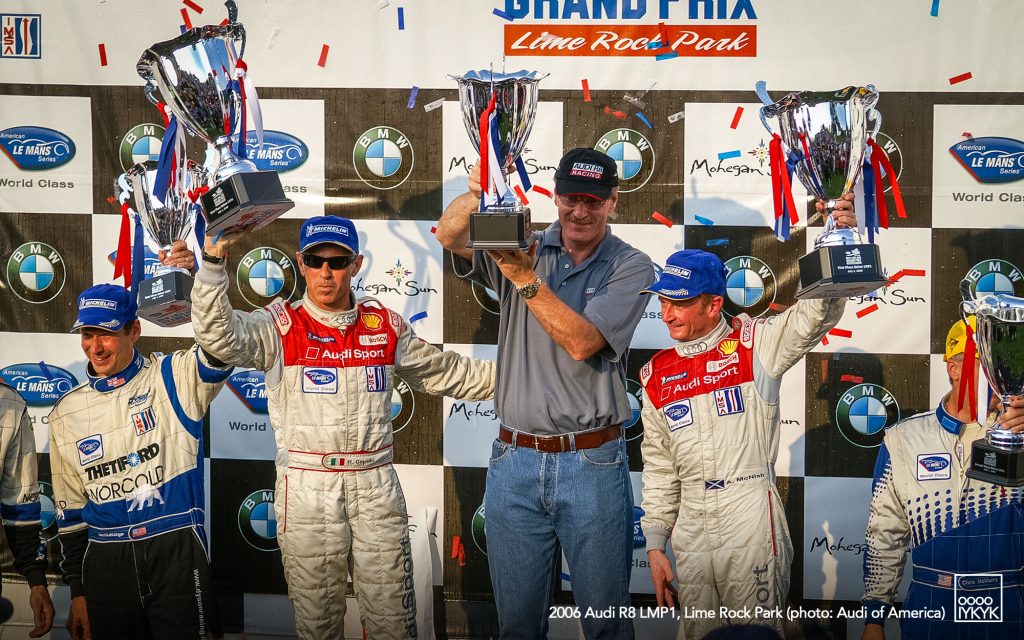
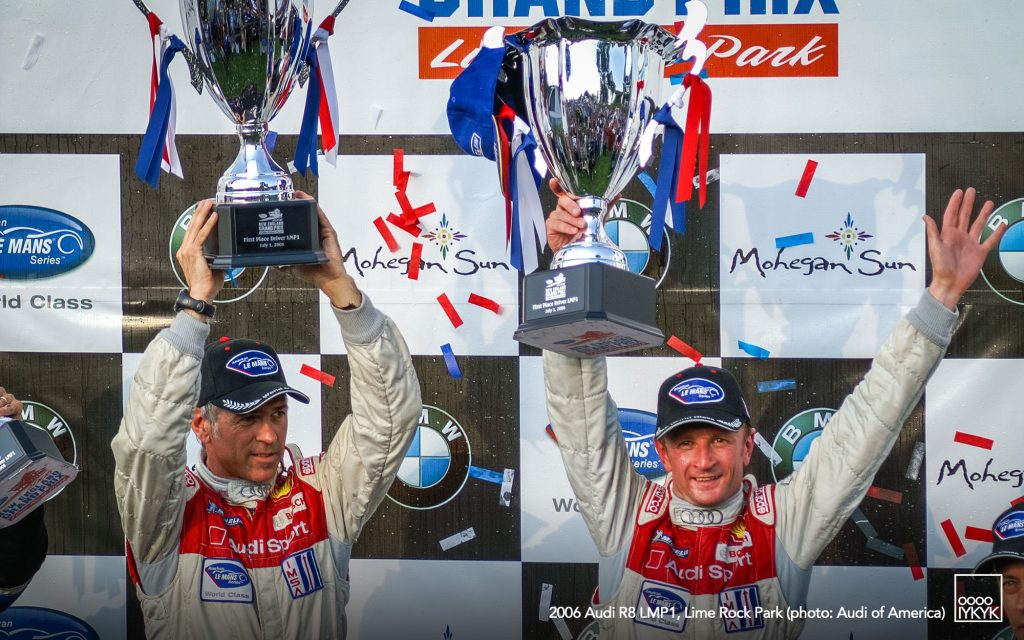
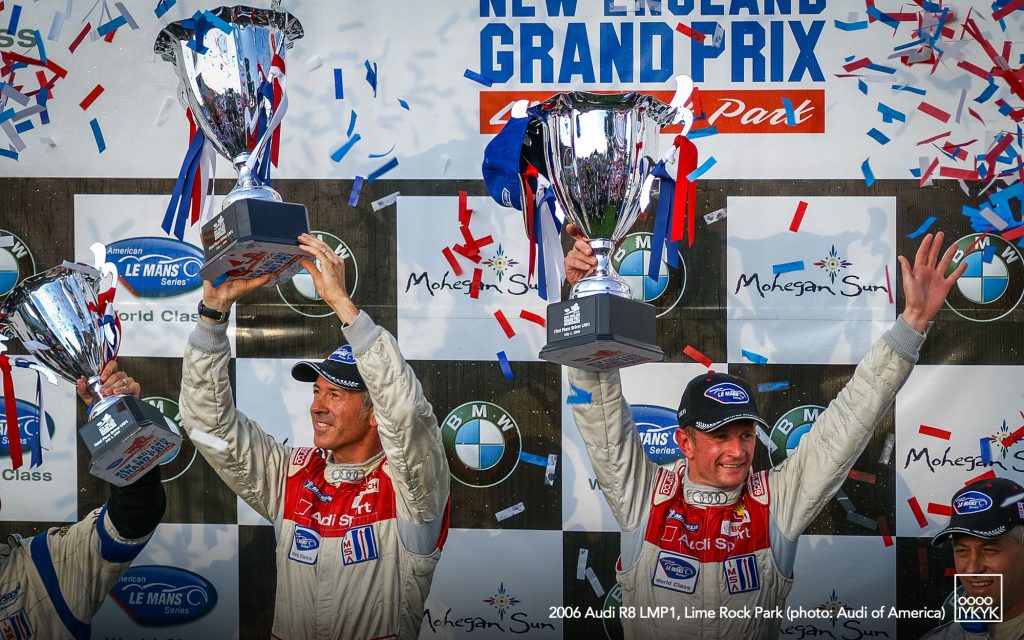
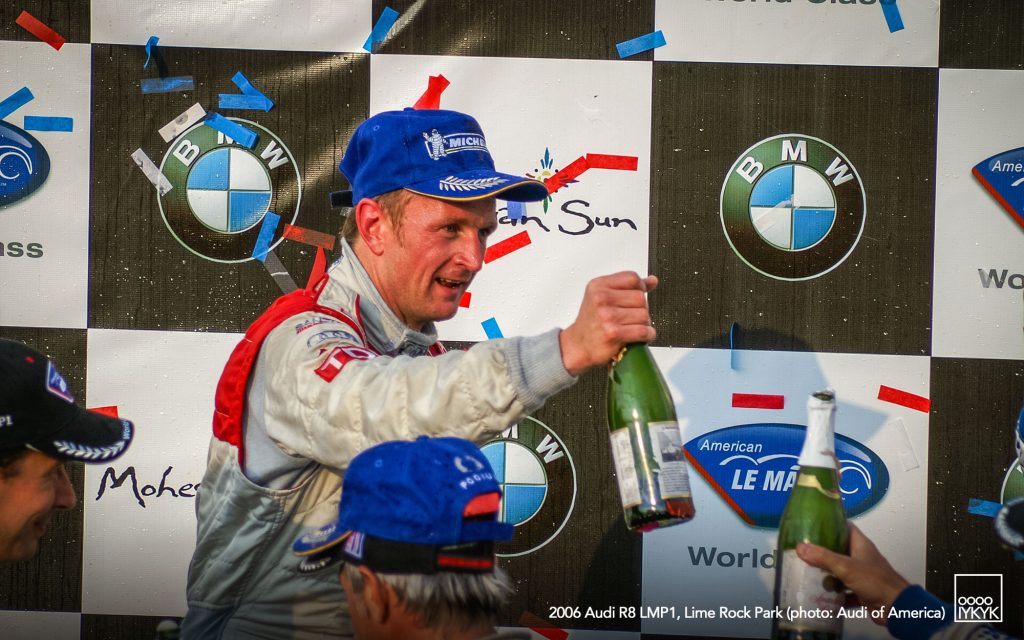
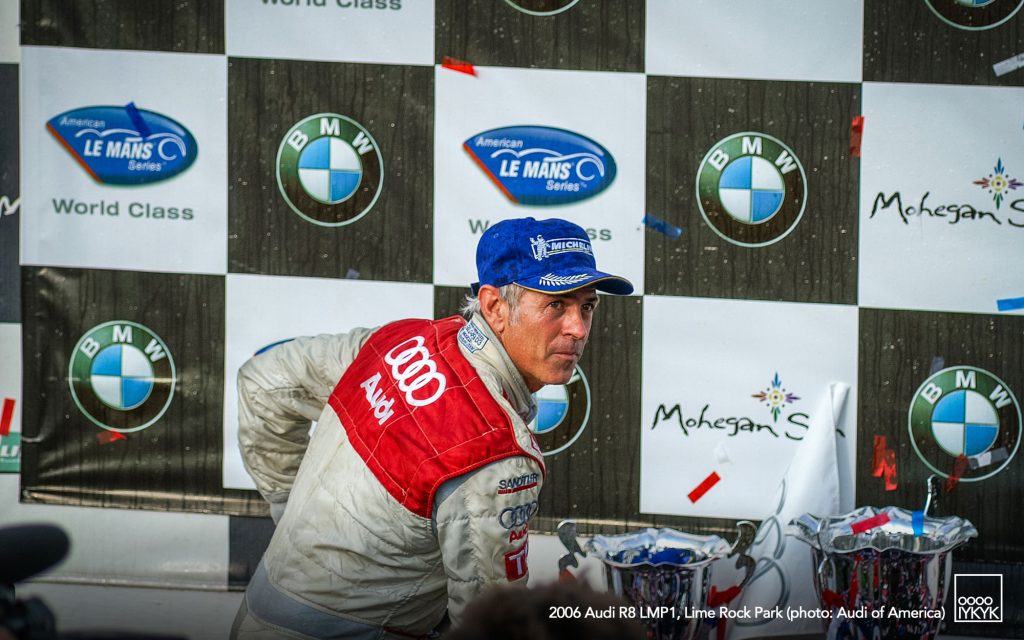
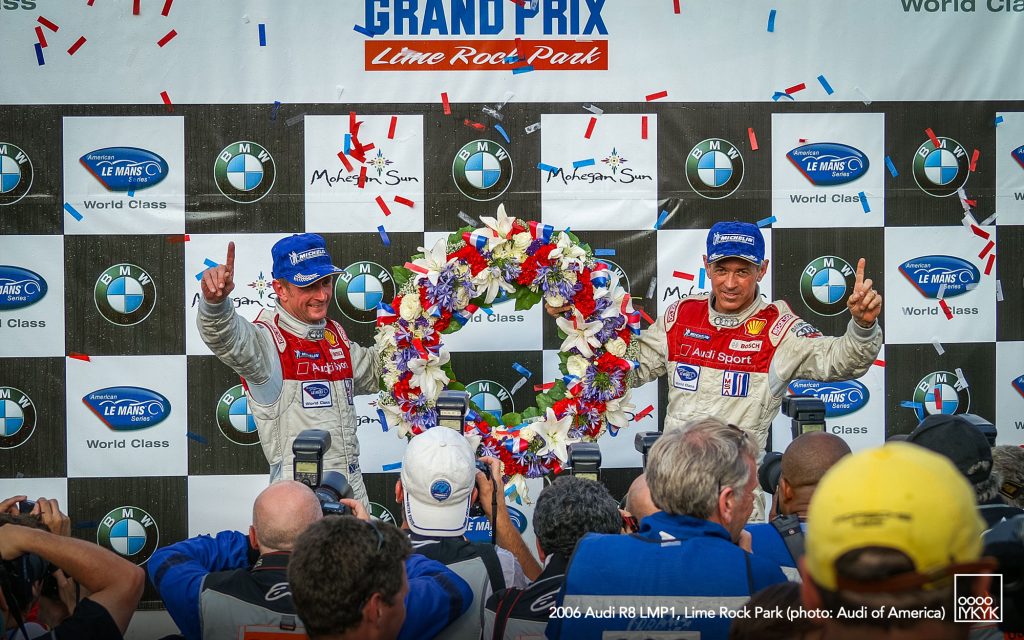
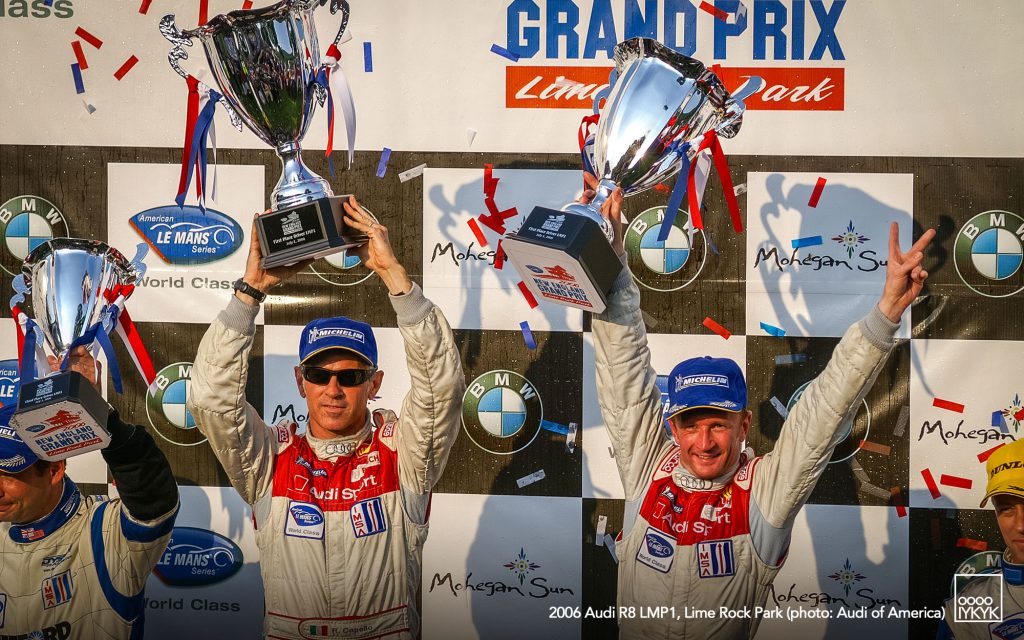
Rather than accept defeat, McNish launched one final charge in the aging prototype, reclaiming first place with roughly 30 minutes remaining before pulling away to win by 11.812 seconds after 177 laps.
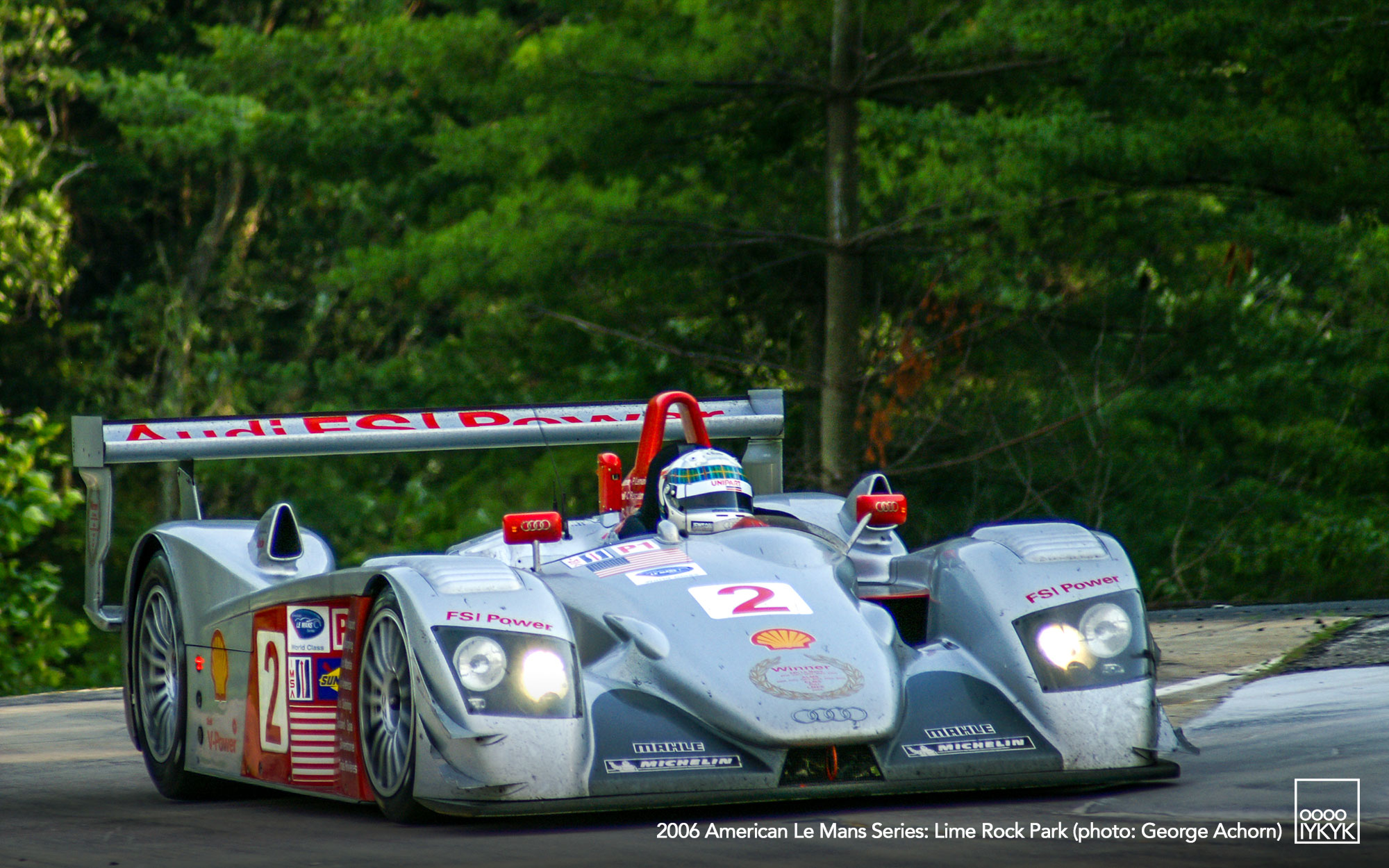
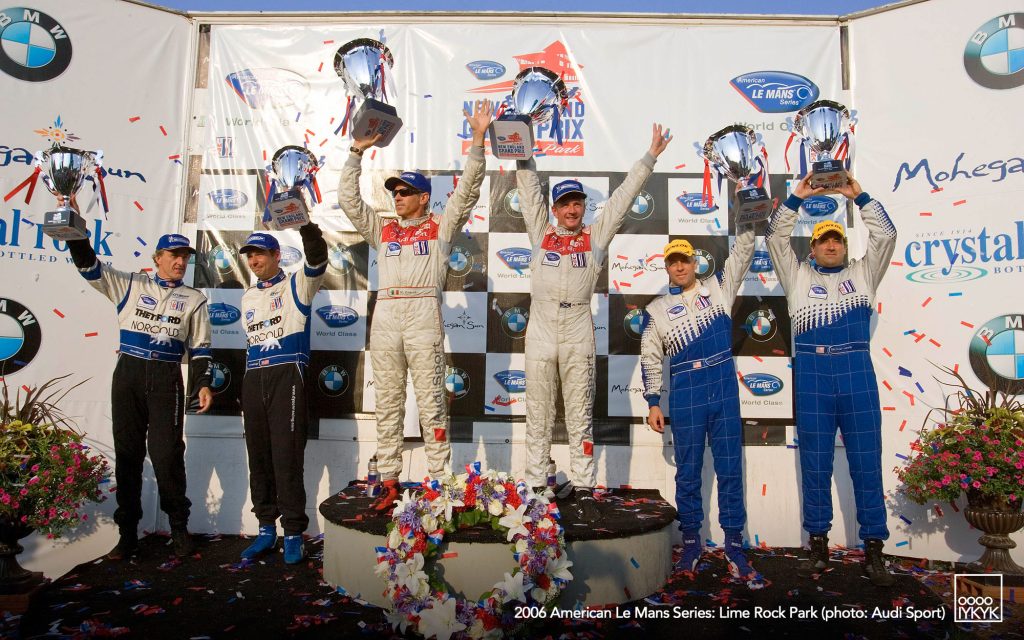
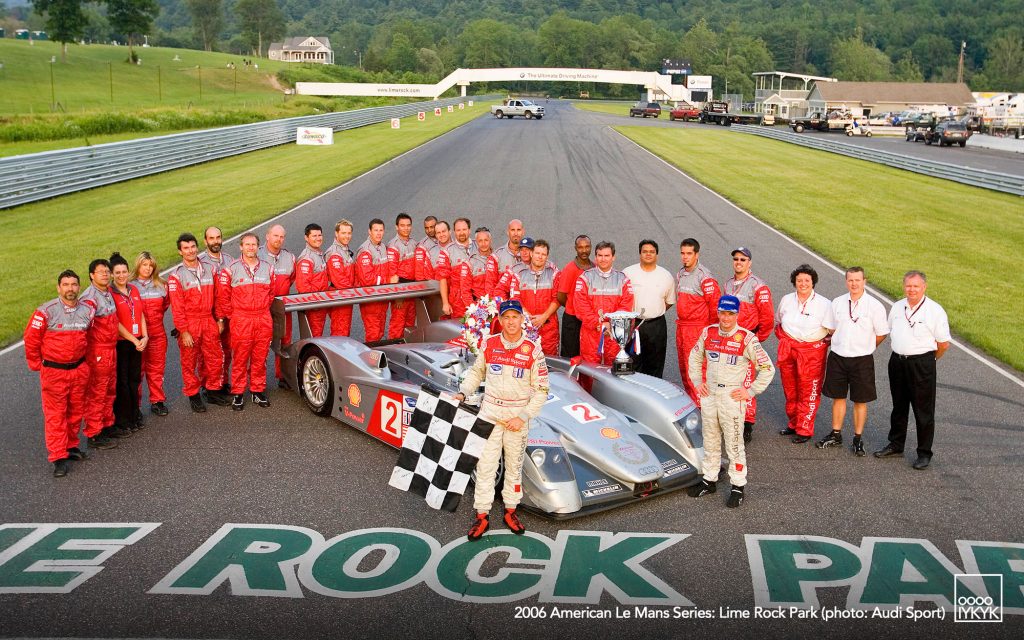
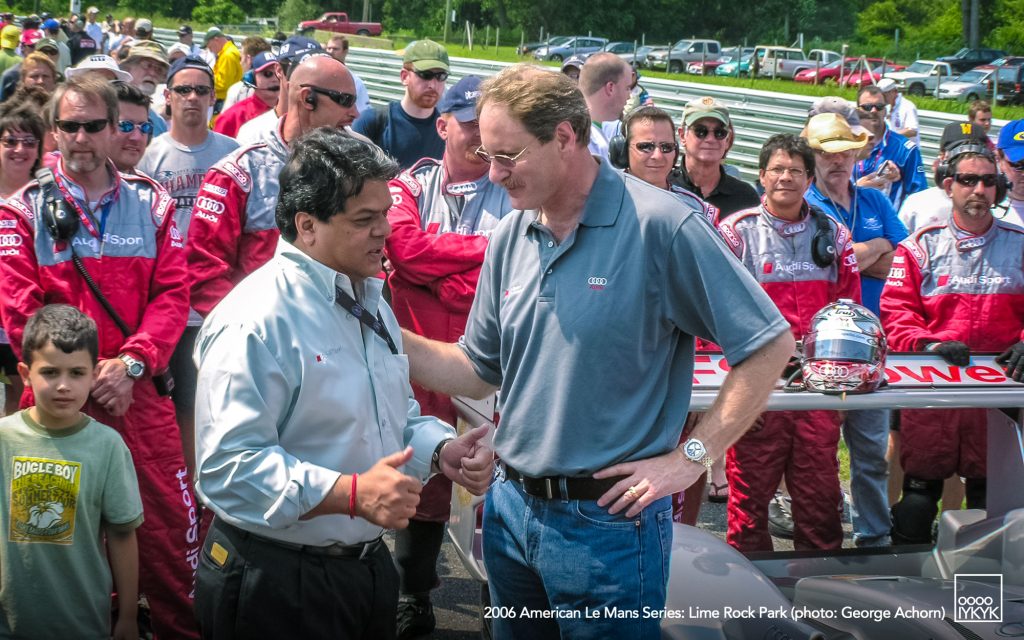
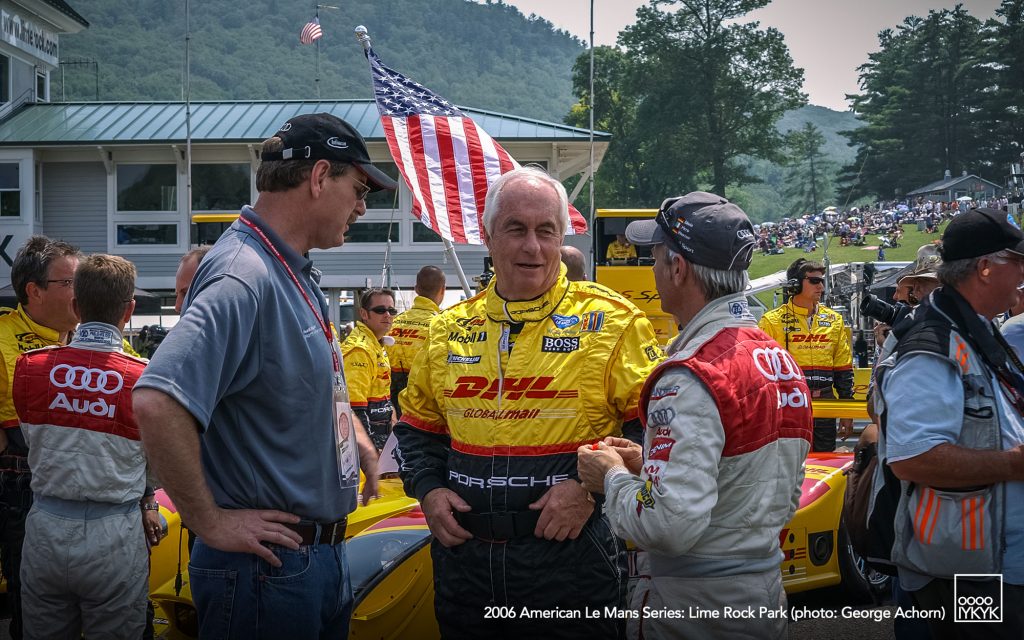
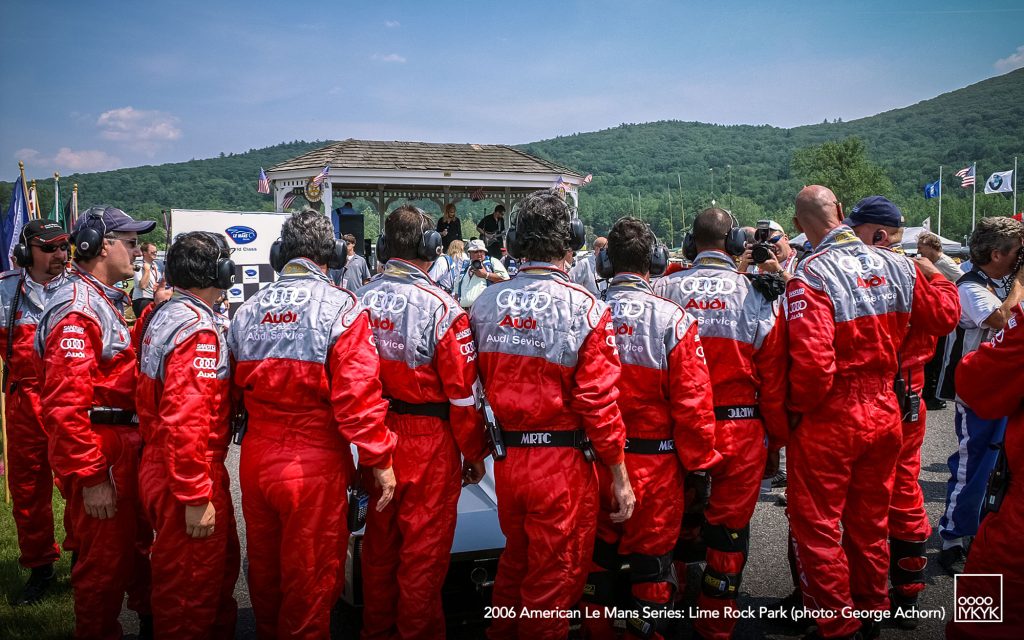
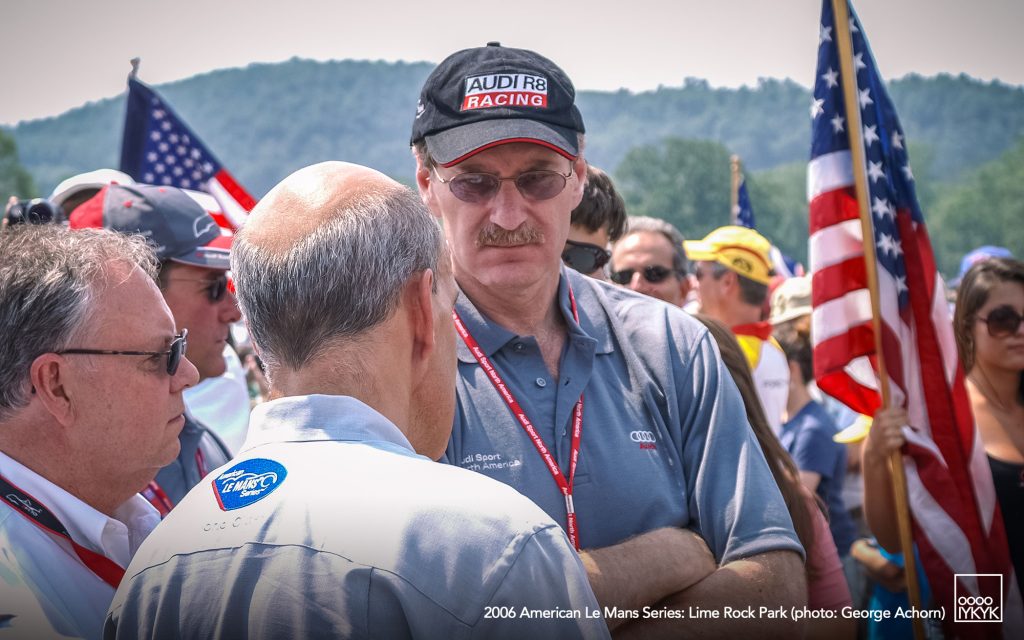
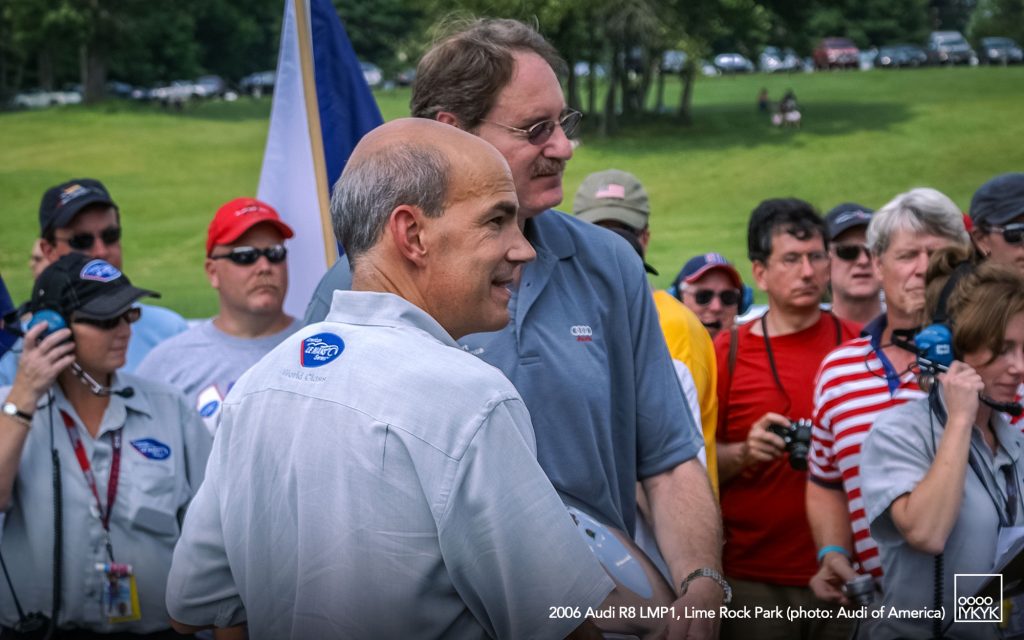
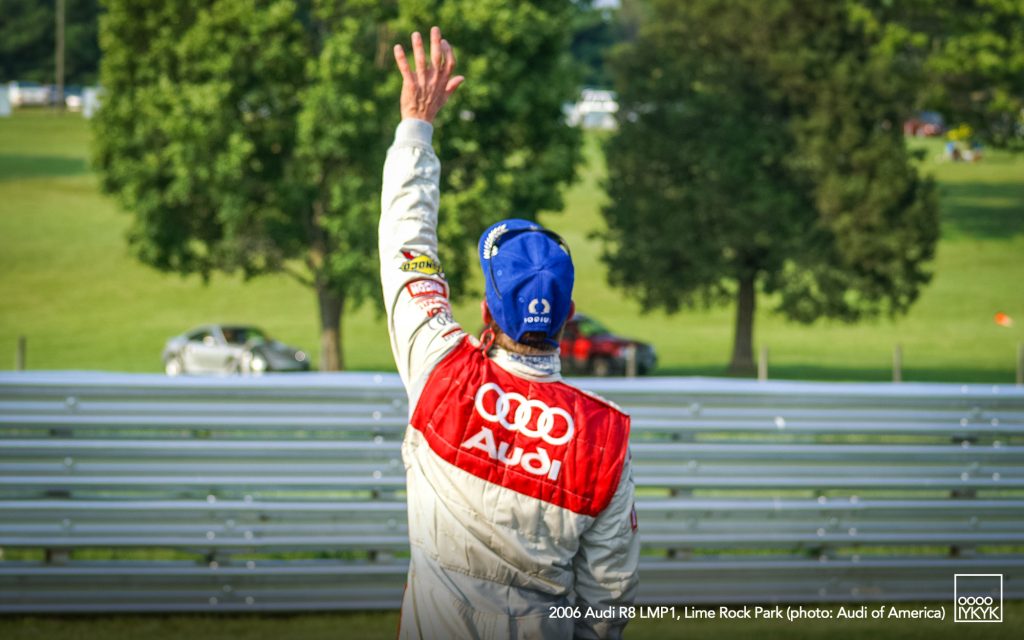
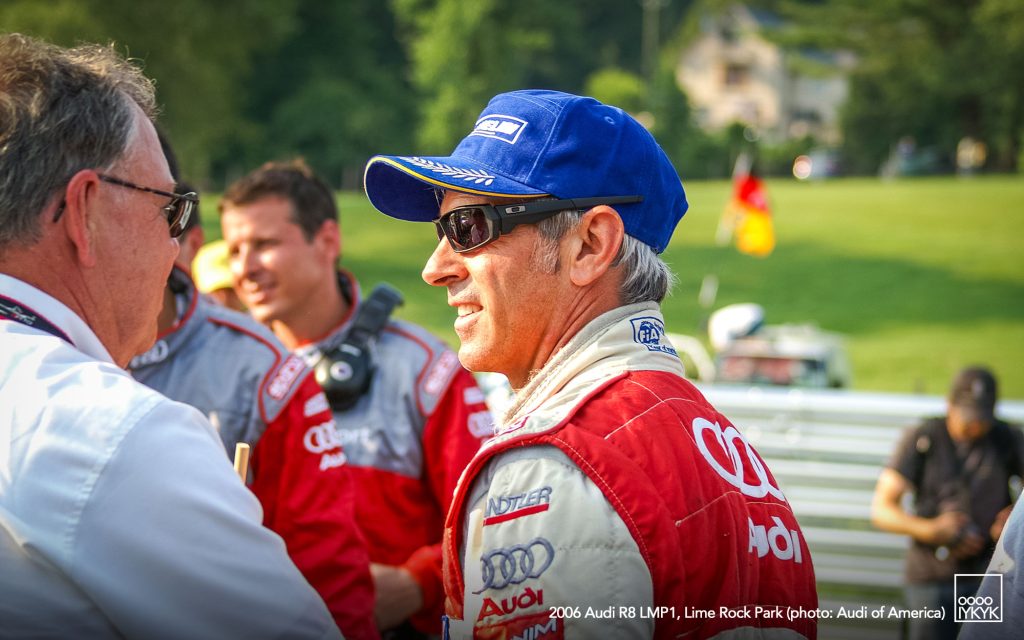
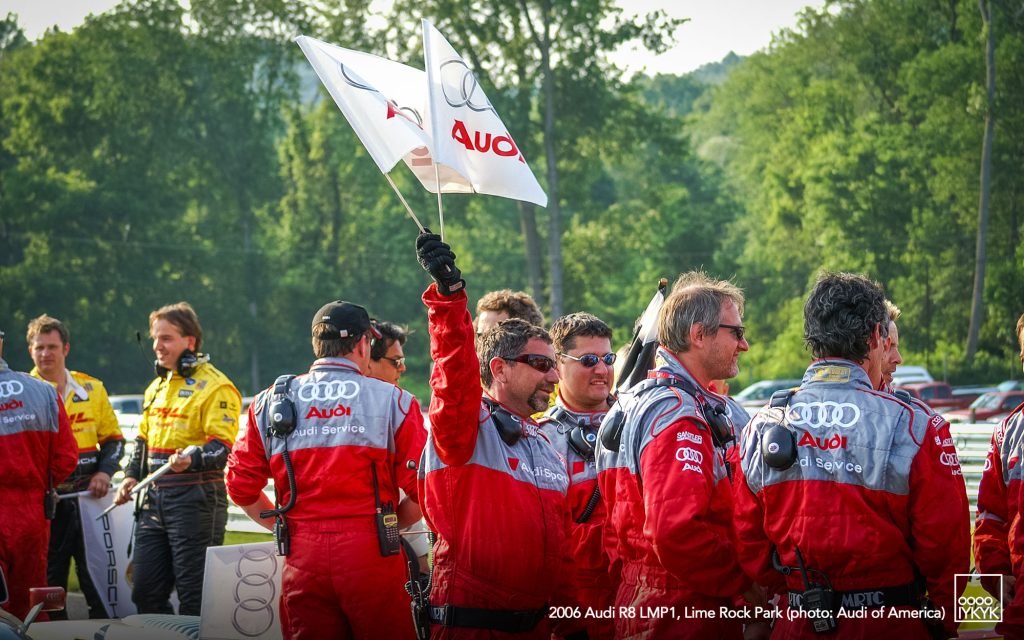
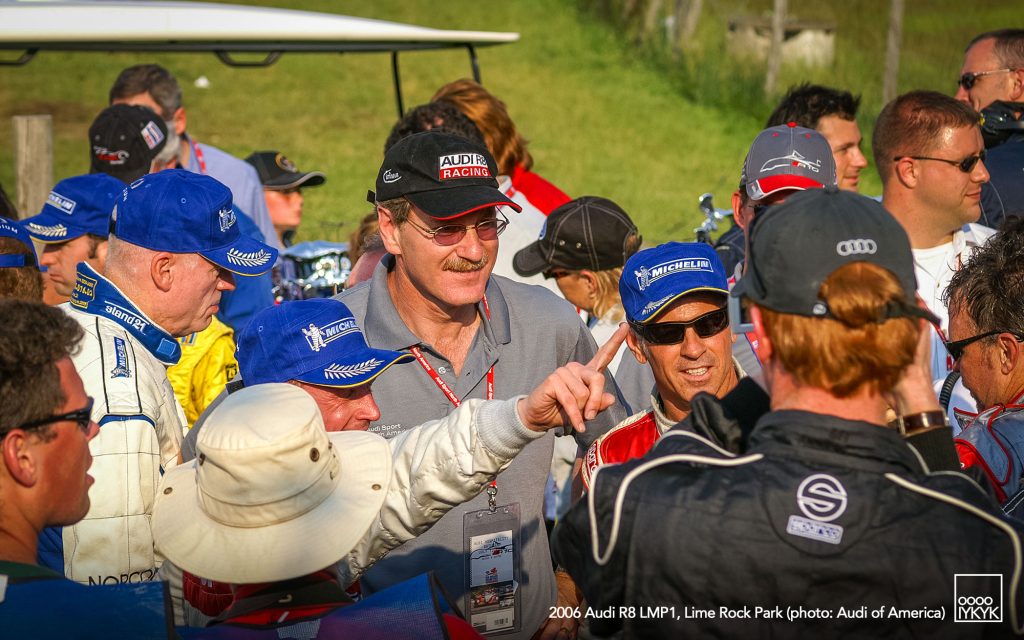
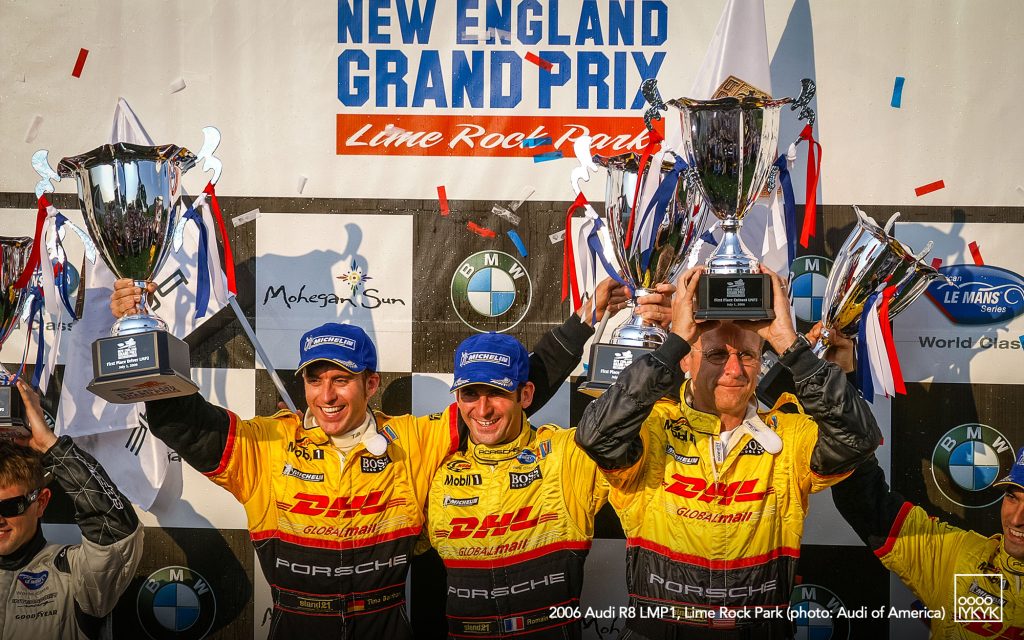
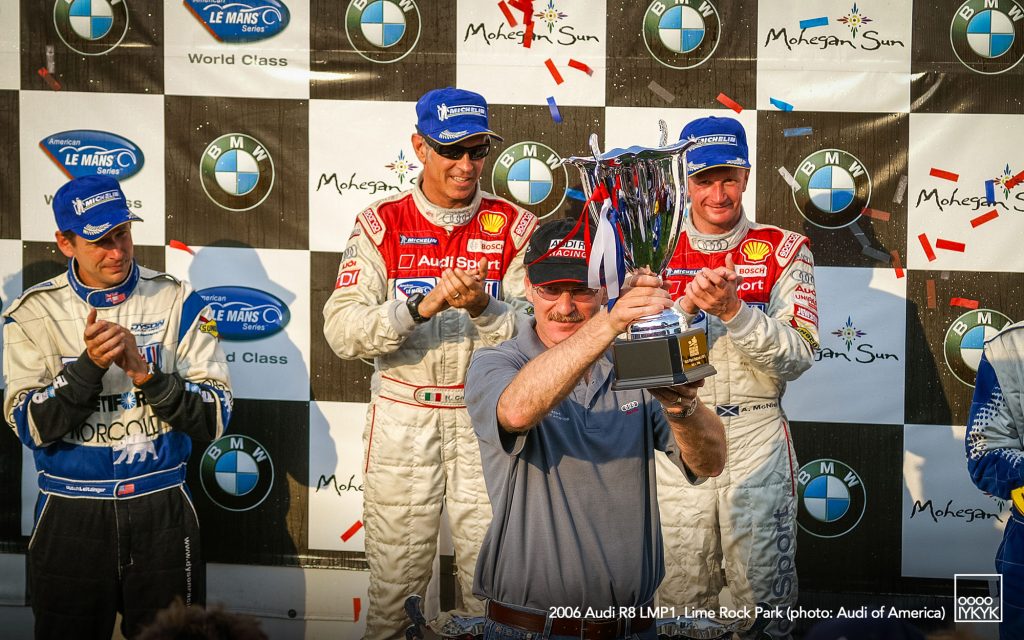
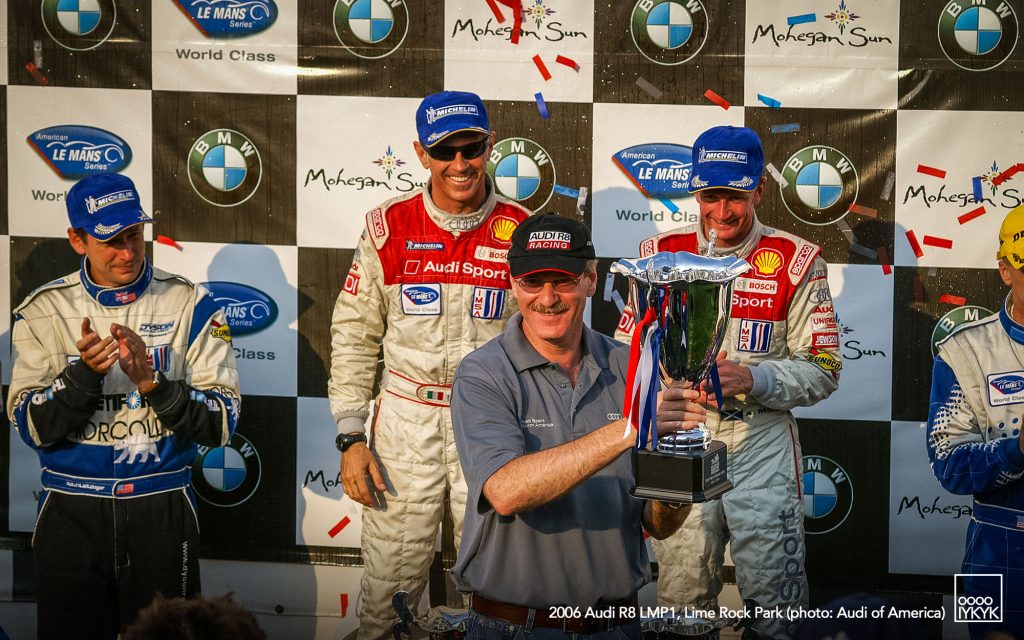
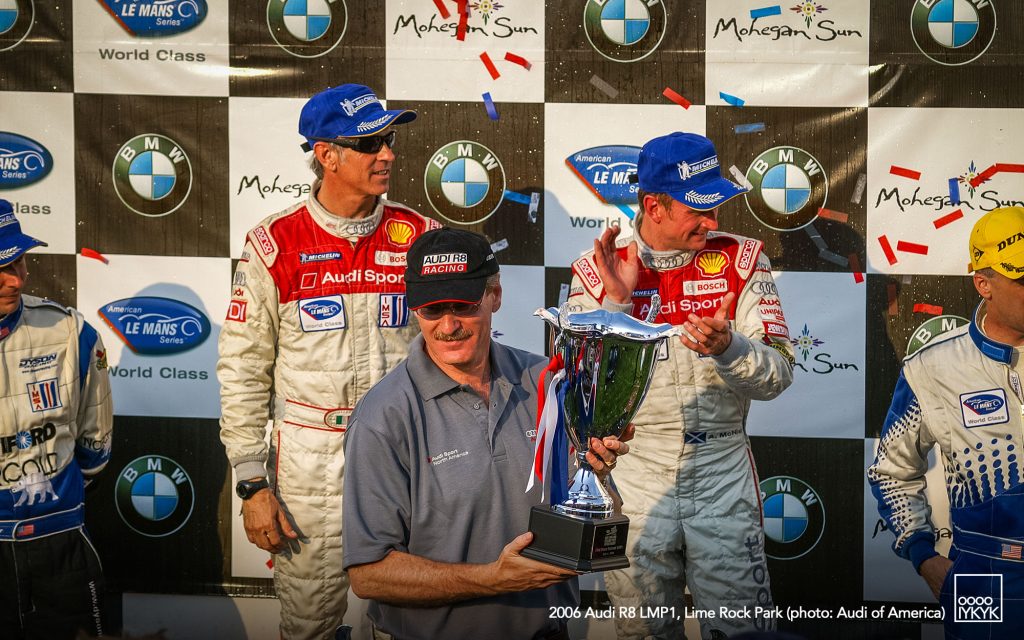
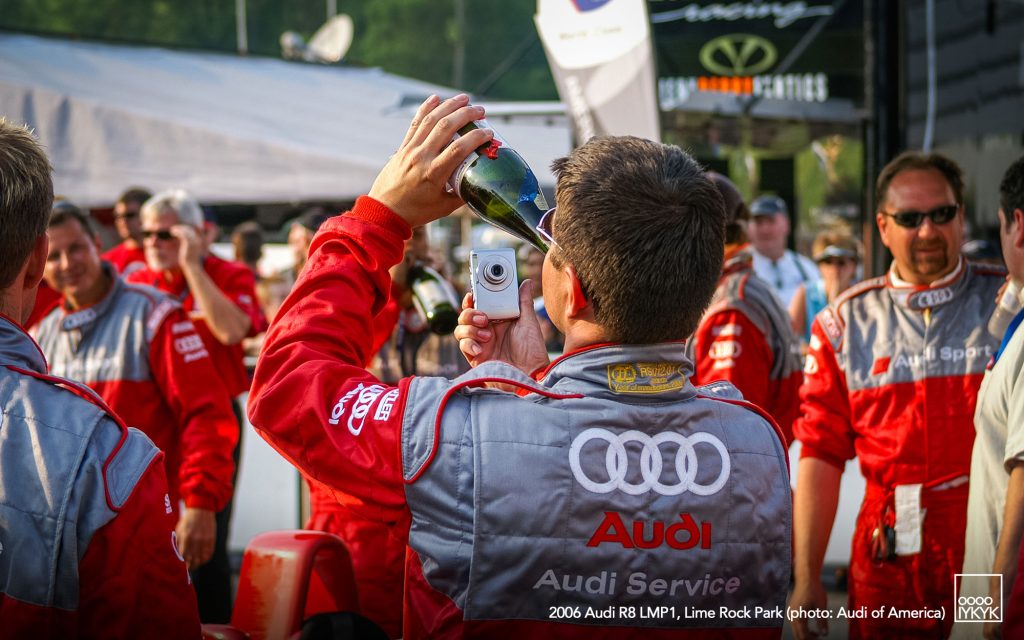
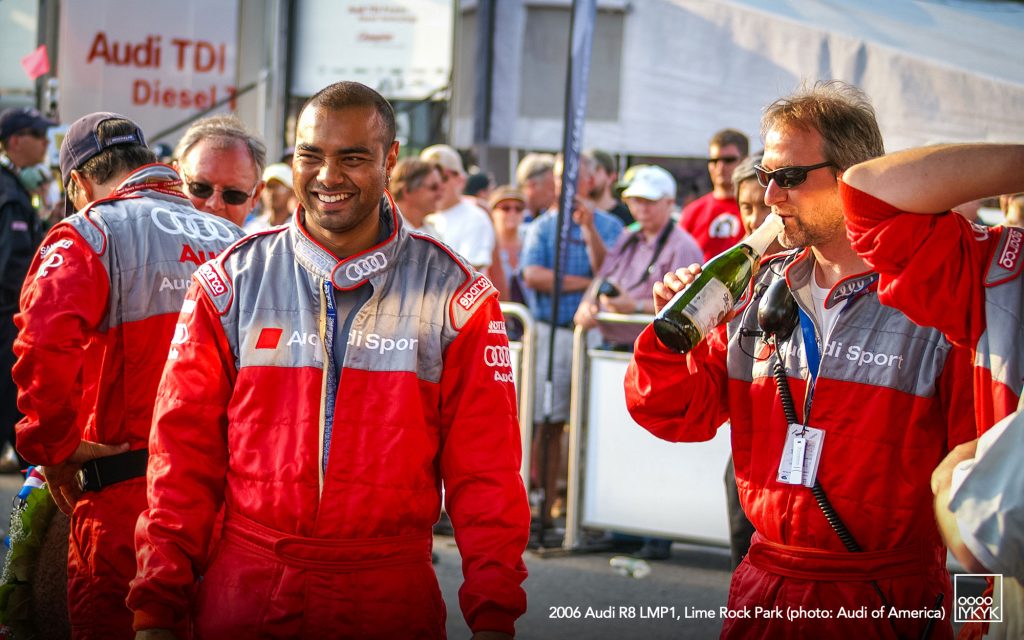
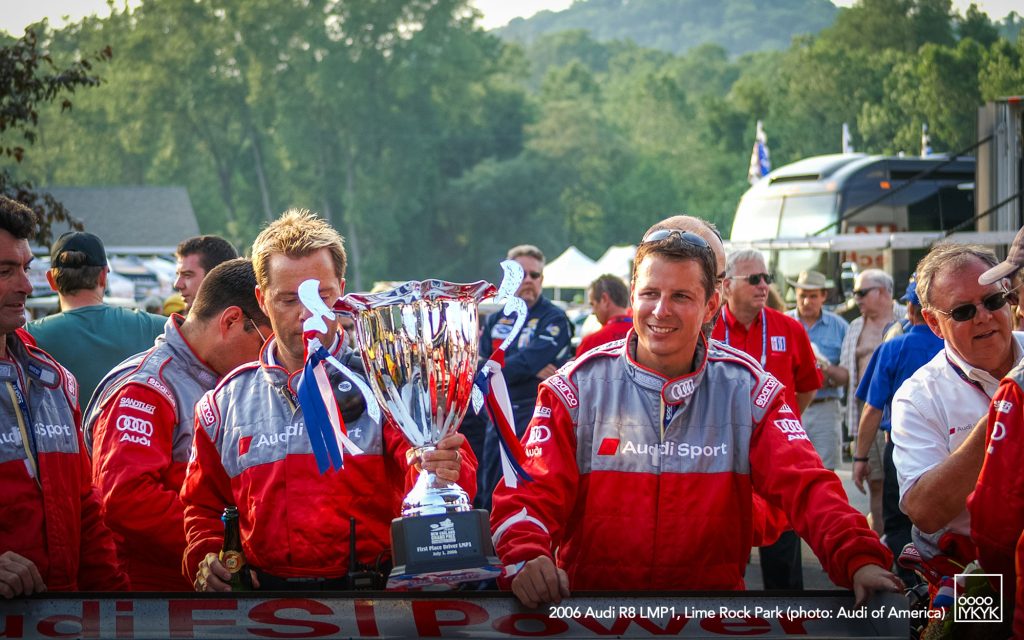
The mood around the podium that day was overwhelming because that last victory carried significance well beyond a single race. Lime Rock marked Audi’s 50th overall win in the American Le Mans Series and the Audi R8’s 63rd overall victory from just 80 starts. During a remarkable career that began in 2000, the R8 claimed five victories in the 24 Hours of Le Mans, dominated endurance racing on both sides of the Atlantic and established itself as one of the defining sports cars of its generation. It even spawned a road car by the same name.
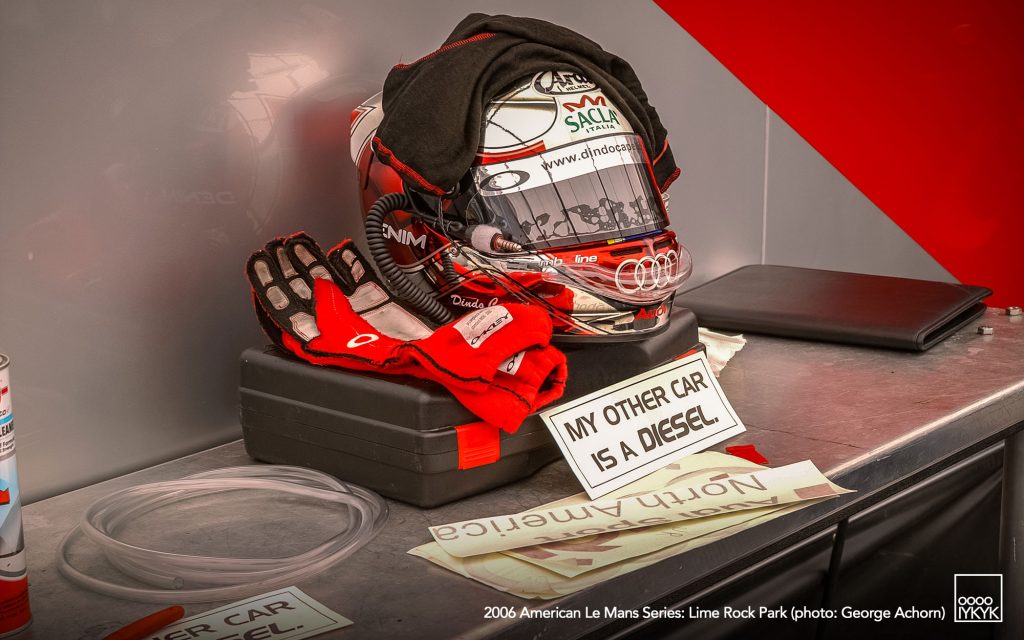
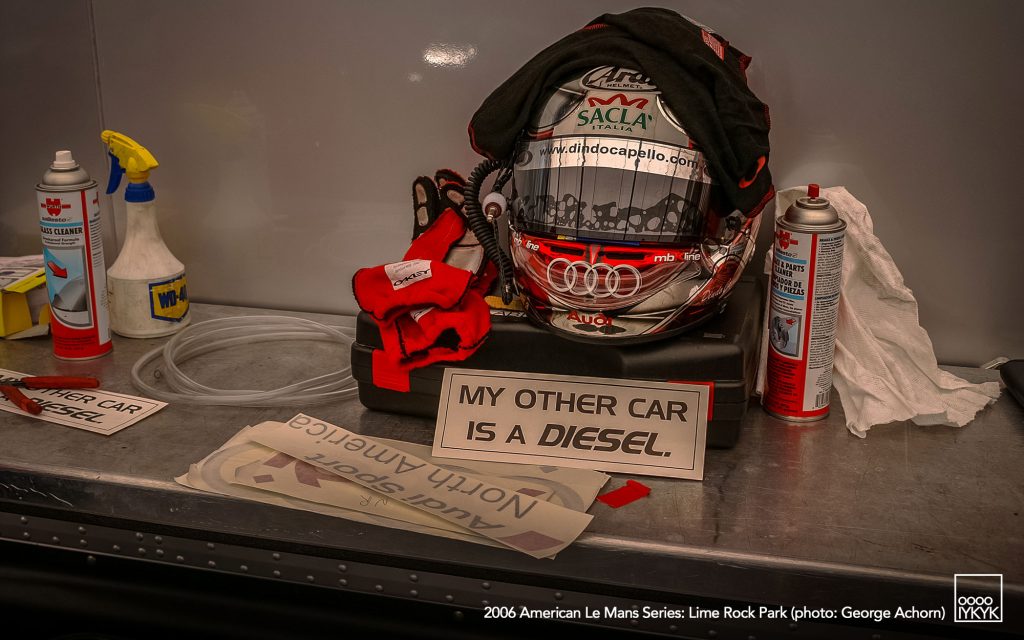
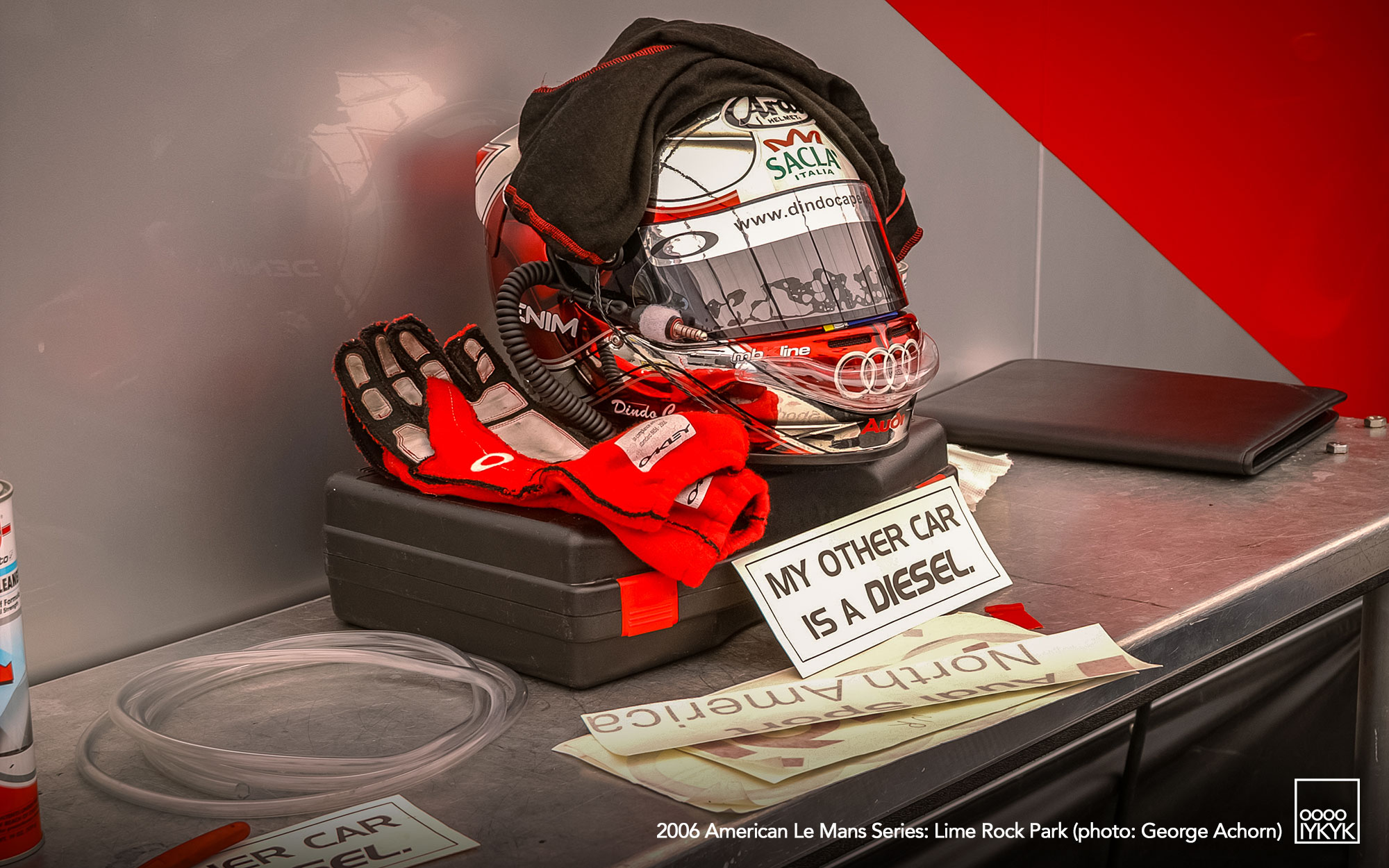
Lime Rock also represented a symbolic passing of the torch. While the R8 took its final checkered flag, its successor—the diesel-powered Audi R10 TDI—had already rewritten history by winning Le Mans just weeks before. One last element of the veteran prototype’s Lime Rock livery was a tongue-in-cheek sticker reading, “My other car is a diesel,” acknowledging the transition already underway.
For Audi Motorsport, the ending could hardly have been scripted better. Rather than retiring after a defeat or mechanical failure, the R8 exited competition at the front of the field, adding one final victory to an already unmatched record. Its swan song at Lime Rock served as both a celebration of everything the car had accomplished and a bridge into Audi’s next era of endurance racing dominance with the R10 TDI.
It’s hard to believe that all happened two decades ago. Twenty years on, Audi Sport has retired (for now) from Le Mans and joined the Formula 1 grid, where Allan McNish now serves as Racing Director. Dindo Capello, when not operating his own Italian dealerships, can be found scaring the hell out of F1 VIPs at the wheel of the new Audi RS 5 Sedan as part of Formula 1’s Pirelli Hot Laps program.
And chassis #605? It remained in Audi of America’s historic collection for years, still wearing its Lime Rock farewell livery. More recently, the car is believed to have returned to Audi AG, where it now resides within the Audi Tradition collection. Given its provenance—the 2005 24 Hours of Le Mans victory, Tom Kristensen’s record-breaking sixth overall Le Mans win and finally the Audi R8’s farewell victory at Lime Rock—you could make a compelling argument that chassis #605 is the most historically significant and valuable Audi R8 LMP ever built.
PHOTO GALLERY