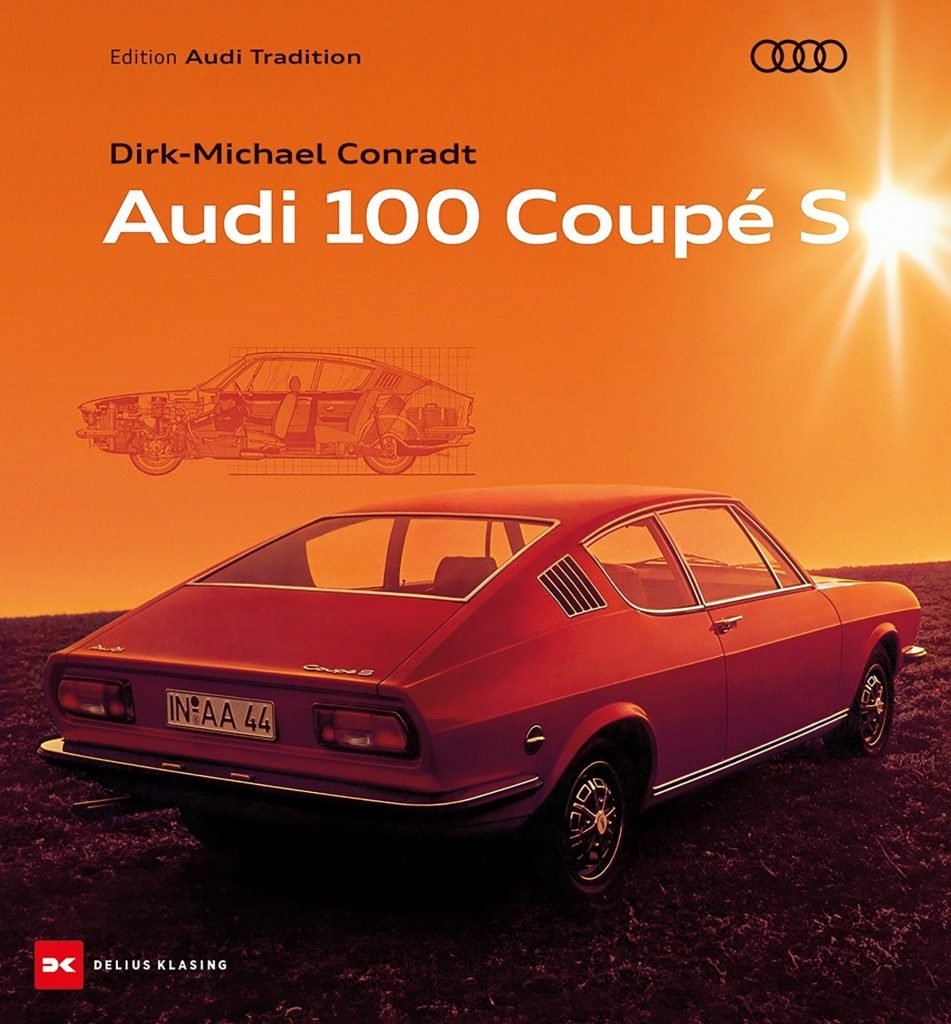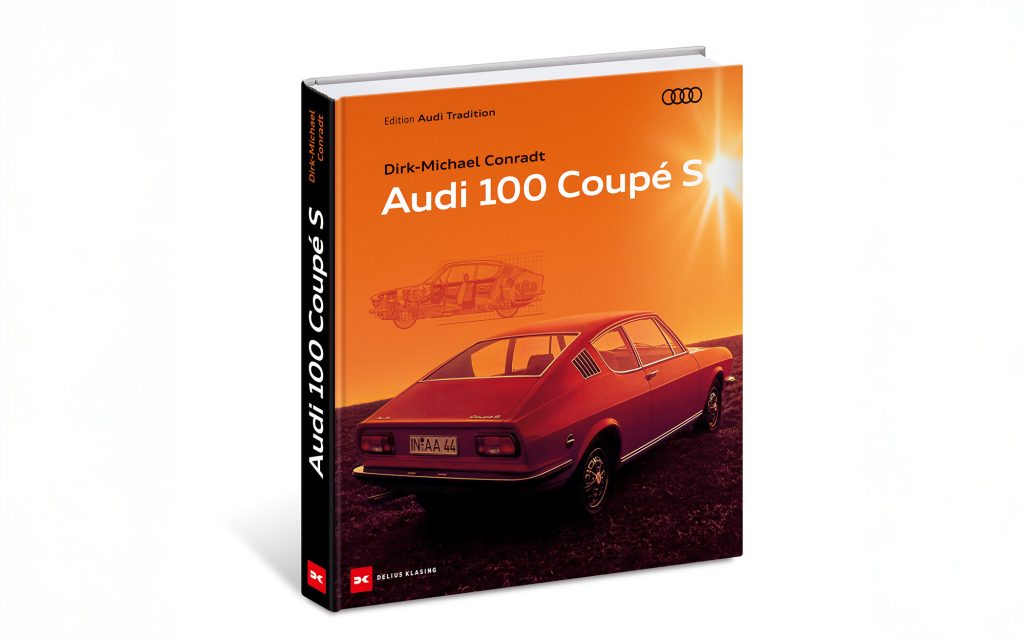

Audi Tradition is turning its attention to one of the brand’s most style-driven early successes with the release of a new archival title dedicated to the Audi 100 Coupé S. Titled Audi 100 Coupé S and authored by Dirk-Michael Conradt, the book offers a comprehensive look at the elegant fastback that helped reshape Audi’s identity during a pivotal moment in its modern history.
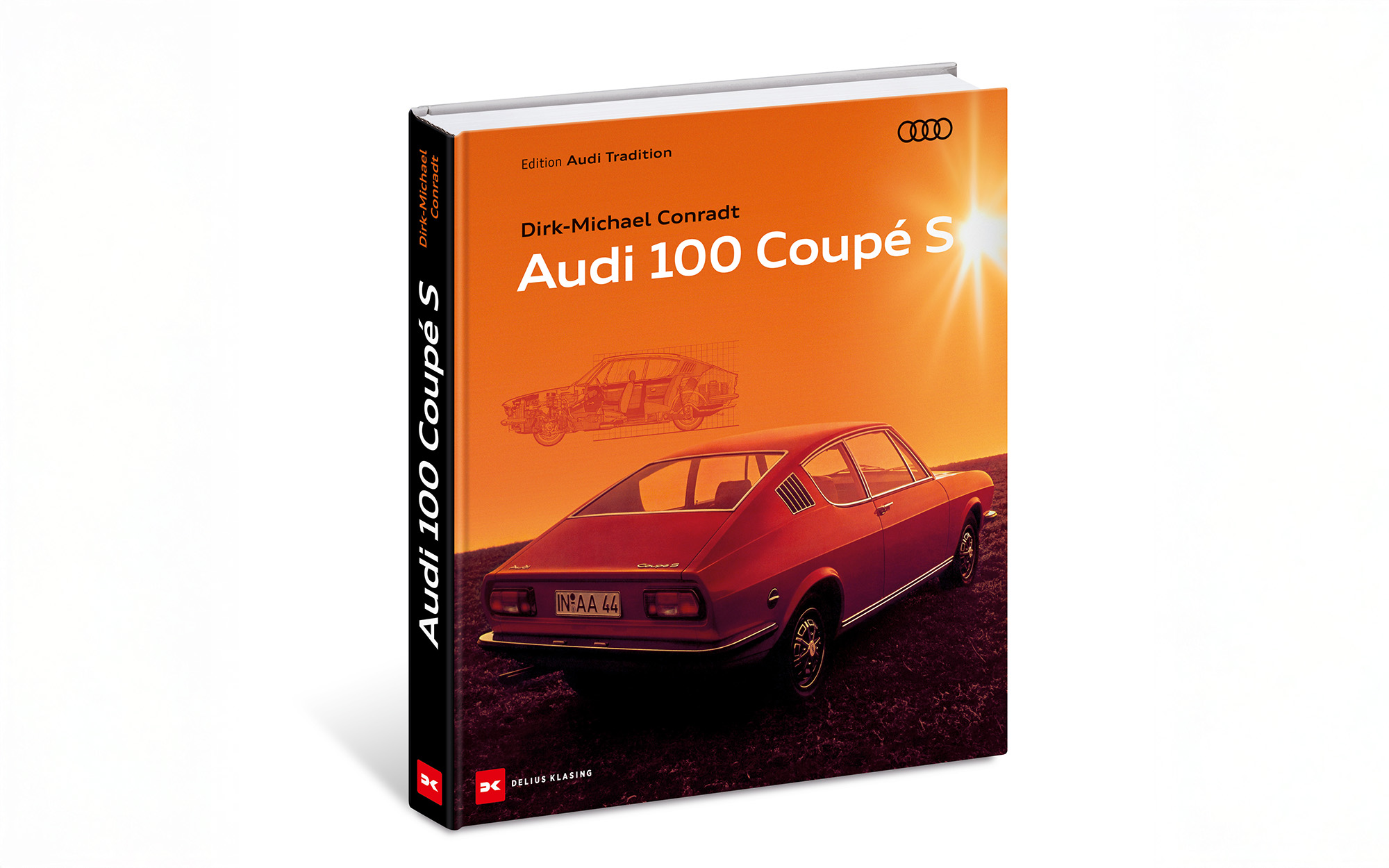
Spanning 256 pages and supported by nearly 600 photographs and illustrations, the publication goes beyond a simple model retrospective. Instead, it positions the Coupé S within the broader context of Audi’s late-1960s transformation—from a financially uncertain manufacturer to a brand beginning to define its own design language and engineering direction under the four rings.
That transformation was anything but guaranteed.
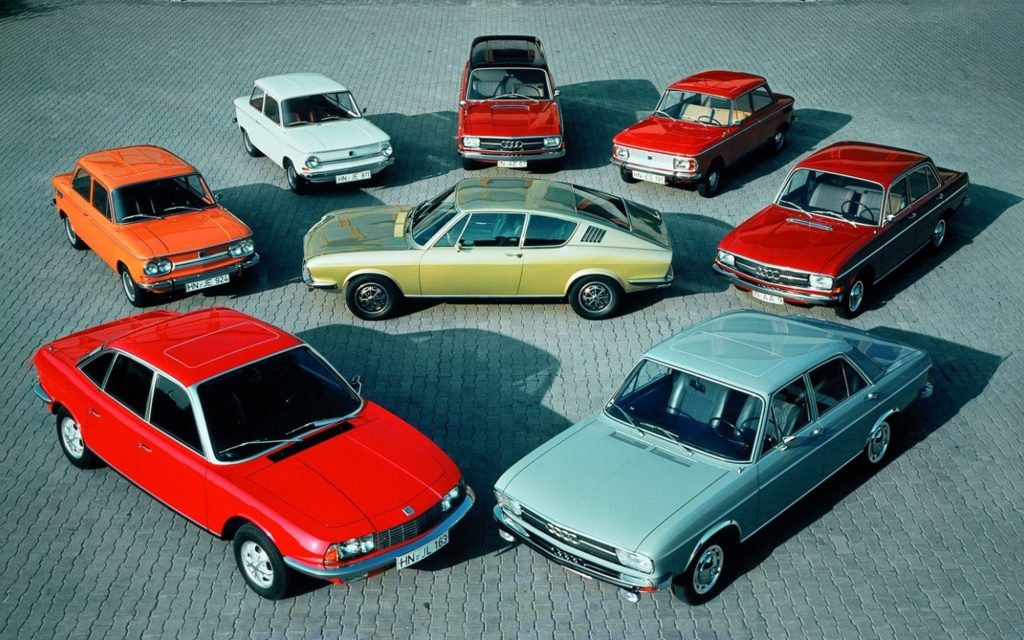
When the Audi 100 Coupé S entered production in October 1970, Audi NSU Auto Union AG was still finding its footing. Just a few years earlier, Volkswagen Beetle production had been keeping Ingolstadt afloat. The turning point came in 1968 with the Audi 100 (C1), a car developed largely in secret and one that ultimately secured Audi’s future within the Volkswagen Group.
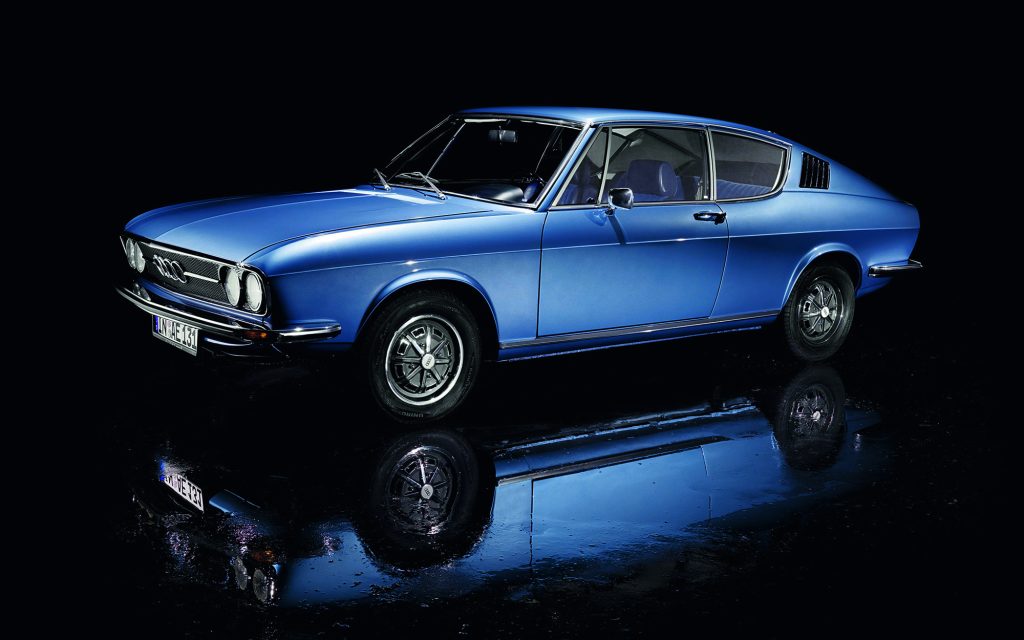
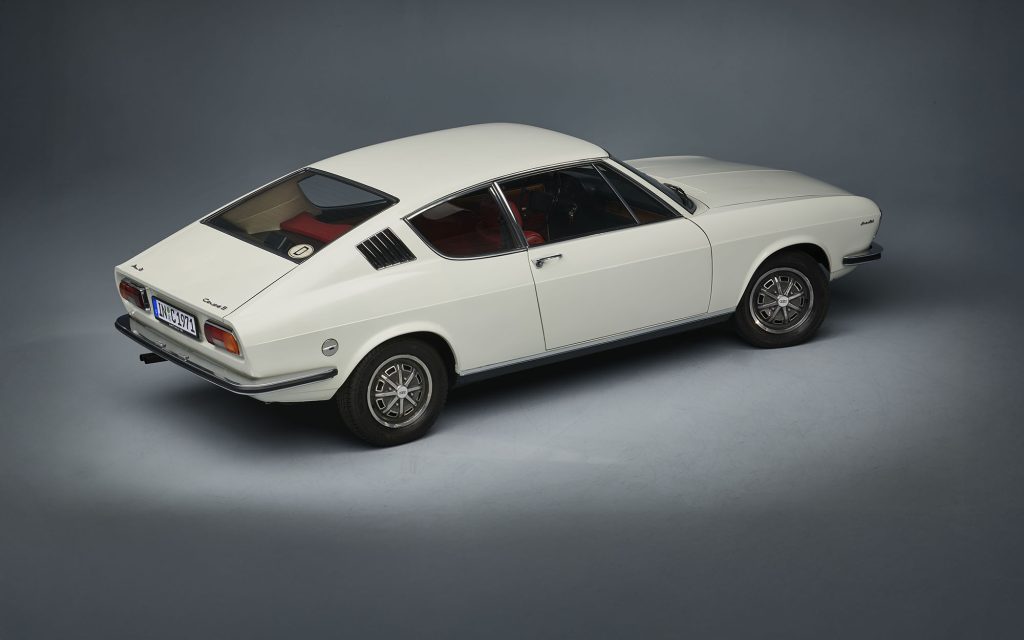
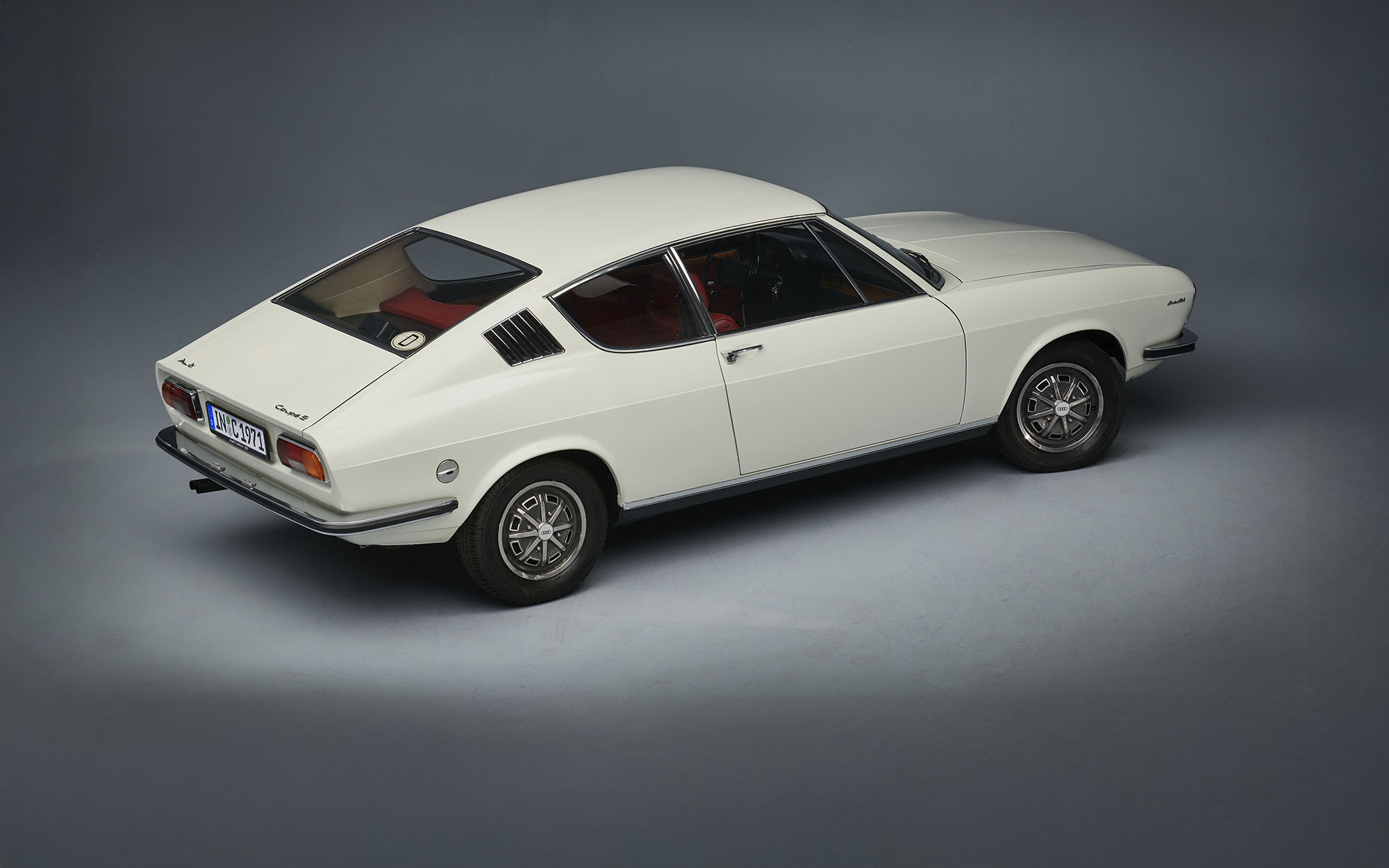
The Coupé S followed shortly after, first appearing as a concept at the 1969 Frankfurt Motor Show before reaching series production the following year. While mechanically tied to the Audi 100 sedan, its design told a very different story.

Low, sleek, and distinctly influenced by contemporary Italian styling, the Coupé S introduced a level of visual sophistication that Audi had rarely expressed before. That sense of flair carried into the cabin, where period-correct details like corduroy upholstery and wood trim reflected the fashion trends of the era as much as the engineering beneath it.
Under the hood, the car launched with a 115-horsepower inline-four—modest by modern standards, but enough to support the model’s positioning as a refined grand tourer rather than an outright sports car.
Conradt’s book explores all of it in detail—from the development of the original C1 platform to the full production lifecycle of the Coupé S, which ran for roughly six years. In total, just 30,687 units were built, a figure that has helped cement the car’s status as both a cult favorite and a highly regarded collector piece today.
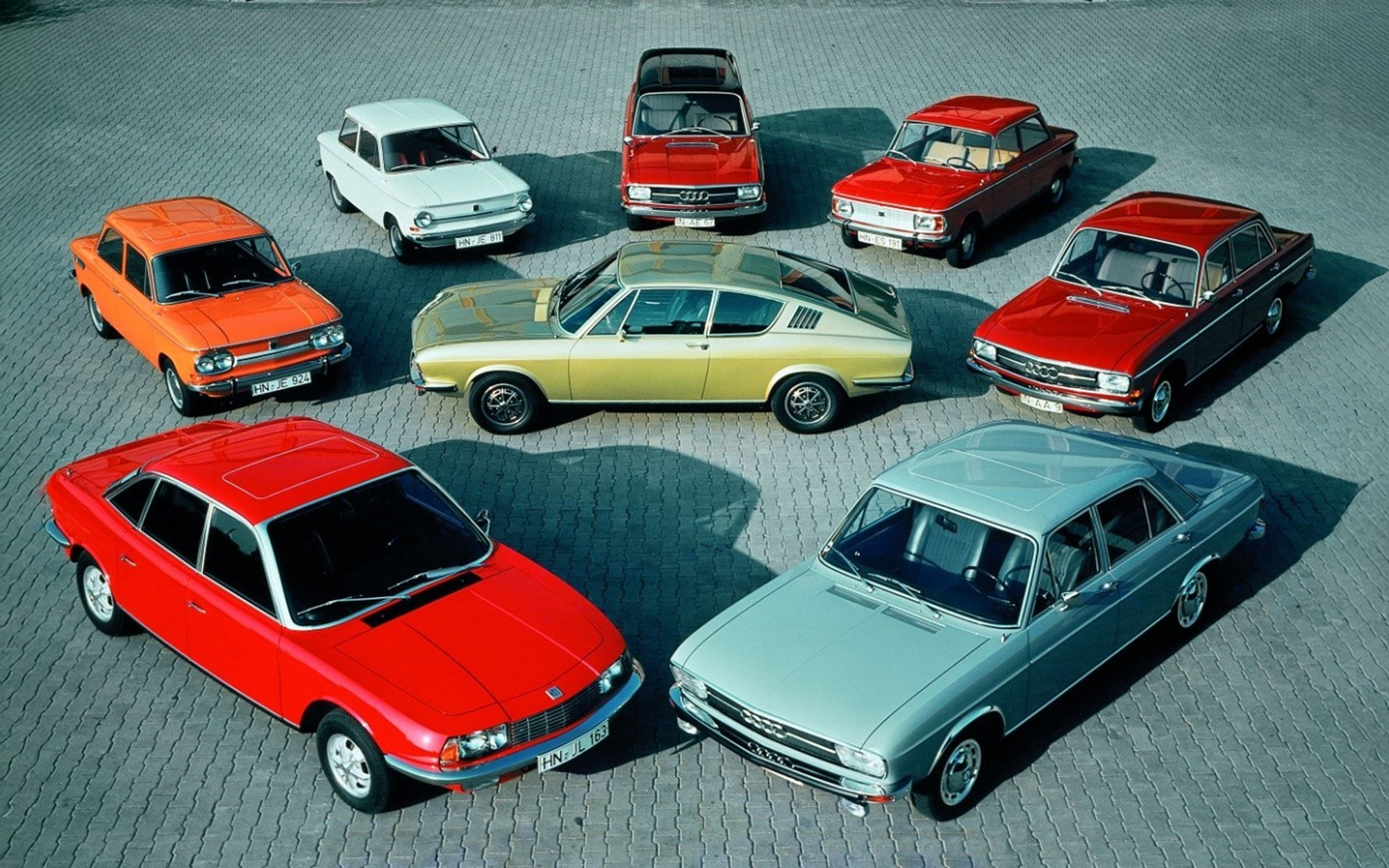
That rarity, combined with its design pedigree, has only amplified its significance within Audi’s heritage portfolio. The Coupé S stands as an early signal of the brand’s willingness to pair engineering credibility with emotional design—something that would become a defining characteristic in later decades.
The book itself is published by Delius Klasing Verlag as part of the Edition Audi Tradition series and is available in German. It can be purchased through Audi’s museum shops in Ingolstadt and Neckarsulm, as well as through bookstores and Audi Tradition’s online store, with a retail price of €39.90.
For collectors, Audi Tradition has also paired the release with a 1:43 scale model of the Coupé S—an appropriately detailed companion to a car that continues to resonate more than half a century after its debut.
More than just a retrospective, Audi 100 Coupé S reads as a reminder of a moment when Audi began to rediscover its identity—one shaped not just by necessity, but by design.
PHOTO GALLERY