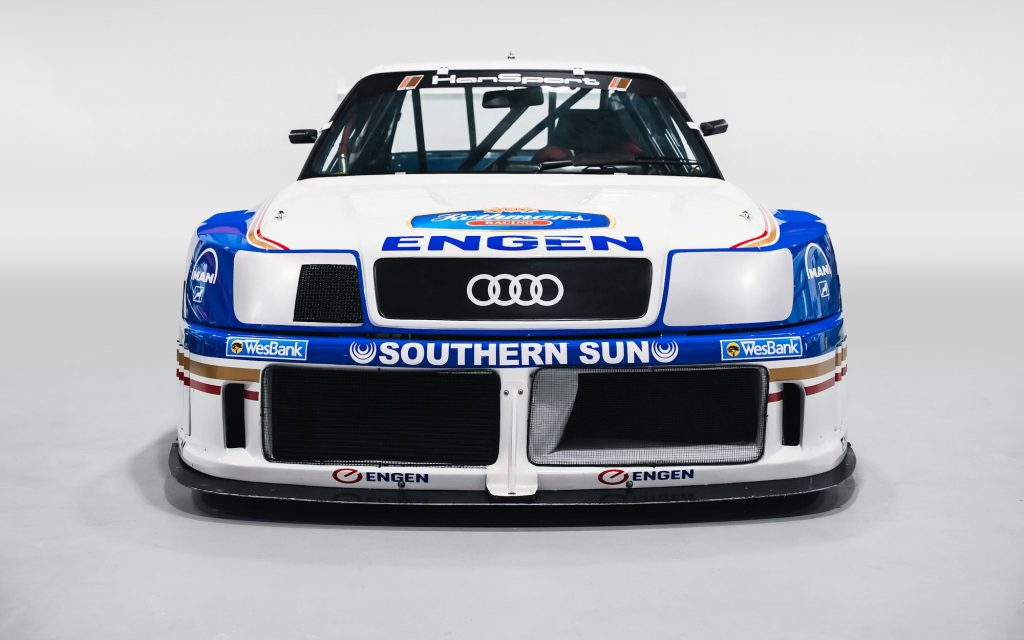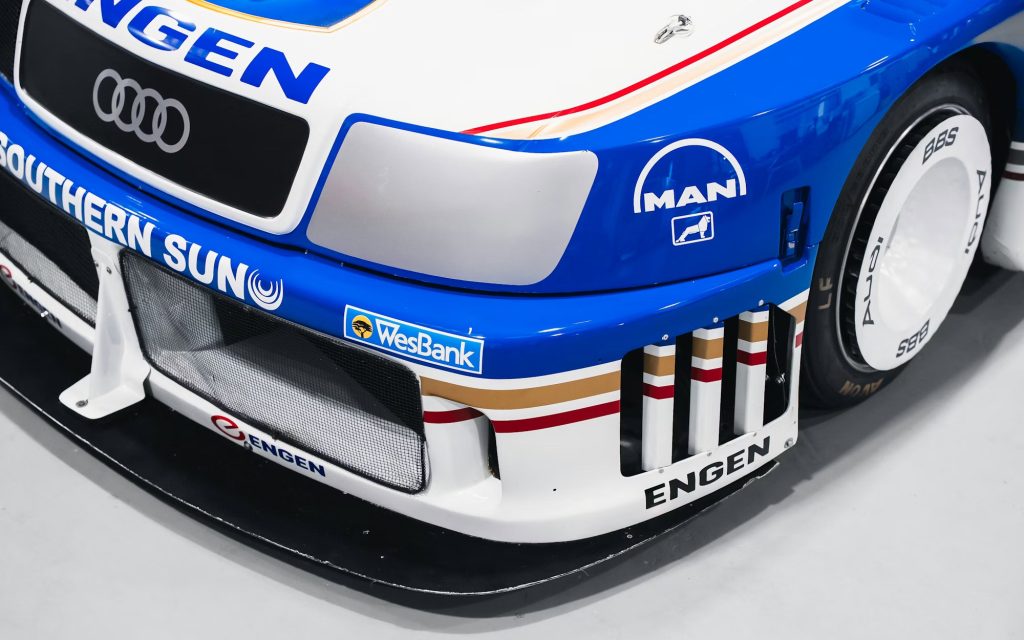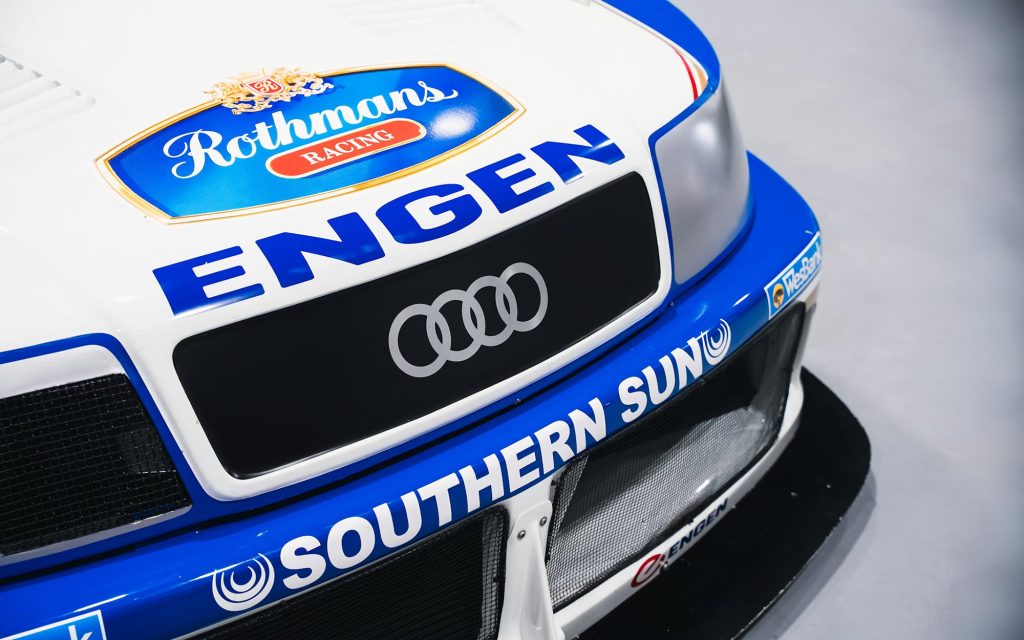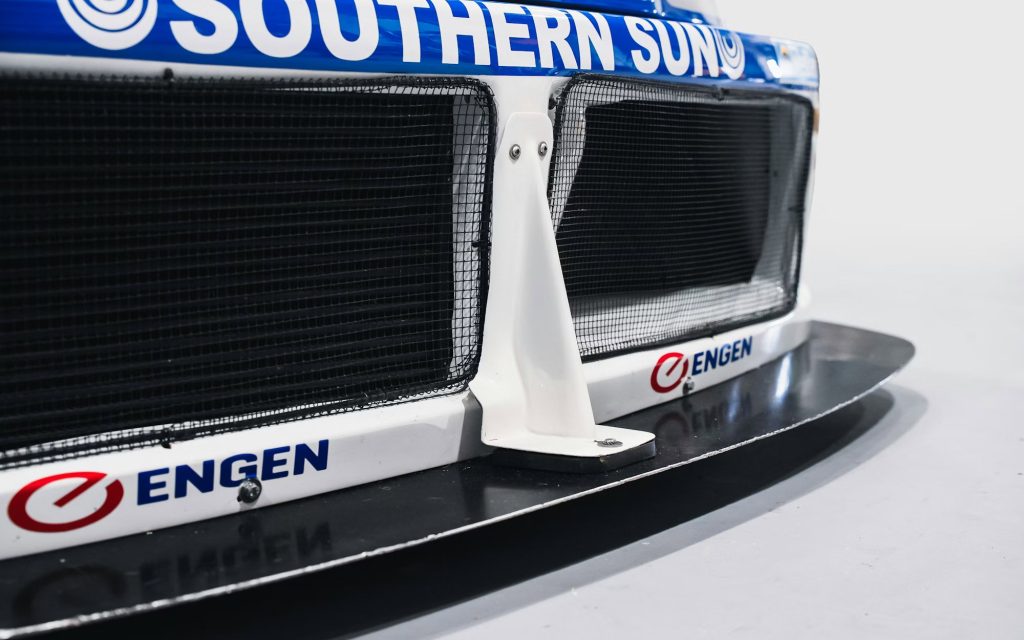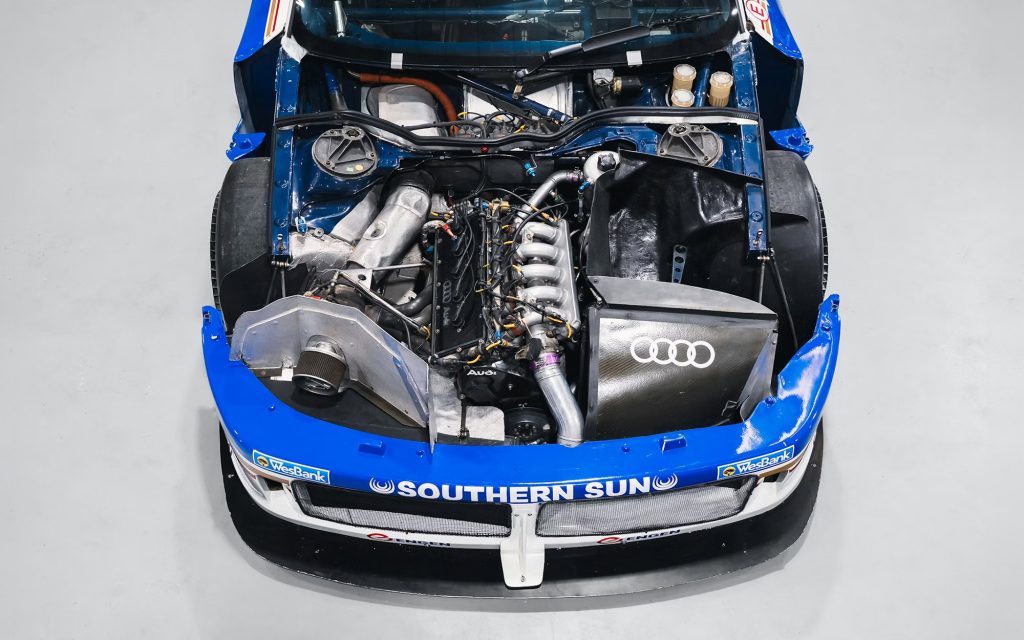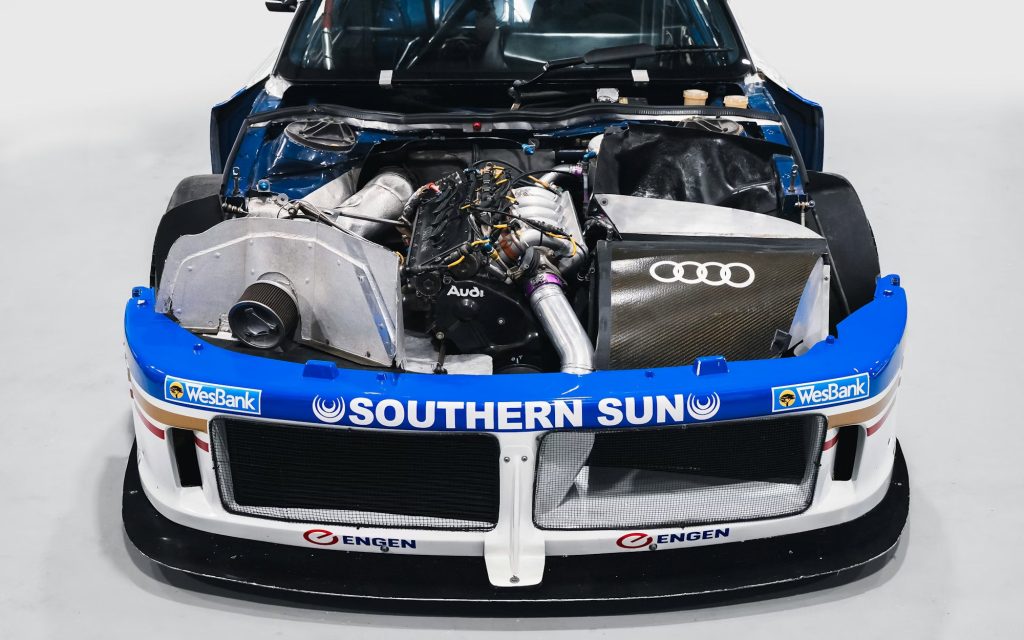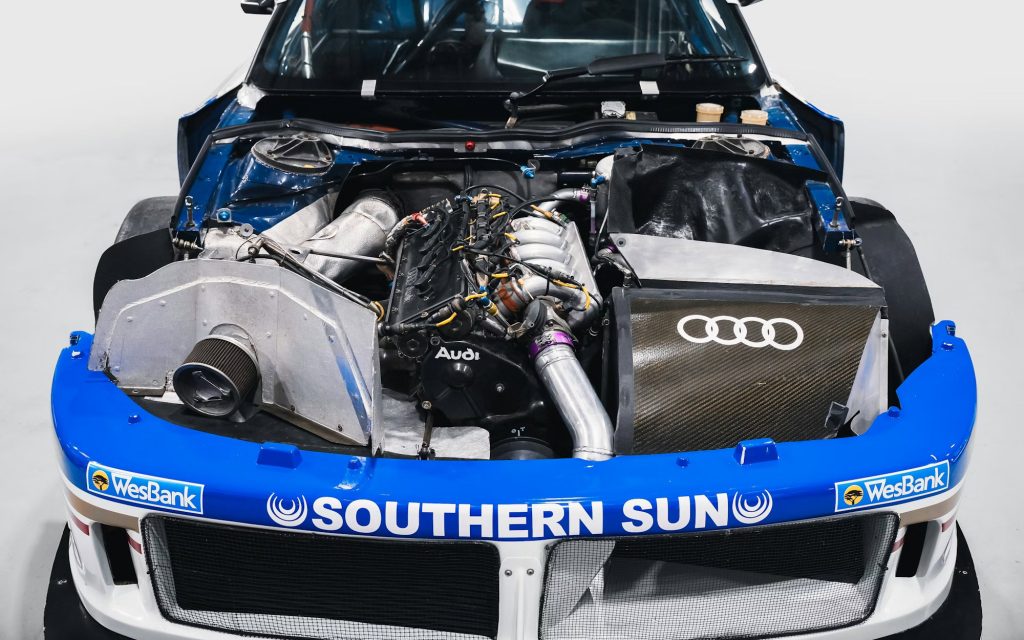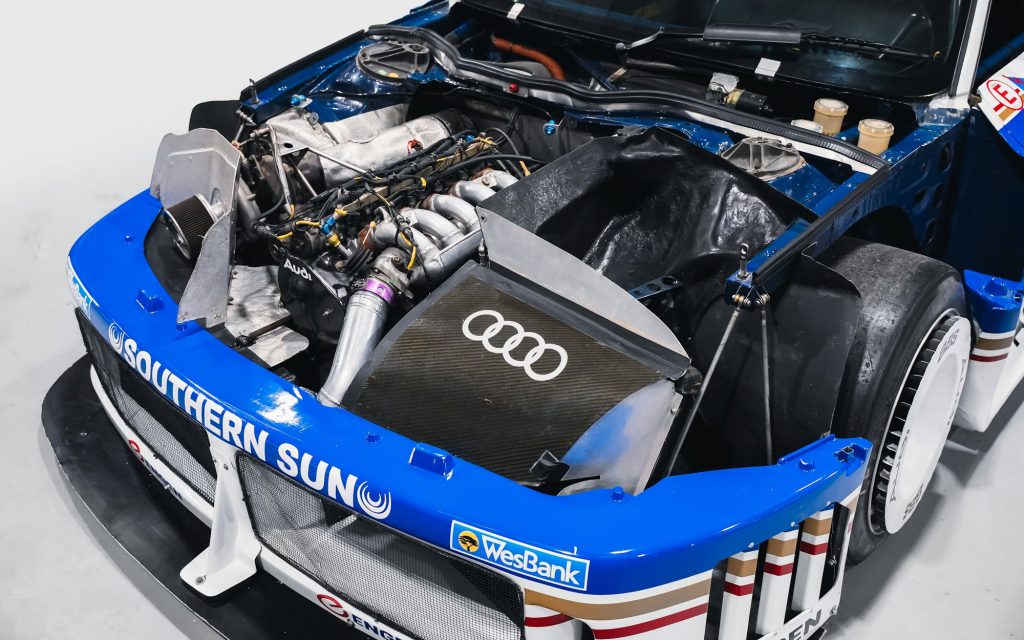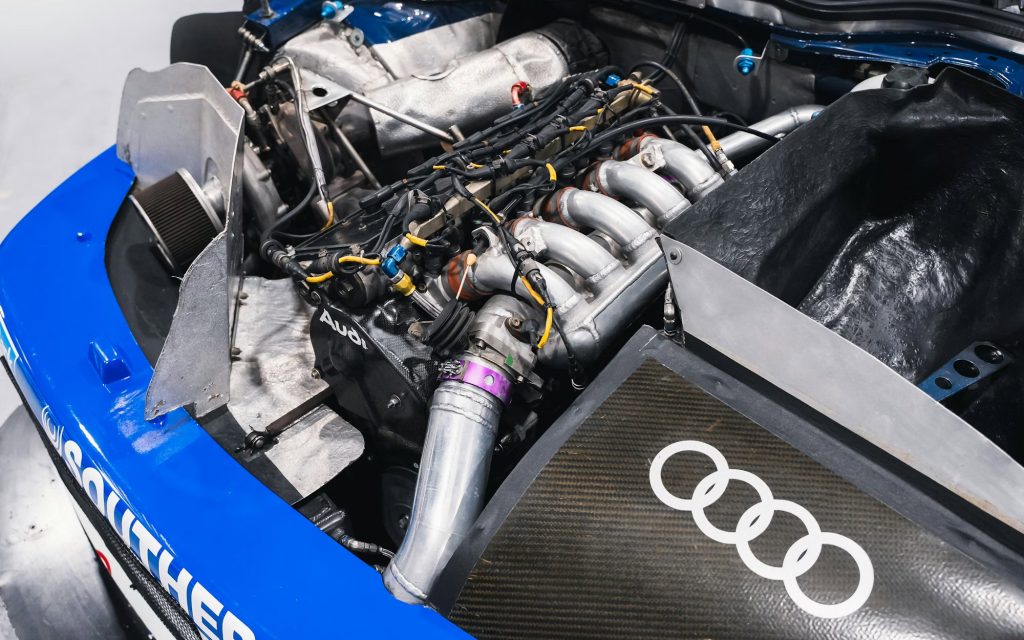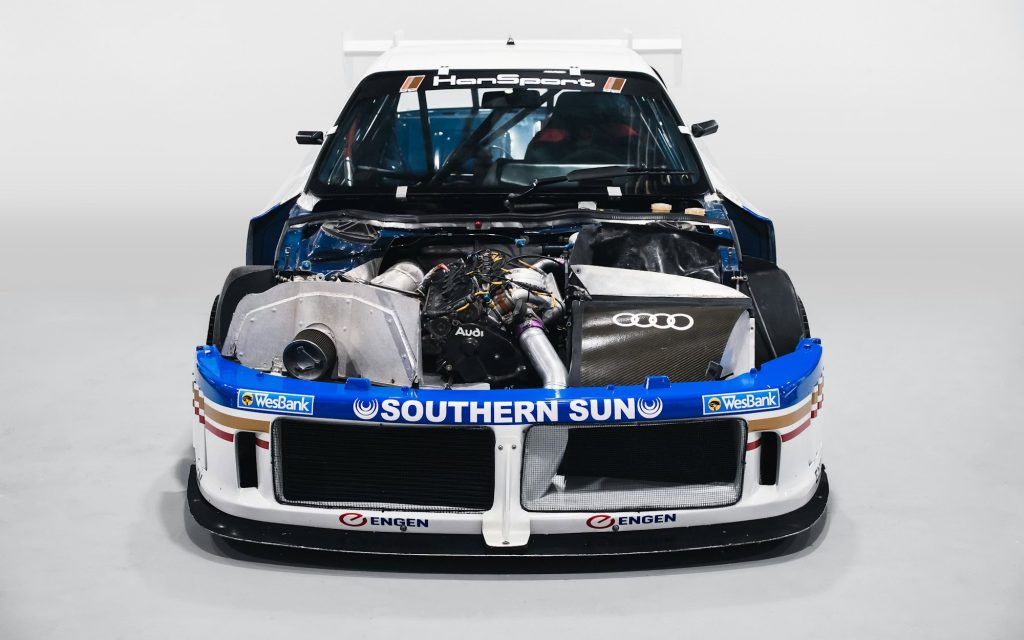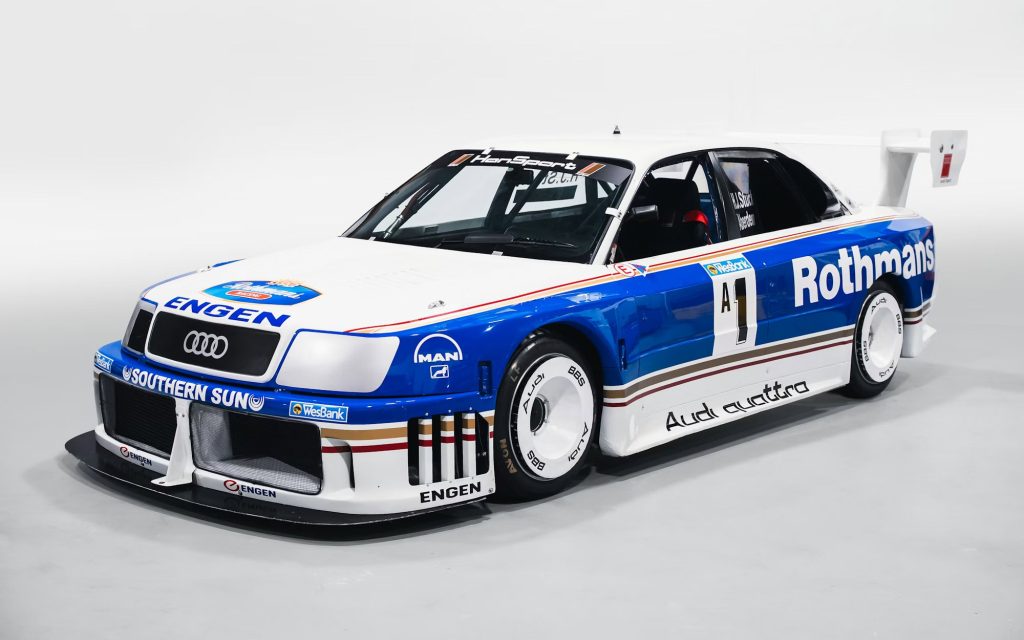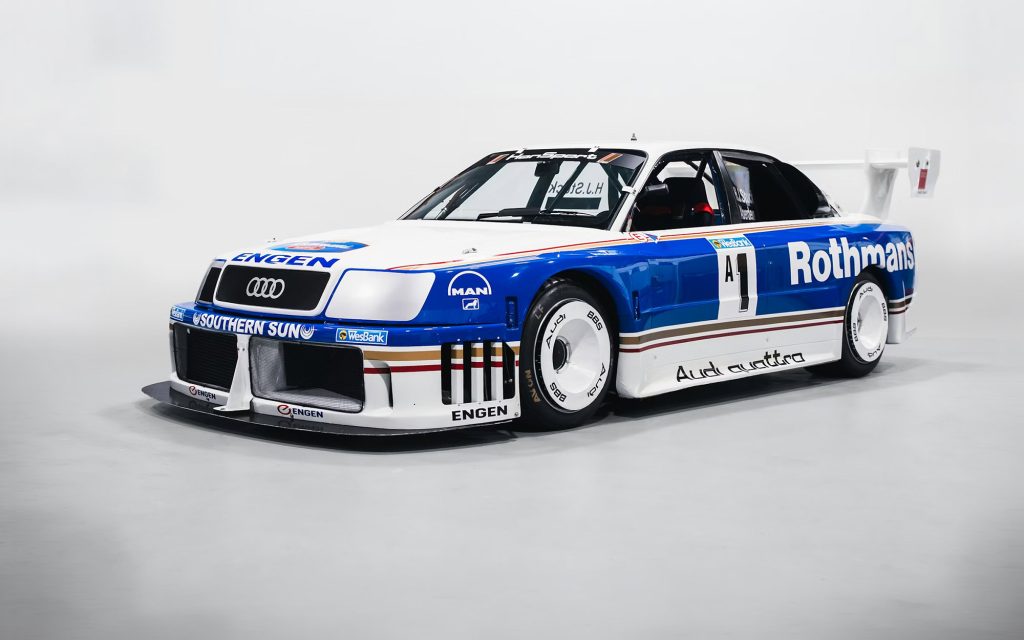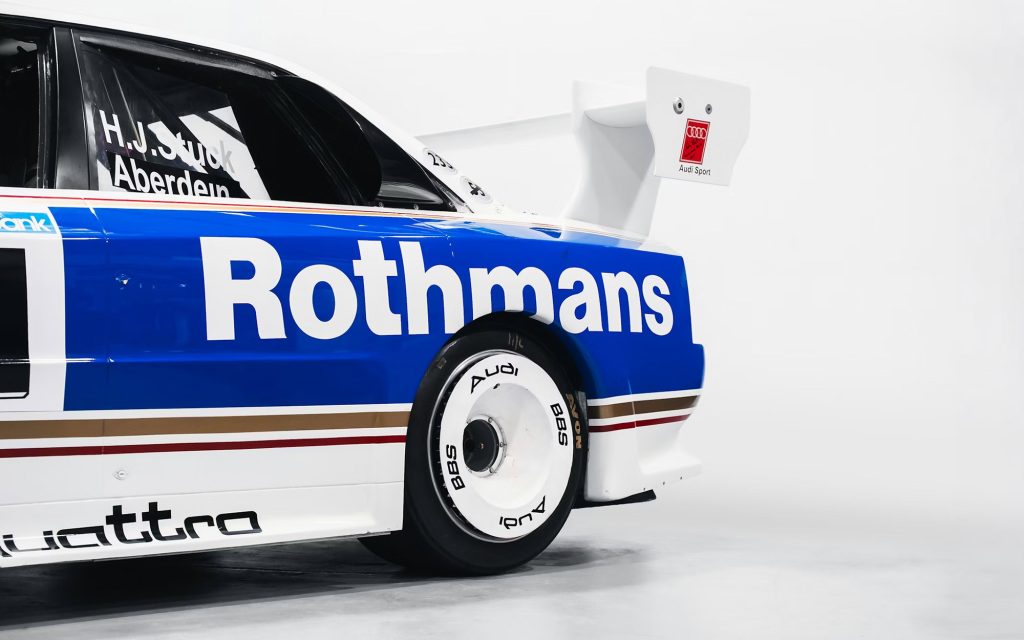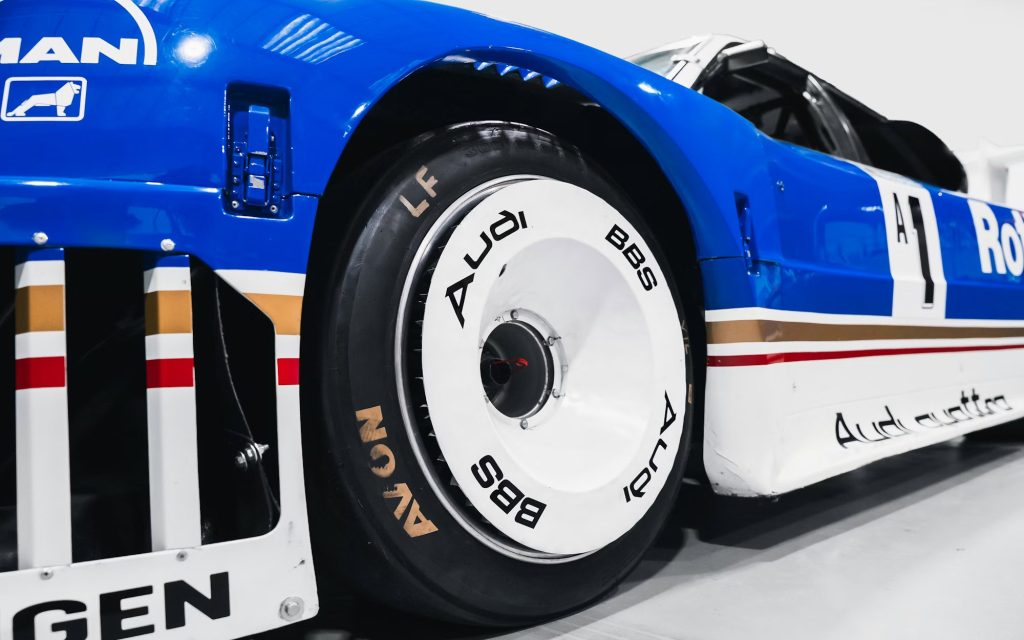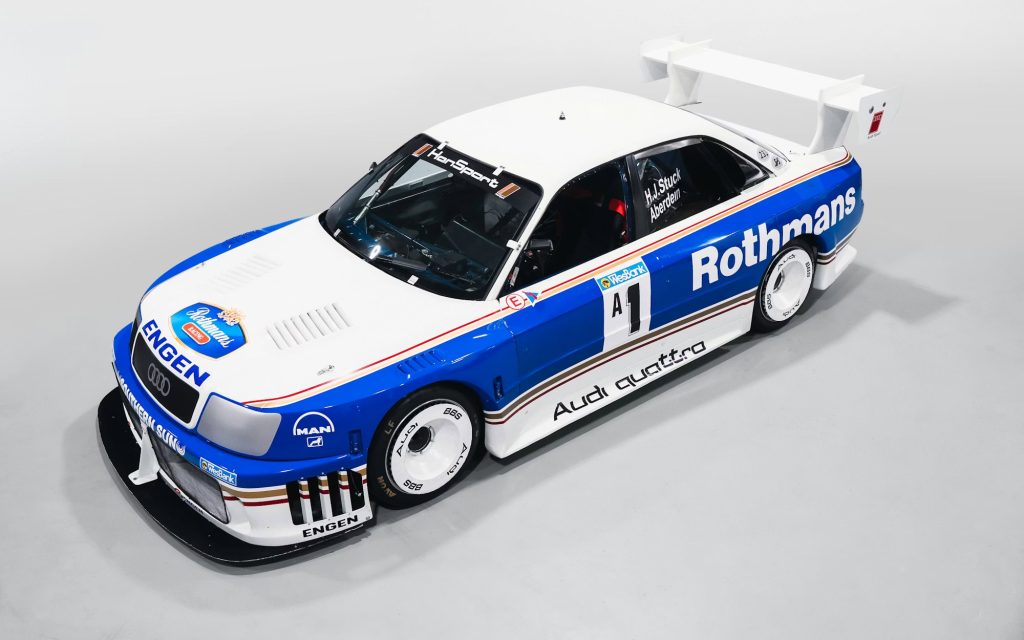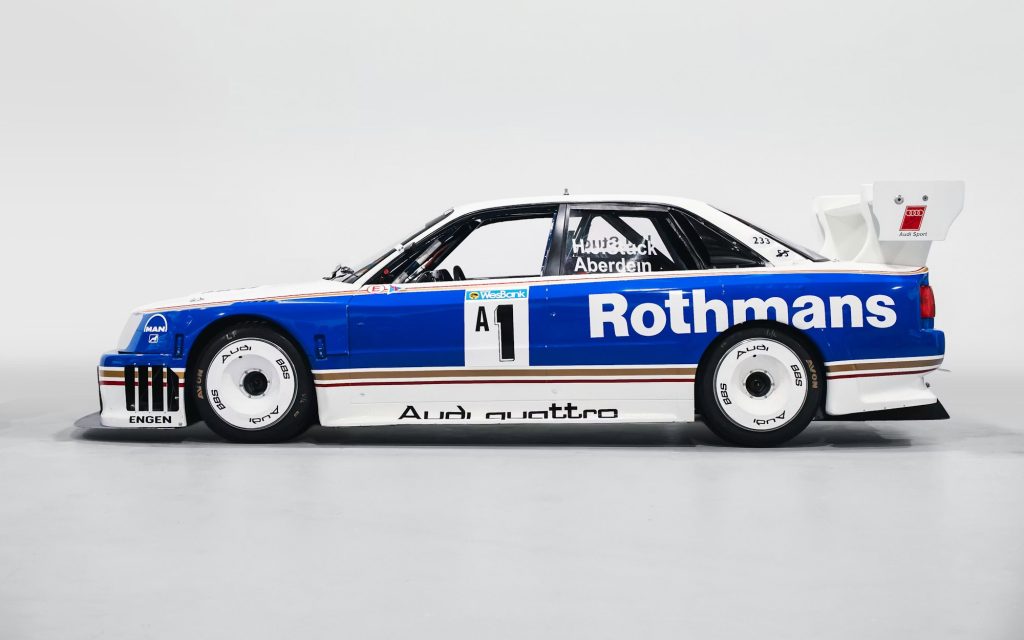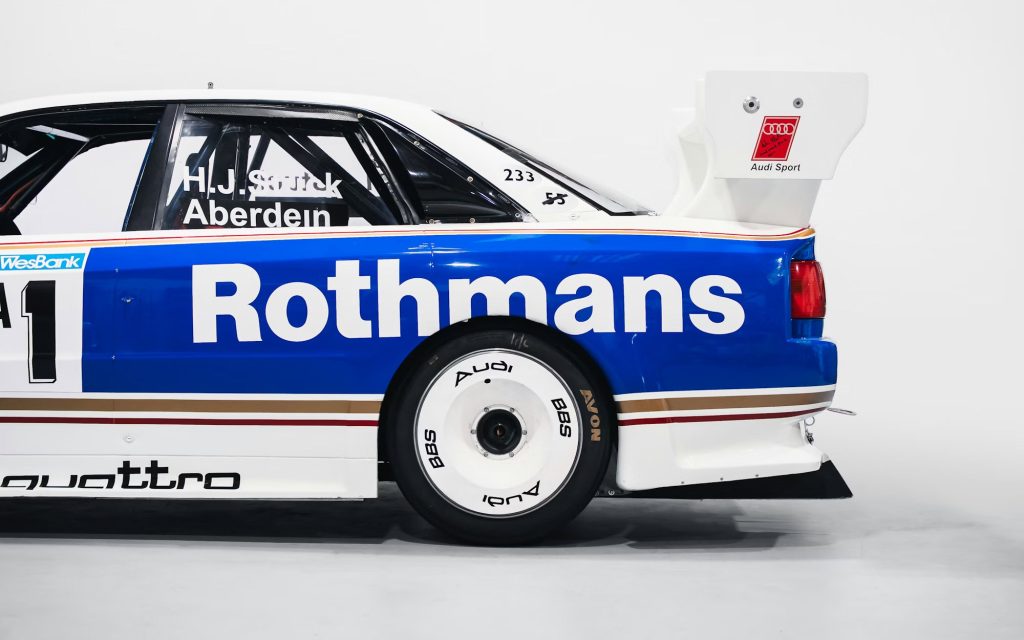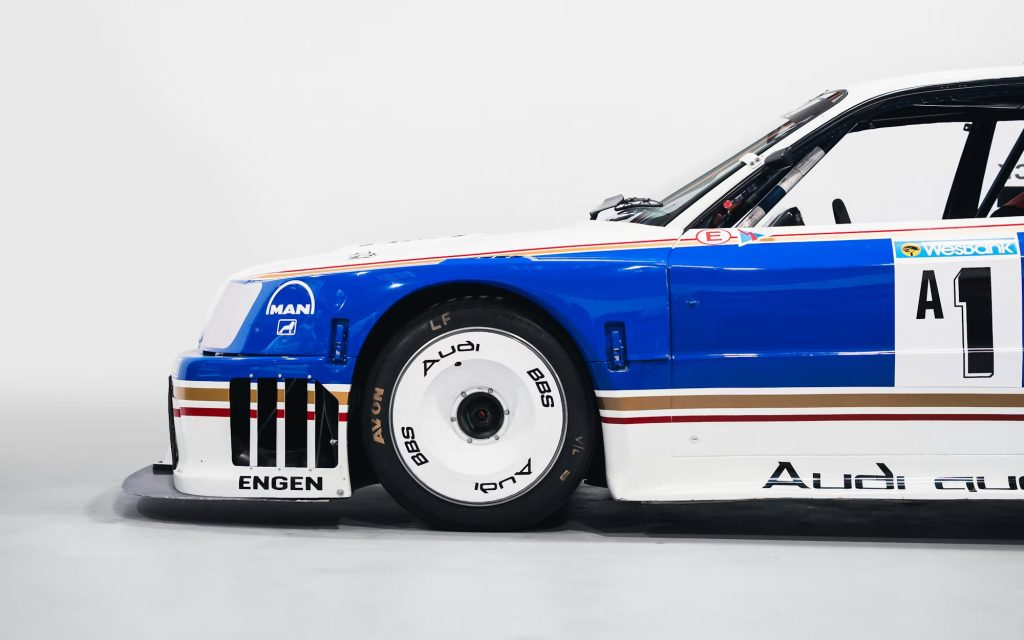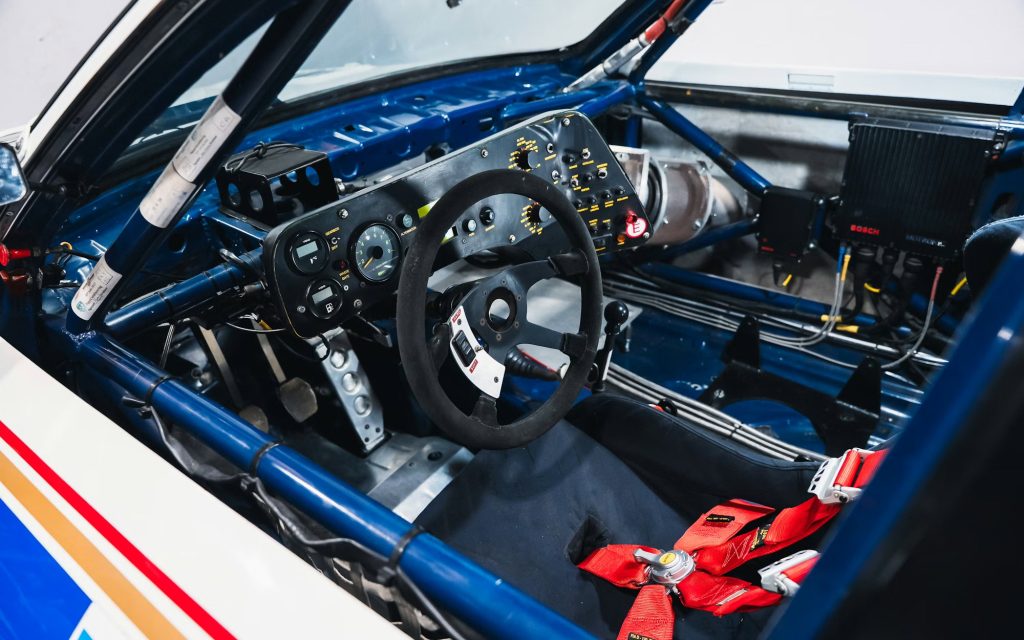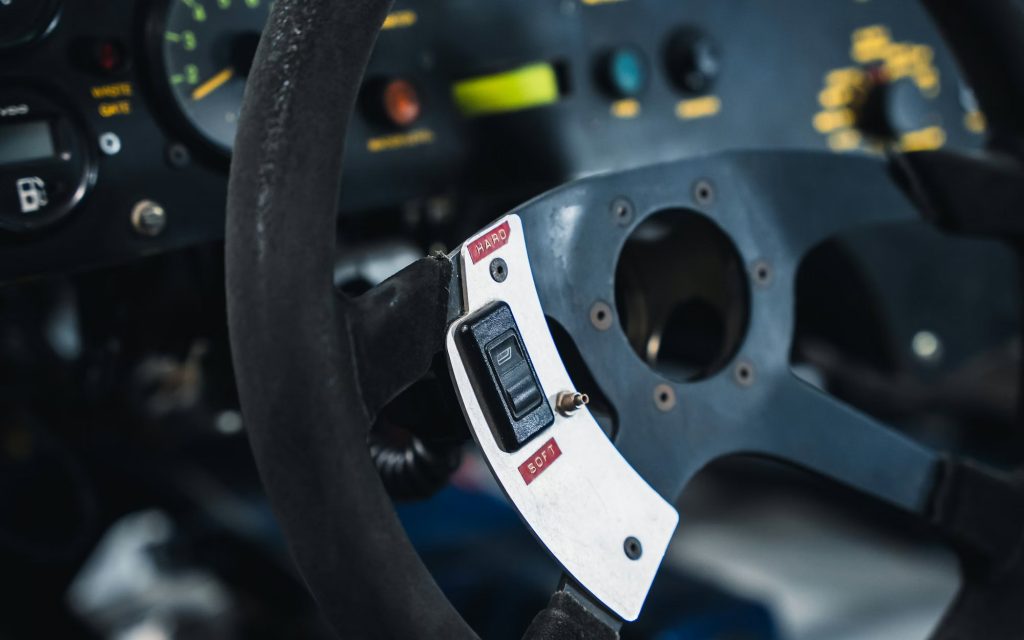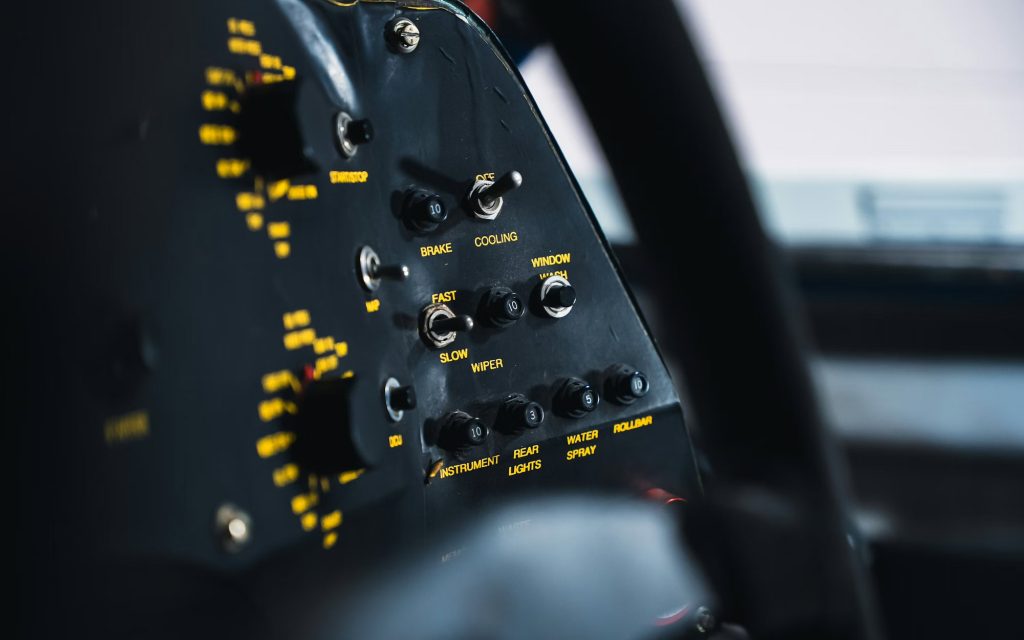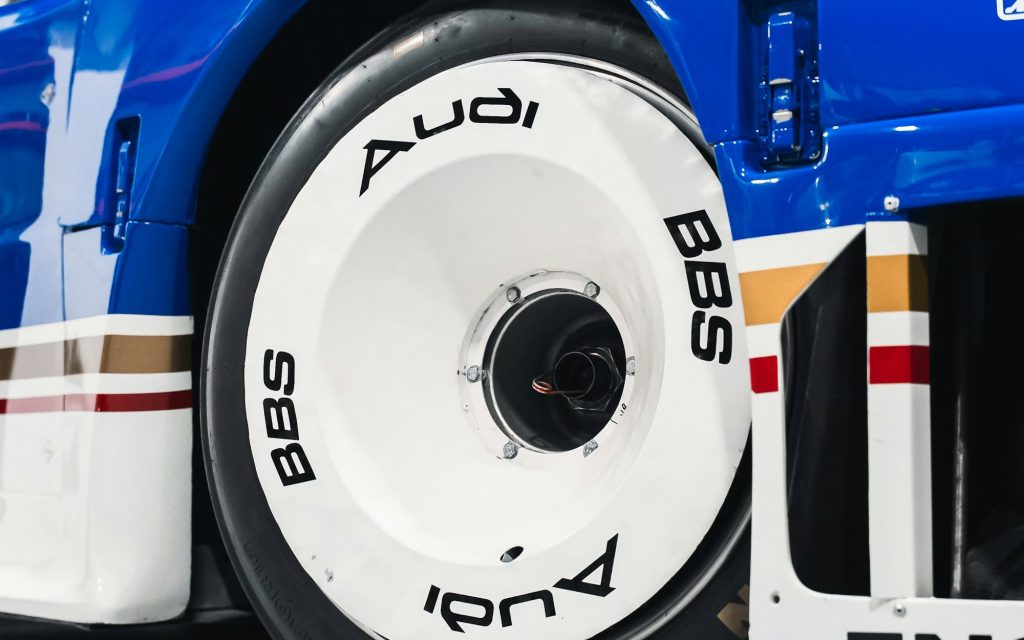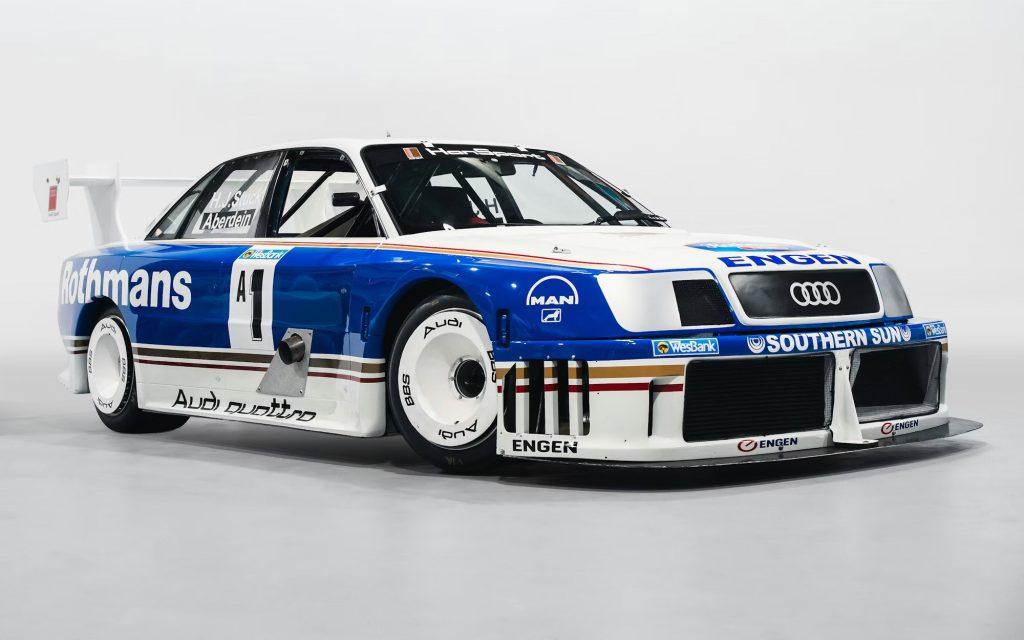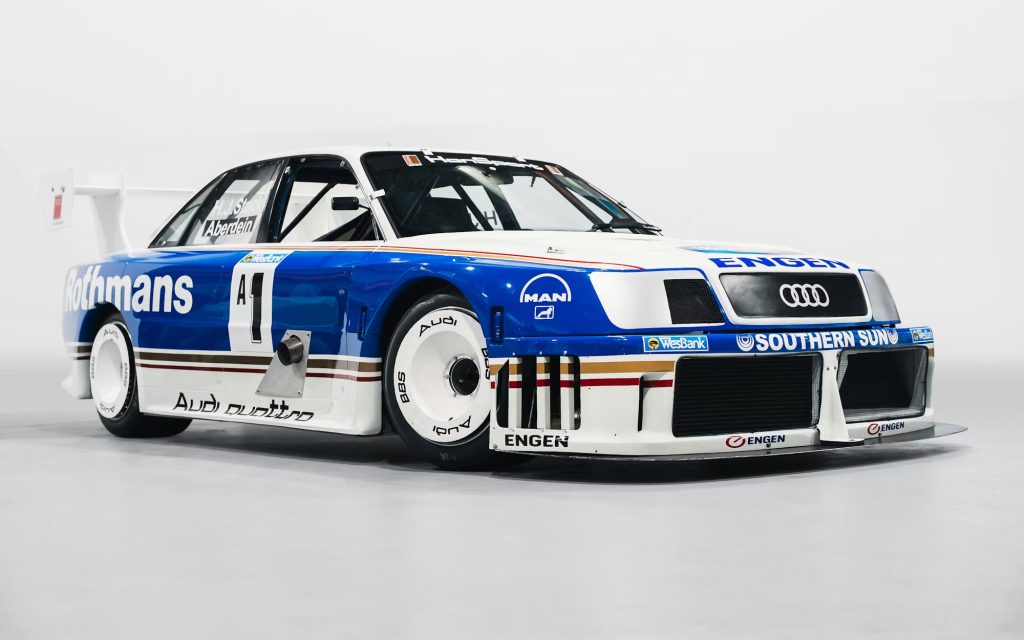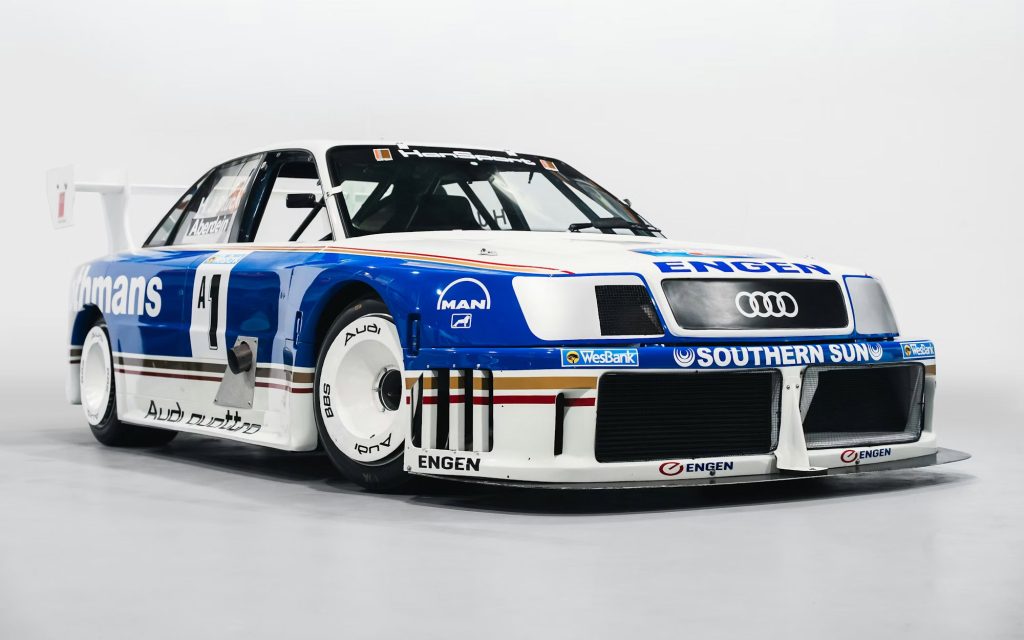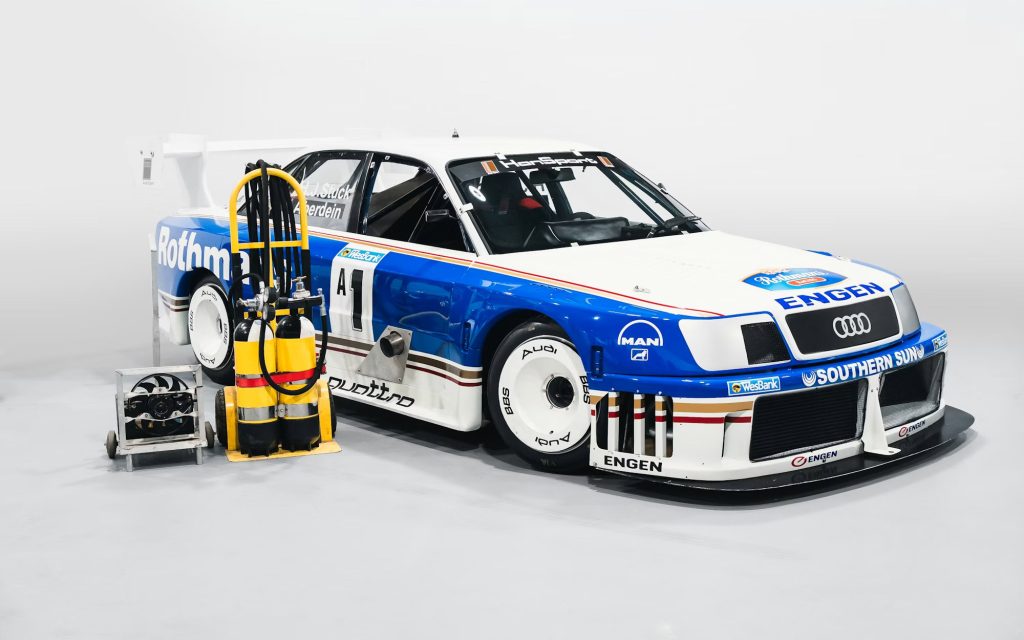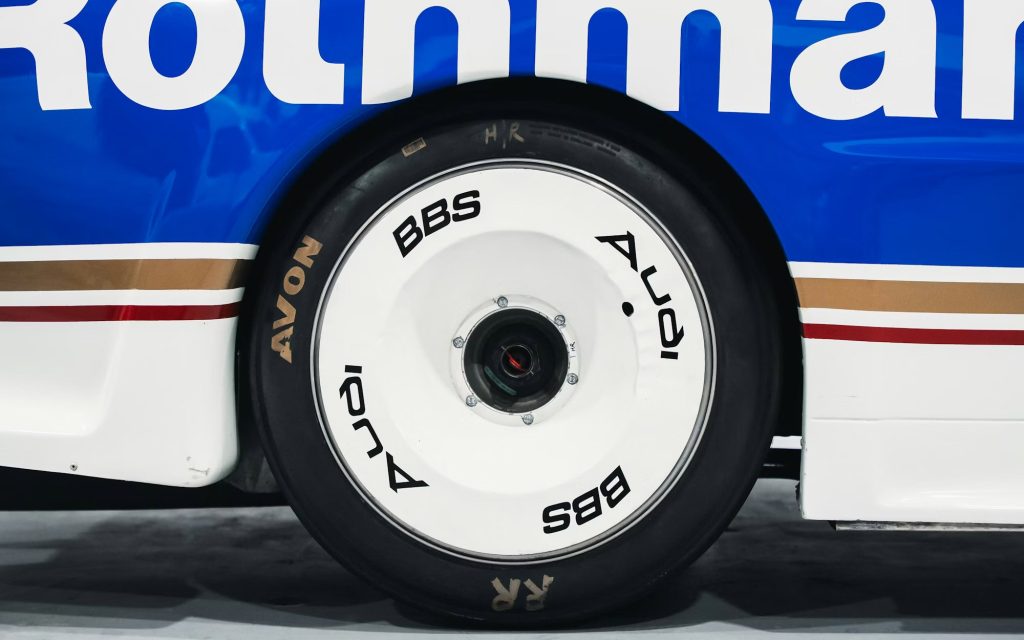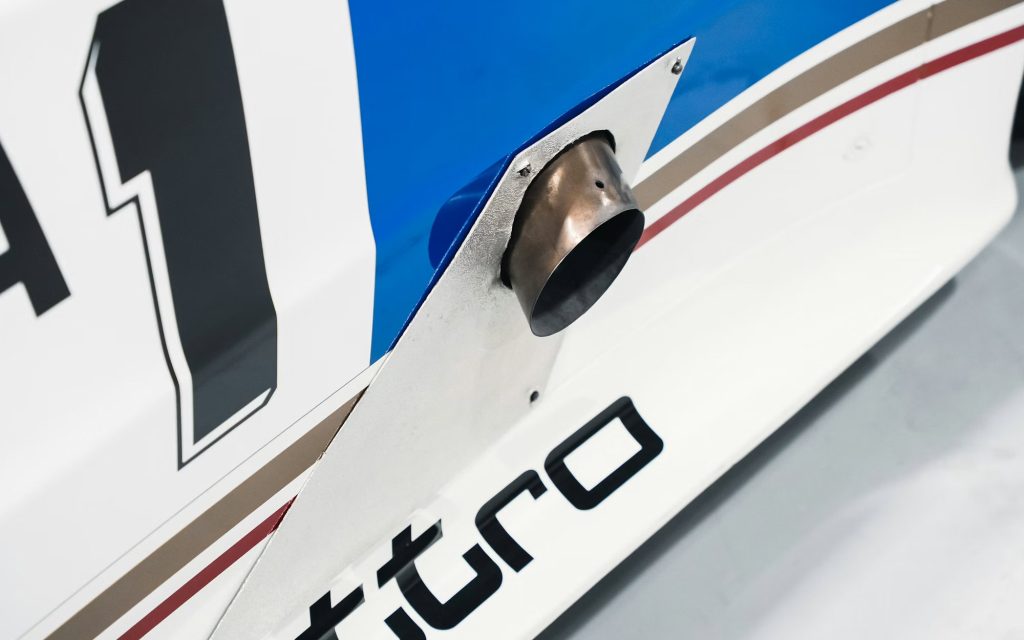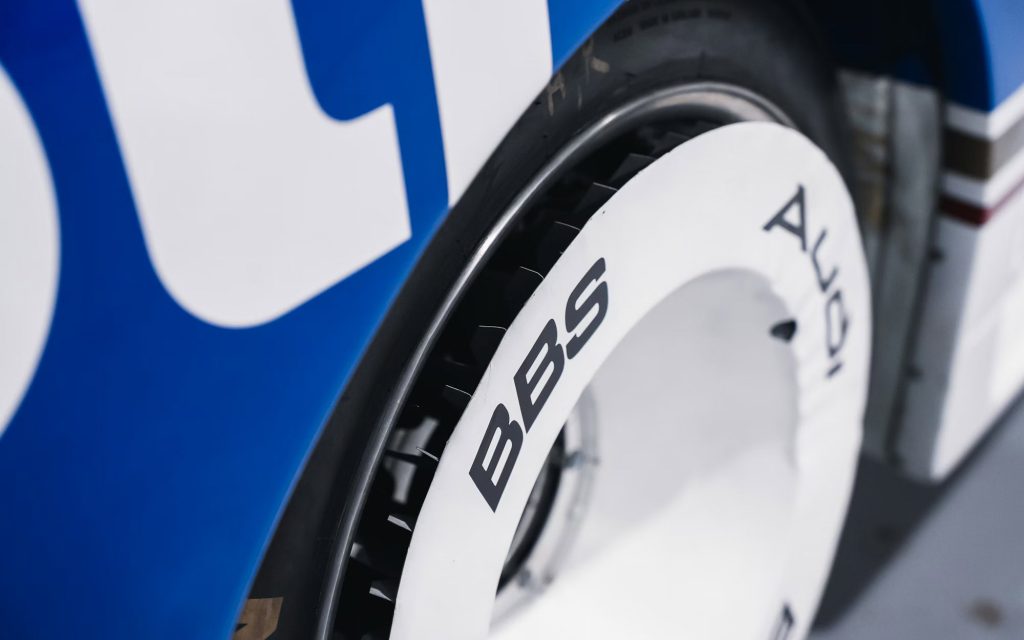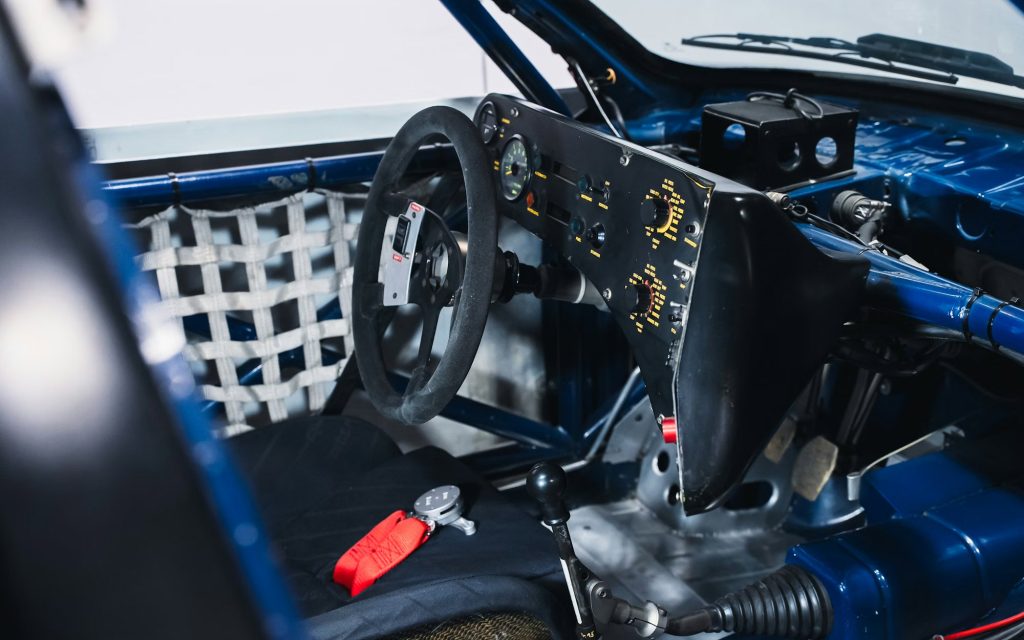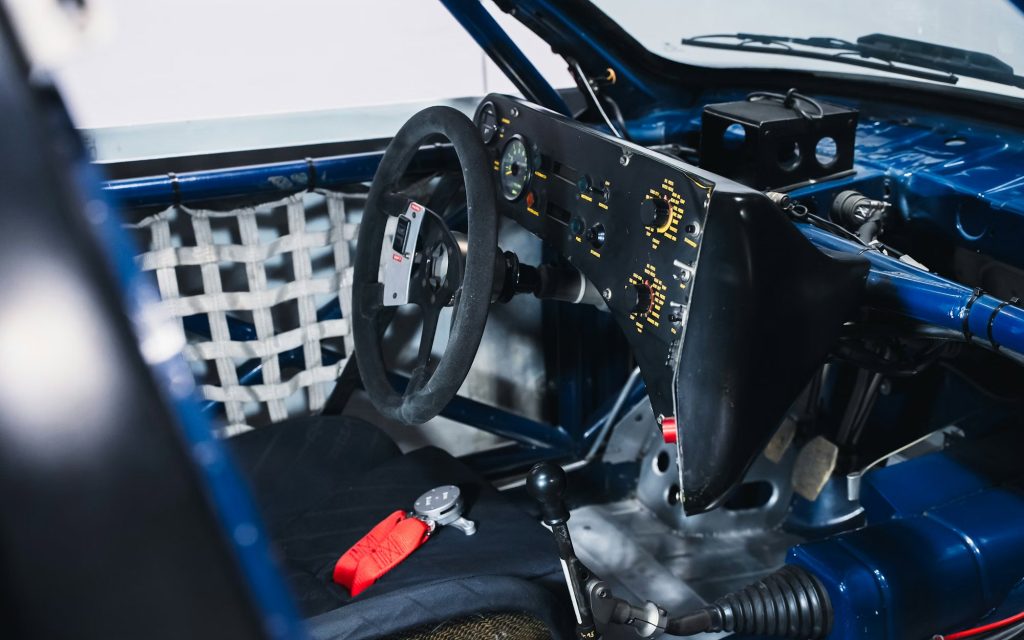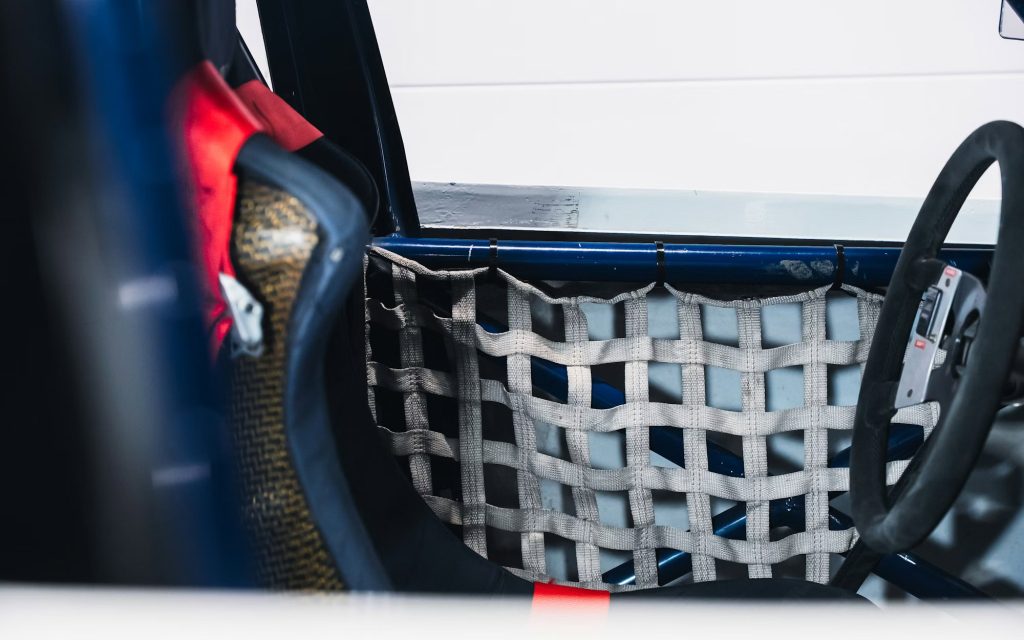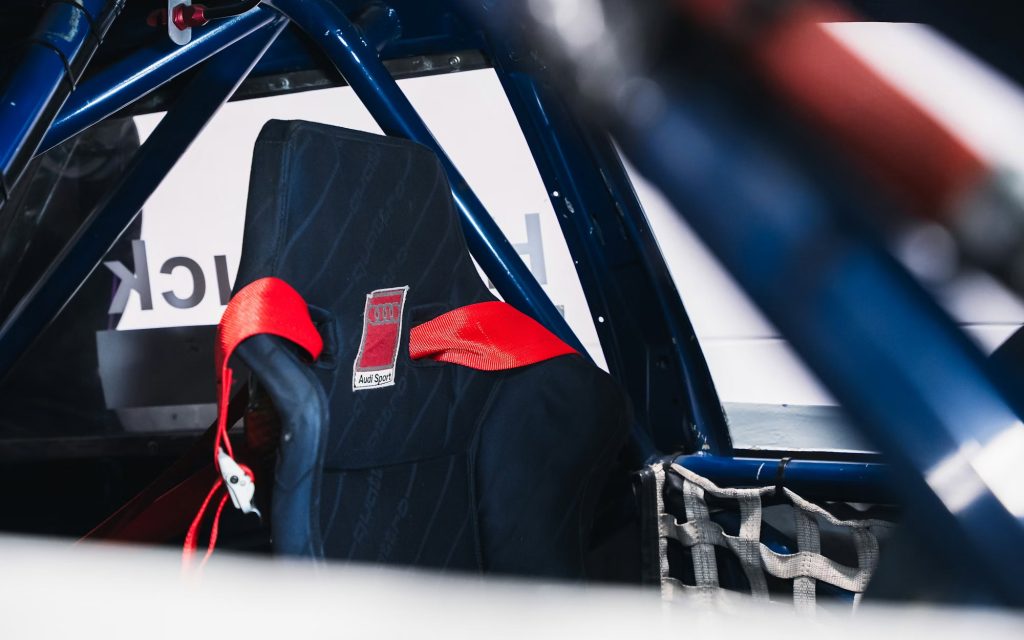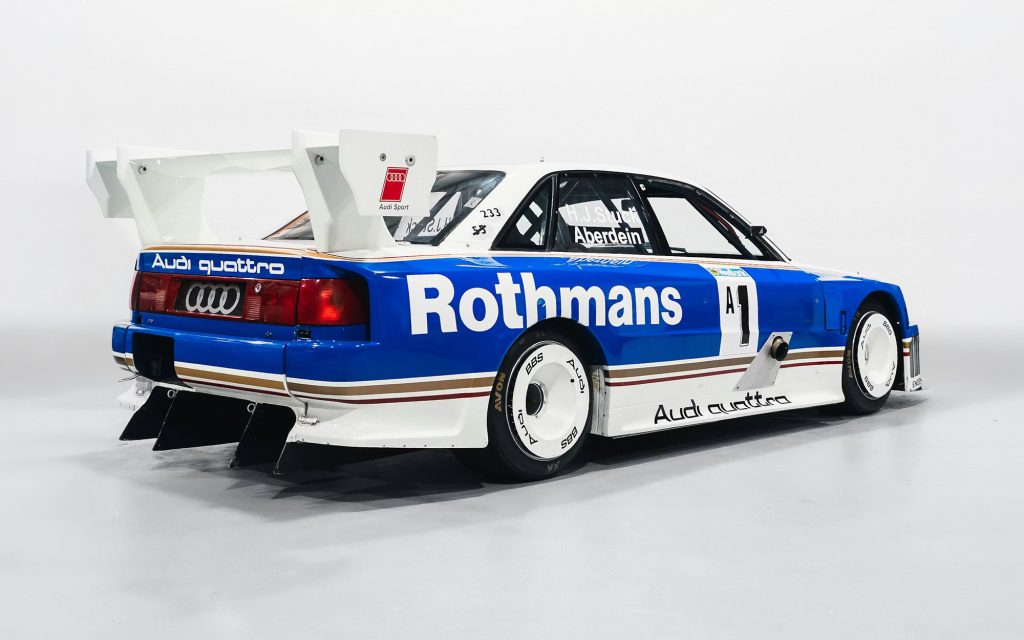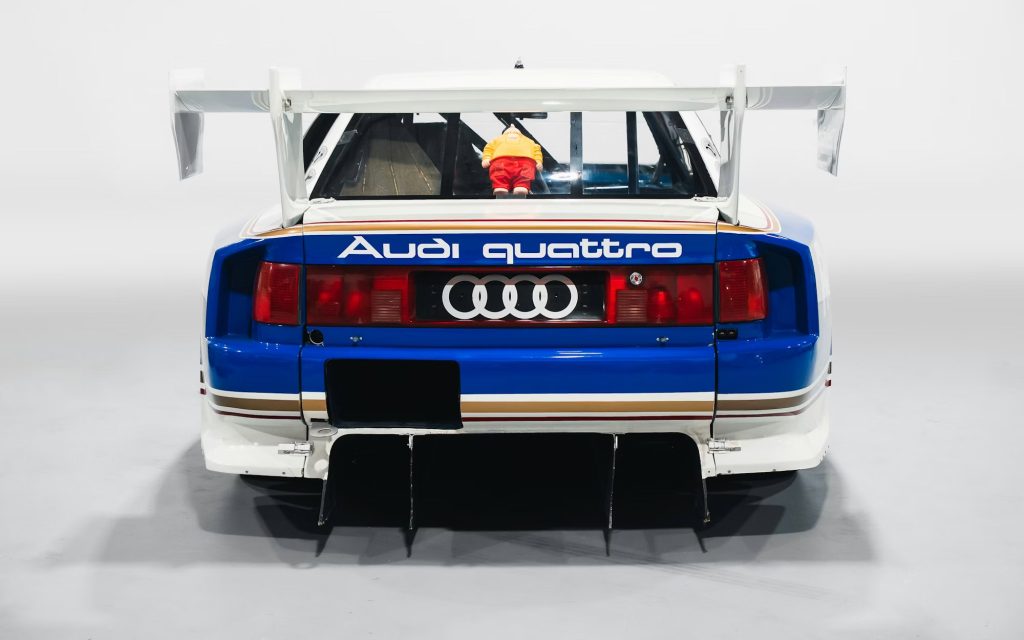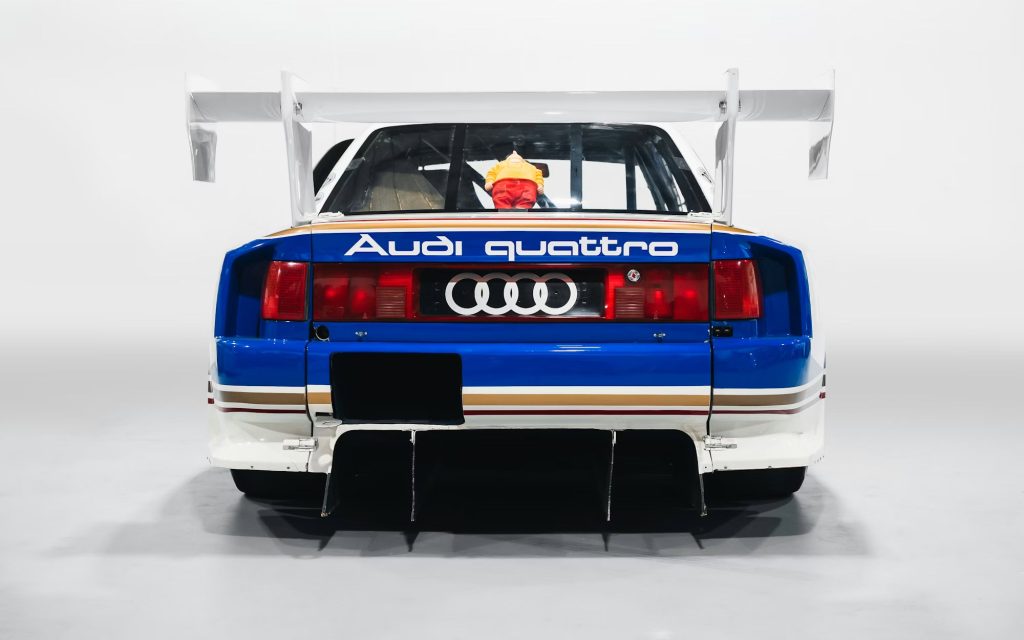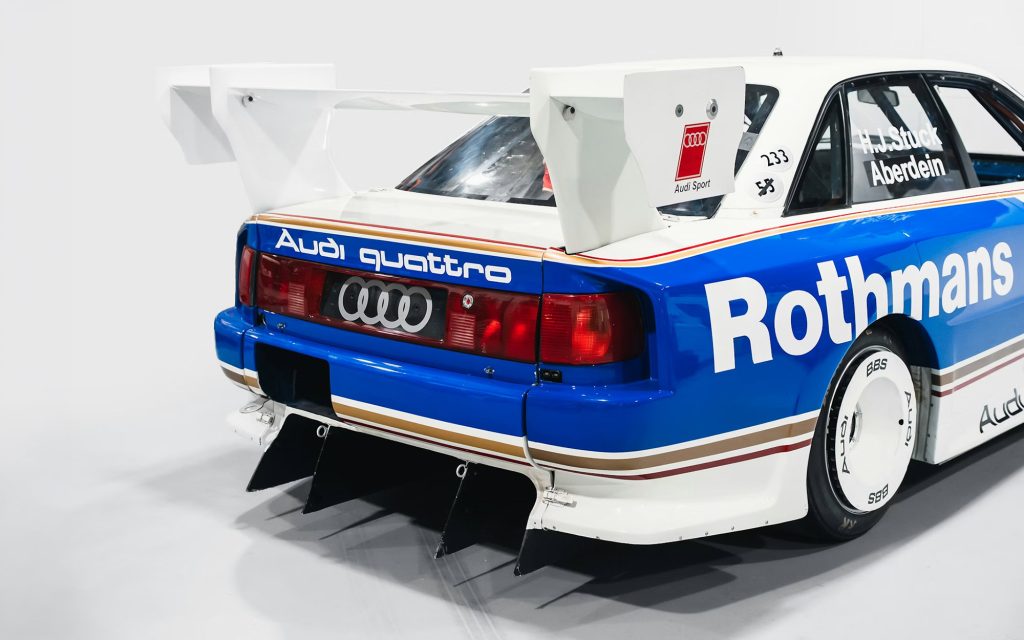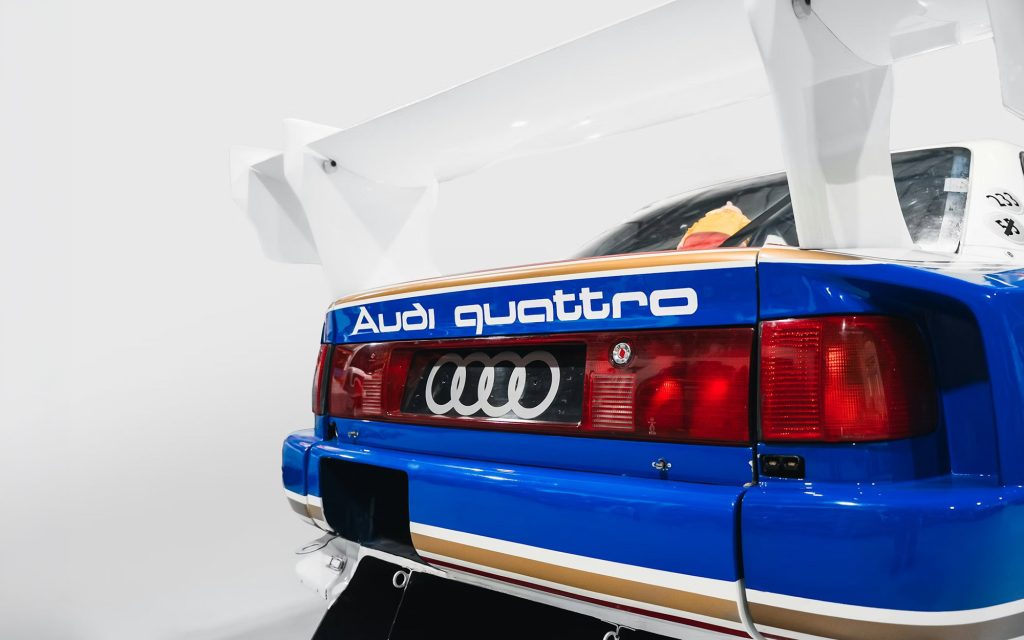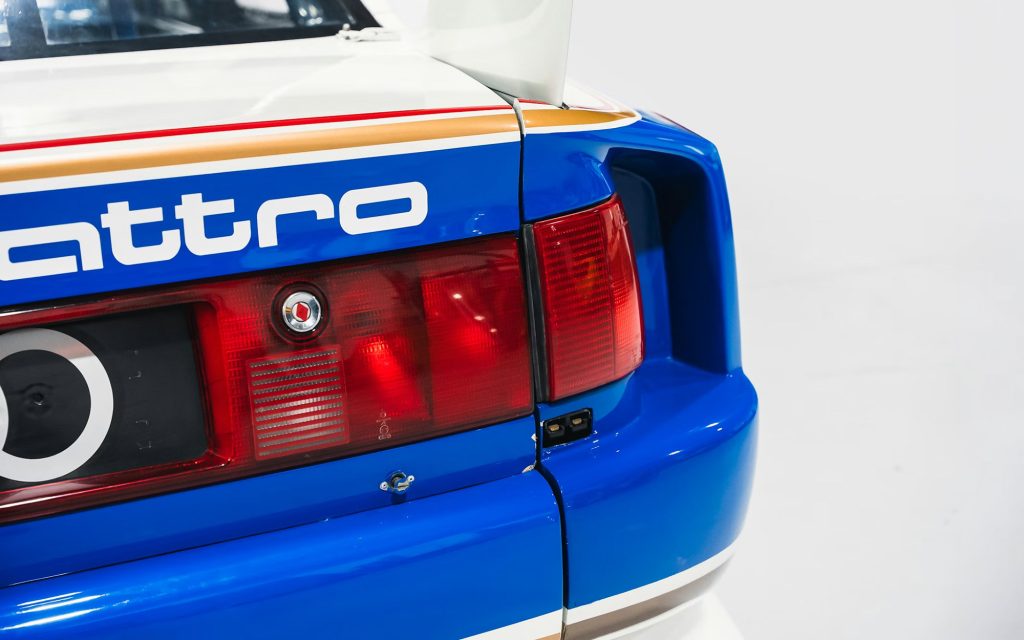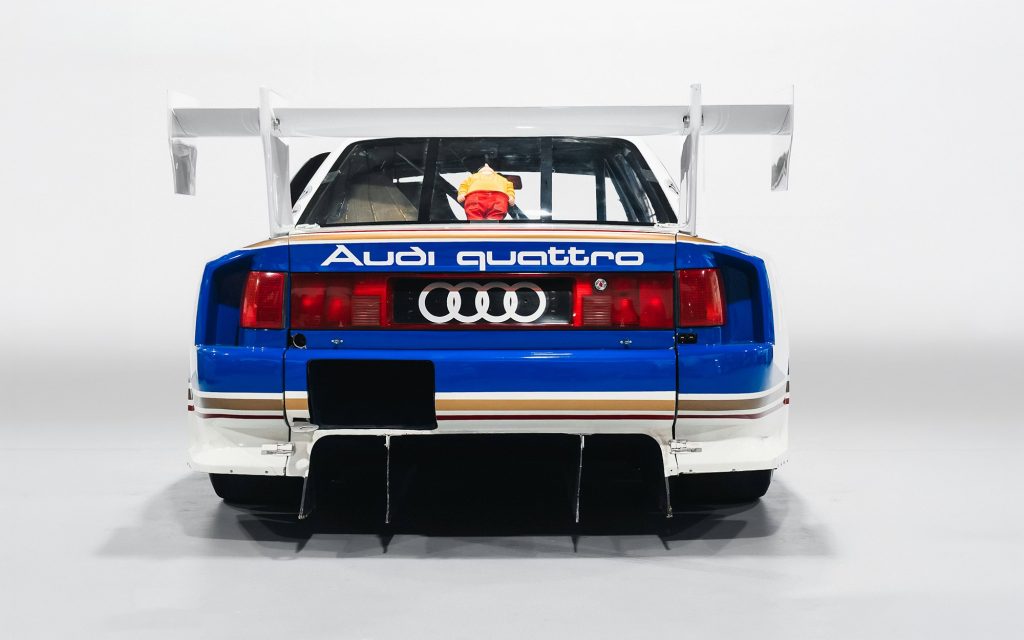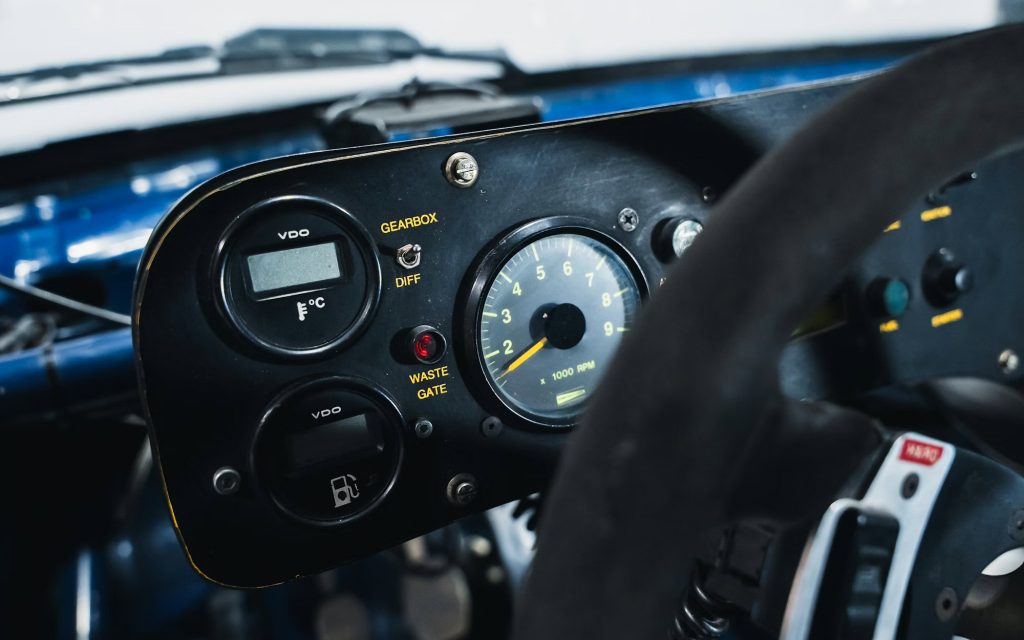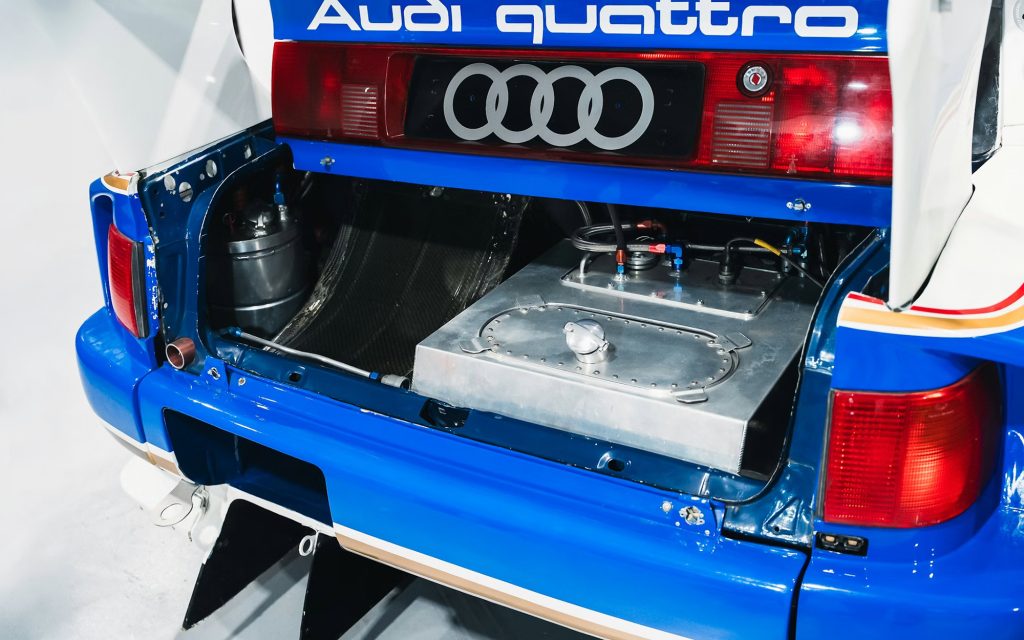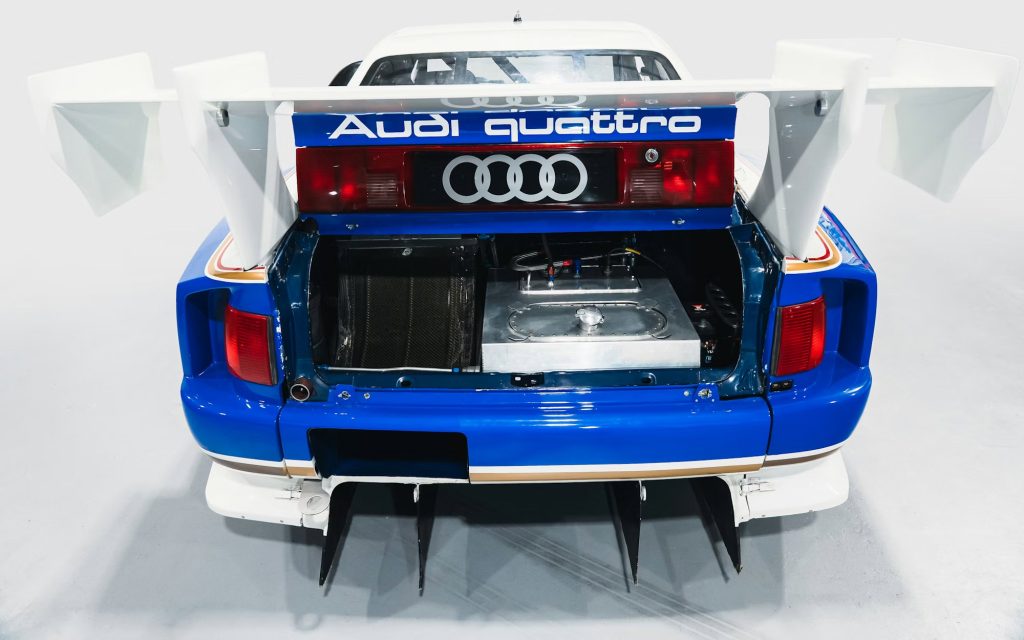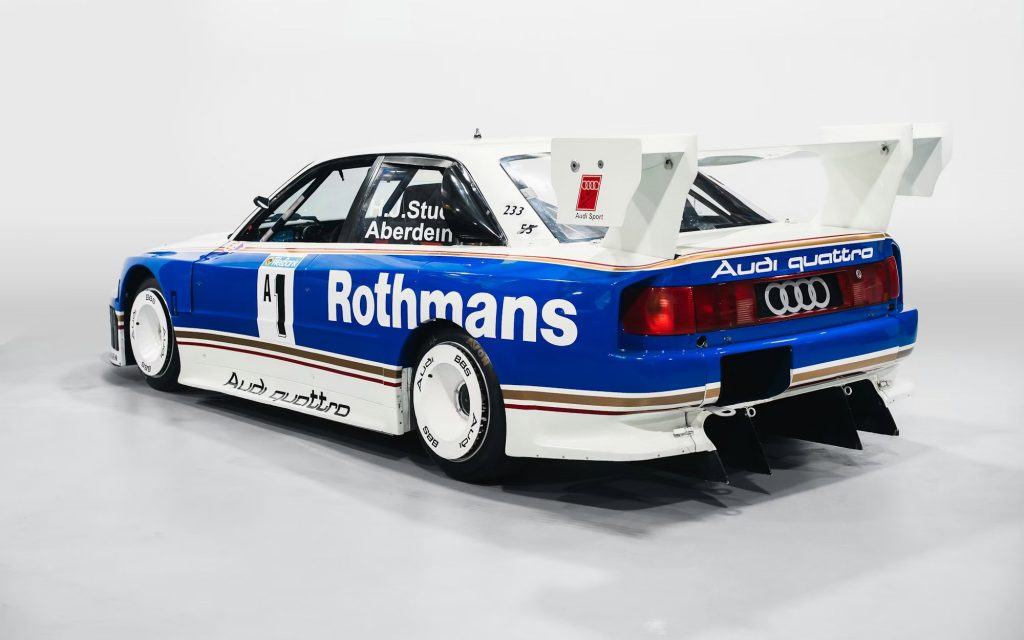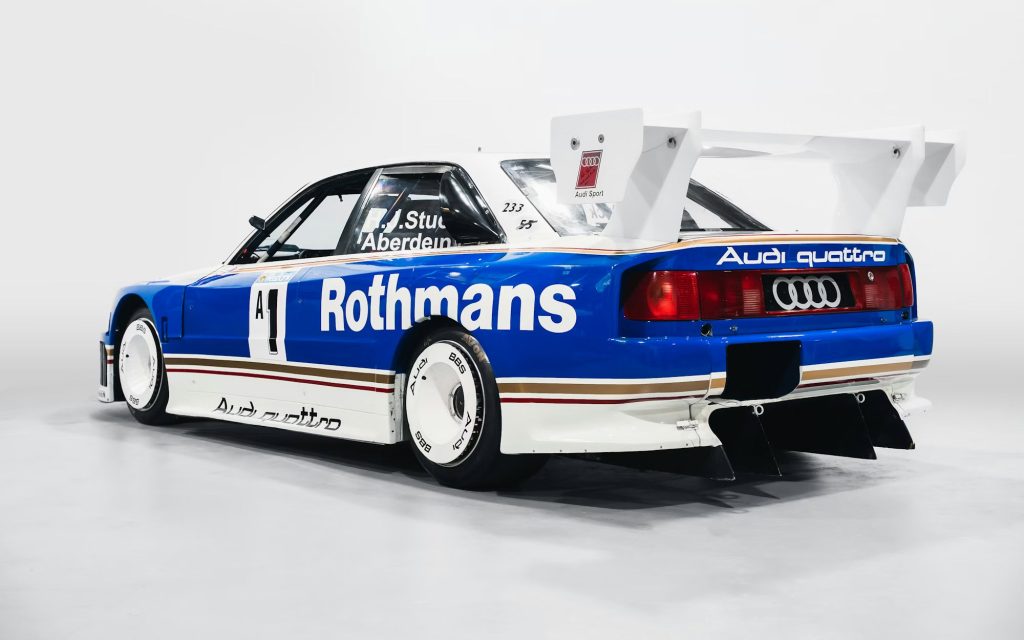
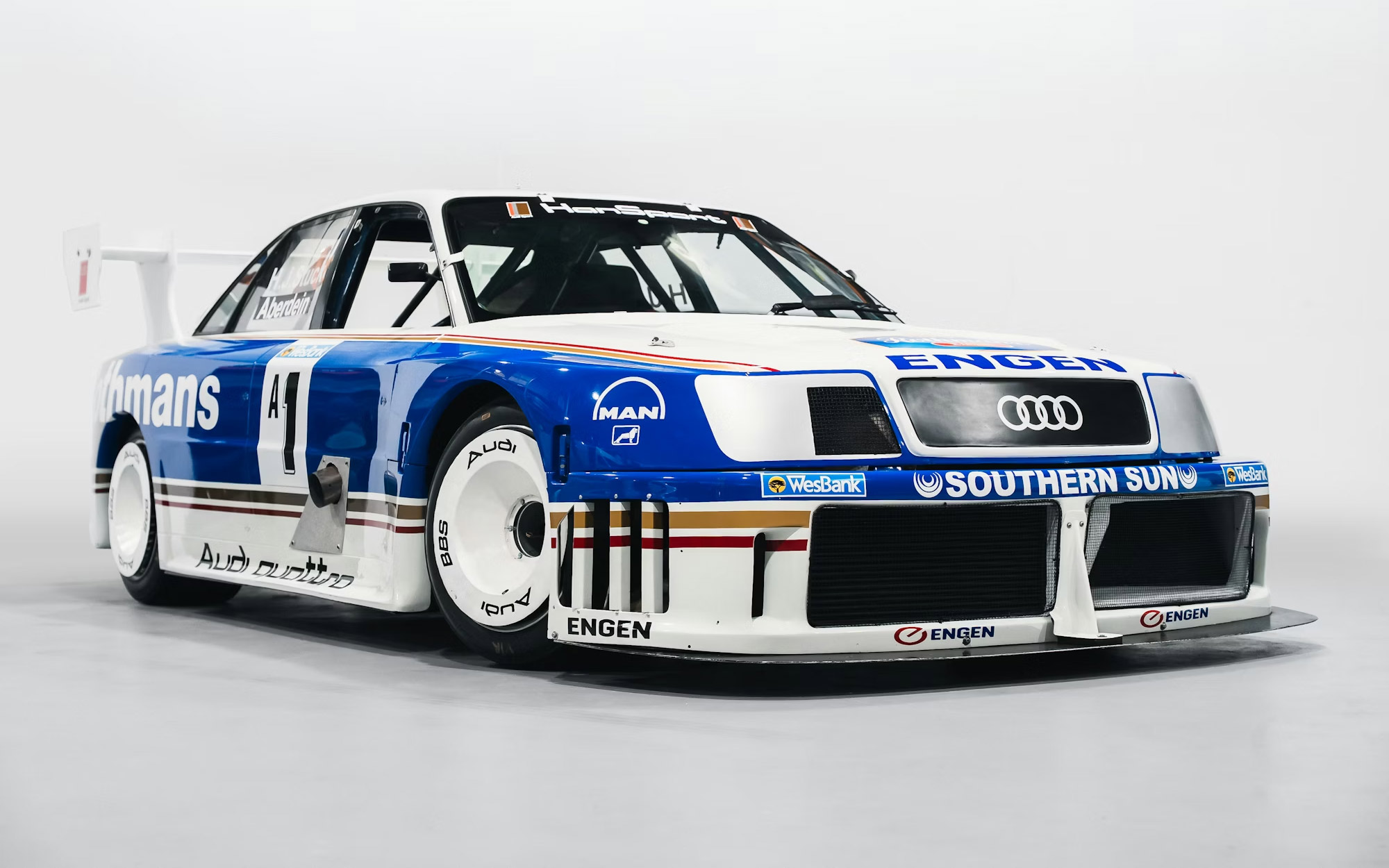

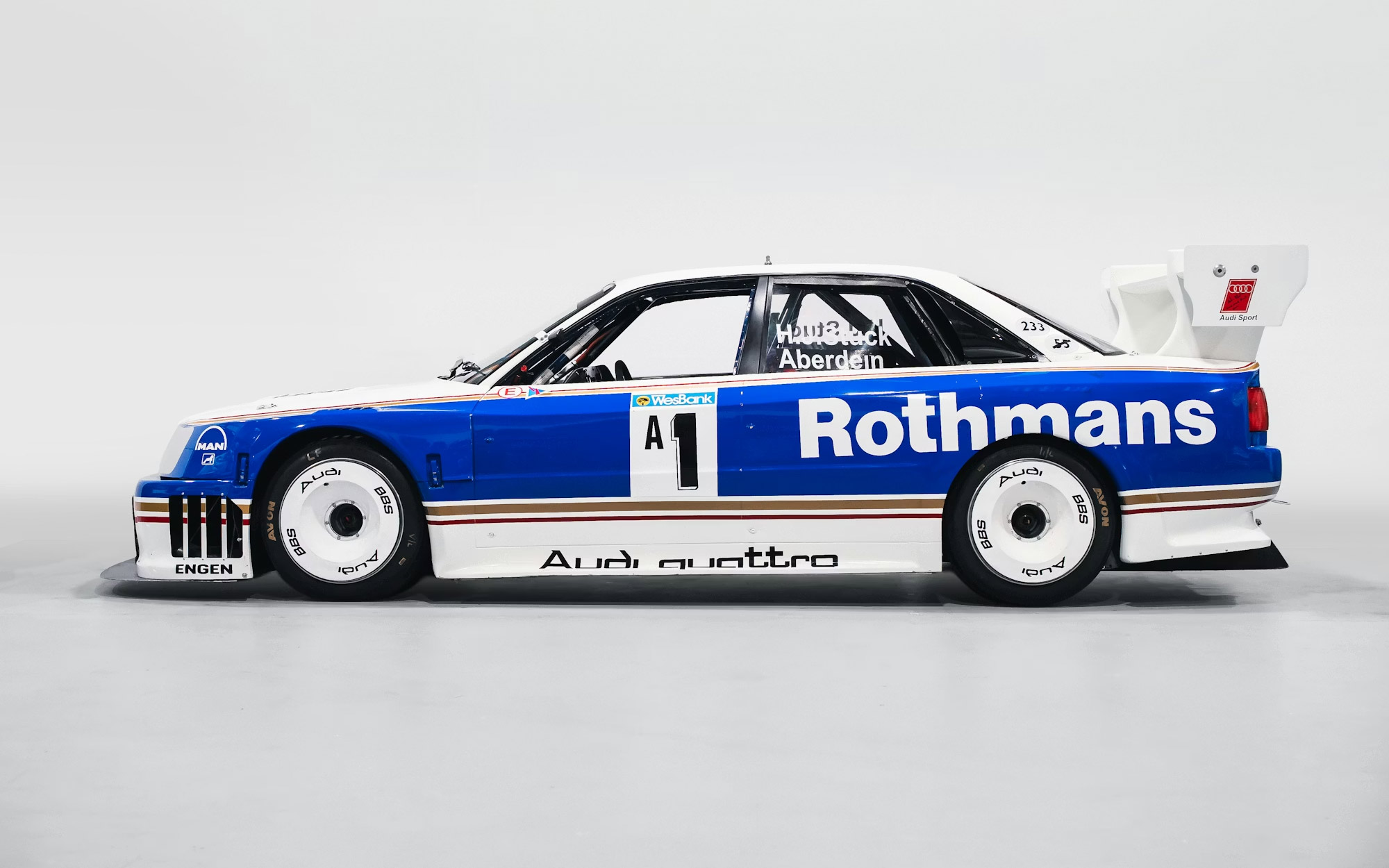
Offered via Collecting Cars is chassis #001 of the Audi S4 GTO — one of just two examples built by Audi Sport South Africa for the Wesbank Modifieds championship. This is not a replica, not a tribute, not a recreation. It is the first of the two works cars that closed the chapter on Audi’s South African silhouette era.
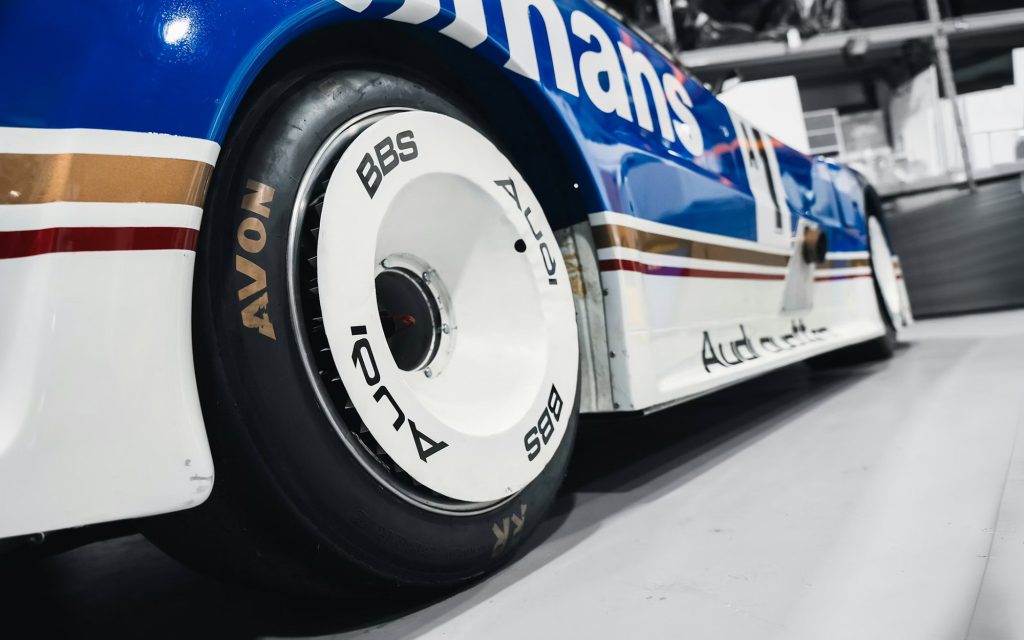
What you’re looking at is effectively an IMSA-powered, DTM-suspended, locally engineered monster built to dominate a uniquely wild period of early-1990s touring car racing while wrapped in one of the most iconic liveries in motorsport – Rothmans Racing.
THE GENESIS WHY THE S4 GTO EXISTED
Following the disqualification of the 1988 Audi 200 quattro Trans Am (R4) from competition in the USA due to quattro being deemed an “unfair advantage”, Audi Sport shifted to development of the 90 IMSA GTO (R5) for 1989 while the now-retired 200 Trans Am was shifted to a new mission. From 1989 to 1991, Audi Sport South Africa successfully campaigned the 200 quattro Trans Am in the Wesbank Modifieds series. By 1991 those cars were aging, and Volkswagen South Africa Motorsport manager André van der Watt traveled to Germany to evaluate replacements.
Several options were considered. Option 1 was to use the 1989 90 IMSA GTO, an even more extreme monster than the 200 Trans-Am. After just one season in IMSA that car had also proved itself dominant enough for disqualification. Though Audi Sport had skipped the longer Daytona and Sebring rounds at the beginning of the season, the car’s, the competition in the IMSA series couldn’t miss its overwhelming pace and lobbied IMSA enough to send Audi packing – again, after just one season.
Option 2 was to consider the V8 quattro DTM (R6). Audi had already campaigned the V8 quattro DTM to some success in the 1990 DTM series and was prepared to return to the DTM with an improved V8 quattro Evo DTM for 1991.
The third option was to build an entirely new car.
Given the success of the 200 Trans Am, Option 1 seemed to hold the most interest for the South Africans and likely for Audi Sport as well. All of that investment in the 90 IMSA GTO resulted in a tube-framed monster of epic proportions and one that found itself obsolete due to protectionist rules after just one season. Unlike the C3-based 200 Trans Am, by 1992 the 90 on which the 90 IMSA GTO had been developed was still around. It had been facelift and newly dubbed “B4”, but the car was still in production, so it was still relevant to Audi. Unfortunately, it wasn’t on sale in South Africa and even though a chassis had been shipped there with plans to see it complete, series rule makers disqualified it for competition.
The move presented a challenge for Audi Sport South Africa, but not an insurmountable one. In the end, the final decision was to combine the best of Options 1 & 2 for a cost-effective yet bonkers take on Option 3.
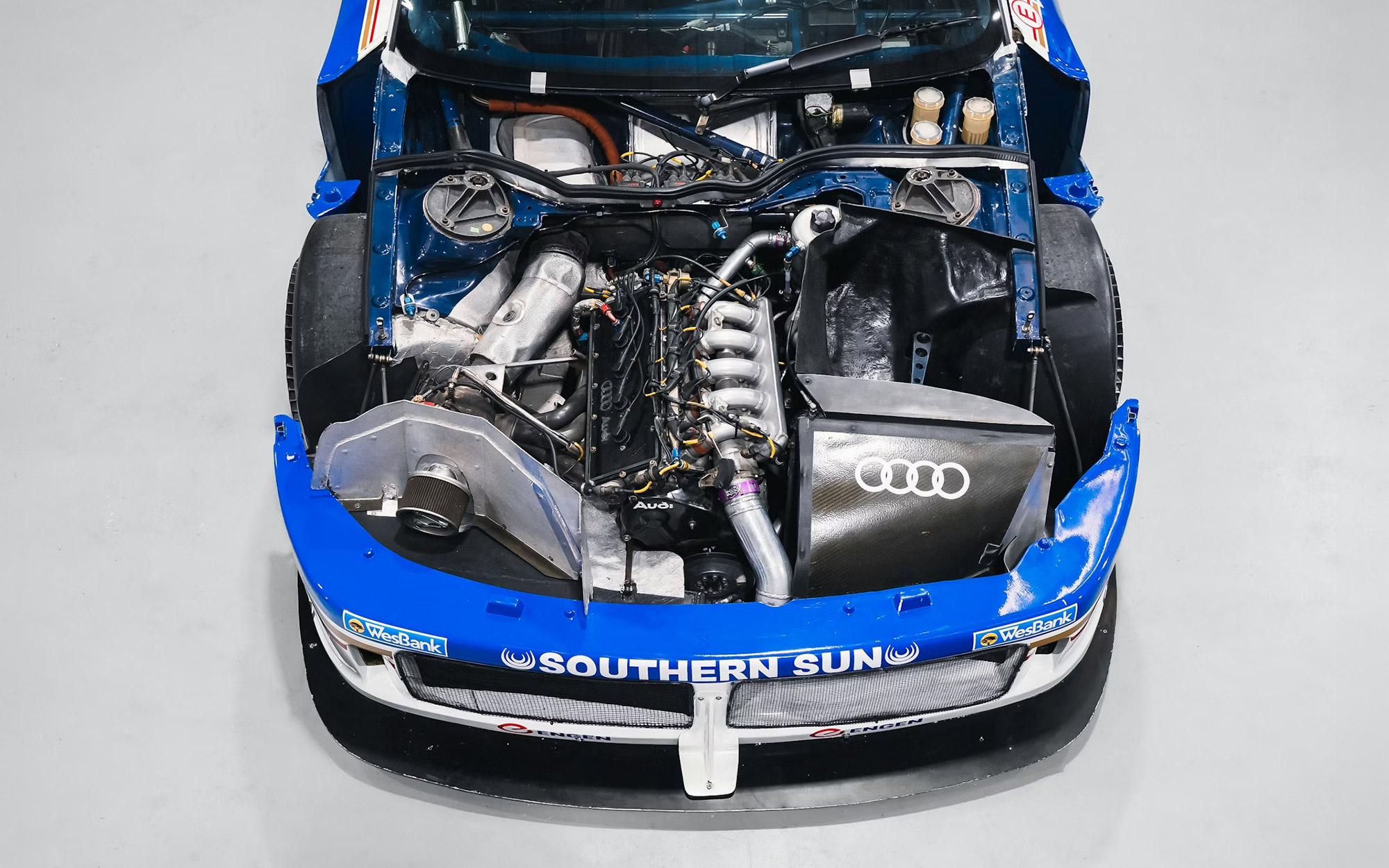
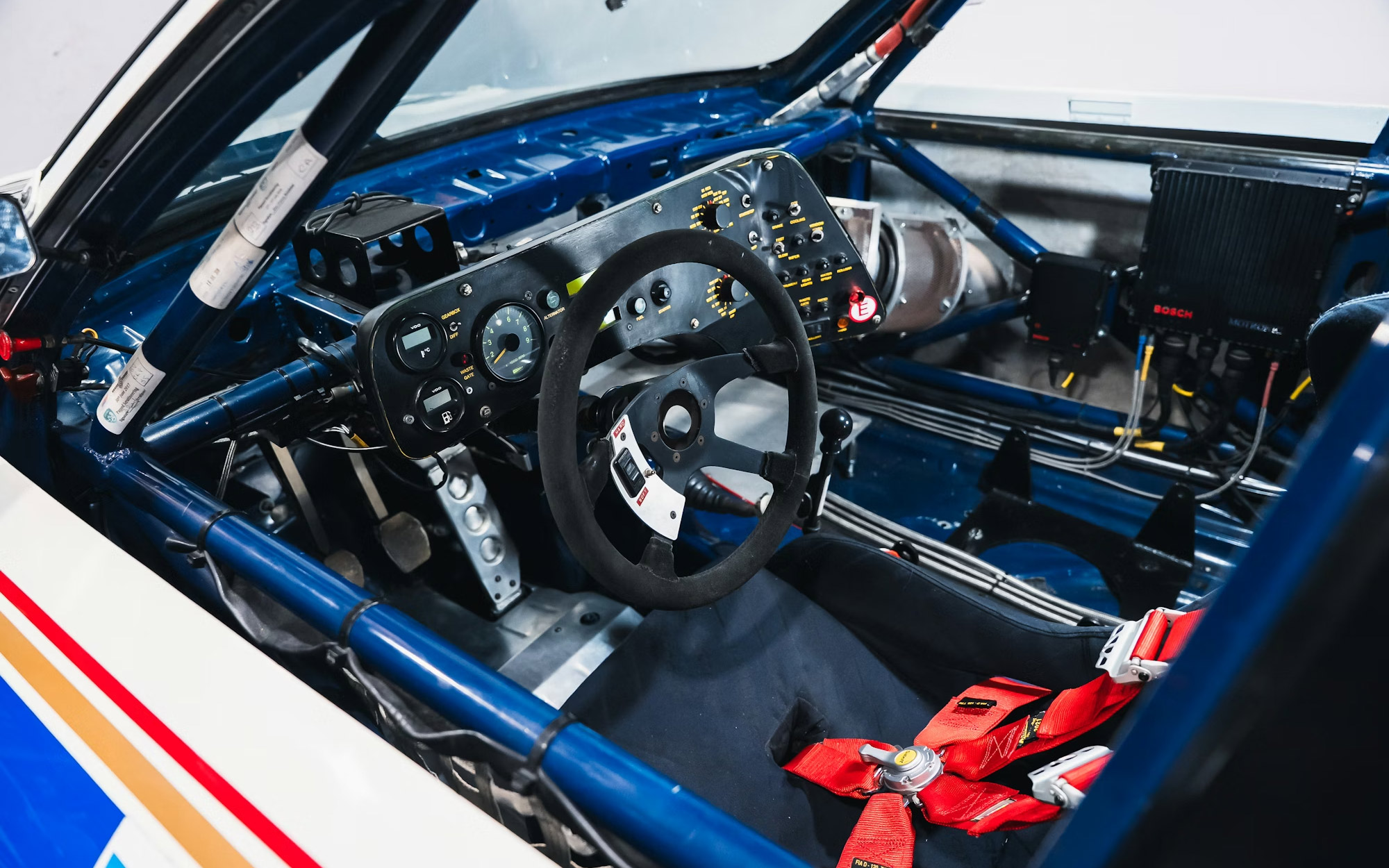
The new platform would be based on the C4-generation Audi S4 (known in the South African market as the Audi 500 and to fans today as the “ur S4”). The car would use the engine and gearbox architecture from the 90 IMSA GTO, while incorporating running gear from the V8 quattro DTM program.
The first body shell — chassis #001 — was prepared in Germany and sent to Matter, the same roll cage specialists used in Audi’s factory motorsport efforts. Once complete, it was shipped to South Africa, constructed with parts transferred from the 90 IMSA GTO and later used as the template for the second car.
THE ERA WESBANK MODIFIEDS
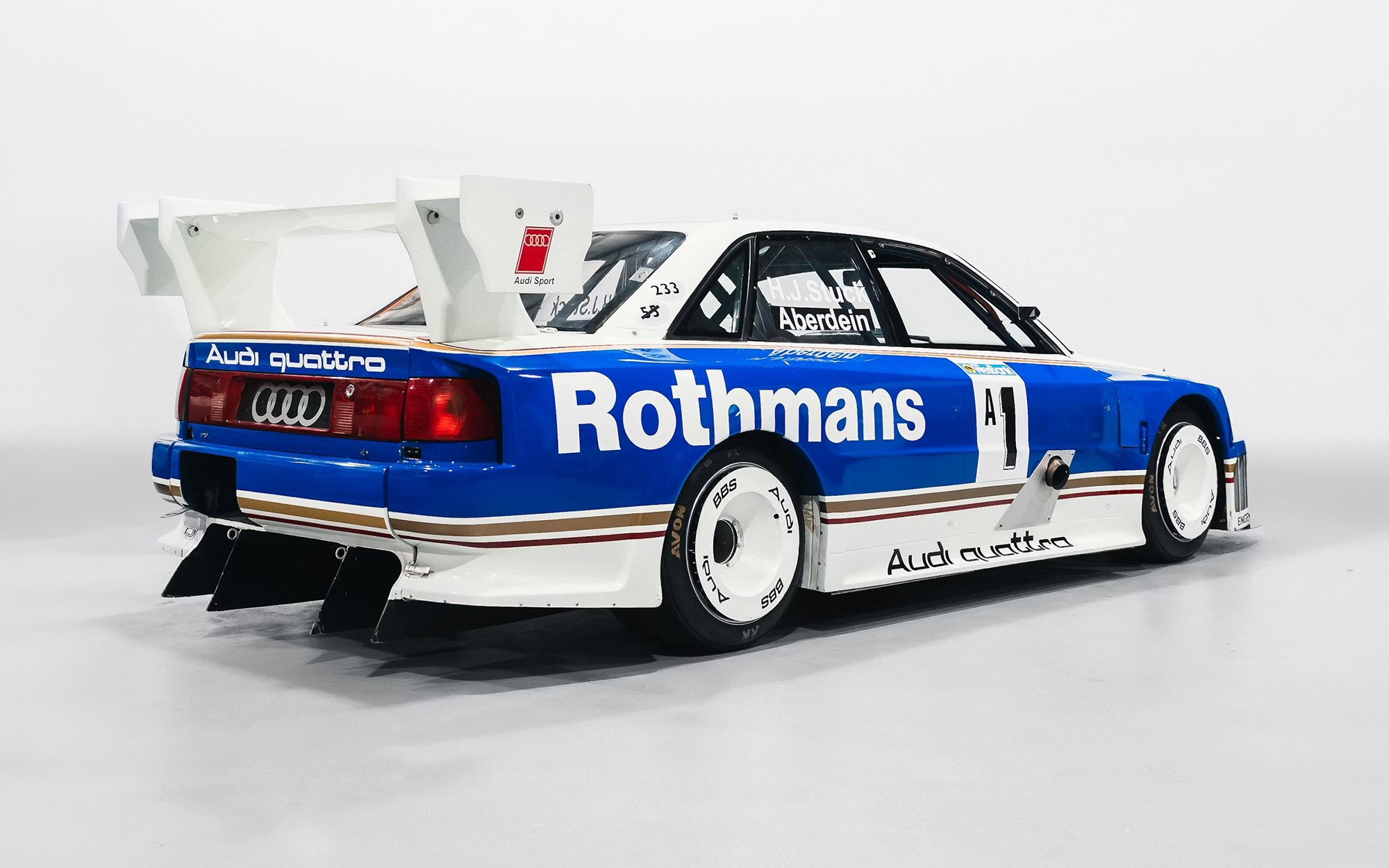
To understand the S4 GTO, you have to understand the Wesbank Modifieds. This was South Africa’s answer to Group A touring car racing on steroids — liberal silhouette rules, massive aero, and staggering power outputs.
By the early 1990s the grid featured:
• Audi 200 quattro Trans Am
• Audi S4 GTO
• Ford Sierra XR8 and later V8 entries
• Mazda rotary-powered challengers
• Various V8-based saloons under evolving regulations
The series would ultimately transition to a V8-based formula in 1995, rendering the S4 GTO obsolete almost as quickly as it had arrived.
For a brief window in and around the era, this was peak excess.
RACE DEBUT EARLY DOMINANCE
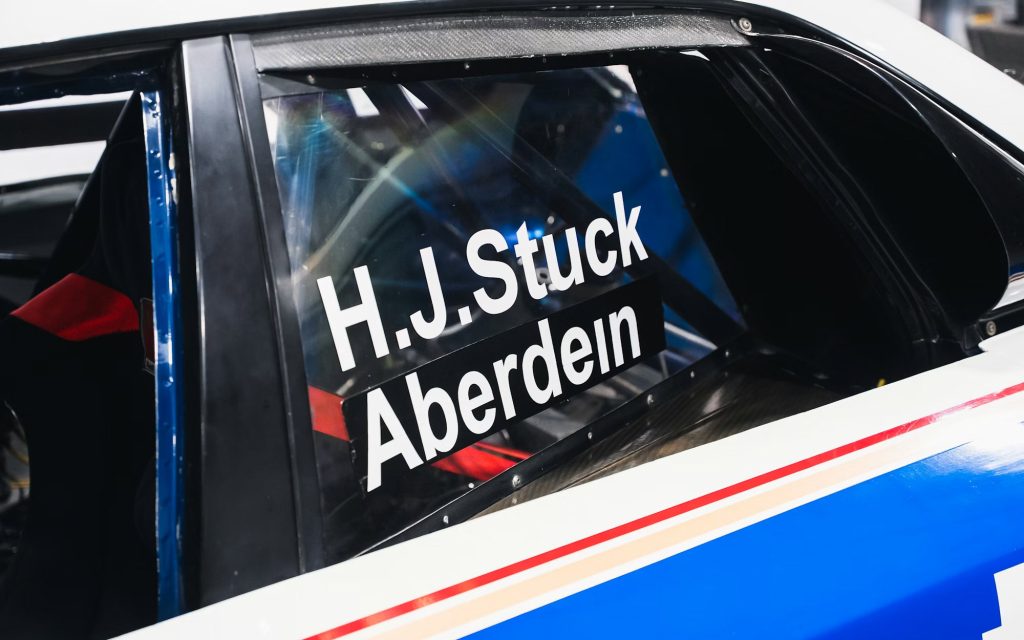
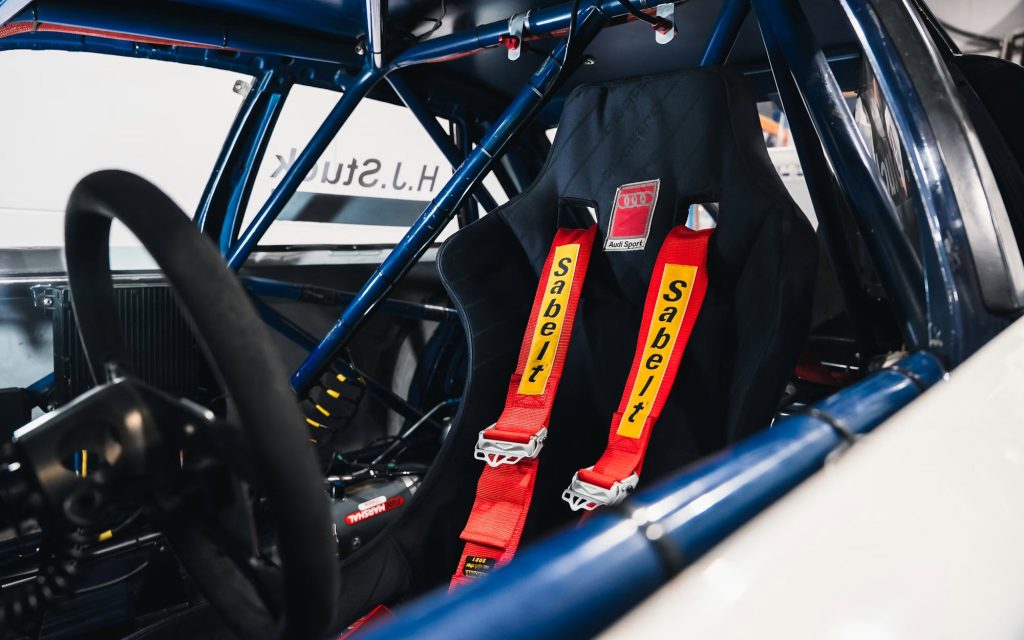
Chassis #001 debuted on October 3, 1992 at Killarney in Cape Town. Factory Audi Sport driver Hans-Joachim Stuck was flown in for the occasion. With Stuck, Audi Sport South Africa couldn’t have had a better pilot. The German driver had more experience in both the 200 Trans-Am, the 90 IMSA GTO and the V8 DTM. To say he was intimately familiar with the hardware would be an understatement.
The car arrived in silver and red Audi Sport livery, visually echoing the V8 DTM cars Stuck had campaigned in Germany. He promptly won both races on debut.
By the season finale at Kyalami, both S4 GTOs appeared in Rothmans livery. The second car was driven by Terry Moss, while chassis #001 would become the long-term entrant of Christopher Aberdein.
CONTEXT AND SIGNIFICANCE ROTHMANS RACING LIVERY
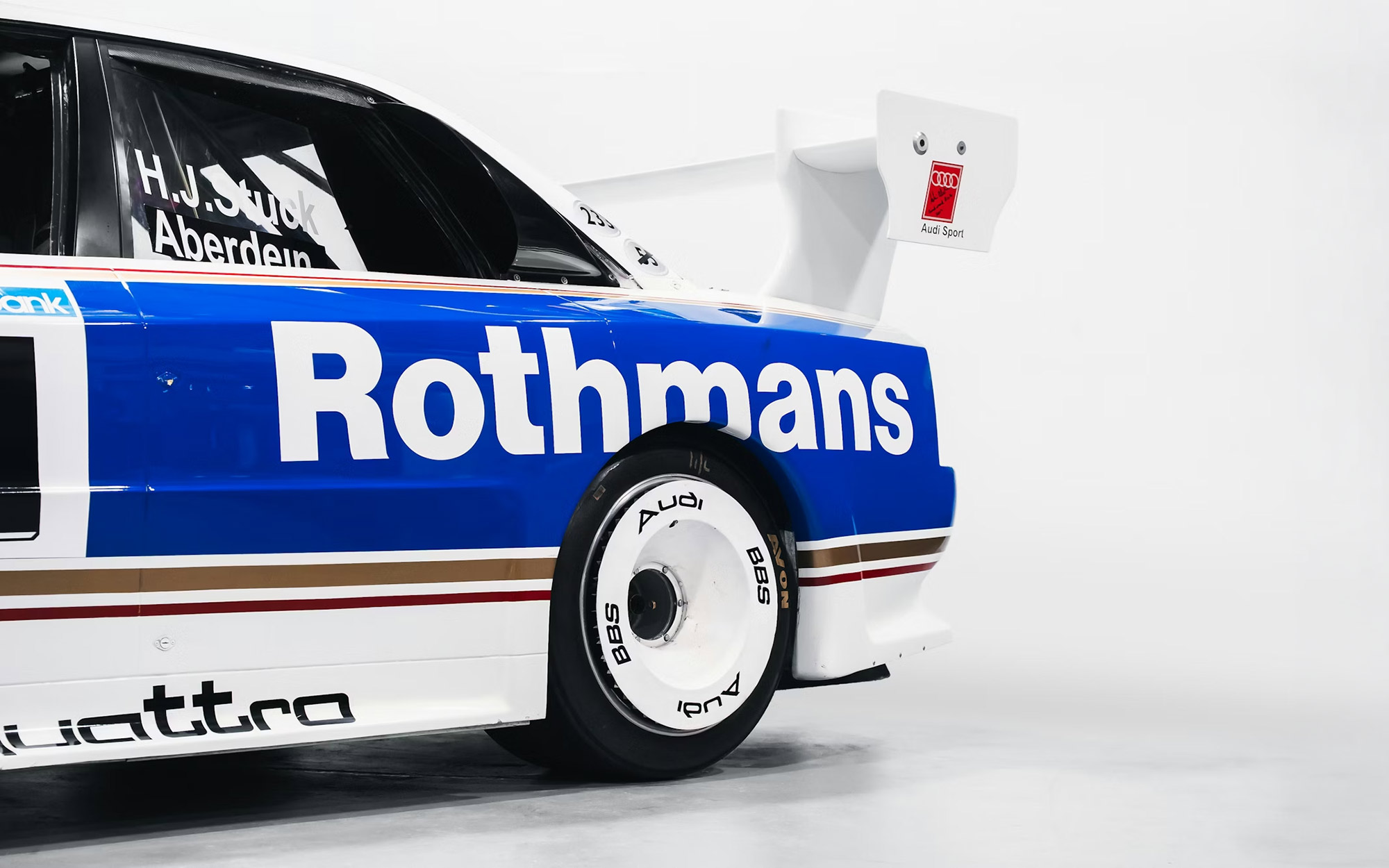
When the Audi S4 GTO appeared in Rothmans colors at the 1992 Kyalami season finale, it marked a significant cosmetic change. Audi Sport has a long and storied history of racing in its own factory colors, more often than not skipping the lucrative associated income in favor of strong and stand-alone Audi branding. Even still, there are brief exceptions over that same history, rare departures to sponsor-brand-dominated colors – HB (cigarettes) Audi Team, BP Racing on Michèle Mouton quattros, Marlboro liveries in the Côte d’Ivoire and a very few others.
For Audi Sport South Africa, the pairing was another tobacco tie-in representative of the era – Rothmans Racing, one of the most recognizable racing identities of the late 20th century.
Rothmans International became deeply embedded in global motorsport beginning in the 1970s, but its most iconic era came in the 1980s and early 1990s. The brand’s white, navy and gold striping became synonymous with factory-backed efforts that combined technical sophistication with disciplined presentation. Among the most famous examples:
• Porsche 956 and 962 Group C prototypes in the World Endurance Championship and the 24 Hours of Le Mans
• Porsche 959 Paris–Dakar rally cars
• Williams Formula 1 cars of the mid-1990s
• Various touring and national-level programs under regional Rothmans subsidiaries
The livery typically featured a predominantly white base, dark blue primary banding and fine gold accent striping — a scheme that balanced corporate identity with high visibility on track. It photographed exceptionally well and became instantly recognizable in an era when tobacco sponsorship dominated top-level motorsport.
In South Africa, Rothmans sponsorship extended into the Wesbank Modifieds championship. When the two Audi S4 GTOs adopted Rothmans liveries for the Kyalami finale in 1992, it marked a commercial alignment and an upgrade in perception. The cars already carried factory DNA from Audi Sport Germany, with IMSA-derived five-cylinder turbo power and DTM-derived chassis engineering. The Rothmans scheme visually elevated them into the same corporate aesthetic lineage as Porsche’s Group C dominance and Williams’ Formula 1 efforts.
By the early 1990s, global tobacco sponsorship was nearing its regulatory peak before mounting legislative restrictions began phasing such branding out of many series. Remember those bar code Marlboro F1 liveries? Tobacco would eventually be pressured out of its racing patronage, bringing an end to some of the most iconic legacies in racing liveries. As a result, the RothmansAudi S4 GTO sits squarely in the final high-water mark of tobacco-branded factory programs.
On the S4 GTO specifically, the Rothmans scheme transformed the car from a silver-and-red Audi Sport debut machine into a fully commercial-backed silhouette contender. It underscored Audi Sport South Africa’s ambitions within the Wesbank Modifieds and visually linked the program to international top-tier competition.
Today, that livery remains on the car and is part of its identity. For many period photographs and archival appearances, the Rothmans colors are how enthusiasts remember the S4 GTO — especially at Kyalami and in subsequent historic demonstrations such as Goodwood Festival of Speed appearances.
In historical terms, the Rothmans branding does more than decorate the car. It situates chassis #001 within a broader era when tobacco sponsorship underwrote some of the most technologically ambitious racing programs in the world.
CHASSIS #001 YEAR-BY-YEAR TIMELINE
• 1992 – Debut at Killarney. Stuck wins both races. Also competes at Kyalami finale.
• 1993 – Full season with Christopher Aberdein. Finishes runner-up in the championship, narrowly beaten by teammate Moss.
• 1994 – Audis heavily handicapped by rule changes. Aberdein finishes fourth overall but wins the final two races of the Wesbank Modifieds era at Killarney, leading Audi 1–2 finishes.
• 1995 – Series switches to V8 formula. Car sold into private ownership in South Africa.
• 1995–2000 – Owned by Ashley Landman in Cape Town. Displayed in his showroom, raced occasionally in regional events.
• 2000–2016 – Acquired by Steve Zlotkin of Eurospec Sport in California. Participated in Audi Club North America track events at Laguna Seca and Sears Point.
• 2016 – Purchased by John Hanlon of Hansport UK following Zlotkin’s passing. Thoroughly inspected and rebuilt.
• July 16–17, 2016 – Shelsley Walsh Hill Climb: Stuck reunited with chassis #001 nearly 24 years after its debut wins.
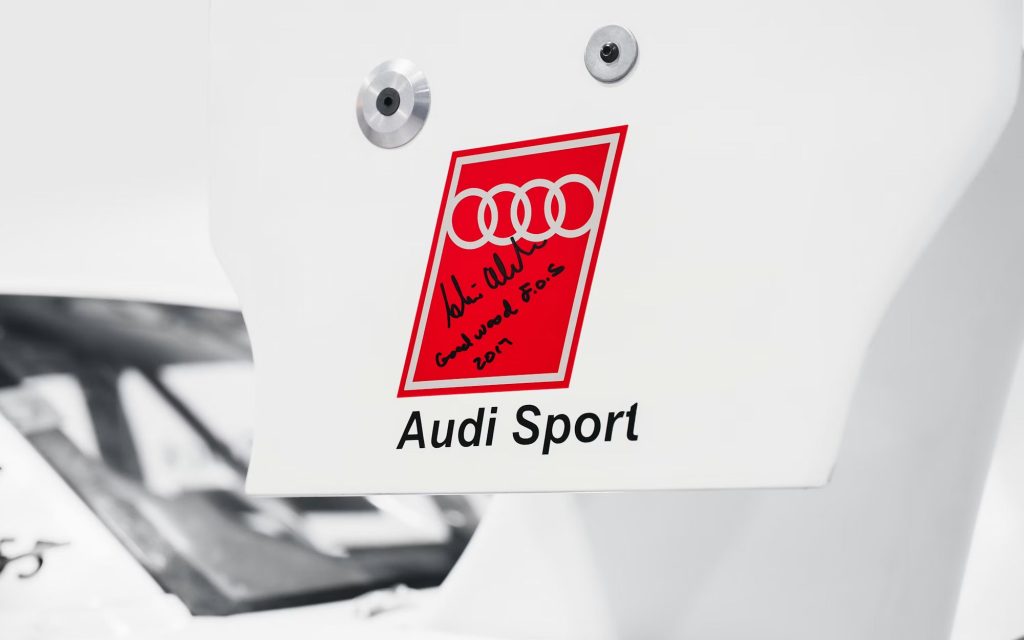
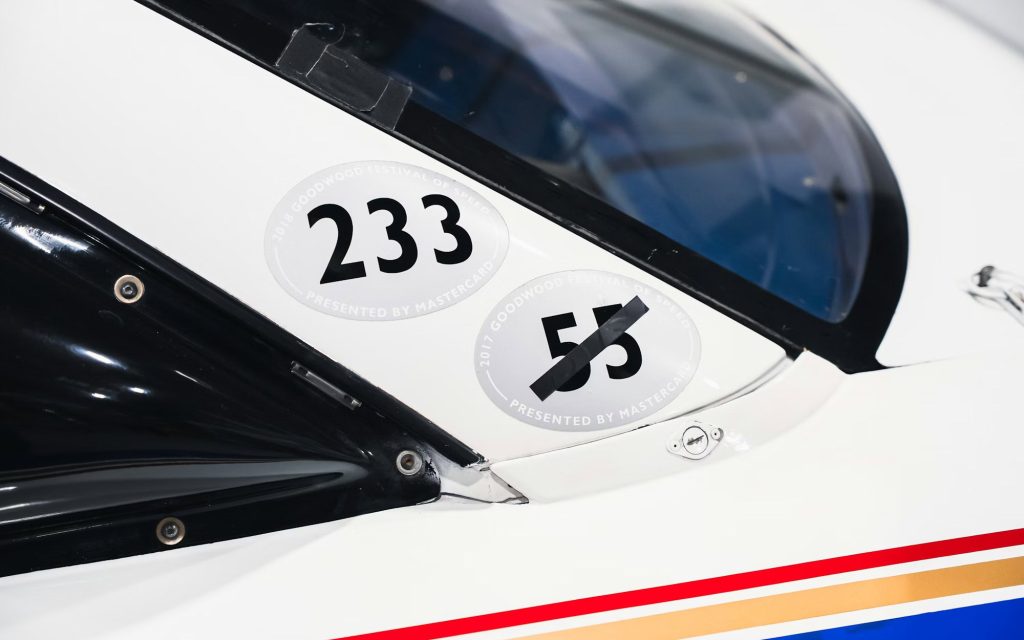
• 2017 & 2018 – Goodwood Festival of Speed appearances, driven by Christopher Aberdein.
• 2025 – Thoroughly stripped, inspected and prepared after time in storage.
Today it resides in the UK.
TECHNICAL SPECIFICATION
Build year: 1992
Configuration: Front-engine, 4-door saloon
Engine: Turbocharged inline five-cylinder
Valvetrain: 4 valves per cylinder
Displacement: 2110 / 2190 / 2196 cc variants
Bore x stroke: 81 mm x 85 mm
Power: 400 kW (approx. 536 hp) at 7400 rpm
Torque: 580 Nm at 6600 rpm
Clutch: Twin dry plate
Drivetrain: Permanent quattro all-wheel drive
Transmission: 6-speed manual
Brakes: 335 mm x 32 mm ventilated discs front and rear
Suspension: MacPherson strut front, trapezium arm rear
Weight: 1,120 kg
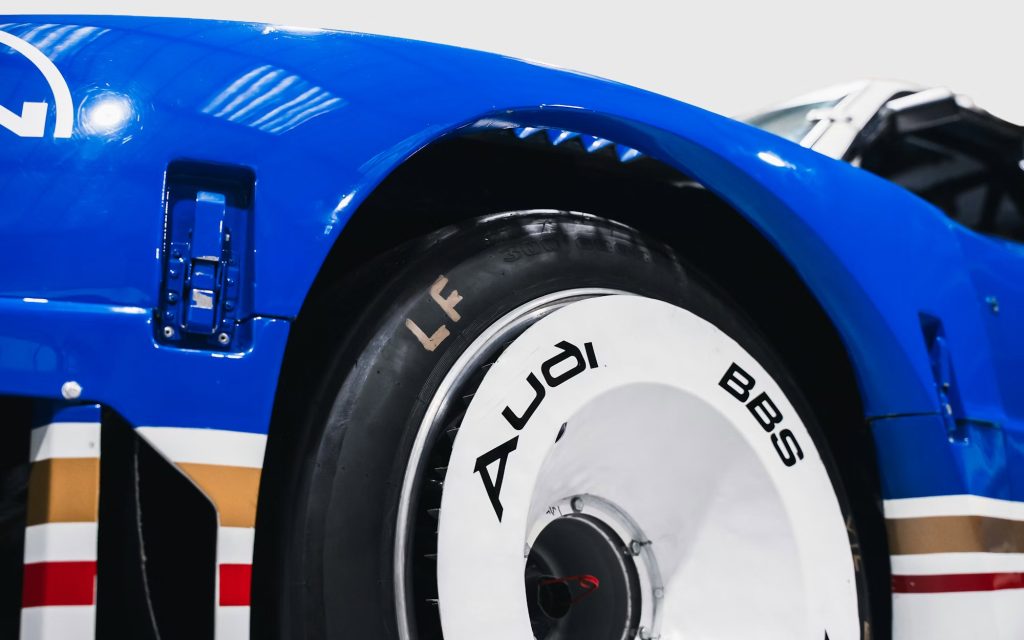
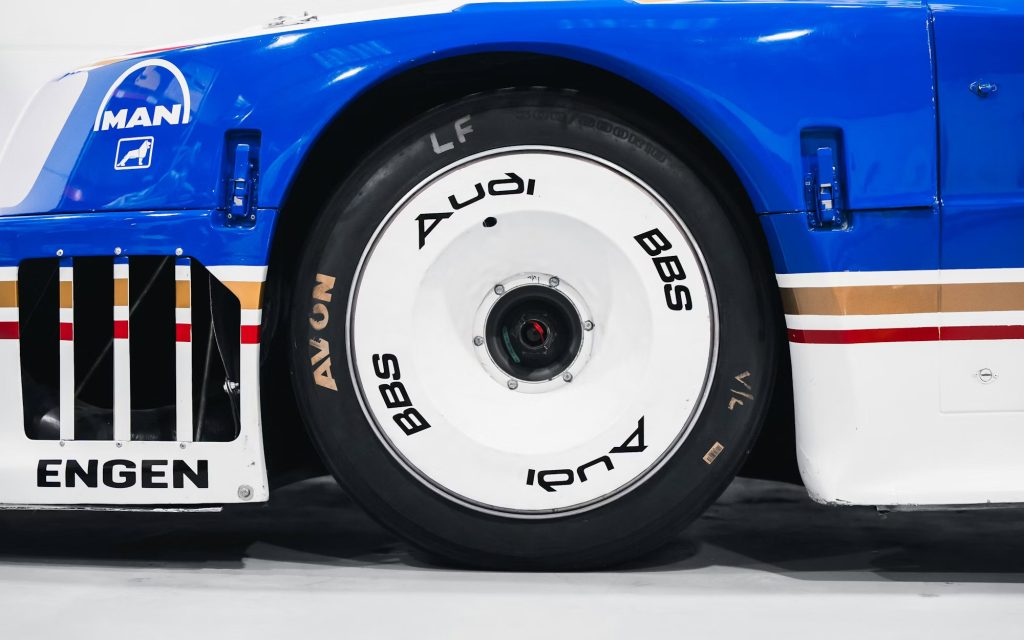
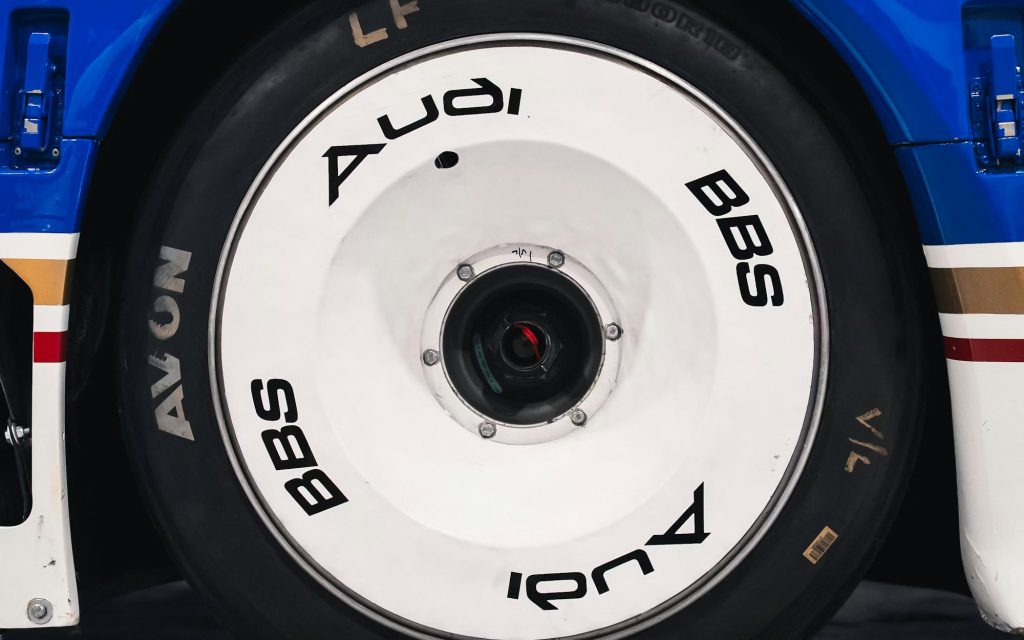
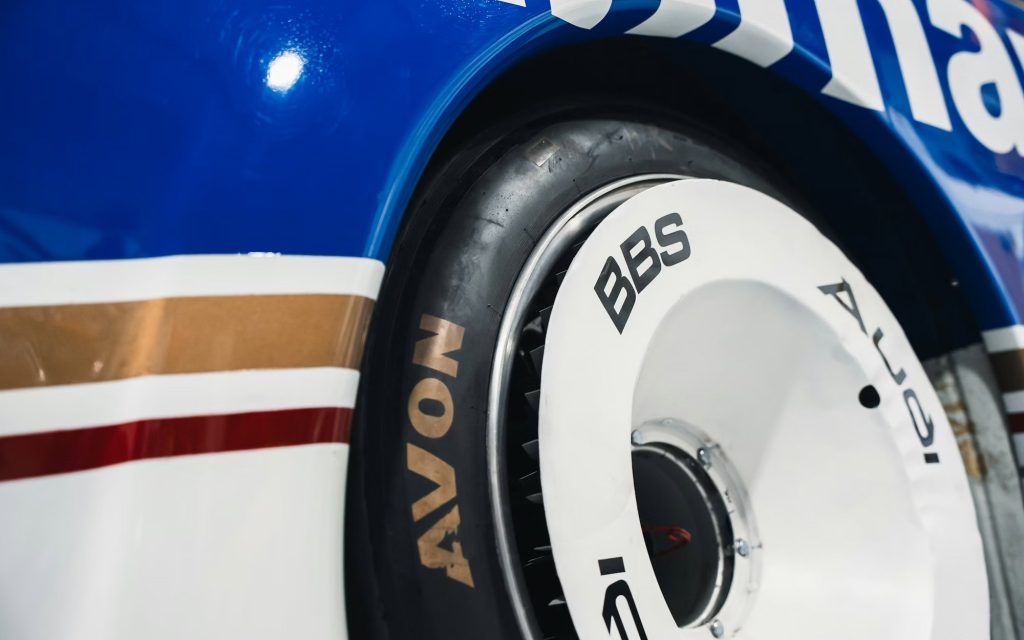
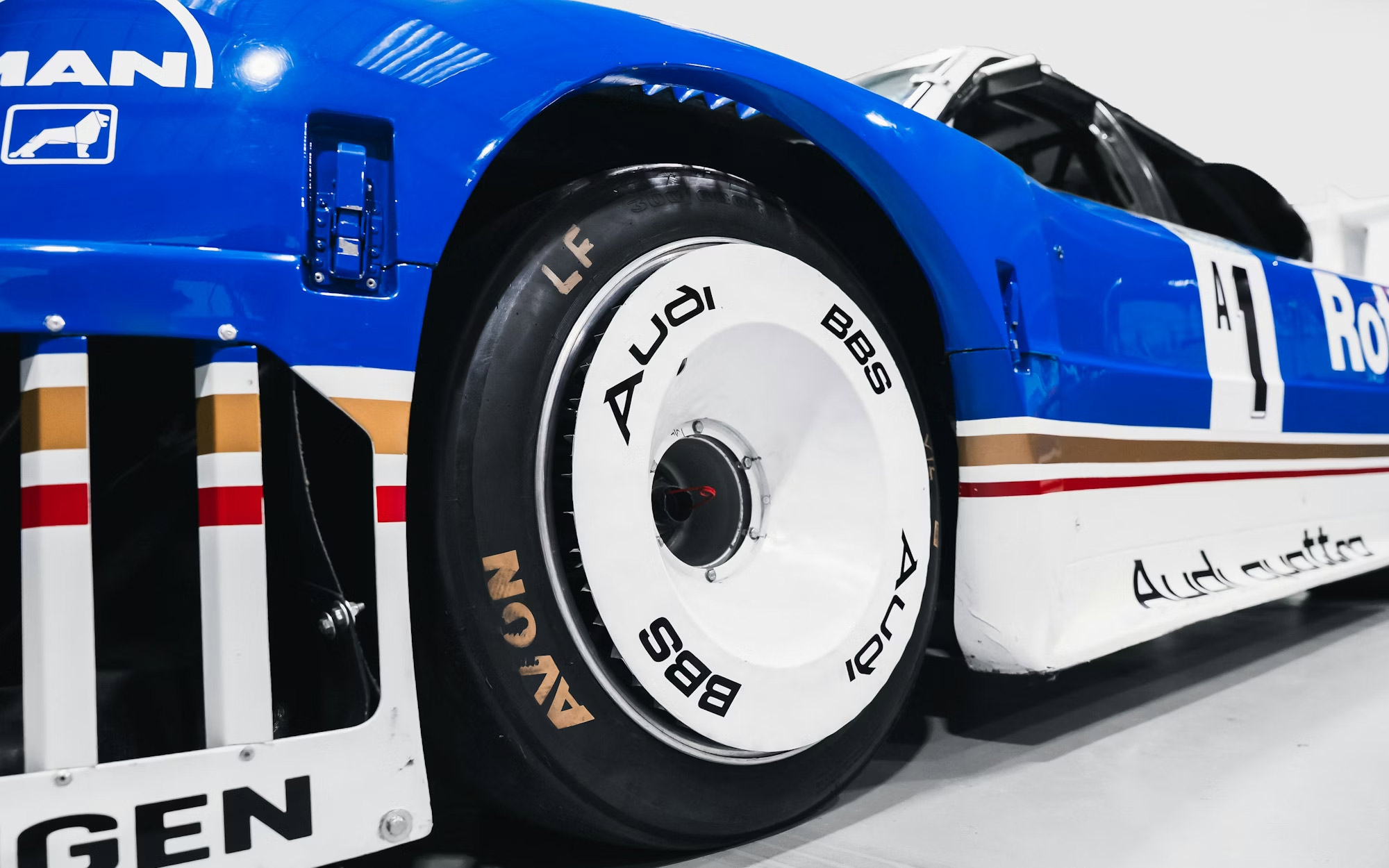
Wheels: 12.5 x 18 BBS/Mahle
Tires: Dunlop 315/655/18
ALSO INCLUDES SPARES AND DOCUMENTATION PACKAGE
Included is a significant Audi Sport documentation archive:
• Build manual with schematics
• Parts inventory with diagrams and part numbers
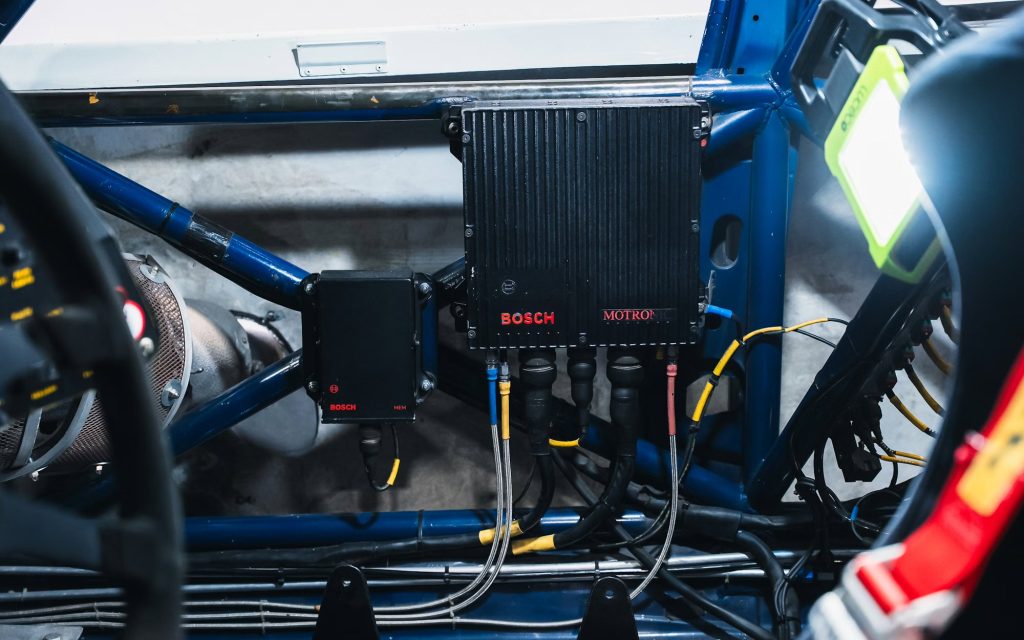
• Wiring diagrams
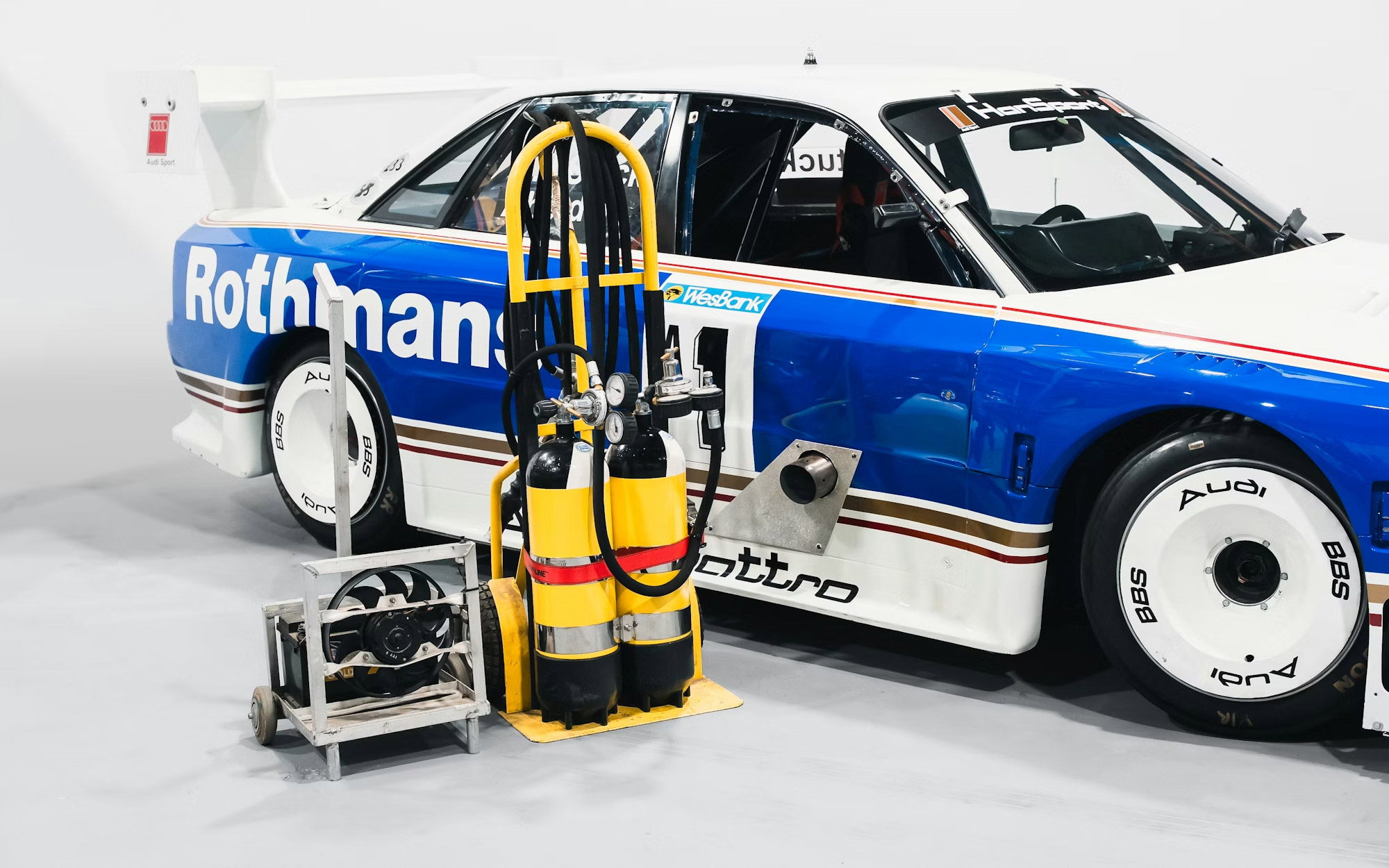
Tools and equipment:
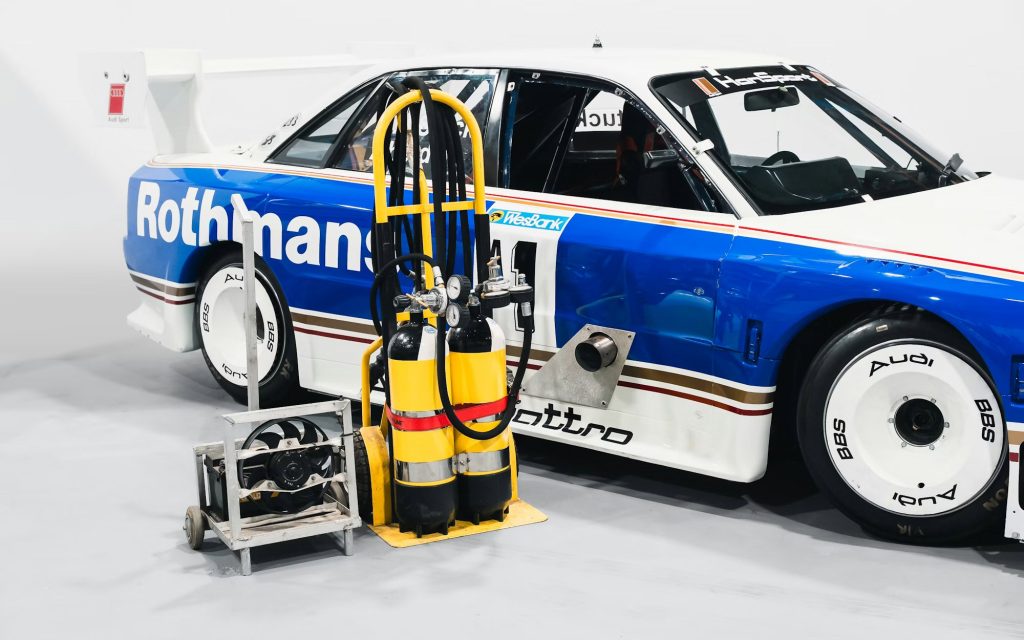
• Air jack trolley with bottles
• Air guns and sockets
• Pressure regulators
• Quick-release valve
• Cooling fan trolley
• Elephant feet air jack stands and extensions
Wheels and tires:
• Set of 18-inch BBS magnesium center-lock wheels fitted with unused Avon wets
Body components:
• Spare front bumper
• Screens
• Two original narrow-type rear spoilers
• Spare rear lights
Engine and drivetrain spares include oil filters for the dry sump system, spark plugs, ignition components, sensors, alternator, battery, belts, radiator, turbo intercooler, coolant and boost hoses, clutch plates, AP Racing cylinders, brake pads, discs, caliper seal kits, driveshafts, CV joints, dampers and more.
This is not simply a race car. It is an intact period works program with the paper trail and hardware to support it.
S4 GTO TAKEAWAY
Chassis #001 represents the convergence of three of Audi’s most significant competition programs:
• IMSA GTO five-cylinder turbo technology
• DTM-derived suspension and chassis engineering
• South Africa’s wild silhouette Wesbank era
In as much, the S4 GTO doesn’t really fit into Audi Sport’s R era of competition cars. In some ways it is part 90 IMSA GTO (R5) and V8 DTM (R6), and yet it is neither. What it is is unique, and also a significant and drivable piece of Audi Sport competition history.
Only two were built. This is the first.
For ooooIYKYK readers, this is one of those cars that sits slightly outside mainstream Audi history yet defines the brand’s global motorsport reach. It is loud, overpowered, politically handicapped, briefly dominant and now preserved.
And yes — it still sounds like an IMSA car.
PHOTO GALLERY