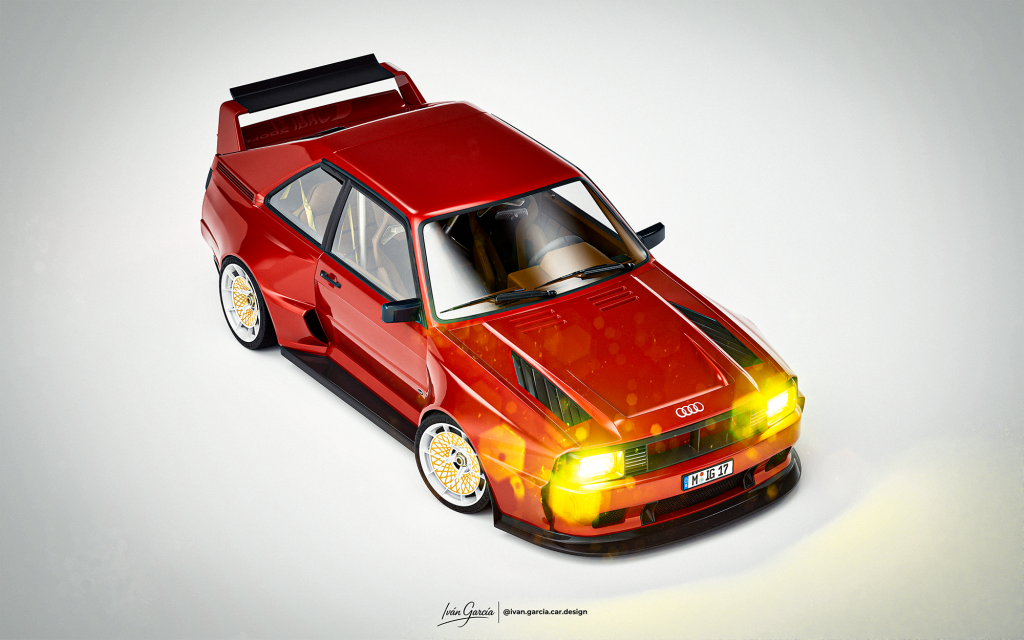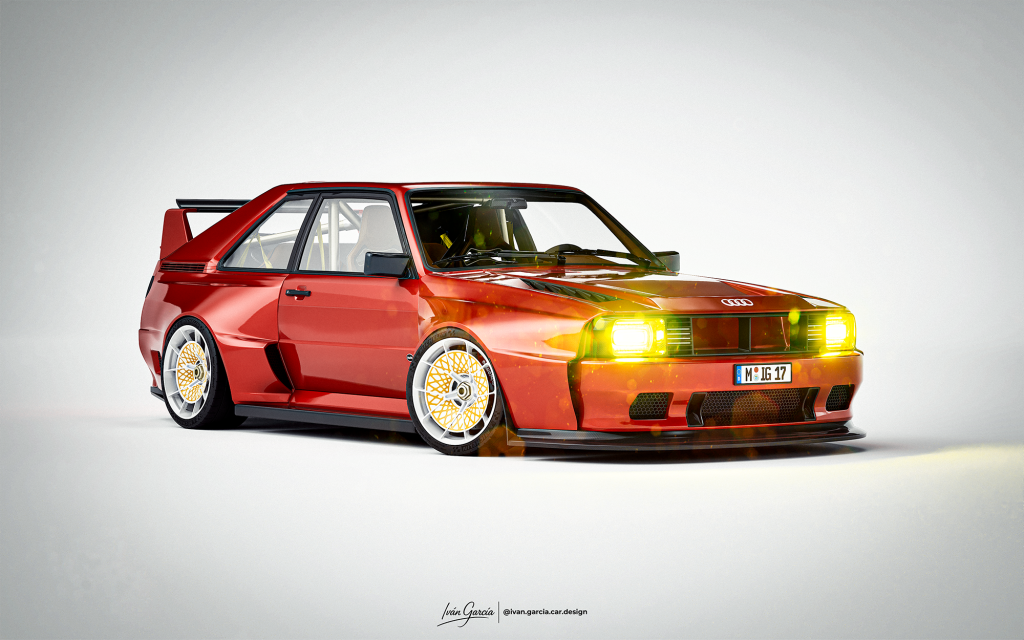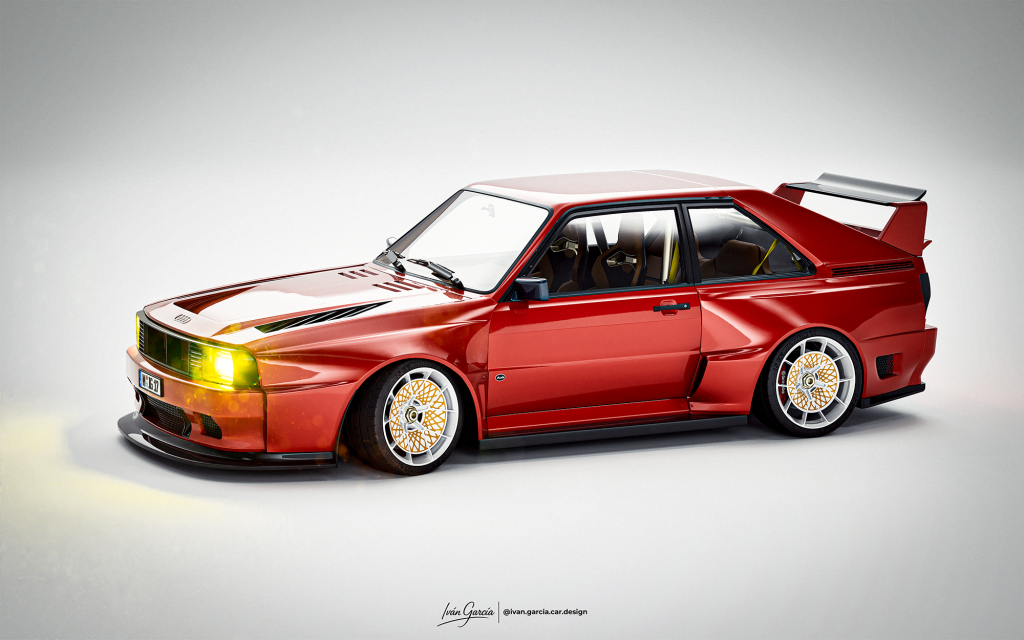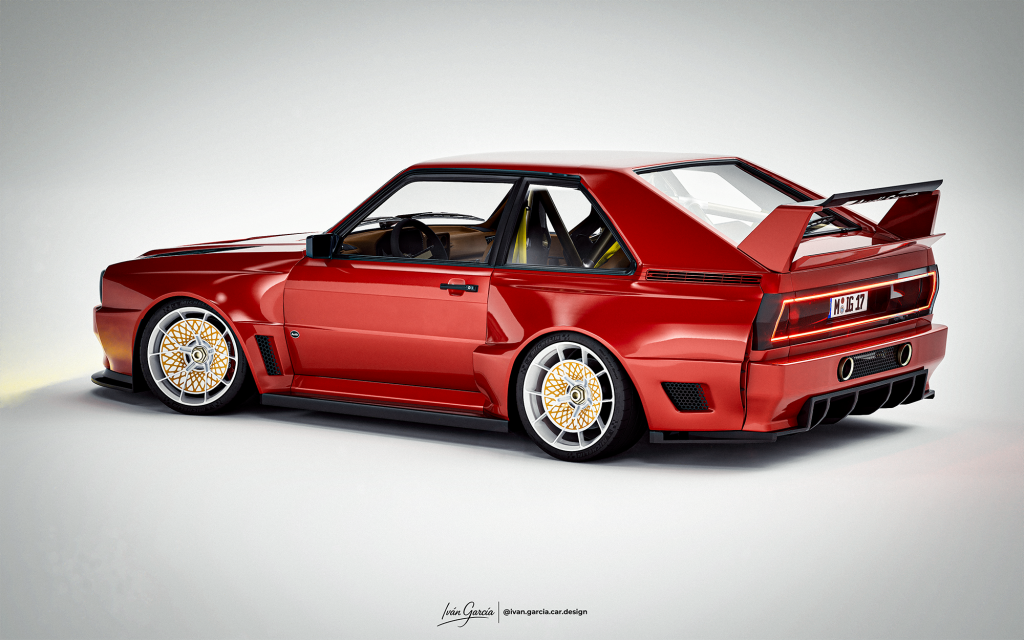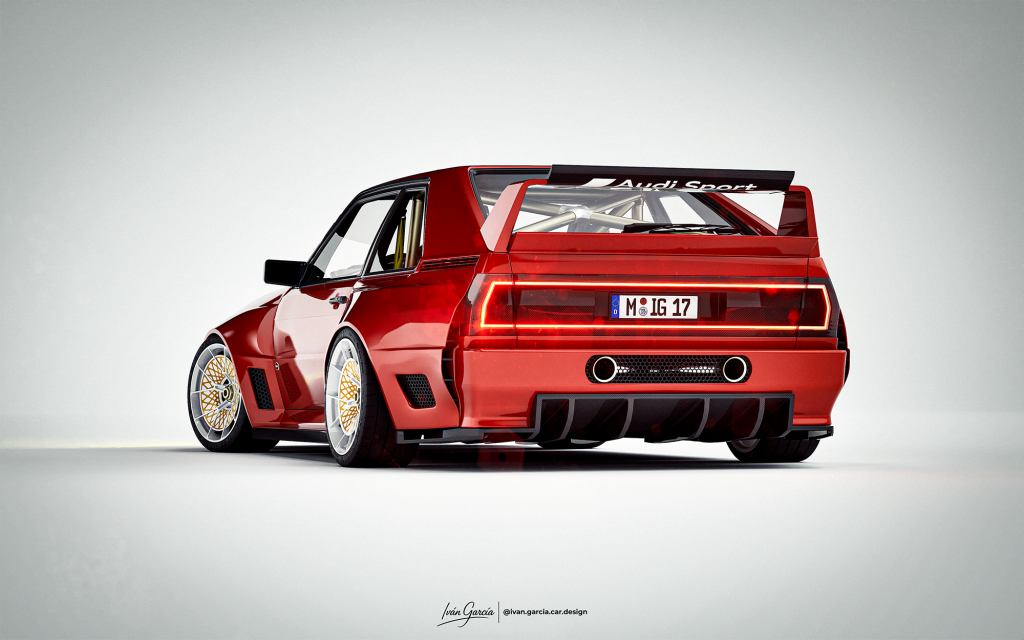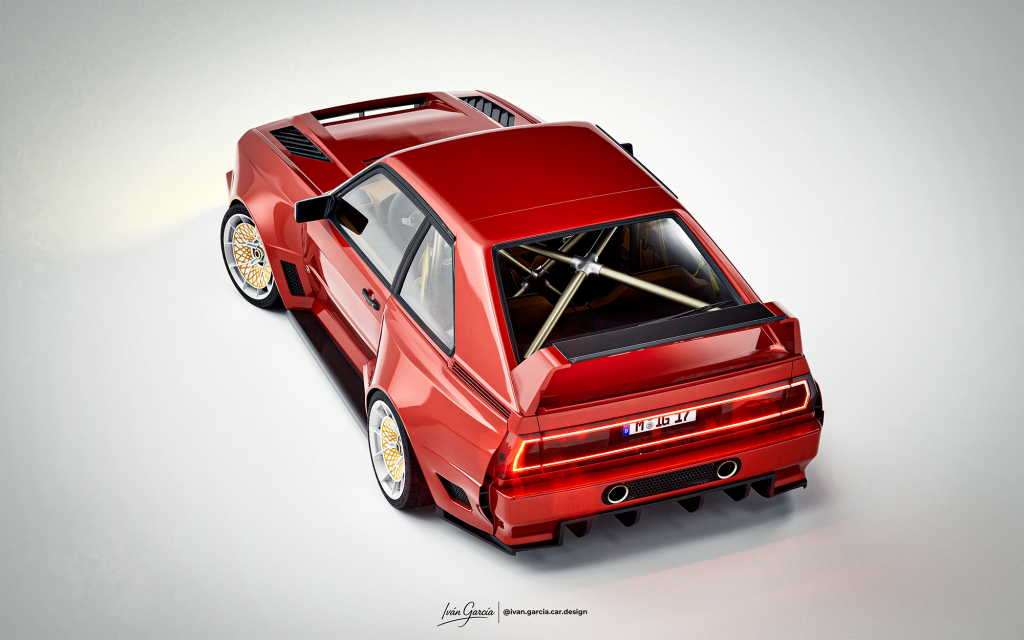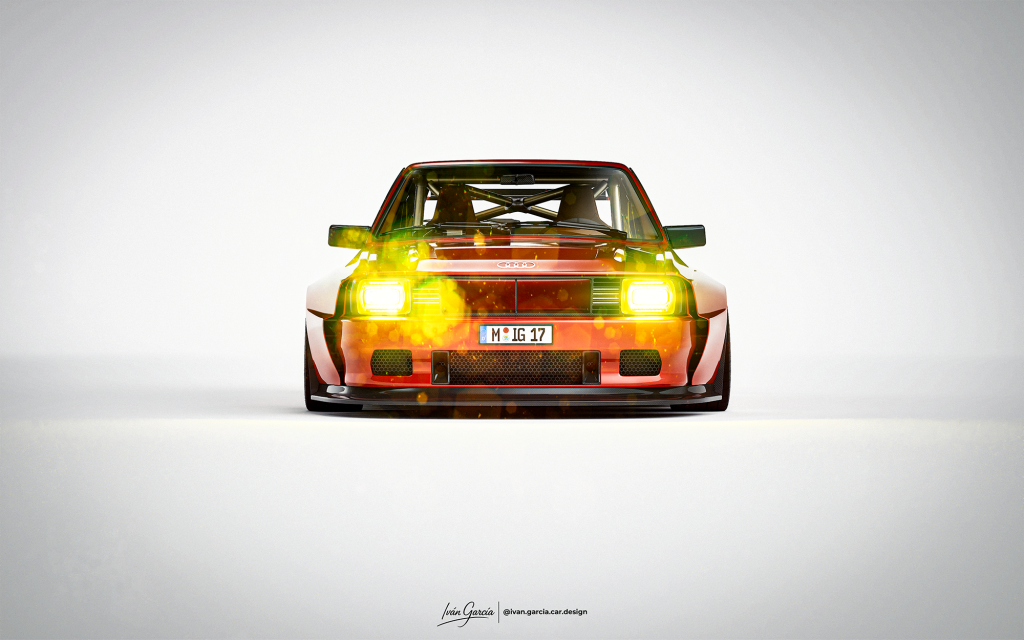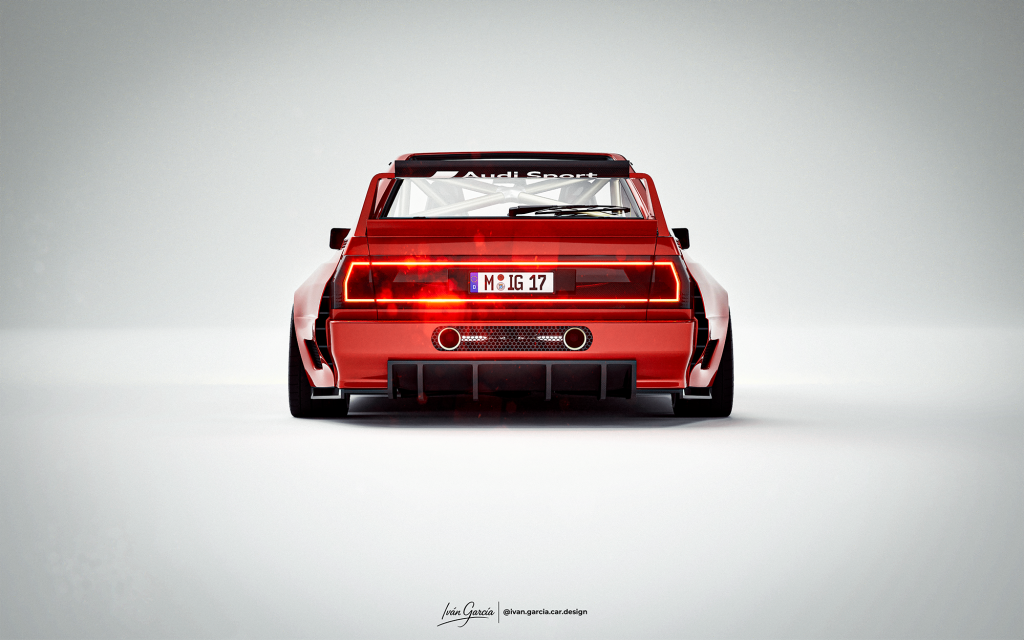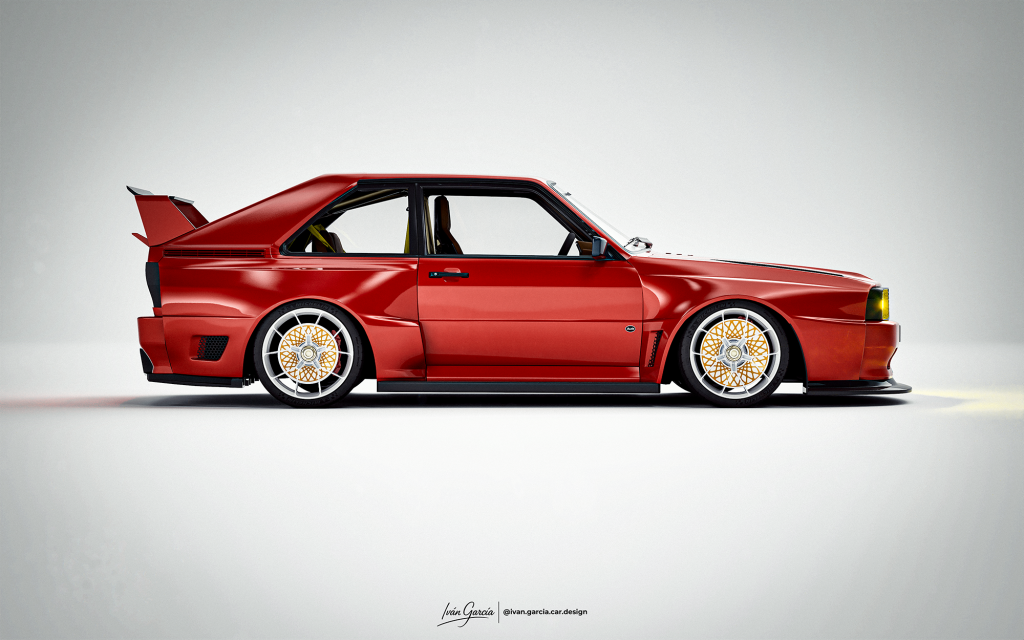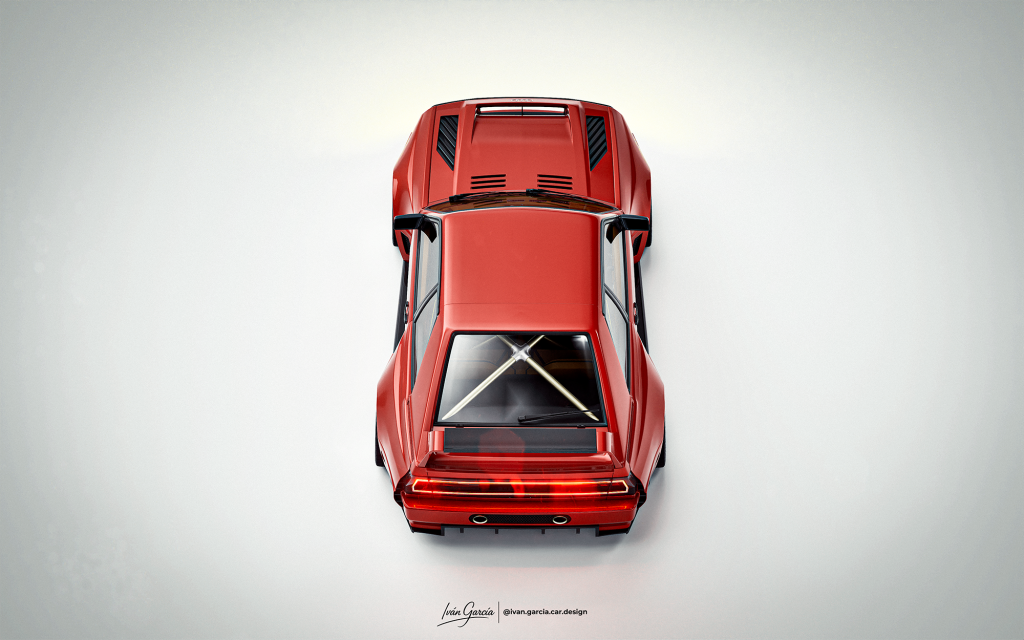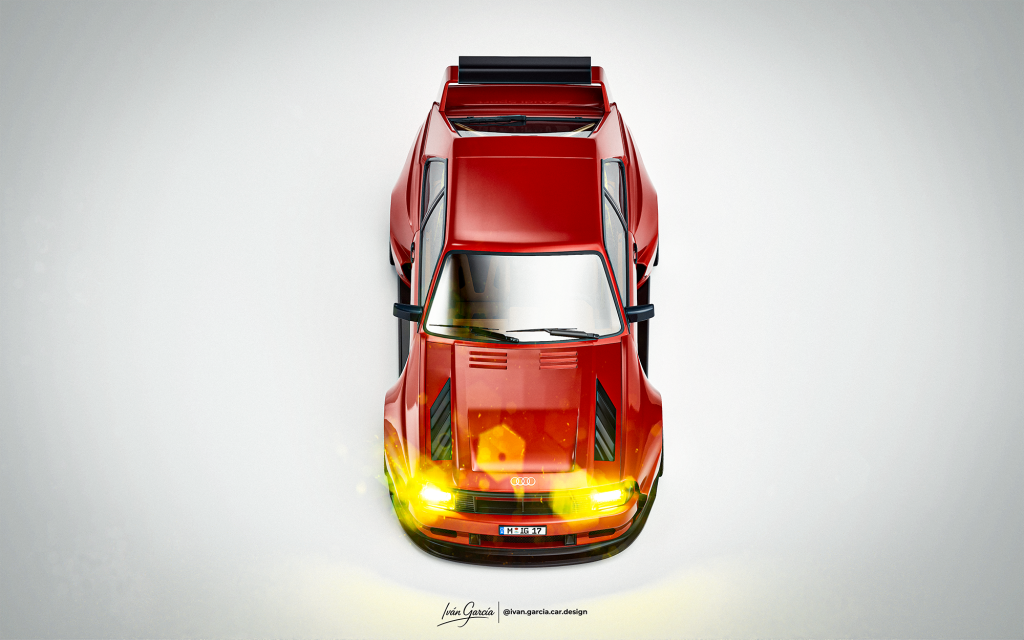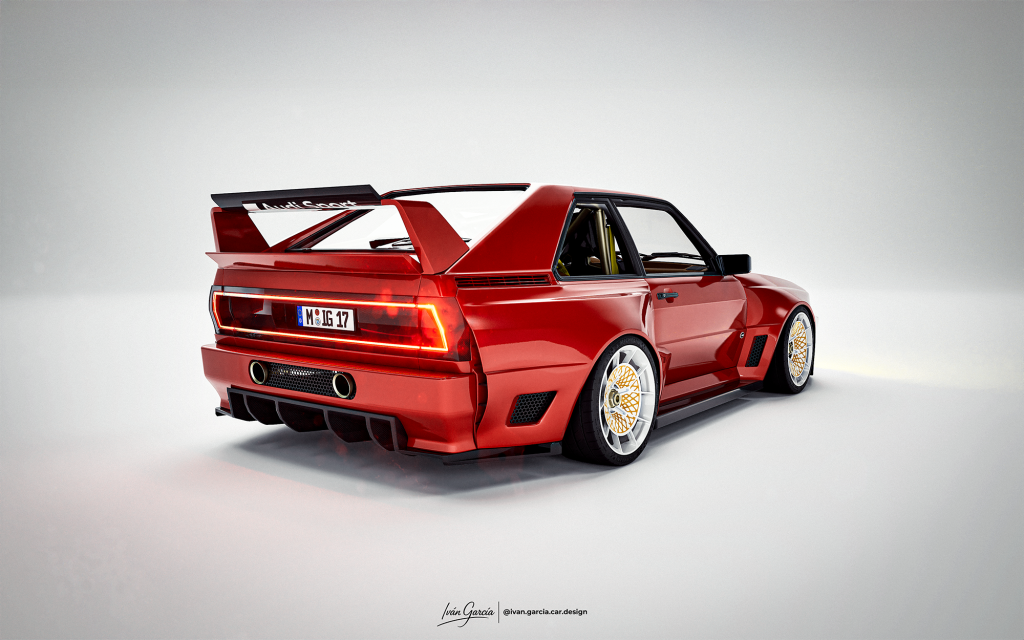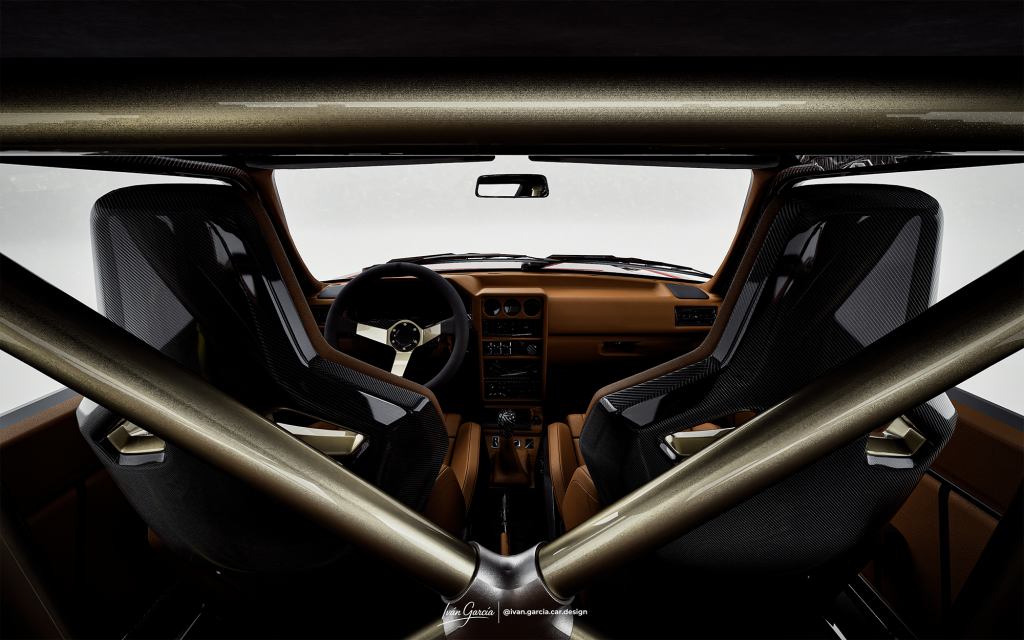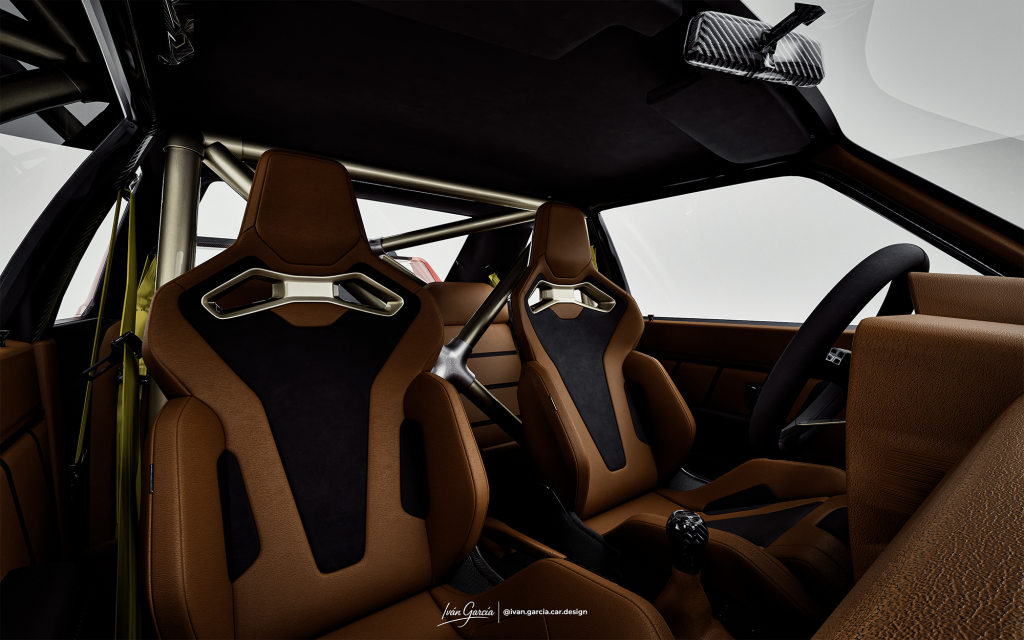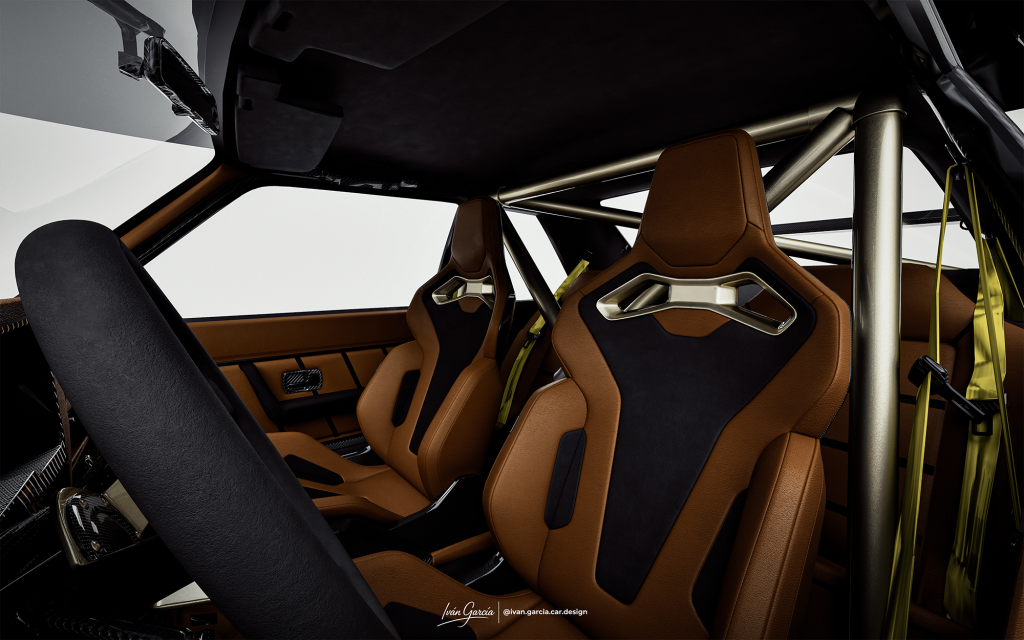


In the last few years, the automotive world has seen an unmistakable surge in “remaster” projects, with small, laser-focused teams reimagining classic machines that integrate modern engineering. It’s a movement driven as much by cultural shift as by nostalgia, a response to a new-car landscape dominated by digital interfaces and the steady disappearance of analog driving feel. As manufacturers chase refinement and autonomy, a growing class of creators is pushing back, reviving the sensations and mechanical purity that once defined performance cars. This is the environment into which an envisioned Sport quattro redux known as the Type 859 is emerging.
In a decade defined by digital dashboards and the slow shift to appliancification of transportation, a designer in Germany is working on something that feels almost rebellious. Iván García, a Spanish-born automotive designer now based solidly in Germany’s performance-car culture, is developing a modern reinterpretation of one of the most revered creations, the Group B homologation special that exemplified quattro at its peak. His mission is seemingly contrarian to OEMS and entirely in line with the world of the remastering greats: revive analog at a time when the industry in many ways seems intent on erasing it.
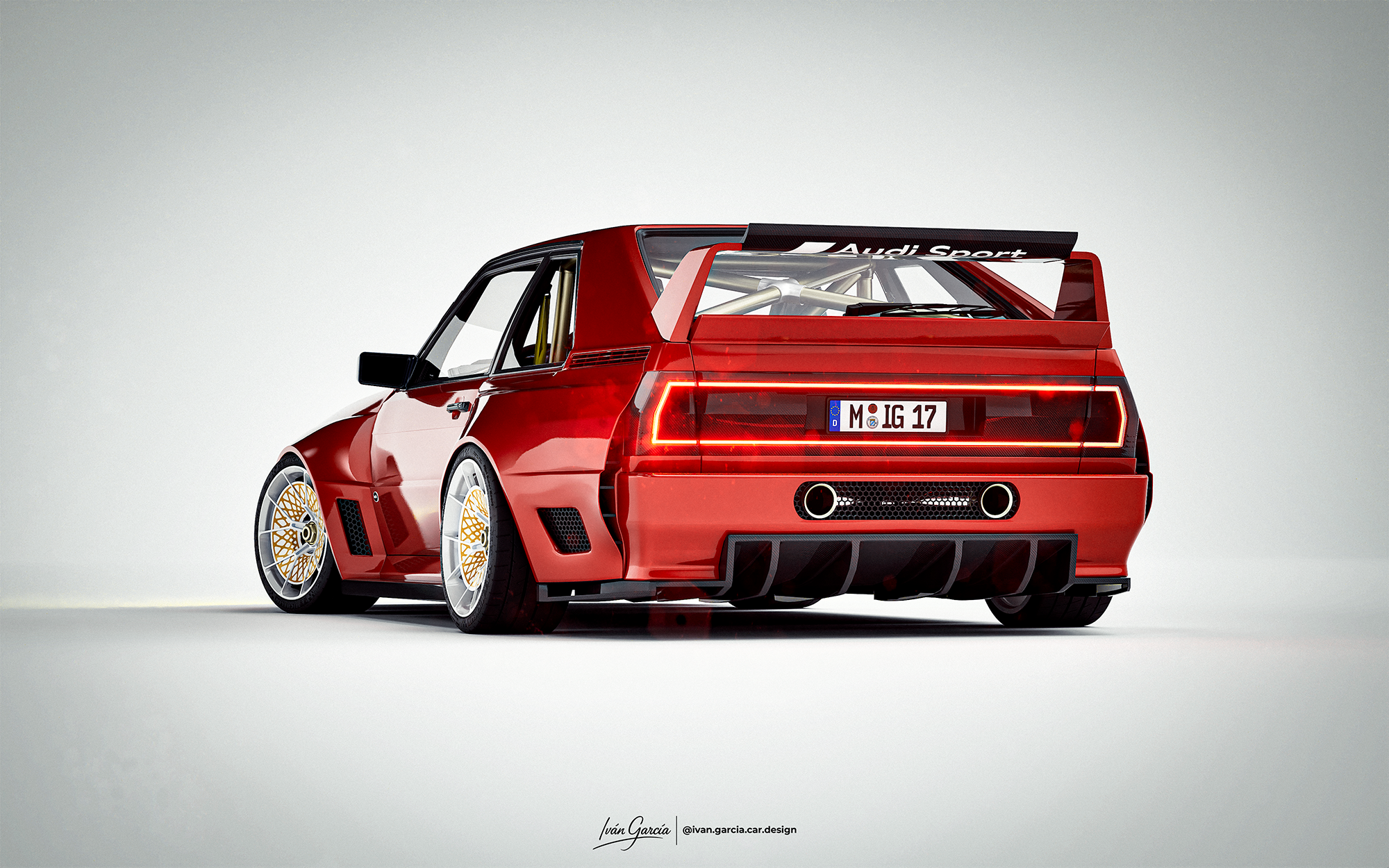
García’s project, called Type 859, aims to rebuild that relationship from the ground up. His Type 859 isn’t a replica and it isn’t a nostalgia exercise. García describes it as a “re-evolution,” a car shaped by contemporary engineering but grounded in the ethos of its Group B forebear. A full carbon-fiber body echoes the silhouette of the iconic short-wheelbase homologation model that inspired it. Beneath that, a reengineered chassis promises rigidity, safety, and precision far beyond what was possible in the 1980s.
Power comes from a turbocharged 2.5-liter five-cylinder delivering more than 500 horsepower, paired with either a manual or a motorsport-grade sequential gearbox. A targeted dry weight under 1,200 kilograms gives the car the same kind of agility and purpose that defined the original. And inside, García has drawn a line: essential comfort like air conditioning stays, but unnecessary digital interfaces do not.
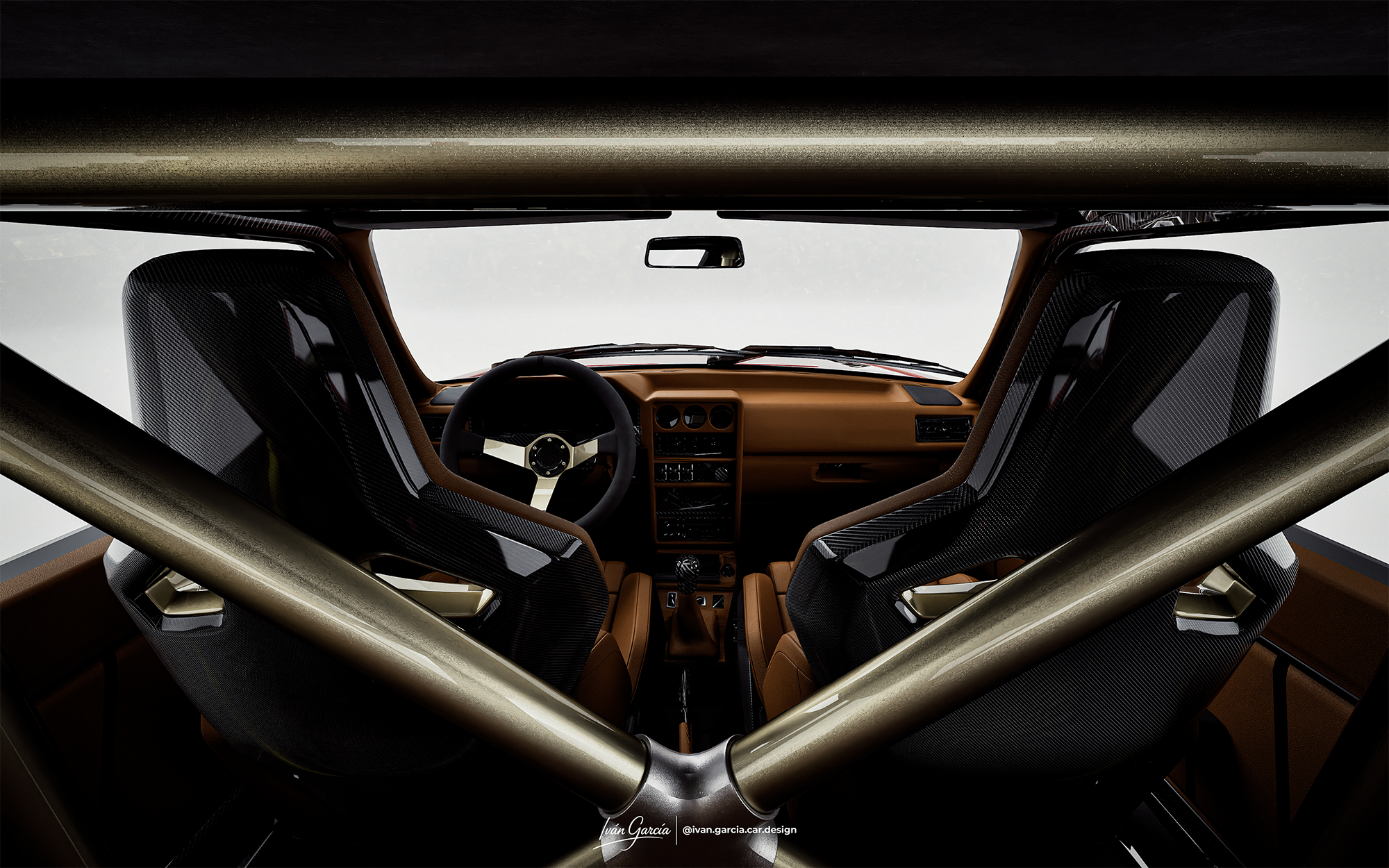
The timing for a machine like this seems appropriate. As mainstream new cars drift further from an analog past, a renewed fascination with motorsport history—especially the legendary and untamed Group B era—has created the right conditions for more and more entrepreneurs like García to contemplate their own reinterpretation. In his case, Iván plans a highly exclusive run of just 84 examples worldwide – ’84 also being the year the Sport quattro came to market.
For García, the Type 859 is reportedly just the beginning. His project is meant to mark the start of a longer-term vision (Rally, DTM, WTCC, GT, etc.): a return to driver-centric engineering, a reminder that emotion still has value, and a demonstration that analog isn’t a lost art.
More on that vision soon.
Follow Iván García on Instagram HERE.
PHOTO GALLERY