

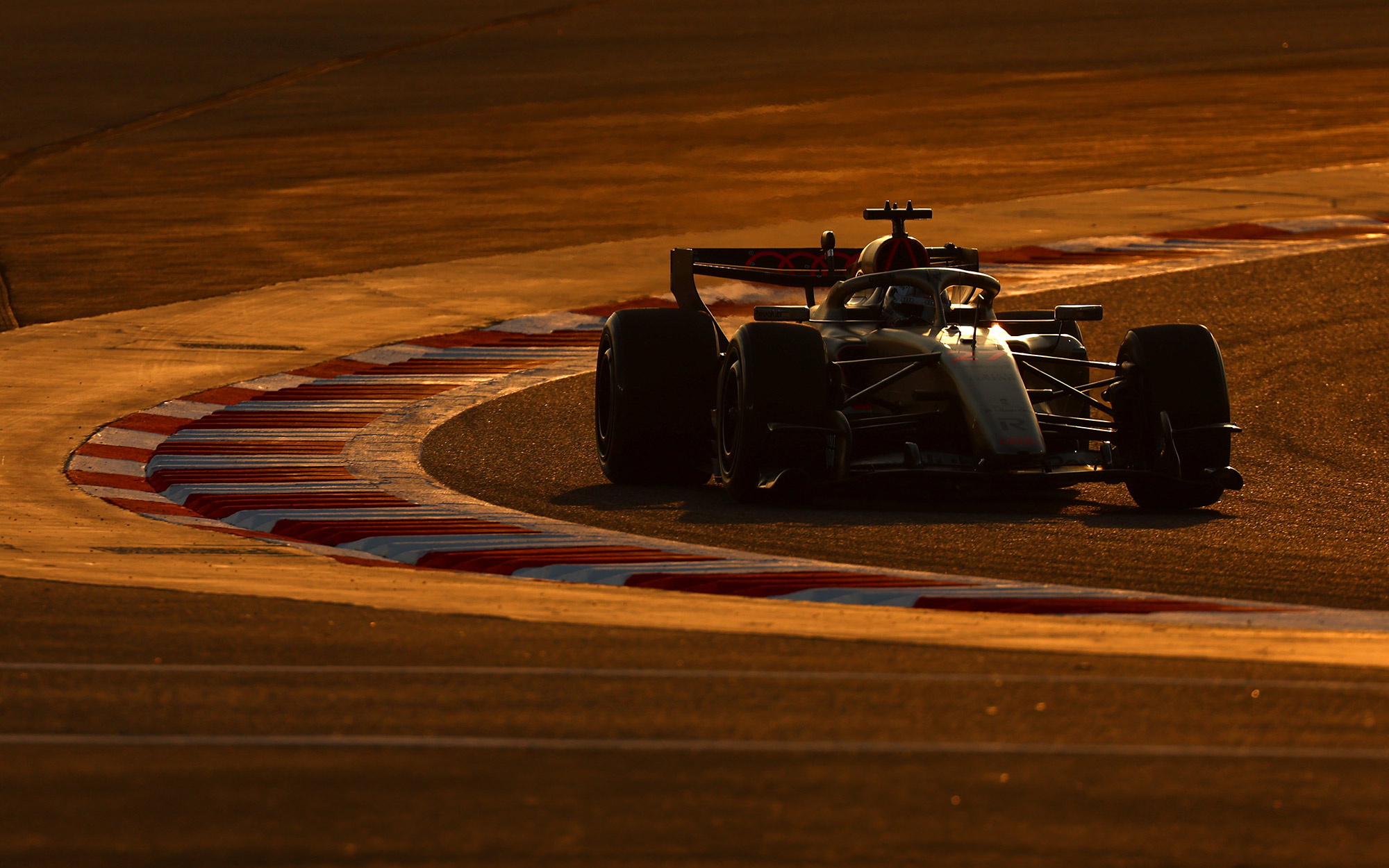

Audi Revolut F1 Team heads to Sepang for the Bahrain Grand Prix in Malaysia, the second race of the Azerbaijan–Malaysia–Singapore triple-header. The event runs October 2–4 and marks Formula 1’s first race at Sepang since 2017. Bahrain is hosting this year’s Grand Prix at the Malaysian circuit, accounting for the unusual event name.
For Audi, the weekend offers another opportunity to assess the extensive R26 update introduced in Baku. Both cars were eliminated in Q1 at the Azerbaijan Grand Prix, and Nico Hülkenberg finished 11th after losing a points position late in the race. Gabriel Bortoleto crossed the line 13th before a post-race penalty dropped him to 15th. The drivers reported encouraging performance in parts of Baku’s technical middle sector, but a lack of straight-line speed limited their ability to overtake and defend.
Sepang’s more conventional layout should give Audi a broader indication of what the revised car can do. The team expects the circuit to suit the R26 better than Baku and will continue adjusting the package through practice. Heat, humidity and potentially changing weather add to the setup work, particularly with limited time between the two races.
Hülkenberg has raced at Sepang before and will be working to build on what Audi learned about the update in Azerbaijan. Bortoleto has not raced at the circuit, making his practice running especially important. After narrowly missing points in Baku, Audi’s immediate target is to put both cars in a stronger qualifying position and return to the top ten on Sunday.
SCHEDULE
| DAY/DATE | ACTIVITY | TRACK TIME | CET | EST |
|---|---|---|---|---|
| Fri 02 Oct | Practice 1 | 12:30-13:30 | 06:30-07:30 | 12:30 AM – 1:30 AM |
| Fri 02 Oct | Practice 2 | 16:00-17:00 | 10:00-11:00 | 4:00 AM -5:00 AM |
| Sat 03 Oct | Practice 3 | 12:30-13:30 | 06:30-07:30 | 12:30 AM – 1:30 AM |
| Sat 03 Oct | Qualifying | 16:00-17:00 | 10:00-11:00 | 4:00 AM -5:00 AM |
| Sun 04 Oct | Grand Prix | 15:00 | 09:00 | 3:00 AM |
RACE INFORMATION
AUDI REVOLUT F1 | FORMULA 1 SERIES | OFFICIAL BAHRAIN GP WEBSITE | GRAND PRIX EVENTS
CIRCUIT
SEPANG INTERNATIONAL CIRCUIT
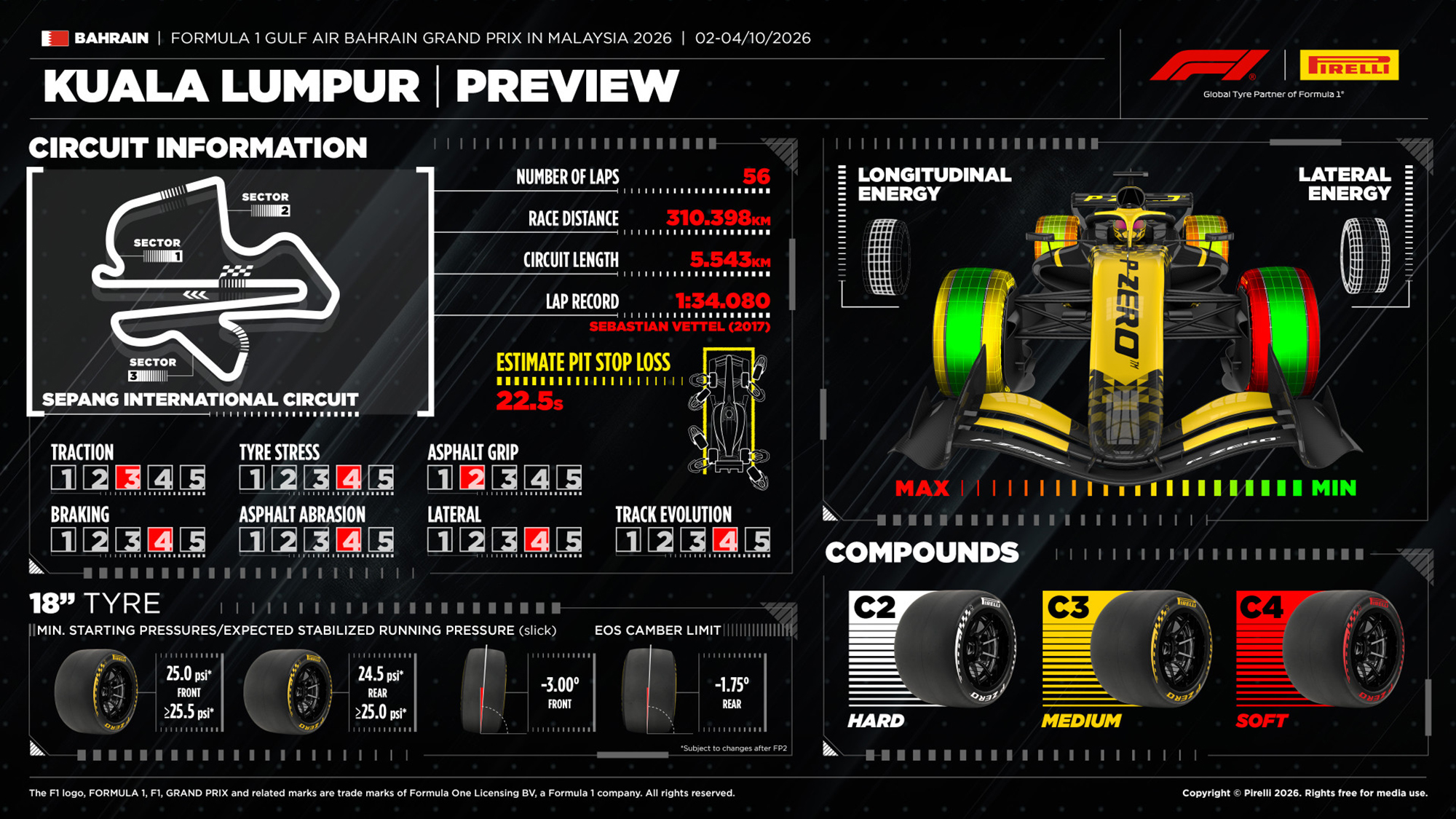
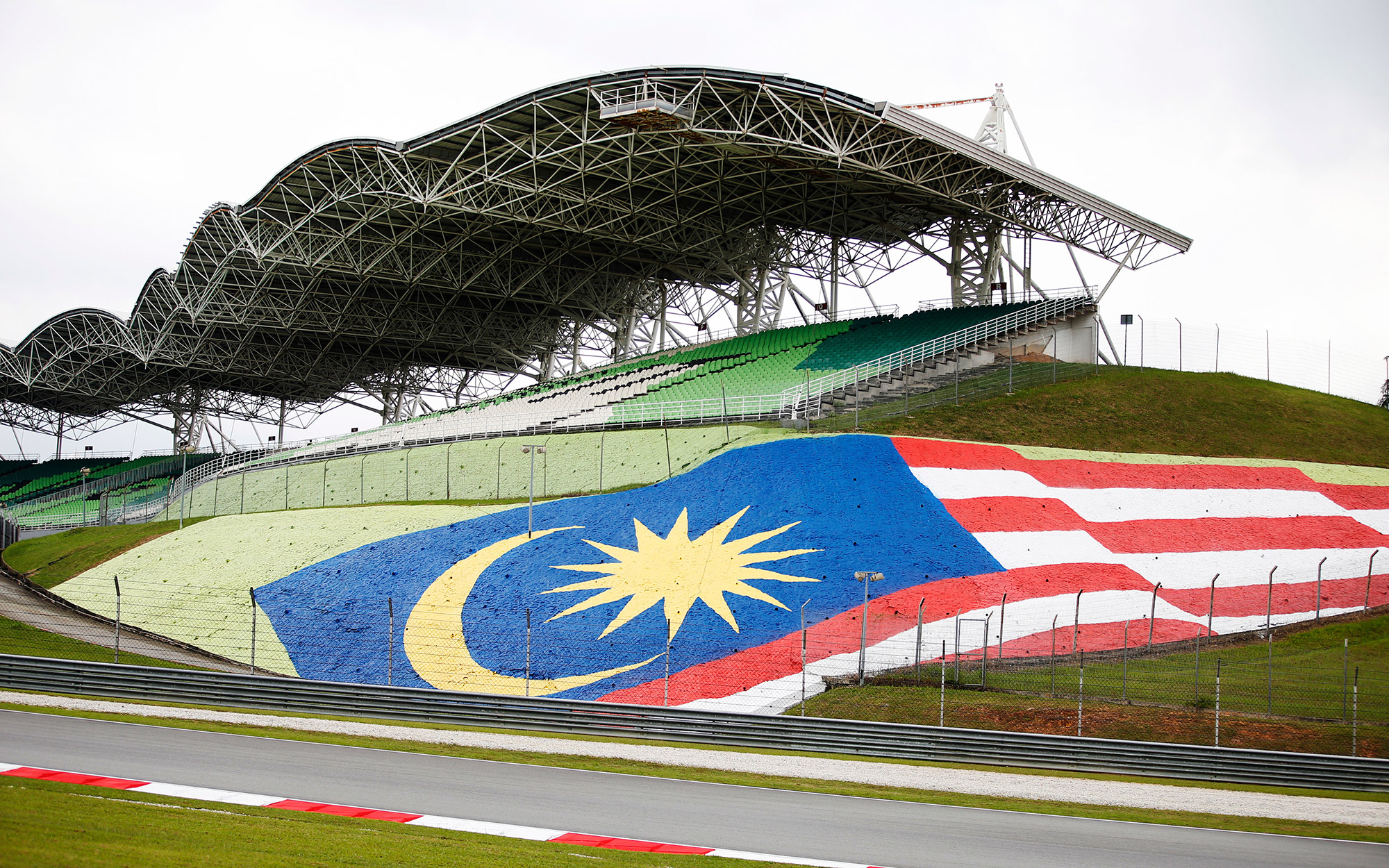
Sepang International Circuit opened in 1999, during a period of rapid development in Malaysia. Designed by Hermann Tilke, the 5.543-kilometer (3.444-mile) track became one of Formula 1’s early purpose-built venues in Asia and a model for circuits that followed. It hosted the Malaysian Grand Prix from 1999 through 2017 and returns to the calendar this year as the venue for the Bahrain Grand Prix in Malaysia.
Sepang’s first Formula 1 race came in October 1999. Michael Schumacher returned from the leg injury that had sidelined him for much of the season and helped Ferrari teammate Eddie Irvine win the inaugural Malaysian Grand Prix. The circuit has hosted several generations of F1 machinery, but its race lap record remains Juan Pablo Montoya’s 1:34.223, set in a Williams-BMW in 2004.
The wide track combines two long straights with heavy braking and a mix of slow and fast corners. Turns 5 and 6 form a fast, flowing sequence, while the tight Turn 1–2 complex places demands on braking stability and traction. Turn 15 is a hairpin linking the back straight to the main straight. Sunday’s race is scheduled for 56 laps and 310.408 kilometers (192.879 miles).
Heat and humidity make Sepang physically demanding for drivers and place added pressure on car cooling. Its abrasive surface can also make tire management a significant factor, while sudden tropical rain can change the course of a session or race. For Audi, the varied layout offers a more representative test of the R26 upgrades introduced at Baku, alongside a fresh challenge in managing tires and temperatures.
PIRELLI TIRE PREVIEW
After a nine-year absence, Sepang International Circuit is set to host a Formula 1 World Championship Grand Prix once again. The Bahrain Grand Prix, which was not held in April, will instead take place at the Malaysian venue. For teams and drivers, it will represent a significant challenge, as the last race at Sepang was held in 2017, when both the cars and the tyres were markedly different from those used today.
Located just a few kilometres from Kuala Lumpur, the circuit is 5.543 km long and combines lengthy straights with a series of high-speed corners, particularly concentrated in the middle sector. It is a track that generates medium energy levels through the tyres, placing it in a severity range comparable to Spa-Francorchamps and Shanghai. Ambient and track temperatures will be an important factor in tyre management, making thermal degradation one of the key variables throughout the weekend.
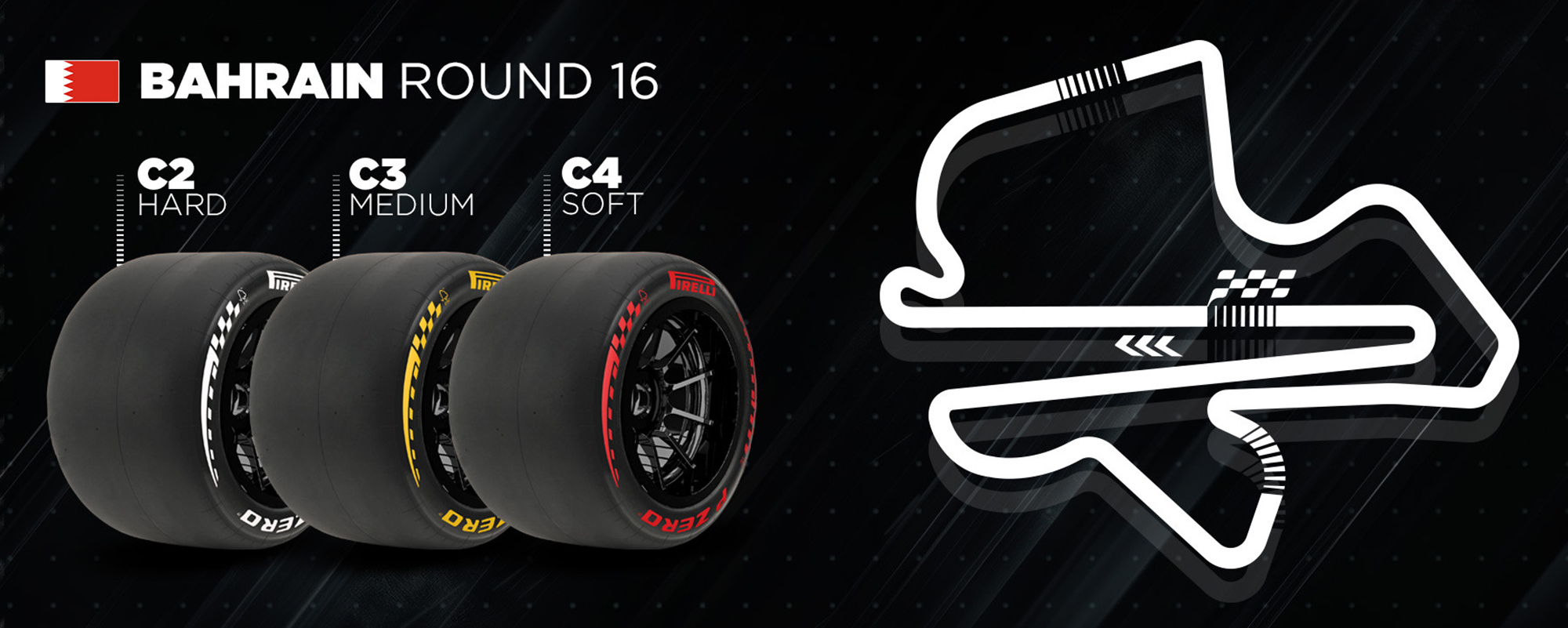
For the return to Kuala Lumpur, Pirelli has selected the C2, C3 and C4 compounds, designated respectively as Hard, Medium and Soft. This choice is slightly more aggressive than the harder trio that would have represented a more conservative option given the characteristics of the circuit. The objective is to provide teams with a broader strategic range and create conditions in which the time difference between one-stop and two-stop strategies is reduced.
Sepang features a relatively abrasive surface, with a level of roughness comparable to Bahrain, while retaining its own distinctive characteristics. Grip levels are likely to be low on Friday but should improve progressively over the course of the weekend as the track evolves. One of the main challenges facing teams will be thermal management across both axles.
The circuit has undergone several changes in recent years. In 2023, the section between Turns 6 and 12 was resurfaced, with further work carried out in the area around Turn 9. However, the overall characteristics of the surface, as assessed by Pirelli engineers just a few weeks ago, remain very similar to those recorded in 2017.
More recently, from the beginning of September, additional surface levelling work was carried out to remove irregularities in the asphalt, alongside cleaning operations aimed at improving track conditions ahead of the World Championship event.
Teams will also have to contend with a lack of available data. Despite being a historic venue, no team possesses truly relevant references relating to the current generation of Formula 1 cars.
As a result, Friday practice sessions will be more important than usual, both for drivers, who will need to familiarise themselves with a circuit that many have only experienced in the simulator, and for teams, which must identify the correct car balance and assess tyre behaviour.
While there is no shortage of technical unknowns, the weather could add a further layer of complexity. Afternoon thunderstorms are a regular feature of the region in early October and could affect any session during the weekend. Intense heat, high humidity and sudden downpours have always been among the defining characteristics of the Malaysian Grand Prix during its years as a permanent fixture on the Formula 1 calendar.
TEAM RACE PREVIEW
Audi Revolut F1 Team heads to Sepang for the Bahrain Grand Prix, the second leg of the Asian triple-header. With Formula One returning to the Malaysian circuit for the first time in almost a decade, the venue – a classic track known for changing weather conditions and humidity – will pose a new challenge for the team. After introducing a new package in Baku, the focus will be on continuing to fine-tune it and extracting maximum performance from the R26 over the weekend.
TEAM QUOTES
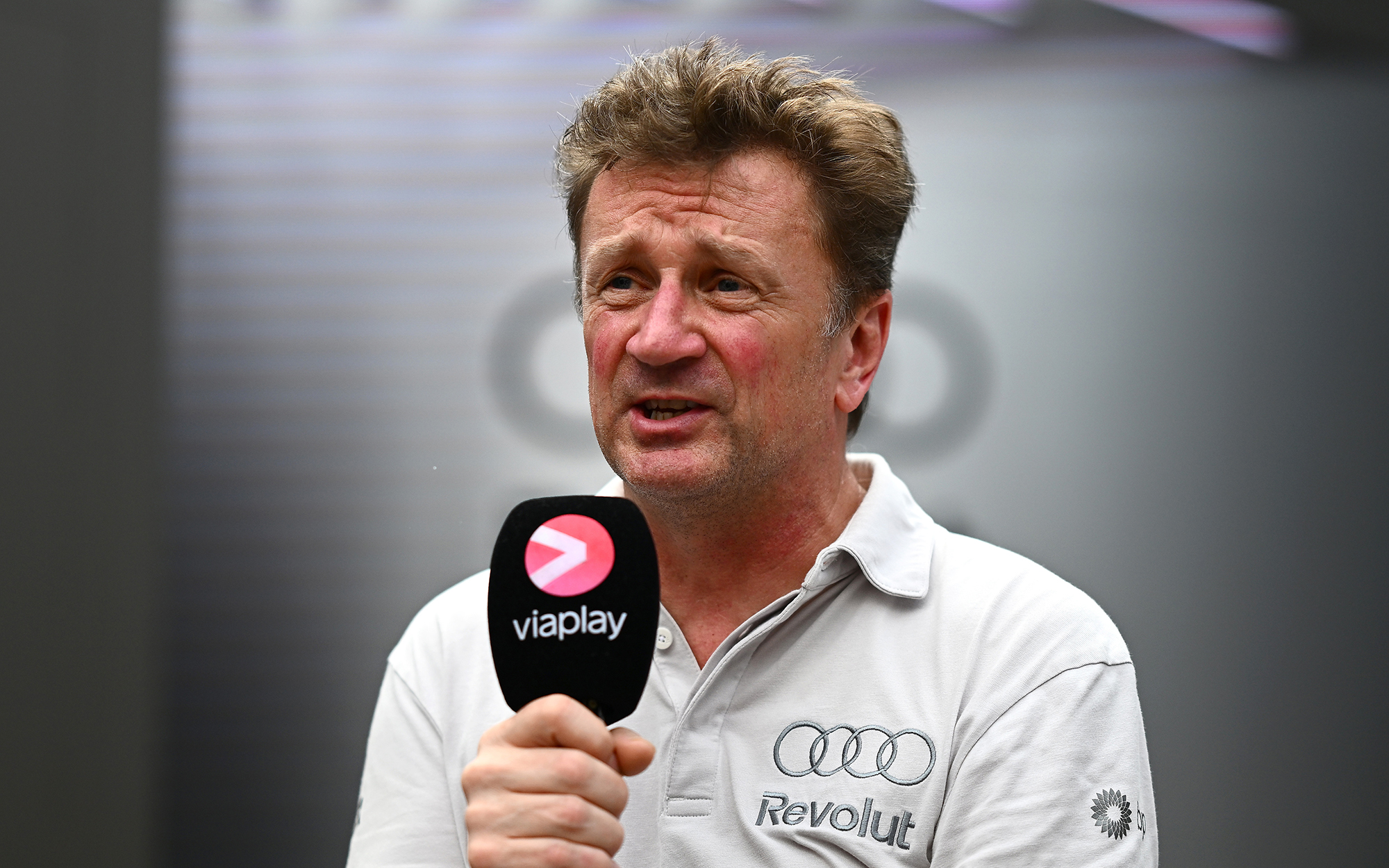
Allan McNish, Racing Director
“Sepang will pose a brand-new challenge for us as a team, and it will be interesting to see how the weekend will develop. Baku was another step on our journey of growth: we went close to scoring points, and we saw another good display of operations, with fast pit stops and solid teamwork. We are all looking forward to seeing how our package will work on a more traditional track layout, one that should more accurately show the benefit of our upgrades. We felt this circuit should suit us better, so the aim is to put ourselves in a stronger position and fight for points, after having narrowly missing out on them last weekend.”

Nico Hulkenberg, Car #27
“It’s cool to head back to Sepang this year. This circuit has been around for a long time and it’s one we haven’t raced at for a while. It’s not a track that relies on big headline corners, but there are a few sections that are quite technical and reward getting the details right. Add the heat and the humidity, and it always creates an interesting challenge. We learned a few useful things with the new package in Baku, and now it’s about building on that and extracting more from it.
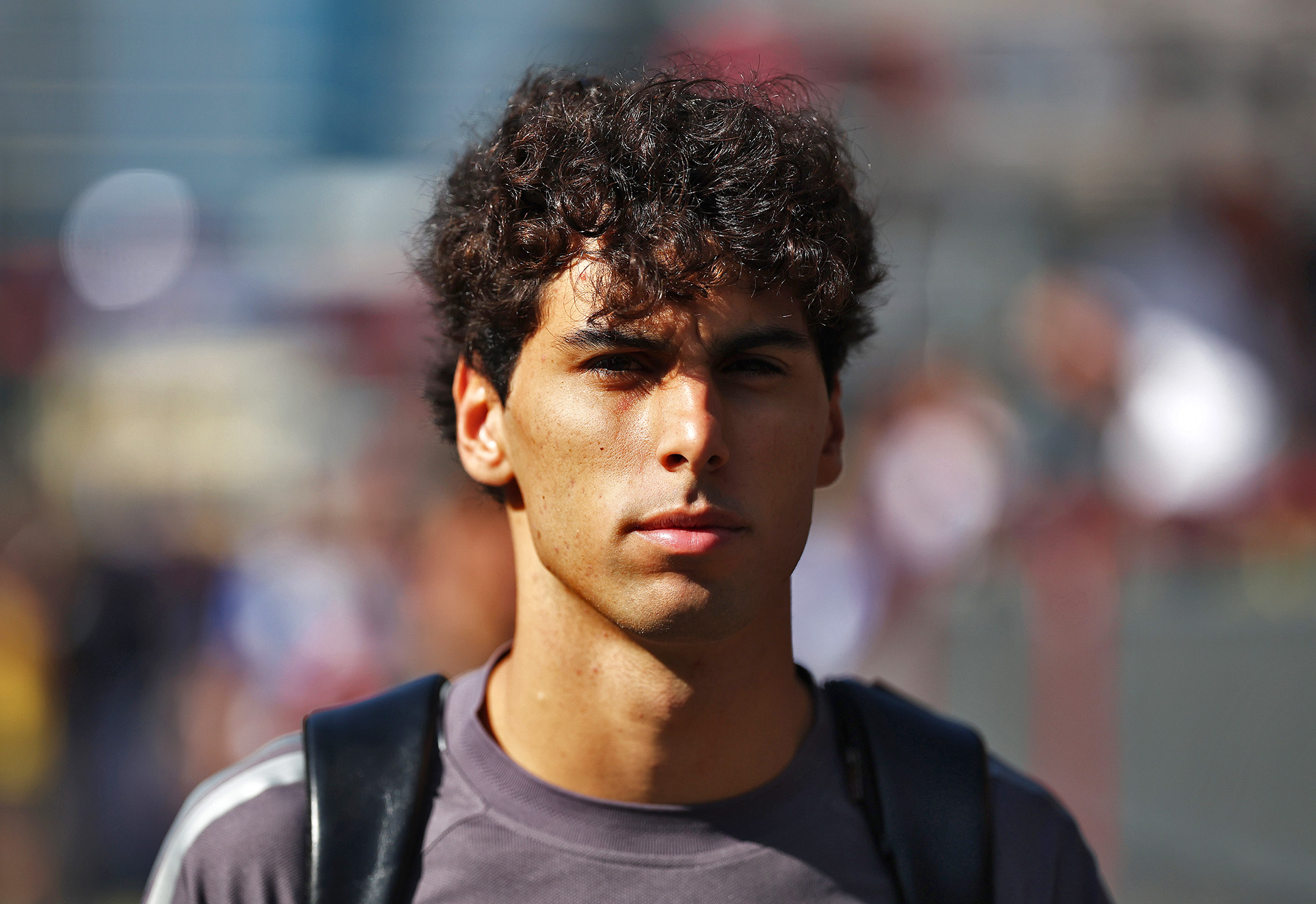
Gabriel Bortoleto, Car #5
“There were some positives with the new package we introduced in Baku, so I’m looking forward to seeing what we can do with it in Sepang. It’s a new circuit for me, and it will be important to make the most of the practice sessions to learn everything about it, but I’m excited to get out there. We’ve been close to the points over the last few races, so hopefully we’ll be able to take another step in the right direction and be in the mix again.”