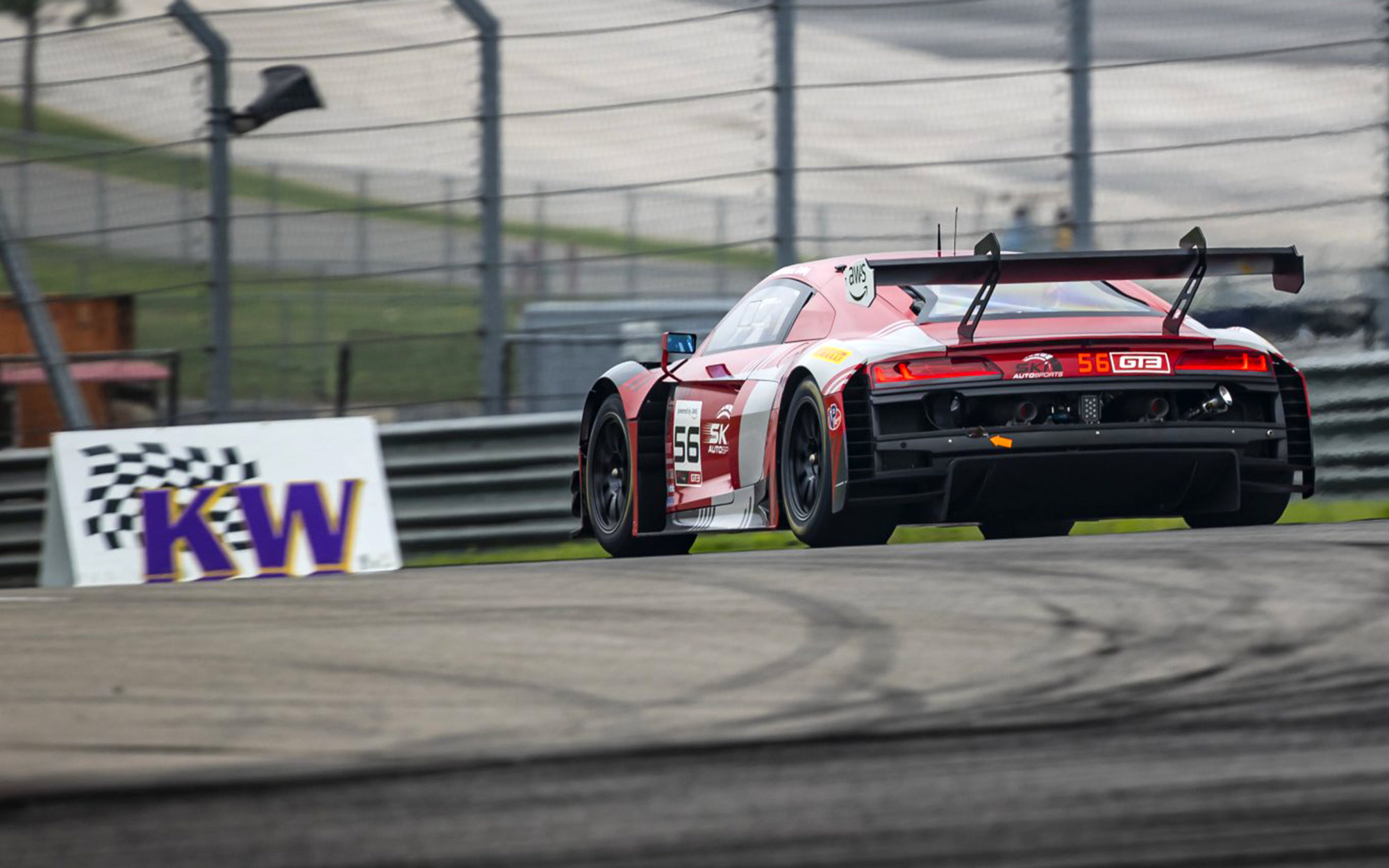

In an era when electric cars are rendering blistering acceleration times as ubiquitous, attention turns more acutely to a car’s handling. Given that, and of course the relevance of racing has towards performance models, it’s worth calling out a secret weapon Audi has been using for years as it pertains to both handling on road and track. That is suspension.
SRO America recently highlighted German chassis specialist KW Suspension, specifically where the German firm’s dampers support everything from touring cars to GT3 machinery such as SKI Autosports dominant R8 LMS GT3 program. While KW’s motorsport involvement spans numerous manufacturers and racing series, those focused on Audi are likely more familiar with KW through a relationship that stretches from customer racing programs to some of the most focused RS models ever produced.
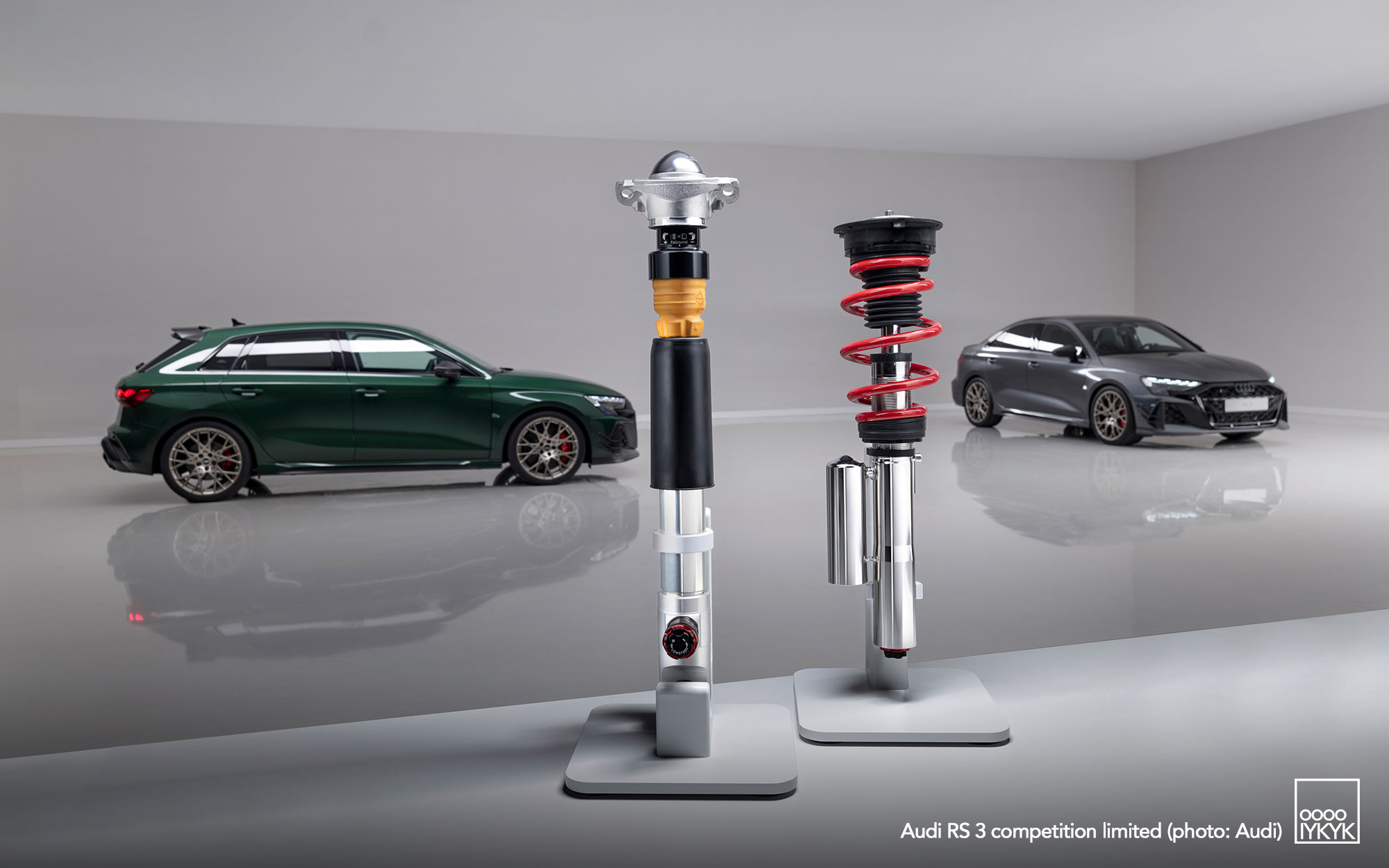
The connection between Audi and KW may run deeper than most realize. KW suspension technology has appeared in Audi Sport customer racing efforts for years, helping teams extract performance from GT4 and GT3 machinery competing around the globe. The firm has also become a trusted development partner for a growing list of road-going Audi Sport GmbH’s creations.
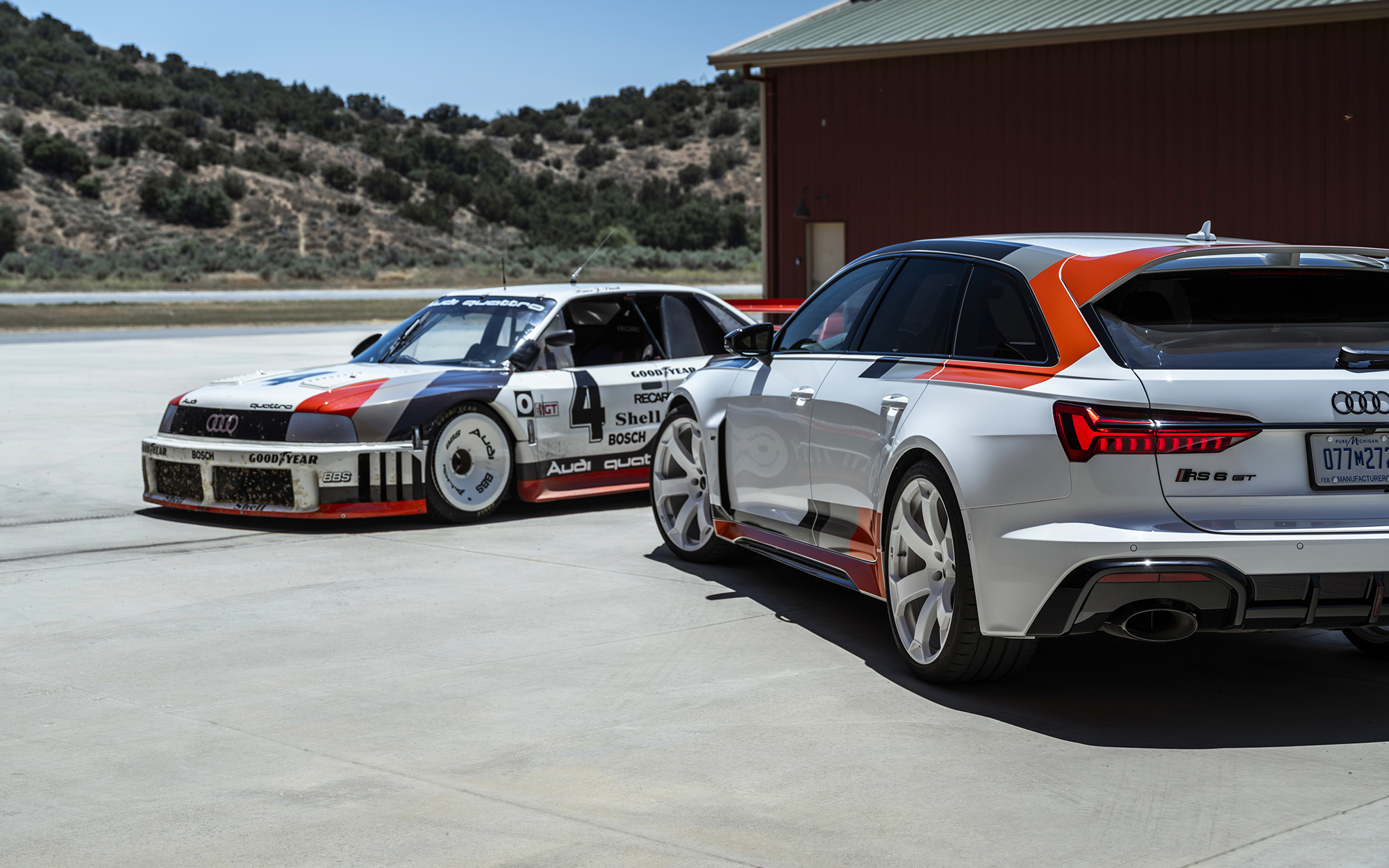
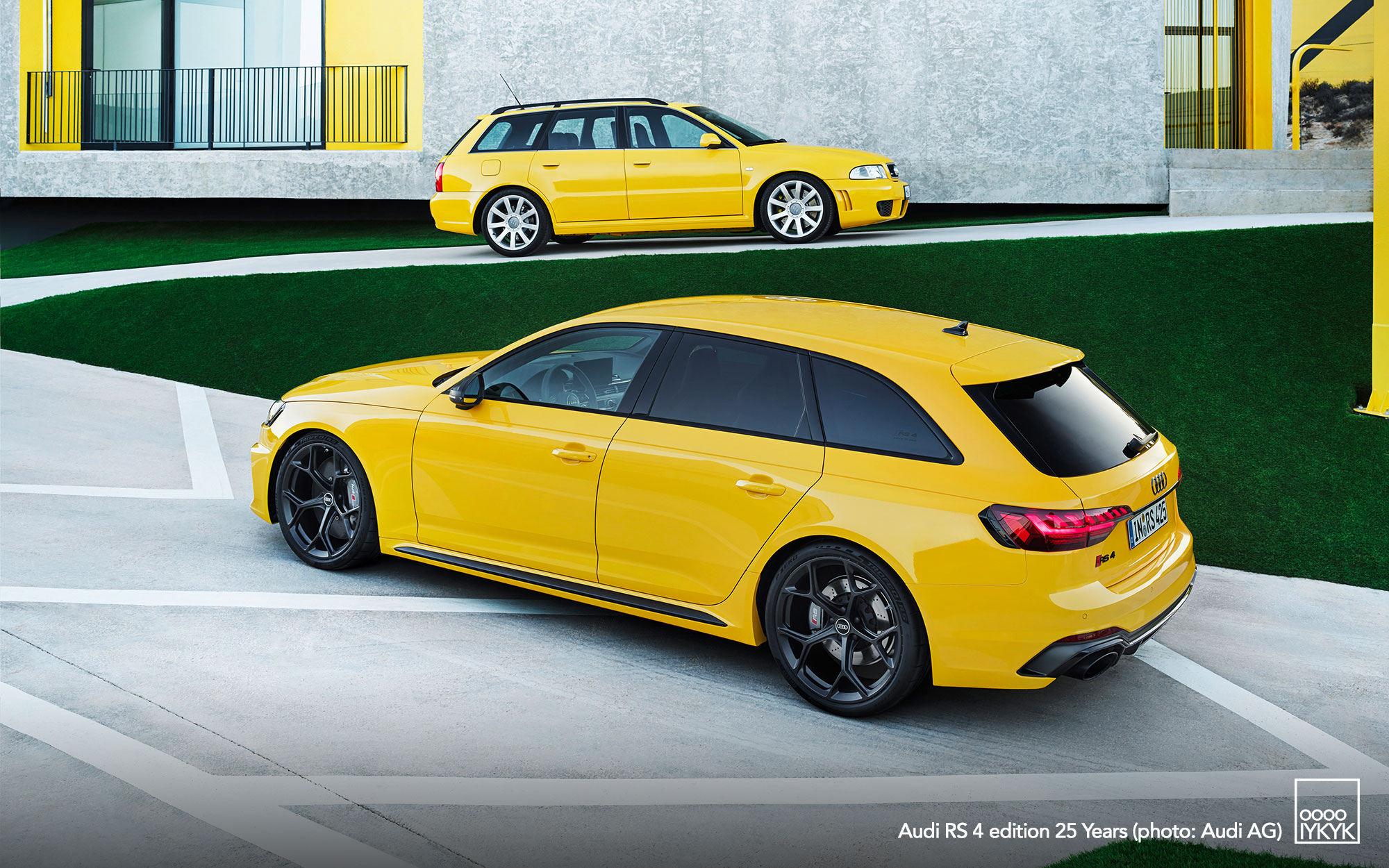
Recent examples include the limited-production RS 6 GT, whose manually adjustable coilover suspension system was developed in collaboration with KW. Similar hardware has also featured on Audi’s special editions including the RS 4 competition, RS 5 competition and upcoming RS 3 competition limited. In each case, the goal has been the same: increase precision, sharpen driver feedback and create a more track-focused driving experience without sacrificing everyday usability.
That balancing act is exactly what KW says occupies much of its engineering effort.
According to KW, a modern suspension package is far more complex than simply selecting a spring rate or shock absorber. Tire characteristics, chassis rigidity, aerodynamic loads, weight distribution and even track surface conditions all influence how a vehicle behaves.
The lessons learned on track directly influence the company’s road-car programs. On an SRO race weekend, KW engineers may be supporting everything from front-wheel-drive touring cars to sophisticated GT3 entries generating enormous aerodynamic downforce. Each platform requires unique damping characteristics, spring rates and adjustment ranges. There is no universal solution.
That engineering philosophy is handy in cases like Audi where you have a diverse mix of engines, all-wheel drive systems and architectures. The company’s recent crop of performance-focused RS models have increasingly emphasized chassis tuning as an important differentiator. While power outputs continue to climb, Audi Sport engineers have spent equal effort improving steering response, body control and driver engagement. The use of adjustable KW hardware in several halo RS models reflects that adjusted focus.
Trackside support also remains a critical part of KW’s motorsport operation. Engineers work directly with teams throughout race weekends, analyzing telemetry, driver feedback and changing track conditions. Adjustments to ride height, spring selection and damper settings can significantly alter how a car behaves during braking, corner entry and acceleration.
Those same fundamentals apply whether the vehicle is a GT3 car competing in GT World Challenge America or an Audi RS model designed for public roads.
As Audi continues expanding its performance portfolio and prepares for another era of motorsport involvement with Formula 1, partners such as KW are an important part of the ecosystem surrounding the brand.