


Audi Tradition has released its latest annual historical roundup, “Anniversary Dates 2026,” a digital booklet that spotlights some of the most significant milestones in the history of the Four Rings and its heritage brands. The publication is now available for ownload—offering a deep dive into 125 years of innovation, engineering breakthroughs and motorsport achievement from the Audi pantheon. Below is a summary, plus links to many of these historical markers that have now been added to the ooooIYKYK Audi Archive.
For 2026, Audi Tradition casts a particularly bright light on the engines, racing triumphs, and early industrial milestones that helped define the brand’s DNA. The booklet opens with a celebration of the 25th anniversary of the Audi A8 6.0, the world’s most powerful twelve-cylinder luxury sedan at its debut. The car marked Audi’s first-ever W12—a compact 6.0-liter engineering statement that helped push the flagship A8 into rarefied territory.
The theme of power continues with the 50th anniversary of Audi’s first five-cylinder engine, introduced in 1976 with the Audi 100 (C2). Its unconventional 1-2-4-5-3 firing order created a sound that would become a signature of the brand. What began as an effort to move Audi upmarket would soon go on to dominate rally stages worldwide, earning the five-cylinder a cult following that persists today.
Looking further back, “Anniversary Dates 2026” honors the 100th anniversary of the Horch 8, unveiled in 1926 as Germany’s first production eight-cylinder car. The pioneering luxury sedan set new standards in refinement—and marked Zwickau as one of the world’s rising automotive centers.
Even deeper in the timeline, the booklet highlights 125 years since August Horch built his first automobile, the Vis-à-Vis, featuring an unusual face-to-face seating layout. February 3, 2026, will mark the 75th anniversary of Horch’s death. His ethos—“build only strong and good cars under all circumstances”—remains central to Audi’s self-image.
The booklet also recalls Horch’s early motorsport ambitions: just five years after building his first car, the Horch 18-22 PSclaimed overall victory in the grueling 1906 Herkomer Trial, proving the young company’s technical mettle.
Audi Tradition also uses the anniversary year to revisit motorsport triumphs across the brand family. One hundred years ago, NSU swept the 1.5-liter class at the inaugural German Grand Prix at AVUS, taking a remarkable quadruple victory.
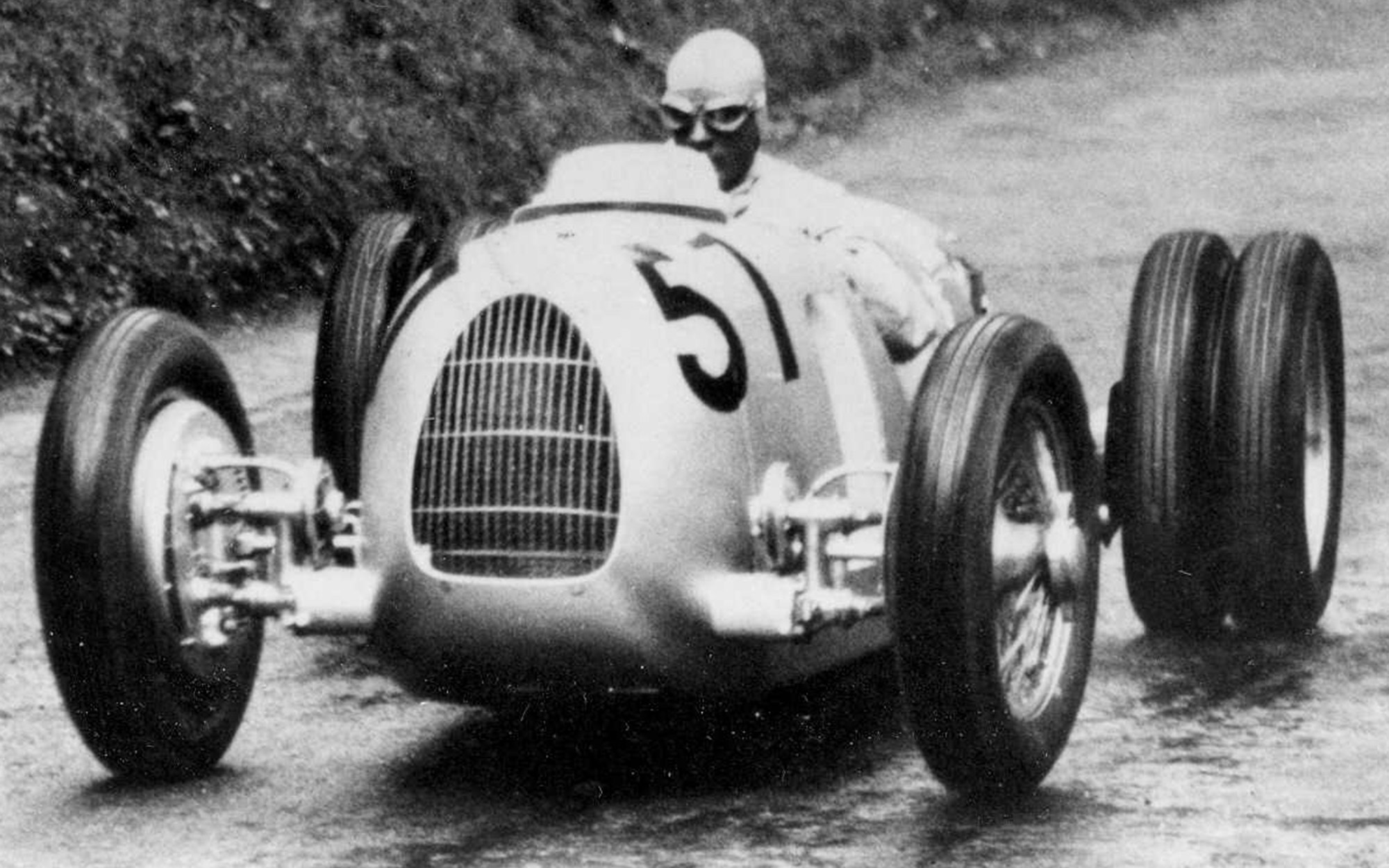
Ninety years ago, the Auto Union Type C dominated the 1936 Grand Prix season—three wins from five major events, half of all circuit races, and a clean sweep of hill climbs—powered by a 520-hp V16 that remains one of the most extreme engines ever raced.
Fast forward to 1996, and Audi once again ruled the international stage. The Audi A4 quattro Super Touring delivered seven national touring car championships in seven different countries—Germany, Italy, Great Britain, Belgium, Spain, Australia, and South Africa—demonstrating the overwhelming effectiveness of quattro all-wheel drive in the Super Touring era.
Beyond the headline anniversaries, the booklet compiles a broad spectrum of additional milestones that reflect the depth of Audi’s heritage. These include:
• 30 years of the Audi A3
• 35 years of the Audi Cabriolet
• 45 years of the Audi research car
• 50 years of the second-generation Audi 100
• 70 years since the DKW 3=6 Monza record run
• 70 years of the DKW Munga off-roader
• 70 years of NSU speed records
For Audi historians, enthusiasts, and anyone tracing the brand’s technological lineage, Audi Tradition’s “Anniversary Dates 2026” offers a structured guide to more than a century of accomplishments. The full digital booklet—available now from the Audi MediaCenter—sets the stage for a year of reflection on the innovations, icons, and individuals that pushed the Four Rings forward.