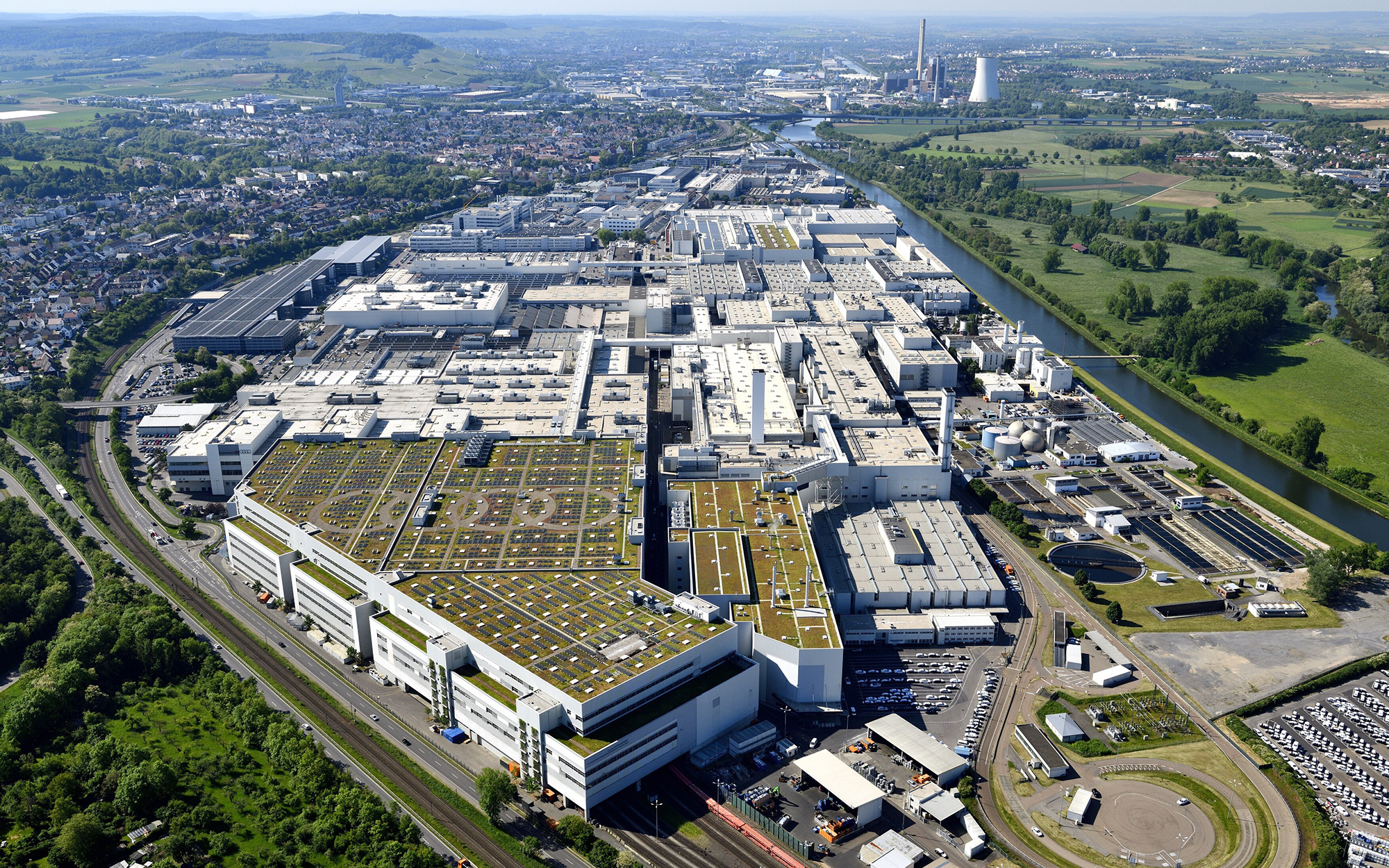

A reported Volkswagen Group restructuring plan calls for vehicle production at Audi’s Neckarsulm plant to end in 2034, raising questions that extend well beyond the loss of this factory.
The proposal would affect one of Audi’s two principal German production centers, the home of Audi Sport GmbH and a concentration of technical and lightweight-construction expertise developed over decades.
Volkswagen management reportedly plans to end vehicle production at four German factories between 2031 and 2034, including Audi’s Neckarsulm operation — a move that would have particularly significant implications for the four-ring brand.
According to German media reports published September 1, an internal Volkswagen document prepared ahead of Supervisory Board meetings scheduled for September 3 and 4 calls for production to end at Volkswagen’s Emden and Zwickau plants in 2031, Hanover in 2032 and Audi Neckarsulm in 2034.
Volkswagen has not publicly confirmed the plan and has declined to comment on the internal documents. As recently as last week, Volkswagen Group CEO Oliver Blume told employees that the company intended to develop a future perspective for all of its German sites over the coming six to twelve months.
The reported proposal therefore shouldn’t yet be interpreted as confirmation that Audi’s entire Neckarsulm operation will disappear in 2034.
What it does appear to call for is the end of vehicle production at the main Neckarsulm plant, and that distinction is important.
NECKARSULM IS MORE THAN AN ASSEMBLY PLANT
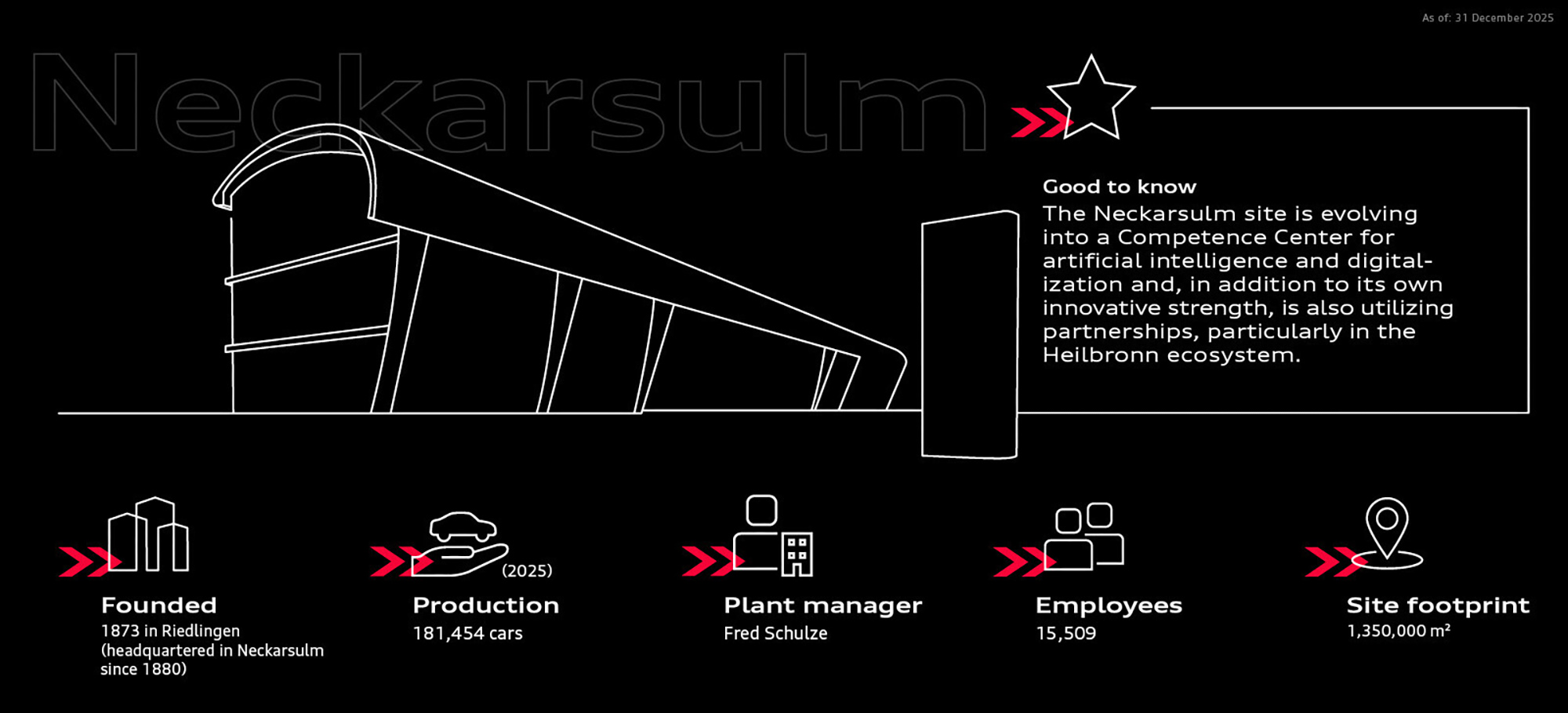
Neckarsulm is one of Audi’s largest and most technically significant operations. Audi reports 15,509 employees at the site, making it one of the largest employers in the Heilbronn-Franken region.
Current production encompasses the A5, A6, A8 and e-tron GT model families and their derivatives. That includes cars ranging from the new A5 and A6 through the RS 5, flagship A8 and Audi Sport’s high-performance e-tron GT derivatives.
The site’s significance extends considerably further.
Technical Development at Neckarsulm works on combustion and hybrid powertrains as well as high-voltage battery systems. Audi is expanding battery-development expertise there and has established Neckarsulm as a competence center for artificial intelligence and production digitalization.
Then there is lightweight construction. Audi’s lightweight-construction center at Neckarsulm develops technology not only for Audi, but for the entire Volkswagen Group. Its current work has expanded beyond aluminum to intelligent combinations of aluminum, high-strength steel, composites and other materials, including structures and battery housings for electric vehicles.
That expertise has deep roots in the brand’s DNA. Audi established its Aluminum Center at Neckarsulm in 1994, the same year production began there of the first A8 using the Audi Space Frame, or ASF. The center subsequently contributed to the aluminum-intensive A2, later generations of the A8, the R8 and even Lamborghini programs beginning with the Gallardo.
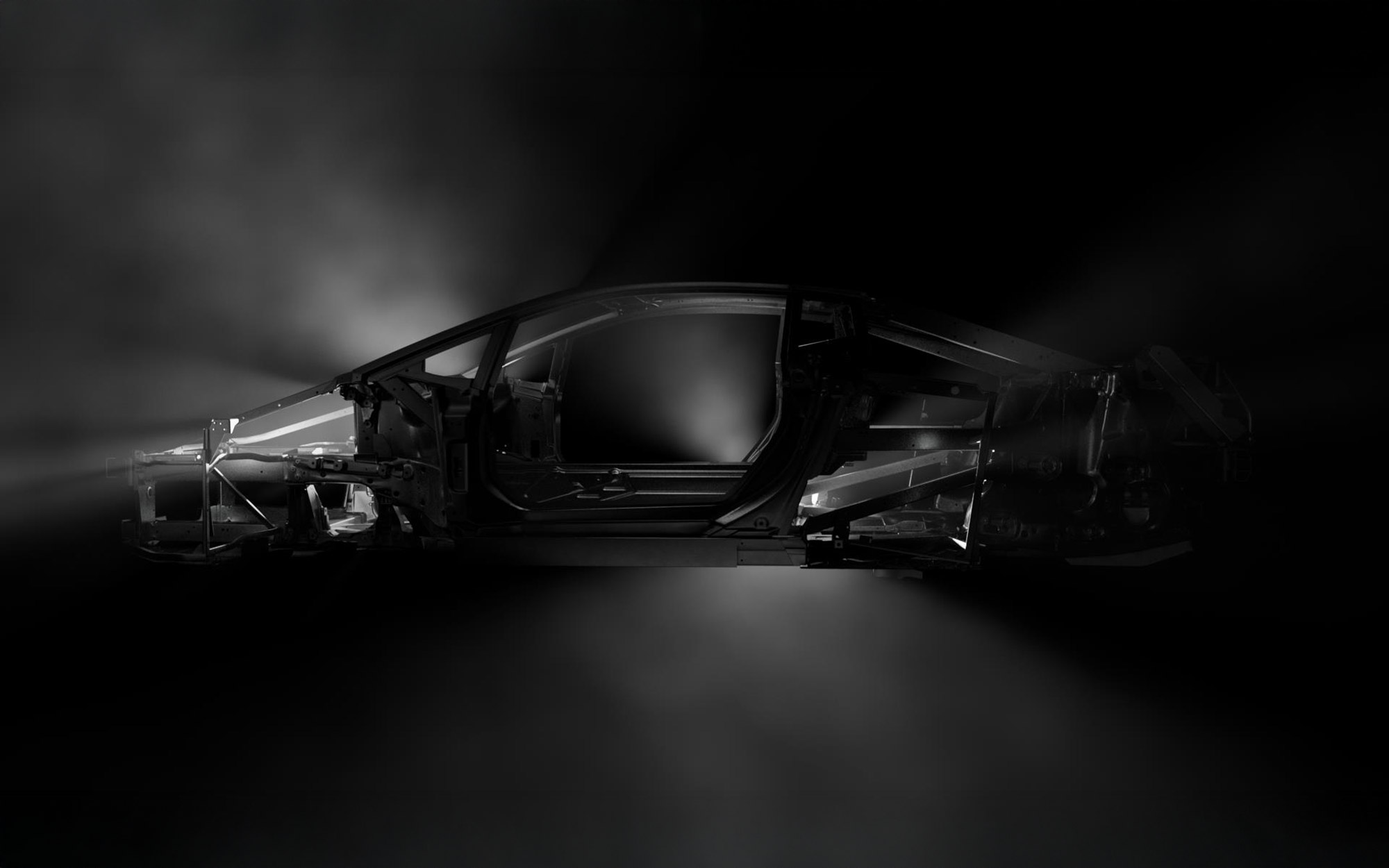
Three decades later, Neckarsulm remains involved with some of Volkswagen Group’s most technically ambitious lightweight structures. The aluminum spaceframe for the Lamborghini Temerario is produced by Audi in Neckarsulm. The new Audi Nuvolari also uses an evolved aluminum spaceframe combined with carbon-fiber body panels, with Audi specifically identifying Neckarsulm’s lightweight-construction expertise as part of the supercar’s development program.
That makes a planned 2034 end of production particularly interesting.
WHAT HAPPENS TO AUDI’S ALUMINUM EXPERTISE?
The number of Audi products using aluminum-intensive construction has declined in the last few years. Production of the TT and R8 has ended, as has the current A8. Audi’s upcoming new A2 will not revive the original A2’s aluminum ASF construction, while the new flagship Q9 uses more conventional construction.
That leaves programs such as the Lamborghini Temerario and Audi Nuvolari among the most visible current beneficiaries of Audi’s aluminum structural expertise.
The Nuvolari is limited to 499 examples and begins deliveries in 2027. Even if Audi develops one or more derivatives — an open-top version being one obvious possibility — those programs would likely have cycled through production well before the proposed 2034 end date.
The Temerario is different. Lamborghini’s newest series-production supercar is only beginning its lifecycle, and future Volkswagen Group products could conceivably make use of the same expertise.
This doesn’t mean Volkswagen would be abandoning aluminum if Neckarsulm production ends. Porsche already possesses considerable expertise of its own at Leipzig. The MSB architecture underpinning the Panamera uses sophisticated mixed-material construction, and Porsche says approximately 45 percent of the Panamera body is aluminum. Its complete exterior skin is aluminum, while the structure combines aluminum and high-strength steels using specialized joining techniques.
That becomes particularly relevant to another part of the reported Volkswagen plan: the future Audi A8. German reporting indicates that the next-generation A8 would move from Neckarsulm to Leipzig. Separate reports have previously suggested Audi’s next flagship could migrate to an MSB-derived architecture related to the Porsche Panamera and Bentley Continental family, although Audi has not confirmed that platform strategy. If both prove accurate, the change would be much more fundamental than simply moving A8 assembly from one German factory to another.
Every production A8 since 1994 has been intimately associated with Audi’s ASF and aluminum-intensive construction philosophy. An MSB-derived successor could continue to use aluminum extensively, but as part of a Porsche-developed MSB mixed-material architecture rather than the dedicated aluminum philosophy that has defined Audi’s flagship for more than three decades.
It could also effectively shift some of the Volkswagen Group’s center of gravity for advanced aluminum and mixed-material series production from Audi at Neckarsulm toward Porsche at Leipzig.
That isn’t necessarily an illogical strategy. Aluminum’s combination of low mass and structural rigidity remains particularly attractive for high-end performance cars, and Porsche could conceivably make greater use of that expertise across future sports-car programs.
But it raises an important question for Audi: what happens to the accumulated knowledge at Neckarsulm?
The issue isn’t whether other Volkswagen Group factories know how to manufacture aluminum hoods, doors or body panels. They clearly do. The greater significance of Neckarsulm lies in decades of experience designing, engineering and industrializing aluminum-intensive and increasingly sophisticated mixed-material structures, not to mention core structures such as the aluminum space frame (ASF).
That knowledge can theoretically be transferred. Whether Volkswagen intends to preserve it at Neckarsulm, consolidate it elsewhere or gradually allow the capability to disperse remains unknown.
BÖLLINGER HÖFE MAY BE A DIFFERENT QUESTION
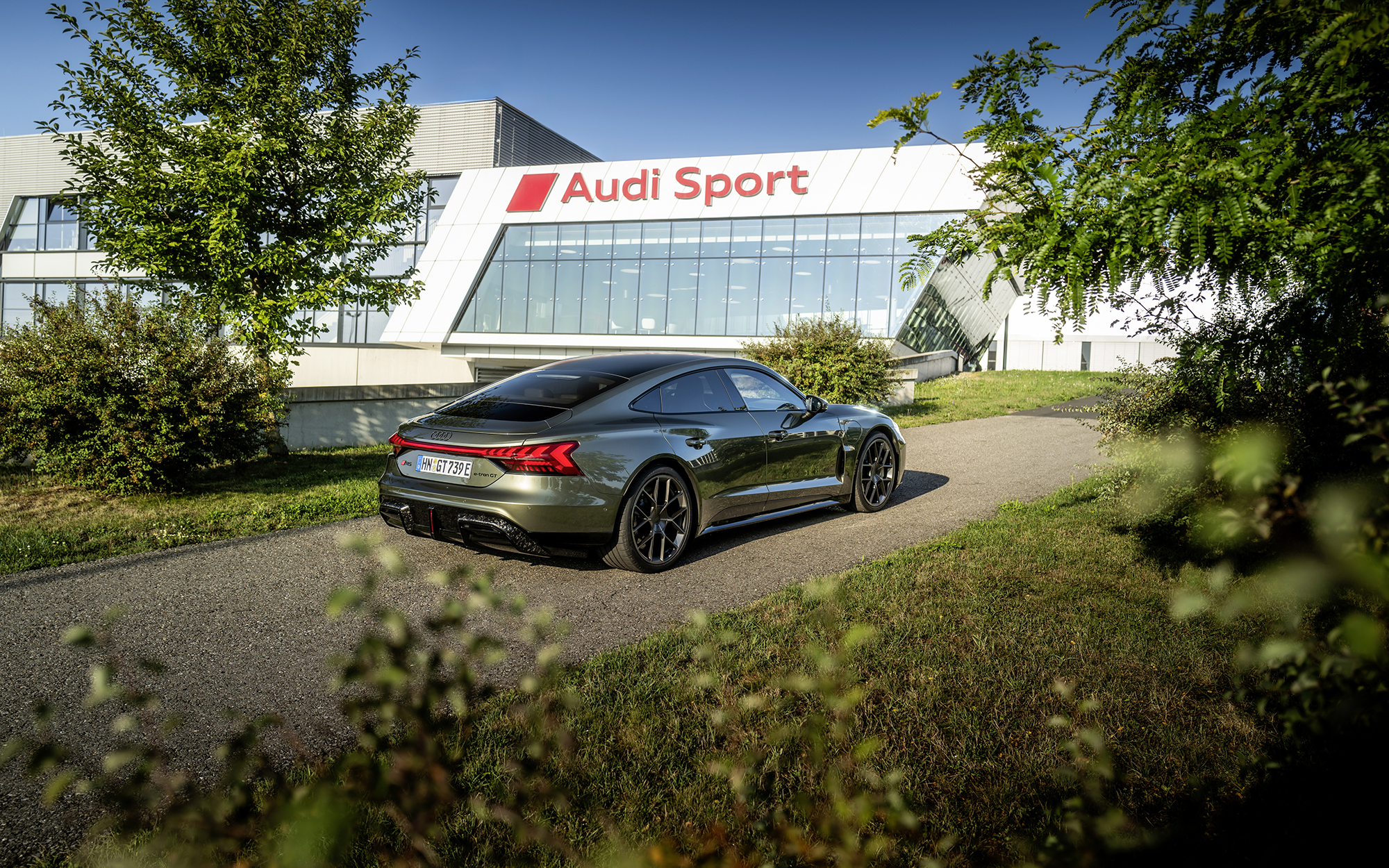
The future of Audi Sport at Böllinger Höfe is similarly unclear — but there’s an important geographic distinction.
Audi considers Böllinger Höfe part of its greater Neckarsulm operation, but the specialist facility is physically separate from the main factory. Located approximately six kilometers away in Heilbronn, it adds about 300,000 square meters to Audi’s regional footprint.
Audi Sport GmbH is headquartered there, while the facility serves as Audi’s specialist small-series manufacturing center. The second-generation R8 was built there. Today it produces the e-tron GT family, including the S e-tron GT, RS e-tron GT and RS e-tron GT performance.
And Audi is currently preparing Böllinger Höfe to manufacture its next sports car.
The production model previewed by the Concept C is scheduled to begin rolling out of there in 2027. Audi has confirmed that it will share a production line with the e-tron GT, with pre-series preparations already underway.
Interestingly, we do know that the car won’t use an ASF. Audi has confirmed that its body structure will combine aluminum and steel, rather than following the aluminum-intensive construction of the R8.
The Concept C-derived production model is also being developed on a sports-car platform supplied by Porsche and shared with the upcoming electric 718. Earlier reports had raised questions over whether Porsche’s 718 EV program might be delayed indefinitely or canceled, but Porsche has more recently reaffirmed that the electric sports car remains in development.
That could make the Audi-Porsche sports-car relationship particularly relevant to whatever Volkswagen ultimately decides to do with its specialist manufacturing resources, although there is presently no confirmation that Porsche intends to manufacture the 718 EV at Böllinger Höfe.
More importantly, nothing in the reporting surrounding the proposed 2034 end of production at Neckarsulm establishes that the physically separate Böllinger Höfe operation would close with it.
Audi Sport GmbH could remain. Böllinger Höfe could remain as a specialist manufacturing operation. Technical Development and the lightweight-construction center could survive even if large-scale vehicle production ends.
At this point, those are possibilities rather than confirmed plans.
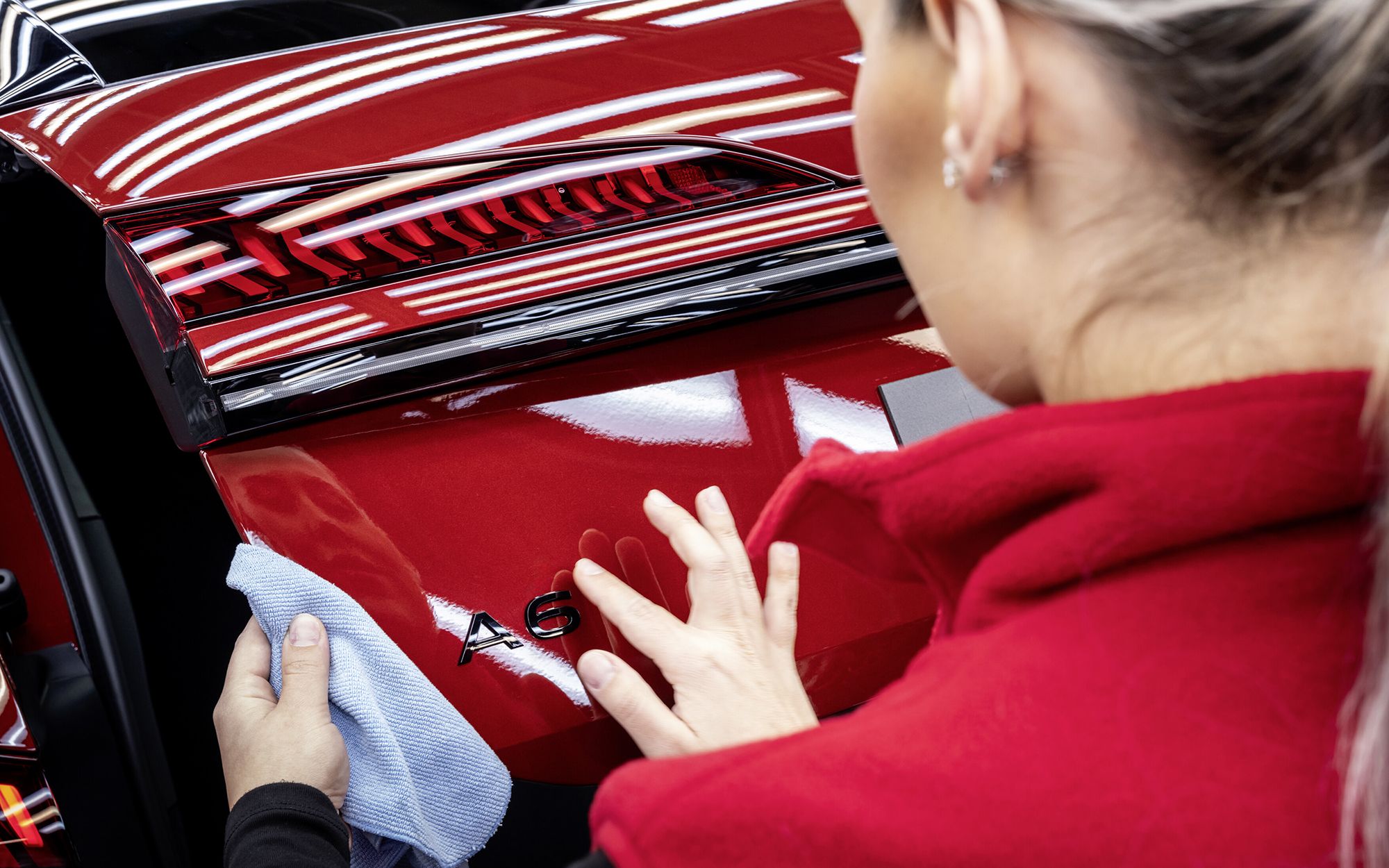
HUMAN IMPACT
For Neckarsulm and the surrounding region, however, the concern is much more immediate. Audi employs 15,509 people at Neckarsulm. Beyond those direct jobs is an extensive network of suppliers, contractors, logistics providers and local businesses economically connected to one of the region’s largest employers.
Neckarsulm also isn’t effectively a suburb of Audi’s Ingolstadt headquarters. The two operations are approximately 200 kilometers apart by road, typically more than two hours by car. For most employees, transferring a job from Neckarsulm to Ingolstadt would therefore amount to relocation rather than a longer commute.
The Audi Forum Neckarsulm further reinforces the site’s role within the company. Opened in 2005, it functions as a customer-delivery center, factory-tour gateway, event facility and venue for Audi Tradition exhibitions, giving Neckarsulm a public-facing role within the brand that extends beyond manufacturing.
Ending series production would therefore alter both the regional economy and one of Audi’s most established institutional centers.
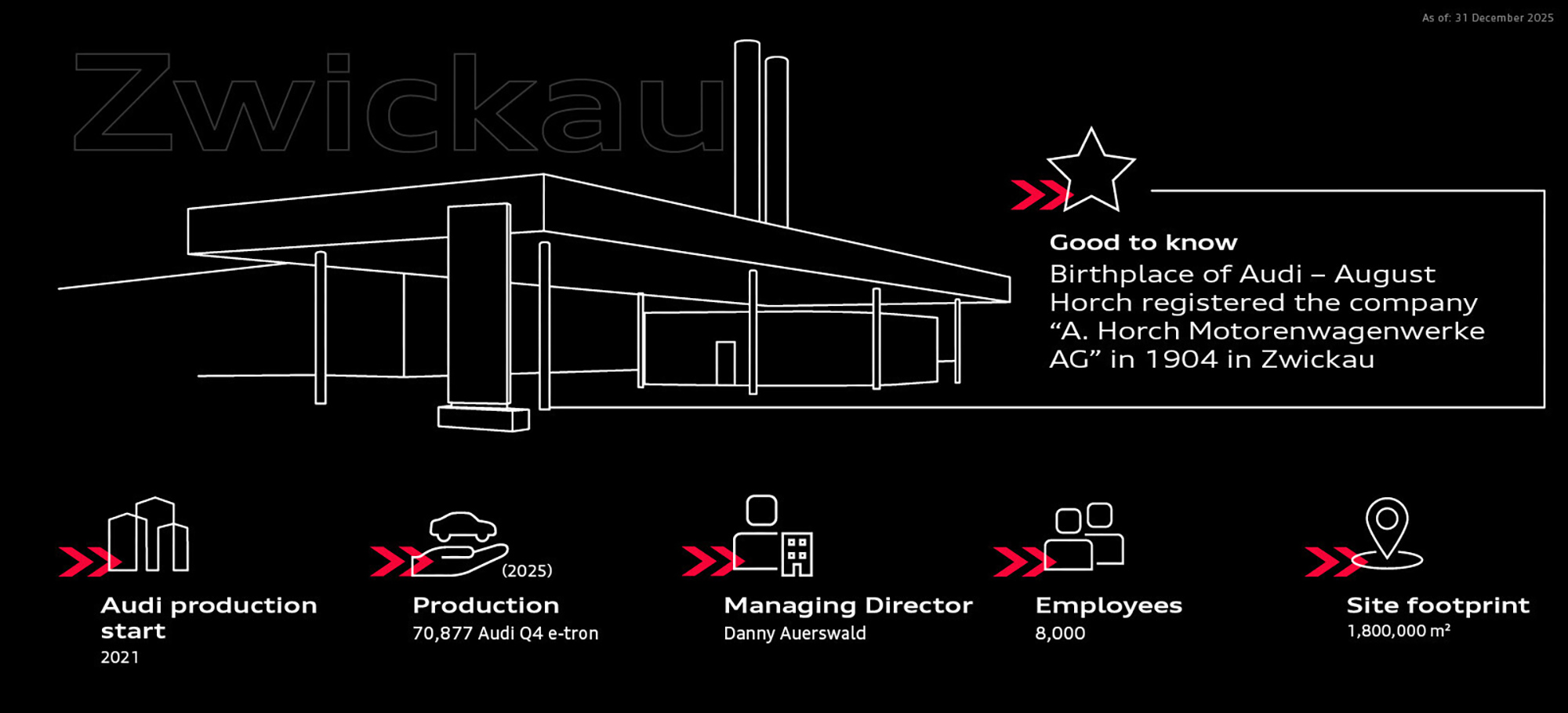
ZWICKAU HAS A DIFFERENT AUDI SIGNIFICANCE
The reported Volkswagen proposal would also end production at Zwickau in 2031.Its current operational significance to Audi is considerably smaller than Neckarsulm’s, but its historical importance is difficult to overstate. Zwickau is effectively Audi’s birthplace.
August Horch moved his original company to Zwickau in 1904. After leaving Horch, he established a second automobile company nearby in 1909. Unable to use his own surname again, Horch translated its meaning into Latin and Audi was born.
Audi and Horch later became two of the four companies joined with DKW and Wanderer to create Auto Union in 1932, producing the four-ring emblem Audi continues to use today.
The August Horch Museum occupies the historic Audi factory site in Zwickau and preserves that direct physical connection with the company’s origins.
Volkswagen’s modern Zwickau plant has more recently returned Audi production to the region through the Q4 e-tron family, though the site’s importance within Audi’s current manufacturing and development structure doesn’t approach that of Neckarsulm.
Its potential loss nevertheless carries considerable symbolic weight for the four-ring brand.
A PLAN THAT RAISES MORE QUESTIONS THAN IT ANSWERS
The most important distinction at this stage is that Volkswagen has not publicly announced the closure of Audi Neckarsulm.
The reported internal plan calls for production there to end in 2034. Whether that ultimately means complete closure, redevelopment of the site, retention of Technical Development and lightweight-construction operations, continued specialist production at Böllinger Höfe or some combination of those possibilities isn’t yet clear.
Moving A5 or A6 production is fundamentally a manufacturing-capacity decision. Moving the A8 to Leipzig is more strategically interesting, particularly if it accompanies a move toward a Porsche-led MSB architecture.
But Neckarsulm also represents something considerably harder to relocate. Audi has spent more than three decades concentrating expertise there in aluminum and lightweight construction. Audi Sport is based there. Specialist manufacturing is there. Powertrain and battery development happens there. Böllinger Höfe is being prepared right now to manufacture Audi’s next sports car. Audi is simultaneously building its relationship with the rapidly growing technology and artificial-intelligence ecosystem around nearby Heilbronn.
Only months ago, those investments were being presented as evidence of Neckarsulm’s future. Now an internal Volkswagen plan reportedly envisions series vehicle production ending there in 2034.
Factories can be measured in square meters, annual capacity and cost per vehicle. The knowledge concentrated inside them is much harder to put on a balance sheet.
If Volkswagen intends to end Audi production at Neckarsulm, the most important question may ultimately be less about which models move elsewhere than what happens to the expertise that doesn’t move nearly as easily.
SOURCES
- Heilbronner Stimme — Audi Neckarsulm closure and 2034 plan
- Heilbronner Stimme — Report on end of production at Neckarsulm
- Heilbronner Stimme — Regional and employee reaction to VW plans
- Heilbronner Stimme — Neckarsulm works council reaction
- Tagesschau/SWR — Audi Neckarsulm production reportedly to end in 2034
- Audi — Neckarsulm site profile, production, Technical Development and lightweight-construction competence
- Audi — Audi Sport GmbH and Böllinger Höfe
- SWR — Concept C production preparations at Böllinger Höfe
- Audi MediaCenter — Concept C production at Böllinger Höfe from 2027
- Audi — Nuvolari development and Neckarsulm lightweight construction
- Porsche — Panamera MSB aluminum/steel construction at Leipzig
- Car and Driver — Audi/Porsche shared Concept C and 718 EV platform
- Car and Driver — Porsche reconfirms 718 EV program
- Audi — Company history and origins of Audi in Zwickau
- August Horch Museum — Historic Audi factory site in Zwickau