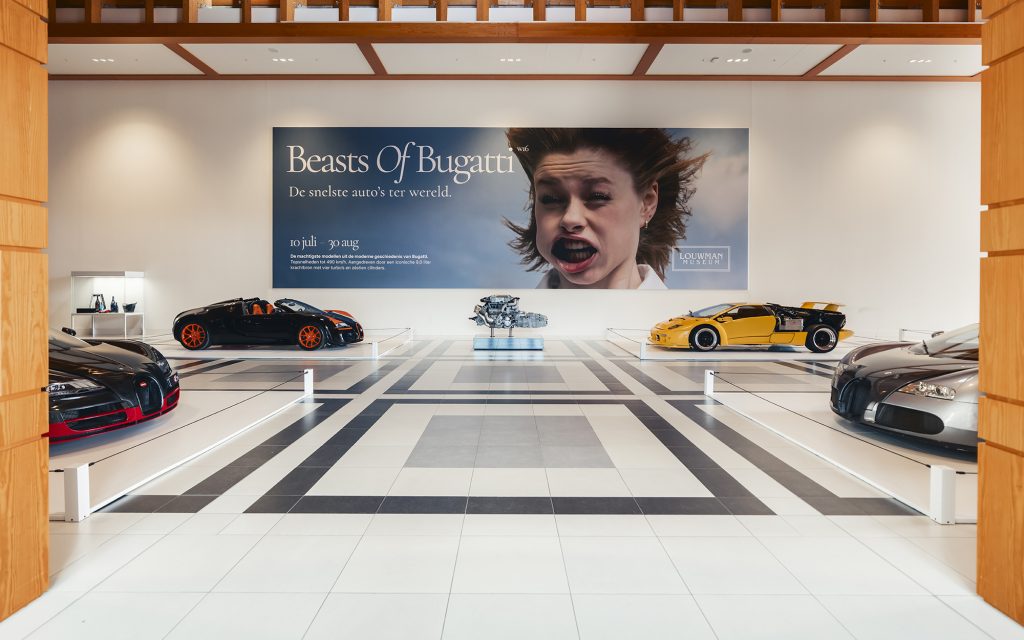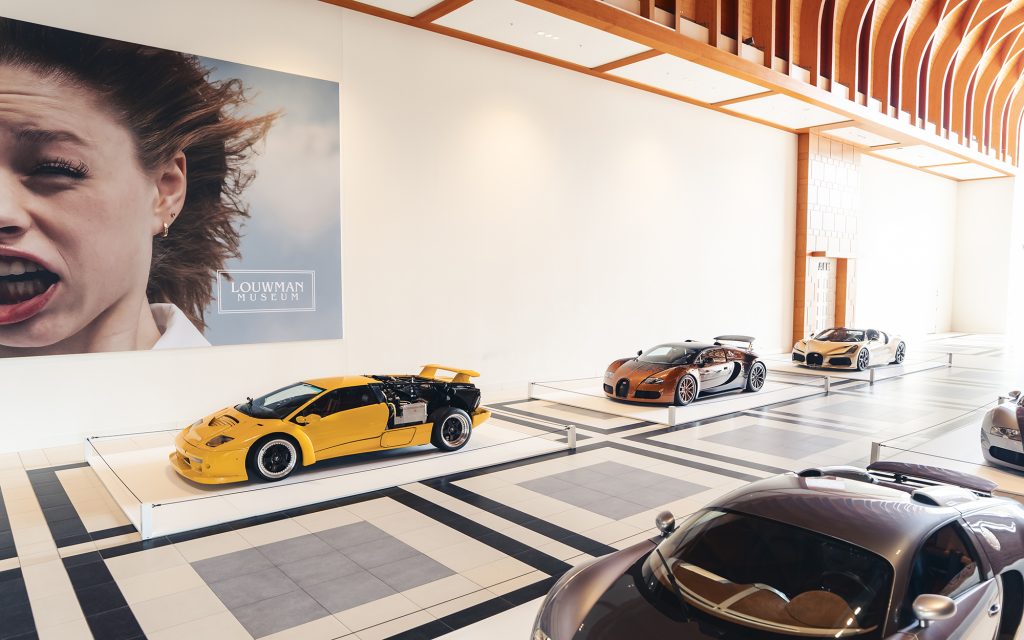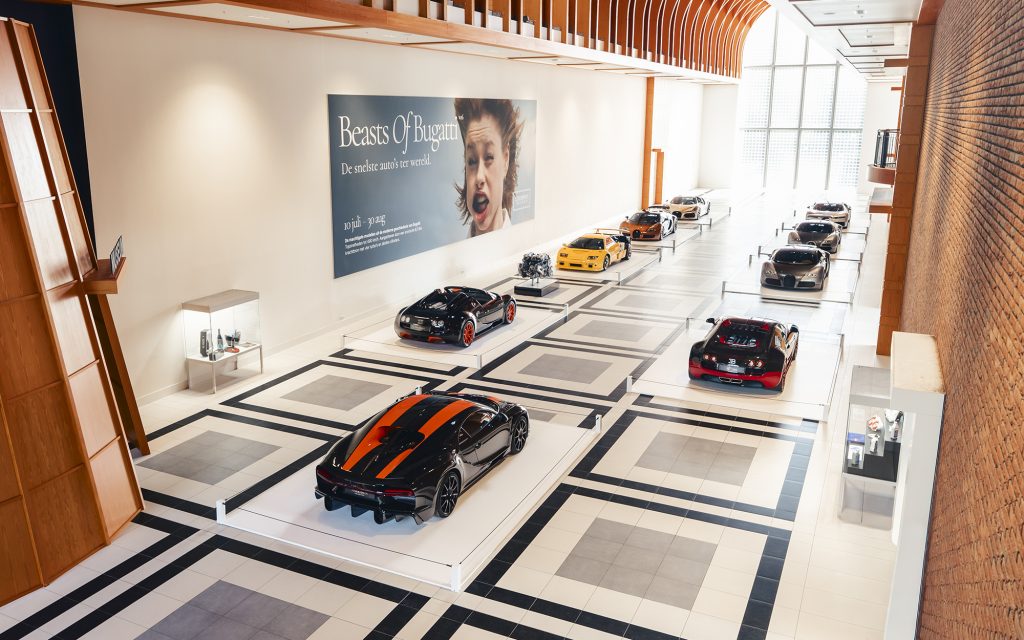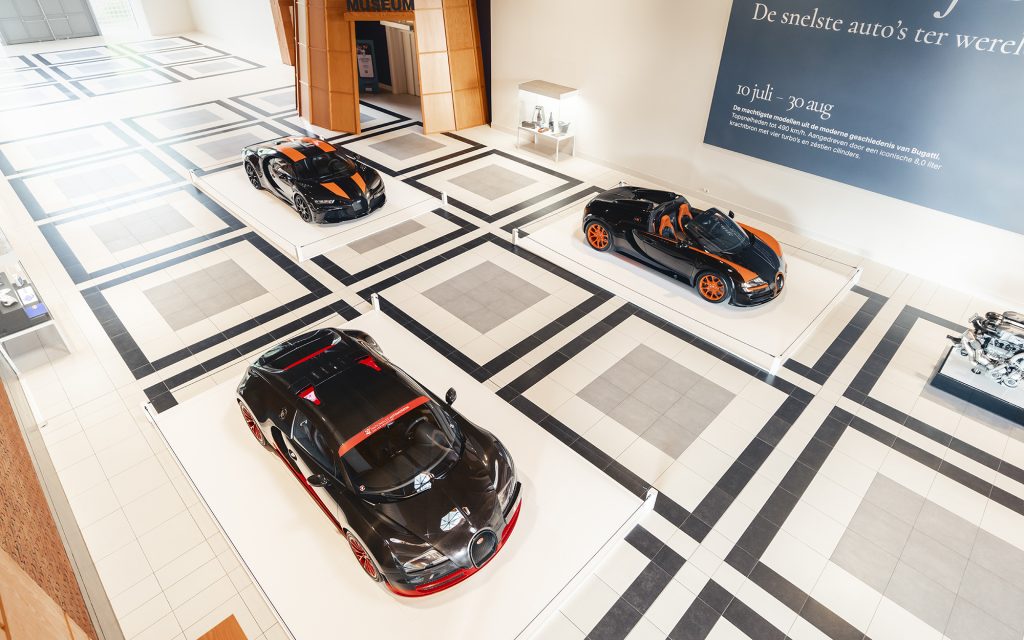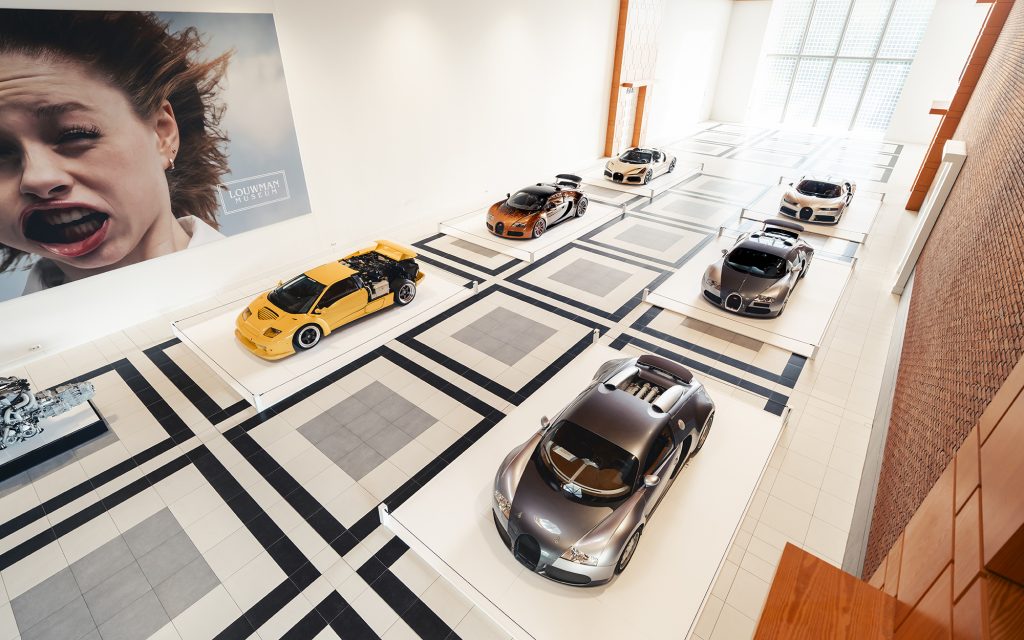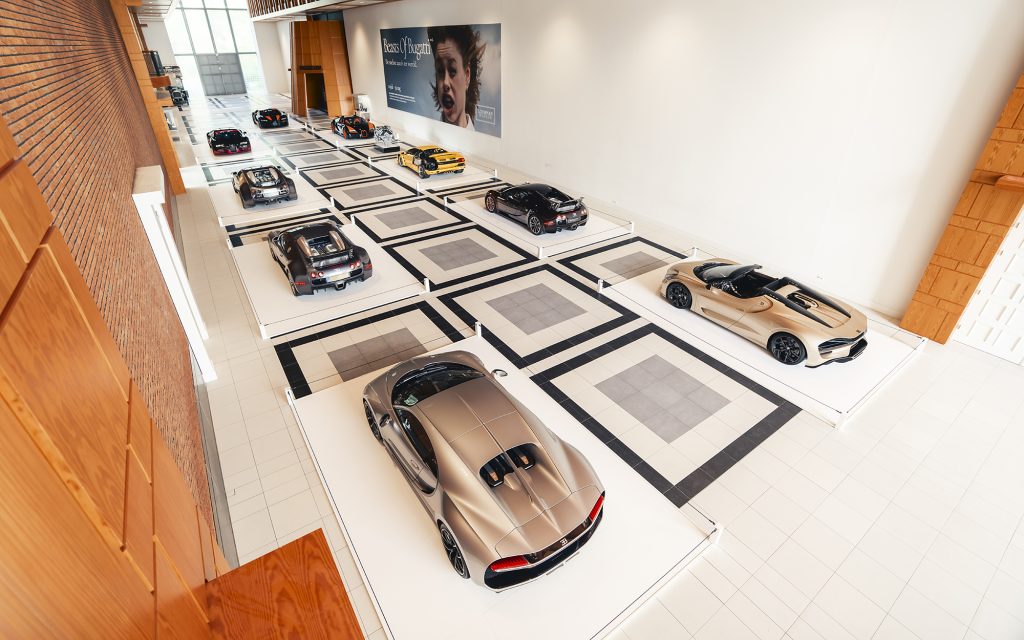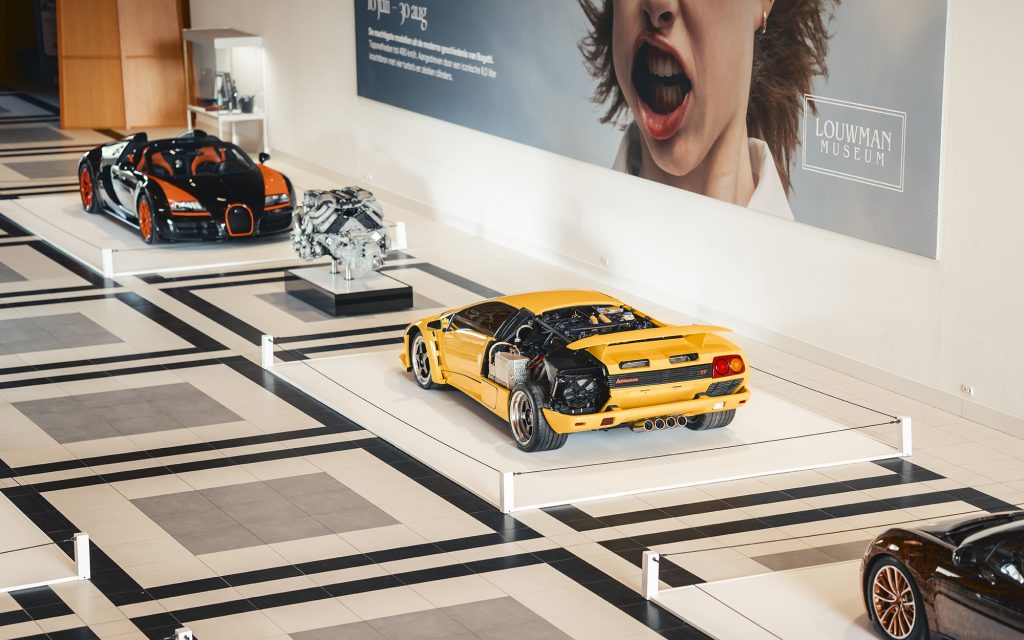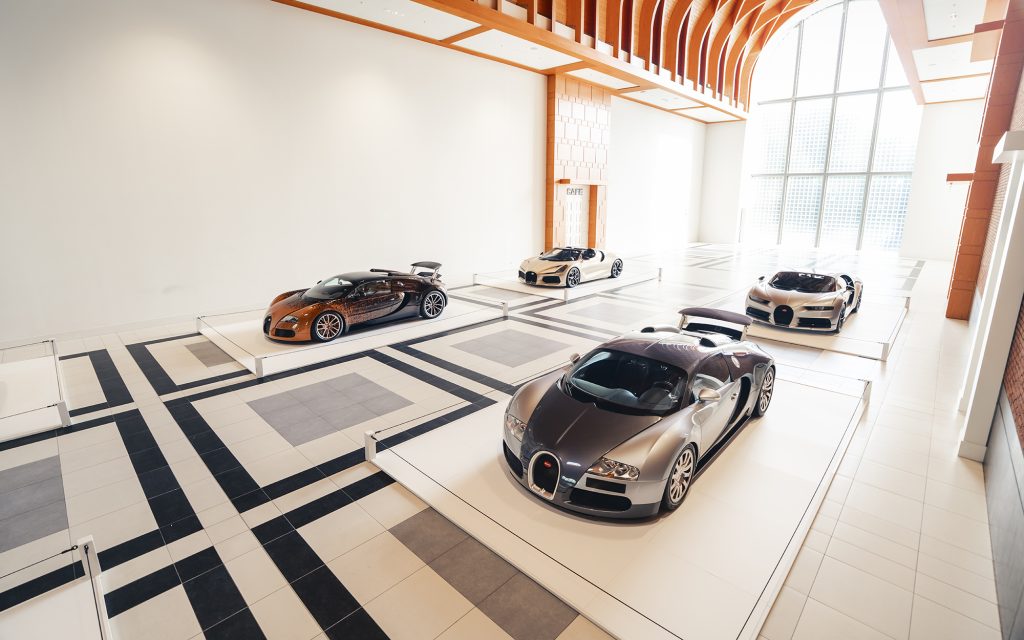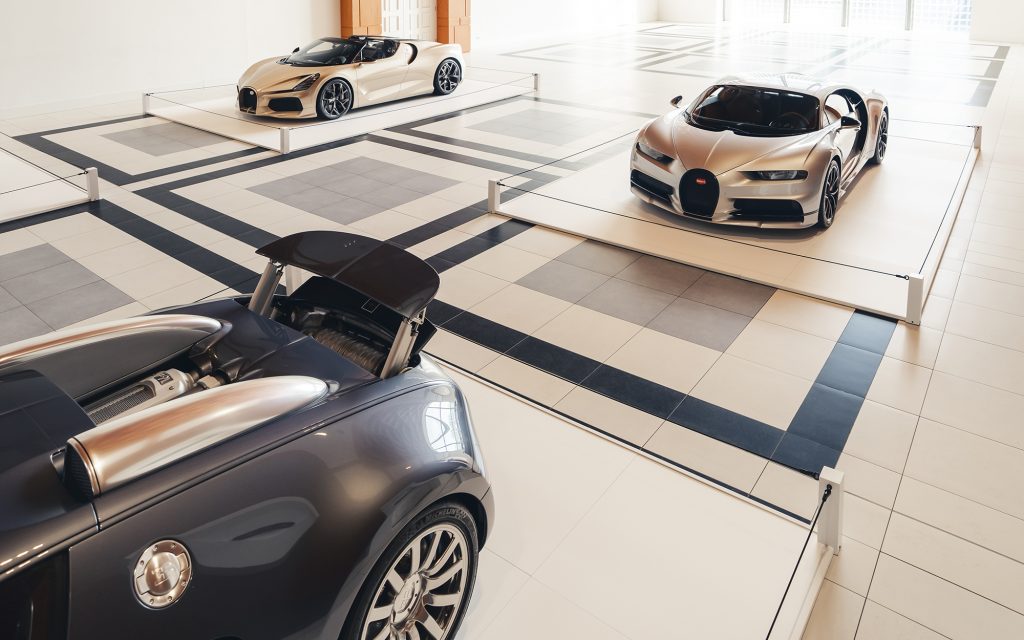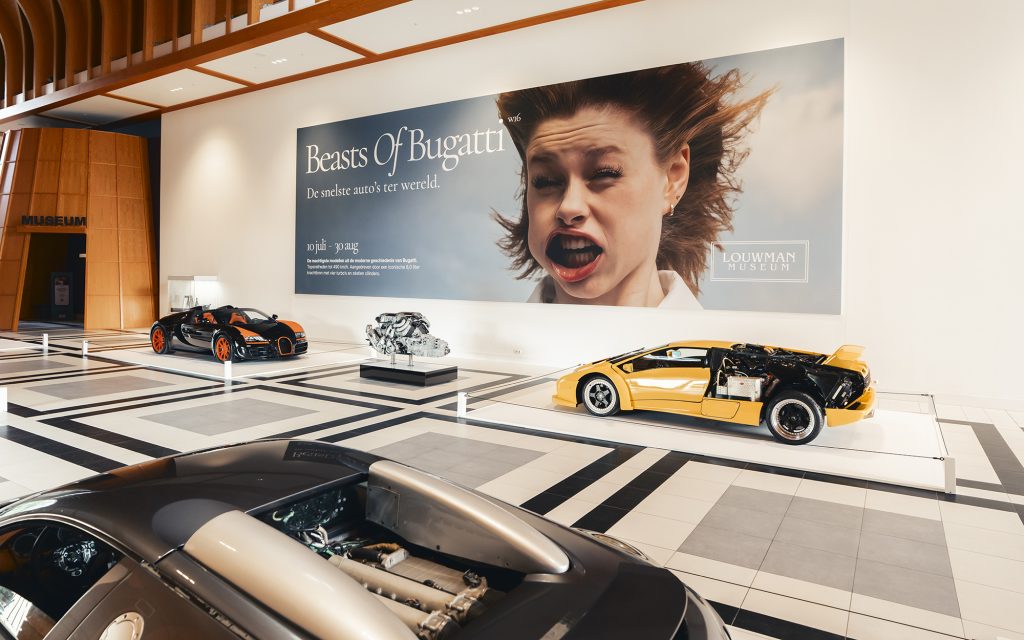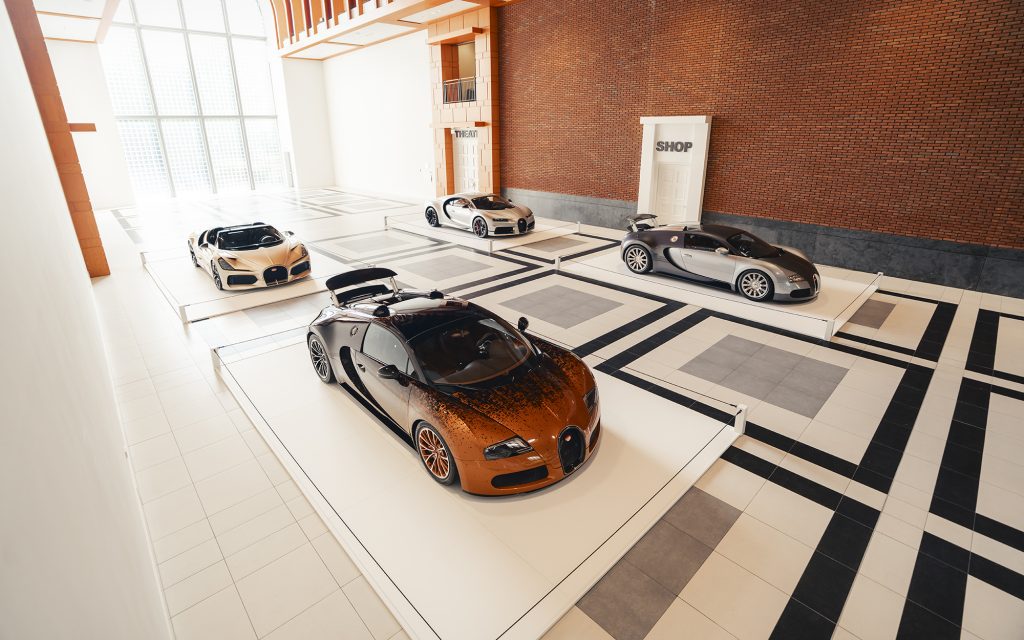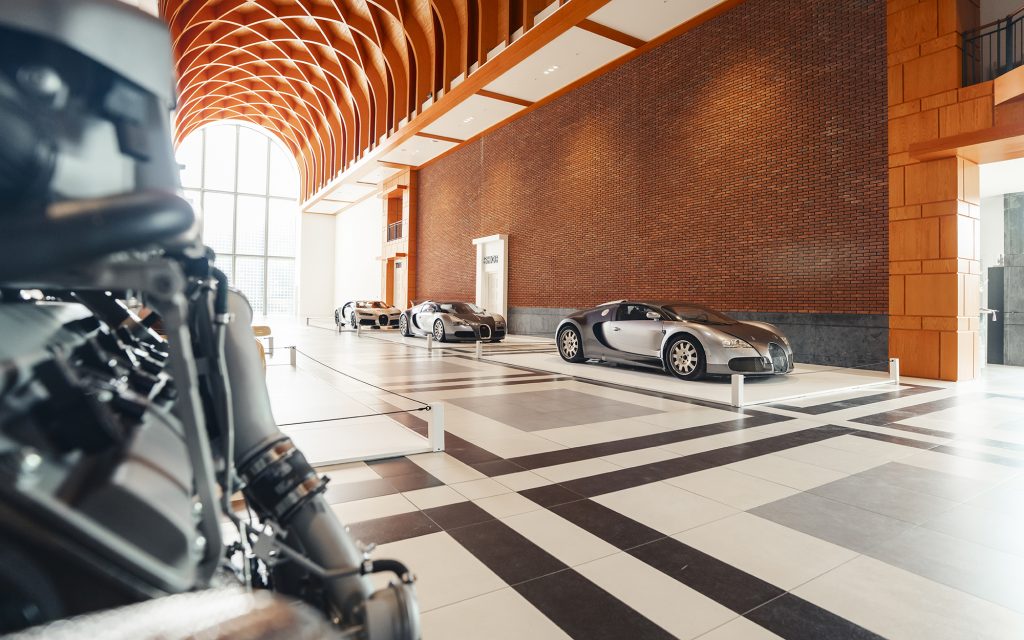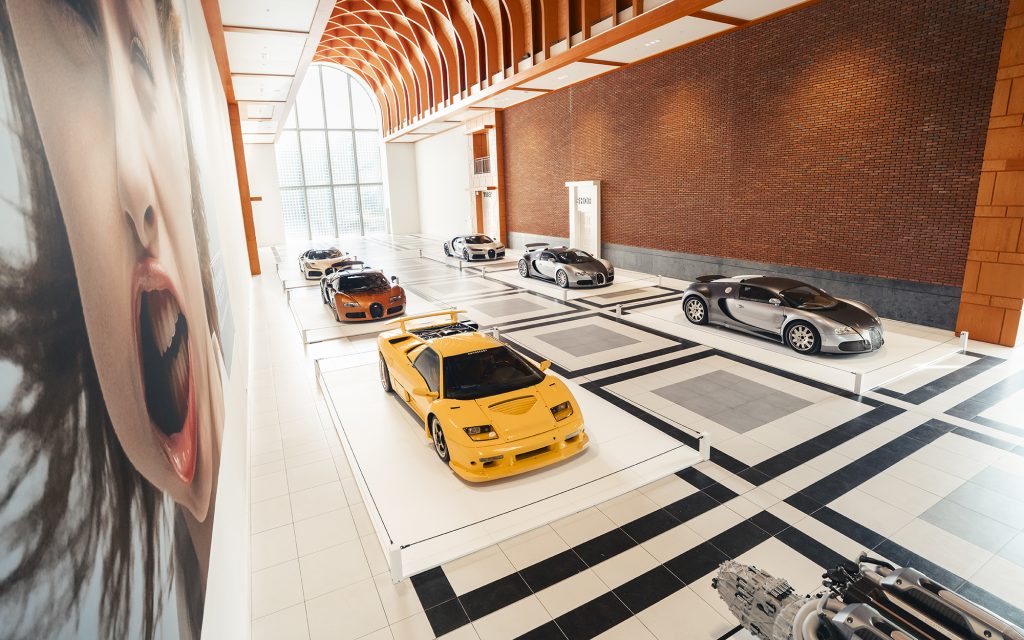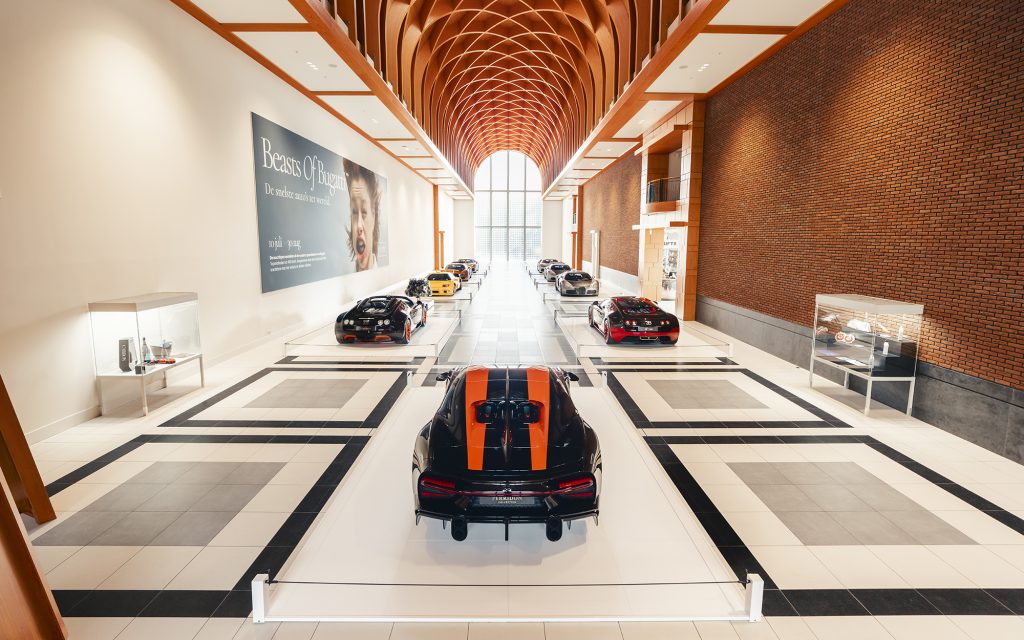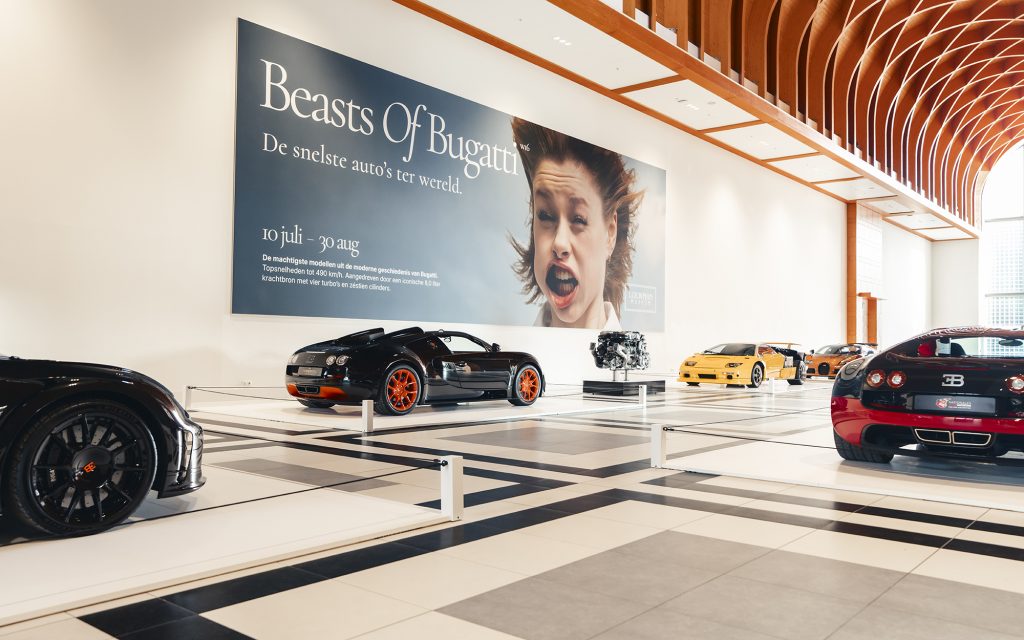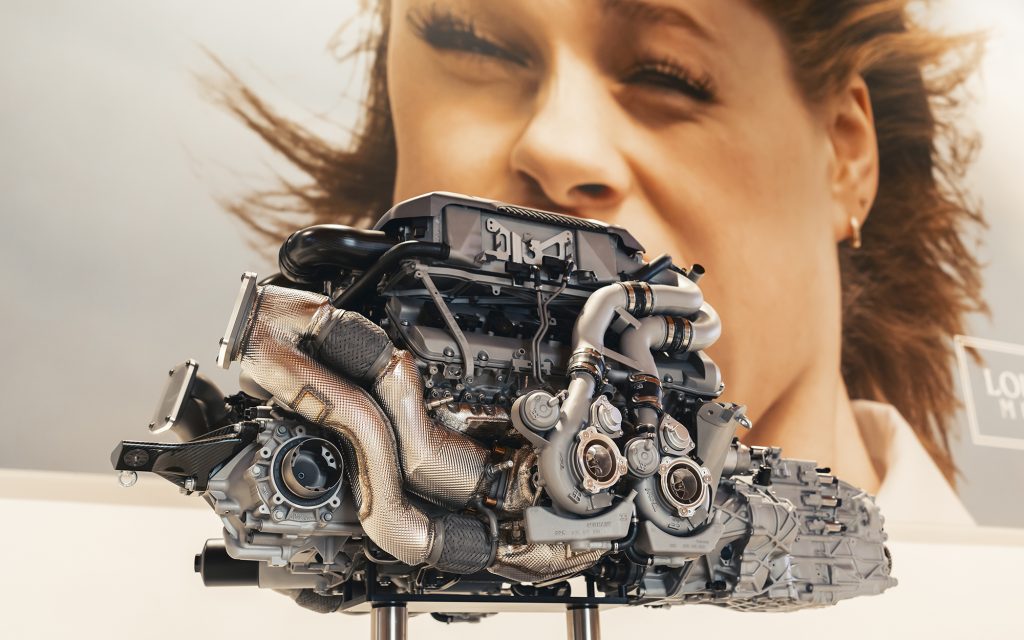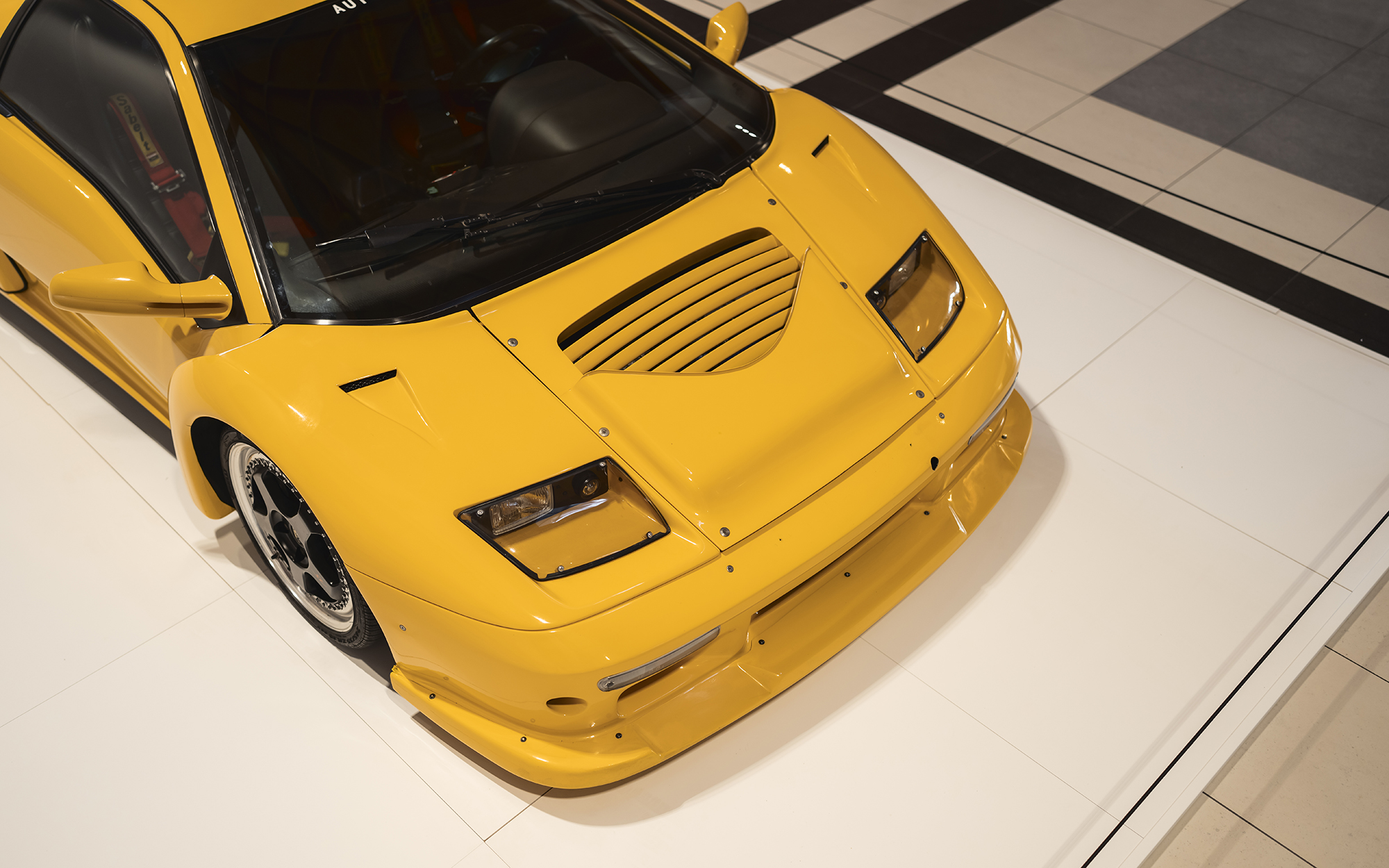

I’m catching this one late. Beasts of Bugatti, an exhibition of nine W16-era cars at the Louwman Museum in The Hague, closes in just a few days on August 30. That doesn’t leave much time to see it, but two of its exhibits in particular make it especially relevant from an Audi perspective.
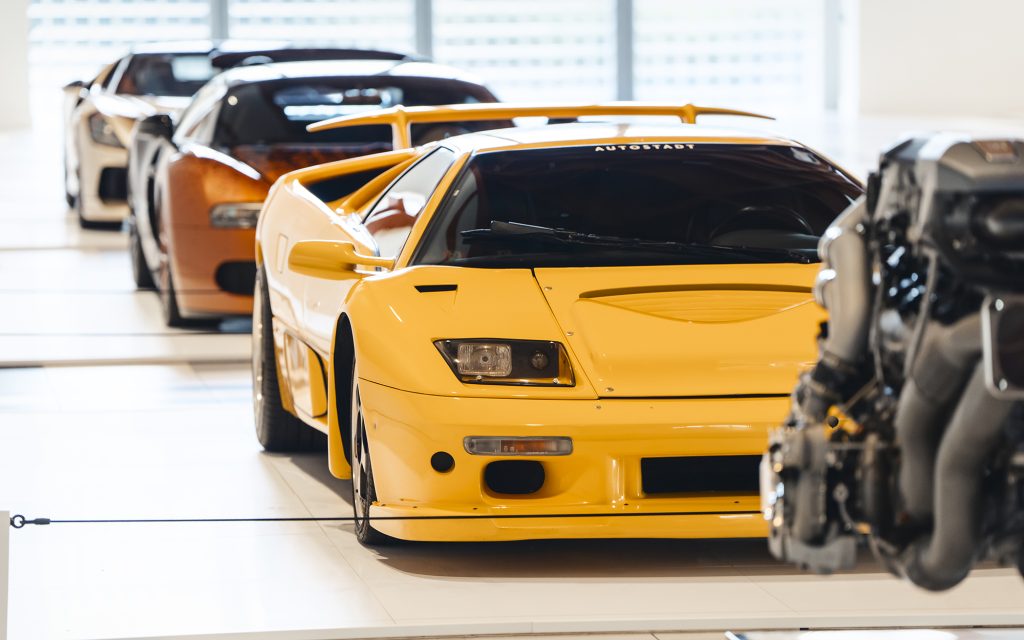
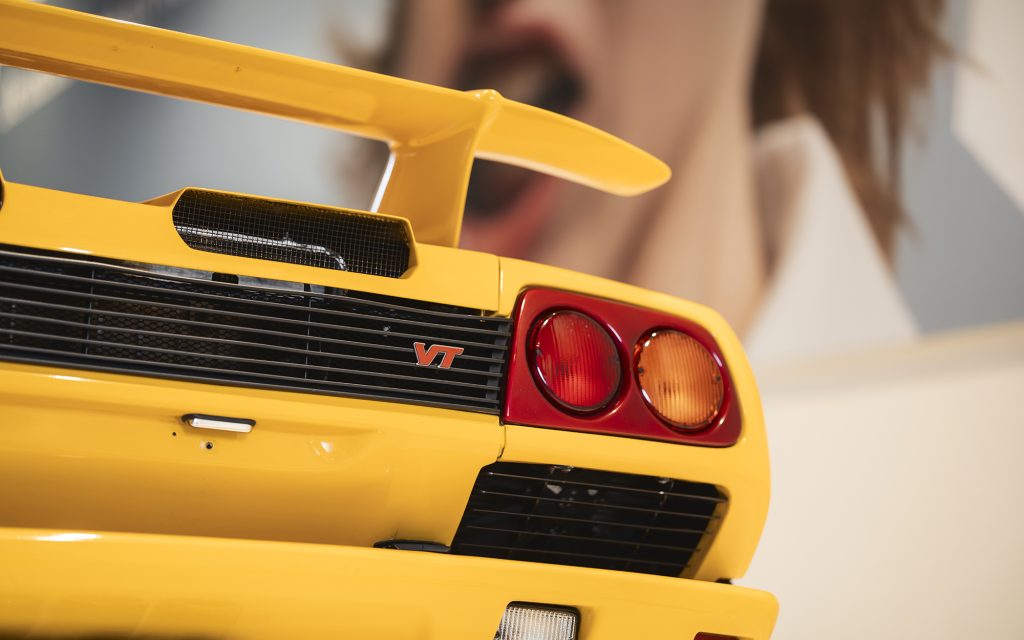
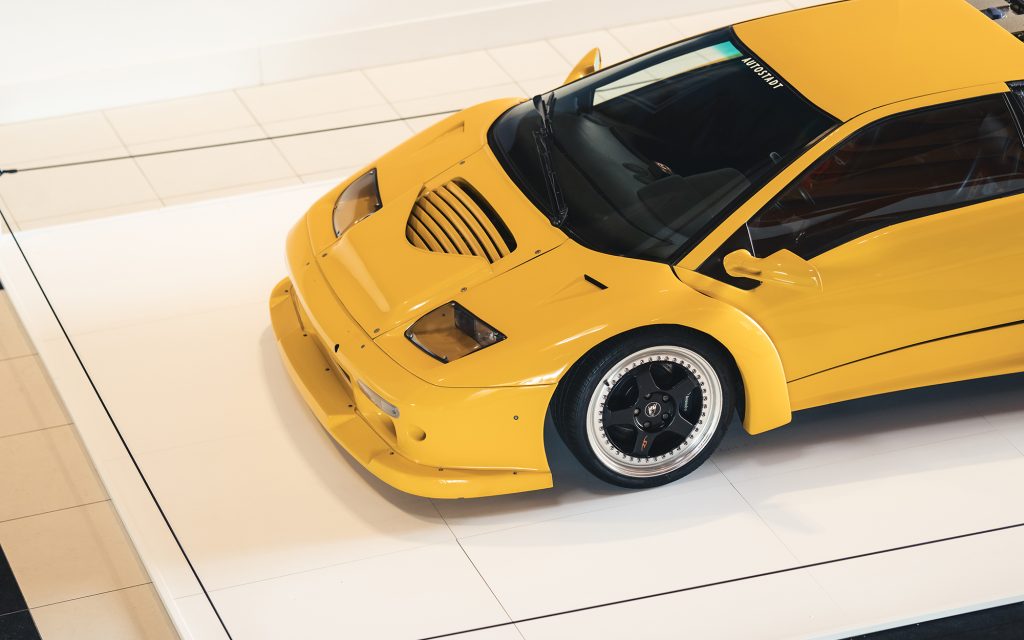
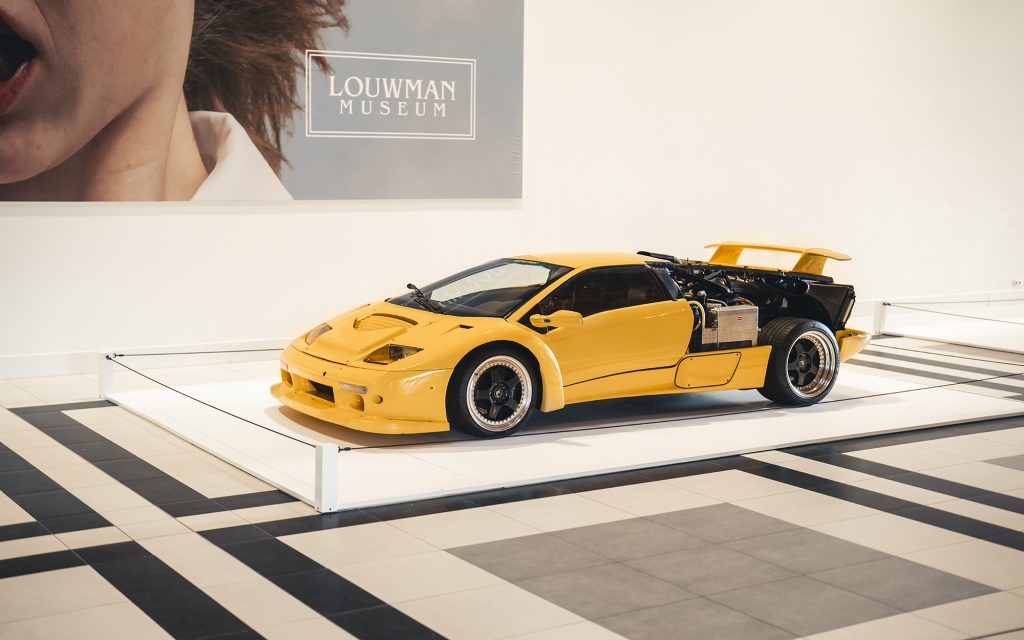
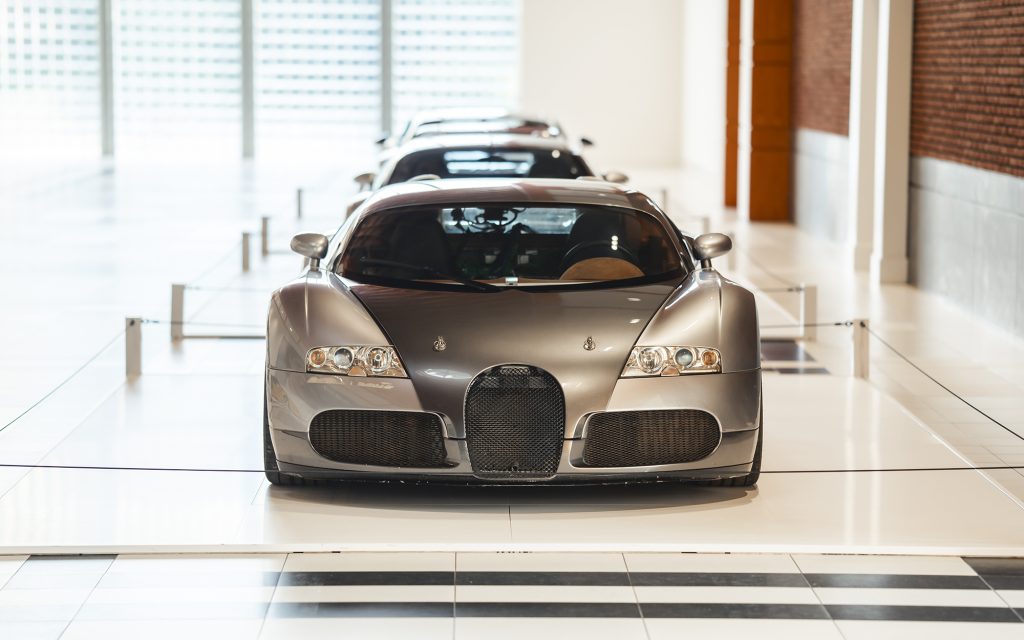
One is the first Bugatti Veyron prototype. The second isn’t a Bugatti at all. It’s a Lamborghini Diablo.
THE PIËCH CONNECTION
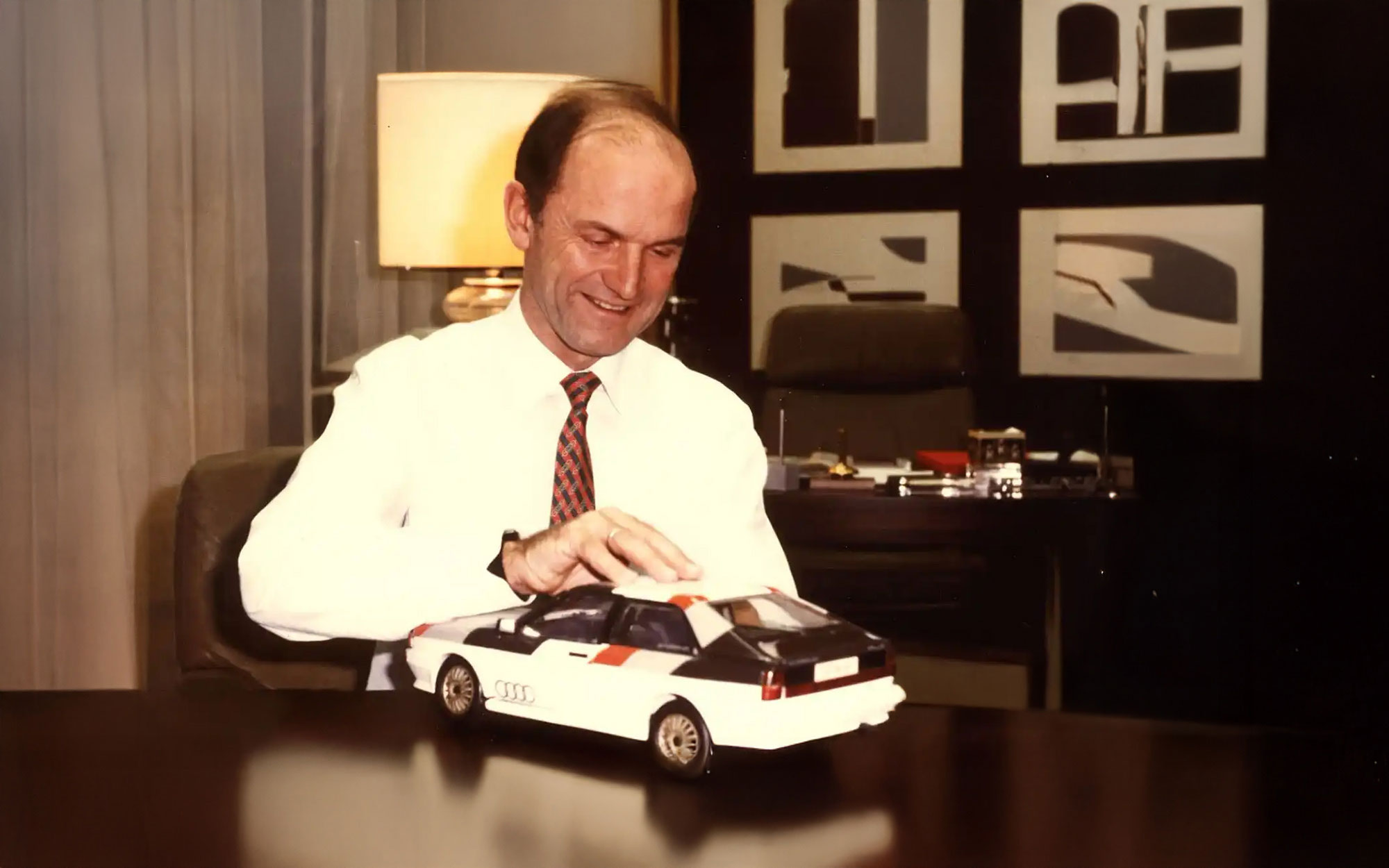
To understand why a Lamborghini development mule belongs in the story of Bugatti—and why that story also intersects with Audi—it’s worth looking back to Ferdinand Piëch.
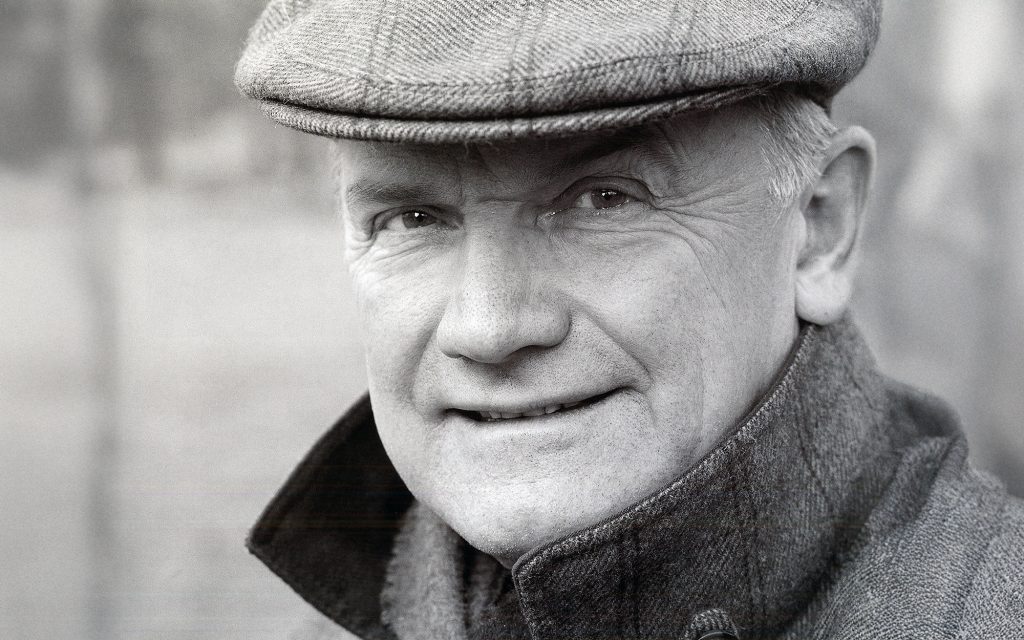
Piëch’s push through the 1970s and 1980s to move Audi into the postwar premium segment ultimately made the brand a critical early fixture on the luxury side of the Volkswagen Group. It’s also not difficult to see at least some of that ambition coming into focus for Piëch as seen through the lens of the prewar Auto Union era.
Piëch was the grandson of Ferdinand Porsche, who designed Auto Union’s revolutionary mid-engined Grand Prix cars. Their V16 engines sat behind the driver decades before mid-engine configurations became the norm in top-level racing, and drivers including Bernd Rosemeyer and Tazio Nuvolari made the Silver Arrows some of the most formidable racing cars of the 1930s.
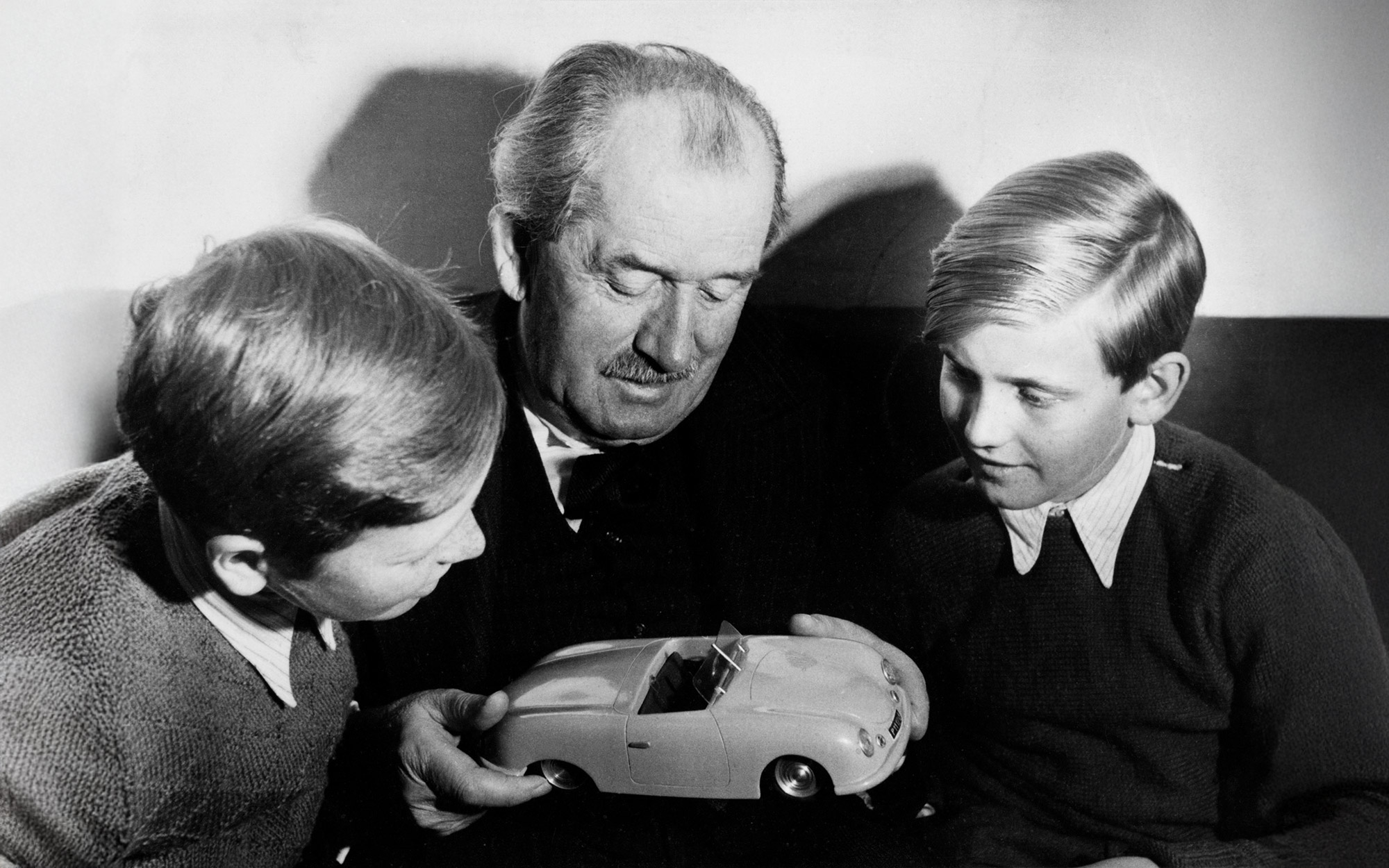
Bugatti existed within that same world. Auto Union competed against Bugatti during an era when Ettore Bugatti’s cars had already established one of motorsport’s greatest marques. Bugatti arguably brought an even deeper combination of racing success, engineering and luxury prestige.
Decades later, Piëch was instrumental in transforming Audi through technologies including the five-cylinder engine, quattro, aerodynamics, lightweight construction and TDI. He became chairman of Audi in 1988 and Volkswagen Group chairman in 1993. By the late 1990s, his ambitions had expanded well beyond repositioning Audi. The greater Volkswagen Group was moving aggressively into luxury, motorsport and high performance.
FROM ROLLS-ROYCE TO BUGATTI
In 1998 Volkswagen acquired Bentley and the Crewe factory through the complicated purchase of Rolls-Royce Motors, but the long-term rights necessary to produce cars under the Rolls-Royce name ultimately went to BMW.
Not to be outdone, Piëch quickly centered his attention on another target acquisition. After learning that BMW would secure the Rolls-Royce naming rights, his attention turned toward Bugatti.
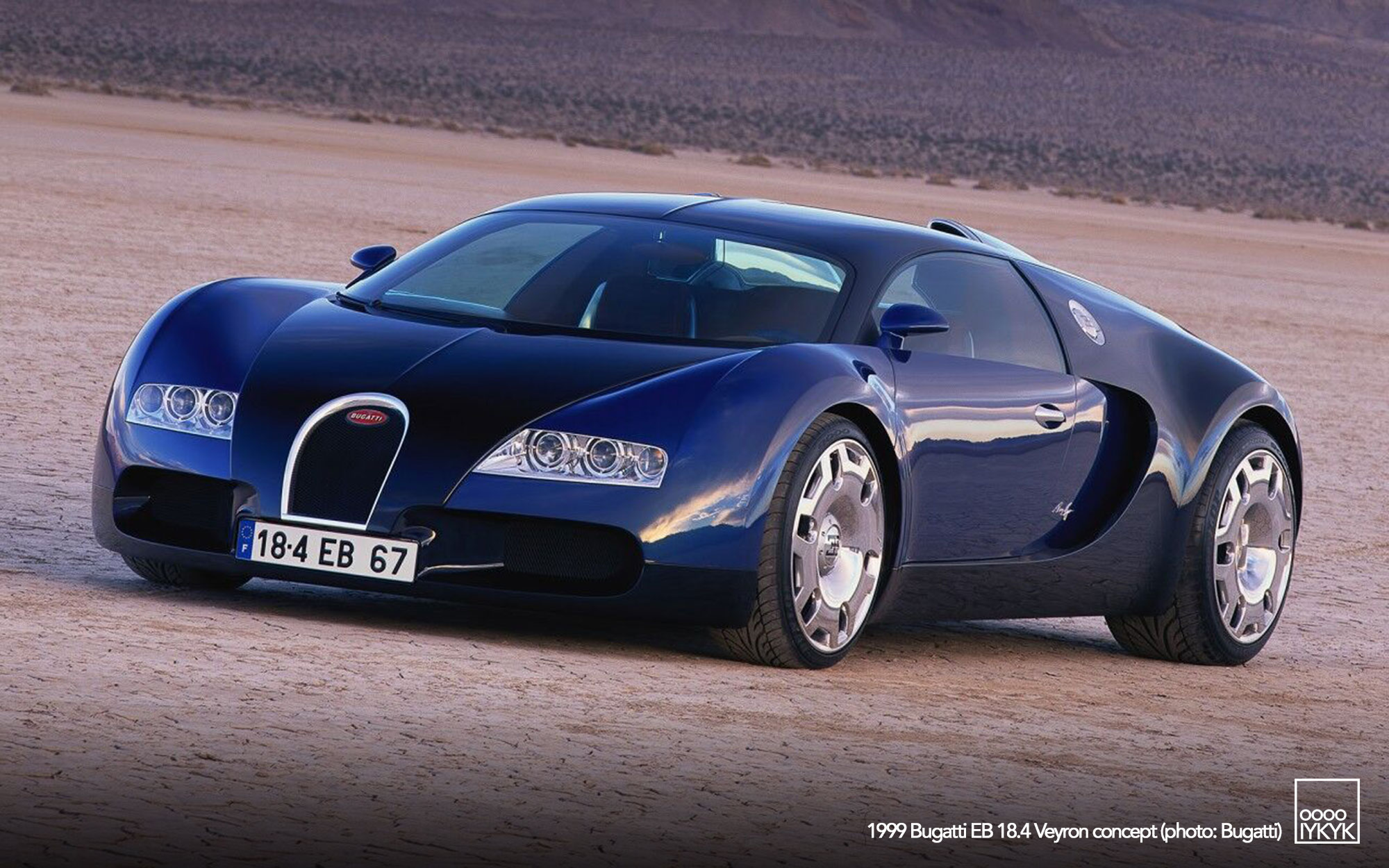
Volkswagen acquired the rights to the French brand in May 1998 from Romano Artioli – the brand’s then Italian owner and himself the father of the 1990s Bugatti effort headlined by the EB110 supercar.
The choice arguably suited Piëch even better. Bugatti offered extraordinary prestige, but unlike Rolls-Royce that was mainly a brand of opulent luxury, Bugatti also brought authentic sporting, performance and engineering identity. Piëch was particularly fascinated by cars including the Type 35, Type 41 Royale and Type 57 SC Atlantic. That cars like the various Bugatti Royales were arguably even more prestigious than anything Rolls had offered probably also wasn’t missed on the shrewd German automotive magnate.
Pivotal to the story, another important piece was being added to the Group at about the same time. Audi AG acquired Lamborghini in 1998.
Suddenly Piëch had assembled an extraordinary collection of brands and engineering capabilities that seemed aimed at moving Volkswagen from people’s car brand to a multi-national automotive brand portfolio with unrivaled dominance at the top end of the market.
A VOLKSWAGEN GROUP IN EXPERIMENTAL MODE
The period that followed was one of the most ambitious in Volkswagen Group history.
Audi was preparing its return to Le Mans, where the R8 LMP program would go on to dominate the early 2000s. Lamborghini was beginning its transformation under Audi ownership, Bentley was being rebuilt as a modern luxury and performance marque and Bugatti was being resurrected in Molsheim.
Meanwhile, Volkswagen Group design studios were exploring how far the new portfolio could be pushed. Piëch had already conceived an extraordinary compact multi-cylinder engine architecture. His original Bugatti vision used an 18-cylinder engine, reportedly sketched while traveling on a Japanese Shinkansen. Bugatti’s EB 118, EB 218 and EB 18/3 Chiron concepts explored variations of that W18 idea.
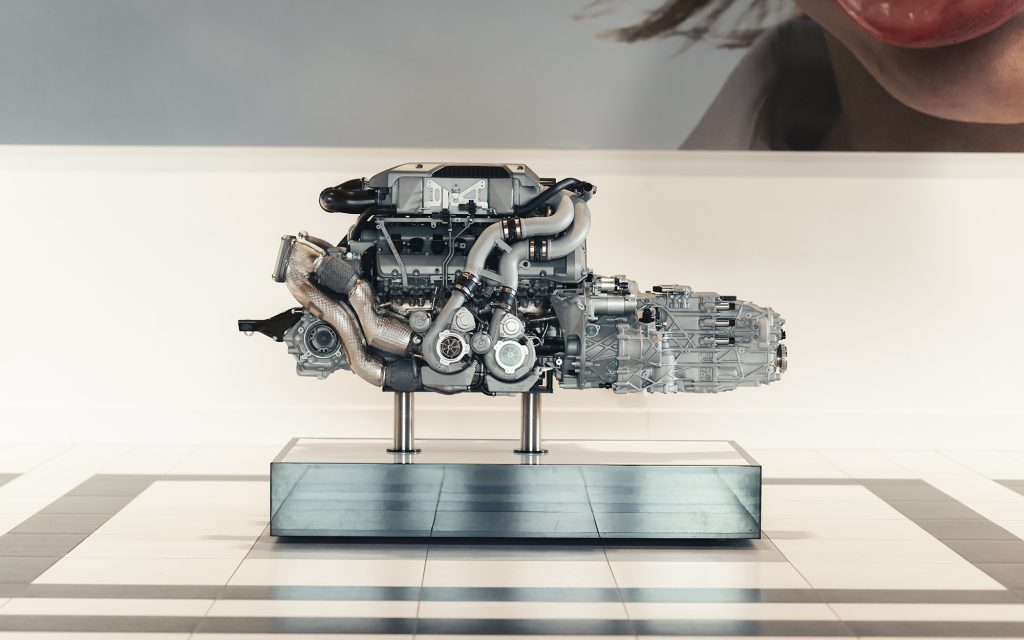
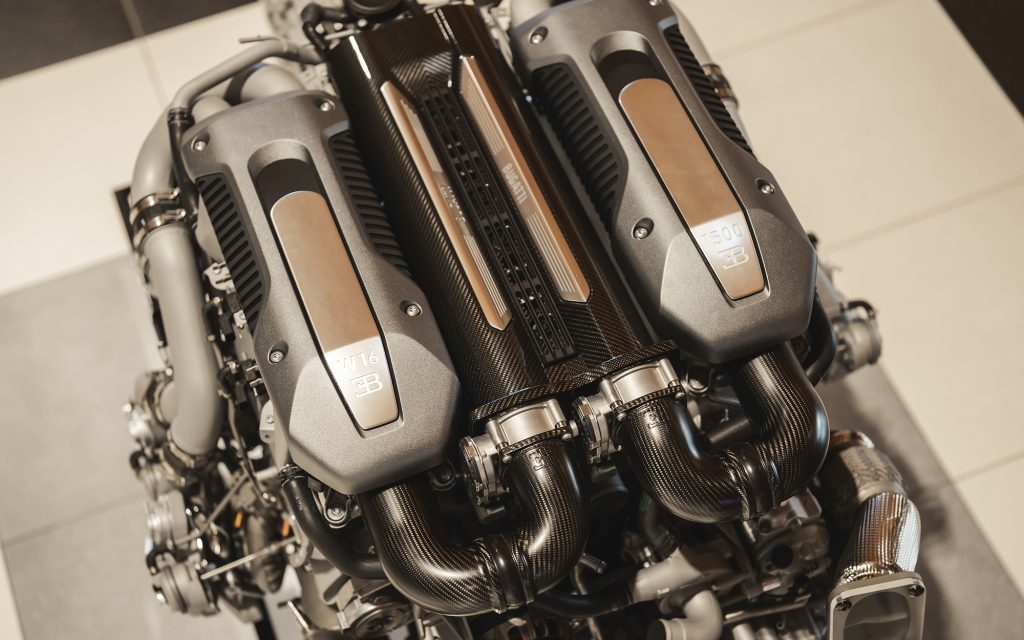
The architecture subsequently evolved toward the W16.
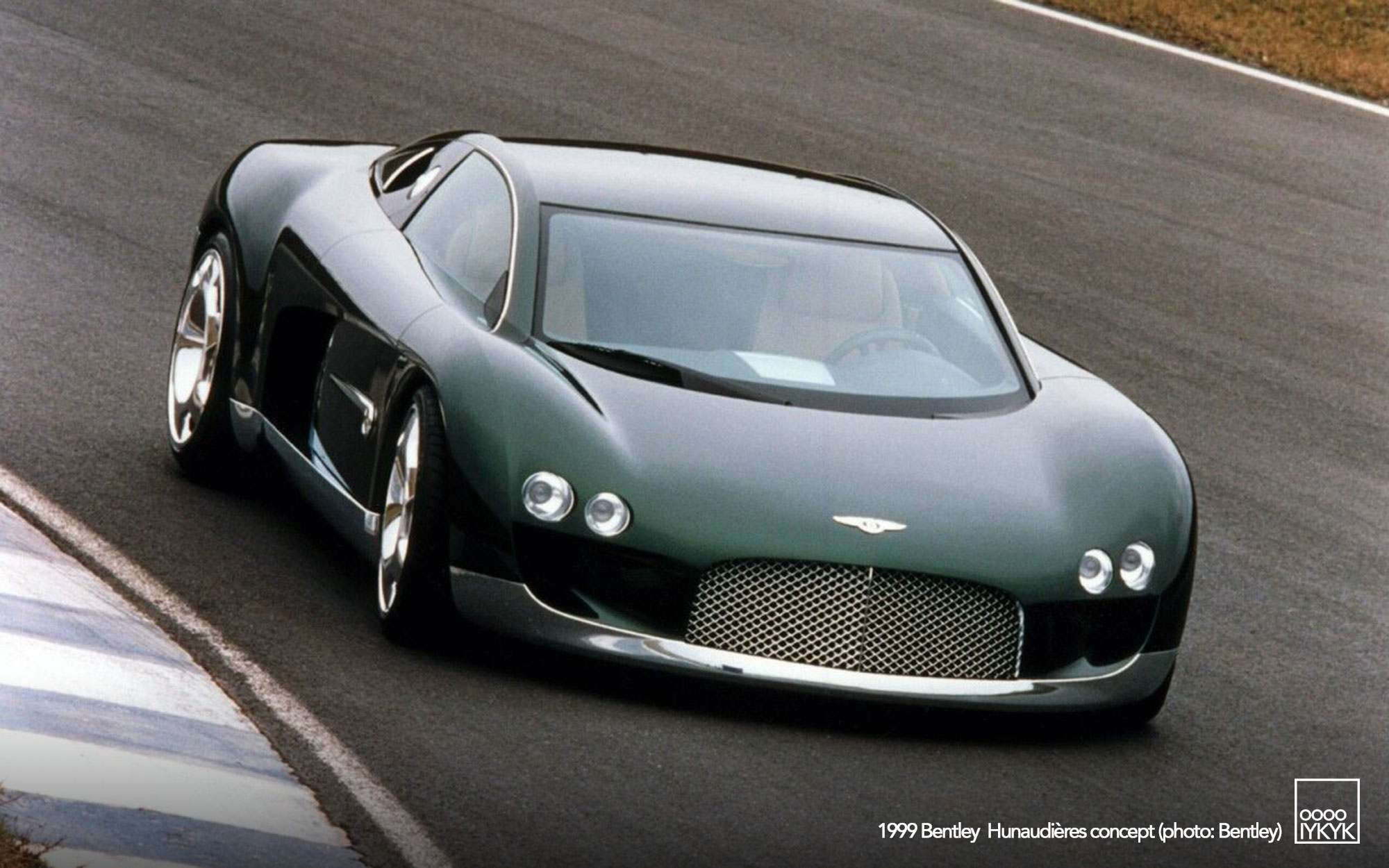
Bentley’s Hunaudières concept appeared at Geneva in 1999 with a naturally aspirated W16 mounted behind the cabin. Volkswagen itself was exploring the supercar space with its W12 concepts.
Then came Audi.
PROJECT ROSEMEYER
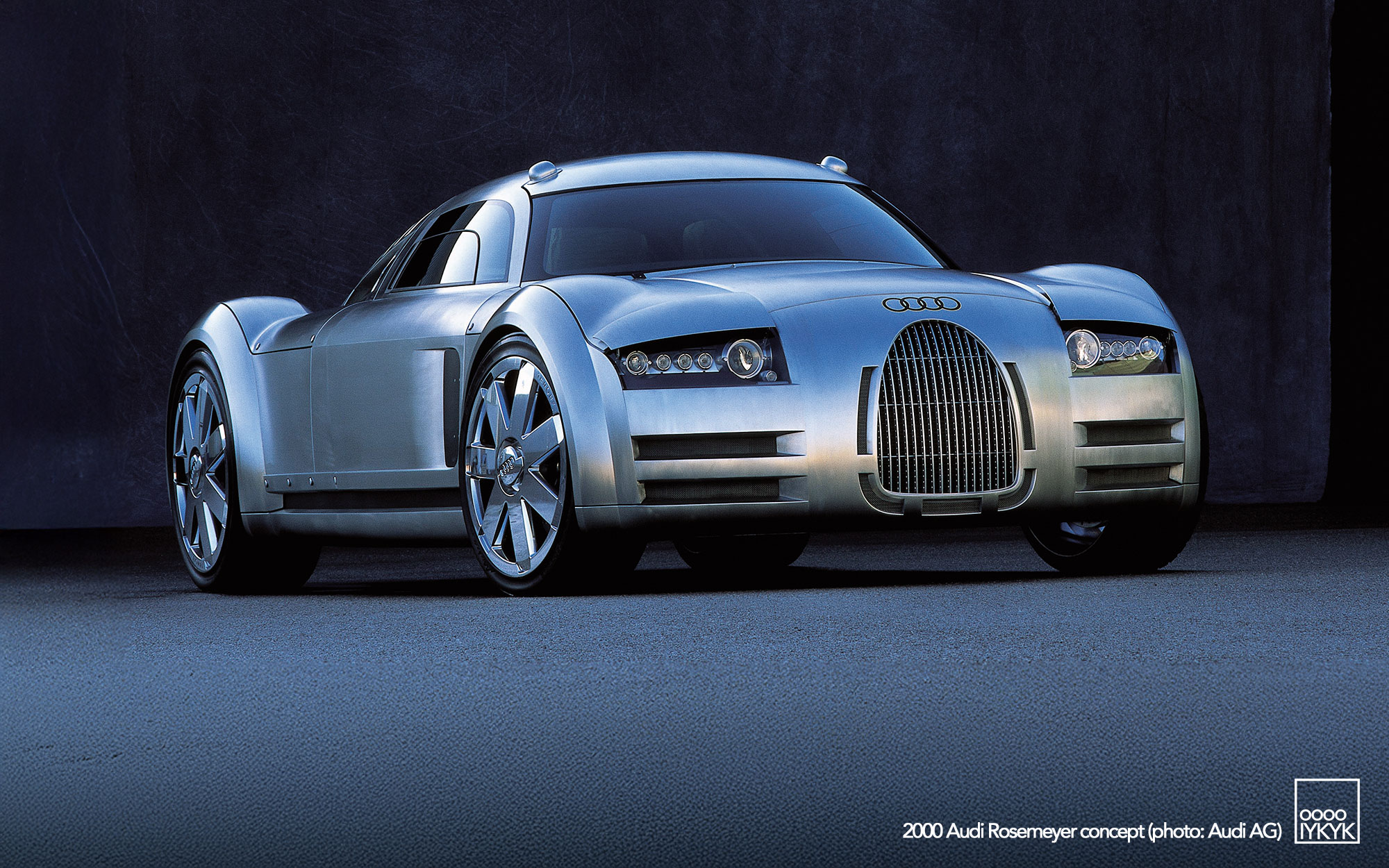
Unveiled in 2000, Audi’s Project Rosemeyer was one of the clearest intersections between Piëch’s family history and his vision for the Volkswagen Group’s future.
Its design deliberately recalled the prewar Auto Union Silver Arrows era, a time when Ferdinand Piëch was a young impressionable boy watching his grandfather create revolutionary racing machines. Piëch chose a name for his new concept directly from that era, choosing to honor Dr. Porsche’s good friend and star Auto Union driver Bernd Rosemeyer.
Behind the cockpit of the Project Rosemeyer concept sat an 8.0-liter naturally aspirated W16. The engine theoretically produced 700 hp and drove all four wheels through quattro. The parallels couldn’t be missed. More than six decades later, Porsche’s grandson was at the wheel and directing Audi to display a mid-engined, 16-cylinder supercar concept inspired directly by it. The car turned up as a total surprise not at an established auto show but a quickly shown highlight of the Audi Pavillion of the just-built Autostadt corporate customer outreach attraction Piëch had created in Volkswagen’s home town of Wolfsburg, Germany.
Ultimately, Project Rosemeyer never became a production Audi. But the W16 most certainly wasn’t going away.
THEN THERE’S THIS LAMBORGHINI DIABLO
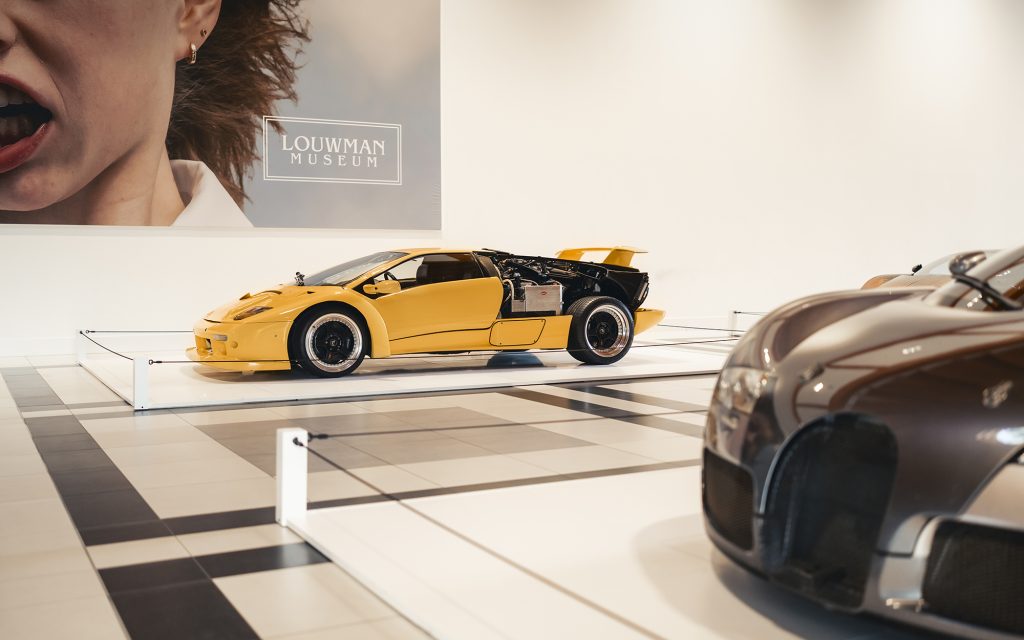
That’s what makes one of the one of the most surprising highlights at the Louwman Museum’s exhibit so fascinating. It’s not a Bugatti at all.
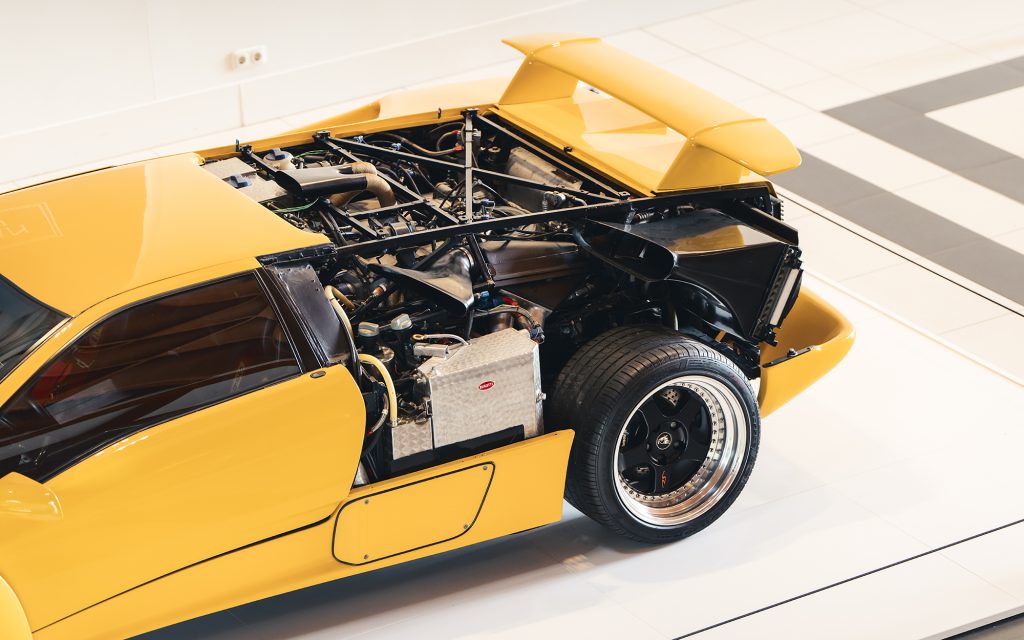
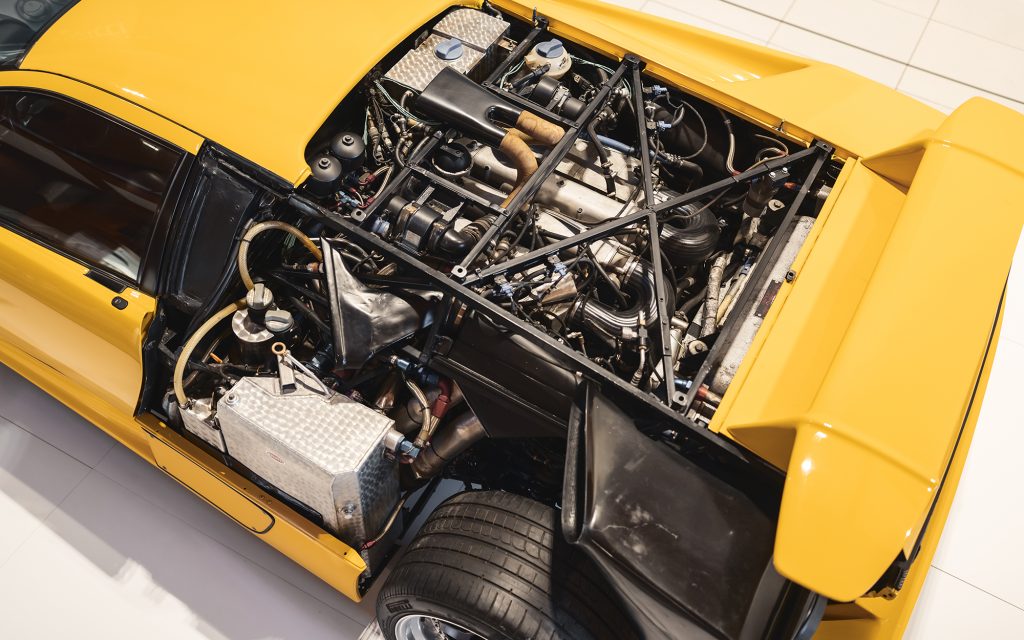
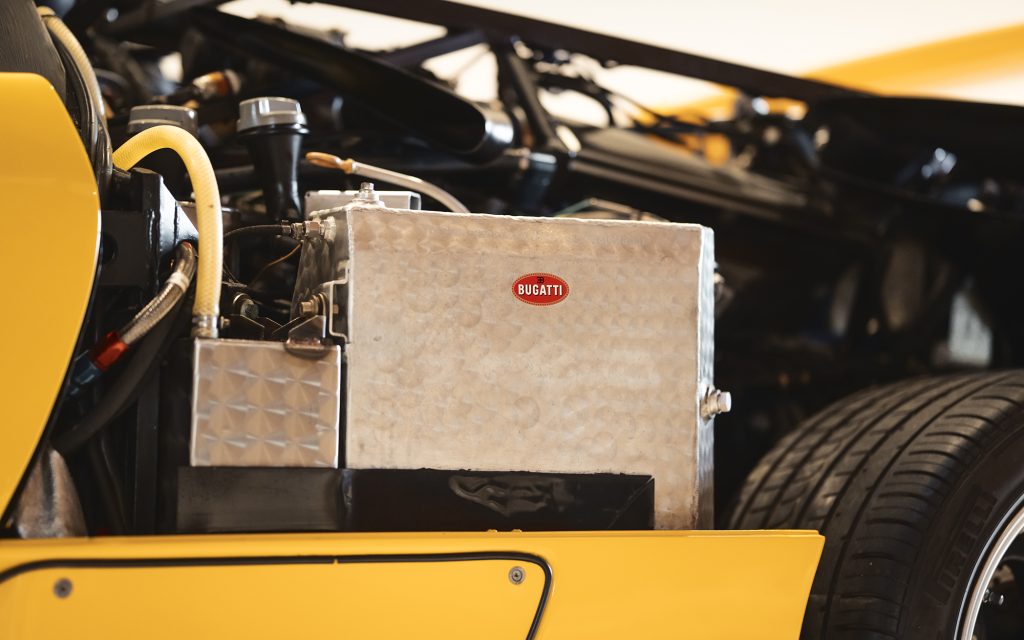
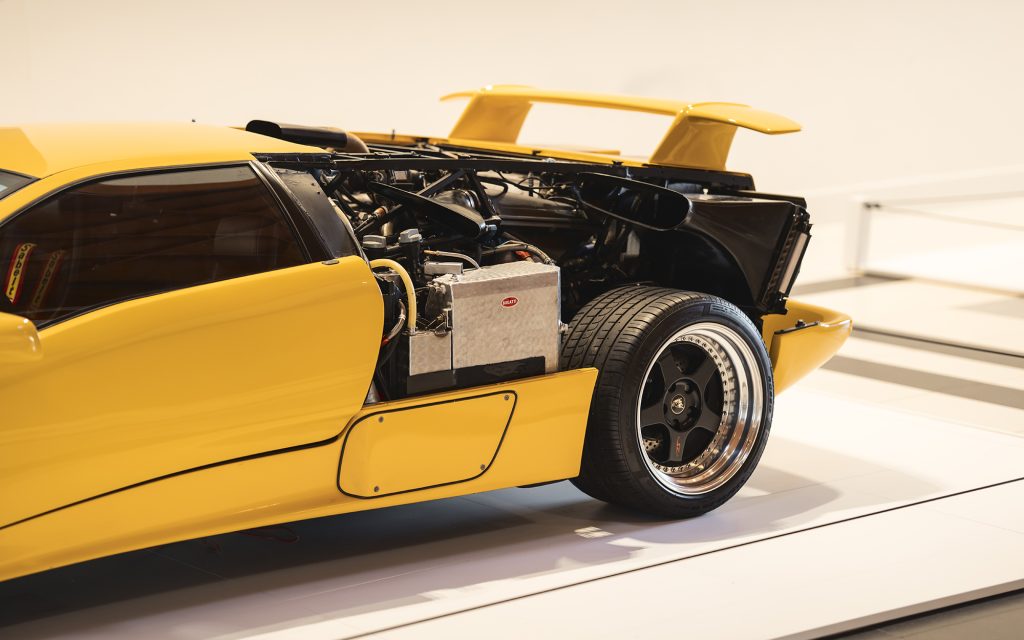
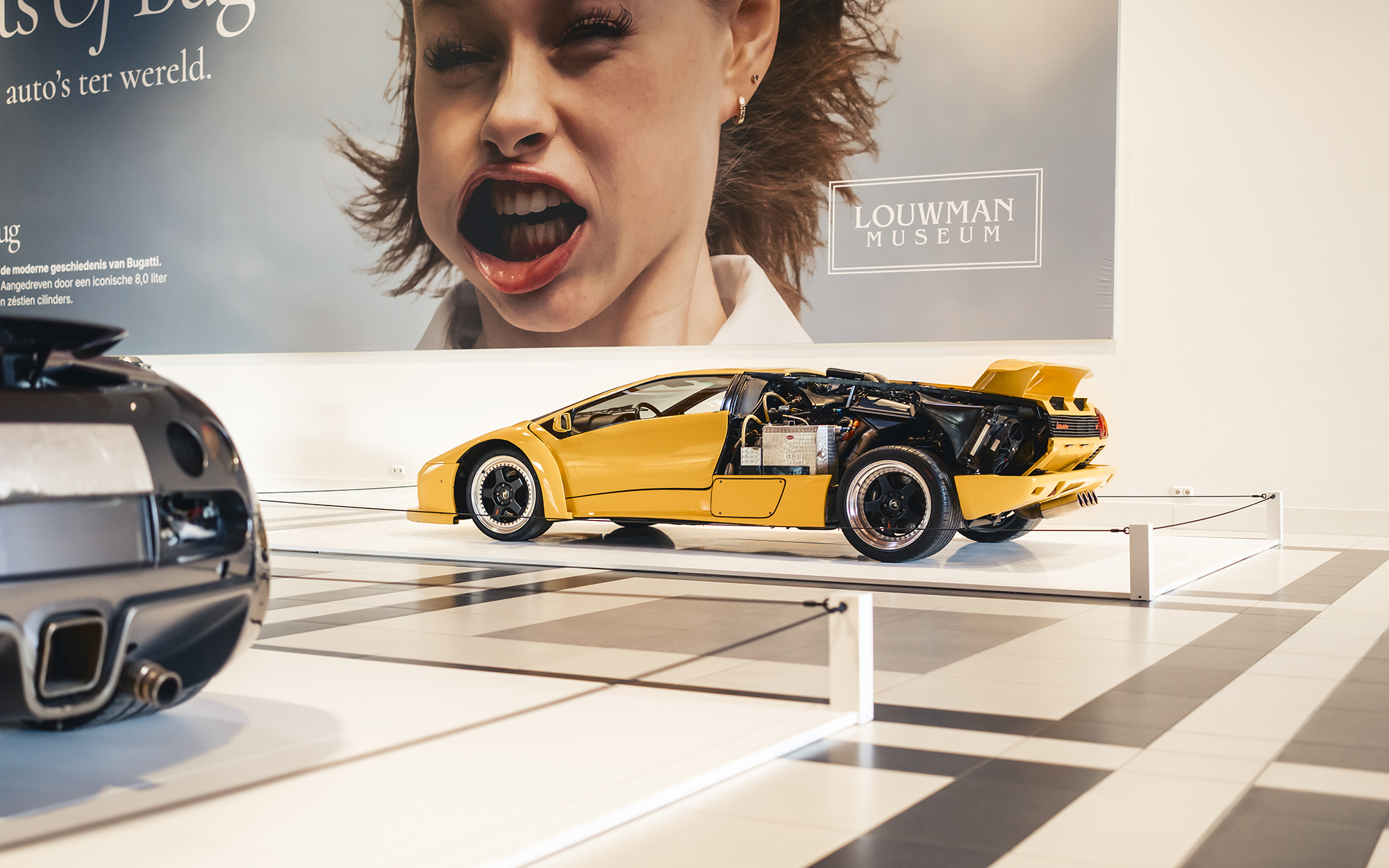
During development of the W16, Bugatti Engineering had an engine but didn’t yet have a suitable production car in which to test it. Lamborghini and Bugatti were now sister marques within the Volkswagen Group ecosystem, and Lamborghini already had a mid-engined supercar.
Granted, the Diablo pre-dated the acquisition, but Piëch had quickly directed Audi to improve the Diablo for its final iteration – work that had already been set into motion. For Bugatti engineers, the Diablo was the most suitable alternative for testing the W16 engine project.
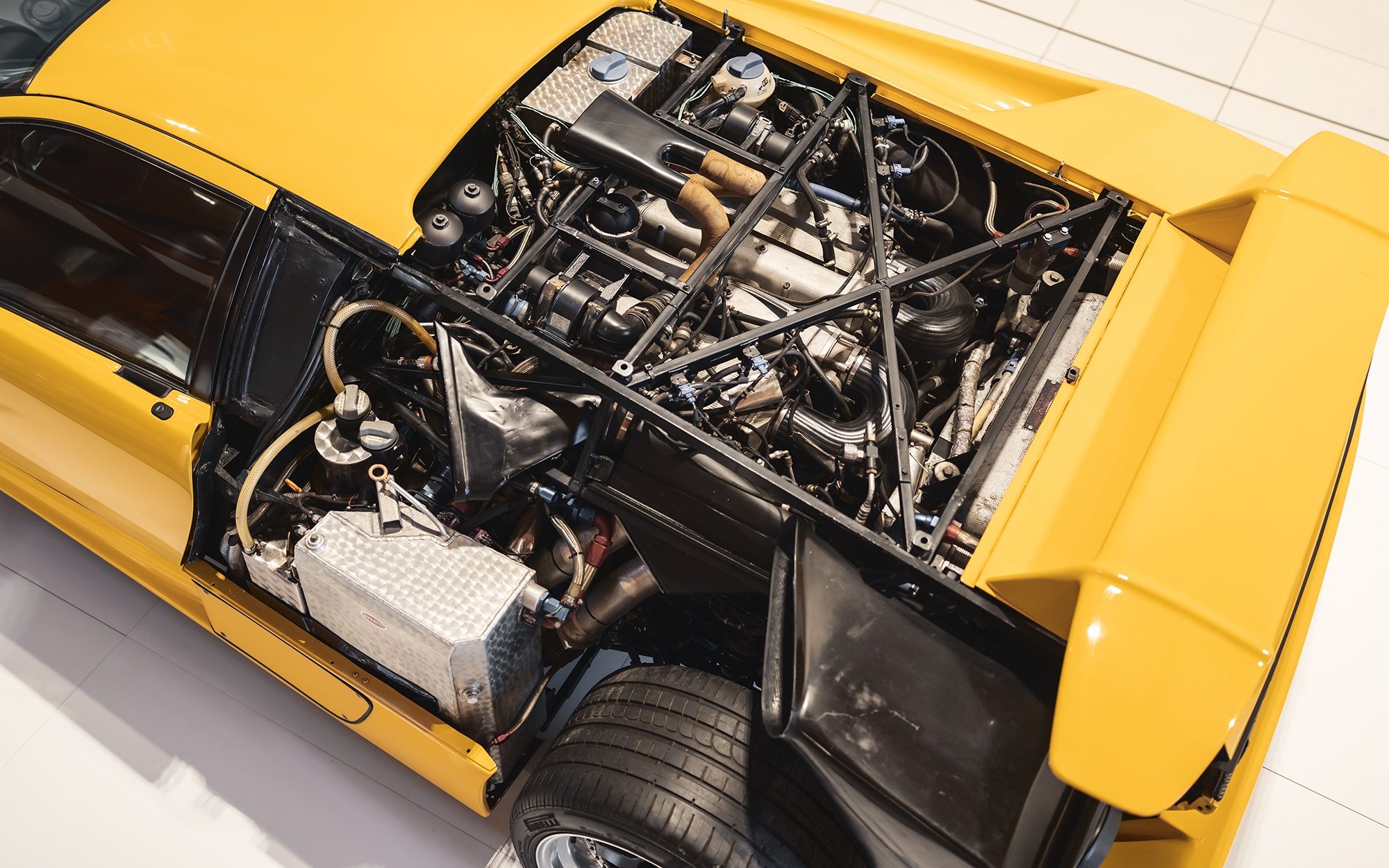
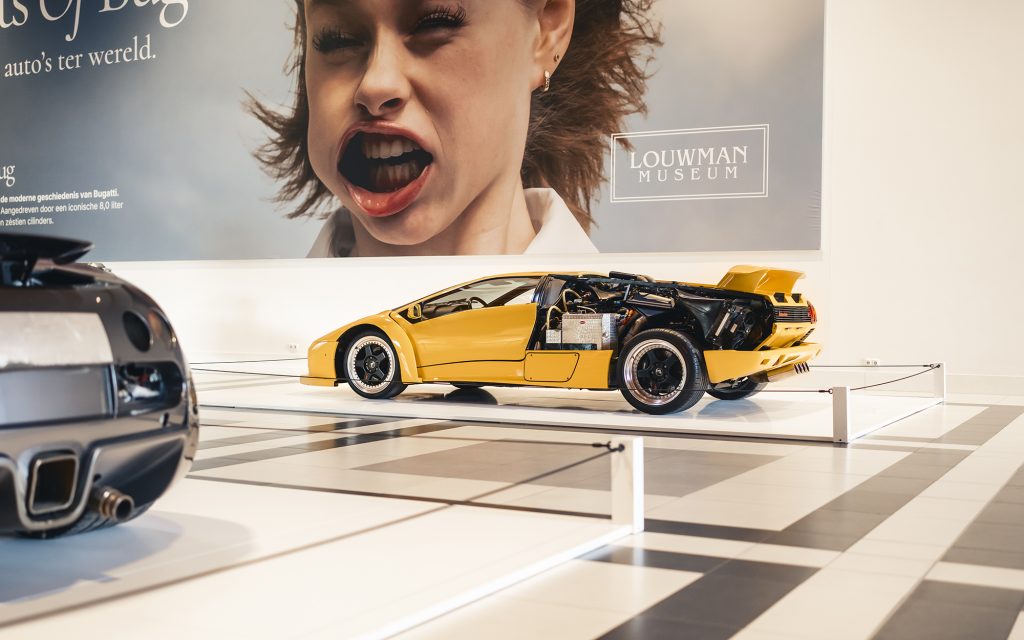
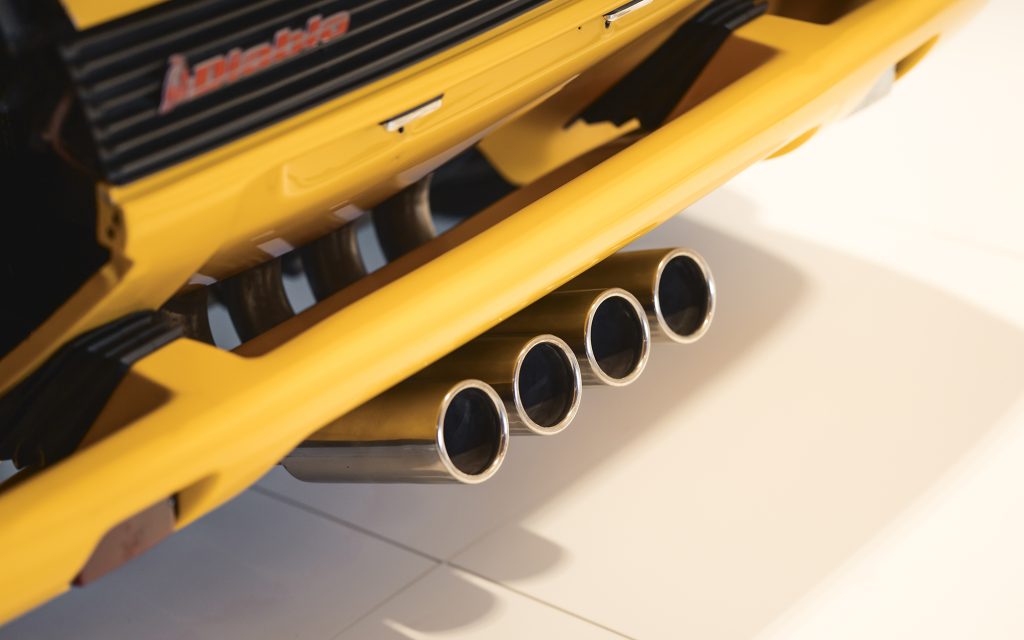
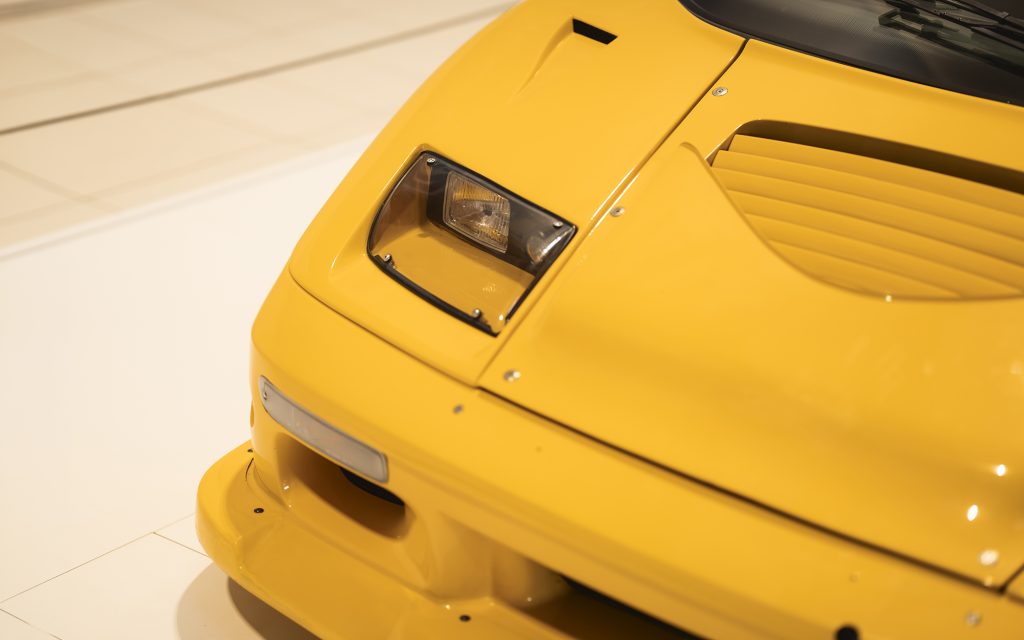
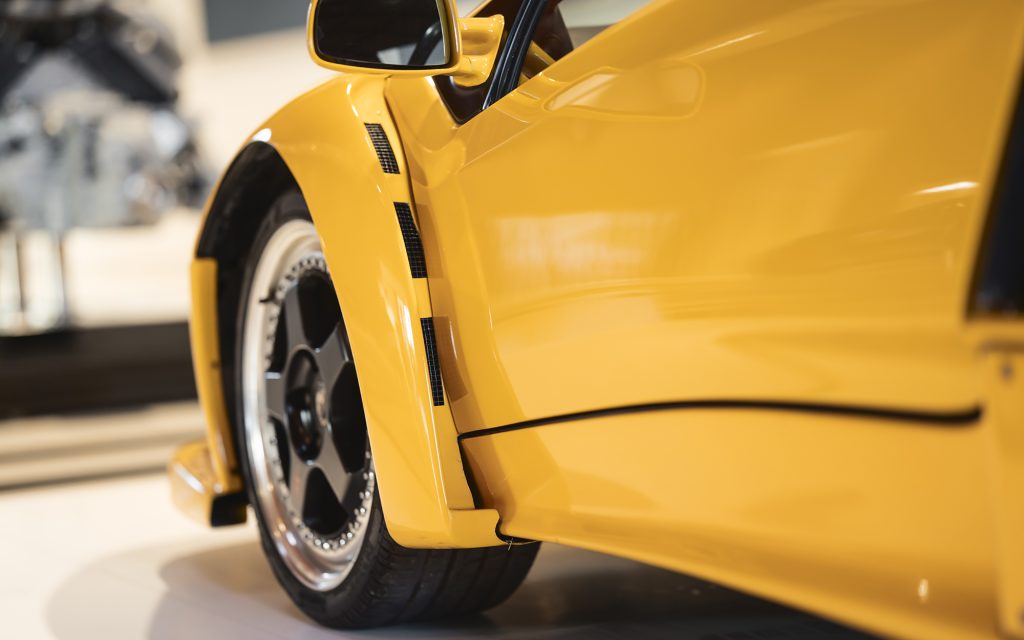
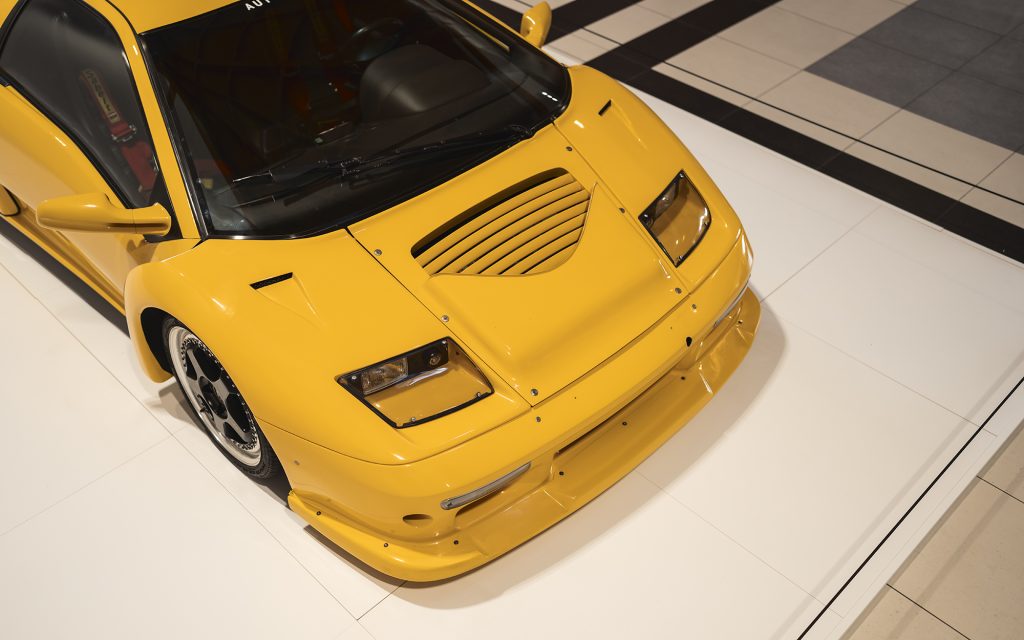
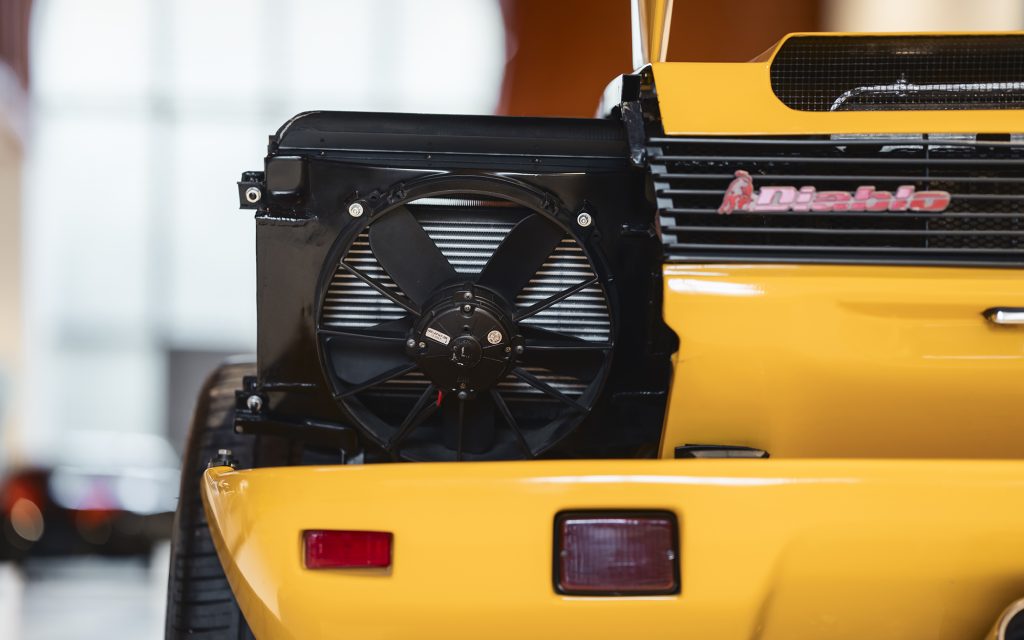
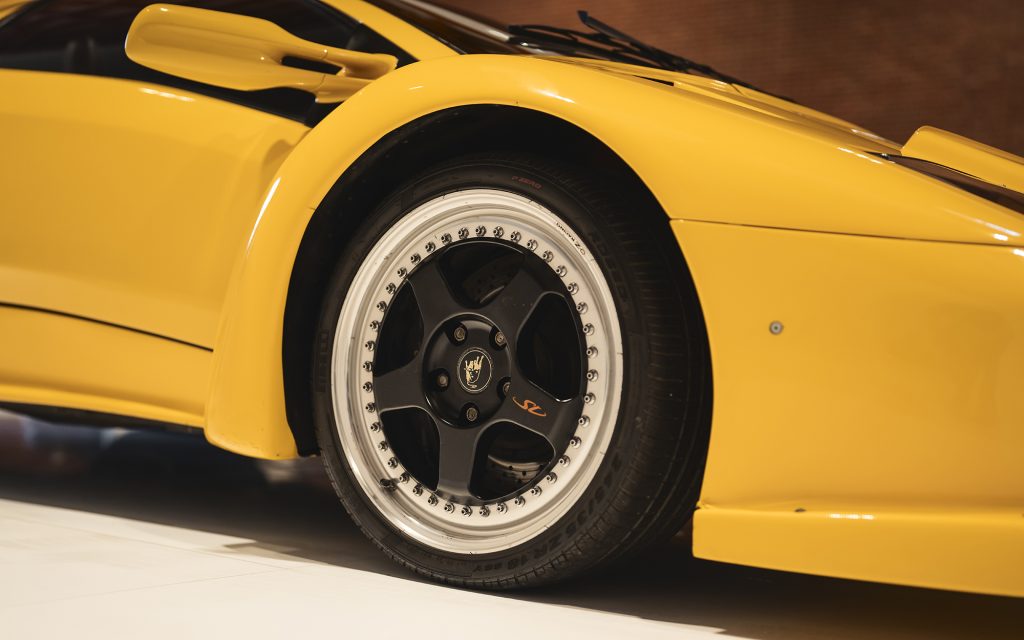
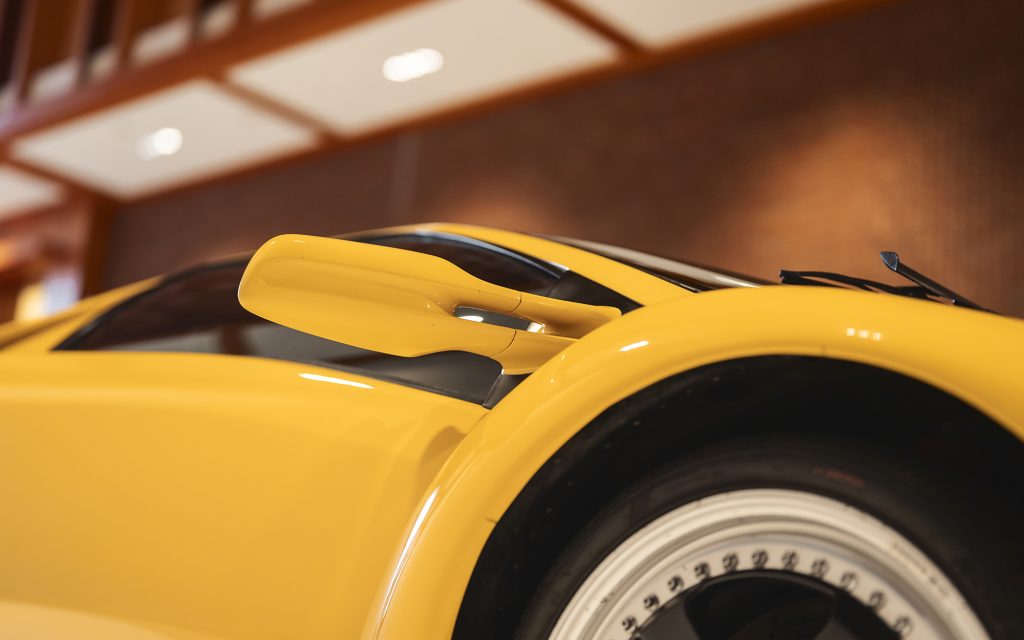
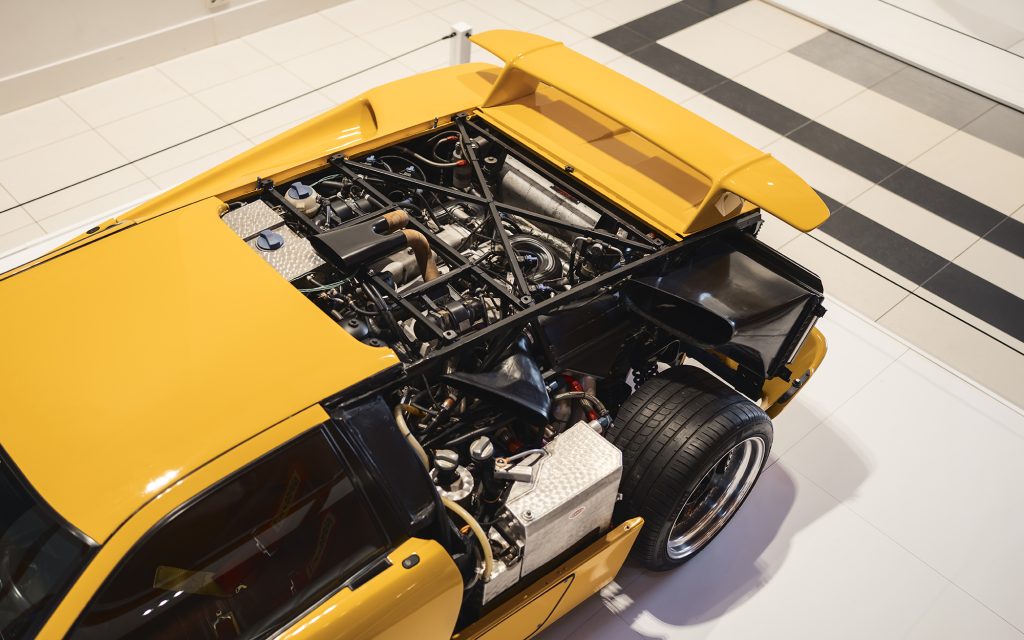
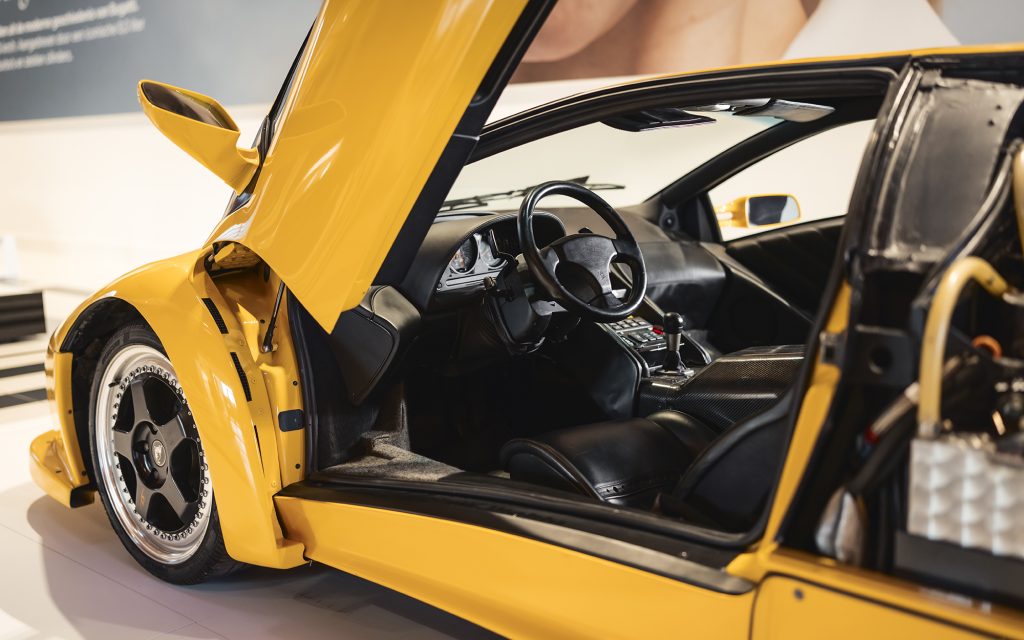
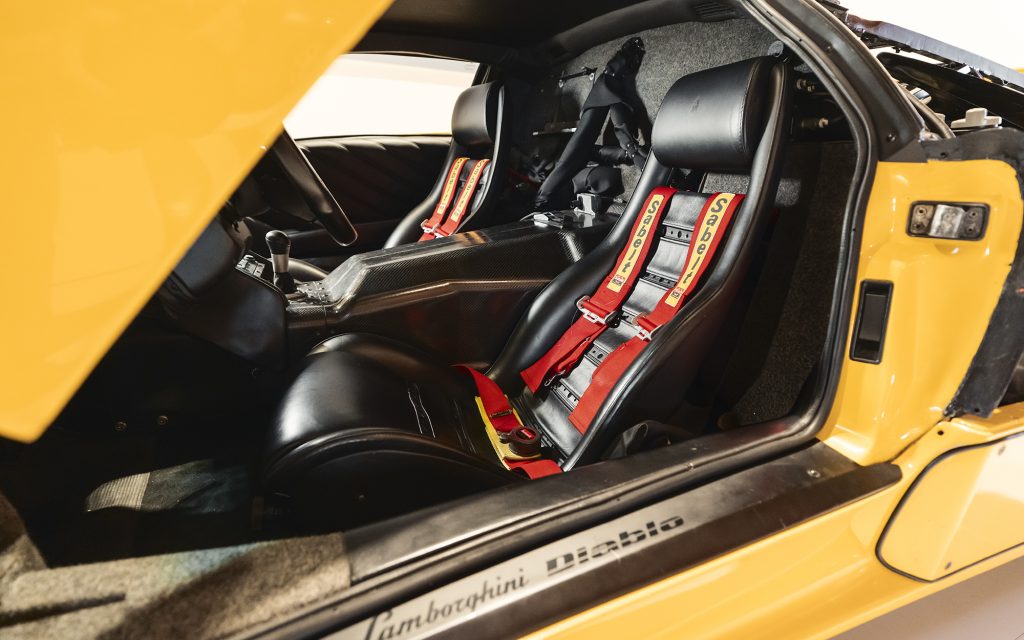
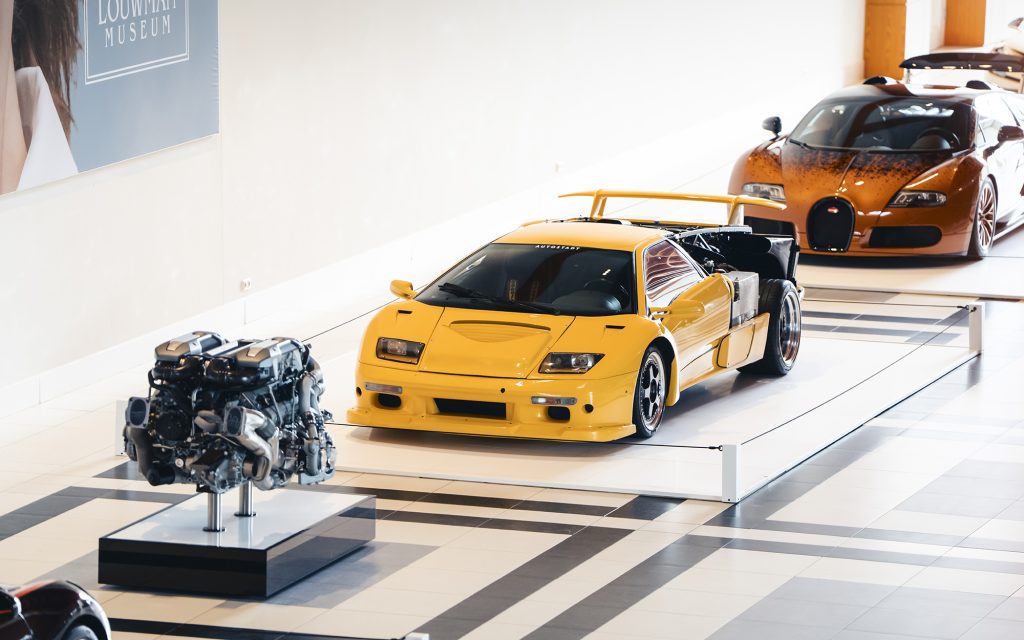
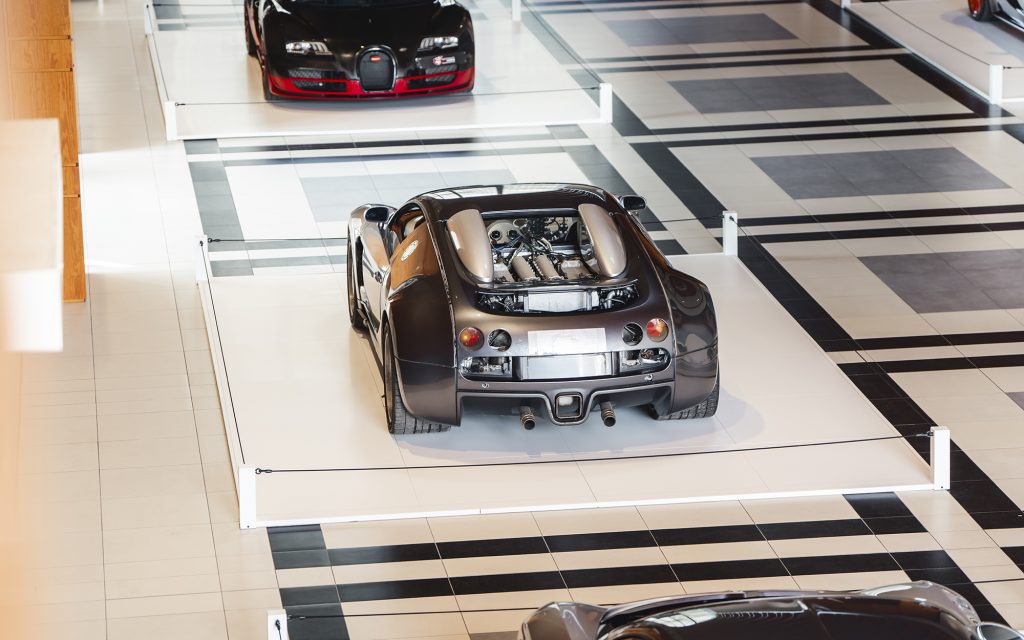
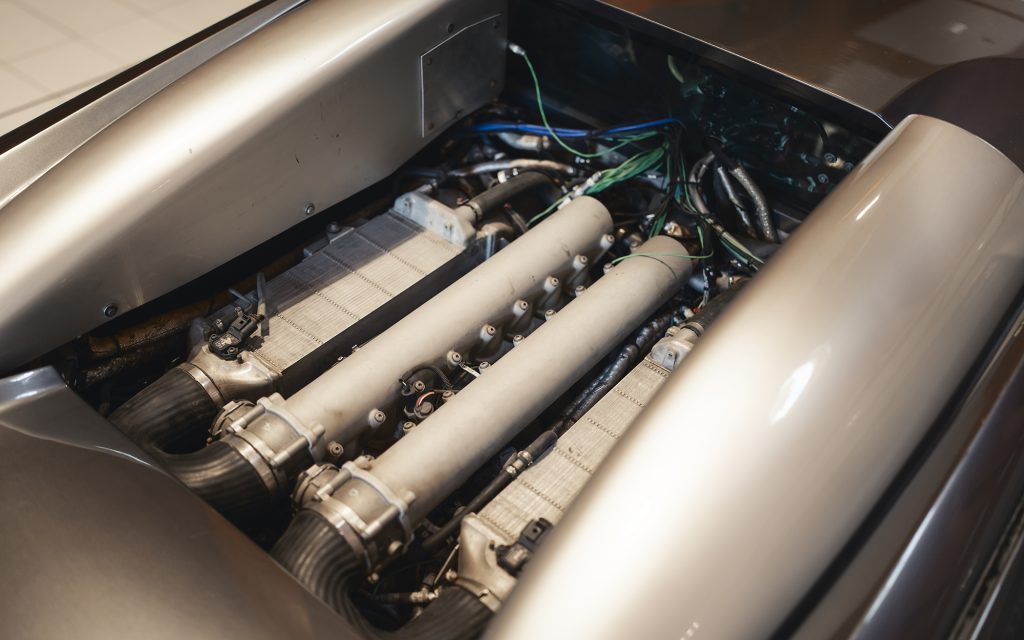
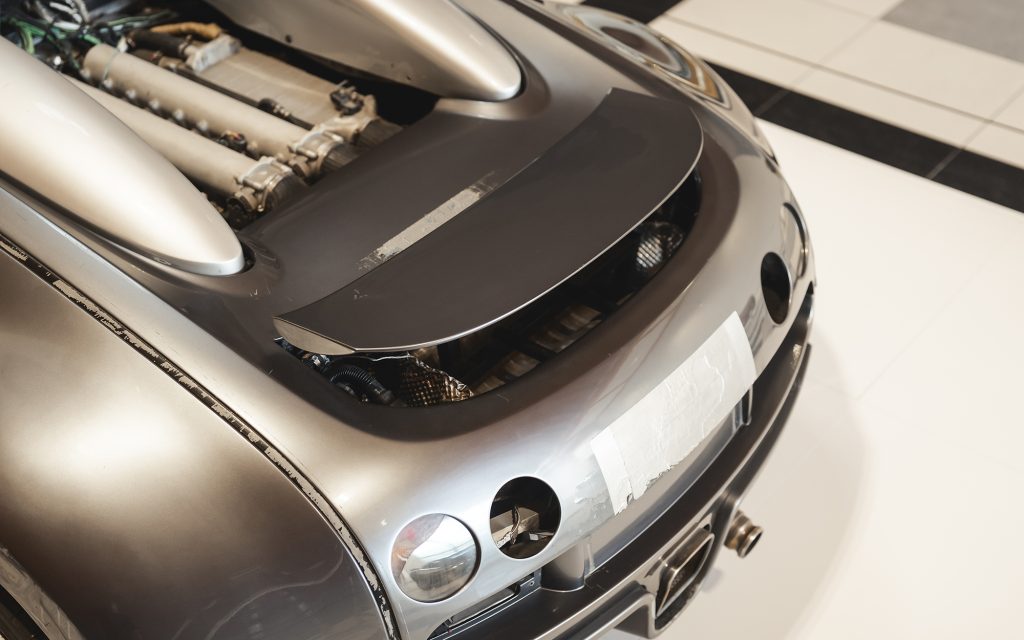
At first glance, the resulting car still looks like Lamborghini’s 1990s flagship, but it’s an engineering mule rather than a special Diablo derivative. The rear bodywork was raised to accommodate the installation and the left rear light was removed to provide space for additional cooling.
It’s crude in exactly the way an interesting prototype should be. While its flared body is busier than even the most extreme Diablos of the time, one wonders what passers by must have thought of the car had they seen it out testing. Might they have believed it was one of the more extreme aftermarket players like König putting wide-bodies on everything, or perhaps one more top-tier extreme example of the Diablo before it was to be retired?
We now know the car had one real purpose: give engineers somewhere to develop the engine while the Veyron itself was still taking shape.
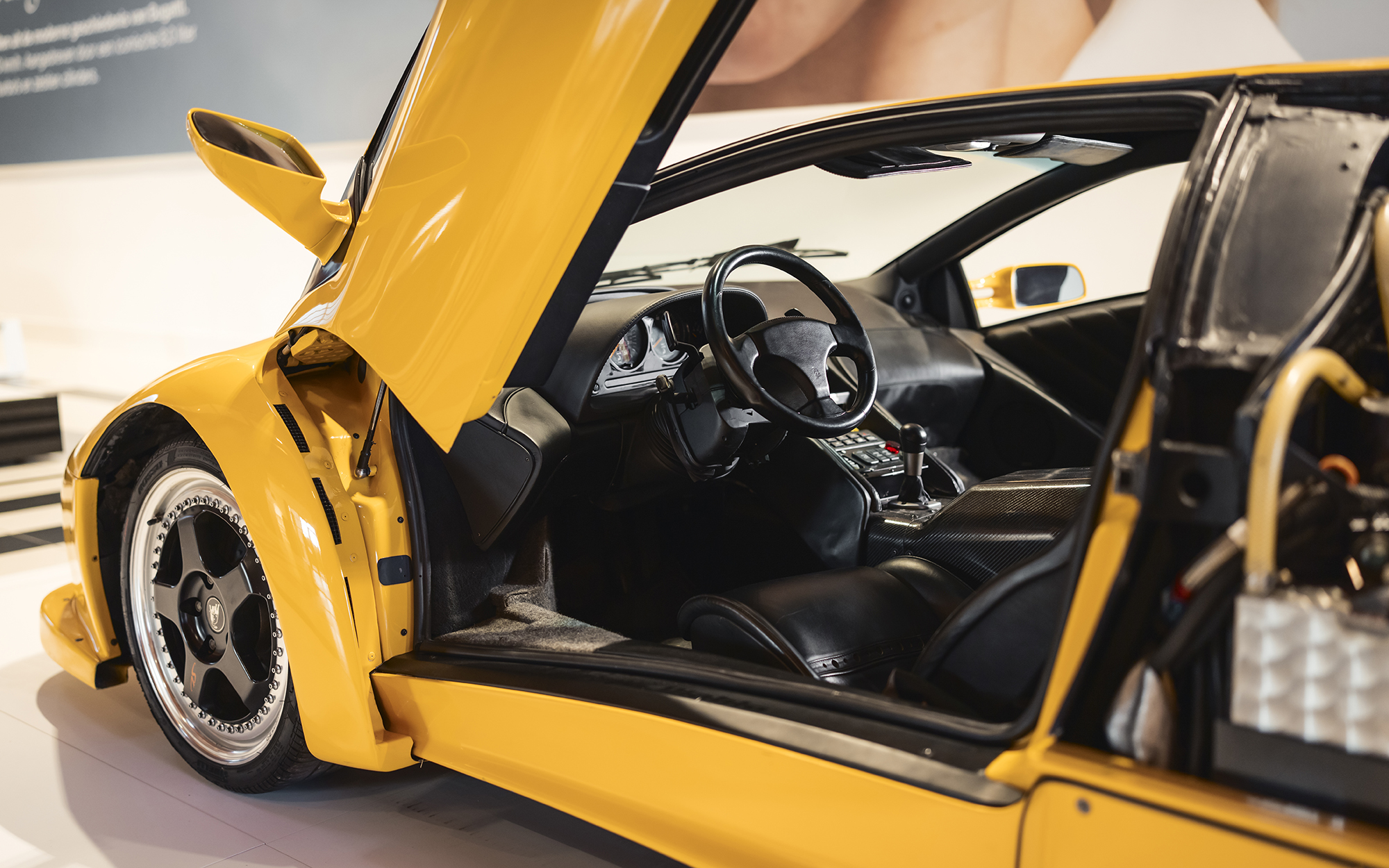
Even the early Veyron design process reportedly made use of the Diablo, with initial studio models constructed around its basic architecture.
For years, the W16 Diablo remained hidden within Bugatti Engineering. Its emergence provides a remarkably literal illustration of how Volkswagen Group’s brands and engineering resources could overlap during the period.
VEYRON PROTOTYPE I
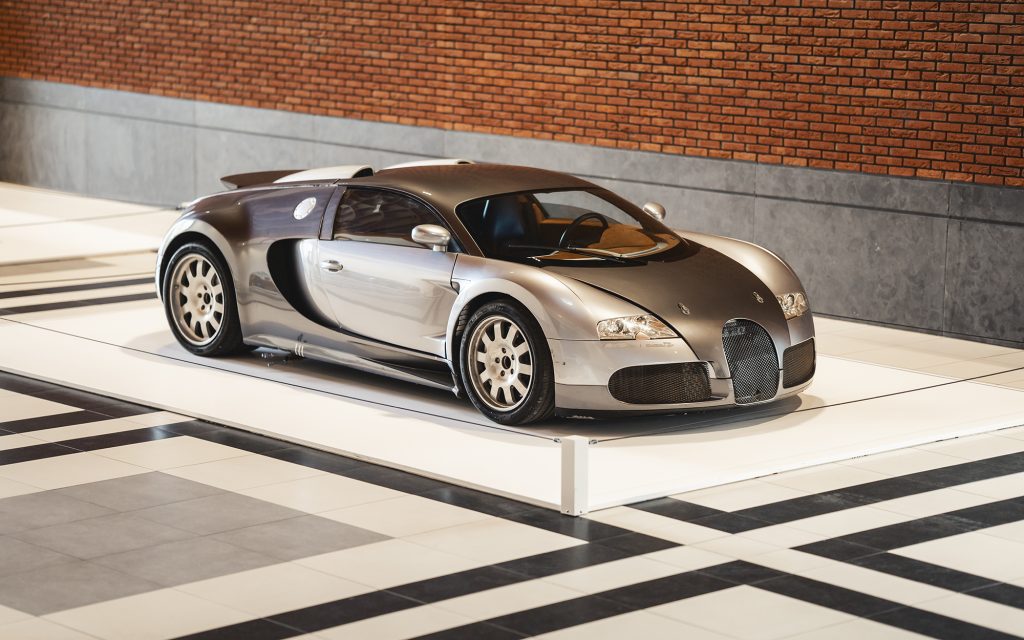
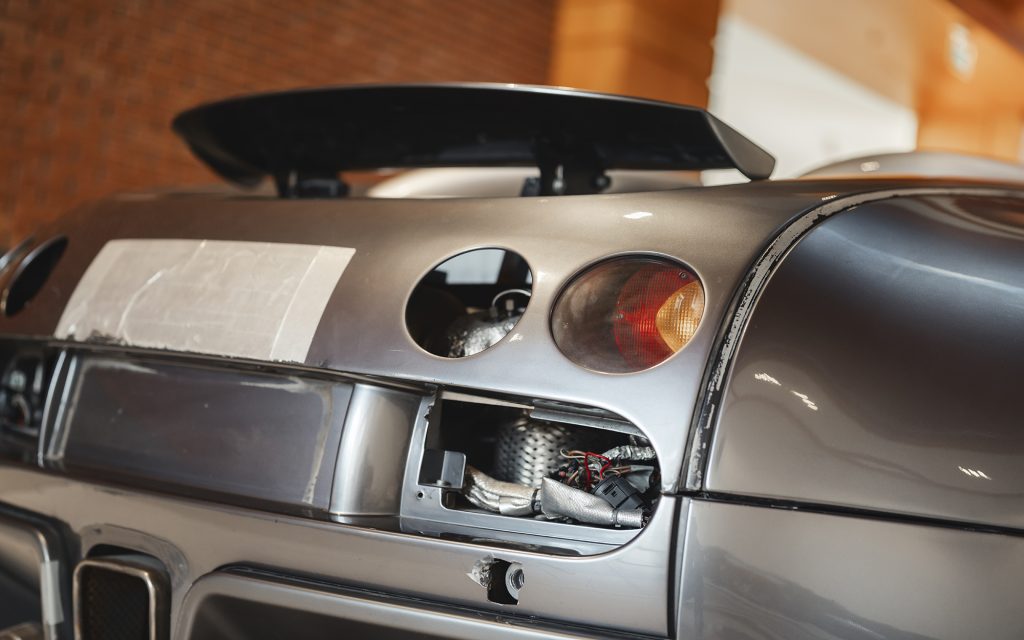
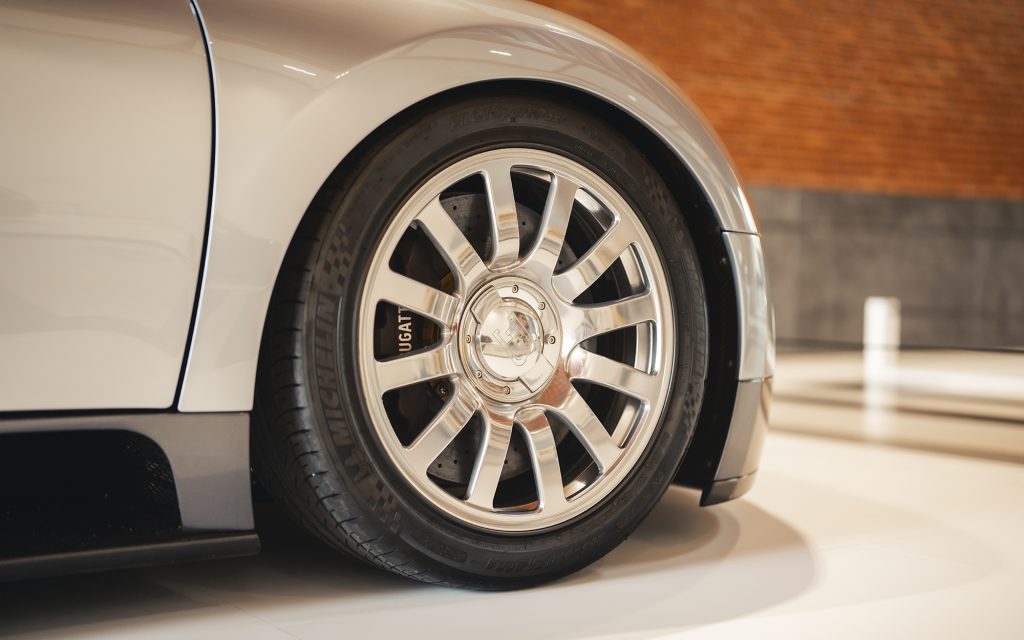
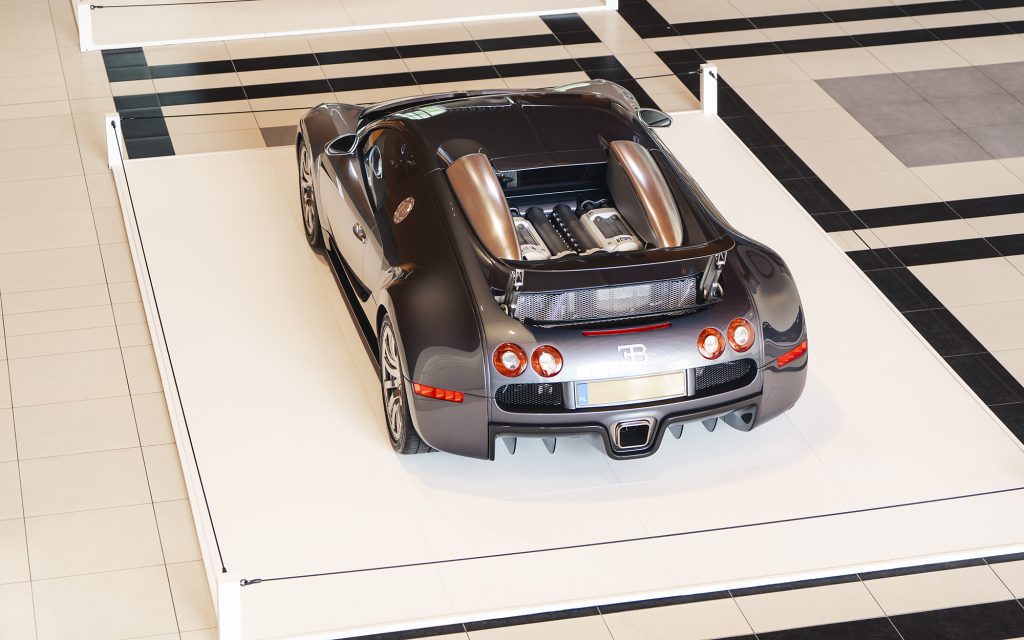
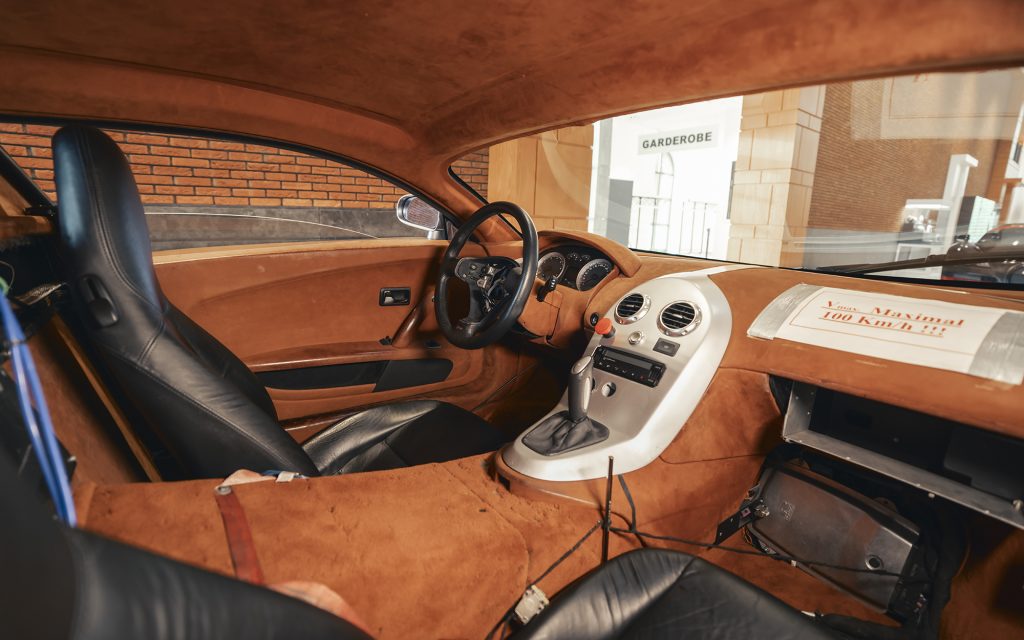
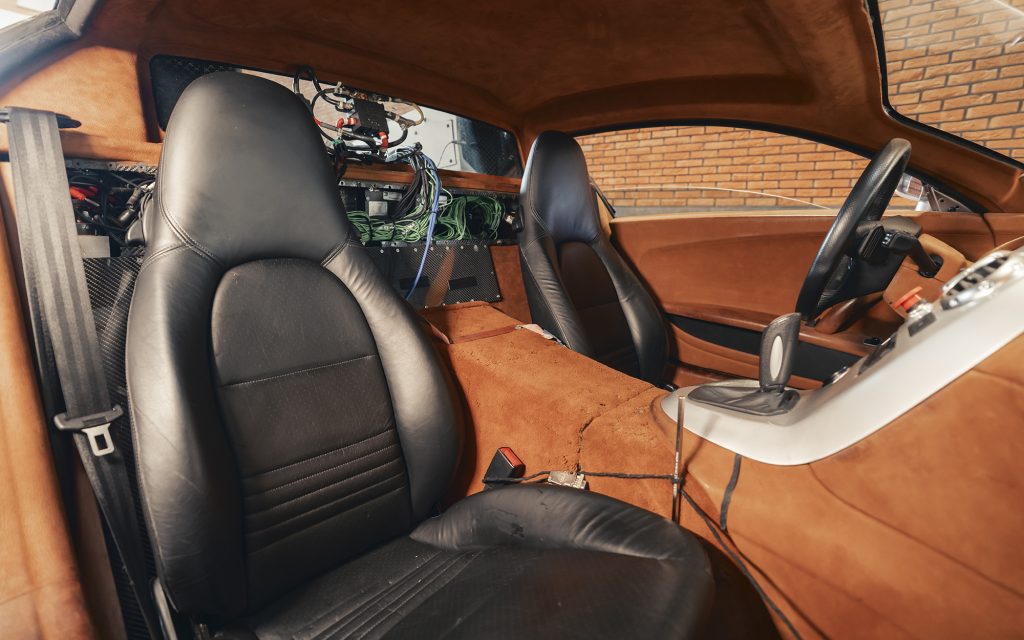
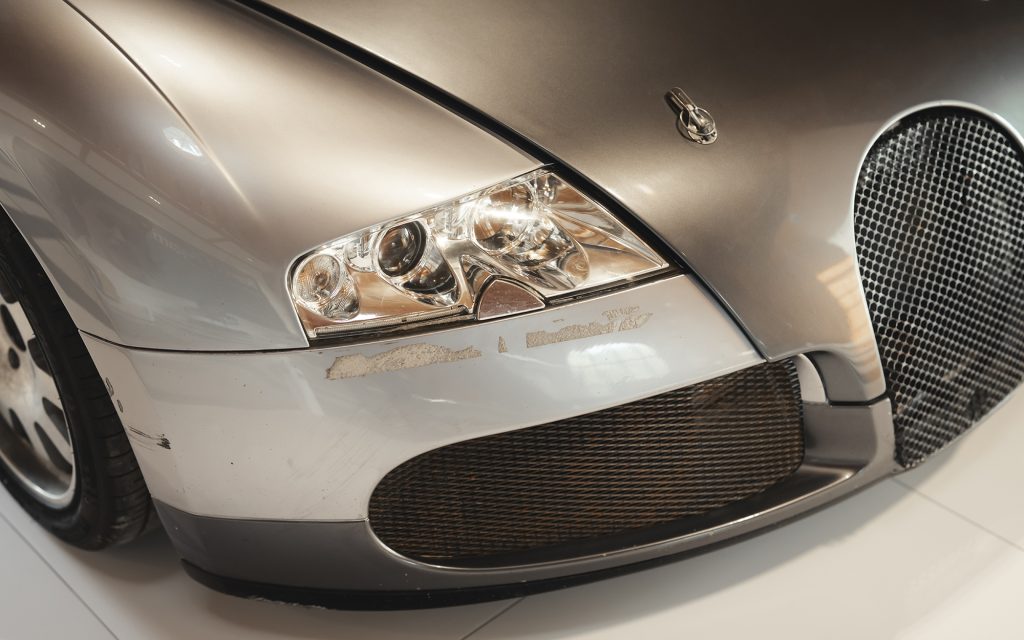
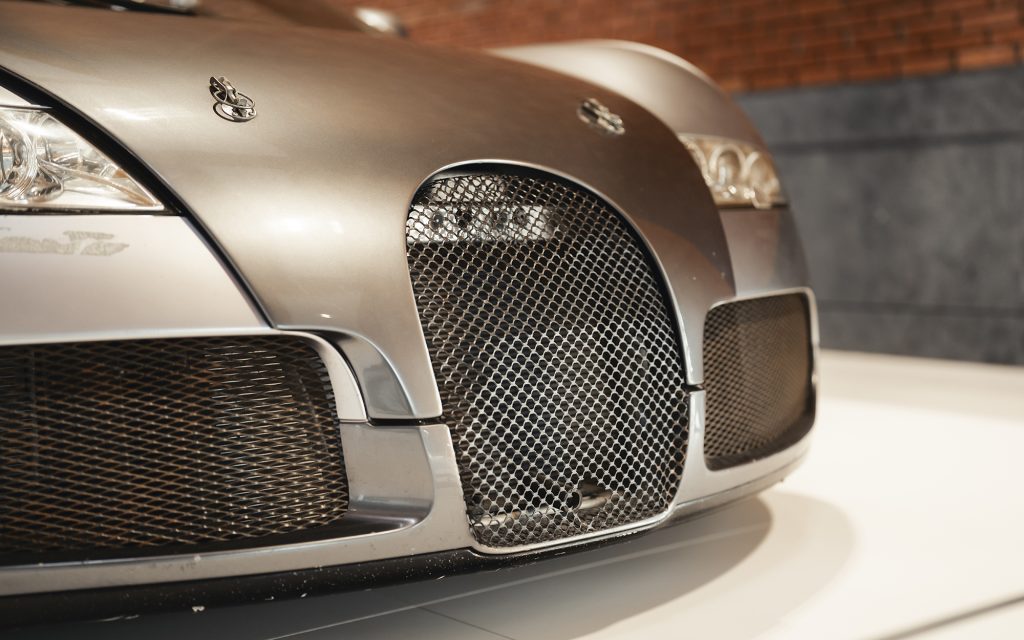
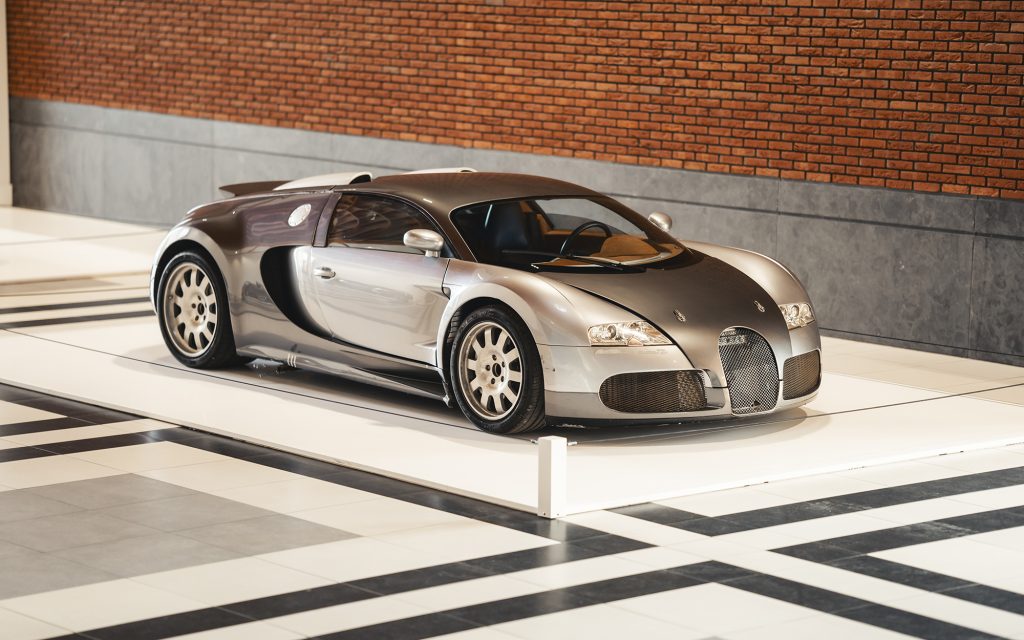
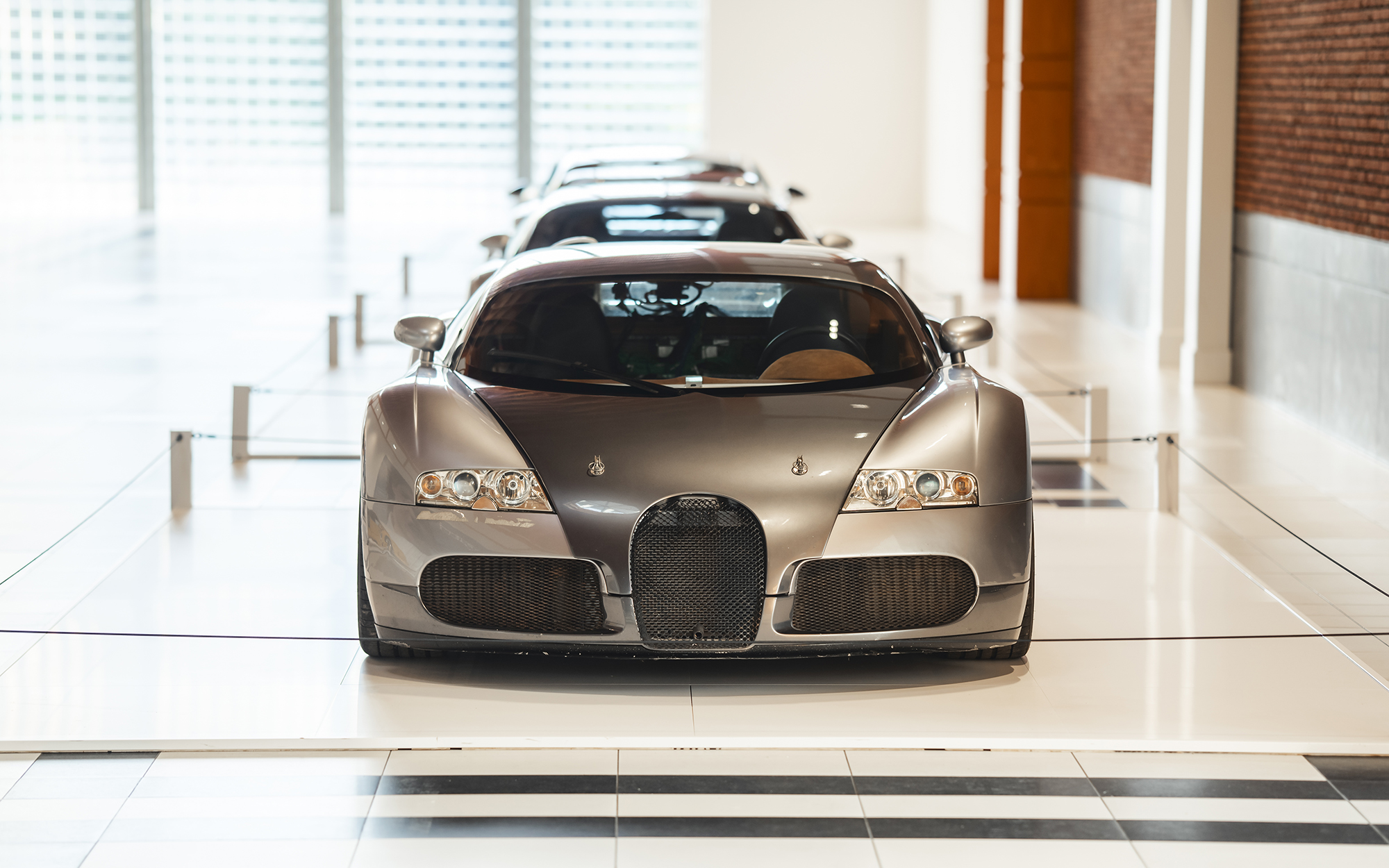
Next comes another significant car in the Louwman exhibition: Veyron Prototype I, described as the oldest Veyron 16.4 and the first prototype to package the W16 inside a Veyron body.
It wasn’t yet the finished Veyron. The body differs in several details from the eventual production design, and the car represents an early stage in a development program that proved considerably more difficult than simply installing a very powerful engine.
Cooling was one of the major challenges. So was stability at the speeds Piëch demanded. His requirements called for a car capable of exceeding 400 km/h while remaining refined and usable enough to drive in normal circumstances. That combination required years of additional work. Production wouldn’t begin until 2005.
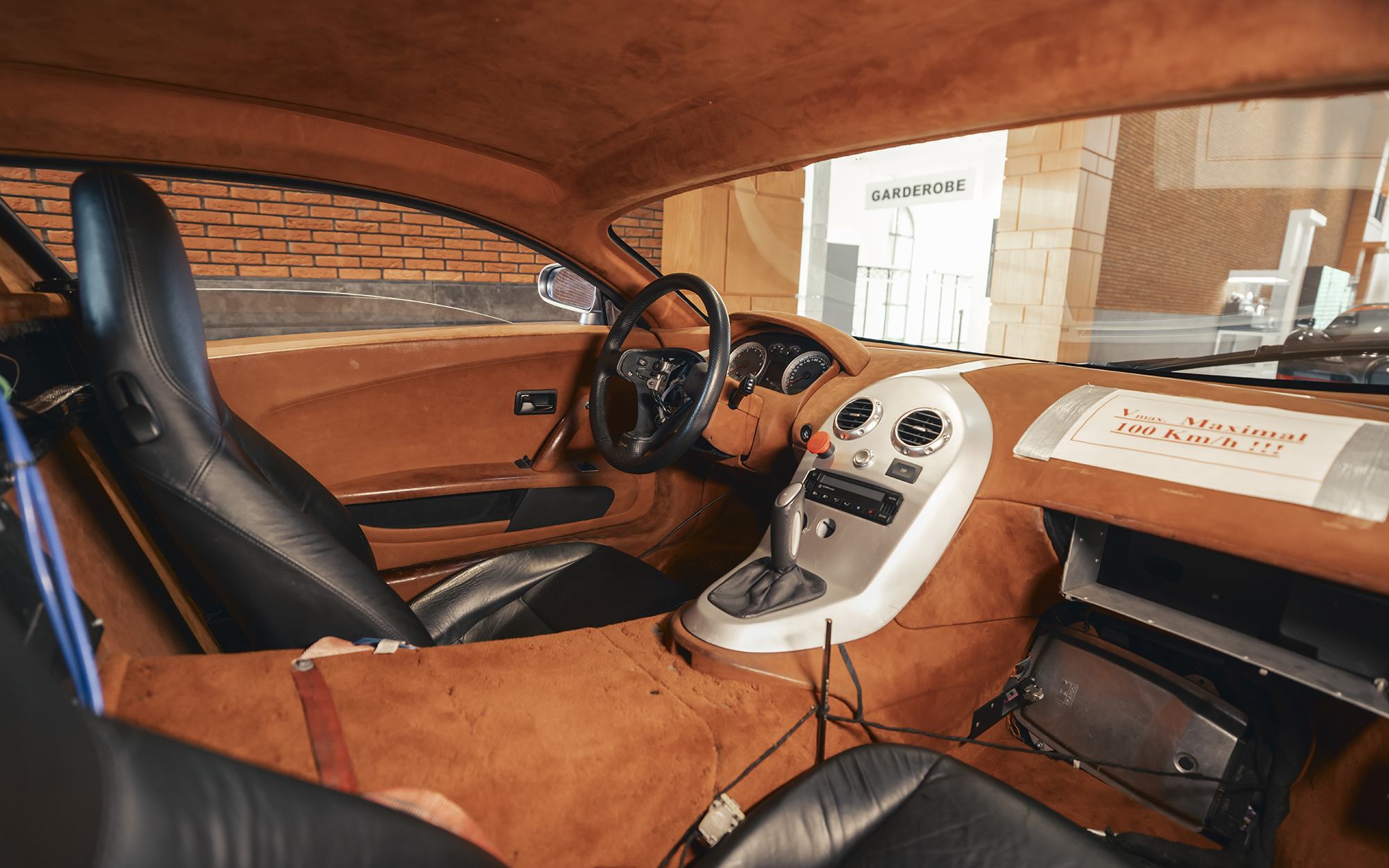
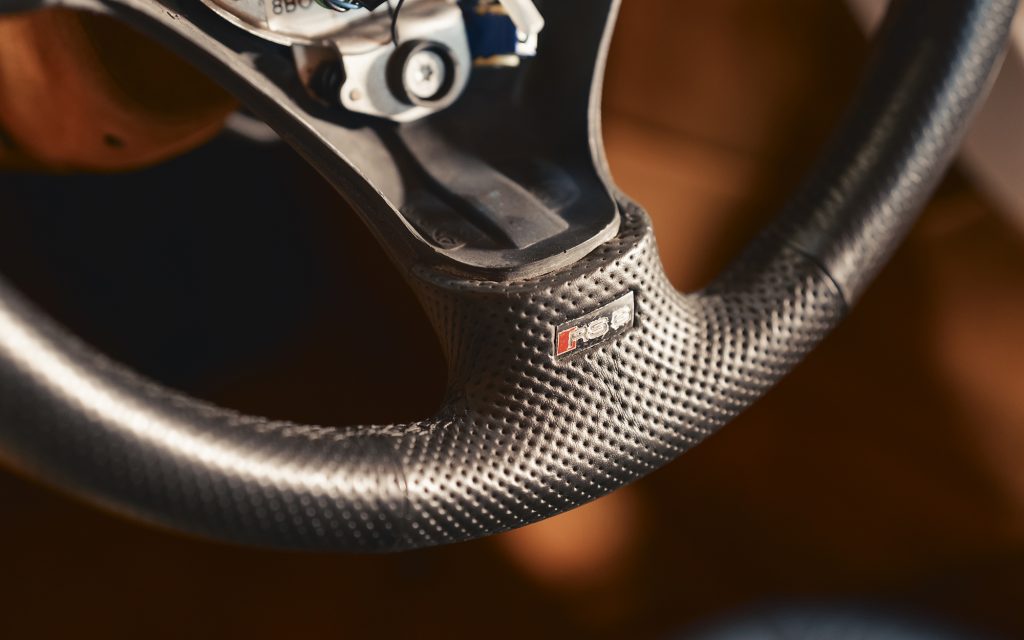
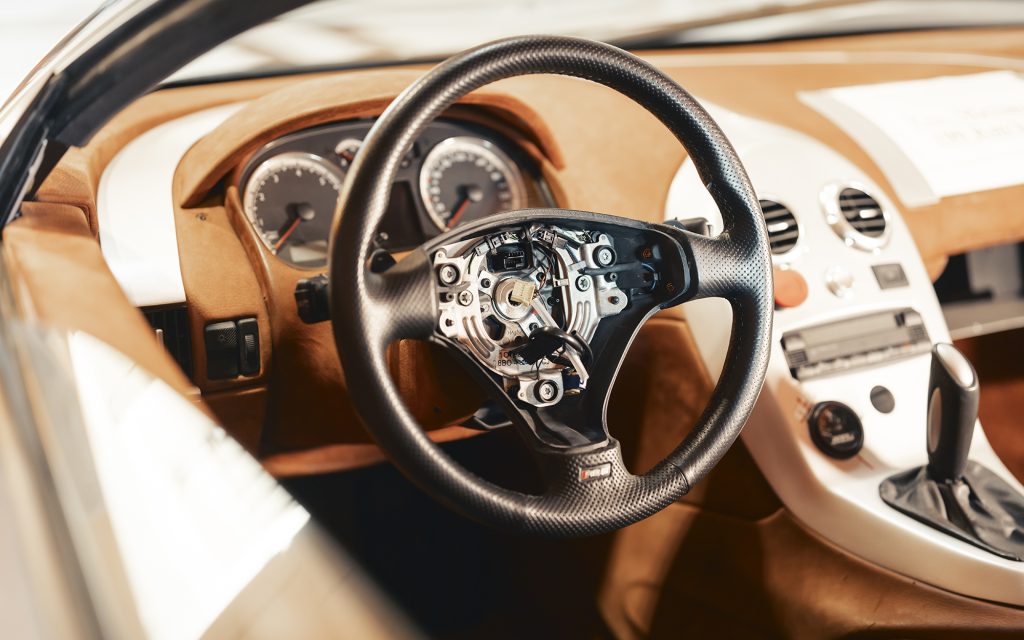
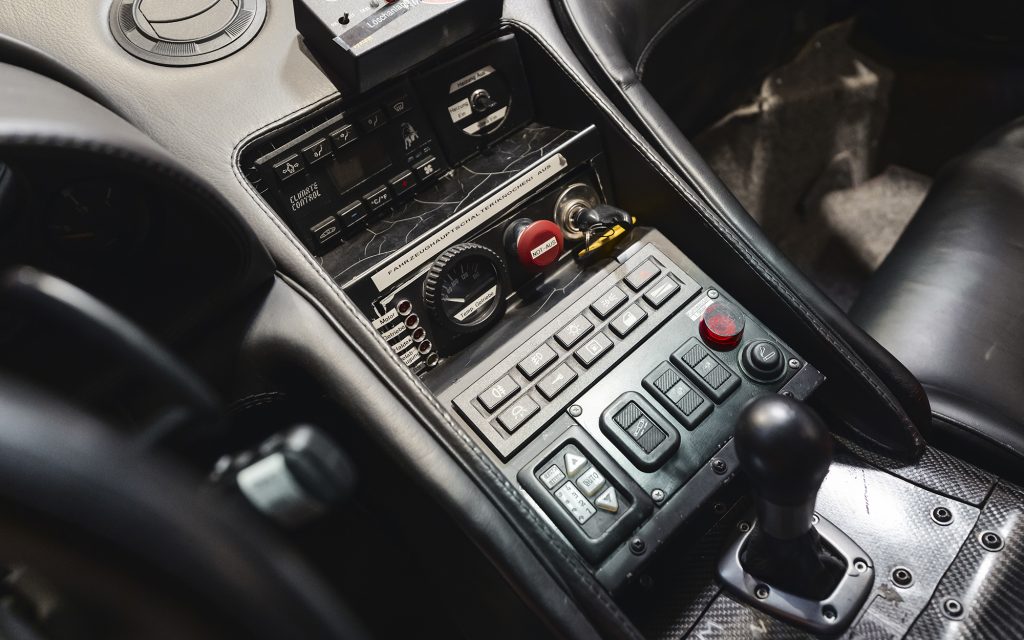
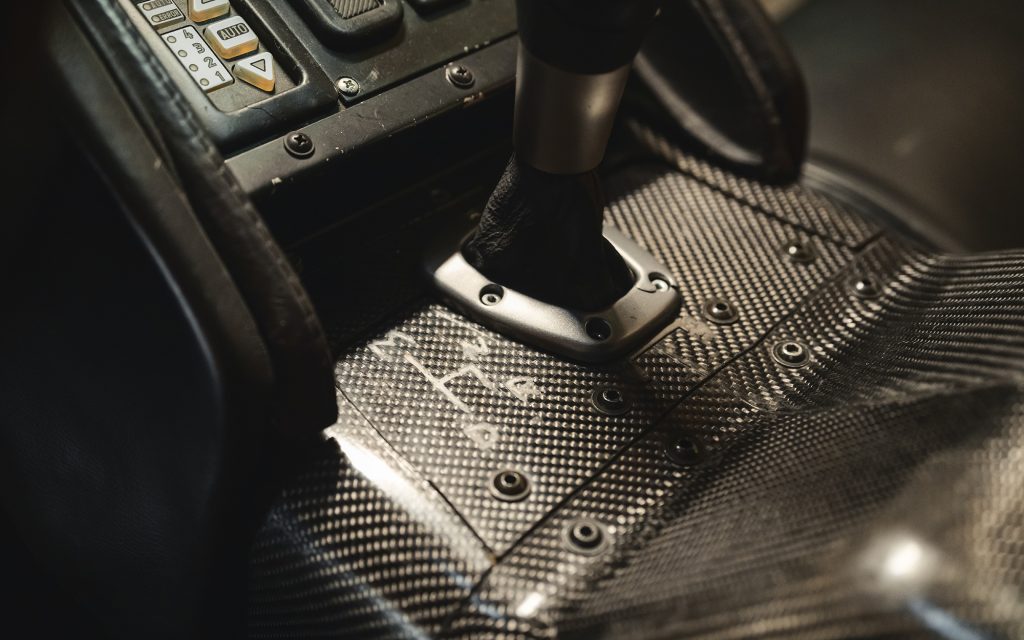
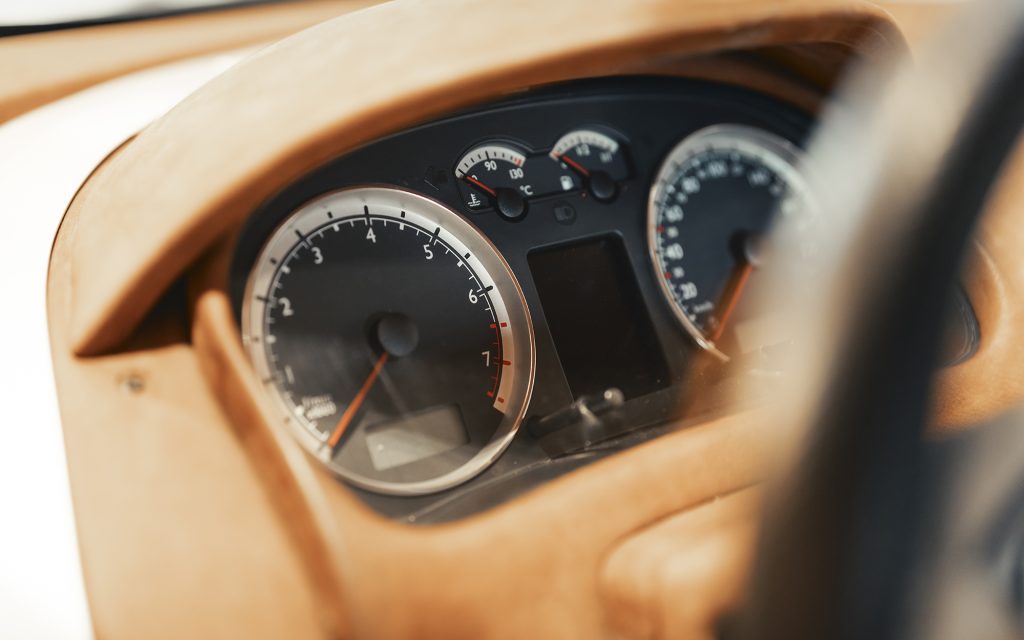
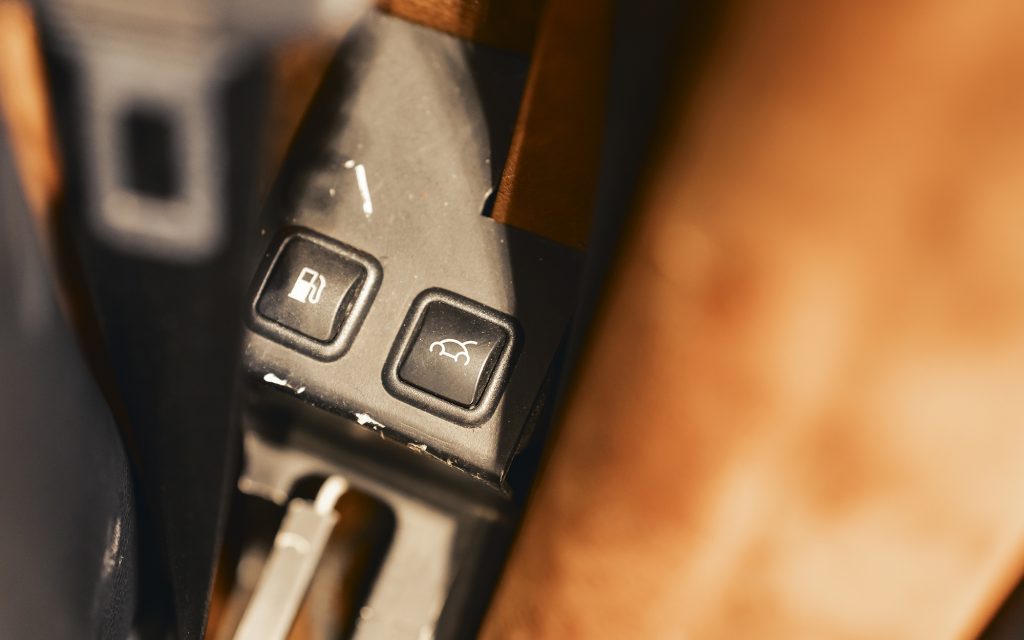
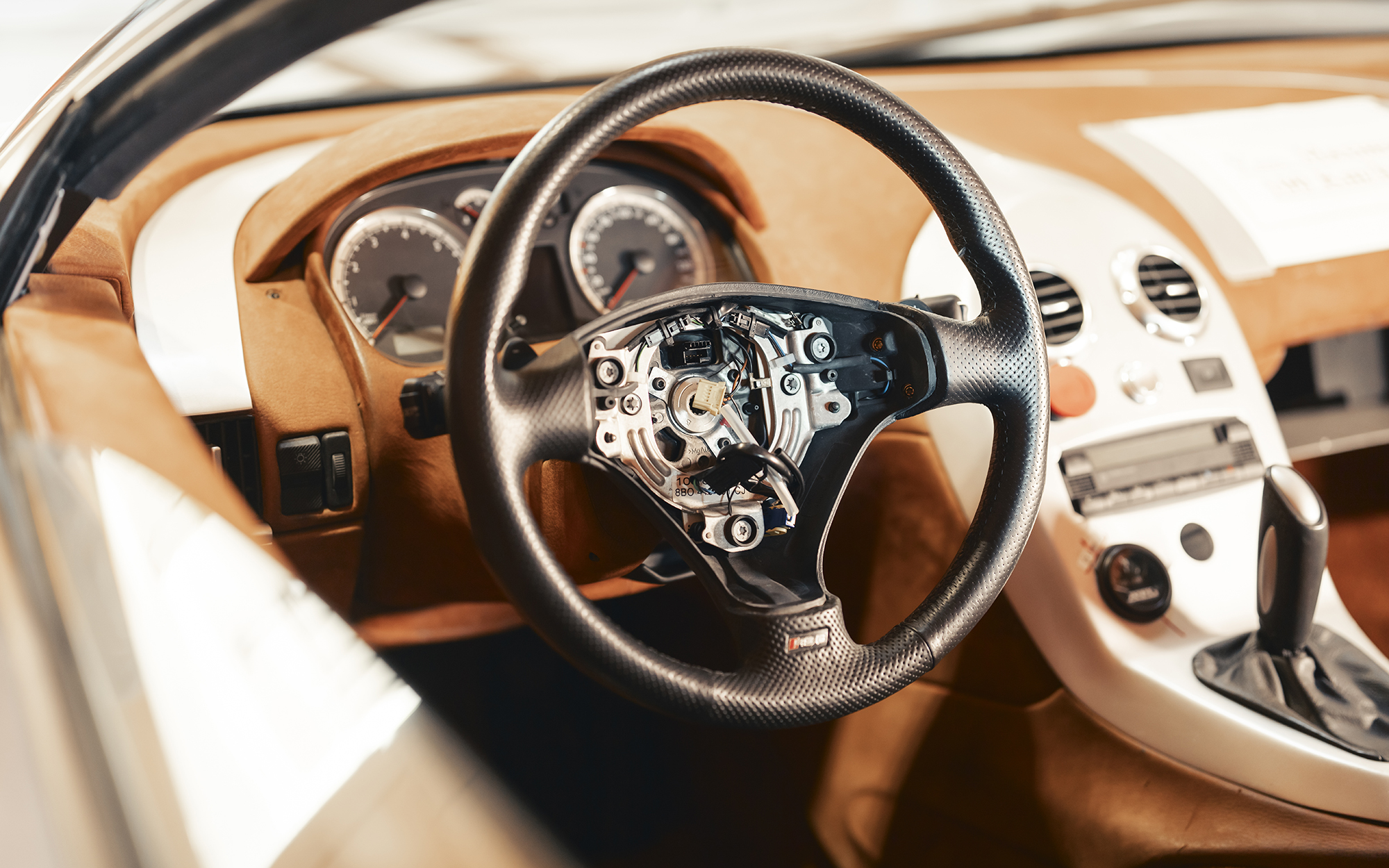
Look closely at these early prototypes and the shared Volkswagen Group ecosystem becomes apparent in smaller ways as well. Familiar switches, controls and other components appear among otherwise completely bespoke engineering, including hardware recognizable from contemporary Audis. Is that an RS 6 sport steering wheel in there?
In the Piëch-era Volkswagen Group, that wasn’t necessarily a contradiction. It was how the system worked.
THE GROUP WAS THE TOOLBOX
Look at these projects individually and they can seem disconnected.
Audi was going racing at Le Mans. Lamborghini was rebuilding itself under Audi and following a circuitous route to launching the Murcielago and Gallardo. Bentley was pairing with the Volkswagen Phaeton’s steel D chassis and would be transformed. Volkswagen was experimenting with its own W-engine flagships and supercar concepts… all while Bugatti was trying to create the fastest production car in the world.
Look at them together and they come into focus as different expressions of the same strategy. Piëch had assembled brands with distinct histories and identities, but the engineering resources behind them increasingly operated as an enormous toolbox. Technology, components, people and ideas could move between brands when doing so served a larger purpose.
The Diablo W16 mule may be one of the best physical examples of that philosophy.
A Lamborghini chassis from a company owned by Audi AG was being used to develop an engine for Bugatti under Volkswagen Group. Meanwhile, Audi was displaying its own W16 concept inspired by a 1930s Auto Union Grand Prix car designed by Piëch’s grandfather.
That’s a remarkable amount of interconnected history packed into a period so remarkably short following the acquisition of those brands.
AN ERA THAT’S NOW ENDING
That context also makes seeing these cars together in 2026 interesting because the corporate structure that created them is now changing.
Volkswagen moved Bugatti into the newly established Bugatti Rimac joint venture in 2021. Rimac Group took a 55-percent controlling interest while Porsche retained 45 percent, maintaining a significant Volkswagen Group connection to the marque. That connection is now being severed.
In April 2026, Porsche agreed to sell its entire 45-percent interest in Bugatti Rimac, along with its 20.6-percent stake in Rimac Group, to an investor consortium led by HOF Capital. Subject to regulatory approval and completion of the transaction, Rimac Group will take control of Bugatti Rimac while working with its new investment partners.
The timing comes as Porsche undertakes a broader strategic restructuring and refocuses on its core business.
For Bugatti, it likely closes the chapter in which new cars could trace meaningful engineering DNA through Porsche and back into their former Volkswagen Group siblings. Bugatti’s next generation will instead develop within an ecosystem centered on Rimac, whose technology and engineering expertise are already fundamental to the marque’s future.
That doesn’t necessarily make one approach better than the other. It does make the cars gathered at the Louwman Museum artifacts from a very specific period of automotive management and one many enthusiasts revere as a high watermark for engineering just like the Bugatti / Auto Union racing era that appears to have inspired it.
THE PIËCH-ERA EXPERIMENT
In retrospect, the remarkable thing isn’t simply that Volkswagen Group owned Audi, Bentley, Lamborghini and Bugatti at the same time. It’s what Piëch attempted to do with them.
Rather than treating the brands purely as separately positioned marketing properties, the Group increasingly used them as distinct expressions of an enormous shared engineering organization.
BEASTS OF BUGATTI
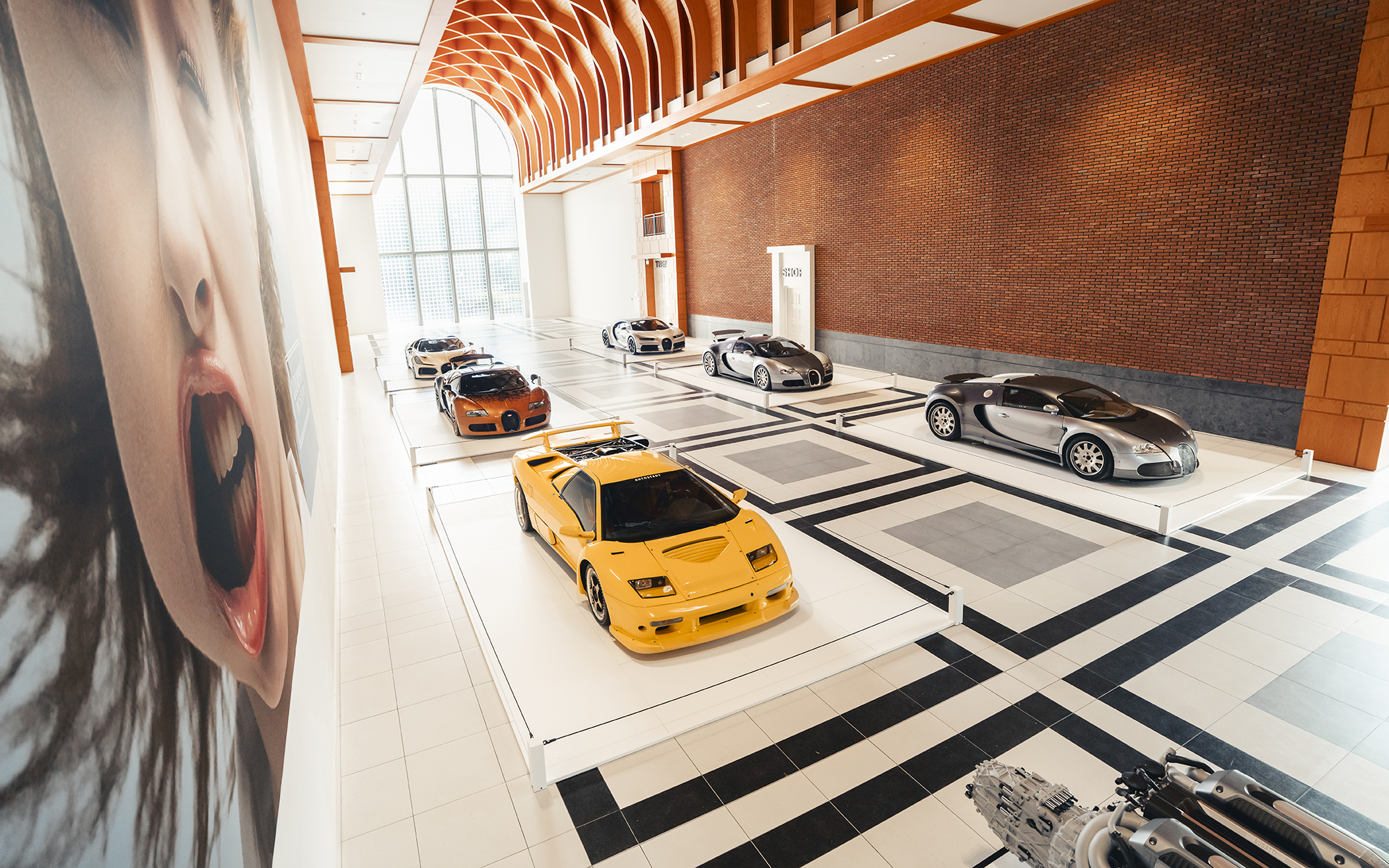
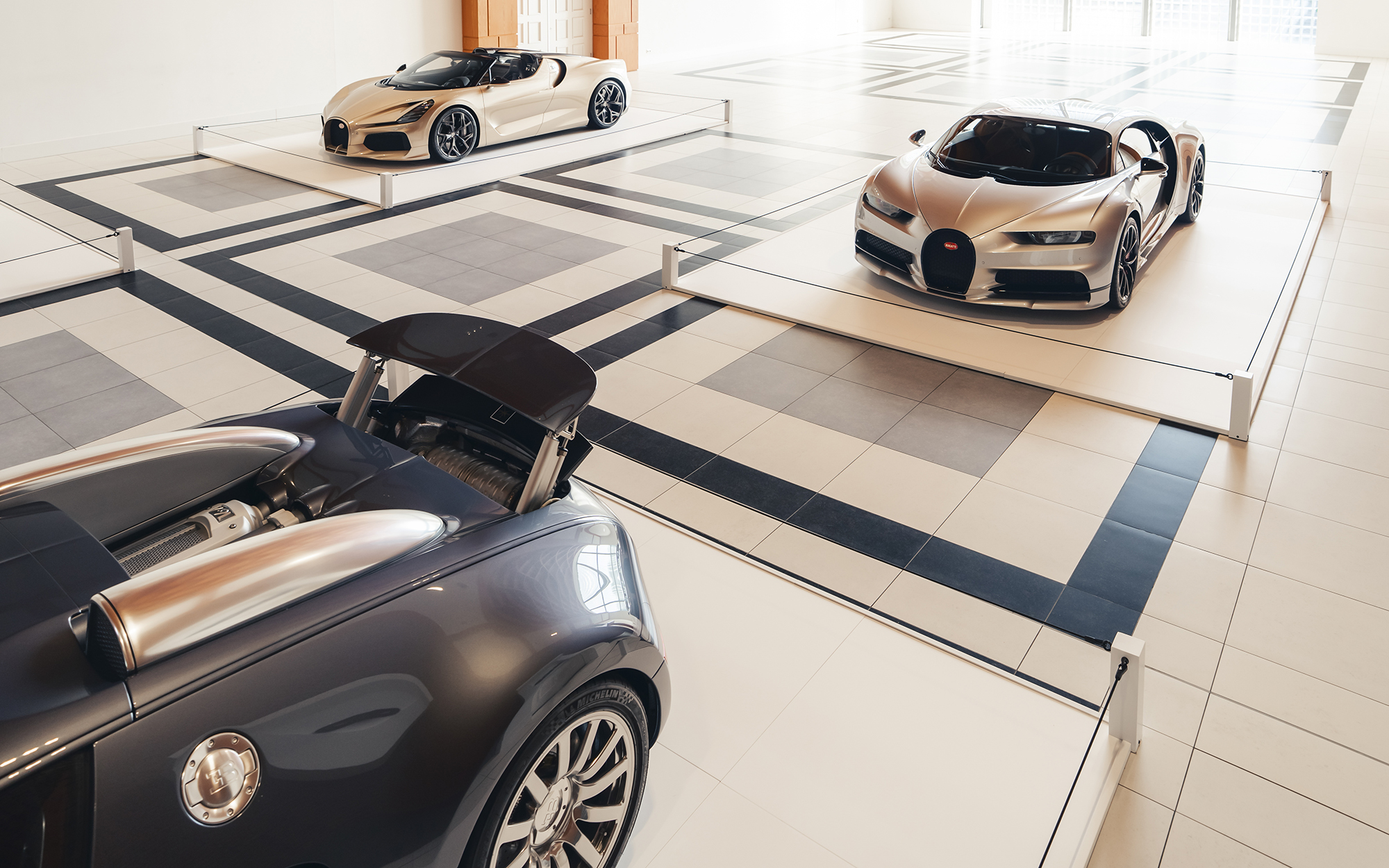
The Louwman Museum’s Beasts of Bugatti exhibition brings together nine cars from the W16 period. Beyond the Diablo development mule and Veyron Prototype I, the display includes the production Veyron 16.4, Veyron Super Sport, Veyron Grand Sport Bernar Venet, Veyron Grand Sport Vitesse WRC, Chiron, Chiron Super Sport 300+ and W16 Mistral.
For Audi enthusiasts, however, those earliest development cars may be the most compelling. They’re also likely some of the most seldom seen. Test mules and prototypes of this nature are usually the stuff of forgotten storage warehouses if they inevitably survive at all. Whatever their fate, cars like this are seldom seen and so the opportunity to take a closer look as part of a public display is extra special.
Beasts of Bugatti runs through August 30, 2026 at the Louwman Museum in The Hague, Netherlands. The museum is open from 10:00 a.m. to 5:00 p.m. daily during the exhibition, and the special display is included with regular museum admission.
More Information on this display at the Louwman Museum can be found on ooooIYKYK’s sister website catering to automotive travel at TheGrandTourist.com.
PHOTO GALLERY