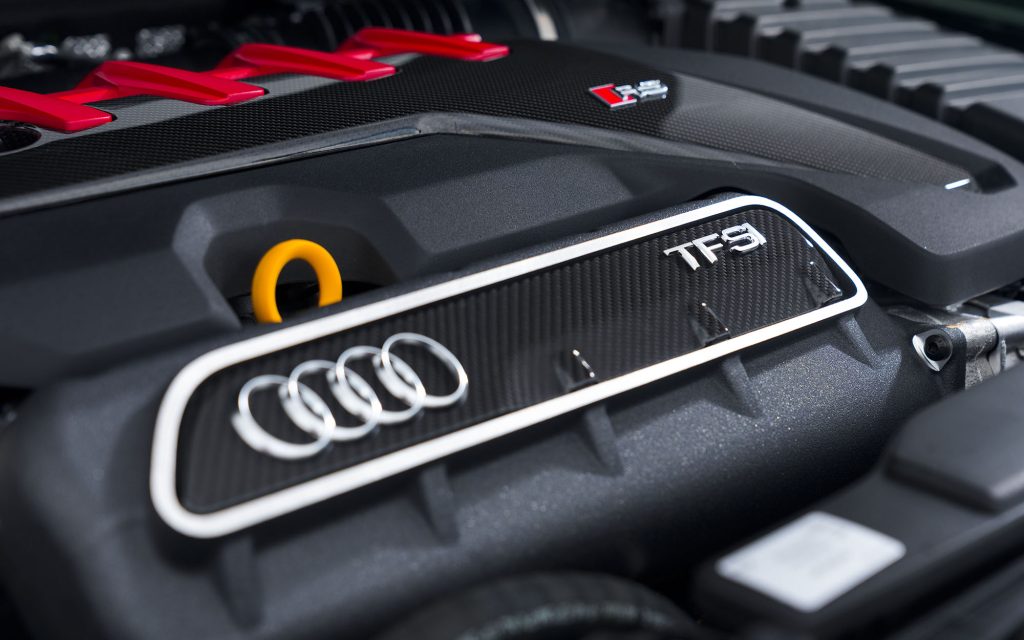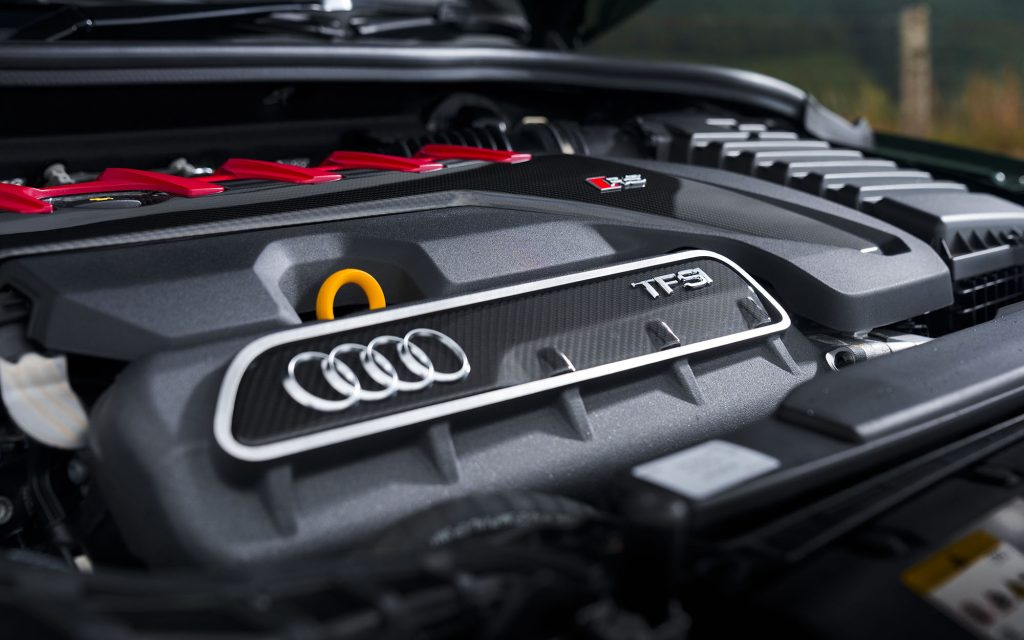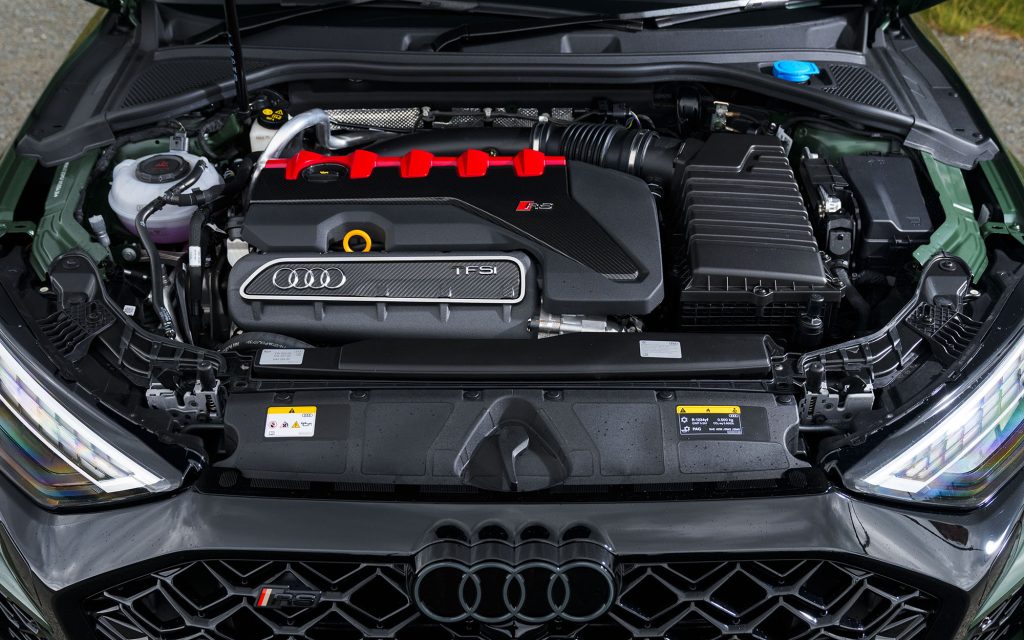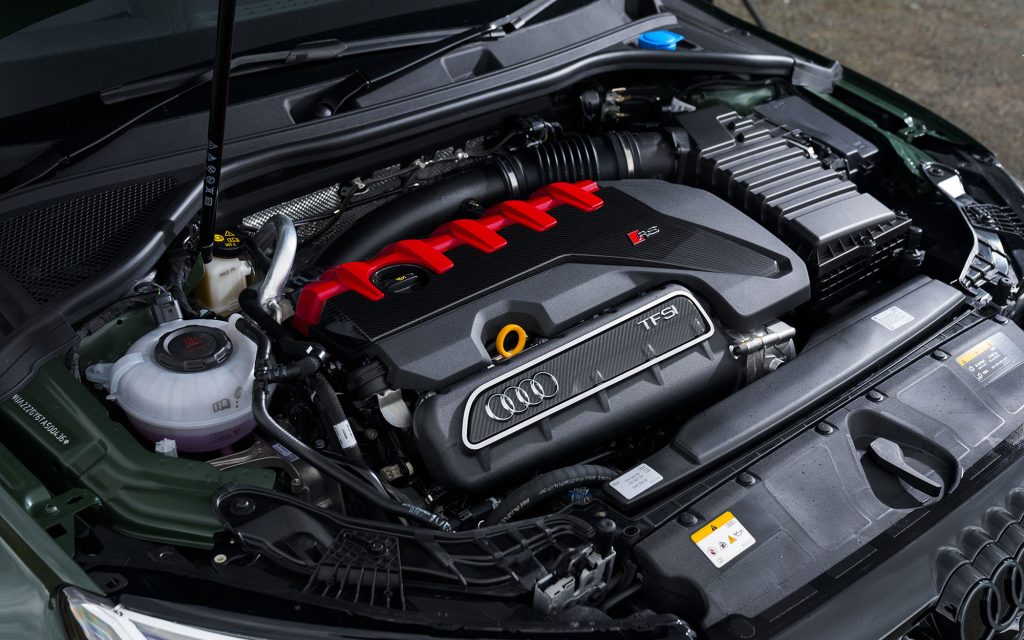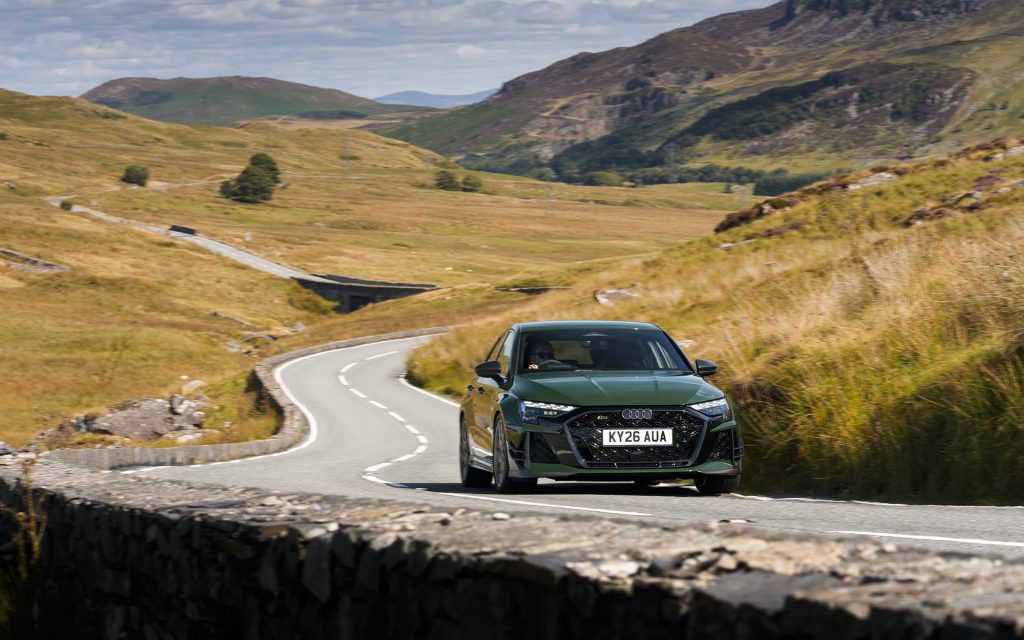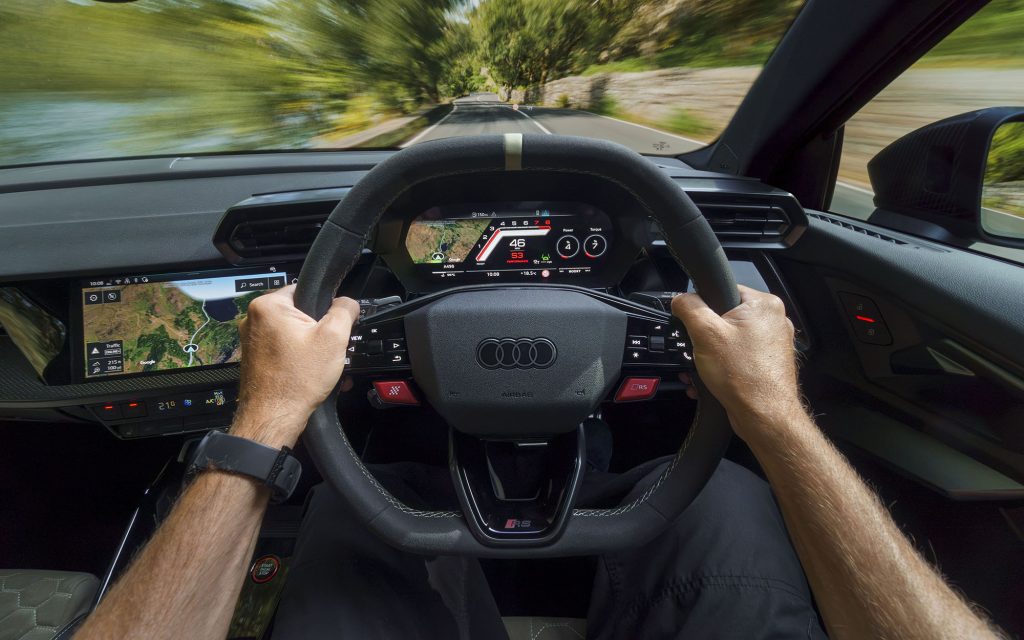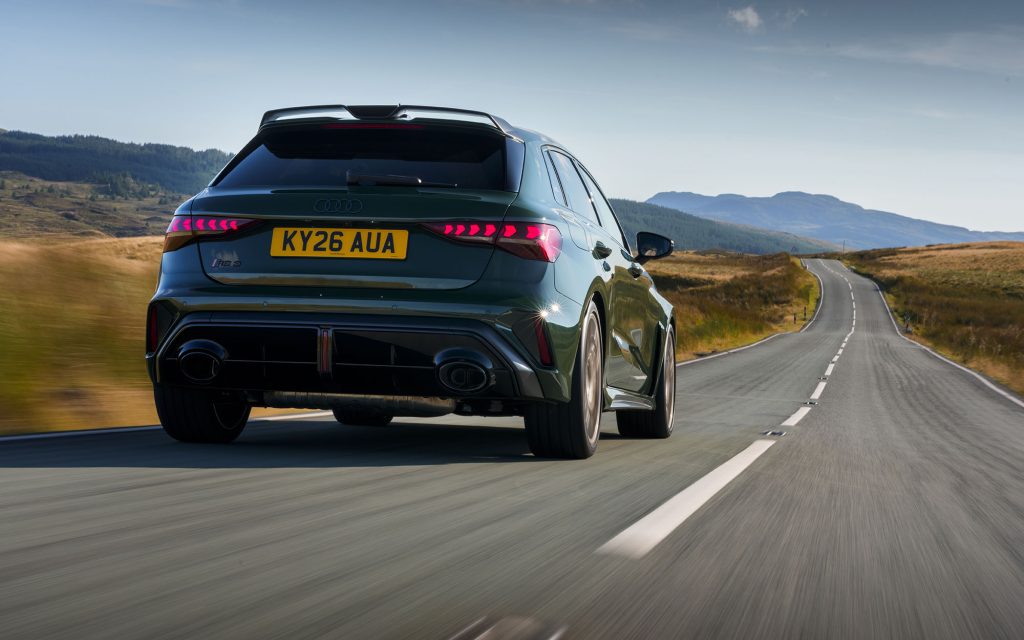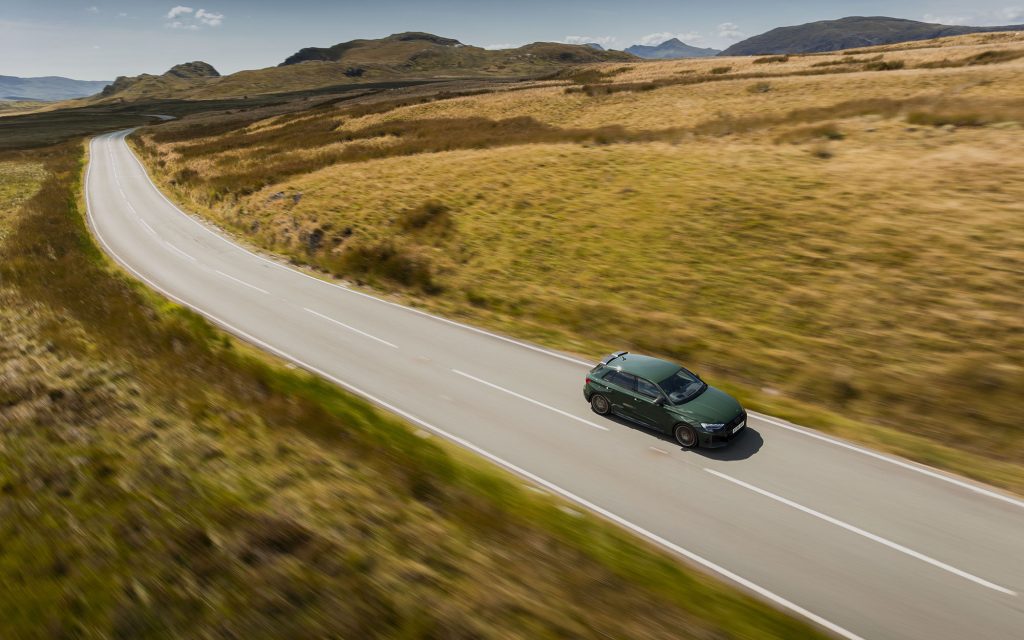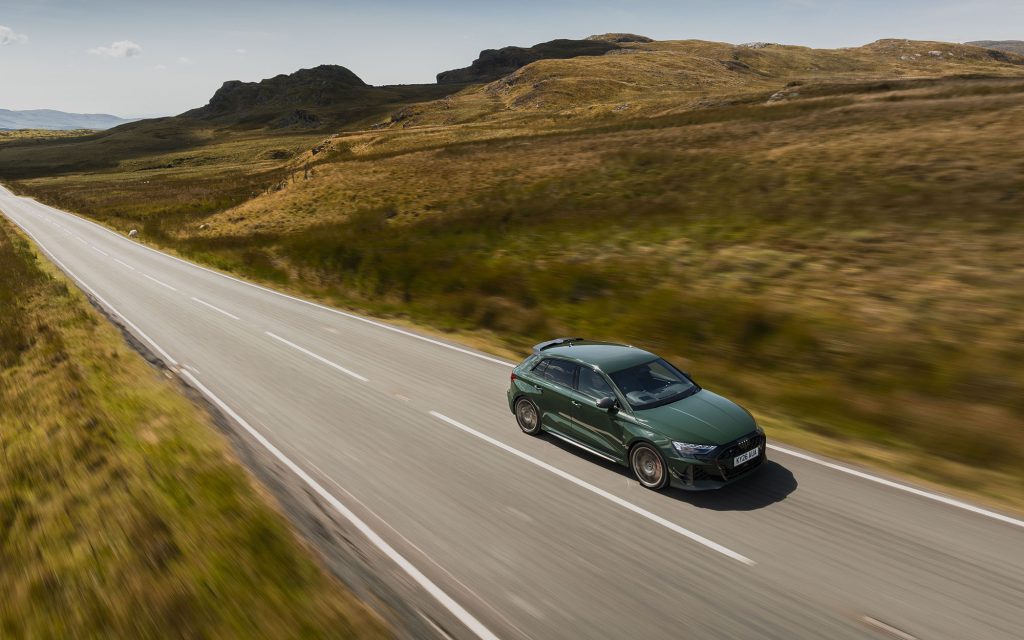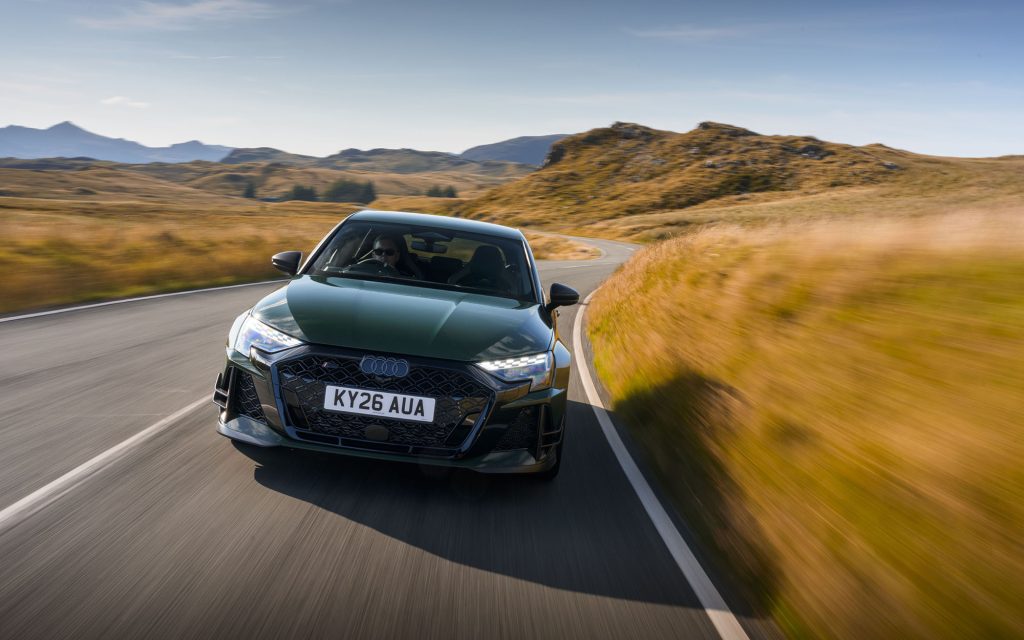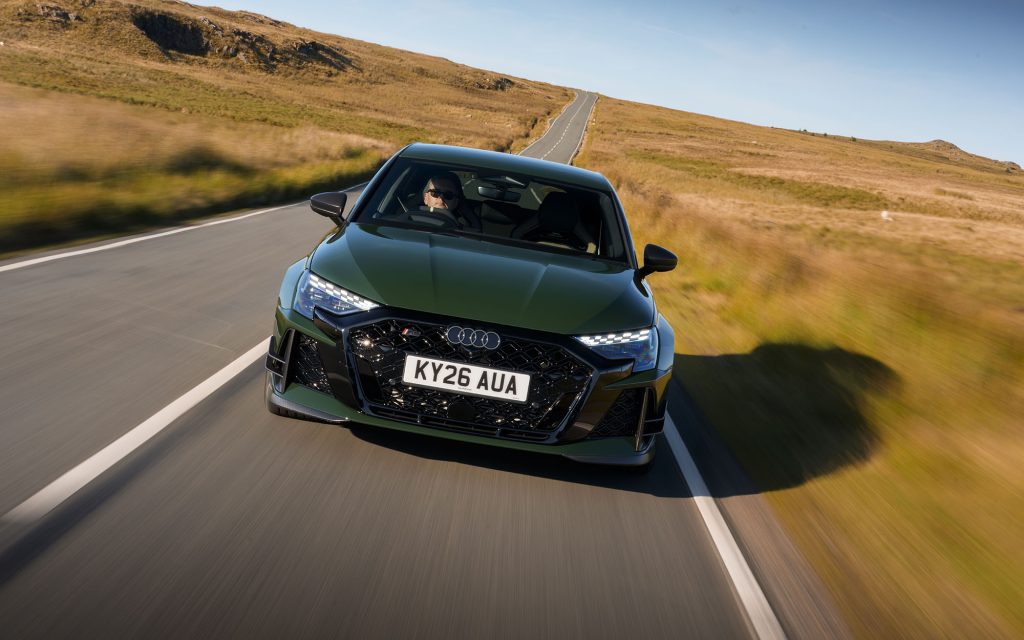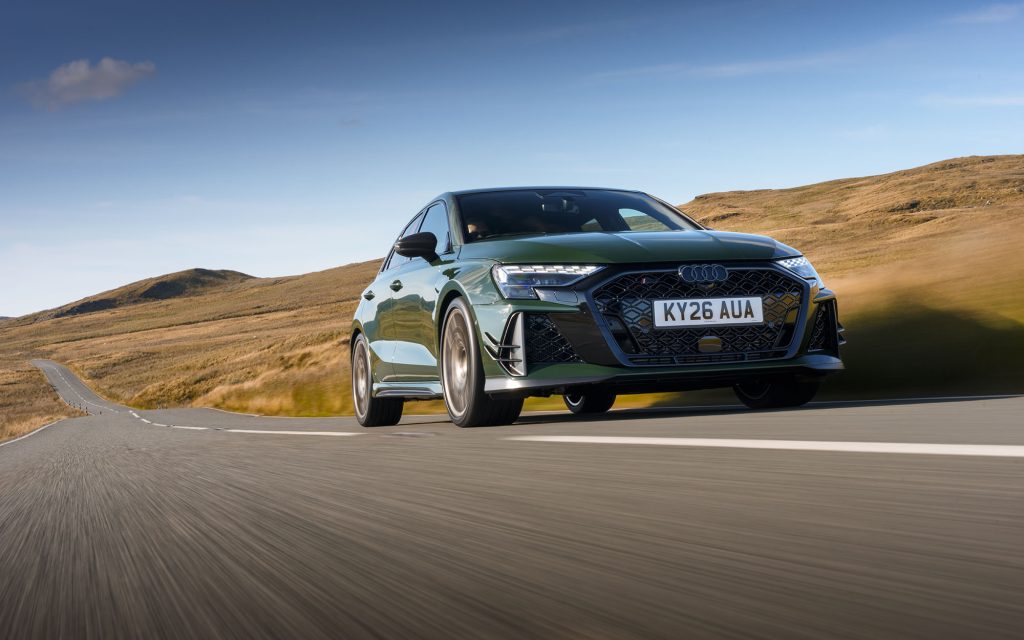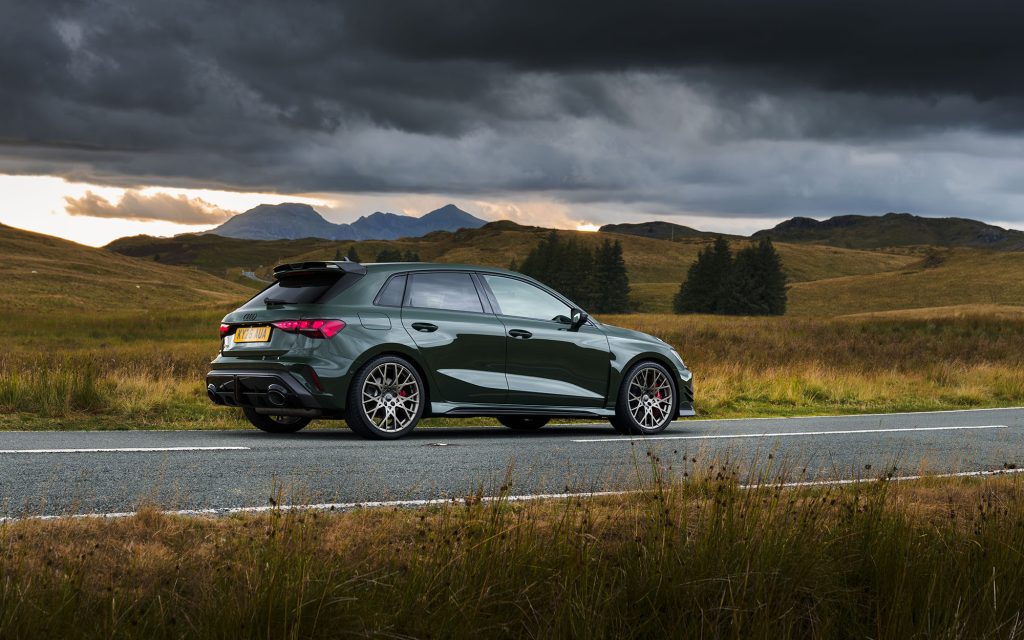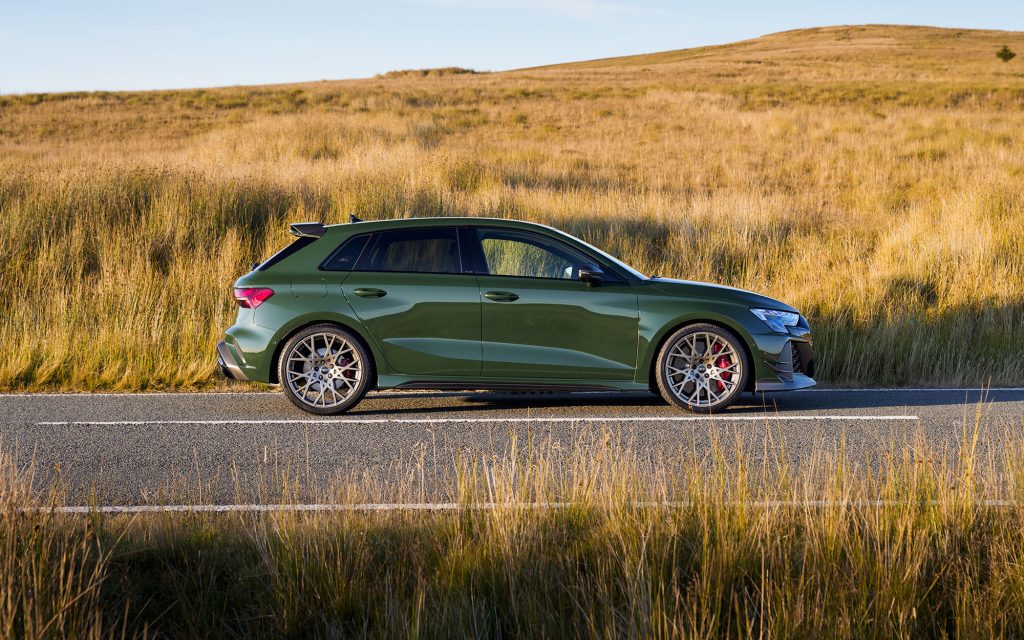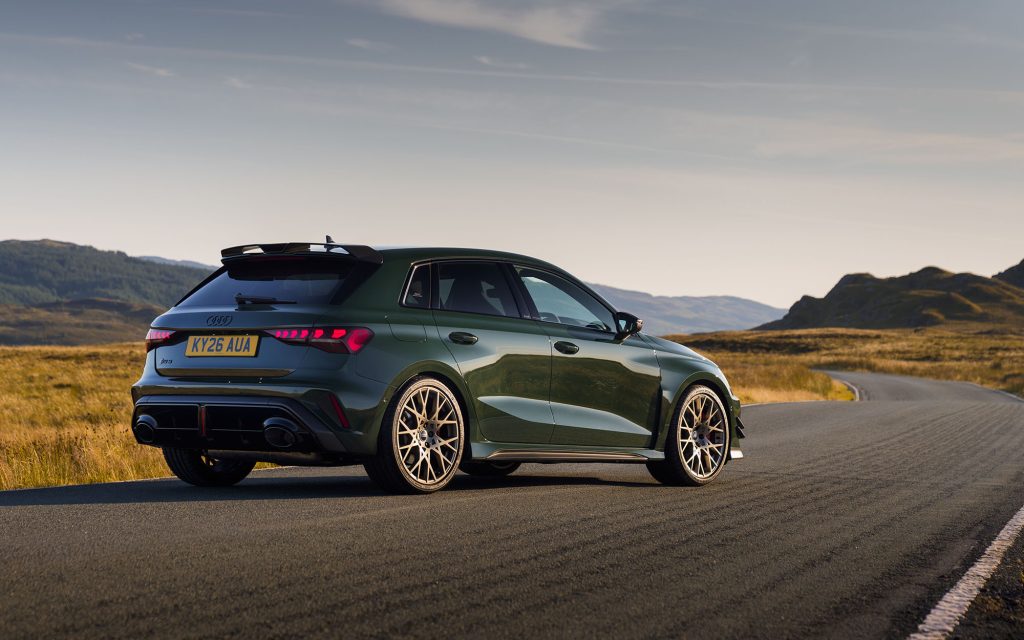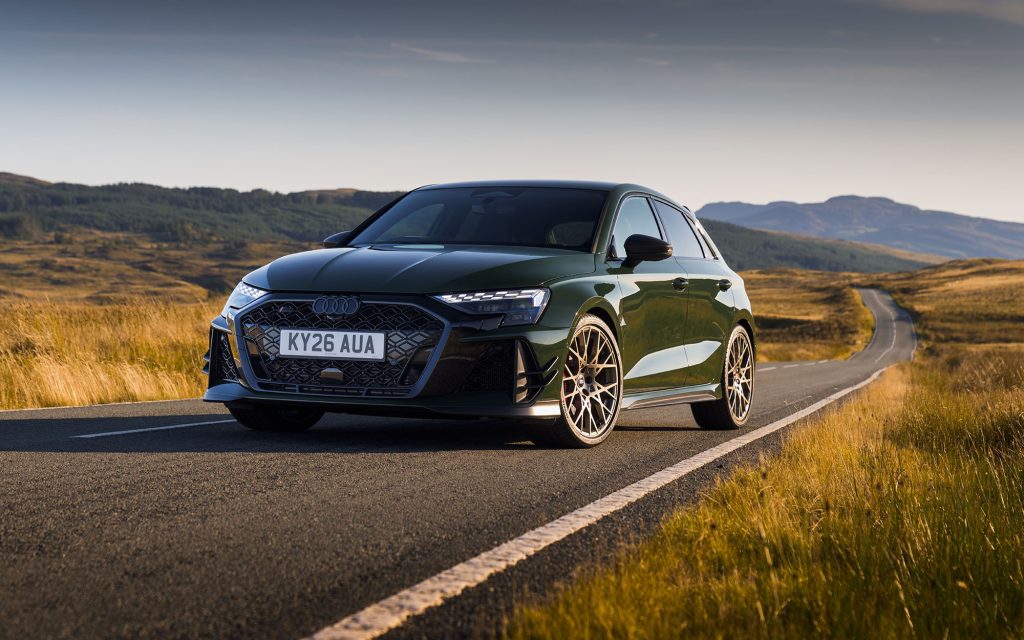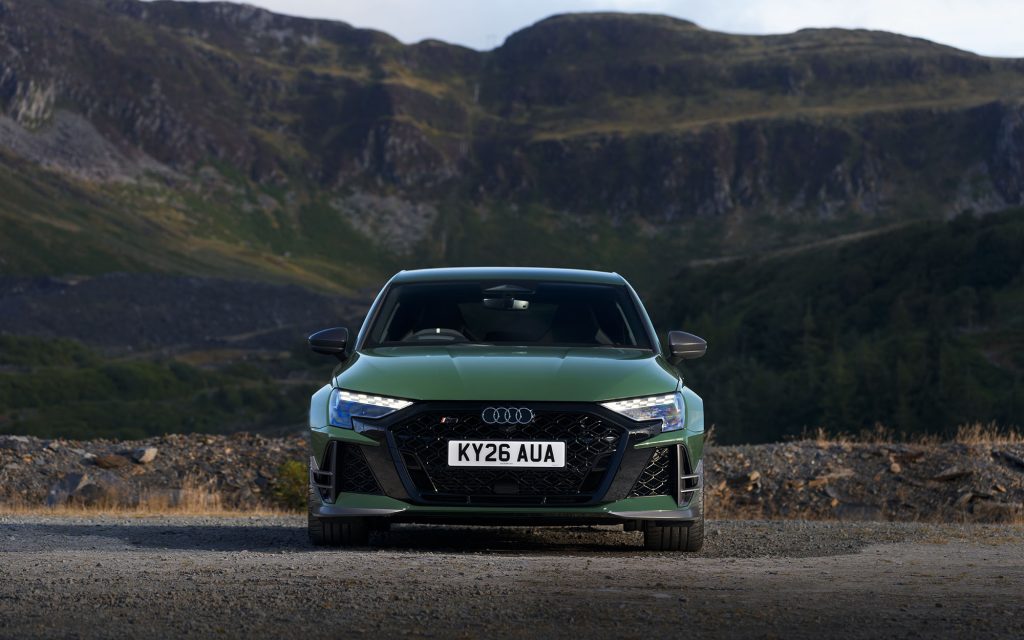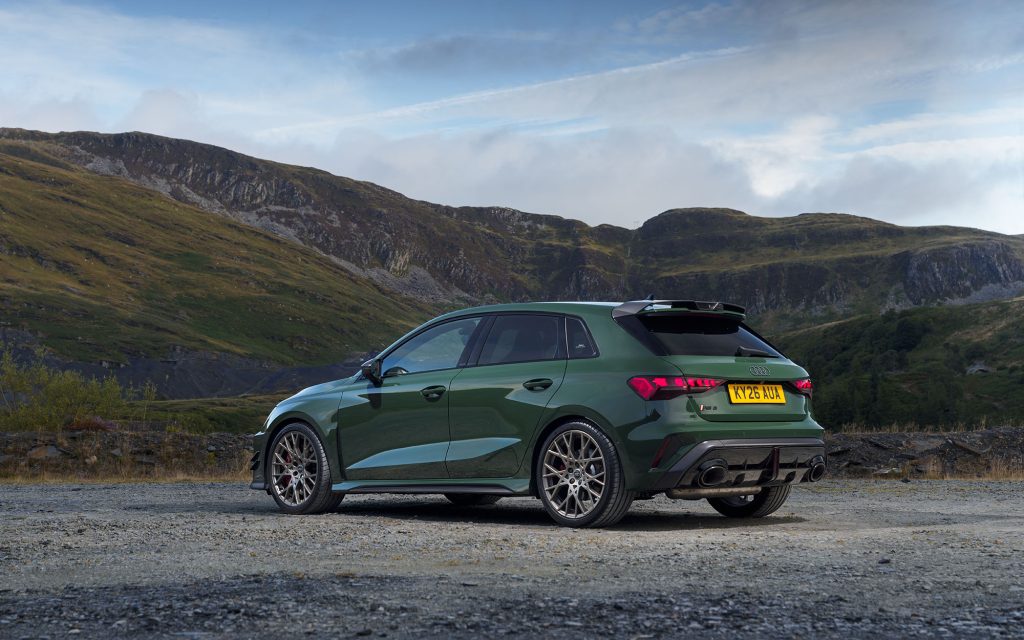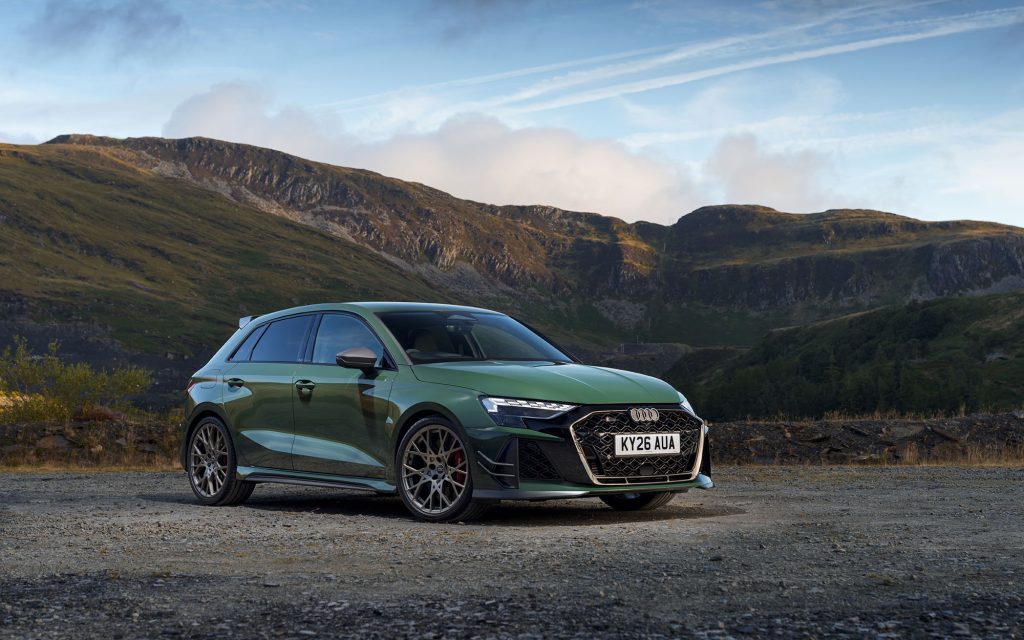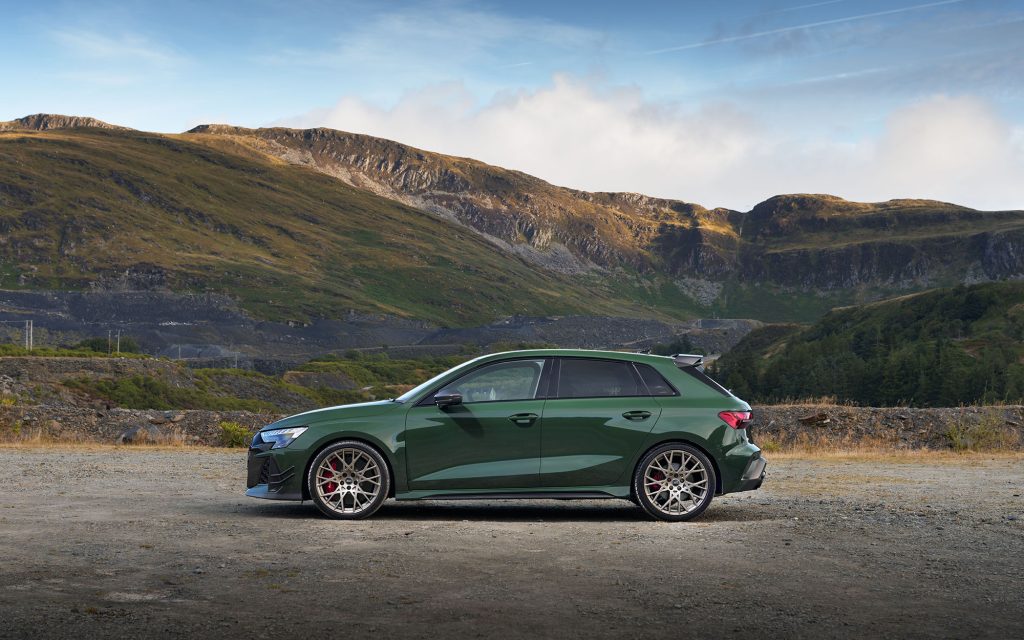

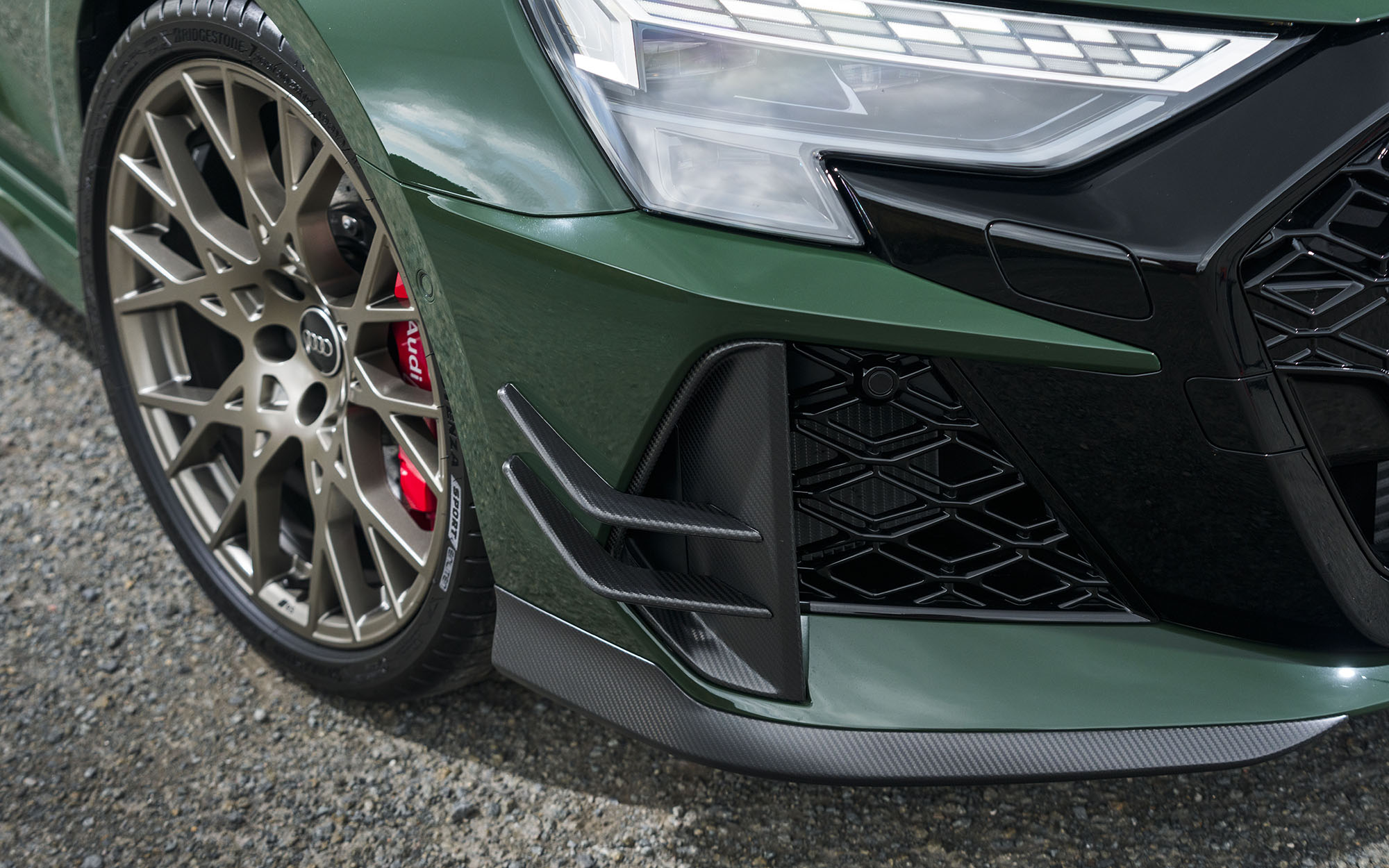

This week there’s more positive news regarding the future of Audi’s five-cylinder engine. A new report from Autocar suggests Audi Sport continues to evaluate ways of carrying the 2.5 TFSI into another generation, and information shared separately by an internal source suggests Cupra may have already played a significant role in making the numbers work.
The question surrounding the five-cylinder isn’t necessarily whether Audi can engineer it to meet Euro 7 emissions requirements. It’s whether the company can justify the investment required to do so.
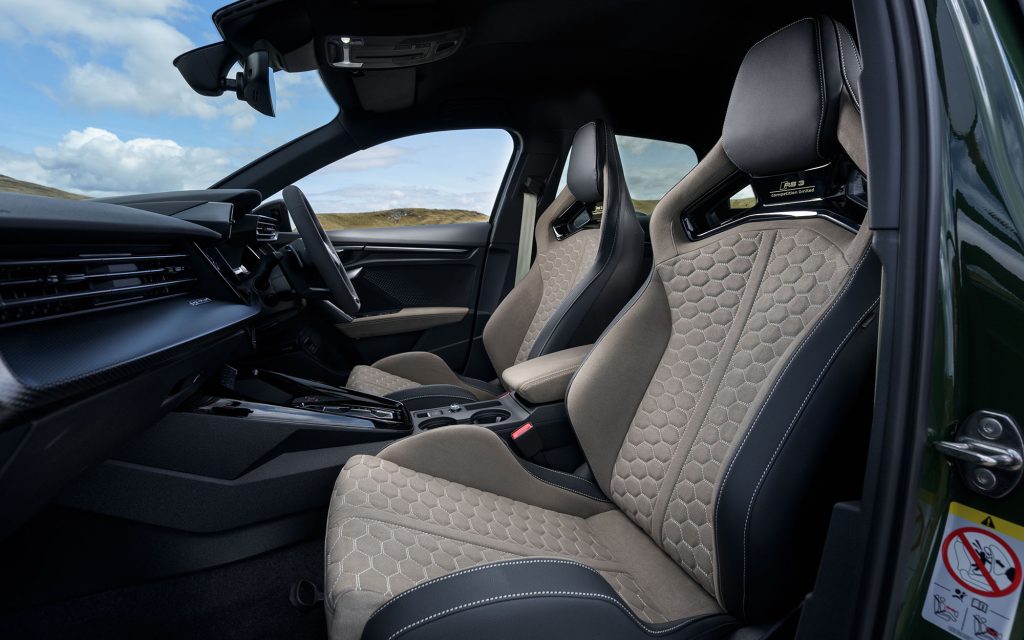
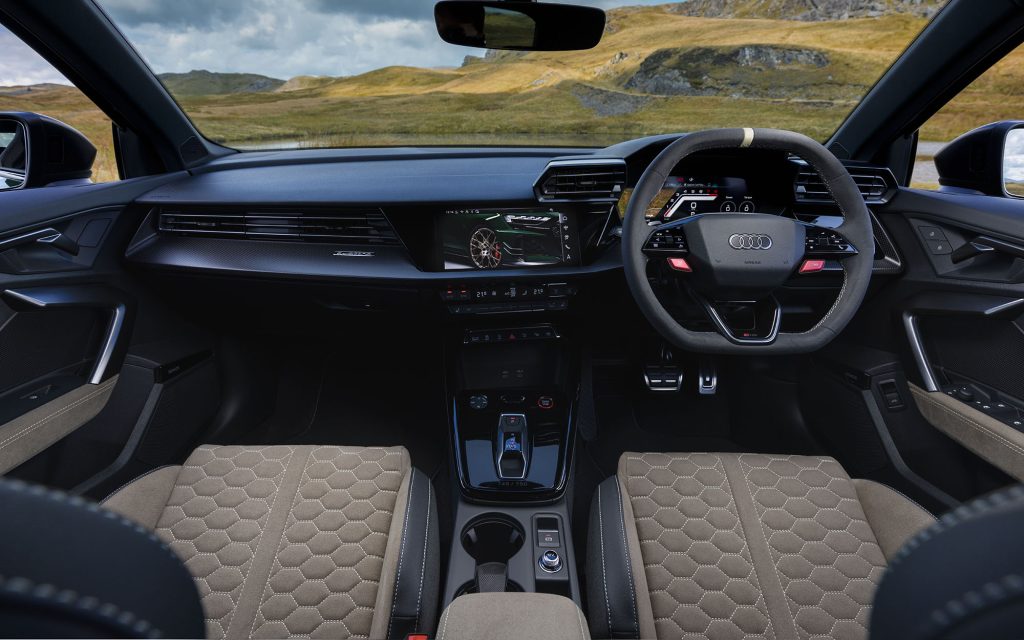
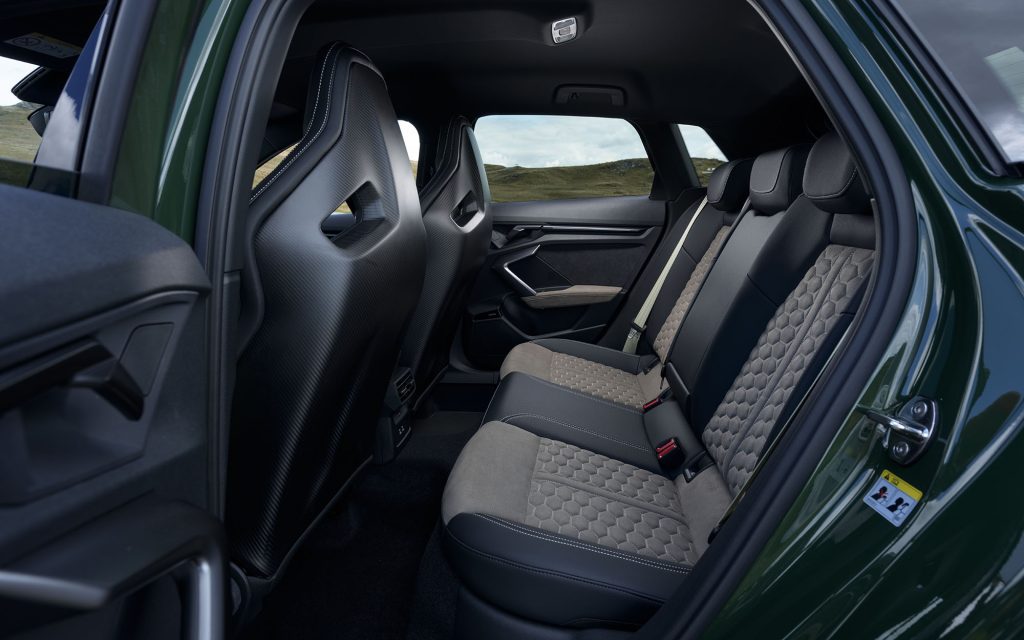
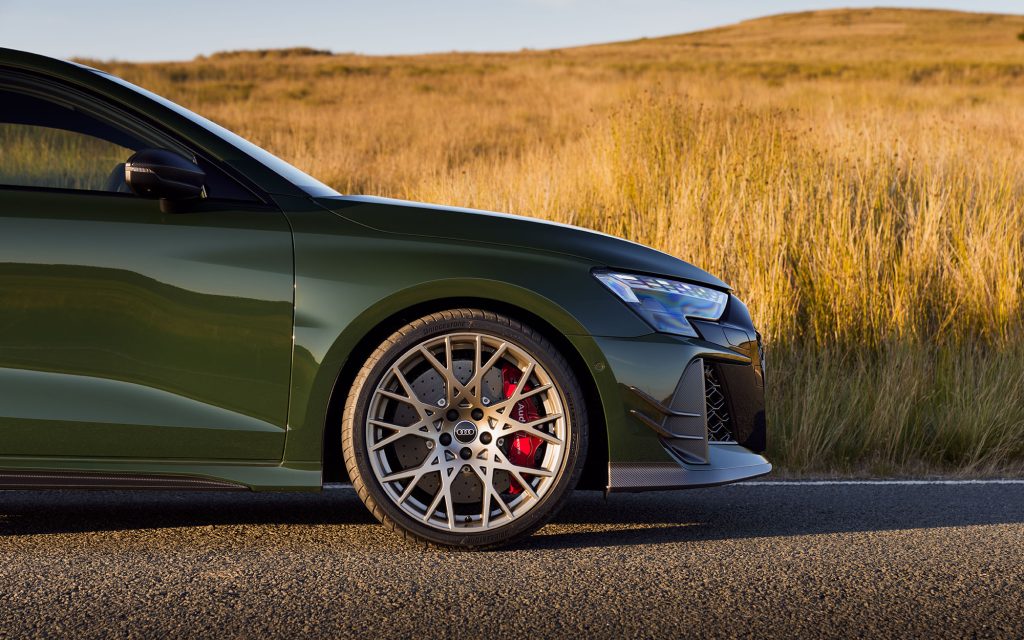
Autocar’s Felix Page reports that Audi Sport boss Rolf Michl says evaluations surrounding the engine remain underway, despite the recently revealed RS 3 Competition Limited appearing increasingly like a potential farewell to the current generation.
“We’re well aware about the historical meaning of the five-cylinder,” Michl told Autocar. “Evaluations are still running, and people who know me know that I also have a personal relationship to the five-cylinder engine.”
“It’s so characteristic and also deeply rooted in history – so let’s see.”
Those comments follow a considerably more pragmatic assessment from Audi CEO Gernot Döllner, who previously questioned whether Audi would be “able to refinance the investment in EU7 regulations.”
That’s the primary challenge.
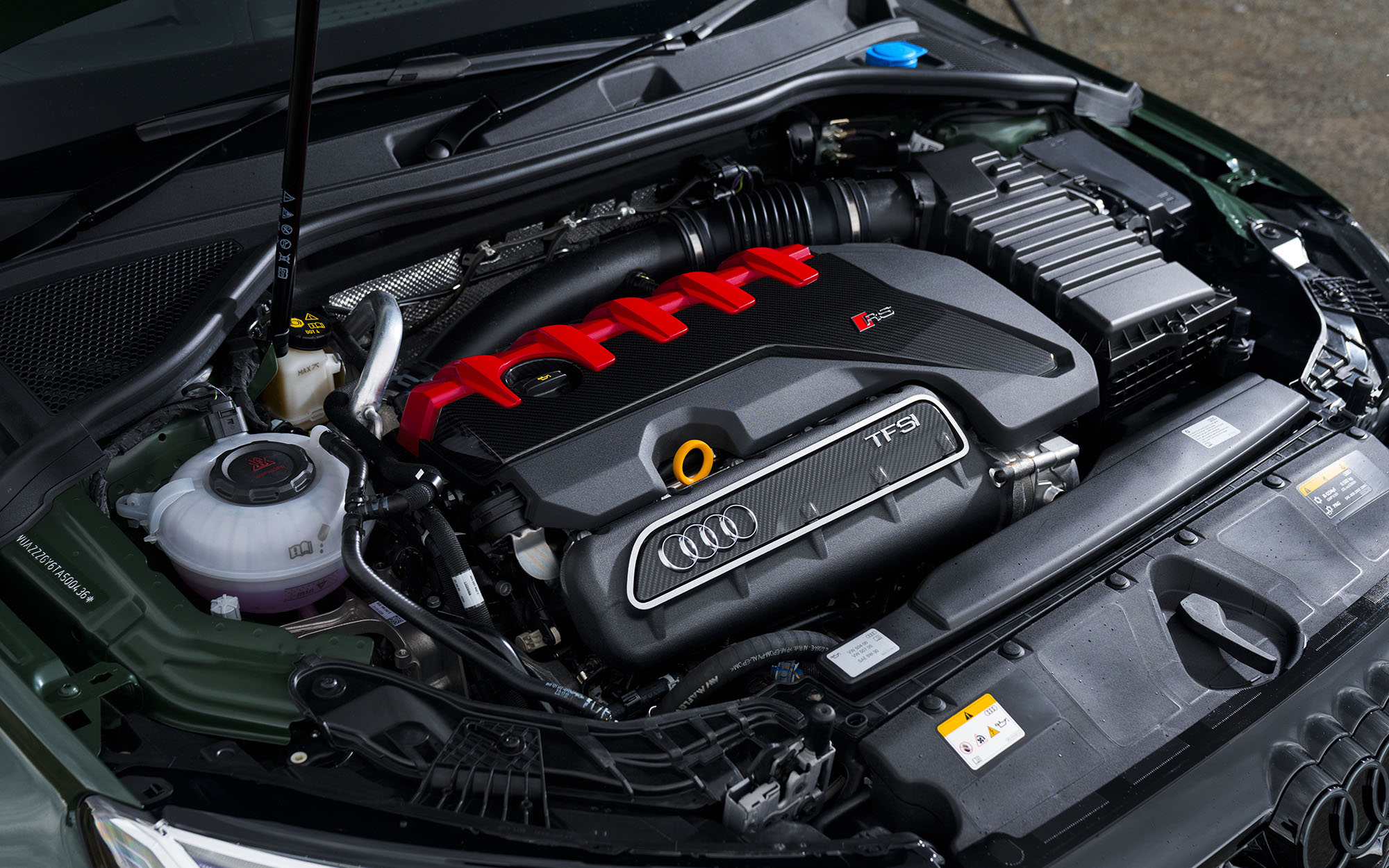
The current EA855 2.5-liter turbocharged five-cylinder would require substantial changes to its emissions hardware, sensors, fuel injection and catalysts to comply with Euro 7. Those investments become harder to justify when the engine currently powers only two relatively low-volume models: Audi’s RS 3 and the Cupra Formentor VZ5.
Michl, however, also emphasized the importance of maintaining an RS model in the compact segment.
“The entrance into the RS world is important because having a brand statement like that is amazing,” he told Autocar. “Emotion starts in the compact segment.”
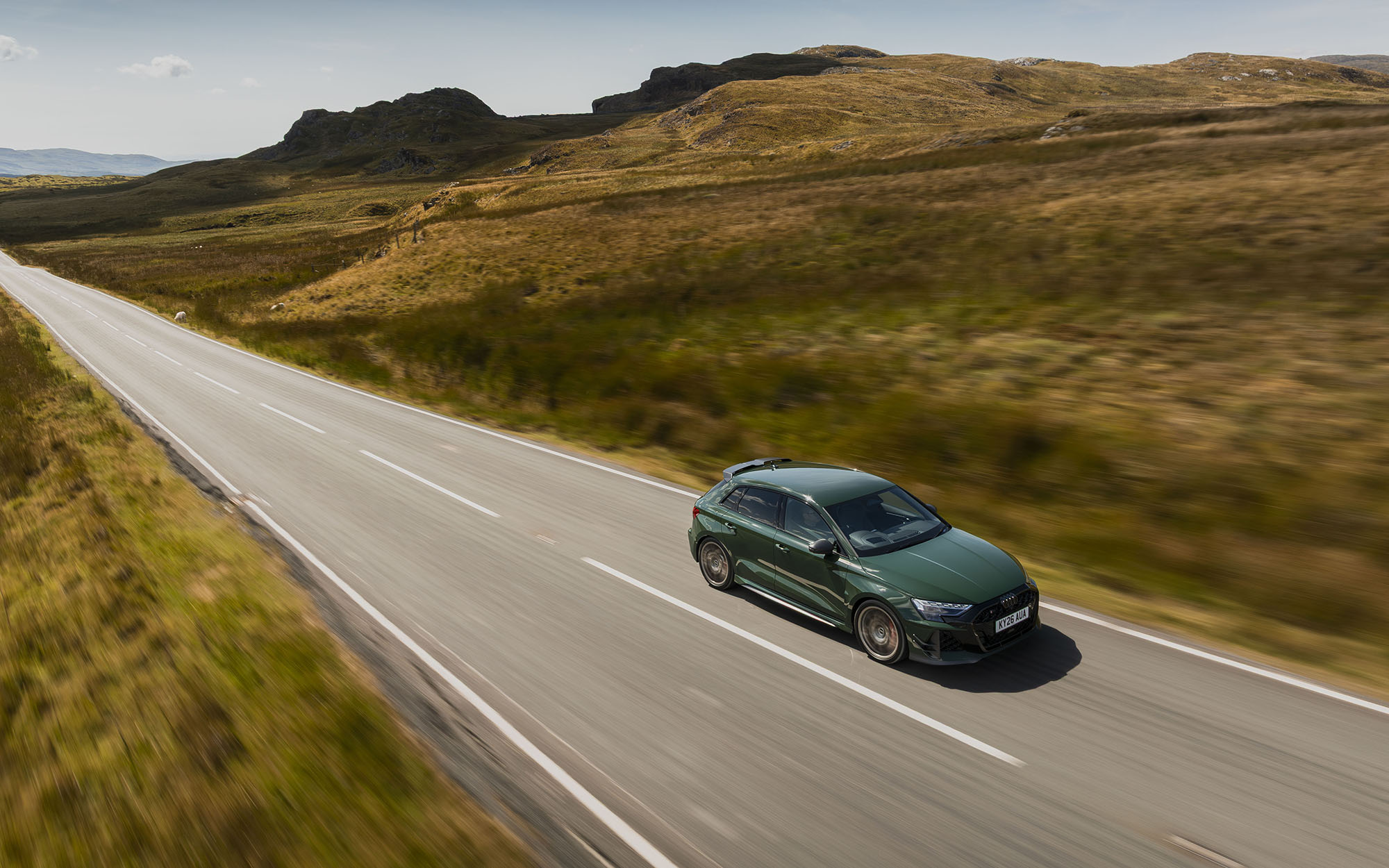
Officially, no decision has been made.
“Negotiations are ongoing, so we’re not at the decision point yet,” Michl said to Autocar. “Everybody really knows about the meaning, and therefore we’re still evaluating with our colleagues from Audi AG.”
Autocar raises several possibilities for making the numbers work. Hybridization could potentially help the engine meet future requirements, though at the expense of additional cost, complexity and weight. Increasing production volume could also spread the investment across more vehicles. Autocar notes that the MQB architecture underpinning the RS 3 and Formentor is used extensively throughout Volkswagen Group and has previously reported that a future special-edition Golf R could potentially receive the five-cylinder. This isn’t the first time we’ve heard such an idea.
An internal rumor shared separately from the Autocar suggests another piece of that puzzle may already be falling into place. If it proves true, things could already be in motion at this time.

CUPRA MAY ALREADY BE PUTTING MONEY ON THE TABLE
According to a source familiar with internal discussion, Cupra has apparently already stepped up with resources to support getting the five-cylinder through Euro 7 certification. At this stage, we have been unable to independently confirm the information and consider it an internal rumor rather than a confirmed product decision. Our source also made no mention of hybridization, so it’s unclear what technical solution is being pursued or whether electrification would be part of it.
Nevertheless, Cupra’s involvement would make the most sense. The five-cylinder has already become an important halo powertrain for Cupra through the Formentor VZ5. The crossover is effectively an Audi RS Q3, based as it is on MQB transversely oriented architecture and powered by the 5-cylinder turbo. On the roads in Europe, it has the presence of a little bratty brother to the Audi RS Q8 and sales suggest consumers are here for that.
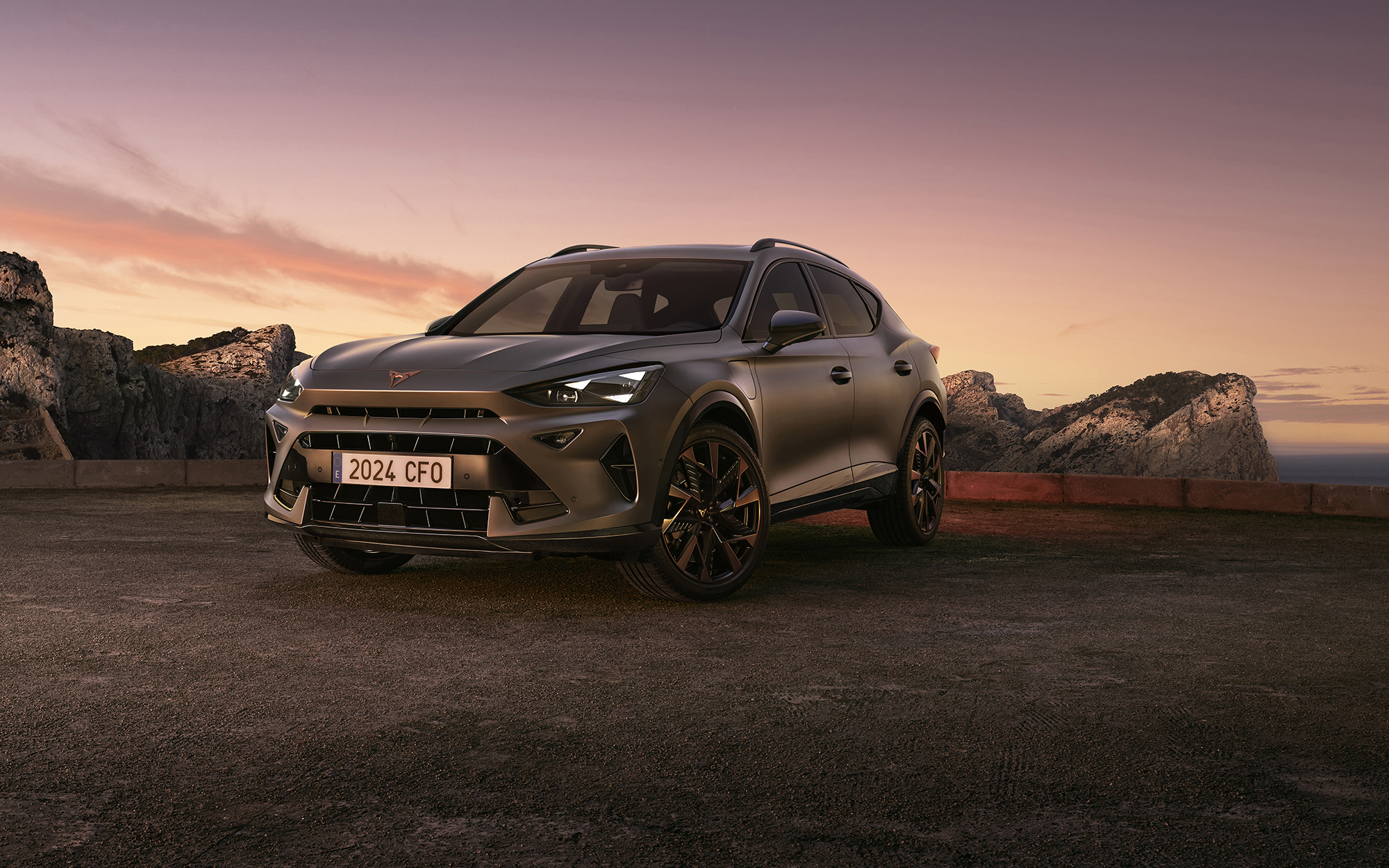
Cupra itself has evolved into one of Volkswagen Group’s more interesting growth stories. Originally established as SEAT’s performance sub-brand before becoming a standalone marque, Cupra has increasingly become the more youthful, performance-oriented face of the Spanish operation. Products such as the Formentor have helped inject new energy into the business while Cupra’s sales have grown rapidly.
Its ambitions are also expanding beyond Europe. Cupra has made no secret of its interest in entering the United States, potentially bringing the brand into one of the world’s most important performance and premium markets. The company’s CEO even sat down with Motor Trend’s Inevitable Podcast back in December 2024 to discuss the topic.
Such a move might make more of a case for preserving a distinctive combustion engine like the five-cylinder potentially more valuable to Cupra than simply maintaining one variant of the Formentor. Admittedly, EU7 certification isn’t needed for North America, but keeping the brand’s hottest roadgoing version on point while establishing itself more globally is certainly worth consideration.
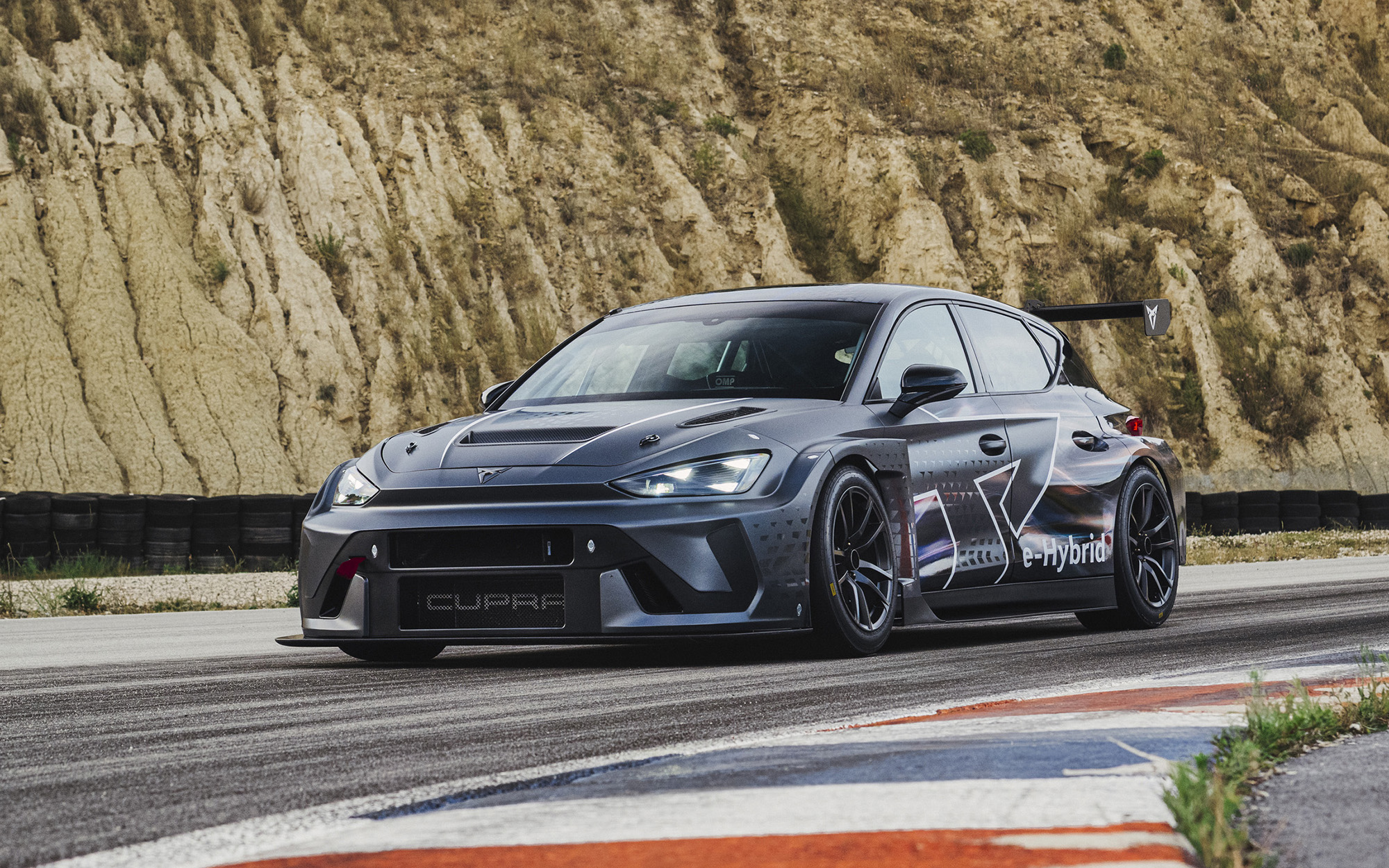
There are also existing connections between Audi and Cupra on the competition side. What remains of the Audi RS 3 LMS TCR program has significant technical and logistical commonality with Cupra’s own TCR activities, with both brands having developed racing cars from the same Volkswagen Group architecture though neither are powered by the five-cylinder. Much of that development and support comes from Cupra and both cars are currently sold and supported in the USA by New German Performance.
Considering all that context, the question of the five-cylinder increasingly looks less like an Audi Sport problem and more like a Volkswagen Group opportunity.
A DIFFERENT BUSINESS CASE
With the five-cylinder currently limited to the RS 3 and Formentor VZ5, the investment required for Euro 7 is difficult to amortize. Put the engine into additional products — or have another Volkswagen Group brand help fund its continued development — and the calculation begins to change.
Cupra potentially does both. Its participation adds another brand with a direct interest in preserving the engine while potentially creating additional applications over which the development cost can be spread. A five-cylinder Golf R, another Formentor VZ5 or future Cupra products could all theoretically increase volume without requiring Audi Sport alone to carry the financial burden. It makes the engine less exclusive to Audi perhaps, but it also fans the flame rather than snuffing it out entirely.
None of this completely confirms the five-cylinder has been saved.
Michl is explicit that Audi hasn’t reached a decision. Our own information concerns an internal rumor rather than an officially approved production program, and there remains no further information on precisely what technical changes would be required to carry the EA855 forward.
But the two pieces of information definitely fit together in an encouraging way. Autocar reports that Audi is still looking for a viable path forward and specifically identifies greater Volkswagen Group volume as one way of paying for it. Our source suggests Cupra may already be willing to help make that investment happen.
For an engine celebrating its 50th anniversary this year – a fact openly being celebrated in a special temporary display on the first floor of the Audi Forum Ingolstadt’s museum mobile. It’s reasonable to assume that Audi’s public relations team wouldn’t exactly want to emphasize an iconic technology’s imminent demise.
So yes, the tea leaves suggest the Audi five-cylinder will ultimately survive, something that will be possible because it is no longer Audi’s alone. We’re here for it.
Hat tip: Autocar, Felix Page — “It’s so characteristic…” Audi mulls options for five-cylinder future, August 18, 2026.
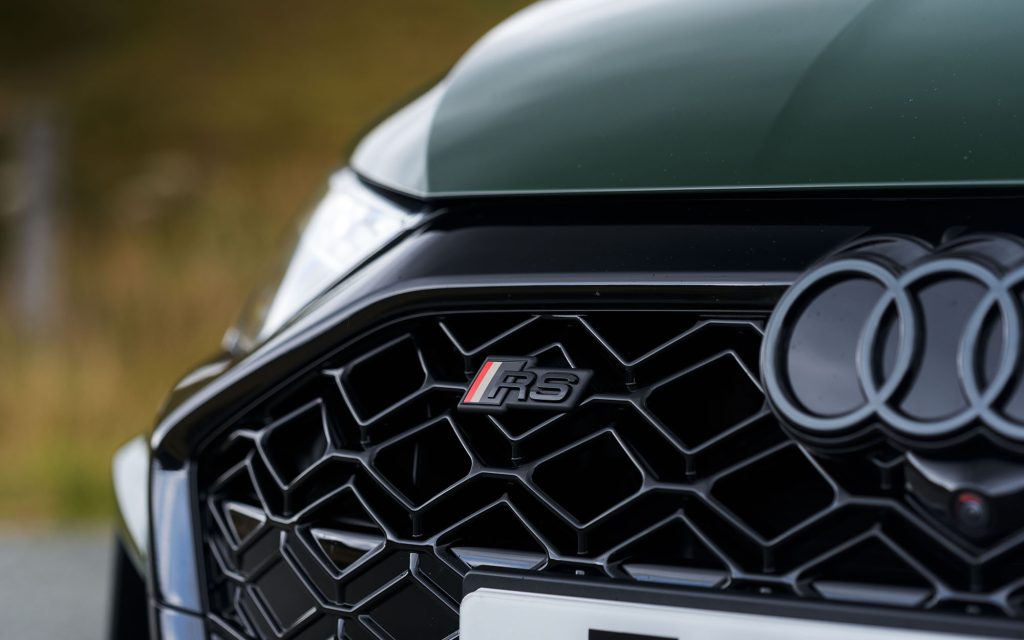
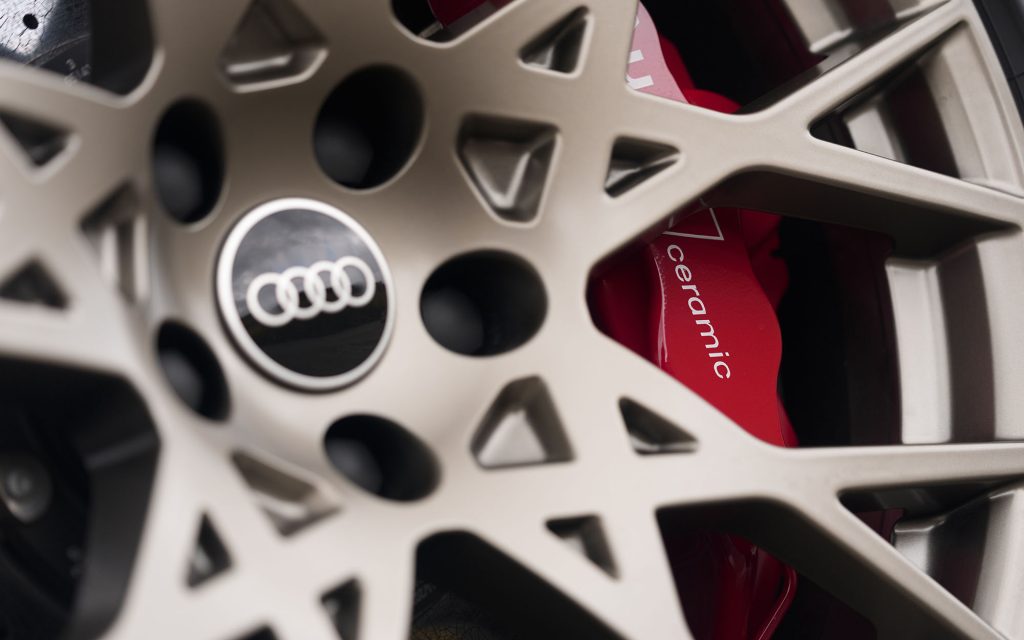
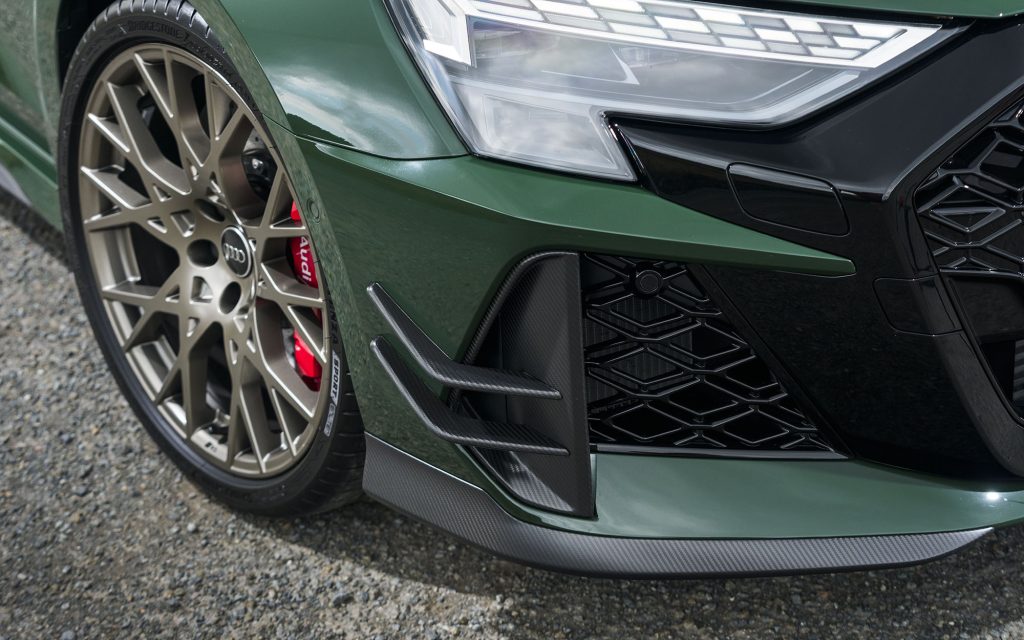
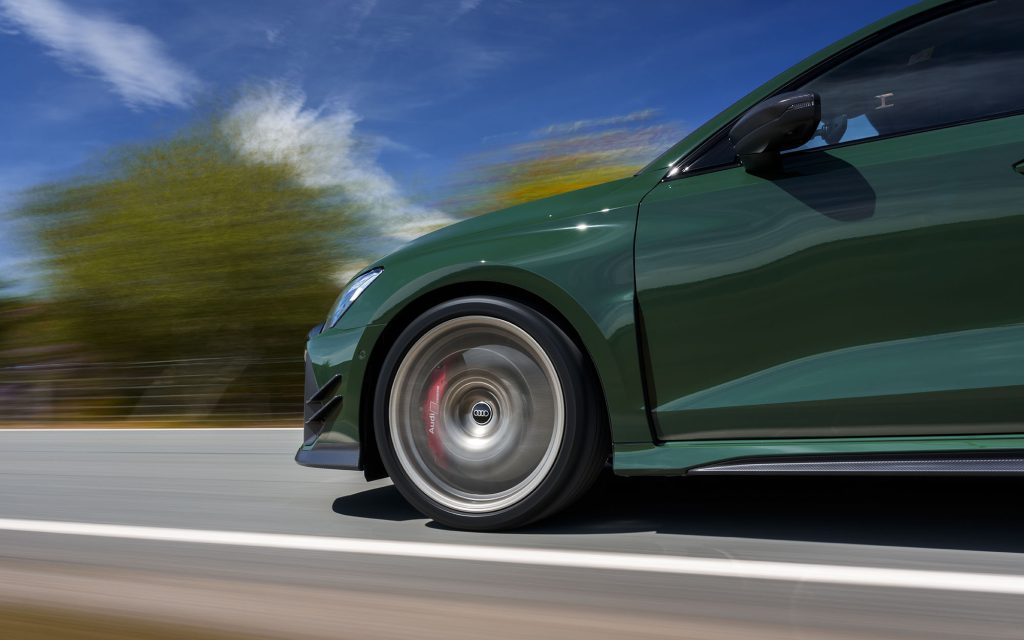
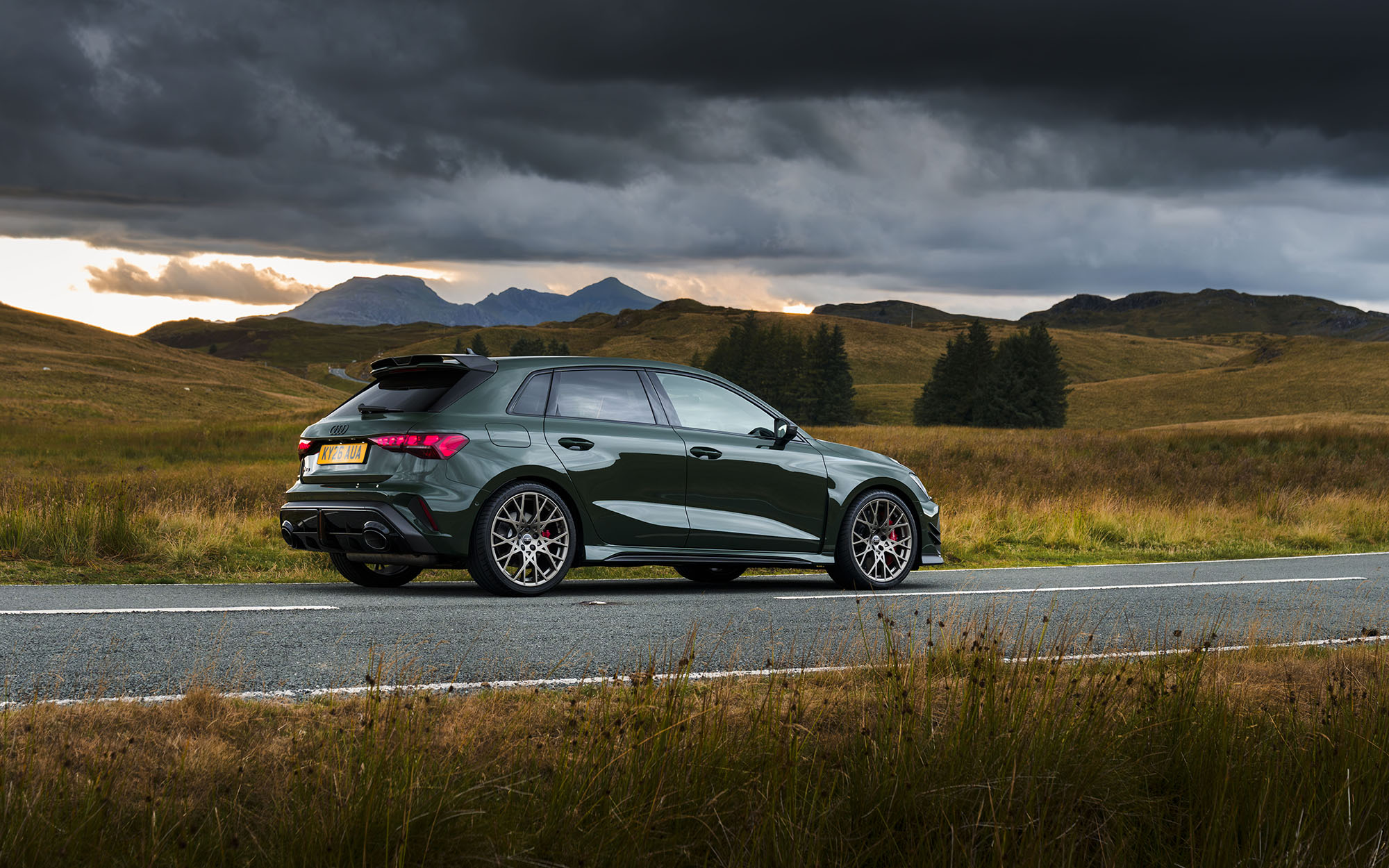
Editor’s Note: Serendipitously, Audi UK has also published a full set of promotional photography of the UK market RS Q3 Sportback competition limited. We’ve run the set here and in the gallery below to further celebrate the RS Q3 and Audi 5-cylinder engine technology.
PHOTO GALLERY