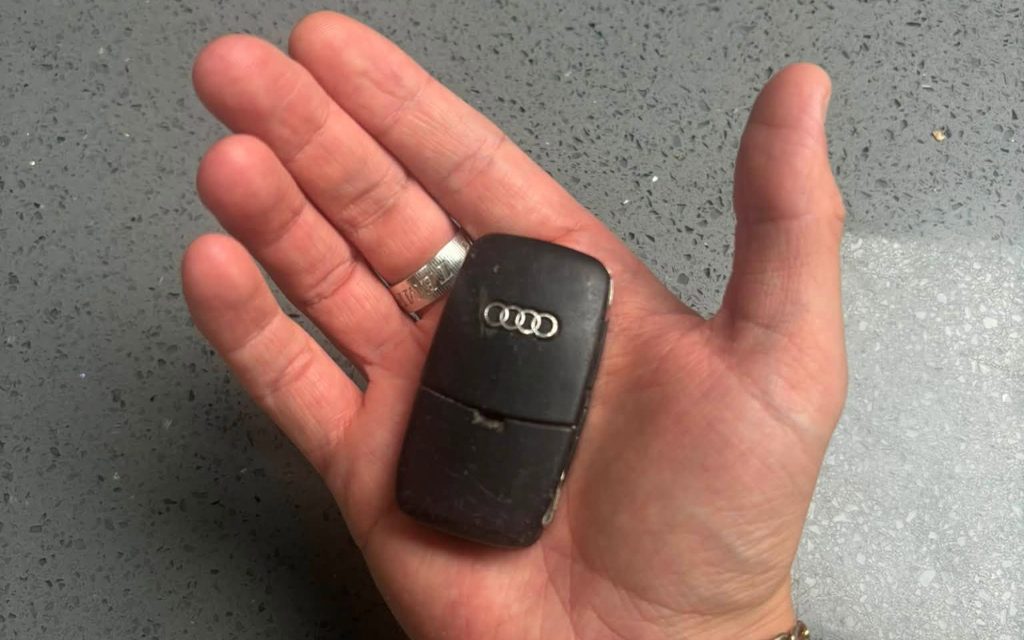


The Audi TT (Mk1) is renowned in the design sector and by car enthusiasts alike as icon. Its design is clean and intentional – from solid honed aluminum accents to baseball-glove leather and the minimalist dashboard, the original TT established itself as a design leader almost immediately after its concept debut. Yet for all of that attention to detail, there are design elements that, while made of quality materials, seemed to fall short of the extraordinary nature of the original car. One such rather ordinary example: the plastic flip key shared across much of the Volkswagen Group lineup.
That disconnect is exactly what British product designer Josh Elgood of Black Dog Products hopes to address with his latest project—a completely reimagined key designed specifically for the first-generation Audi TT and compatible with other Audi and Volkswagen models that share the same generation of key fob hardware.
For Elgood, designing automotive products has become something of a tradition. Having spent roughly eight years working in product and automotive design, he launched Black Dog Products after buying a Porsche Boxster (987). The inspiration came from a practical annoyance rather than aesthetics.
Owners of the 987 and 997-generation Porsche keys often found the buttons accidentally pressed while the key sat in a pocket, unlocking the car unintentionally. His solution evolved into an entirely new key housing that not only solved the problem but also delivered something that felt more substantial. One particularly clever feature was the integration of an Apple AirTag directly into the head of the key without compromising its appearance.
Now, it’s time to move on to another car he Josh admires.
“I’ve always had a soft spot for the Mk1 TT,” Elgood explains, even though he doesn’t currently own one. “This key kit gives me the perfect excuse to buy one… of course I need to take photos of it with the car and test the key, right!”
DESIGNED FROM THE CAR ITSELF
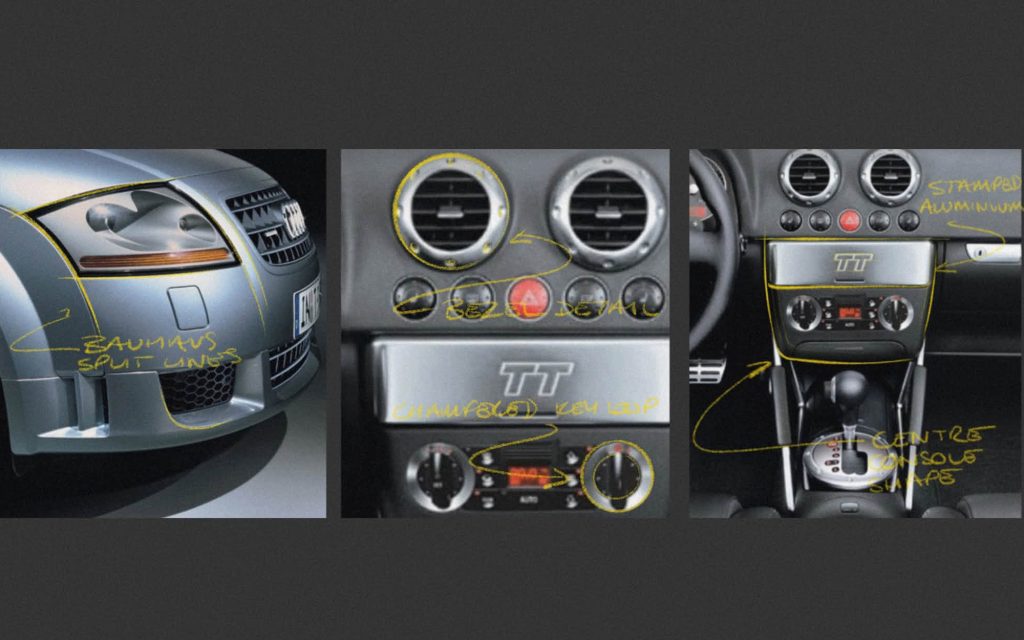
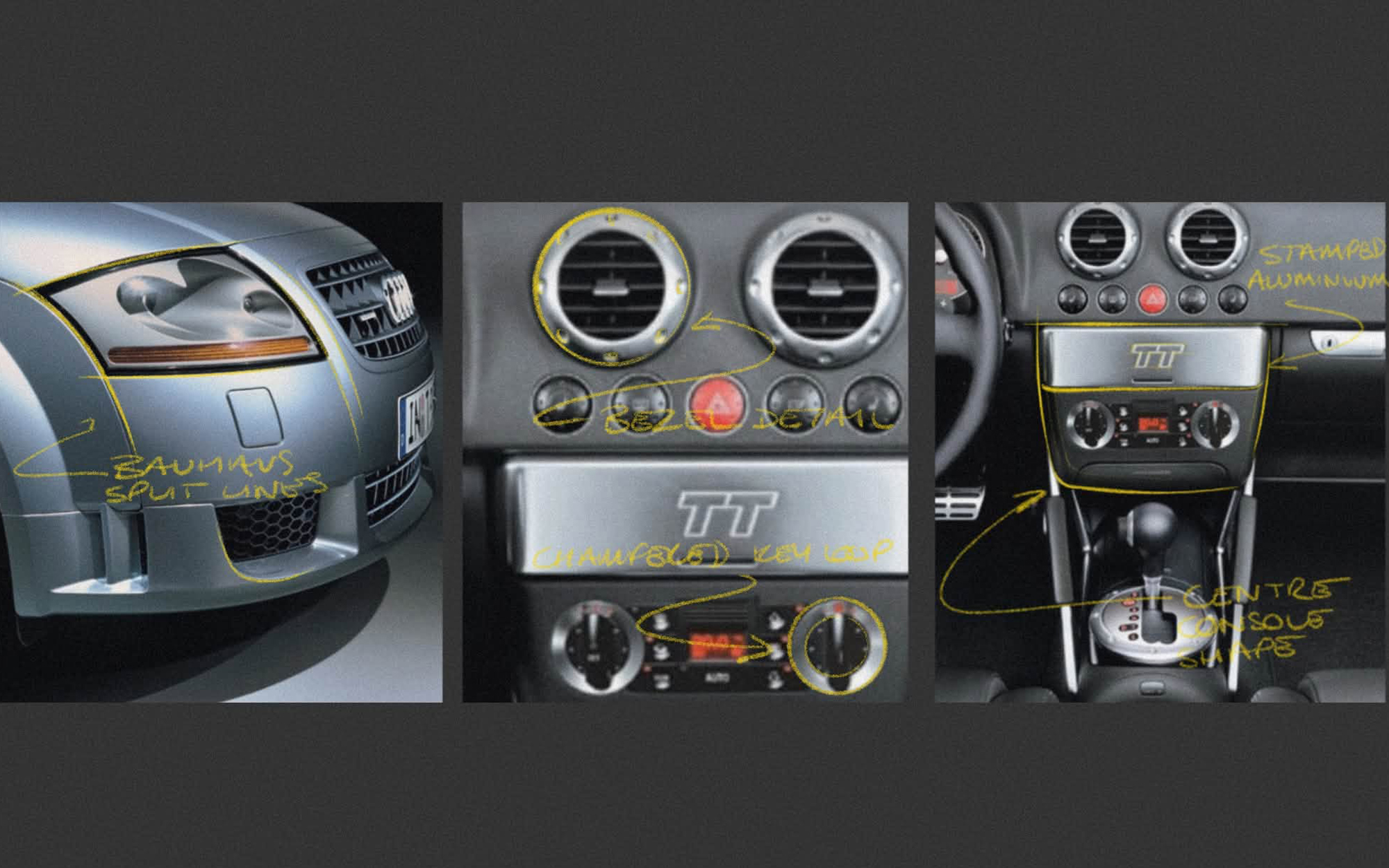
Rather than simply machining an attractive aluminum shell, Elgood approached the TT key the same way Audi’s designers approached the original car—by letting the vehicle itself dictate the design language.
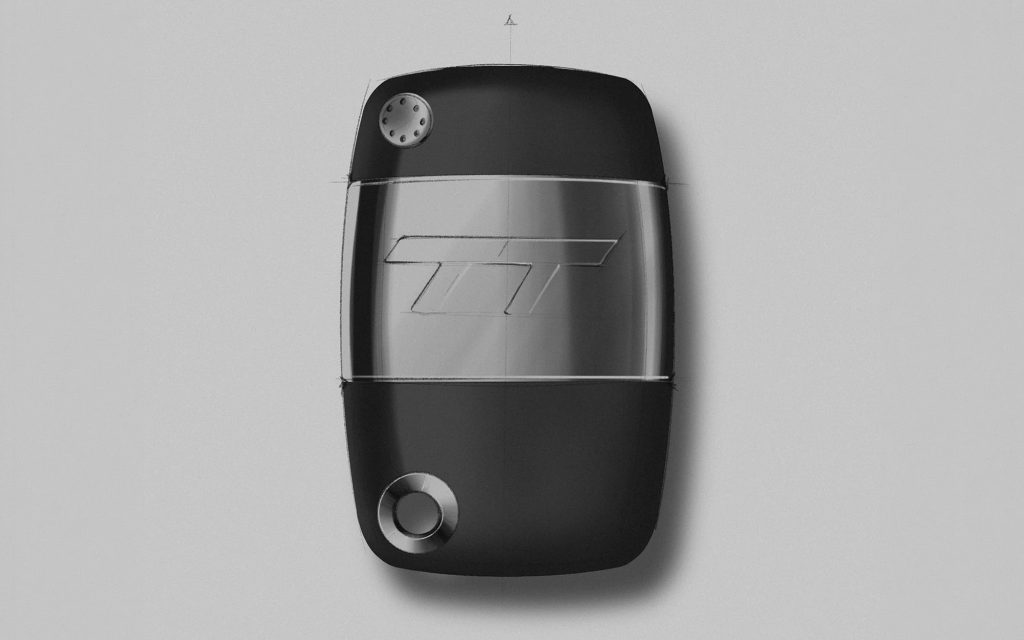
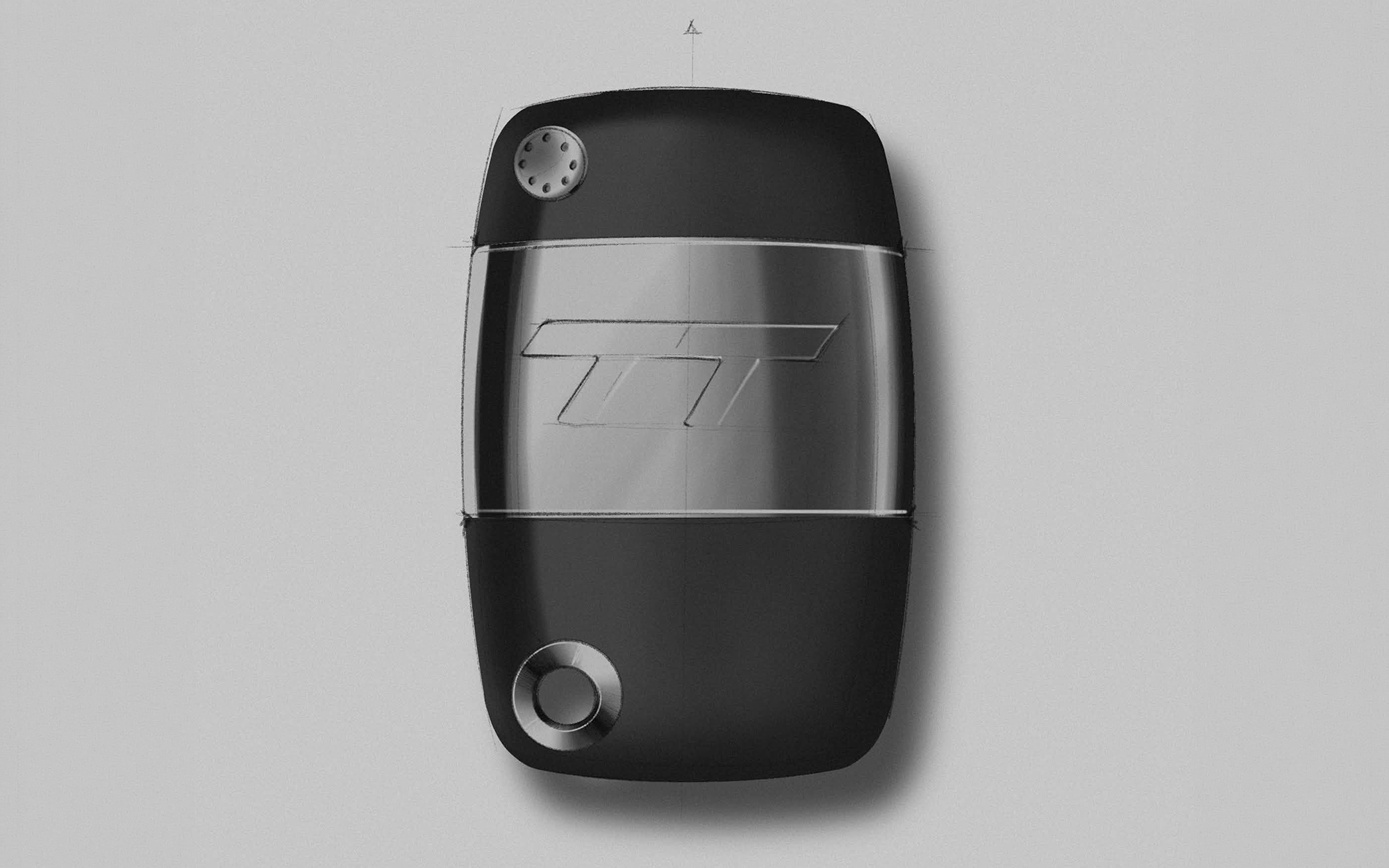
The overall silhouette references the distinctive form of the Mk1 TT’s center console. The circular key ring opening draws inspiration from the chamfered aluminum temperature control dials, while the separation lines mimic the crisp panel gaps that helped define the TT’s Bauhaus aesthetic.
Even smaller details reward closer inspection.
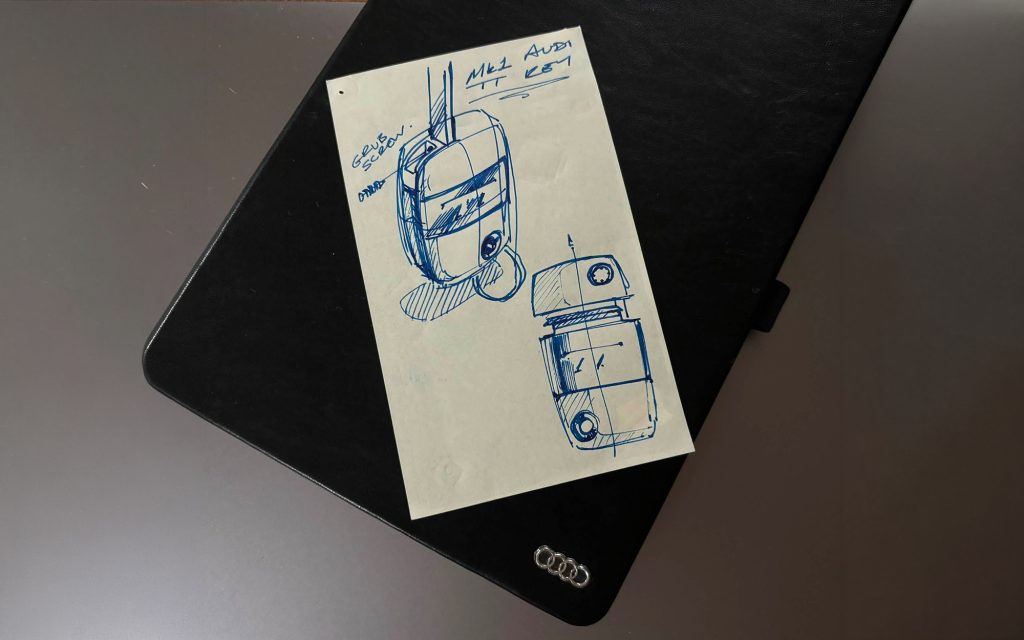
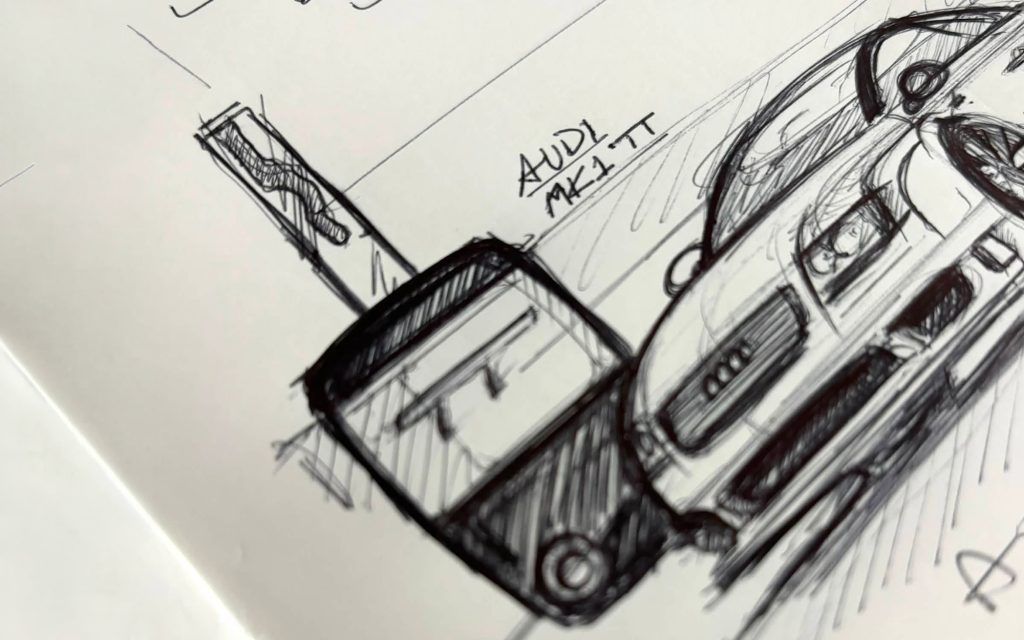
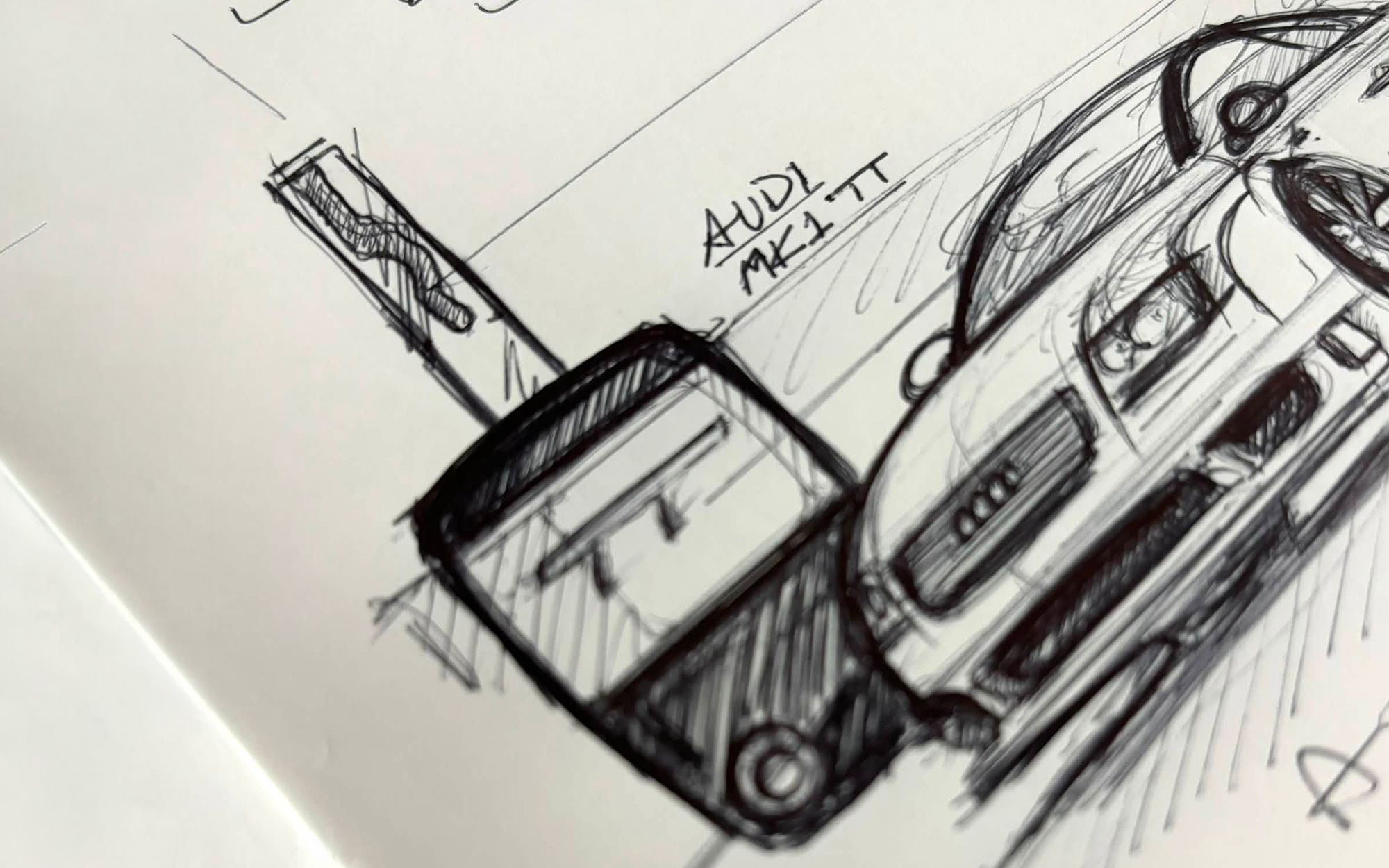
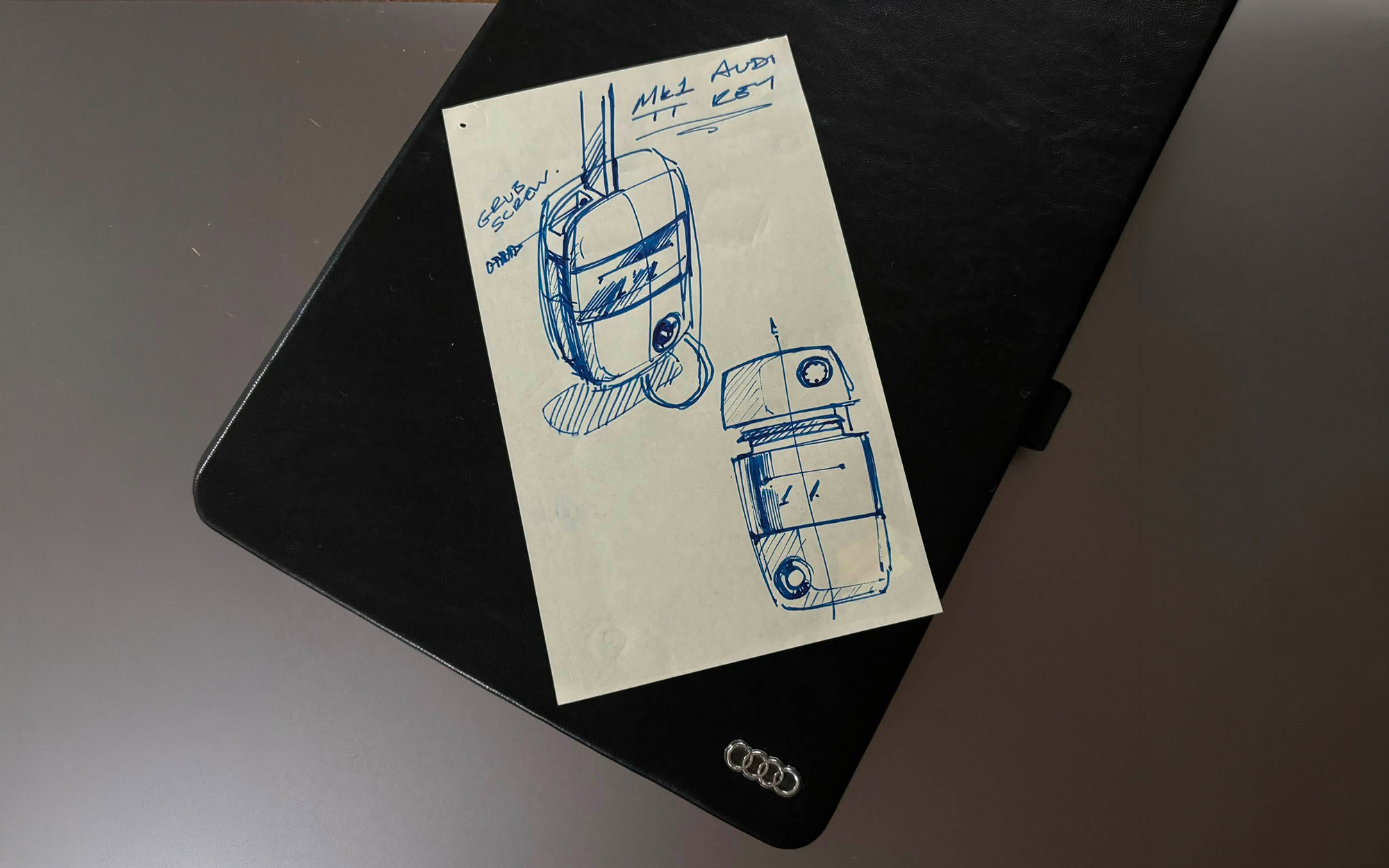
Among the “Easter eggs” seen in his initial concept sketches are a machined dimple that subtly echoes the switchgear found throughout the cabin and an insistence on genuine aluminum construction throughout rather than plated or coated cast metal. Like the original TT interior itself, if it looks like aluminum, it actually is aluminum.
Audi’s first-generation TT became famous for using authentic materials throughout the cabin, giving the car a tactile quality that many competitors lacked. Elgood wanted the key to deliver that same sense of honesty, while the additional mass gives it a reassuring weight in the hand.
OEM FUNCTION, MODERN EXECUTION
Perhaps the most appealing aspect for owners is what doesn’t change.
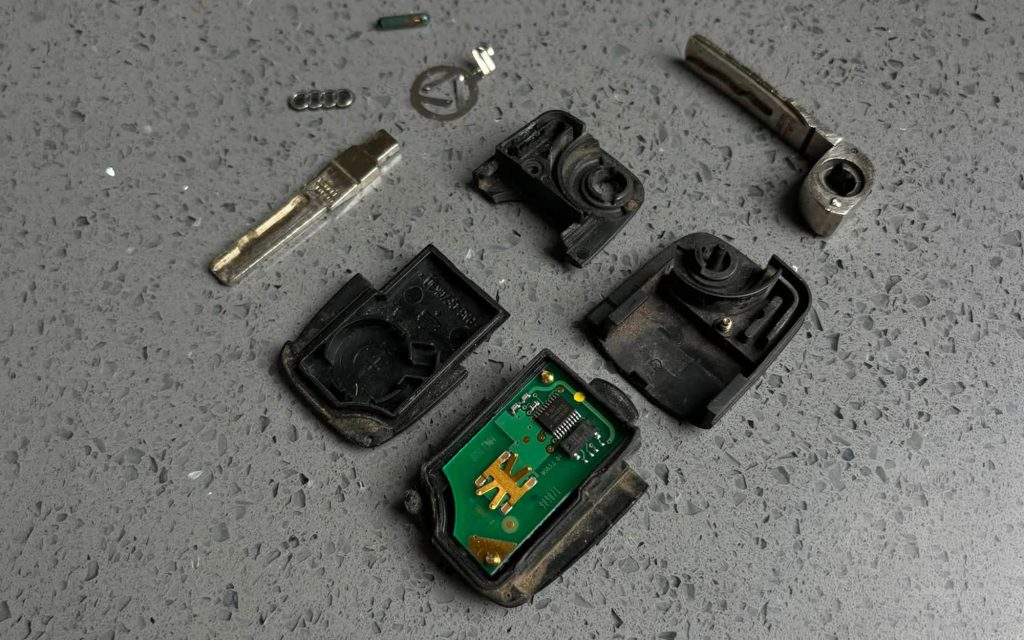
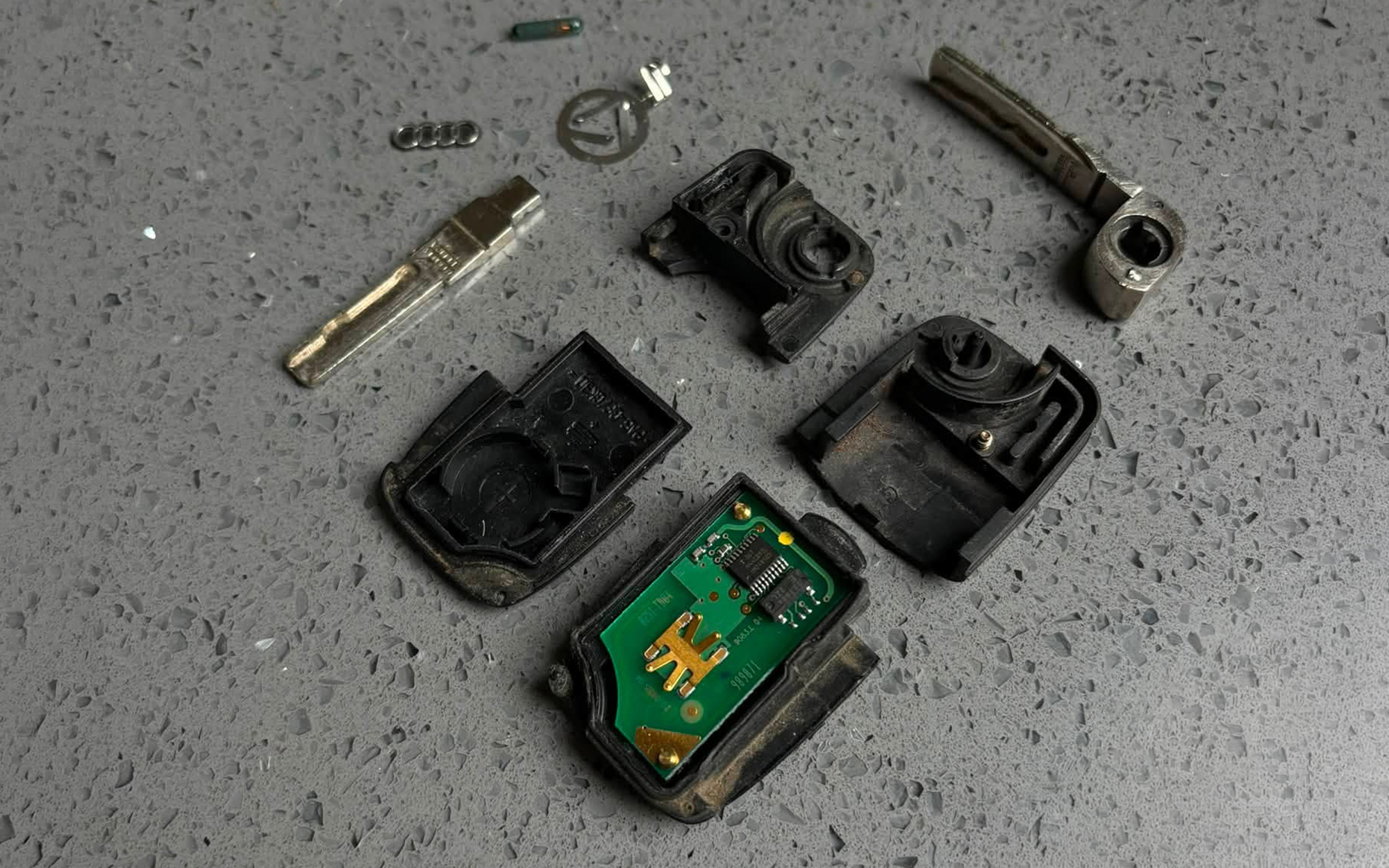
The new housing is designed to reuse the original Audi electronics and immobilizer components. Josh i designing a solution where owners simply transfer the internals from their existing key into the new housing, eliminating the need for reprogramming or purchasing a new transponder. Even the original key blade will be reused, although owners who prefer a fresh blade can certainly install one.
Just as importantly, Elgood says he’s worked to keep the new key very close to the factory dimensions.
“My target is to not stray far from the OEM size,” he says. “I think it will be marginally different.”
That should allow it to remain familiar in daily use while dramatically elevating its appearance and feel.
MORE THAN JUST THE TT
While the prototype shown focuses on the Mk1 TT, the concept extends well beyond one model.
The design will accommodate other Audi variants that used the same style of key, with custom engraving available to suit models such as the A2, A3, A4, A8 and others… maybe even other brands in the Volkswagen Group. Rather than officially reproducing Audi trademarks, buyers will be able to request custom engraving appropriate to their vehicle.
It’s a thoughtful solution that keeps the project flexible.
FROM PROTOTYPE TO PRODUCTION
The project is currently in its first prototype phase, with pre-orders planned through October and deliveries targeted for November.
Like many enthusiast-driven products, production economics play a significant role. Small-batch machining is expensive, and Elgood is relying on the enthusiast community to help determine just how ambitious the finished product can become.
“The pre-orders are paramount to the product’s quality,” he explains. “The greater the orders, the more that gets invested into the product. Which allows for nicer fixings, more aluminium parts and so on.”
That collaborative approach is fitting for the enthusiast community, particularly surrounding a car like the Mk1 TT whose appreciation continues to grow nearly three decades after its introduction.
After all, enthusiasts invest their own time and effort restoring and maintaining these young timer classics. A key designed with that same level of care may seem like a small detail, but it’s one drivers interact with before every journey.
For a car celebrated as one of the defining industrial designs of its era, perhaps it was only a matter of time before someone designed the key it always deserved.
Interested in learning more or placing a pre-order for yourself? Find out more information at BDPUK.co.uk.
PHOTO GALLERY