

Formula 1 has confirmed that both the Bahrain Grand Prix and the Saudi Arabian Grand Prix will not take place as scheduled in April, citing the ongoing situation in the Middle East. The decision follows what the series described as “careful evaluations” conducted in collaboration with the FIA and local promoters.
Despite exploring multiple contingency scenarios, Formula 1 ultimately elected not to replace the two events on the calendar, leaving a gap in the early portion of the 2026 season. Support series including Formula 2, Formula 3, and F1 Academy will also miss their planned race weekends tied to those events.
The move underscores the championship’s continued prioritization of safety and logistical certainty, particularly as the sport expands its global footprint and navigates increasingly complex geopolitical considerations.
Stefano Domenicali, President and CEO of Formula 1, acknowledged the weight of the decision.
“While this was a difficult decision to take, it is unfortunately the right one at this stage considering the current situation in the Middle East,” said Domenicali. “I want to thank the FIA as well as our incredible promoters for their support and total understanding. We cannot wait to be back with them as soon as the circumstances allow us to do so.”
FIA President Mohammed Ben Sulayem echoed that sentiment, emphasizing the governing body’s responsibility to protect the wider motorsport community.
“The FIA will always place the safety and wellbeing of our community and colleagues first,” he said. “After careful consideration, we have taken this decision with that responsibility firmly in mind. We continue to hope for calm, safety, and a swift return to stability in the region.”
Both Bahrain and Saudi Arabia have become cornerstone venues in Formula 1’s modern era, hosting high-profile night races and serving as key early-season stops. Their absence in April represents a notable disruption to the competitive rhythm of the championship, particularly for teams and drivers building momentum in the opening flyaway rounds.
Promoters in both countries expressed support for the decision while reaffirming their commitment to the sport.
Sheikh Salman bin Isa Al Khalifa, Chief Executive of the Bahrain International Circuit, stated, “We fully support the decision by Formula 1 and are grateful for the continued partnership. We look forward to welcoming fans from around the world back to Bahrain when Formula 1 returns.”
Similarly, HRH Prince Khalid bin Sultan Al-Abdullah Al-Faisal of the Saudi Automobile and Motorcycle Federation noted that while fans in Jeddah had anticipated the April race, the broader considerations were understood. “We remain in close partnership with Formula 1,” he said.
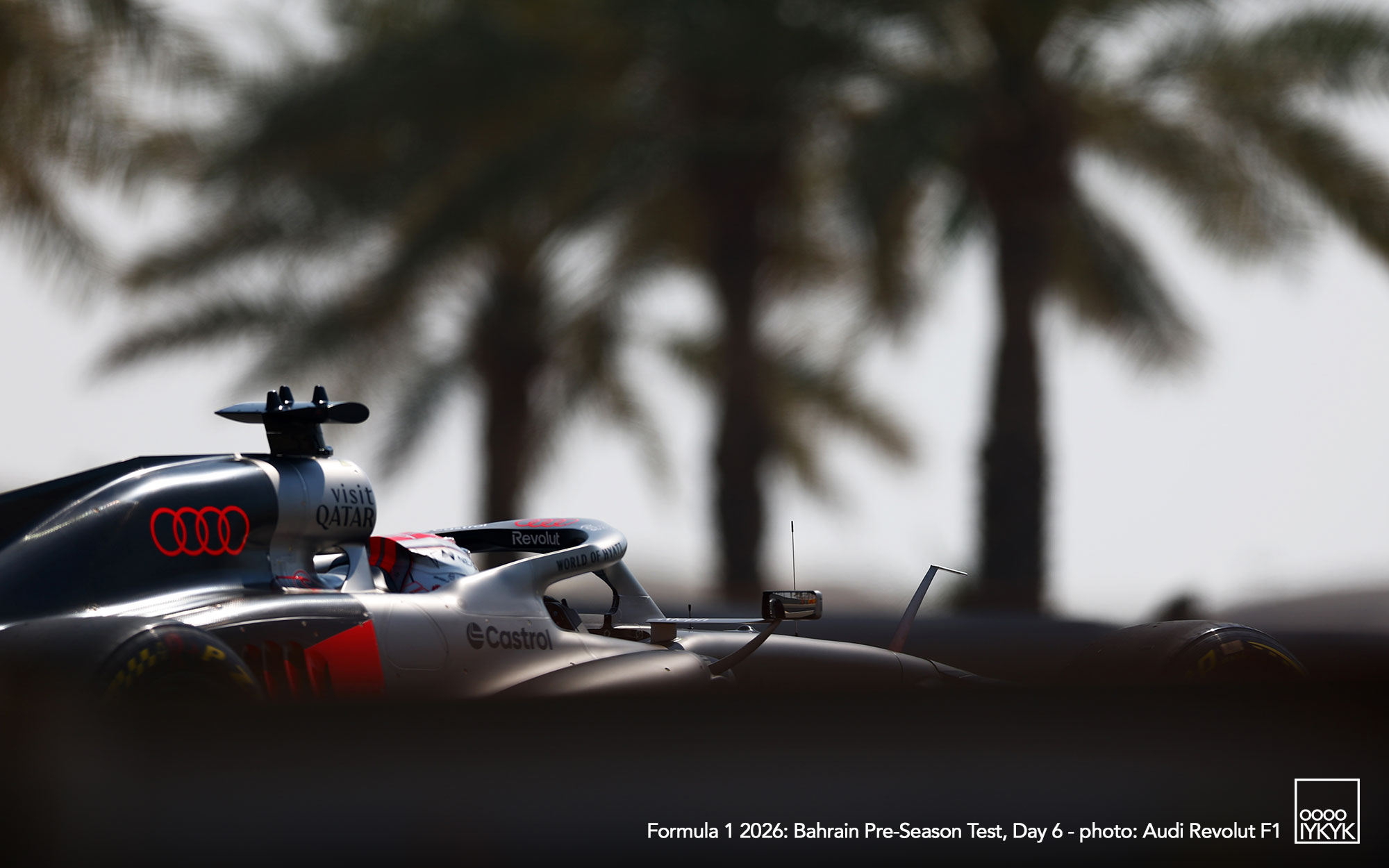
For now, the championship faces an unusual early-season pause, with no replacement races scheduled. The gap raises questions about how teams will manage development cycles and race readiness during an already condensed and highly competitive season—particularly as new technical directions and manufacturer narratives, including Audi’s long-anticipated Formula 1 entry, continue to take shape.
Further updates to the calendar, if any, are expected to be communicated in due course.