

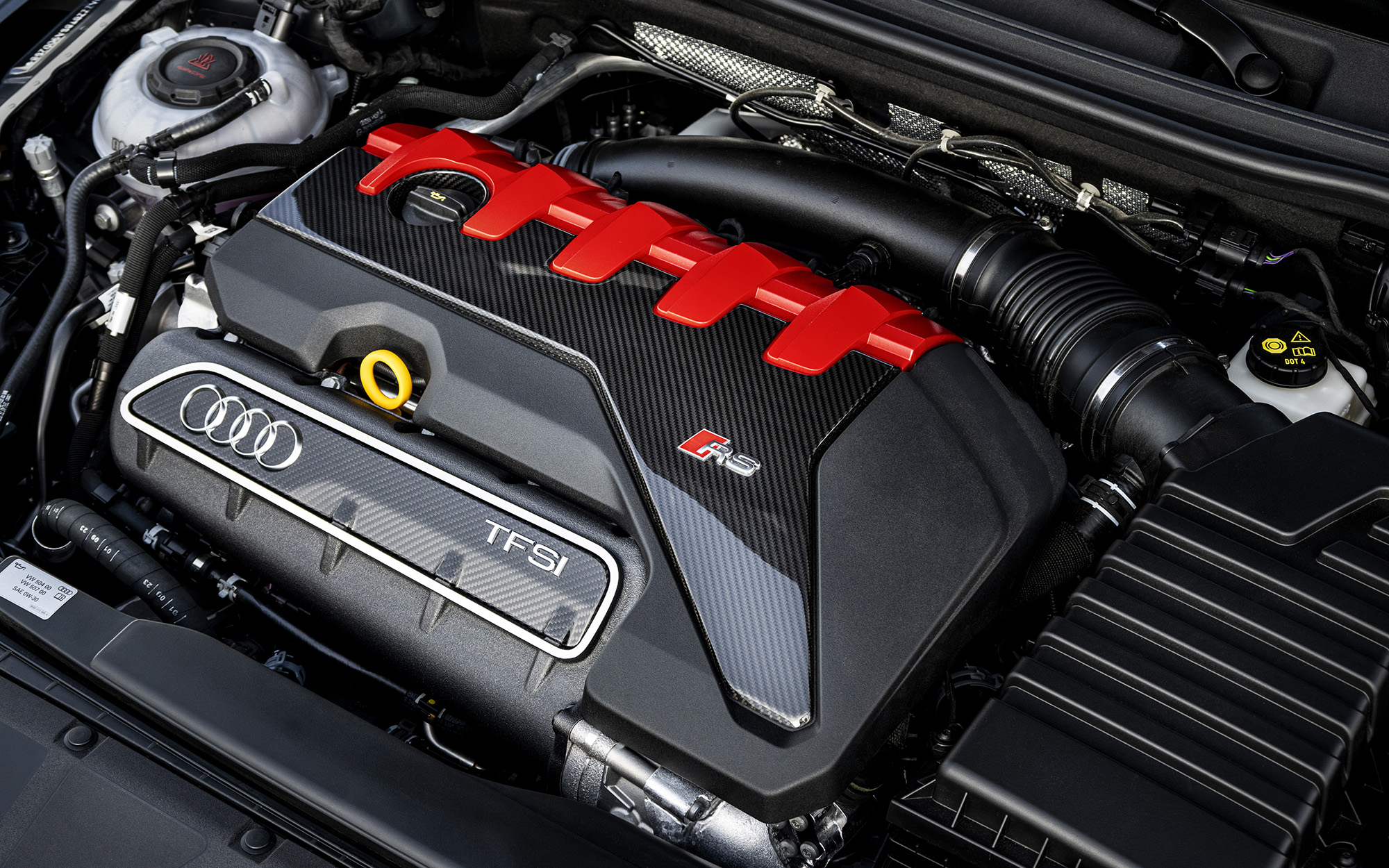

Something likely no Audi aficionado wants to hear is coming from Automotive News, suggesting Ingolstadt is preparing to phase out its turbocharged five-cylinder engine, a casualty of tightening European emissions regulations that are forcing the brand to rethink even its most iconic performance engine.
At the center of the issue is the upcoming Euro 7 emissions standard, set to take effect later this decade. The new rules significantly tighten limits on pollutants such as nitrogen oxides and particulates, while also expanding testing conditions. For niche, high-output engines like Audi’s 2.5-liter inline-five, the cost and engineering complexity required to meet these standards is becoming increasingly difficult to justify.
CASUALTY OF REGULATION NOT DEMAND
The decision is not driven by a lack of customer interest. Audi’s five-cylinder remains one of the brand’s most celebrated powertrains, currently powering models like the RS 3 and previously the TT RS. Known for its distinctive firing order and unmistakable sound, the engine has long been a defining element of Audi Sport’s identity.
However, executives have made clear that compliance—not demand—is the determining factor. Euro 7 effectively raises the bar to a point where continuing production of a relatively low-volume engine becomes economically impractical.
TIMELINE SUGGESTS END OF THE LINE BY 2027
The five-cylinder’s lifespan is now expected to run out around 2027, coinciding with the full implementation of Euro 7 regulations.
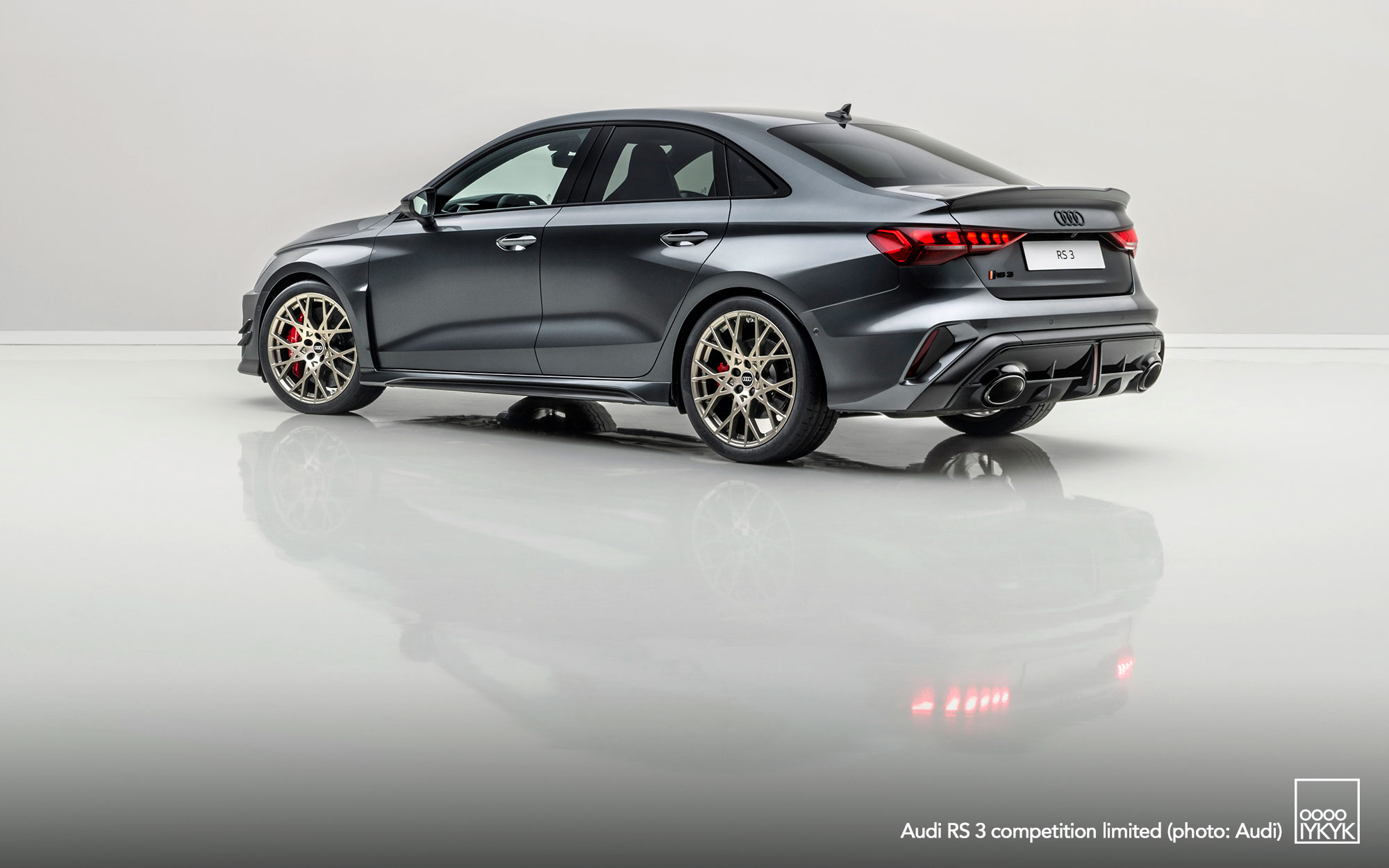
In practical terms, this means the current generation of the RS 3 will likely be the final Audi model to use the engine in series production. Reports suggest Audi is planning a final send-off variant, potentially a more extreme or limited-production model, likely the RS 3 performance limited, to mark the end of the engine’s run.
Other industry rumors suggested Volkswagen was considering production of a Golf R powered by the Audi 5-cylinder unit. If this latest rumor from Automotive News proves correct, this likely means that the 5-cylinder Golf project is canceled.
BROADER INDUSTRY SHIFT
The phase-out reflects a broader shift across the automotive industry. Increasingly strict emissions laws—particularly in Europe—are accelerating the move away from specialized internal combustion engines in favor of:
- Downsized, standardized turbocharged engines
- Hybridized drivetrains
- Fully electric platforms
For Audi specifically, the decision aligns with its ongoing transition toward electrification and a more streamlined engine portfolio. The company has already signaled a future heavily weighted toward EVs and electrified performance models.
LEGACY MORE THAN JUST AN ENGINE
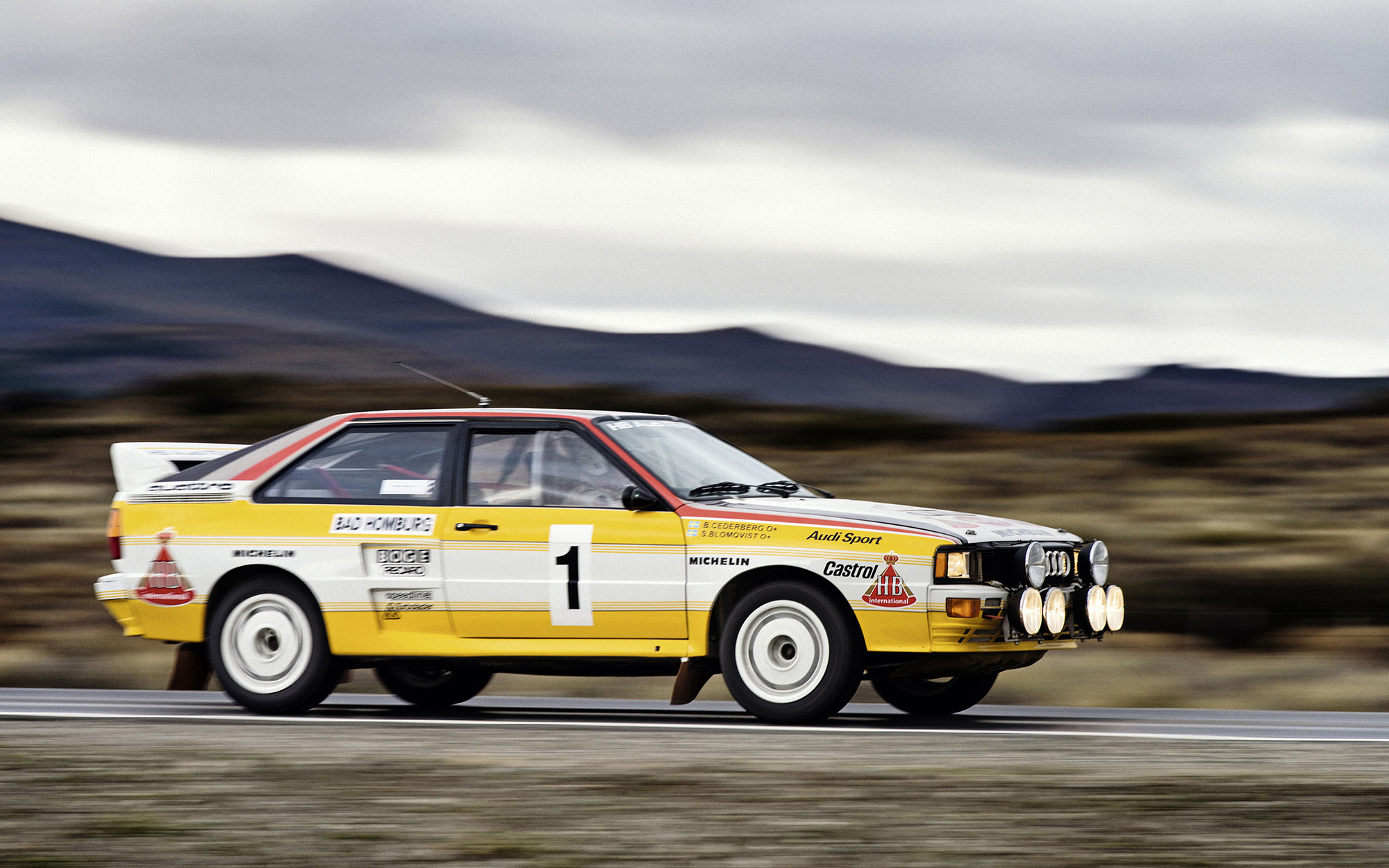
The significance of the five-cylinder extends well beyond its current applications. Audi has built a decades-long legacy around the configuration, dating back to the 1970s and cemented in motorsport through the original quattro rally cars.
Its unique combination of compact packaging, strong power delivery, and distinctive sound made it a hallmark of Audi performance engineering—something not easily replicated by more conventional four- or six-cylinder alternatives.
CONSIDERING WHAT COMES NEXT
While the engine itself is nearing the end, its influence is expected to carry forward in different forms. In the short term, there are indications the powertrain could see limited use in special projects or shared applications within the Volkswagen Group. Longer term, Audi’s performance identity will increasingly be defined by electrified drivetrains rather than combustion character.
Audi’s decision to sunset the five-cylinder engine underscores one of the biggest challenges manufacturers like Audi now face: regulation is dictating the boundaries of enthusiast engineering. Even one of the most distinctive engines in modern production seemingly cannot survive the combined pressures of emissions compliance and industry-wide electrification… or at least Volkswagen Group’s own need to cost cut under these conditions.
For enthusiasts, the clock is ticking on one of Audi’s most iconic mechanical signatures.