


Audi and Porsche are set to deepen their long-standing but often strained partnership, with both brands now under pressure to collaborate more closely on shared platforms and components. What was once an internal rivalry—particularly around the development of the Premium Platform Electric (PPE)—is shifting toward a more unified strategy driven by cost pressures and changing market conditions.
The move comes after a difficult 2025 for both brands, marked by declining profits, softer EV demand, and challenges in key markets like China. As a result, leadership at both companies is now prioritizing efficiency, with Porsche in particular looking to improve margins by leveraging more Audi-developed architectures.
PORSCHE + AUDI LONGER HISTORY THAN YOU’D THINK
Technically, Porsche and Audi cooperation goes back to the pre-war era. Ferdinand Porsche, then an engineering contractor, regularly designed for Auto Union including the so-called Silver Arrows grand prix, hillclimb and speed record cars of that era.
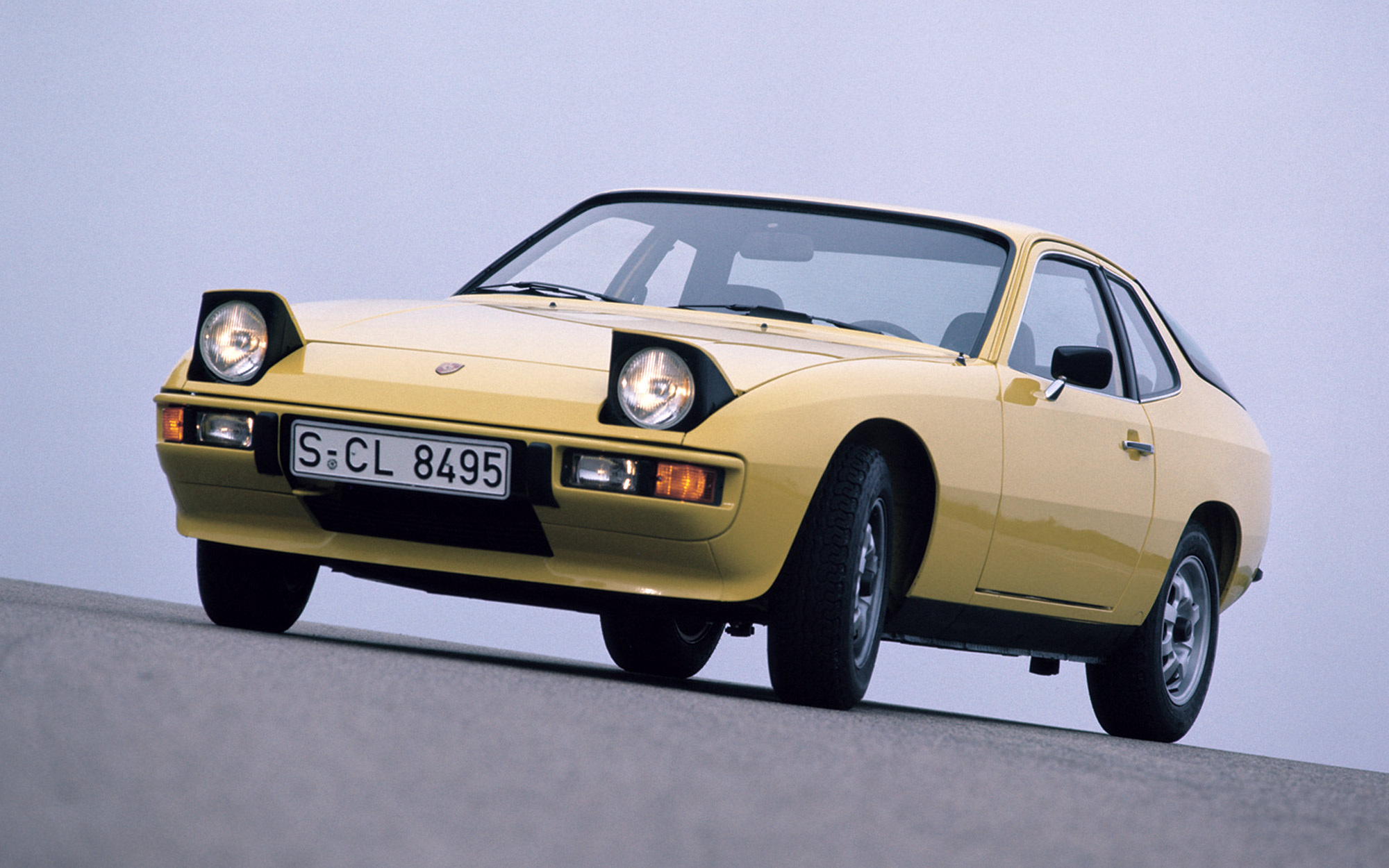
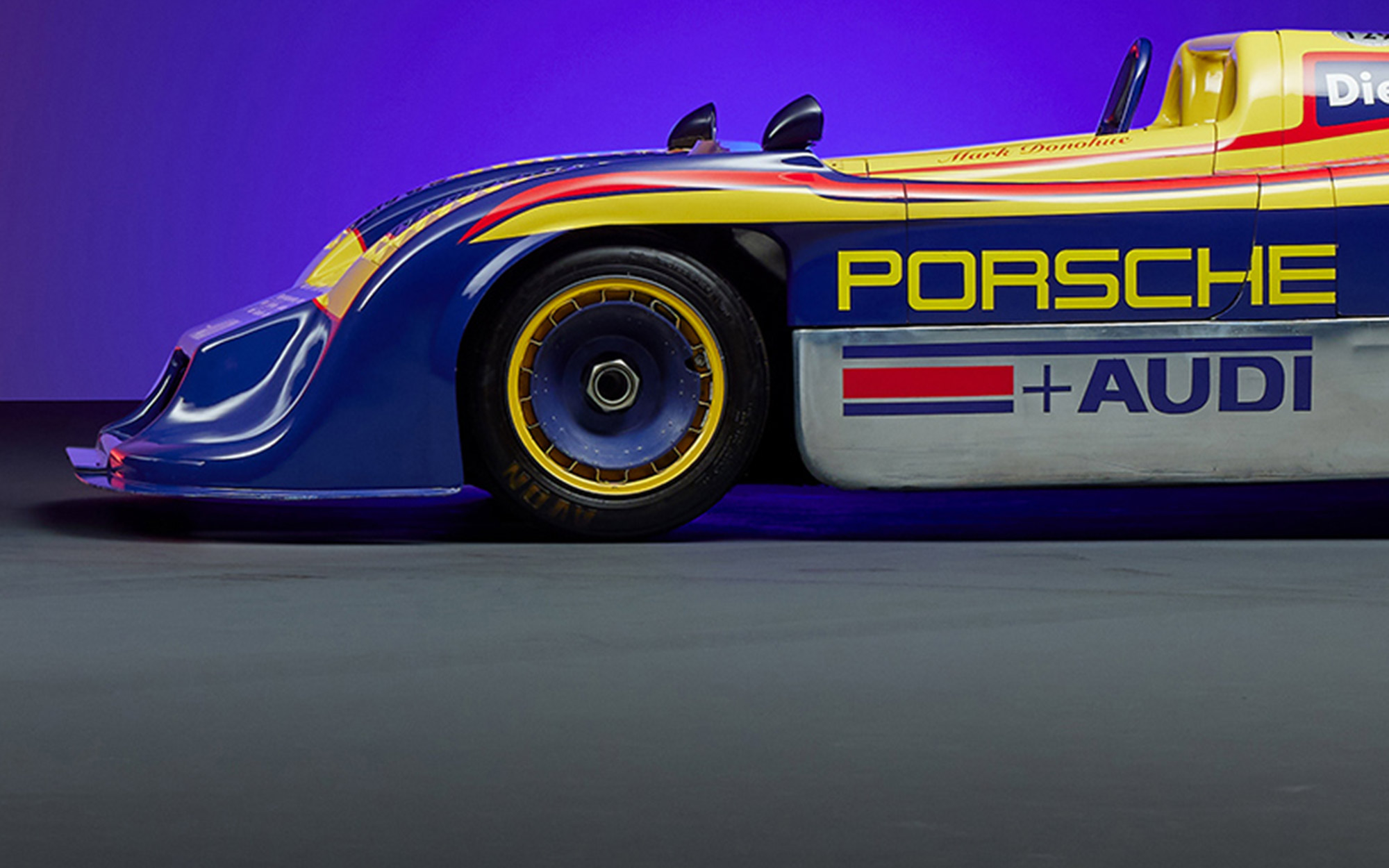
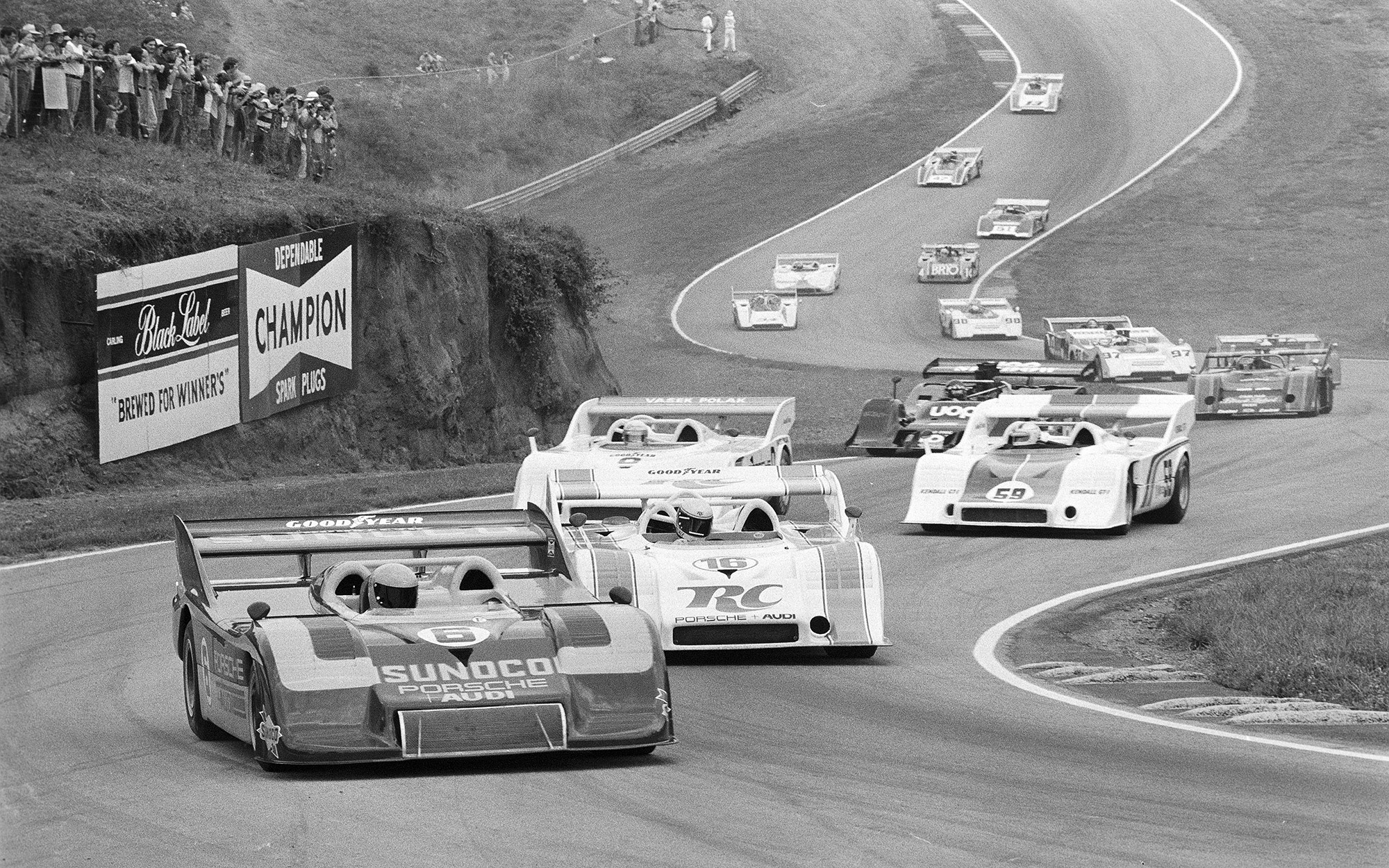
Fast forward to the 1970s and Porsche, now a car manufacturer in its own right, was a regular partner on projects – a client for the EA 425 project that would come to be known as Porsche 924 that was manufactured by Audi. In the United States, the Audi brand’s postwar arrival under Volkswagen saw the brand marketed alongside Porsche where its first dealership network leaned heavily on Porsche stores in America. “Porsche + Audi” was a rare branding exercise that spanned both brands, with the logos adorning some iconic liveries including the Porsche 917/30s campaigned in Can-Am.
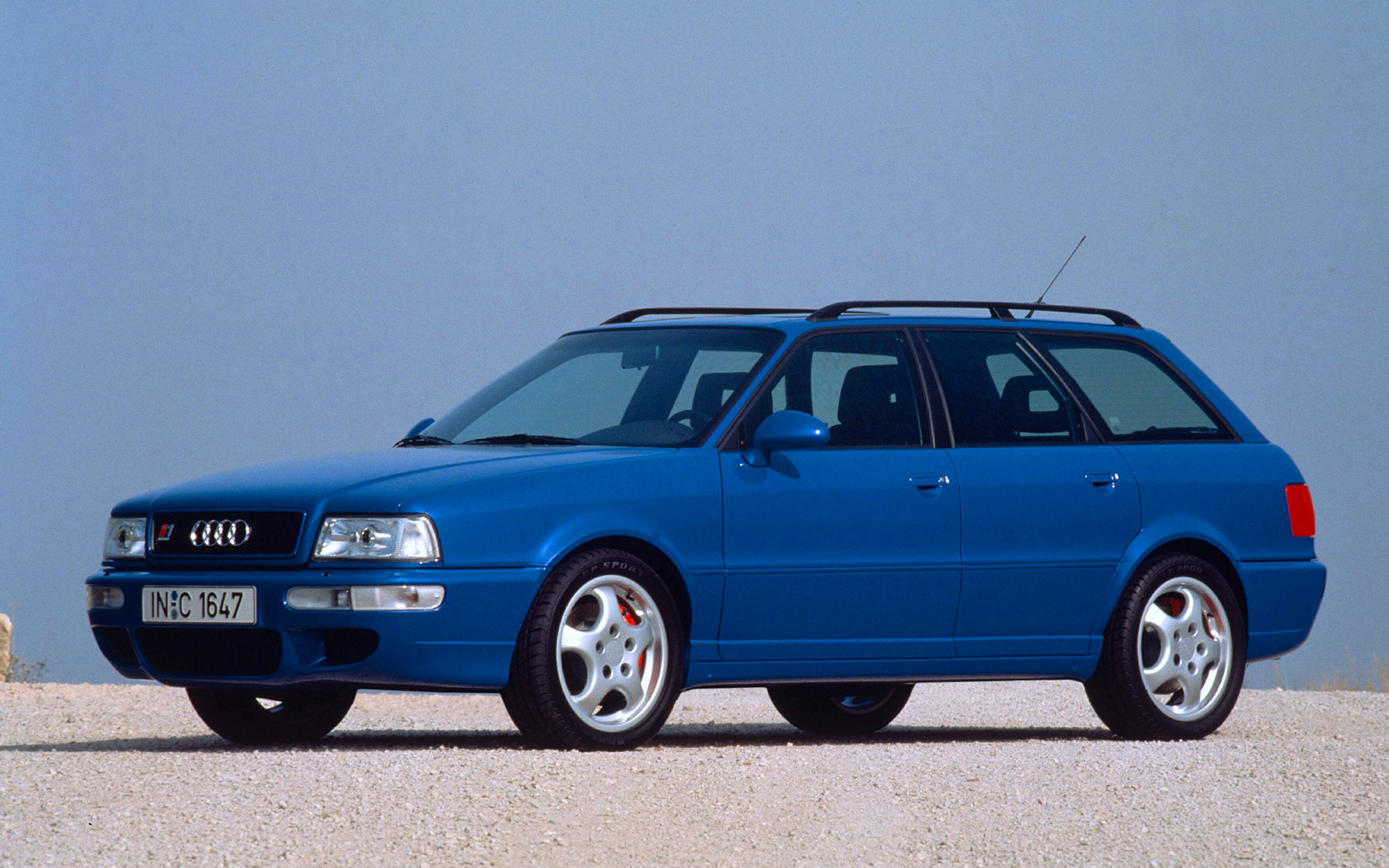
By the 1990s, Porsche was struggling with an aging product range and took on design and production work from other manufactures. Audi’s RS2 Avant is an iconic product of this time.
Over the years, Porsche would become more aligned with the Volkswagen Group. The first Cayenne shared a platform with the first Q7, then the Macan came on an evolved version of Audi’s B8 iteration of the MLB architecture. The brands collaborated even more on the J1-based EV products – Audi e-tron GT and Porsche Taycan.
And these are just the highlights. Consider components or projects that never saw the light of day such as the proposed Porsche version of the Audi TT Mk1 and the scope of collaboration goes even deeper.
RIVALRY ALSO RUNS DEEP
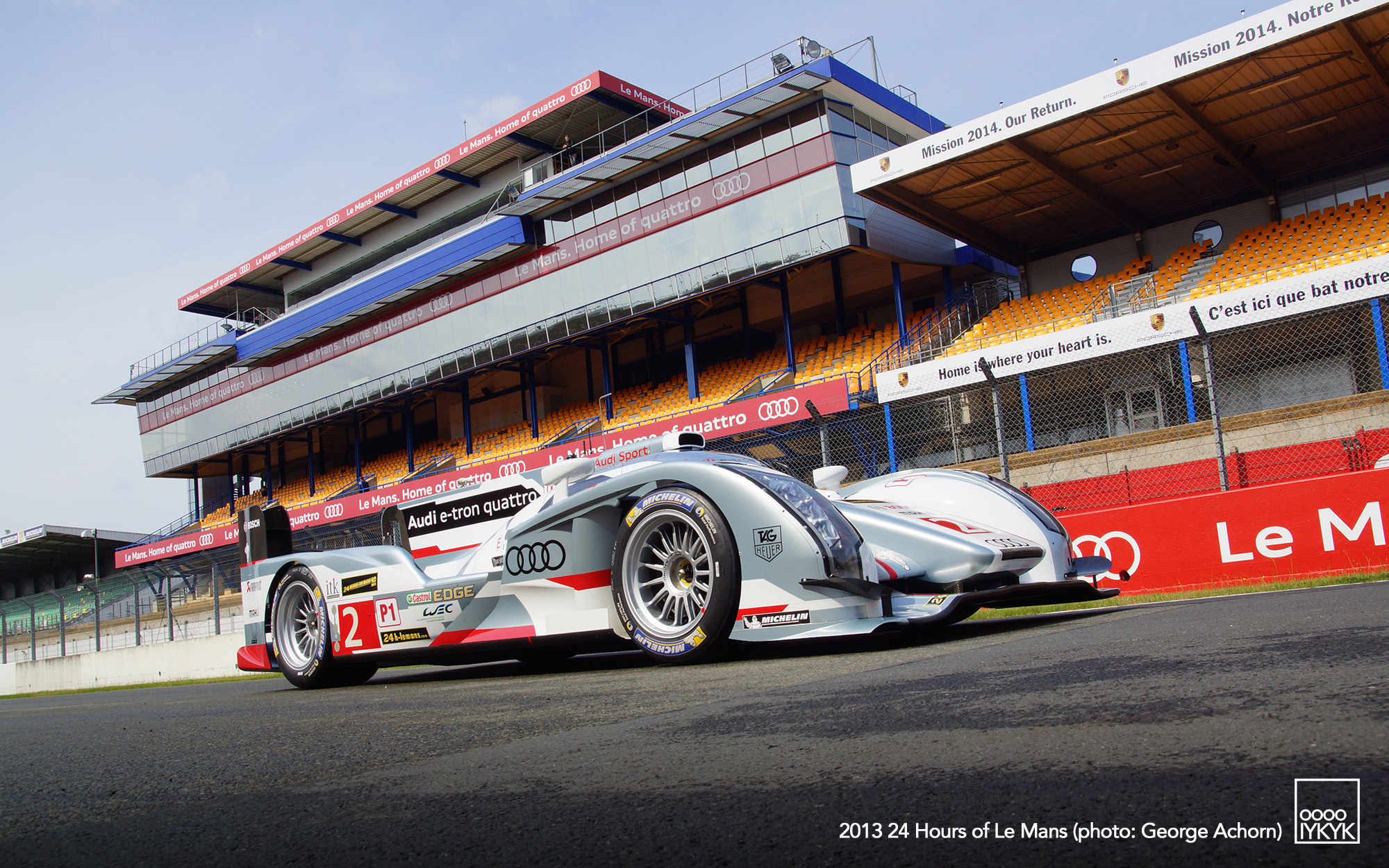
With so much previous cooperation, you might think the brands would be the closest of partners. History shows though that this hasn’t always been the case. Pressure from Ferdinand Piëch to take Audi to Le Mans saw the end of Porsche’s own top-tier Le Mans program. Porsche would make further runs on Audi with its RS Spyder LMP2 racer and later the 919 program would tee it up with the R18, while Porsche marketing staff taunted Audi with their Le Mans circuit posters in those years – no doubt concerned over the blistering pace that Audi went from zero to second-most winning brand at La Sarthe, second only to Porsche who wasn’t about to give up the title without a major fight.
Over these years, Porsche 911s and Audi R8s were fierce competitors in GT3 racing as well, while internal engineering programs saw Porsche and Audi Sport GmbH seeking to outperform each other with roadgoing products as well.
For Audi and Porsche, the history is complicated. However, post-diesel gate challenges, negative market reaction to electric vehicles and now American tariffs have required executives at these brands to set aside those rivalries more than ever in order to encourage a resurgence in profits for both marques.
TODAY’S PORSCHE COLLABORATION
Automotive News is reporting that a recent meeting between Porsche CEO Michael Leiters and Audi CEO Gernot Döllner underscores the shift. Porsche has identified Audi as a “key partner” and is actively exploring broader platform sharing across future models.
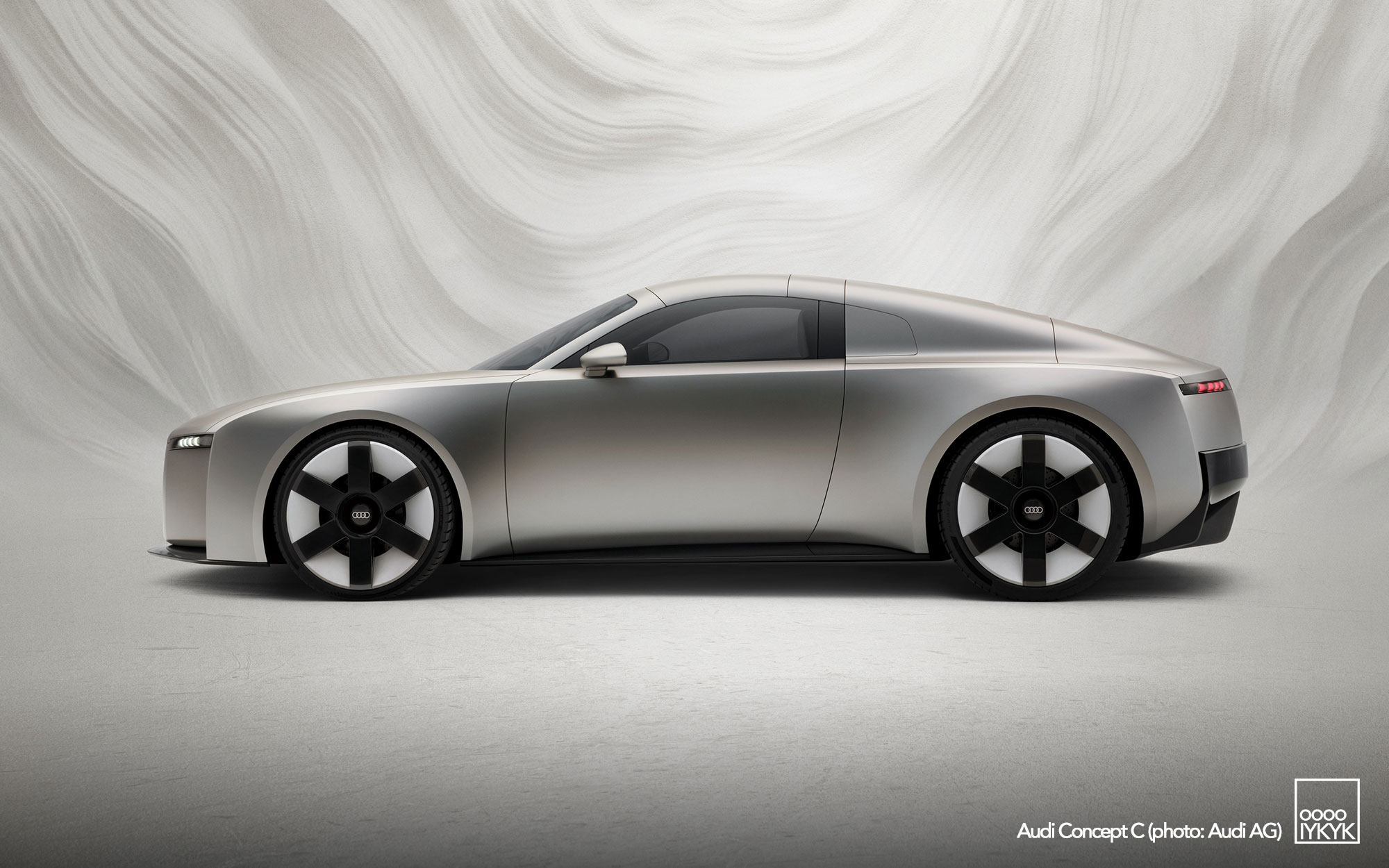
This expanded cooperation is expected to influence several upcoming products. Reports suggest the next-generation Audi TT successor—likely an EV—will share underpinnings with Porsche’s electric 718 platform, while future Porsche models may adopt Audi architectures such as the Premium Platform Combustion (PPC) used in vehicles like the Q5.
Ultimately, the brands’ evolving relationship reflects a pragmatic shift within the Volkswagen Group: platform sharing is no longer just a technical exercise, but a critical lever for profitability and long-term survival in an increasingly complex and costly automotive landscape.