

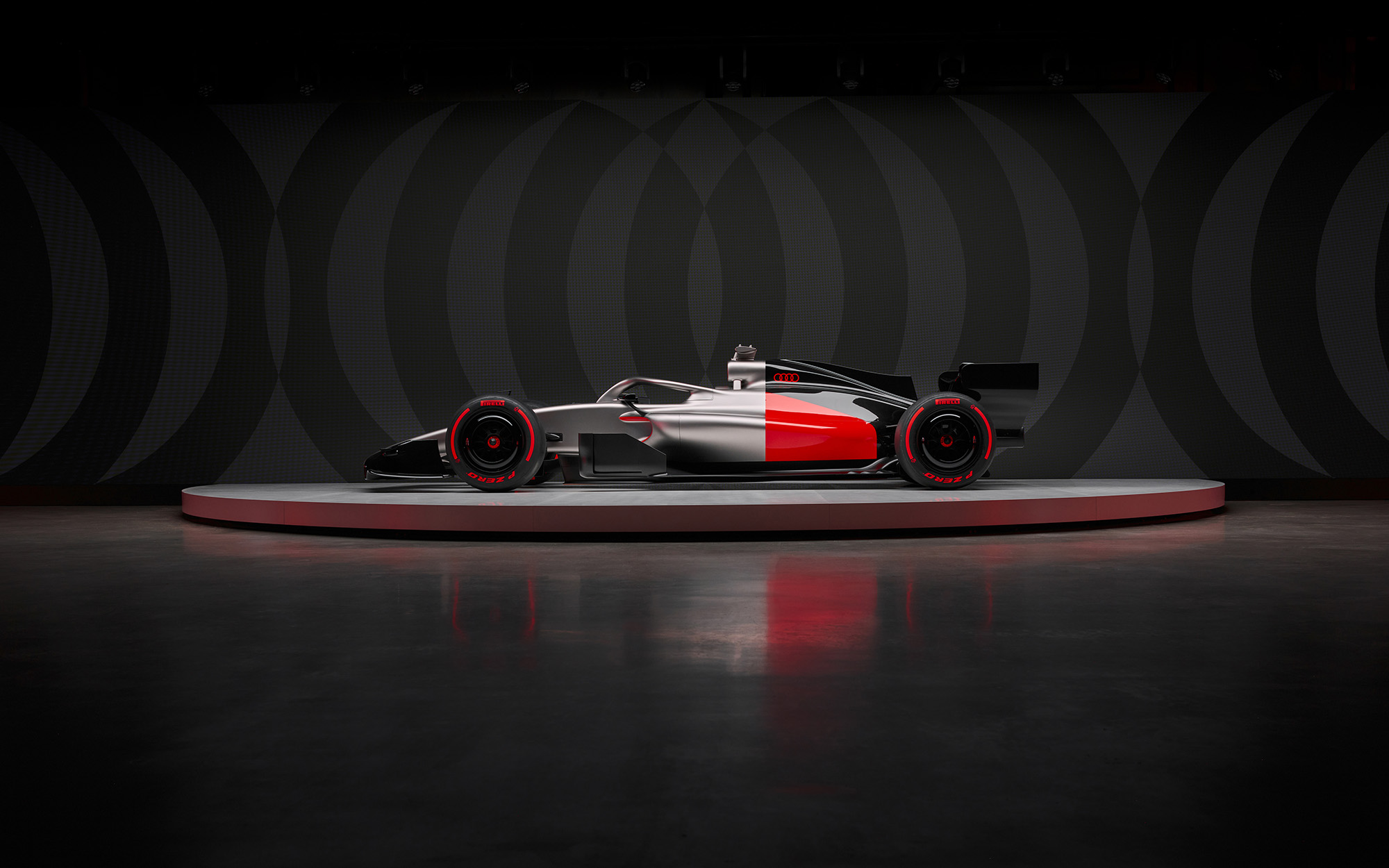

F1 is heading toward perhaps the most comprehensive technical reset in its long history, and as the sport prepares for the 2026 season, it is not only redefining how the cars look and perform, but also how the action is explained to those following along. With all-new chassis regulations, radically revised power units, and a renewed emphasis on driver-controlled systems, Formula 1 has introduced updated terminology designed to make the next era of racing easier to understand and more engaging to follow.
At a technical level, the 2026 cars mark a decisive break from the current generation. The new machines will be smaller, lighter and more agile, with wheelbases shortened by 200 mm, overall width reduced to 1,900 mm, and the floor significantly narrowed. Minimum weight drops by 30 kg to 770 kg, a change aimed at improving responsiveness and reducing inertia. Aerodynamically, Formula 1 is stepping back from heavy reliance on ground-effect tunnels, cutting overall downforce by an estimated 15 to 30 percent while also reducing drag by up to 40 percent.
One of the most visible changes is the move away from the Drag Reduction System. In its place comes active aerodynamics, with dynamically adjustable front and rear wings that allow cars to switch between high-downforce and low-downforce configurations. Rather than overtaking being confined to specific zones, drivers will have more flexibility to balance grip and efficiency across different phases of the lap, putting greater emphasis on timing and skill.

The power units evolve just as dramatically. Formula 1 will adopt an approximate 50/50 split between internal combustion and electric power, a fundamental shift in how performance is generated. The complex MGU-H is eliminated entirely, simplifying the hybrid system, while the MGU-K becomes far more powerful, increasing from 120 kW to 350 kW. This enhanced electrical output is designed to improve overtaking and straight-line performance while aligning with the sport’s sustainability goals. All cars will run on advanced sustainable fuels without a reduction in performance.
Tires remain 18 inches in diameter, but with narrower front and rear widths to reduce drag and rotating mass. Combined with the reduced weight and smaller dimensions, the 2026 cars are expected to be more nimble, more demanding, and more rewarding to drive at the limit.
Perhaps the most important philosophical shift, however, is the renewed focus on the driver. Energy deployment, regeneration, and conservation will play a central role in race outcomes, with drivers making more real-time decisions than ever before. Understanding how and when these systems are used will be key to appreciating both individual performances and overall race strategy.
To help fans follow this new layer of complexity, Formula 1 has introduced new terminology. These terms were developed in collaboration with the FIA, teams, and engineers, then tested with both long-time and new fans using polling data and feedback from the sport’s Fan Voice community. The goal is to respect the technical depth of the regulations while using language that is intuitive and meaningful for live commentary and analysis.

2026 FORMULA 1 GLOSSARY: KEY TERMS TO KNOW
Overtake Mode
This replaces DRS. Drivers who are within one second of the car ahead can deploy additional power to help initiate an overtake. It can be used in one concentrated burst or spread strategically over part of a lap, giving drivers more tactical freedom than the old zone-based system.
Boost Mode
A driver-operated energy deployment function from the Energy Recovery System. Boost Mode delivers maximum combined power from the engine and battery at the push of a button, anywhere on the track. It can be used offensively to attack or defensively to protect track position.
Active Aero
Refers to the dynamically adjustable front and rear wing elements. The system allows the car to shift between configurations optimized for corners or straights, improving grip when needed and reducing drag when efficiency is the priority.
Recharge
Describes how drivers recover electrical energy for later use. This can occur under braking, through throttle lift at the end of straights, or even in corners where partial throttle is applied.
On track, preparations for the new era begin soon. Pre-season testing opens with a private session at the Circuit de Barcelona-Catalunya from January 26–30, followed by two tests at the Bahrain International Circuit from February 11–13 and February 18–20. The first race of the 2026 Formula 1 season will take place in Australia from March 6–8.
For Formula 1, the 2026 season is a reset because it marks a clean-sheet moment that blends sustainability, performance, and competition in new ways. For race fans, understanding the updated cars and the language surrounding their new functions and regulations will be essential to fully appreciating a generation of racing that places technology and driver skill more closely side by side than ever before.