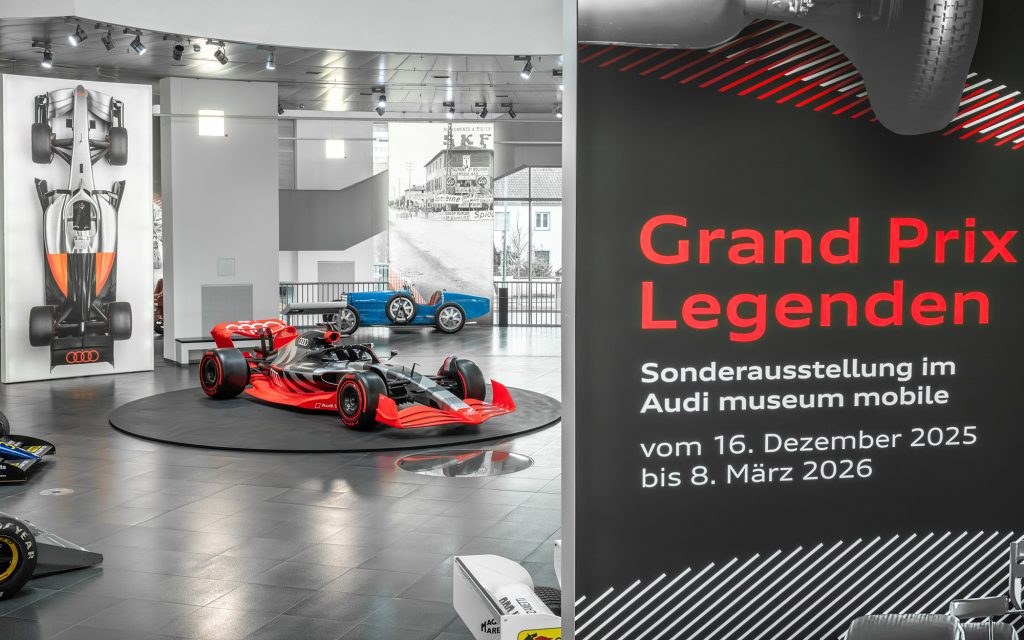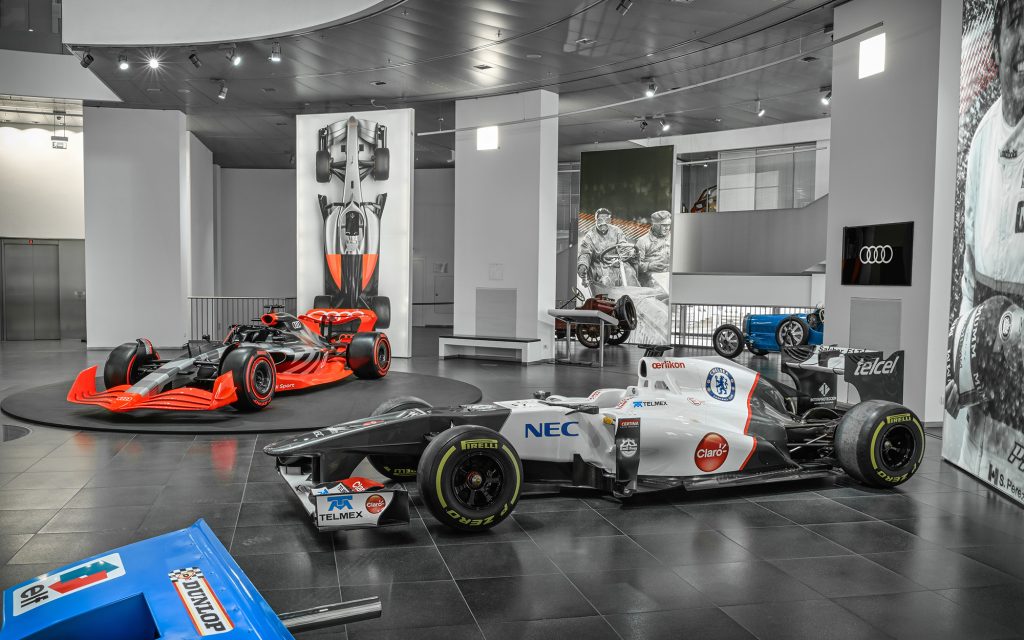
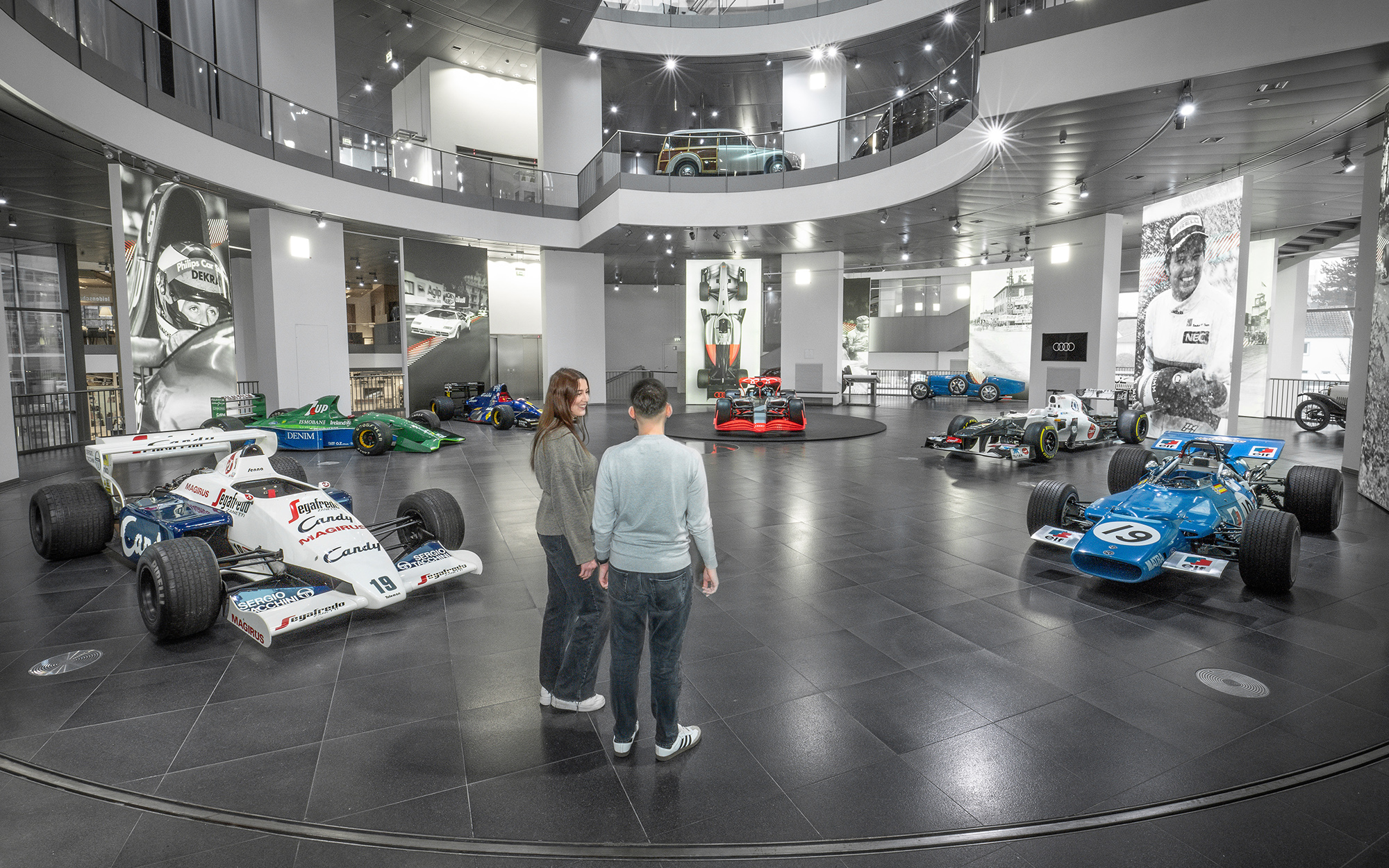

As Audi prepares for its factory return to Formula 1 in 2026, the brand is taking a moment to look backward before charging ahead. At the Audi museum mobile in Ingolstadt, a new special exhibition titled Legends of Grand Prix opens December 16, 2025, offering an in-depth journey through more than a century of Grand Prix racing. Running through March 8, 2026, just ahead of the new Formula 1 season, the exhibition serves both as a celebration of motorsport heritage and a symbolic prologue to Audi’s next chapter at the pinnacle of racing.
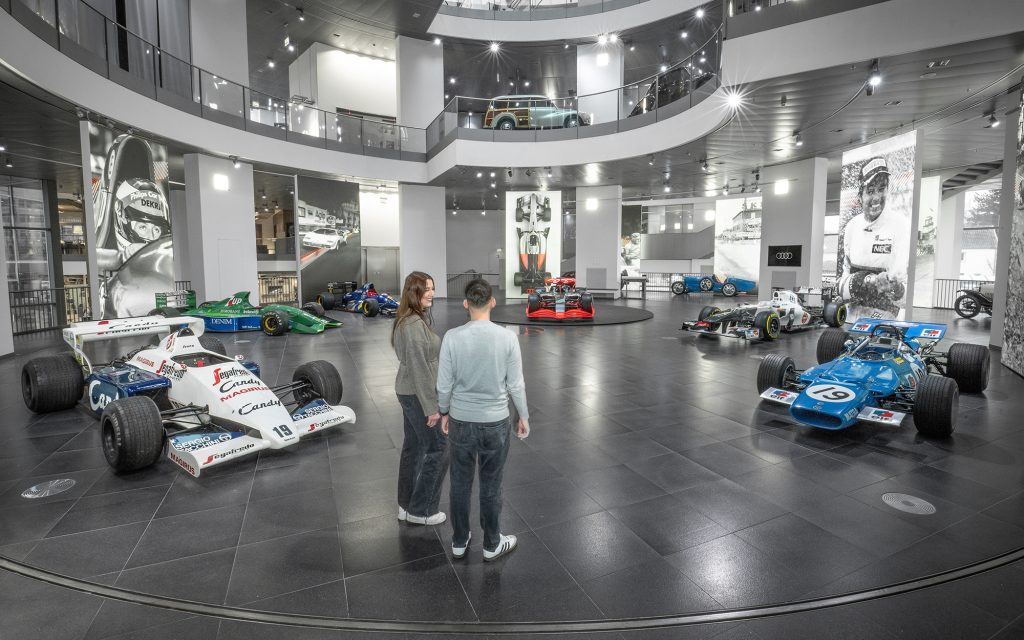
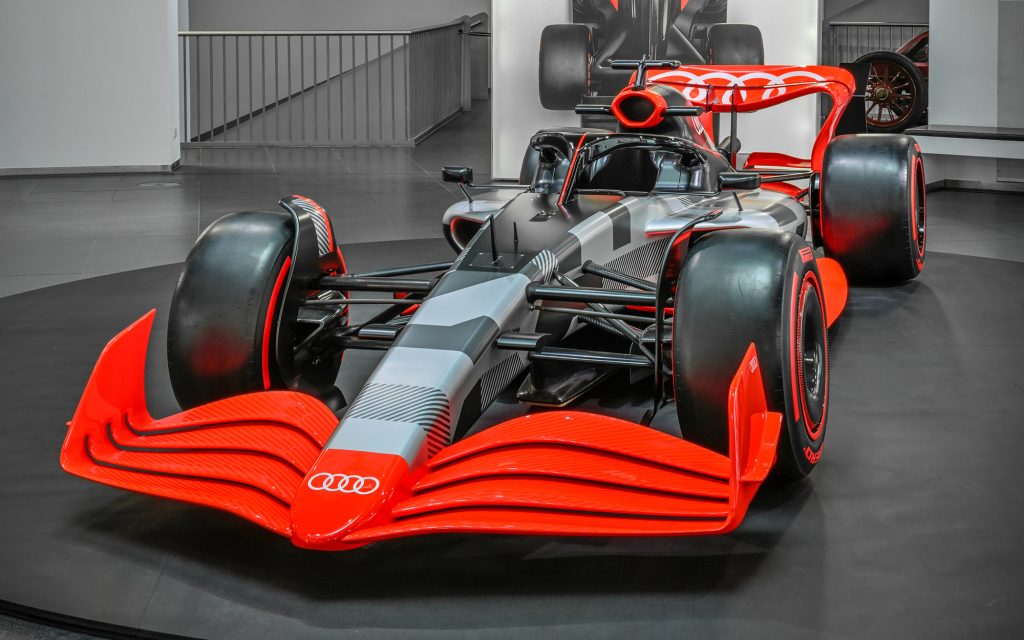
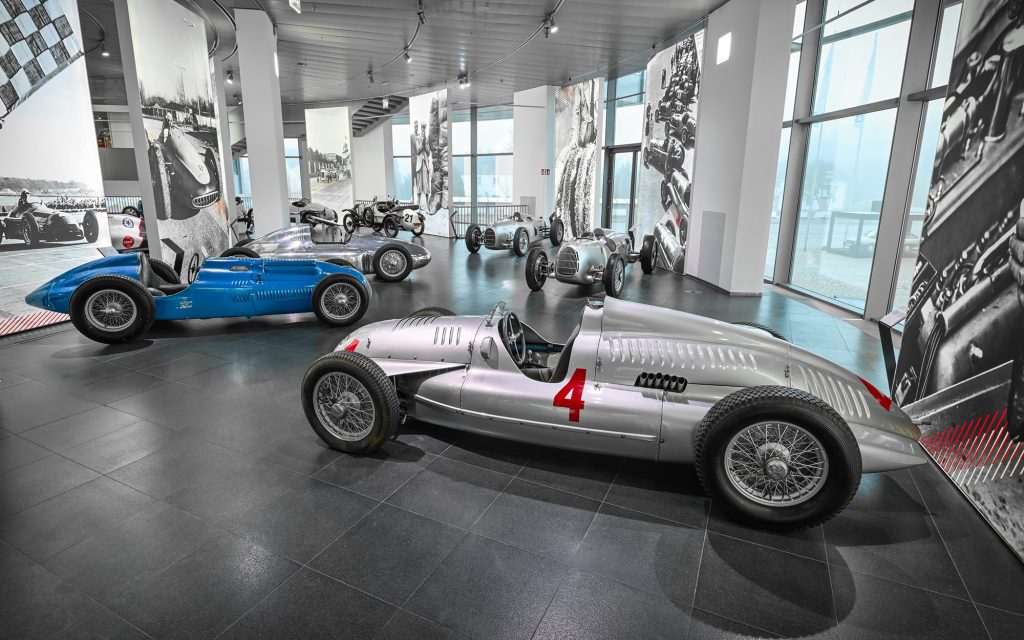
Curated by Audi Tradition, Legends of Grand Prix brings together 16 extraordinary racing cars spanning the earliest days of Grand Prix competition through to modern Formula 1. The exhibition unites vehicles from Auto Union, Bugatti, Cisitalia, Jordan, NSU, Lamborghini, Matra, Porsche, Renault, Talbot-Lago, Toleman-Hart, Wanderer, and Sauber, culminating with a Formula 1 show car finished in Audi’s 2022 launch livery. Together, they trace the technical evolution, cultural significance, and competitive spirit that have defined top-level circuit racing for over 100 years.
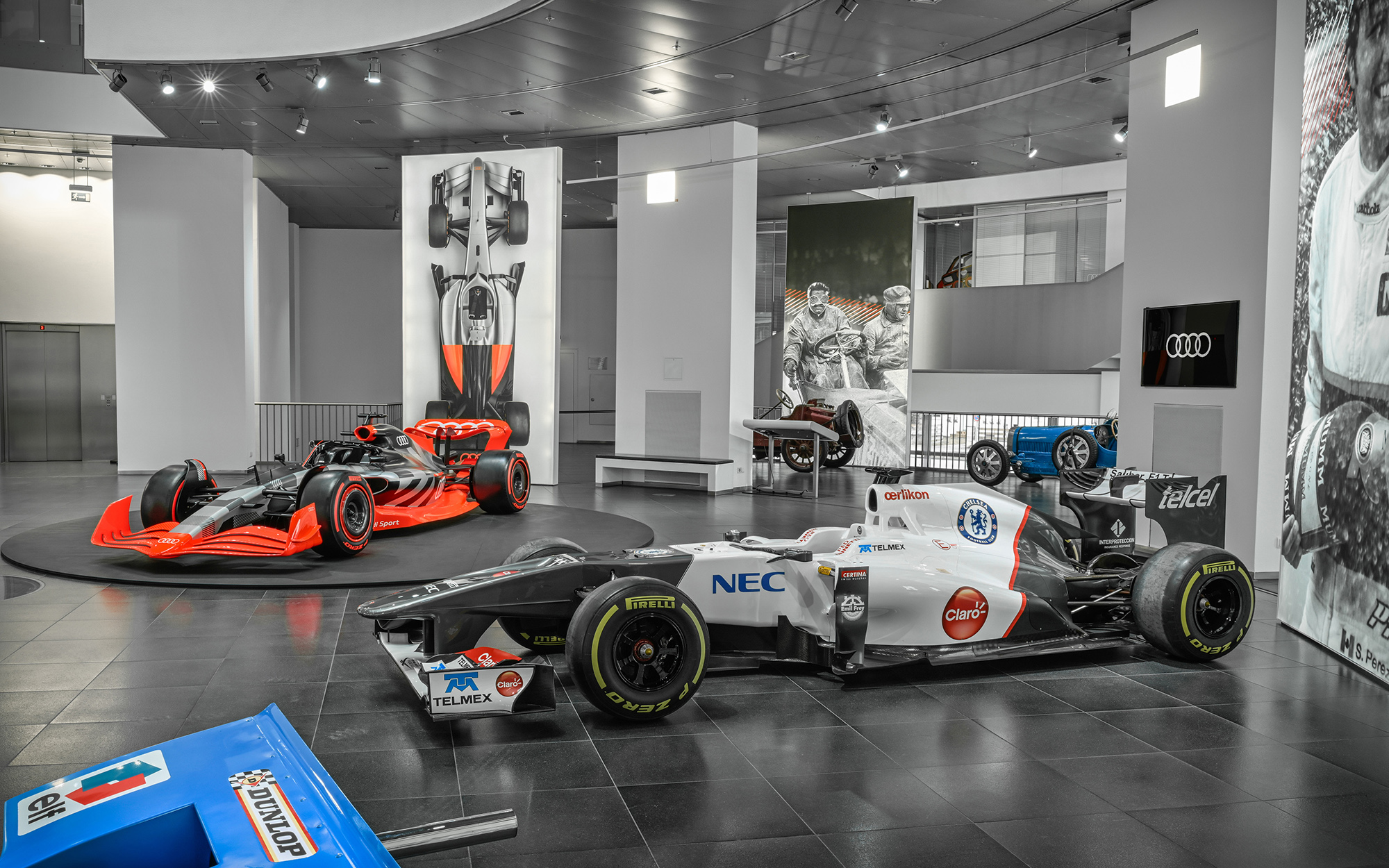
Audi’s forthcoming Formula 1 entry marks unfamiliar territory for the modern brand, but motorsport success is deeply embedded in its DNA. Long before the four rings appeared on Formula 1 grids, Audi’s predecessor brands were shaping Grand Prix history. NSU claimed victories as early as the 1920s, while the fearsome Auto Union Silver Arrows dominated European racing in the 1930s. These achievements sit alongside Audi’s later triumphs in rallying, touring cars, endurance racing, and American circuits, including 13 overall victories at the 24 Hours of Le Mans.
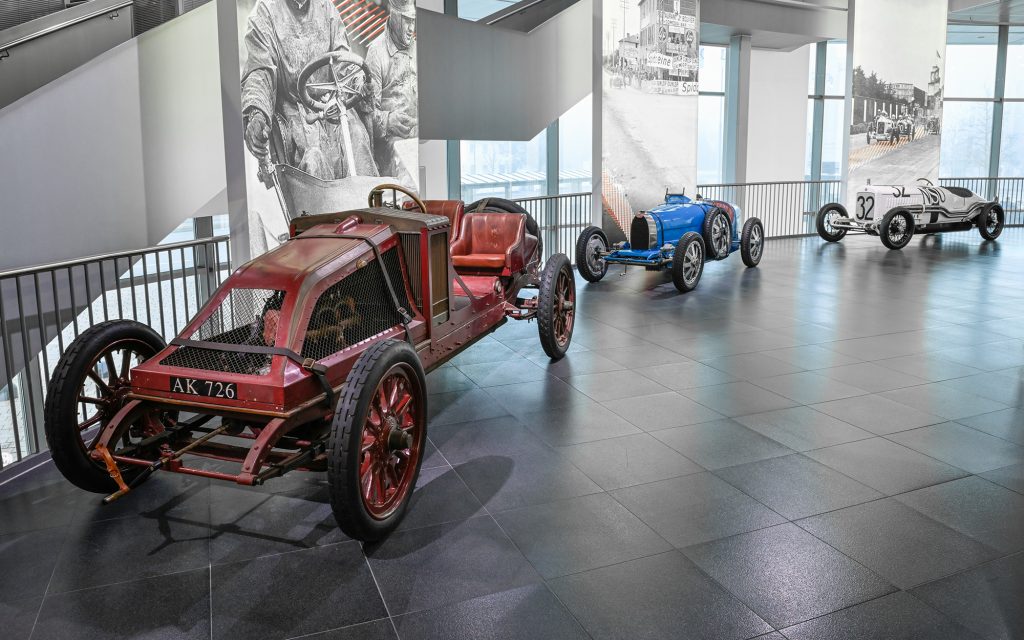
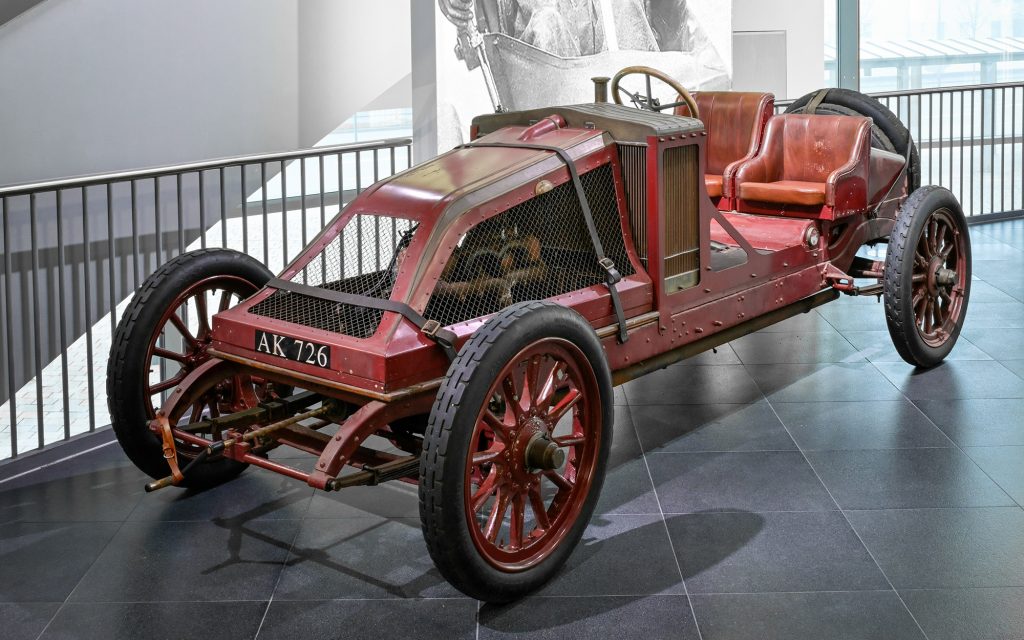
The exhibition opens with the dawn of Grand Prix racing itself. A highlight is the Renault AK 90 CV, represented by a meticulously detailed replica sourced from the Vintage Classic Car Collection in the Netherlands. The original car no longer exists, but its legacy is undeniable. On June 26, 1906, Ferenc Szisz drove a 90 PS Renault to victory in the French Grand Prix, widely regarded as the first Grand Prix race in history. This moment laid the foundation for everything that followed, from pre-war heroics to the global spectacle Formula 1 has become.
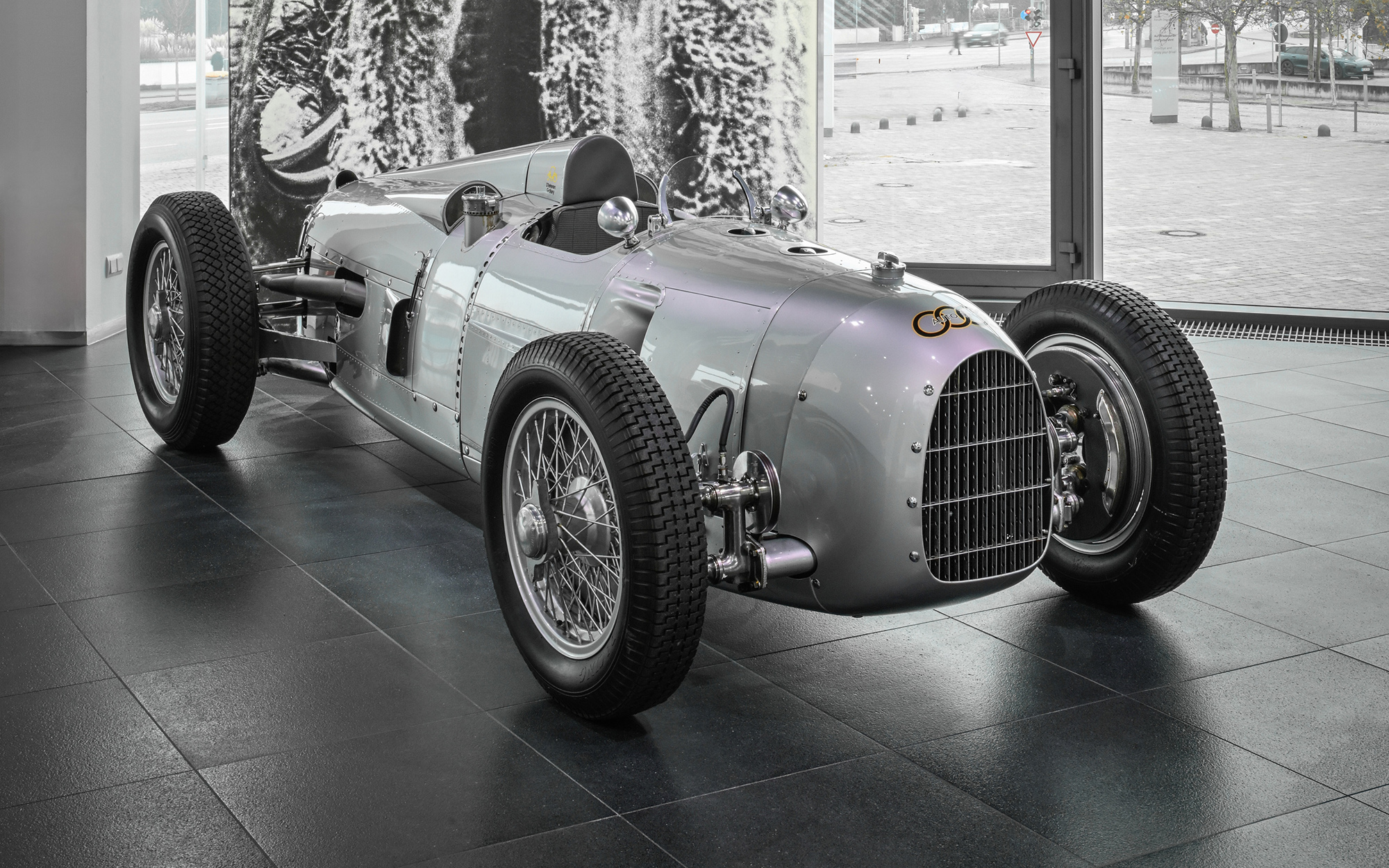
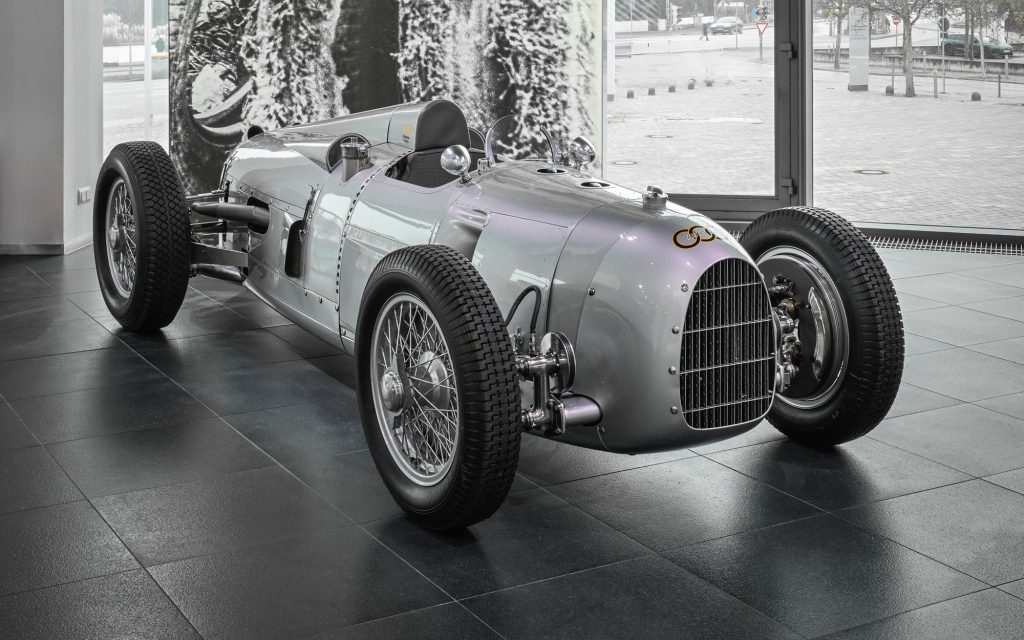
From there, the exhibition progresses through the interwar years and into the Silver Arrow era. The Auto Union Grand Prix cars Type A, Type C, and Type D stand as icons of engineering audacity, showcasing Ferdinand Porsche’s radical mid-engine layouts and supercharged power at a time when motorsport innovation moved at a breathtaking pace. Alongside them sits the Bugatti Type 35 C, one of the most successful racing cars ever built. Its eight-cylinder engine produced 95 PS in naturally aspirated form, rising to as much as 130 PS with the addition of a Roots supercharger, a combination that helped define an era of Grand Prix dominance.
The early years of Formula 1 are represented by machines such as the Talbot-Lago T26 C. Five examples of this inline six-cylinder racer lined up on the grid at the very first Formula 1 World Championship race at Silverstone on May 13, 1950. With 240 PS and elegant French engineering, the T26 C reflects a transitional period when Grand Prix racing evolved into the modern Formula 1 championship.
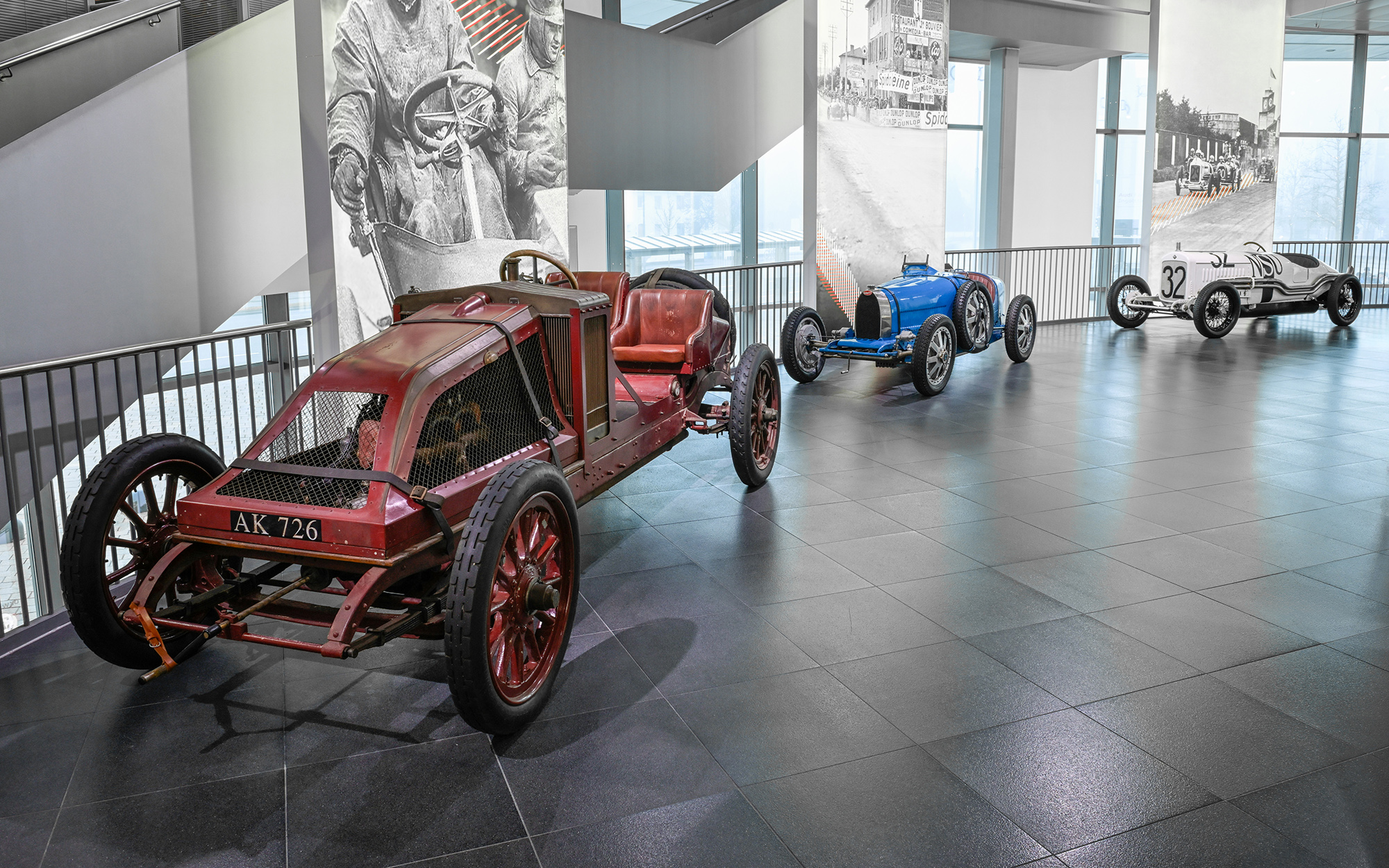
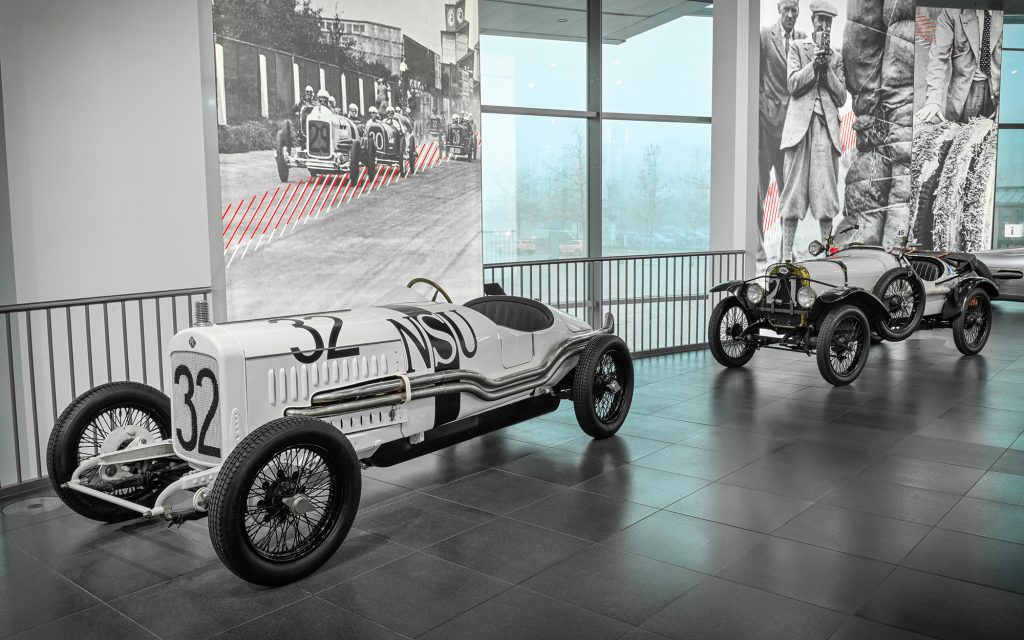
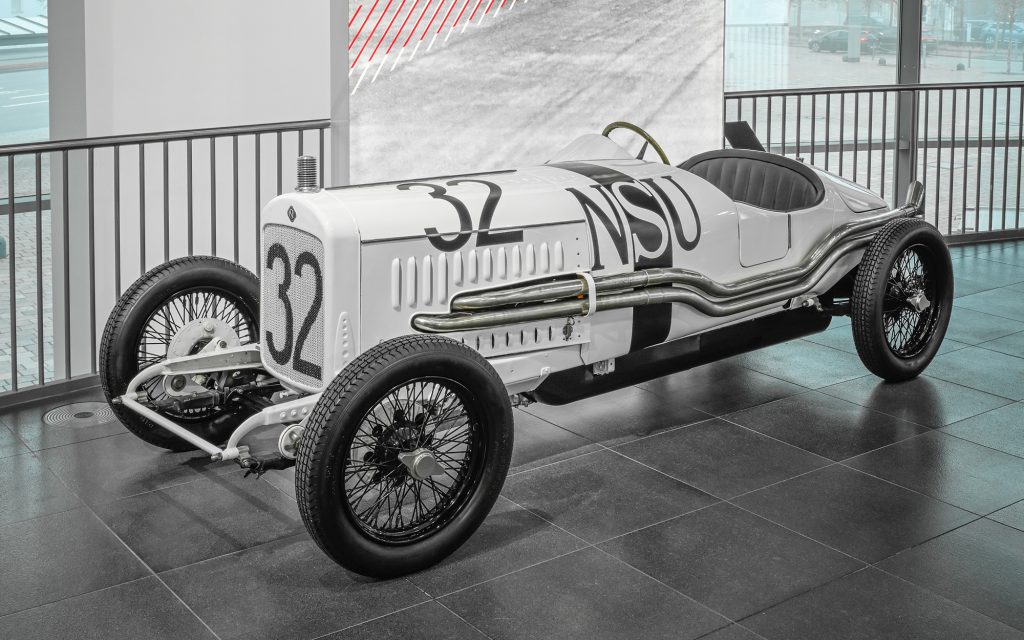
One of the most significant cars from Audi’s own historic collection is the NSU 6/60 PS. Weighing just 830 kilograms and capable of 175 km/h, the all-white racing car delivered a celebrated quadruple victory in the 1.5-liter class at the inaugural German Grand Prix at the AVUS circuit on July 11, 1926. Nearly a century later, it remains a powerful reminder of NSU’s early influence on international motorsport.
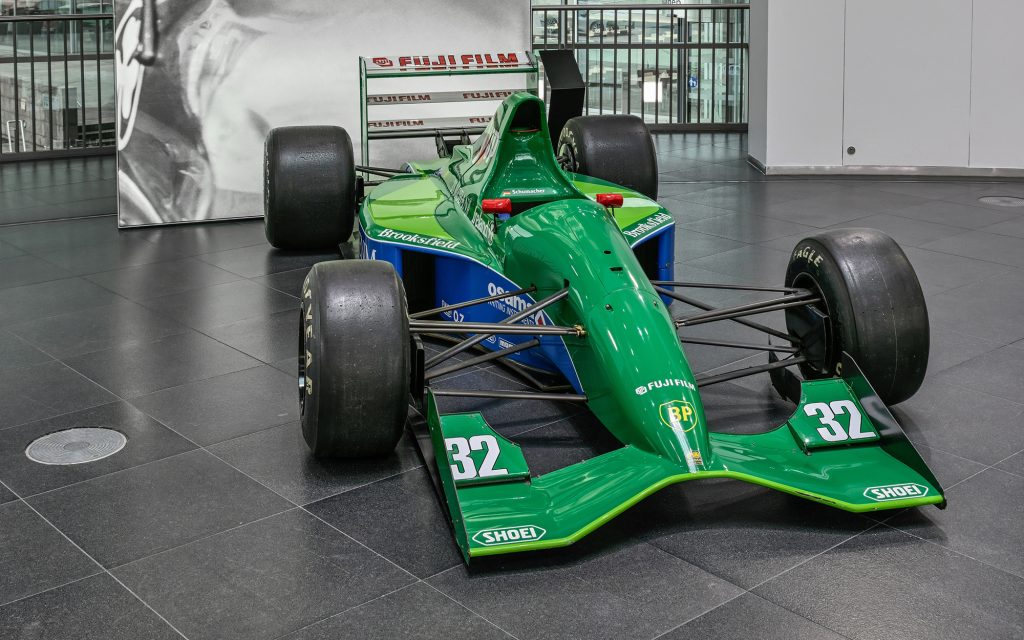
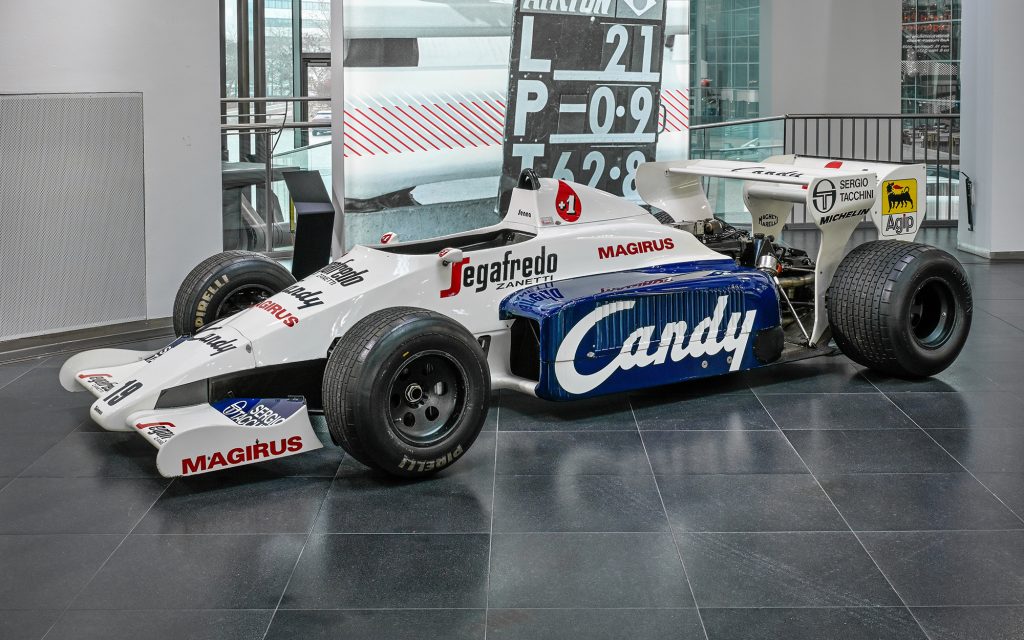
The exhibition also pays tribute to defining moments and careers in more recent Formula 1 history. Among the standout displays is the Jordan 191 from 1991, the car in which Michael Schumacher made his Formula 1 debut. Its presence underscores the exhibition’s broader narrative, linking legendary drivers to the machines that launched their careers. Nearby, the Toleman-Hart TG184 from 1984 represents another pivotal chapter, a car driven by Ayrton Senna during his formative years in Formula 1.
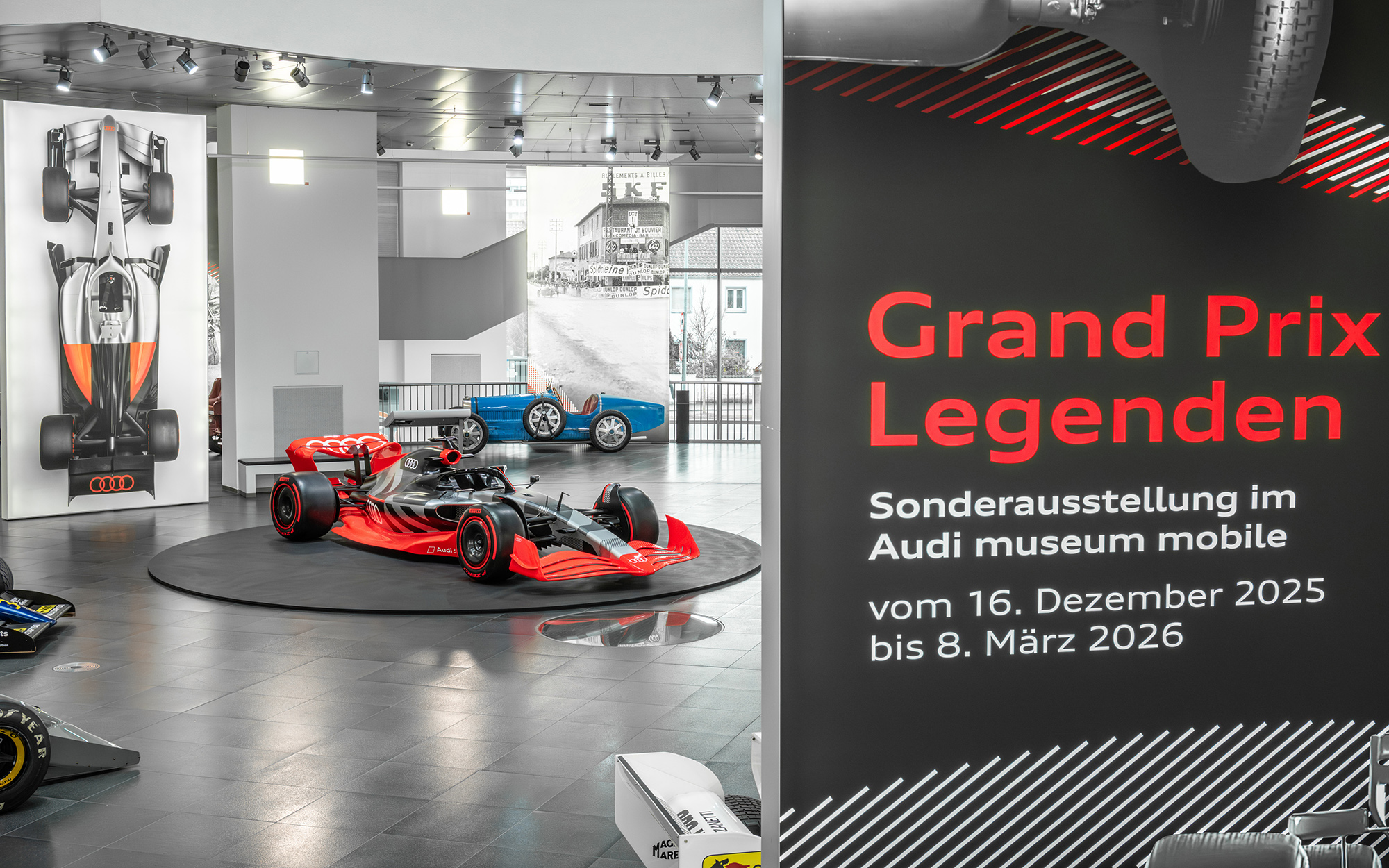
The timeline concludes with two modern reference points that bridge past and future. The Sauber C31 from 2012 recalls Audi’s long-standing connection to the Swiss-based team, while the Formula 1 show car in Audi launch livery offers a glimpse of what lies ahead. Together, they frame Audi’s return to Formula 1 not as a sudden arrival, but as the continuation of a story deeply rooted in Grand Prix history.
According to Stefan Trauf, Head of Audi Tradition, the goal of Legends of Grand Prix is simple: to shorten the winter break for Formula 1 fans while presenting some of the most compelling machines ever to compete in motorsport’s premier category. For visitors, the result is an exhibition that speaks equally to historians, enthusiasts, and those eager to understand how Audi’s past informs its ambitions for 2026.
The Audi museum mobile at the Audi Forum Ingolstadt is open Monday through Friday from 9 a.m. to 5 p.m., and from 10 a.m. to 4 p.m. on weekends and public holidays. The museum will be closed from December 22, 2025, through January 6, 2026. For those unable to attend in person, the Legends of Grand Prix exhibition can also be explored digitally via the Audi Tradition app, available on both the the App Store and the Google Play Store.