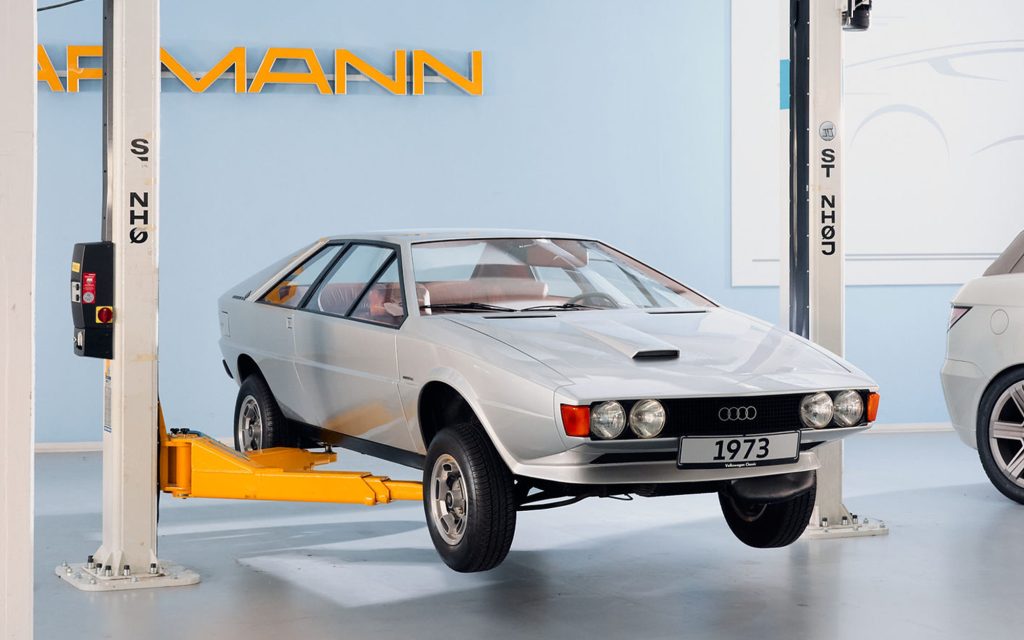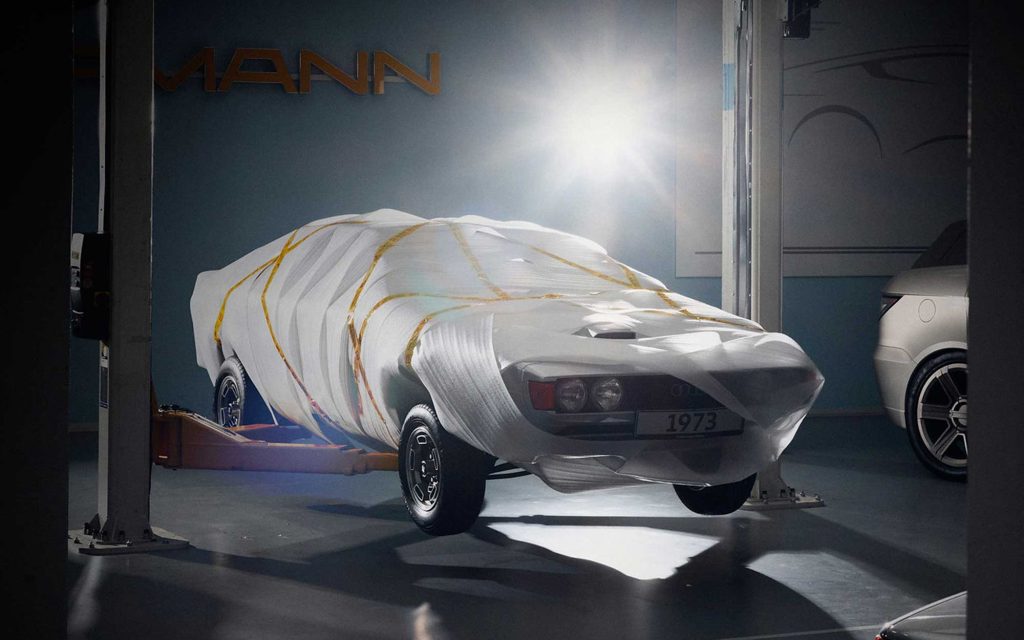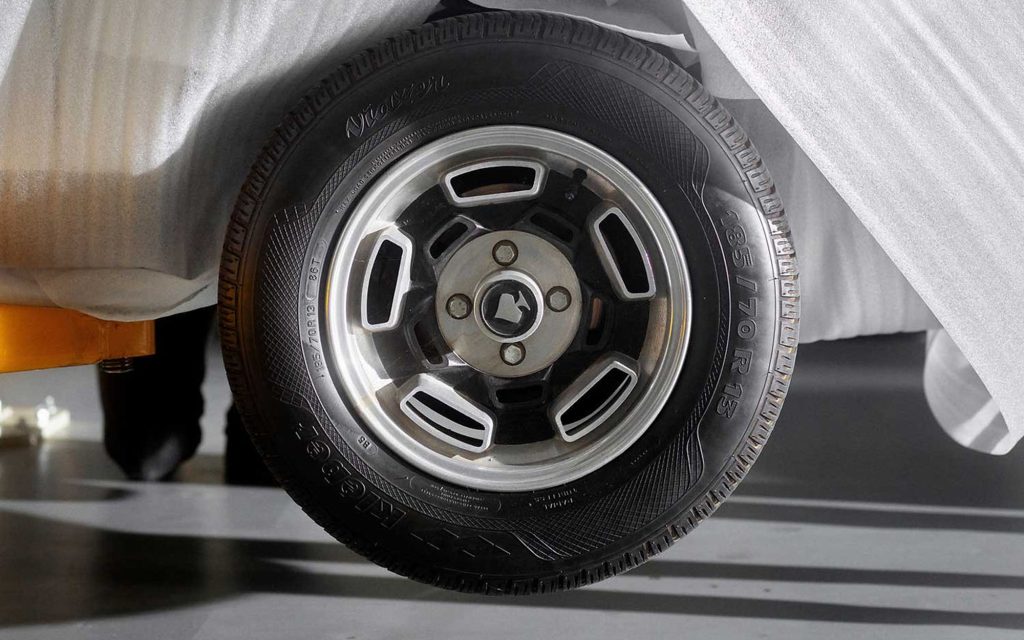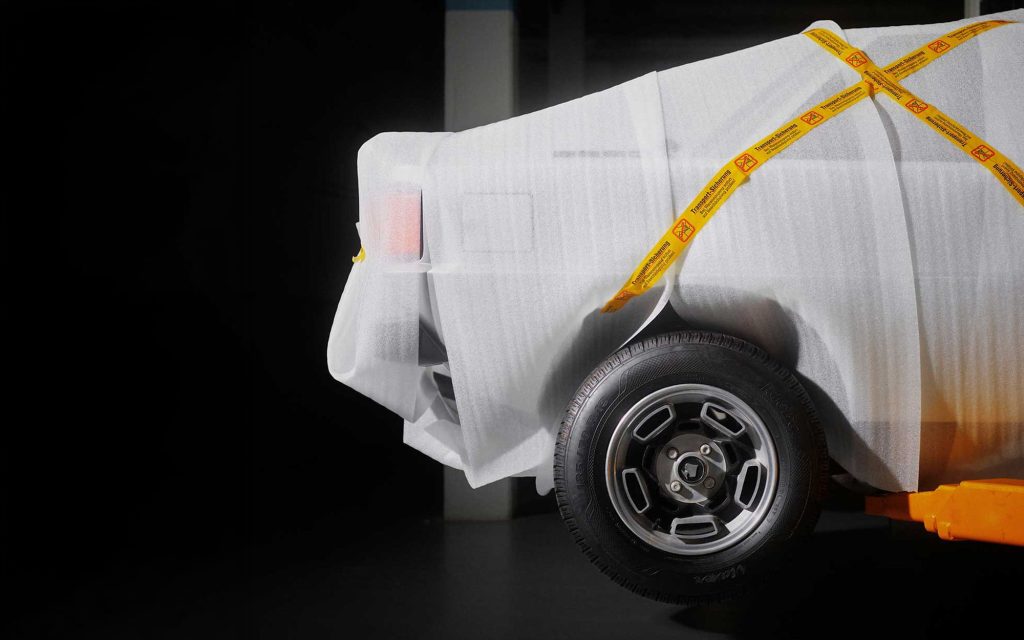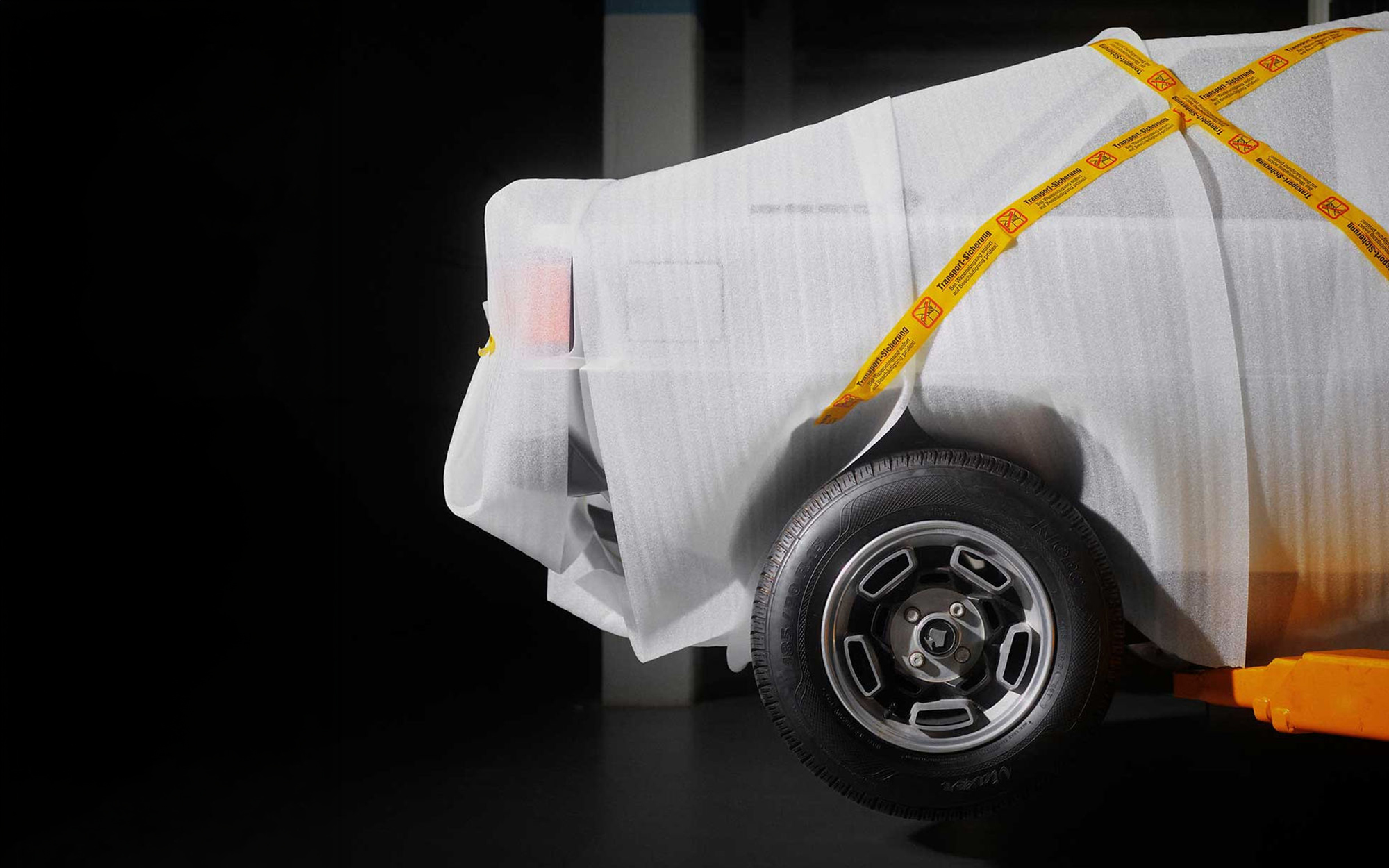

The 1973 Audi Asso di Picche concept by Italdesign is now on display at the Automuseum Melle in Germany as part of the museum’s larger “Out of the Dark” exhibition dedicated to Karmann and its lesser-known prototypes, coachbuilt projects and experimental studies.
The name being the Italian translation of “Ace of Spades”, the concept was developed by Giorgetto Giugiaro and Italdesign at the request of Karmann using the chassis and mechanical underpinnings of the original Audi 80 (B1).
The timing of the project makes it particularly fascinating in Audi history. In the early 1970s, Audi was still establishing itself as Volkswagen Group’s more upscale and technically progressive division, while Karmann was actively seeking future low-volume specialty projects beyond the aging Karmann Ghia and Beetle Cabriolet programs. The idea behind Asso di Picche was reportedly straightforward: create a compact four-seat sporting coupe that Karmann could potentially build in limited production for Audi.
What emerged became one of the clearest early examples of Giugiaro’s wedge-era design language. The sharply folded bodywork carried visual links to Italdesign’s Maserati Boomerang concept while simultaneously previewing themes that would soon appear on the first-generation Volkswagen Scirocco, Lotus Esprit and eventually the Lancia Delta. Italdesign itself has acknowledged the concept’s influence on the Delta’s design treatment and integrated bumpers.
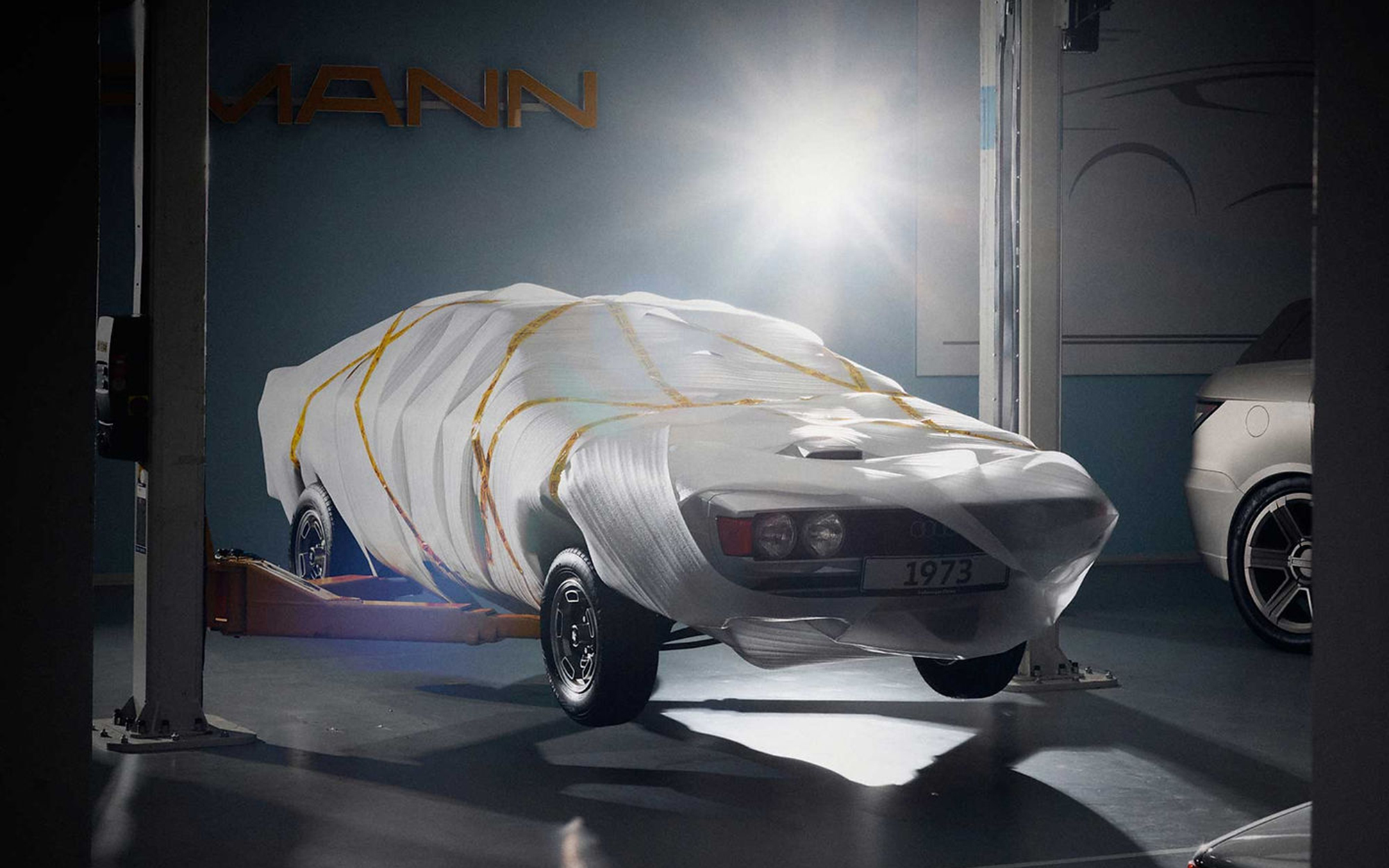
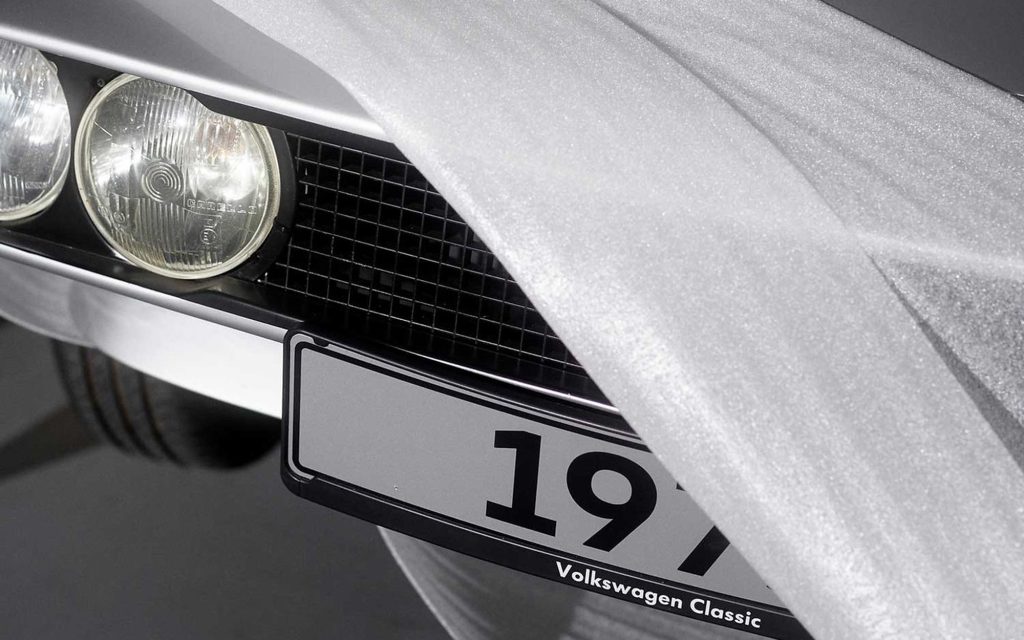
Despite sharing Audi 80 (B1) mechanicals underneath, the Asso di Picche looked dramatically more exotic than its donor car. Giugiaro shortened the rear overhang, extended the nose and created a low-slung fastback coupe profile defined by geometric surfaces and a distinctive delta-shaped C-pillar. Only details such as the twin round headlights and Audi rings hinted at its production-car origins.
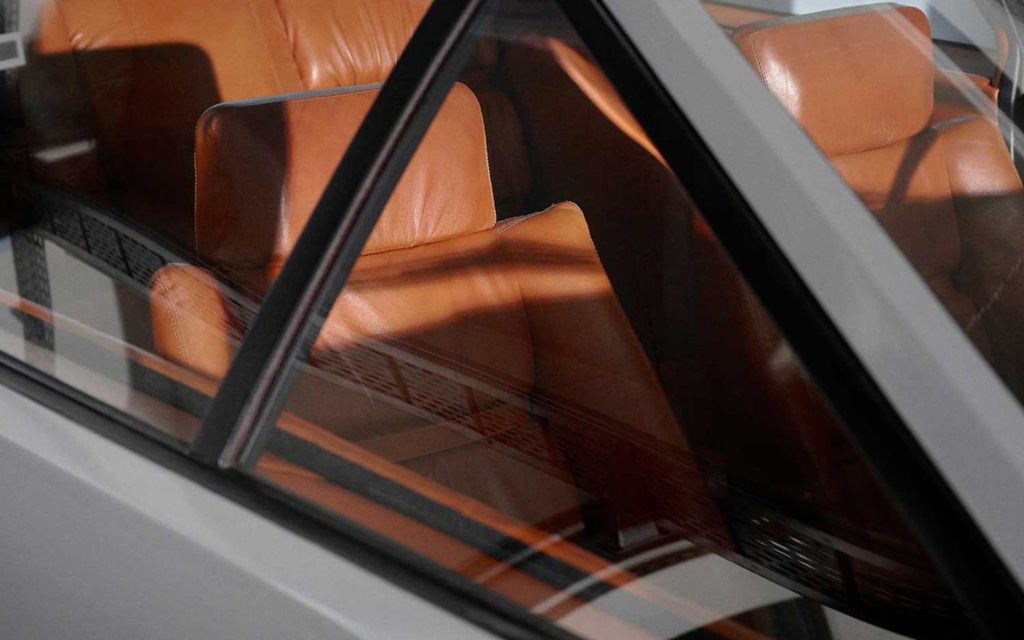
The interior was equally experimental. Italdesign developed a cylindrical dashboard layout and flush-mounted glass treatments that were advanced enough to earn patents. Brown leather-lined removable door pockets even doubled as shopping bags — a very Italian blend of futurism and practicality.
Ultimately, the project never entered production. Audi was focused on expanding its mainstream sedan business and Volkswagen Group already had plans for an affordable sporty coupe of its own — the Scirocco. Still, the Asso di Picche’s DNA quietly lived on through many of Giugiaro’s later projects, making the concept one of the more consequential unrealized Audis of the era.
For Audi aficionados, the car’s appearance at Automuseum Melle is especially notable because the Asso di Picche rarely surfaces publicly. Overshadowed by later Audi concepts such as the Avus quattro or TT studies, the Italdesign coupe instead represents a glimpse into an alternate version of Audi history — one where the brand may have embraced Giugiaro’s angular Italian grand touring aesthetic far earlier than it ultimately did.
Located in the town of Melle in Germany’s Lower Saxony region, Automuseum Melle occupies an especially interesting place within Volkswagen Group history. The museum sits not far from Osnabrück, home to the former Karmann coachbuilding works now operated by Volkswagen Osnabrück. That connection helps explain why many of the vehicles featured in Melle’s current Karmann-focused exhibition — including the Audi Asso di Picche — are tied more closely to Volkswagen Osnabrück’s historic collection than to Audi Tradition, which typically maintains Audi’s own factory concepts and heritage fleet. For enthusiasts planning a broader automotive pilgrimage through northern Germany, the region offers an unusually dense concentration of Volkswagen Group history. Melle and Osnabrück are both within Lower Saxony, the same German state as Wolfsburg, Volkswagen’s headquarters city and home to Autostadt — the sprawling Volkswagen Group visitor complex featuring museums, brand pavilions and Audi’s own House of Progress exhibition space. For anyone headed to northern Germany with even a passing interest in Audi, Volkswagen Group history or coachbuilt automotive design, all of them arguably belong on the short list of stops.
LINK
PHOTO GALLERY