

This 10 Things about Massimo Frascella series stems from an in-depth feature published by Autocar Magazine. Meant as an in-depth take on Audi’s Chief Creative Officer, it delved both into what brought him to Audi and where he plans to take the four rings during his tenure. Using that as a starting-off point, this series aims to highlight the key points while expanding them more in the Audi-specialist context this website aims to provide.
Part #1 began with Frascella’s taproot – the Audi TT (Mk1).
Part #2 focused on his background, broader than simply JLR and involving some TT Mk1 designer icons.
Part #3 took a closer look at his appreciation for the 2000s era Audi range that sold alongside the TT.
Part #4 examined where Audi goes from here.
Part #5 digs weighs screens versus switchgear.
The plan for this series is to cover two installments per day over five days. For this next installment, he explains how going retro can be “dangerous”.
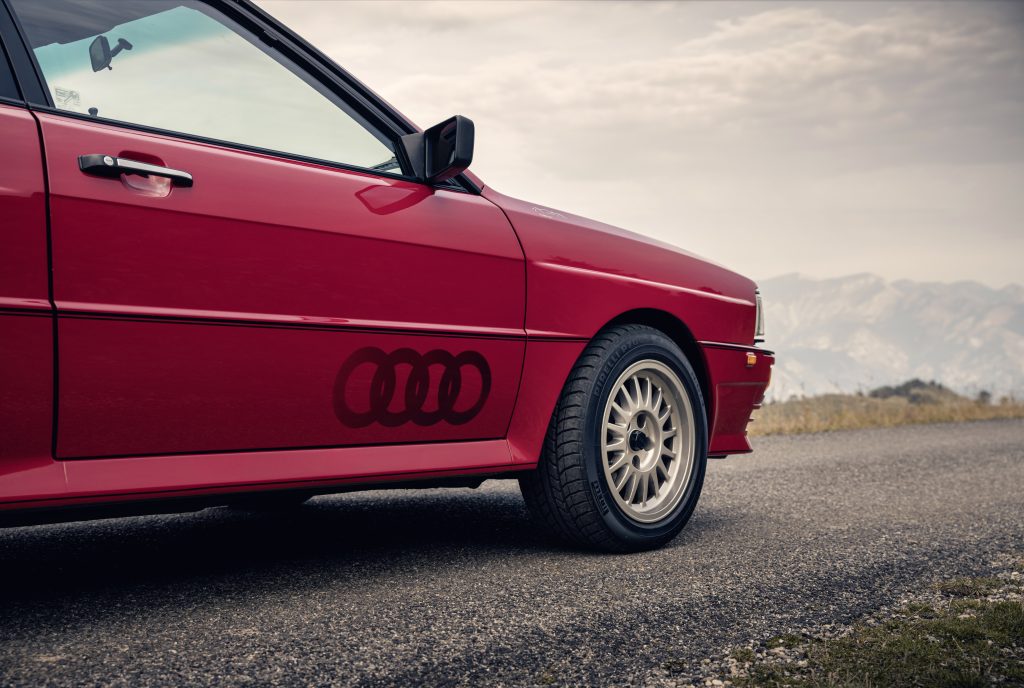
#6 DECIDEDLY NOT RETRO
Was the TT retro? That’s debatable. There’s no question TT came at a time when J Mays was experimenting with the idea of retro modern design – the Audi Avus Concept, the Volkswagen Concept 1 / New Beetle and many more modern designs inspired by the past when he landed at Ford.
No doubt Frascella was exposed to that, and it’s here that the more modern Land Rover Defender takes a distinctly different approach than the more “reimagined” take of peers like the modern Mercedes-Benz G-Wagen or more literal Defender-esque approach taken by INEOS with its Grenadier.
“Retro is a very nostalgic approach that can work for certain brands, and can work in certain instances, on certain products, but it’s not a long-term strategy. There are many examples in the world, in the past, of brands that have looked back in the rear-view mirror too much – and I think it might work for a little while, but it’s a dangerous game to play.”