

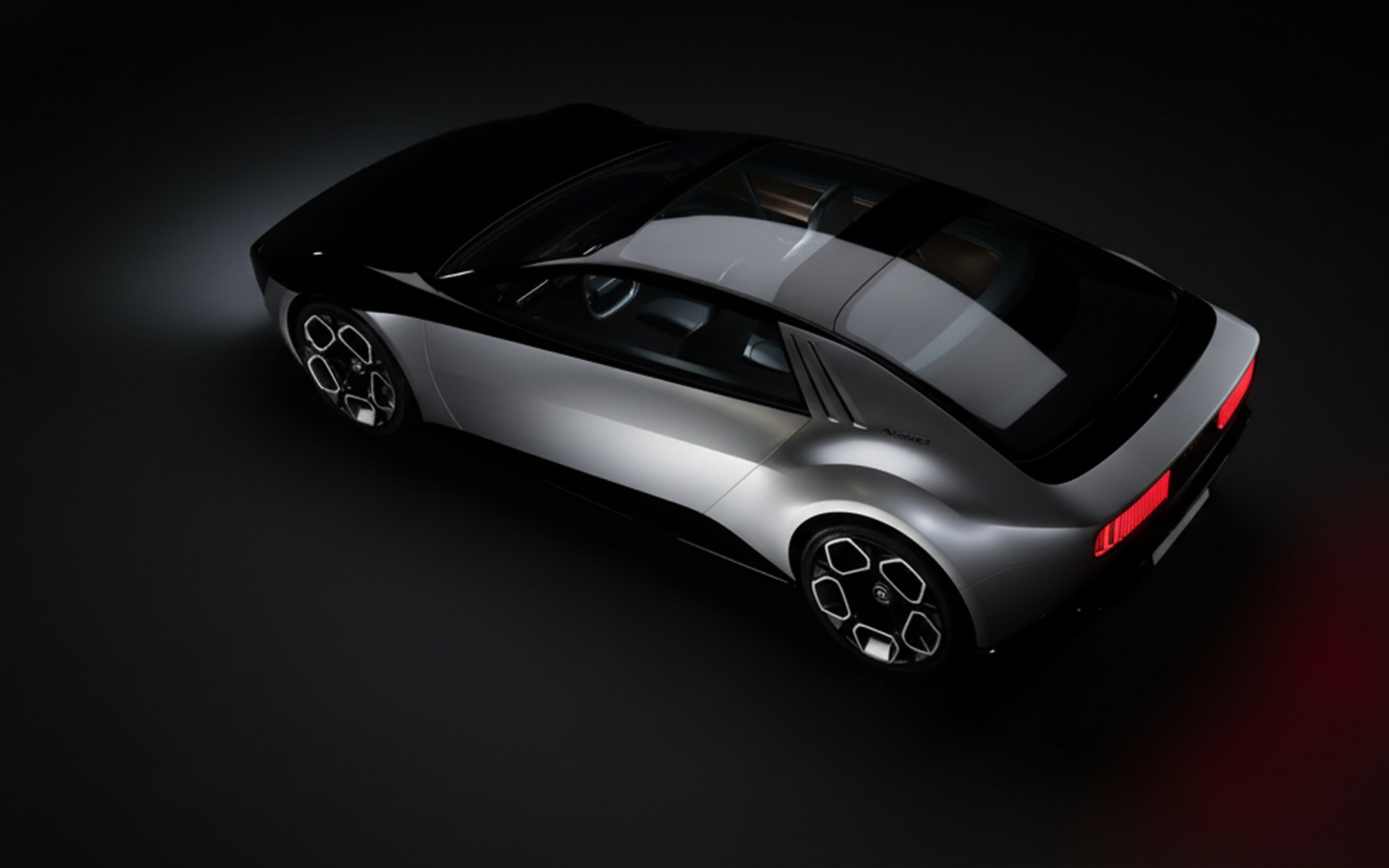

Fifteen years after bringing one of Italy’s most influential design houses into the Volkswagen Group, Audi is formally stepping back from majority ownership of Italdesign. The Audi Group has announced a strategic partnership with UST, under which the California-based global transformation and technology company will acquire a controlling stake in Italdesign Giugiaro S.p.A., marking a significant turning point for the Turin-based firm and for Audi’s broader capital strategy.
Audi, via Lamborghini, first acquired a 90.1 percent stake in Italdesign in 2010, bringing Giorgetto Giugiaro’s legendary studio into the Group at a time when design-led differentiation and advanced prototyping were becoming increasingly central to global product development. Under Volkswagen Group ownership, Italdesign evolved beyond its historic role as a design house, expanding its engineering, electronics, and low-volume production capabilities while remaining deeply embedded in the Group’s internal development network.
Now, that chapter is entering a new phase. Under the newly announced agreement, UST will assume majority ownership and operational responsibility for Italdesign, while Automobili Lamborghini S.p.A. will retain a significant minority stake. Audi will remain a long-term strategic partner and key client, ensuring continuity in collaboration even as ownership changes hands.
The move follows reports earlier this year that Audi had been exploring options to divest Italdesign in order to free up capital. With massive investment commitments tied to electrification, software-defined vehicles, and Formula 1, the decision reflects Audi’s broader effort to focus resources while preserving access to specialized external expertise.
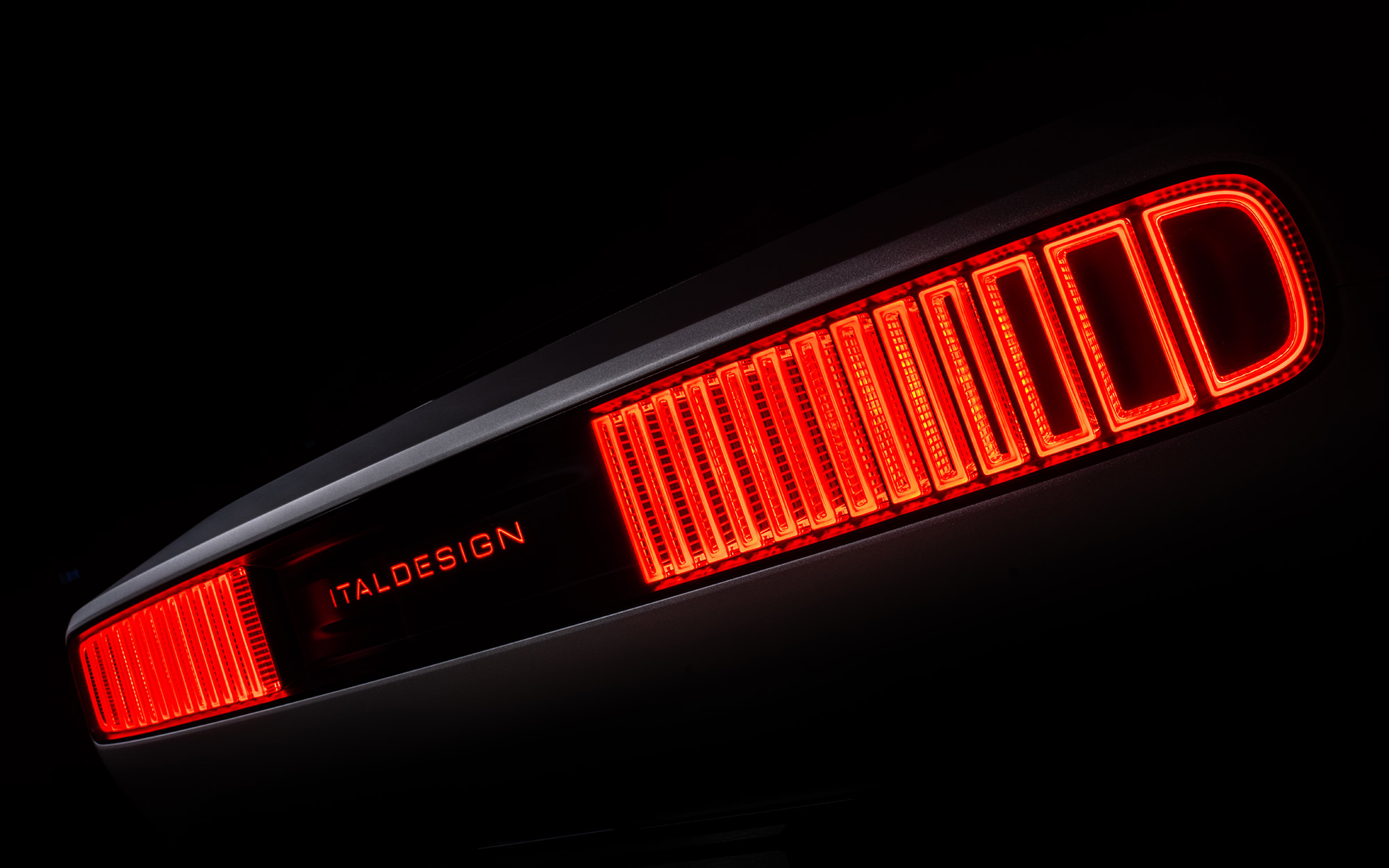
From Audi’s perspective, the partnership positions Italdesign to grow beyond its traditional automotive roots while maintaining strong ties to the Group. Geoffrey Bouquot, Audi Board Member for Technical Development, described UST as the ideal partner to build on Italdesign’s solid foundation while opening new market opportunities. He emphasized that Italdesign has long been a valued part of Audi’s development ecosystem, contributing across design, prototyping, and series development, and that this collaboration is expected to continue under the new ownership structure.
For UST, the acquisition represents a decisive expansion into the physical mobility and automotive engineering space. Known for its work in AI-powered technology, digital ecosystems, and software development, UST brings complementary capabilities to Italdesign’s strengths in vehicle design, engineering, prototyping, automotive electronics, and small-series production. Together, the two companies aim to offer an integrated, end-to-end development model spanning early concept work through hardware and software integration and into production systems.
This combined approach is explicitly aimed at the next generation of vehicles, where digital architecture, software-defined functionality, and artificial intelligence are as critical as traditional mechanical engineering. UST also plans to leverage its footprint across more than 30 countries to expand Italdesign’s global reach, enabling deeper penetration into international markets beyond its historic European and OEM-centric base.
Crucially, both parties stress that Italdesign’s Italian identity will remain intact. UST will assume operational leadership while committing to preserve the company’s design culture, heritage, and workforce in Moncalieri, near Turin. Italdesign CEO Antonio Casu framed the partnership as a catalyst for growth, describing ambitions for the company to become a global full integrator of hardware and software not only in automotive applications, but across broader high-technology industrial sectors.
For Italdesign, the shift closes one chapter while opening another. Since its founding in 1968, the company has shaped automotive history through more than 300 production vehicles and over 100 show cars and research prototypes, while also expanding into industrial and transportation design far beyond passenger cars. Under Volkswagen Group ownership, it became a quiet but critical force behind countless modern vehicles. Under UST, the focus appears set to widen further, aligning Italdesign’s design-led DNA with the software-driven realities of modern mobility.
The transaction remains subject to regulatory approval, and financial details have not been disclosed. What is clear, however, is that Audi’s decision to relinquish control does not represent a severing of ties, but rather a recalibration. By stepping back from ownership while remaining a strategic partner and customer, Audi preserves access to Italdesign’s capabilities while freeing capital for its own transformation.
Fifteen years after Audi brought Italdesign into the Group, the sale of a controlling stake signals not an end, but a shift in how one of automotive design’s most influential names will shape the future.