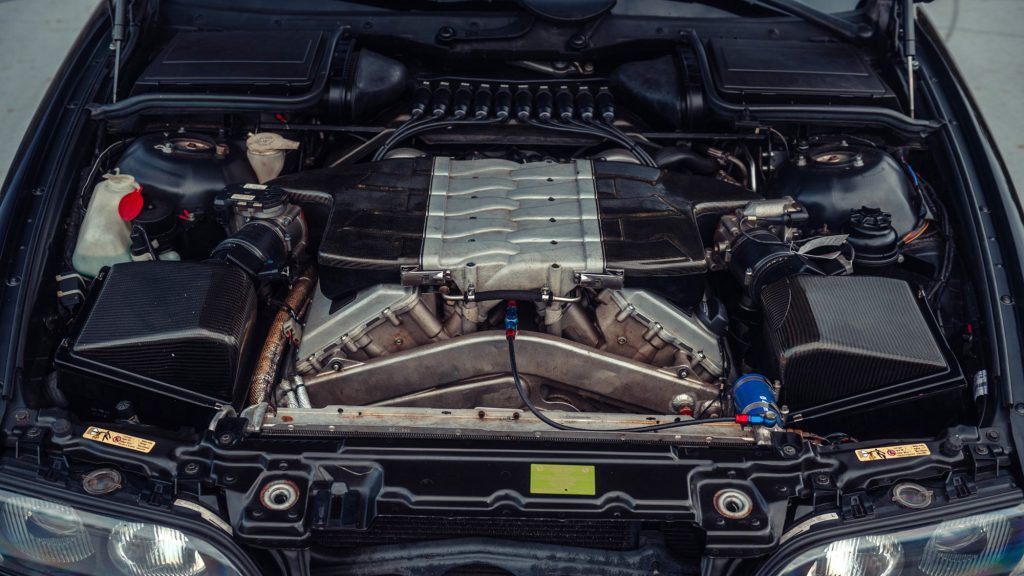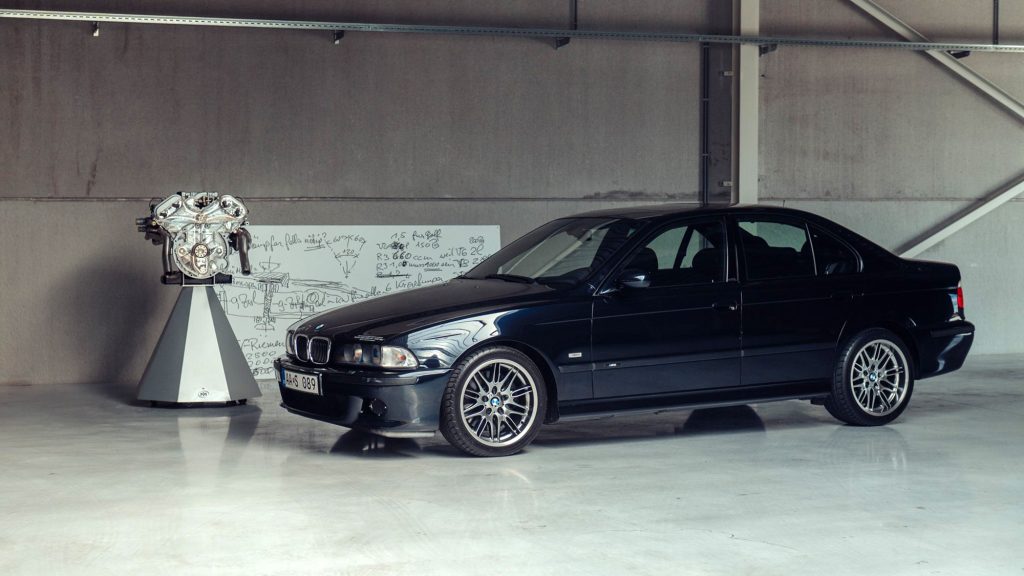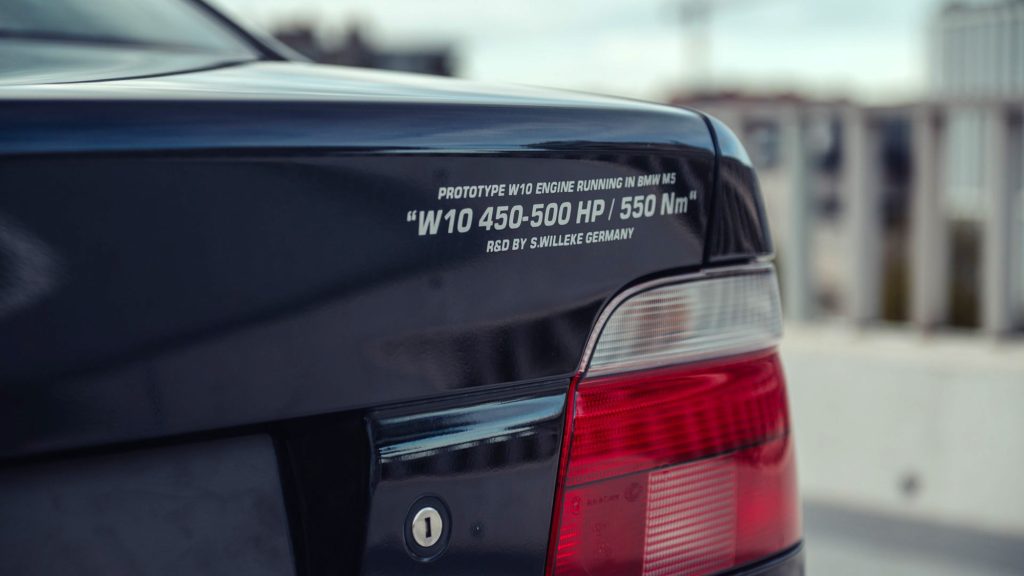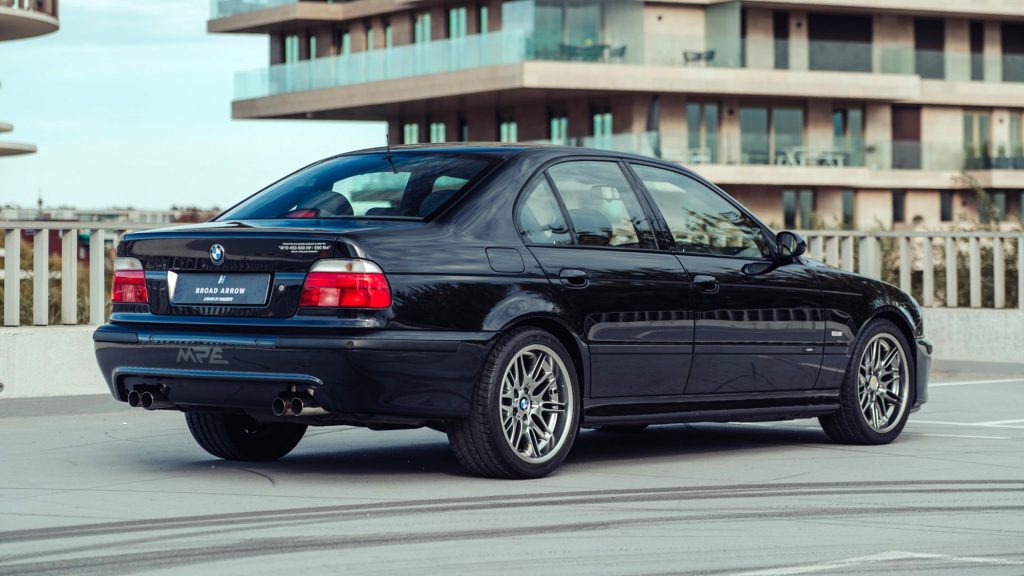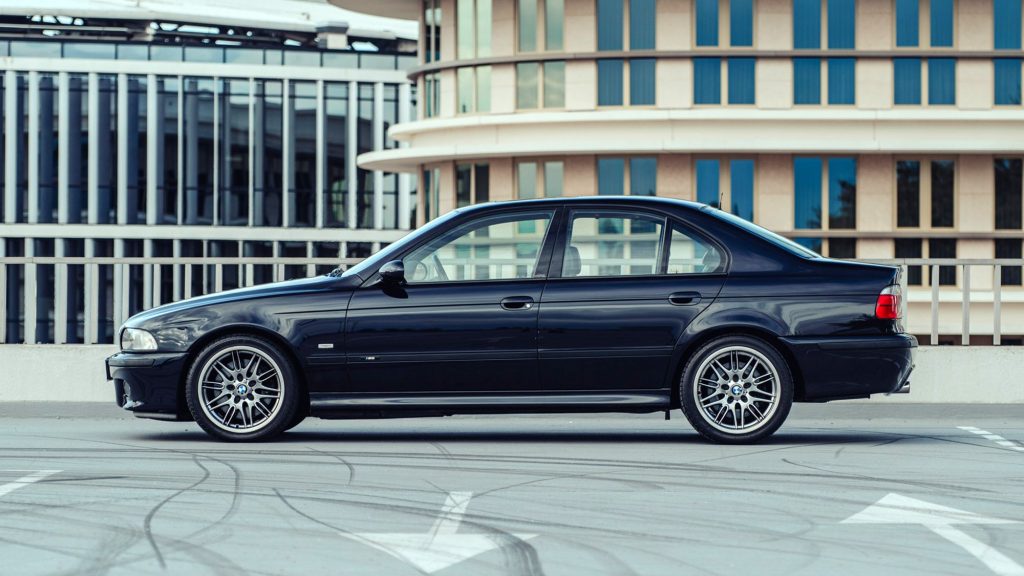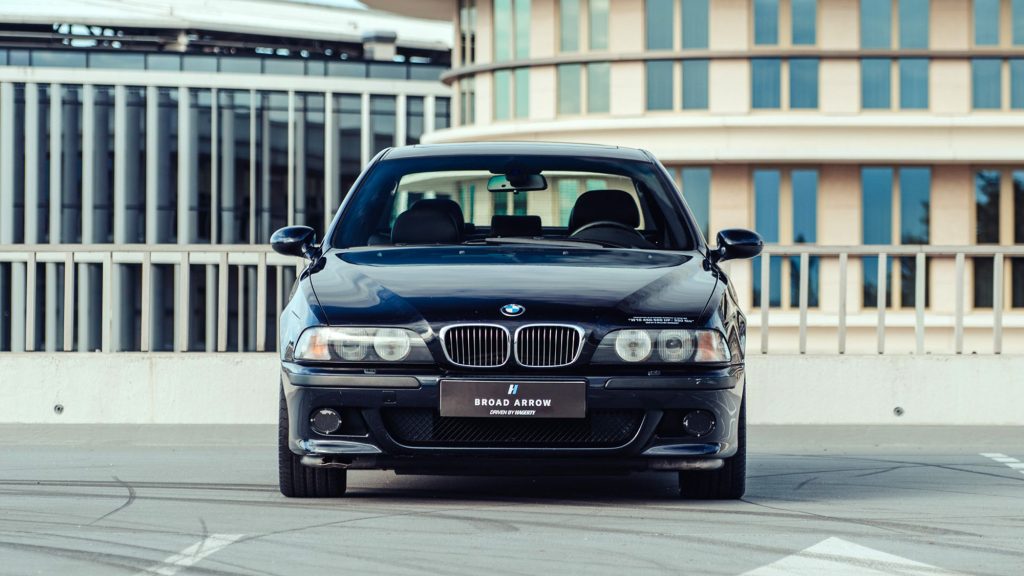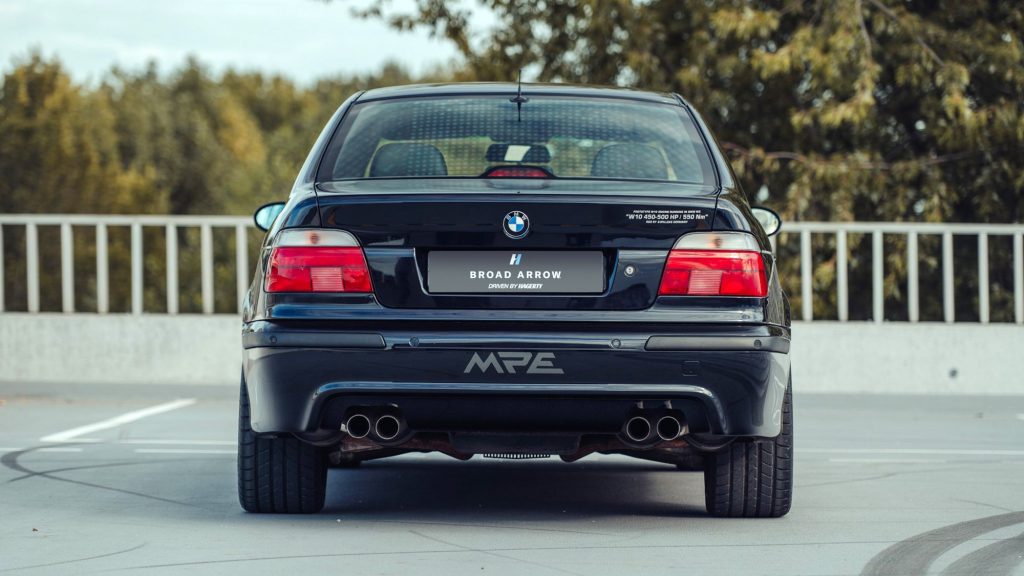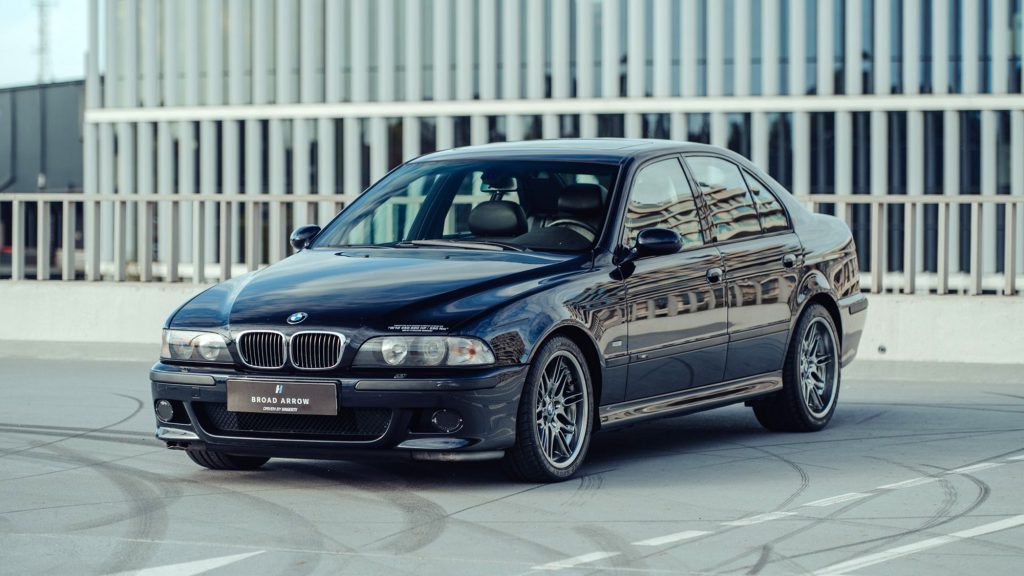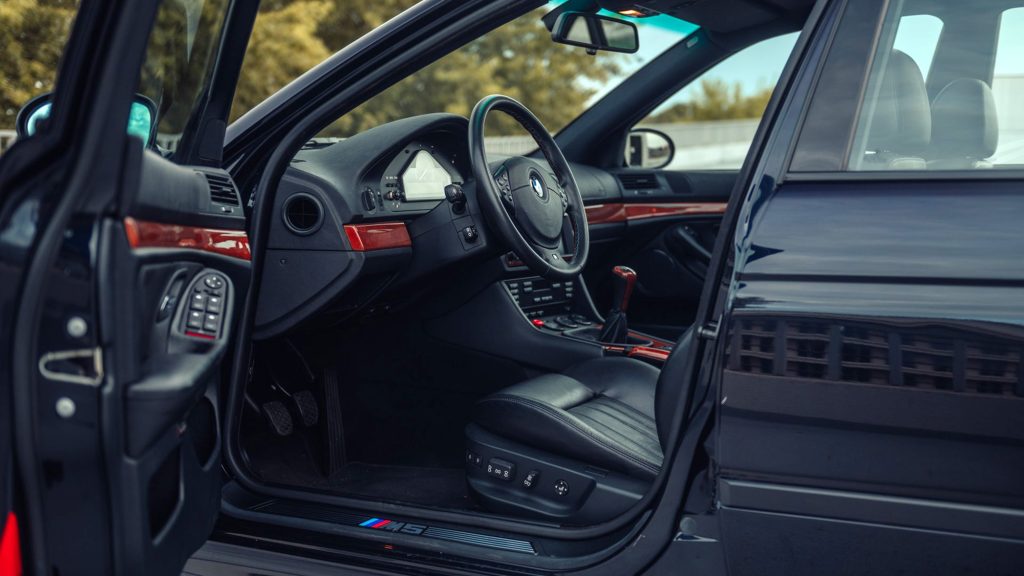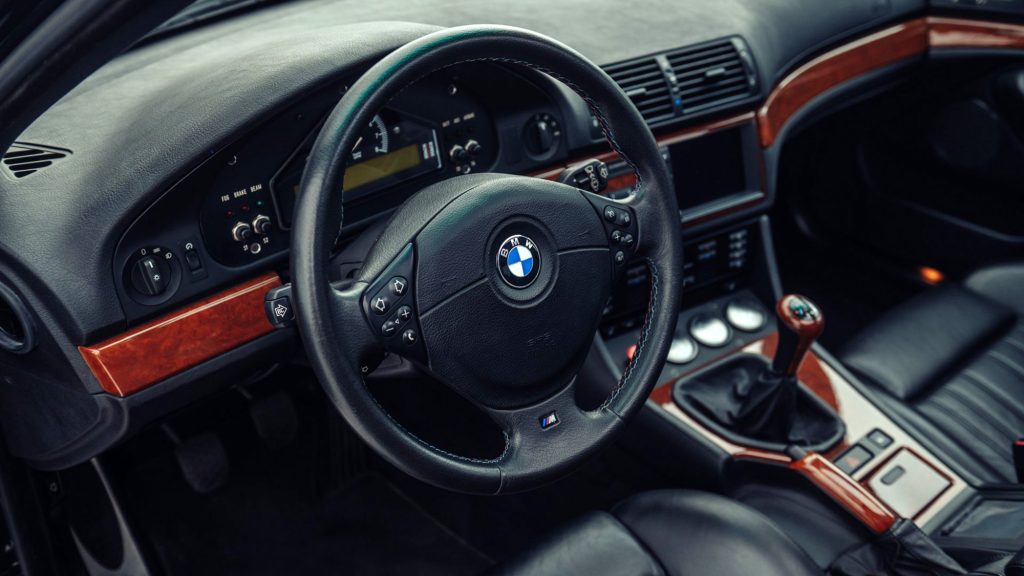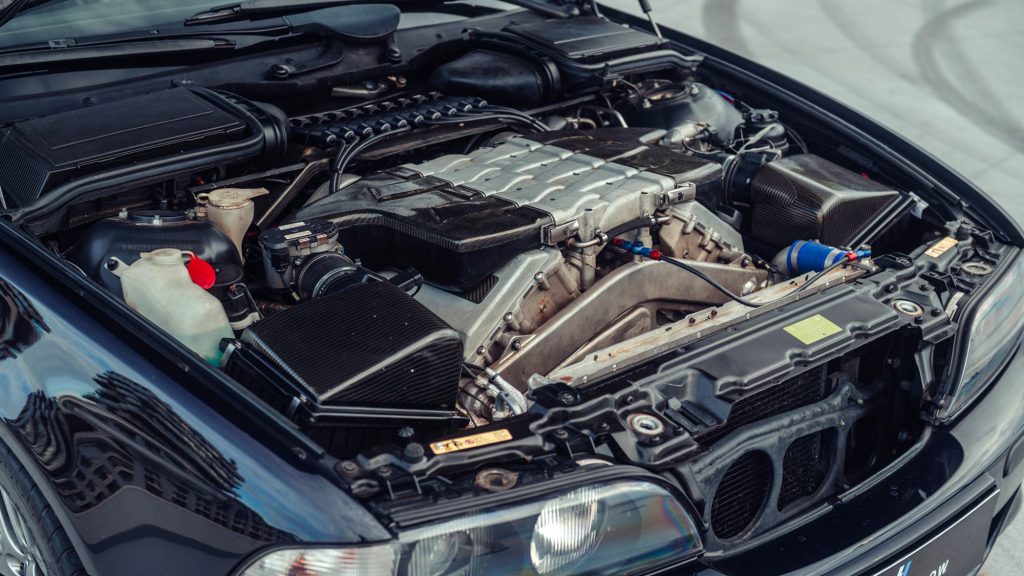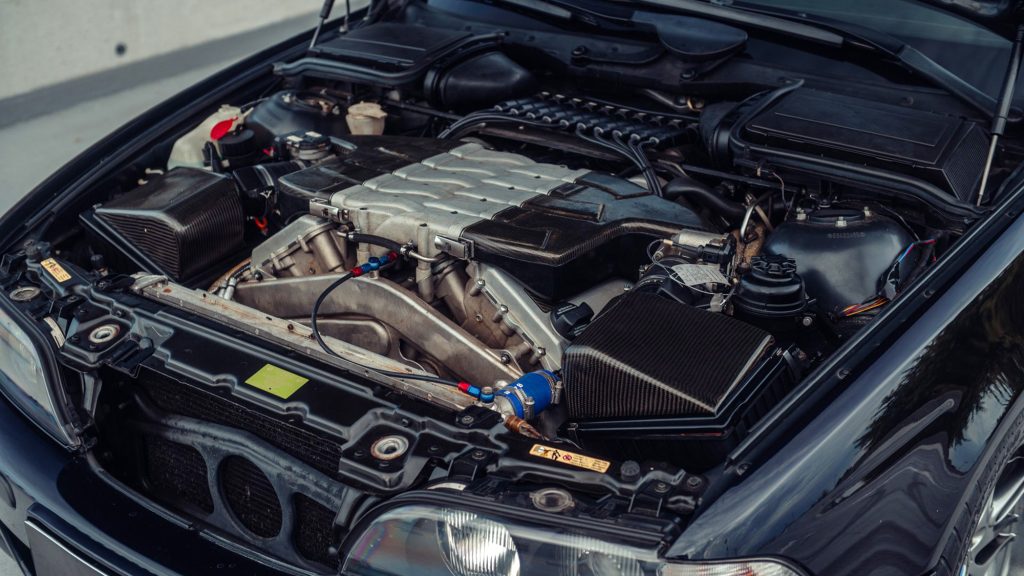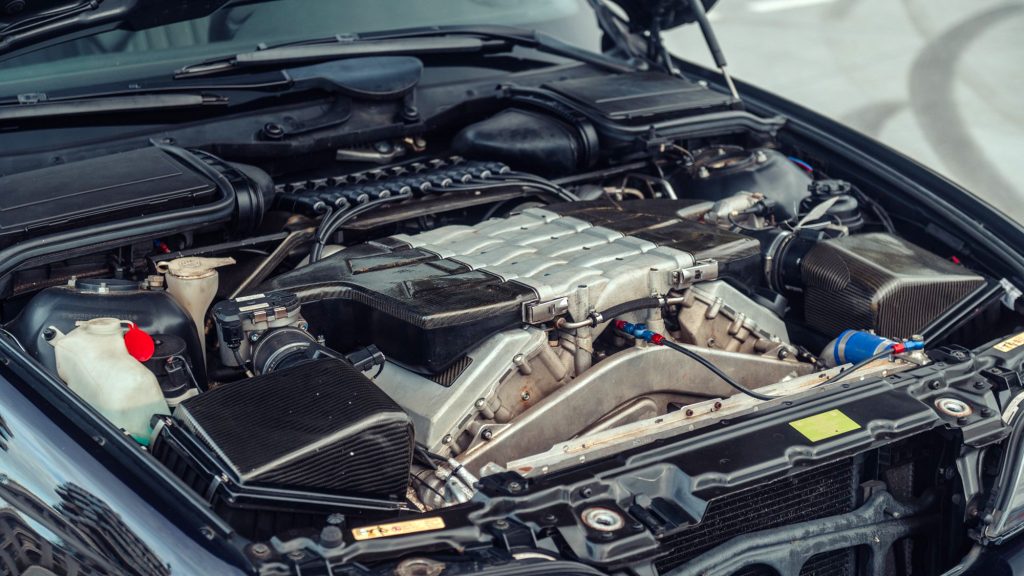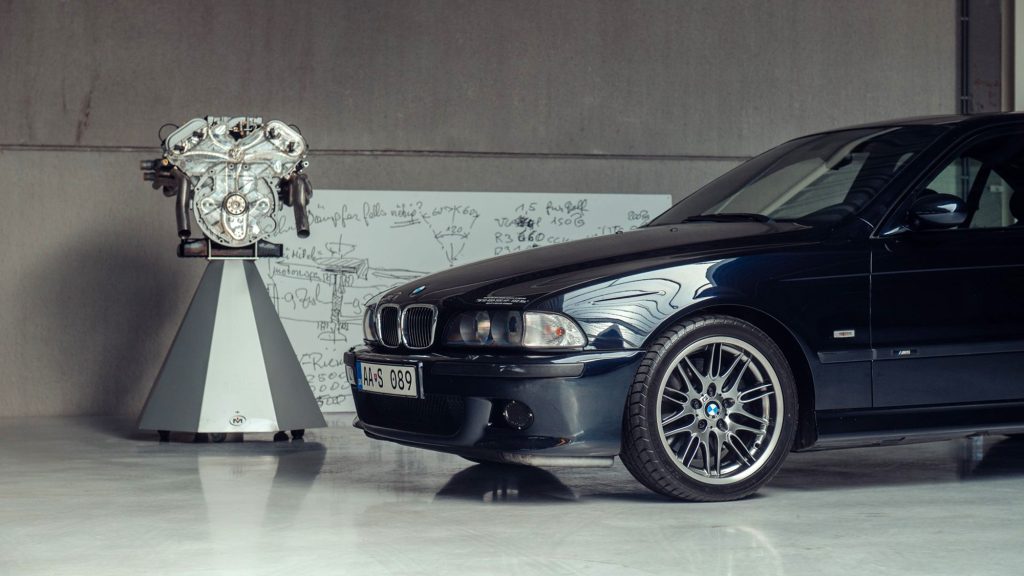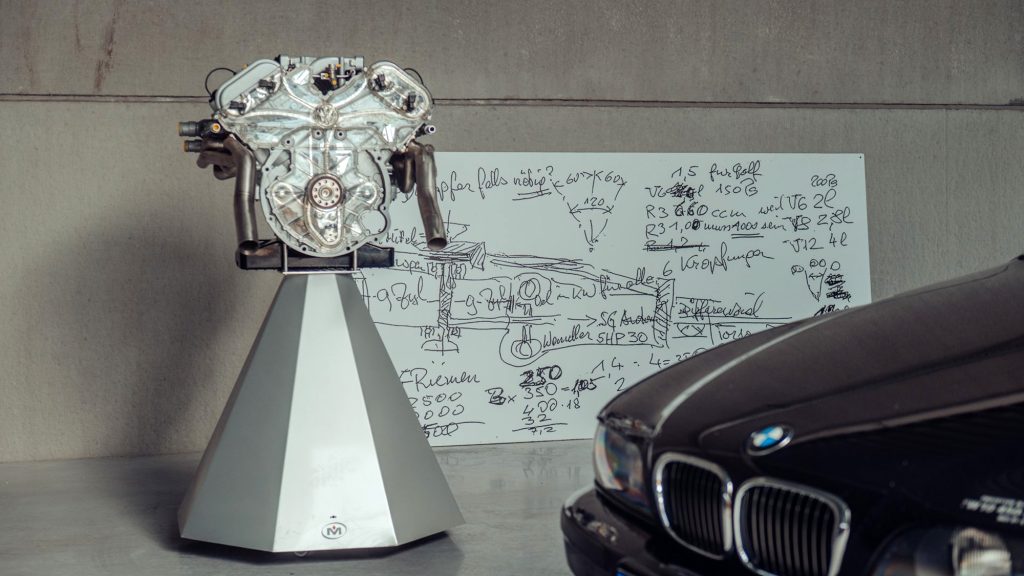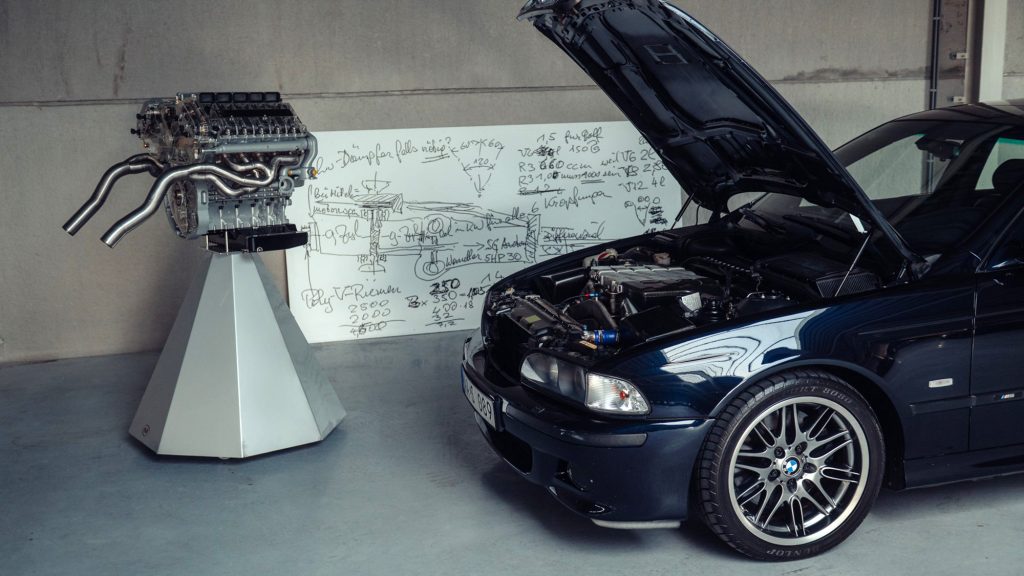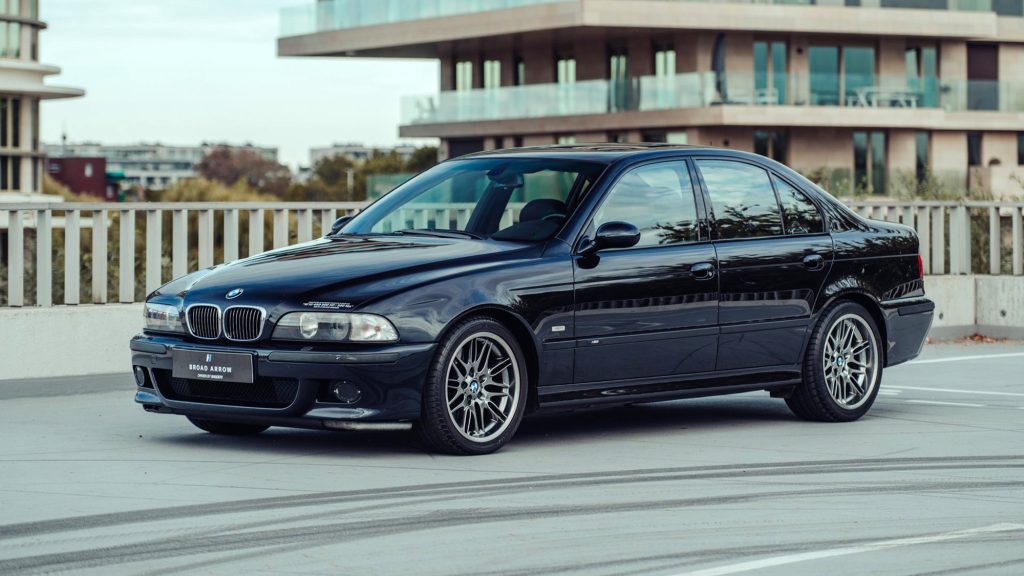

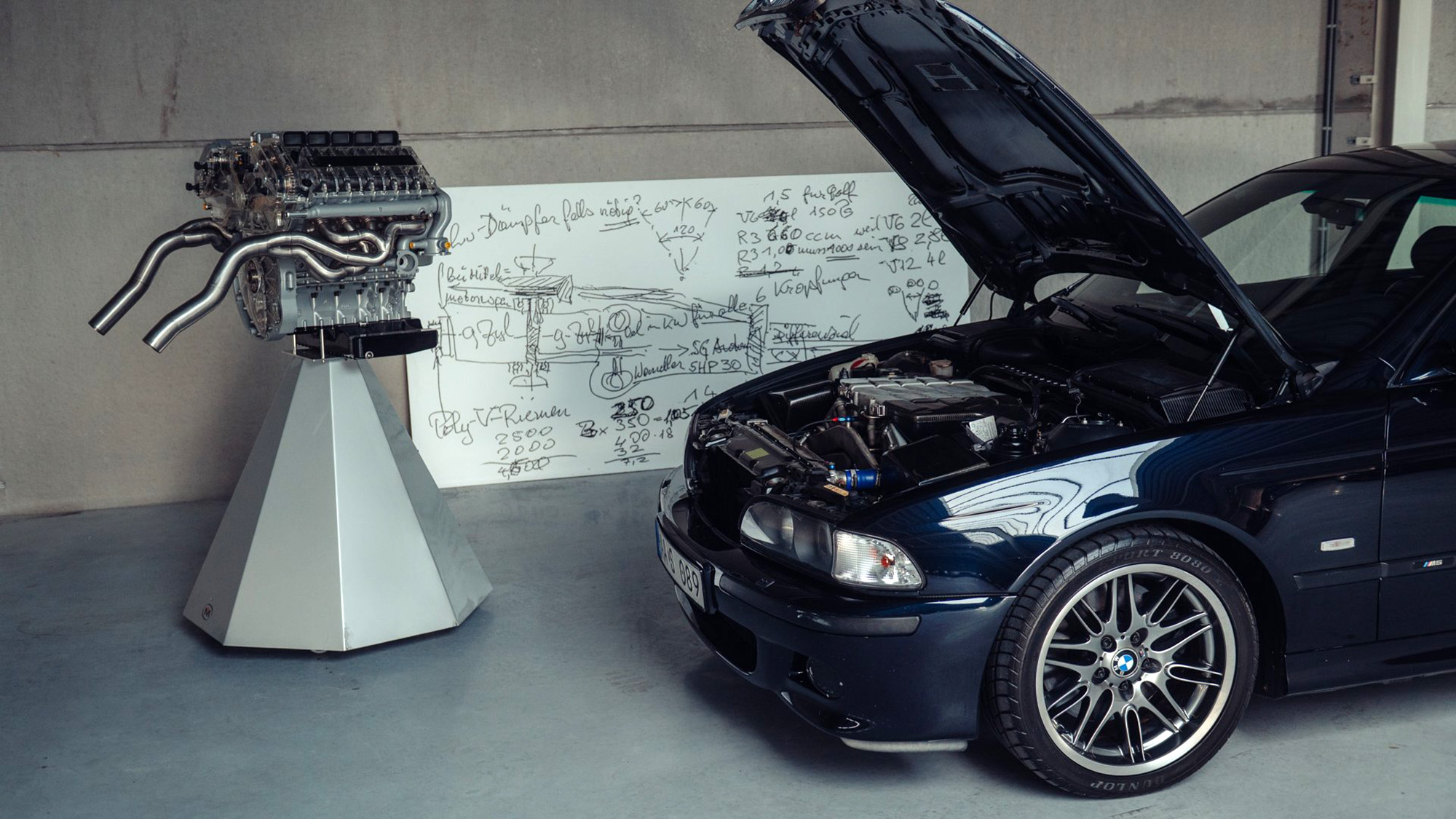

A BMW M5 might seem an unlikely Find of the Day around these parts, but we’ll make an exception for this particular E39 boasting a Volkswagen Group connection that more than justifies the brand B focus. Beneath its hood sits a prototype Volkswagen W10, and according to Broad Arrow, the car served as Ferdinand Piëch’s personal transportation during the engine’s development. It heads to the auction house’s Zoute Concours Auction on October 9 as Lot 164, with an estimate of €250,000–€350,000.
Vehicle: 2000 BMW M5 Volkswagen W10 Prototype ex-Ferdinand Piëch
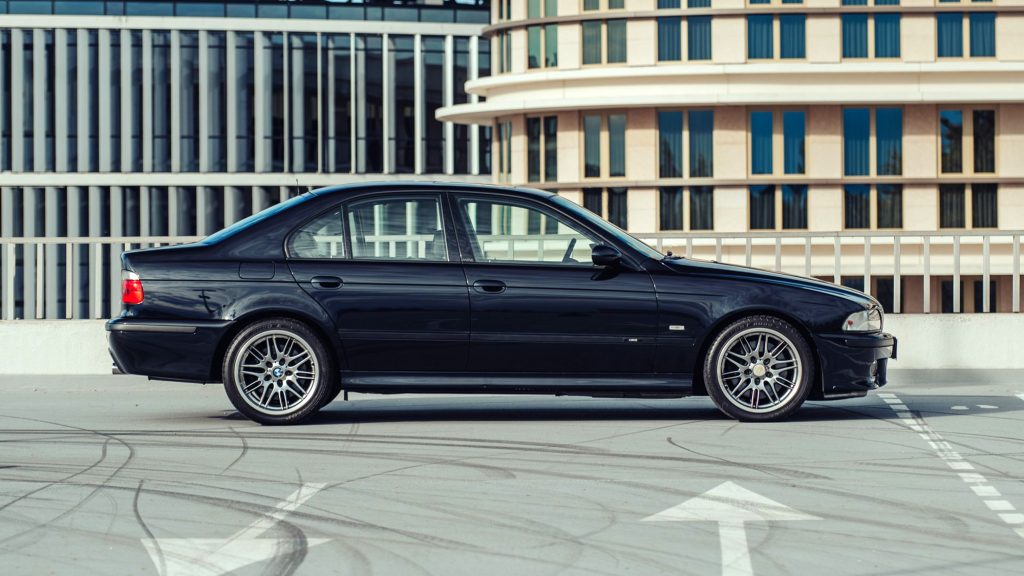
Exterior: Carbon Black Metallic
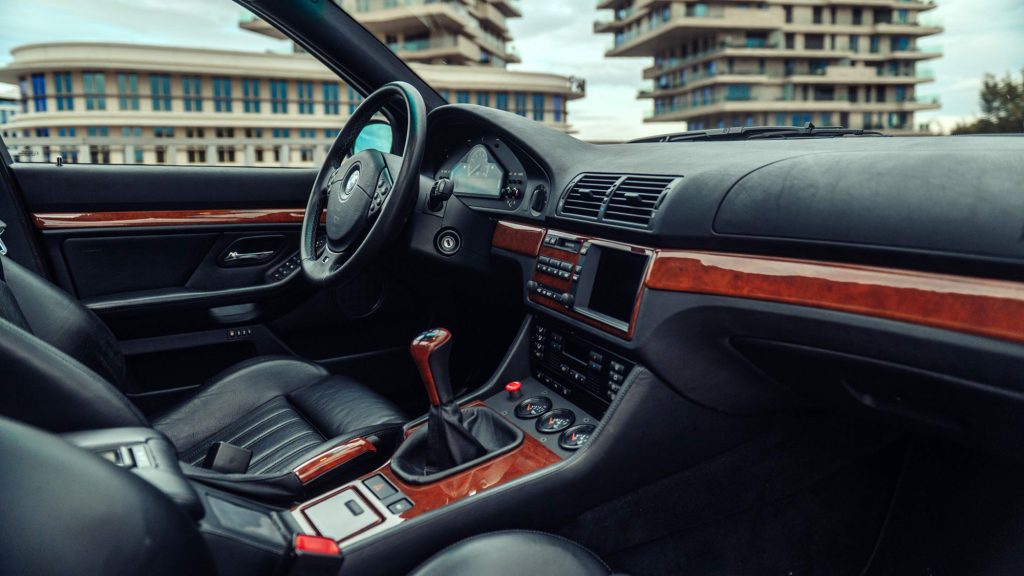
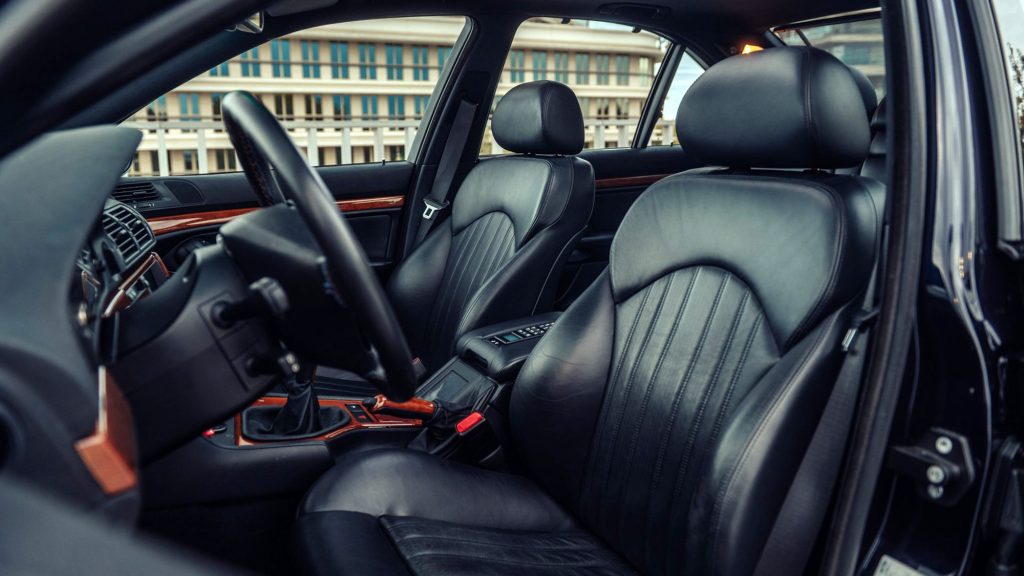
Interior: Black leather
Engine: Naturally aspirated 5.0-liter Volkswagen W10 prototype
Output: 480 PS / approximately 473 hp; 592 Nm / approximately 437 lb-ft
Transmission: Six-speed manual
Mileage: Unknown
Chassis: WBSDE91040GJ16436
Auction: Broad Arrow, The Zoute Concours Auction
Date: October 9, 2026
Lot: 164
Estimate: €250,000–€350,000
A VOLKSWAGEN GROUP EXPERIMENT IN BMW CLOTHING
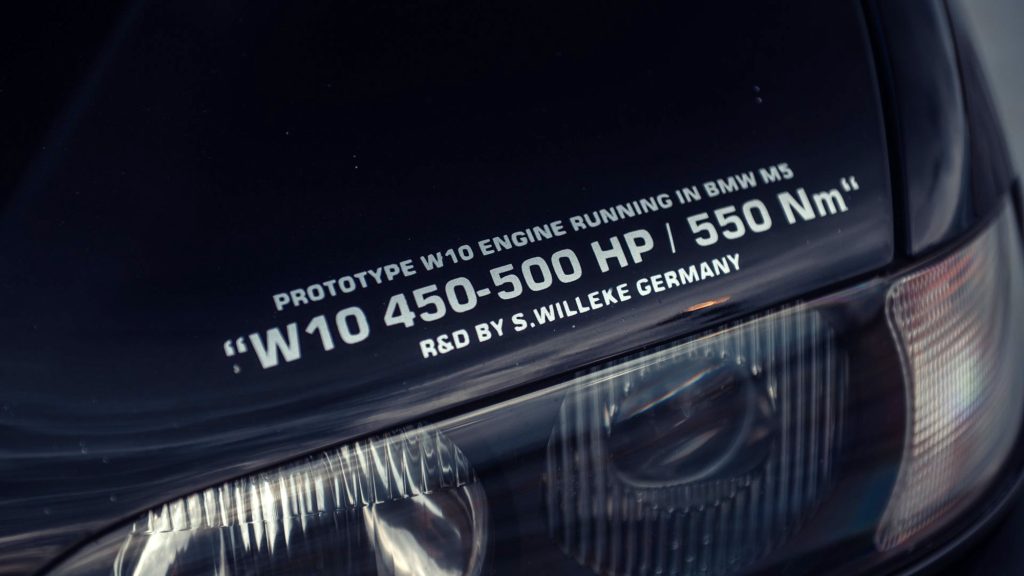
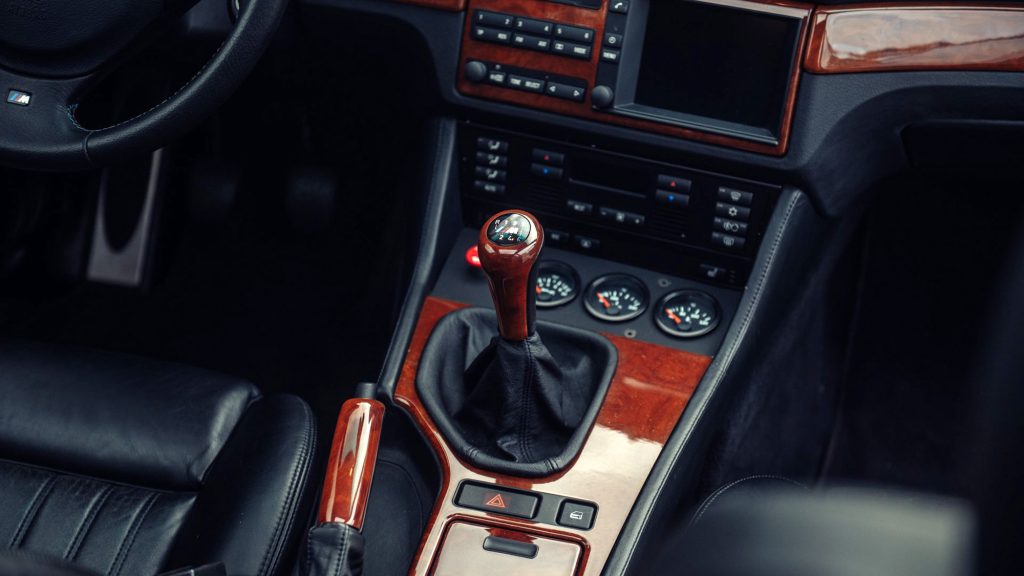
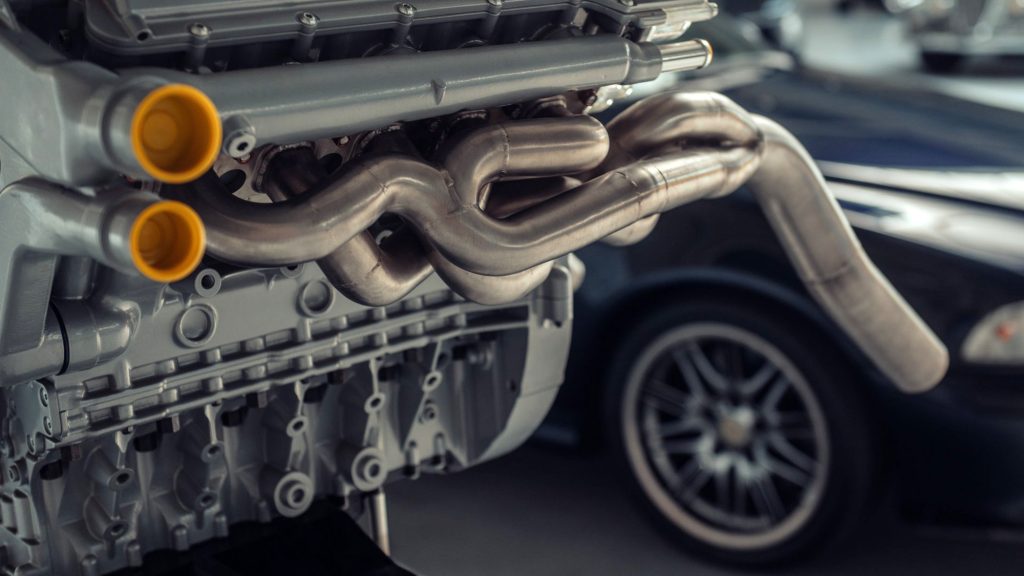
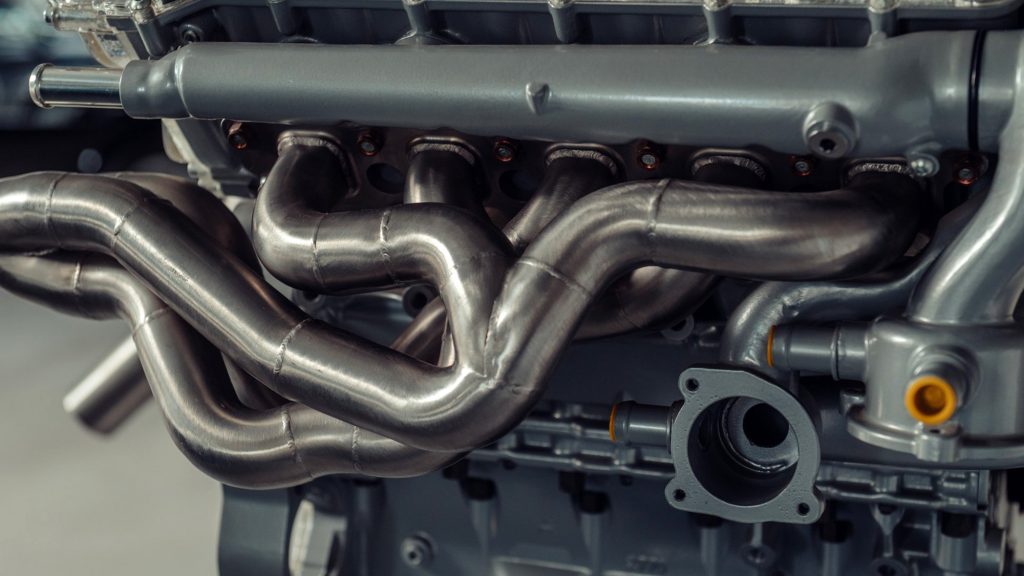
The E39 M5 was already a compelling performance sedan with its factory 400 PS S62 V8. This example traded that engine for something considerably more unusual: an all-aluminum, naturally aspirated W10 rated at 480 PS and 592 Nm. The conversion retained a six-speed manual transmission, giving the experimental ten-cylinder a suitably engaging means of delivering its additional 80 PS.
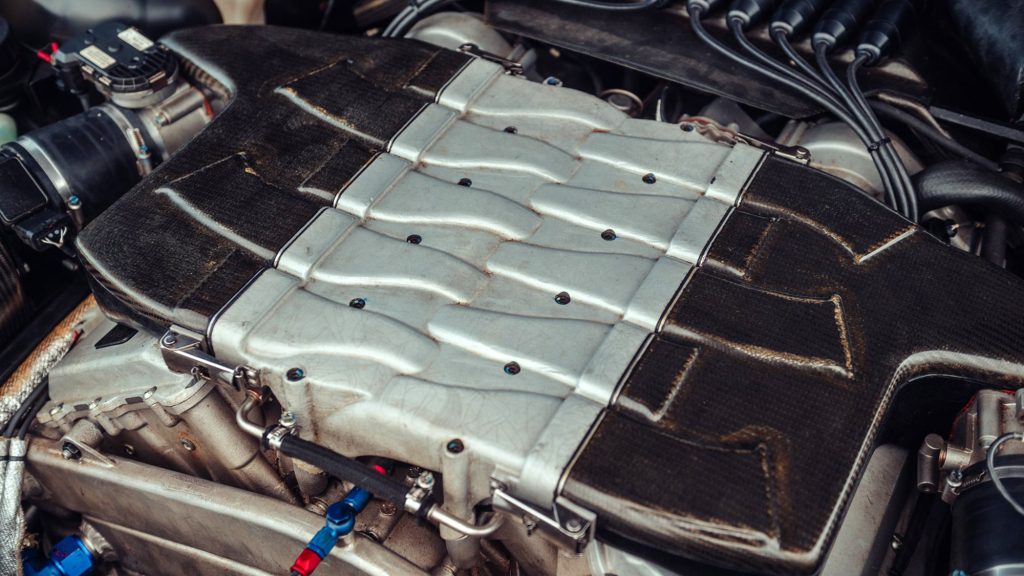
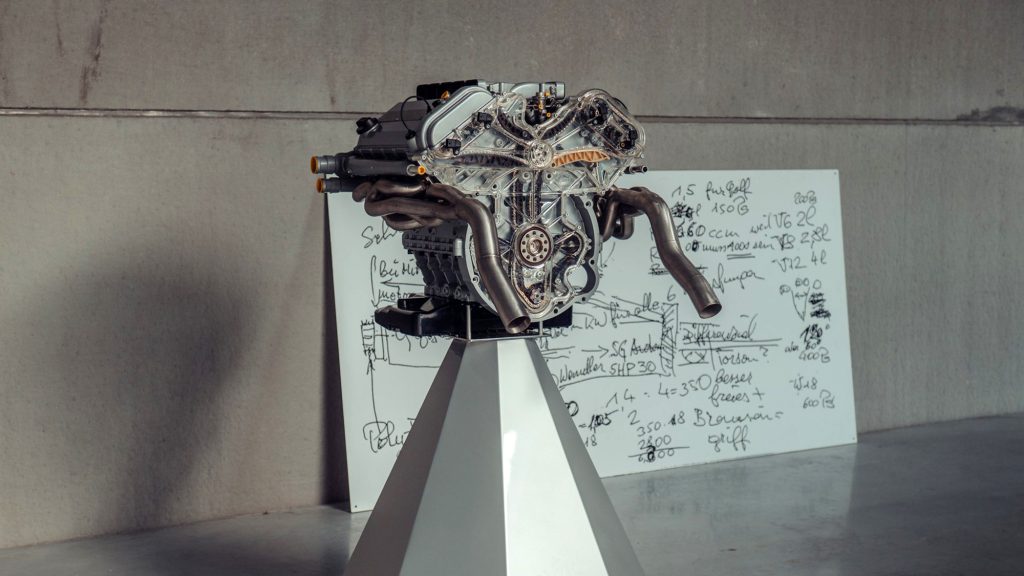
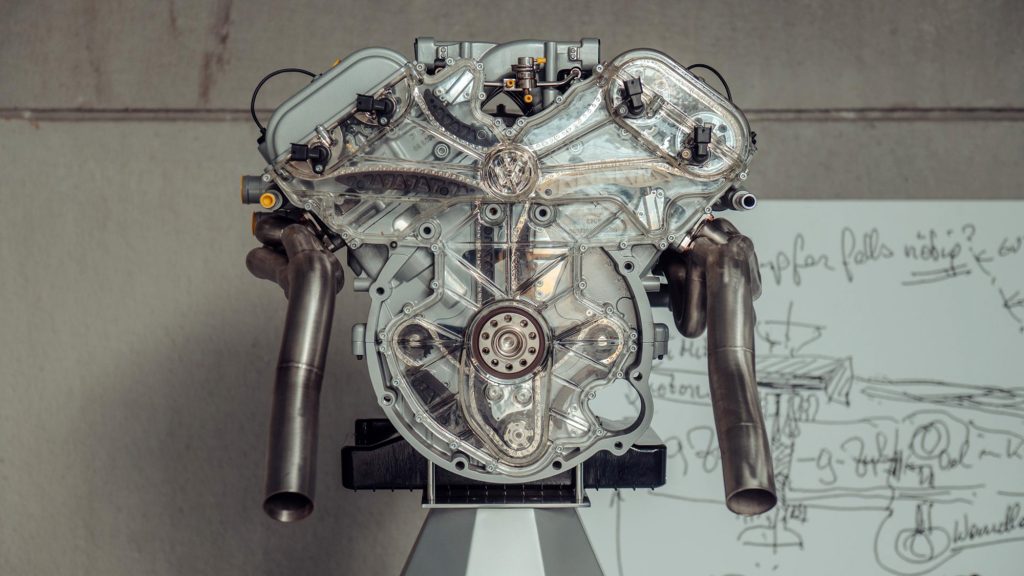
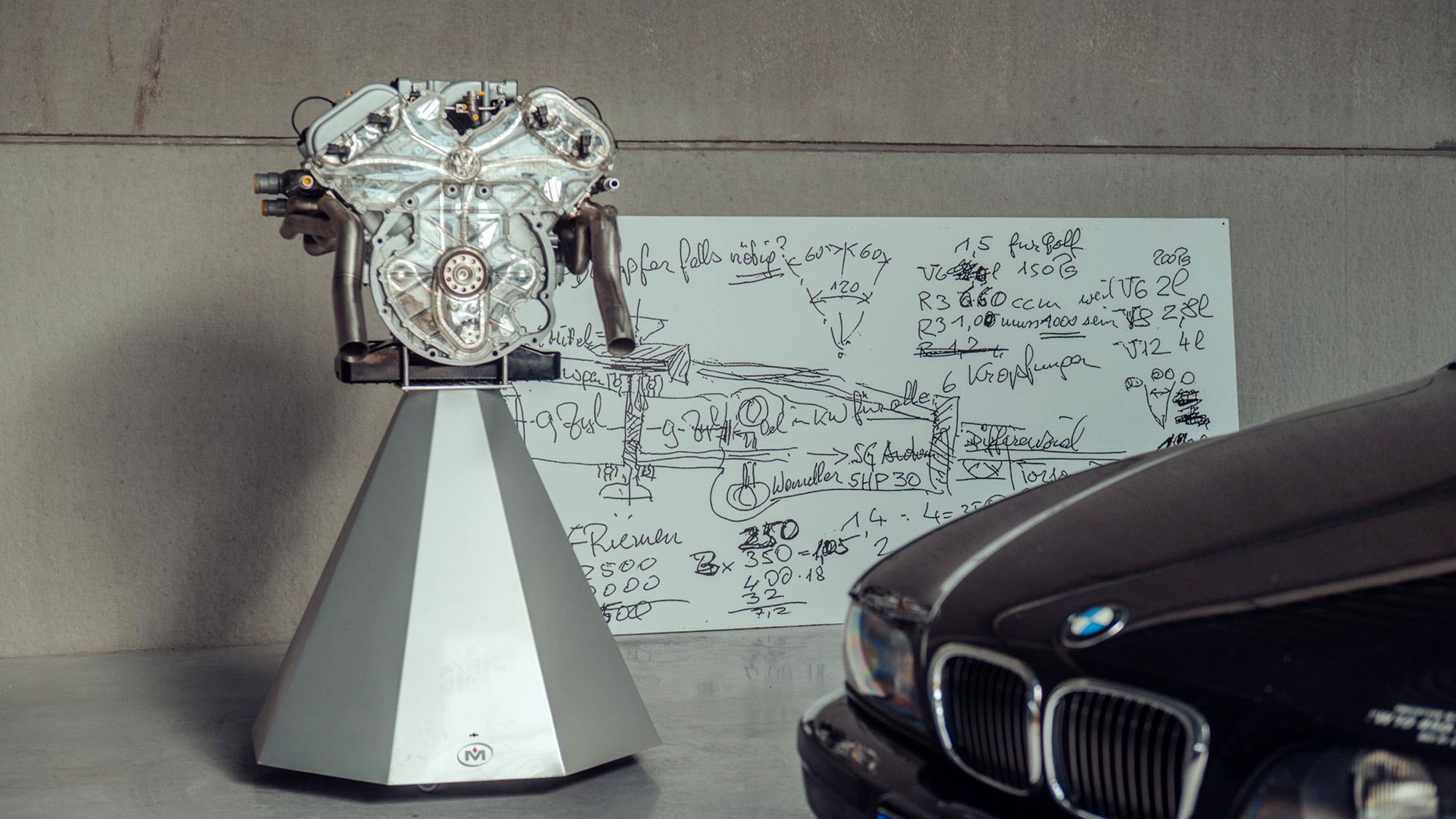
What exactly was a W10? Unlike the V10 in the R8, this isn’t effectively two inline 5-cylinder engines mounted at an angle. Instead, it’s more like the W12 once offered in the A8. Back in this time period, Piëch had pushed forward with a quirky VR5 engine in the Volkswagen Golf. This engine is to a VR5 what the W12 was to the VR6 – effectively two of those in a “V”, though the narrow angle nature makes it more of a “W”.
Broad Arrow describes the W10 as an exploration of a high-performance sedan engine and a precursor to the W-engine concept ultimately taken much further in the Bugatti Veyron. For those familiar with the Volkswagen Group’s narrow-angle VR engines like the 3.2 in the Audi TT (Mk1/8N) and the Group’s subsequent W-engine production cars, this is an intriguing developmental branch. The W10 never reached production, but it’s interesting to consider what such an engine could have been used for and this BMW preserved a working example.
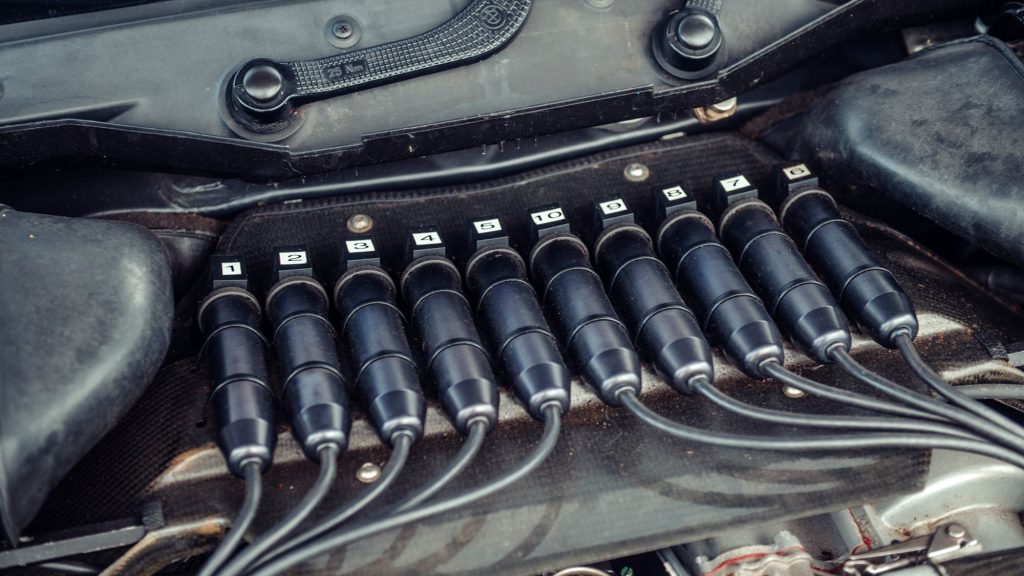
The auction catalog identifies the donor M5’s build date as March 2, 1999, although the car is offered as a 2000 model. Its Carbon Black Metallic paint and black leather cabin provide little outward indication of what happened beneath the hood. Custom intake ducting, ignition hardware and a coolant expansion tank reveal the conversion once the engine bay is opened.
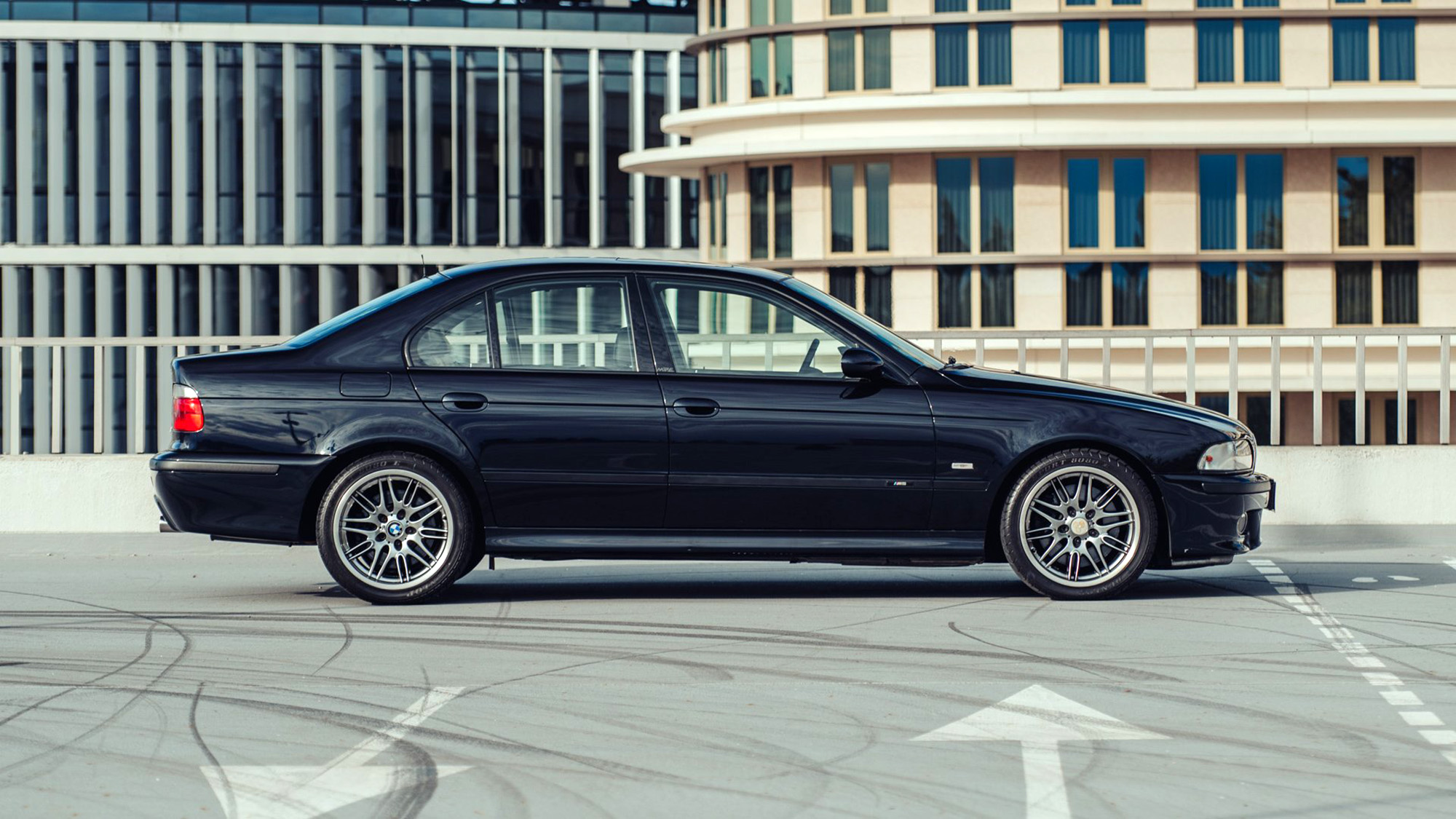
PIËCH’S PERSONAL PROTOTYPE
The history is central to the car’s appeal, though several details remain attributed accounts. Broad Arrow cites Sabine Willeke, who led the engineering team behind the project, as identifying the BMW as Piëch’s personal transportation during its secret development. According to the consignor, the work took place outside Volkswagen’s R&D department at Piëch’s instruction, with Volkswagen Group funding and a reported cost approaching €2 million.
That makes this more than an unusual engine swap. It is a surviving prototype associated with an executive whose appetite for ambitious engineering helped shape Volkswagen Group’s direction. Using an M5 as the development vehicle also adds a particularly memorable twist: BMW supplied the chassis for an experimental Volkswagen powertrain.
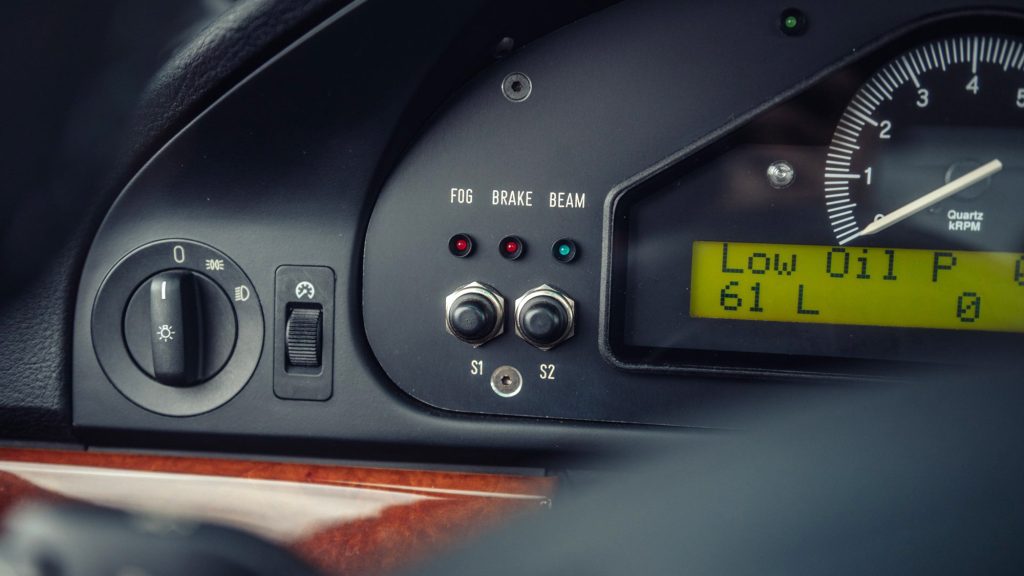
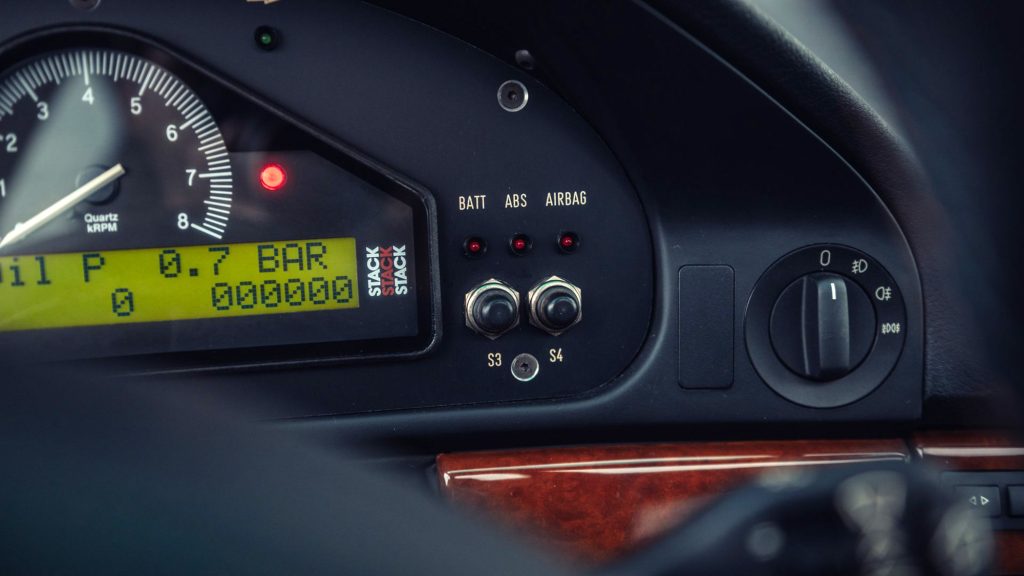
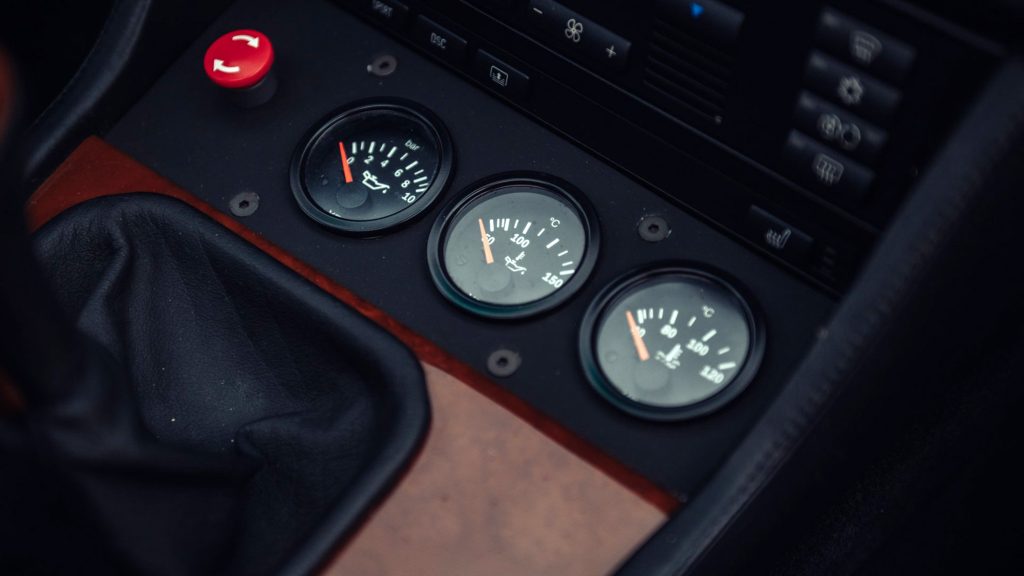
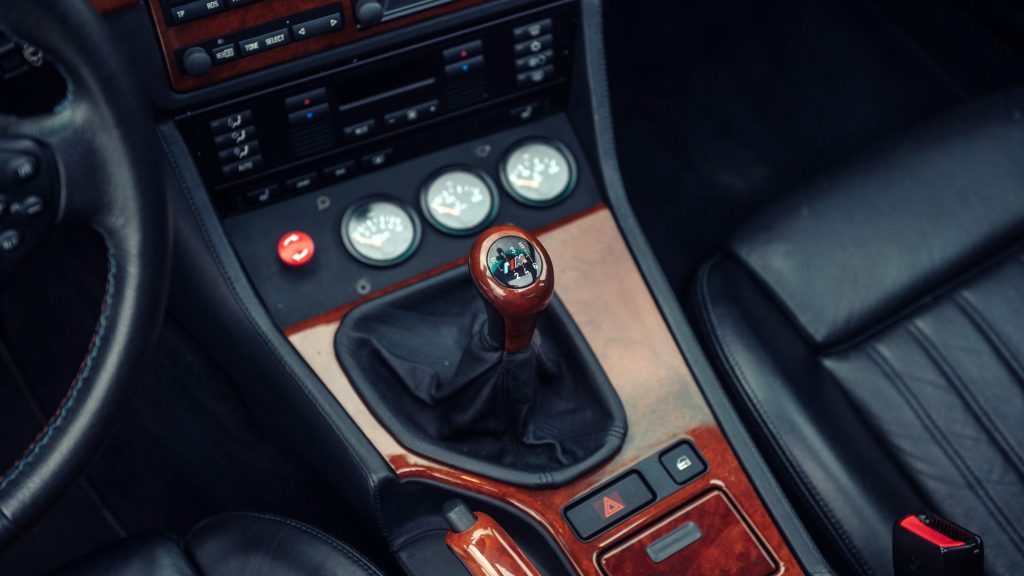
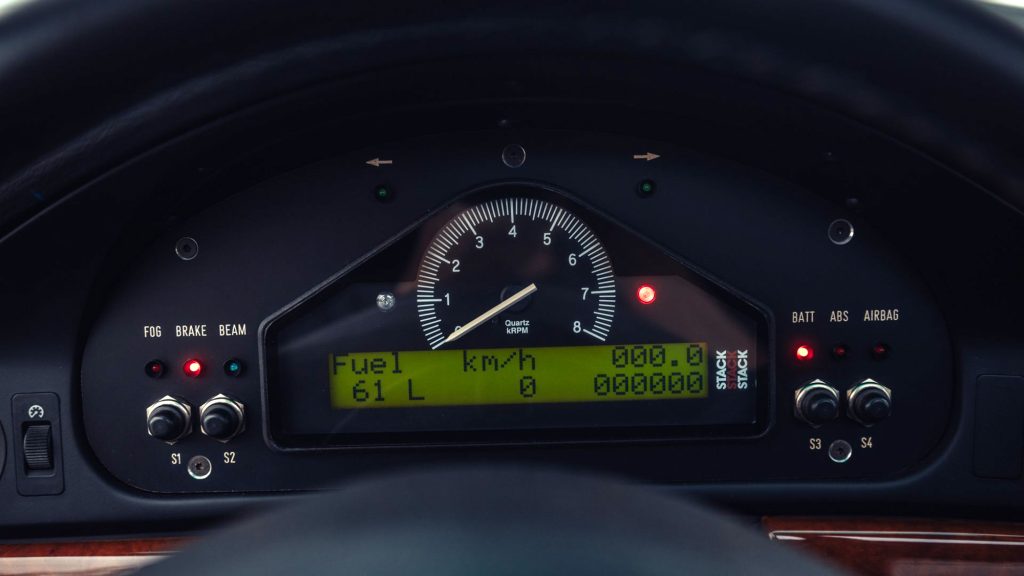
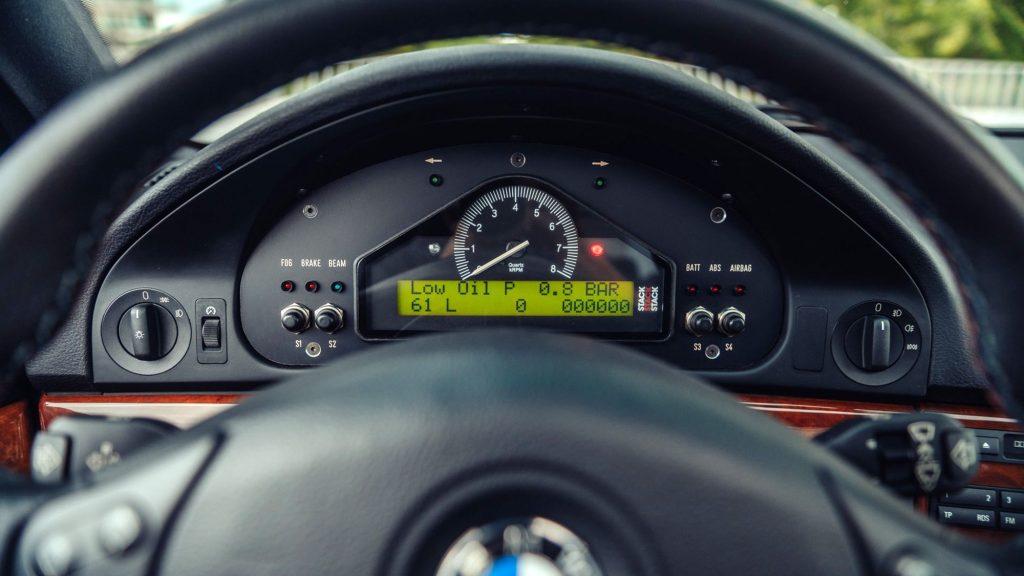
The conversion brought substantial changes to the driving controls. According to Broad Arrow, traction control, stability control and ABS were deactivated, while a stand-alone ECU managed the engine. An aftermarket Stack instrument display replaced the factory cluster, and additional gauges were installed in the center console. With no odometer reading available, the car’s total mileage cannot be confirmed.
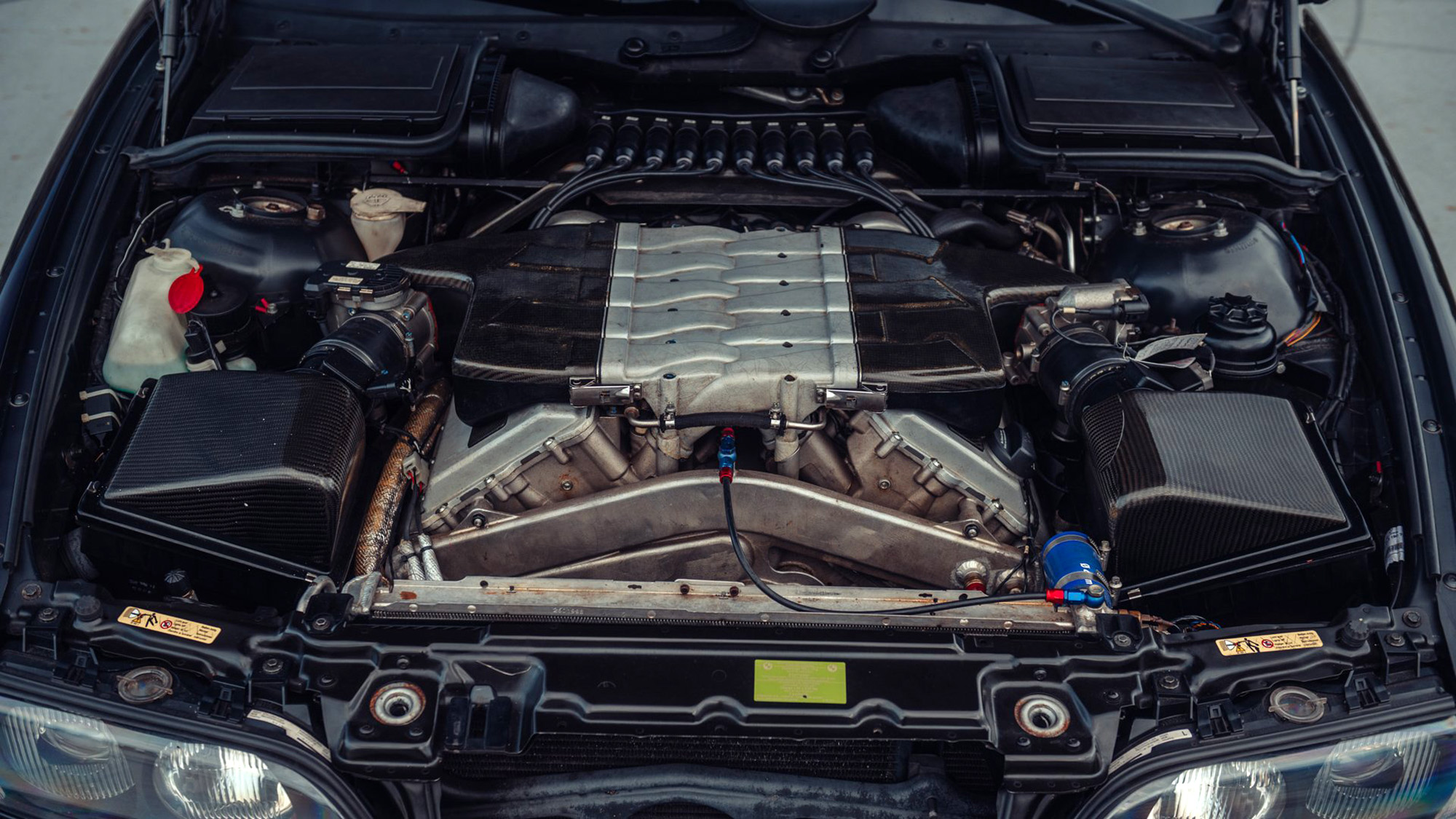
TWO W10 ENGINES INCLUDED
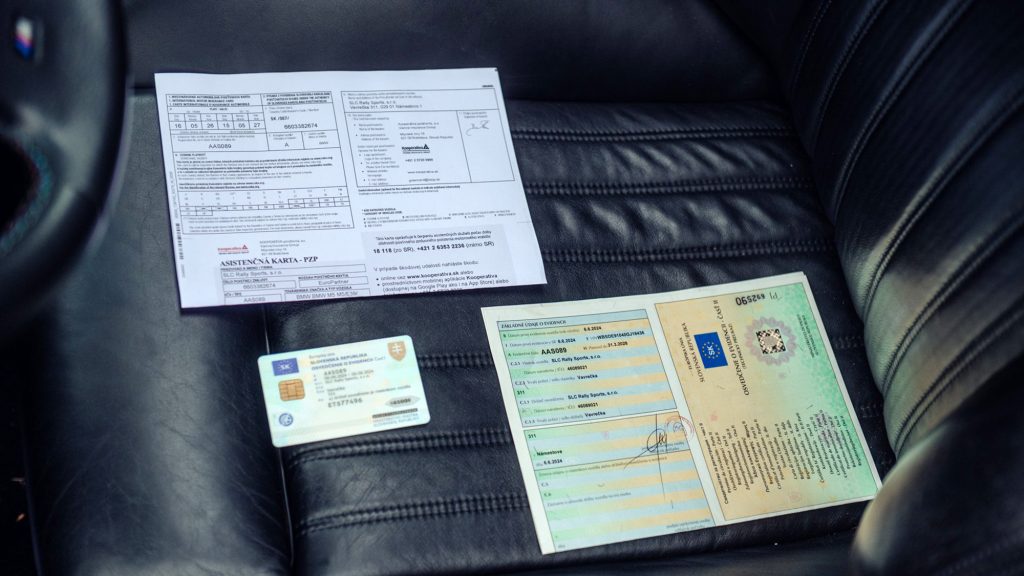
The current owner reportedly acquired the BMW roughly a decade ago, registered it in Slovakia and has continued to drive it. Broad Arrow lists its most recent service as taking place in 2025 and says its maintenance uses standard Volkswagen catalog components. It is accompanied by a Slovak registration certificate, although the catalog notes that it lacks a certificate of conformity.
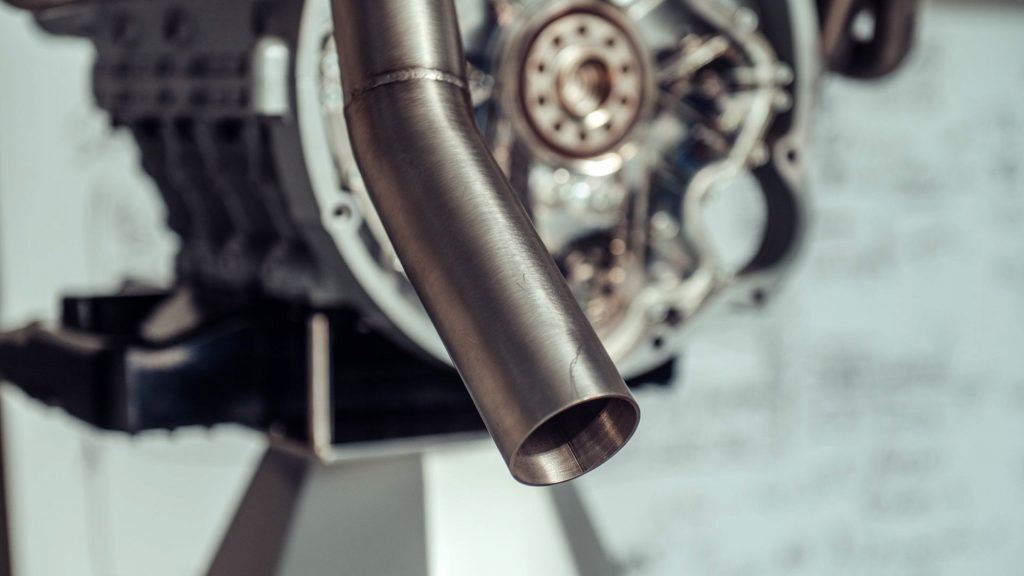
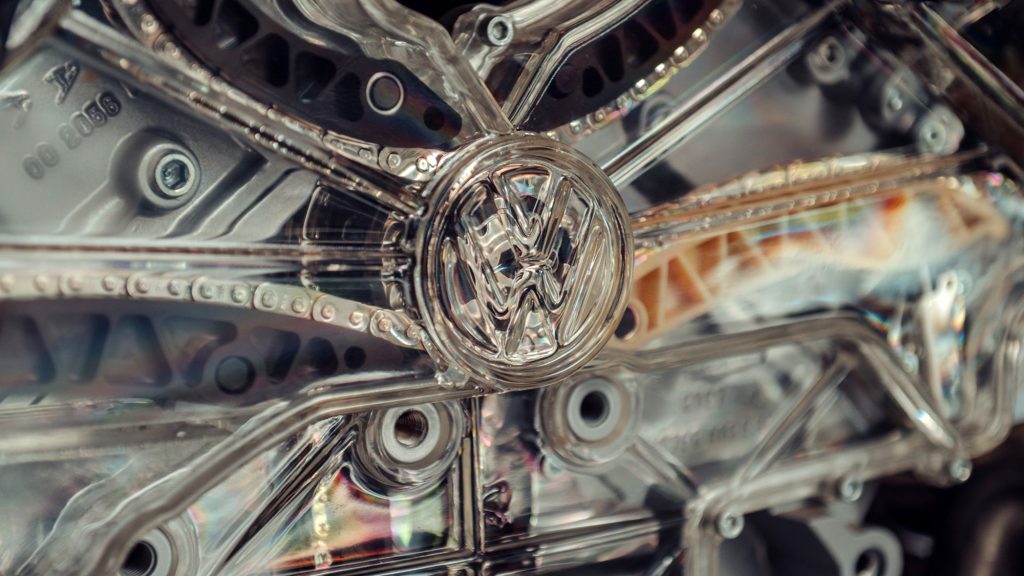
The sale also includes a second W10 engine on a display stand and a design sketch. According to Willeke’s account in the catalog, only three engines were built: the unit installed in this BMW, the accompanying display engine and another remaining in Germany. Broad Arrow identifies the M5 as the only road-going car ever fitted with one.
For an Audi and Volkswagen Group enthusiast, the attraction is easy to understand. This is a drivable remnant of Piëch-era experimentation, wrapped in one of BMW’s most celebrated sedans. The badge on the hood may be unfamiliar territory for this feature, but the engine—and the story behind it—belongs firmly here.
PHOTO GALLERY