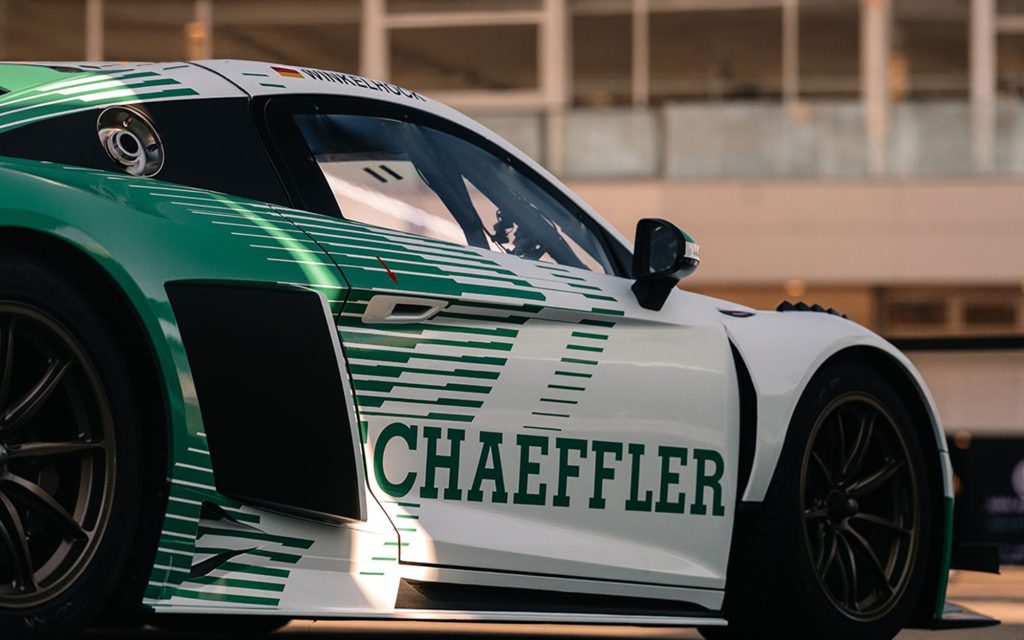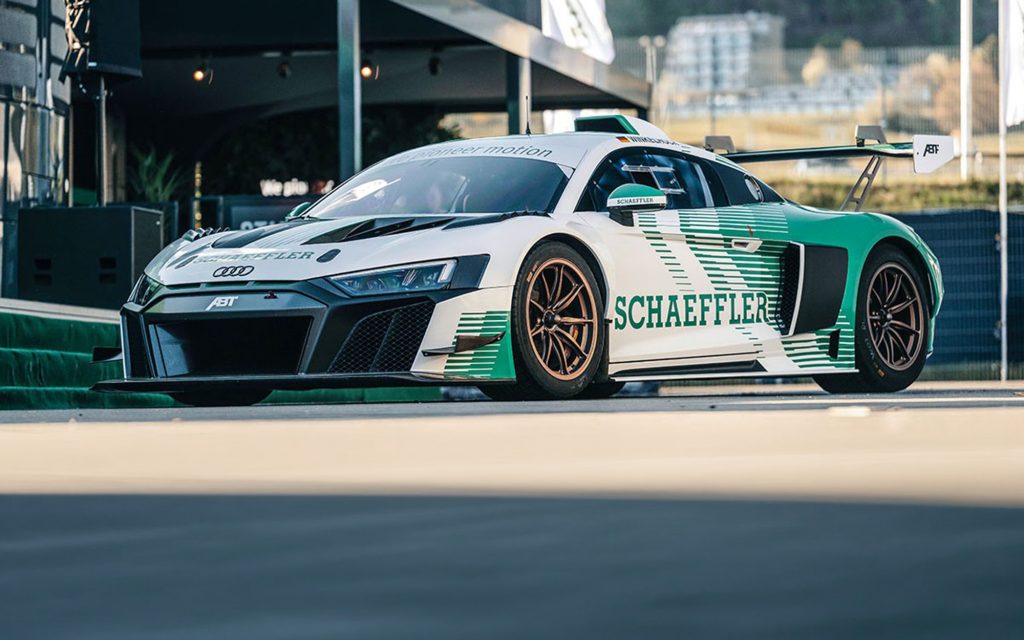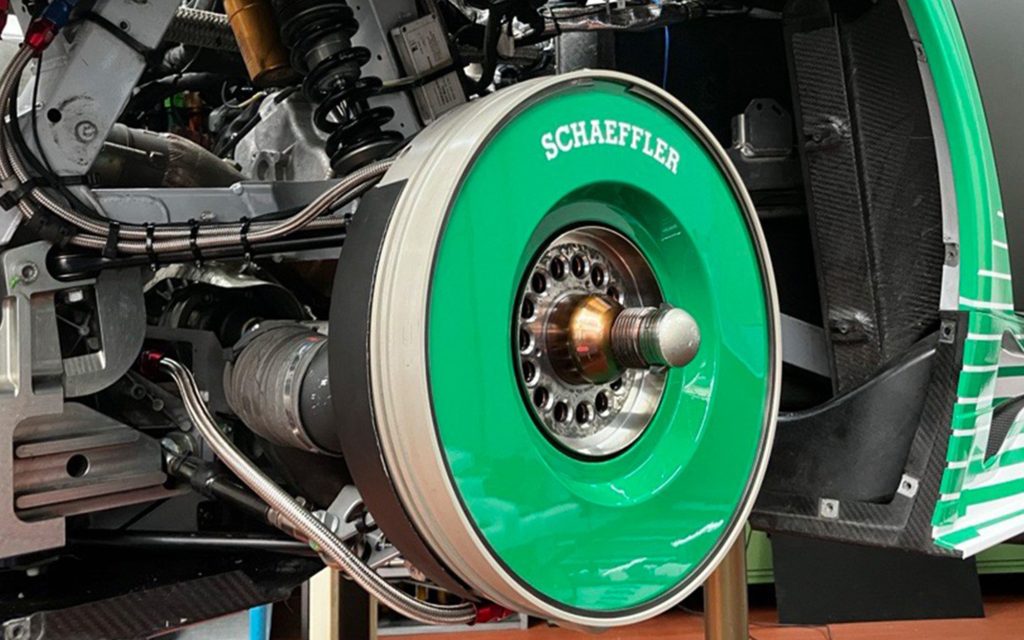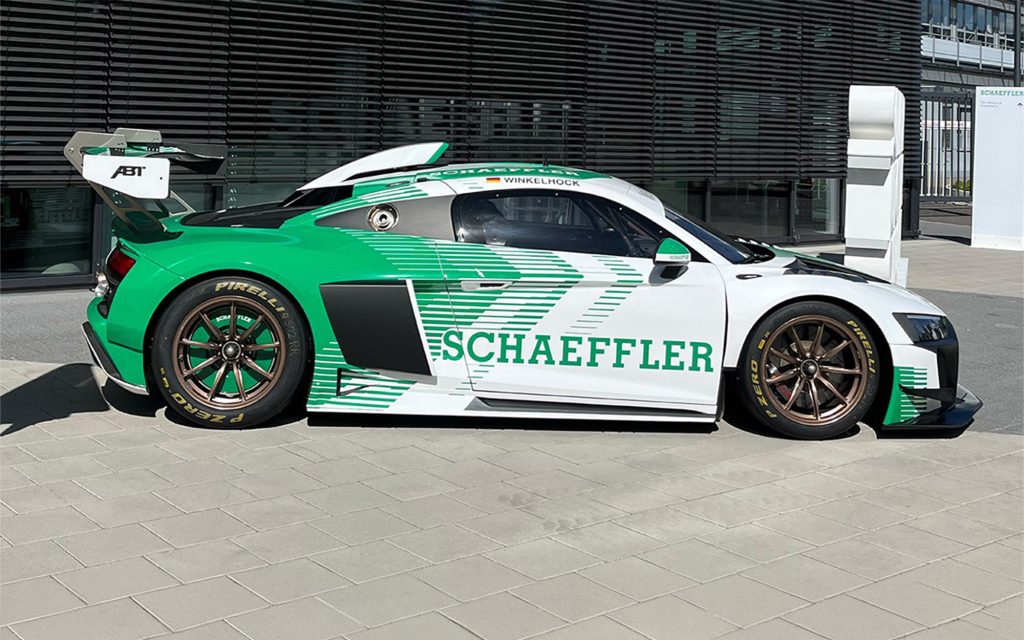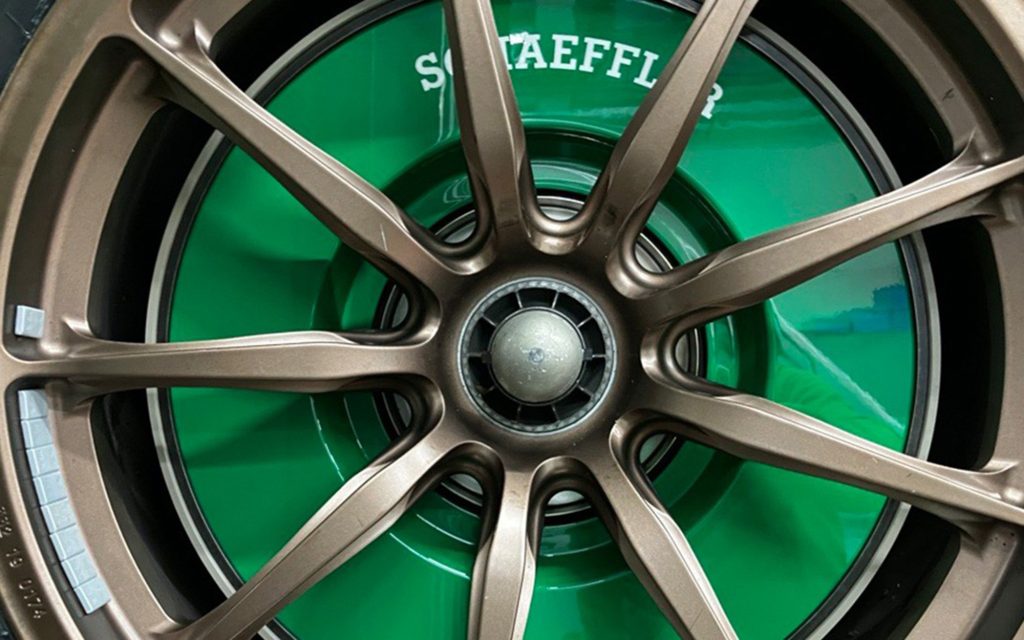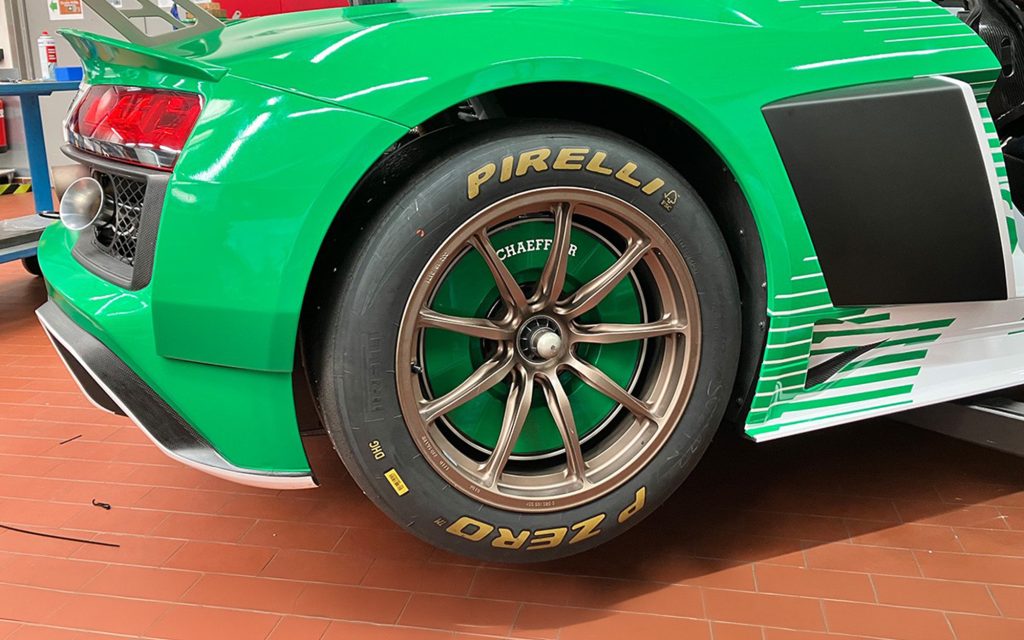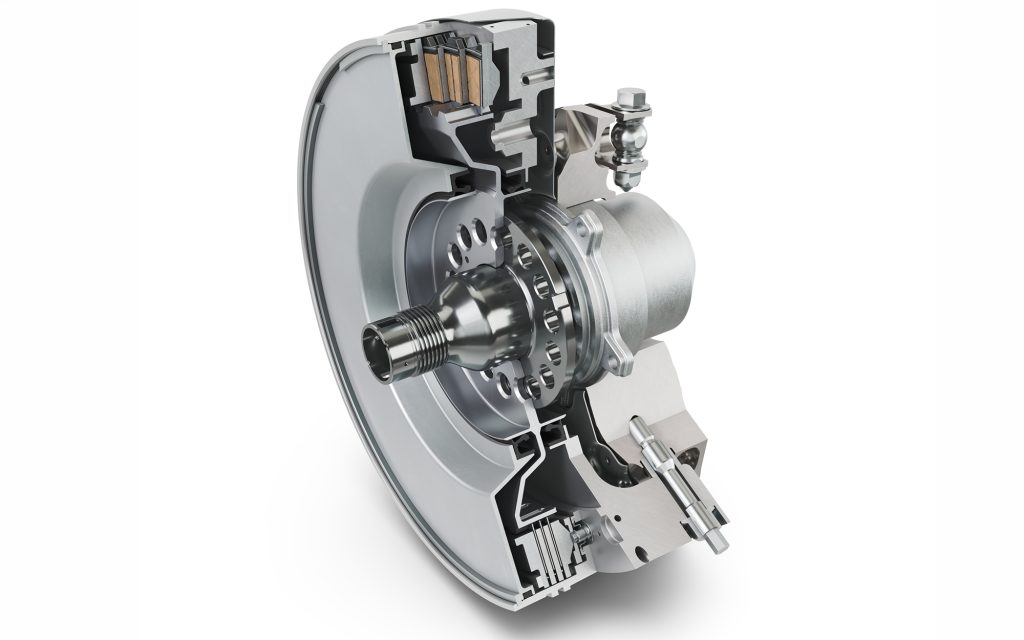

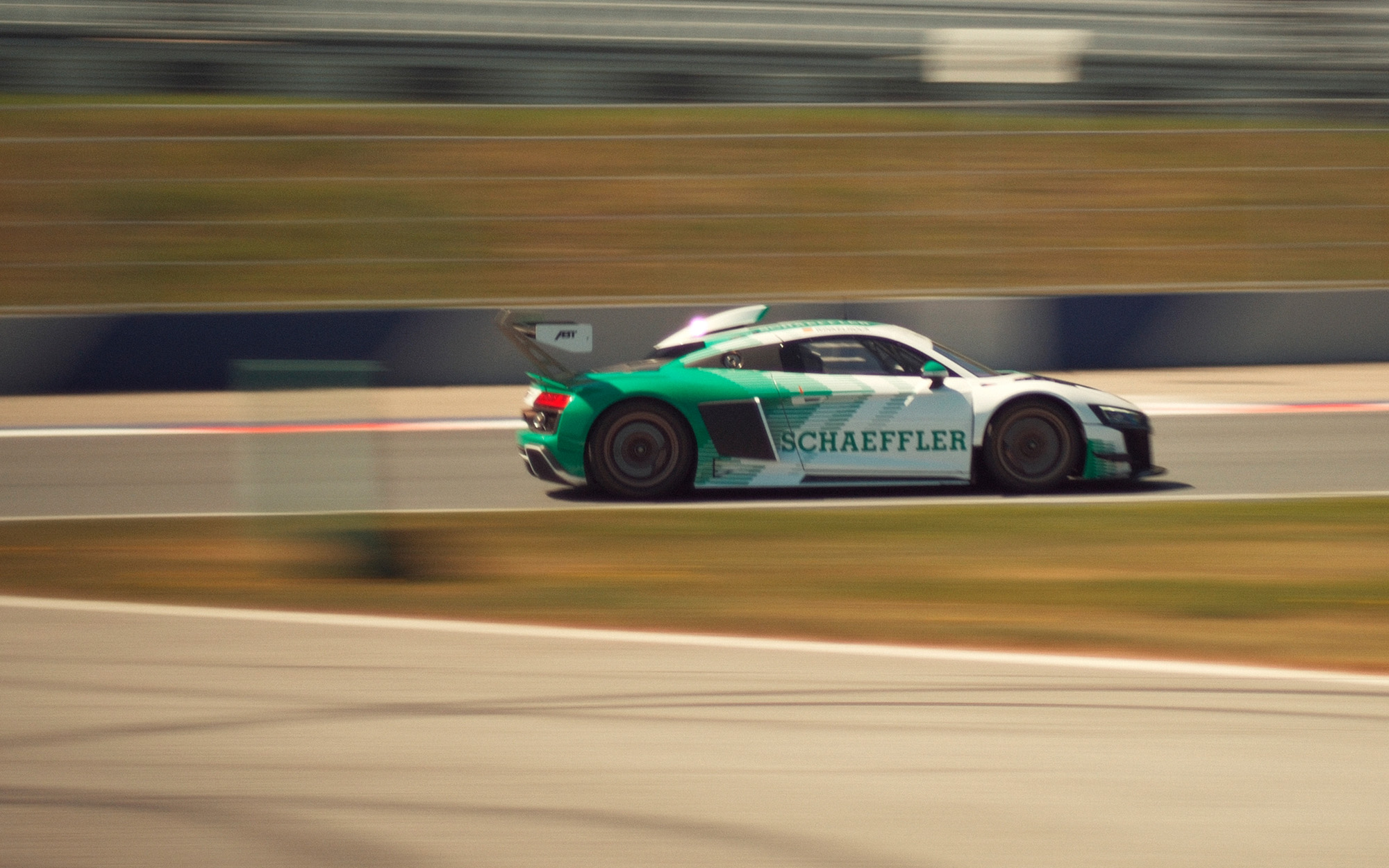

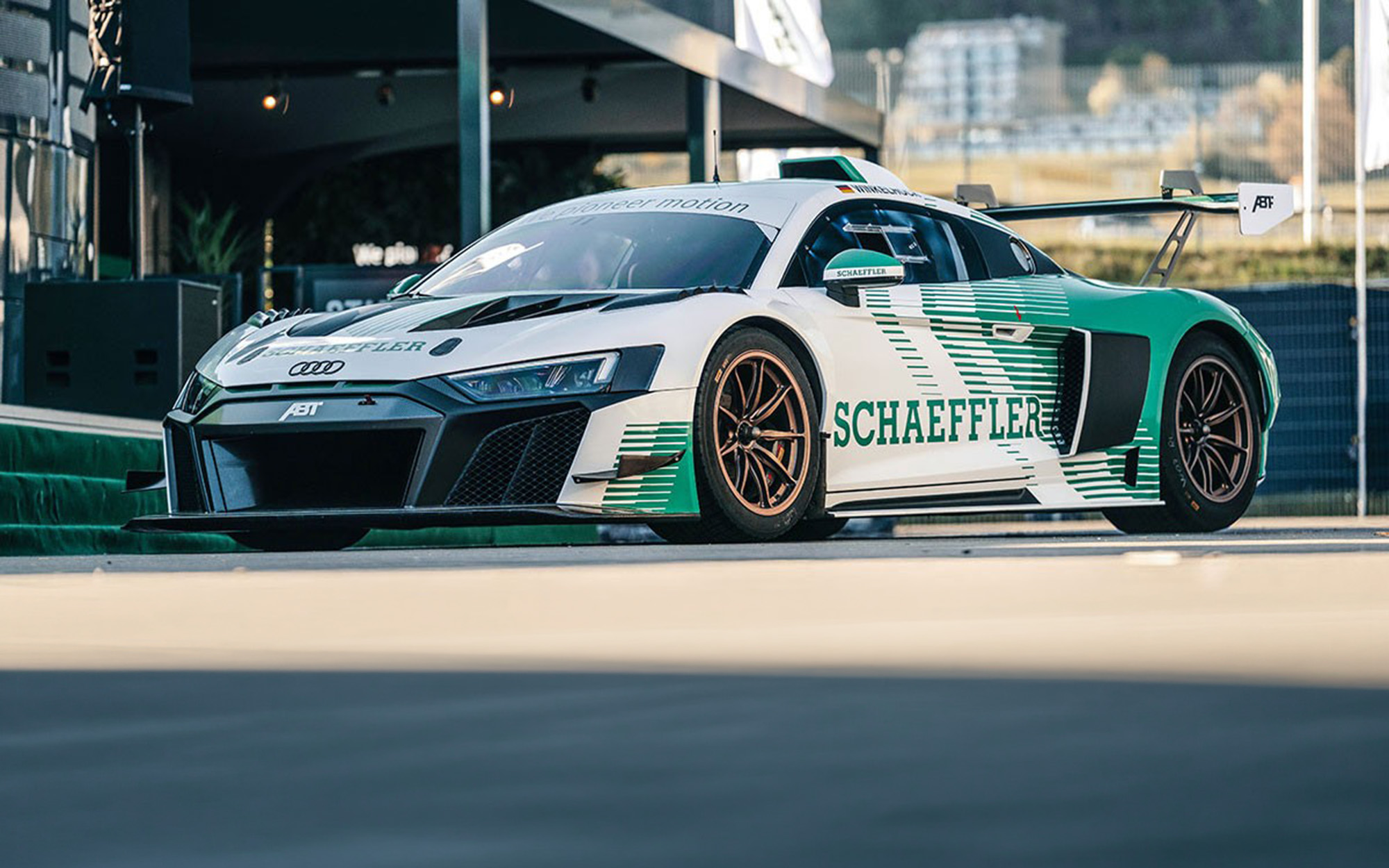
OEM supplier Schaeffler is using its Audi R8 LMS GT2-based Innovation Taxi program to test a very different approach to the conventional automotive brake. Making its public debut during the DTM weekend at the Nürburgring, the company’s new wet lamella brake promises virtually no brake dust, no brake noise and potentially no scheduled brake maintenance.
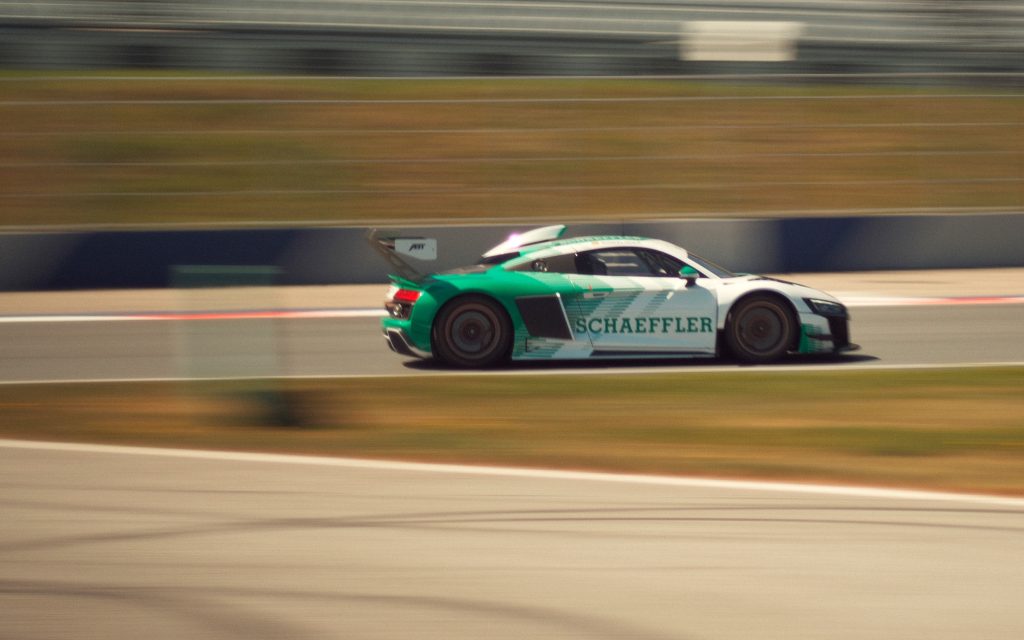
While there’s no indication Audi has signed on to use the technology, Schaeffler is worth watching from an Audi perspective. The German supplier has a longstanding technical relationship with Audi, while its motorsport ties to the brand stretch back through years of DTM competition. More recently, Schaeffler has turned an Audi R8 LMS GT2 into its rolling Innovation Taxi, using the 640-hp race car as a development and demonstration platform for technologies intended ultimately for road-going vehicles.
BRAKES THAT LOOK MORE LIKE A CLUTCH
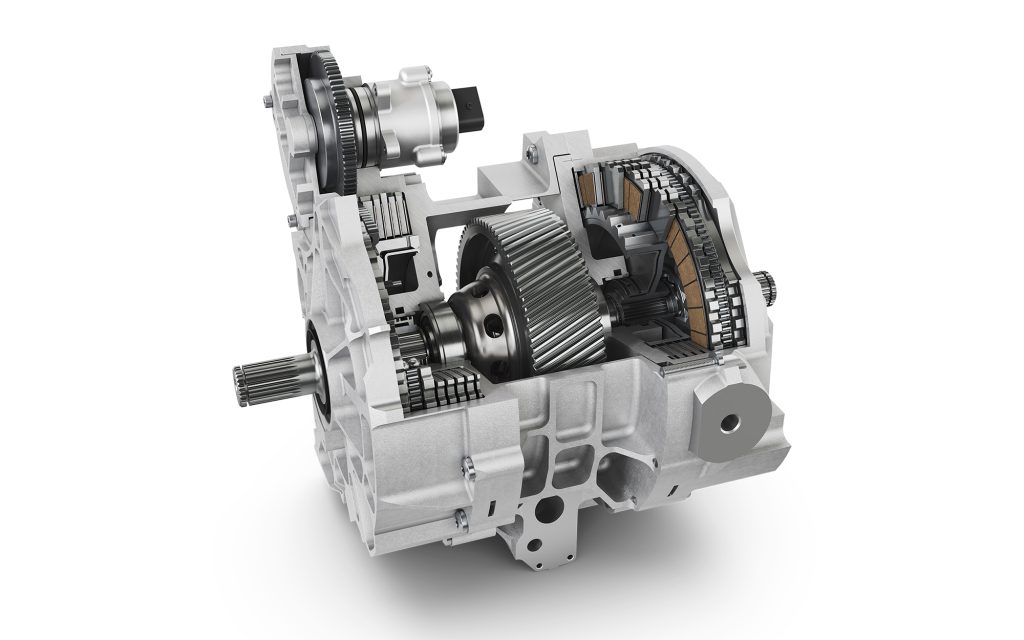
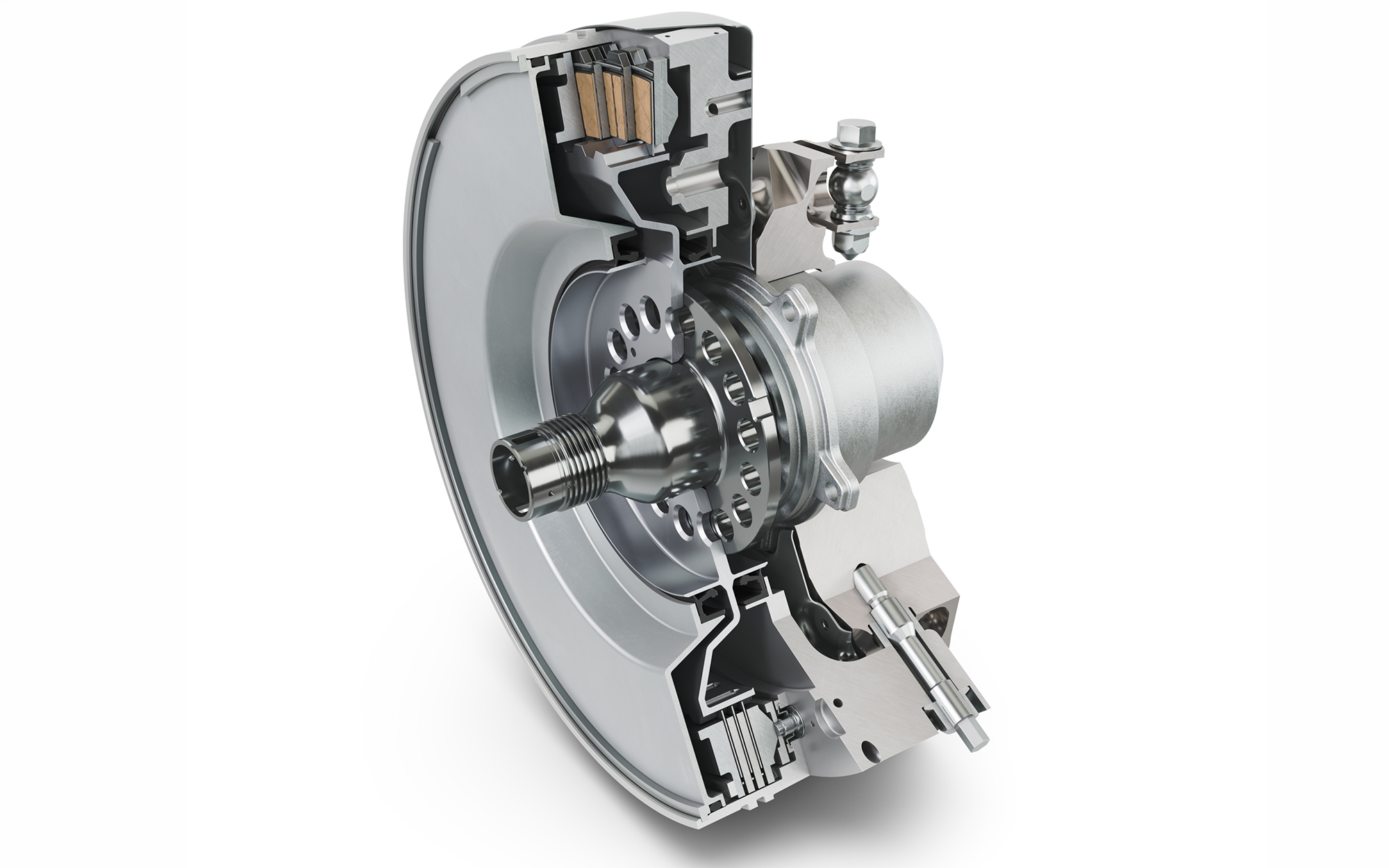
The wet lamella brake takes its basic operating principle from a wet multi-plate clutch rather than a conventional disc brake.
Inside the sealed assembly is a stack of steel and friction-lined discs running in oil. Applying the brake compresses those discs together, creating friction and converting the car’s kinetic energy into heat. Because everything happens inside an enclosed, oil-cooled system, the particulate matter generated through friction remains contained rather than becoming airborne brake dust.
That distinction is becoming increasingly important. Euro 7 regulations include limits on particulate emissions from brakes, meaning emissions created by stopping a car are becoming a development concern alongside those produced by powering it.
There are other potential advantages. Since the brake is enclosed, moisture cannot reach its friction surfaces and cause the corrosion that can become particularly problematic on electric vehicles where regenerative braking means the conventional friction brakes may be used relatively infrequently. Schaeffler also says the system eliminates unwanted low-speed brake noises and can reduce unsprung mass.
DEVELOPED WITH ELECTRIC CARS IN MIND
The bigger objective isn’t simply replacing today’s brake rotor with a different type of brake.
Schaeffler is developing the technology as part of a highly integrated electric axle incorporating the brake, actuator and oil/cooling circuit into a single system. That could provide vehicle engineers considerably more freedom in packaging future EV platforms while fitting naturally with brake-by-wire architectures.
Electric vehicles are particularly suited to the concept because regenerative braking already handles much of their everyday deceleration. The mechanical brakes are increasingly a secondary system, required during harder stops and when regenerative braking can’t provide sufficient deceleration.
A sealed, corrosion-resistant and potentially maintenance-free mechanical brake could therefore make considerable sense.
The challenge is heat.
A conventional brake rotor sits in the open air where it can shed heat relatively easily. Schaeffler’s lamella brake is enclosed, requiring the company to engineer a dedicated thermal-management system using hydraulic pressure and suction pumps along with multiple heat exchangers.
The R8 LMS GT2 makes that problem deliberately difficult.
Under track conditions, the rear brakes experience thermal loads far beyond those expected during typical road driving. Schaeffler is using those conditions to study temperature, braking performance, friction stability, drag and wear while determining how much oil an eventual production system actually needs for cooling and lubrication.
THE R8 AS A ROLLING LABORATORY
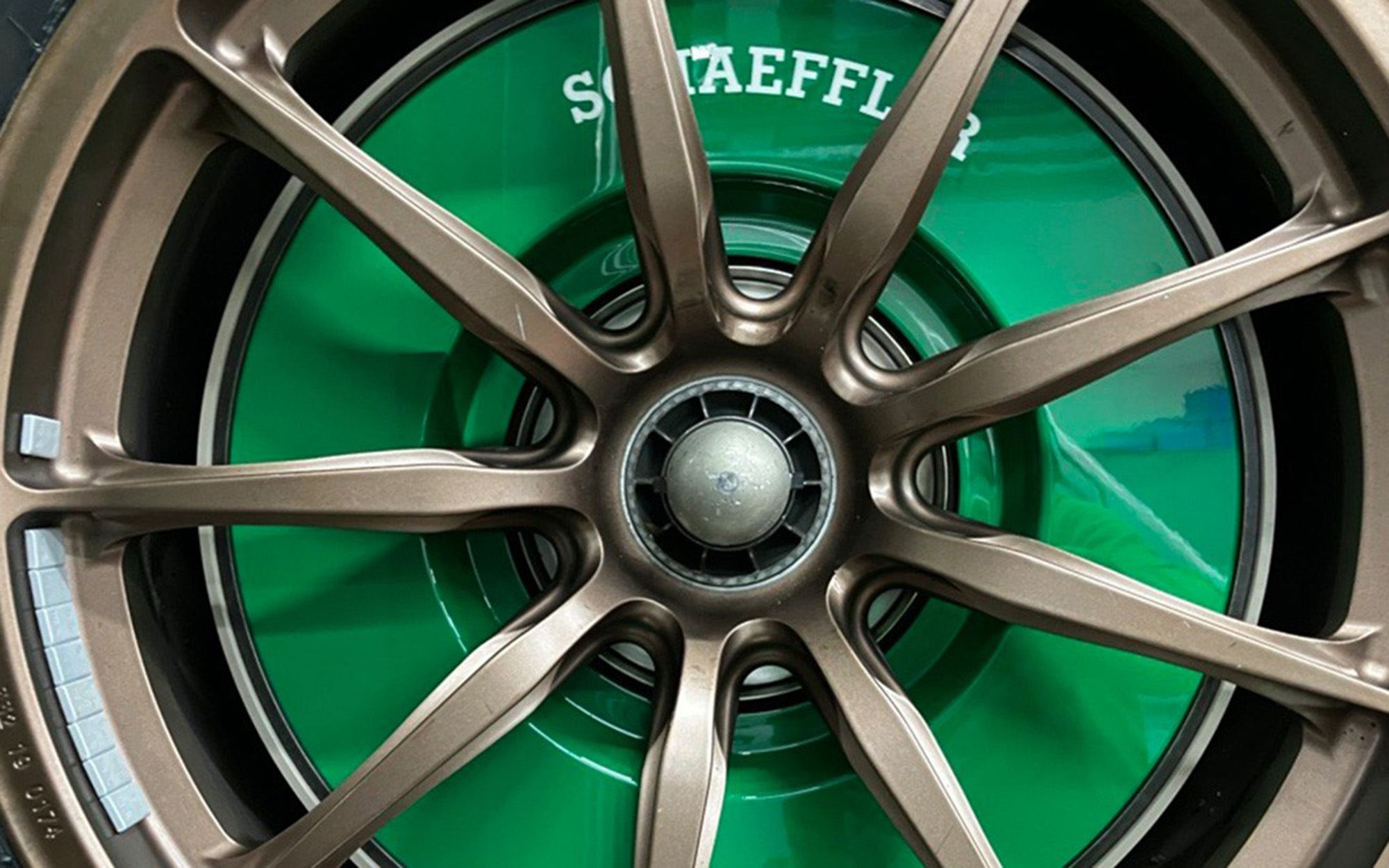
Packaging constraints meant the experimental brakes were fitted at the rear of the Innovation Taxi, but this isn’t the first unusual technology Schaeffler has installed in the Audi.
Since entering DTM weekends in 2023, the R8 LMS GT2 has effectively become Schaeffler’s high-speed technology demonstrator.
The car already uses Schaeffler steer-by-wire technology, allowing engineers to experiment with variable steering ratios. At Hockenheim, Audi racer Markus Winkelhock demonstrated a setup requiring roughly 90 degrees of steering-wheel rotation through the circuit’s hairpin where approximately 180 degrees would normally be required.
Schaeffler subsequently made the Innovation Taxi the first touring car fitted with its rear-wheel-steering system. In another R8-based experiment, Winkelhock drove an Audi R8 production car without a conventional steering wheel at all, controlling it through a pair of joysticks.
The R8 LMS GT2 also runs on synthetic fuel and continues to operate as an actual DTM race taxi, typically driven by Audi-connected racers including Winkelhock and 2013 DTM champion Mike Rockenfeller.
That makes the wet brake program particularly interesting. Rather than demonstrating a laboratory prototype at low speeds, Schaeffler is putting its pre-development technology into a legitimate GT2 race car and subjecting it to Nürburgring track use.
The first endurance testing reportedly went according to plan, and Schaeffler has already installed a functional version of the system in an electric production-car-based concept. Its eventual destination is intended to be a new generation of integrated electric axle rather than an R8 race car.
Whether any future Audi uses it remains entirely unknown. Still, given Schaeffler’s relationship with Audi and the increasingly integrated nature of EV chassis systems, the technology is relevant to watch.
And for now, one of the more unusual possible solutions to the future of automotive braking is being developed behind the rear wheels of an Audi R8.
PHOTO GALLERY