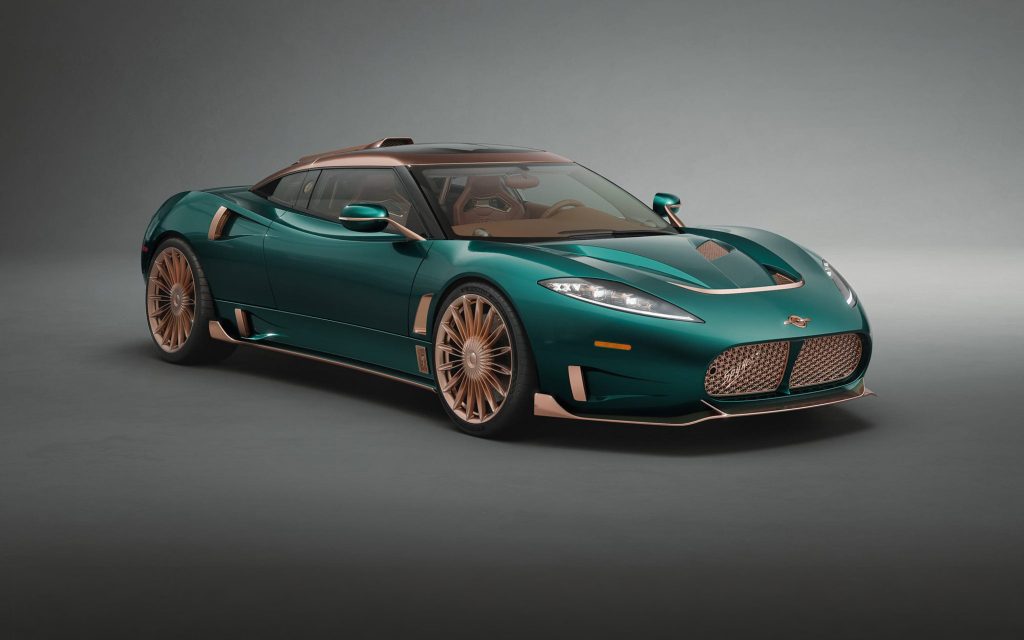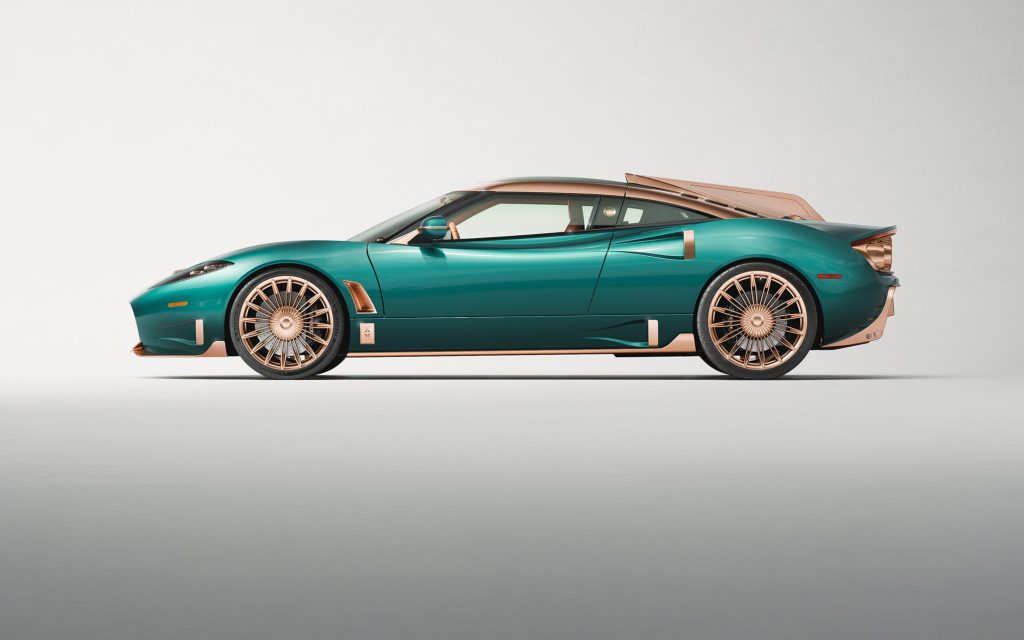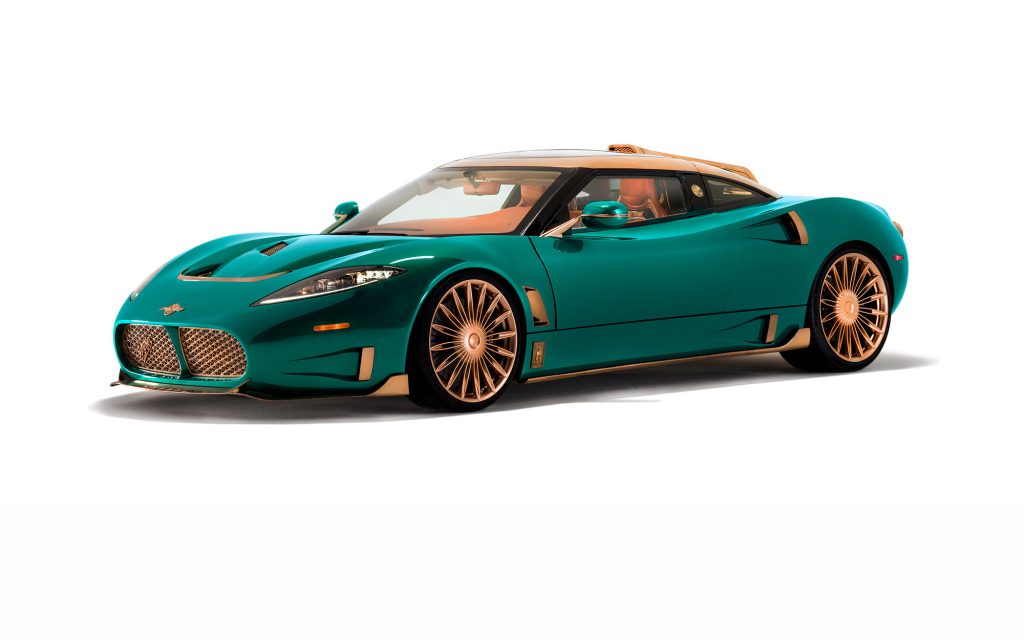


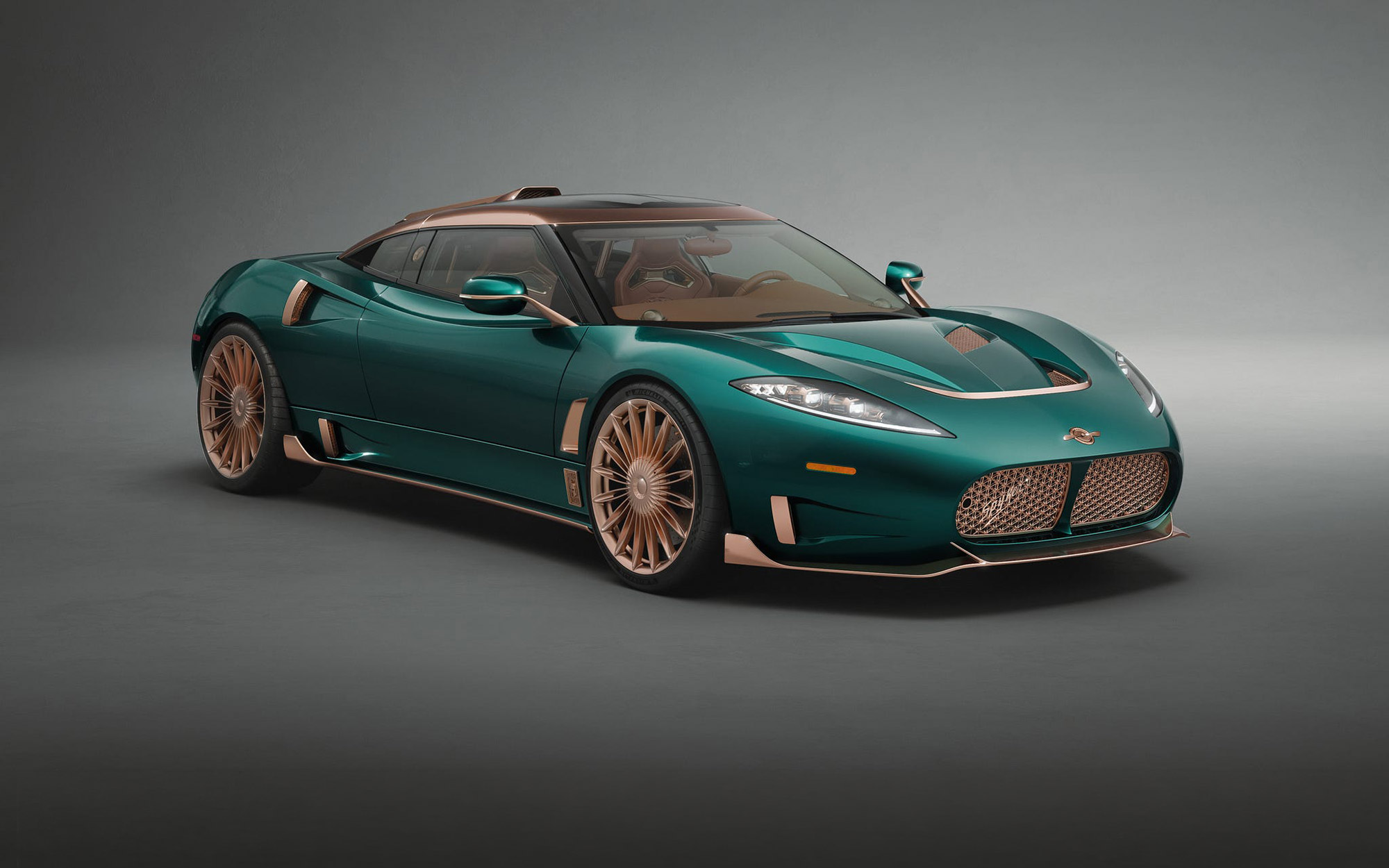
Monterey, CA – The Spyker brand is back, and there’s something particularly interesting under the engine cover. The Dutch marque used The Quail, A Motorsports Gathering during 2026 Monterey Car Week to reveal the C8 Preliator XXV Coupé, an all-new evolution of the highly distinctive mid-engine sports car Spyker has been building in various forms since its modern revival in 2000.
Just 25 examples are planned, each combining a hand-built aluminum body, analogue cockpit, six-speed manual transmission and 800-horsepower twin-turbo V8. Spyker calls the Preliator XXV the beginning of a new era for the 146-year-old company.
THE MODERN HISTORY OF SPYKER WITH AUDI DNA
It’s been roughly a decade since Spyker was actually building cars, but if you’re an enthusiast of a certain vintage, the Dutch marque’s return should look remarkably familiar.
The modern incarnation of Spyker arrived in 2000 with the C8 Spyder, followed by the fixed-roof C8 Laviolette and eventually an entire family of increasingly exotic C8 derivatives. Beneath all the turned aluminum, exposed shift linkage and aviation-inspired design beat a familiar heart: Audi’s naturally aspirated 4.2-liter V8. That engine powered most of Spyker’s road cars, including the C8 Spyder, Laviolette and later C8 Aileron, while Audi-derived V8s also appeared in Spyker’s Le Mans racing program.
Spyker’s original run effectively wound down in the middle of the last decade. When the company unveiled the third-generation C8 Preliator at Geneva in 2016, it said the final five examples of the outgoing C8 Aileron were being assembled at its then new facility in Coventry. The Preliator was intended to put Spyker back into production, initially with a supercharged version of the Audi 4.2-liter V8 producing 525 hp. A subsequent plan called for a naturally aspirated Koenigsegg V8, but the Preliator never reached series production.
Now Spyker is trying again, and it’s picking up almost exactly where it left off.
AUDI V8 POWER RETURNS TO SPYKER
Spyker’s official announcement identifies the engine only as a 4.0-liter twin-turbo V8 producing 800 horsepower and 1,000 Nm (738 lb-ft) of torque. It doesn’t say where that engine comes from, but multiple independent reports from the Monterey launch identify it as “Audi-sourced”. Car and Driver and Road & Track both specifically describe the engine as an Audi 4.0-liter twin-turbo V8.
Spyker hasn’t identified an Audi engine code, though the specification strongly suggests the engine is based on the Volkswagen Group’s EA 825 4.0-liter twin-turbo V8 architecture. That’s the same basic engine family found in contemporary high-performance Audis including the RS 6 Avant, RS 7 and RS Q8, along with applications elsewhere within the Volkswagen Group.
If so, it’s also a fitting return to form given Audi engines were at the core of the modern Spyker story. For now, that the engine is the EA 825 hasn’t been officially confirmed but it’s a pretty safe bet. That fact is even more interesting when you consider the remainder of the car’s drivetrain configuration.
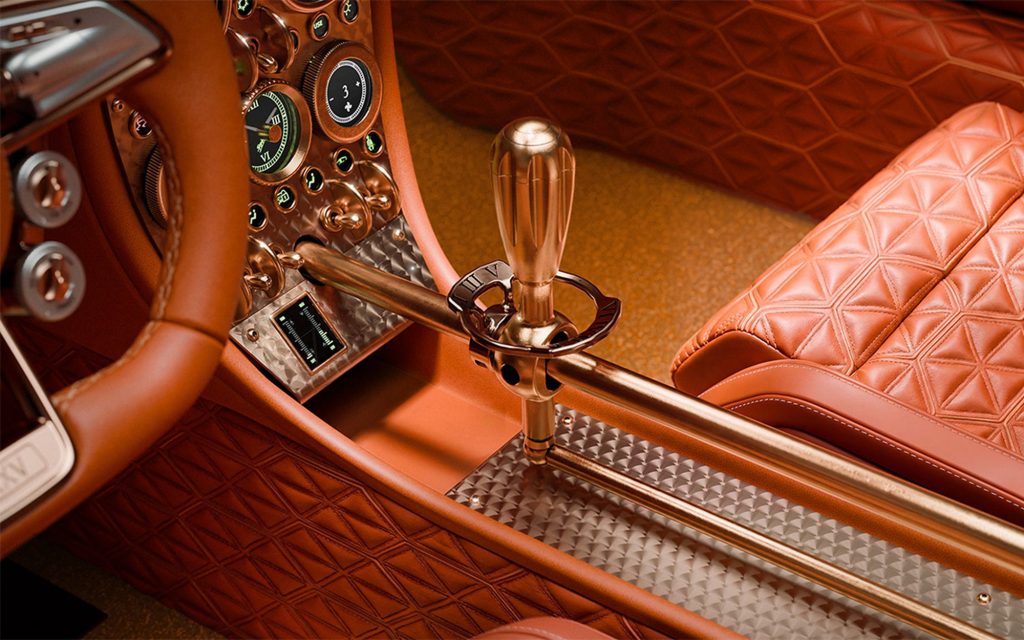
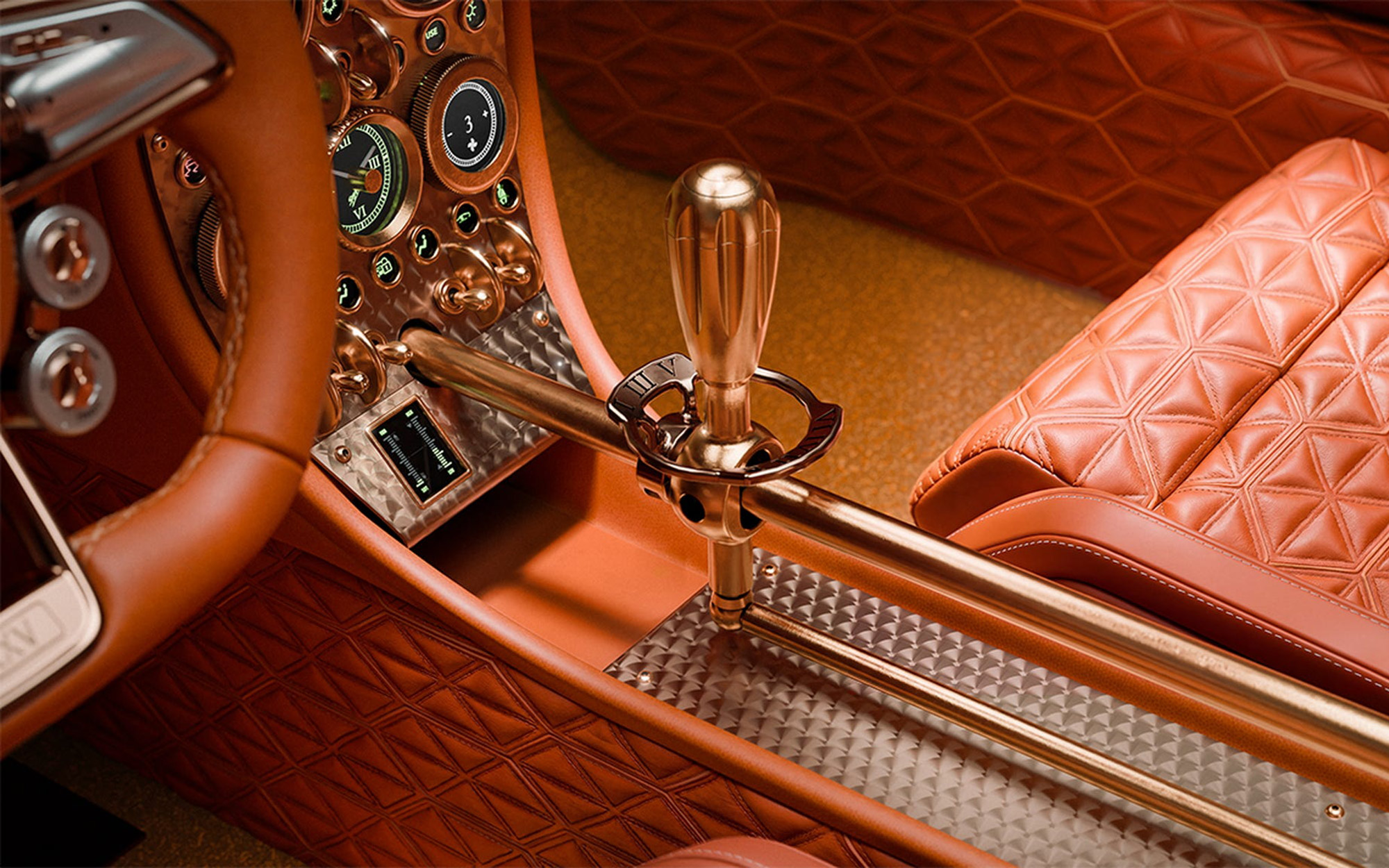
Spyker isn’t connecting it to an automatic or hybrid system. The 800-hp V8 drives through a true manual gearbox, complete with the exposed mechanical gear linkage that has become one of the marque’s signatures. Configured as such, Spyker says the Preliator XXV will exceed 217 mph.
146 YEARS OF AVIATION INFLUENCE
Spyker says the Preliator XXV was developed from a clean sheet rather than simply updating the previous Preliator. Its aluminum spaceframe was redesigned in-house, while Coventry Prototype Panels in England hand forms the exterior aluminum panels.
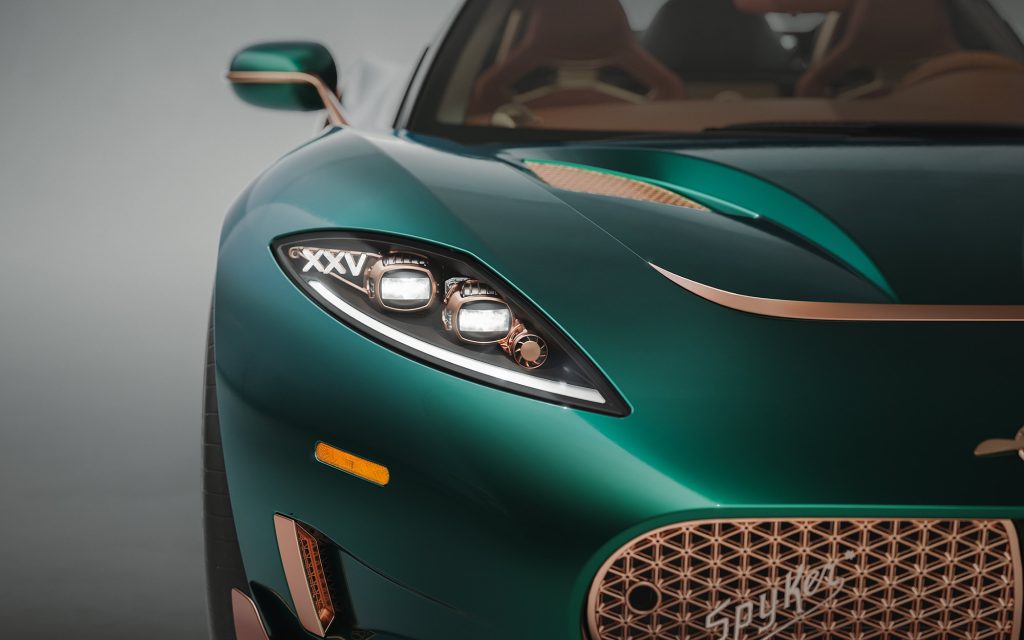
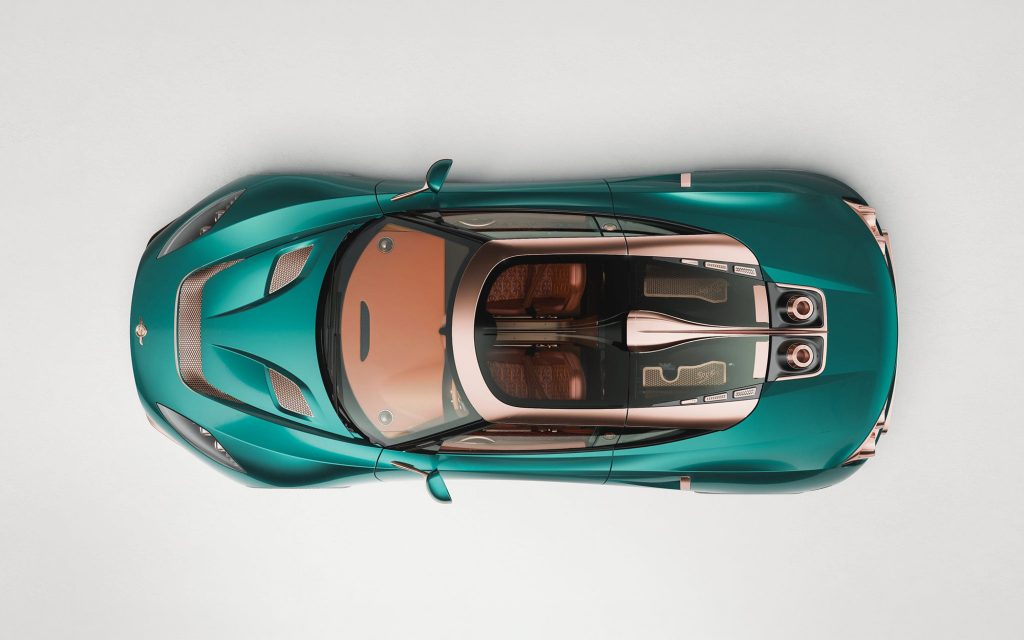
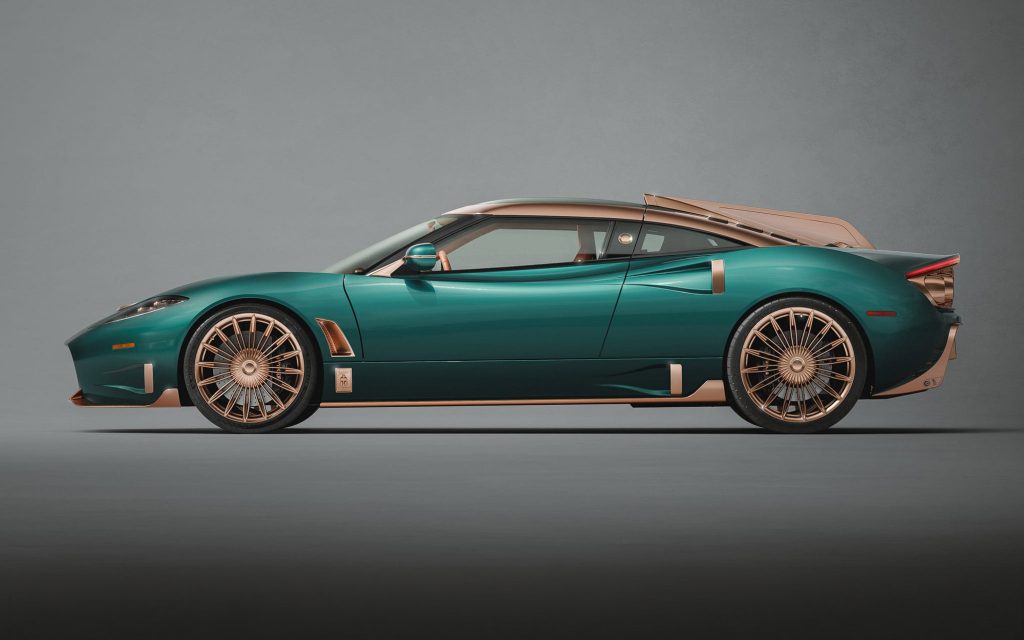
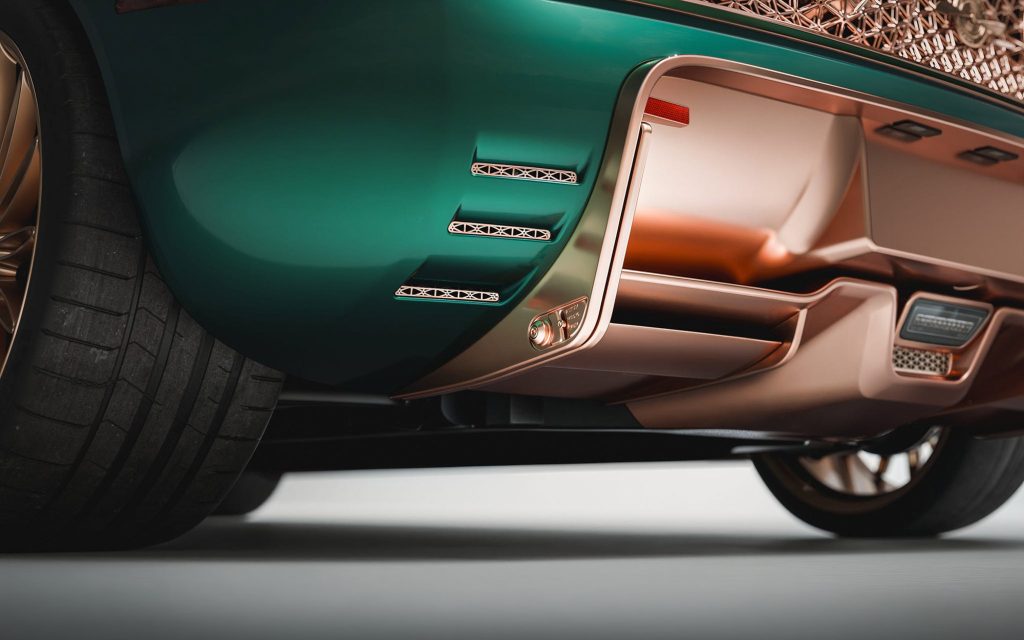
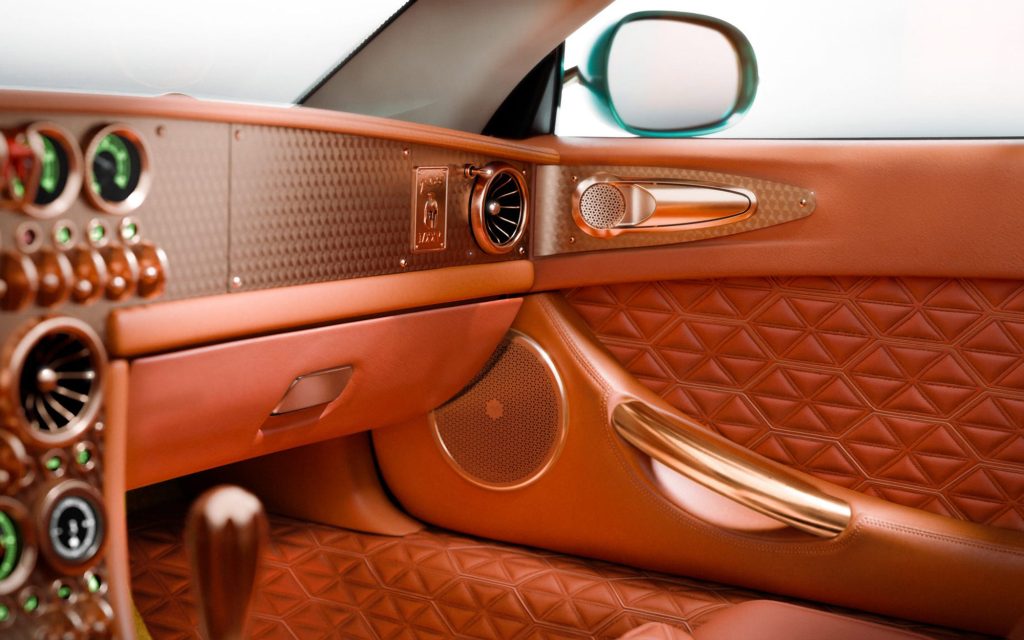
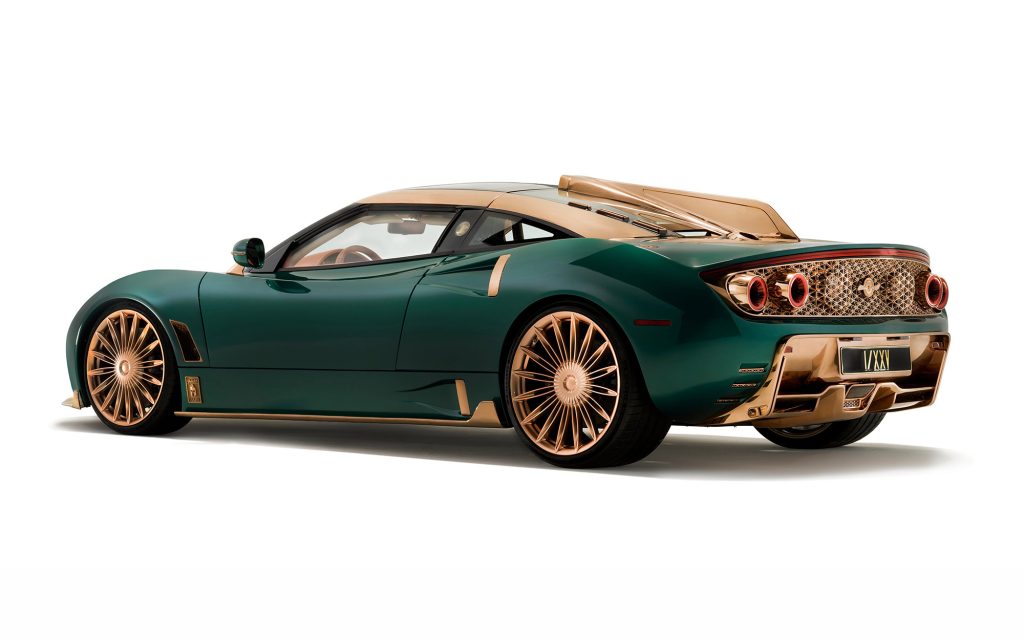
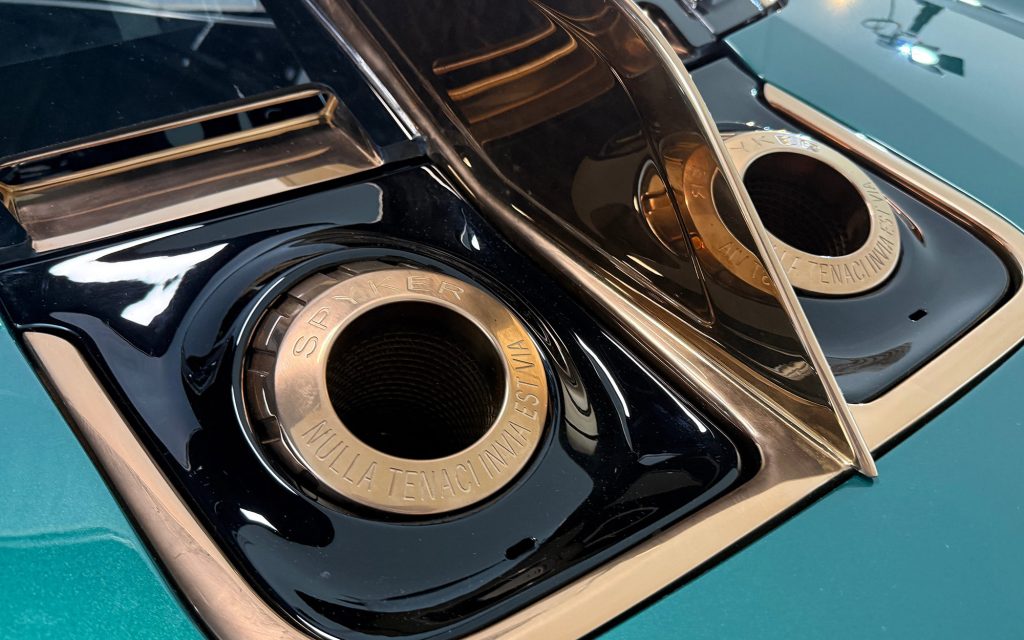
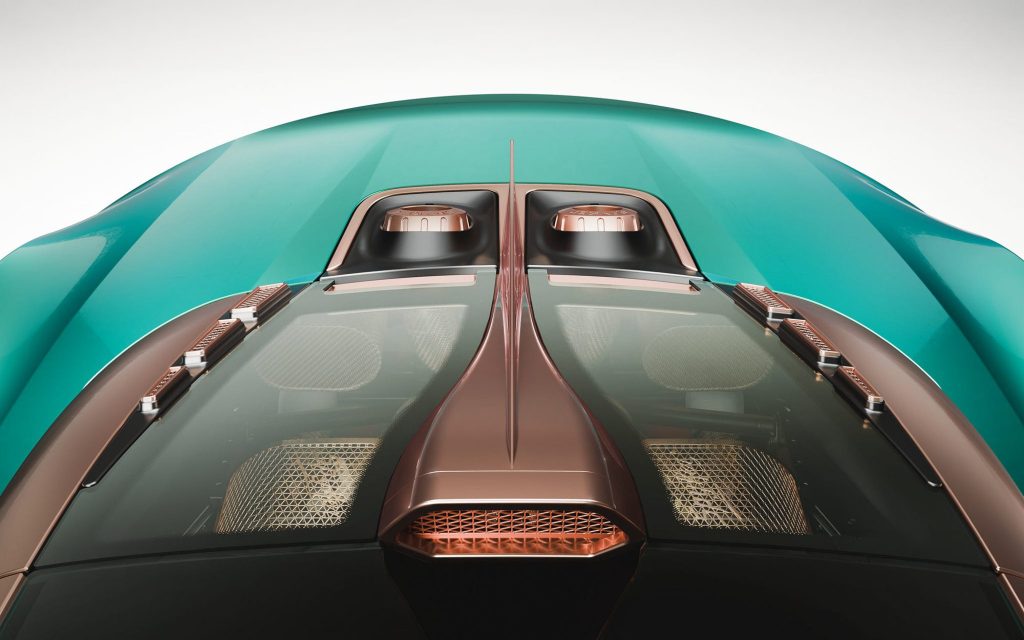
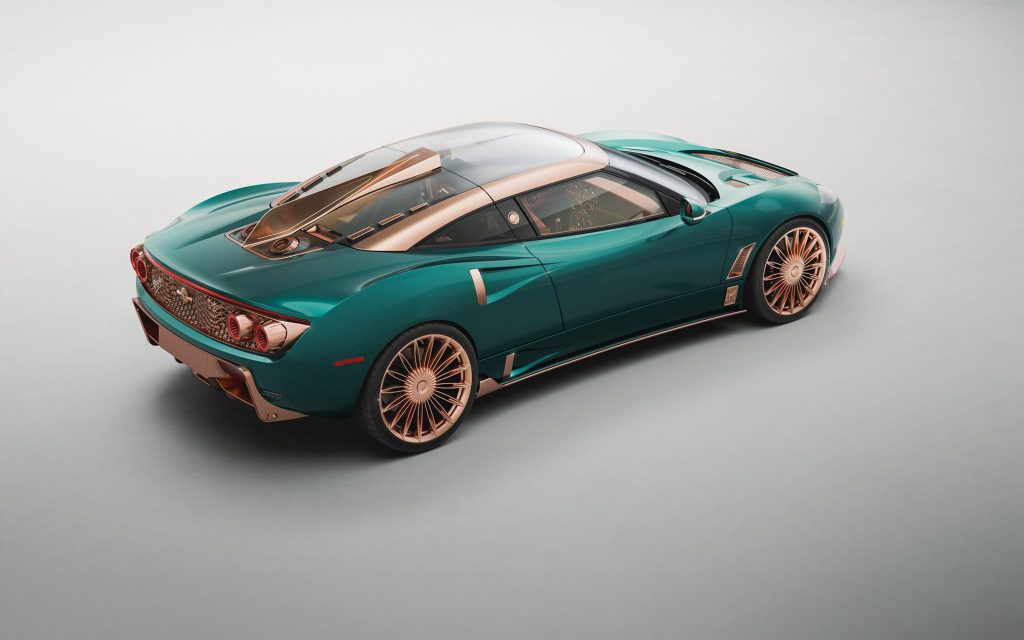
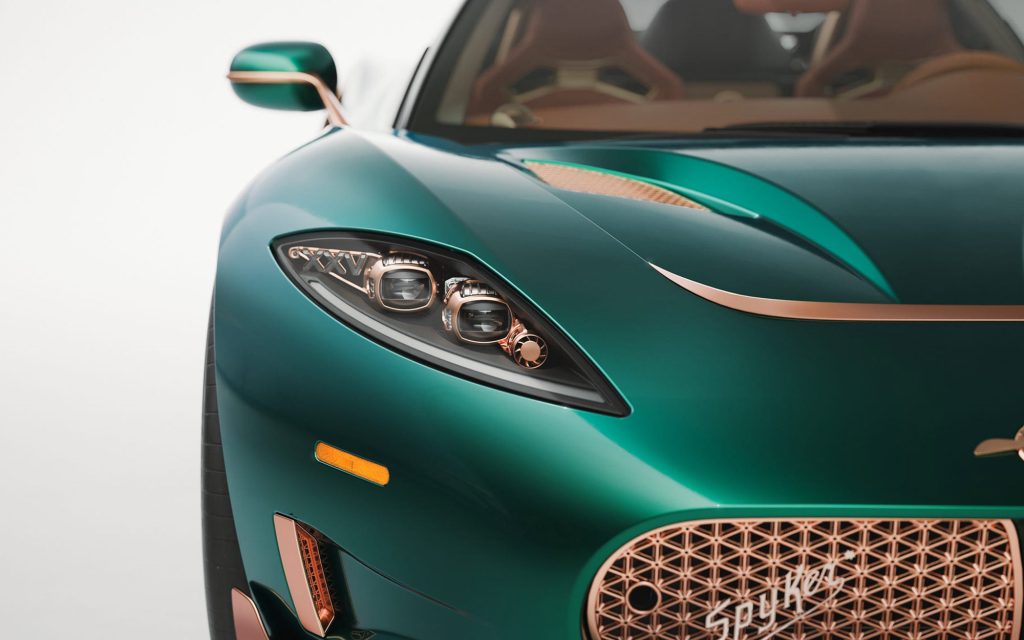
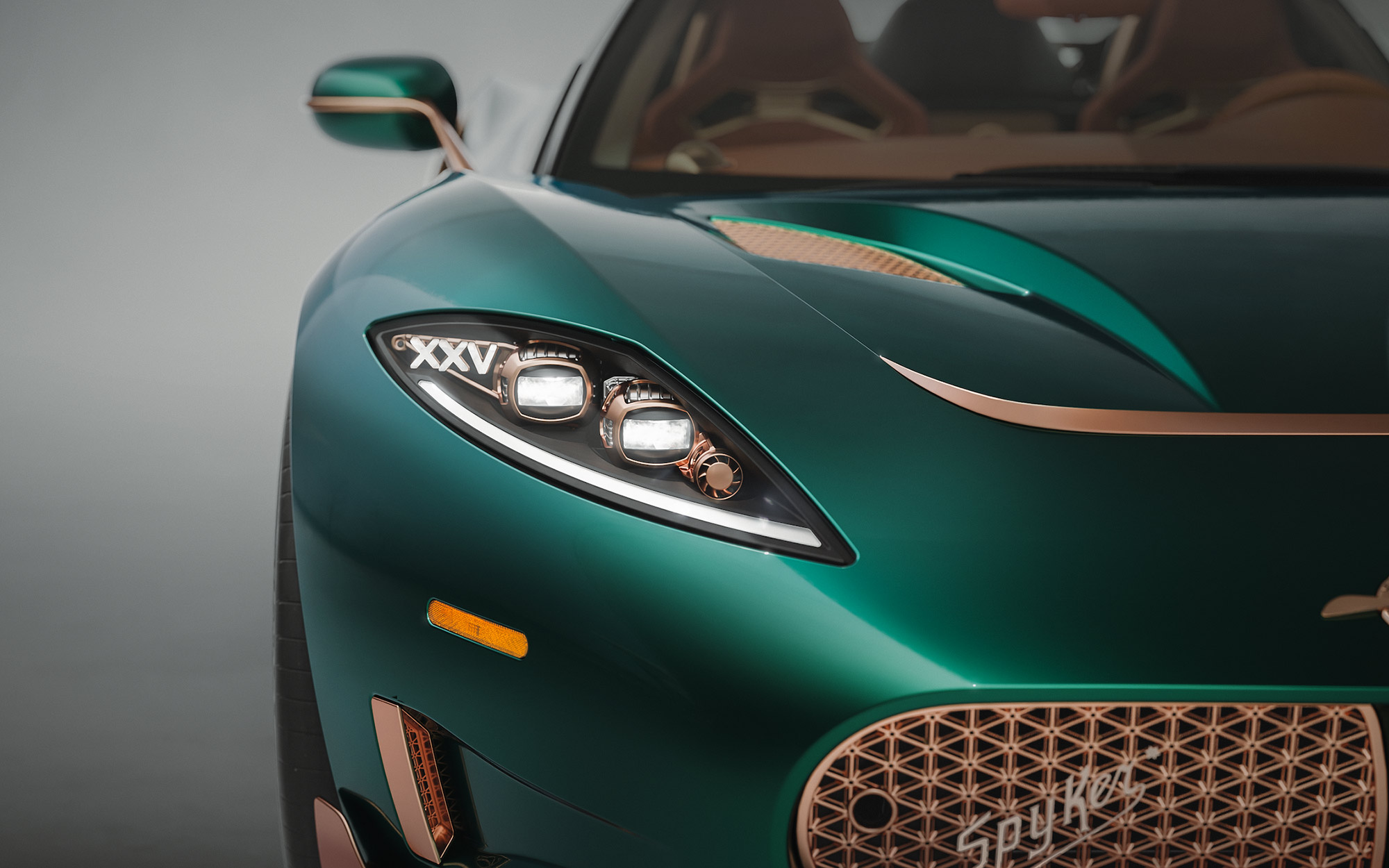
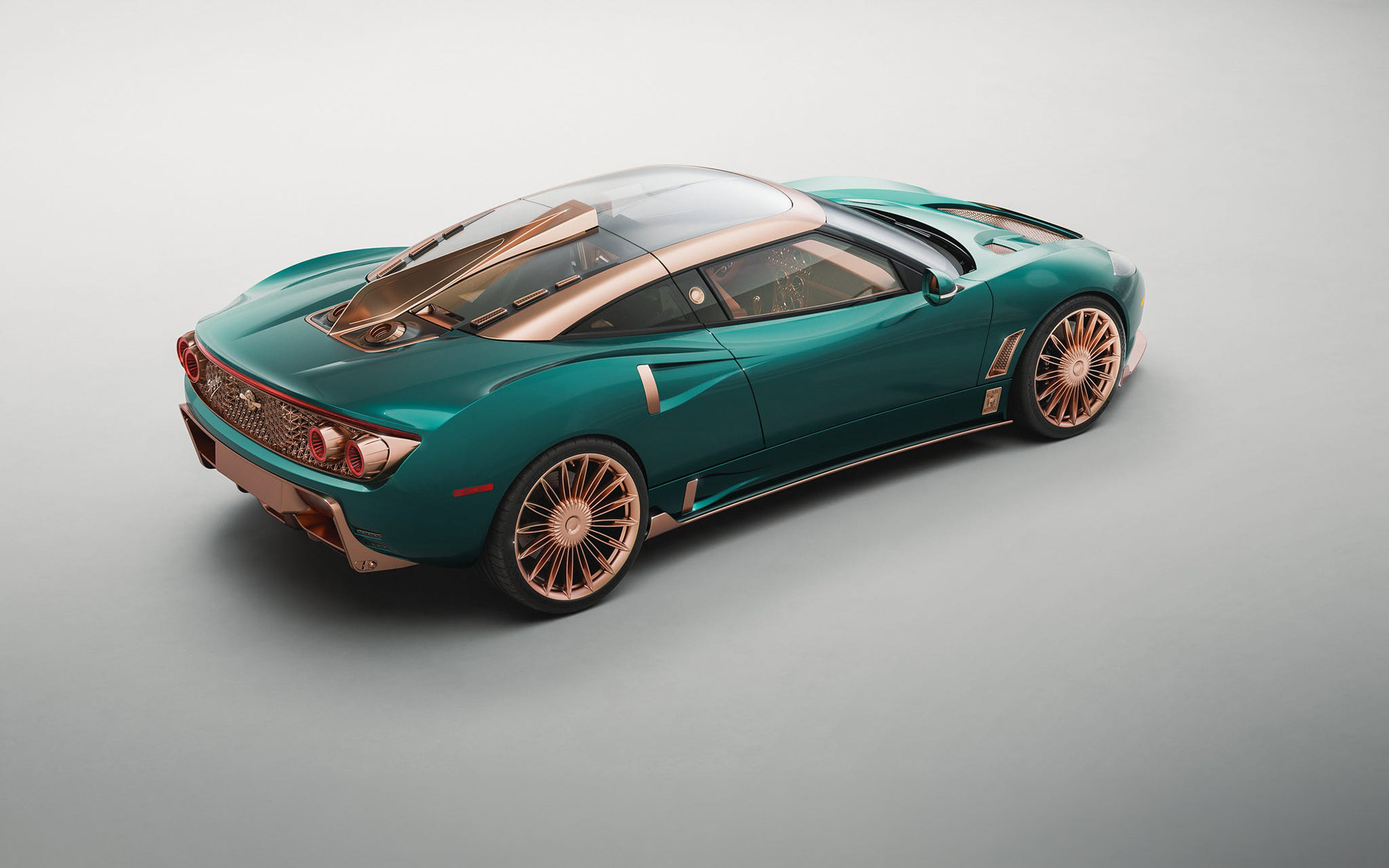
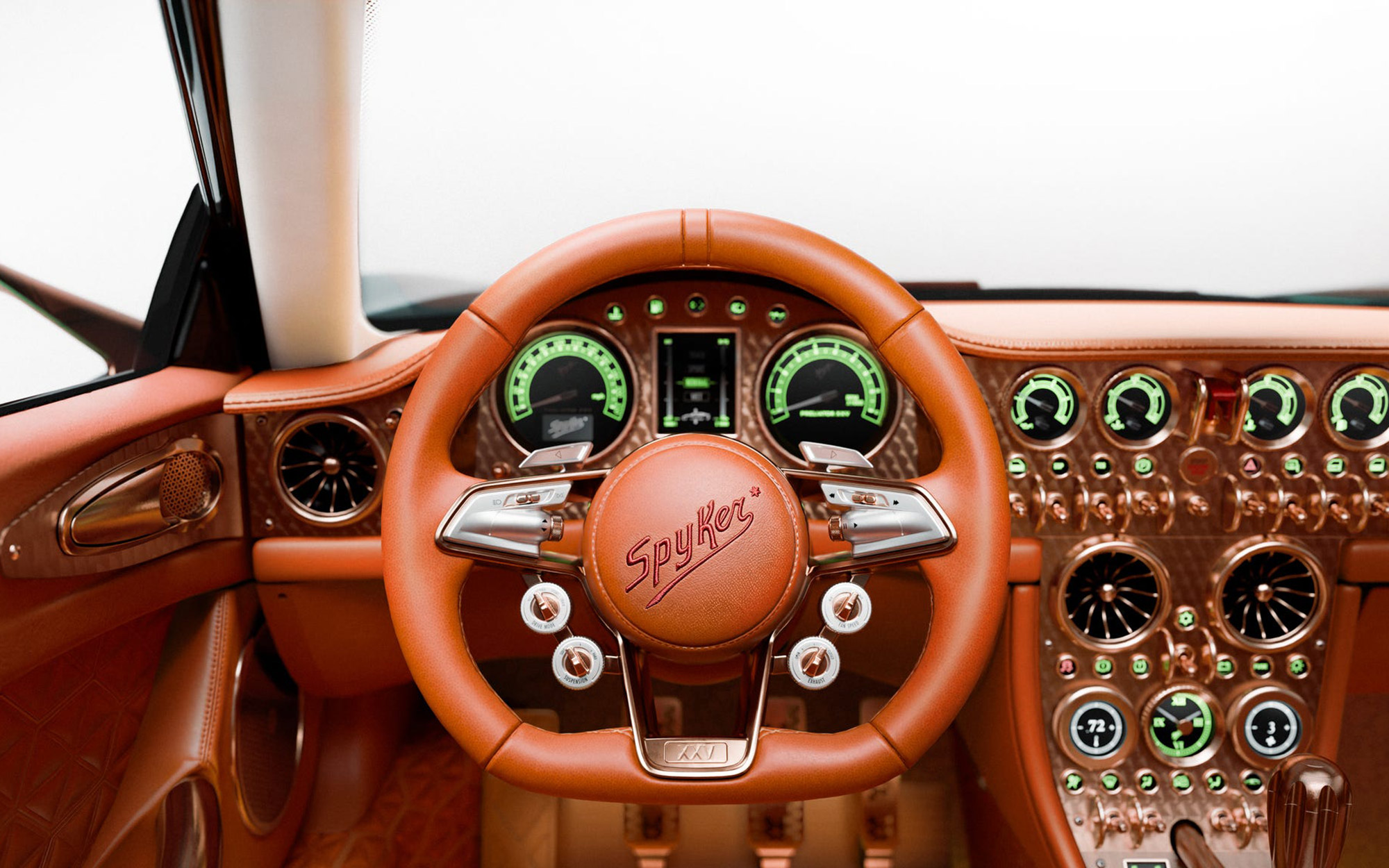
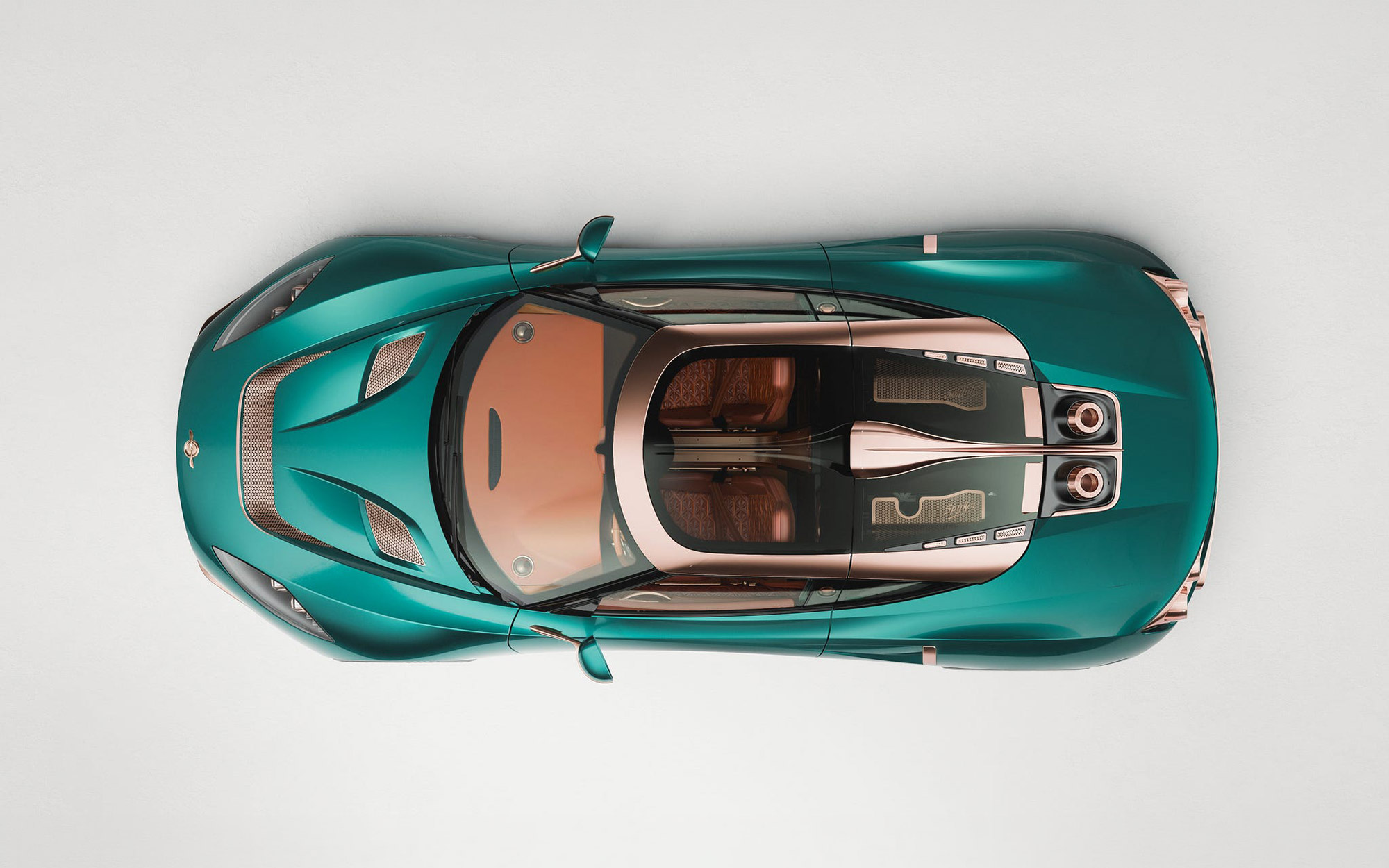
Aviation remains the dominant design theme. Spyker traces that connection to its 1914 merger with the Dutch Aircraft Factory and particularly the 1919 C1 Aerocoque. The XXV uses NACA ducts for its air intakes, headlights incorporating the XXV name, taillights shaped like fighter-jet afterburners and a prominent rear fin inspired by the Aerocoque. An aerospace-style isogrid pattern of interlocking triangles is repeated through the grilles, vents, pedals, exhaust mesh and seat upholstery.
Spyker remains committed to aluminum even as carbon fiber has become virtually ubiquitous among modern supercars. The company argues that aluminum’s ability to be shaped, worked and polished by hand gives each car a character that automated carbon-fiber production can’t replicate.
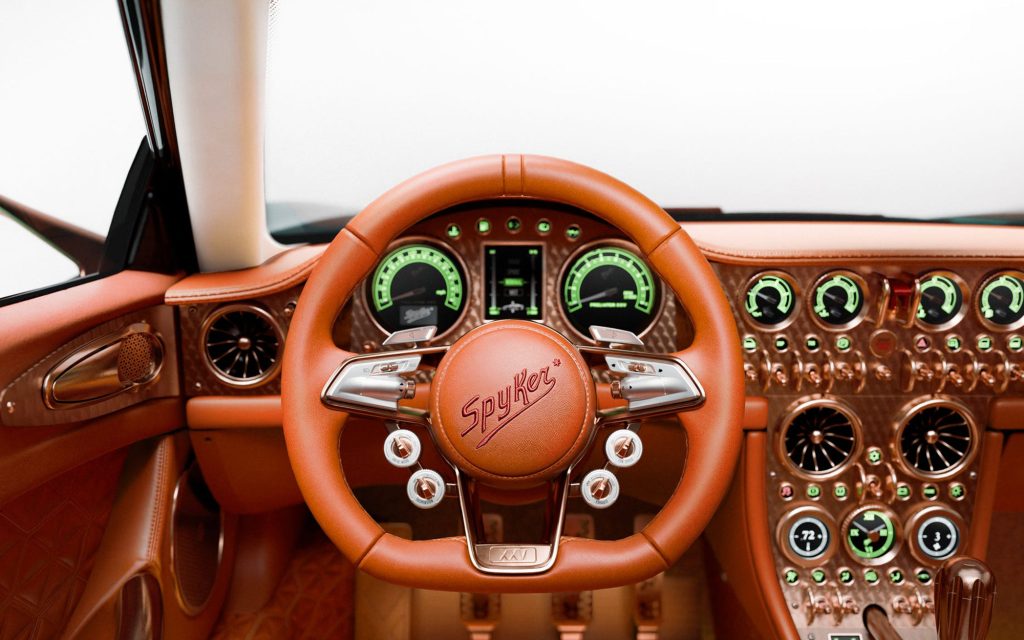
That approach isn’t quick. Spyker says approximately 2,100 hours go into building each car. The steering wheel alone requires four hours of hand stitching by a single craftsman. The dashboard uses turned aluminum, screw heads are aligned by hand and each chassis number is individually stamped into the aluminum spaceframe.
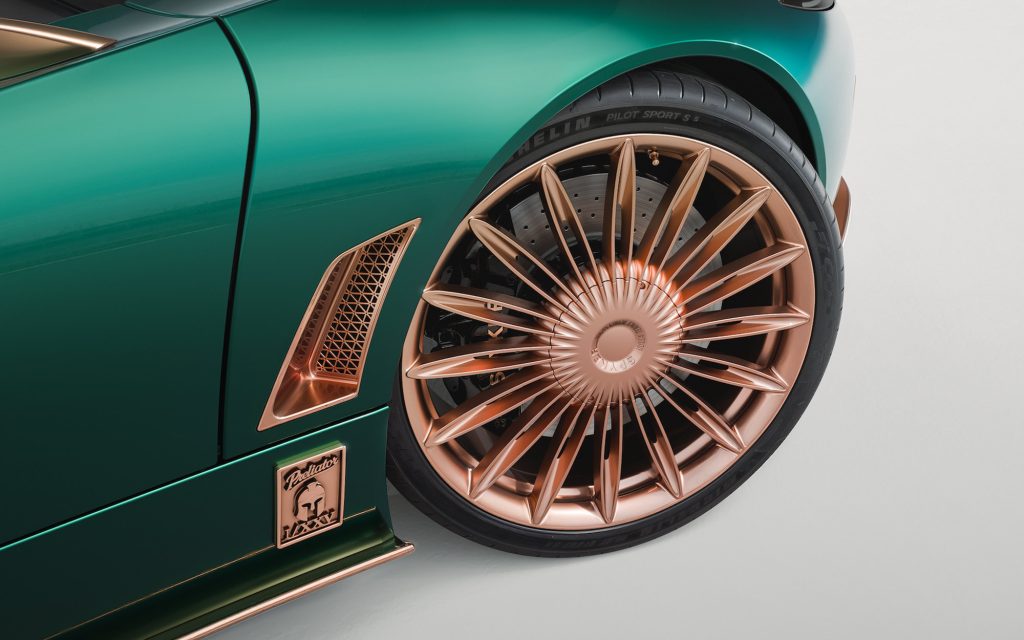
The Quail show car is chassis 270, finished in metallic Quail Green with rose-gold flakes, rose-gold brightwork and Tuscan Saddle leather. Spyker identifies it as the last of 255 cars built by the revived company since 2000.
ANALOGUE BY DESIGN
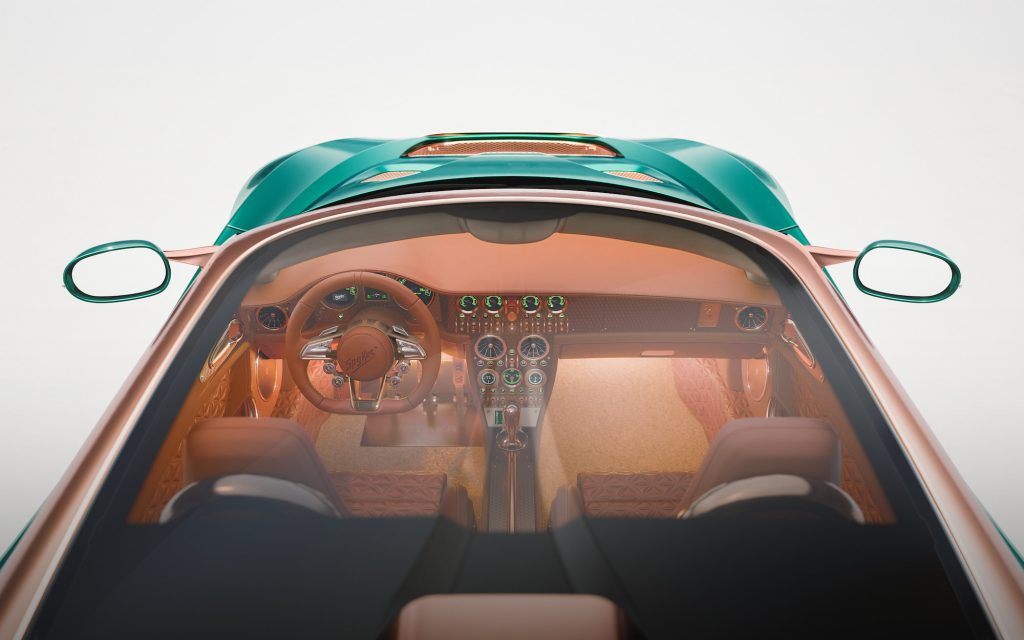
The same philosophy carries inside. Other than a head-up display, there are no screens. Controls remain analogue and tactile, while that elaborate exposed gear linkage sits prominently through the center of the cockpit.
Spyker has also rearranged the car beneath the surface. The fuel tank has moved from the sills to a trapezoidal location between the seats and engine, an arrangement derived from Spyker’s Le Mans race cars. Luggage space moves entirely to the front, while a so-called “butterfly mode” can open the bodywork at the push of a button, exposing an engine bay finished to the same standard as the rest of the car.
Production will be limited to 25 individually commissioned examples. The XXV also represents a next chapter for the Spyker brand. Its launch follows new investment from Volodymyr Nosov, now co-owner of the marque, and a strategic partnership with W Group. Spyker says future plans include development of the D8 Peking-to-Paris SSUV and ambitions to return to GT3 endurance racing.
Following its debut at The Quail on August 14, the C8 Preliator XXV Coupé moved to the Concept Car Lawn at the Pebble Beach Concours d’Elegance on August 16.
AUDI CONTEXT
After years of uncertainty surrounding Spyker’s future, its comeback car appears to bring the company full circle: an extravagant, hand-built Dutch supercar with an exposed manual shifter and, once again, a V8 from Ingolstadt.
PHOTO GALLERY